
18 DAYS / 17 NIGHTS
18 Days Kenya Safari & Beach
Explore the 18 Days Kenya Safari & Beach with a day-by-day safari plan, key wildlife experiences, destinations, accommodation ideas, travel logistics and.
- Wildlife SafariPrivate Journey
- Private Safari4x4 Vehicle
- Expert GuideEnglish Speaking
- All MealsBreakfast, Lunch, Dinner
- 24/7 SupportWe're here to help
01 Overview
Safari Overview
- Duration18 days / 17 nights
- DestinationKenya
- Starts / endsNairobi
- Safari stylePrivate safari
- AccommodationEssential · Comfort · Premium · Signature
- Best forWildlife viewing, photography
18 Days Kenya Safari & Beach
An 18 Days Kenya Safari & Beach holiday combines two of Kenya's greatest travel experiences into one carefully paced journey: an extensive wildlife safari through some of the country's most rewarding national parks, reserves and conservancies, followed by several relaxing days beside the warm waters of the Indian Ocean. Eighteen days provides enough time to avoid compromising either part of the holiday.
The safari section can be substantial, allowing you to explore several contrasting ecosystems and spend multiple nights in important wildlife destinations rather than rushing through them. Once the wildlife portion is complete, the itinerary transitions naturally to the coast, where the pace slows dramatically and several days can be dedicated to swimming, beach walks, marine activities, spa treatments and simple relaxation.
A well-designed route can include destinations such as Amboseli National Park, Ol Pejeta Conservancy, Lake Nakuru National Park, Lake Naivasha and the Masai Mara, followed by a beach stay at Diani Beach or another selected section of the Kenya coast. The contrast between these environments is one of the strongest reasons to choose this itinerary.
In Amboseli, mornings can begin with elephant herds crossing open plains, with the distant summit of Mount Kilimanjaro beyond them when the sky is clear. At Ol Pejeta, the focus can shift toward rhino conservation and broader wildlife viewing. The Great Rift Valley introduces lakes, woodland, escarpments, hippos and rich birdlife. The Masai Mara then provides several days of classic savannah safari, with opportunities to search for lions, leopards, cheetahs, elephants, buffaloes, giraffes, zebras, wildebeest and numerous other species.
After the final game drive, the experience changes completely. You leave the interior and travel toward the Indian Ocean. Safari clothes are exchanged for lighter coastal clothing. Early game-drive wake-ups disappear, and instead of scanning grasslands for predators, you can look across white sand and blue water.
This makes the 18 Days Kenya Safari & Beach especially suitable for:
- Couples
- Honeymooners
- Families
- Private groups
- First-time Kenya visitors
- Repeat safari travelers
- Wildlife photographers
- Travelers wanting both adventure and relaxation
- Guests with approximately two and a half weeks available
Accommodation can be arranged at budget, mid-range, luxury or high-end level, while transport can combine private road travel with domestic flights where this improves comfort and saves time.
18 Days Kenya Safari & Beach at a Glance
A balanced itinerary can follow:
- Day 1: Arrival in Nairobi
- Day 2: Nairobi to Amboseli National Park
- Day 3: Full-Day Amboseli Wildlife Safari
- Day 4: Second Amboseli Safari – Elephants and Kilimanjaro
- Day 5: Amboseli to Ol Pejeta Conservancy
- Day 6: Full-Day Ol Pejeta Rhino and Wildlife Safari
- Day 7: Ol Pejeta Conservation Experiences and Leisure
- Day 8: Ol Pejeta to Lake Nakuru National Park
- Day 9: Lake Nakuru Safari – Transfer to Lake Naivasha
- Day 10: Lake Naivasha Boat Safari and Great Rift Valley
- Day 11: Lake Naivasha to Masai Mara
- Day 12: Full-Day Masai Mara Safari
- Day 13: Second Full Day in the Masai Mara
- Day 14: Third Masai Mara Safari and Optional Balloon Experience
- Day 15: Masai Mara to Kenya Coast
- Day 16: Full Day at the Beach
- Day 17: Kenya Coast – Relaxation and Optional Marine Activities
- Day 18: Beach to Airport – Departure
The exact order and number of nights can be customized according to your priorities. Travelers wanting more beach time can shorten one inland section, while wildlife-focused travelers can retain more nights in the Masai Mara and use the coast primarily as a relaxing conclusion.
Why Choose an 18 Days Kenya Safari & Beach Holiday?
An eighteen-day itinerary works particularly well because it creates a genuine two-part journey. The first part is active and wildlife-focused. The second part is slow and restorative.
Enough Time for a Serious Safari
This is not a beach holiday with a short safari excursion attached. The inland portion can cover several of Kenya's most important wildlife regions. You have enough time to spend multiple nights in places such as Amboseli and the Masai Mara, where repeated game drives significantly improve the depth of the experience.
Wildlife cannot be scheduled. One morning may produce a spectacular lion sighting, while another may be dominated by elephants. A leopard may remain hidden for several days before suddenly appearing near a river, so more time gives you more opportunities.
Enough Time for a Real Beach Stay
The same principle applies to the coast. One night at the beach is simply a stopover. Several nights create an actual beach holiday. You can unpack properly, slow down and enjoy the coast without immediately preparing for another transfer.
After a long safari, this becomes extremely valuable. Safari is exciting, but it can also be physically demanding. Many days involve:
- Early wake-ups
- Long game drives
- Dust
- Variable temperatures
- Long road transfers
- Continuous concentration
- Frequent packing and unpacking
The beach section provides a natural recovery period.
Kenya's Wildlife and Coast in One Trip
Kenya is especially well suited to safari-and-beach combinations because the country contains both world-renowned wildlife areas and a long Indian Ocean coastline. This avoids the need to organize a completely separate international destination after safari, although regional extensions can still be added if desired.
The coast can include destinations such as:
- Diani Beach
- Watamu
- Mombasa Coast
- Other selected beach areas depending on logistics and accommodation preference
Itinerary
- Day 1:Arrival in Nairobi, welcome to Kenya
- Day 2:Nairobi to Amboseli
- Day 3:Amboseli Wildlife Safari
- Day 4:Second Amboseli Safari, elephants and Kilimanjaro
- Day 5:Amboseli to Ol Pejeta
- Day 6:Ol Pejeta Rhino and Wildlife Safari
- Day 7:Ol Pejeta Conservation Experiences and Leisure
- Day 8:Ol Pejeta to Lake Nakuru
- Day 9:Lake Nakuru Safari – Lake Naivasha
- Day 10:Lake Naivasha Boat Safari and Great Rift Valley
- Day 11:Lake Naivasha to Masai Mara
- Day 12:Masai Mara Safari
- Day 13:Second Full Day in the Masai Mara
- Day 14:Third Masai Mara Safari and Optional Balloon Experience
- Day 15:Masai Mara to Kenya Coast
- Day 16:at the Beach
- Day 17:Kenya Coast, relaxation and Optional Marine Activities
- Day 18:Beach to Airport, departure
02 Itinerary
18 Days Kenya Safari & Beach: Detailed Itinerary

Day 1: Arrival in Nairobi – Welcome to Kenya - Main destination
- Masai Mara National Reserve
- Drive time
- Road transfer as outlined in the itinerary
- Meals
- Lunch, Dinner
Your 18 Days Kenya Safari & Beach begins when your international flight lands at Jomo Kenyatta International Airport in Nairobi.
After completing immigration formalities and collecting your luggage, proceed into the arrivals area where your representative will meet you.
You will then be transferred privately to your Nairobi hotel.
The first day is intentionally kept relaxed.
After a long international journey, there is little benefit in immediately beginning a major safari transfer unless flight schedules make it necessary.
Check into your hotel and settle into your room.
Depending on arrival time, you may have lunch, dinner or simply rest.
Travelers arriving earlier in the day can add selected Nairobi activities, although these should remain optional.
Later, meet your representative for a safari briefing.
The discussion can cover:
- Safari route
- Expected transfer times
- Game-drive schedule
- Accommodation
- Meals
- National park procedures
- Photography
- Drinking water
- Weather
- Clothing
- Coastal transfer arrangements
- Domestic flights
- Baggage limits
- Optional activities
This is also an excellent time to discuss any special interests.
Wildlife photographers can explain their priorities.
Families can discuss children's meal and room arrangements.
Honeymooners can confirm private dinners, special room setups or romantic activities.
Destination: Nairobi
Main experience: Arrival, private transfer and safari briefing
Accommodation: Nairobi hotel
Meals: According to arrival time and selected package
Where you stay
- Essential (Budget)
- Comfort (Mid-range)
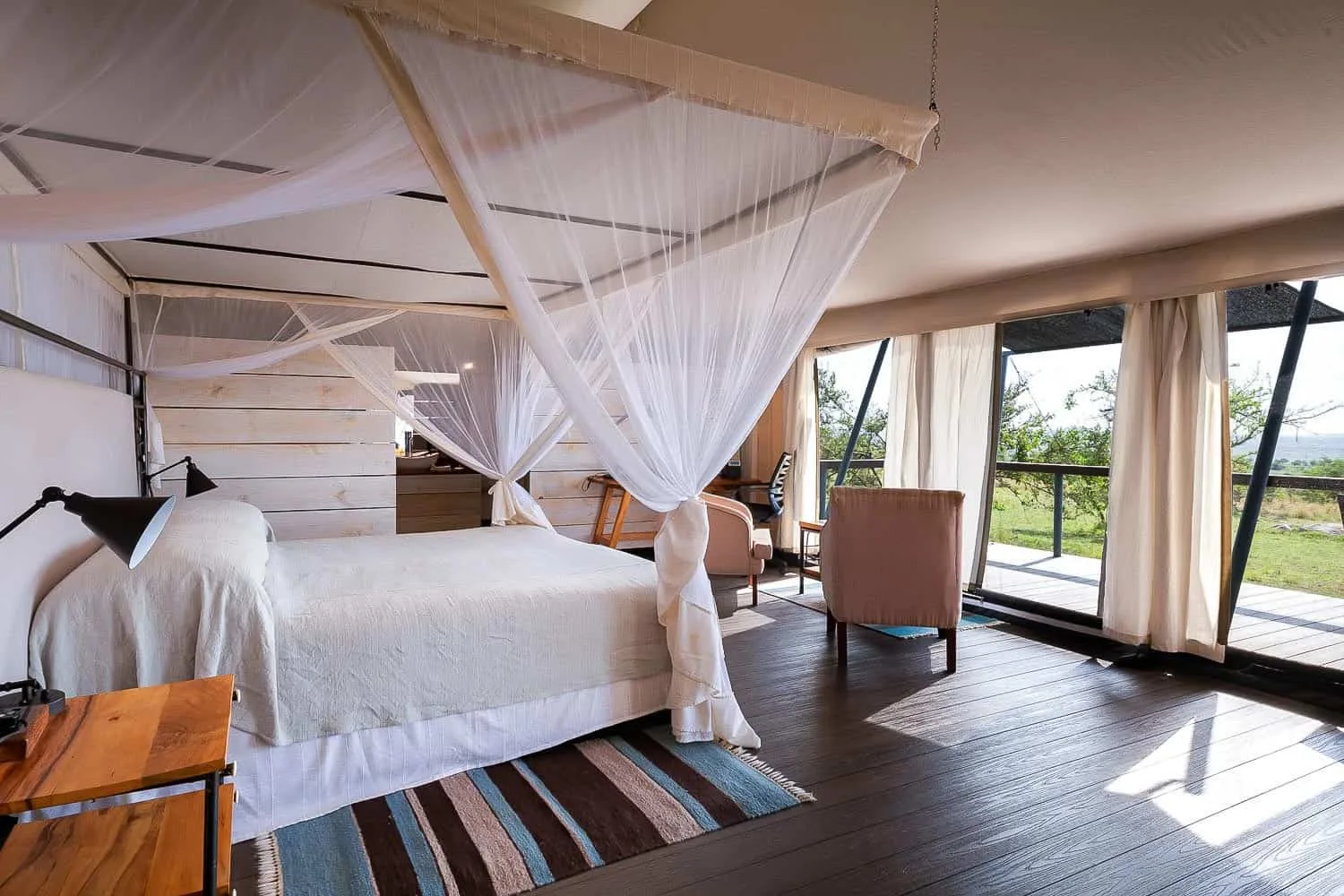
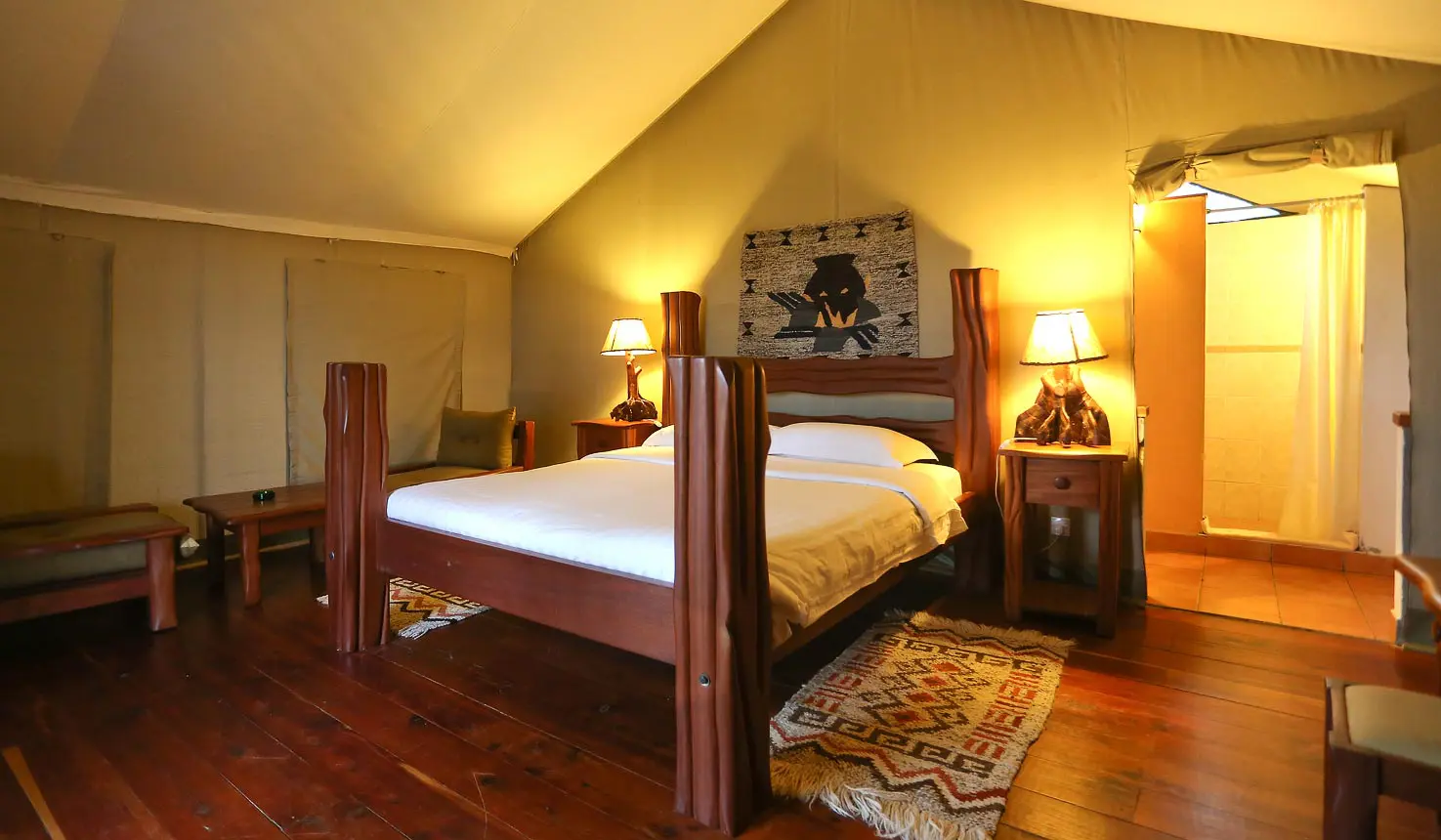
- Premium (Luxury)
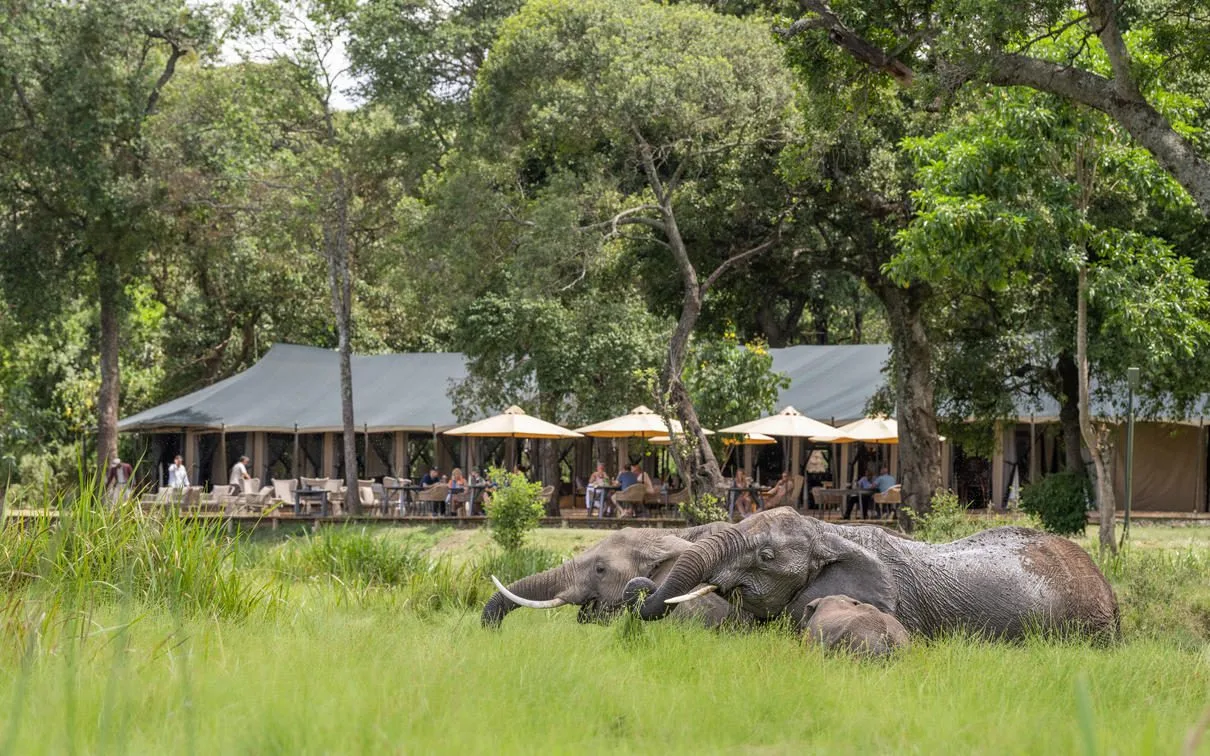
- Signature (High-end)
Day 2: Nairobi to Amboseli National Park - Main destination
- Masai Mara National Reserve
- Meals
- Breakfast, Lunch, Dinner
After breakfast, meet your professional safari driver-guide and depart Nairobi for Amboseli National Park.
The drive introduces the landscapes of southern Kenya.
As you leave the city, the urban environment gradually disappears and the countryside becomes increasingly open.
When weather conditions are favorable, the distant outline of Mount Kilimanjaro eventually becomes visible.
Although the mountain lies across the international border in Tanzania, it dominates the southern horizon and forms the iconic backdrop associated with Amboseli.
Arrive at your lodge or tented camp and check in.
Depending on timing, have lunch before beginning your first afternoon game drive.
Amboseli is particularly famous for elephants.
Large family groups may move across open plains, enter wetlands or gather around water.
Mature bulls can also be encountered.
Other possible wildlife includes: African buffalo, Giraffe, Plains zebra, Wildebeest, Hippopotamus, Warthog, Gazelles, Spotted hyena, Lion, Cheetah.
The park's open environment can make wildlife relatively easy to observe.
As the afternoon progresses, temperatures begin dropping and animal activity may increase.
Return to your lodge toward sunset.
Enjoy dinner and your first night in Kenya's safari country.
Destination: Amboseli National Park
Main experiences: Scenic transfer and first game drive
Accommodation: Safari lodge or tented camp
Meals: Breakfast, lunch and dinner
Where you stay
Day 3: Full-Day Amboseli Wildlife Safari - Main destination
- Masai Mara National Reserve
- Meals
- Breakfast, Lunch, Dinner
Wake before sunrise and prepare for your first complete wildlife day.
Amboseli mornings can be particularly beautiful.
Mount Kilimanjaro is often more visible in the early hours before clouds develop around the mountain.
Your guide will search for elephant herds positioned in open areas.
A family moving across the plains with Kilimanjaro in the background can become one of the most memorable scenes of the entire safari.
However, the experience should not be reduced to photography alone.
Spend time observing elephant behavior.
You may see:
- Mothers protecting young calves
- Juveniles playing
- Elephants dust bathing
- Herds drinking
- Adults communicating
- Bulls moving separately
- Family groups entering wetlands
The park's wetlands are especially important.
Despite the dry appearance of the surrounding landscape, underground water associated with the broader Kilimanjaro ecosystem helps maintain marshes.
These areas support elephants, buffaloes, hippos and numerous birds.
Continue exploring during the morning.
Depending on the chosen program, return to your lodge for breakfast or remain out for a longer drive.
The warmer middle part of the day can be spent at the lodge.
Have lunch.
Use the swimming pool if available.
Rest.
Later, return for an afternoon safari.
Search for lions, cheetahs and hyenas as temperatures become cooler.
The late light can be excellent for photography.
Return for dinner.
Where you stay
Day 4: Second Amboseli Safari – Elephants and Kilimanjaro - Main destination
- Masai Mara National Reserve
- Meals
- Breakfast, Lunch, Dinner
A second complete day in Amboseli allows you to experience the park without pressure.
Weather changes.
Wildlife moves.
Yesterday's cloudy morning may be followed by a clear view of Kilimanjaro.
Elephants may use different parts of the ecosystem.
Predators may become active in areas that were quiet the previous day.
Begin with another early drive.
If photography is important, this second morning is particularly valuable.
Your guide can revisit areas where elephant herds were active.
Spend time at wetlands and open plains.
Birdwatching can also be excellent.
Possible birds include: Secretary birds, Bustards, Pelicans, Herons, Egrets, Storks, Kingfishers, Eagles, Lapwings, Waterfowl.
Return to the lodge for a relaxed midday period.
The final afternoon game drive can concentrate on any wildlife you have not yet seen.
If your accommodation offers a suitable sundowner experience in accordance with local rules, this can be incorporated.
Return to the lodge for dinner and your final night in Amboseli.
Where you stay
Day 5: Amboseli to Ol Pejeta Conservancy - Main destination
- Masai Mara National Reserve
- Meals
- Breakfast, Lunch, Dinner
After an early breakfast, leave Amboseli and travel toward Ol Pejeta Conservancy.
This is one of the longer transfer sectors of the itinerary.
Travelers prioritizing comfort can also discuss flight-based alternatives where practical.
The journey takes you through changing Kenyan landscapes as the dry southern environment gives way to central highlands and conservation country.
Eventually, arrive at Ol Pejeta.
Check into your lodge or tented camp.
Depending on arrival time, take a short afternoon game drive.
Ol Pejeta is internationally known for wildlife conservation and especially for rhino protection.
Both black and white rhinos can be encountered within protected landscapes.
However, the conservancy is far more than a rhino destination.
Other wildlife may include: Elephants, Lions, Buffaloes, Giraffes, Zebras, Hyenas, Jackals, Warthogs, Antelopes.
Your guide can begin explaining the relationship between conservation, tourism and habitat management.
Return to your accommodation for dinner.
Destination: Ol Pejeta Conservancy
Main experiences: Long scenic transfer, conservation and introductory wildlife drive
Accommodation: Conservancy lodge or tented camp
Meals: Breakfast, lunch and dinner
Where you stay
Day 6: Full-Day Ol Pejeta Rhino and Wildlife Safari - Main destination
- Masai Mara National Reserve
- Meals
- Breakfast, Lunch, Dinner
Wake early for a full day within Ol Pejeta.
Rhino viewing is likely to be a major focus.
The conservancy plays an important role in protecting these threatened animals.
Your guide can explain the differences between the two African rhino species.
White Rhino
White rhinos have broad mouths adapted primarily for grazing.
They often spend long periods feeding in open grassland.
Black Rhino
Black rhinos are browsers and possess a more pointed upper lip that helps them feed on shrubs and woody vegetation.
They may use thicker habitats.
Beyond the visual experience, rhino encounters create an opportunity to understand modern conservation.
Protecting rhinos can require:
- Anti-poaching patrols
- Monitoring
- Veterinary care
- Habitat management
- Research
- Community engagement
- Sustainable tourism revenue
Continue exploring the conservancy for other wildlife.
Elephants may move across open areas.
Lions and hyenas may be encountered.
Buffaloes, giraffes and zebras can provide consistent wildlife viewing.
Return to the lodge around midday for lunch and rest.
Later, take another safari.
Depending on the property and operating rules, additional conservancy activities may be available.
Return for dinner.
Where you stay
Day 7: Ol Pejeta Conservation Experiences and Leisure - Main destination
- Masai Mara National Reserve
- Meals
- Breakfast, Lunch, Dinner
Today provides a more flexible schedule.
A long safari is more enjoyable when every day is not filled from sunrise to sunset.
Begin with a morning wildlife drive or another permitted conservancy activity.
Where available, a guided nature walk can provide a completely different perspective.
On foot, the emphasis shifts away from large mammals.
Your guide may discuss:
- Animal tracks
- Dung
- Feeding signs
- Plants
- Bird calls
- Insects
- Territorial markings
- Wildlife pathways
The morning may also include a bush breakfast where offered by the selected lodge.
Return to your accommodation afterward.
Spend the middle of the day resting.
Use the swimming pool if available.
Have lunch.
Enjoy the view.
Take another game drive later in the afternoon if desired.
This slower day helps prepare you for the Great Rift Valley section of the journey.
Where you stay
Day 8: Ol Pejeta to Lake Nakuru National Park - Main destination
- Masai Mara National Reserve
- Meals
- Breakfast, Lunch, Dinner
After breakfast, leave Ol Pejeta and continue toward the Great Rift Valley.
Today's destination is Lake Nakuru National Park.
The Rift Valley is one of East Africa's great geographical features.
As you approach the lake region, landscapes change again.
Lake Nakuru National Park combines several habitats within a relatively compact area, including:
- Lake
- Woodland
- Grassland
- Rocky slopes
- Wetland
- Acacia vegetation
The park historically became famous for large flamingo concentrations.
Flamingos may still be seen, but numbers vary with ecological conditions and should never be assumed.
Lake Nakuru is also important for rhino conservation.
Both black and white rhinos may occur.
Other possible wildlife includes: Buffaloes, Giraffes, Zebras, Waterbucks, Baboons, Warthogs, Lions, Leopards, Antelopes.
Take a wildlife drive through the park.
Scenic viewpoints can also be included depending on timing and road conditions.
Continue to your accommodation in the evening.
Destination: Lake Nakuru National Park
Main experiences: Rift Valley scenery, rhinos, general wildlife and birding
Accommodation: Safari lodge or camp
Meals: Breakfast, lunch and dinner
Where you stay
Day 9: Lake Nakuru Safari – Transfer to Lake Naivasha - Main destination
- Masai Mara National Reserve
- Meals
- Breakfast, Lunch, Dinner
Wake early and return to Lake Nakuru National Park for another wildlife drive.
The morning provides an additional opportunity to search for rhinos and predators.
Buffaloes can be common.
Giraffes move through wooded sections.
Baboons and other primates may also be encountered.
Birdwatching can be excellent around both woodland and lakeshore habitats.
After the morning safari, return for breakfast and continue toward Lake Naivasha.
The transfer is relatively short compared with the longer journeys earlier in the itinerary.
Arrive at your lakeside lodge and check in.
Have lunch and spend time relaxing.
Lake Naivasha provides a significant change in atmosphere.
This is a freshwater ecosystem where the primary wildlife activity takes place on the water rather than through conventional game driving.
A short afternoon walk around the lodge grounds can provide birdwatching opportunities.
Always follow staff instructions near the lakeshore because hippos can leave the water after dark.
Destination: Lake Naivasha
Main experiences: Morning Lake Nakuru safari and transfer to Lake Naivasha
Accommodation: Lakeside lodge
Meals: Breakfast, lunch and dinner
Where you stay
Day 10: Lake Naivasha Boat Safari and Great Rift Valley - Main destination
- Masai Mara National Reserve
- Meals
- Breakfast, Lunch, Dinner
After breakfast, board a boat for a Lake Naivasha safari.
This activity introduces another completely different way of observing wildlife.
Hippos are among the lake's principal large mammals.
They spend much of the daylight period partly submerged.
Your boat operator will maintain an appropriate viewing distance.
Birdlife is exceptionally rewarding.
Possible sightings include: African fish eagles, Pied kingfishers, Malachite kingfishers, Cormorants, Pelicans, Herons, Egrets, Ducks, Geese, Waders.
Moving quietly across the water gives photographers excellent opportunities for low-angle bird images and reflections.
Depending on your customized itinerary, the boat safari can be combined with Crescent Island or another suitable walking activity.
Active travelers may also wish to visit Hell's Gate National Park, where walking or cycling may be possible in designated areas subject to current regulations and safety conditions.
Alternatively, return to the lodge and enjoy a restful afternoon.
The quieter day is strategically useful before the wildlife-intensive Masai Mara section.
Where you stay
Day 11: Lake Naivasha to Masai Mara - Main destination
- Masai Mara National Reserve
- Meals
- Breakfast, Lunch, Dinner
After breakfast, leave Lake Naivasha and begin the journey toward the Masai Mara.
The road passes through changing highland and Rift Valley landscapes before entering increasingly open grasslands.
The Masai Mara is one of Africa's most famous wildlife regions and serves as the safari climax of this itinerary.
Arrive at your lodge or tented camp.
Depending on arrival time, have lunch and rest before an afternoon safari.
The Mara supports exceptional wildlife diversity.
Possible sightings include: Lions, Leopards, Cheetahs, Spotted hyenas, Elephants, Buffaloes, Giraffes, Wildebeest, Zebras, Elands, Topis, Impalas, Gazelles.
The open plains make wildlife relatively visible, while riverine woodland provides cover for species such as leopards.
Your guide will begin searching for predator activity.
Return to your accommodation toward sunset.
Destination: Masai Mara
Main experiences: Transfer and introductory Mara wildlife safari
Accommodation: Safari lodge or tented camp
Meals: Breakfast, lunch and dinner
Where you stay
Day 12: Full-Day Masai Mara Safari - Main destination
- Masai Mara National Reserve
- Meals
- Breakfast, Lunch, Dinner
Wake before sunrise for your first complete Mara safari.
The early morning provides excellent opportunities to observe predators.
Lions may still be active after the night.
Cheetahs may begin scanning the plains.
Leopards can sometimes remain visible before retreating into thicker vegetation.
Your guide will use local knowledge, tracks, alarm calls and recent sightings to plan the route.
Lion Encounters
The Masai Mara supports multiple lion prides.
A pride may include adult females, cubs, sub-adults and males.
Rather than simply photographing the animals, spend time observing social interactions.
You may see:
- Grooming
- Cubs playing
- Feeding
- Pride greetings
- Territorial behavior
- Hunting preparation
Cheetahs
The open grassland environment provides excellent habitat for cheetahs.
They often use small rises or termite mounds to scan for prey.
Leopards
Leopards are more secretive.
They often use riverine woodland and mature trees.
A leopard encounter can become one of the most rewarding moments of the safari.
The Mara also supports huge populations of herbivores.
These animals are not merely secondary to predators; they are central to the ecosystem.
Continue exploring through the day.
You may return to camp during the midday period or remain out with a picnic lunch depending on the chosen program.
Return to camp toward evening.
Where you stay
Day 13: Second Full Day in the Masai Mara - Main destination
- Masai Mara National Reserve
- Meals
- Breakfast, Lunch, Dinner
A second complete day allows you to explore a different section of the Mara.
Wildlife movements change continuously.
A lion pride may move several kilometers overnight.
Elephants may appear where they were absent yesterday.
A cheetah may begin hunting.
A leopard may emerge along a river.
Start early and allow the guide to follow the day's wildlife opportunities.
Large herbivore populations can include: Wildebeest, Plains zebras, Buffaloes, Giraffes, Elands, Topis, Impalas, Gazelles, Warthogs.
Hippos and crocodiles inhabit river systems.
Spotted hyenas are also widespread and play a major ecological role.
They are highly efficient hunters as well as scavengers.
Birdwatching can be excellent throughout the day.
Look for: Vultures, Eagles, Secretary birds, Bustards, Ground hornbills, Rollers, Bee-eaters, Storks.
Return to camp for another evening in the wilderness.
Where you stay
Day 14: Third Masai Mara Safari and Optional Balloon Experience - Main destination
- Masai Mara National Reserve
- Meals
- Breakfast, Lunch, Dinner
Your final full Mara day provides maximum flexibility.
By now, your guide understands what wildlife you have enjoyed most.
Perhaps you want another attempt to see a leopard.
Maybe cheetahs have become your main interest.
Photographers may want to revisit productive areas.
During migration season, large herds may influence the day's route.
Great Wildebeest Migration
The Great Wildebeest Migration involves enormous numbers of wildebeest and zebras moving continuously through the wider Serengeti-Mara ecosystem.
Large concentrations are broadly associated with the Masai Mara during approximately July through October.
However, exact timing varies annually.
Rainfall, fresh grazing and water determine movement.
Mara River Crossings
River crossings are famous but unpredictable.
Wildebeest may gather near the river for hours before crossing.
They may suddenly turn away.
They may choose another crossing location.
No safari guide can guarantee a crossing.
The advantage of several Mara nights is that you have more flexibility if herds are in the region.
Optional Hot-Air Balloon Safari
A Masai Mara hot-air balloon safari can be added this morning.
Wake before dawn and transfer to the launch site.
After a safety briefing, climb into the basket.
As the balloon rises, daylight spreads across the grasslands.
From above, you can appreciate:
- Herds
- Rivers
- Wildlife trails
- Acacia trees
- Grasslands
- Distant hills
The flight usually lasts approximately an hour depending on wind and operating conditions.
A breakfast experience normally follows.
Advance reservations are advisable.
Spend the afternoon on one final game drive.
Return for your last safari dinner.
Tomorrow, the rhythm of the journey changes completely.
Where you stay
Day 15: Masai Mara to Kenya Coast - Main destination
- Masai Mara National Reserve
- Meals
- Breakfast, Lunch, Dinner
Wake for your final morning in the African savannah.
Depending on flight schedules, there may be time for a short game drive.
Alternatively, enjoy breakfast and prepare for departure.
Transfer to the airstrip or begin the road journey according to your itinerary.
For an 18 Days Kenya Safari & Beach, flying toward the coast is generally the most comfortable option.
A long road transfer from the Masai Mara to the coast would consume valuable holiday time.
Flight arrangements depend on:
- Travel dates
- Selected Mara accommodation
- Domestic airline schedules
- Coastal destination
- Baggage requirements
Some itineraries may involve direct or connecting services.
Upon arrival at the appropriate coastal airport, meet your transfer driver and continue to your beach hotel or resort.
The environmental change is dramatic.
Within a single travel day, you can move from savannah wildlife to:
- White sand
- Palm trees
- Tropical vegetation
- Ocean air
- Indian Ocean views
Check into your room.
The rest of the day is free.
There are no game drives and no wildlife-searching schedule.
Enjoy dinner and relax.
Destination: Kenya Coast
Main experience: Safari-to-beach transition
Accommodation: Beach resort, boutique hotel or villa
Meals: According to selected coastal meal plan
Where you stay
Day 16: Full Day at the Beach - Main destination
- Masai Mara National Reserve
- Meals
- Breakfast, Lunch, Dinner
Today is intentionally simple.
Sleep later.
Have breakfast without checking a game-drive departure time.
Spend the morning beside the Indian Ocean.
Depending on your chosen coastal property, you can enjoy:
- Beach access
- Swimming pool
- Spa
- Restaurants
- Bars
- Gardens
- Water sports
- Fitness facilities
- Lounges
The main goal is relaxation.
You have spent nearly two weeks waking early, traveling and searching for wildlife.
The beach provides the opportunity to do very little.
Walk along the shoreline.
Swim.
Read.
Have lunch slowly.
Sleep in the afternoon.
Enjoy a drink with an ocean view.
The day can remain completely unstructured.
Where you stay
Day 17: Kenya Coast – Relaxation and Optional Marine Activities - Main destination
- Masai Mara National Reserve
- Meals
- Breakfast, Lunch, Dinner
Your second full coastal day can either remain relaxed or include a marine excursion.
Possible activities depend on your exact location, current conditions and the operator selected.
Options may include:
- Snorkeling
- Scuba diving
- Boat excursions
- Marine park visits
- Fishing
- Paddle activities
- Kite surfing
- Other water sports
Travelers interested in snorkeling or diving should use reputable operators who follow safety and marine-conservation practices.
Coral environments are fragile.
Do not:
- Stand on coral
- Break coral
- Remove marine animals
- Feed marine wildlife unnecessarily
- Leave plastic or other waste
If you prefer not to participate in an excursion, enjoy another full day at your resort.
Couples may arrange a spa treatment or private dinner.
Families can spend the day at the pool and beach.
Photographers may enjoy sunrise or sunset coastal photography.
Enjoy your final evening in Kenya.
Where you stay
Day 18: Beach to Airport – Departure - Main destination
- Masai Mara National Reserve
- Drive time
- Return transfer as outlined in the itinerary
- Meals
- Breakfast, Lunch
Wake for your final morning on the Kenya coast.
Depending on departure time, enjoy breakfast and perhaps one final walk beside the ocean.
Check out of your hotel and transfer to the appropriate airport.
Your international routing may involve a domestic flight to Nairobi before connecting with your onward flight.
The itinerary should be planned with sufficient connection time between domestic and international services.
Your 18 Days Kenya Safari & Beach concludes after combining a substantial wildlife safari with several relaxing days beside the Indian Ocean.
Safari Highlights of the 18 Days Kenya Safari & Beach
The inland route provides opportunities to experience several different ecosystems.
Amboseli National Park
Best known for:
- Elephants
- Kilimanjaro views
- Wetlands
- Open plains
- Savannah birdlife
Ol Pejeta Conservancy
Best known for:
- Rhinos
- Conservation
- General wildlife
- Conservancy experiences
Lake Nakuru National Park
Best known for:
- Rhinos
- Giraffes
- Buffaloes
- Birdlife
- Rift Valley scenery
Lake Naivasha
Best known for:
- Hippos
- Fish eagles
- Kingfishers
- Boat safaris
- Freshwater scenery
Masai Mara
Best known for: Lions, Leopards, Cheetahs, Elephants, Buffaloes, Wildebeest, Zebras, Great Migration in suitable months.
Kenya Coast
Best known for:
- Beaches
- Indian Ocean
- Swimming
- Snorkeling
- Diving
- Spa treatments
- Relaxation
Where you stay
03 Rates
Safari rates 2027-2029
Indicative per person. Season, group size and lodge style change the total — your quotation confirms current rates.
- Essential (Budget)
Essential (Budget)
Budget camps and lodges suit travelers who prioritize wildlife while keeping costs lower.
Great value camps
- Comfort (Mid-range)
Comfort (Mid-range)
Mid-range tented camps and lodges balance comfort and price with private rooms or tents and en-suite facilities.
Quoted for your dates
- Premium (Luxury)
Premium (Luxury)
Luxury camps and lodges focus on location, service and more intimate wildlife experiences.
Premium camps and lodges
- Signature (High-end)
Signature (High-end)
Signature camps and lodges are the most exclusive stays — small, highly private properties with exceptional guiding and setting.
Exclusive signature stays
04 Activities
Safari activities
Game viewing is the core of this itinerary. Optional extras are quoted separately and depend on season, permits and availability. Individual species and river crossings are never guaranteed.
Included
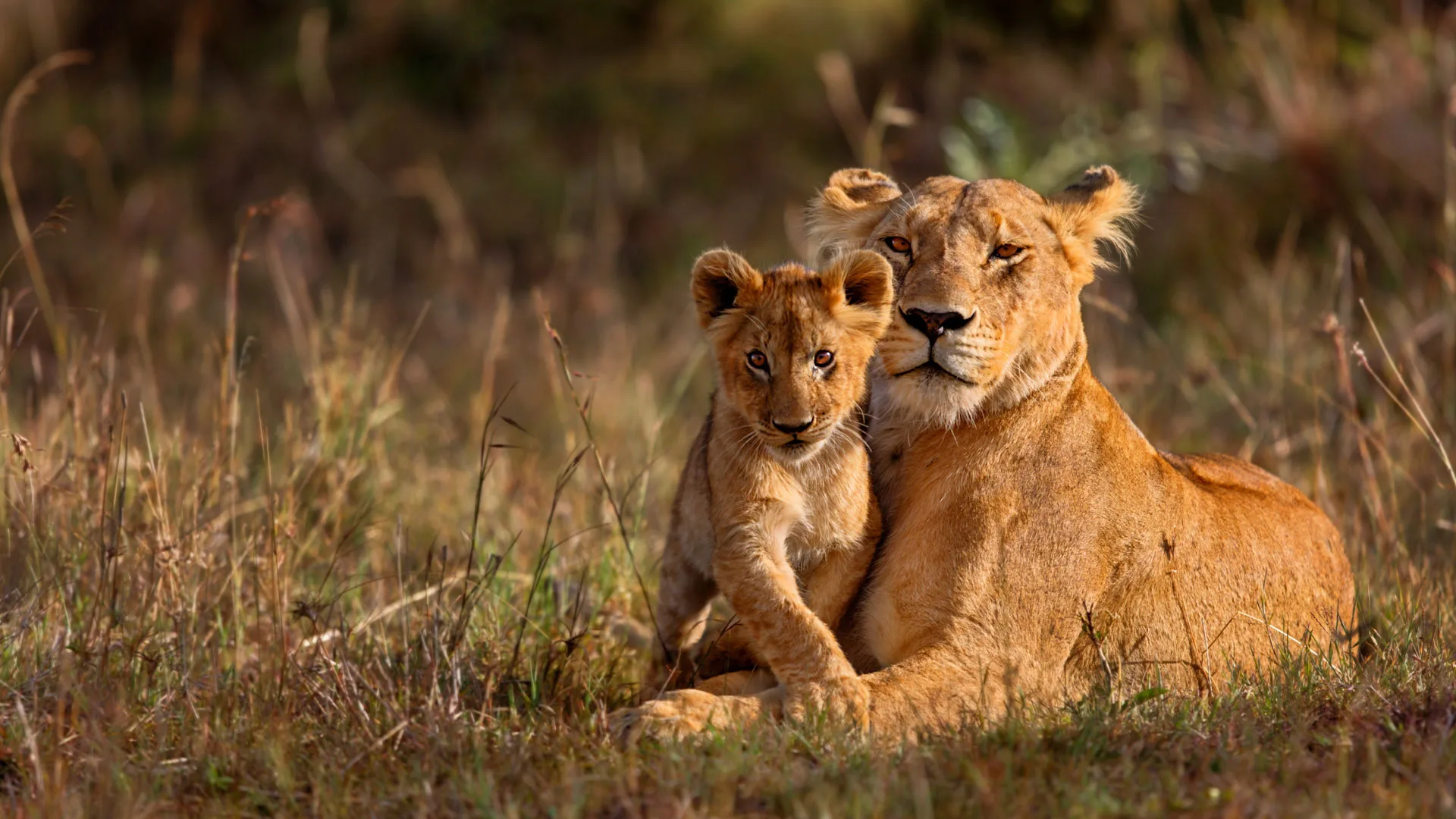
Game drives
Scheduled wildlife drives in a 4x4 safari vehicle with a professional driver-guide.
View activity
Included
Wildlife photography
Time in the field for landscape and wildlife photography. Sightings are never guaranteed.
View activityOptional
Optional extras
Balloon flights, cultural visits and other extras can be added when available and are quoted separately.
Additional information
Plan This Safari
Wildlife You May See
Potential sightings during the safari portion include: African elephant, Lion, Leopard, Cheetah, Black rhino, White rhino, African buffalo, Giraffe, Plains zebra, Wildebeest, Hippopotamus, Crocodile, Spotted hyena, Jackals, Warthog, Eland, Topi, Impala, Waterbuck, Grant's gazelle, Thomson's gazelle, Baboon, Vervet monkey.
Wildlife remains free-ranging. No individual animal or species should be guaranteed.
Can You See the Big Five?
The itinerary provides strong opportunities to search for all five members of the Big Five.
Lion
The Masai Mara provides particularly strong opportunities.
Leopard
Leopards can occur in the Mara and other suitable habitats, but they are naturally secretive.
Elephant
Amboseli is one of Kenya's premier elephant destinations.
Rhino
Ol Pejeta and Lake Nakuru strengthen rhino opportunities.
Buffalo
Buffaloes occur in several ecosystems included in the route. Seeing all five is possible, but never guaranteed.
Why Amboseli Is Important on This Safari
Amboseli creates one of the most visually distinctive beginnings to the wildlife section. The open landscape allows travelers to see complete elephant families rather than only individuals hidden within vegetation. The combination of wetland and dry plains also creates important ecological contrast.
When Kilimanjaro is visible, the destination becomes particularly spectacular. Spending more than one night gives you multiple chances for clear mountain views.
Why Ol Pejeta Is Worth Including
Ol Pejeta provides a conservation perspective that differs from traditional game driving. Seeing rhinos is important. Understanding why protecting them is difficult adds more depth.
The destination can help travelers understand the role of:
- Security
- Conservation financing
- Tourism
- Habitat protection
- Scientific monitoring
- Local communities
This makes Ol Pejeta one of the more educational sections of the itinerary.
Why Include Lake Nakuru?
Lake Nakuru provides another useful rhino opportunity while also introducing a very different environment. The woodland and lake habitats contrast with Amboseli's open plains. This helps keep the safari varied.
It is also rewarding for birdwatchers. Flamingos may be present, although their numbers are naturally variable.
Why Include Lake Naivasha?
Lake Naivasha changes the way you experience wildlife. After several days in a safari vehicle, moving onto the water feels refreshing.
Instead of lions and rhinos, attention shifts toward:
- Hippos
- Fish eagles
- Kingfishers
- Herons
- Pelicans
- Reflections
- Lakeside scenery
This variation is particularly valuable on a long safari.
Why Spend Several Nights in the Masai Mara?
The Masai Mara is not a destination that should be rushed. Several nights allow time to explore more than one sector and increase opportunities for predator behavior.
One day may be excellent for lions. Another may produce a leopard. A third may involve cheetahs or elephant herds.
During migration periods, herd locations can change daily. Multiple nights therefore improve flexibility substantially.
Great Wildebeest Migration on the 18-Day Safari
Travelers visiting during the appropriate period may encounter large wildebeest and zebra herds. The Great Migration is a continuous ecological movement rather than a single event.
Animals move according to:
- Rainfall
- Water
- Fresh grazing
- Seasonal conditions
Large herds are broadly associated with the Masai Mara during approximately July through October. Exact timing varies. The itinerary's multi-night Mara stay is therefore useful for travelers interested in migration activity.
River Crossings
Mara River crossings are famous for their drama. However, they cannot be scheduled. Wildebeest may arrive and remain at the riverbank for hours. They may retreat.
They may cross elsewhere. They may cross suddenly. No operator should promise that a crossing will occur during a specific game drive. The best strategy is simply to allocate enough Mara time and remain flexible.
Kenya Coast After Safari
Diani Beach
Diani is one of the most popular safari-and-beach combinations. It offers:
- Long sandy beaches
- Resorts
- Boutique accommodation
- Restaurants
- Swimming
- Snorkeling
- Diving
- Spa facilities
- Water sports
Watamu
Watamu is another attractive option and can be particularly appealing for marine activities and boutique coastal accommodation.
Mombasa Coast
The wider Mombasa coastline provides numerous hotel options and convenient transport connections. Your exact destination can be selected according to budget, preferred atmosphere and flight logistics.
Diani Beach or Watamu?
Both can work well after safari.
Choose Diani If You Prefer
- Large choice of resorts
- Long beachfront
- Easy relaxation
- Couples and family options
- Wide accommodation range
Choose Watamu If You Prefer
- Smaller coastal atmosphere
- Marine-focused activities
- Boutique hotels
- Diving and snorkeling interests
The best option depends on your priorities rather than one destination being universally better.
18 Days Kenya Safari & Beach for Honeymooners
This itinerary is particularly strong for honeymoon travel. The safari creates shared adventure. The coast provides romance and relaxation afterward.
Possible honeymoon upgrades include:
- Private safari vehicle
- Boutique tented camps
- Honeymoon suites
- Private dinners
- Bush breakfasts
- Sundowners
- Hot-air balloon safari
- Domestic flights
- Spa treatments
- Ocean-view room
- Private coastal transfers
Couples can also add an additional beach night by reducing one inland stop.
18 Days Kenya Safari & Beach for Families
Families can customize the journey extensively. Useful family-focused modifications include:
- Private safari vehicle
- Family rooms
- Interconnecting rooms
- Lodges with swimming pools
- Shorter game drives
- More rest time
- Domestic flights for long sectors
- Family-friendly coastal resort
- Children's menus
- Fewer scheduled beach excursions
The beach section is especially valuable for families because children can relax after several days of safari drives.
18 Days Kenya Safari & Beach for Photographers
The safari portion provides excellent photographic variety.
Amboseli
Photograph:
- Elephants
- Kilimanjaro
- Dust
- Wetlands
- Silhouettes
Ol Pejeta
Photograph: Rhinos, Conservation landscapes, Lions, Elephants.
Lake Nakuru
Photograph: Rhinos, Giraffes, Birds, Woodland.
Lake Naivasha
Photograph: Fish eagles, Kingfishers, Hippos, Reflections.
Masai Mara
Photograph:
- Lions
- Leopards
- Cheetahs
- Elephants
- Migration herds
- Savannah landscapes
Coast
Photograph:
- Beaches
- Palms
- Boats
- Sunrise
- Coastal life
- Ocean landscapes
A private safari vehicle is strongly recommended for serious photographers.
Mid-Range 18 Days Kenya Safari & Beach
A mid-range version can provide excellent overall value.
Safari accommodation may include:
- Permanent tented camps
- Comfortable safari lodges
- En-suite bathrooms
- Restaurants
- Swimming pools at selected properties
Beach accommodation may include:
- Mid-range beachfront hotels
- Resorts
- Swimming pools
- Restaurants
- Gardens
- Beach access
The wildlife experience remains strong because the safari depends heavily on guiding, destination choice and time spent in each area.
Luxury 18 Days Kenya Safari & Beach
A luxury version can include:
- Boutique safari camps
- Private conservancies
- Premium suites
- Domestic flights
- Private safari vehicle
- Fine dining
- Bush breakfasts
- Sundowners
- Spa treatments
- Luxury beachfront resorts
- Ocean-view suites
- Private transfers
Travelers wanting maximum comfort can also replace more long-distance road sectors with flights.
Budget 18 Days Kenya Safari & Beach
A more economical itinerary can still provide a highly rewarding experience. Cost-management strategies may include:
- Simpler safari camps
- Mid-range beach hotels
- More road travel
- Fewer premium conservancy nights
- Fewer optional activities
- Traveling during lower-demand periods
Budget planning should never compromise essential safety, vehicle quality or professional guiding.
Private Safari Versus Shared Safari
A private safari is particularly valuable over a long itinerary. Advantages include:
- Dedicated vehicle
- Flexible departure times
- Longer wildlife observations
- Photography stops
- Family flexibility
- More personalized guiding
- Direct communication with your guide
Shared safaris can reduce cost but may require compromises over timing and wildlife priorities.
Road Safari Versus Fly-In Safari
Road Safari
Advantages:
- See more of Kenya
- Same driver-guide for several sectors
- More luggage flexibility
- Often better value
Fly-In Safari
Advantages:
- Reduced transfer time
- Less fatigue
- More time at camps
- Aerial views
Best Combination
Many travelers choose a hybrid arrangement. Drive between destinations where the road journey makes geographical sense and fly when distances would otherwise consume too much of the holiday. The flight from the Masai Mara toward the coast is particularly valuable.
Marine Activities on the Kenya Coast
Optional activities can include:
Snorkeling
Explore shallow marine environments and reef life where conditions allow.
Scuba Diving
Certified divers can arrange dives with reputable local operators.
Boat Trips
Coastal boat trips can provide a relaxing way to explore marine areas.
Fishing
Fishing excursions may be available according to destination and season.
Water Sports
Activities such as paddle sports or kite surfing may be offered at selected locations. Always follow local weather and safety advice.
Spa and Wellness After Safari
Spa treatments are especially appealing after an extensive wildlife journey. Game drives involve long periods of sitting, while road transfers can be physically tiring.
Selected beach resorts may offer:
- Massage
- Body treatments
- Couples' treatments
- Wellness facilities
- Yoga
- Fitness facilities
The coast can therefore function as both a beach holiday and a physical recovery period.
Best Time for an 18 Days Kenya Safari & Beach
The ideal timing depends on both wildlife interests and coastal preferences.
January and February
Often excellent for general safari conditions and warm beach weather. This can be one of the strongest periods for a combined itinerary.
March to May
Long rains can create lush safari landscapes but may affect road conditions. Coastal rainfall may also increase. Some camps may close temporarily.
June
An attractive transitional period. Safari landscapes can remain green while drier conditions begin developing.
July to October
One of Kenya's most popular safari seasons. Wildlife viewing can be excellent, and migration herds may be present in the Masai Mara. Coastal conditions vary, but the beach can still provide an excellent safari extension.
November
Short rains can refresh the landscape. Birdwatching can be excellent.
December
A popular safari-and-beach period. Christmas and New Year should be booked far in advance because demand can be very high.
What to Pack for Safari and Beach
You need clothing suitable for both wilderness and tropical coastal environments.
Safari Clothing
Bring:
- Neutral shirts
- Lightweight trousers
- Shorts
- Long-sleeved shirt
- Warm fleece
- Light jacket
- Closed shoes
- Sun hat
Beach Clothing
Bring:
- Swimwear
- Lightweight dresses or shirts
- Shorts
- Sandals
- Beach footwear
- Sun hat
General Travel Items
Also carry:
- Sunglasses
- Sunscreen
- Insect repellent
- Binoculars
- Camera
- Spare batteries
- Memory cards
- Power bank
- Personal medication
- Small daypack
- Travel documents
If domestic light aircraft are included, baggage restrictions may be stricter than on international flights. Soft-sided luggage is often preferable.
Health and Travel Preparation
Before traveling, consult an appropriate medical professional for personalized advice. Depending on your personal circumstances and travel history, topics may include:
- Routine vaccinations
- Malaria prevention
- Insect protection
- Personal medication
- Sun protection
- Travel insurance
Comprehensive travel insurance is strongly recommended. Coverage may include:
- Medical treatment
- Emergency evacuation
- Cancellation
- Delays
- Lost baggage
- Safari activities
- Marine activities where applicable
Responsible Safari Travel
Responsible wildlife viewing protects both animals and visitors. On safari:
- Follow guide instructions.
- Do not feed animals.
- Stay inside the vehicle unless told otherwise.
- Avoid loud noise.
- Keep appropriate distance.
- Do not pressure guides to move too close.
- Follow park and conservancy regulations.
Photography should never justify stressing wildlife.
Responsible Coastal Travel
The marine environment also requires responsible behavior. At the coast:
- Do not stand on coral.
- Do not remove shells containing living animals.
- Avoid littering.
- Reduce single-use plastic where practical.
- Choose responsible marine operators.
- Respect local communities.
- Avoid disturbing wildlife.
Safari and marine tourism can both contribute positively when conducted responsibly.
How Much Does an 18 Days Kenya Safari & Beach Cost?
There is no single fixed rate. The final price depends on several major factors.
- Travel Season: Peak safari and festive periods cost more.
- Safari Accommodation: Budget, mid-range and luxury properties have significantly different pricing.
- Beach Accommodation: Coastal hotels range from comfortable resorts to premium villas and boutique hotels.
- Number of Travelers: Private transport costs can be shared between passengers.
- Domestic Flights: Flights increase convenience but add to the total price.
- Private Conservancies: Conservancy fees may add cost while supporting habitat and community arrangements.
- Optional Activities: Balloon safaris, diving, snorkeling trips, spa treatments and private experiences may be additional.
- Room Configuration: Single rooms, family rooms, honeymoon suites and villas have different pricing.
The most accurate quotation requires exact travel dates and passenger details.
What Is Usually Included?
Depending on your confirmed itinerary, inclusions may cover:
- Airport transfers
- Private safari vehicle where specified
- Professional driver-guide
- Game drives
- Safari accommodation
- Meals specified
- National park fees
- Conservancy fees where included
- Lake Naivasha boat safari where listed
- Domestic flights where specified
- Airstrip transfers
- Coastal airport transfers
- Beach accommodation
- Selected coastal meal plan
- Drinking water during safari drives
- Government taxes applicable to included services
Always refer to the final written quotation for exact inclusions.
What Is Usually Excluded?
Typical exclusions may include:
- International flights
- Travel insurance
- Entry authorization or visa-related costs where applicable
- Optional hot-air balloon safari
- Optional snorkeling trips
- Scuba diving
- Fishing excursions
- Spa treatments
- Premium alcoholic drinks
- Personal expenses
- Laundry where not included
- Gratuities
- Medical expenses
Customize Your 18 Days Kenya Safari & Beach
The itinerary can be tailored according to:
- Travel dates
- Number of travelers
- Children's ages
- Mid-range accommodation
- Luxury accommodation
- Budget accommodation
- Private safari vehicle
- Domestic flights
- Private conservancies
- Photography
- Birdwatching
- Great Migration
- Big-cat focus
- Elephant focus
- Rhino focus
- Additional Masai Mara nights
- Additional beach nights
- Diani Beach
- Watamu
- Mombasa Coast
- Beach resort preference
- Marine activities
- Snorkeling
- Diving
- Spa treatments
- Honeymoon arrangements
- Family arrangements
- Tanzania extension
- Gorilla trekking extension
- Dietary requirements
- Special celebrations
Travelers who want maximum safari depth can keep the coast short. Travelers who want a more balanced adventure-and-relaxation holiday can allocate four or five nights to the coast. The journey should be built around your priorities.
Why Eighteen Days Works So Well
The strength of an eighteen-day itinerary is not simply that it is long. It is that the journey has room to change pace.
During the safari portion, your days are shaped by wildlife. You wake early because lions may be active. You may follow elephant herds, and you search for rhinos.
You watch birds over Rift Valley lakes. You spend hours exploring the Masai Mara. You may return to camp covered in dust, tired but excited by what you have seen.
Then the experience changes. You board a flight and head toward the coast. By evening, you may be sitting beside the Indian Ocean.
The next morning there is no game-drive alarm. You do not need to search for anything. You simply enjoy where you are.
That transition from discovery to relaxation is what makes the safari-and-beach combination particularly rewarding.
Book Your 18 Days Kenya Safari & Beach
An 18 Days Kenya Safari & Beach gives you the opportunity to experience Kenya as both one of Africa's great wildlife countries and one of East Africa's most attractive tropical beach destinations. Begin in Amboseli, where elephant herds and a view of Mount Kilimanjaro are the classic focus when animals are present and the mountain is clear. Continue toward important rhino conservation landscapes at Ol Pejeta.
Explore the Great Rift Valley, where Lake Nakuru introduces woodland wildlife and Lake Naivasha offers a peaceful boat safari among hippos and birds. Then spend several days in the Masai Mara, searching for lions, leopards, cheetahs, elephants, buffaloes, giraffes, hyenas, wildebeest and zebras across one of Africa's most celebrated savannah ecosystems. During the appropriate season, large migrating herds may add another dimension to the Mara experience.
After the final game drive, leave the savannah behind. Fly to Kenya's Indian Ocean coast. Spend the final days walking along white-sand beaches, swimming, snorkeling, enjoying spa treatments or simply resting beside the ocean.
Eighteen days gives you the freedom to experience both parts of Kenya without making either one feel rushed. Contact Safari Trips to Kenya with your preferred travel dates, number of travelers, safari accommodation category and desired beach destination to receive a customized 18 Days Kenya Safari & Beach itinerary and quotation.
Planning Questions
Frequently Asked Questions
Is 18 days enough for a Kenya safari and beach holiday?
Yes. Eighteen days is excellent because it provides enough time for a substantial wildlife safari and several relaxing coastal days.
How many safari days are included?
The sample itinerary dedicates roughly two weeks to arrival, safari destinations and wildlife activities before the coastal section begins.
How many beach nights are included?
The sample structure provides three coastal nights, but this can easily be increased.
Can we spend more time at the beach?
Yes. You can remove or shorten one inland destination and add extra beach nights.
Can we spend longer in the Masai Mara?
Yes. Photographers and migration-focused travelers may prefer additional Mara time.
Can Samburu be added?
Yes. Additional days are ideal, although the route can also be rebalanced within eighteen days.
Can we see the Big Five?
The route visits habitats supporting all five, but individual sightings cannot be guaranteed.
Can we see elephants?
Yes. Amboseli is one of Kenya's best elephant destinations.
Can we see rhinos?
Yes. Ol Pejeta and Lake Nakuru provide strong opportunities.
Can we see lions?
Yes. The Masai Mara is especially rewarding for lions.
Can we see leopards?
Leopards are present in the Mara and other suitable ecosystems, but they are naturally elusive.
Can we see cheetahs?
Yes. The Masai Mara provides excellent opportunities to search for cheetahs.
Can we see the Great Migration?
Potentially, if large herds are present in the Masai Mara during your travel dates.
When is the migration usually in the Mara?
Large herds are broadly associated with approximately July through October, although timing varies annually.
Are river crossings guaranteed?
No. River crossings are unpredictable.
Can we take a balloon safari?
Yes. An optional Masai Mara balloon safari can be added.
Is Diani Beach included?
Diani is one of the most natural coastal options and can be selected for the beach section.
Can we choose Watamu instead?
Yes.
Is this good for honeymooners?
Yes. Safari followed by beach relaxation is one of Kenya's strongest honeymoon formats.
Is it suitable for families?
Yes. The itinerary can be customized with family rooms, shorter game drives and child-friendly beach accommodation.
Can this be a luxury safari?
Yes. Luxury camps, conservancies, domestic flights and premium beach resorts can be used.
Can it be mid-range?
Yes. A comfortable mid-range version provides excellent value.
Can we fly to the coast?
Yes. Domestic flights are generally the most efficient way to transition from the Masai Mara to the Kenya coast.
Can we add Tanzania?
Yes. More days are recommended if you want a substantial Tanzania safari.
Can we add Uganda or Rwanda gorilla trekking?
Yes. Regional extensions can be arranged.
How early should we book?
Peak safari months and Christmas/New Year periods should be booked well in advance, particularly for premium camps, family rooms and popular beach resorts.
05 Request Quote
Request Quote
Tell us your dates, group size, and preferred lodge style — we will send a tailored quote for this safari.
Want to extend your safari?
Add Amboseli, Diani Beach, Tanzania and Zanzibar, or gorilla trekking in Uganda or Rwanda — we tailor the journey to your dates.