
13 DAYS / 12 NIGHTS
13 Days Kenya Birding Safari
Explore Kenya's remarkable birdlife on a 13 Days Kenya Birding Safari visiting Nairobi, Lake Naivasha, Lake Nakuru, Kakamega Forest and the Masai Mara.
- Wildlife Safari Private Journey
- Private Safari 4x4 Vehicle
- Expert Guide English Speaking
- All Meals Breakfast, Lunch, Dinner
- 24/7 Support We're here to help
01 Overview
Safari Overview
- Duration 13 days / 12 nights
- Destination Kenya
- Starts / ends On request
- Safari style Private 4×4 safari
- Accommodation Essential · Comfort · Premium · Signature
- Best for Couples, families, first-timers
13 Days Kenya Birding Safari – Explore Kenya's Exceptional Birdlife
The first call of a fish eagle over a Rift Valley lake, a turaco moving through a forest canopy or a secretarybird walking across the Masai Mara grasslands can be as memorable as any encounter with Africa's larger mammals. Kenya is one of the continent's most rewarding birdwatching destinations, with an extraordinary range of habitats supporting more than 1,100 recorded bird species.
Our 13 Days Kenya Birding Safari is designed for travellers who want to explore this diversity through a carefully planned journey across central and western Kenya. The itinerary combines freshwater lakes, alkaline lake environments, tropical forest, open grasslands and woodland habitats, creating opportunities to observe species that would be difficult to encounter in a single destination.
The journey begins in Nairobi and continues through Lake Naivasha, Lake Nakuru National Park, Lake Baringo, Kakamega Forest and the Masai Mara National Reserve. Each location has a distinctive bird community, making the itinerary suitable for both experienced birders and enthusiastic beginners.
Unlike a conventional wildlife safari, a dedicated Kenya birdwatching tour places greater emphasis on early morning excursions, patient observation, listening for bird calls and spending time in productive habitats. Some of the most interesting sightings may involve small forest birds, raptors or wetland species rather than large mammals.
Throughout the journey, birdwatching can be combined with opportunities to observe elephants, giraffes, zebras, lions, rhinos and other wildlife. The result is a rewarding experience that introduces visitors to Kenya's remarkable ecological diversity.
Itinerary
- Day 1: Arrival in Nairobi, welcome to Kenya's Birding Country
- Day 2: Nairobi Birdwatching, forest and Highland Species
- Day 3: Nairobi to Lake Naivasha, rift Valley Birdwatching
- Day 4: Lake Naivasha, wetland Birds and Woodland Habitats
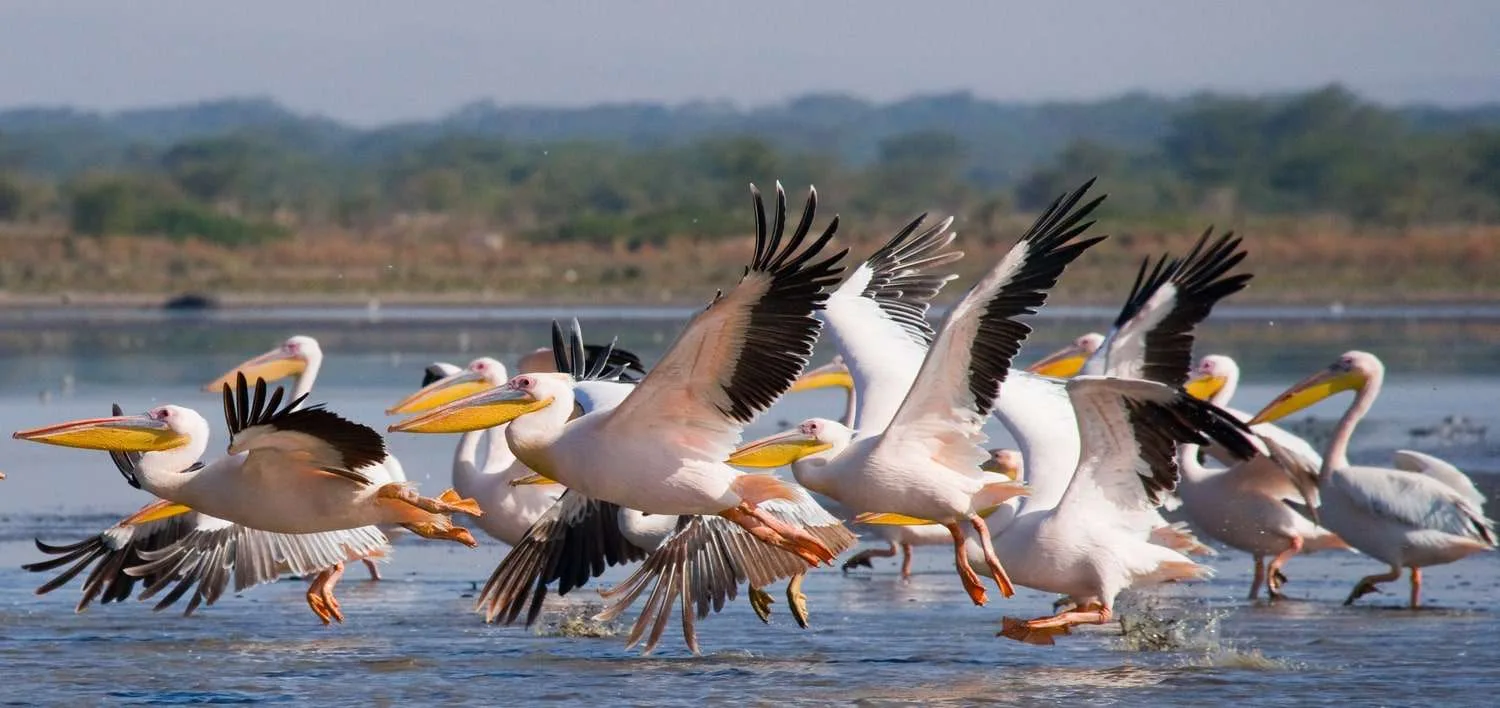
- Day 5: Lake Naivasha to Lake Nakuru, flamingos, Pelicans and Raptors
- Day 6: Lake Nakuru to Lake Baringo, dry, country Birding
- Day 7: Lake Baringo Birding – Kingfishers, Hornbills and Raptors
- Day 8: Lake Baringo to Kakamega Forest, journey to Kenya's Tropical Rainforest
- Day 9: Kakamega Forest, turacos, Hornbills and Forest Specialists
- Day 10: Kakamega Forest to Masai Mara, from Rainforest to Savannah
- Day 11: Masai Mara Birding Safari, savannah Birds and Raptors
- Day 12: Masai Mara, riverine Birdlife and Final Birdwatching Excursions
- Day 13: Morning game drive – return to On request

02 Itinerary
13 Days Kenya Birding Safari: Detailed Itinerary
-
Day 1: Arrival in Nairobi – Welcome to Kenya's Birding Country - Main destination
- Nairobi
- Meals
- According to the selected hotel arrangement
- Accommodation
- Nairobi hotel
Your 13 Days Kenya Birding Safari begins upon arrival at Jomo Kenyatta International Airport in Nairobi. A representative from Safari Trips to Kenya will welcome you and arrange your transfer to the selected hotel. Depending on your arrival time, the afternoon may be spent resting or enjoying an introductory birdwatching excursion in a suitable location.
Nairobi offers interesting birding opportunities because its gardens, woodlands, wetlands and nearby protected areas support a surprisingly varied bird community. Common urban and suburban species may include sunbirds, weavers, bulbuls, doves and several raptors. Your guide can help you become familiar with some of the species likely to be encountered during the journey.
In the evening, discuss the birding itinerary, target habitats, equipment and daily routines with your guide. Birdwatching generally begins early, when birds are more active and vocal, so it is useful to prepare binoculars, cameras, notebooks and field guides before departure.
Meals: According to the selected hotel arrangement
-
Day 2: Nairobi Birdwatching – Forest and Highland Species - Main destination
- Nairobi
- Meals
- Breakfast, lunch
- Accommodation
- Nairobi hotel
After an early breakfast, begin your first full birdwatching day in the Nairobi region. Depending on access arrangements and the selected route, your guide may organise visits to suitable forest, woodland or wetland habitats around the city.
The Nairobi highlands support species associated with montane forest and woodland environments. Birders may search for turacos, greenbuls, sunbirds, woodpeckers, flycatchers and various forest-edge species. The precise species encountered will depend on the chosen site, season and prevailing conditions.
A specialist guide can help identify birds through their calls, behaviour and preferred habitats. This is particularly valuable in wooded environments where birds may remain hidden among leaves and branches. Rather than moving quickly between sites, the day can be organised around productive areas where several species may be observed.
Return to the hotel in the afternoon or evening. Review the day's sightings and prepare for the journey into the Great Rift Valley.
Meals: Breakfast, lunch and dinner where included
-
Day 3: Nairobi to Lake Naivasha – Rift Valley Birdwatching - Main destination
- Lake Naivasha
- Meals
- Breakfast, Lunch, Dinner
After breakfast, depart Nairobi and travel towards Lake Naivasha, descending into the Great Rift Valley. The journey passes escarpments, cultivated highlands and areas of woodland that may provide opportunities for roadside bird observations at safe, authorised stopping points.
Lake Naivasha is a freshwater lake supporting an impressive variety of aquatic birds. Depending on water levels and habitat conditions, visitors may encounter African fish eagles, pelicans, cormorants, herons, egrets, kingfishers and jacanas.
After arriving at your lodge, enjoy lunch before heading out for an afternoon birdwatching excursion. A guided boat trip can provide opportunities to observe birds along the shoreline, where different species feed, nest or rest among vegetation.
Your guide will explain how freshwater habitats differ from the alkaline lakes elsewhere in the Rift Valley. Hippos are also commonly encountered around Lake Naivasha, although boat excursions must follow appropriate safety procedures.
Accommodation: Lake Naivasha lodge
-
Day 4: Lake Naivasha – Wetland Birds and Woodland Habitats - Main destination
- Lake Naivasha
- Meals
- Breakfast, Lunch, Dinner
Spend the day exploring the birdlife of Lake Naivasha and suitable surrounding habitats. Early morning is particularly rewarding because many birds become active soon after sunrise.
Wetland birdwatching may reveal African fish eagles, purple herons, grey herons, great egrets, African jacanas and several kingfisher species. Woodland and garden habitats around the lake can support sunbirds, weavers, barbets and other smaller birds.
Depending on access and your interests, a guided visit to Crescent Island or another appropriate birdwatching location may be arranged. These excursions can also provide opportunities to observe giraffes, zebras and antelopes.
The afternoon may be spent exploring additional lakeside habitats or reviewing photographs and field notes. The slower pace allows birders to concentrate on identification rather than travelling long distances.
Accommodation: Lake Naivasha lodge
-
Day 5: Lake Naivasha to Lake Nakuru – Flamingos, Pelicans and Raptors - Main destination
- Lake Nakuru National Park
- Meals
- Breakfast, Lunch, Dinner
After breakfast, travel to Lake Nakuru National Park, one of Kenya's best-known Rift Valley wildlife destinations. The park includes alkaline lake habitats, grasslands, woodland and rocky escarpments, providing opportunities to encounter a broad range of bird species.
Lake Nakuru is historically associated with spectacular flamingo gatherings, although flamingo numbers fluctuate considerably with water levels, food availability and conditions across the Rift Valley lake system. Both lesser and greater flamingos may occur, but large concentrations cannot be guaranteed.
Birders may also search for pelicans, cormorants, storks, herons, raptors and woodland species. The park's varied habitats make it possible to combine wetland birdwatching with observations of terrestrial birds.
Lake Nakuru is also an important rhinoceros conservation area. During game drives, you may encounter black or white rhinos, buffaloes, giraffes, zebras and other wildlife.
Accommodation: Lake Nakuru safari lodge
-
Day 6: Lake Nakuru to Lake Baringo – Dry-Country Birding - Main destination
- Lake Baringo lodge or camp
- Meals
- Breakfast, Lunch, Dinner
After breakfast, travel north towards Lake Baringo, passing through landscapes that become progressively drier. This change in environment is one of the most interesting aspects of the itinerary because it introduces bird species adapted to semi-arid woodland, scrubland and lakeshore habitats.
Lake Baringo is a freshwater lake in the Rift Valley and is widely recognised as a rewarding birdwatching destination. The surrounding area supports a variety of kingfishers, hornbills, starlings, weavers, raptors and other species.
Depending on arrival time, enjoy an afternoon birdwatching excursion around accessible lakeshore or woodland habitats. Your guide will select locations according to current conditions, safety considerations and local access arrangements.
The evening may provide opportunities to listen for nocturnal birds, although night excursions must be organised with appropriate guides and permissions.
Accommodation: Lake Baringo lodge or camp
-
Day 7: Full-Day Lake Baringo Birding – Kingfishers, Hornbills and Raptors - Main destination
- Lake Naivasha
- Meals
- Breakfast, Lunch, Dinner
Begin before sunrise for a full day of Lake Baringo birdwatching. The combination of freshwater habitats, rocky terrain and dry woodland supports a distinctive bird community.
Depending on the season and locations visited, birders may search for kingfishers, hornbills, bee-eaters, starlings, barbets and various birds of prey. The region is particularly interesting for species associated with drier environments that may be less common around Lake Naivasha.
A local bird guide can provide valuable knowledge of productive sites and help locate species by recognising calls and behaviour. Birdwatching should be conducted patiently, avoiding disturbance to nesting birds and sensitive habitats.
Return to your accommodation for lunch or carry a packed meal, depending on the excursion. Continue birdwatching during the afternoon before returning to the lodge.
Accommodation: Lake Baringo lodge or camp
-
Day 8: Lake Baringo to Kakamega Forest – Journey to Kenya's Tropical Rainforest - Main destination
- Kakamega Forest lodge or guesthouse
- Meals
- Breakfast, Lunch, Dinner
After breakfast, depart Lake Baringo and travel west towards Kakamega Forest, passing through changing landscapes and agricultural areas. This is a substantial transfer day, and the journey should be planned with suitable breaks.
Kakamega Forest is one of Kenya's most important forest birdwatching destinations. It contains tropical rainforest habitats associated with the western part of the country and supports species that are uncommon or absent from Kenya's more open savannah environments.
Upon arrival, check into your accommodation and enjoy an introductory forest walk if time permits. Birdwatching in dense forest requires a different approach from open-country birding. Many species are identified first by their calls, and patience is essential when observing birds moving through the canopy.
Spend the evening preparing for the following day's forest excursions.
Accommodation: Kakamega Forest lodge or guesthouse
-
Day 9: Kakamega Forest – Turacos, Hornbills and Forest Specialists - Main destination
- Kakamega Forest lodge or guesthouse
- Meals
- Breakfast, Lunch, Dinner
Begin early for a guided birdwatching walk in Kakamega Forest. The forest is particularly important for bird species associated with tropical woodland and rainforest environments.
Depending on the route and conditions, birders may search for turacos, hornbills, barbets, greenbuls, flycatchers, sunbirds and other forest specialists. Some species are difficult to observe because they remain high in the canopy or move through dense vegetation.
Your guide will use bird calls and knowledge of feeding behaviour to identify productive areas. Forest birdwatching often rewards patience, with several species appearing suddenly in mixed feeding groups.
Return to your accommodation for lunch and rest before another afternoon excursion. The forest also supports butterflies, primates and interesting plant communities, adding variety to the experience.
Accommodation: Kakamega Forest lodge or guesthouse
-
Day 10: Kakamega Forest to Masai Mara – From Rainforest to Savannah - Main destination
- Masai Mara National Reserve
- Meals
- Breakfast, Lunch, Dinner
After breakfast, depart Kakamega and travel towards the Masai Mara ecosystem. The route introduces another dramatic change in habitat, moving from tropical forest towards open grasslands and savannah landscapes.
This journey can take much of the day, depending on the chosen route and accommodation location. Birdwatching stops may be made where safe and practical, but the main priority is reaching the Masai Mara with sufficient time to settle into the lodge.
The Masai Mara supports a very different bird community from Kakamega Forest. Open-country species include bustards, secretarybirds, ostriches, raptors and various grassland birds.
If arrival time permits, enjoy an introductory game drive with opportunities to observe both birds and larger mammals.
Accommodation: Masai Mara lodge or tented camp
-
Day 11: Masai Mara Birding Safari – Savannah Birds and Raptors - Main destination
- Masai Mara National Reserve
- Meals
- Breakfast, Lunch, Dinner
Spend the day exploring the Masai Mara National Reserve, concentrating on grassland birds, raptors and species associated with riverine habitats.
Birdwatchers may search for secretarybirds, kori bustards, ostriches, vultures, eagles, rollers and various smaller savannah species. The reserve's open landscapes can provide excellent opportunities to observe birds of prey hunting or soaring above the plains.
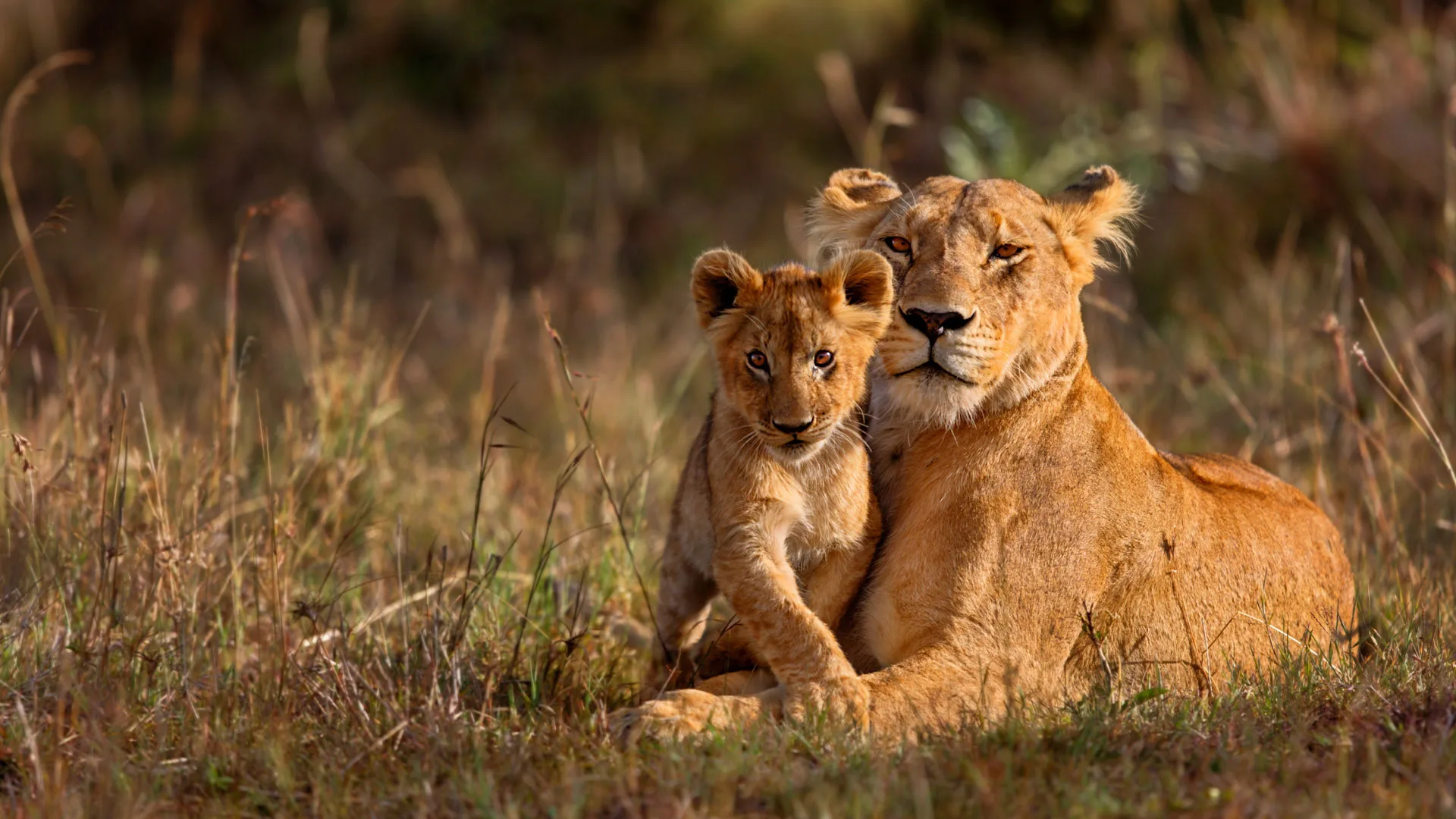
Your guide will also look for lions, elephants, giraffes, buffaloes, zebras and other mammals. Combining birdwatching with wildlife viewing makes this day particularly rewarding for travellers with varied interests.
Enjoy a picnic lunch at an authorised location before continuing the afternoon excursion. The route can be adapted according to recent sightings and the habitats you wish to explore.
Accommodation: Masai Mara lodge or tented camp
-
Day 12: Masai Mara – Riverine Birdlife and Final Birdwatching Excursions - Main destination
- Masai Mara National Reserve
- Meals
- Breakfast, Lunch, Dinner
Your final full day in the Masai Mara provides an opportunity to explore habitats not previously visited. Depending on accessibility and the lodge location, your guide may concentrate on riverine woodland, open grasslands or areas where raptors are frequently observed.
The Mara River and associated habitats support waterbirds, kingfishers, herons and birds of prey. The surrounding grasslands provide opportunities to search for bustards, secretarybirds and other open-country species.
During the migration season, large herds of wildebeest and zebras may also be present. However, herd movements and river crossings are unpredictable and should be treated as additional wildlife opportunities rather than guaranteed events.
Spend the afternoon enjoying a final birdwatching excursion and reviewing the species recorded during the journey.
Accommodation: Masai Mara lodge or tented camp
-
Day 13: Masai Mara to Nairobi – Departure - Main destination
- Masai Mara National Reserve
- Drive time
- 5–6 hours or longer, depending on the route
- Meals
- Breakfast
After breakfast, depart the Masai Mara and travel back to Nairobi. The road journey generally takes several hours, depending on traffic, road conditions and the accommodation location.
Upon arrival, transfer to Jomo Kenyatta International Airport or another agreed drop-off point. Travellers should allow sufficient time for international flight check-in and possible road delays.
Your 13 Days Kenya Birding Safari concludes with a broad introduction to Kenya's forest, wetland, lake and savannah birdlife.
03 Rates
Safari rates 2027-2029
Indicative per person. Season, group size and lodge style change the total — your quotation confirms current rates.
-
Essential (Budget)
Essential (Budget)
Budget camps and lodges suit travelers who prioritize wildlife while keeping costs lower.
Great value camps
-
Comfort (Mid-range)
Comfort (Mid-range)
Mid-range tented camps and lodges balance comfort and price with private rooms or tents and en-suite facilities.
Quoted for your dates
-
Premium (Luxury)
Premium (Luxury)
Luxury camps and lodges focus on location, service and more intimate wildlife experiences.
Premium camps and lodges
-
Signature (High-end)
Signature (High-end)
Signature camps and lodges are the most exclusive stays — small, highly private properties with exceptional guiding and setting.
Exclusive signature stays
04 Activities
Safari activities
Game viewing is the core of this itinerary. Optional extras are quoted separately and depend on season, permits and availability. Individual species and river crossings are never guaranteed.
-
Included
Game drives
Scheduled wildlife drives in a 4x4 safari vehicle with a professional driver-guide.
View activity -

Included
Wildlife photography
Time in the field for landscape and wildlife photography. Sightings are never guaranteed.
View activity -
Optional
Optional extras
Balloon flights, cultural visits and other extras can be added when available and are quoted separately.
Additional information
Plan This Safari
Why Kenya Is One of Africa's Best Birdwatching Destinations
Kenya's exceptional bird diversity is closely linked to its varied geography. The country includes tropical forests, highland woodlands, freshwater lakes, alkaline lakes, semi-arid landscapes, grasslands and coastal habitats.
Each environment supports different bird communities. A species commonly encountered around Lake Baringo may be absent from Kakamega Forest, while forest specialists may be difficult to find in the open grasslands of the Masai Mara.
This ecological variety makes birding tours in Kenya particularly rewarding. Travellers can encounter a wide range of species without travelling between different countries.
Kenya also lies along important migratory routes, and seasonal visitors can add to the diversity of resident bird populations.
Best Time for a Kenya Birding Safari
The best time for a Kenya birdwatching safari depends on the species and habitats you want to explore.
November to April – Migratory Birds and Breeding Activity
This period can be particularly interesting because Palearctic migratory birds may be present alongside resident species. Seasonal rains can also stimulate breeding activity among certain local birds.
However, weather conditions vary by region, and some forest or rural roads may become difficult after heavy rainfall.
June to October – Generally Drier Safari Conditions
The drier months can provide comfortable conditions for travelling between birding destinations. Wildlife viewing in the Masai Mara is also rewarding during this period.
Some birds may be less vocal outside their breeding season, so experienced guides remain valuable for locating species.
Rainy Seasons – Green Landscapes and Active Birdlife
Rainfall can create attractive conditions for bird photography and increase activity among some species. However, heavy rain may interrupt forest walks or make certain tracks difficult to access.
For specialist birders, travel dates should be selected according to target species rather than relying on a single general recommendation.
Important Birding Destinations on This Safari
Lake Naivasha Birdwatching
Lake Naivasha is particularly rewarding for freshwater birds. African fish eagles, herons, pelicans, cormorants and kingfishers are among the species that visitors may encounter.
Boat excursions provide opportunities to observe birds from the water, although responsible operators should avoid disturbing nesting sites or approaching wildlife too closely.
Lake Nakuru Birdwatching
Lake Nakuru National Park combines alkaline lake habitats with grasslands and woodland. Flamingos, pelicans, raptors and numerous other species may be encountered.
Flamingo populations fluctuate with environmental conditions, making it important to maintain realistic expectations.
Lake Baringo Birdwatching
Lake Baringo offers a distinctive combination of freshwater and dry-country bird habitats. The surrounding woodlands and scrublands support species that may be difficult to find elsewhere on the itinerary.
Kakamega Forest Birding
Kakamega Forest is a highlight for travellers interested in tropical forest species. Birdwatching requires patience and often involves identifying birds by sound before obtaining clear views.
Masai Mara Birding
The Masai Mara is famous for mammals but also supports an impressive range of birds. Raptors, bustards, secretarybirds, ostriches and smaller grassland species make the reserve rewarding for birdwatchers.
Birdwatching Equipment and Packing Advice
A good pair of binoculars is essential for a Kenya birding safari. Many birders prefer binoculars with 8x or 10x magnification, depending on their viewing preferences and ability to hold the equipment steadily.
A field guide or bird identification application can be useful for reviewing species. However, electronic applications should be used responsibly, and recorded bird calls should not be played repeatedly in ways that disturb wildlife.
Photographers may wish to bring a telephoto lens, spare batteries, memory cards and suitable protection against dust and rain.
Comfortable walking shoes are important for forest excursions, while lightweight neutral-coloured clothing is suitable for most safari activities.
A warm jacket is useful for early mornings, particularly in higher-altitude areas.
Specialist Bird Guide or General Safari Guide?
A specialist Kenya birding guide can make a significant difference to the quality of a birdwatching holiday.
Experienced bird guides recognise calls, understand seasonal movements and know which habitats are most productive for particular species. They can also help distinguish similar-looking birds and explain their behaviour.
General safari guides may have excellent knowledge of mammals and common birds, but dedicated birders often benefit from additional specialist expertise.
For this itinerary, travellers should specify whether they require a specialist bird guide when requesting a quotation.
Bird Photography in Kenya
Kenya offers excellent opportunities for bird photography, although successful images often require patience and appropriate equipment.
Wetland birds may be photographed from boats or suitable shoreline viewpoints, while savannah species can often be observed from safari vehicles.
Forest photography is more challenging because light levels are lower and birds may remain partially hidden by vegetation.
Photographers should avoid disturbing nests, blocking feeding areas or using techniques that cause stress to birds.
A responsible approach protects wildlife while allowing rewarding photographic experiences.
Combining Birdwatching with Wildlife Safaris
One of the advantages of this itinerary is the opportunity to combine specialist birdwatching with traditional Kenya wildlife safari experiences.
Lake Nakuru provides opportunities to search for rhinos, while the Masai Mara is famous for lions, elephants, giraffes and other mammals.
This combination is particularly suitable for couples or small groups whose members have different interests. A flexible private itinerary can balance dedicated birdwatching sessions with broader wildlife viewing.
Accommodation Options for Kenya Birding Holidays
Accommodation can be arranged within the Essential, Comfort, Premium and Signature categories, although options vary by destination.
In remote birding areas, smaller lodges and guesthouses may provide more convenient access to productive habitats than larger luxury properties.
For specialist birders, proximity to birdwatching sites and early breakfast arrangements can be more important than extensive recreational facilities.
Exact accommodation should be selected according to location, comfort preferences and availability.
Book Your 13 Days Kenya Birding Safari
A successful Kenya birding holiday requires careful planning, suitable habitats, experienced guiding and enough time for patient observation.
Our proposed 13 Days Kenya Birding Safari combines freshwater lakes, dry-country habitats, tropical forest and the famous Masai Mara grasslands.
At Safari Trips to Kenya, we can customise the itinerary according to your target species, birdwatching experience, preferred accommodation and travel dates.
Contact our safari planning team to request a personalised quotation and begin planning your 13 Days Kenya Birding Safari.
Planning Questions
Frequently Asked Questions
How Many Bird Species Can I See?
The number of species encountered depends on the season, habitats visited, guide expertise and time spent birdwatching. No fixed species total can be guaranteed.
Is This Safari Suitable for Beginners?
Yes. Beginners can enjoy the itinerary, particularly when accompanied by a knowledgeable guide who explains identification techniques and bird behaviour.
Are Forest Walks Difficult?
Some forest trails are relatively gentle, while others may be uneven or muddy. The walking programme can be adapted according to fitness and weather conditions.
Can I Combine Birdwatching with Big Five Viewing?
Yes. The itinerary includes Lake Nakuru and the Masai Mara, both of which provide opportunities for traditional wildlife viewing.
Is a Private Birding Safari Better?
Private safaris provide greater flexibility for early starts, extended observation and specialist interests. They are particularly suitable for dedicated birdwatchers and photographers.
Can the Itinerary Be Customised?
Yes. Additional destinations such as Arabuko-Sokoke Forest, Mount Kenya or other birding areas can be considered depending on available time and travel interests.
05 Request Quote
Request Quote
Tell us your dates, group size, and preferred lodge style — we will send a tailored quote for this safari.
Want to extend your safari?
Add Amboseli, Diani Beach, Tanzania and Zanzibar, or gorilla trekking in Uganda or Rwanda — we tailor the journey to your dates.