
12 DAYS / 11 NIGHTS
12 Days Kenya Migration Safari
Explore the 12 Days Kenya Migration Safari with a day-by-day safari plan, key wildlife experiences, destinations, accommodation ideas, travel logistics and migration viewing.
- Wildlife Safari Private Journey
- Private Safari 4x4 Vehicle
- Expert Guide English Speaking
- All Meals Breakfast, Lunch, Dinner
- 24/7 Support We're here to help
01 Overview
Safari Overview
- Duration 12 days / 11 nights
- Destination Wildebeest Migration
- Starts / ends Nairobi
- Safari style Private 4×4 safari
- Accommodation Essential · Comfort · Premium · Signature
- Best for Wildlife viewing, photography
12 Days Kenya Migration Safari
The 12 Days Kenya Migration Safari is an in-depth wildlife journey designed for travelers who want to experience Kenya at the height of the famous Great Wildebeest Migration season while still exploring several of the country's other outstanding safari destinations. At the heart of the itinerary is the Masai Mara National Reserve, the Kenyan continuation of the greater Serengeti-Mara ecosystem and one of the most important locations associated with the annual movement of wildebeest, zebras and other grazing animals.
During the months when migratory herds are present in the wider Masai Mara ecosystem, enormous concentrations of wildlife may gather across the plains. The spectacle attracts not only safari travelers but also large numbers of predators and scavengers, including lions, cheetahs, leopards, spotted hyenas, jackals and vultures.
The safari is not designed around the unrealistic promise of one specific river crossing at a specific hour. Instead, it allocates sufficient time to the Mara so your professional driver-guide can respond to current herd movements, recent sightings, weather conditions and wildlife activity. This distinction is important.
The Great Migration is a natural wildlife phenomenon governed principally by rainfall, water availability and grazing conditions. Herds do not operate according to a tourist timetable. Wildebeest may approach a river and retreat, remain on one bank for hours, cross in small groups, move toward a completely different crossing point or remain far from a river altogether. For that reason, one of the most effective ways to plan a migration safari is to spend several days within the ecosystem rather than attempting to schedule a single short visit around an imagined crossing time. The 12 Days Kenya Migration Safari provides exactly that.
In addition to the Masai Mara, the itinerary can incorporate destinations such as Amboseli National Park, Lake Nakuru National Park and Lake Naivasha, creating a broader Kenya safari experience. This allows travelers to combine migration viewing with time in areas known for elephants, rhinos, giraffes, Rift Valley scenery, birdlife and classic Big Five game viewing. The result is a safari that places the Great Migration at the center of the journey without treating Kenya as a one-destination country.
12 Days Kenya Migration Safari at a Glance
- Duration: 12 days / 11 nights
- Country: Kenya
- Safari style: Private wildlife safari
- Primary focus: Great Wildebeest Migration and general Kenya wildlife viewing
- Main destinations: Amboseli, Lake Naivasha, Lake Nakuru and Masai Mara
- Main migration destination: Masai Mara National Reserve and surrounding conservancy areas depending on itinerary
- Starting point: Nairobi
- Ending point: Nairobi
- Transport: Private safari vehicle with professional driver-guide
- Accommodation: Budget, mid-range, luxury or customized combinations
- Suitable for: Wildlife enthusiasts, photographers, couples, honeymooners, families and private groups
Main Safari Highlights
The safari is designed around both migration viewing and overall wildlife diversity. Potential highlights include:
- Several days in the Masai Mara ecosystem
- Searching for large wildebeest and zebra herds
- Opportunities to visit areas near Mara River migration crossings
- Predator viewing during migration season
- Lions, cheetahs, leopards and spotted hyenas
- Large elephant herds in Amboseli
- Possible Mount Kilimanjaro views from Amboseli when skies are clear
- Rhino viewing opportunities in Lake Nakuru
- Rothschild's giraffes
- Great Rift Valley scenery
- Optional Lake Naivasha boat trip
- Optional Crescent Island walk
- Big Five safari opportunities
- Optional Masai Mara hot-air balloon safari
- Optional Maasai cultural visit
- Private safari vehicle
- Multiple accommodation categories
- Customizable route and number of Masai Mara nights
What Is the Great Wildebeest Migration?
The Great Wildebeest Migration is one of the world's largest terrestrial wildlife movements. More than a million wildebeest, accompanied by large numbers of zebras and other herbivores, circulate through the wider Serengeti-Mara ecosystem in search of fresh grass and water. The movement is continuous, with no true beginning or end. Instead, the animals respond to rainfall and the availability of grazing across northern Tanzania and southwestern Kenya. During certain months, substantial numbers of migratory animals may move north from Tanzania into the Masai Mara ecosystem, creating the famous migration season associated with Kenya. For many visitors, the most dramatic events are the river crossings. Wildebeest may cross the Mara River in large numbers, navigating steep riverbanks, strong currents and crocodile-inhabited water, but river crossings represent only one part of the migration. The enormous herds spread across open plains are equally important, so the migration should be understood as an entire ecosystem event rather than simply a river-crossing spectacle. Migration season can create extraordinary predator-prey interactions, including:
- Lions hunting wildebeest
- Cheetahs targeting young antelopes
- Hyenas following herds
- Vultures gathering around kills
- Leopards using riverine woodland
- Crocodiles waiting at river crossings
When Does the Migration Reach Kenya?
The exact timing varies annually. In a typical year, migratory herds may begin reaching parts of the greater Masai Mara ecosystem during July, remain through parts of August and September, and sometimes continue into October before moving south again. However, these months should be treated as broad guidance rather than guaranteed dates. Rainfall can cause herds to arrive earlier, later or move unpredictably between Kenya and Tanzania. A traveler booking the first week of August, for example, should not assume that every major herd will already be in exactly the same part of the Mara. Likewise, a traveler in October may still encounter significant migration activity in some years. For this reason, longer stays and flexible game-drive planning are extremely valuable.
Itinerary
- Day 1: Arrival in Nairobi
- Day 2: Nairobi to Amboseli
- Day 3: Amboseli National Park Safari
- Day 4: Amboseli to Lake Naivasha
- Day 5: Lake Naivasha to Lake Nakuru
- Day 6: Lake Nakuru to Masai Mara
- Day 7: Masai Mara Migration Safari
- Day 8: Masai Mara, mara River and Migration Herds
- Day 9: Masai Mara Predator Safari
- Day 10: Masai Mara, optional Hot, air Balloon and Full, day Safari
- Day 11: Final Full Day in Masai Mara
- Day 12: Masai Mara to Nairobi, end of Safari

02 Itinerary
12 Days Kenya Migration Safari: Detailed Itinerary
-

Day 1: Arrival in Nairobi - Main destination
- Masai Mara National Reserve
- Drive time
- Road transfer as outlined in the itinerary
- Meals
- Lunch, Dinner
Your 12 Days Kenya Migration Safari begins in Nairobi. Upon arrival at Jomo Kenyatta International Airport, meet your representative and transfer to your Nairobi hotel. The first day is deliberately kept relatively relaxed, because international travelers often arrive after long overnight flights, and immediately beginning a long safari drive can make the first day unnecessarily tiring.
After hotel check-in, spend the remainder of the day resting. Depending on your arrival time, optional Nairobi activities can be arranged. Possible visits may include:
- Giraffe Centre
- Karen Blixen Museum
- Nairobi National Museum
- Local dining experiences
- Shopping
- Nairobi National Park for early arrivals
Optional activities depend on flight arrival time and are normally quoted separately unless specifically included. Later, your safari guide may provide a briefing covering:
- Safari route
- Departure times
- Park regulations
- Wildlife-viewing etiquette
- Migration expectations
- Luggage arrangements
- Photography considerations
Enjoy your first evening in Kenya.
- Accommodation: Nairobi hotel
- Meal Plan: Bed and Breakfast or according to selected property
Where you stay
-
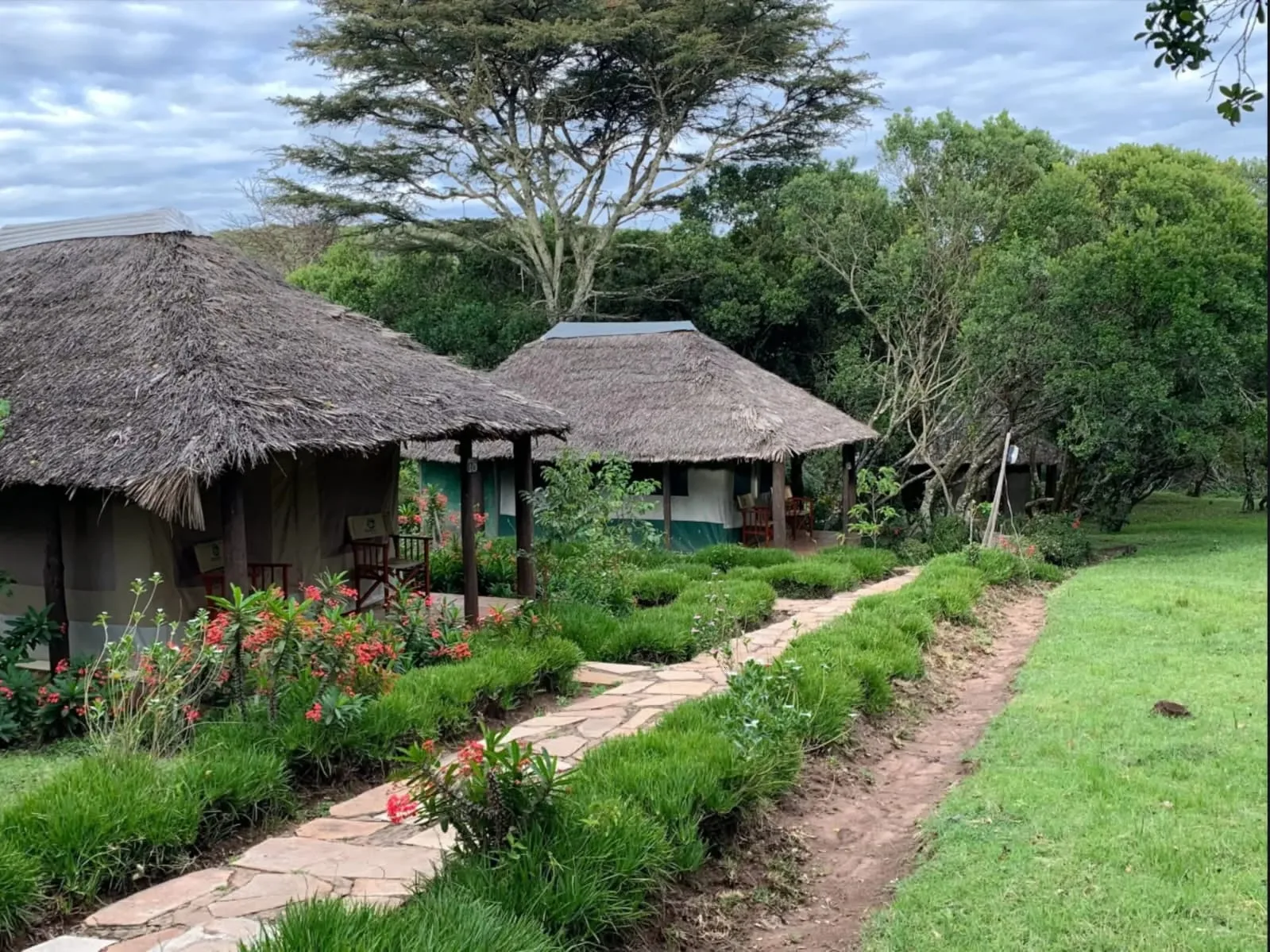
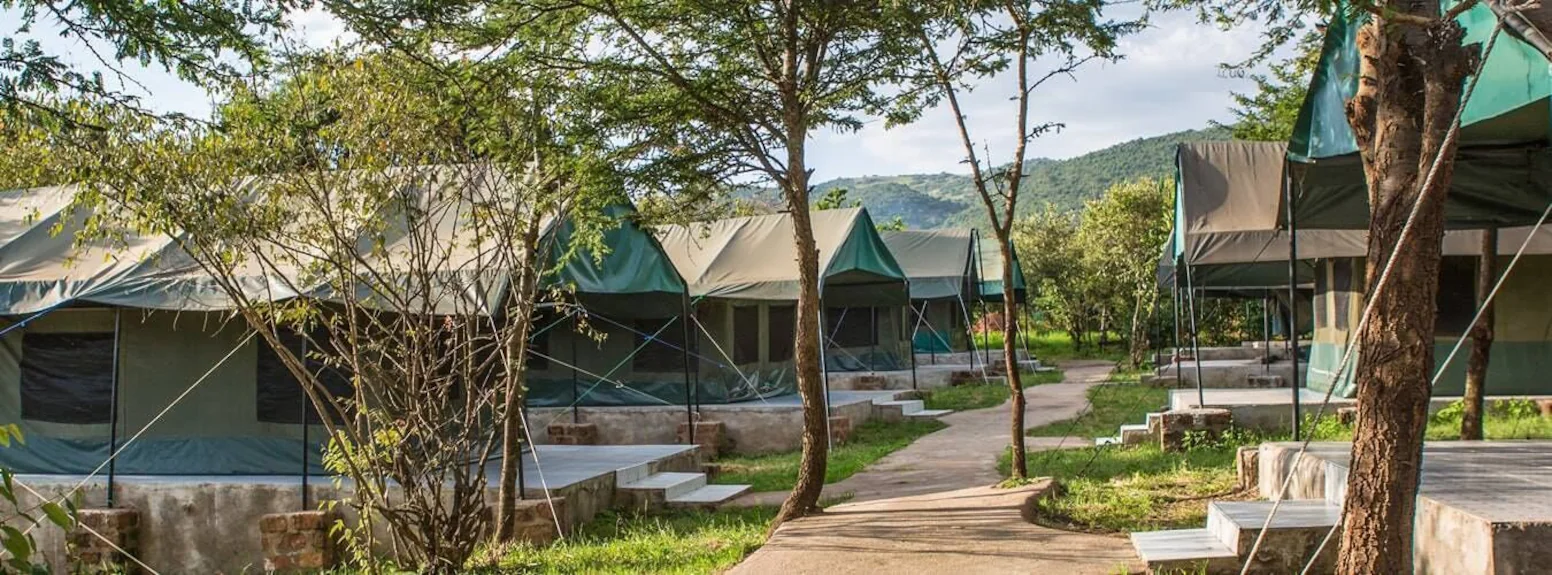
Essential (Budget)
-
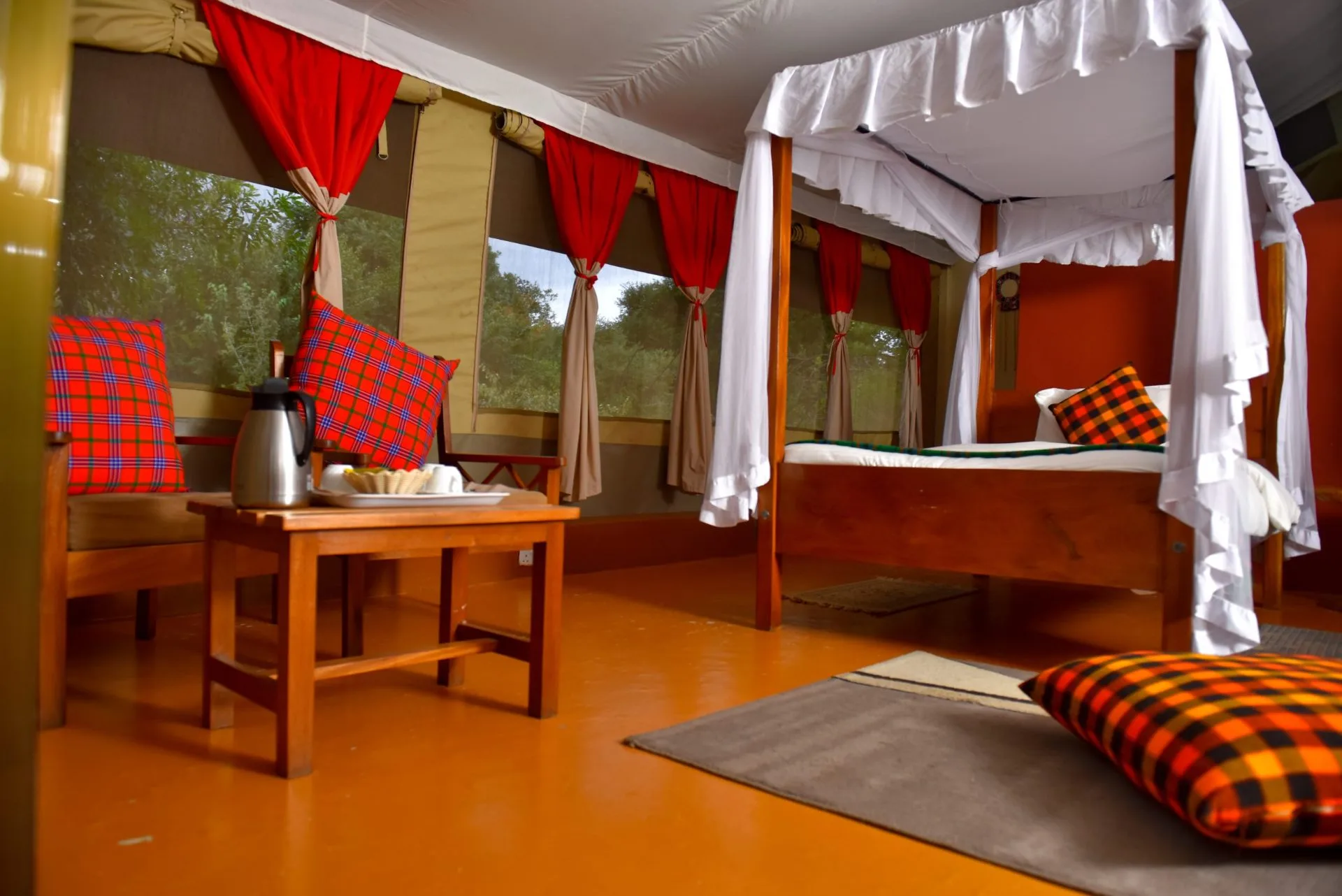
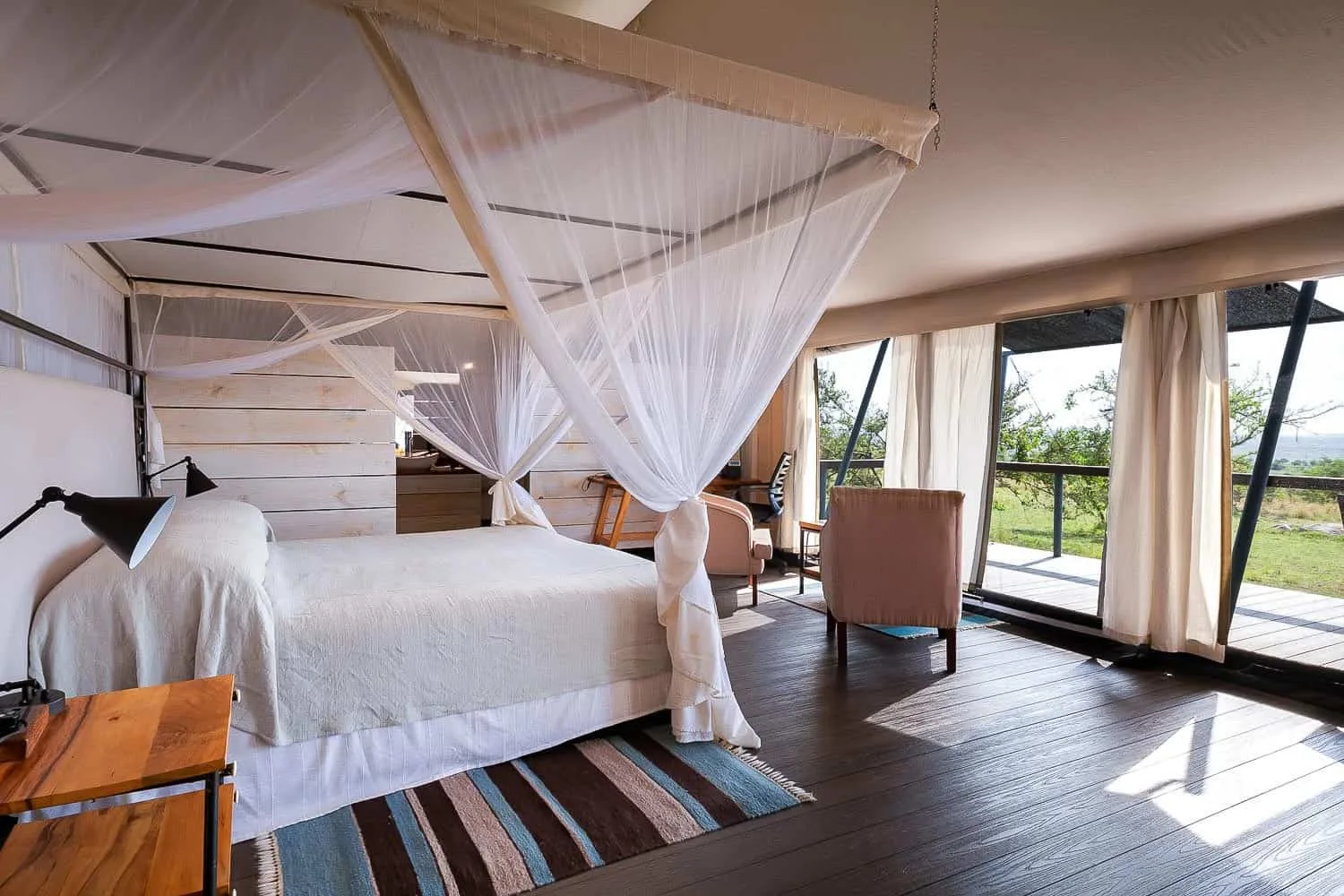
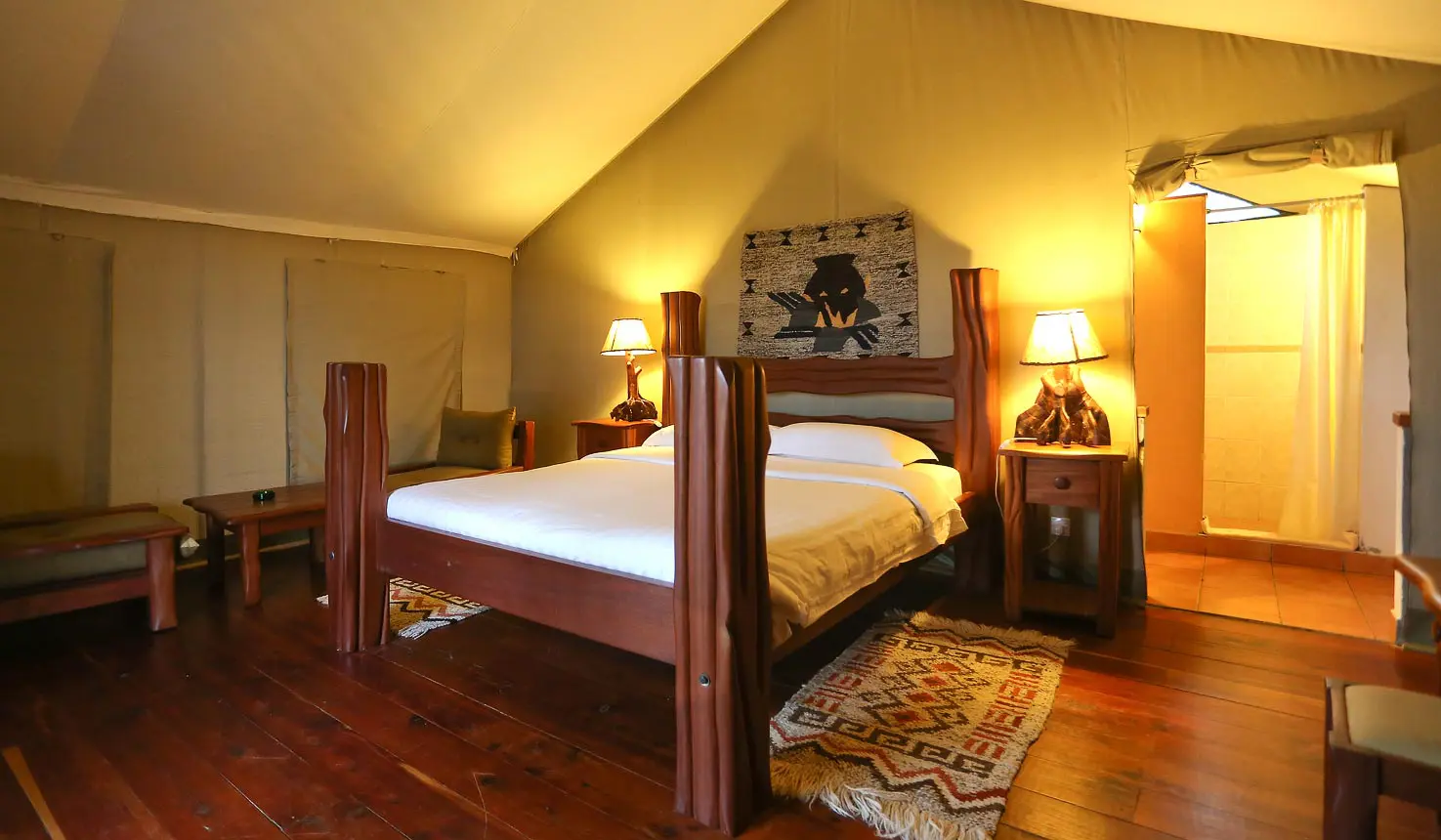
Comfort (Mid-range)
-
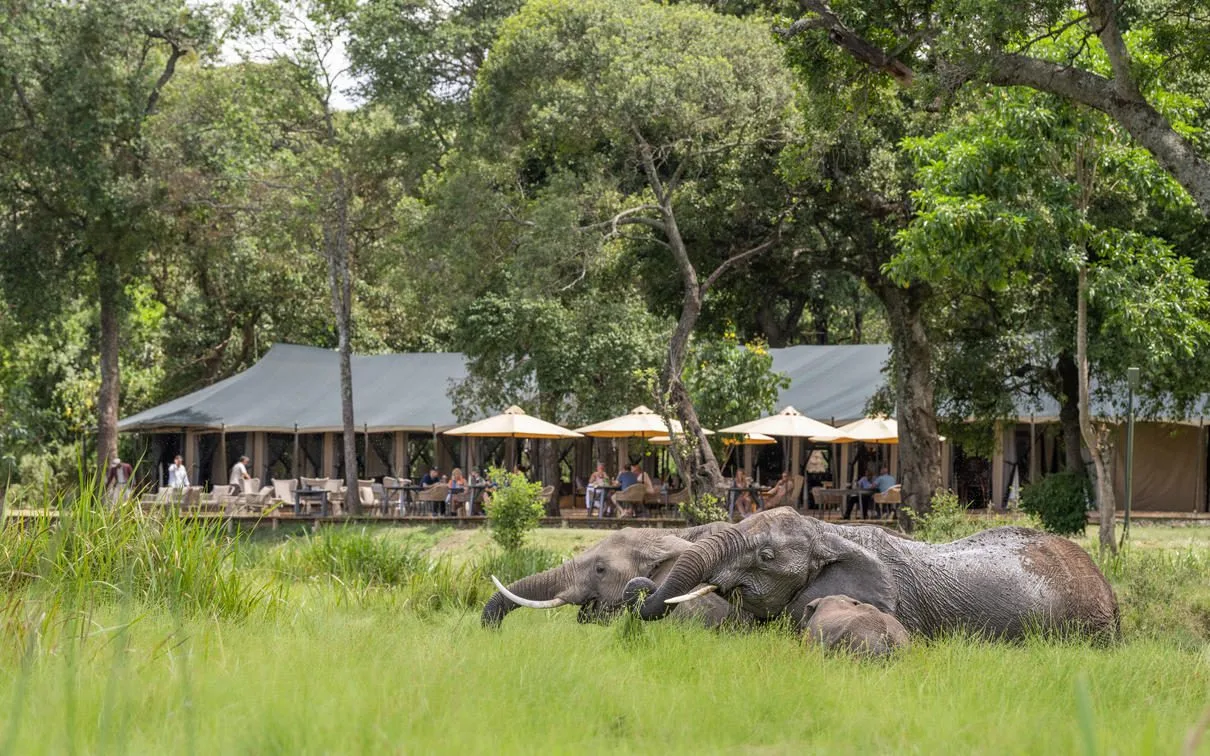
Premium (Luxury)
-
Signature (High-end)
-
Day 2: Nairobi to Amboseli National Park - Main destination
- Masai Mara National Reserve
- Meals
- Breakfast, Lunch, Dinner
After breakfast, meet your professional safari driver-guide and begin the overland journey toward Amboseli National Park. The route travels southeast from Nairobi toward the Kenya-Tanzania border region. As urban development gradually disappears, the landscape becomes increasingly open and dry, and eventually the ecosystem surrounding Amboseli begins to dominate the horizon.
On clear days, you may see Mount Kilimanjaro, Africa's highest mountain. Although the mountain stands across the international border in Tanzania, some of its most recognizable wildlife photographs are taken from the Kenyan side around Amboseli, but clear views are never guaranteed.
Arrive at your lodge or camp for lunch. After check-in and some relaxation, begin an afternoon game drive. Amboseli is particularly famous for elephants, and large family groups may be seen moving across open plains, feeding around marshes or walking in front of Kilimanjaro. Potential wildlife includes: African elephants, Lions, Buffaloes, Giraffes, Zebras, Wildebeest, Gazelles, Hyenas, Jackals, Hippos, Numerous birds.
Continue exploring until evening, then return to your lodge or tented camp for dinner.
- Accommodation: Amboseli lodge or tented camp
- Meal Plan: Breakfast, Lunch and Dinner
Where you stay
-
Day 3: Full-Day Amboseli National Park Safari - Main destination
- Masai Mara National Reserve
- Meals
- Breakfast, Lunch, Dinner
Begin your day early. Morning is often the strongest time for Mount Kilimanjaro photography because cloud cover may increase later in the day. When conditions cooperate, the sight of elephants beneath the mountain creates one of East Africa's most recognizable safari scenes, although mountain views are never guaranteed.
Spend the morning exploring different sections of Amboseli. The park contains extensive wetlands fed partly by underground water moving through the wider Kilimanjaro ecosystem, and these marshes are crucial to wildlife survival during dry periods. Elephants frequently enter wetland areas to feed, while buffaloes, hippos and numerous birds can also be found around water. Predators may be encountered in surrounding grasslands: lions are present throughout the ecosystem, while cheetahs and hyenas may also be seen.
Return to your lodge for lunch and a rest during the hottest part of the day. Later, depart for another afternoon game drive. This second game drive provides opportunities to explore areas missed during the morning and revisit productive wildlife locations, before you return to the lodge as evening falls.
- Accommodation: Amboseli lodge or tented camp
- Meal Plan: Breakfast, Lunch and Dinner
Where you stay
-
Day 4: Amboseli to Lake Naivasha - Main destination
- Masai Mara National Reserve
- Meals
- Breakfast, Lunch, Dinner
After breakfast, leave Amboseli and begin traveling northwest toward the Great Rift Valley. Today's destination is Lake Naivasha. The route may pass around Nairobi before descending toward the Rift Valley, and as you approach the escarpment, broad views across the valley can reveal the enormous geological scale of this part of Kenya.
Continue toward Lake Naivasha and check into your lodge. After lunch, an optional Lake Naivasha boat safari can be arranged. Boat trips provide a very different wildlife experience from conventional game drives. You may see: Hippos, African fish eagles, Cormorants, Pelicans, Kingfishers, Herons, Other waterbirds.
Wildlife sightings vary according to season and lake conditions. Another optional activity is a guided visit to Crescent Island, where certain herbivore species can be observed on foot under appropriate supervision. Return to the lodge for dinner.
- Accommodation: Lake Naivasha lodge
- Meal Plan: Breakfast, Lunch and Dinner
Where you stay
-
Day 5: Lake Naivasha to Lake Nakuru National Park - Main destination
- Masai Mara National Reserve
- Meals
- Breakfast, Lunch, Dinner
After breakfast, leave Lake Naivasha and travel toward Lake Nakuru National Park. The journey is relatively manageable compared with some of the longer transfer days, allowing more time for wildlife viewing. Enter the park and begin your first game drive.
The park provides an important contrast to both Amboseli and the Masai Mara, with woodland, grassland, cliffs and lake environments occurring within a comparatively compact protected area. Lake Nakuru is particularly valuable on this itinerary because of its rhino population. Both black and white rhinos may be encountered, and the park is also an important sanctuary for the endangered Rothschild's giraffe, although no sighting is guaranteed. Other potential wildlife includes: Buffaloes, Waterbucks, Zebras, Baboons, Warthogs, Impalas, Lions, Leopards, Hyenas.
Birding can be excellent. Lake Nakuru was historically famous for spectacular concentrations of flamingos, but flamingo numbers fluctuate according to water levels, food conditions and ecological changes, so visitors should not expect identical concentrations every year. Continue your afternoon game drive before transferring to your lodge.
- Accommodation: Lake Nakuru lodge or nearby hotel
- Meal Plan: Breakfast, Lunch and Dinner
Where you stay
-
Day 6: Lake Nakuru to Masai Mara National Reserve - Main destination
- Masai Mara National Reserve
- Meals
- Breakfast, Lunch, Dinner
Today marks the beginning of the migration-focused portion of your safari. After breakfast, leave Lake Nakuru and travel toward the Masai Mara National Reserve. The route crosses parts of the Great Rift Valley before continuing toward Narok. Beyond Narok, agricultural and town environments gradually give way to open rangelands, and Maasai livestock herds, scattered settlements and increasing expanses of grassland signal your approach to the Mara.
Arrive at your lodge or tented camp around lunchtime or early afternoon, depending on road conditions. After check-in and lunch, begin your first game drive. During migration season, the atmosphere of the Mara can change dramatically, and huge numbers of wildebeest and zebras may occupy sections of the plains, although herd locations cannot be guaranteed. The density of prey can support significant predator activity, and your guide will assess recent wildlife information and determine where to search. Potential sightings include: Large wildebeest herds, Zebras, Lions, Cheetahs, Leopards, Spotted hyenas, Jackals, Elephants, Buffaloes, Giraffes, Topis, Gazelles, Impalas.
Continue until evening before returning to camp.
- Accommodation: Masai Mara lodge or tented camp
- Meal Plan: Breakfast, Lunch and Dinner
Where you stay
-
Day 7: Full-Day Masai Mara Migration Safari - Main destination
- Masai Mara National Reserve
- Meals
- Breakfast, Lunch, Dinner
Today is entirely dedicated to migration and general wildlife viewing. Depart after an early breakfast with a packed picnic lunch. A full-day format is particularly valuable during migration season because wildlife may be concentrated far from your accommodation, and returning to camp at midday could consume valuable viewing time. Your guide will use the latest information available from other guides, park rangers and observations on the ground. The day's route may concentrate on:
- Open grazing plains
- Mara River areas
- Talek River habitats
- Predator territories
- Large herd concentrations
- Known wildlife corridors
If wildebeest are gathering near a river, you may spend time waiting in the area, and it is important to remain patient. Wildebeest frequently approach a crossing point and then retreat. Sometimes only a few animals cross, while at other times a single animal entering the water can trigger hundreds or thousands to follow. There is no reliable method of predicting exactly when this will happen, and a crossing can never be guaranteed. Your guide must also respect park regulations regarding vehicle placement and wildlife disturbance.
Even if no river crossing occurs, the migration plains themselves can be extraordinary. Huge columns of wildebeest may move across the horizon while zebras graze among them, and predators frequently patrol the edges of the herds. Enjoy your picnic lunch at an appropriate designated area, continue wildlife viewing throughout the afternoon and return to camp near sunset.
- Accommodation: Masai Mara lodge or tented camp
- Meal Plan: Breakfast, Picnic Lunch and Dinner
Where you stay
-
Day 8: Masai Mara – Mara River and Migration Herds - Main destination
- Masai Mara National Reserve
- Meals
- Breakfast, Lunch, Dinner
Begin another full day in the Masai Mara. The extra time allocated to the reserve is one of the defining advantages of this itinerary, as wildlife activity is never identical from one day to the next. Today your guide may explore sections of the Mara River where migration activity has recently been reported. The Mara River is one of the most important physical obstacles faced by migratory herds, and when animals cross, the event can be dramatic. Potential challenges include:
- Strong currents
- Steep riverbanks
- Congestion
- Crocodiles
- Injuries
- Predators waiting beyond the river
However, the spectacle should not be viewed only through dramatic imagery. Many crossings are relatively orderly, some happen quickly and others involve fewer animals than expected. Sometimes travelers wait for several hours and nothing crosses at all, and this unpredictability is what makes witnessing a genuine migration crossing so special; a crossing can never be guaranteed.
Your guide may move between different river sections according to herd behavior. If activity around the river is limited, the game drive can focus on predators and large plains-game herds. Lions often take advantage of the concentration of prey, cheetahs may also target vulnerable animals on open plains and hyenas are particularly active in migration country. Return to your accommodation in the evening.
- Accommodation: Masai Mara lodge or tented camp
- Meal Plan: Breakfast, Picnic Lunch and Dinner
Where you stay
-
Day 9: Masai Mara Predator Safari - Main destination
- Masai Mara National Reserve
- Meals
- Breakfast, Lunch, Dinner
The migration is about far more than wildebeest. Today can be structured around the predator dynamics associated with the enormous movement of prey. Depart early while temperatures are still cool, as lions may be active after a night of hunting. Look for pride members around areas where grazing animals are concentrated.
Cheetahs are particularly suited to the open Mara grasslands, and their success depends heavily on locating suitable prey while avoiding competition with larger predators. Leopards tend to favor more wooded habitats and riverine zones, and they may rest in trees or thick vegetation during the day. Spotted hyenas are among the Mara's most successful large predators; although often portrayed simply as scavengers, hyenas are skilled hunters and play a crucial ecological role. Other carnivores may include: Black-backed jackals, Side-striped jackals, Servals, Bat-eared foxes.
During migration season, vultures and other scavenging birds also become extremely important. The movement of millions of animals inevitably generates natural mortality, providing food for scavengers and returning nutrients to the ecosystem. Spend the day observing these interconnected relationships, then return to camp after another extensive game drive. Individual species sightings cannot be guaranteed.
- Accommodation: Masai Mara lodge or tented camp
- Meal Plan: Breakfast, Lunch and Dinner
Where you stay
-
Day 10: Masai Mara – Optional Hot-Air Balloon and Full-Day Safari - Main destination
- Masai Mara National Reserve
- Meals
- Breakfast, Lunch, Dinner
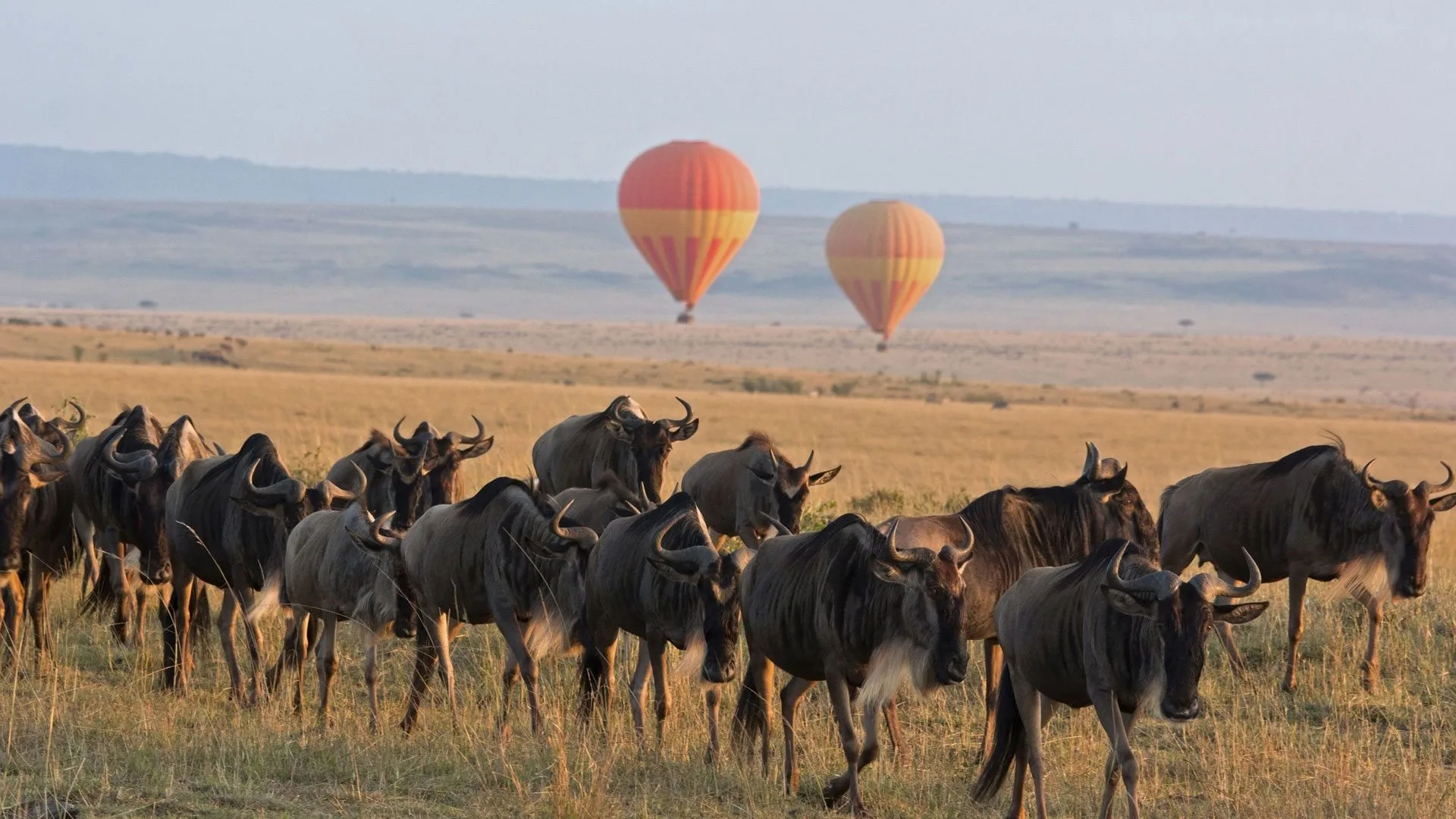
Today provides another full day in the Mara. Travelers seeking a different perspective can begin the morning with an optional hot-air balloon safari. Ballooning usually starts before sunrise: you will be transferred to the launch site in darkness and receive a safety briefing before takeoff, and as daylight appears, the balloon drifts over the landscape. During migration season, the aerial perspective can reveal the scale of the herds in a way that is impossible from ground level, with long lines of wildebeest and zebra possibly stretching across the plains, while river systems, tracks, trees and distant escarpments become part of a much larger landscape. Wildlife sightings from the balloon vary according to route and conditions, and a flight is never guaranteed.
After landing, a breakfast experience is normally provided before you rejoin your guide. Balloon safaris are optional and normally charged separately, and travelers who do not choose ballooning will begin with a conventional morning game drive.
Continue exploring the Mara for the rest of the day. Your guide may return to migration hotspots or focus on areas where interesting wildlife behavior has been reported.
- Accommodation: Masai Mara lodge or tented camp
- Meal Plan: Breakfast, Lunch and Dinner
Where you stay
-
Day 11: Final Full Day in Masai Mara - Main destination
- Masai Mara National Reserve
- Meals
- Breakfast, Lunch, Dinner
Your final complete day in the Masai Mara provides one last opportunity to search for migration activity. By now, your guide will have a clear understanding of your interests. Perhaps you are particularly interested in:
- River crossings
- Lions
- Cheetahs
- Leopards
- Elephants
- Wildebeest herds
- Bird photography
- Landscape photography
- Animal behavior
The day's game drive can emphasize those priorities. If migration activity has moved to a different part of the ecosystem, your guide may plan an extended drive toward that area. This flexibility is one of the reasons a private safari can be particularly valuable during migration season, as shared group itineraries often follow fixed schedules, whereas private travel makes it easier to adjust to current wildlife conditions.
Optional Maasai Cultural Experience
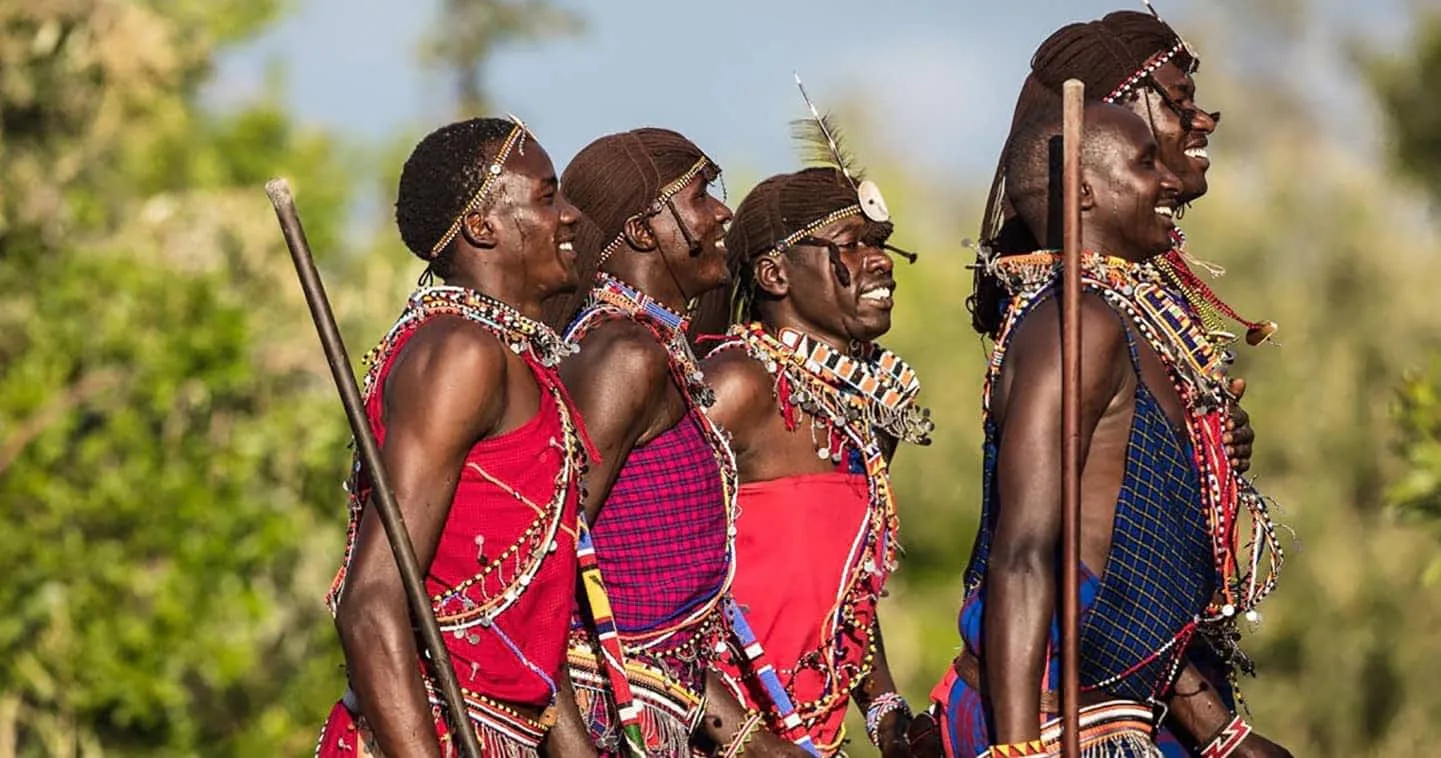
Travelers interested in the people of the region may also request an optional visit to a Maasai community. The Maasai have inhabited parts of southern Kenya and northern Tanzania for generations and maintain strong cultural traditions linked to pastoralism. A well-organized visit can provide insight into:
- Livestock traditions
- Family structures
- Traditional architecture
- Dress
- Community life
- Conservation relationships
Any cultural visit should be arranged respectfully and should not interfere unnecessarily with wildlife-viewing priorities. Return to your lodge or camp for your final safari dinner.
- Accommodation: Masai Mara lodge or tented camp
- Meal Plan: Breakfast, Lunch and Dinner
Where you stay
-
Day 12: Masai Mara to Nairobi – End of Safari - Main destination
- Masai Mara National Reserve
- Drive time
- Return transfer as outlined in the itinerary
- Meals
- Breakfast, Lunch
Enjoy breakfast and your final morning in the Mara. Depending on your accommodation location and departure schedule, there may be opportunities to observe wildlife while leaving the reserve. Begin the drive back toward Nairobi via Narok and the Great Rift Valley. Alternatively, travelers who prefer to avoid the road journey can request a scheduled flight from a Masai Mara airstrip to Nairobi, subject to availability and additional cost.
Upon arrival in Nairobi, transfer to:
- Jomo Kenyatta International Airport
- Wilson Airport
- Nairobi hotel
- Another agreed location
This marks the end of your 12 Days Kenya Migration Safari.
- Meal Plan: Breakfast
Where you stay
03 Rates
Safari rates 2027-2029
Indicative per person. Season, group size and lodge style change the total — your quotation confirms current rates.
-
Essential (Budget)
Essential (Budget)
Budget camps and lodges suit travelers who prioritize wildlife while keeping costs lower.
Great value camps
-
Comfort (Mid-range)
Comfort (Mid-range)
Mid-range tented camps and lodges balance comfort and price with private rooms or tents and en-suite facilities.
Quoted for your dates
-
Premium (Luxury)
Premium (Luxury)
Luxury camps and lodges focus on location, service and more intimate wildlife experiences.
Premium camps and lodges
-
Signature (High-end)
Signature (High-end)
Signature camps and lodges are the most exclusive stays — small, highly private properties with exceptional guiding and setting.
Exclusive signature stays
04 Activities
Safari activities
Game viewing is the core of this itinerary. Optional extras are quoted separately and depend on season, permits and availability. Individual species and river crossings are never guaranteed.
-
Optional
Lake Naivasha boat trip
Available at extra cost when conditions, permits and your dates allow. Not guaranteed.
View activity -
Optional
Crescent Island walk
Available at extra cost when conditions, permits and your dates allow. Not guaranteed.
View activity -
Optional
Masai Mara hot-air balloon safari
Available at extra cost when conditions, permits and your dates allow. Not guaranteed.
View activity -
Optional
Maasai cultural visit
Available at extra cost when conditions, permits and your dates allow. Not guaranteed.
View activity
Additional information
Plan This Safari
Why Spend Several Nights in Masai Mara?
Migration viewing is one of the strongest reasons to avoid an overly rushed Kenya itinerary. A traveler who spends only one night in the Mara may effectively have just one afternoon and one morning for wildlife viewing, which is rarely sufficient for a serious migration safari. The migration is unpredictable by nature, so time is one of the most valuable assets a traveler can purchase. A longer stay provides:
- More opportunities to locate herds
- Better chances of reaching different river sections
- Multiple morning and afternoon predator drives
- Flexibility around weather conditions
- Greater possibility of witnessing unusual behavior
- More time for photography
- Less pressure to chase every reported crossing
Masai Mara National Reserve During Migration Season
The Masai Mara forms the northern extension of the Serengeti-Mara ecosystem. During migration season, substantial numbers of wildebeest and zebras may enter from Tanzania. However, wildlife distribution is not uniform across the reserve. Herds may be:
- Near the Mara River
- On open plains
- In conservancy areas
- Near the Tanzania border
- Moving between grazing grounds
- Spread across several zones
This is why accommodation location matters. A camp that is excellent for one phase of the migration may be less convenient when herds move elsewhere. When preparing a migration itinerary, accommodation should therefore be selected according to:
- Travel dates
- Expected herd location
- Budget
- Desired level of comfort
- Reserve versus conservancy preference
- Airstrip access
- Driving distances
Mara River Crossings
River crossings are the most famous migration events. The Mara River winds through parts of the Kenya-Tanzania ecosystem. Crossing points vary according to:
- Herd position
- Water levels
- Riverbank conditions
- Previous animal movement
- Disturbance
- Weather
A guide may receive information that a large herd is approaching a known crossing point. Even then, there is no guarantee a crossing will occur. Wildebeest can remain gathered above the river for hours, and they may eventually cross, move elsewhere or retreat onto the plains. This uncertainty is part of authentic wildlife watching. Responsible migration safaris therefore avoid promising guaranteed crossings.
Why Do Wildebeest Cross the River?
Wildebeest move primarily in response to access to fresh grass and water. River crossings occur because rivers lie along migration routes. The animals are not crossing for entertainment, nor are they intentionally seeking danger. They are simply moving through the ecosystem. Rainfall patterns determine where grass grows. As grazing conditions change, large herds continue moving. This constant search for food and water drives the annual migration cycle.
Migration Predators
Migration season provides enormous feeding opportunities for predators.
Lions
Lions may position themselves around plains where wildebeest and zebras are abundant. Pride dynamics can be particularly interesting during periods of high prey availability.
Cheetahs
Cheetahs often concentrate on smaller or more vulnerable prey. Open plains allow them to use speed effectively.
Leopards
Leopards are generally less associated with huge open herds but may remain active around riverine woodland and areas of denser vegetation.
Spotted Hyenas
Hyenas are highly capable hunters. Large clans may take advantage of migration concentrations.
Crocodiles
Large Nile crocodiles inhabit sections of the Mara River. They may attempt to catch animals during crossings.
Other Wildlife During the Migration
Even during migration season, the Masai Mara is not simply a wildebeest destination. Resident wildlife includes: African elephants, Cape buffaloes, Maasai giraffes, Hippos, Crocodiles, Topis, Elands, Impalas, Thomson's gazelles, Grant's gazelles, Warthogs, Baboons, Monkeys, Numerous bird species.
This resident wildlife ensures that game drives remain rewarding even when migratory herds are far from your specific location.
Amboseli National Park
Amboseli provides an important contrast before the migration section. The park is best known for elephants and Mount Kilimanjaro scenery. Its open plains and permanent marshes create excellent opportunities for wildlife photography. The park is particularly attractive to travelers who want close observation of elephant family groups, and including Amboseli also broadens the safari beyond migration alone. Clear views of the mountain are never guaranteed.
Lake Naivasha
Lake Naivasha adds freshwater scenery and an opportunity for activities outside a vehicle. Optional boat trips allow travelers to observe hippos and birds. The slower pace is particularly welcome between major safari parks. Naivasha also breaks long driving distances between Amboseli and Lake Nakuru or the Masai Mara.
Lake Nakuru National Park
Lake Nakuru strengthens the itinerary's rhino component. It is one of Kenya's important rhino conservation areas. Both black and white rhinos may be seen, and Rothschild's giraffes are another highlight to look for. The park's woodland and lakeside environments provide a dramatic contrast to the open Masai Mara plains.
Big Five on the 12 Days Kenya Migration Safari
The route provides opportunities to search for all members of the traditional Big Five:
- Lion
- Leopard
- Elephant
- Rhino
- Buffalo
Amboseli is particularly strong for elephants and buffaloes. Lake Nakuru improves rhino opportunities. Masai Mara provides outstanding lion country and opportunities for leopard and buffalo sightings. Nevertheless, no specific animal can be guaranteed, as wildlife moves freely and sightings depend on conditions and luck.
Best Time for the 12 Days Kenya Migration Safari
For travelers specifically targeting the Kenyan phase of the Great Migration, July through October is broadly regarded as the key period. However, each month offers a slightly different experience.
July
Herds may begin arriving in significant numbers. Conditions often become progressively drier. Migration locations can vary considerably.
August
August is one of the most popular migration months. Large herds may be present in the Mara ecosystem, and river-crossing opportunities can be strong. Visitor numbers can also be high.
September
Migration activity can remain excellent. Large herds may still occupy the Mara, with predator activity continuing throughout the ecosystem.
October
In some years, large numbers of animals remain in Kenya into October. In other years, movements south may begin earlier. Rainfall strongly influences timing.
Is June Good for a Migration Safari?
June can provide excellent wildlife viewing in Kenya, but travelers specifically wanting large migration concentrations in the Masai Mara should understand that herd locations may still be farther south in Tanzania depending on rainfall. A June safari can still be exceptional for resident wildlife. If migration is the primary objective, later months may provide stronger probability.
Is November Good for Migration?
By November, many migratory animals are normally moving back toward the Serengeti ecosystem, although movements vary. Masai Mara remains an excellent wildlife destination even without the migration. Travelers visiting in November should therefore focus on general game viewing rather than expecting peak migration conditions.
Migration Safari Accommodation
Accommodation choice can strongly influence the quality of a migration safari.
Budget Camps
Budget camps can provide affordable access to the wider Mara ecosystem. Some may be outside reserve boundaries, increasing drive times to certain migration areas.
Mid-Range Tented Camps
Mid-range camps offer a strong balance of comfort, location and cost. They commonly provide en-suite tents, restaurants and organized safari access.
Luxury Camps
Luxury properties may occupy outstanding locations and provide highly personalized service. Some are located in private conservancies.
Mobile or Seasonal Camps
Certain camps are positioned specifically around anticipated migration zones. These can be particularly attractive for serious migration travelers. Exact suitability depends on travel month.
Reserve or Conservancy Accommodation?
Masai Mara accommodation can be located inside the national reserve, close to reserve boundaries or in surrounding private conservancies. Each has advantages.
Staying in the Reserve
Benefits may include:
- Direct access to key migration areas
- Less transfer time to some river locations
- Strong wildlife viewing
Staying in a Conservancy
Potential benefits include:
- Lower vehicle density
- More exclusive wildlife encounters
- Activities not always available inside the reserve
- Night drives in certain conservancies
- Guided walks in designated areas
For migration-focused travel, the best choice depends heavily on current wildlife location and your priorities.
Private Vehicle for Migration Safaris
A private safari vehicle is particularly valuable during migration season. It allows you to determine how long to remain at a sighting: if a herd gathers near the Mara River, you may choose to wait, and if predators become active elsewhere, your guide can adjust. Shared vehicles generally require compromise among several unrelated travelers, so private arrangements are especially useful for:
- Photographers
- Families
- Honeymooners
- Wildlife enthusiasts
- Birdwatchers
- Travelers who dislike rigid schedules
Photography on a Migration Safari
The Great Migration provides exceptional photographic opportunities. Potential subjects include:
- Long wildebeest columns
- Zebra herds
- River crossings
- Lions among migration herds
- Cheetahs hunting
- Hyenas
- Crocodiles
- Elephants
- Mara sunsets
- Storm clouds
- Dusty plains
- Birds and scavengers
Serious photographers may want to request:
- Private vehicle
- Window-seat guarantee
- Flexible game-drive schedule
- Extended Mara stay
- Extra camera battery charging facilities
- Beanbags or camera support arrangements
Long telephoto lenses are particularly useful for wildlife photography.
Optional Hot-Air Balloon Safari
A hot-air balloon safari is one of the most popular optional experiences in the Masai Mara. During migration season, ballooning can provide remarkable views over:
- Herds
- Plains
- River systems
- Wildlife trails
- Sunrise landscapes
However, the balloon route depends on wind, and the flight itself is never guaranteed. Travelers should not book ballooning specifically expecting to fly over a river crossing. The experience should be appreciated for the aerial perspective itself.
Family Migration Safari
Families can enjoy this itinerary, particularly when traveling privately. However, migration safaris can involve long game-drive days. Parents should consider:
- Children's ages
- Comfort with long drives
- Early departures
- Heat
- Patience required while waiting for wildlife
- Lodge swimming pools
- Family room availability
For younger children, it may be better to shorten certain full-day drives.
Honeymoon Migration Safari
The itinerary can be upgraded into a luxury honeymoon safari. Possible additions include:
- Luxury migration camp
- Private safari vehicle
- Balloon safari
- Private bush breakfast
- Romantic dinner
- Premium suites
- Champagne arrangements
- Kenya coast extension
- Zanzibar extension
A few beach nights after the migration safari can provide an excellent contrast to the intensive wildlife section.
Kenya Migration Safari Cost
The 12 Days Kenya Migration Safari cost depends on several major factors. Migration season is generally among the most expensive periods for Masai Mara travel because demand is high.
Travel Dates
July through September can attract premium rates. Festive dates and high-demand periods may cost even more.
Accommodation Category
A budget camp outside the reserve can cost substantially less than a luxury migration camp in a prime location.
Group Size
Vehicle and guide costs are shared among travelers. A private safari for four people therefore often costs less per person than the same itinerary for two.
Park Fees
Protected-area entry charges form a major component of safari pricing.
Flights
Adding domestic flights increases convenience and cost.
Balloon Safari
Ballooning is normally an optional additional expense.
Room Type
Single rooms normally involve supplements. Children may receive discounted accommodation or park rates depending on age and property.
For an accurate price, request a quotation based on exact travel dates.
Typical Safari Inclusions
A standard package may include:
- Airport transfers
- Private safari vehicle
- Professional English-speaking safari guide
- Safari accommodation
- Meals indicated in itinerary
- Scheduled game drives
- Park fees specified in final quotation
- Bottled drinking water in safari vehicle
- Government taxes on included services
- Nairobi accommodation if listed
Exact inclusions are determined by the final booking quotation.
Typical Safari Exclusions
Unless specifically included, exclusions may consist of:
- International flights
- Kenya entry authorization expenses
- Travel insurance
- Vaccinations
- Medical expenses
- Alcoholic beverages
- Premium drinks
- Laundry
- Tips and gratuities
- Balloon safari
- Optional cultural visits
- Optional Lake Naivasha activities
- Personal purchases
- Activities not listed as included
- Additional nights before or after safari
What to Pack for a Migration Safari
Migration season often means cool mornings, warm afternoons and dusty game-drive conditions. Recommended clothing includes:
- Neutral-colored shirts
- Lightweight trousers
- Long-sleeved tops
- Warm fleece
- Light jacket
- Comfortable safari shoes
- Sun hat
- Sunglasses
Important accessories include:
- Binoculars
- Camera
- Telephoto lens
- Spare batteries
- Memory cards
- Power bank
- Sunscreen
- Insect repellent
- Personal medication
- Reusable water bottle
- Small daypack
A scarf or buff can be useful during dusty game drives.
Customize Your 12 Days Kenya Migration Safari
The itinerary can be adjusted according to:
- Exact travel dates
- Migration expectations
- Accommodation budget
- Number of travelers
- Family requirements
- Photography interests
- Desired number of Mara nights
- Flight preferences
- Beach extension plans
Possible variations include:
- Amboseli + Lake Nakuru + Masai Mara
- Samburu + Ol Pejeta + Masai Mara
- Lake Naivasha + Lake Nakuru + Extended Masai Mara
- Amboseli + Extended Masai Mara + Diani
- Fly-In Masai Mara Migration Safari
For travelers whose absolute priority is migration, reducing the number of secondary parks and adding more Masai Mara nights can be a better strategy.
Book Your 12 Days Kenya Migration Safari
The 12 Days Kenya Migration Safari is intended for travelers who want to experience the Great Wildebeest Migration properly rather than treating the event as a brief stop on a rushed itinerary. The journey begins by introducing Kenya's wider safari diversity through elephants, Rift Valley landscapes, rhinos and other wildlife. It then dedicates the most important part of the trip to the Masai Mara.
Here, the safari becomes less predictable—and far more exciting. One morning may be dominated by thousands of wildebeest crossing an open plain, another may begin with a lion pride resting after a successful hunt, and a cheetah may appear on a termite mound scanning for prey. Hundreds of zebras may move toward fresh grazing, and a distant herd may suddenly turn and travel toward the river. You may spend hours waiting for a crossing that never happens, only to encounter an extraordinary predator sighting on the return drive.
This uncertainty is not a weakness of migration travel. It is the essence of genuine wildlife watching, and the Great Migration remains extraordinary precisely because it is uncontrolled.
For a personalized quotation, provide:
- Preferred travel dates
- Number of travelers
- Adults and children's ages
- Budget, mid-range or luxury preference
- Approximate budget per person
- Desired number of Masai Mara nights
- Whether migration is your absolute priority
- Whether you prefer a road or fly-in safari
- Whether you would like a balloon safari
- Whether you want Diani, Mombasa, Watamu or Zanzibar afterward
A customized itinerary can then be developed around the most suitable route, accommodation locations and wildlife priorities for your 12 Days Kenya Migration Safari.
Planning Questions
Frequently Asked Questions
Is 12 days enough for a Kenya migration safari?
Yes. Twelve days provides enough time to combine several Kenyan destinations while allocating multiple days to the Masai Mara.
Will I definitely see the Great Migration?
If you travel during the main migration period and herds are present in the Mara ecosystem, chances of seeing migratory animals can be excellent. Exact herd locations cannot be guaranteed.
Is a Mara River crossing guaranteed?
No. No ethical safari operator can guarantee a river crossing.
How many days should I spend in Masai Mara for migration?
At least three to four nights is generally far better than a one-night visit. Serious migration travelers may prefer four or five nights.
Which month is best?
July, August, September and parts of October are broadly associated with the Kenyan migration season, but actual movements vary annually.
Is August the best month?
August is very popular and often productive, but it is also one of the busiest periods.
Are there too many safari vehicles during migration?
Some popular sightings and river areas can become busy. Staying longer, using experienced guides and considering conservancy accommodation can improve the experience.
Can I see the Big Five?
The itinerary provides strong opportunities to search for all five, but specific sightings cannot be guaranteed.
Can I see rhinos?
Lake Nakuru improves the itinerary's rhino-viewing opportunities. A sighting is never guaranteed.
Can I add Samburu?
Yes. The route can be customized to include Samburu, although another destination may need to be removed or additional days added.
Can I add Diani Beach?
Yes. Diani is an excellent post-safari extension.
Can I add Zanzibar?
Yes. Flights can be arranged toward Zanzibar depending on your final itinerary.
Is this a private safari?
It can be operated privately with your own safari vehicle and driver-guide.
Can this safari be luxury?
Yes. Premium camps and lodges can be used throughout.
Can it be done on a mid-range budget?
Yes. Carefully selected mid-range lodges and tented camps can provide excellent comfort and good locations.
05 Request Quote
Request Quote
Tell us your dates, group size, and preferred lodge style — we will send a tailored quote for this safari.
Want to extend your safari?
Add Amboseli, Diani Beach, Tanzania and Zanzibar, or gorilla trekking in Uganda or Rwanda — we tailor the journey to your dates.