
11 DAYS / 10 NIGHTS
11 Days Kenya Photography Safari
Plan a 11 Days Kenya Photography Safari with expert guides, game drives and carefully chosen camps. Request a quote.
- Wildlife Safari Private Journey
- Private Safari 4x4 Vehicle
- Expert Guide English Speaking
- All Meals Breakfast, Lunch, Dinner
- 24/7 Support We're here to help
01 Overview
Safari Overview
- Duration 11 days / 10 nights
- Destination Kenya
- Starts / ends Nairobi
- Safari style Private 4×4 safari
- Accommodation Essential · Comfort · Premium · Signature
- Best for Wildlife viewing, photography
11 Days Kenya Photography Safari
The 11 Days Kenya Photography Safari is a carefully paced wildlife journey created for travelers who want more than simply seeing Kenya's animals. It is designed around the time, patience, positioning, light and flexibility required to create memorable photographs of wildlife and landscapes in some of East Africa's most celebrated safari destinations.
Kenya is one of Africa's great wildlife photography countries. Its enormous variety of landscapes allows photographers to create completely different images during a single journey: elephants walking beneath the distant silhouette of Mount Kilimanjaro, rhinos moving through open grassland, flamingos and pelicans around Rift Valley lakes, giraffes framed against acacia trees, cheetahs scanning golden plains and lions resting among the rolling grasslands of the Masai Mara.
The 11 Days Kenya Photography Safari provides enough time to move beyond hurried sightseeing. Instead of racing from one animal to another, the itinerary encourages patience. You may spend considerable time with a lion pride waiting for cubs to become active, or position the vehicle ahead of an elephant herd rather than following behind it. You may wait beside a cheetah until it climbs a termite mound and scans the horizon, or remain beside a waterhole as elephants gradually arrive from different directions.
When the light becomes extraordinary, you can concentrate on composition instead of worrying about immediately returning to camp. This approach is important because exceptional wildlife photography is rarely about the number of animals seen. It is about understanding behavior, anticipating movement, choosing the right position and being present when light and wildlife come together. The itinerary can be customized for amateur photographers, serious enthusiasts, professional photographers, content creators, couples, private groups and travelers who simply enjoy taking high-quality photographs while on safari.
Why Choose an 11-Day Photography Safari in Kenya?
Photography requires time. A standard safari may provide wonderful sightings, but a photography-focused journey changes the priorities. Instead of asking "What animal should we find next?" the better question often becomes "What might this animal do next?" That difference is fundamental. If a leopard is sleeping in a tree, a conventional safari group might take several photographs and move on, while a photography vehicle may wait. Eventually the leopard may lift its head, look toward the camera, stretch, descend the tree, or begin walking, and each behavioral change creates completely different photographic possibilities. An eleven-day itinerary provides enough time for this patient approach while still allowing several contrasting Kenyan ecosystems to be included.
Who Is This Kenya Photography Safari Designed For?
You do not need professional equipment. The most important components are good guiding, patience and sufficient time in the field. The safari can be adapted for:
- Amateur wildlife photographers.
- Advanced photographers.
- Professional wildlife photographers.
- Bird photographers.
- Landscape photographers.
- Travel photographers.
- Filmmakers.
- Content creators.
- Couples sharing an interest in photography.
- Private photography groups.
- First-time DSLR or mirrorless camera users.
- Travelers using smartphones but wanting excellent wildlife positioning.
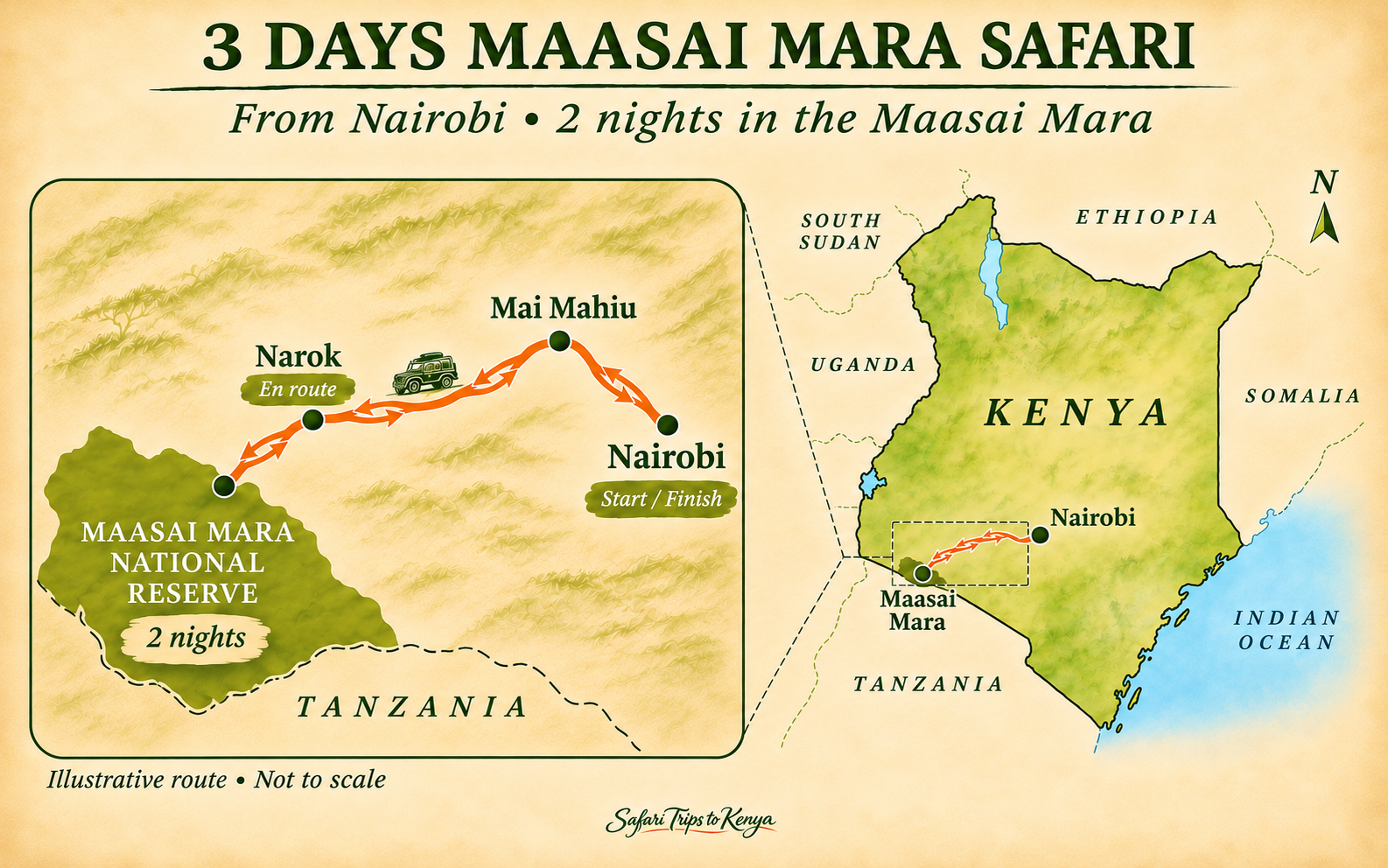
Suggested 11 Days Kenya Photography Safari Route
A strong photography itinerary can follow:
- Day 1: Arrival in Nairobi
- Day 2: Nairobi to Amboseli National Park
- Day 3: Full-Day Amboseli Photography Safari
- Day 4: Amboseli Sunrise Photography – Transfer to Lake Naivasha
- Day 5: Lake Naivasha Photography – Lake Nakuru National Park
- Day 6: Lake Nakuru Photography – Transfer to Masai Mara
- Day 7: Full-Day Masai Mara Photography Safari
- Day 8: Masai Mara Big Cats Photography
- Day 9: Masai Mara Wildlife Behavior Photography
- Day 10: Full-Day Masai Mara Photography – Optional Balloon Safari
- Day 11: Final Photography Drive – Return to Nairobi
The route can be adjusted according to travel season and photographic priorities. Photographers primarily interested in big cats may spend more nights in the Masai Mara. Elephant specialists can allocate additional time to Amboseli. Bird photographers may prefer more time around Rift Valley wetlands.
Main Photography Highlights
Potential photographic subjects include:
- African elephants.
- Lions.
- Leopards.
- Cheetahs.
- White rhinos.
- Black rhinos.
- Buffaloes.
- Giraffes.
- Zebras.
- Wildebeest.
- Hippos.
- Warthogs.
- Gazelles.
- Topi.
- Eland.
- Hyenas.
- Jackals.
- Baboons.
- Monkeys.
- Flamingos when present.
- Pelicans.
- Eagles.
- Vultures.
- Secretary birds.
- Crowned cranes.
- Ostriches.
- Rollers.
- Bee-eaters.
- Rift Valley landscapes.
- Mount Kilimanjaro.
- Acacia silhouettes.
- Sunrise.
- Sunset.
- Storm clouds.
- Wildlife silhouettes.
- Great Migration herds during appropriate seasons.
Itinerary
- Day 1: Arrival in Nairobi, photography Safari Briefing
- Day 2: Nairobi to Amboseli, first Wildlife Photography
- Day 3: Amboseli Photography Safari
- Day 4: Amboseli Sunrise Photography – Lake Naivasha
- Day 5: Lake Naivasha Photography, lake Nakuru
- Day 6: Lake Nakuru Photography – Masai Mara
- Day 7: Masai Mara Photography Safari
- Day 8: Masai Mara Big Cats Photography
- Day 9: Masai Mara Wildlife Behavior Photography
- Day 10: Masai Mara Photography, optional Hot, air Balloon Safari
- Day 11: Morning game drive – return to Nairobi
02 Itinerary
11 Days Kenya Photography Safari: Detailed Itinerary
-
Day 1: Arrival in Nairobi – Photography Safari Briefing - Main destination
- Masai Mara National Reserve
- Drive time
- Road transfer as outlined in the itinerary
- Meals
- Lunch, Dinner
Your 11 Days Kenya Photography Safari begins at Jomo Kenyatta International Airport. After immigration and baggage collection, meet your representative and transfer privately to your Nairobi hotel.
The first evening provides an opportunity to rest and prepare equipment. Photography safaris can involve early starts, dusty conditions and long periods in the field, so organizing equipment before departure is useful. Check:
- Camera bodies.
- Lenses.
- Batteries.
- Battery chargers.
- Memory cards.
- Card readers.
- Laptop.
- External storage.
- Power banks.
- Beanbags.
- Lens-cleaning equipment.
If traveling with two camera bodies, consider preparing different lenses on each body. For example:
- Long telephoto on one camera.
- Medium zoom on the second.
This reduces lens changes in dusty conditions.
Your guide can also discuss your priorities. Are you particularly interested in:
- Big cats?
- Elephants?
- Birds?
- Landscapes?
- Migration?
- Animal behavior?
- Portraits?
- Environmental wildlife photography?
The answers help determine how game drives should be approached.
- Accommodation: Nairobi hotel
- Meal Plan: According to arrival arrangement
- Activity: Airport transfer and photography safari briefing
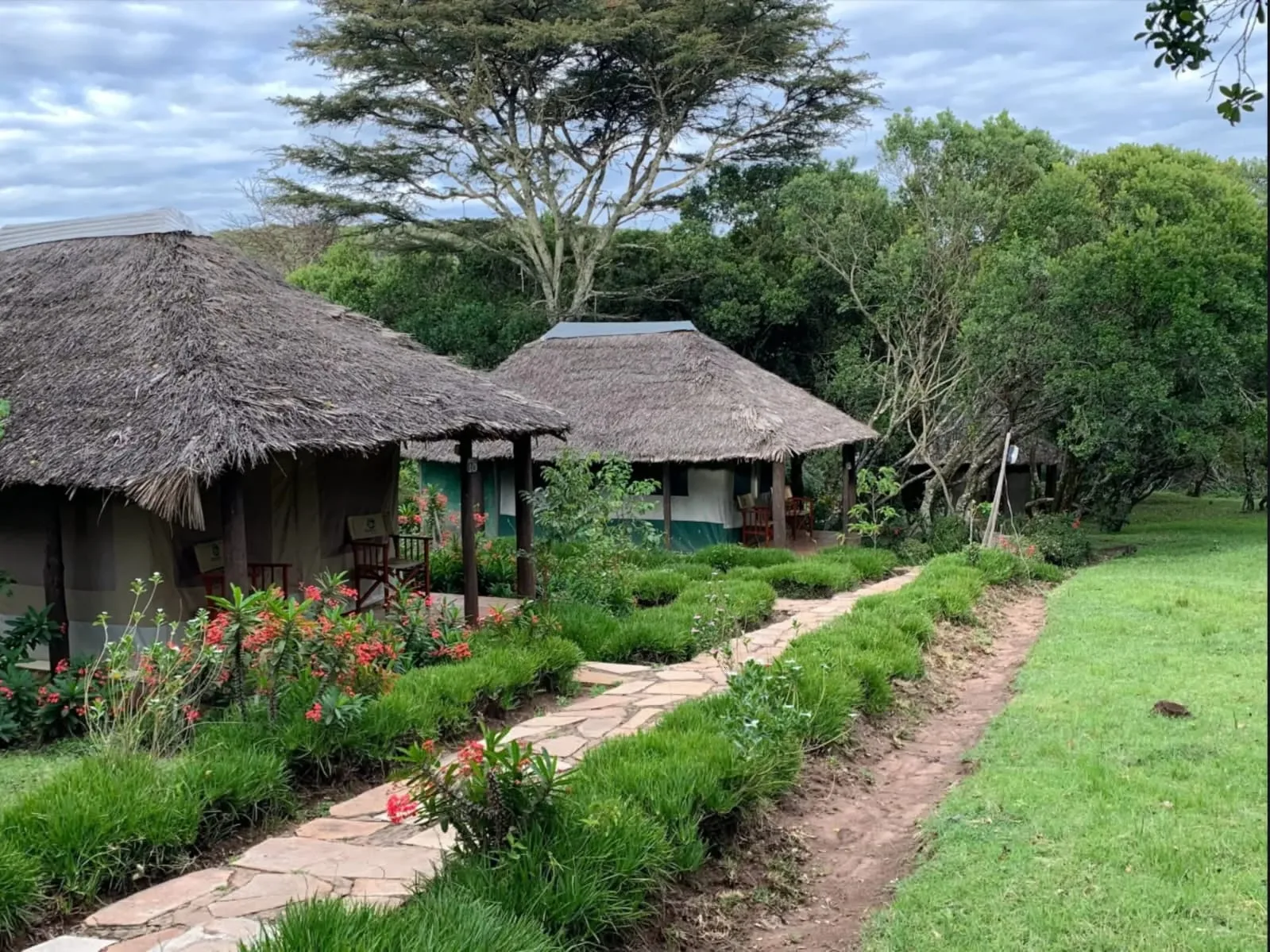
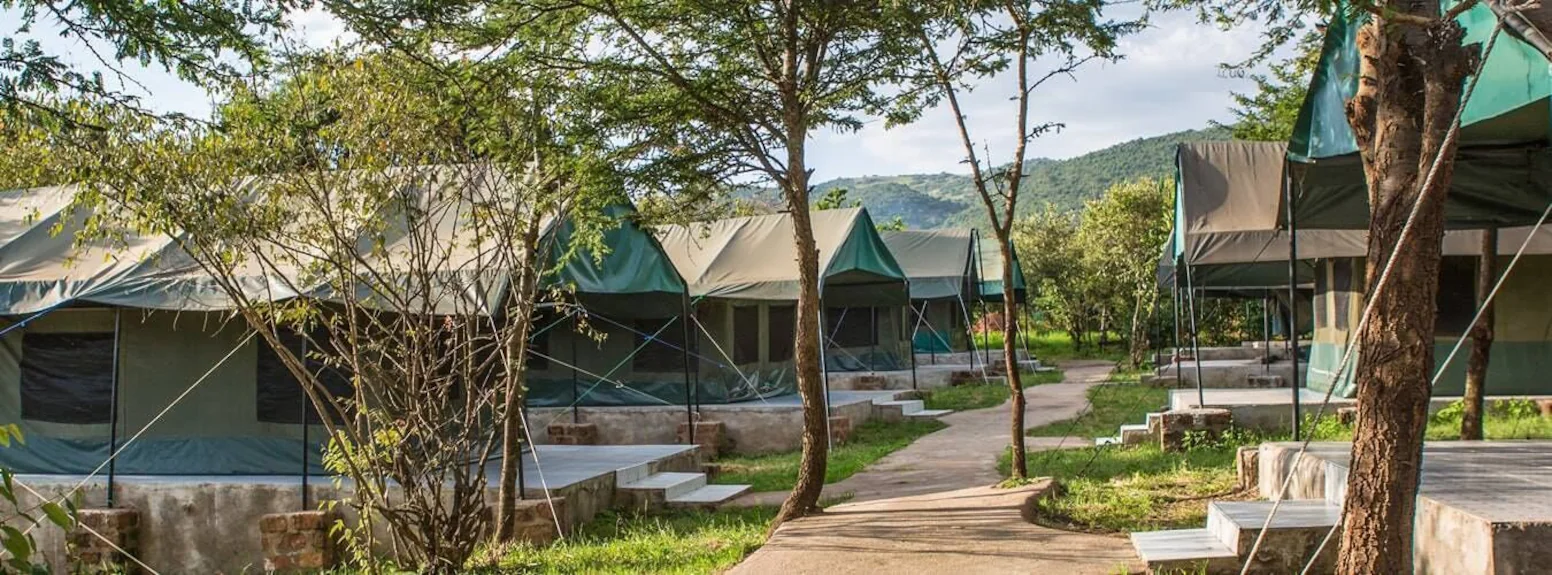
Where you stay
-
Essential (Budget)
-
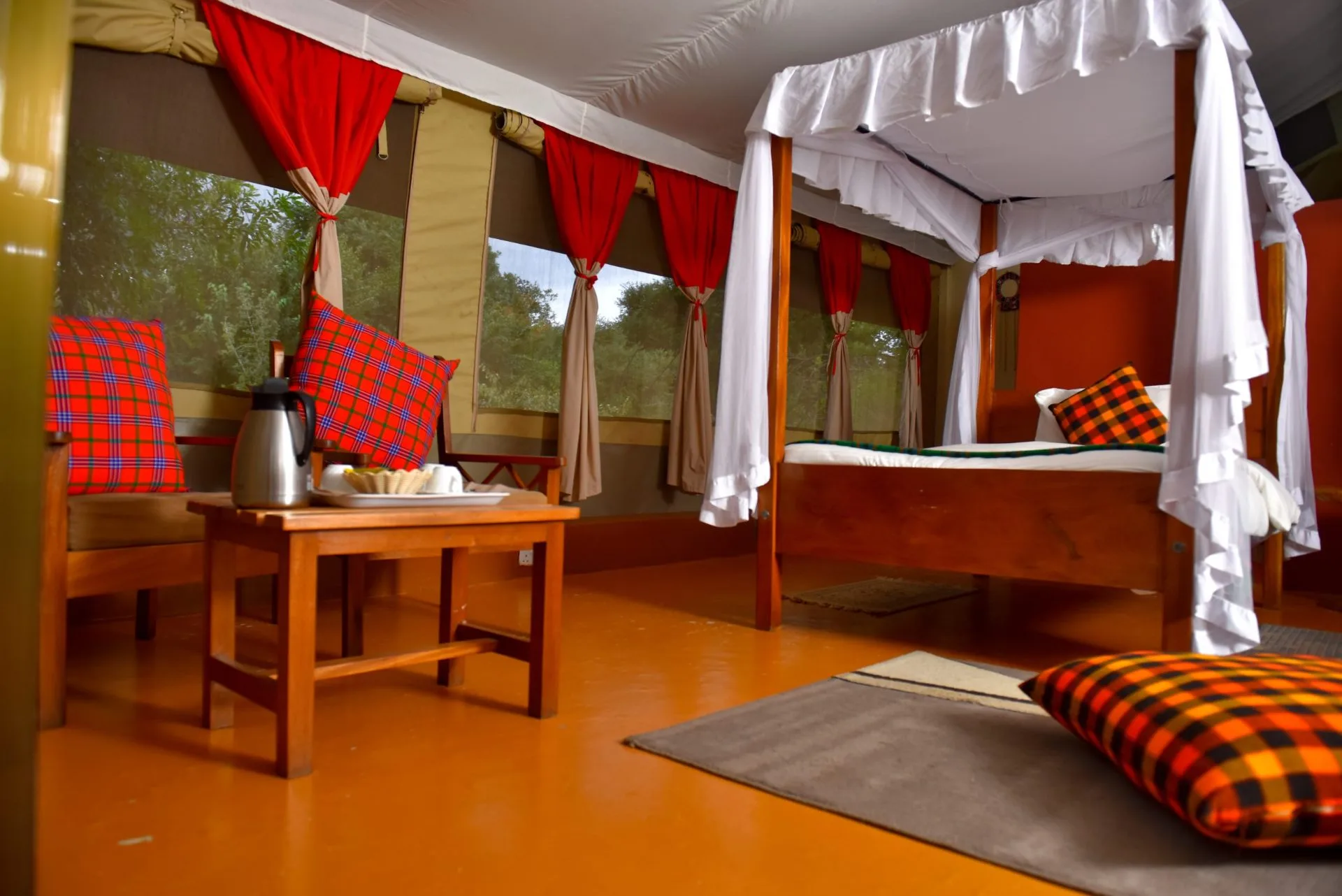
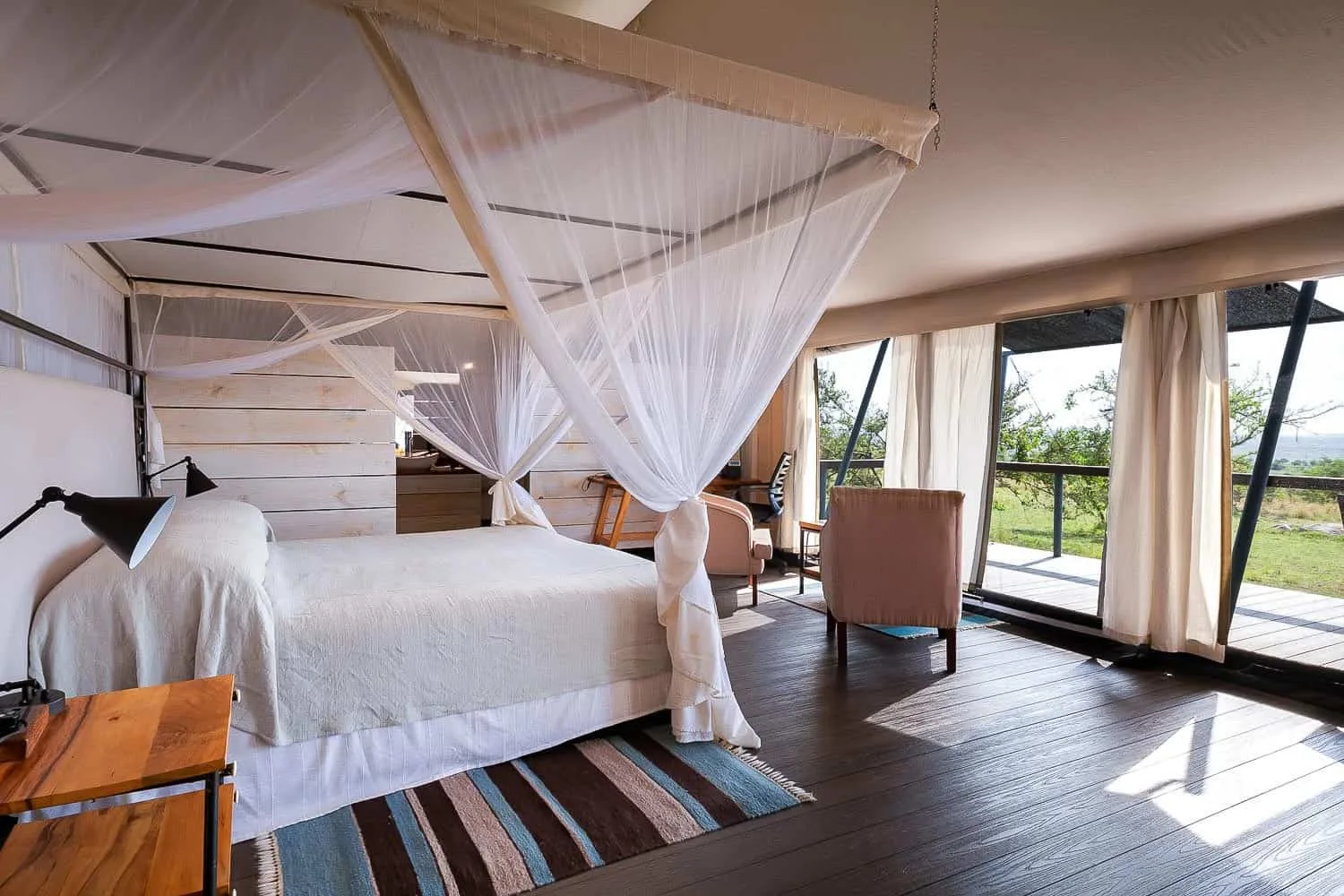
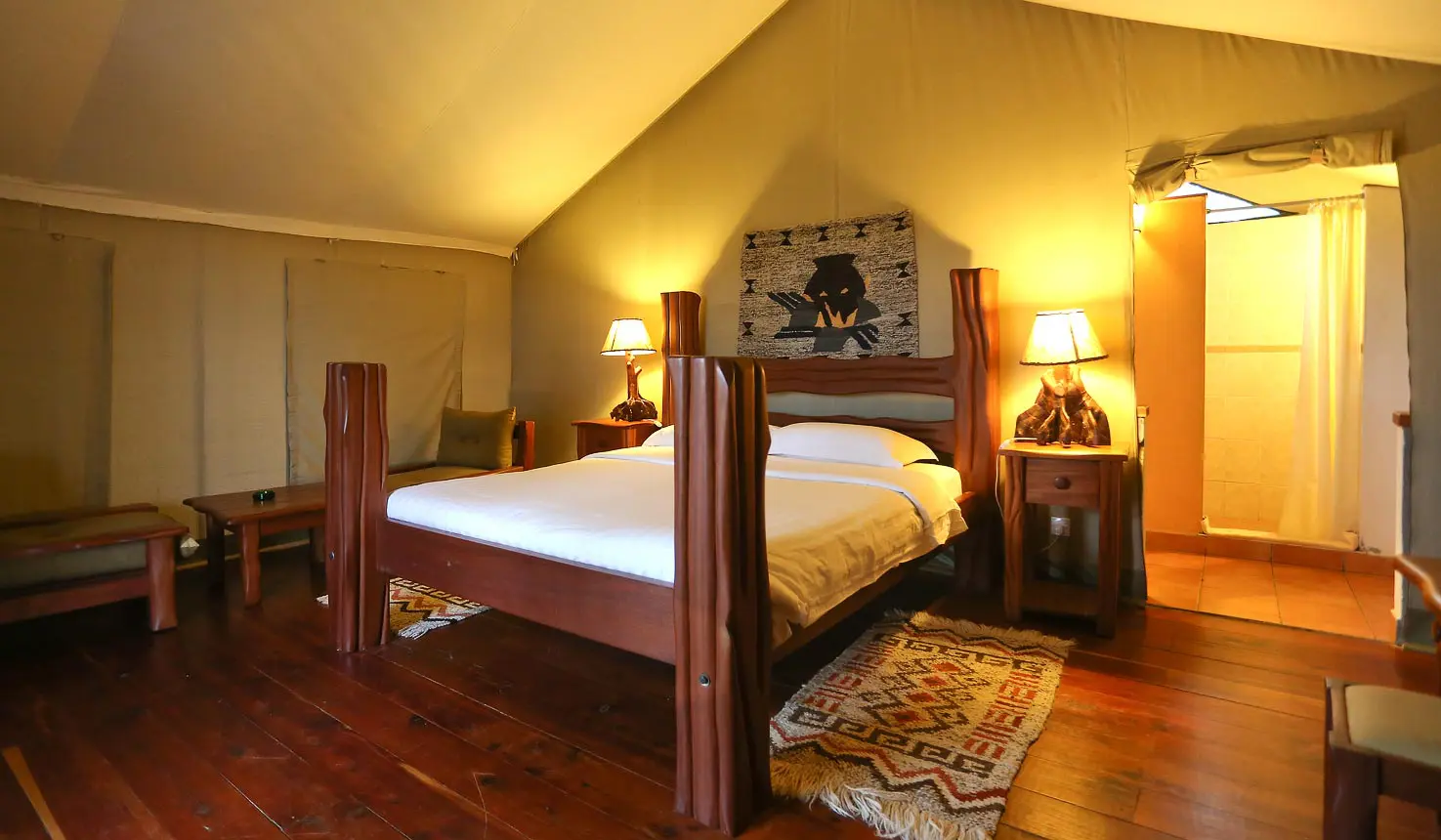
Comfort (Mid-range)
-
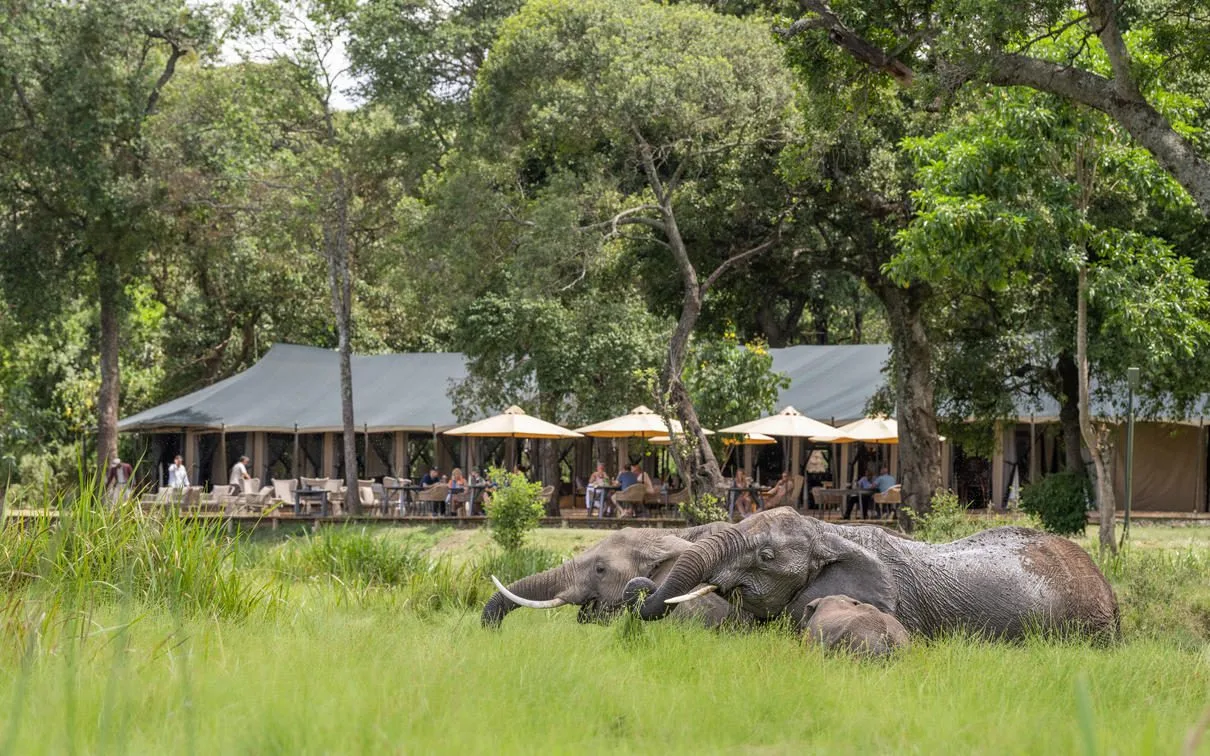
Premium (Luxury)
-
Signature (High-end)
-
Day 2: Nairobi to Amboseli National Park – First Wildlife Photography - Main destination
- Masai Mara National Reserve
- Meals
- Breakfast, Lunch, Dinner
After breakfast, leave Nairobi for Amboseli National Park. Amboseli is one of Kenya's most recognizable photography destinations, with a reputation that comes largely from the combination of elephants, open landscapes and views toward Mount Kilimanjaro. The mountain lies across the border in Tanzania, but some of the most famous views of Kilimanjaro are photographed from the Kenyan side.
Arrive at your lodge or camp. After lunch and a short rest, begin your first photography game drive.
Photographing Amboseli Elephants
Amboseli is famous for elephants. Rather than simply photographing an elephant standing beside the road, look for context, because an elephant photograph can become much more powerful when the environment is included. Possible compositions include:
- Elephant with Kilimanjaro.
- Elephant herd crossing open grassland.
- Mother and calf interaction.
- Elephant drinking.
- Dust bathing.
- Backlit elephant at sunset.
- Elephant silhouette.
- Close-up of trunk or tusks.
Your guide should position the vehicle without obstructing the animals' movement. Where possible, anticipate where the herd is heading and allow elephants to approach naturally, which often creates stronger photographs than chasing them. Return to your accommodation around sunset.
- Accommodation: Amboseli lodge or tented camp
- Meal Plan: Breakfast, Lunch & Dinner
- Activity: Nairobi-Amboseli transfer and afternoon photography drive
Where you stay
-
Day 3: Full-Day Amboseli Photography Safari - Main destination
- Masai Mara National Reserve
- Meals
- Breakfast, Lunch, Dinner
Wake before sunrise. Today is dedicated entirely to photography in Amboseli. Early morning is especially valuable: temperatures are cooler, wildlife may be active and light is softer. When weather conditions cooperate, Kilimanjaro may also be more visible before clouds build later in the day, although a clear view is never guaranteed. Enter the field as early as regulations permit.
Sunrise Photography
Look for subjects positioned against the eastern light. Possible opportunities include:
- Giraffe silhouettes.
- Elephant silhouettes.
- Acacia trees.
- Zebra herds.
- Dust.
- Birds in flight.
Exposure can be challenging when photographing directly toward bright skies. Experiment with both silhouettes and properly exposed subjects.
Elephant Photography
Spend substantial time around elephants. Amboseli's relatively open environment can make it possible to observe herd dynamics. Look for:
- Calves playing.
- Adults touching trunks.
- Dust bathing.
- Drinking.
- Feeding.
- Herd movement.
- Protective behavior around young calves.
Behavior often tells a stronger story than a static portrait.
Wetland Photography
Amboseli contains wetland environments that contrast with surrounding dry plains. Depending on conditions, you may photograph:
- Elephants in water.
- Buffalo.
- Hippos.
- Waterbirds.
- Pelicans.
- Herons.
- Egrets.
Have lunch at your lodge or carry a picnic depending on the day's plan. Return to the field for afternoon photography and stay out toward sunset where regulations allow.
- Accommodation: Amboseli lodge or tented camp
- Meal Plan: Breakfast, Lunch & Dinner
- Activity: Full-day photography game drive
Where you stay
-
Day 4: Amboseli Sunrise Photography – Transfer to Lake Naivasha - Main destination
- Masai Mara National Reserve
- Meals
- Breakfast, Lunch, Dinner
Begin with another early photography drive. Repeated visits to the same ecosystem are valuable because conditions change. Yesterday Kilimanjaro may have been covered by cloud, and today it may be clear. Yesterday elephants may have been far away, and today a herd may cross directly through your photographic position. This uncertainty is part of wildlife photography.
After breakfast, depart Amboseli and travel toward the Great Rift Valley. The route provides opportunities for landscape photography. Arrive around Lake Naivasha later in the day and, depending on arrival time, take an optional boat excursion.
Lake Naivasha Photography
The freshwater lake can provide opportunities for: African fish eagles, Pelicans, Cormorants, Kingfishers, Herons, Egrets, Hippos, Lakeside landscapes.
Boat photography requires particular care with equipment, so protect cameras from water. A medium telephoto zoom can be more practical than an extremely large lens. Return to your lodge.
- Accommodation: Lake Naivasha lodge
- Meal Plan: Breakfast, Lunch & Dinner
- Activity: Sunrise Amboseli photography and transfer to Lake Naivasha
Where you stay
-
Day 5: Lake Naivasha Photography – Lake Nakuru National Park - Main destination
- Masai Mara National Reserve
- Meals
- Breakfast, Lunch, Dinner
Begin early around Lake Naivasha. Bird photographers can concentrate on birds in flight, and African fish eagles can provide particularly impressive opportunities when naturally active around the lake.
After breakfast, continue toward Lake Nakuru National Park. Lake Nakuru offers a completely different photographic environment. Enter the park and begin searching for wildlife.
Rhino Photography
One of the principal reasons to include Lake Nakuru is the opportunity to photograph rhinos, though sightings cannot be guaranteed. Both black and white rhinos occur. White rhinos are generally associated with more open grazing areas, while black rhinos often use thicker vegetation and can be more difficult to photograph.
If you locate a rhino, patience matters. Rather than driving directly toward it, position appropriately and allow the animal to move naturally. Look for:
- Side profiles.
- Horn details.
- Rhino with oxpeckers.
- Mother and calf.
- Environmental compositions.
- Backlit dust.
Never pressure a rhino for a photograph.
Rothschild's Giraffe
Lake Nakuru can also provide opportunities to photograph Rothschild's giraffes. Their height creates excellent opportunities for vertical compositions, so try including trees or hills to give scale.
Bird Photography
Bird numbers and species vary. Potential subjects include: Flamingos, Pelicans, Storks, Eagles, Herons, Egrets, Kingfishers.
Return to your lodge after sunset where possible.
- Accommodation: Lake Nakuru lodge
- Meal Plan: Breakfast, Lunch & Dinner
- Activity: Lake Naivasha and Lake Nakuru photography
Where you stay
-
Day 6: Lake Nakuru Photography – Transfer to Masai Mara - Main destination
- Masai Mara National Reserve
- Meals
- Breakfast, Lunch, Dinner
Wake early for another photography drive. Morning conditions may produce completely different opportunities from the previous afternoon. Search for: Rhinos, Buffaloes, Giraffes, Baboons, Waterbuck, Lions, Birds.
After breakfast, begin the journey toward the Masai Mara National Reserve. The Masai Mara is one of the world's great wildlife photography landscapes, and the combination of open grasslands, abundant prey, predators and dramatic skies makes it exceptionally rewarding.
Arrive at your camp or lodge. After lunch and a short rest, begin your first Mara photography drive. Possible subjects include: Lions, Cheetahs, Elephants, Giraffes, Wildebeest, Zebras, Topi, Gazelles, Hyenas.
Spend the final part of the afternoon looking for a strong sunset composition. Instead of photographing the sunset alone, look for an animal to place within the landscape. A giraffe, elephant or acacia tree can transform a simple sunset into a distinctive African image.
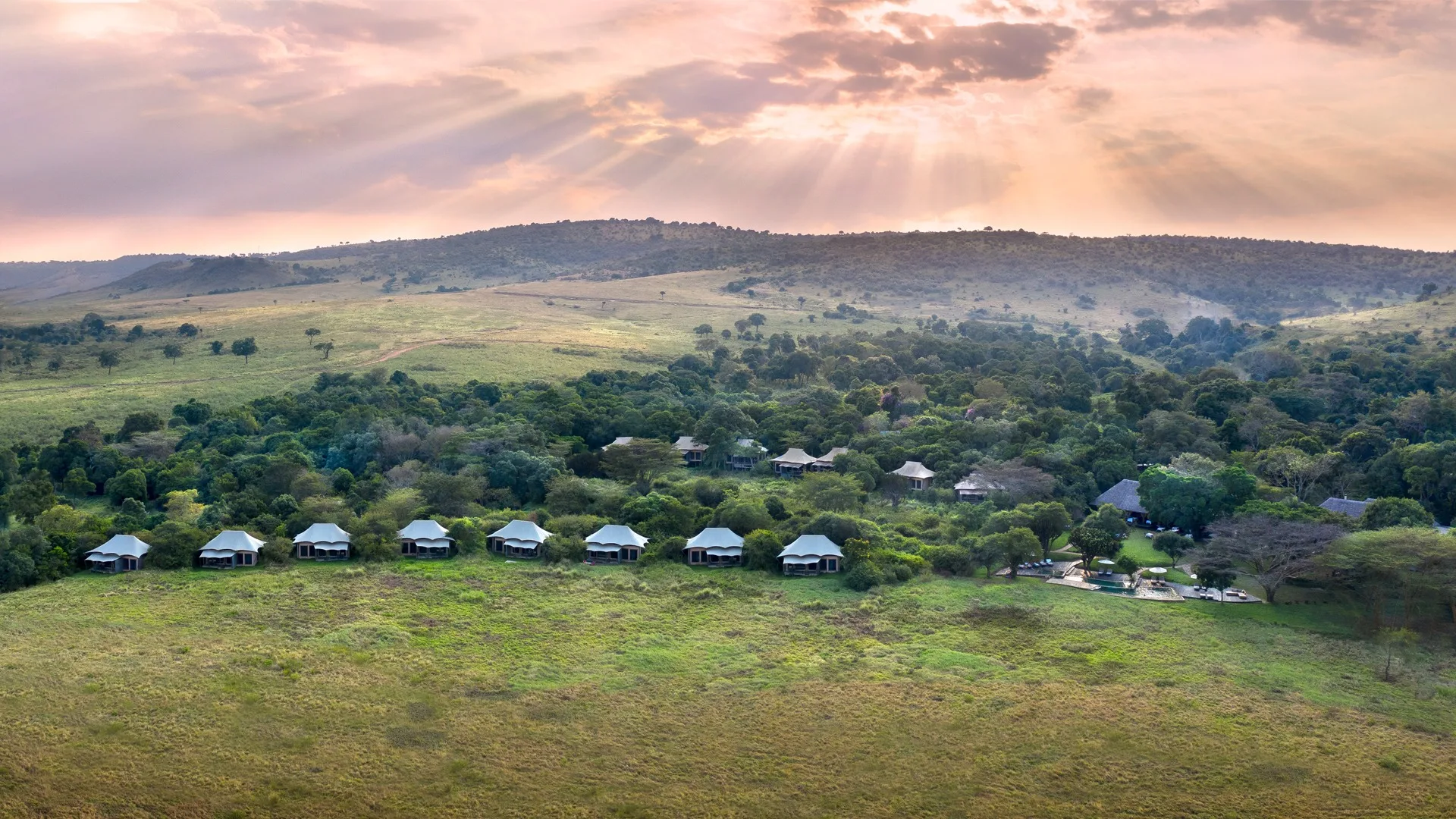
- Accommodation: Masai Mara lodge or tented camp
- Meal Plan: Breakfast, Lunch & Dinner
- Activity: Lake Nakuru photography, transfer and Mara photography drive
Where you stay
-
Day 7: Full-Day Masai Mara Photography Safari - Main destination
- Masai Mara National Reserve
- Meals
- Breakfast, Lunch, Dinner
Leave camp early. Today is dedicated to the Masai Mara. Your guide will search for wildlife while paying particular attention to photographic conditions. Photography positioning differs from ordinary sightseeing, and the closest position is not always the best position. Sometimes moving farther away allows:
- Better background.
- Lower apparent angle.
- Cleaner composition.
- Environmental context.
- Better light.
Photographing Lions
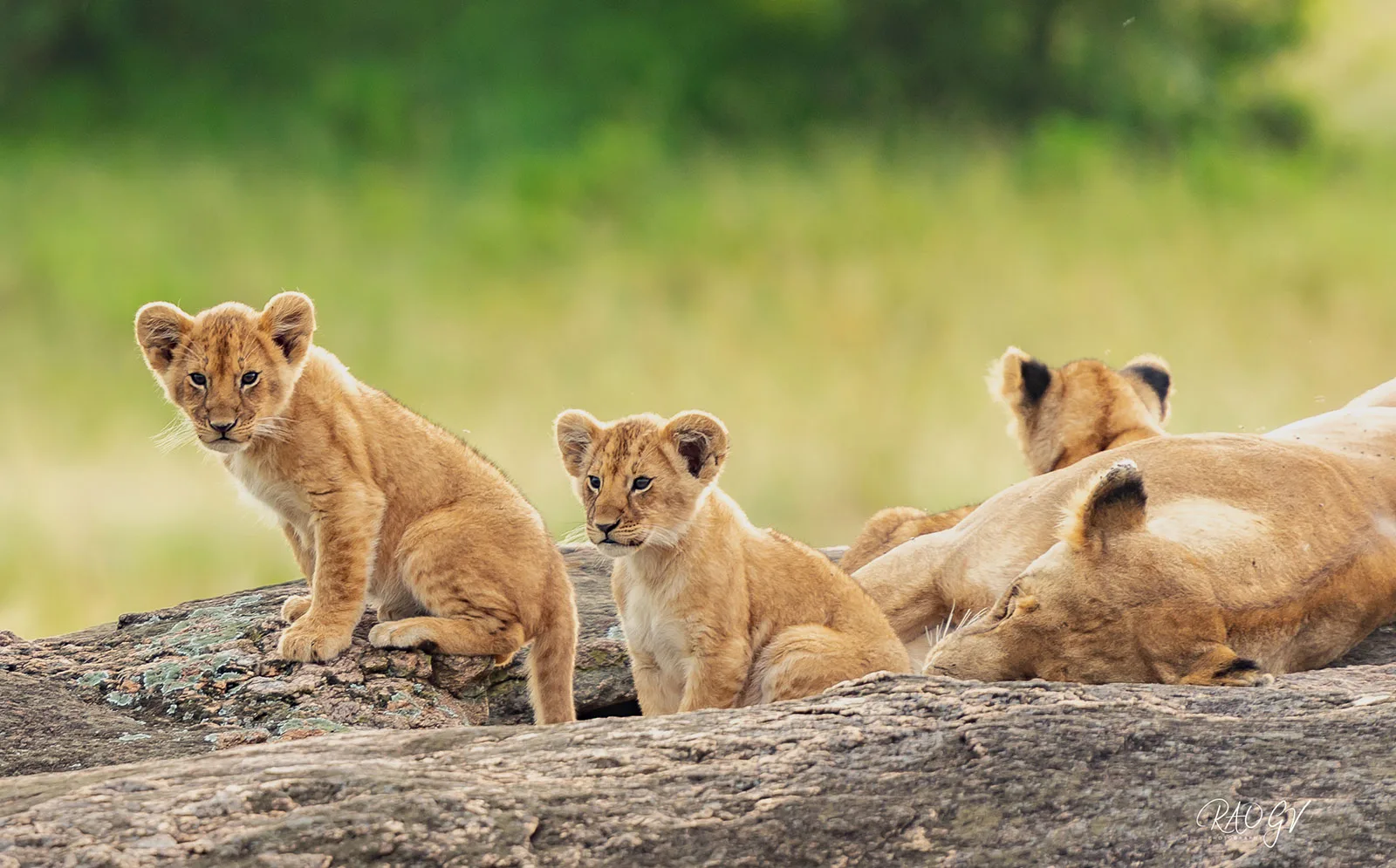
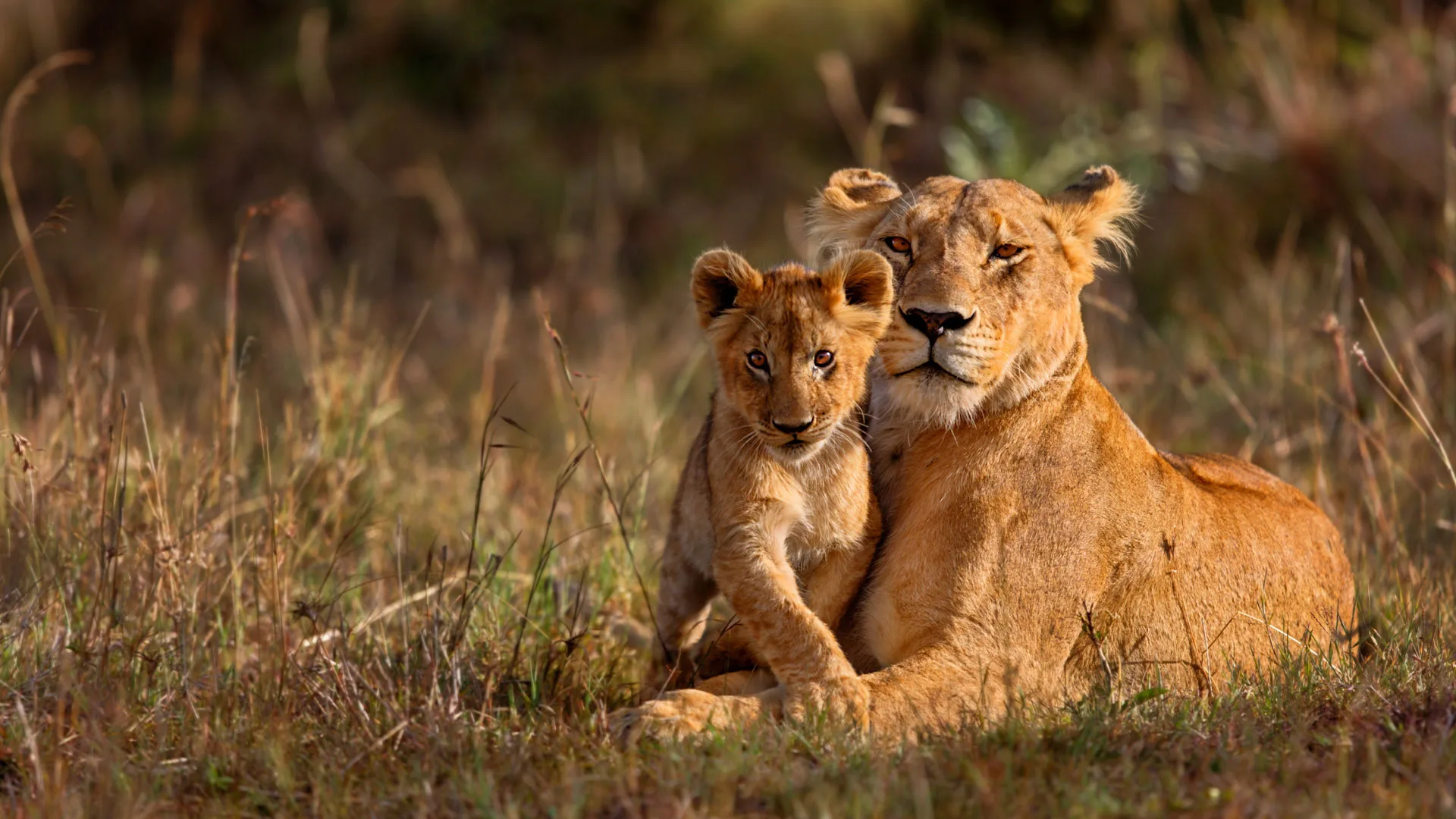
If a lion pride is located, spend time watching behavior. Potential moments include:
- Cubs playing.
- Females greeting.
- Grooming.
- Yawning.
- Stretching.
- Walking.
- Hunting preparation.
- Feeding.
- Interaction with males.
Do not automatically leave because the lions are sleeping. A sleeping lion can become active without warning, and patience often produces the photograph.
Photographing Cheetahs
Cheetahs are particularly rewarding because they use open landscapes. Watch body language: if a cheetah repeatedly scans prey, it may be considering a hunt. However, do not pressure the animal, and a professional guide should maintain appropriate positioning. Have a picnic lunch if spending the full day in the field, and continue until evening.
- Accommodation: Masai Mara lodge or tented camp
- Meal Plan: Breakfast, Packed Lunch & Dinner
- Activity: Full-day Masai Mara photography safari
Where you stay
-
Day 8: Masai Mara Big Cats Photography - Main destination
- Masai Mara National Reserve
- Meals
- Breakfast, Lunch, Dinner
Today focuses heavily on the Mara's predators. Begin around sunrise. Your guide may use information from previous days to revisit productive territories.
Lion Photography
Lion prides provide opportunities for storytelling. Try creating a sequence:
- Wide environmental photograph.
- Group photograph.
- Individual portrait.
- Close behavioral image.
- Interaction photograph.
This approach creates a stronger photographic story than collecting only close portraits.
Leopard Photography
Leopards are more challenging. They often use:
- Riverine woodland.
- Trees.
- Drainage lines.
- Dense bushes.
If a leopard is located in a tree, consider the background. A photograph of the entire tree can sometimes be stronger than an extreme close-up. If the leopard descends, remain prepared, as movement may happen quickly.
Cheetah Photography
Cheetahs can produce beautiful environmental images. Open plains, grass and distant hills create strong compositions. If cubs are present, patient observation can produce remarkable interaction photographs.
Hyena Photography
Do not ignore spotted hyenas, as they provide excellent behavioral opportunities. Photograph:
- Clan interaction.
- Cubs near dens.
- Feeding.
- Social greetings.
- Animals walking through dawn light.
Return to camp after a long photography day.
- Accommodation: Masai Mara lodge or tented camp
- Meal Plan: Breakfast, Lunch or Packed Lunch & Dinner
- Activity: Big-cat photography safari
Where you stay
-
Day 9: Masai Mara Wildlife Behavior Photography - Main destination
- Masai Mara National Reserve
- Meals
- Breakfast, Lunch, Dinner
Today changes emphasis from species collecting to behavior. Instead of trying to photograph ten different mammals, consider spending several hours with one promising subject. Wildlife behavior creates photographs that tell stories.
Elephant Behavior
Look for:
- Trunk touching.
- Mothers guiding calves.
- Dust bathing.
- Drinking.
- Social interaction.
Giraffe Behavior
Photograph:
- Feeding.
- Necking between males.
- Walking silhouettes.
- Mothers and calves.
Wildebeest and Zebra
Outside migration season, resident populations remain excellent photographic subjects. During migration periods, enormous herds may dominate the landscape, and wide-angle or medium focal-length images can better communicate scale.
Predator and Prey
A predator does not need to hunt for the sighting to be interesting. A lion watching zebra creates tension, a gazelle staring toward a cheetah creates a story, and a herd reacting to predators can create powerful images. Spend the day patiently and return around sunset.
- Accommodation: Masai Mara lodge or tented camp
- Meal Plan: Breakfast, Packed Lunch & Dinner
- Activity: Full-day wildlife behavior photography
Where you stay
-
Day 10: Masai Mara Photography – Optional Hot-Air Balloon Safari - Main destination
- Masai Mara National Reserve
- Meals
- Breakfast, Lunch, Dinner
Your final full Mara day provides another opportunity to concentrate on unfinished photographic objectives. An optional hot-air balloon safari can be arranged, subject to availability and weather.
Hot-Air Balloon Photography
Aerial photography offers a completely different perspective. From above, you may photograph:
- Mara River.
- Grasslands.
- Wildlife trails.
- Wildebeest herds.
- Elephants.
- Giraffes.
- Acacia woodland.
The balloon moves according to wind direction, so specific wildlife cannot be guaranteed. Photography from the basket can also be technically challenging, so use a versatile zoom rather than changing lenses and secure equipment carefully. After landing and breakfast according to the operator's arrangement, reconnect with your regular safari program.
Spend the remainder of the day pursuing your priorities. Perhaps you want: Leopard, Cheetah, Lion cubs, Elephant sunset, Giraffe silhouette, Migration herds, if present, Birds in flight.
The final full day should remain flexible.
- Accommodation: Masai Mara lodge or tented camp
- Meal Plan: Breakfast, Lunch & Dinner
- Activity: Optional balloon safari and full-day photography
Where you stay
-
Day 11: Final Masai Mara Photography – Return to Nairobi - Main destination
- Masai Mara National Reserve
- Drive time
- Return transfer as outlined in the itinerary
- Meals
- Breakfast, Lunch
Wake before sunrise for your final photography drive. The temptation on the last morning is to search desperately for one final species. Instead, remain open to whatever the Mara provides. Sometimes the most memorable photograph comes from an ordinary species in extraordinary light: A zebra in mist, A giraffe against sunrise, A lone wildebeest on a ridge, An elephant walking through dust, A hyena returning home.
Return for breakfast and check out. Travel to Nairobi by road or scheduled bush flight according to the confirmed program. Your 11 Days Kenya Photography Safari concludes after exploring several of Kenya's most photogenic ecosystems.
- Meal Plan: Breakfast; additional meals according to departure schedule
- Activity: Final photography drive and transfer to Nairobi
Where you stay
03 Rates
Safari rates 2027-2029
Indicative per person. Season, group size and lodge style change the total — your quotation confirms current rates.
-
Essential (Budget)
Essential (Budget)
Budget camps and lodges suit travelers who prioritize wildlife while keeping costs lower.
Great value camps
-
Comfort (Mid-range)
Comfort (Mid-range)
Mid-range tented camps and lodges balance comfort and price with private rooms or tents and en-suite facilities.
Quoted for your dates
-
Premium (Luxury)
Premium (Luxury)
Luxury camps and lodges focus on location, service and more intimate wildlife experiences.
Premium camps and lodges
-
Signature (High-end)
Signature (High-end)
Signature camps and lodges are the most exclusive stays — small, highly private properties with exceptional guiding and setting.
Exclusive signature stays
04 Activities
Safari activities
Game viewing is the core of this itinerary. Optional extras are quoted separately and depend on season, permits and availability. Individual species and river crossings are never guaranteed.
-
Included
Game drives
Scheduled wildlife drives in a 4x4 safari vehicle with a professional driver-guide.
View activity -

Included
Wildlife photography
Time in the field for landscape and wildlife photography. Sightings are never guaranteed.
View activity -
Optional
Optional extras
Balloon flights, cultural visits and other extras can be added when available and are quoted separately.
Additional information
Plan This Safari
Why Kenya Is Exceptional for Wildlife Photography
Kenya combines several important photographic advantages.
Wildlife Diversity
A relatively compact safari circuit can provide opportunities to photograph: Big cats, Elephants, Rhinos, Giraffes, Buffaloes, Hippos, Antelopes, Birds.
Open Landscapes
Many Kenyan parks contain open habitats. This helps photographers create clean backgrounds and environmental compositions.
Dramatic Light
Early mornings and late afternoons can produce beautiful warm light. Dust can create atmospheric backlighting. Storms can produce dramatic skies.
Iconic Scenery
Few wildlife images are as recognizable as elephants with Kilimanjaro or giraffes crossing the Mara plains.
Best Time for an 11 Days Kenya Photography Safari
Kenya can be photographed throughout the year. Different seasons produce different images. There is no universally perfect month.
Dry-Season Photography
Drier periods can provide:
- Concentrated wildlife.
- Easier game viewing.
- Dusty atmospheric conditions.
- Shorter grass in some areas.
- Migration possibilities during relevant months.
Dust can be particularly useful for backlit photography.
Green-Season Photography
Greener periods can provide:
- Lush landscapes.
- Dramatic clouds.
- Cleaner air.
- Newborn animals in some ecosystems.
- Strong birdlife.
- Fewer vehicles in some periods.
The rich green background can produce beautiful wildlife portraits.
Great Migration Photography
If the safari is timed for the Great Migration, the Masai Mara can provide opportunities to photograph enormous wildebeest and zebra herds. Potential subjects include:
- Herd movement.
- Dust.
- Predators.
- River crossings.
- Wildebeest portraits.
- Zebra patterns.
- Wide migration landscapes.
River crossings cannot be guaranteed. A photography safari should therefore focus on the wider migration ecosystem rather than one specific event.
Best Camera for a Kenya Safari
There is no single best camera. Modern DSLR and mirrorless systems can both perform extremely well. Important characteristics include:
- Reliable autofocus.
- Good high-ISO performance.
- Fast burst capability.
- Sufficient battery life.
- Weather resistance.
- Comfortable controls.
More important than the camera body is knowing how to use it quickly. Wildlife rarely waits while you search through menus.
Recommended Safari Lenses
A useful wildlife photography kit can include several focal lengths.
Long Telephoto
Useful for: Birds, Distant predators, Portraits, Small mammals.
Medium Telephoto Zoom
A lens covering approximately the medium-to-long telephoto range is extremely versatile. It can handle:
- Lions near vehicles.
- Elephants.
- Giraffes.
- Moving wildlife.
- Environmental portraits.
Wide-Angle Lens
Useful for:
- Landscapes.
- Camps.
- Kilimanjaro.
- Dramatic skies.
- Environmental wildlife images.
One Camera or Two?
Two camera bodies can be extremely useful. For example, one body can carry a long telephoto lens and the other a medium zoom. This allows rapid switching without changing lenses, and it also reduces dust entering the camera body. However, carrying two cameras is not essential, and a single body with a versatile zoom can work extremely well.
Why Beanbags Are Useful
Beanbags provide stable camera support on safari vehicles. They can be placed on:
- Window frames.
- Roof rails.
- Vehicle supports.
Advantages include:
- Stability.
- Fast repositioning.
- Reduced vibration.
- Easier use of heavy lenses.
Photography vehicles can be prepared according to equipment requirements.
Tripods on Safari
Tripods are less useful inside conventional safari vehicles because space is limited. They may be useful around camps or designated landscape locations. For vehicle photography, beanbags and appropriate vehicle supports are generally more practical.
Photographing From a Safari Vehicle
Vehicle positioning matters enormously. A good photography guide considers:
- Sun direction.
- Background.
- Animal movement.
- Other vehicles.
- Safety.
- Regulations.
Sometimes moving only a few meters changes the photograph completely. A distracting tree may disappear from the background. The sun may shift behind the subject, and the angle may become cleaner. Communicate with your guide.
Why a Private Safari Vehicle Is Recommended
A private safari vehicle is one of the most valuable upgrades for photographers. In a shared vehicle, different guests have different priorities:
- One traveler may want lions.
- Another wants birds.
- Another wants to return for breakfast.
Photography often requires waiting. A private vehicle allows you to decide:
- When to leave.
- When to return.
- How long to stay.
- Which subjects to prioritize.
- Where to position the vehicle.
- Whether to carry picnic meals.
For serious photography, private transportation is strongly recommended.
Vehicle Space for Photographers
Avoid overcrowding. Photographers need room for:
- Camera bodies.
- Long lenses.
- Bags.
- Beanbags.
- Movement between viewing positions.
A vehicle filled to maximum passenger capacity may be less suitable for serious photography. Private photography groups should discuss vehicle occupancy before booking.
Sunrise Photography
Early morning provides:
- Soft light.
- Long shadows.
- Cooler temperatures.
- Active predators.
- Potential mist.
- Silhouettes.
Leave camp as early as regulations permit. A sunrise may last only minutes. Preparation matters. Have cameras ready before leaving camp.
Sunset Photography
Late afternoon provides another important photographic window. Look for animals against the western sky. Possible subjects include: Giraffes, Elephants, Acacia trees, Lions on ridges.
Expose deliberately. You can photograph the animal as a silhouette or retain detail depending on your creative objective.
Backlighting
Backlighting can create some of the most atmospheric safari photographs. Dust, fur and grass can glow when illuminated from behind. Excellent subjects include: Elephants in dust, Lions, Giraffes, Wildebeest herds.
Exposure can be challenging. Experiment while watching highlights.
Low-Angle Wildlife Photography
Low angles often create stronger wildlife portraits because they place the subject against a distant background rather than the ground. However, photographers cannot leave vehicles simply to obtain a low angle. Some specialized vehicles or photographic hides may provide appropriate alternatives. Always follow safety regulations.
Bird Photography
Kenya is exceptional for birds. Even travelers focused primarily on mammals should keep a camera ready. Potential subjects include: Lilac-breasted rollers, Bee-eaters, Kingfishers, Eagles, Vultures, Secretary birds, Ostriches, Cranes, Storks.
Bird photography often requires faster shutter speeds than stationary mammal photography.
Birds in Flight
Successful flight photography requires preparation. Consider:
- Fast shutter speed.
- Continuous autofocus.
- Burst shooting.
- Sufficient exposure compensation.
Follow the bird smoothly. Avoid concentrating so heavily on the camera that you lose awareness of your surroundings.
Photographing Elephants
Elephants provide almost unlimited photographic possibilities. Do not photograph only the entire animal. Look for details:
- Eye.
- Trunk.
- Tusks.
- Skin.
- Feet.
- Ear texture.
Then step back photographically and include the environment. A complete collection should show both intimacy and scale.
Photographing Lions
Lion photography improves dramatically when you anticipate behavior. Watch:
- Ears.
- Eyes.
- The direction the lion is looking.
A resting lion may suddenly stand. Cubs may begin playing. Adults may greet each other. Be ready before the behavior starts.
Photographing Leopards
Leopard sightings can become crowded. A private guide should seek the best legal position without pressuring the animal. Trees can create complicated backgrounds, so look for openings between branches. If the leopard begins descending, be prepared for rapid movement.
Photographing Cheetahs
Cheetahs often scan from raised positions. Termite mounds can create excellent photographic opportunities. If a cheetah is hunting, respect all park regulations and never attempt to influence prey or predator behavior.
Photographing Rhinos
Rhinos should be approached with particular respect. Use longer focal lengths where appropriate. Allow the animal to move naturally. A wide environmental photograph can often be more powerful than a close-up.
Photographing Giraffes
Giraffes are excellent subjects for both vertical and horizontal compositions. Experiment with:
- Full body.
- Head portrait.
- Silhouette.
- Acacia framing.
- Herd composition.
- Reflection where available.
Their height makes them particularly effective against dramatic skies.
Photographing Zebras
Zebra patterns create opportunities for abstract photography. Look for:
- Two animals overlapping.
- Faces.
- Stripes.
- Herd patterns.
- Dust.
- Backlighting.
Black-and-white processing can also work well creatively, although the original file should ideally be retained.
Photographing the Great Migration
When migration herds are present, resist the temptation to use only a long lens. Wide photographs can communicate scale much better. Try:
- Herd across horizon.
- Wildebeest beneath dramatic clouds.
- Dust columns.
- Zebra and wildebeest mixed together.
- Predators observing herds.
The migration is a landscape event as much as a wildlife event.
Photography Ethics
Ethical wildlife photography is fundamental. A photograph should never be obtained by harming or excessively disturbing wildlife. Do not ask guides to:
- Chase animals.
- Block animals.
- Separate mothers and young.
- Pressure predators.
- Drive illegally off-road.
- Surround wildlife.
- Interfere with hunts.
Wildlife welfare comes first.
Avoiding Crowded Sightings
Popular parks can become busy around predators. A knowledgeable guide can sometimes improve the experience by:
- Arriving early.
- Exploring less-used areas.
- Waiting after other vehicles leave.
- Using private conservancies where appropriate.
- Avoiding excessive radio chasing.
Sometimes leaving a crowded sighting and finding your own wildlife produces better photographs.
Private Conservancies for Photography
Private conservancies around the greater Mara ecosystem can be excellent for photographers. Depending on individual conservancy regulations, advantages may include:
- Lower vehicle numbers.
- More flexible positioning.
- Night drives.
- Walking opportunities.
- Longer observation periods.
Rules differ between conservancies and should always be respected.
Night Photography
Where legal night drives are available, photographers may encounter nocturnal wildlife. Flash use and artificial lighting must follow guide and conservancy regulations. Never use excessive lighting around sensitive animals.
Photographing From a Boat
Lake Naivasha or other suitable locations may provide boat photography. Useful considerations include:
- Faster shutter speed because the boat moves.
- Protecting equipment from spray.
- Keeping bags closed.
- Using manageable lenses.
Never stand suddenly if it compromises boat stability.
Protecting Camera Equipment From Dust
Dust is one of the main equipment challenges on safari. Useful precautions include:
- Keep unused cameras inside bags.
- Avoid unnecessary lens changes.
- Use two bodies if available.
- Keep lens caps accessible.
- Clean equipment at camp.
- Carry appropriate cleaning tools.
Do not aggressively clean sensors in the field unless you know what you are doing.
Protecting Equipment From Rain
Carry:
- Rain covers.
- Waterproof bag covers.
- Plastic protection as backup.
- Dry cloth.
Rain can produce extraordinary photographs, so poor weather does not necessarily mean poor photography.
Memory Cards and Backups
Do not rely on one memory card. Carry several high-quality cards. Where possible, back up photographs every evening. A good system may include:
- Original memory card.
- Laptop copy.
- External drive copy.
Do not format cards until you are confident the files exist in multiple locations.
Charging Camera Batteries
Safari camps vary in electricity availability. Some use solar systems. Charging may be available only during certain hours. Bring:
- Multiple batteries.
- Appropriate chargers.
- International adapters.
- Power bank where useful.
Confirm camp charging facilities before departure.
Photographing With a Smartphone
You do not need professional equipment to enjoy this safari. Modern smartphones can produce excellent:
- Landscapes.
- Videos.
- Camp photographs.
- Close wildlife photographs when animals approach safely.
- Wide environmental images.
Avoid excessive digital zoom. Use the main optical camera whenever possible.
Photography Safari for Beginners
Beginners are welcome. Before travel, learn the basics of:
- Shutter speed.
- Aperture.
- ISO.
- Autofocus.
- Exposure compensation.
You do not need to master everything. A few basic settings can dramatically improve results. Practice photographing moving animals or birds at home before departure.
Photography Safari for Professionals
Professional photographers may require additional customization. Possible requirements include:
- Exclusive vehicle.
- Reduced vehicle occupancy.
- Specialist photography guide.
- Beanbag supports.
- Extended game drives.
- Strategic camp locations.
- Private conservancies.
- Extra luggage allowance.
- Charter flights.
- Charging arrangements.
Communicate equipment details before booking.
Video and Filmmaking
Filmmakers may need different arrangements from still photographers. Consider:
- Tripods.
- Monopods.
- Gimbals.
- Microphones.
- Large batteries.
- Storage.
- Charging.
- Filming permits where applicable.
Professional commercial filming may require additional permissions. These should be investigated well before travel.
Drone Photography in Kenya
Do not assume you can simply bring and operate a drone. Drone importation and operation may be subject to aviation, security, park and other regulatory requirements. National parks and wildlife areas may have strict restrictions. Always verify current official requirements and obtain all necessary permissions before travel. Never operate a drone around wildlife without explicit legal authorization.
What to Wear on a Photography Safari
Choose comfortable neutral clothing. Useful items include:
- Lightweight long trousers.
- Neutral shirts.
- Fleece.
- Warm jacket.
- Hat.
- Sunglasses.
- Comfortable closed shoes.
Mornings can feel cold in open safari vehicles. Layer clothing.
What to Pack
Photography equipment:
- Camera body or bodies.
- Telephoto lens.
- Medium zoom.
- Wide-angle lens.
- Batteries.
- Chargers.
- Memory cards.
- Card reader.
- Beanbag.
- Cleaning kit.
- Laptop if required.
- External drive.
- Rain protection.
Personal items:
- Neutral clothing.
- Warm layer.
- Hat.
- Sunscreen.
- Insect repellent.
- Binoculars.
- Personal medication.
- Reusable water bottle.
Accommodation for Photography Safaris
Accommodation should be selected partly according to location. The most luxurious lodge is not necessarily the best choice if it requires long drives to reach productive wildlife areas. Photography-focused accommodation should consider:
- Proximity to wildlife.
- Early departure possibilities.
- Charging facilities.
- Vehicle arrangements.
- Meal flexibility.
- Picnic availability.
- Equipment storage.
- Conservancy access.
Budget Photography Safari
A budget photography safari can be arranged using affordable camps and road transport. The key is to protect the components that matter most:
- Good guide.
- Appropriate vehicle.
- Sufficient wildlife time.
- Strategic accommodation location.
It can be better to choose simpler accommodation and retain a private vehicle than to choose an expensive lodge and share a crowded vehicle.
Mid-Range Photography Safari
Mid-range camps often provide an excellent balance. Typical features include:
- En-suite accommodation.
- Comfortable beds.
- Good meals.
- Charging.
- Convenient park access.
- Private vehicle options.
This category is suitable for many serious enthusiasts.
Luxury Photography Safari
Luxury photography safaris can include:
- Bush flights.
- Premium camps.
- Private vehicles.
- Specialist guides.
- Private conservancies.
- Spacious tents.
- Flexible dining.
- Laundry.
- High-quality service.
Again, location and guiding remain more important than luxury alone.
Fly-In Photography Safari
Flying between destinations reduces road transfer time. This can provide more time for photography. However, photographers must consider luggage restrictions. Heavy lenses, laptops and multiple camera bodies can create baggage challenges. Special arrangements may be required, so provide your equipment weight before booking.
Road Photography Safari
Road safaris provide more luggage flexibility. They also allow one private vehicle to remain with you for much of the itinerary. The disadvantage is longer transfer time. For photographers carrying substantial equipment, road travel can be particularly practical.
Meals and Photography Schedules
Photography light does not always match conventional meal times. A photography itinerary should therefore allow flexibility. Possible arrangements include:
- Packed breakfast.
- Picnic lunch.
- Late breakfast.
- Early dinner.
- Full-day game drive meals.
The objective is to avoid leaving exceptional wildlife simply because breakfast is being served at a fixed hour.
What Is Usually Included?
Always refer to the final quotation. Depending on your confirmed quotation, inclusions may cover:
- Airport transfers.
- Nairobi accommodation.
- Private safari vehicle.
- Professional driver-guide.
- Fuel.
- Amboseli accommodation.
- Rift Valley accommodation.
- Masai Mara accommodation.
- Park fees.
- Conservancy fees where specified.
- Game drives.
- Meals stated.
- Drinking water.
- Domestic flights where included.
- Airstrip transfers where applicable.
What Is Usually Excluded?
Common exclusions may include:
- International flights.
- Visa-related expenses.
- Travel insurance.
- Camera equipment.
- Professional filming permits.
- Drone permissions.
- Balloon safari unless included.
- Alcohol.
- Premium beverages.
- Laundry where charged.
- Tips.
- Personal purchases.
- Optional activities.
Travel Insurance for Photography Equipment
Photographers should pay particular attention to insurance. Standard travel insurance may have low limits for expensive camera equipment. Check whether your policy covers:
- Camera bodies.
- Lenses.
- Laptop.
- Storage drives.
- Theft.
- Accidental damage.
- Airline baggage incidents.
Professional equipment may require specialist insurance.
Customize Your 11 Days Kenya Photography Safari
The itinerary can be redesigned according to what you most want to photograph.
Big Cat Photography
Spend additional nights in the Masai Mara. Focus on: Lions, Leopards, Cheetahs, Hyenas.
Elephant Photography
Increase time in Amboseli.
Rhino Photography
Add more time around Lake Nakuru or incorporate Ol Pejeta.
Bird Photography
Increase time around:
- Rift Valley lakes.
- Wetlands.
- Selected forest habitats.
- Mara river systems.
Migration Photography
Travel during the appropriate seasonal period and allocate additional nights to the greater Mara ecosystem.
Landscape Photography
Emphasize:
- Amboseli.
- Rift Valley viewpoints.
- Mara sunrises.
- Mara sunsets.
- Storm photography.
Why Patience Produces Better Wildlife Photographs
One of the most important lessons on a photography safari is simple: Do not rush. A lion sleeping under a bush may look uninteresting. Wait. It stretches, then it walks, cubs emerge, and the pride begins interacting.
A cheetah sitting in grass may appear inactive. Wait. It climbs a termite mound, scans, and begins moving toward gazelles. An elephant herd may be far away. Wait. They approach a waterhole, calves begin playing, dust rises, the sun moves behind them, and the scene changes completely. Photography rewards anticipation, and an eleven-day safari provides enough time to practice that patience.
Photography Is About Light as Much as Wildlife
Seeing a leopard at midday is exciting. Photographing the same leopard walking through golden evening light can be extraordinary. The 11 Days Kenya Photography Safari therefore emphasizes the hours when light can be most rewarding:
- Early morning.
- Late afternoon.
- Sunrise.
- Sunset.
- Backlight.
- Storm light.
- Dust.
- Mist.
These elements transform wildlife photographs.
Do Not Ignore Common Animals
Photographers sometimes become obsessed with the Big Five. That can be a mistake. Some of the strongest images may involve: Zebra, Giraffe, Warthog, Impala, Gazelle, Baboon, Vulture, Roller.
An ordinary subject in extraordinary light can create a better photograph than a rare subject in poor conditions.
Tell a Complete Safari Story
A strong photography collection should include more than close wildlife portraits. Photograph:
- Landscapes.
- Roads.
- Camp.
- Vehicle.
- Guide.
- Sunrise.
- Sunset.
- Trees.
- Weather.
- Animal tracks.
- Wide wildlife scenes.
- Details.
- Behavior.
- Portraits.
Together, these photographs tell the story of the journey.
Why Guiding Matters
A photography guide needs more than wildlife identification skills. The guide should understand:
- Light direction.
- Vehicle positioning.
- Animal behavior.
- Backgrounds.
- Patience.
- Photography priorities.
Communication is important. Explain the photograph you are trying to create. A good guide can often position the vehicle so that the animal naturally moves into the desired composition without disturbing it.
Ethical Photography Comes First
No photograph justifies disturbing wildlife. If an animal repeatedly changes direction because of the vehicle, you may be too close. If a predator is hunting, avoid obstructing it. If animals are approaching water, do not block access. If a mother is with a young calf, provide space. Respect creates better wildlife experiences and ultimately better photographs.
Extend the Photography Safari
The 11 Days Kenya Photography Safari can be extended with several options.
Diani Beach
Photograph:
- Indian Ocean.
- Sunrise.
- Beach landscapes.
- Coastal life.
Tanzania
Combine Kenya with:
- Serengeti.
- Ngorongoro.
- Tarangire.
Uganda
Add:
- Mountain gorilla photography.
- Chimpanzee photography.
- Forest birds.
Rwanda
Combine Kenya wildlife photography with mountain gorillas in Volcanoes National Park. A longer East African photography expedition can produce an extraordinary range of subjects.
Book Your 11 Days Kenya Photography Safari
The 11 Days Kenya Photography Safari is not designed around collecting the largest possible number of parks. It is designed around creating time for photography. That means:
- Leaving early when the light is good.
- Waiting beside wildlife instead of immediately moving to the next sighting.
- Selecting accommodation according to location as well as comfort.
- Using a private vehicle when flexibility matters.
- Above all, allowing animals to behave naturally.
When requesting a personalized photography safari quotation, provide:
- Travel dates.
- Number of photographers.
- Number of non-photographers.
- Photography experience level.
- Camera equipment.
- Approximate equipment weight.
- Preferred accommodation category.
- Budget range.
- Wildlife priorities.
- Bird photography interest.
- Migration interest.
- Landscape photography interest.
- Private vehicle requirements.
- Preferred vehicle occupancy.
- Road or fly-in preference.
- Balloon safari interest.
- Professional filming requirements where applicable.
- International arrival and departure details.
This information allows the safari to be designed around your actual photographic objectives. A professional photographer carrying multiple long lenses requires a different vehicle configuration from a couple using one camera each. A bird photographer needs a different daily strategy from a photographer interested almost entirely in lions and cheetahs.
A migration photographer may need several consecutive days in one part of the Mara. An elephant photographer may prefer additional time in Amboseli. An eleven-day itinerary gives us the flexibility to build around those priorities. Ultimately, the goal is not simply to return home with thousands of photographs. The goal is to return with photographs that remind you of specific moments:
- The elephant herd that appeared beneath Kilimanjaro shortly after sunrise.
- The rhino that walked slowly through the grass at Lake Nakuru.
- The cheetah that climbed a termite mound and stared across the Mara.
- The lion cub that emerged from behind its mother.
- The giraffe that crossed the horizon just as the sun disappeared.
- The wildebeest herd moving through dust.
- The storm clouds building above the savannah.
Those photographs become records not only of animals, but of time spent observing wild Kenya. With thoughtful routing, patient guiding, flexible game drives and enough time in the field, the 11 Days Kenya Photography Safari offers an exceptional opportunity to experience and photograph Kenya at the pace that great wildlife photography demands.
- Primary Keyphrase: 11 Days Kenya Photography Safari
- Exact URL: `/safari-packages/11-days-kenya-photography-safari/`
Planning Questions
Frequently Asked Questions
Is 11 days enough for a Kenya photography safari?
Yes. Eleven days provides enough time for several important ecosystems while retaining multiple full photography days.
Do I need a professional camera?
No.
Can beginners join?
Yes.
Can professional photographers customize the safari?
Yes.
Is a private vehicle necessary?
It is not compulsory, but it is strongly recommended for serious photographers.
Can I spend the entire day on game drive?
Yes, where park rules and the confirmed itinerary permit.
Can breakfast be packed?
Usually, depending on the lodge or camp.
Can lunch be taken in the park?
Picnic lunches can often be arranged.
Can I photograph the Great Migration?
Yes, when the itinerary is timed appropriately.
Are river crossings guaranteed?
No.
Can I photograph Kilimanjaro?
Amboseli provides famous Kilimanjaro views, but mountain visibility depends on weather.
Can I photograph rhinos?
Lake Nakuru and other suitable destinations can provide rhino opportunities.
Can I photograph leopards?
Yes, although sightings cannot be guaranteed.
Can I photograph cheetahs?
Yes.
Can I photograph birds?
Absolutely.
Can I bring a 600mm lens?
Yes, although luggage weight and vehicle space should be considered.
Can I bring two camera bodies?
Yes.
Are beanbags available?
They can be arranged or you may bring your own. Confirm before travel.
Is electricity available?
Most lodges provide charging facilities, although hours and systems vary.
Can I bring a drone?
Do not bring or operate one without verifying and obtaining all required legal permissions.
Can I use flash?
Flash should be used cautiously and only where permitted.
Can I photograph at night?
Night drives are available only in appropriate areas such as selected private conservancies.
Can I customize the route?
Yes.
05 Request Quote
Request Quote
Tell us your dates, group size, and preferred lodge style — we will send a tailored quote for this safari.
Want to extend your safari?
Add Amboseli, Diani Beach, Tanzania and Zanzibar, or gorilla trekking in Uganda or Rwanda — we tailor the journey to your dates.