
11 DAYS / 10 NIGHTS
11 Days Kenya Migration Safari
Plan a 11 Days Kenya Migration Safari with expert guides, game drives and carefully chosen camps. Request a quote.
- Wildlife SafariPrivate Journey
- Private Safari4x4 Vehicle
- Expert GuideEnglish Speaking
- All MealsBreakfast, Lunch, Dinner
- 24/7 SupportWe're here to help
01 Overview
Safari Overview
- Duration11 days / 10 nights
- DestinationWildebeest Migration
- Starts / endsNairobi
- Safari stylePrivate 4×4 safari
- AccommodationEssential · Comfort · Premium · Signature
- Best forWildlife viewing, photography
11 Days Kenya Migration Safari
The 11 Days Kenya Migration Safari is an immersive wildlife journey designed for travelers who want enough time in Kenya to follow the Great Wildebeest Migration, explore the predator-rich Masai Mara ecosystem and combine migration viewing with other important Kenyan wildlife landscapes. Rather than treating the migration as a single-day excursion, an eleven-day itinerary creates the flexibility required for an unpredictable natural phenomenon.
Wildebeest do not move according to hotel bookings, do not cross rivers because a safari vehicle has arrived, and do not follow fixed dates printed in a brochure. Their movements respond primarily to rainfall, water availability, fresh grazing and wider ecological conditions across the Serengeti-Mara ecosystem. For this reason, one of the most important principles of a successful migration safari is time. The more meaningful time you spend in the right part of the ecosystem, the better your opportunities to experience large herds, predator activity and potentially dramatic river-crossing behavior, none of which can be guaranteed. An 11 Days Kenya Migration Safari provides that time.
The itinerary can be designed around several nights in the Masai Mara and, depending on the season and your interests, combined with destinations such as Lake Nakuru, Lake Naivasha, Amboseli, Ol Pejeta or a private Mara conservancy. The emphasis remains firmly on wildlife. Possible experiences include vast herds of wildebeest and zebras, lion prides following concentrations of prey, cheetahs scanning open plains, spotted hyenas moving through the grasslands, crocodiles occupying the Mara River, elephants crossing the savannah and countless smaller interactions that form part of one of the world's great wildlife ecosystems.
This safari is particularly suitable for:
- Great Migration enthusiasts.
- Wildlife photographers.
- First-time Kenya visitors.
- Repeat safari travelers.
- Big-cat enthusiasts.
- Couples.
- Honeymooners.
- Families with older children.
- Birdwatchers.
- Travelers wanting an extended Masai Mara experience.
- Guests who do not want to rush between too many parks.
The safari can be arranged at budget, mid-range, luxury or high-end level, with road transportation, scheduled bush flights or a combination of both.
What Is the Great Wildebeest Migration?
The Great Wildebeest Migration is the continuous movement of enormous numbers of wildebeest, accompanied by zebras and other grazing animals, through the wider Serengeti-Mara ecosystem of Tanzania and Kenya. It is often described as though it were a single event, but it is not: the migration is an ongoing ecological cycle in which animals move in response to changing environmental conditions. Rainfall encourages new grass, fresh grazing attracts wildebeest, zebras move with or around the herds, and predators respond to concentrations of prey. River crossings occur when herds need to move between grazing areas separated by major waterways, while calving occurs during another stage of the annual cycle farther south in the Serengeti ecosystem. By the time substantial herds reach the Kenyan Masai Mara, they have already traveled through enormous areas of Tanzania. The Kenyan phase can produce some of the most famous migration scenes, particularly around the Mara River, although river crossings are only one component of a much larger natural process.
Why Choose an 11-Day Migration Safari?
A migration-focused safari benefits enormously from additional time. A short safari might coincide perfectly with a river crossing, but it might not. An eleven-day journey allows you to spend several nights in the Mara while still including other Kenyan wildlife destinations. For serious migration travelers, time is one of the most valuable investments you can make. The benefits include:
- More time to locate migration herds.
- More opportunities to revisit productive wildlife areas.
- Greater flexibility around river-crossing activity.
- More time for big-cat viewing.
- Less pressure to rush sightings.
- Multiple sunrise and sunset game drives.
- Opportunity to combine reserve and conservancy experiences.
- More photography time.
- Flexibility for weather and changing wildlife movements.
Suggested 11 Days Kenya Migration Safari Route
A well-paced itinerary can follow the route below, adjusted according to the latest seasonal understanding, camp location, travel dates and your priorities.
- Day 1: Arrival in Nairobi
- Day 2: Nairobi to Lake Nakuru or Lake Naivasha
- Day 3: Rift Valley wildlife and transfer toward Masai Mara
- Day 4: Full-day Masai Mara migration safari
- Day 5: Full-day Masai Mara migration safari
- Day 6: Mara River and migration search
- Day 7: Big-cat and migration safari
- Day 8: Private conservancy or extended Mara exploration
- Day 9: Full-day migration photography safari
- Day 10: Final full Masai Mara wildlife day
- Day 11: Masai Mara to Nairobi
Itinerary
- Day 1:Arrival in Nairobi, welcome to Kenya
- Day 2:Nairobi to the Great Rift Valley, lake Nakuru or Lake Naivasha
- Day 3:Great Rift Valley to Masai Mara, enter the Migration Ecosystem
- Day 4:Masai Mara Migration Safari – Following the Herds
- Day 5:Masai Mara, mara River and Potential Crossing Activity
- Day 6:Masai Mara, big Cats of the Migration
- Day 7:Masai Mara, extended Migration Exploration
- Day 8:Private Mara, lower Vehicle Density and Alternative Activities
- Day 9:Masai Mara Migration Photography Safari
- Day 10:Final Full Masai Mara Safari, optional Hot, air Balloon and Last Migration Search
- Day 11:Morning game drive – return to Nairobi

02 Itinerary
11 Days Kenya Migration Safari: Detailed Itinerary
Day 1: Arrival in Nairobi – Welcome to Kenya - Main destination
- Masai Mara National Reserve
- Drive time
- Road transfer as outlined in the itinerary
- Meals
- Lunch, Dinner
Your 11 Days Kenya Migration Safari begins when you arrive at Jomo Kenyatta International Airport in Nairobi. After immigration, baggage collection and customs formalities, meet your representative in the arrivals area. You will be transferred privately to your selected Nairobi hotel.
The first day is deliberately kept relaxed. Migration safaris often involve early starts and long game-drive days, so there is little benefit in beginning the trip exhausted. Check into your hotel and rest. Depending on your arrival time, you may add an optional Nairobi activity. Possible options include:
- Giraffe Centre.
- Karen Blixen Museum.
- Nairobi National Museum.
- Selected craft shopping.
- Local restaurant.
- Short city orientation.
Later, meet your safari representative or driver-guide for a detailed migration briefing. The discussion can cover:
- Current itinerary.
- Expected road conditions.
- Camp locations.
- Masai Mara sectors.
- Migration expectations.
- River-crossing realities.
- Private conservancy arrangements.
- Game-drive timing.
- Photography equipment.
- Bush-flight luggage restrictions.
- Optional balloon safari.
- Meals and picnic arrangements.
It is particularly important to begin a migration safari with realistic expectations. Your guide may explain that herd locations can change, weather matters, river levels matter and crossings cannot be guaranteed. The itinerary therefore emphasizes the entire migration ecosystem rather than promising one specific event. Enjoy dinner and rest.
Accommodation: Nairobi hotel
Meal Plan: According to arrival arrangement
Activity: Airport transfer and migration safari briefing
Where you stay
- Essential (Budget)
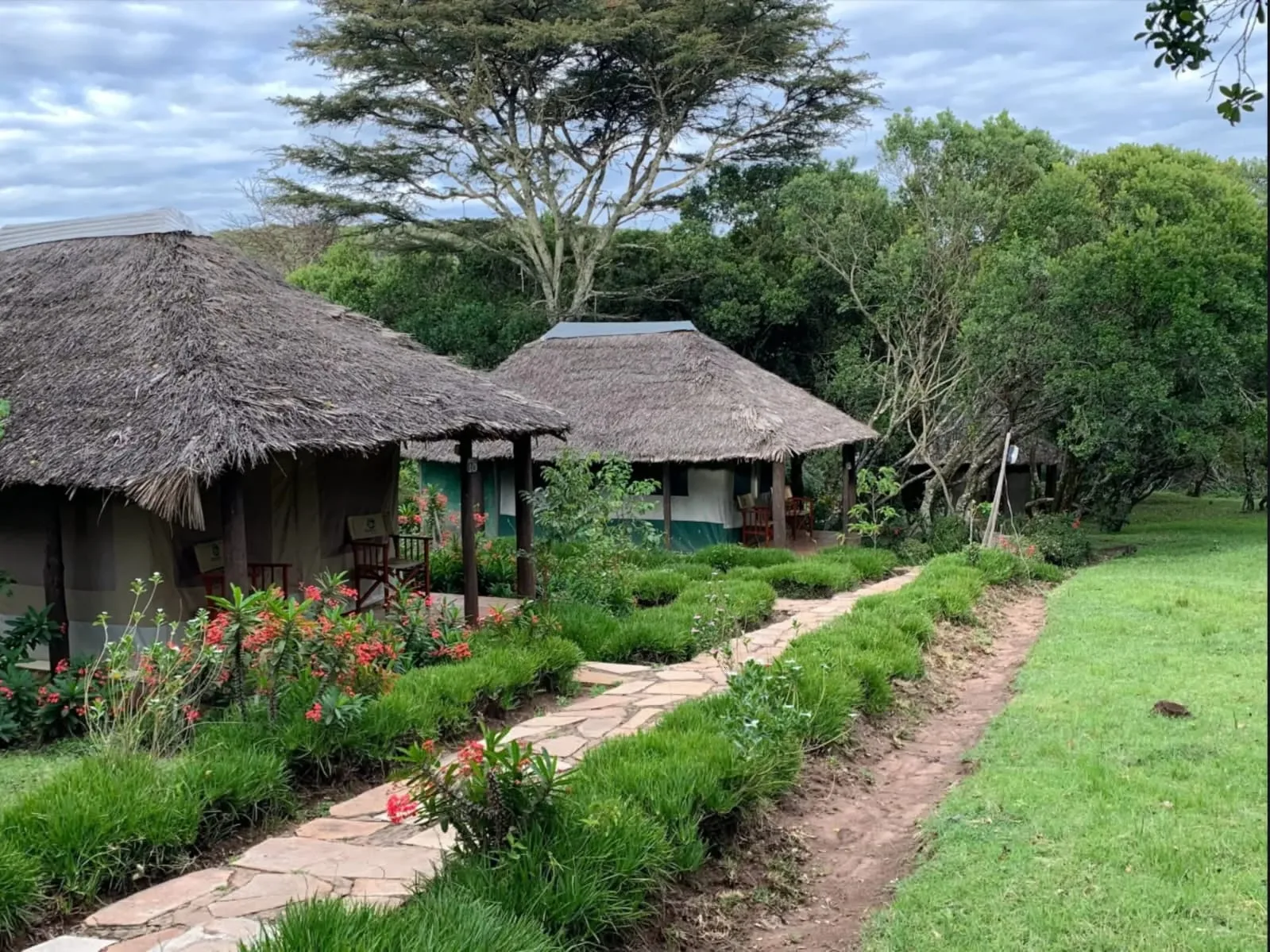
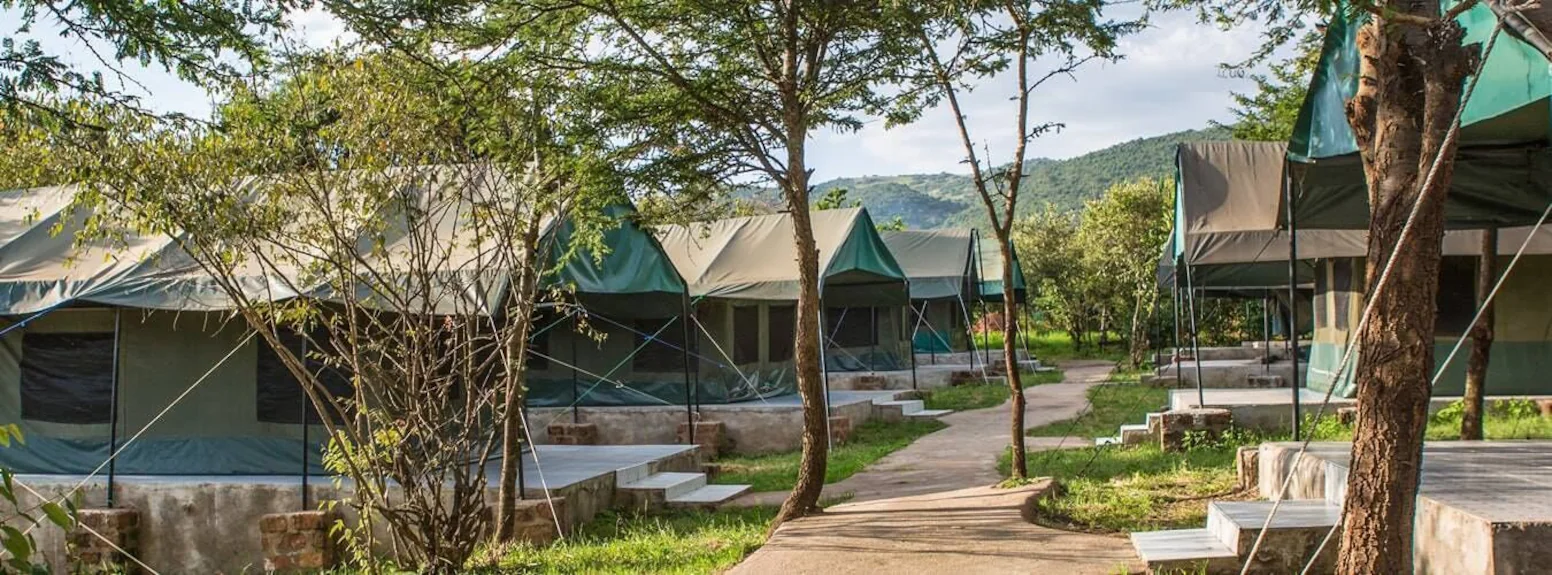
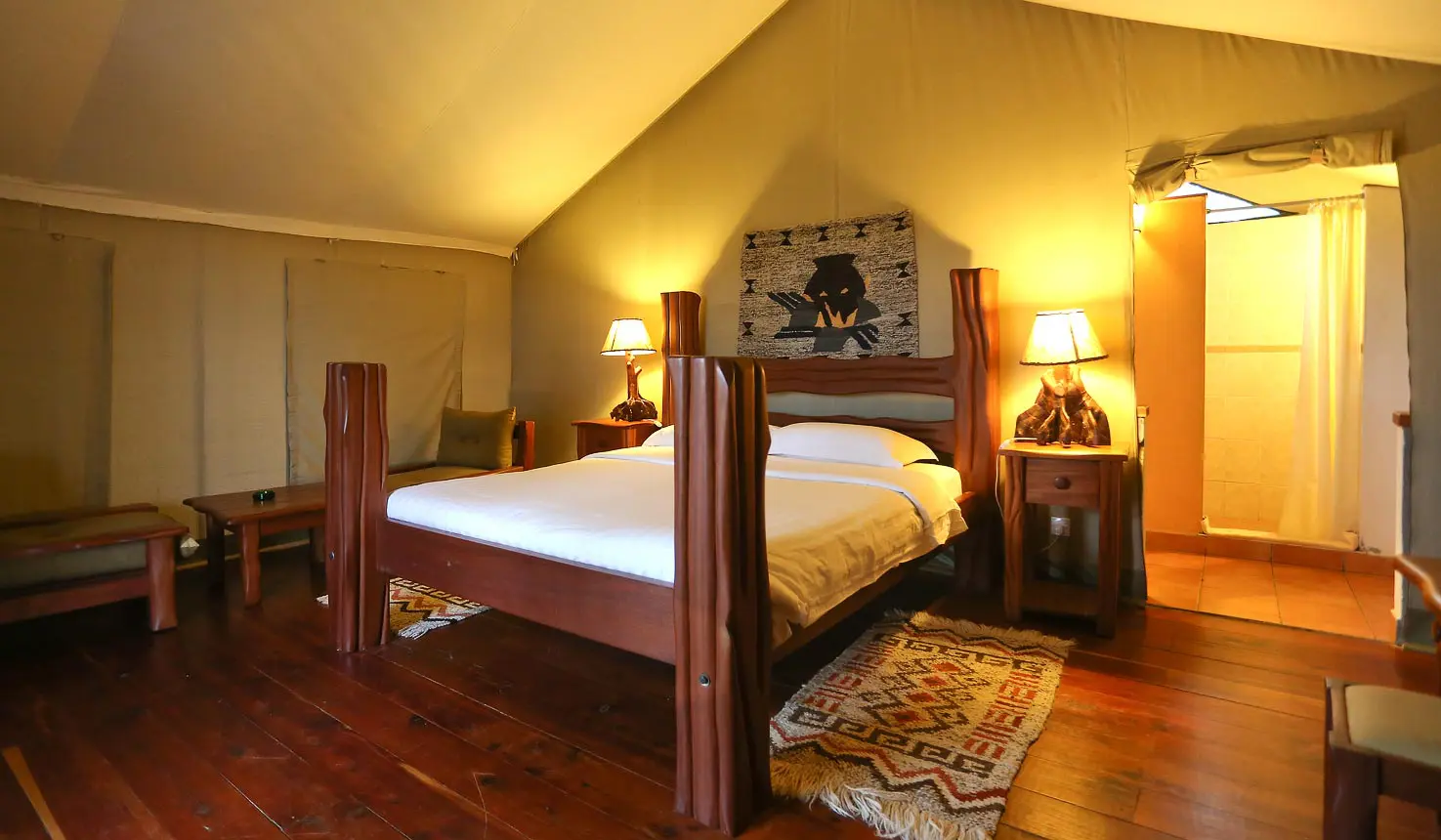
- Comfort (Mid-range)
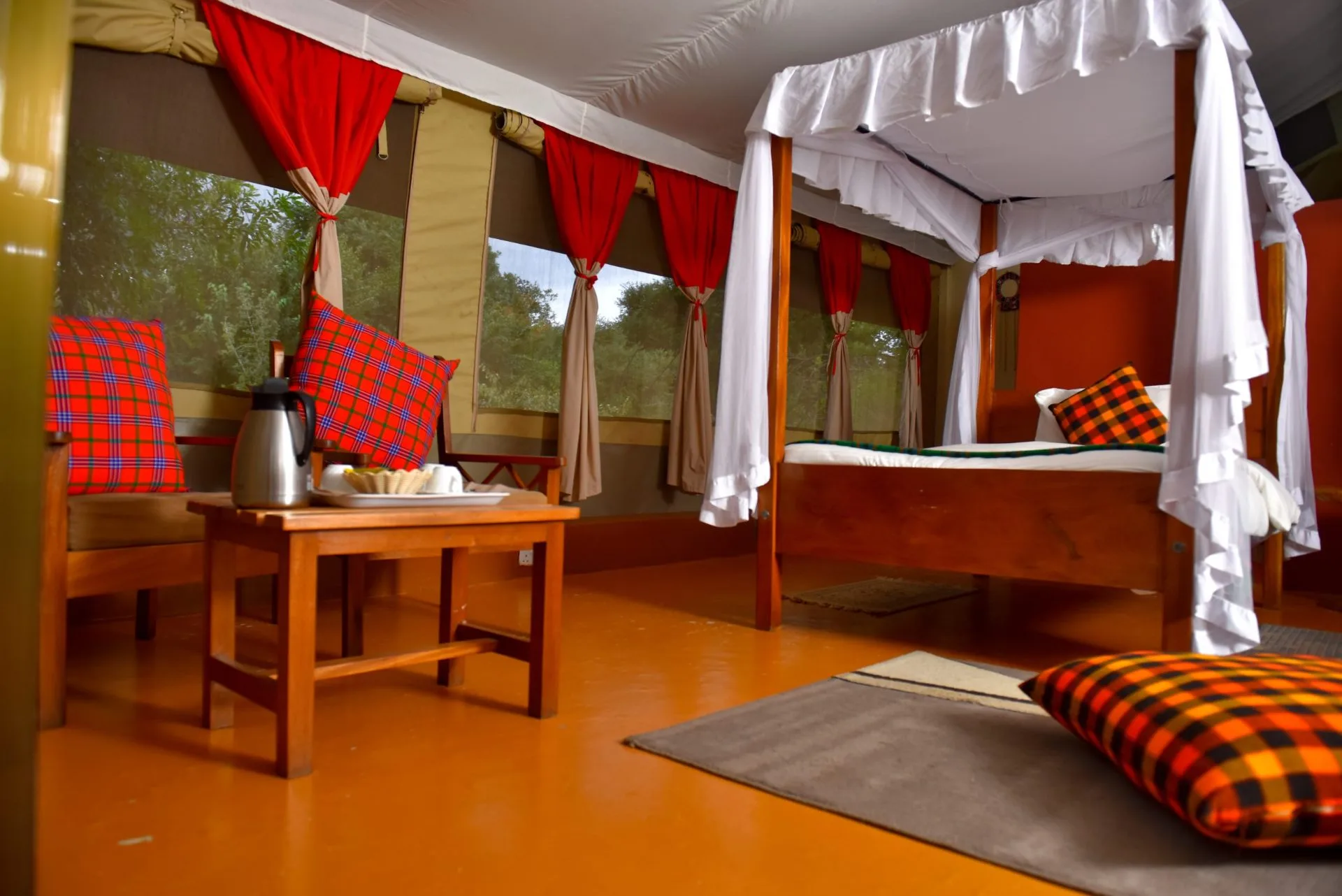
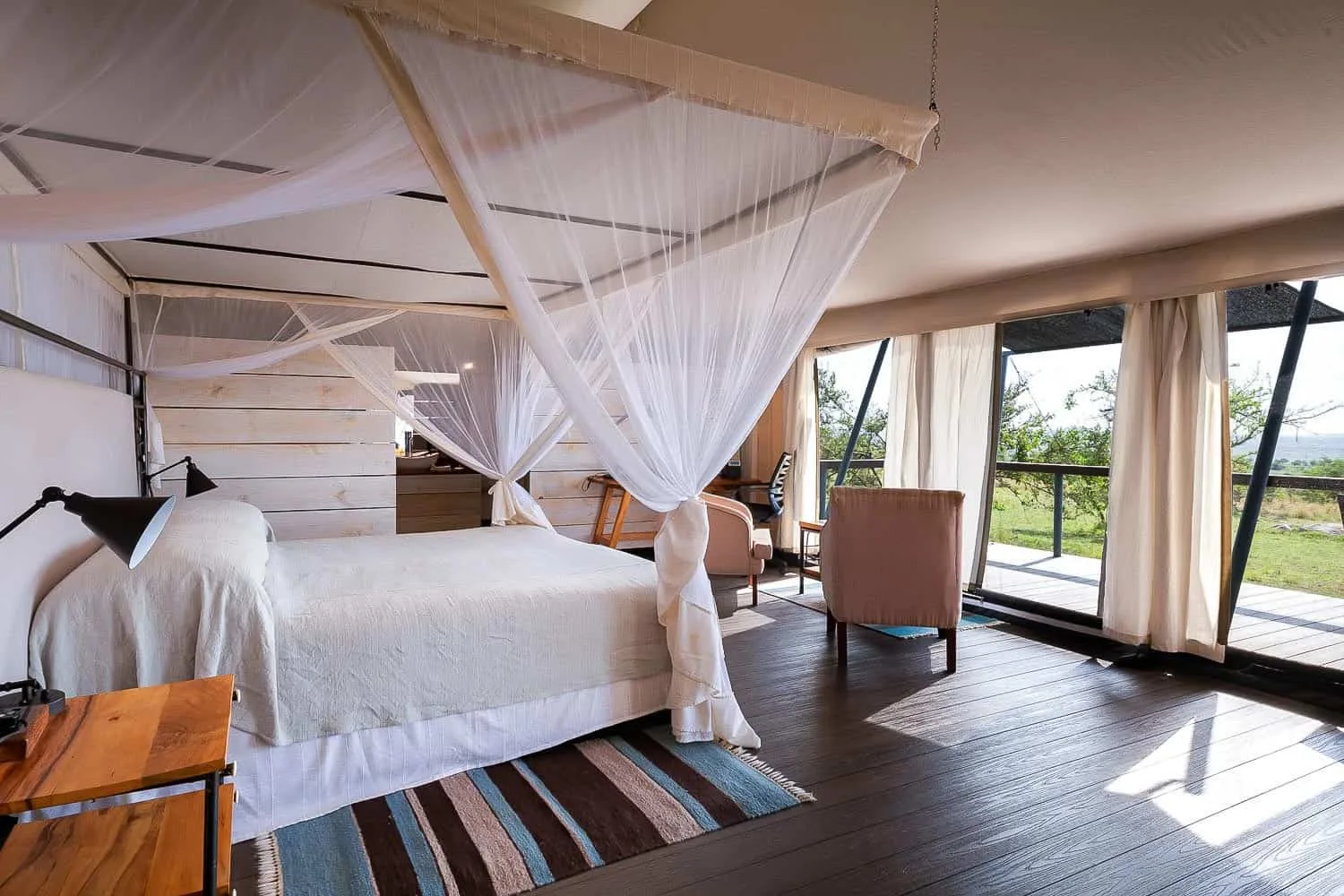
- Premium (Luxury)
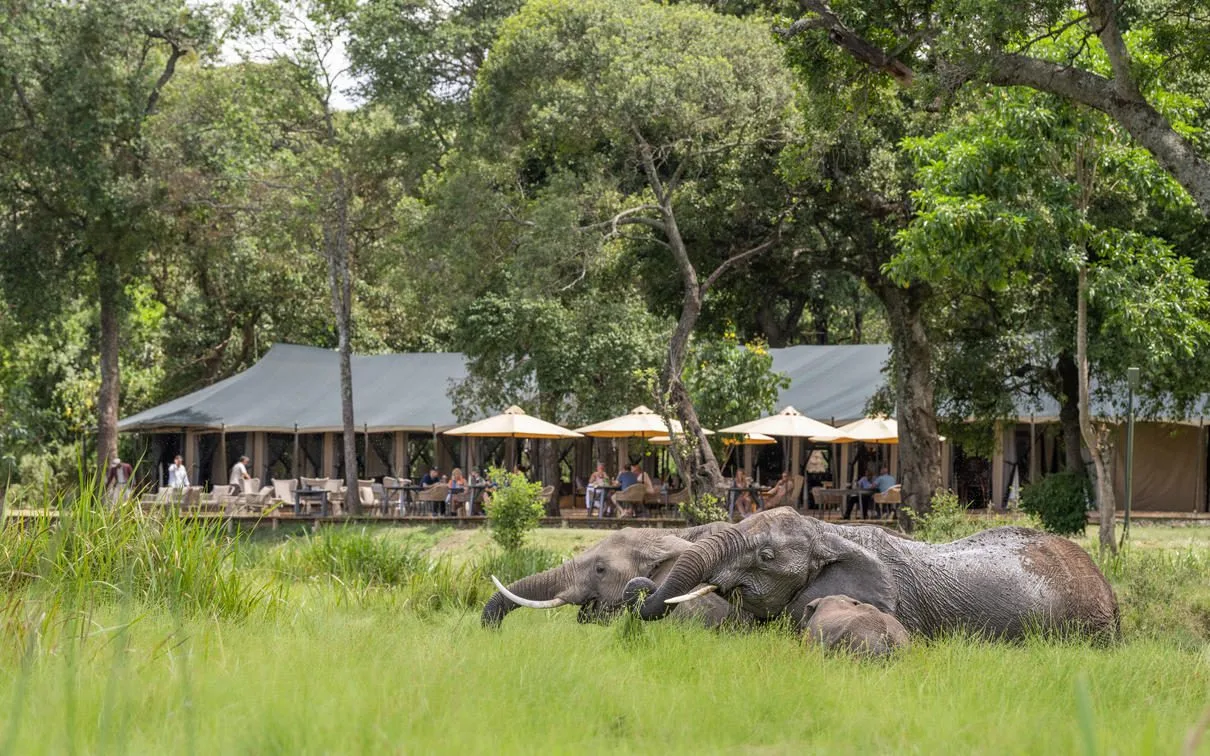
- Signature (High-end)
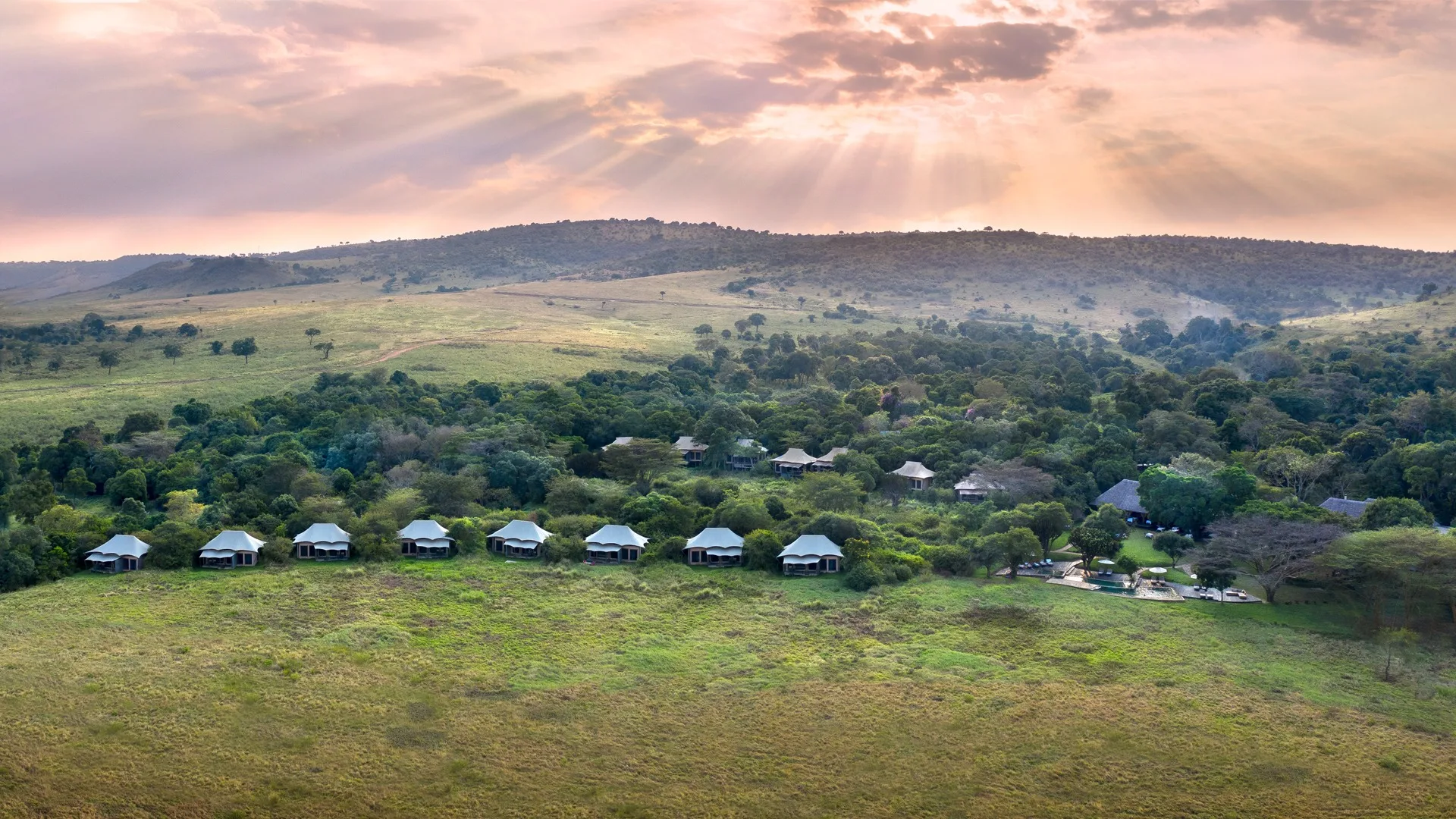
Day 2: Nairobi to the Great Rift Valley – Lake Nakuru or Lake Naivasha - Main destination
- Masai Mara National Reserve
- Meals
- Breakfast, Lunch, Dinner
After breakfast, meet your safari driver-guide and leave Nairobi. Travel toward the Great Rift Valley. Depending on the chosen route and accommodation, today's destination may be Lake Nakuru or Lake Naivasha. The Rift Valley provides an excellent transition between Nairobi and the Masai Mara while adding a different ecological environment to the safari.
Lake Nakuru Option
Travelers choosing Lake Nakuru can enter Lake Nakuru National Park for wildlife viewing. The park is particularly useful for adding rhino opportunities to a migration-focused itinerary. Possible wildlife includes the following, though sightings are never guaranteed: White rhino, Black rhino, Rothschild's giraffe, Buffalo, Zebra, Waterbuck, Warthog, Baboon, Lion, Leopard.
Leopards occur but remain elusive. The lake and surrounding habitats also support substantial birdlife. Lake Nakuru is historically famous for flamingos, although numbers fluctuate considerably according to water levels, food availability and ecological conditions.
Lake Naivasha Option
Lake Naivasha provides a more relaxed Rift Valley experience. Depending on the program, travelers may enjoy:
- Boat excursion.
- Birdwatching.
- Hippo viewing from an appropriate distance.
- Lakeside relaxation.
- Optional walking experiences in suitable nearby areas.
The exact choice between Nakuru and Naivasha should depend on your priorities. Choose Nakuru if rhinos and traditional game driving are important, and choose Naivasha if you want a softer introduction before several intensive Mara safari days. Arrive at your accommodation and settle in.
Accommodation: Lake Nakuru or Lake Naivasha lodge
Meal Plan: Breakfast, Lunch & Dinner
Activity: Rift Valley transfer and wildlife/lake activities
Where you stay
Day 3: Great Rift Valley to Masai Mara – Enter the Migration Ecosystem - Main destination
- Masai Mara National Reserve
- Meals
- Breakfast, Lunch, Dinner
Wake for breakfast. If staying around Lake Nakuru, you may begin with an early wildlife drive. If staying at Lake Naivasha, optional morning activities can be arranged depending on the confirmed itinerary. Afterward, continue toward the Masai Mara National Reserve.
The journey becomes increasingly exciting as you approach the Mara ecosystem. The landscape opens and grasslands become more dominant, while livestock areas eventually give way to wildlife country as you enter protected landscapes. Arrive at your lodge or migration camp, have lunch and receive a briefing from the camp team. Then begin your first dedicated migration game drive. Depending on herd locations, you may encounter substantial concentrations of: Wildebeest, Zebra, Topi, Gazelles, Eland.
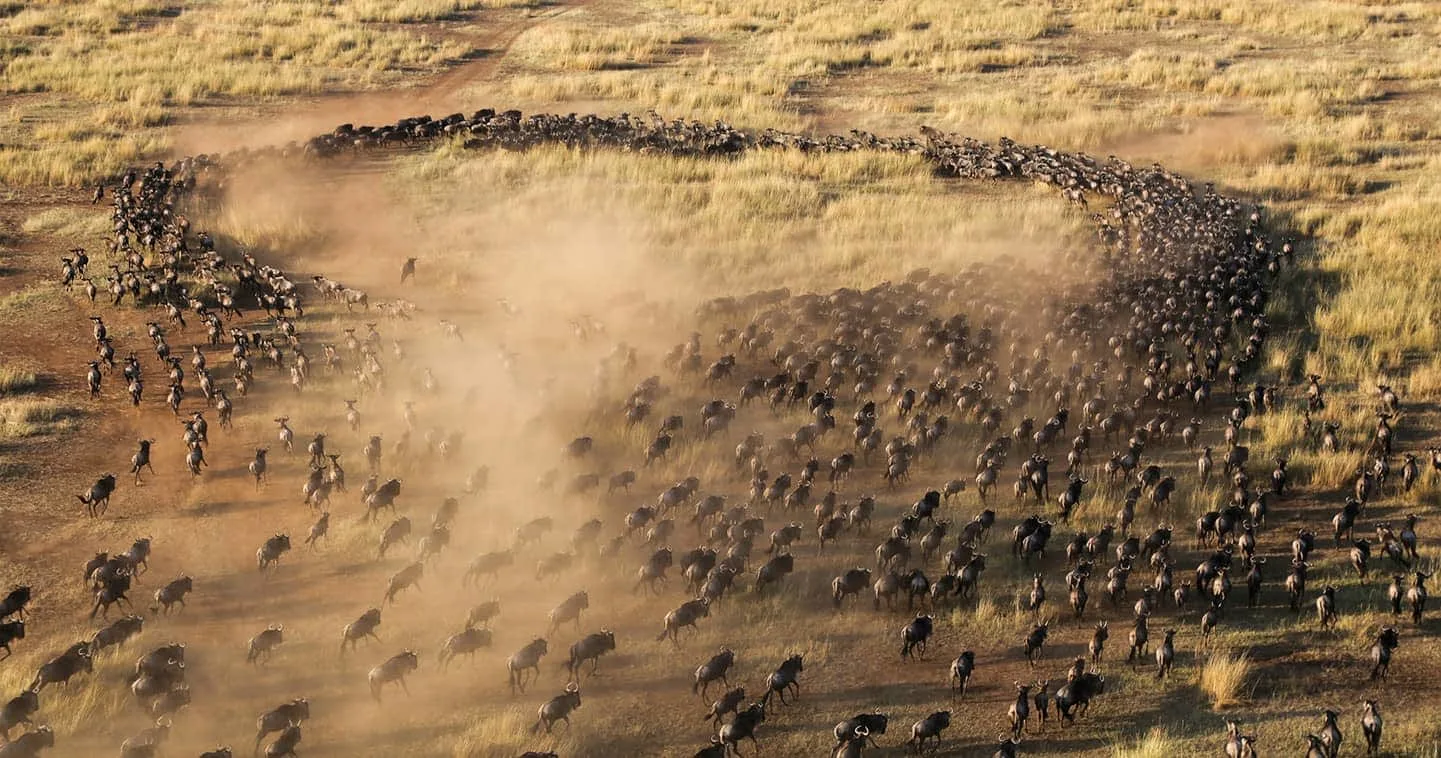
During migration periods, the scale can be difficult to appreciate at first. Animals may stretch across enormous areas, and what appears to be a dark line on a distant ridge may turn out to be hundreds or thousands of wildebeest. Predators respond to this abundance, and your guide will search for the following, although sightings are never guaranteed: Lions, Cheetahs, Leopards, Hyenas.
Rather than trying to cover the entire reserve on the first afternoon, begin understanding your local area. Where are the herds? Which direction are they moving? Where are the water sources? Which predators are known to be nearby? Return to camp around sunset, have dinner and listen to the sounds of the Mara after dark.
Accommodation: Masai Mara migration camp or lodge
Meal Plan: Breakfast, Lunch & Dinner
Activity: Rift Valley-Masai Mara transfer and afternoon migration safari
Where you stay
Day 4: Full-Day Masai Mara Migration Safari – Following the Herds - Main destination
- Masai Mara National Reserve
- Meals
- Breakfast, Lunch, Dinner
Wake early, as today is your first complete migration day. Take breakfast early or carry an appropriate meal arrangement according to the lodge, and head into the Mara before the day becomes warm. The exact route should not be fixed unnecessarily, because migration safaris work best when guides can respond to current wildlife movements. Your guide may have received information about: Herd concentrations, Predator activity, River movement, Recent crossings, Large elephant groups, Cheetah locations.
Begin searching.
Understanding Wildebeest Herd Behavior
Wildebeest may appear chaotic, but their movement reflects ecological pressures. They need:
- Water.
- Grass.
- Space.
- Access to seasonal grazing.
Large herds can move steadily for hours, while at other times animals may remain in one broad area. Observe individuals: calves stay close to mothers, males interact and animals communicate through sound and movement. Zebras often occur among or near the wildebeest, and the two species can benefit from using grass differently.
Continue through the morning. If you locate a large herd, do not rush away, as predators may be nearby. Lions often exploit migration concentrations, hyenas patrol the plains and cheetahs focus on smaller or more vulnerable prey, although no sighting is guaranteed. Have a picnic lunch in an authorized location if undertaking a full-day drive. Continue through the afternoon and return to camp in the evening.
Accommodation: Masai Mara migration camp or lodge
Meal Plan: Breakfast, Packed Lunch & Dinner
Activity: Full-day migration game drive
Where you stay
Day 5: Masai Mara – Mara River and Potential Crossing Activity - Main destination
- Masai Mara National Reserve
- Meals
- Breakfast, Lunch, Dinner
Today may focus on the Mara River, depending on current herd locations. The Mara River is one of the defining geographic features of the migration ecosystem, and it supports wildlife throughout the year. Hippos occupy pools and deeper sections, crocodiles can be present along the river, and riverine vegetation provides habitat for birds, monkeys and other wildlife. During the migration season, however, attention frequently shifts toward wildebeest gathering near crossing areas.
How a Mara River Crossing Develops
A crossing does not follow a timetable. Wildebeest may approach the river, and a few animals may descend toward the bank. The herd may become restless, and animals may move back or wait for hours. Sometimes thousands accumulate. Then one animal may enter, others follow and, within moments, the river can become filled with wildebeest. But the opposite can happen. You may wait for several hours and the herd may turn away. This is why crossings cannot be guaranteed.
Why Patience Matters
Migration travelers should understand that waiting is part of the safari. If the herds are positioned near a crossing and conditions appear promising, your guide may recommend remaining nearby. Carry:
- Water.
- Camera batteries.
- Memory cards.
- Sun protection.
- Patience.
A crossing, when it happens naturally, can be extraordinary. But even if no crossing occurs, watching thousands of wildebeest gather, communicate and react to the river is fascinating. Return to camp after a full day.
Accommodation: Masai Mara migration camp or lodge
Meal Plan: Breakfast, Packed Lunch & Dinner
Activity: Mara River and migration game drive
Where you stay
Day 6: Masai Mara – Big Cats of the Migration - Main destination
- Masai Mara National Reserve
- Meals
- Breakfast, Lunch, Dinner
The migration is not only about wildebeest. Predators are one of the main reasons the ecosystem is so compelling, and today focuses more deeply on the relationship between prey and predators. Begin before or around sunrise.
Lions
The Masai Mara supports numerous lion prides. During periods of abundant prey, lions may have access to substantial hunting opportunities. However, this does not mean you will automatically witness a hunt, because lions spend large portions of the day resting. Your guide may locate a pride in the morning and recommend waiting. Cubs may play, females may groom and adult males may patrol, and the pride may become active as temperatures change.
Cheetahs
Cheetahs use open areas where they can scan for prey. During migration season, smaller gazelles and young animals may provide opportunities. Cheetahs rely on speed rather than strength, and a chase is extremely demanding, so they spend significant periods resting and assessing potential prey.
Leopards
Leopards remain more difficult. They use riverine woodland, drainage lines, bushes and trees, and the presence of huge migration herds does not make leopards easy to find. Patience and an experienced guide remain essential.
Spotted Hyenas
Hyenas are a fundamental component of the Mara ecosystem. They are highly capable hunters as well as scavengers, and during migration periods, their ecological role becomes particularly visible.
Spend the day observing predator-prey relationships, remembering that no sighting is guaranteed. Return to camp in the evening.
Accommodation: Masai Mara migration camp or lodge
Meal Plan: Breakfast, Lunch or Packed Lunch & Dinner
Activity: Full-day predator and migration safari
Where you stay
Day 7: Masai Mara – Extended Migration Exploration - Main destination
- Masai Mara National Reserve
- Meals
- Breakfast, Lunch, Dinner
By Day 7, you have already spent several days in the ecosystem, which creates an important advantage: you are beginning to understand that each day is connected to the previous one. Perhaps a large herd was moving north yesterday, and today you may search farther ahead. Perhaps lions were feeding in one area, and you can return to see whether they remain nearby. Perhaps wildebeest gathered at a river crossing but did not cross, and your guide may check the area again.
This continuity is one of the major reasons to spend several nights in the Mara. A short visitor sees isolated sightings, while a longer-stay visitor begins seeing stories develop. Today can be structured as a full-day safari with a picnic lunch, exploring less-visited areas where appropriate. Search for the following, though no sighting is guaranteed: Migration herds, Elephant families, Giraffes, Buffaloes, Topi, Eland, Warthogs, Lions, Leopards, Cheetahs, Hyenas, Jackals.
Birdlife should not be ignored, as large raptors and vultures are particularly relevant in a predator-rich ecosystem. Return in the evening.
Accommodation: Masai Mara migration camp or lodge
Meal Plan: Breakfast, Packed Lunch & Dinner
Activity: Extended full-day Mara migration safari
Where you stay
Day 8: Private Mara Conservancy – Lower Vehicle Density and Alternative Activities - Main destination
- Masai Mara National Reserve
- Meals
- Breakfast, Lunch, Dinner
Today can introduce a private conservancy component, depending on the location of your accommodation and confirmed itinerary. Private conservancies bordering the greater Mara ecosystem can provide a different style of safari. Wildlife moves across broader ecosystems without recognizing administrative boundaries, so conservancy landscapes can support excellent wildlife. One of the principal advantages can be lower vehicle density.
Regulations vary by conservancy, but selected areas may permit activities unavailable inside the main reserve. Exact activities depend on conservancy rules and the selected property. These can potentially include:
- Night drives.
- Guided walking safaris.
- Sundowners.
- Off-road approaches under controlled regulations.
- Bush meals.
Morning Game Drive
Begin with a wildlife drive and search for resident predators and herbivores. Because you are not exclusively focused on river crossings today, the pace can be slower, with more time spent observing behavior.
Midday Rest
Return to camp for lunch. Migration safaris can involve long days, so rest is important. Sleep, read, review photographs and charge equipment.
Afternoon and Evening
Return for an afternoon drive. Where permitted, a conservancy safari may continue into the early evening. A night drive can reveal animals rarely observed during daylight, and potential nocturnal sightings vary but can include smaller predators and other night-active wildlife. Return to camp for dinner.
Accommodation: Mara conservancy or appropriately located migration camp
Meal Plan: Breakfast, Lunch & Dinner
Activity: Conservancy wildlife viewing and permitted optional activities
Where you stay
Day 9: Masai Mara Migration Photography Safari - Main destination
- Masai Mara National Reserve
- Meals
- Breakfast, Lunch, Dinner
Today is designed around photography and patient observation. You do not need to be a professional photographer to benefit from this approach. Instead of rushing from one sighting to another, spend longer with subjects.
Photographing Wildebeest Herds
Migration photography is often strongest when you show scale. A tight photograph of one wildebeest can be useful, but wide compositions can reveal the true size of the migration. Look for:
- Herds stretching toward the horizon.
- Dust.
- Zebra mixed with wildebeest.
- Lines of animals moving across ridges.
- Storm clouds.
- Sunrise.
- Sunset.
Photographing Predators
For lions and cheetahs, behavior is often more interesting than a static portrait. Wait for:
- Interaction.
- Grooming.
- Cubs playing.
- Animals scanning.
- Walking.
- Territorial behavior.
Photographing Elephants
Elephants can provide powerful landscape images. Include the environment, photograph family groups and observe interaction between adults and calves.
River-Crossing Photography
If a crossing occurs, photography becomes extremely fast-paced, so prepare before the action begins. Check:
- Battery.
- Memory-card space.
- Camera settings.
- Lens choice.
Do not spend the entire event looking through the camera. Occasionally lower it and watch. Return to camp in the evening.
Accommodation: Masai Mara migration camp or lodge
Meal Plan: Breakfast, Lunch or Packed Lunch & Dinner
Activity: Full-day migration photography safari
Where you stay
Day 10: Final Full Masai Mara Safari – Optional Hot-Air Balloon and Last Migration Search - Main destination
- Masai Mara National Reserve
- Meals
- Breakfast, Lunch, Dinner
Your final full day in the Mara provides another opportunity to respond to everything learned during the previous days. If you have not seen a leopard, focus on leopard habitat. If a crossing remains your priority and herds are positioned near the river, return to the area. If you have already experienced excellent migration activity, slow down and enjoy the wider ecosystem.
Optional Hot-Air Balloon Safari
Today can begin with an optional hot-air balloon safari over the Masai Mara. Wake well before sunrise and transfer to the launch site. After a safety briefing, climb into the basket. The balloon rises gradually as daylight spreads across the landscape, and from above, the Mara takes on a completely different appearance. You may see:
- Wildebeest herds.
- Zebras.
- Giraffes.
- Elephants.
- Rivers.
- Animal trails.
- Acacia woodland.
- Grasslands.
During migration periods, large herds can look particularly impressive from the air. However, the balloon follows wind direction, so no specific wildlife sighting can be guaranteed, and flights themselves depend on weather and operations and are never guaranteed. After landing, breakfast is generally provided according to the balloon operator's arrangements.
Continue with regular game viewing afterward. Spend the afternoon revisiting whichever part of the ecosystem has been most rewarding. As evening approaches, find a scenic area where regulations allow and watch the final sunset over the Mara. Return to camp for dinner.
Accommodation: Masai Mara migration camp or lodge
Meal Plan: Breakfast, Lunch & Dinner
Activity: Optional balloon safari and final full-day wildlife viewing
Where you stay
Day 11: Masai Mara to Nairobi – Final Game Drive and Departure - Main destination
- Masai Mara National Reserve
- Drive time
- Return transfer as outlined in the itinerary
- Meals
- Breakfast, Lunch
Wake early for your final morning in the Masai Mara. Depending on your departure schedule, take a short game drive. Final mornings often produce memorable sightings: a lion pride may be moving after the night, hyenas may be returning toward den areas, elephants may cross open plains and wildebeest may continue their endless movement across the ecosystem, although nothing can be promised. Return for breakfast and check out. You can return to Nairobi by road or scheduled bush flight.
Road Transfer
A private road transfer provides another opportunity to see the Kenyan countryside. The journey takes several hours depending on traffic, road conditions and stops.
Bush Flight
A scheduled flight significantly reduces travel time, which is particularly useful when connecting to an international flight. Most Mara bush flights use small aircraft and operate from designated airstrips, and luggage restrictions apply. If landing at Wilson Airport and connecting to an international flight from Jomo Kenyatta International Airport, allow substantial transfer time between the airports.
Your 11 Days Kenya Migration Safari ends after an extended exploration of one of Africa's greatest wildlife ecosystems.
Meal Plan: Breakfast; additional meals according to departure arrangements
Activity: Final game drive and return to Nairobi
When Is the Best Time for a Kenya Migration Safari?
Travelers often ask for the exact best week to see the migration in Kenya, but there is no completely reliable answer. The migration responds to environmental conditions. Historically, substantial herds are often associated with the Kenyan Masai Mara during portions of approximately July through October. However, timing can shift: rainfall may encourage animals to arrive earlier or remain longer, while dry conditions can influence movement differently. The safest strategy is to choose a historically strong period and spend enough time in the ecosystem.
Kenya Migration Safari in July
July can mark an important period as substantial herds begin entering or occupying the greater Mara ecosystem, depending on conditions. However, exact herd positions vary. Advantages can include:
- Large herds.
- Increasing predator activity.
- Potential river movement.
- Dry-season wildlife viewing.
Kenya Migration Safari in August
August is one of the most popular migration safari months, and large concentrations of wildebeest may be present in the Mara. Because demand is high, accommodation should be booked early. Potential highlights include:
- Huge herds.
- Predator activity.
- Mara River crossing possibilities.
- Excellent general wildlife viewing.
Kenya Migration Safari in September
September can be an excellent migration month, though it is still a popular period. Depending on rainfall and grazing conditions, substantial herds may remain in Kenya. The month can provide:
- Wildebeest concentrations.
- Zebra herds.
- River-crossing possibilities.
- Big-cat viewing.
- Excellent photography.
Kenya Migration Safari in October
October can remain productive, particularly when herds are still utilizing the Mara. However, movement toward Tanzania can begin or intensify depending on rainfall. Do not assume all wildebeest disappear on a particular date, as migration movements are gradual and variable.
Can I See the Migration in June?
Possibly in the wider ecosystem, but June is generally earlier than the period most strongly associated with major Mara migration concentrations. If your only travel window is June, Kenya still offers excellent wildlife. However, a migration-specific itinerary should be planned realistically.
Can I See the Migration in November?
Some herds may remain or move through the wider ecosystem depending on rainfall, but November is not normally the first choice for travelers whose main objective is classic peak Mara migration activity. General wildlife viewing can still be excellent.
Are Mara River Crossings Guaranteed?
No, and this point is extremely important. No ethical safari operator should guarantee a river crossing. Wildebeest can:
- Approach the river.
- Wait.
- Retreat.
- Move several kilometers.
- Cross somewhere else.
- Cross suddenly.
Even during a historically excellent migration week, you can spend several days without witnessing a major crossing. The safari should therefore be designed around the entire migration ecosystem.
Where you stay
03 Rates
Safari rates 2027-2029
Indicative per person. Season, group size and lodge style change the total — your quotation confirms current rates.
- Essential (Budget)
Essential (Budget)
Budget camps and lodges suit travelers who prioritize wildlife while keeping costs lower.
Great value camps
- Comfort (Mid-range)
Comfort (Mid-range)
Mid-range tented camps and lodges balance comfort and price with private rooms or tents and en-suite facilities.
Quoted for your dates
- Premium (Luxury)
Premium (Luxury)
Luxury camps and lodges focus on location, service and more intimate wildlife experiences.
Premium camps and lodges
- Signature (High-end)
Signature (High-end)
Signature camps and lodges are the most exclusive stays — small, highly private properties with exceptional guiding and setting.
Exclusive signature stays
04 Activities
Safari activities
Game viewing is the core of this itinerary. Optional extras are quoted separately and depend on season, permits and availability. Individual species and river crossings are never guaranteed.
Optional
Night drives in permitted conservancies.
Available at extra cost when conditions, permits and your dates allow. Not guaranteed.
Optional
Walking safari.
Available at extra cost when conditions, permits and your dates allow. Not guaranteed.
View activity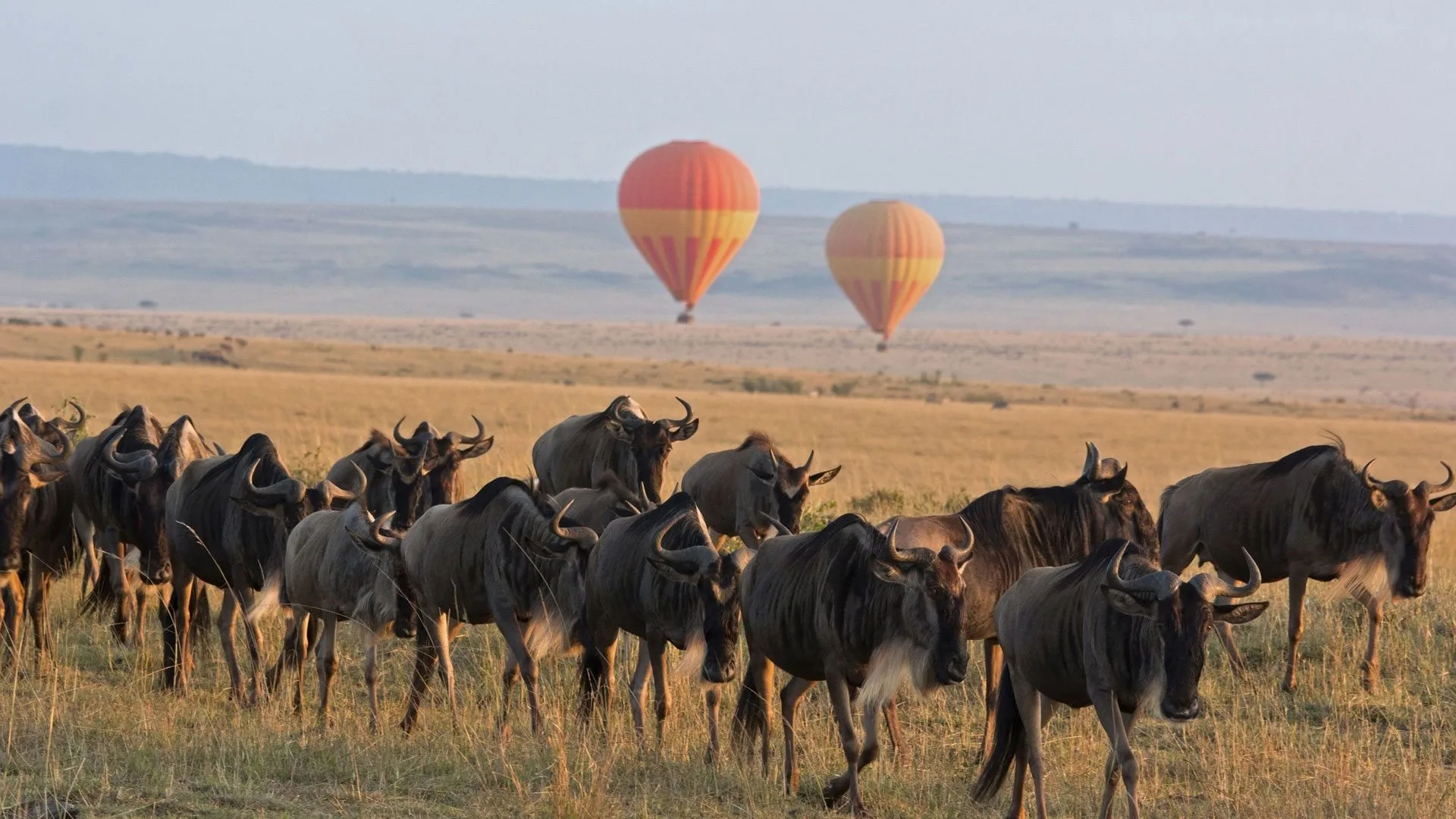
Optional
Hot-air balloon safari.
Available at extra cost when conditions, permits and your dates allow. Not guaranteed.
View activity
Included
Sunrise photography
Included in a typical day on this safari. Exact timing follows the confirmed itinerary.
View activity
Additional information
Plan This Safari
Why Do Wildebeest Cross the Mara River?
Wildebeest cross because their migration routes and grazing needs take them between areas separated by rivers. They are not deliberately seeking danger; they are trying to access suitable habitat. The Mara River can create a major obstacle, and steep banks, currents, crocodiles and herd congestion can make crossings dangerous.
Crocodiles During the Migration
Large crocodiles inhabit the Mara River. They are opportunistic predators and may take advantage of crossing animals. However, not every crossing involves dramatic crocodile predation. Many wildebeest cross successfully, while others may be injured because of:
- Steep banks.
- Congestion.
- Strong water.
- Physical exhaustion.
The migration should be understood as a complex ecological event rather than simply a predator spectacle.
Lions and the Migration
Lions benefit from increased prey availability during periods when migration herds occupy their territories. However, resident prey remains important throughout the year. Lion viewing in the Mara can therefore be excellent even outside peak migration periods, and during migration season, interactions between predators and prey may become particularly intense.
Cheetahs and the Migration
Cheetahs may benefit from increased numbers of smaller and younger animals within the broader ecosystem. However, they face competition from larger predators, and a cheetah must often feed quickly before lions or hyenas detect a kill. Watching this ecological competition can be fascinating.
Hyenas and the Migration
Spotted hyenas are often misunderstood. They are not simply scavengers; they are effective social hunters. Migration periods provide abundant opportunities for both hunting and scavenging, and observing hyena clans can reveal complex social behavior.
Leopards During Migration Season
Leopards remain largely solitary, and they generally rely on concealment rather than open pursuit. Migration season does not automatically make them easy to see. Riverine woodland and drainage systems remain important places to search, and a leopard sighting can be one of the most rewarding experiences of the safari.
Wildebeest and Zebra Together
Wildebeest and zebras are frequently seen together during the migration, and the species use grass differently. Zebras can consume taller or coarser vegetation, while wildebeest often prefer shorter, nutrient-rich grass. Their combined grazing patterns form part of the migration ecosystem.
Migration Safari Versus Normal Masai Mara Safari
A normal Mara safari focuses broadly on wildlife, while a migration safari is deliberately timed and structured around seasonal herd movement. However, the two overlap substantially, and the migration adds another layer rather than replacing the normal safari. During a migration safari you still search for: Lions, Leopards, Cheetahs, Elephants, Buffaloes, Giraffes, Hippos, Birds.
Main Reserve or Private Conservancy?
Both can be valuable, and an excellent itinerary can combine both.
Masai Mara National Reserve
The main reserve is important for:
- Mara River areas.
- Migration concentrations.
- Classic savannah.
- Excellent general wildlife.
Private Conservancies
Conservancies may provide:
- Lower vehicle density.
- Exclusive accommodation areas.
- Night drives where permitted.
- Guided walks where permitted.
- Sundowners.
- Different game-viewing rules.
Where Should I Stay for the Migration?
Camp location matters. A beautiful lodge far from the relevant migration area can result in excessive daily driving, so for migration-focused travel, location should be prioritized alongside accommodation quality. The best location depends on:
- Travel month.
- Expected herd movements.
- River access.
- Reserve or conservancy preference.
- Budget.
- Driving tolerance.
Seasonal Migration Camps
Some camps operate seasonally or are positioned strategically around migration periods. Accommodation style ranges from comfortable mid-range tents to extremely luxurious mobile camps. Advantages can include:
- Better access to current wildlife areas.
- Immersive bush atmosphere.
- Reduced daily transfer distances.
Budget Migration Safari
A budget version can still provide excellent wildlife. However, do not choose accommodation based only on price. If a cheap camp is located far from the migration areas you want to explore, fuel and driving time can reduce its value. Possible strategies include:
- Road transportation.
- Affordable tented camps.
- Accommodation outside premium areas.
- Shared safari arrangements where available.
Mid-Range Migration Safari
Mid-range accommodation often provides the strongest balance between cost, comfort and location, and a private vehicle can be added for greater flexibility. Typical features can include:
- En-suite tent.
- Hot shower.
- Comfortable bed.
- Restaurant.
- Electricity or solar power.
- Charging facilities.
- Good wildlife access.
Luxury Migration Safari
The most valuable luxury upgrade is often location and guiding rather than decorative extras. Luxury versions can include:
- Premium migration camps.
- Bush flights.
- Private vehicles.
- Spacious tents.
- Excellent dining.
- Private decks.
- High guide-to-guest ratios.
- Conservancy access.
- Sundowners.
- Bush meals.
High-End Migration Safari
This level is particularly useful for professional photographers and families wanting maximum flexibility. High-end travelers can consider:
- Private charter flights.
- Exclusive-use vehicles.
- Private villas.
- Premium tented suites.
- Dedicated guides.
- Personalized schedules.
- Private dining.
- Extended photography vehicles.
Road Safari or Fly-In Migration Safari?
Both approaches work, and a hybrid itinerary can provide the best balance.
Road Safari
Disadvantages include longer transfer times. Advantages include:
- Lower cost.
- Private vehicle continuity.
- Flexible stops.
- More luggage flexibility.
Fly-In Safari
Advantages include:
- Faster transfers.
- More time in the Mara.
- Less fatigue.
- Scenic aerial views.
Disadvantages include:
- Higher cost.
- Baggage restrictions.
- Fixed schedules.
Why a Private Vehicle Is Valuable
A private vehicle is particularly useful during migration season, whereas shared vehicles require compromise. For serious migration travelers, private transportation is highly recommended. With a private vehicle, you can decide:
- How long to wait near a river.
- Which predator to follow.
- When to leave camp.
- When to return.
- Whether to spend the whole day in the field.
- How much time to dedicate to photography.
Photography on a Migration Safari
Migration photography can be demanding. Wildlife may move quickly, dust can be substantial, and distances vary. A second camera body can be useful for serious photographers because it reduces lens changes in dusty conditions. Useful equipment can include:
- Camera body.
- Telephoto lens.
- Medium zoom.
- Wide-angle lens.
- Spare batteries.
- Multiple memory cards.
- Lens-cleaning equipment.
- Beanbag.
Photographing River Crossings Responsibly
River-crossing areas can attract many vehicles, so responsible guiding is essential, and getting a photograph is never more important than animal welfare. Vehicles should:
- Follow reserve regulations.
- Avoid blocking animals.
- Maintain appropriate distance.
- Avoid pressuring herds toward the river.
- Avoid interfering with natural behavior.
Optional Hot-Air Balloon Safari
A balloon safari provides a completely different perspective. Flights normally take place around sunrise and are weather-dependent, so they are never guaranteed. During migration season, you may see large herds from above if the flight path and herd locations coincide. The experience is memorable even without major migration concentrations, and advance booking is strongly recommended during peak months.
Migration Safari for Families
Families can enjoy a migration safari, particularly with older children interested in wildlife. A private vehicle is strongly recommended. Parents should consider that river-crossing searches may involve long periods of waiting. Younger children may prefer shorter game drives and more lodge time, so family-friendly accommodation should be selected carefully.
Migration Safari for Honeymooners
A migration safari can be an extraordinary honeymoon, and after several intensive Mara days, honeymooners can continue to Diani Beach or Zanzibar. A romantic version can include:
- Private vehicle.
- Luxury tented camp.
- Bush flights.
- Balloon safari.
- Sundowners.
- Private dining.
- Beach extension.
Migration Safari for Solo Travelers
Solo travelers can book private or selected shared departures. A private safari offers maximum flexibility but generally costs more per person because vehicle expenses are not shared. Ask about small-group migration departures if budget is important.
Birdwatching During the Migration
The migration is not only about mammals, and birdlife can be exceptional. Vultures play a particularly important ecological role by rapidly consuming carcasses and reducing disease risks. Possible sightings include: Vultures, Eagles, Secretary birds, Bustards, Storks, Herons, Egrets, Rollers, Bee-eaters, Ostriches.
What to Pack for an 11 Days Kenya Migration Safari
Pack for warm days, cool mornings and potentially dusty conditions. Useful clothing includes:
- Neutral shirts.
- Long trousers.
- Shorts.
- Fleece.
- Warm jacket.
- Light rain layer.
- Comfortable shoes.
- Sun hat.
- Sunglasses.
Useful equipment includes:
- Binoculars.
- Camera.
- Telephoto lens.
- Spare batteries.
- Memory cards.
- Power bank.
- Reusable water bottle.
- Small daypack.
Also bring:
- Sunscreen.
- Insect repellent.
- Personal medication.
- Travel documents.
Dust During Migration Season
Dry-season conditions can create substantial dust. Protect cameras, keep equipment in closed bags when not in use, and use lens-cleaning tools carefully. Travelers sensitive to dust may consider bringing an appropriate face covering for particularly dusty road sections.
Meals During the Safari
Migration safaris frequently involve long days away from camp, so packed breakfasts and picnic lunches can be useful. Dietary requirements should be communicated before travel. Typical meal arrangements include:
- Early breakfast.
- Packed breakfast.
- Picnic lunch.
- Camp dinner.
What Is Usually Included?
Depending on the confirmed package, inclusions may include the following. Always use the final quotation as the authoritative inclusion list.
- Nairobi airport transfer.
- Nairobi accommodation.
- Private safari vehicle.
- Professional driver-guide.
- Fuel.
- Rift Valley accommodation where included.
- Masai Mara accommodation.
- Park and reserve fees.
- Conservancy fees where specified.
- Game drives.
- Meals stated.
- Drinking water.
- Airstrip transfers.
- Domestic flights where listed.
- Government taxes specified.
What Is Usually Excluded?
Possible exclusions include:
- International airfare.
- Visa or entry-related expenses.
- Travel insurance.
- Balloon safari unless stated.
- Premium drinks.
- Alcohol unless included.
- Laundry where charged.
- Tips.
- Personal purchases.
- Optional activities.
- Beach extension unless included.
- Domestic flights unless specifically stated.
Travel Insurance
Comprehensive travel insurance is strongly recommended, and the policy should be read carefully before travel. A suitable policy should ideally cover:
- Medical treatment.
- Emergency evacuation.
- Trip cancellation.
- Travel interruption.
- Flight delays.
- Baggage loss.
Health Preparation
Consult an appropriate healthcare professional for personalized pre-travel health advice, and carry essential medication appropriately. Consider:
- Routine vaccinations.
- Destination-specific recommendations.
- Malaria prevention advice.
- Personal medication.
- Sun protection.
- Hydration.
Wildlife Safety
Always follow your guide, because wildlife must always have the right of way. Never:
- Leave the vehicle without permission.
- Feed wildlife.
- Approach animals on foot.
- Block wildlife movement.
- Make excessive noise.
- Pressure guides to drive too close.
Kenya Migration Safari and Tanzania
Travelers with additional time can combine Kenya's Masai Mara with Tanzania's Serengeti. This creates a broader migration itinerary. However, the Kenya-Tanzania border and park geography mean that simply seeing animals across the border does not allow safari vehicles to cross wherever they wish. The itinerary must use appropriate immigration points, flights or road routes. For a well-designed multi-country migration safari, allow enough time rather than trying to rush both ecosystems.
Kenya Migration Safari and Diani Beach
After several long days following wildebeest and predators, the Kenyan coast can provide an excellent conclusion. This combination works especially well for honeymooners and travelers with approximately two weeks. Fly or transfer toward Diani Beach and spend several nights enjoying:
- Indian Ocean.
- White-sand beach.
- Swimming.
- Spa.
- Snorkeling.
- Diving.
- Relaxation.
Kenya Migration Safari and Zanzibar
Zanzibar can also be added. After the Mara, connect through the appropriate regional flight network. The contrast between migration safari and tropical beach creates a memorable East African journey, and separate Tanzania entry requirements apply.
Kenya Migration Safari and Gorilla Trekking
Travelers wanting an even broader wildlife experience can combine the migration with gorilla trekking in Uganda or Rwanda. This creates an extraordinary contrast. In Kenya, you experience huge herds spread across open grasslands. In Uganda or Rwanda, you enter mountain forest to search for a habituated gorilla family. Regional flights make this combination practical. A longer East African itinerary can therefore combine: Great Migration, Lions, Leopards, Cheetahs, Elephants, Rhinos where added, Mountain gorillas.
Why Migration Camp Location Matters
One of the most common mistakes when planning a migration safari is choosing accommodation based entirely on appearance or price. A beautiful camp can still be poorly located for your specific migration objectives. If you must drive several hours every morning to reach the relevant herd areas, you lose valuable wildlife time. Location is part of safari quality, so accommodation should be selected according to:
- Month.
- Expected herd distribution.
- River access.
- Reserve sector.
- Conservancy access.
- Driving distances.
- Budget.
Why More Mara Nights Can Be Better Than More Parks
It can be tempting to add Amboseli, Samburu, Nakuru, Naivasha and several other destinations to an eleven-day safari. For a migration-focused journey, that is not always wise. Every additional destination creates another transfer, and transfers reduce wildlife time. A traveler whose main goal is the Great Migration may be better served by spending five or six nights in the greater Mara rather than constantly changing lodges. Depth can be more rewarding than quantity.
River Crossing Versus Herd Viewing
Many travelers arrive believing a river crossing is the migration, but it is not. The migration is the entire movement of animals through the ecosystem. A successful migration safari should appreciate all of its elements. Even without a crossing, you may see: Thousands of wildebeest, Zebra columns, Lions among the herds, Cheetahs hunting, Hyenas patrolling, Elephants crossing through migration areas, Vultures circling, New grazing areas being occupied.
Why Waiting Is Part of the Experience
Modern travel often encourages constant movement. Migration safari rewards the opposite. Sometimes the best decision is to switch off the engine and wait: beside a lion pride, while wildebeest approach a river, while a cheetah watches gazelles, or as elephants move slowly toward your vehicle. The wilderness operates on its own schedule. Learning to wait is one of the things that makes a long safari rewarding.
Customize Your 11 Days Kenya Migration Safari
The itinerary can be adapted according to:
- Travel month.
- Number of travelers.
- Budget.
- Accommodation category.
- Migration priorities.
- River-crossing interest.
- Photography requirements.
- Big-cat interests.
- Family needs.
- Honeymoon requirements.
- Road versus fly-in preference.
- Private conservancy preference.
- Balloon safari interest.
- Beach-extension plans.
Possible modifications include the following. The most important principle is to preserve sufficient time in the migration ecosystem.
- More Masai Mara nights.
- Fewer Rift Valley nights.
- Adding Ol Pejeta.
- Adding Amboseli.
- Adding a private conservancy.
- Using bush flights.
- Adding specialized photography vehicles.
- Adding Diani Beach.
- Adding Tanzania.
- Adding Uganda or Rwanda gorilla trekking.
Book Your 11 Days Kenya Migration Safari
The 11 Days Kenya Migration Safari is designed for travelers who want to experience the Great Wildebeest Migration with enough time to appreciate the event as an ecosystem rather than a single river-crossing spectacle. When requesting a personalized quotation, provide:
- Exact travel dates.
- Number of travelers.
- Children's ages where applicable.
- Preferred accommodation category.
- Approximate budget.
- Private or shared safari preference.
- Road or fly-in preference.
- River-crossing priority.
- Photography requirements.
- Big-cat interests.
- Rhino interest.
- Conservancy preference.
- Balloon safari interest.
- Honeymoon or anniversary details.
- Dietary requirements.
- Beach-extension plans.
- International arrival and departure flights.
Your itinerary can then be positioned around the most appropriate migration areas for your travel period. For serious photographers, we can emphasize long game-drive days, private vehicles and strategically located camps. For honeymooners, bush flights, intimate tented camps and a Diani Beach extension can create a more romantic journey. For families, drive lengths and daily safari schedules can be adjusted. For travelers interested primarily in migration, unnecessary park changes can be reduced so that more time is spent in the Mara.
The value of an eleven-day itinerary is not simply that it is longer. Its value is that it gives nature time to reveal itself. One morning may begin with thousands of wildebeest moving silently through misty grasslands. Another may be dominated by lions resting after a night of hunting. You may spend hours beside the Mara River waiting for a herd that ultimately decides not to cross. The following day, a completely unexpected crossing may begin before you have finished setting up your camera, though crossings can never be promised. You may watch cheetahs scanning gazelles, elephants walking through wildebeest herds, hyenas patrolling the plains and vultures circling high above the ecosystem. These moments cannot be scheduled precisely.
That uncertainty is not a weakness of the safari. It is the reason the experience remains genuinely wild. With sufficient time, strategic accommodation and an experienced guide, the 11 Days Kenya Migration Safari gives you the opportunity to experience not just the famous spectacle of the Great Migration, but the entire living system surrounding it.
Planning Questions
Frequently Asked Questions
Is 11 days too long for a migration safari?
No. For travelers seriously interested in the migration, eleven days provides valuable flexibility and allows time for additional Kenyan wildlife experiences.
What is the best month for the Kenya migration?
August and September are commonly popular, while July and October can also be productive depending on conditions.
Is the migration guaranteed?
The migration itself is an ongoing natural process, but exact herd locations and specific events cannot be guaranteed.
Are river crossings guaranteed?
No.
How many days should I spend in the Masai Mara?
For a migration-focused eleven-day itinerary, several nights should be dedicated to the Mara. Four to seven nights can be appropriate depending on priorities.
Can I see lions during the migration?
Yes. The Mara supports important resident lion populations.
Can I see leopards?
Possibly. Leopards are present but elusive.
Can I see cheetahs?
Yes. The Mara provides excellent cheetah habitat.
Can I see crocodiles?
Yes, particularly around major river systems.
Can I see hippos?
Yes.
Can I see elephants?
Yes. Elephants are resident within the Mara ecosystem.
Can I see rhinos?
Rhino viewing is not the main focus of the Mara migration experience. Adding Lake Nakuru or Ol Pejeta improves rhino opportunities.
Can I add Lake Nakuru?
Yes.
Can I add Lake Naivasha?
Yes.
Can I add Amboseli?
Yes, although the itinerary should remain well paced.
Can I stay in a private conservancy?
Yes.
Can I do night game drives?
They may be available in selected private conservancies, subject to local rules.
Can I do a walking safari?
Guided walking may be available in suitable conservancy areas.
Can I do a balloon safari?
Yes.
Is a private vehicle recommended?
Yes, particularly if migration viewing or photography is your priority.
Can I fly to the Mara?
Yes. Scheduled bush flights can significantly reduce travel time.
Can I take large luggage on bush flights?
Bush flights generally have baggage restrictions. Exact allowances should be confirmed before travel.
Is this safari suitable for photographers?
Yes. It is particularly suitable for wildlife photography.
Can professional photographers customize the vehicle?
Specialized photography arrangements can be discussed in advance.
Is the safari suitable for families?
Yes, especially for older children. Younger children may need shorter drive schedules.
Is it suitable for honeymooners?
Yes.
Can I add Diani Beach?
Yes.
Can I add Zanzibar?
Yes.
Can I combine Kenya and Tanzania migration areas?
Yes, but cross-border logistics should be carefully planned.
When should I book?
Peak migration months should be booked well in advance because well-located camps can fill early.
05 Request Quote
Request Quote
Tell us your dates, group size, and preferred lodge style — we will send a tailored quote for this safari.
Want to extend your safari?
Add Amboseli, Diani Beach, Tanzania and Zanzibar, or gorilla trekking in Uganda or Rwanda — we tailor the journey to your dates.