
11 DAYS / 10 NIGHTS
11 Days Budget Kenya Safari
Plan a 11 Days Budget Kenya Safari with expert guides, game drives and carefully chosen camps. Request a quote.
- Wildlife Safari Private Journey
- Private Safari 4x4 Vehicle
- Expert Guide English Speaking
- All Meals Breakfast, Lunch, Dinner
- 24/7 Support We're here to help
01 Overview
Safari Overview
- Duration 11 days / 10 nights
- Destination Kenya
- Starts / ends Nairobi
- Safari style Private safari
- Accommodation Essential · Comfort · Premium · Signature
- Best for Wildlife viewing, photography
11 Days Budget Kenya Safari – Affordable Wildlife Adventure Across Kenya
An 11 Days Budget Kenya Safari gives travelers enough time to experience several of Kenya's most rewarding wildlife destinations while keeping the overall trip cost under control through carefully selected accommodation, efficient road transfers and a practical safari itinerary. Budget safari travel in Kenya does not mean sacrificing the country's great wildlife experiences. You can still wake before sunrise to search for lions, look for elephants on the open plains, watch for giraffes among acacia trees, look for rhinos, and photograph zebras and wildebeest when they are in view, then explore the Great Rift Valley and spend several days searching for predators in the legendary Masai Mara. The difference is primarily in how the safari is organized.
Instead of premium fly-in camps and private charter aircraft, a budget itinerary normally relies on road transport. Instead of ultra-luxury lodges, accommodation can include comfortable budget lodges, permanent tented camps, simple safari camps and selected guesthouses. Depending on the package, travelers may use a private safari vehicle or join a small-group departure. The goal is to direct more of the budget toward the elements that matter most:
- Park access.
- Reliable transport.
- Professional guiding.
- Wildlife viewing.
- Safe accommodation.
- Enough time in each destination.
Eleven days is especially useful for budget travelers because it allows the safari to be paced sensibly. Rather than trying to visit Kenya's major parks in four or five days, you can travel overland and still spend meaningful time in the wilderness. A typical route may combine Amboseli National Park, Lake Naivasha, Lake Nakuru National Park and the Masai Mara National Reserve. Alternative routes can include Samburu National Reserve, Ol Pejeta Conservancy, Tsavo East or Tsavo West, depending on your interests, budget and travel dates.
Why Choose an 11 Days Budget Kenya Safari?
Kenya can accommodate many different safari budgets. The largest costs usually come from accommodation, park fees, transportation, flights and the number of travelers sharing the vehicle. A carefully designed eleven-day road safari can therefore provide excellent value. Instead of paying for repeated domestic flights, the itinerary can use a safari vehicle throughout the journey. Instead of staying in high-end camps inside the most expensive wildlife areas, you can choose well-located accommodation just outside park boundaries or in more affordable sections of the safari circuit. Instead of changing destinations every day, the itinerary can include two or three nights in important areas. This reduces unnecessary transfer costs and improves the safari experience.
An eleven-day budget safari can therefore provide something particularly valuable: time in the wilderness at a manageable overall cost.
Who Is the 11 Days Budget Kenya Safari Best For?
This safari can suit the following travelers, and the trip can be arranged privately or as a small-group safari depending on availability and budget:
- Budget-conscious couples.
- Solo travelers.
- Friends traveling together.
- Small groups.
- Backpackers wanting an organized safari.
- Students.
- Young travelers.
- Families.
- First-time visitors to Kenya.
- Wildlife enthusiasts.
- Photographers working with a limited budget.
- Overland travelers.
- Travelers combining Kenya with Tanzania.
- Travelers adding a Kenya beach holiday.
- Long-term Africa travelers.
Suggested 11 Days Budget Kenya Safari Itinerary
The following itinerary is designed around an affordable overland route: Nairobi → Amboseli → Lake Naivasha → Lake Nakuru → Masai Mara → Nairobi. This routing keeps long-distance domestic flights to a minimum while still including several contrasting ecosystems.
Itinerary
- Day 1: Arrival in Nairobi, welcome to Kenya
- Day 2: Nairobi to Amboseli, first Afternoon Game Drive
- Day 3: Amboseli National Park Safari
- Day 4: Amboseli to Lake Naivasha, great Rift Valley Journey
- Day 5: Lake Naivasha to Lake Nakuru, rhino Safari
- Day 6: Lake Nakuru to Masai Mara
- Day 7: Masai Mara, full, day Big Five Safari
- Day 8: Masai Mara, great Migration and Mara River Exploration
- Day 9: Masai Mara, predator Safari and Optional Maasai Cultural Experience
- Day 10: Masai Mara, final Full Day of game drive
- Day 11: Masai Mara to Nairobi, end of Safari

02 Itinerary
11 Days Budget Kenya Safari: Detailed Itinerary
-

Day 1: Arrival in Nairobi – Welcome to Kenya - Main destination
- Masai Mara National Reserve
- Drive time
- Road transfer as outlined in the itinerary
- Meals
- Lunch, Dinner
Your 11 Days Budget Kenya Safari begins in Nairobi. Arrive at Jomo Kenyatta International Airport where your representative will meet you after immigration and baggage collection, then transfer to your selected budget or mid-budget accommodation in Nairobi.
The first day is intentionally relaxed. International flights can arrive at almost any hour, and attempting to begin a long safari drive immediately after landing can make the first day unnecessarily tiring. Check into your accommodation and rest.
Depending on arrival time, you may have the opportunity to explore Nairobi independently or add an optional excursion. Possible activities include:
- Giraffe Centre.
- Karen Blixen Museum.
- Nairobi National Museum.
- Local restaurant.
- Craft market.
- Nairobi city tour.
Optional activities are normally charged separately unless specifically included.
Later, meet your safari guide or representative for a briefing. The briefing can cover:
- Safari route.
- Departure time.
- Vehicle arrangements.
- Accommodation.
- Park entry.
- Meal arrangements.
- Luggage.
- Photography.
- Safety.
- Optional activities.
- Expected drive times.
If you are joining a group safari, you may also receive information about the other travelers and pickup arrangements. Have dinner according to your accommodation plan and prepare for the journey south tomorrow.
- Accommodation: Budget hotel or guesthouse in Nairobi
- Meal Plan: According to arrival arrangements
- Activity: Airport transfer and safari briefing
Where you stay
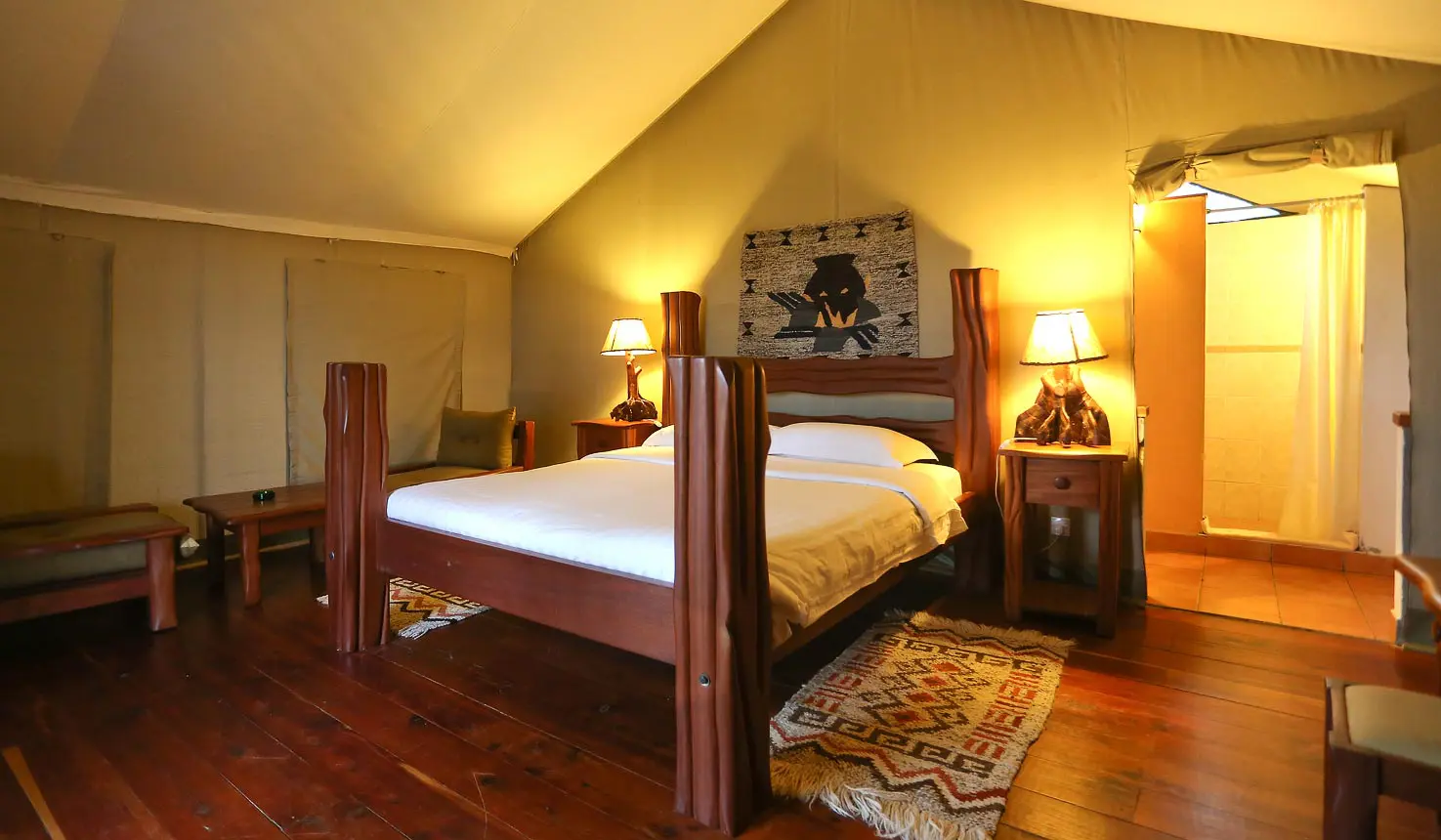
-
Essential (Budget)
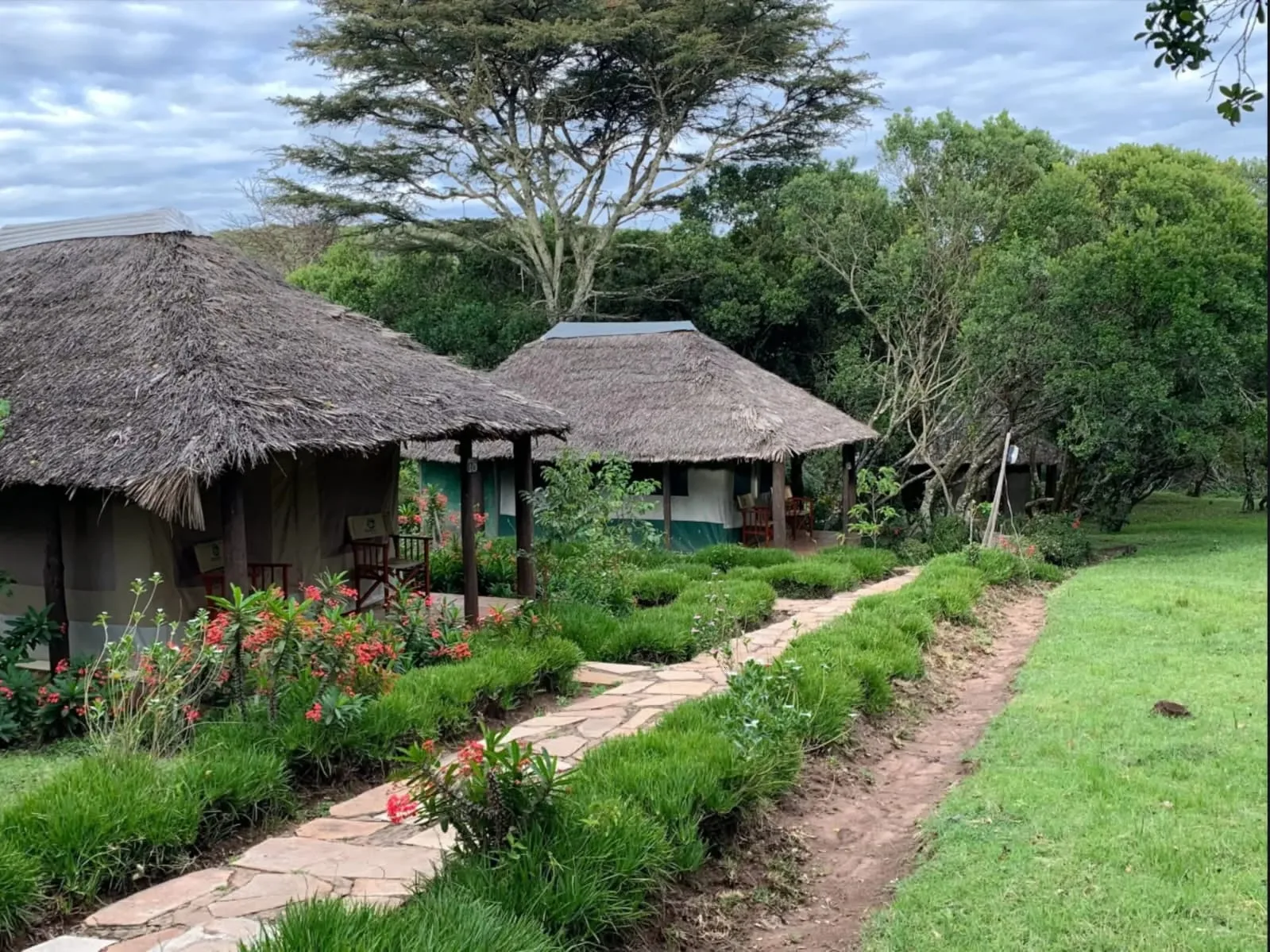
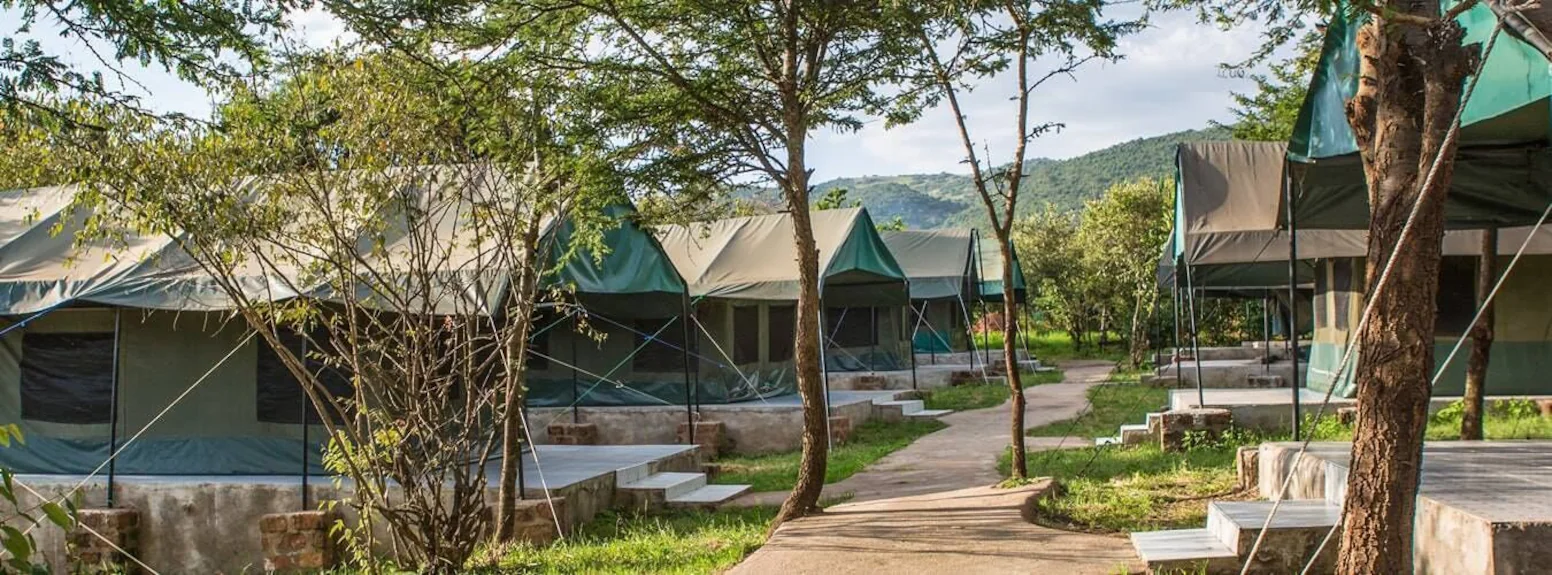
-
Comfort (Mid-range)
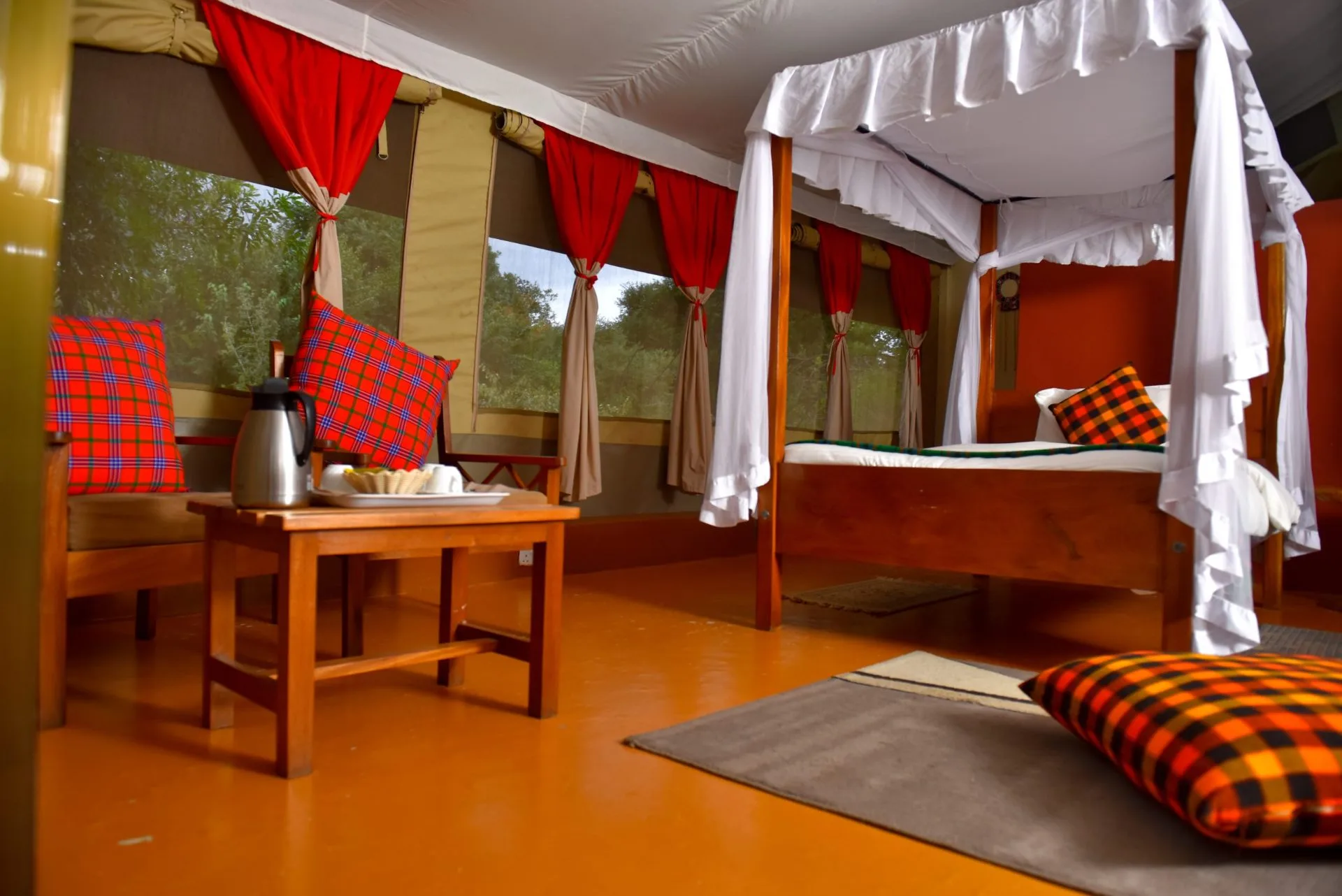
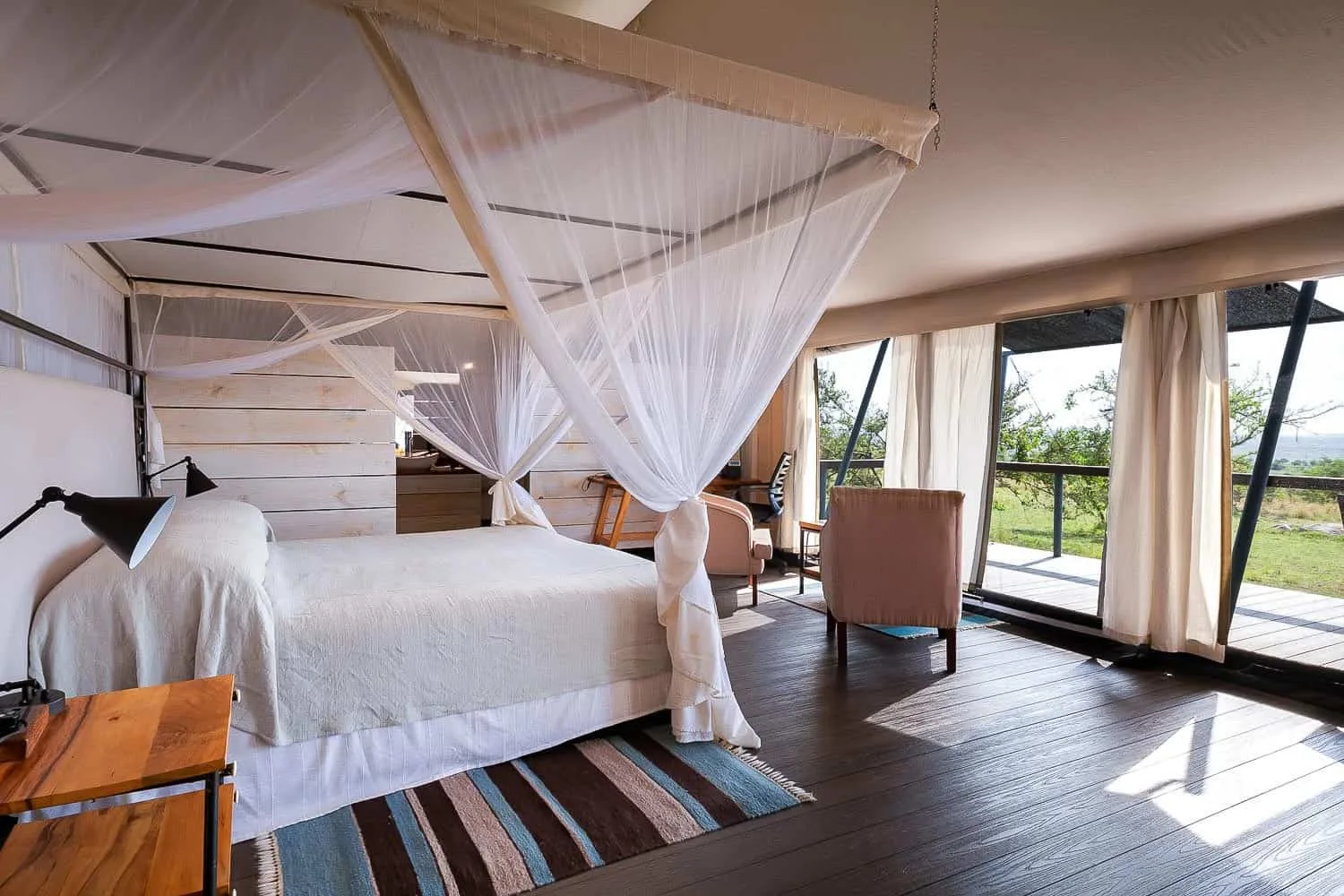
-
Premium (Luxury)
-
Signature (High-end)
-
Day 2: Nairobi to Amboseli National Park – First Afternoon Game Drive - Main destination
- Masai Mara National Reserve
- Meals
- Breakfast, Lunch, Dinner
After breakfast, meet your safari guide and depart Nairobi. Travel south toward Amboseli National Park, one of Kenya's most recognizable safari destinations. The road journey gives you your first look at the countryside beyond Nairobi, with towns, farms, roadside markets and increasingly open landscapes, and your guide can explain aspects of Kenyan life along the route.
Arrive around lunchtime depending on traffic and road conditions. Check into your selected budget lodge or tented camp, have lunch and rest briefly. Later in the afternoon, enter Amboseli for your first game drive.
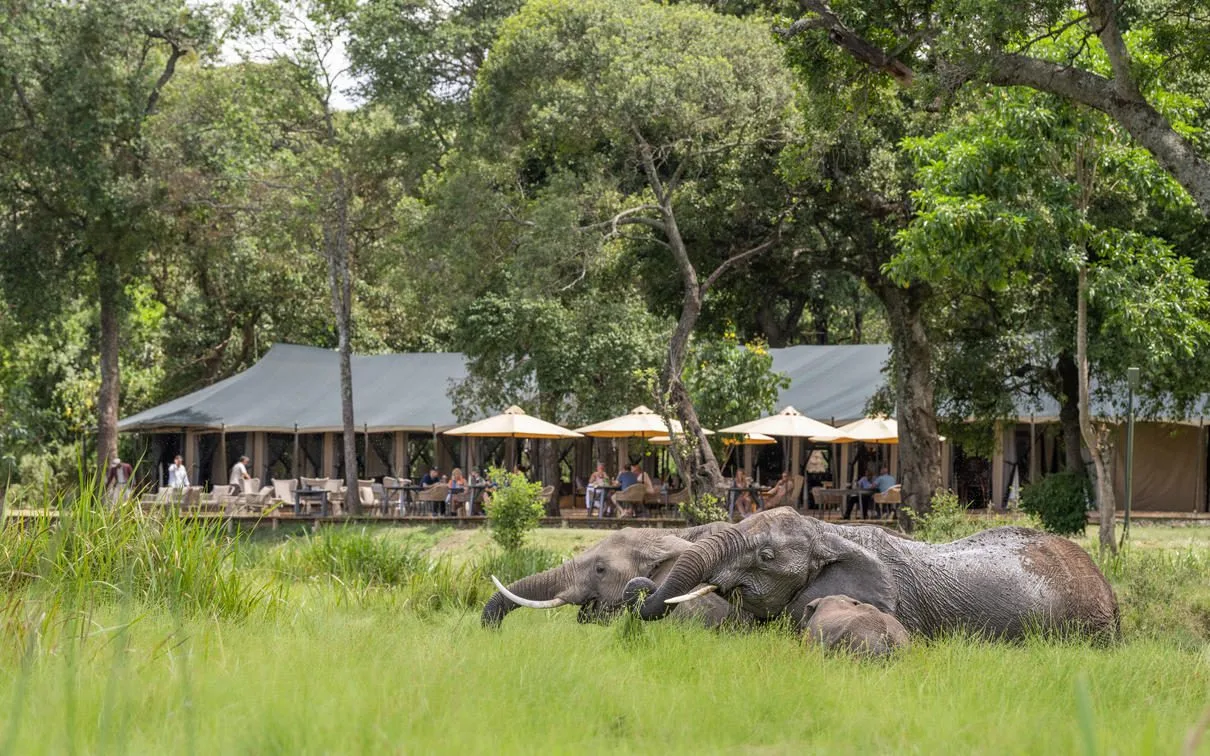
Amboseli is famous for its elephants. The park supports several well-studied elephant families, and sightings can be exceptional, with large adults moving slowly across the plains while calves remain close to their mothers. Elephants may also congregate around wetland areas. Other animals you may encounter include: Zebra, Wildebeest, Buffalo, Giraffe, Impala, Grant's gazelle, Thomson's gazelle, Warthog, Hippo, Lion, Spotted hyena, Jackal.
On clear days, Mount Kilimanjaro may dominate the southern horizon, although the view can never be guaranteed. Although the mountain itself lies across the border in Tanzania, some of the most celebrated views of Kilimanjaro are obtained from the Kenyan side. Photography can be particularly beautiful in the late afternoon when the light becomes softer.
Continue exploring until the appropriate park closing time, then return to camp. Have dinner and spend the night near Amboseli.
- Accommodation: Budget lodge or tented camp near Amboseli
- Meal Plan: Breakfast, Lunch & Dinner
- Activity: Nairobi-Amboseli transfer and afternoon game drive
Where you stay
-
Day 3: Full-Day Amboseli National Park Safari - Main destination
- Masai Mara National Reserve
- Meals
- Breakfast, Lunch, Dinner
Wake early for your first full safari day. Have breakfast or take an early snack depending on your chosen schedule, and enter the park while temperatures are still cool.
Morning wildlife viewing can be particularly productive. Animals that avoided the midday heat may still be active, predators may be moving after hunting during the night, and elephants may cross between feeding and wetland areas. If the weather is clear, morning can also offer a chance of good Kilimanjaro views, although the mountain is not always visible.
Take time to explore different habitats, because Amboseli contains much more than open dusty plains. The ecosystem includes:
- Seasonal lake areas.
- Swamps.
- Acacia woodland.
- Open grasslands.
- Dry plains.
These habitats support different wildlife communities. The swamps are particularly important, as underground water originating from the Kilimanjaro region helps sustain wetlands even when surrounding areas appear dry. Elephants frequently feed around these marshes, and buffaloes, hippos and numerous waterbirds can also occur.
Birdwatchers should remain attentive, as Amboseli supports a rich variety of species, including raptors, waterbirds and grassland birds.
Depending on the arrangement, you may return to camp during midday or carry a packed lunch and remain inside the park. For a budget safari, a picnic lunch can be an efficient way of maximizing wildlife-viewing time.
Continue your afternoon game drive. Search for lions, look across open plains for cheetahs where they occur, and watch scavengers such as hyenas and jackals. As the sun drops, Amboseli can become particularly atmospheric. Return to camp for dinner.
- Accommodation: Budget lodge or tented camp near Amboseli
- Meal Plan: Breakfast, Lunch & Dinner
- Activity: Full-day Amboseli game viewing
Where you stay
-
Day 4: Amboseli to Lake Naivasha – Great Rift Valley Journey - Main destination
- Masai Mara National Reserve
- Meals
- Breakfast, Lunch, Dinner
After breakfast, leave Amboseli and begin the journey toward Lake Naivasha. This is primarily a transfer day, but traveling overland allows you to see more of Kenya as the landscape changes considerably. Your guide will schedule rest and refreshment stops along the way, and depending on traffic and the exact route, the journey can take much of the day.
Arrive in the Lake Naivasha area and check into your accommodation. Lake Naivasha is a freshwater lake in the Great Rift Valley, and the lake and surrounding habitats support abundant birdlife. Hippos are also present. Depending on arrival time, you may take an optional boat trip.
Optional Lake Naivasha Boat Safari
A boat excursion provides a completely different experience from vehicle-based game drives. From the water you may see: Hippos, Fish eagles, Pelicans, Cormorants, Kingfishers, Herons, Other waterbirds.
The boat activity is weather-dependent and should be operated by an appropriate local provider. Remain at a safe distance from hippos, as they are powerful wild animals and should never be approached carelessly.
Return to your accommodation, have dinner and rest.
- Accommodation: Budget lodge, camp or guesthouse around Lake Naivasha
- Meal Plan: Breakfast, Lunch & Dinner
- Activity: Transfer to Naivasha; optional boat safari
Where you stay
-
Day 5: Lake Naivasha to Lake Nakuru National Park – Rhino Safari - Main destination
- Masai Mara National Reserve
- Meals
- Breakfast, Lunch, Dinner
Have breakfast and depart for Lake Nakuru National Park. The drive is relatively manageable compared with some of Kenya's longer safari transfers. Arrive and begin exploring the park.
Lake Nakuru is particularly valuable in an itinerary because it provides a different landscape and strong opportunities to search for rhinoceros. Both black and white rhinos can occur.
White Rhinoceros
White rhinos are predominantly grazers, and their broad mouths are adapted for feeding on grass. They can often be encountered in relatively open areas.
Black Rhinoceros
Black rhinos are browsers, and their pointed upper lips help them feed on shrubs and woody vegetation. They are often more difficult to locate.
Rhino sightings are never guaranteed, but including Lake Nakuru substantially improves the diversity of your safari. Other possible wildlife includes: Buffalo, Zebra, Giraffe, Waterbuck, Baboon, Warthog, Lion, Leopard.
The park is also important for birds. Although Lake Nakuru became globally famous for enormous flamingo concentrations, flamingo numbers fluctuate significantly according to water conditions and food availability. Do not plan the safari assuming that historical mass concentrations will always be present; instead, appreciate the park for its broader ecological diversity.
Continue your game drive and visit selected viewpoints where conditions allow. Later, transfer to your accommodation, have dinner and prepare for tomorrow's journey toward the Masai Mara.
- Accommodation: Budget lodge or tented camp near Lake Nakuru
- Meal Plan: Breakfast, Lunch & Dinner
- Activity: Lake Nakuru game drive
Where you stay
-
Day 6: Lake Nakuru to Masai Mara National Reserve - Main destination
- Masai Mara National Reserve
- Meals
- Breakfast, Lunch, Dinner
After an early breakfast, begin the road journey toward the Masai Mara National Reserve. This is one of the most anticipated sections of your eleven-day safari. The drive passes through changing landscapes and settlements before eventually reaching the greater Mara ecosystem. Road conditions can vary, and some sections may be rough or dusty, which is part of overland safari travel.
Arrive at your budget tented camp or lodge around lunchtime or later depending on road conditions. Have lunch and settle in, and if timing permits, begin your first afternoon game drive.
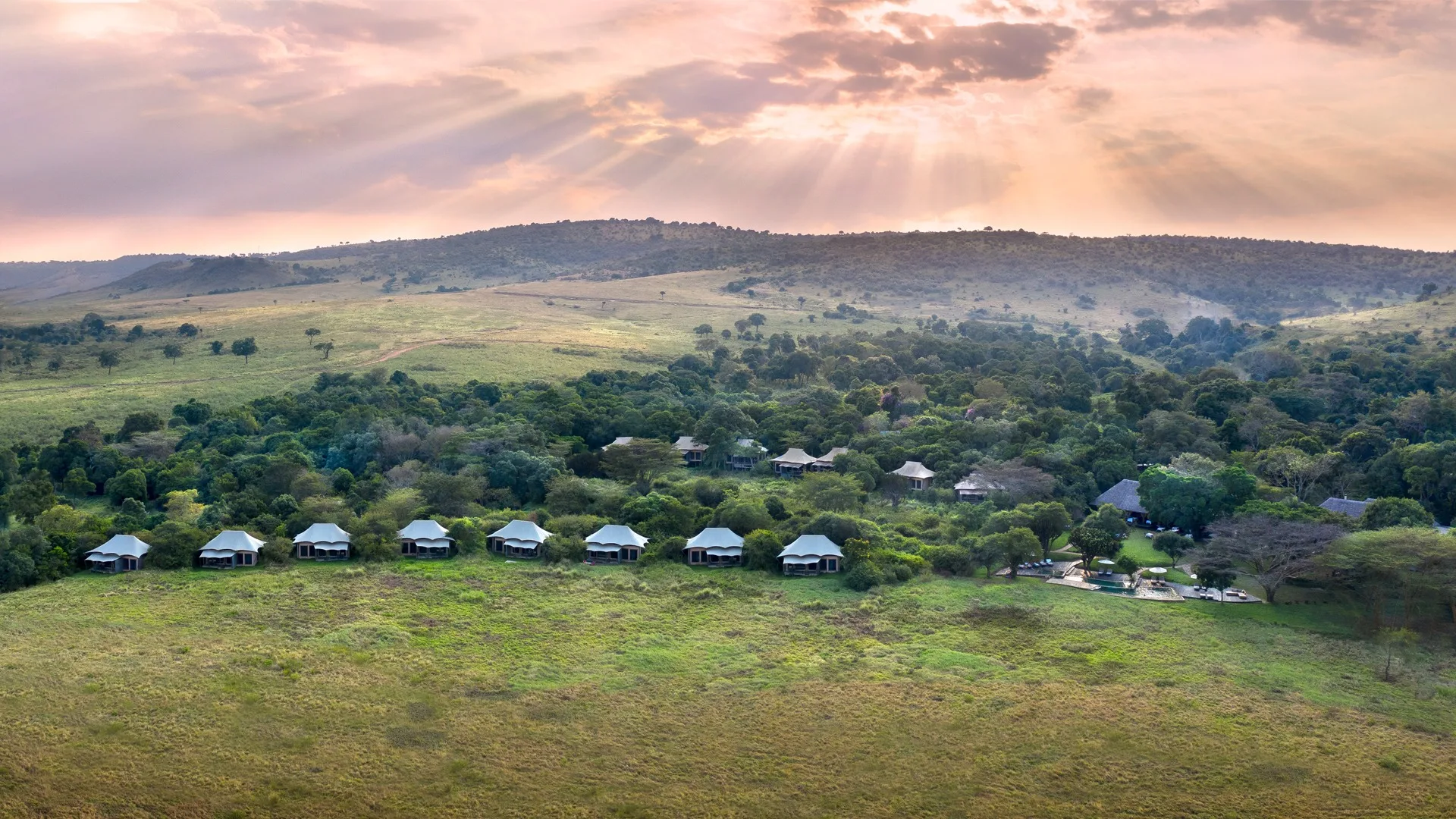
The Mara immediately feels different from many other Kenyan parks. Broad grasslands stretch toward distant hills, acacia trees punctuate the plains and large herbivores can be visible across open areas. Possible sightings include: Wildebeest, Zebra, Topi, Impala, Gazelles, Giraffe, Buffalo, Elephant, Warthog.
Predators are a major attraction. The Mara supports: Lions, Leopards, Cheetahs, Spotted hyenas, Jackals.
Your guide will use recent sightings, tracks and knowledge of the ecosystem to search for wildlife, although no species can be guaranteed. Return to camp after your game drive and have dinner. Listen carefully at night, because depending on camp location, you may hear hyenas, lions or other wildlife in the distance.
- Accommodation: Budget tented camp or lodge in/near Masai Mara
- Meal Plan: Breakfast, Lunch & Dinner
- Activity: Transfer and afternoon game drive
Where you stay
-
Day 7: Masai Mara – Full-Day Big Five Safari - Main destination
- Masai Mara National Reserve
- Meals
- Breakfast, Lunch, Dinner
Wake early. After breakfast, enter the Mara for an extensive wildlife drive. Today can be operated as a full-day safari with a packed lunch, which can be particularly useful for budget travelers because it avoids repeated drives between camp and distant wildlife areas. Your guide will decide which areas to explore based on current wildlife movement.
Searching for Lions
The Masai Mara is one of Kenya's premier lion habitats. You may encounter:
- Females with cubs.
- Adult males.
- Small groups.
- Large prides.
Lions spend substantial portions of the day resting, while early mornings and late afternoons can provide more active behavior.
Searching for Leopards
Leopards are more elusive. Your guide may search:
- Riverine woodland.
- Trees.
- Drainage lines.
- Bushy areas.
Look carefully, because a leopard can disappear almost completely into vegetation.
Searching for Cheetahs
Cheetahs often prefer open areas, and they may rest in grass or use termite mounds as elevated viewpoints. If you encounter a cheetah hunting, remain quiet and follow your guide's instructions. Wildlife should never be chased or pressured for photographs.
Continue exploring and stop at an appropriate picnic location for lunch. Afterward, resume your safari and search for elephants, buffaloes, giraffes and large antelope herds, then return to camp in the evening. Sightings of any individual species can never be guaranteed.
- Accommodation: Budget tented camp or lodge in/near Masai Mara
- Meal Plan: Breakfast, Packed Lunch & Dinner
- Activity: Full-day Masai Mara game drive
Where you stay
-
Day 8: Masai Mara – Great Migration and Mara River Exploration - Main destination
- Masai Mara National Reserve
- Meals
- Breakfast, Lunch, Dinner
Spend another full day exploring the Masai Mara. Having multiple days here significantly improves your safari experience, because wildlife moves constantly. A pride of lions may be in one area today and several kilometers away tomorrow, leopards may remain hidden for hours and cheetahs can cover considerable distances. Migration herds also move according to grazing and water conditions, so your guide can adapt the day's route based on current information.
Great Wildebeest Migration
Travelers visiting during the broad migration season may encounter substantial concentrations of wildebeest and zebra. The Great Migration is a continuous movement through the Serengeti-Mara ecosystem, driven primarily by:
- Rainfall.
- Fresh grass.
- Water.
- Seasonal conditions.
The exact timing varies each year. Large herds are generally associated with the Kenyan Mara during portions of approximately July through October, although there is no fixed annual timetable.
Mara River Crossings
River crossings are among Africa's most famous wildlife spectacles. Wildebeest may gather near the river for hours, and sometimes they approach and retreat repeatedly. A crossing may suddenly begin, while at other times no crossing occurs. Travelers should understand that crossings cannot be scheduled or guaranteed.
A good safari focuses on the entire ecosystem rather than treating one event as the only measure of success. Even without a crossing, the Mara can provide extraordinary predator and herbivore viewing.
Have your picnic lunch and continue exploring, then return to camp in the evening.
- Accommodation: Budget tented camp or lodge in/near Masai Mara
- Meal Plan: Breakfast, Packed Lunch & Dinner
- Activity: Full-day migration/general wildlife safari
Where you stay
-
Day 9: Masai Mara – Predator Safari and Optional Maasai Cultural Experience - Main destination
- Masai Mara National Reserve
- Meals
- Breakfast, Lunch, Dinner
Begin another morning game drive. After several days in the Mara, you may start recognizing areas and wildlife patterns. Perhaps your guide has located a lion pride, perhaps a leopard has been seen near a river, or perhaps cheetahs have been active on the open plains. Return to these areas if appropriate.
One of the advantages of spending several days in the Mara is that you are not forced to leave immediately after one brief sighting. You have time, which is especially important for wildlife photography. If animals are resting, you can wait; if light is poor, you can return later; and if a predator disappears, you may have another opportunity the following day.
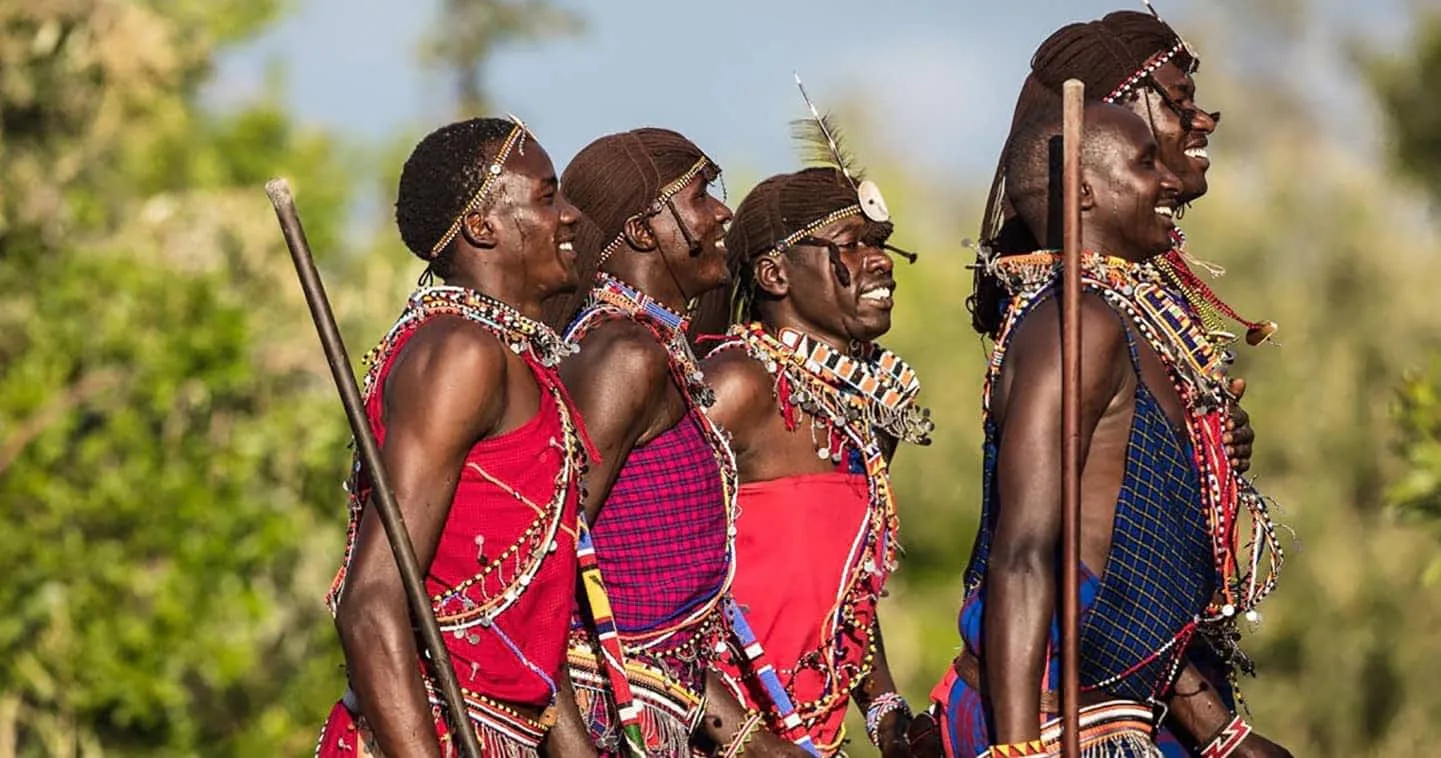
Optional Maasai Village Visit
Depending on your interests, an optional visit to a local Maasai community can be arranged. The experience may provide an introduction to aspects of Maasai culture and contemporary community life. Possible subjects include:
- Traditional housing.
- Livestock.
- Family structures.
- Clothing.
- Community traditions.
- Education.
- Modern challenges.
Cultural experiences should be approached respectfully. Ask before photographing people, understand any fees in advance and avoid treating communities simply as tourist attractions.
Return to camp later in the day or continue with additional wildlife viewing. Have dinner and enjoy another night near the Mara.
- Accommodation: Budget tented camp or lodge in/near Masai Mara
- Meal Plan: Breakfast, Lunch & Dinner
- Activity: Game drive and optional cultural visit
Where you stay
-
Day 10: Masai Mara – Final Full Day of Wildlife Viewing - Main destination
- Masai Mara National Reserve
- Meals
- Breakfast, Lunch, Dinner
Today is your final full day in the Masai Mara. Use it to search for animals you may not yet have seen or return to your favorite areas. Perhaps leopard remains your priority, perhaps you want another opportunity with cheetahs, perhaps you are hoping to photograph elephants at sunset, or perhaps birding has become increasingly interesting as your safari progresses. Tell your guide what matters most, and a good guide can adapt the route accordingly.
The Mara supports far more than the famous predators. Look for: Eland, Topi, Hartebeest, Waterbuck, Impala, Gazelles, Warthog, Baboons, Monkeys, Hippos, Crocodiles, Vultures, Eagles, Storks, Bustards, Secretary birds.
Take time to observe animal behavior rather than constantly searching for the next species. A herd of zebras may appear ordinary after several days, but their interactions can be fascinating. Elephants may communicate quietly, giraffes may browse together, vultures may indicate a carcass and antelope alarm calls may reveal a hidden predator. Your guide can help interpret these signs.
Have lunch according to your selected schedule and continue the afternoon game drive. As sunset approaches, enjoy your final evening on the Mara plains, then return to camp for dinner.
- Accommodation: Budget tented camp or lodge in/near Masai Mara
- Meal Plan: Breakfast, Lunch & Dinner
- Activity: Full-day Masai Mara safari
Where you stay
-
Day 11: Masai Mara to Nairobi – End of Safari - Main destination
- Masai Mara National Reserve
- Drive time
- Return transfer as outlined in the itinerary
- Meals
- Breakfast, Lunch
Wake early for breakfast. Depending on the day's schedule and park arrangements, there may be an opportunity for a short final game drive. Then begin the road journey back to Nairobi, which provides time to reflect on the safari.
During the previous eleven days you may have experienced: Elephants beneath Kilimanjaro, Great Rift Valley landscapes, Hippos at Naivasha, Rhinos at Lake Nakuru, Lions in the Masai Mara, Cheetahs on open plains, Leopards in woodland, Wildebeest and zebra herds, Numerous birds, Kenyan towns and countryside.
Arrive in Nairobi later in the day depending on traffic and road conditions. You can be dropped at your hotel or transferred toward the airport according to your onward arrangements. Travelers with evening international flights should allow substantial time for Nairobi traffic and airport procedures.
Those continuing their Kenya holiday can connect toward:
- Diani Beach.
- Mombasa.
- Watamu.
- Tsavo.
- Tanzania.
- Uganda.
- Rwanda.
Your 11 Days Budget Kenya Safari comes to an end.
- Meal Plan: Breakfast; additional meals according to arrangements
- Activity: Masai Mara-Nairobi road transfer
Alternative 11 Days Budget Kenya Safari Routes
The itinerary can be adjusted according to wildlife priorities.
Amboseli – Naivasha – Nakuru – Masai Mara
This is one of the most practical routes for first-time visitors. It combines:
- Elephants.
- Kilimanjaro scenery.
- Rift Valley.
- Rhinos.
- Big Five opportunities.
- Big cats.
- Migration possibilities.
Samburu – Ol Pejeta – Nakuru – Masai Mara
This route works well for travelers seeking greater wildlife diversity. Samburu can add northern Kenya species such as: Grevy's zebra, Reticulated giraffe, Gerenuk, Beisa oryx, Somali ostrich.
Ol Pejeta adds rhino conservation, and the Mara provides the big-cat finale. Road distances can be substantial, so the itinerary must be planned carefully.
Amboseli – Tsavo West – Tsavo East – Nairobi
Travelers who prefer southern Kenya can focus on the Amboseli-Tsavo circuit. This route is particularly suitable for travelers continuing toward the Kenyan coast, and Tsavo provides enormous landscapes and a strong sense of wilderness. The route can eventually continue toward:
- Mombasa.
- Diani.
- Watamu.
How to Keep an 11 Days Kenya Safari Affordable
A budget safari does not happen automatically. Several planning decisions can substantially affect the total cost.
Travel in a Small Group
Sharing vehicle costs can reduce the per-person safari price.
Use Road Transfers
Road travel is usually less expensive than repeated bush flights.
Choose Budget Camps
Comfortable tented camps outside premium areas can provide excellent value.
Avoid Unnecessary One-Night Stops
Frequent hotel changes can increase logistics without improving the safari.
Travel Outside Peak Season
Accommodation prices may be lower during selected periods.
Prioritize Important Parks
Visiting every possible destination can increase park fees, fuel and driving time. A smaller number of well-chosen parks can provide a better experience.
Where you stay
03 Rates
Safari rates 2027-2029
Indicative per person. Season, group size and lodge style change the total — your quotation confirms current rates.
-
Essential (Budget)
Essential (Budget)
Budget camps and lodges suit travelers who prioritize wildlife while keeping costs lower.
Great value camps
-
Comfort (Mid-range)
Comfort (Mid-range)
Mid-range tented camps and lodges balance comfort and price with private rooms or tents and en-suite facilities.
Quoted for your dates
-
Premium (Luxury)
Premium (Luxury)
Luxury camps and lodges focus on location, service and more intimate wildlife experiences.
Premium camps and lodges
-
Signature (High-end)
Signature (High-end)
Signature camps and lodges are the most exclusive stays — small, highly private properties with exceptional guiding and setting.
Exclusive signature stays
04 Activities
Safari activities
Game viewing is the core of this itinerary. Optional extras are quoted separately and depend on season, permits and availability. Individual species and river crossings are never guaranteed.
-
Optional
Boat safari.
Available at extra cost when conditions, permits and your dates allow. Not guaranteed.
View activity -
Optional
Maasai cultural visit.
Available at extra cost when conditions, permits and your dates allow. Not guaranteed.
View activity -
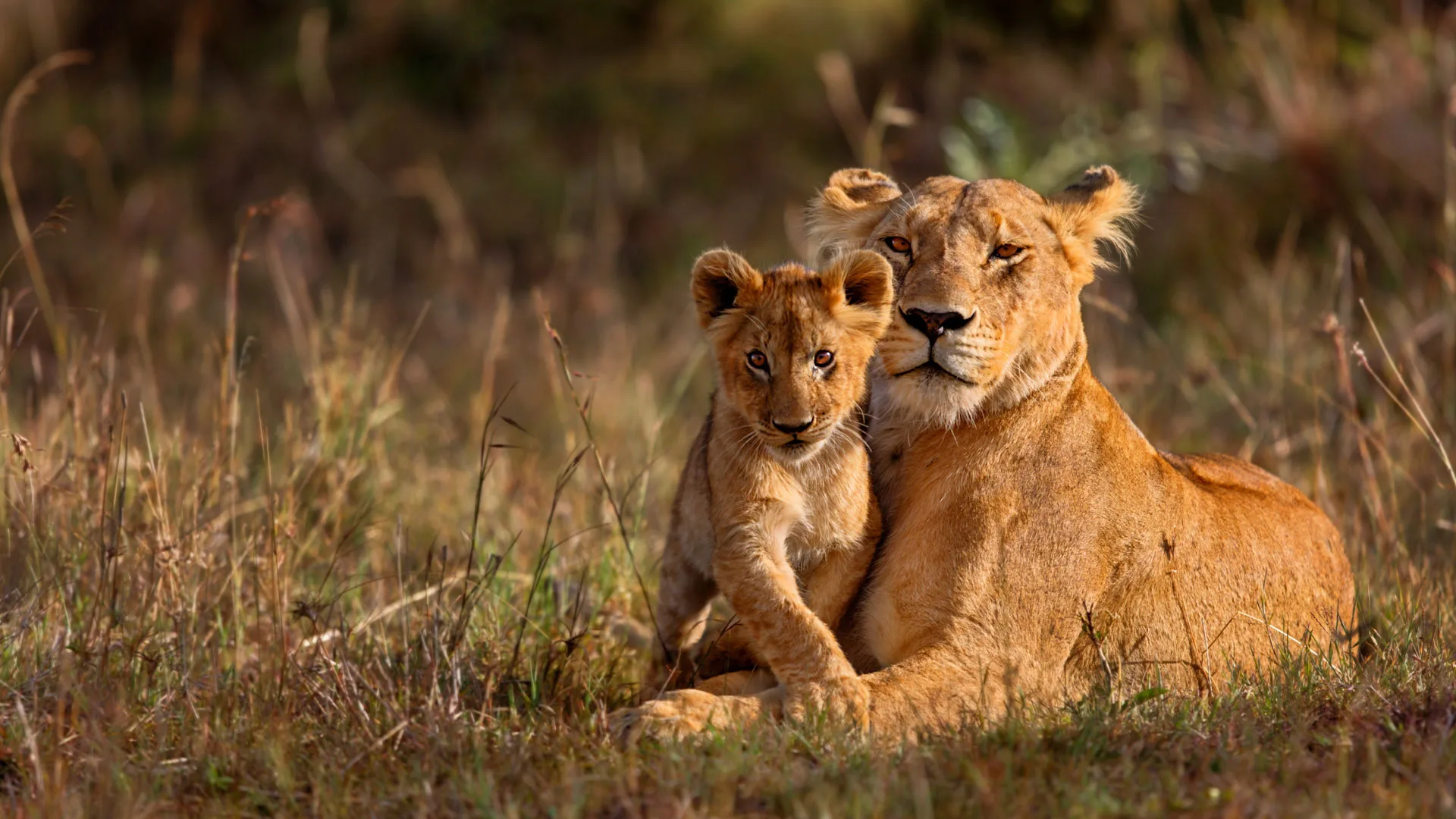
Included
Extensive game drives
Included in a typical day on this safari. Exact timing follows the confirmed itinerary.
View activity
Additional information
Plan This Safari
Private Budget Safari Versus Group Budget Safari
Both options can work.
Private Budget Safari
A private safari gives you your own vehicle and guide. Advantages include:
- Flexible departure times.
- Flexible game drives.
- More photography control.
- Private family experience.
- Customized itinerary.
The disadvantage is that fewer travelers share vehicle costs.
Group Budget Safari
A group safari can reduce costs. You share:
- Vehicle.
- Guide.
- Fuel.
- Some logistics.
The trade-off is reduced flexibility. The group normally follows a fixed schedule.
Safari Van Versus 4x4 Land Cruiser
Budget safaris may use either safari vans or 4x4 Land Cruisers depending on the package.
Safari Van
A safari van can be economical and suitable for many standard routes. It may have a pop-up roof for game viewing.
4x4 Land Cruiser
A Land Cruiser generally provides:
- Greater ground clearance.
- Better rough-road capability.
- Stronger off-road performance where permitted.
- More traditional safari configuration.
The Land Cruiser usually costs more. Ask which vehicle is included before booking.
Budget Safari Accommodation
Budget does not necessarily mean uncomfortable. Kenya has many affordable safari properties. Accommodation may include:
- Permanent tented camps.
- Basic lodges.
- Guesthouses.
- Campsites.
- Simple cottages.
A permanent safari tent can still include:
- Proper bed.
- Mosquito net.
- Private bathroom.
- Hot shower.
- Toilet.
- Electricity.
- Restaurant access.
Facilities vary. Always check the exact property included in your quotation.
Staying Outside the Park to Save Money
Accommodation outside national park boundaries can sometimes reduce costs. This can be a practical strategy. However, location matters, and a camp that is inexpensive but extremely far from the entrance may waste valuable game-viewing time. The best budget accommodation balances:
- Price.
- Distance.
- Comfort.
- Safety.
- Accessibility.
Saving a small amount on accommodation is not worthwhile if you spend hours commuting to the wildlife area every day.
Meals on a Budget Kenya Safari
Most organized budget safaris use a full-board arrangement once outside Nairobi. This commonly includes:
- Breakfast.
- Lunch.
- Dinner.
On full-day game drives, lunch may be provided as a packed picnic. Food is generally straightforward rather than elaborate. If you have dietary requirements, communicate them before travel.
Drinking Water
Your safari package may include drinking water in the vehicle. The exact amount or arrangement should be confirmed. Carry a reusable water bottle where practical. Staying hydrated is important, particularly during hot game drives.
How Much Does an 11 Days Budget Kenya Safari Cost?
There is no single fixed price because costs depend on several factors. These include:
- Travel season.
- Number of travelers.
- Private or group safari.
- Vehicle type.
- Accommodation.
- Park fees.
- Conservancy fees.
- Optional activities.
- Airport transfers.
- Nairobi accommodation.
- Single-room supplements.
A solo traveler on a private safari usually pays considerably more per person than four or six travelers sharing the same vehicle. The most accurate approach is therefore to request a customized quotation.
Main Costs on a Budget Kenya Safari
Understanding safari pricing helps travelers control their budget.
Park Fees
National park and reserve entry fees form a significant part of safari costs.
Vehicle and Fuel
Safari vehicles cover substantial distances. Fuel and vehicle operating costs are important components.
Guide
A professional safari guide is essential.
Accommodation
Room category and location significantly affect price.
Meals
Most safari camps include meals.
Optional Activities
Activities such as ballooning, cultural visits and boat trips can increase costs.
What Is Usually Included?
Depending on your confirmed package, inclusions may cover:
- Airport pickup.
- Nairobi accommodation where stated.
- Safari transport.
- Professional driver-guide.
- Fuel.
- Park entrance fees listed.
- Accommodation.
- Meals stated.
- Game drives.
- Drinking water.
- Government taxes specified.
Always rely on the final quotation for exact inclusions.
What Is Usually Excluded?
Possible exclusions include:
- International flights.
- Entry or visa-related costs.
- Travel insurance.
- Alcoholic drinks.
- Soft drinks unless included.
- Laundry.
- Tips.
- Personal purchases.
- Balloon safari.
- Optional boat trips.
- Cultural visits unless included.
- Beach extension.
- Any activity not listed.
Best Time for an 11 Days Budget Kenya Safari
Kenya can be visited throughout the year. The best time depends on your interests and budget.
January to March
Wildlife viewing can be excellent. Conditions are often relatively dry.
April and May
The longer rainy period can provide lower accommodation prices at selected properties. Landscapes are greener and visitor numbers may be lower. Some camps close. Road conditions can become more difficult.
June
The landscape begins drying. This can provide good value before the busiest migration period.
July to October
These are highly popular safari months. The Masai Mara may host large migration herds. Prices can be higher.
November
Short rains can bring greener landscapes. Birding can be excellent.
December
December is popular, particularly around Christmas and New Year. Book early if traveling during holiday dates.
Great Migration on a Budget Safari
You do not need to stay in an ultra-luxury camp to experience the Great Migration. Budget camps around the Masai Mara can provide access to the same ecosystem. The main difference may involve:
- Camp location.
- Driving distance.
- Comfort.
- Service level.
- Vehicle arrangements.
If migration is your priority, location should be considered carefully. Saving money by choosing a camp extremely far from important wildlife areas may reduce the quality of the experience.
Can a Budget Safari Include the Big Five?
Yes. A route combining Amboseli, Lake Nakuru and Masai Mara provides opportunities to search for all members of the Big Five: Lion, Leopard, Elephant, Buffalo, Rhinoceros.
No sighting can be guaranteed. Rhinos can be targeted particularly in Lake Nakuru or another suitable conservation area.
Optional Hot-Air Balloon Safari
Budget travelers can still add a balloon safari. However, ballooning is a premium activity and can significantly increase the total trip price. If keeping costs low is the priority, you may prefer to spend the money on:
- Additional safari nights.
- Better vehicle.
- Extra destination.
- Beach extension.
If ballooning is a lifelong dream, it can still be included. Flights remain subject to availability and weather, and are never guaranteed.
Lake Naivasha Boat Safari
A boat trip on Lake Naivasha is generally much more affordable than a balloon safari and adds useful variety. It provides opportunities for:
- Hippos.
- Waterbirds.
- Fish eagles.
- Lake scenery.
Confirm the current price and safety arrangements before booking.
Cultural Experiences
An optional cultural visit can be incorporated. Cultural tourism should be approached respectfully. Ask:
- What does the fee support?
- Is photography permitted?
- How long is the visit?
- Is the experience community-managed?
- Are purchases optional?
Responsible cultural tourism should create genuine benefits for local people.
Packing for an 11 Days Budget Kenya Safari
Pack lightly but practically. Useful clothing includes:
- Lightweight shirts.
- Long trousers.
- Shorts.
- Fleece.
- Light jacket.
- Rain jacket.
- Comfortable shoes.
- Sandals.
- Hat.
Other useful items include:
- Sunscreen.
- Sunglasses.
- Insect repellent.
- Binoculars.
- Camera.
- Spare batteries.
- Charging cables.
- Power bank.
- Personal medication.
- Reusable water bottle.
- Small daypack.
Avoid bringing unnecessary valuables.
Photography Equipment
You do not need expensive professional equipment to enjoy safari photography. A smartphone can capture landscapes and nearby wildlife, while a camera with a telephoto lens is useful for animals farther away. A lens in a practical telephoto range can be extremely useful for: Lions, Leopards, Cheetahs, Birds, Distant elephants.
Bring spare batteries and memory cards. Dust can be significant, so keep equipment protected when not in use.
Tipping on a Budget Safari
Tips are normally discretionary but are an established part of safari tourism. Travelers may tip:
- Safari guide.
- Camp staff.
- Activity guides.
- Porters.
Ask for current tipping guidance before travel. Never feel pressured to exceed your budget.
Money During the Safari
Carry a combination of payment options. Cash may be useful for:
- Tips.
- Small purchases.
- Local markets.
- Optional services.
Larger hotels may accept cards. Remote camps may experience connectivity problems, so electronic payment should not be your only option.
Safety on a Budget Safari
Wildlife safety rules apply regardless of accommodation category. Always:
- Follow your guide.
- Remain inside the vehicle unless told otherwise.
- Never feed animals.
- Do not approach wildlife on foot.
- Avoid loud behavior around animals.
- Follow camp instructions after dark.
- Keep tents and rooms secure.
Some safari camps are unfenced and wild animals can move through camp. Use an escort at night if the property requires one.
Health Preparation
Before traveling, consult an appropriate healthcare professional about your personal health needs. Consider:
- Routine vaccinations.
- Destination-specific recommendations.
- Malaria prevention advice.
- Prescription medication.
- Travel insurance.
- Sun protection.
- Hydration.
Carry medication in your hand luggage where appropriate.
Travel Insurance
Comprehensive travel insurance is strongly recommended. A suitable policy should ideally consider:
- Medical treatment.
- Emergency evacuation.
- Trip cancellation.
- Travel interruption.
- Baggage loss.
- Delayed flights.
Read the policy conditions carefully.
11 Days Budget Kenya Safari for Solo Travelers
Solo safari travel can be expensive because one traveler carries the entire vehicle cost on a private trip. Joining a scheduled group departure can dramatically reduce the cost. You may share the vehicle with other travelers while retaining your own room or tent, although single supplements may still apply. Solo travelers should compare:
- Group departure price.
- Private safari price.
- Single supplement.
- Group size.
- Vehicle type.
- Guaranteed departure conditions.
11 Days Budget Kenya Safari for Couples
Couples can often obtain good value from a private safari. Although two people still share the vehicle cost between fewer travelers, privacy and flexibility can justify the difference. Couples can also reduce costs by selecting affordable accommodation while retaining a private guide. This is often a better compromise than choosing an expensive lodge but sharing every game drive.
11 Days Budget Kenya Safari for Families
Families can benefit substantially from vehicle sharing because several family members divide transportation costs. A private vehicle also gives parents control over the daily schedule. Choose accommodation with:
- Family rooms.
- Triple rooms.
- Interconnecting rooms.
- Suitable meal options.
- Safe layouts.
Always provide children's exact ages when requesting a quotation. Park fees and accommodation policies can depend on age.
11 Days Budget Kenya Safari for Students and Young Travelers
Students and young travelers often prioritize wildlife over luxury accommodation. A simple tented camp can therefore provide excellent value. Spend money where it has the greatest impact:
- Good guide.
- Reliable vehicle.
- Park access.
- Enough safari days.
Luxury furnishings are optional. Wildlife time is not.
Budget Safari and Diani Beach Extension
One of the best ways to complete an eleven-day Kenya safari is with several nights at the coast. After long game drives and road transfers, Diani provides time to relax. Budget and mid-range beach accommodation is available. Activities can include:
- Swimming.
- Snorkeling.
- Diving.
- Boat excursions.
- Local restaurants.
- Beach walks.
You can travel toward the coast by flight, train or road depending on your route and budget.
Why an 11-Day Budget Safari Can Be Better Than a Short Luxury Safari
A traveler sometimes faces a choice. Spend a larger amount per night on a four-day safari or spend a similar overall amount on a longer, simpler safari. For wildlife enthusiasts, additional time can be extremely valuable. Animals do not appear according to a hotel category.
A leopard does not care whether you sleep in a five-star suite or a simple tented camp. Weather can change, predators move and migration herds shift. Some mornings are quiet while others are extraordinary, so additional safari days increase your opportunities. This is why an intelligently planned 11 Days Budget Kenya Safari can provide exceptional value.
Responsible Budget Safari Travel
Lower cost should never mean lower environmental responsibility. Travelers can help by:
- Using reusable water bottles.
- Avoiding litter.
- Respecting wildlife.
- Following park regulations.
- Supporting responsible accommodation.
- Buying local products where appropriate.
- Respecting communities.
- Avoiding wildlife harassment.
Choose operators who maintain vehicles properly, employ qualified guides and follow park rules. A cheap safari that compromises safety, staff welfare or wildlife protection is not good value.
Book Your 11 Days Budget Kenya Safari
The 11 Days Budget Kenya Safari can be customized around your budget, travel dates and wildlife priorities. When requesting a quotation, provide:
- Exact or approximate travel dates.
- Number of adults.
- Number and ages of children.
- Private or group safari preference.
- Preferred vehicle type.
- Accommodation expectations.
- Approximate budget per person.
- Great Migration interest.
- Big Five interest.
- Preferred parks.
- Photography requirements.
- Cultural interests.
- Lake Naivasha boat interest.
- Balloon safari interest.
- Beach-extension plans.
- Dietary requirements.
- Arrival flight.
- Departure flight.
We can then determine where your money will create the greatest value. For some travelers, that means a private Land Cruiser with simple camps. For others, it means joining a group safari and spending the savings on additional nights. Some may remove one destination and spend longer in the Masai Mara, while others may prioritize Amboseli for elephants and Kilimanjaro when the mountain is clear. The essential principle is simple: Budget travel should reduce unnecessary costs, not reduce the quality of the wildlife experience.
Over eleven days, Kenya gives you enough time to look for elephants on the Amboseli plains, with Kilimanjaro in the background when it is clear, explore the Great Rift Valley, search for rhinos at Lake Nakuru and spend several full days in the Masai Mara searching for lions, leopards, cheetahs, elephants, buffaloes, wildebeest and zebras. With sensible accommodation, efficient routing and a reliable safari vehicle, an 11 Days Budget Kenya Safari can deliver one of the best-value extended wildlife journeys in East Africa.
Primary Keyphrase: 11 Days Budget Kenya Safari
Exact URL: `/safari-packages/11-days-budget-kenya-safari/`
Individual species, river crossings, mountain views and balloon flights can never be guaranteed.
Planning Questions
Frequently Asked Questions
Is an 11-day Kenya safari too long?
No. Eleven days allows you to explore several destinations without rushing excessively.
Can I do Kenya cheaply?
Kenya safaris involve unavoidable costs such as park fees, vehicles and fuel, but accommodation and transport choices can significantly reduce the overall price.
Is a budget safari safe?
A professionally organized budget safari can be safe and comfortable. The price category does not remove the need for reliable vehicles, qualified guides and appropriate accommodation.
Do budget camps have private bathrooms?
Many permanent budget tented camps provide en-suite bathrooms, but facilities vary.
Can I stay inside the Masai Mara on a budget?
Options exist, but properties outside the reserve may sometimes be more affordable.
Is staying outside the Mara a problem?
Not necessarily. The important factor is distance from the gate and wildlife areas.
Can I see lions?
Yes. The Masai Mara provides excellent lion opportunities.
Can I see rhinos?
Lake Nakuru can provide opportunities to see rhinos.
Can I see elephants?
Yes. Amboseli is especially famous for elephants.
Can I see leopards?
Possibly. Leopards occur in the Mara but remain elusive.
Can I see cheetahs?
Yes. The Mara is one of Kenya's important cheetah habitats.
Can I see the Great Migration?
Potentially, if your visit coincides with the presence of major herds in the Kenyan Mara.
Are river crossings guaranteed?
No.
Can I join a group safari?
Yes, subject to scheduled departure availability.
Can I have a private safari?
Yes. Private budget safaris can be arranged.
Is a safari van okay?
Yes. Safari vans are widely used on economical itineraries. A 4x4 Land Cruiser may offer additional comfort and capability.
Can I upgrade only the vehicle?
Yes, subject to availability and quotation.
Can I upgrade one hotel?
Yes. Accommodation categories can often be mixed.
Can I add a balloon safari?
Yes, at additional cost unless included.
Can I visit a Maasai village?
Yes. A cultural experience can be added.
Can I add Lake Naivasha?
Yes. Naivasha fits naturally between southern Kenya and the Rift Valley/Mara route.
Can I add Diani Beach?
Yes.
Can I continue to Tanzania?
Yes. Kenya and Tanzania can be combined, subject to border logistics and entry requirements.
Can I combine Kenya with gorilla trekking?
Yes. Uganda or Rwanda can be added using regional flights.
Is the safari suitable for children?
Yes, although drive times and accommodation should be selected carefully.
Is it suitable for solo travelers?
Yes. Joining a small group may help reduce the single-traveler cost.
When should I book?
Book early for July-October and Christmas/New Year travel, especially if you require specific budget camps.
05 Request Quote
Request Quote
Tell us your dates, group size, and preferred lodge style — we will send a tailored quote for this safari.
Want to extend your safari?
Add Amboseli, Diani Beach, Tanzania and Zanzibar, or gorilla trekking in Uganda or Rwanda — we tailor the journey to your dates.