10 Days Kenya Northern Reserves and Maasai Mara
A 10 day Kenya journey connecting Nairobi, Ol Pejeta, Samburu or Buffalo Springs, Solio, Lake Nakuru, Maasai Mara…
Lake Naivasha, Lake Nakuru, Masai Mara
View SafariHandpicked Masai Mara Safari Tours for Every Traveler
Explore Masai Mara safaris in Kenya, including Big Five wildlife, migration viewing, safari itineraries, accommodation, best seasons and travel advice.
The Masai Mara is located in southwestern Kenya, near the border with Tanzania. It forms part of the greater Serengeti–Mara ecosystem, an extensive wildlife landscape that includes protected areas, conservancies and surrounding community lands. The ecosystem supports resident wildlife and seasonal movements of migratory animals.
The Masai Mara National Reserve itself contains open grasslands, wooded drainage lines, riverine habitats and rolling hills. The Mara River is one of its most important geographical features, providing water for wildlife and forming a natural obstacle along some migration routes.
The national reserve is one of the principal areas visited during Masai Mara wildlife safaris. Its grasslands support numerous herbivores and predators, while rivers and wooded areas provide additional habitat diversity. Game drives follow established routes under the regulations of the relevant management authorities.
The Mara Triangle occupies the western section of the Masai Mara National Reserve. The Mara River forms an important boundary, while the Oloololo Escarpment creates a dramatic backdrop. The area is known for wildlife viewing, open landscapes and access to parts of the Mara River associated with migration activity.
The greater Masai Mara ecosystem includes neighbouring conservancies such as Mara North, Naboisho and Olare Motorogi. These areas have their own management arrangements, accommodation options and safari activity rules. Some conservancies permit activities that differ from those allowed inside the national reserve, including guided walks or managed night drives.
Travellers should confirm the specific rules and access arrangements associated with their chosen accommodation.
Showing 1–12 of 52 safaris
A 10 day Kenya journey connecting Nairobi, Ol Pejeta, Samburu or Buffalo Springs, Solio, Lake Nakuru, Maasai Mara…
Lake Naivasha, Lake Nakuru, Masai Mara
View SafariA 10 day Kenya journey connecting Nairobi, Maasai Mara, Lake Naivasha, Amboseli and Diani Beach.
Amboseli, Diani Beach, Lake Naivasha
View SafariPlan a 10 Days Masai Mara & Amboseli with expert guides, game drives and carefully chosen camps. Request…
Masai Mara, Amboseli
View SafariPlan a 10 Days Samburu, Ol Pejeta & Masai Mara with expert guides, game drives and carefully chosen…
Masai Mara, Samburu, Ol Pejeta
View SafariPlan a 11 Days Masai Mara, Amboseli & Tsavo with expert guides, game drives and carefully chosen camps.…
Masai Mara, Amboseli, Tsavo
View SafariExplore the 12 Days Masai Mara, Amboseli & Tsavo with a day-by-day safari plan, key wildlife experiences, destinations,…
Masai Mara, Amboseli, Tsavo
View SafariExplore Kenya on a 12 Days Samburu to Masai Mara Safari combining Samburu, Ol Pejeta, Lake Nakuru, Naivasha…
Masai Mara, Samburu
View SafariA 14 day Kenya journey connecting Nairobi, Ol Pejeta, Samburu, Solio, Lake Nakuru, Maasai Mara, Lake Naivasha, Amboseli,…
Amboseli, Lake Naivasha, Lake Nakuru
View SafariA 14 day Kenya journey connecting Nairobi, Ol Pejeta, Samburu, Solio, Lake Naivasha, Maasai Mara and Diani Beach.
Diani Beach, Lake Naivasha, Masai Mara
View SafariA 14 day Kenya journey connecting Nairobi, Maasai Mara, Lake Naivasha, Amboseli, Tsavo West, Tsavo East and Diani…
Amboseli, Diani Beach, Lake Naivasha
View SafariExplore the Great Wildebeest Migration on a 14-day Kenya and Tanzania safari through the Serengeti, Ngorongoro Crater, Amboseli…
Masai Mara
View SafariA 15 day Kenya journey connecting Nairobi, Ol Pejeta, Samburu or Buffalo Springs, Solio, Lake Nakuru, Maasai Mara,…
Amboseli, Lake Naivasha, Lake Nakuru
View SafariThe Masai Mara supports a diverse range of mammals and birds throughout the year. The open landscape makes it particularly attractive for observing animal behaviour, although wildlife distribution changes with rainfall, vegetation and seasonal movements.
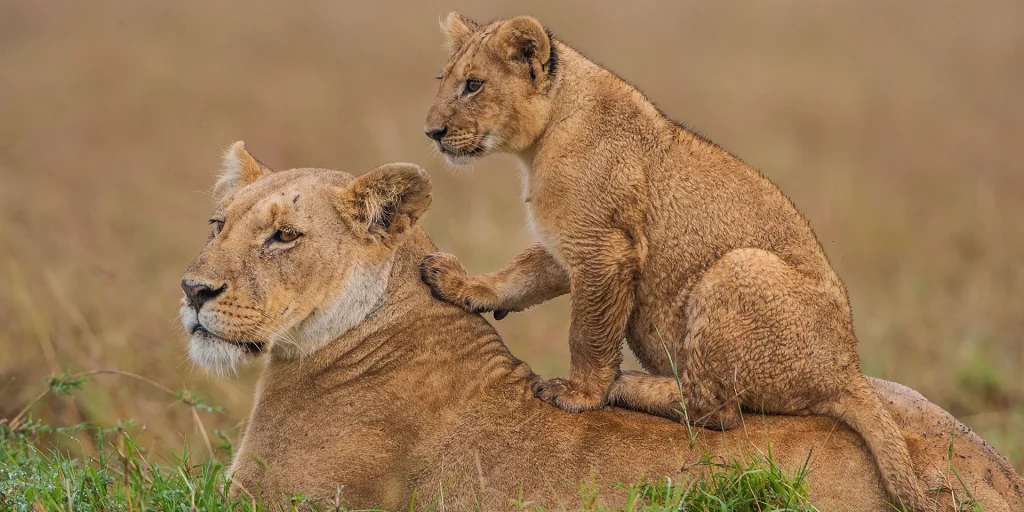
Lions are among the most sought-after animals on a Masai Mara safari. They occupy territories across suitable grassland and woodland habitats, often resting during the warmer parts of the day. Early morning and late afternoon drives may provide opportunities to observe movement, social behaviour or hunting activity.
A responsible guide maintains appropriate viewing distances and avoids disturbing animals.
Leopards are more elusive and frequently use habitats offering cover. Wooded drainage lines, riverine vegetation and areas with suitable resting places may provide opportunities for sightings. Their camouflage makes them difficult to detect, and patience is often required.
Cheetahs favour relatively open habitats where they can survey the surrounding landscape. They may be encountered resting, moving between hunting areas or watching potential prey. Photographers should avoid encouraging guides to approach too closely, particularly when cheetahs are hunting or accompanied by cubs.
Elephants move through different parts of the ecosystem in family groups and other social arrangements. They feed on grasses, shrubs and woody vegetation, depending on seasonal conditions. Observing their interactions can be one of the most rewarding aspects of a safari.
African buffaloes occur in herds of varying sizes. They use grassland habitats and areas with access to water. Buffaloes are powerful wild animals and should always be observed from appropriate distances.
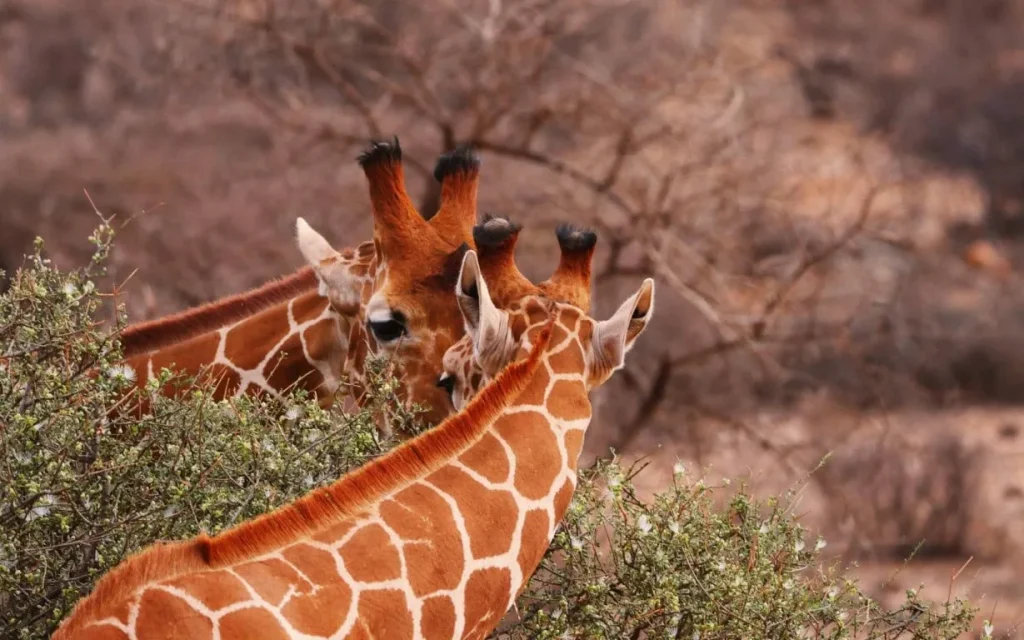
Giraffes are frequently associated with areas containing suitable browsing vegetation. Their height and distinctive appearance make them particularly attractive to photographers. Guides can explain feeding behaviour, social interactions and habitat preferences.
Plains zebras, topis, impalas, gazelles and other herbivores occupy different parts of the ecosystem. These animals are important prey species for large predators. Their behaviour can provide clues about nearby predators and changing environmental conditions.
The Mara River and suitable pools support hippos and Nile crocodiles. These animals are fascinating to observe but potentially dangerous. Visitors should never approach riverbanks independently or ignore guide instructions.
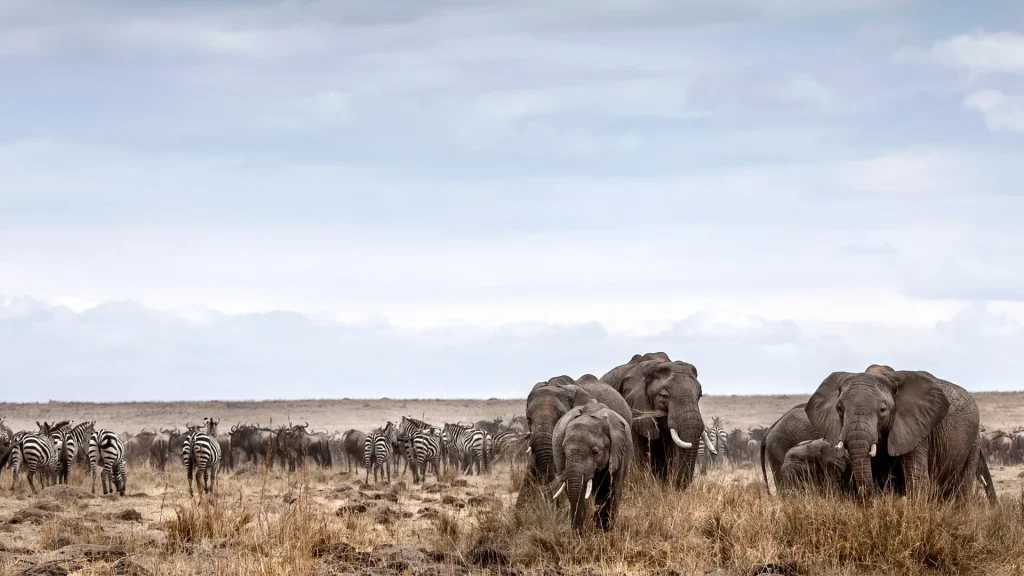
The Great Wildebeest Migration is one of the Masai Mara's most internationally recognised attractions. Large numbers of wildebeest and zebra move seasonally across the Serengeti–Mara ecosystem in response to rainfall, fresh grazing and water availability. The movement is continuous rather than a single annual journey following an exact schedule.
Migration activity in the Masai Mara is commonly associated with July through October. However, the precise arrival, distribution and departure of herds vary from year to year. Some herds may arrive earlier, while others remain later depending on ecological conditions.
During parts of the migration, animals may approach the Mara River and attempt crossings. Herds sometimes gather along the banks for extended periods before entering the water. Crossings can involve crocodiles, strong currents and difficult riverbanks. These events cannot be predicted or guaranteed.
Travellers particularly interested in river crossings should consider spending several nights in the ecosystem. Accommodation location matters because some camps provide more convenient access to relevant game-viewing areas. A knowledgeable guide can monitor herd movements and select suitable routes, but wildlife remains unpredictable.
This is the most popular period for migration-focused safaris. Large migratory herds may occupy the ecosystem, and river crossings can occur. Accommodation demand is often high, so advance booking is advisable.
Short rains may bring fresh vegetation and greener landscapes. Resident wildlife remains present, although animals may be more widely distributed. Photography can be rewarding because of changing light and dramatic skies.
These months can provide excellent general wildlife viewing. Resident predators, elephants, giraffes and other animals remain part of the ecosystem. Travellers should not expect the large migration crossings associated with peak migration season.
Rainfall may be more substantial during parts of April and May. The landscape becomes lush, and birdwatching can be rewarding. Road conditions may deteriorate after heavy rain, and some camps may close seasonally.
A private Masai Mara safari provides exclusive use of the safari vehicle for the travelling party. This allows flexibility in game-drive schedules, accommodation selection and wildlife interests. Private safaris are particularly suitable for families, couples and photographers.
Group safaris share transport and guiding costs among participants. They can be an affordable option for solo travellers and small groups. However, departure dates and daily schedules are generally less flexible.
Luxury safaris combine wildlife exploration with refined accommodation and personalised hospitality. Some properties offer private vehicles, spacious suites and exclusive services. The value depends on the overall experience rather than accommodation facilities alone.
Fly-in safaris use scheduled flights from Nairobi to selected Masai Mara airstrips. They reduce road travel time and are particularly attractive to travellers with limited time. Baggage restrictions and onward transfers should be confirmed before booking.
Photography-focused safaris allow more time at wildlife sightings and may use private vehicles. Guides can adapt routes according to lighting, animal behaviour and suitable habitats. Responsible wildlife viewing remains essential.
A three-day itinerary generally includes road transfers from Nairobi, two nights of accommodation and scheduled game drives. It provides a useful introduction but involves substantial travel time.
A four-day safari allows additional wildlife exploration and a more relaxed schedule. It is a popular choice for first-time visitors and couples.
A five-day safari provides more opportunities to explore different habitats. It is particularly suitable for photographers and migration-focused travellers.
Longer itineraries can concentrate on the Masai Mara or combine it with other Kenyan destinations. Travellers should balance additional locations against the travel time required.
Depart Nairobi in the morning and travel southwest toward the Masai Mara. The journey generally takes approximately five to seven hours or longer, depending on traffic, road conditions and accommodation location. Arrive at your selected camp or lodge and check in. Depending on timing, enjoy lunch before an afternoon game drive.
The first safari introduces the grasslands and resident wildlife. Return to accommodation for dinner and overnight.
Begin early with breakfast or a packed meal before departing for a full-day game drive. Your guide explores suitable habitats in search of lions, elephants, buffaloes, giraffes, zebras and other animals. During migration season, the programme may include areas where wildebeest and zebra herds are concentrated.
A picnic lunch can be arranged at an appropriate designated location if included in the package. Continue exploring the reserve during the afternoon.
Spend another full day exploring the reserve. Your guide may visit different habitats or concentrate on areas where interesting wildlife activity has been reported. Photographers can spend longer observing animal behaviour. An optional hot-air balloon safari may be arranged in advance, subject to weather, availability and additional cost.
Return to accommodation for the final safari night.
After breakfast, depart the Masai Mara for Nairobi. Depending on the itinerary, an early game drive may be possible before departure. The return journey occupies a substantial part of the day. Travellers connecting to international flights should allow sufficient time.
Essential camps focus on practical facilities and affordability. They may be located outside the most expensive reserve areas. This category suits travellers who prioritise wildlife activities.
Comfort camps and lodges generally offer en-suite rooms, comfortable beds and organised dining. They provide a balance between cost and convenience.
Premium properties may offer spacious tented suites, refined furnishings and attractive locations. Guiding quality and game-drive arrangements remain important considerations.
Signature properties emphasise exclusive accommodation, personalised hospitality and distinctive settings. Some provide private vehicles and dedicated guiding arrangements.
Game drives are the main activity on most Masai Mara safaris. Morning drives often benefit from cooler temperatures, while afternoon drives provide different lighting and wildlife activity.
Full-day drives allow visitors to explore a wider area without returning to camp for lunch. Packed meals may be arranged at designated locations.
Balloon safaris offer an elevated perspective over the landscape. Flights depend on weather and are generally optional unless included in the package.
Visits to Maasai communities may be arranged through appropriate local partners. These experiences can introduce travellers to local traditions, livelihoods and conservation relationships.
Guided walking activities may be available in selected conservancies or other permitted areas. They must be arranged according to local regulations and appropriate safety procedures.
Safari costs depend on accommodation category, season, duration, group size and transport arrangements. Peak migration months often attract higher accommodation rates. Private vehicles provide flexibility but may cost more per person for smaller groups. Park fees, conservancy charges and optional activities can also affect the final price.
Travellers should request complete written quotations rather than comparing headline prices alone.
Road safaris from Nairobi generally take approximately five to seven hours or longer. Travel time depends on traffic, road conditions and the selected accommodation. A suitable safari vehicle provides transport for transfers and game drives.
Scheduled flights connect Nairobi's Wilson Airport with selected Masai Mara airstrips. Flying can reduce travel time considerably. Travellers should confirm baggage allowances and onward camp transfers.
A Masai Mara and Lake Nakuru safari combines savannah wildlife with a Rift Valley lake environment and opportunities to observe rhinos. A Masai Mara and Amboseli safari introduces a landscape associated with elephants and views toward Mount Kilimanjaro when conditions permit. Longer itineraries can include Samburu, Laikipia or other Kenyan wildlife destinations.
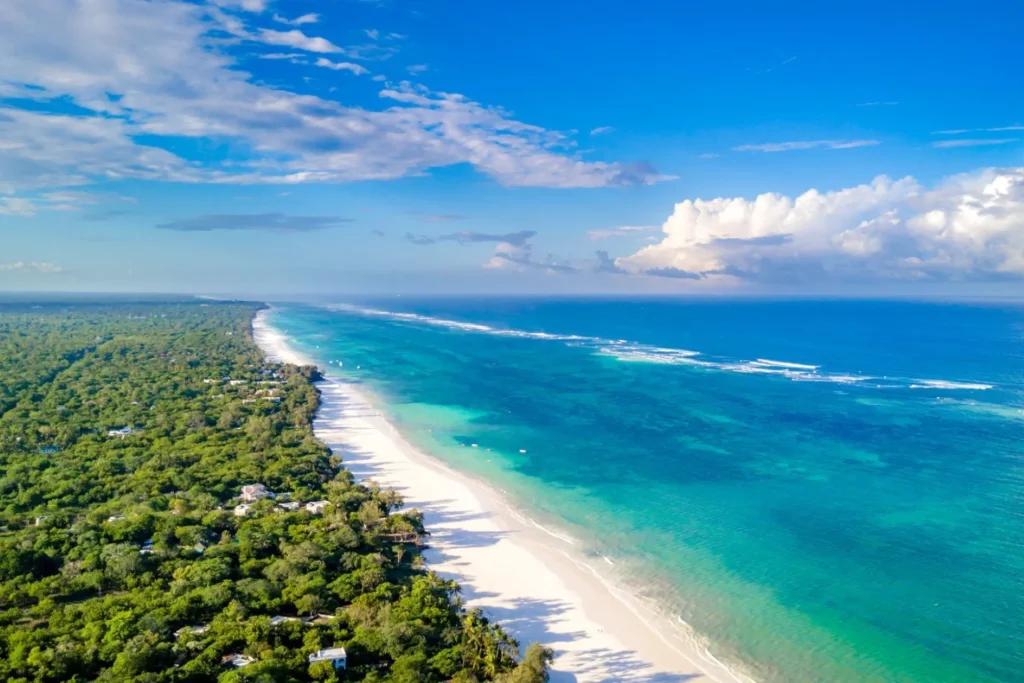
A Masai Mara and Diani Beach safari combines wildlife exploration with relaxation along the Indian Ocean coast. Watamu provides another attractive beach extension, particularly for travellers interested in marine habitats and coastal nature.
Responsible wildlife viewing is essential for protecting the Masai Mara ecosystem. Visitors should remain on permitted routes, follow guide instructions and avoid disturbing animals. Vehicles should not block migration routes or crowd wildlife. Litter must be disposed of appropriately, and animals should never be fed.
Travellers can support conservation by choosing operators that respect park regulations and engage constructively with local communities.
Pack neutral-coloured clothing, comfortable footwear, sun protection, insect repellent and a warm jacket for early mornings. Binoculars are valuable for observing distant animals. Photographers should bring spare batteries, memory cards and protective equipment for dust. At unfenced camps, wild animals may move through the grounds. Guests should follow staff safety procedures and avoid walking independently after dark.
Before travelling, confirm current Kenyan entry requirements, travel insurance coverage and relevant health recommendations.
Yes. The reserve supports a wide variety of resident wildlife and offers rewarding safari experiences throughout the year.
Three or four nights provide a comfortable introduction, while longer stays are worthwhile for photography and migration viewing.
August and September are popular choices, although migration movements and river crossings vary.
The wider ecosystem supports the Big Five, but sightings of individual species are not guaranteed. Rhinos are particularly difficult to encounter.
Yes. Private safaris can be customised according to travel dates, accommodation and interests.
Yes, subject to accommodation policies and activity restrictions.
Usually they are optional unless specifically included in the package.
Yes. Scheduled flights operate from Nairobi to selected airstrips.
Yes. Popular combinations include Lake Nakuru, Amboseli and other Kenyan wildlife destinations.
A well-planned Masai Mara safari provides opportunities to explore one of Africa's most remarkable wildlife landscapes while enjoying suitable accommodation and professional guiding. The best itinerary depends on your available time, travel season, budget and wildlife interests. Safari Trips to Kenya can arrange private safaris, selected group departures, migration-focused journeys, luxury experiences and customised Kenya itineraries.
Contact our team to discuss your preferred dates, group size and accommodation category. We can help create a personalised Masai Mara safari that balances wildlife exploration, comfort and practical travel arrangements.