

The best East Africa safari combines exceptional wildlife viewing with a well-planned route, suitable accommodation and enough time to appreciate each destination. East Africa is home to some of the continent’s most celebrated safari landscapes, including Kenya’s Masai Mara, Tanzania’s Serengeti, Uganda’s Bwindi Impenetrable Forest and Rwanda’s Volcanoes National Park.
What makes the region particularly rewarding is its variety. Travellers can watch elephants beneath Mount Kilimanjaro, search for lions on open grasslands, observe the Great Wildebeest Migration and trek through mountain forests in search of endangered gorillas. Yet the best itinerary is not necessarily the one that includes the greatest number of national parks. Travelling between East African destinations can involve substantial distances, border formalities and different transport arrangements, so a carefully designed safari should balance wildlife interests with realistic travel times.
Some travellers prefer a classic Kenya and Tanzania wildlife journey. Others want to combine savannah game drives with gorilla trekking in Uganda or Rwanda. Families may prioritise comfortable accommodation and manageable road journeys, while photographers may prefer longer stays in fewer locations. This guide compares the main East Africa safari destinations, explains the best travel seasons and provides practical itinerary ideas for different budgets and interests.
Why Choose East Africa for a Safari?
East Africa offers an unusually diverse range of wildlife habitats, including open grasslands, mountain forests, wetlands, volcanic landscapes, lakes and semi-arid savannahs. Each habitat supports different wildlife species.
The Masai Mara and Serengeti are famous for large grazing herds and predators. Amboseli is internationally recognised for elephants and Mount Kilimanjaro scenery. Samburu supports northern Kenya’s distinctive dry-country species. Uganda and Rwanda provide opportunities to observe mountain gorillas and other primates. This variety makes it possible to design a safari around very specific interests: travellers interested in photography may focus on predators and landscapes, while those seeking rare wildlife encounters may prioritise gorilla or chimpanzee trekking.
Kenya: Classic Wildlife Safaris and the Great Migration
Kenya is one of the most established safari destinations in Africa. Its national parks and conservancies offer excellent wildlife viewing, a wide range of accommodation and practical safari connections from Nairobi. The country is particularly attractive for first-time safari travellers because several important destinations can be combined within a single itinerary.
Masai Mara National Reserve
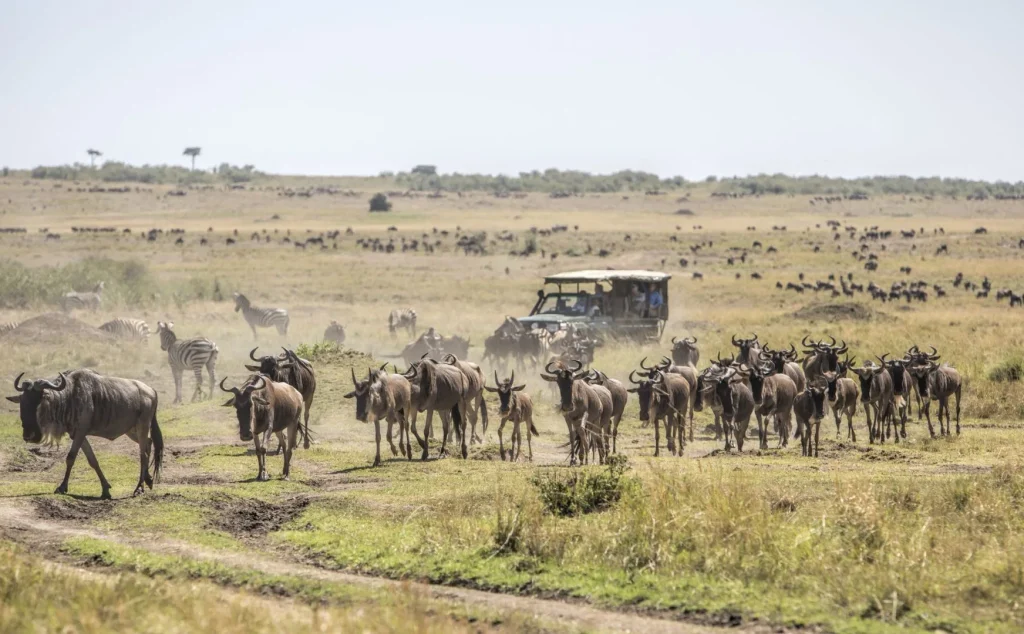
The Masai Mara National Reserve is one of Kenya’s best-known wildlife destinations. Its open grasslands support lions, cheetahs, leopards, elephants, buffaloes, giraffes and numerous antelope species. The reserve is also associated with the Great Wildebeest Migration, particularly during the months when migratory herds move into Kenya, though the Mara offers excellent resident wildlife viewing throughout the year. A three- or four-night stay allows time to explore different habitats and observe animal behaviour.
Amboseli National Park
Amboseli National Park is particularly famous for elephants and views towards Mount Kilimanjaro. The park’s permanent wetlands provide important feeding areas in a relatively dry landscape, and visitors may encounter elephants, buffaloes, zebras, wildebeest and numerous birds. Amboseli is especially attractive to photographers interested in elephants against mountain scenery. Two or three nights are generally suitable for a first visit.
Lake Nakuru National Park
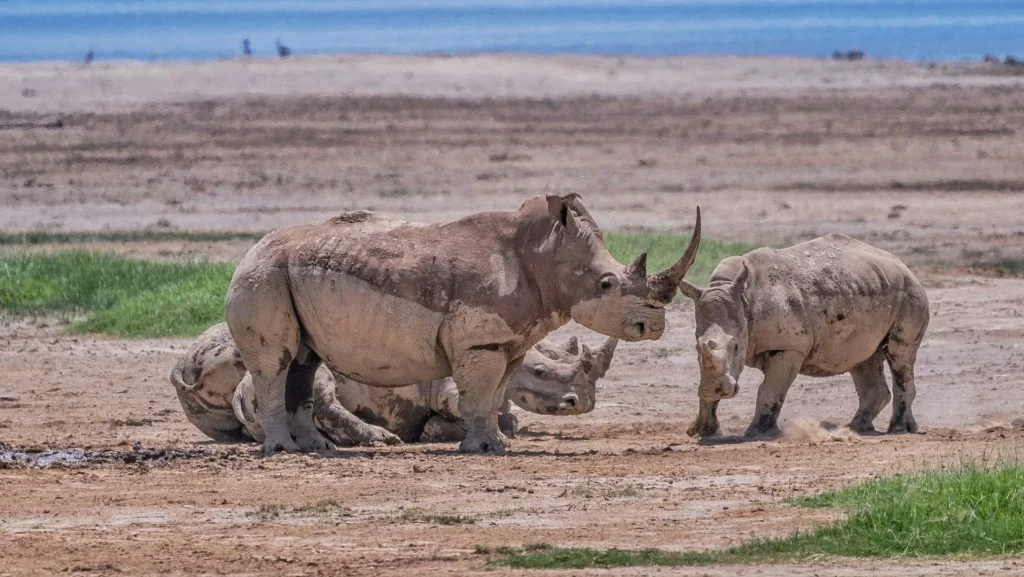
Lake Nakuru National Park is an important destination for rhinoceros viewing. The park also supports buffaloes, giraffes, lions and a variety of birds, and its Rift Valley setting provides a different landscape from the Masai Mara. Lake Nakuru can be included in a longer safari connecting Nairobi with the Mara.
Samburu National Reserve
Samburu National Reserve and neighbouring Buffalo Springs are known for the Samburu Special Five, which include Grevy’s zebra, reticulated giraffe, gerenuk, Beisa oryx and Somali ostrich. The region also supports elephants and predators. Samburu provides a valuable contrast to southern Kenya’s grassland ecosystems.
Tsavo East and Tsavo West
The Tsavo national parks cover extensive landscapes between Nairobi and the Kenyan coast. Tsavo East is known for red elephants and broad plains, while Tsavo West offers volcanic terrain, woodland and attractions such as Mzima Springs. These parks are particularly convenient for travellers combining a safari with Diani Beach or Mombasa.
Tanzania: Serengeti, Ngorongoro and Beyond
Tanzania offers some of East Africa’s most expansive safari landscapes. Its northern safari circuit includes the Serengeti, Ngorongoro Crater, Tarangire and Lake Manyara, providing opportunities to observe different habitats and wildlife communities.
Serengeti National Park
The Serengeti National Park is one of Africa’s most celebrated wildlife destinations. Its vast plains support lions, cheetahs, leopards, elephants, buffaloes and enormous grazing herds, and the Serengeti forms the larger part of the ecosystem used by the Great Migration. Different regions become particularly relevant at different times of year: the southern plains are associated with calving, while the northern Serengeti is important during the river-crossing period. A well-planned itinerary should select accommodation according to seasonal wildlife movements.
Ngorongoro Crater
The Ngorongoro Crater is a large volcanic caldera supporting a remarkable concentration of wildlife. Visitors may encounter buffaloes, zebras, wildebeest, lions and other animals within the crater ecosystem. Rhinoceroses also occur, although sightings are not guaranteed. The crater provides a distinctive landscape and is commonly included in northern Tanzania safaris.
Tarangire National Park
Tarangire National Park is known for elephants, baobab trees and seasonal wildlife concentrations. During dry periods, the Tarangire River becomes an important water source. The park offers a different atmosphere from the Serengeti and can be particularly attractive for elephant photography.
Lake Manyara National Park
Lake Manyara National Park contains varied habitats, including groundwater forest, open areas and lake environments. The park supports elephants, monkeys, birds and other wildlife. It can be included in a northern Tanzania itinerary, although visitors should not assume that all species will be equally visible.
Uganda: Gorilla Trekking and Diverse Wildlife
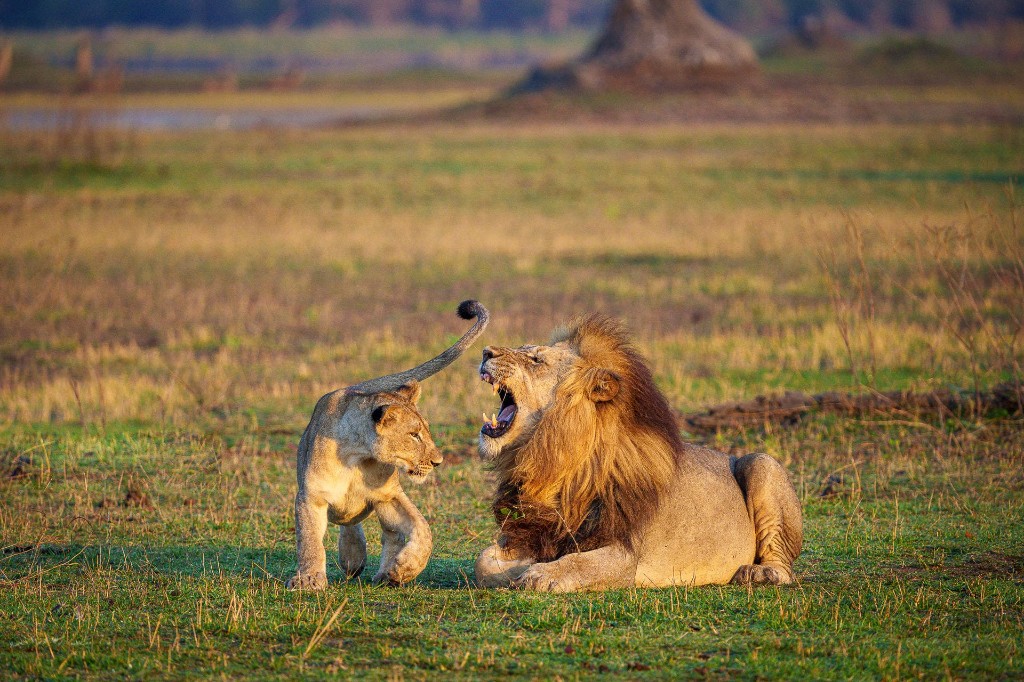
Uganda offers a distinctive safari experience because it combines savannah wildlife with tropical forests and primate trekking. The country is particularly attractive to travellers who want to observe mountain gorillas and chimpanzees.
Bwindi Impenetrable National Park
Bwindi Impenetrable National Park is one of the world’s most important mountain gorilla habitats. Visitors can participate in guided gorilla trekking under the supervision of authorised rangers. Trekking duration and difficulty vary according to the location of the assigned gorilla group and forest conditions. The experience involves walking through mountainous forest terrain, and visitors should be prepared for potentially steep and muddy trails. Gorilla trekking permits are limited and should be reserved in advance.
Kibale National Park
Kibale National Park is internationally recognised for chimpanzee trekking. Its tropical forest supports numerous primate species, and guided chimpanzee tracking provides opportunities to observe chimpanzees in their natural habitat. The experience differs from gorilla trekking because chimpanzees are often more active and may move rapidly through the forest.
Queen Elizabeth National Park
Queen Elizabeth National Park offers savannah wildlife viewing, crater landscapes and the Kazinga Channel. Visitors may encounter elephants, buffaloes, antelopes and lions. A boat excursion on the Kazinga Channel can provide opportunities to observe hippos, waterbirds and other wildlife. The park is commonly combined with Kibale and Bwindi.
Murchison Falls National Park
Murchison Falls National Park is one of Uganda’s principal savannah safari destinations. The park supports elephants, giraffes, buffaloes, lions and numerous birds. The Nile River is a central feature, and boat excursions towards Murchison Falls provide a different perspective on the landscape and wildlife.
Lake Mburo National Park
Lake Mburo National Park is a relatively compact destination with zebras, impalas, buffaloes and other wildlife. It is often included as a stop between southwestern Uganda and Entebbe and offers opportunities for guided walking and other activities under authorised arrangements.
Rwanda: Mountain Gorillas and Scenic Landscapes
Rwanda is particularly attractive for travellers seeking mountain gorilla trekking with relatively convenient access from Kigali. The country’s compact geography makes it possible to combine several destinations without the same extensive road distances encountered on some larger East African circuits.
Volcanoes National Park
Volcanoes National Park is Rwanda’s principal mountain gorilla trekking destination. The park protects part of the Virunga volcanic landscape, and visitors can participate in guided gorilla trekking with authorised rangers. The experience takes place in mountainous forest and bamboo habitats. Rwanda’s gorilla permit is more expensive than Uganda’s standard permit, but the shorter journey from Kigali can be attractive for travellers with limited time.
Akagera National Park
Akagera National Park offers savannah wildlife viewing in eastern Rwanda. The park supports elephants, buffaloes, giraffes, lions, rhinoceroses and other wildlife. Its lakes and wetlands provide attractive scenery and birdwatching opportunities. Akagera is a useful addition for travellers who want to combine gorilla trekking with a classic wildlife safari.
Nyungwe National Park
Nyungwe National Park is known for its montane forest and primates. Chimpanzee trekking is one of the principal activities, and the park also offers forest walks and birdwatching opportunities. Nyungwe can be included in longer Rwanda itineraries.
Kenya Versus Tanzania: Which Safari Is Better?
Kenya and Tanzania share the famous Serengeti–Mara ecosystem, but their safari experiences differ in several ways. Kenya offers convenient access from Nairobi and a broad selection of safari destinations, and the Masai Mara is particularly attractive for predator viewing and migration-season safaris. Tanzania offers the vast Serengeti and the distinctive Ngorongoro Crater, and the southern Serengeti is particularly important during the wildebeest calving season.
Neither country is universally better. The most suitable destination depends on travel dates, wildlife interests, available time and budget. Travellers with ten to fourteen days can consider combining both countries.
Uganda Versus Rwanda for Gorilla Trekking
Both Uganda and Rwanda offer opportunities to observe mountain gorillas in the wild. Uganda’s Bwindi Impenetrable National Park provides trekking in several sectors, with routes and accommodation options varying by location. Rwanda’s Volcanoes National Park is relatively close to Kigali, making it attractive for shorter itineraries.
Uganda generally offers a lower standard gorilla permit price than Rwanda, although prices should always be confirmed for the intended travel dates. Rwanda may involve shorter road transfers for travellers arriving and departing through Kigali. The best choice depends on budget, time and preferred trekking experience.
Best Time for an East Africa Safari
January to March
These months can be excellent for the southern Serengeti calving season. Kenya’s parks also offer rewarding wildlife viewing. Uganda and Rwanda may experience relatively favourable trekking conditions during parts of this period, although forest weather remains unpredictable.
April to May
The long rains affect much of East Africa. Landscapes become greener, but some roads and activities may be affected. Travellers should consider seasonal accommodation operations and road conditions.
June to October
This is one of the most popular periods for East Africa safaris. Dry conditions can make wildlife viewing productive in many savannah destinations. The Great Migration may reach the northern Serengeti and Masai Mara during part of this period. Gorilla trekking is also popular, so permits should be booked early.
November to December
The short rains can bring changing landscapes and fresh vegetation. Wildlife viewing remains possible. December holiday periods can attract high demand for accommodation and flights.
How Many Days Do You Need for an East Africa Safari?
The ideal duration depends on how many countries you want to visit. A seven-day safari is best focused on one country or a limited number of nearby destinations. Ten days provide time for a more varied itinerary, and fourteen days allow travellers to combine several major wildlife areas without rushing excessively. Three weeks can support a broader journey through Kenya, Tanzania, Uganda or Rwanda.
However, visiting all four countries in a short period is not recommended, because travel time can reduce the number of meaningful wildlife experiences.
Suggested 7-Day Kenya Safari
Day 1: Arrive in Nairobi
Arrive at Jomo Kenyatta International Airport and transfer to your hotel. Rest after the international flight.
Day 2: Nairobi to Amboseli
Travel to Amboseli National Park and enjoy an afternoon wildlife drive if time permits.
Day 3: Amboseli Wildlife Safari
Spend the day exploring Amboseli’s wetlands and open plains and look for elephants and other wildlife.
Day 4: Amboseli to Lake Nakuru
Travel towards Lake Nakuru, allowing sufficient time for the journey, and overnight near the park.
Day 5: Lake Nakuru to Masai Mara
Enjoy wildlife viewing in Lake Nakuru before continuing towards the Masai Mara. The schedule should be adjusted according to driving conditions.
Day 6: Masai Mara Game Drives
Spend the day exploring the Mara’s grasslands and wildlife habitats.
Day 7: Return to Nairobi
Travel back to Nairobi or take a domestic flight and connect with your international departure according to the confirmed schedule.
Suggested 10-Day Kenya and Tanzania Safari
A ten-day Kenya and Tanzania safari can combine the Masai Mara, Serengeti and Ngorongoro Crater. A practical route might include two nights in the Masai Mara, several nights in the Serengeti and time in the Ngorongoro region.
However, the border crossing between Kenya and Tanzania requires careful planning. The route should use an appropriate crossing point and allow time for immigration formalities. Domestic flights may reduce travel time, but schedules and baggage restrictions must be considered. A ten-day itinerary should avoid adding too many distant destinations.
Suggested 12-Day Kenya and Uganda Safari
A Kenya and Uganda safari can combine the Masai Mara with Uganda’s primate destinations. A possible itinerary includes:
- Three nights in the Masai Mara.
- Travel or flight connections to Uganda.
- Two nights near Kibale National Park.
- Two nights in Queen Elizabeth National Park.
- Two nights near Bwindi Impenetrable National Park.
- Return travel through Entebbe or Kigali.
The precise schedule depends on flight connections, gorilla permit availability and the selected accommodation. Travellers should allow sufficient time for transfers.
Suggested 14-Day East Africa Safari
A fourteen-day safari provides more flexibility for combining countries. One possible route focuses on Kenya and Tanzania, with several nights in the Masai Mara, Serengeti and Ngorongoro region. Another option combines Kenya’s wildlife parks with gorilla trekking in Uganda or Rwanda.
For travellers seeking the greatest variety, a carefully planned itinerary can include savannah wildlife, primates and cultural experiences. However, the route should be designed around realistic travel distances. The best itinerary is one that provides meaningful time in each destination.
Best East Africa Safari for First-Time Visitors
First-time safari travellers often benefit from focusing on Kenya or Tanzania. These countries offer classic wildlife landscapes and well-established safari infrastructure. A Kenya itinerary combining Amboseli, Lake Nakuru and the Masai Mara provides considerable variety. A Tanzania itinerary combining Tarangire, Ngorongoro and Serengeti offers a similarly rewarding experience. Travellers who have a particular interest in gorillas should consider Uganda or Rwanda as an additional destination.
Best East Africa Safari for Families
Families should prioritise manageable travel distances and suitable accommodation. Long road transfers can be tiring for younger children. A private safari vehicle provides flexibility for breaks and shorter game drives. Family-friendly lodges may offer swimming pools, interconnecting rooms and suitable meal arrangements. Age restrictions apply to some activities, including gorilla trekking, and parents should check these requirements before designing an itinerary.
Best East Africa Safari for Honeymooners
A luxury East Africa honeymoon safari can combine wildlife viewing with intimate accommodation and a beach extension. Kenya is particularly attractive for couples who want to finish their safari at Diani Beach. Tanzania offers Zanzibar as a popular coastal extension. Uganda and Rwanda provide opportunities for memorable primate experiences. The best honeymoon itinerary should allow time for relaxation rather than continuous travel; three-night stays can be preferable to changing lodges every day.
Best East Africa Safari for Photographers
Photographers often benefit from longer stays in fewer locations. The Masai Mara is particularly attractive for predators and open grassland landscapes. Amboseli is renowned for elephant photography. The Serengeti provides opportunities to photograph the Great Migration. Uganda and Rwanda offer forest photography experiences involving gorillas and other primates. A private vehicle can provide flexibility for waiting at sightings, and photographers should also consider luggage restrictions on domestic flights.
Luxury, Mid-Range and Budget Safari Options
East Africa offers accommodation for different budgets. At Safari Trips to Kenya, accommodation can be organised into Essential, Comfort, Premium and Signature categories.
Essential
Essential accommodation focuses on practical comfort and value. It may include simple lodges, guesthouses or permanent tented camps.
Comfort
Comfort accommodation provides additional facilities and established hospitality standards. It is suitable for travellers seeking a balance between price and convenience.
Premium
Premium properties offer more spacious accommodation, attractive locations and enhanced service.
Signature
Signature accommodation includes exclusive luxury camps and lodges with high levels of personalised hospitality. The most expensive property is not always the best choice: location, guiding and the quality of the itinerary remain essential.
How Much Does an East Africa Safari Cost?
East Africa safari prices depend on the countries visited, travel season, accommodation category and number of travellers. Private safaris generally cost more per person for solo travellers than for groups sharing a vehicle. Domestic flights can increase the budget but reduce long road journeys. Gorilla trekking permits represent a significant additional cost, and peak migration months may attract higher accommodation rates.
A complete quotation should identify transport, guiding, accommodation, meals, park fees and optional activities. Travellers should compare the total package rather than focusing only on the advertised daily rate.
Road Safaris Versus Flying Safaris
Road safaris allow travellers to observe changing landscapes and visit attractions along the route, and they can also provide better value when several guests share a vehicle. However, some transfers are long. Flying safaris reduce travel time and can make multi-destination itineraries more comfortable, and domestic flights are particularly useful when combining distant parks. The best approach may involve a combination of road and air transport.
Gorilla Trekking Permit Planning
Gorilla trekking permits are limited and should be reserved well in advance. Travellers must select the correct country and trekking date. In Uganda, accommodation location should be coordinated with the allocated trekking sector. Permit prices and regulations can change, so guests should confirm current costs, age restrictions and booking conditions before paying. A well-organised itinerary should allow sufficient time to reach the trekking area before the scheduled activity.
East Africa Visa and Border Considerations
Visa requirements depend on nationality and the countries included in the itinerary. Kenya uses an electronic travel authorisation system for many visitors, subject to exemptions and current rules. Uganda, Rwanda and Tanzania have their own entry requirements. Some travellers may be eligible for an East Africa Tourist Visa covering Kenya, Uganda and Rwanda under specified conditions, though Tanzania is not included in that visa arrangement.
Travellers should verify requirements with official immigration authorities before departure. Passports should have sufficient validity and available pages for the intended journey.
Health and Travel Preparation
- Consult an appropriate travel-health professional before visiting East Africa.
- Vaccination and health requirements vary according to travel history and destinations; confirm whether yellow fever documentation may be required.
- Seek malaria prevention advice for the countries and areas visited.
- Pack suitable clothing for warm savannah conditions and cooler highland environments.
- Gorilla trekking requires sturdy footwear and appropriate rain protection.
Responsible Safari Travel
East Africa’s wildlife depends on functioning ecosystems and effective conservation. Responsible tourism includes respecting wildlife distances, following park regulations and supporting legitimate conservation initiatives. Visitors should never encourage guides to chase animals or leave authorised roads.
Cultural experiences should be arranged respectfully and with the participation of local communities. Travellers should also consider waste reduction and responsible use of water and other resources. A well-managed safari can contribute positively to conservation and local livelihoods.
Frequently Asked Questions About East Africa Safaris
Which country has the best safari in East Africa?
Kenya and Tanzania are particularly famous for classic savannah wildlife safaris. Uganda and Rwanda are outstanding choices for gorilla and other primate experiences.
Is Kenya or Tanzania better for the Great Migration?
The answer depends on travel dates. The southern Serengeti is associated with calving, while the northern Serengeti and Masai Mara are important during the river-crossing period.
Can I combine gorilla trekking with the Masai Mara?
Yes. A Kenya and Uganda or Kenya and Rwanda itinerary can combine the Masai Mara with mountain gorilla trekking.
How many days are enough?
Seven to ten days are suitable for a focused safari, while fourteen days or longer provide greater flexibility for combining destinations.
Is East Africa suitable for family safaris?
Yes. Families can enjoy wildlife safaris with suitable accommodation and realistic travel schedules. Some activities have minimum age restrictions.
When is the best time to visit?
June to October is popular for many savannah safaris, while January to March can be particularly rewarding for southern Serengeti calving. Wildlife viewing is possible throughout the year.
Can I finish my safari at the beach?
Yes. Kenya safaris can be combined with Diani Beach, while Tanzania itineraries can include Zanzibar.
Are private safaris better than group safaris?
Private safaris provide greater flexibility, while group safaris can reduce costs. The best choice depends on budget and travel preferences.
Plan the Best East Africa Safari with Safari Trips to Kenya
The best East Africa safari is one that matches your interests, travel dates and preferred pace. Whether you want to photograph elephants in Amboseli, witness the Great Migration in the Masai Mara, explore the Serengeti or trek mountain gorillas in Uganda and Rwanda, careful planning makes a significant difference.
At Safari Trips to Kenya, we arrange personalised safari itineraries with accommodation options ranging from Essential and Comfort to Premium and Signature. Our team can help coordinate transport, accommodation, wildlife activities and multi-country safari arrangements. Contact us with your preferred travel dates, number of guests and destinations to receive a personalised East Africa safari itinerary and quotation.