

Yes, a Kenya safari is worth it for travellers who want to experience African wildlife in natural landscapes, particularly those interested in lions, elephants, giraffes, big cats, the Great Wildebeest Migration and the atmosphere of the East African savannah. However, a Kenya safari is not an inexpensive holiday, and it is not necessarily the right choice for everyone.
Safari costs can be substantial once accommodation, park fees, private transport, guiding and international flights are included. Wildlife sightings are unpredictable, road journeys can be long and some famous destinations become busy during peak travel periods. A traveller expecting guaranteed close-up encounters with every member of the Big Five may be disappointed, while someone who enjoys nature, photography and the uncertainty of wild animal behaviour may find the same journey extraordinary.
The value of a safari therefore depends on the experience you want, the itinerary you choose and whether your expectations match the realities of wildlife travel. Kenya offers several advantages: established safari infrastructure, internationally recognised national parks, diverse landscapes and accommodation for different budgets. It also allows visitors to combine wildlife viewing with beaches, cultural experiences and other activities—but choosing the right destinations is essential.
This guide examines whether a Kenya safari is worth the money, what makes the country special, where the experience may fall short and how to plan a trip that offers genuine value.
Why Is Kenya Famous for Safaris?
Kenya has a long history as an international safari destination. Its protected areas include the Masai Mara, Amboseli, Tsavo, Samburu, Lake Nakuru and several other wildlife regions, and these destinations offer different landscapes and animal communities.
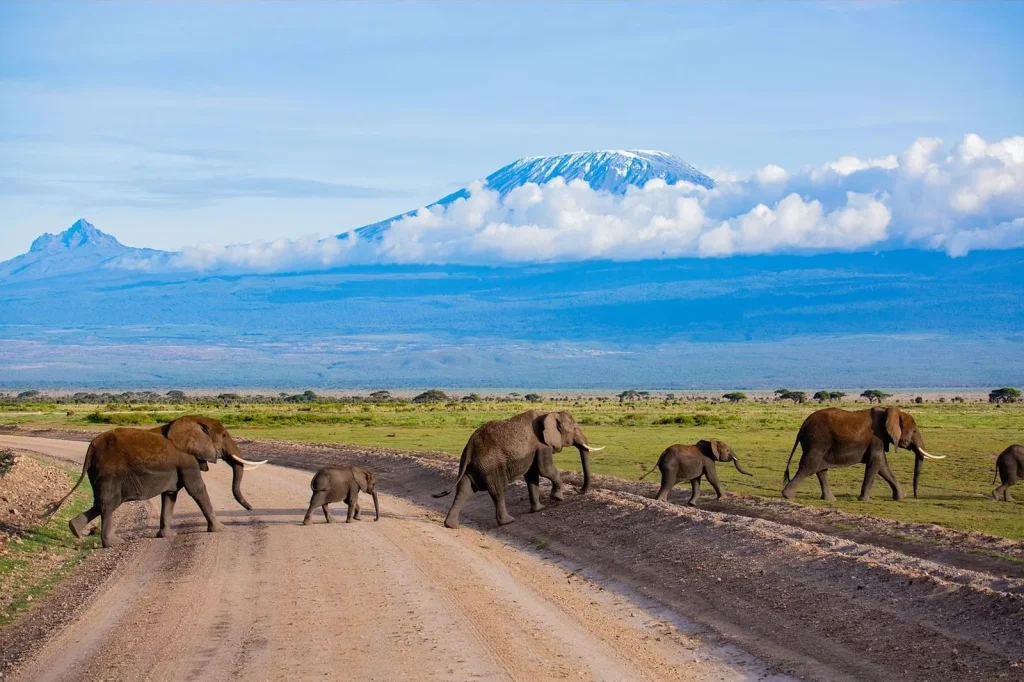
The Masai Mara is associated with big cats and the Great Wildebeest Migration. Amboseli is famous for elephants and views of Mount Kilimanjaro when conditions permit. Samburu offers wildlife associated with northern Kenya’s drier environments, Tsavo provides extensive wilderness landscapes, and Lake Nakuru is known for rhinos, birds and varied habitats. This diversity is one of Kenya’s strongest advantages, and a well-designed itinerary can offer several contrasting wildlife experiences within one country.
What Makes a Kenya Safari Worthwhile?
1. Wildlife in Natural Habitats
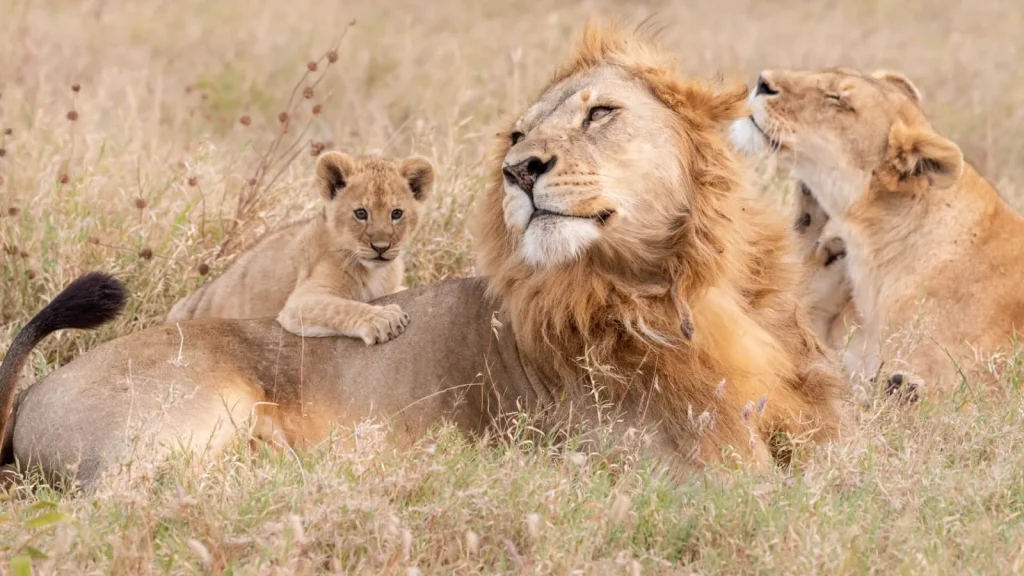
The main attraction is observing wild animals in their natural environments. Unlike a zoo or managed animal attraction, a safari involves travelling through landscapes where wildlife moves freely according to its own behaviour. You may see a pride of lions resting beneath a tree, elephants crossing a track or giraffes feeding among scattered woodland. These encounters are not staged, and their unpredictability is part of the experience.
2. Excellent Big Cat Viewing Opportunities
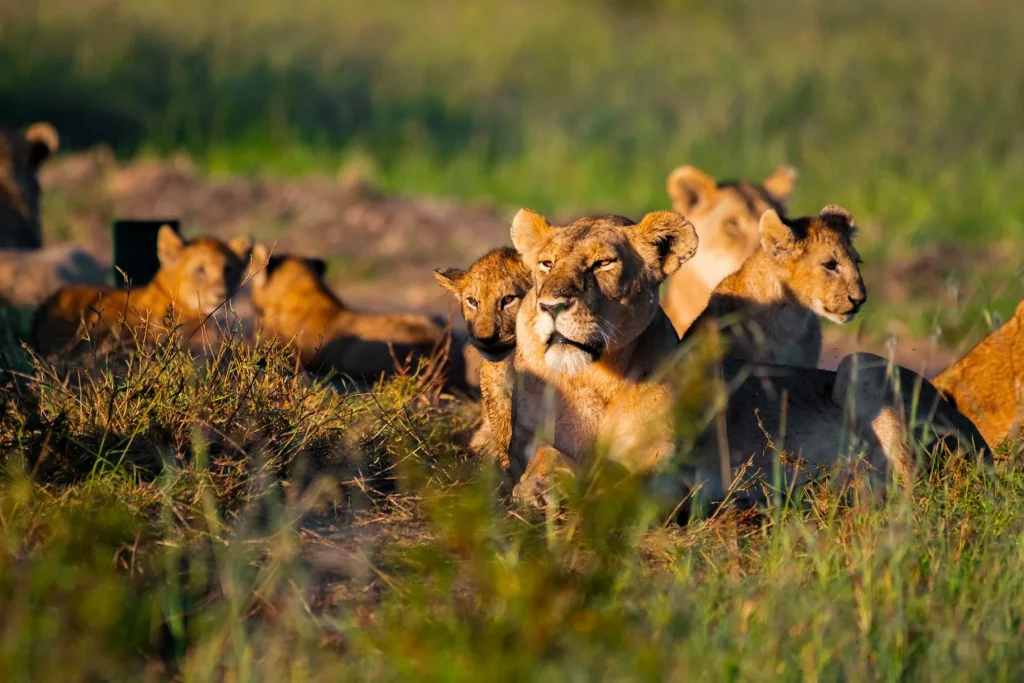
Kenya is particularly well known for big cats. The Masai Mara supports lions, leopards and cheetahs, although sightings vary. A leopard may remain concealed in dense vegetation, a cheetah may be far from accessible tracks, and a lion pride may spend much of the day resting. Good guiding and sufficient time improve the quality of the experience, but they do not guarantee particular sightings.
3. The Great Wildebeest Migration
The Great Wildebeest Migration is one of Africa’s most famous natural spectacles. Large numbers of wildebeest move through the Serengeti–Mara ecosystem in response to rainfall and grazing conditions, and the Masai Mara is an important destination during parts of the annual cycle. The main migration window in Kenya is commonly associated with July through October, although the timing varies. River crossings cannot be guaranteed. A migration safari is most rewarding when travellers appreciate the wider ecosystem rather than expecting one specific event.
4. Diverse Landscapes
Kenya’s safari destinations are visually different. Amboseli has open plains, wetlands and dramatic mountain views. The Masai Mara is associated with rolling grasslands and river habitats. Tsavo includes dry savannah, volcanic landscapes and woodland. Samburu offers arid scenery and distinctive wildlife. This variety creates opportunities for different photographic and wildlife experiences.
5. Safari and Beach Combinations
Kenya offers the possibility of combining wildlife viewing with an Indian Ocean beach holiday. Diani Beach, Watamu and other coastal destinations provide opportunities for relaxation after several days of game drives. For honeymooners and families, this combination can make the overall holiday more appealing, although transport connections should be planned carefully.
What Are the Disadvantages of a Kenya Safari?
A balanced decision should consider the drawbacks.
Safari Holidays Can Be Expensive
Park fees, accommodation, vehicles and guiding contribute to the total cost. Luxury camps can be particularly expensive during peak season. A private safari for two people usually costs more per person than a larger group sharing transport, and international flights and optional activities add to the budget.
Long Road Transfers
Kenya’s national parks are spread across a large geographical area, and some routes involve several hours of driving. A poorly designed itinerary may leave travellers spending more time in the vehicle between parks than watching wildlife.
Wildlife Sightings Are Not Guaranteed
No responsible operator can promise every species on a particular game drive. Animals move naturally, and weather, vegetation and seasonal conditions affect visibility.
Popular Parks Can Be Busy
The Masai Mara attracts significant visitor numbers during popular periods, and well-known wildlife sightings may draw multiple vehicles. Choosing suitable accommodation, travelling outside peak periods or exploring appropriate conservancy arrangements may help, but crowds cannot always be avoided.
Early Mornings
Safari activities often begin early. This is advantageous for wildlife viewing but may not suit travellers who want to sleep late every morning.
Limited Connectivity in Remote Areas
Some safari camps have intermittent internet or electricity arrangements. Visitors who require continuous online access should confirm facilities before booking.
Is a Kenya Safari Worth the Cost?
For many travellers, yes, provided the itinerary matches their interests and budget. The value comes from more than the accommodation: a safari package may include a dedicated vehicle, professional guide, park access, meals, transfers and several days of wildlife viewing. However, not all quotations include the same services—a cheaper safari may exclude important costs, while an expensive safari may include accommodation features that are not priorities for every traveller. The best approach is to compare the complete experience rather than the headline price.
What Does a Kenya Safari Cost?
The cost varies according to several factors.
Accommodation Standard
Essential camps generally cost less than premium luxury properties.
Safari Duration
Longer itineraries involve additional accommodation, guiding and transport expenses.
Group Size
Sharing a vehicle can reduce the per-person transport cost.
Season
Peak travel periods may have higher accommodation rates.
Destinations
Different parks have different fees and logistical requirements.
Transport
Domestic flights may reduce travel time but increase costs. For an accurate budget, request a quotation based on your travel dates and group size, and avoid relying on generic daily rates that may exclude park fees or seasonal supplements.
Budget Safari Versus Luxury Safari: Which Is Worth It?
Both can offer excellent wildlife experiences. The animals do not distinguish between guests staying in luxury camps and those using simpler accommodation, although the overall experience differs.
Essential Safari
An Essential safari focuses on practical accommodation and value. It may suit travellers whose priority is wildlife viewing.
Comfort Safari
Comfort accommodation provides additional amenities while maintaining reasonable costs. This can be a good balance for first-time visitors.
Premium Safari
Premium accommodation may offer enhanced facilities, attractive locations and more personalised service.
Signature Safari
Signature properties focus on distinctive luxury experiences. They may suit honeymooners and travellers seeking exclusivity.
The most expensive category is not automatically the best choice. A longer stay in a comfortable camp may provide better wildlife value than a very short stay in a luxury property.
Is the Masai Mara Worth Visiting?
For many safari travellers, the Masai Mara is one of Kenya’s most rewarding wildlife destinations. Its combination of open grasslands, predators and large herbivore populations makes it particularly attractive, and the reserve is also associated with the Great Migration. However, the Mara is popular, and accommodation prices can be high during peak periods. Visitors seeking solitude should consider their travel dates and accommodation location carefully. A three- or four-night stay often provides a better experience than a rushed overnight visit.
Is Amboseli Worth Visiting?
Yes, especially for travellers interested in elephants and landscape photography. Amboseli is famous for its elephant populations and views of Mount Kilimanjaro, although mountain visibility depends on weather conditions and travellers should not expect a clear mountain view at every moment. Two or three nights can provide a rewarding introduction.
Is Samburu Worth Visiting?
Samburu is particularly attractive for travellers interested in northern Kenya’s wildlife and landscapes. The region supports species associated with drier habitats, including Grevy’s zebra, reticulated giraffe and gerenuk, and its scenery differs from the Masai Mara. However, reaching Samburu may involve substantial travel time depending on the itinerary. It is especially worthwhile for visitors who want to explore beyond Kenya’s most familiar southern safari circuit.
Is Tsavo Worth Visiting?
Tsavo East and Tsavo West offer extensive landscapes and a different safari atmosphere. They can be particularly convenient for travellers combining wildlife viewing with Kenya’s coast. However, their size and varied vegetation can make sightings less predictable. Visitors who enjoy wilderness scenery and exploration may find Tsavo highly rewarding.
Is Lake Nakuru Worth Visiting?
Lake Nakuru is known for rhinos, buffaloes, giraffes, birds and a distinctive Rift Valley setting. It can be a useful addition to a longer itinerary. However, visitors should not assume that large numbers of flamingos will always be present, as bird populations change with environmental conditions. Lake Nakuru is best appreciated for its wider wildlife and habitats rather than one guaranteed bird spectacle.
Kenya Versus Tanzania: Which Safari Is Better?
Both countries offer outstanding safari experiences. The better choice depends on your interests.
Kenya’s Advantages
Kenya offers the Masai Mara, Amboseli, Samburu, Tsavo and several Rift Valley destinations. It also provides opportunities to combine safari and beach travel within one country.
Tanzania’s Advantages
Tanzania offers the Serengeti, Ngorongoro Crater, Tarangire and other important wildlife destinations. The southern Serengeti is particularly associated with wildebeest calving season.
Which Is Better for the Great Migration?
The answer depends on the time of year. Kenya’s Masai Mara is particularly relevant during the period when migratory herds may be present in the northern ecosystem. Tanzania offers migration experiences during other stages of the annual cycle. Neither country can guarantee a river crossing or particular wildlife event.
Kenya Versus South Africa for Safari
South Africa offers a different safari experience. Some South African reserves have well-developed road infrastructure and accommodation options. Kenya is particularly associated with classic East African savannah landscapes and the Great Migration. Travellers who prefer self-drive opportunities may find certain South African destinations attractive, while those seeking a guided East African safari with extensive open grasslands may prefer Kenya. The best choice depends on travel style.
Is Kenya Worth Visiting for a First African Safari?
Yes. Kenya is a strong destination for first-time safari travellers. Its established tourism infrastructure makes it possible to arrange private or shared safaris with professional guides, and the range of wildlife destinations allows visitors to select an itinerary according to their interests. However, first-time travellers should avoid overloading the programme—a carefully paced seven- to ten-day safari is often preferable to a rushed journey through numerous parks.
Is a Kenya Safari Worth It for Families?
A Kenya safari can be a memorable family experience. Children may enjoy seeing elephants, giraffes, zebras and other animals in the wild. However, age, attention span and travel tolerance matter: long drives can be tiring, and some activities and accommodation properties have age restrictions. A private vehicle can provide flexibility, and families should select suitable accommodation and avoid excessive transfers.
Is a Kenya Safari Worth It for Honeymooners?
Yes, particularly for couples who enjoy nature and shared adventures. The Masai Mara offers romantic tented camps and premium accommodation, and optional experiences may include balloon safaris and special dining arrangements. A beach extension can provide time to relax. However, couples should confirm whether game drives are private or shared, and a honeymoon safari should allow enough leisure time rather than filling every day with long transfers.
Is a Kenya Safari Worth It for Solo Travellers?
Yes, but the cost structure requires consideration. A private safari for one person may be expensive because transport and guiding costs are not shared. Joining a scheduled group departure can reduce costs, although solo travellers should confirm the group size, accommodation arrangements and any single-room supplement. A small-group safari may provide an opportunity to meet other travellers.
Is a Kenya Safari Worth It for Photographers?
Kenya is an excellent destination for wildlife photography. The Masai Mara offers opportunities to photograph predators and open landscapes, Amboseli is attractive for elephant and mountain compositions, and Samburu provides distinctive northern wildlife. However, photography requires patience. A private vehicle can be valuable because it allows flexibility over stops and positioning within authorised routes, and longer stays in fewer destinations are often more productive than frequent transfers.
What Is the Best Time for a Kenya Safari?
Kenya can be visited throughout the year. The generally drier periods are popular for wildlife viewing. The Great Migration is commonly associated with the Masai Mara from July to October, although timing varies. Wetter periods may provide greener landscapes and different photographic conditions, although rain can also affect road conditions and activities. The best time depends on the destinations and experiences you want.
How Many Days Make a Kenya Safari Worthwhile?
Three Days
A three-day safari can be worthwhile when focused on one destination.
Five Days
Five days allows additional wildlife viewing and possibly a second nearby area.
Seven Days
Seven days is a good introduction for many visitors.
Ten Days
Ten days provides an attractive balance of destinations and travel time.
Fourteen Days
Fourteen days allows a more comprehensive safari or a safari and beach combination.
The ideal duration depends on budget and preferred pace.
What Can Ruin a Kenya Safari Experience?
Poor itinerary design is one of the biggest problems. Trying to visit too many parks can lead to exhaustion, unrealistic wildlife promises can create disappointment, and unclear quotations may result in unexpected expenses. Accommodation that is too far from the intended wildlife-viewing areas can reduce the time available for game drives. Poor communication about transport and park fees can also affect the experience. These issues can be reduced through careful planning.
How to Get Better Value from a Kenya Safari
Choose Fewer Destinations
Spending more time in each park can improve the experience.
Travel at a Suitable Time
Choose dates according to wildlife interests rather than marketing promises.
Compare Complete Quotations
Check park fees, accommodation, meals, transport and activities.
Consider Group Travel
A shared safari may reduce costs.
Prioritise Good Guiding
An experienced guide can significantly improve wildlife interpretation.
Allow Time for Unexpected Encounters
Do not schedule every hour around one specific animal. Wildlife observation is most rewarding when there is room for discovery.
What Should Be Included in a Kenya Safari Package?
A complete quotation should identify the accommodation, meal plan, vehicle, guide, park fees and transfers. It should also explain whether optional activities are included—for example, balloon safaris are often charged separately. International flights, visas or electronic travel authorisations, insurance and personal expenses may also be excluded. Always review the inclusions and exclusions before paying.
Is a Kenya Safari Ethical?
A safari can support conservation and local livelihoods when operated responsibly. However, not every tourism activity has the same environmental or social impact. Choose operators who follow park regulations and respect wildlife. Avoid activities that involve feeding wild animals, disturbing predators or obstructing migration crossings. Respect local communities and cultural practices. Responsible safari tourism should contribute positively to the places being visited.
Who Might Not Enjoy a Kenya Safari?
A safari may not be ideal for travellers who dislike long periods in vehicles or early mornings. It may also disappoint people who expect guaranteed animal encounters. Some remote camps have limited connectivity and fewer conventional hotel amenities. Visitors seeking a holiday centred entirely on shopping, nightlife or beach relaxation may prefer a different itinerary, although a safari and beach combination can provide a balance.
Frequently Asked Questions: Is a Kenya Safari Worth It?
Is a Kenya safari worth the money?
For travellers who value wildlife and nature, it can be an exceptional experience. The value depends on itinerary quality, guiding, accommodation and expectations.
Is Kenya good for a first safari?
Yes. Kenya offers established safari infrastructure and a variety of wildlife destinations.
Is Masai Mara worth the cost?
For many travellers, yes, particularly those interested in big cats and the Great Migration.
Is Kenya better than Tanzania?
Neither is universally better. The choice depends on season, destinations and travel interests.
Can you see the Big Five in Kenya?
Kenya supports all five species, but sightings are not guaranteed. Rhinos can be particularly difficult to encounter in some destinations.
Is a three-day Kenya safari worth it?
Yes, when focused on one destination and planned with realistic expectations.
Are luxury safaris worth the extra cost?
They may be worthwhile for travellers who value premium accommodation and service, but excellent wildlife experiences are also possible at lower accommodation categories.
Can Kenya safaris be combined with beach holidays?
Yes. Diani Beach, Watamu and other coastal destinations can be included.
Is Kenya safe for safari tourists?
Safety depends on destination, conditions and travel arrangements. Visitors should follow current official travel advice and their operator’s guidance.
Is the Great Migration guaranteed?
No. Migration movements vary, and specific events such as river crossings cannot be guaranteed.
Final Verdict: Is a Kenya Safari Worth It?
A Kenya safari is worth it when you choose the right itinerary, allow enough time and approach wildlife viewing with realistic expectations. Kenya offers extraordinary wildlife, contrasting landscapes and opportunities to experience some of Africa’s most celebrated national parks. Its drawbacks are real: safari travel can be expensive, roads can be demanding and wildlife encounters are unpredictable. Yet these challenges do not diminish the experience for travellers who genuinely enjoy nature.
At Safari Trips to Kenya, we help visitors select safari destinations, accommodation and transport arrangements that match their interests and budget. Whether you are planning a three-day Masai Mara adventure, a ten-day classic Kenya safari or a luxury safari and beach honeymoon, our team can prepare a personalised itinerary designed around meaningful wildlife experiences.
PERMALINK: https://www.safaritripstokenya.com/masai-mara/conservancies/