
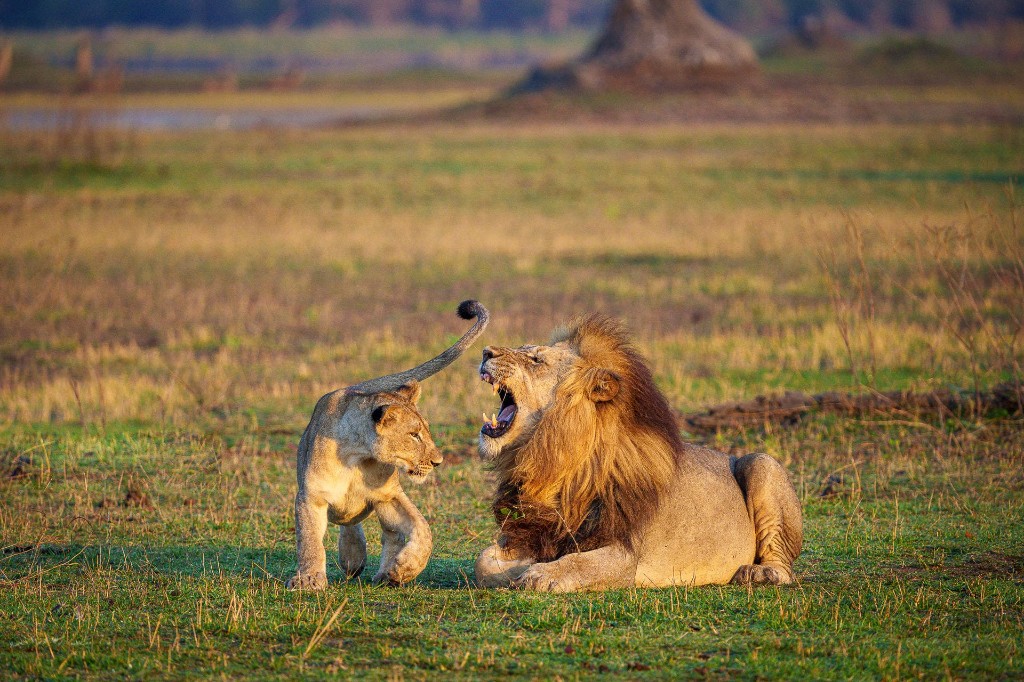
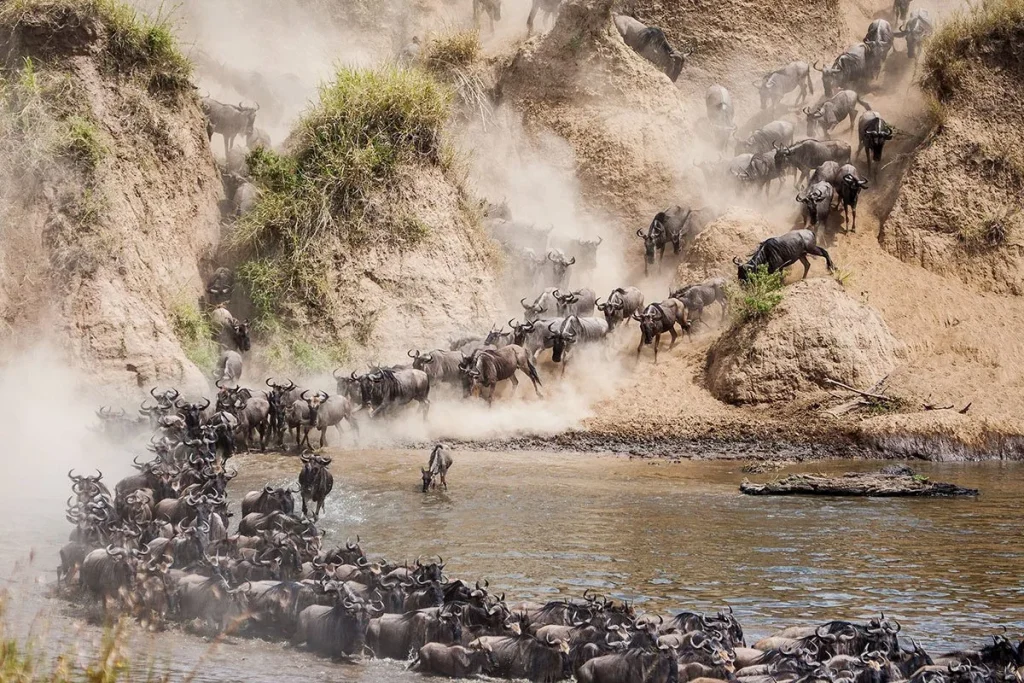
Fishing in Kenya offers an exciting alternative to the country’s traditional wildlife safaris. While Kenya is internationally famous for lions, elephants, the Masai Mara and the Great Wildebeest Migration, its Indian Ocean coastline, freshwater lakes and rivers provide opportunities for recreational angling.
From offshore fishing excursions near Watamu and Malindi to freshwater experiences around Lake Victoria, Kenya has a varied fishing environment. Different locations attract different travellers, including experienced sport anglers, families seeking a short coastal excursion and visitors who want to combine fishing with a wildlife safari.
The Indian Ocean is particularly important for recreational fishing. Kenya’s coastline supports marine species such as sailfish, tuna, dorado and several billfish species, although availability depends on season, location and fishing conditions. Inland, freshwater fishing is associated with lakes and rivers that support species such as Nile perch and tilapia.
However, fishing in Kenya is not unrestricted. Protected areas, licensing requirements, conservation rules and local fishing regulations must be respected. Some locations permit only specific activities, while others prohibit recreational fishing entirely.
This guide explains the main fishing destinations in Kenya, the types of fishing available, suitable seasons, equipment considerations and how to incorporate a fishing excursion into a wider safari holiday.

Why Choose Kenya for a Fishing Holiday?
Kenya’s greatest advantage is the opportunity to combine fishing with other travel experiences. A visitor can enjoy several days of wildlife viewing in the Masai Mara or Tsavo before travelling to the Indian Ocean for a coastal holiday. Fishing can be included as a half-day activity, a full-day excursion or the main focus of a longer trip.
The Kenyan coast also offers a broad range of accommodation, from small boutique hotels to established beachfront resorts, which makes fishing accessible to travellers who do not want a specialist angling holiday. For example, a family staying in Diani may arrange a short boat excursion while other family members enjoy the beach, while an experienced angler may prefer a dedicated offshore charter from Watamu or Malindi. The best choice depends on fishing experience, target species, sea conditions and available time.
Types of Fishing Available in Kenya
Deep-Sea Fishing
Deep-sea fishing in Kenya is one of the country’s best-known recreational angling activities. It involves travelling offshore into deeper Indian Ocean waters in search of large pelagic fish. Depending on the location and season, anglers may target sailfish, tuna, dorado and other offshore species from specialist boats equipped with fishing gear, navigation equipment and safety facilities. Deep-sea fishing is particularly associated with Watamu, Malindi and other established coastal centres.
Inshore Fishing
Inshore fishing takes place closer to the coastline and may involve reefs, channels and other suitable marine habitats. Target species vary according to the location and permitted fishing methods, and inshore trips can be attractive to travellers who prefer shorter excursions. However, sea conditions and conservation restrictions must still be considered.
Freshwater Fishing
Freshwater fishing in Kenya is associated with lakes, rivers and other inland waters. Lake Victoria is particularly important because of its large freshwater fish populations and established fishing communities. Other freshwater environments may offer recreational opportunities where legally permitted.
Catch-and-Release Fishing
Catch-and-release fishing is an important approach in responsible sport fishing. The aim is to return fish to the water while minimising injury and stress, although successful release depends on proper handling, suitable tackle and the condition of the fish, and not every fish survives release. Responsible operators should follow current conservation guidance and local regulations.
Best Places for Fishing in Kenya
1. Watamu – Deep-Sea Fishing and Sport Angling
Watamu is one of Kenya’s most established coastal fishing destinations. Located north of Mombasa, Watamu is known for its beaches, marine environments and access to offshore fishing grounds, and the area has a long association with recreational sport fishing.
What Can You Catch in Watamu?
Depending on season and conditions, offshore waters may support sailfish, tuna, dorado and other pelagic species. Billfish are among the most sought-after targets for experienced anglers. However, the presence of a species in regional waters does not guarantee a catch; fishing success depends on ocean conditions, bait availability, fish movements and the skill of the crew.
Fishing Charters in Watamu
Specialist charter operators provide boats for half-day, full-day and longer excursions. A full-day trip generally offers more time to reach offshore grounds and search for fish. Travellers should confirm the boat’s equipment, passenger capacity, safety arrangements and fishing policy before booking.
Combining Watamu Fishing with a Safari
Watamu can be combined with Tsavo East National Park. A short wildlife safari followed by several days on the coast creates a varied holiday, and travellers can also include marine activities and beach relaxation.
2. Malindi – Historic Sport Fishing Destination
Malindi is another important fishing destination on Kenya’s northern coast. The town has a long history of offshore sport fishing and access to productive Indian Ocean waters. Its fishing industry includes specialist charter operators serving both experienced anglers and visitors trying offshore fishing for the first time.
Popular Fishing Experiences
Malindi charters may target sailfish, tuna, dorado and other offshore species according to season. Some operators offer trolling, while others use different techniques depending on the target species, and the best method depends on local conditions and the operator’s expertise.
Why Choose Malindi?
Malindi is particularly attractive for travellers who want a fishing-focused coastal holiday. It also provides access to nearby Watamu and other coastal attractions, and accommodation options range from conventional hotels to smaller guesthouses.
Important Conservation Considerations
Fishing activities must respect marine protected areas and applicable regulations. Visitors should not assume that fishing is permitted inside marine parks, and a reputable charter operator should understand the boundaries and restrictions affecting the intended fishing grounds.
3. Diani Beach – Fishing and Coastal Holidays
Diani Beach is one of Kenya’s most popular beach destinations. Located south of Mombasa, it offers a combination of white-sand beaches, resorts and access to coastal excursions, and fishing can be arranged through suitable operators in the wider south-coast region.
Fishing Options in Diani
Depending on the operator, visitors may be able to arrange offshore or inshore fishing excursions. The available techniques and target species depend on the season and fishing grounds, and travellers should confirm the departure point because some excursions may begin from locations outside the immediate resort area.
Diani Fishing for Beginners
A shorter charter can be suitable for travellers who want an introduction to fishing. However, beginners should discuss sea conditions and the likelihood of seasickness before departure, because the Indian Ocean can be rough during certain periods and a half-day trip may be preferable for guests who are uncertain about spending several hours offshore.
Combining Diani with Tsavo
A Tsavo safari and Diani Beach holiday is one of Kenya’s most practical wildlife-and-coast combinations. Travellers can spend two or three days exploring Tsavo East before continuing to Diani, where fishing can be arranged as an optional activity during the beach stay.
4. Mombasa – Coastal Fishing Excursions
Mombasa is Kenya’s principal coastal city and an important transport hub. The wider Mombasa region provides access to different marine environments and fishing operators, and visitors should choose their departure point according to the type of fishing they want. Some excursions may require travelling to nearby coastal areas.
Who Should Fish from Mombasa?
Mombasa can be convenient for travellers with limited time on the coast and is useful for visitors arriving through Moi International Airport. However, dedicated anglers may prefer to base themselves in established sport-fishing centres such as Watamu or Malindi.
5. Lake Victoria – Freshwater Fishing in Western Kenya
Lake Victoria is Africa’s largest lake by surface area and one of the world’s most important freshwater ecosystems. Kenya shares the lake with Uganda and Tanzania, and the Kenyan shoreline includes fishing communities and towns such as Kisumu.
Fish Species in Lake Victoria
Lake Victoria supports Nile perch, tilapia and other freshwater fish species. Nile perch is particularly well known because of its size and economic importance, although fish populations and fishing regulations have changed considerably over time. Visitors should not assume that recreational fishing is permitted everywhere.
Guided Fishing Experiences
A fishing excursion should be arranged with an authorised local operator familiar with the lake. Safety is especially important because Lake Victoria can experience sudden weather changes and strong winds, and boats should have suitable life jackets, communications equipment and experienced crews.
Cultural Interest
Lake Victoria is also important for understanding fishing communities and local livelihoods. Travellers may learn about fishing traditions, markets and the economic role of the lake, and such experiences should be arranged respectfully and with appropriate community participation.
6. Lake Naivasha – A Freshwater Lake Experience
Lake Naivasha is a freshwater lake in Kenya’s Rift Valley. It is particularly well known for boat excursions, hippos and birdlife. The lake has a history of fishing, although current recreational opportunities depend on applicable regulations and management conditions.
Can Tourists Fish in Lake Naivasha?
Visitors should confirm current fishing permissions before planning an angling excursion. Fishing may be subject to licensing, conservation restrictions and other controls, and Lake Naivasha should not be promoted as an unrestricted fishing destination.
Alternative Activities
Even when fishing is not practical, the lake provides excellent opportunities for birdwatching and boat excursions and can be included in a wider Rift Valley safari.
7. Rivers and Other Inland Fishing Areas
Kenya has numerous rivers and inland water bodies, but recreational fishing access varies. Some waters are protected, while others are managed for commercial fishing, conservation or local community use. Visitors should never assume that a river or lake is open to recreational angling, and specialist local advice is essential. Where fishing is legally permitted, suitable techniques and equipment depend on the habitat and target species.
Deep-Sea Fishing Species in Kenya
Sailfish
Sailfish are among the most famous targets for offshore anglers. They are known for their distinctive dorsal fin and powerful swimming ability, and Kenya’s coastal waters have a long association with sailfish fishing.
Tuna
Several tuna species occur in the wider western Indian Ocean. They are powerful fish and popular targets for sport anglers, although species and seasonal availability vary.
Dorado
Dorado, also known as mahi-mahi, is a colourful pelagic fish associated with warm ocean waters. It is popular among recreational anglers because of its speed and fighting ability.
Marlin
Marlin are among the most prestigious targets in offshore sport fishing. However, catching one requires suitable conditions, equipment and considerable patience, and responsible handling and conservation practices are particularly important.
Other Offshore Species
Depending on location and fishing method, anglers may encounter additional pelagic species. A knowledgeable charter crew can explain what is realistically available during the intended travel period.
Best Time for Deep-Sea Fishing in Kenya
Fishing conditions vary throughout the year. Different species may be more common during particular periods, and ocean conditions can influence boat operations.
January to March
These months can provide attractive opportunities for offshore fishing in suitable conditions when warm weather and seasonal fish movements may support productive excursions.
April to May
Rainfall and changing sea conditions can affect fishing schedules, and some operators may adjust their activities.
June to September
The southeast monsoon period can bring stronger winds and rougher seas, which may make offshore fishing less comfortable or restrict certain departures.
October to December
Conditions may become more favourable for some fishing activities depending on local weather patterns. Travellers should obtain current advice from the charter operator because the best fishing month depends on the target species and the specific coastal location.
Understanding Kenya’s Monsoon Seasons
The Indian Ocean coastline is influenced by seasonal monsoon winds. The northeast monsoon, commonly associated with the Kaskazi, generally brings different wind and sea conditions from the southeast monsoon, known as the Kusi. These seasonal patterns affect boating, fishing and other marine activities.
However, local conditions can change rapidly. Even during a generally favourable period, a particular day may be unsuitable for offshore fishing, and safety decisions should always be made by qualified operators.
Half-Day Versus Full-Day Fishing Charters
Half-Day Fishing
A half-day excursion is suitable for travellers who want to try fishing without dedicating an entire day. It can be particularly attractive for families and beginners, although shorter trips may limit the distance that can be travelled offshore.
Full-Day Fishing
A full-day charter provides more time to search for fish and explore suitable fishing grounds. It is generally more attractive to experienced anglers, and guests should prepare for several hours on the boat.
Multi-Day Fishing
Dedicated anglers may arrange several days of fishing. This provides flexibility when weather conditions change and allows time to target different species.
What Is Included in a Fishing Charter?
A typical Kenya fishing charter may include a boat, captain, crew and fishing equipment. Some operators provide bait, refreshments and basic instruction, although inclusions vary considerably.
Travellers should confirm whether the quoted price includes fuel, fishing licences, equipment, food, drinks and transfers. They should also ask about conservation policies and whether catch-and-release practices are followed.
Fishing Equipment for Beginners
Beginners do not necessarily need to bring their own equipment. Many established charter operators provide rods, reels and suitable tackle, although equipment availability should be confirmed before booking.
- Wear comfortable clothing, a hat and non-slip footwear.
- Sunglasses and sunscreen are essential.
- A waterproof bag can protect personal belongings.
Fishing Equipment for Experienced Anglers
Experienced anglers may prefer to bring specialised equipment, although international airline baggage restrictions should be considered. Fishing rods may require special packaging or advance approval, and sharp tackle and certain equipment must be packed according to airline rules.
Travellers should discuss their target species and preferred techniques with the charter operator before departure. This helps avoid carrying unnecessary equipment.
Fishing Safety in Kenya
Safety should be the first consideration when booking a fishing excursion. Choose an operator with a suitable boat and experienced crew, and confirm that life jackets are available for every passenger and that the vessel has appropriate communications and navigation equipment.
- Weather conditions must be assessed before departure.
- Guests should never pressure a captain to leave port when conditions are unsafe.
- Travellers prone to seasickness should seek appropriate medical advice before the trip.
Responsible Fishing and Marine Conservation
Responsible fishing is essential for protecting Kenya’s marine and freshwater ecosystems. Anglers should respect minimum sizes, protected species and fishing restrictions, and fishing inside marine protected areas may be prohibited or tightly regulated.
- Carry out catch-and-release practices carefully.
- Do not handle unwanted fish unnecessarily.
- Discard fishing lines and hooks responsibly; they can harm marine wildlife.
- Choose operators who demonstrate responsible environmental practices.
Fishing Licences and Legal Requirements
Fishing regulations depend on the location, fishing method and type of activity. Marine recreational fishing and inland fishing may be subject to different requirements, and certain protected areas prohibit fishing.
Visitors should ask the operator to confirm the current legal requirements and should not assume that a charter fee automatically covers every permit or licence. Regulations can change, so current official guidance should be checked before departure.
Can You Combine Fishing with a Kenya Safari?
Yes. A Kenya fishing safari can combine wildlife viewing with coastal or freshwater angling, and the most practical combinations depend on travel routes.
Masai Mara and Watamu
Travellers can enjoy several days in the Masai Mara before flying or travelling to the coast, where Watamu provides opportunities for offshore fishing and beach relaxation.
Amboseli, Tsavo and Diani Beach
This is an attractive route for travellers who want wildlife, scenery and a coastal extension. Fishing can be arranged during the Diani stay.
Lake Nakuru, Lake Naivasha and Lake Victoria
A longer western Kenya itinerary can combine Rift Valley wildlife with cultural and freshwater experiences, although fishing activities should be arranged only where legally permitted.
Suggested Seven-Day Kenya Safari and Fishing Holiday
Day 1: Arrival in Nairobi
Arrive at Jomo Kenyatta International Airport, meet your representative, transfer to your hotel and rest after the international flight.
Day 2: Nairobi to Tsavo East
Depart Nairobi after breakfast and travel towards Tsavo East National Park, enjoying wildlife viewing as you approach your lodge.
Day 3: Tsavo East Wildlife Safari
Spend the day exploring Tsavo East. Look for elephants, lions, buffaloes and other wildlife before returning to the lodge for dinner and overnight accommodation.
Day 4: Tsavo East to Diani Beach
Enjoy breakfast, travel towards the Kenyan coast, continue to Diani Beach, check in at your resort and spend the afternoon relaxing.
Day 5: Guided Fishing Excursion
Join a prearranged fishing charter. The duration and departure time depend on the selected operator and sea conditions, after which you return to the resort for relaxation.
Day 6: Diani Beach Leisure
Enjoy a free day beside the Indian Ocean. Optional activities may include swimming, spa treatments or a coastal excursion.
Day 7: Departure
After breakfast, transfer to the airport. The departure schedule should allow sufficient time for check-in and onward travel.
Fishing Holidays for Families
Fishing can be a rewarding family activity when arranged appropriately. However, offshore conditions may not be suitable for young children, and parents should consider trip duration, sea conditions and the availability of suitable safety equipment. A shorter excursion may be preferable for beginners.
Children should always wear appropriate life jackets and remain under adult supervision, and families should confirm any minimum age requirements before booking.
Fishing Holidays for Couples
Couples may enjoy a private fishing excursion as part of a coastal holiday. A shorter charter can provide a shared adventure without dominating the itinerary, and travellers can combine fishing with beach relaxation, dining and other marine activities. The experience can be particularly attractive after a wildlife safari.
Fishing for Serious Anglers
Experienced anglers may prefer a dedicated fishing itinerary that includes several days based in Watamu or Malindi. A multi-day programme allows greater flexibility for weather changes, and specialist operators can advise on target species, equipment and fishing techniques. Travellers should communicate their experience level and expectations before booking.
How Much Does Fishing in Kenya Cost?
Kenya fishing trip prices vary according to destination, boat type, charter duration and the number of participants. A private offshore charter generally costs more than a short shared excursion, and specialist equipment and longer offshore journeys may increase the price. Transport from the hotel can also affect the total cost, so travellers should request a complete quotation identifying all inclusions.
Choosing a Reliable Fishing Operator
A good fishing operator should provide clear information about the boat, crew and safety arrangements. The operator should understand local fishing regulations and protected-area boundaries, and equipment should be maintained properly.
- Ask about weather cancellation policies and refund arrangements.
- For specialised sport fishing, confirm experience with the intended target species.
- Request a written summary of what the charter fee includes.
Practical Tips for Your First Fishing Trip
Preparation helps you enjoy the day on the water even when conditions are challenging.
- Eat a light meal before departure if appropriate.
- Bring drinking water and sun protection.
- Wear non-slip footwear.
- Protect cameras and phones from saltwater.
- Listen carefully to the crew’s safety instructions.
- Avoid standing in unsafe positions when the boat is moving.
- Be realistic about fishing success; the trip can be enjoyable even when no large fish is caught.
Frequently Asked Questions About Fishing in Kenya
Where is the best place for deep-sea fishing in Kenya?
Watamu and Malindi are among Kenya’s most established offshore sport-fishing destinations.
Can I go fishing in Diani Beach?
Yes, suitable fishing excursions may be arranged through operators in the wider Diani and south-coast region.
What fish can I catch in Kenya?
Depending on location and season, offshore species may include sailfish, tuna, dorado and marlin. Freshwater species include Nile perch and tilapia.
Is fishing suitable for beginners?
Yes. Beginners can arrange guided excursions with suitable equipment and instruction.
Can I fish in Kenya’s national parks?
Fishing is prohibited or restricted in many protected areas. Always confirm current regulations before planning an activity.
Is catch-and-release fishing available?
Some sport-fishing operators practise catch and release. Their specific conservation policies should be confirmed.
Can I combine fishing with a wildlife safari?
Yes. Tsavo and Diani, or the Masai Mara and Watamu, are examples of possible combinations.
Do I need to bring fishing equipment?
Not necessarily. Many charter operators provide equipment, but this should be confirmed.
What is the best time for fishing in Kenya?
The ideal period depends on location, target species and ocean conditions. Local operators can provide current seasonal advice.
Book a Kenya Fishing and Safari Holiday with Safari Trips to Kenya
Fishing in Kenya provides an exciting way to explore the country’s coastal and freshwater environments while enjoying a different kind of outdoor adventure. Whether you want a half-day fishing excursion during a Diani Beach holiday, a dedicated offshore charter near Watamu or a longer itinerary combining wildlife viewing and fishing, careful planning is essential.
At Safari Trips to Kenya, we can help incorporate suitable fishing activities into customised Kenya safari and beach packages, subject to local operator availability and applicable regulations. Contact our team with your travel dates, preferred fishing destination, number of guests and level of experience to plan a personalised Kenya fishing and safari holiday.