
A boat safari in Kenya offers a different perspective on the country’s wildlife. Instead of watching animals from a safari vehicle, visitors travel across suitable lakes or waterways, observing birds, aquatic habitats and shoreline wildlife from the water.
Kenya is best known for land-based safaris in destinations such as the Masai Mara, Amboseli and Tsavo. However, its freshwater lakes and coastal environments provide opportunities for additional experiences that can complement a traditional wildlife itinerary.
Among the best-known locations for Kenya Boat Safaris are Lake Naivasha and Lake Baringo, where guided excursions can introduce travellers to fish eagles, kingfishers, pelicans, herons and other waterbirds.
The Indian Ocean coast offers a different type of boat experience, including marine excursions and sightseeing activities in suitable locations.
These experiences should not all be treated as identical. A freshwater birdwatching excursion has different wildlife, safety considerations and operating conditions from a coastal marine trip.
At Safari Trips to Kenya, boat excursions can be incorporated into suitable itineraries according to the destination, available activities and prevailing conditions.
What Is a Boat Safari?
A boat safari is a guided wildlife or nature excursion conducted from a boat.
The activity allows visitors to observe aquatic habitats and shoreline environments that may be difficult to appreciate from land.
Depending on the location, a boat safari may focus on birds, hippos, scenery, aquatic vegetation or other wildlife.
Some excursions are designed primarily for general sightseeing, while others concentrate on specialist birdwatching or photography.
The type of boat, route, duration and guiding arrangements vary by destination.
A boat safari is not necessarily a substitute for a conventional game drive. It is usually a complementary activity that reveals different aspects of the ecosystem.
For example, a game drive may provide opportunities to observe elephants and giraffes, while a boat excursion may focus on fish eagles, kingfishers and wetland habitats.
Best Places for Boat Safaris in Kenya
Lake Naivasha Boat Safaris
Lake Naivasha is one of Kenya’s most accessible destinations for freshwater boat excursions.
Located in the Great Rift Valley northwest of Nairobi, the lake supports numerous waterbirds and other wildlife.
A Lake Naivasha Boat Safari may provide opportunities to observe African fish eagles, pied kingfishers, cormorants, pelicans, herons and other aquatic species.
The lake is also known for its hippo population.
However, hippos are dangerous wild animals and must be observed from appropriate distances.
Boat operators should follow safe routes and avoid approaching wildlife too closely.
Lake Naivasha is particularly suitable for travellers who want to combine a boat excursion with birdwatching, nature walks or nearby attractions.
Lake Baringo Boat Safaris
Lake Baringo is another important freshwater destination in Kenya’s Rift Valley.
The lake and surrounding dry-country habitats support a diverse bird community.
Boat excursions may provide opportunities to observe waterbirds and appreciate the relationship between the lake and surrounding landscapes.
Lake Baringo is particularly attractive to dedicated birdwatchers because of the variety of species associated with its freshwater and semi-arid habitats.
Local guides can help identify birds and explain their behaviour.
However, boat excursions depend on current water levels, weather conditions and local operating arrangements.
Visitors should use reputable operators and confirm safety procedures before departure.
Coastal Boat Excursions
Kenya’s Indian Ocean coast offers marine excursions in destinations such as Watamu, Mombasa and the Diani region.
These activities differ from freshwater wildlife boat safaris.
Depending on the location and operator, visitors may enjoy marine sightseeing, snorkelling excursions or other suitable water-based experiences.
Marine wildlife sightings depend on natural conditions and cannot be guaranteed.
Travellers should choose operators who follow marine conservation regulations and appropriate safety procedures.
Coastal boat activities can be incorporated into a Kenya Safari and Beach Holiday after visiting inland wildlife parks.
Lake Naivasha: Kenya’s Best-Known Freshwater Boat Safari
Lake Naivasha is particularly popular because of its accessibility and varied wildlife.
The lake’s freshwater environment supports fish populations that provide food for numerous birds.
African fish eagles are among the most recognisable species.
Their distinctive calls may be heard around the shoreline, while pied kingfishers can sometimes be observed hovering above the water.
Cormorants and darters pursue fish underwater.
Herons and egrets search shallow areas for prey.
Pelicans may be encountered in suitable habitats.
A boat excursion allows visitors to observe these birds from a different perspective.
However, the experience depends on the route, time of day, weather and wildlife activity.
What Happens During a Lake Naivasha Boat Safari?
Visitors normally meet their boat operator at an agreed departure point.
After receiving safety instructions and suitable equipment, the excursion begins.
The guide may explore accessible shoreline areas and open water according to current conditions.
Birds and other wildlife are observed from appropriate distances.
The guide may explain species identification, feeding behaviour and the lake’s ecology.
The excursion ends at the agreed landing point.
Specific arrangements vary by operator and should be confirmed when booking.
How Long Does a Lake Naivasha Boat Safari Take?
Excursion duration depends on the selected package.
Shorter trips can provide an introduction to the lake.
Longer excursions may allow more time for birdwatching and photography.
Dedicated birdwatchers should discuss their interests before departure.
A specialist excursion may be organised differently from a general sightseeing trip.
Wildlife You May See on a Kenya Boat Safari
African Fish Eagles
The African Fish Eagle is one of the most iconic birds associated with East African lakes.
It has a white head and chest, dark body plumage and a powerful bill.
Fish eagles may be observed perched near water or hunting.
Their calls are among the characteristic sounds of freshwater environments.
Kingfishers
Kingfishers are particularly interesting because of their specialised hunting behaviour.
The Pied Kingfisher may hover above water before diving towards fish.
The Malachite Kingfisher is smaller and associated with suitable shoreline vegetation.
Other kingfisher species may occur depending on the destination.
Pelicans
Pelicans are large waterbirds with distinctive bills and throat pouches.
They may be observed swimming, feeding or flying.
Their size makes them impressive photographic subjects.
Herons and Egrets
Herons and egrets search shallow water for fish and other prey.
Different species use different hunting techniques.
Some remain motionless before striking, while others move actively through the water.
Cormorants and Darters
Cormorants and darters are specialised diving birds.
They may be observed swimming, feeding or resting on exposed branches.
Hippos
Hippos occur in suitable freshwater habitats, including Lake Naivasha.
They are powerful and potentially dangerous animals.
Visitors should never encourage a boat operator to approach them closely.
Safe observation distances and local guidance are essential.
Birdwatching Boat Safaris in Kenya
Birdwatching Boat Safaris are particularly rewarding because many aquatic birds are difficult to observe closely from land.
A boat can provide suitable views of shoreline habitats and open water.
However, successful birdwatching requires patience and responsible behaviour.
Birds should not be pursued or disturbed.
A specialist guide can help identify species by appearance, calls and feeding behaviour.
Birdwatchers should bring binoculars and, if possible, a field guide.
A waterproof bag is useful for protecting equipment.
The best excursion may involve spending time quietly observing a productive area rather than travelling quickly across the lake.
Boat Safari Photography
Boat Safari Photography presents different challenges from vehicle-based wildlife photography.
The boat may move with waves or wind, making it difficult to hold a camera steady.
Photographers should use suitable shutter speeds and secure their equipment.
A telephoto lens can help capture birds without approaching too closely.
However, very long lenses may be difficult to manage on a moving boat.
Early morning often provides softer light and potentially calmer conditions.
Reflections can create attractive compositions, particularly when the water surface is relatively still.
Photographers should avoid standing or leaning dangerously to obtain a better angle.
Safety must always take priority over photography.
Best Time for Boat Safaris in Kenya
The best time depends on the destination and activity.
Freshwater boat excursions may operate during different seasons, subject to local conditions.
Early morning is often attractive for birdwatching because many birds are active and the light may be softer.
However, weather conditions can change quickly.
Wind and rain may make an excursion uncomfortable or unsafe.
For coastal boat activities, sea conditions, tides and seasonal weather are particularly important.
Travellers should confirm the suitability of the planned activity with a reputable local operator.
No operator should guarantee that an excursion will proceed regardless of weather.
Are Boat Safaris Safe in Kenya?
Boat safaris can be enjoyable when conducted by responsible operators using appropriate equipment and procedures.
However, water-based activities involve risks.
Visitors should use reputable operators and follow all safety instructions.
Suitable life jackets should be provided and worn as directed.
Boats should not be overloaded.
Operators should monitor weather and water conditions.
Visitors should avoid sudden movements that could affect stability.
Wildlife must be observed from safe distances.
Hippos and crocodiles are particularly important safety considerations in suitable freshwater habitats.
Children should be supervised throughout the activity.
Travellers with mobility limitations should discuss boarding arrangements and accessibility before booking.
Boat Safaris for Families
A boat excursion can be an enjoyable activity for families interested in wildlife and nature.
However, suitability depends on children’s ages, the type of boat and local conditions.
Parents should confirm whether suitable child-sized life jackets are available.
Children should remain seated as instructed and must be supervised.
Shorter excursions may be more suitable for younger travellers.
Families should also consider sun exposure, hydration and the availability of shade.
A private excursion may provide additional flexibility, although it may involve a higher cost.
Private Versus Shared Boat Safaris
A Private Boat Safari in Kenya can be particularly useful for travellers with specific interests.
Birdwatchers may want to spend more time observing particular habitats.
Photographers may prefer flexibility over stopping and positioning.
Families may appreciate a quieter experience.
Shared excursions can be more economical for individual travellers.
However, they usually follow a more fixed route and schedule.
The best choice depends on budget, group size and the purpose of the excursion.
Travellers should confirm whether the quoted price is for a private boat or a shared place.
Combining Boat Safaris with Wildlife Game Drives
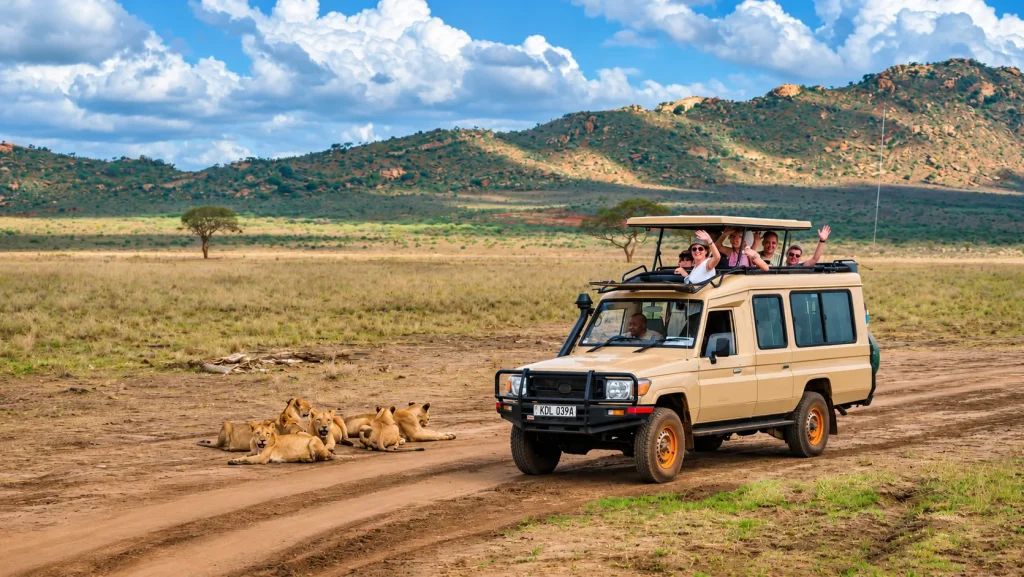
Boat excursions are particularly useful as additions to conventional safari itineraries.
For example, a traveller visiting Lake Naivasha may combine a boat excursion with a nature walk or a visit to nearby attractions.
A Rift Valley itinerary can include Lake Naivasha and Lake Nakuru National Park.
Longer journeys may continue to the Masai Mara.
Travellers visiting the coast after a wildlife safari may choose a suitable marine excursion.
The important consideration is whether the activity fits naturally into the route.
Adding a boat excursion should not create unnecessary travel or leave insufficient time for the main safari experience.
Suggested Two-Day Lake Naivasha Boat Safari Itinerary
Day 1: Nairobi to Lake Naivasha
Depart Nairobi in the morning and travel towards Lake Naivasha.
The journey commonly takes approximately two to three hours, depending on traffic and the exact destination.
Arrive at your accommodation and enjoy lunch or a suitable break.
In the afternoon, take a guided boat excursion if conditions permit.
Observe waterbirds, shoreline habitats and other wildlife from appropriate distances.
Return to your accommodation for dinner and overnight.
Day 2: Nature Excursion and Departure
Begin the morning with a suitable nature or birdwatching activity.
Depending on the itinerary, a visit to Crescent Island or another nearby attraction may be arranged.
After breakfast or lunch, depart towards Nairobi or continue to another safari destination.
Travellers with more time may extend their itinerary to Lake Nakuru National Park.
Accommodation for Kenya Boat Safaris
Accommodation depends on the destination and the wider itinerary.
Around Lake Naivasha, travellers can choose from various hotels, lodges and camps.
Location matters because boat departure points may be some distance from the accommodation.
At Safari Trips to Kenya, accommodation can be arranged across four broad categories.
Essential focuses on practical, comfortable accommodation.
Comfort provides additional amenities while maintaining good value.
Premium offers enhanced facilities and carefully selected locations.
Signature is suitable for travellers seeking distinctive, high-end accommodation.
The best property depends on budget, preferred comfort and access to planned activities.
What Does a Boat Safari Cost?
The cost of a boat safari depends on the destination, duration, operator and whether the excursion is private or shared.
Longer specialist birdwatching excursions may cost more than shorter general sightseeing trips.
Transport to the departure point may be charged separately.
Entrance fees may apply to particular attractions or protected areas.
Travellers should confirm whether the quotation includes guiding, safety equipment, transfers and any applicable access charges.
Because rates can change, it is better to request a current itemised quotation than rely on an outdated published price.
What to Pack for a Boat Safari
Bring sun protection, including a hat and sunscreen.
A lightweight jacket may be useful during cooler mornings.
Carry drinking water.
Binoculars are recommended for birdwatching.
A camera with a suitable lens can be useful for wildlife photography.
A waterproof bag helps protect electronics and valuables.
Comfortable clothing and secure footwear are recommended.
Avoid bringing unnecessary loose items that could fall into the water.
Follow the operator’s instructions regarding luggage and equipment.
Responsible Boat Safari Tourism
Responsible boat tourism helps protect aquatic habitats and wildlife.
Operators should avoid disturbing birds, nesting areas and other sensitive locations.
Wildlife should not be chased or surrounded.
Feeding wild birds or other animals is inappropriate because it can alter natural behaviour.
Visitors should not throw litter into lakes or the ocean.
Marine excursions should follow applicable conservation regulations.
Choosing responsible operators supports the long-term protection of the environments that make boat safaris possible.
Frequently Asked Questions About Boat Safaris in Kenya
Where can I take a boat safari in Kenya?
Lake Naivasha and Lake Baringo are well-known freshwater destinations. Kenya’s coast also offers various marine boat excursions.
Can I see hippos on a boat safari?
Hippos occur in suitable freshwater habitats, including Lake Naivasha. Sightings are not guaranteed, and safe distances must be maintained.
Are boat safaris suitable for birdwatching?
Yes. Boat excursions can provide opportunities to observe fish eagles, kingfishers, pelicans, herons and other waterbirds.
How long does a boat safari take?
Duration varies by operator and package. Travellers should confirm the planned excursion length before booking.
Are private boat safaris available?
Private arrangements may be available through suitable operators, subject to availability and local conditions.
Can children join a boat safari?
Children may be able to participate, depending on age, operator requirements and safety arrangements.
Can boat safaris be combined with game drives?
Yes. Boat excursions can complement conventional wildlife safaris, particularly on itineraries including Lake Naivasha.
Plan Your Kenya Boat Safari
Boat Safaris in Kenya provide an opportunity to explore the country’s freshwater and coastal environments from a different perspective.
Whether you want to observe African fish eagles on Lake Naivasha, explore the birdlife of Lake Baringo or include a suitable marine excursion in a beach holiday, careful planning helps ensure an enjoyable experience.
Safari Trips to Kenya can incorporate boat activities into a private wildlife safari, a birdwatching itinerary or a longer Kenya safari and beach holiday.
Contact our team with your preferred dates, number of travellers and activities of interest to request a personalised proposal.