
13 DAYS / 12 NIGHTS
13 Days Family Kenya Safari
Plan a 13-day Kenya family safari with child-friendly lodges, private game drives, elephants in Amboseli, rhinos in Nakuru and extended Masai Mara wildlife viewing.
- Wildlife Safari Private Journey
- Private Safari 4x4 Vehicle
- Expert Guide English Speaking
- All Meals Breakfast, Lunch, Dinner
- 24/7 Support We're here to help
01 Overview
Safari Overview
- Duration 13 days / 12 nights
- Destination Kenya
- Starts / ends Nairobi
- Safari style Private safari
- Accommodation Essential · Comfort · Premium · Signature
- Best for Wildlife viewing, photography
13 Days Family Kenya Safari
The 13 Days Family Kenya Safari is a carefully paced Kenya wildlife adventure created for parents, children and multi-generational families who want to experience Africa together without turning the holiday into a tiring sequence of long transfers and rushed game drives. Over thirteen days, the itinerary can combine some of Kenya’s most rewarding and family-friendly safari areas, including Amboseli National Park, Lake Naivasha, Lake Nakuru National Park and the world-famous Masai Mara National Reserve. Each destination adds something different to the family experience.
Amboseli introduces children to some of Africa’s most recognizable wildlife, particularly large elephant herds on the open plains, with Mount Kilimanjaro behind them when the weather is clear. Lake Naivasha gives the family a break from traditional vehicle-based safaris with opportunities for a boat trip, birdwatching and optional walking experiences. Lake Nakuru strengthens the safari’s rhino-viewing opportunities and offers varied wildlife within a relatively compact national park. Masai Mara provides the grand finale, with opportunities to look for lions, cheetahs, giraffes, elephants, zebras, wildebeest and many other animals across the classic East African savannah.
The safari can be operated using a private family safari vehicle, allowing parents to control the daily pace instead of following the fixed timetable of an unrelated group. This flexibility can make an enormous difference when traveling with children. If the children become tired after a long morning game drive, the family can return to the lodge. If everyone is excited by a lion sighting, the guide can remain longer. If younger children need a bathroom break or time at the swimming pool, the day can be adjusted accordingly.
The 13 Days Family Kenya Safari can also be tailored according to the ages of the children. A safari designed for teenagers can include longer game drives, active excursions and more intensive wildlife observation. A safari for younger children should generally include shorter game drives, more swimming-pool time, convenient accommodation and fewer exhausting transfer days. Multi-generational families can use a combination of family suites, adjoining rooms and private vehicles to ensure everyone remains comfortable. The itinerary below is therefore designed as a detailed family-friendly framework rather than a rigid schedule that every family must follow.
13 Days Family Kenya Safari at a Glance
- Duration: 13 days / 12 nights
- Country: Kenya
- Safari style: Private family safari
- Starting point: Nairobi
- Ending point: Nairobi
- Suggested destinations: Amboseli, Lake Naivasha, Lake Nakuru and Masai Mara
- Transport: Private safari vehicle with professional driver-guide
- Accommodation: Family-friendly budget, mid-range or luxury lodges and camps
- Main experiences: Wildlife viewing, game drives, elephants, rhinos, predators, lake activities and family relaxation
- Suitable for: Families with children, teenagers, grandparents and multi-generational groups
- Optional extensions: Diani Beach, Watamu, Mombasa or Zanzibar
Why Choose a 13-Day Kenya Family Safari?
Thirteen days works particularly well for family safari travel because it provides enough time to see several wildlife areas without compressing the entire trip into a demanding schedule. A short safari often requires families to move every day or every second day, which can become tiring, particularly for children. A thirteen-day journey allows for:
- Multiple nights in major destinations
- Rest periods between game drives
- Swimming-pool time
- Shorter daily activities when required
- More flexible departure times
- Fewer rushed pack-and-leave mornings
- A mixture of vehicle safaris and alternative activities
- Better opportunities to see wildlife naturally over several days
Children may initially be extremely excited by seeing zebras, giraffes and elephants. After several consecutive hours in a vehicle, however, concentration can decrease. A successful family safari therefore balances wildlife viewing with comfort, variety and downtime. This itinerary is designed with that balance in mind.
What Makes a Safari Family-Friendly?
A successful family safari involves much more than selecting a lodge that accepts children. Several components need to work together.
A Private Safari Vehicle
Private transportation is one of the most important advantages for families. You control the schedule and are not required to remain on a game drive simply because other passengers want to continue. Parents can decide:
- When to begin
- When to return
- When to stop
- How long to remain at a sighting
- When children need food
- When someone needs a bathroom break
- When a swimming-pool afternoon is more valuable than another long drive
Appropriate Driving Distances
Children generally tolerate long transfers less comfortably than adults. A family itinerary should therefore avoid adding destinations simply to make the itinerary look more impressive, because the goal is not to visit the maximum number of parks but to create the best family experience.
Lodges with Family Facilities
When available, family-friendly properties may offer the following, depending on the lodge:
- Family rooms
- Two-bedroom units
- Interconnecting rooms
- Extra beds
- Swimming pools
- Gardens
- Child-friendly meals
- Early dinner arrangements
- Babysitting at selected properties
- Educational activities
- Flexible meal times
Flexible Game Drives
Adults may happily spend six hours waiting for a leopard to emerge from a bush. A seven-year-old may not. Family safaris therefore work best when game drives can be shortened or divided into morning and afternoon sessions.
Itinerary
- Day 1: Arrival in Nairobi, welcome to Kenya
- Day 2: Nairobi to Amboseli
- Day 3: Amboseli Family Safari, elephants and Kilimanjaro
- Day 4: Second Full Day in Amboseli, relaxed Family Wildlife Day
- Day 5: Amboseli to Lake Naivasha, great Rift Valley
- Day 6: Lake Naivasha Family Adventure
- Day 7: Lake Naivasha to Lake Nakuru
- Day 8: Lake Nakuru Family Wildlife Safari
- Day 9: Lake Nakuru to Masai Mara
- Day 10: Masai Mara Family Safari
- Day 11: Masai Mara, big Cats and Family Wildlife Exploration
- Day 12: Masai Mara, final Full Safari Day
- Day 13: Masai Mara to Nairobi, end of Family Safari

02 Itinerary
13 Days Family Kenya Safari: Detailed Itinerary
-
Day 1: Arrival in Nairobi – Welcome to Kenya - Main destination
- Masai Mara National Reserve
- Drive time
- Road transfer as outlined in the itinerary
- Meals
- Lunch, Dinner
Your 13 Days Family Kenya Safari begins when your family arrives at Jomo Kenyatta International Airport in Nairobi. After completing immigration and collecting your luggage, meet our representative in the arrivals area. The family is transferred privately to a selected Nairobi hotel.
For families arriving after a long international flight, the first day should remain uncomplicated, as there is no benefit in forcing tired children directly into several hours of sightseeing. Check into your hotel and allow everyone to rest. Depending on the selected property, the family may enjoy:
- Swimming pool
- Garden
- Restaurant
- Family room
- Connecting rooms
- Comfortable lounge areas
If you arrive early and everyone still has energy, an optional light Nairobi activity can be arranged. One of the most family-friendly choices is the Giraffe Centre, where children can learn about giraffe conservation and see giraffes at close range. Other optional activities may include:
- Karen Blixen Museum for older children
- Nairobi National Museum
- Local shopping
- Short city tour
- Nairobi National Park
- Selected restaurants
You may also meet your safari driver-guide today, who can introduce the itinerary to the family and explain what to expect. Children can be encouraged to ask questions about:
- Animals
- Safari vehicles
- Parks
- Safety
- Binoculars
- Photography
- What they might see
This can increase excitement and help them feel involved in the adventure.
Accommodation: Family-friendly Nairobi hotel
Meal Plan: Bed and Breakfast or according to selected property
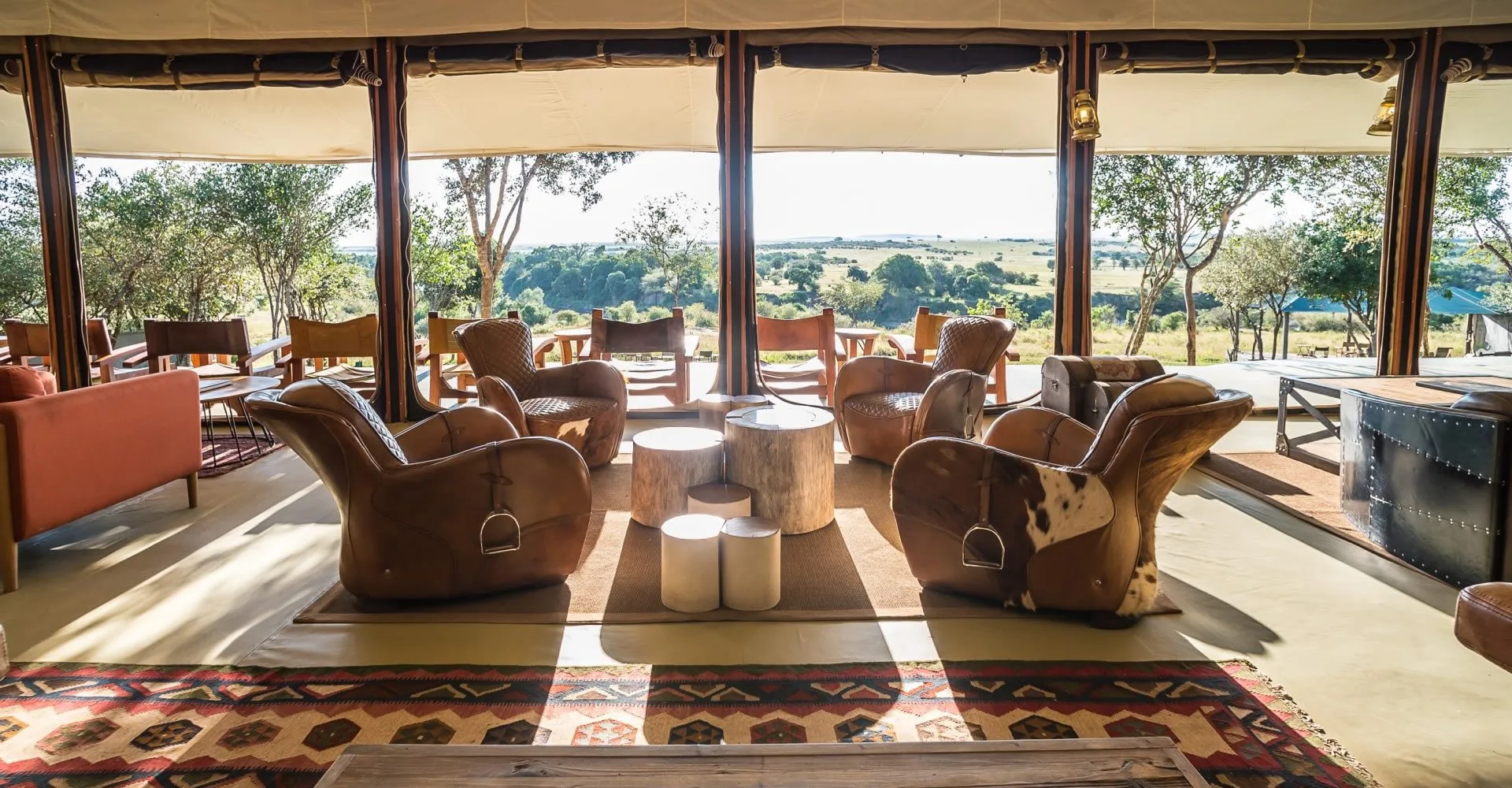
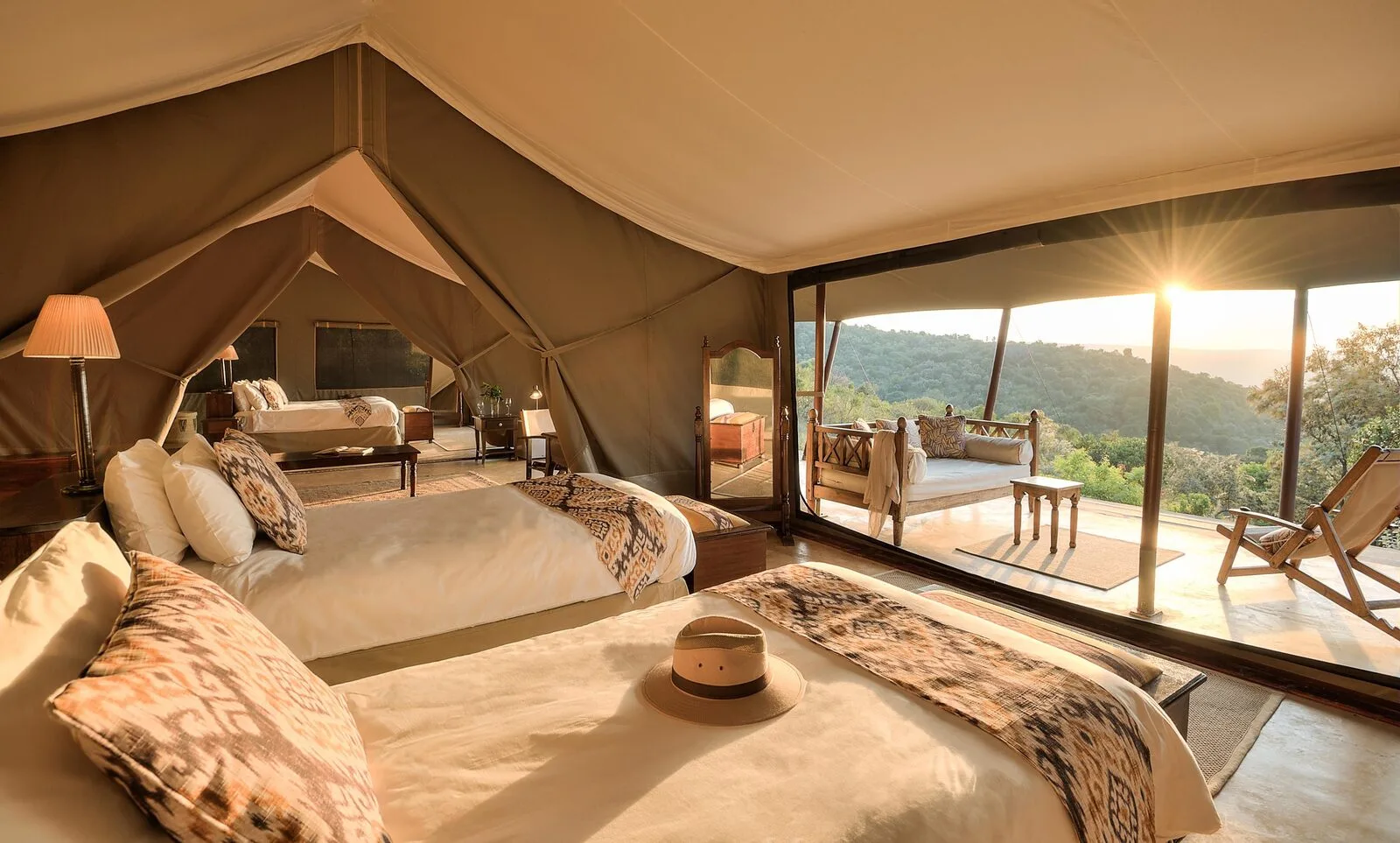
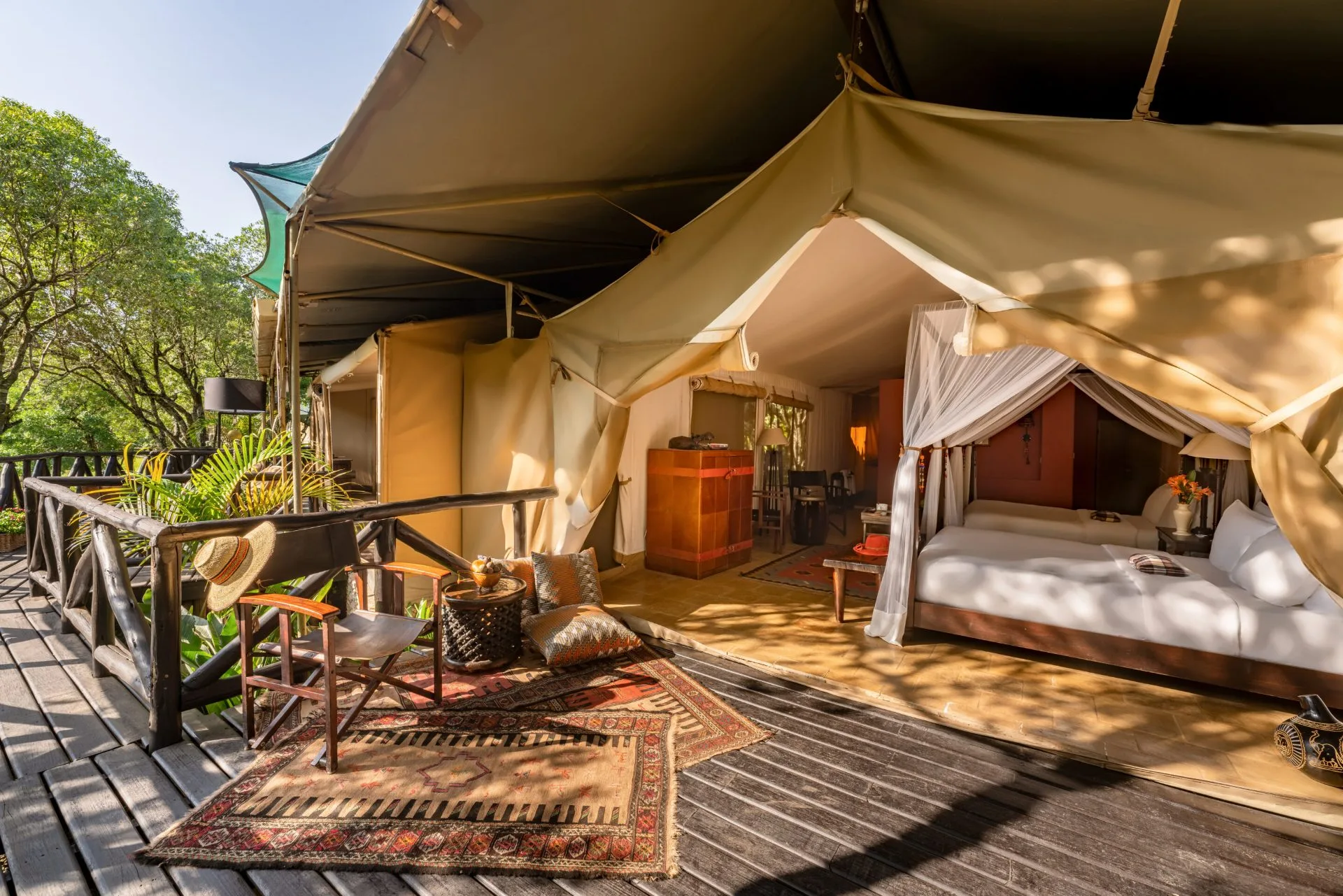
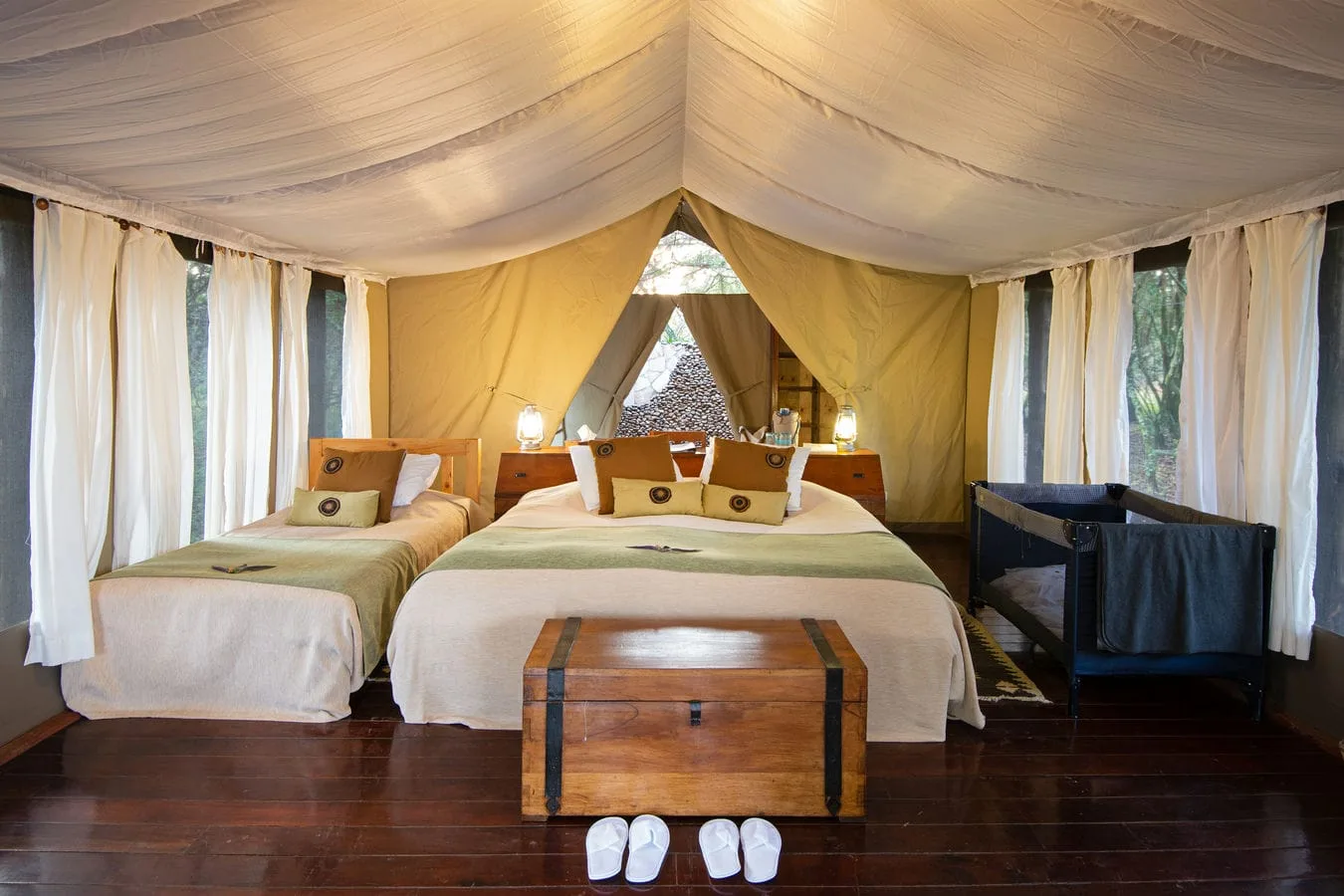
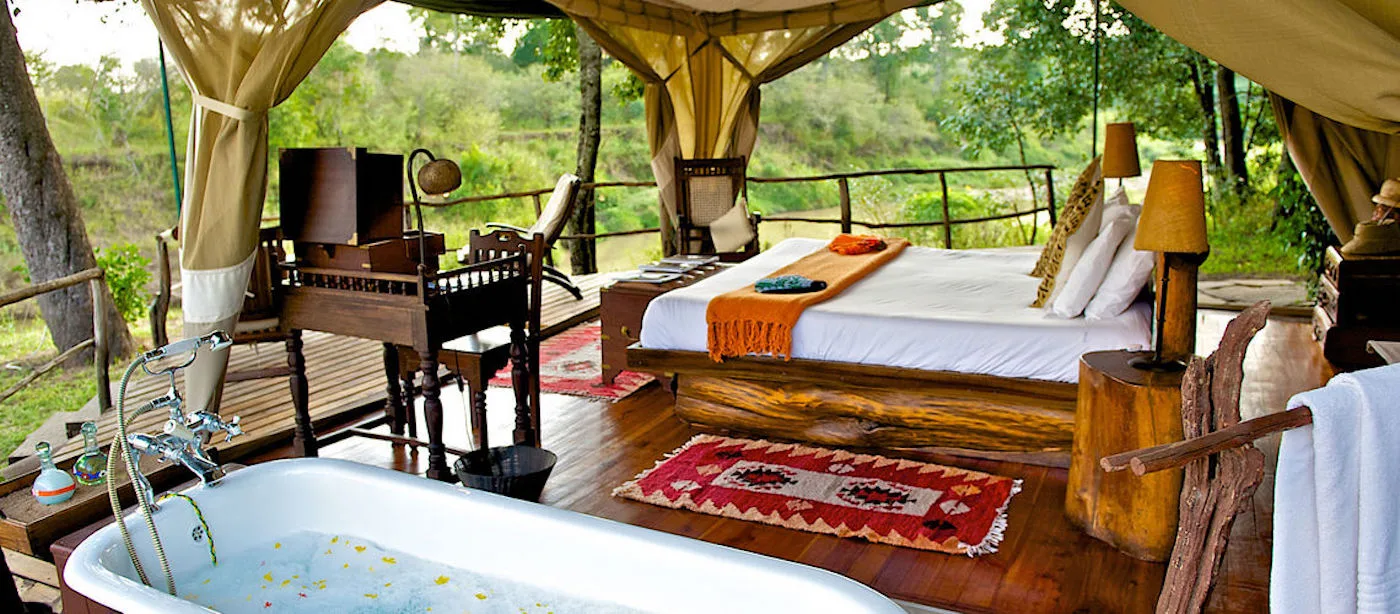
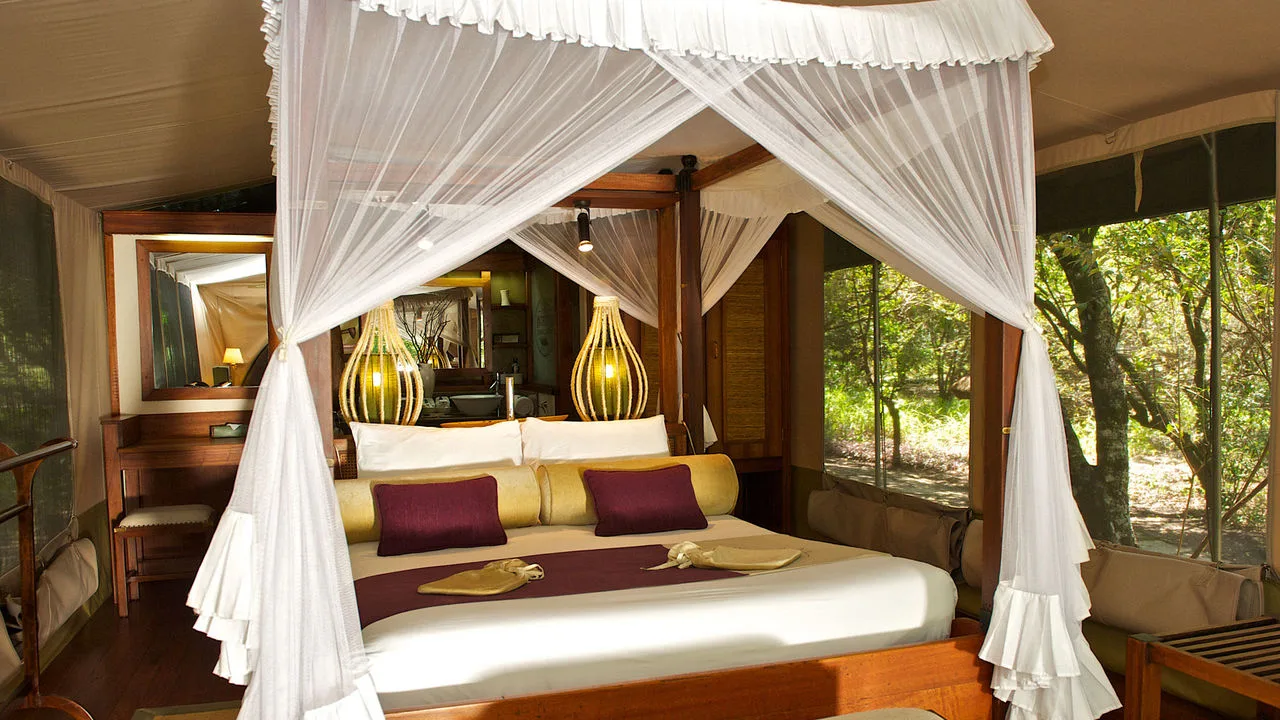
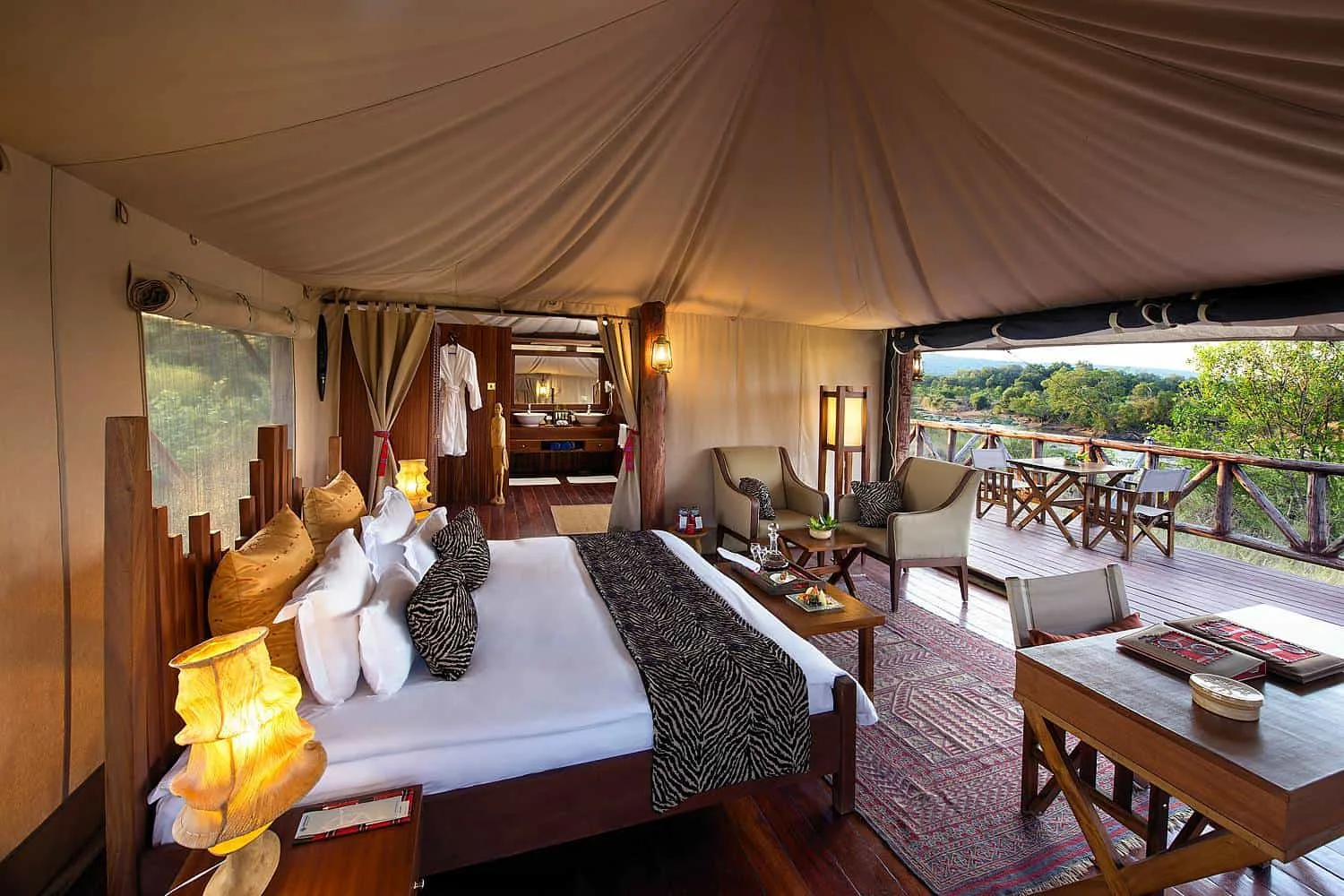
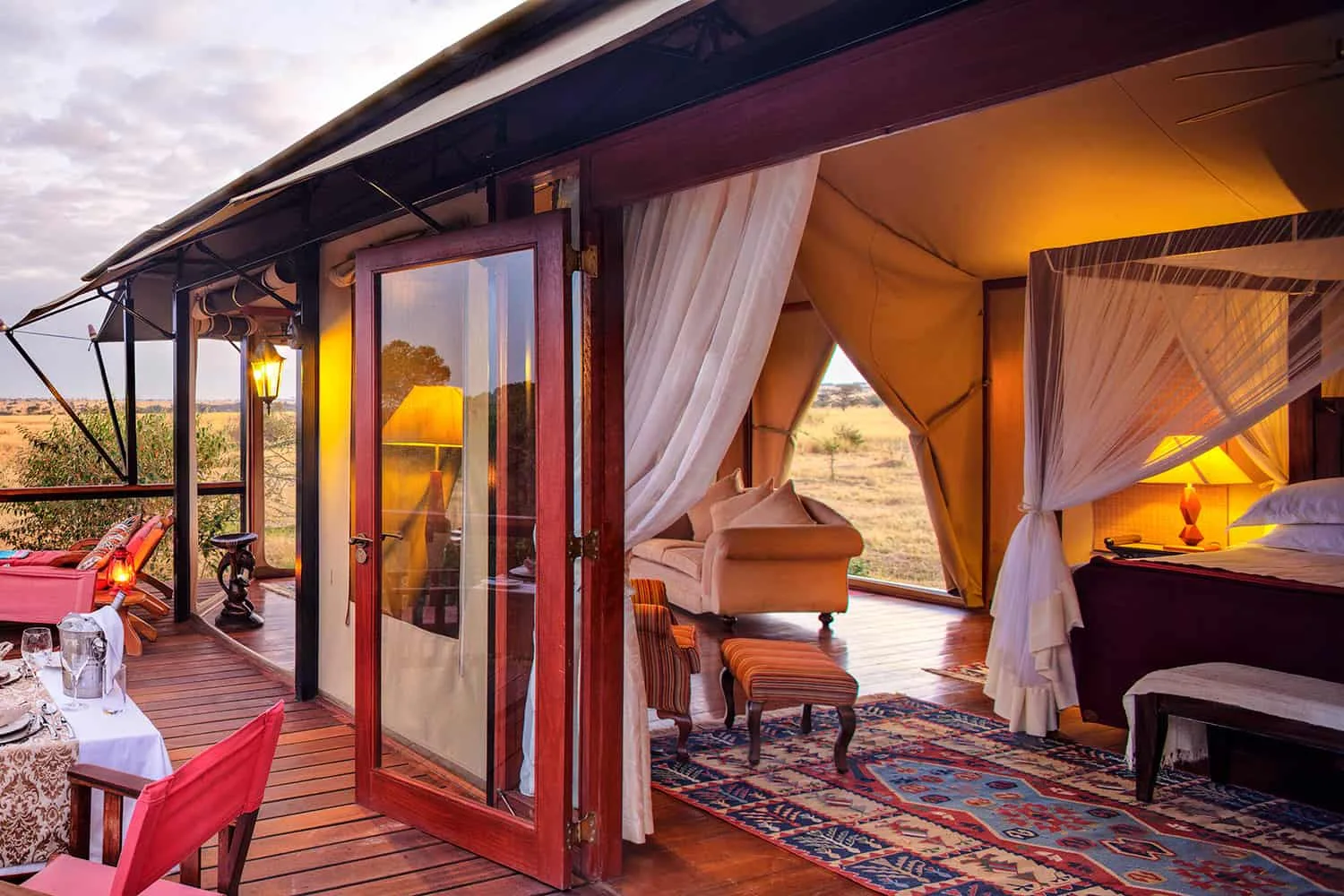
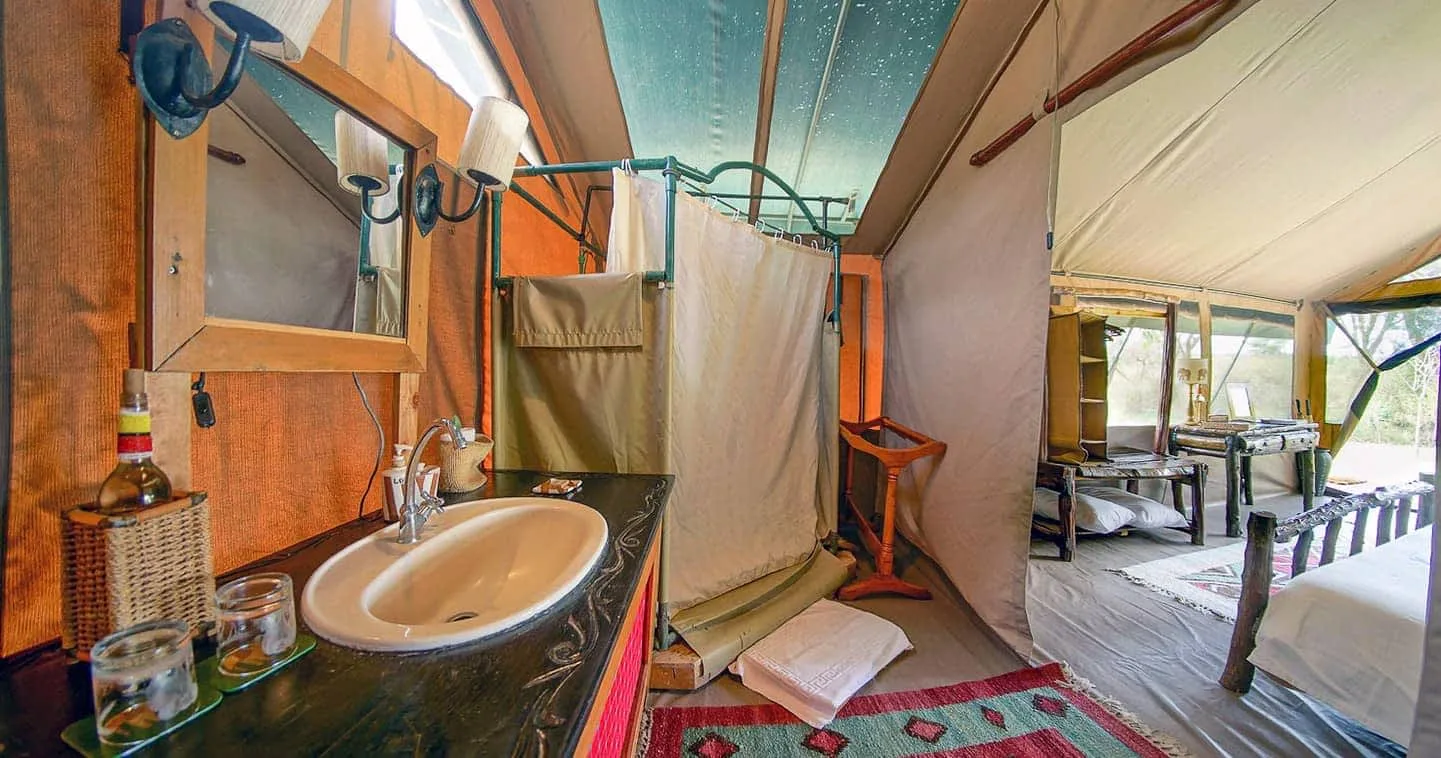
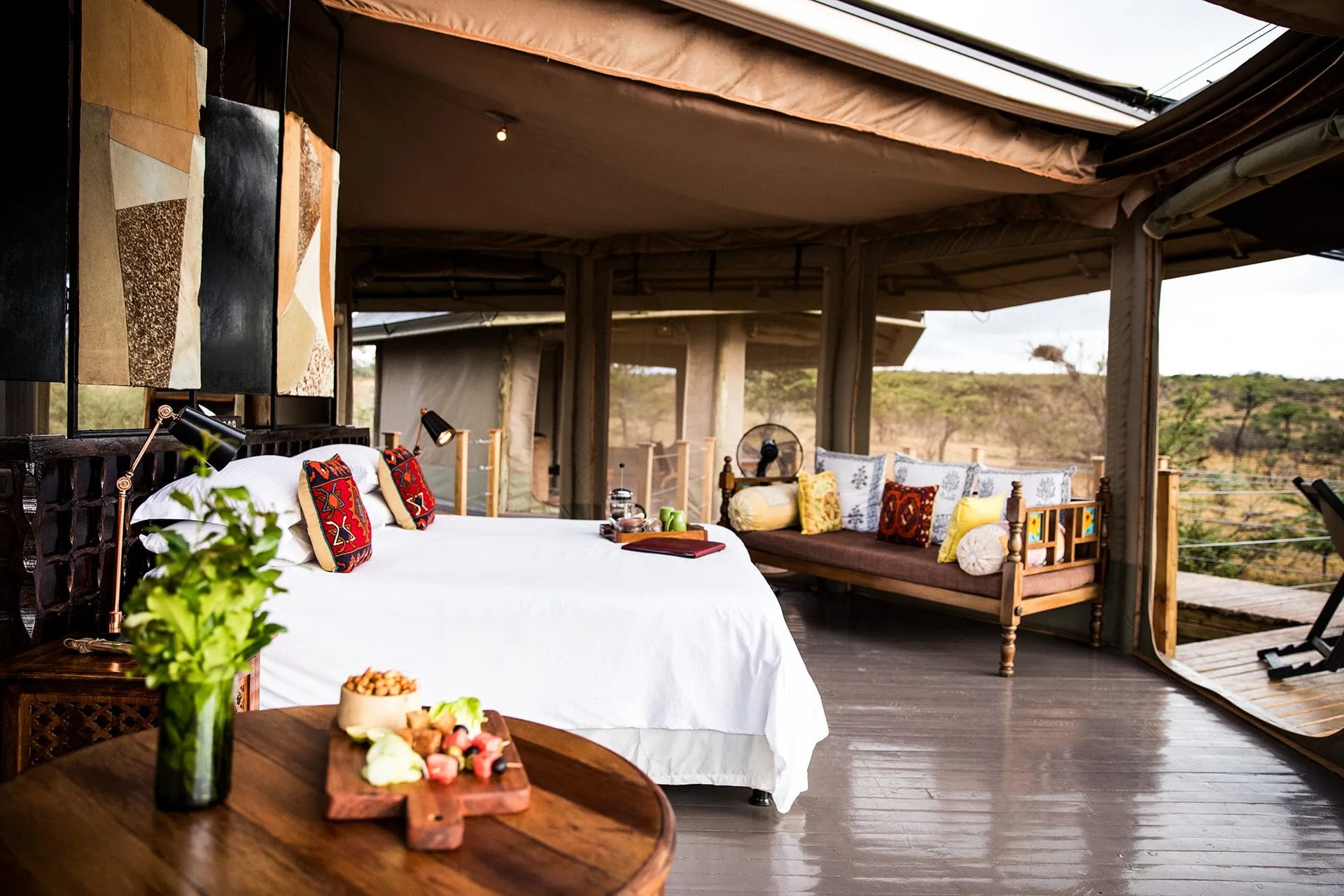
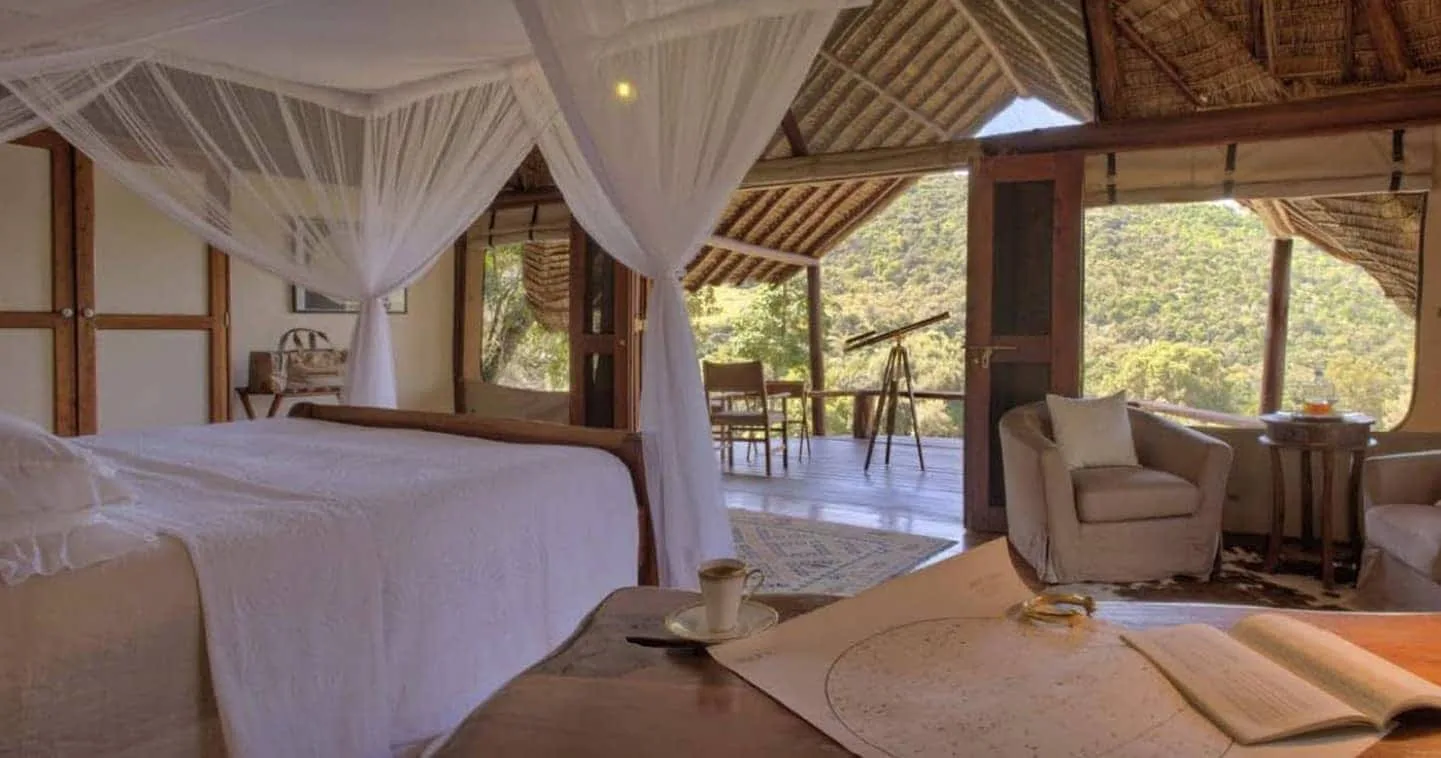
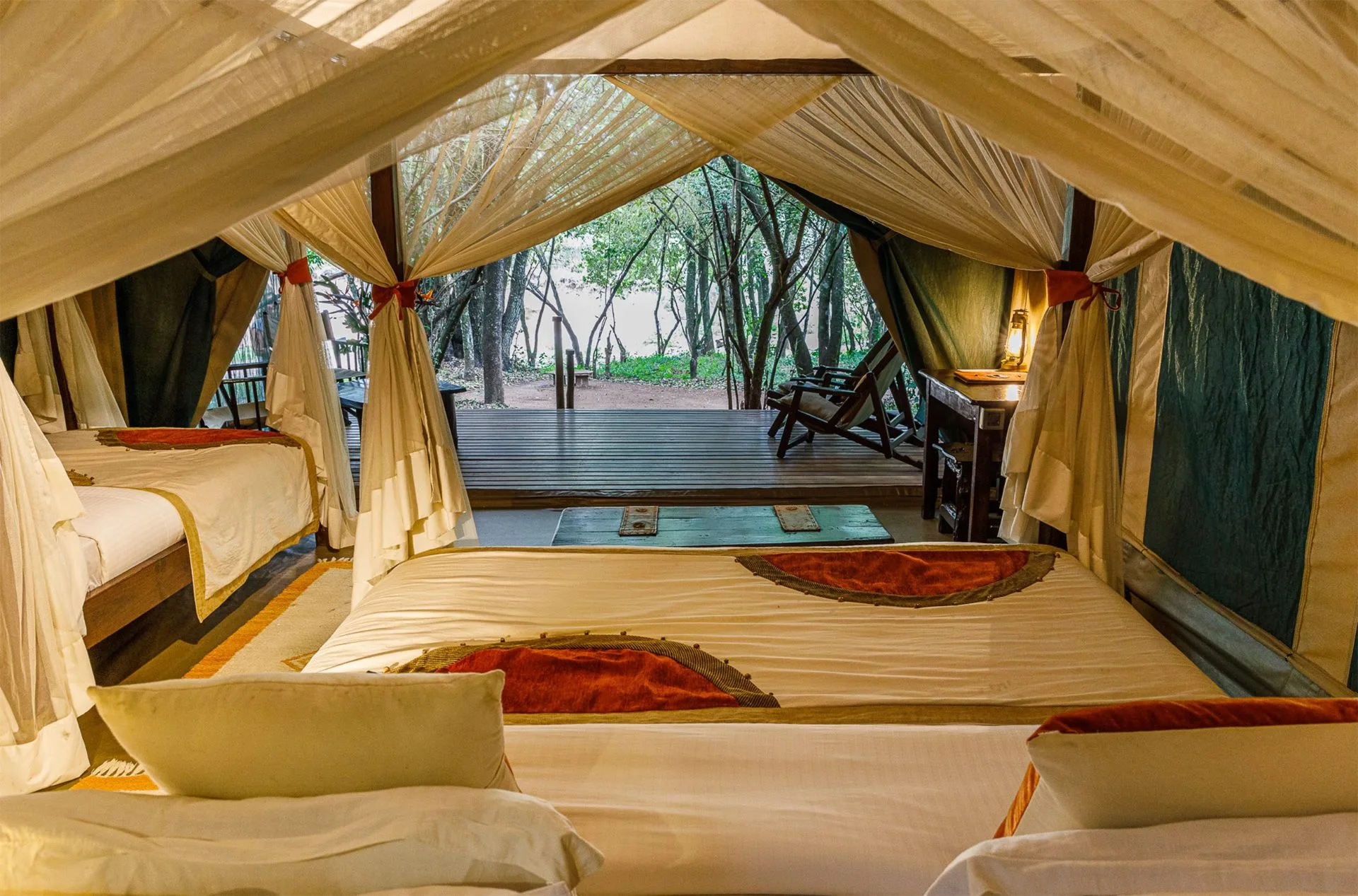
Where you stay
-
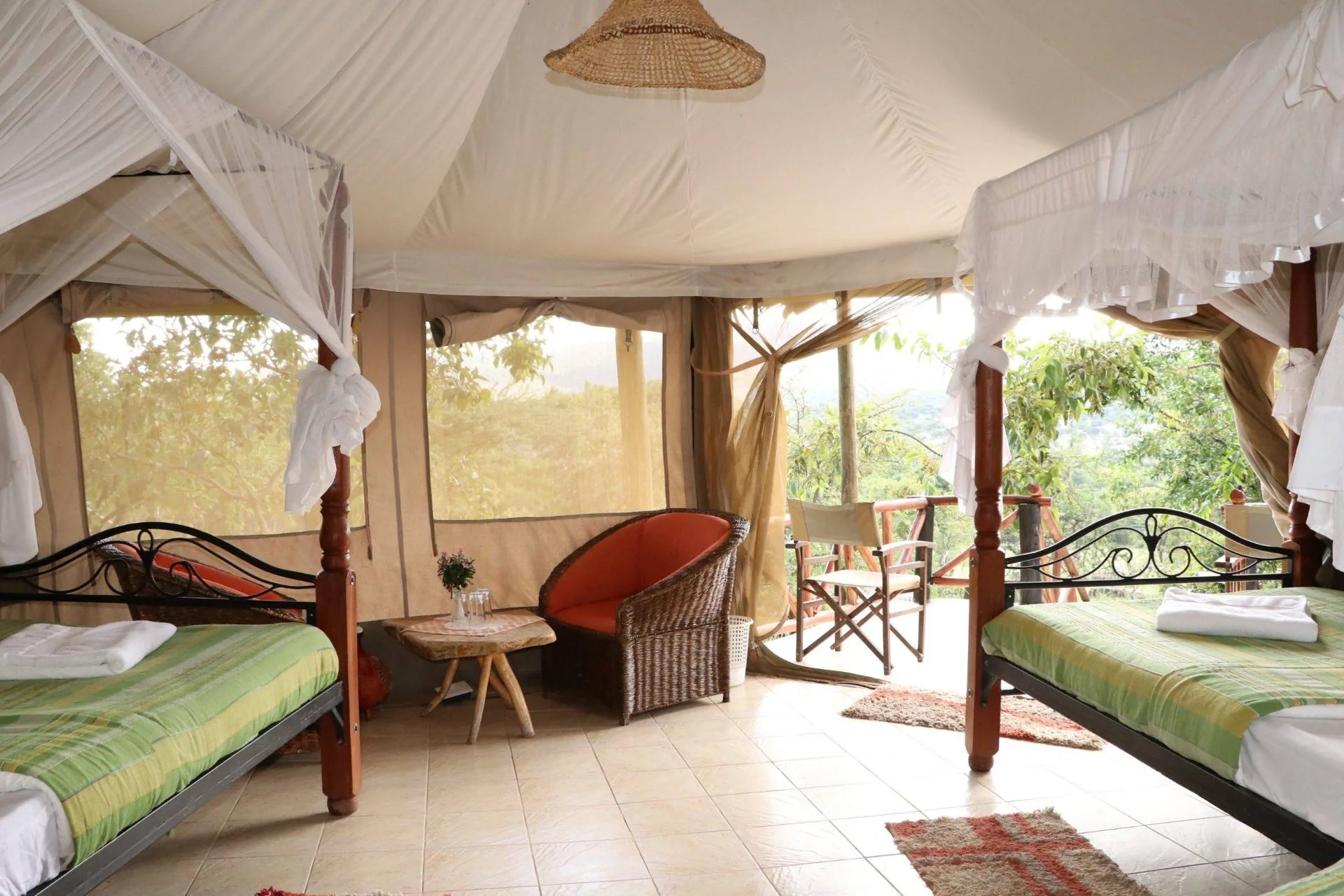
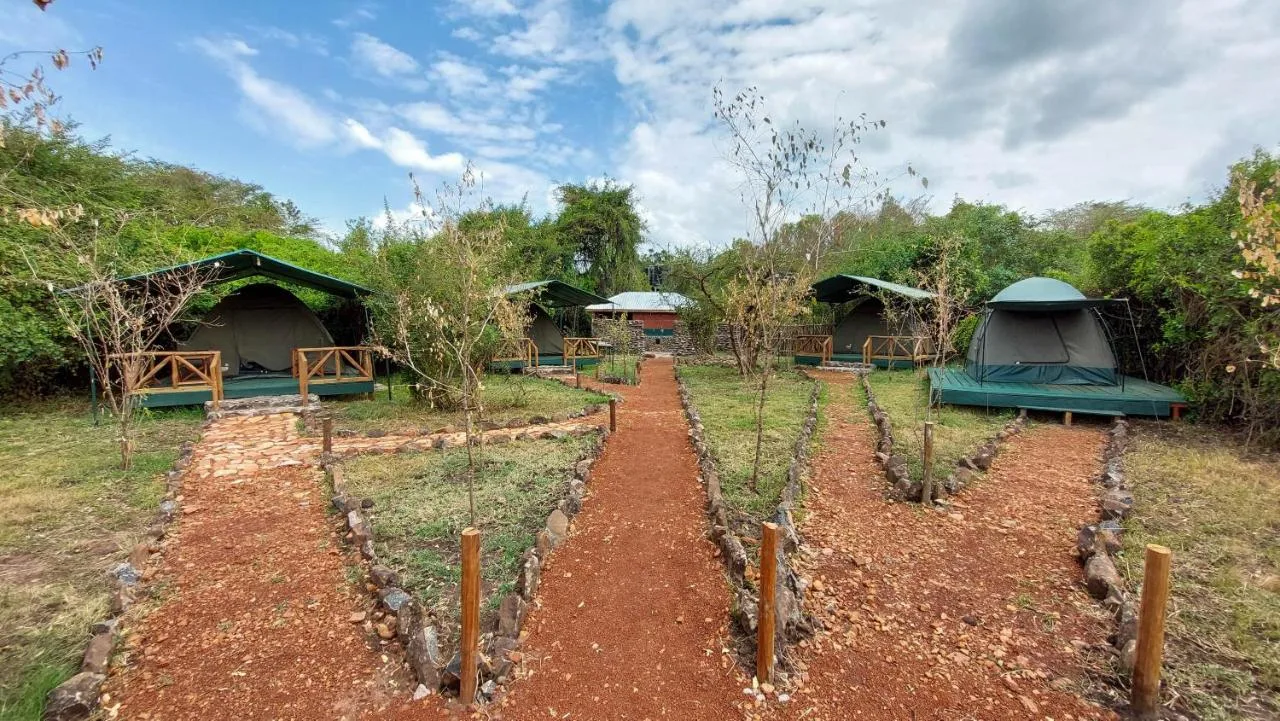
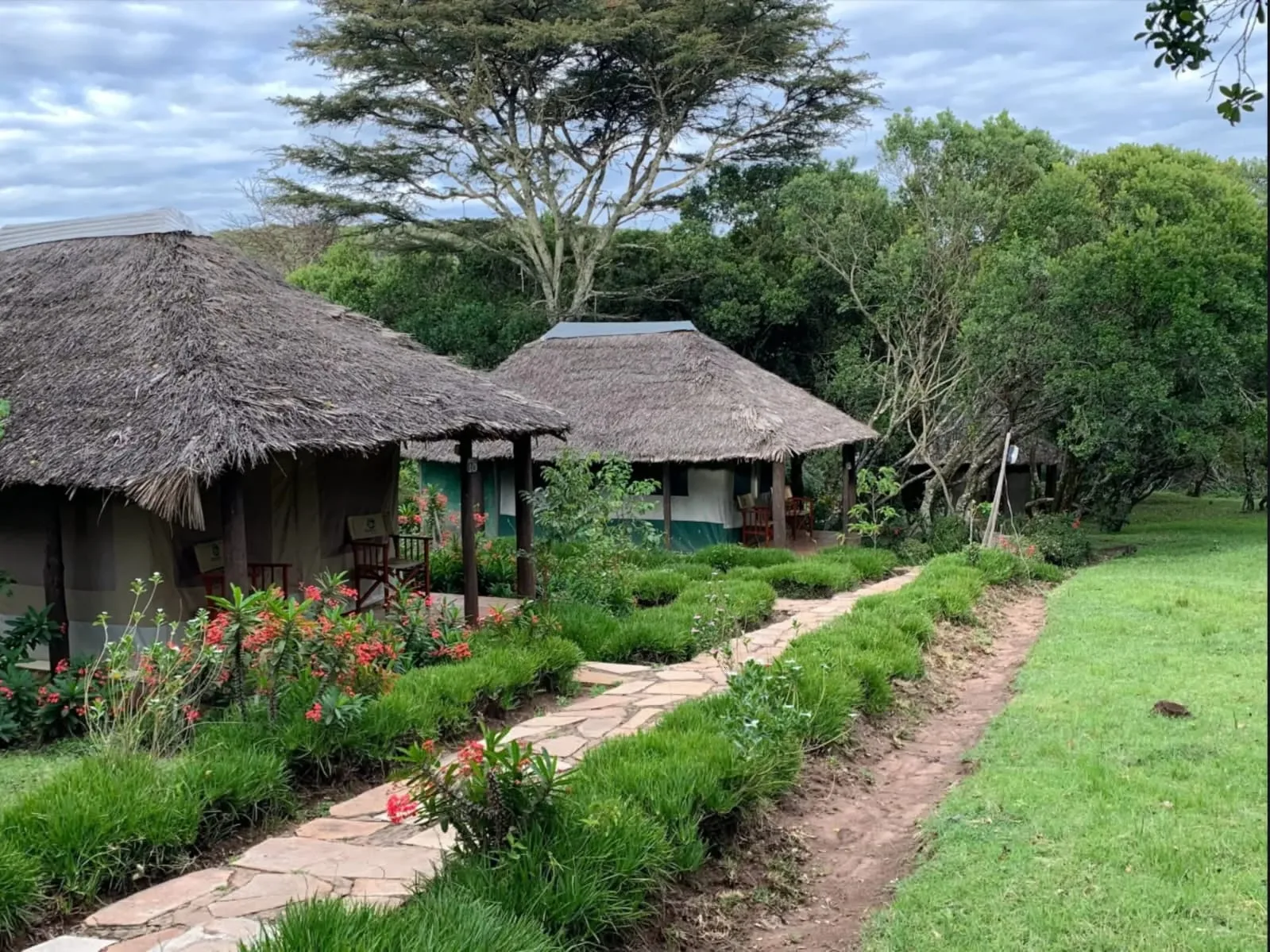
Essential (Budget)
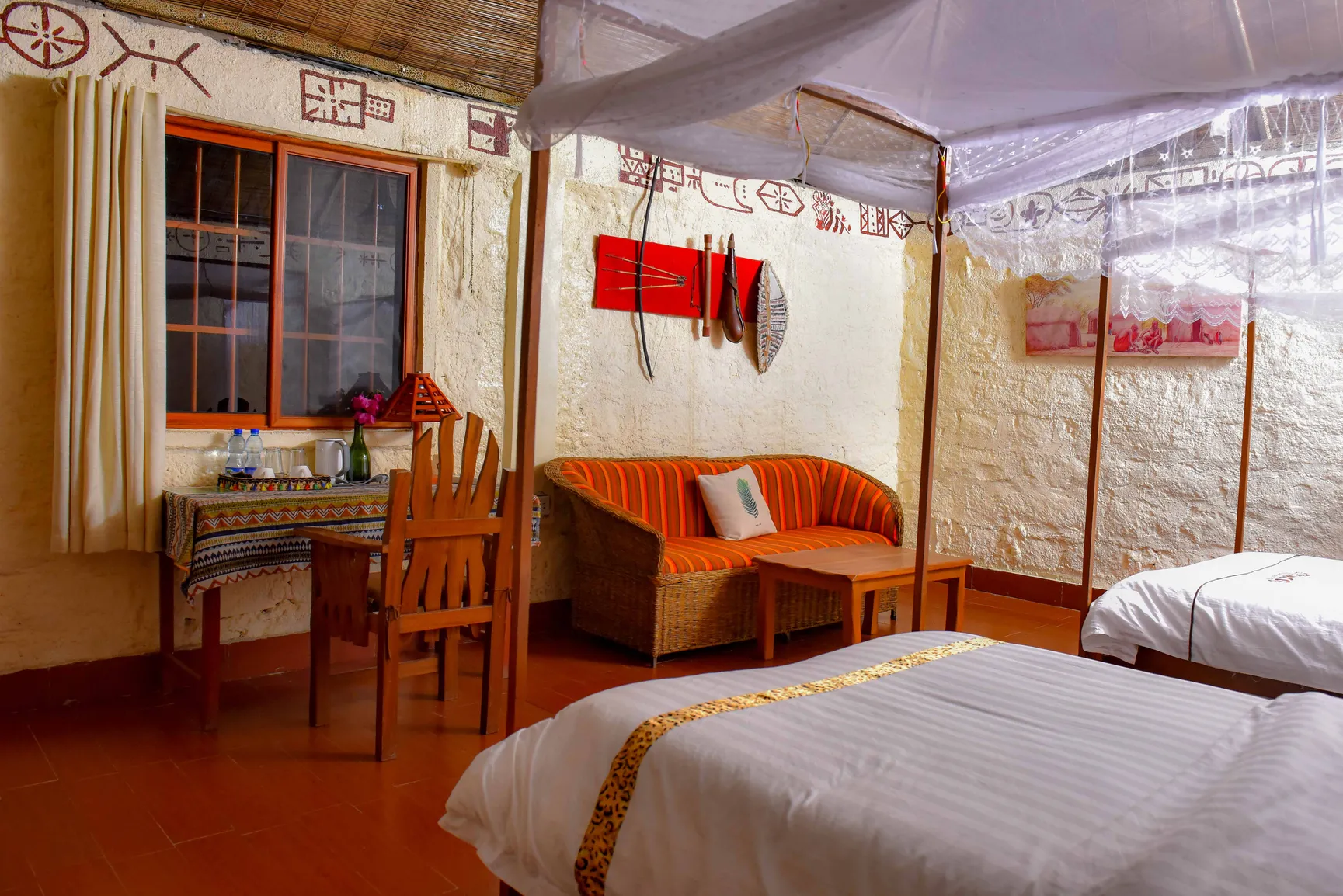
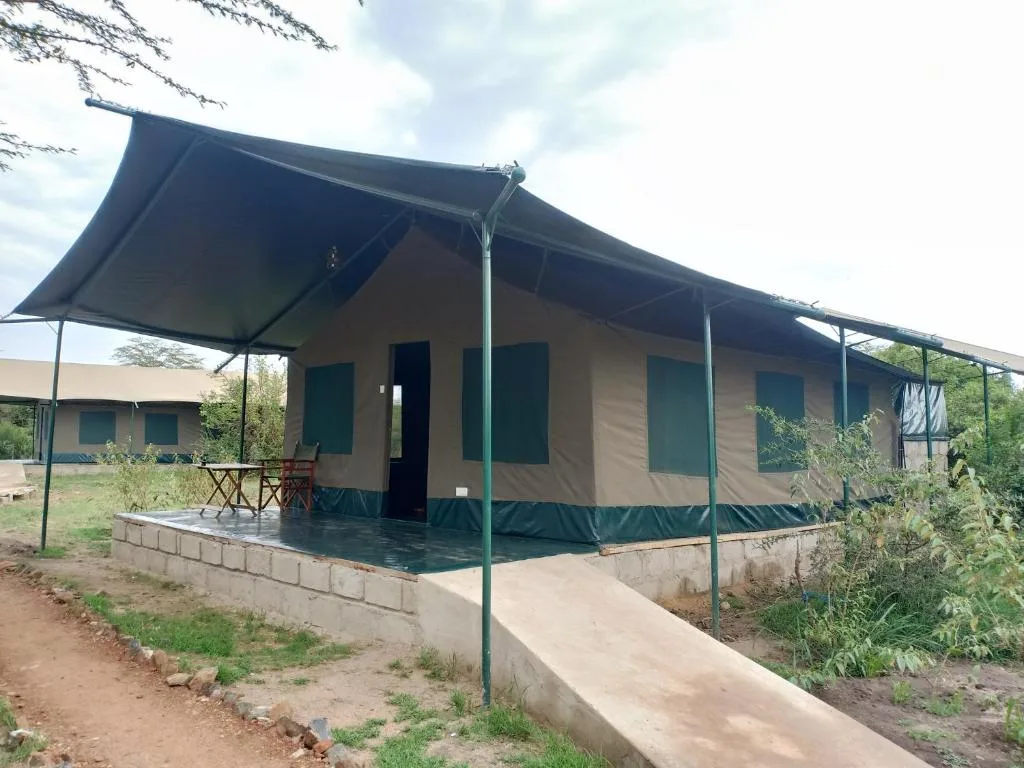
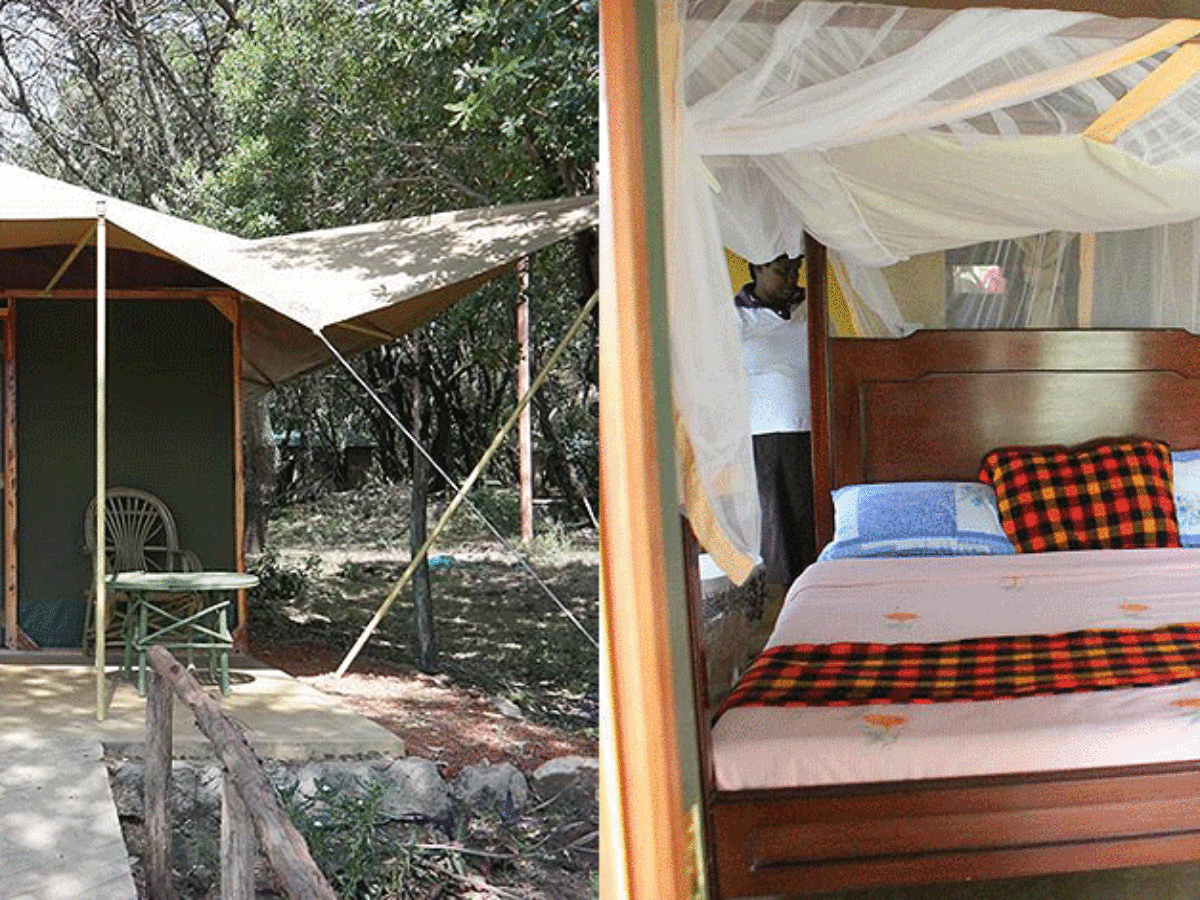
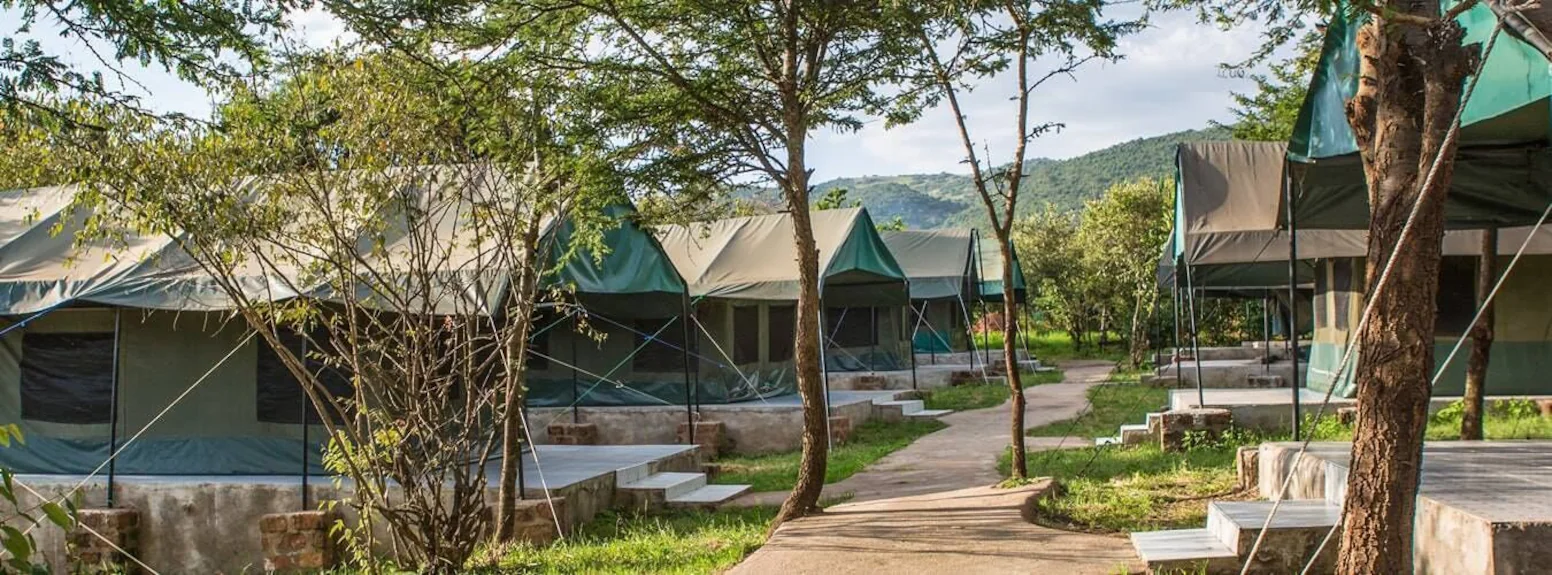
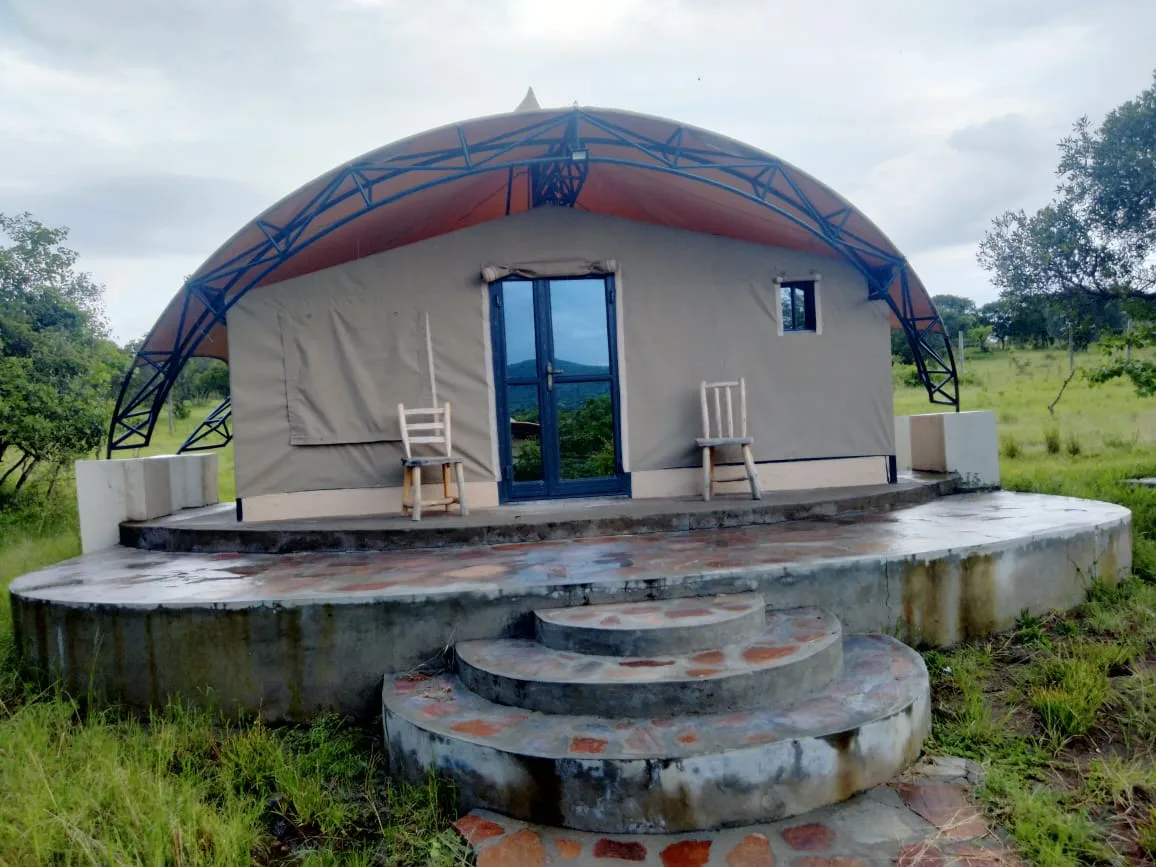
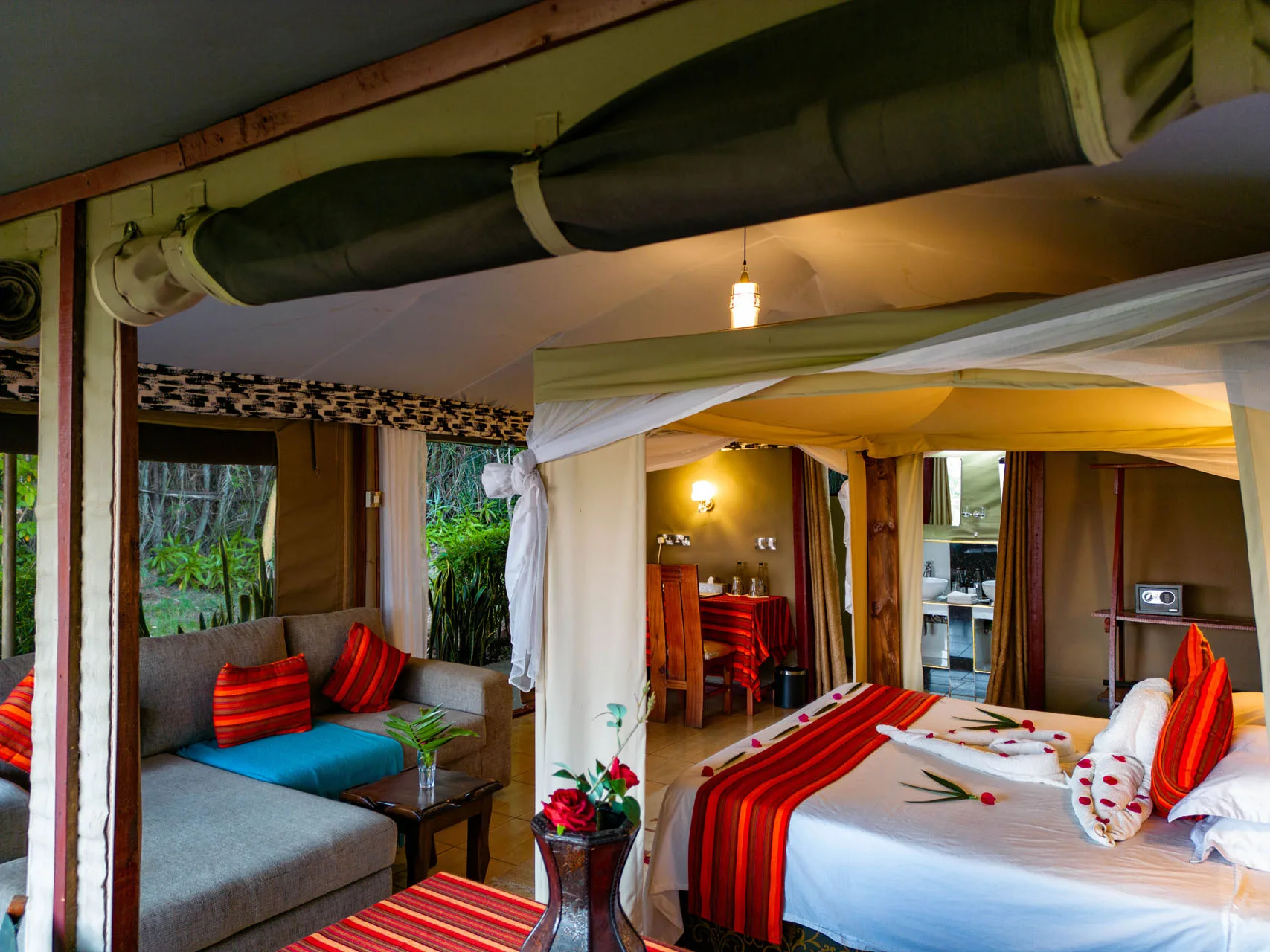
-
Comfort (Mid-range)
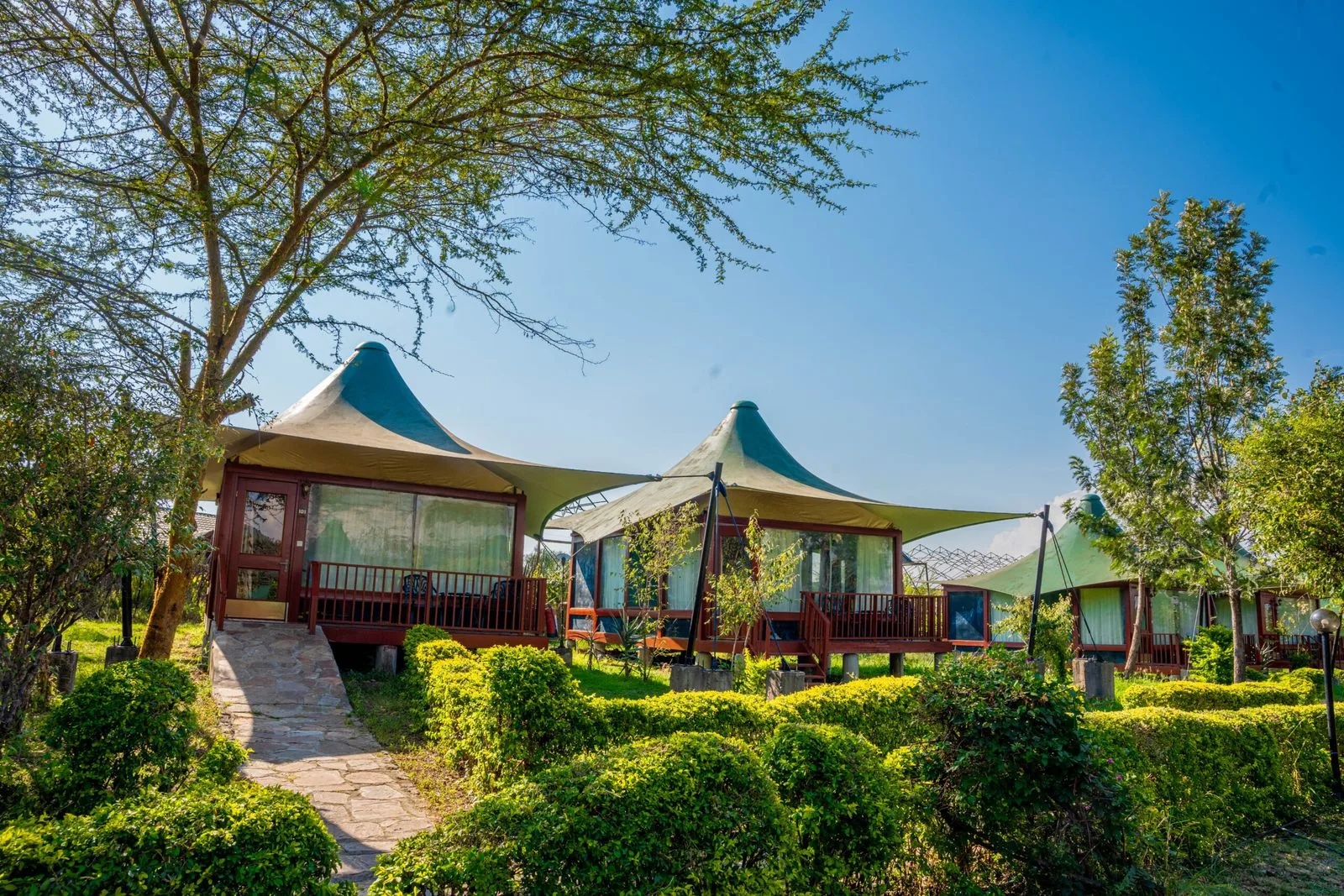
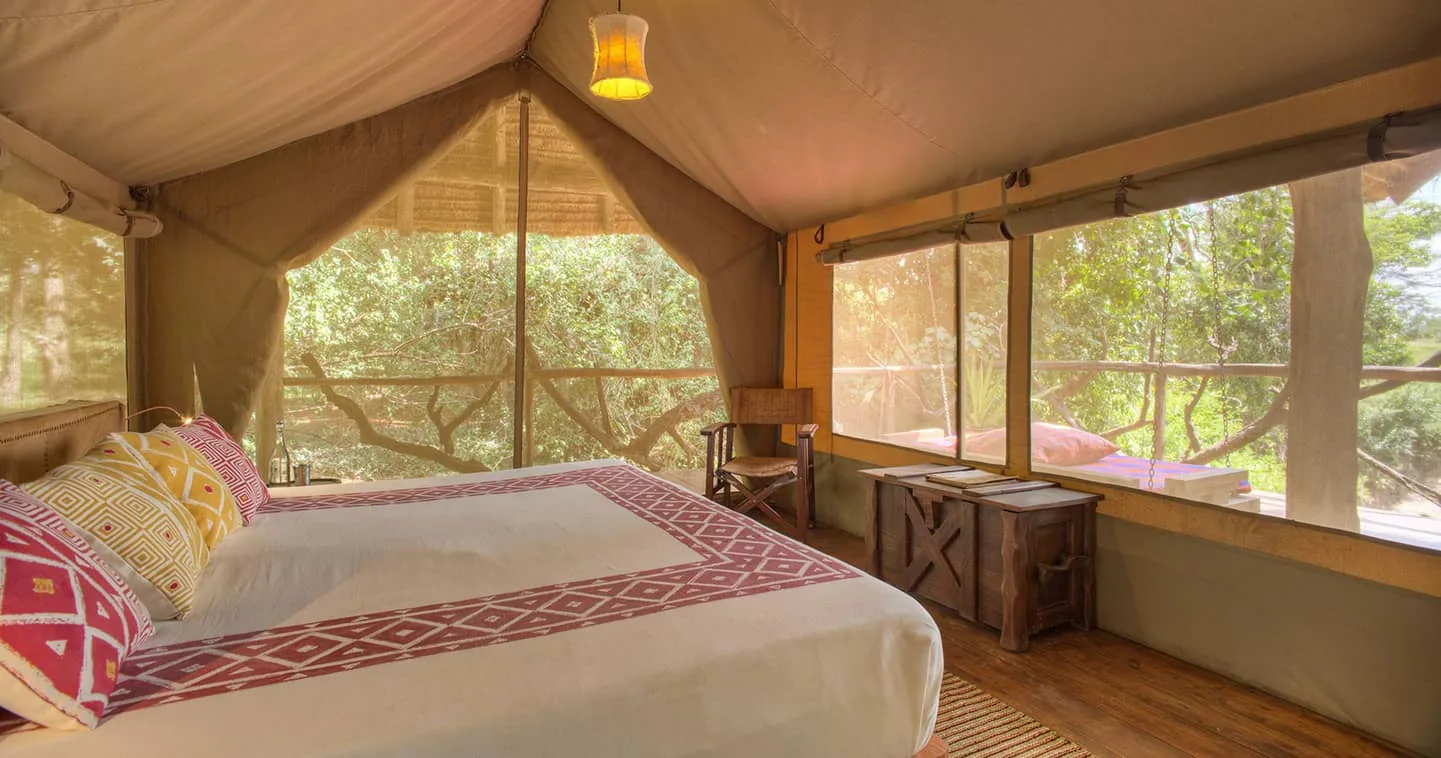
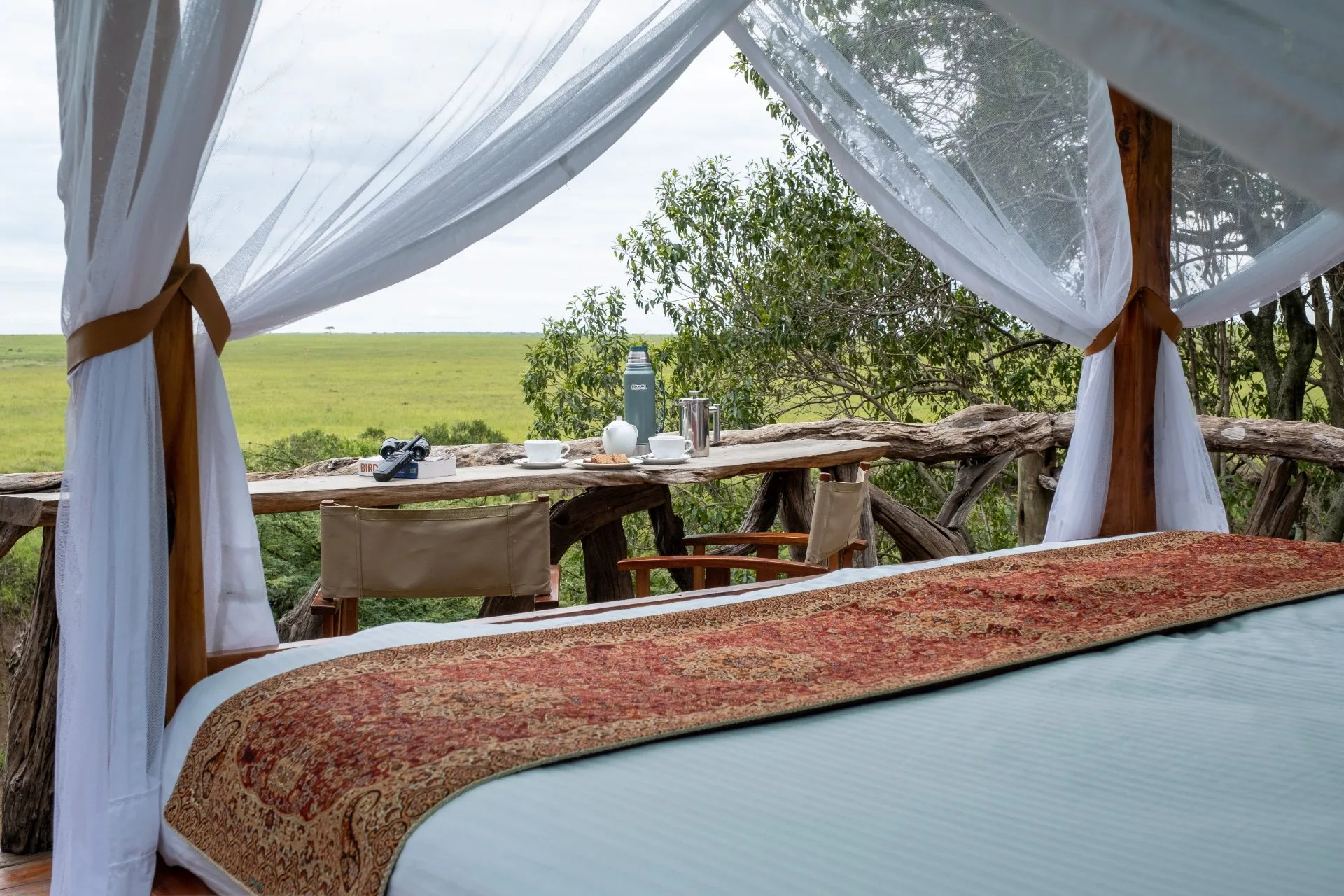
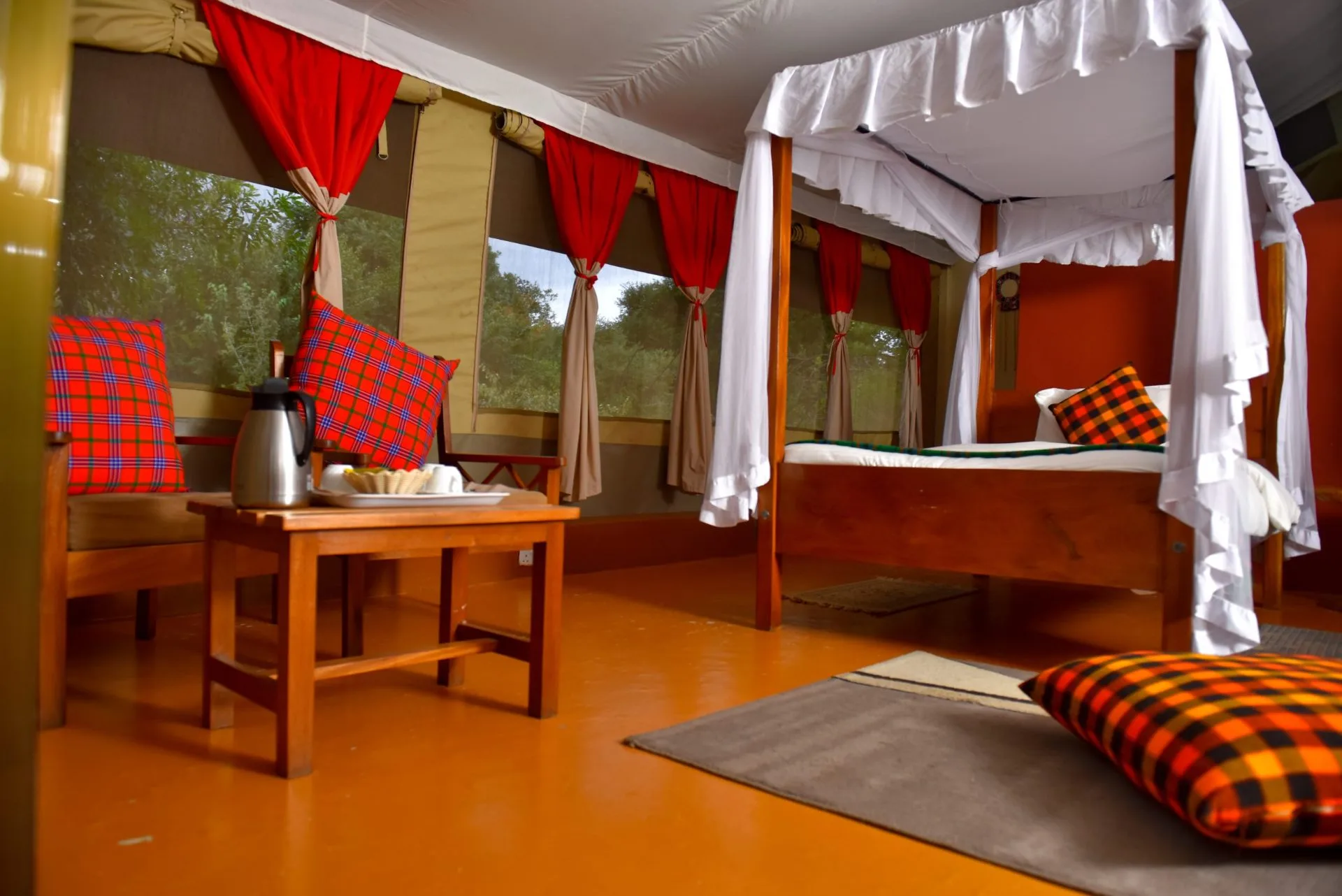
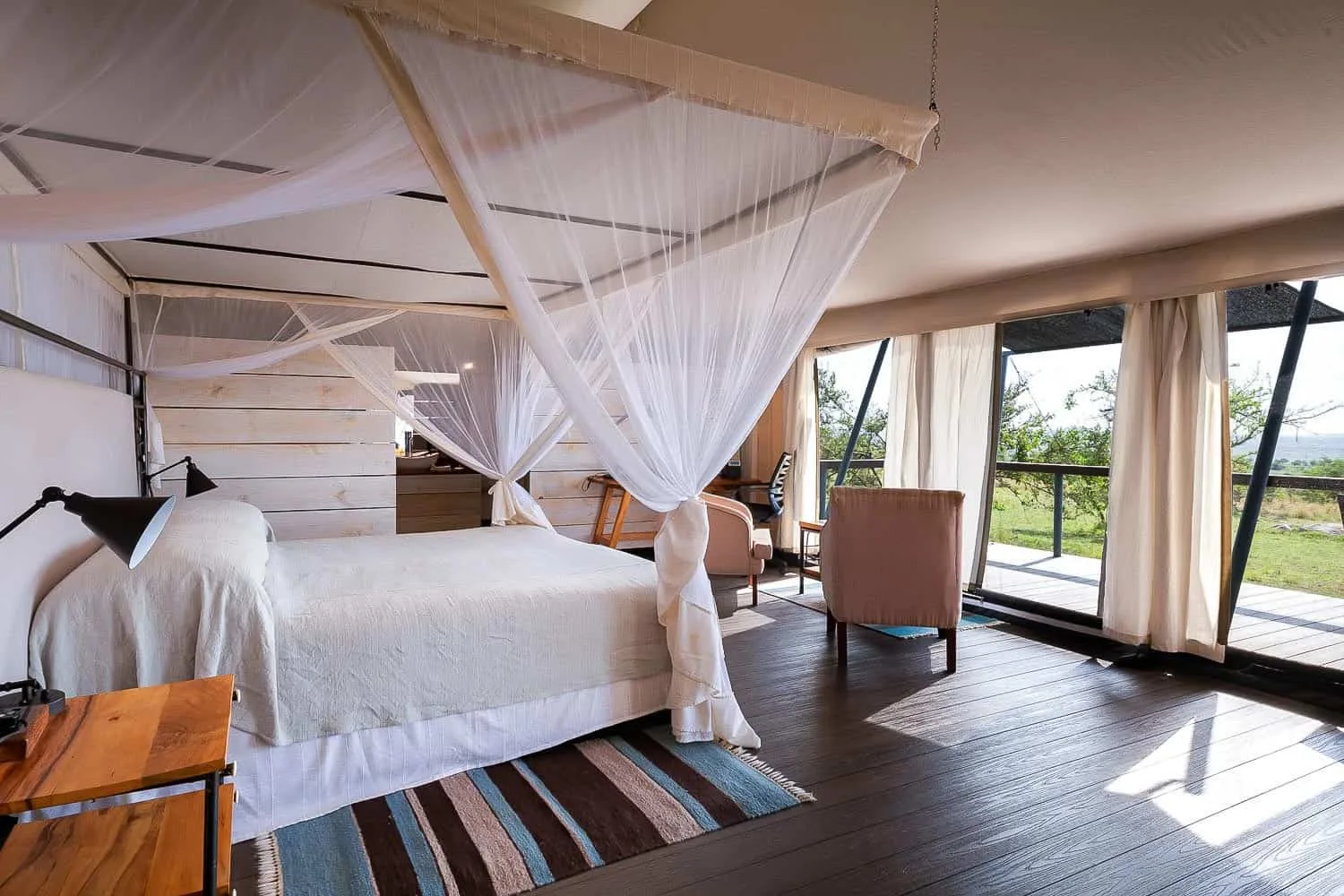
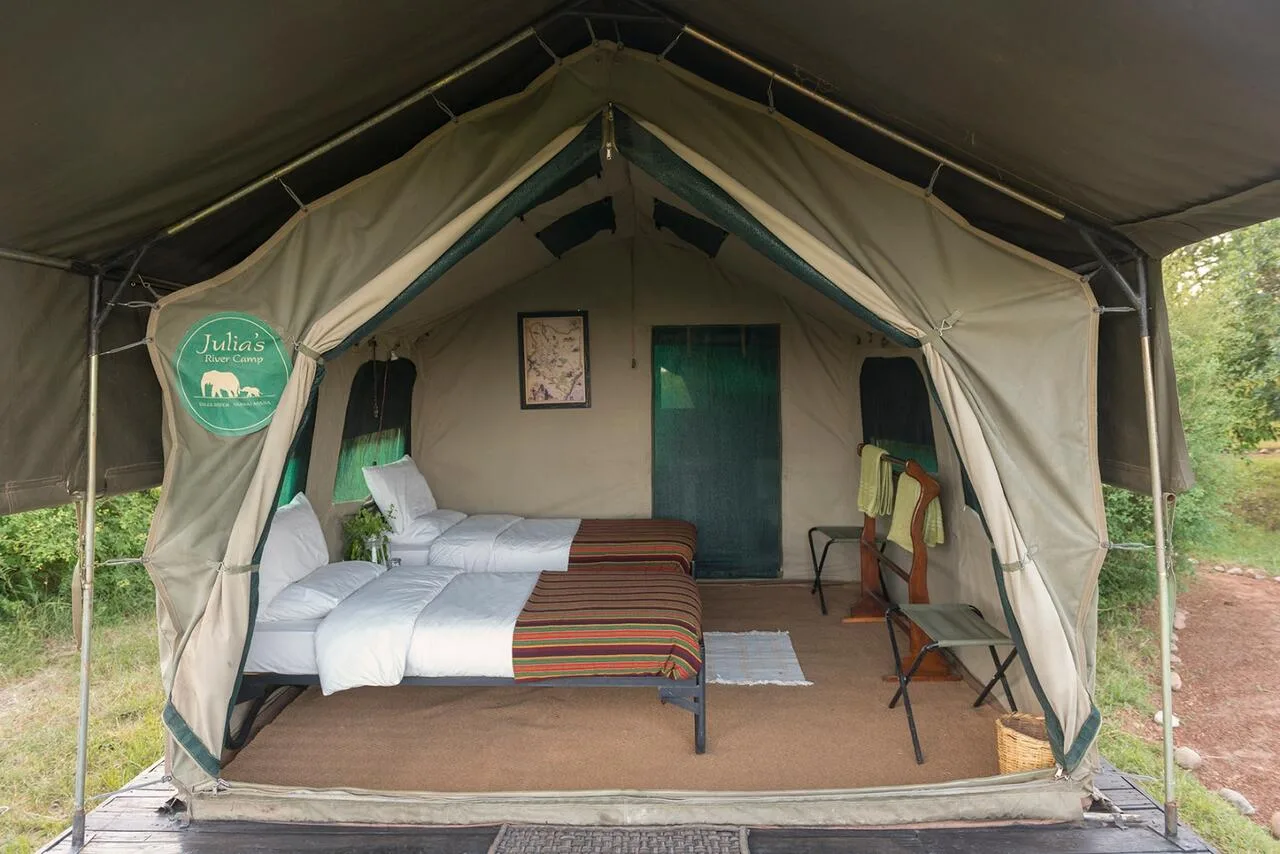
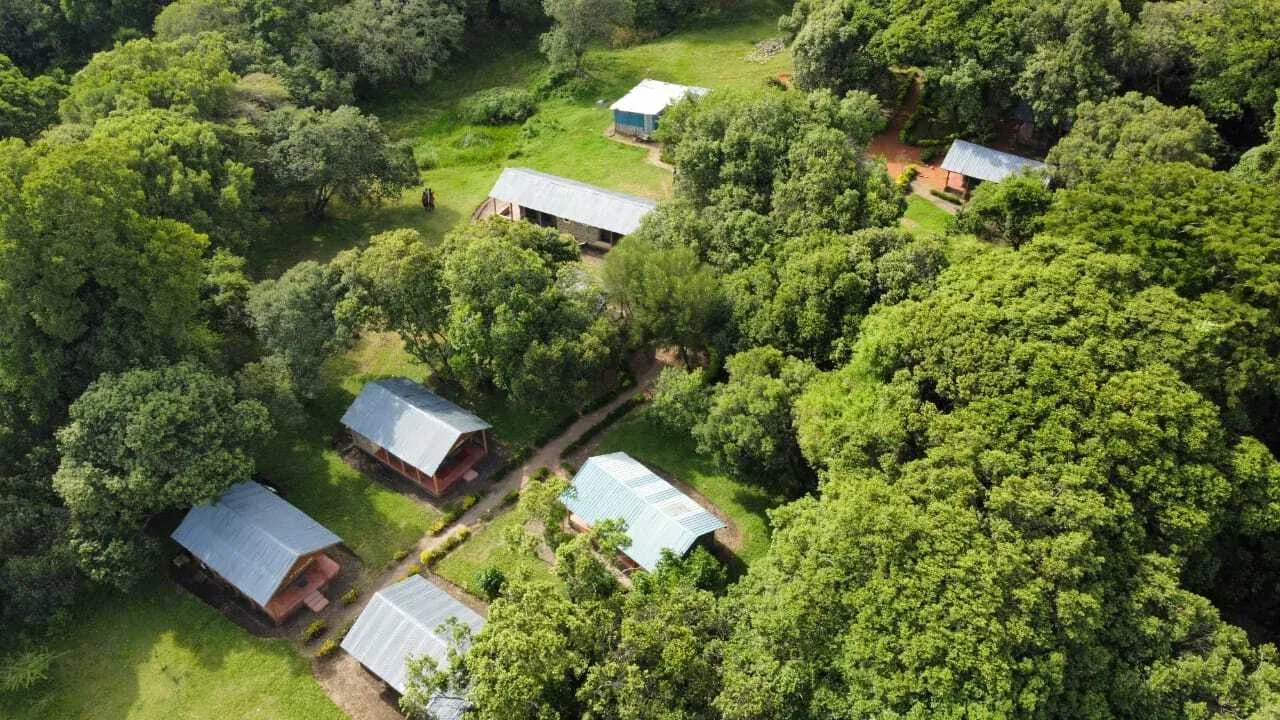
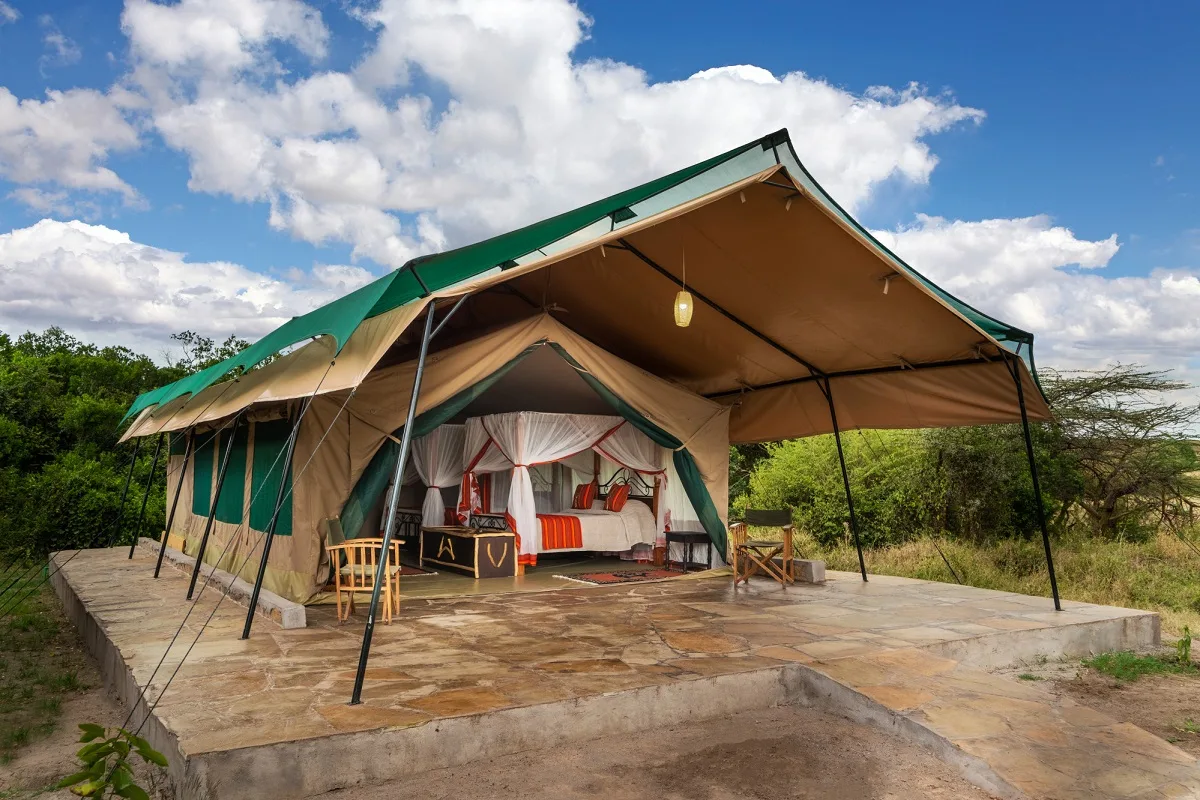
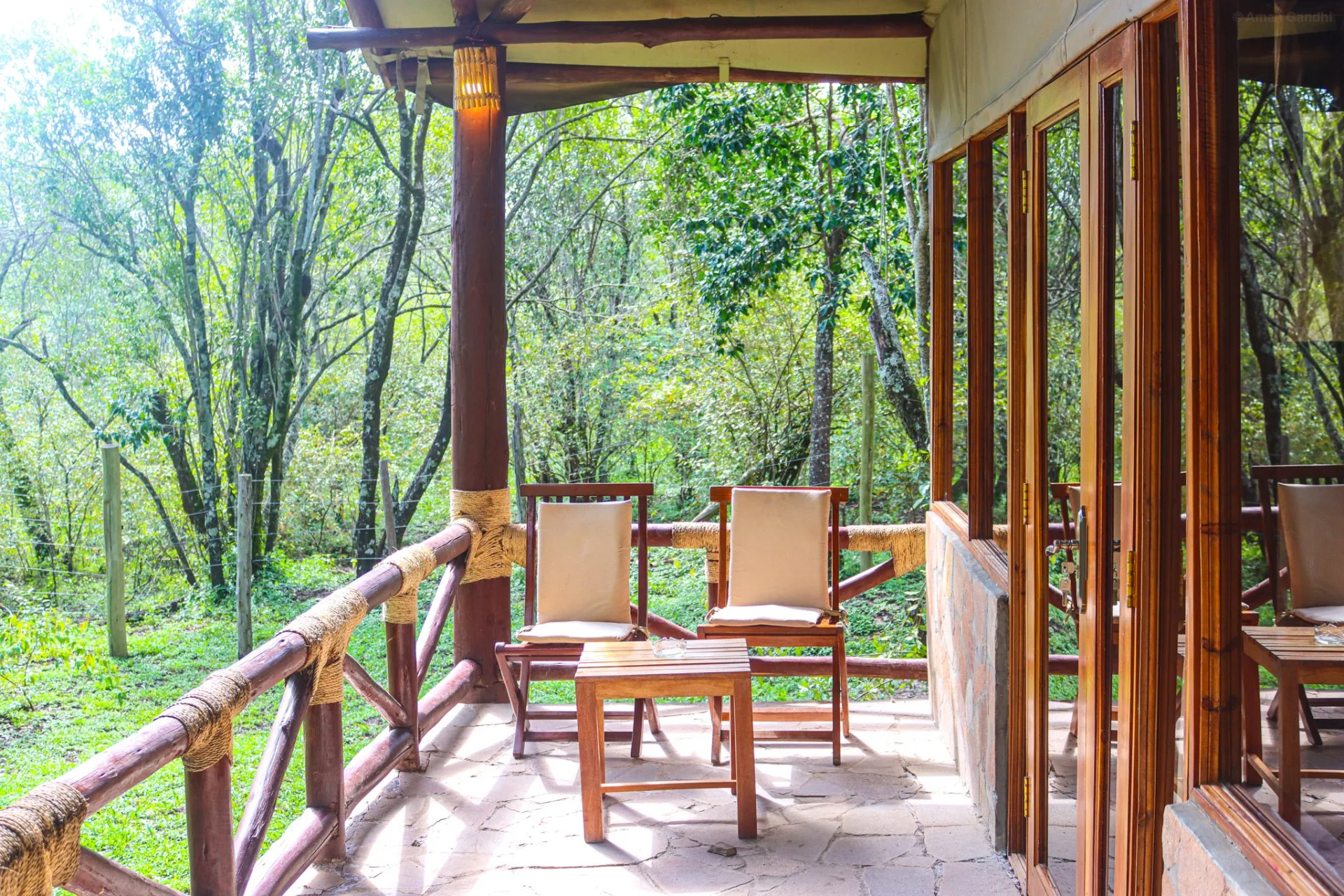
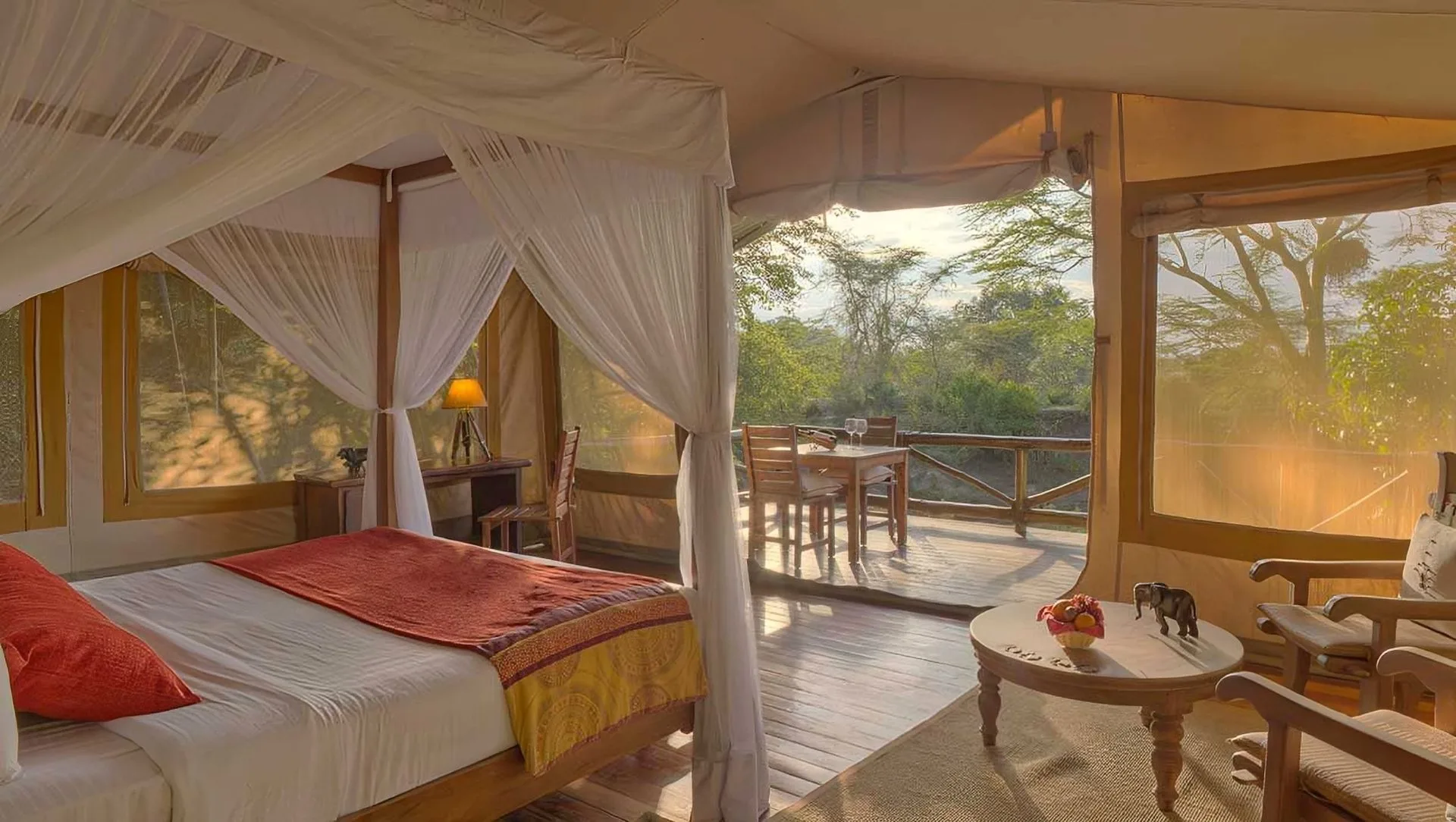
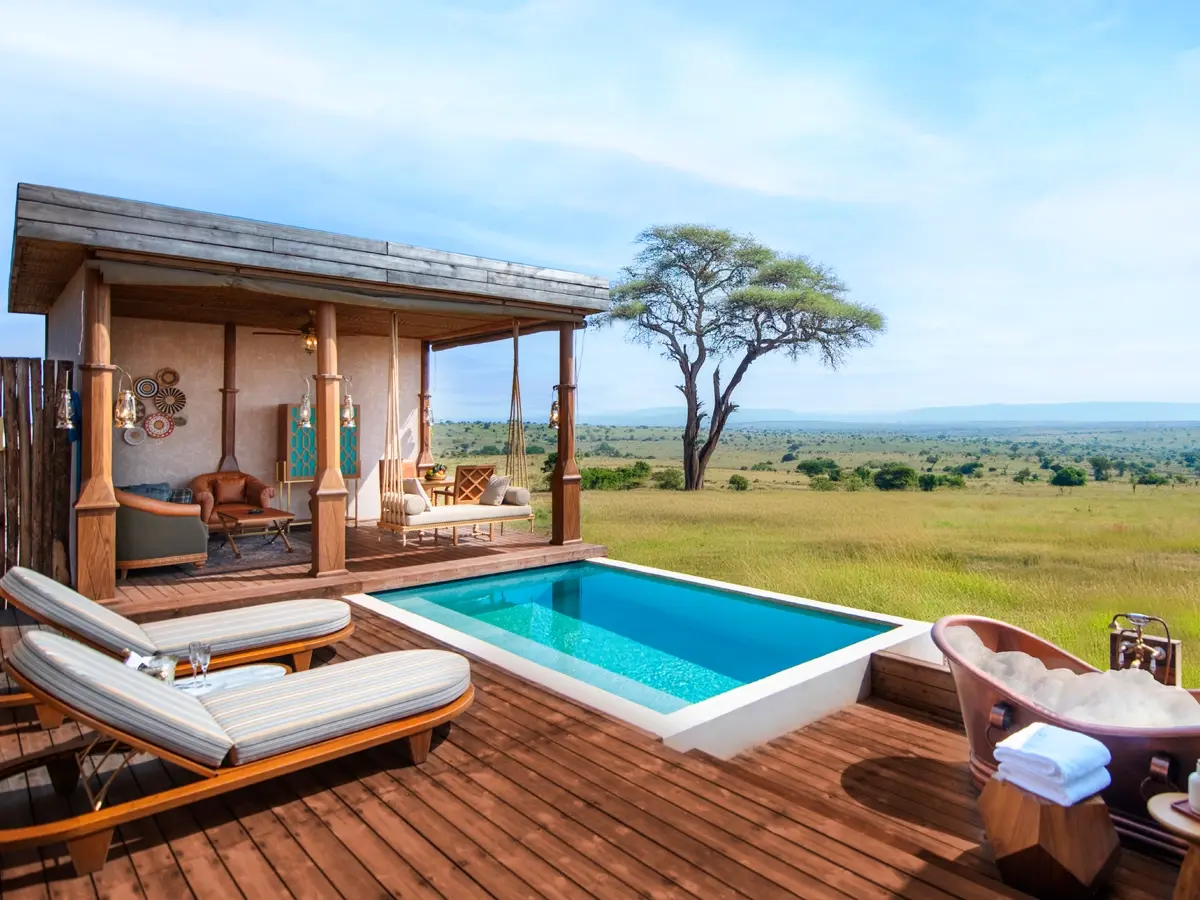
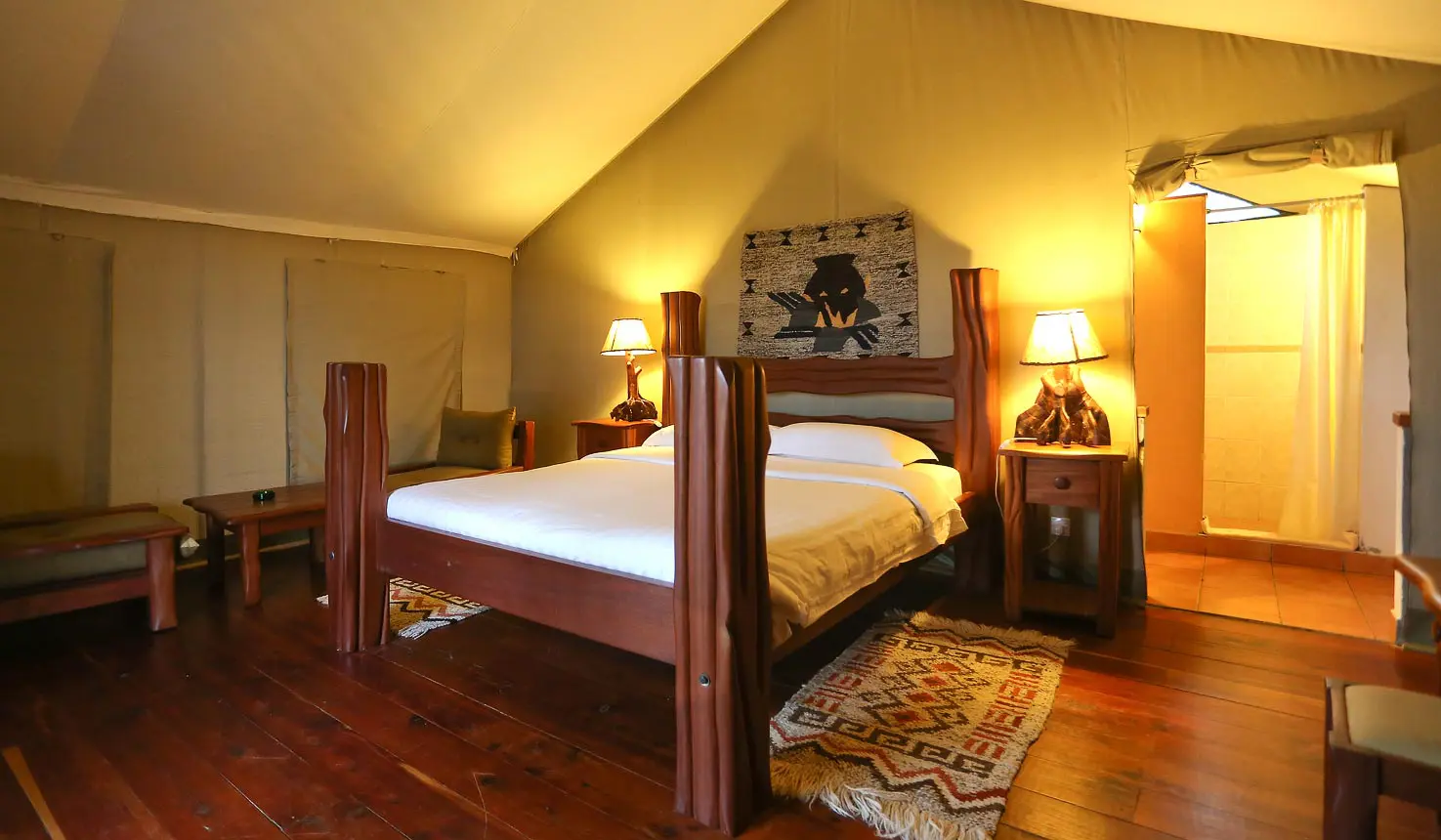
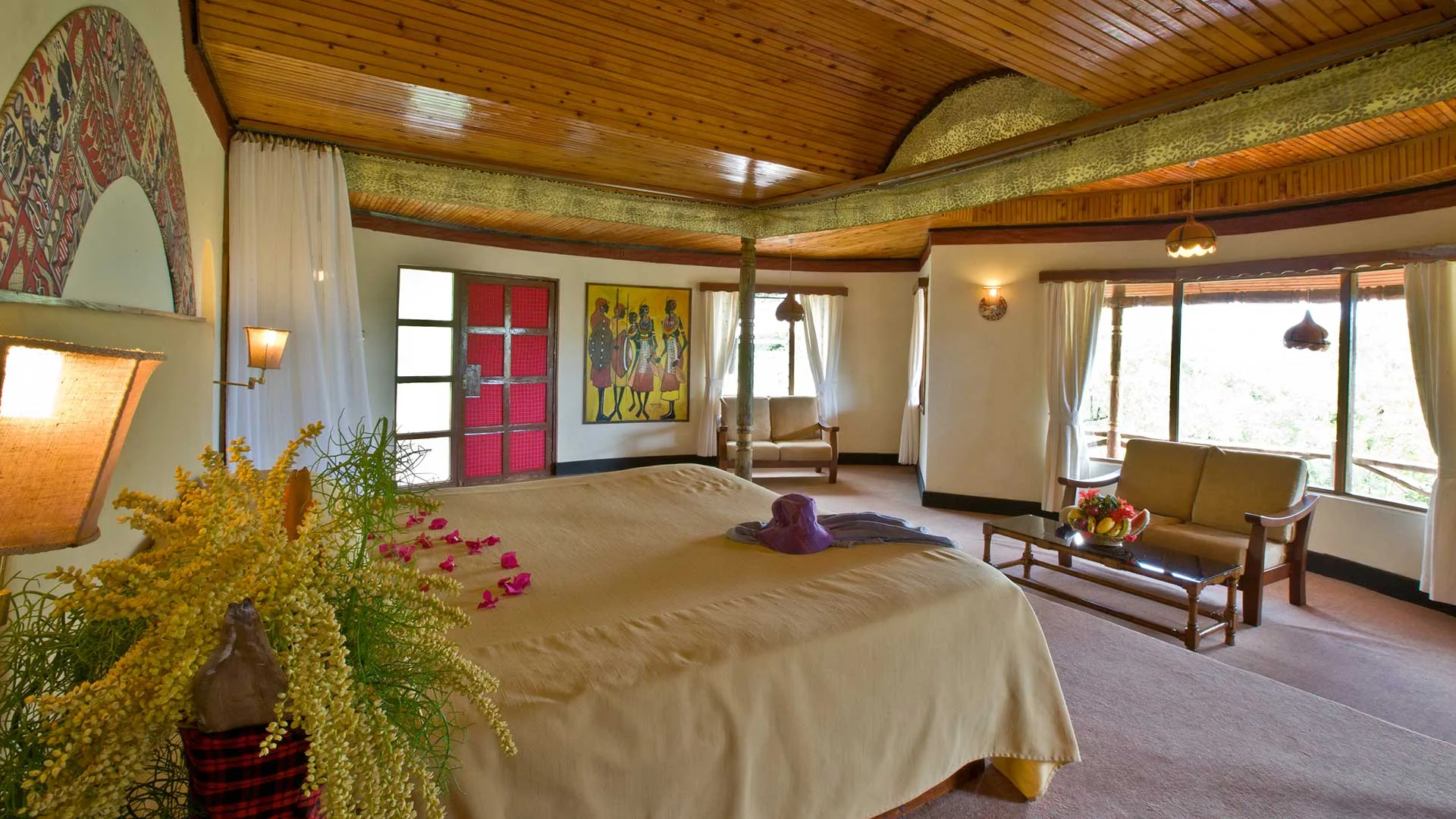
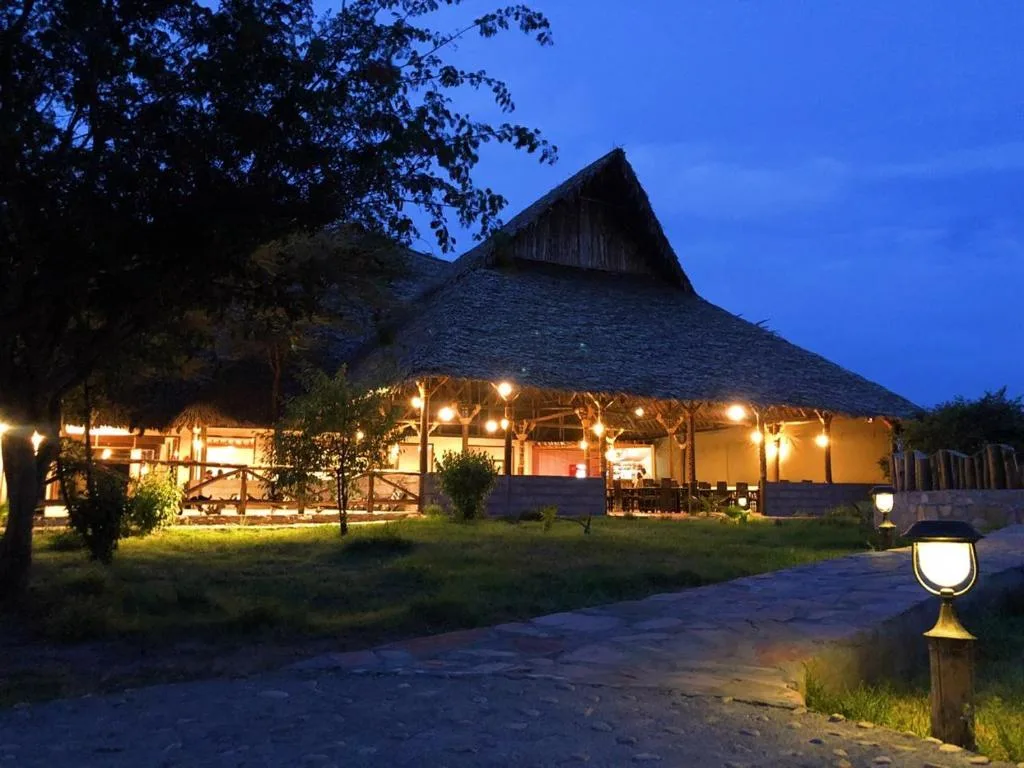
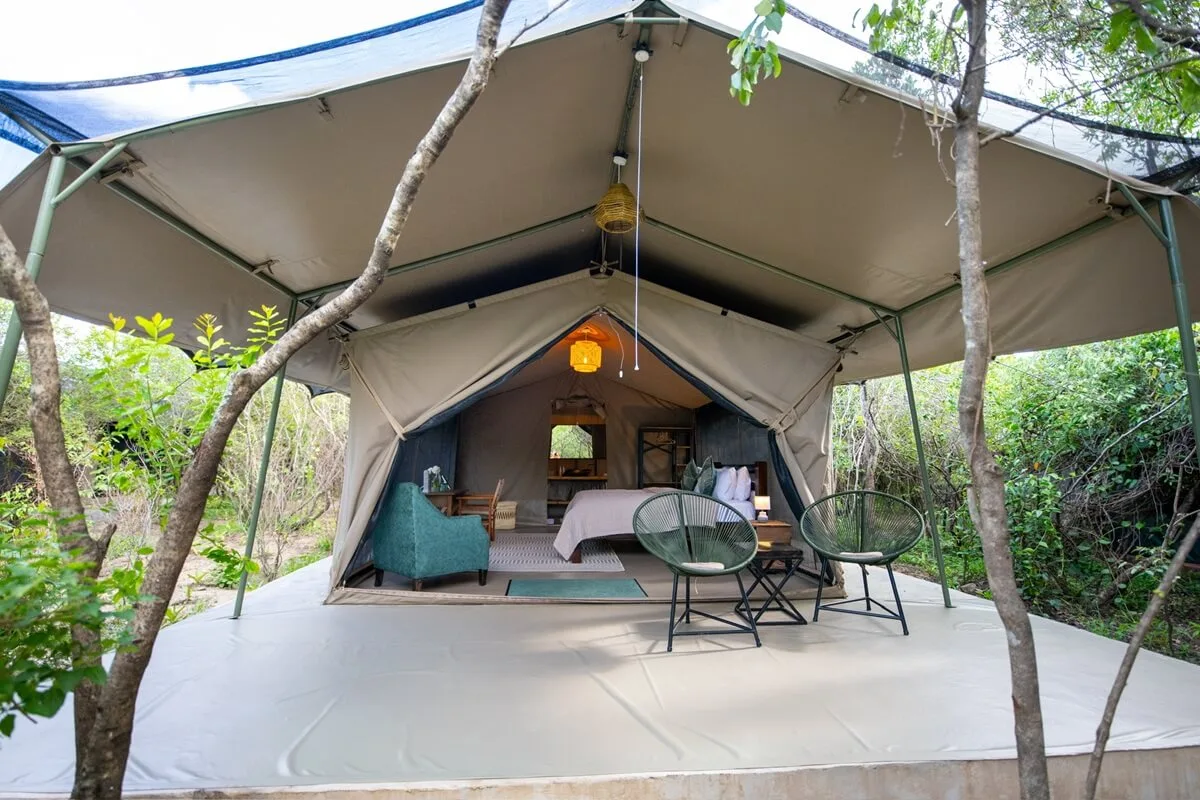
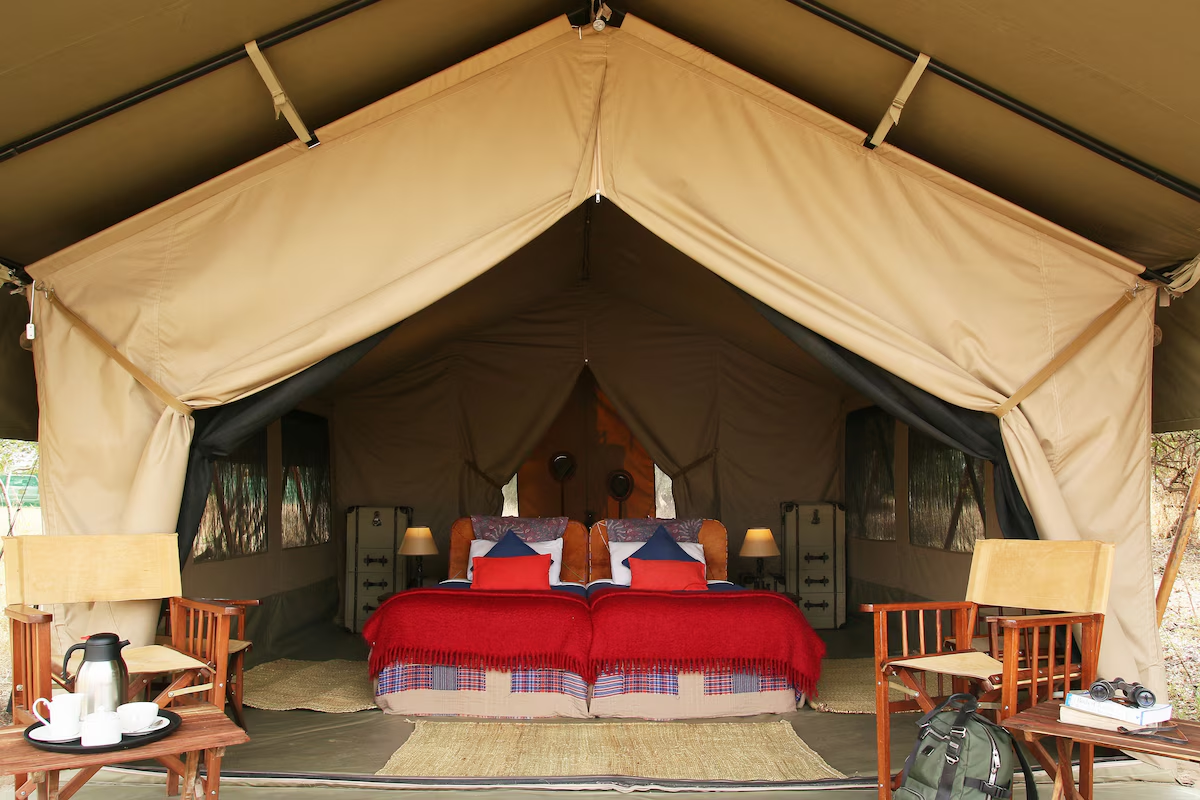
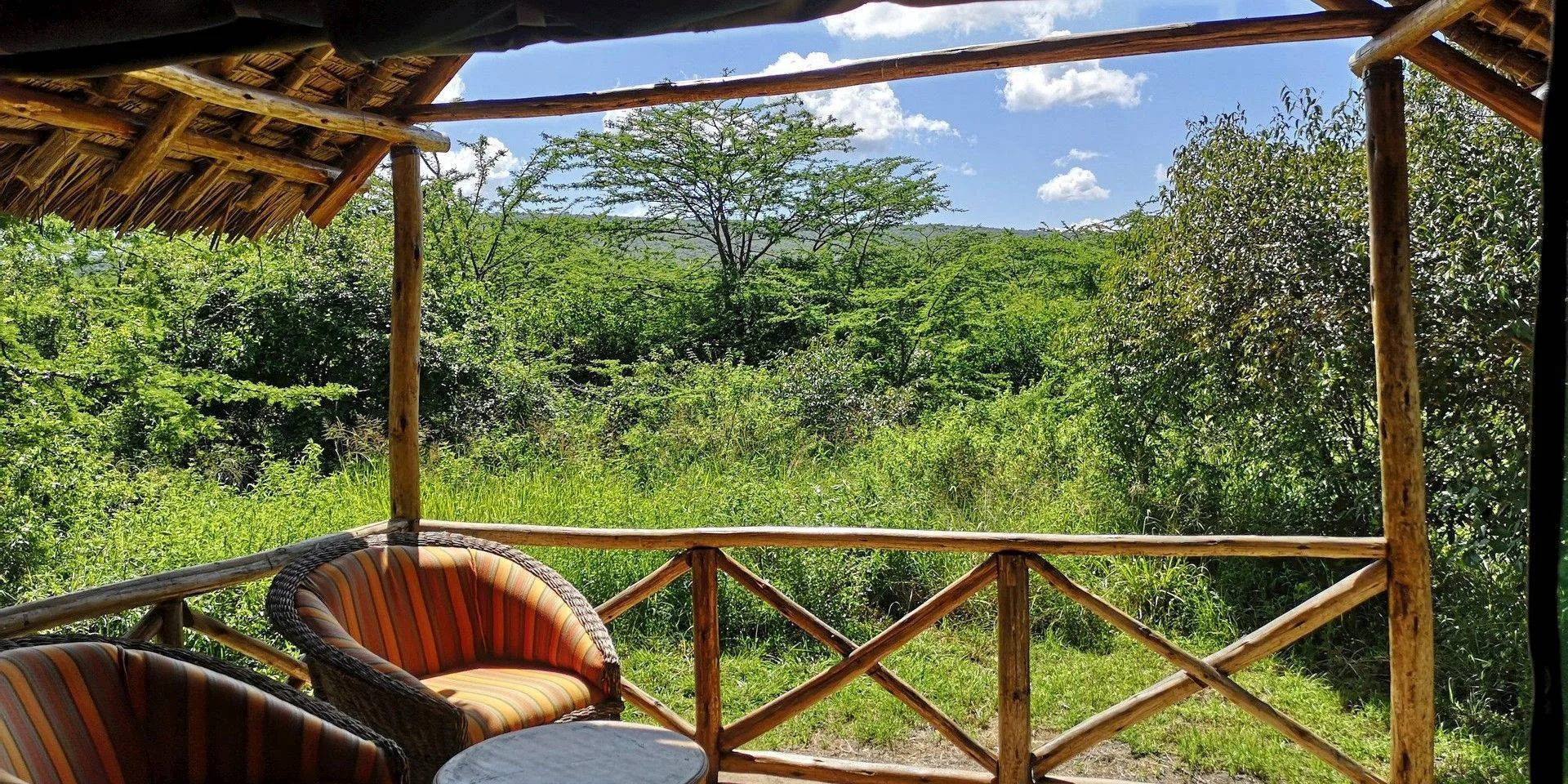
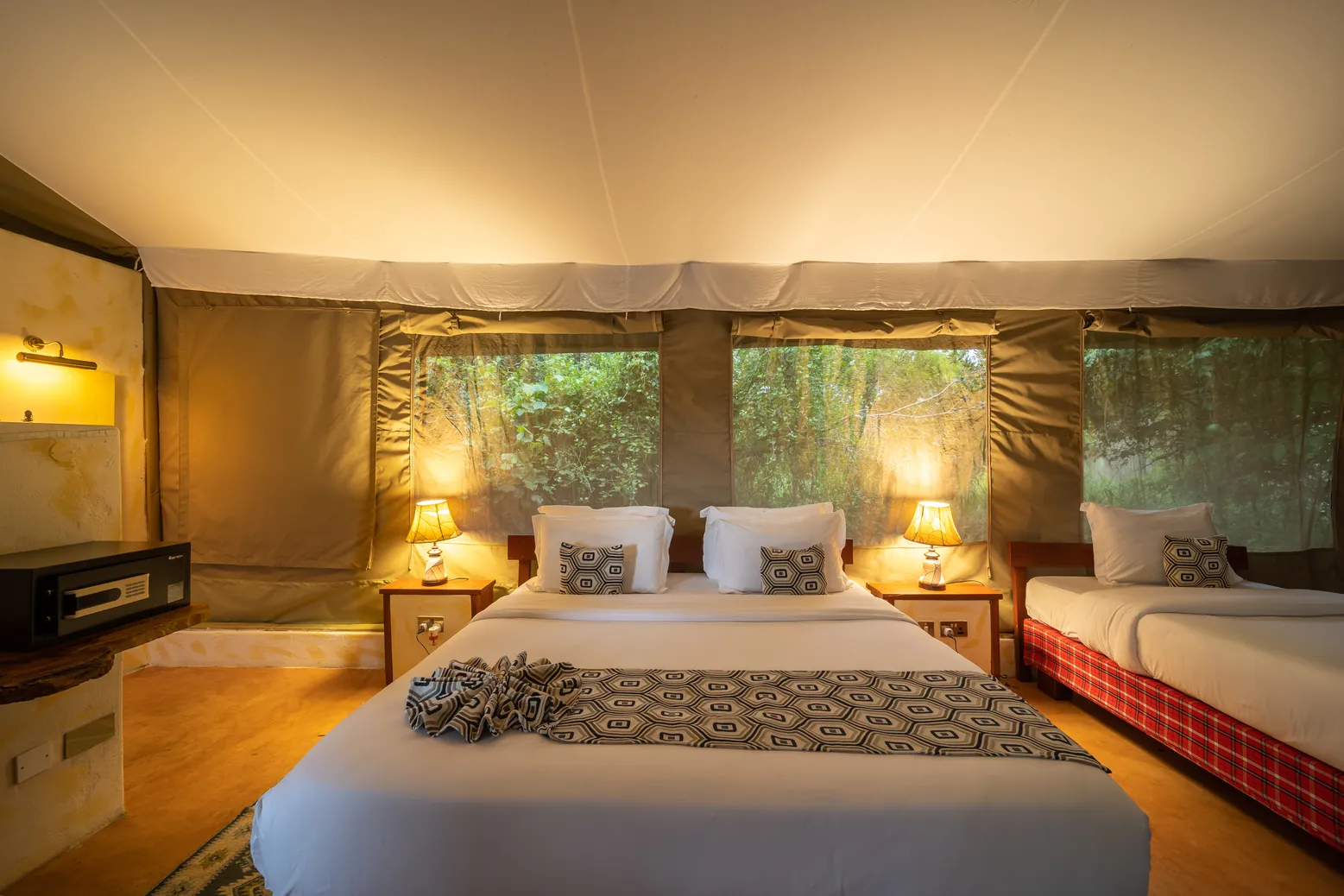
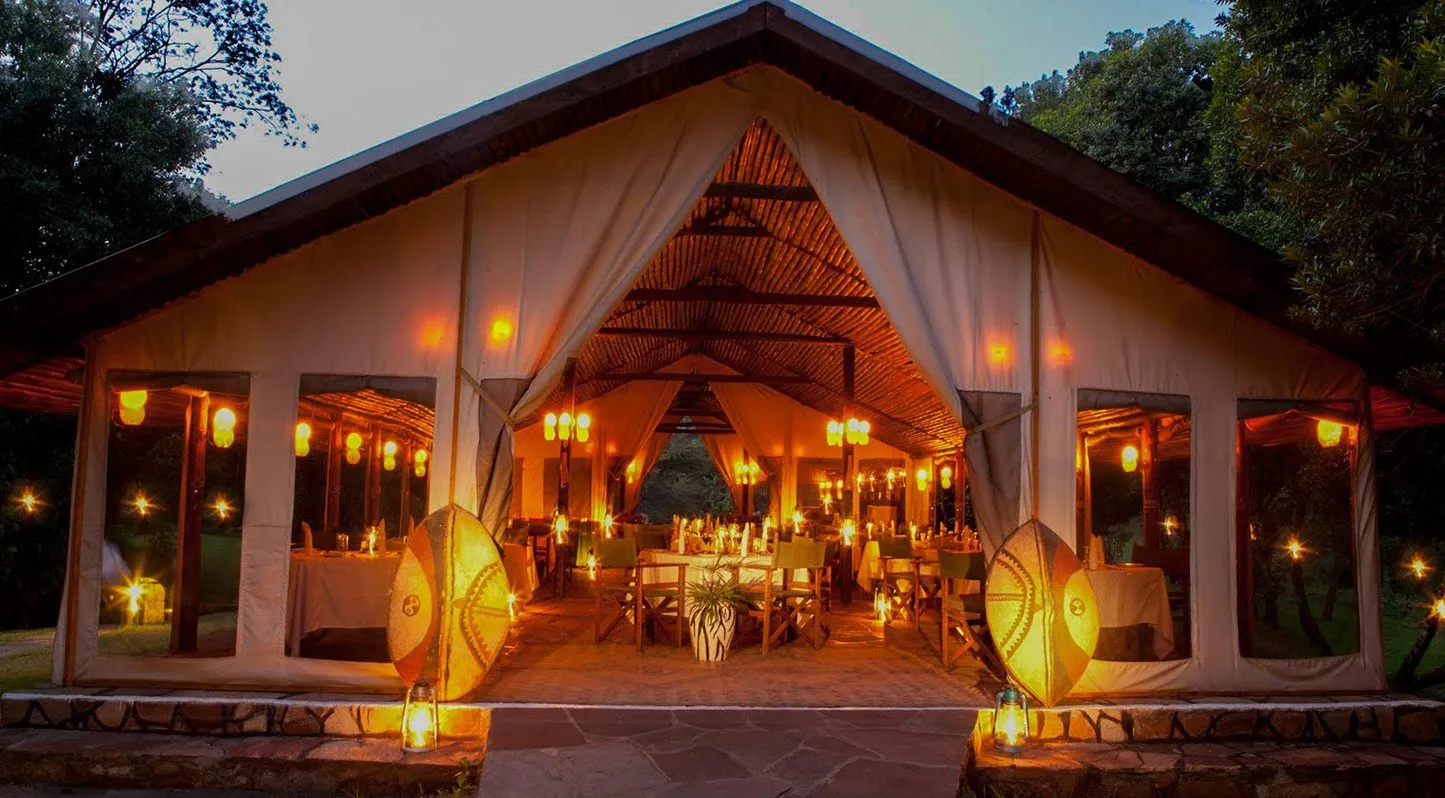
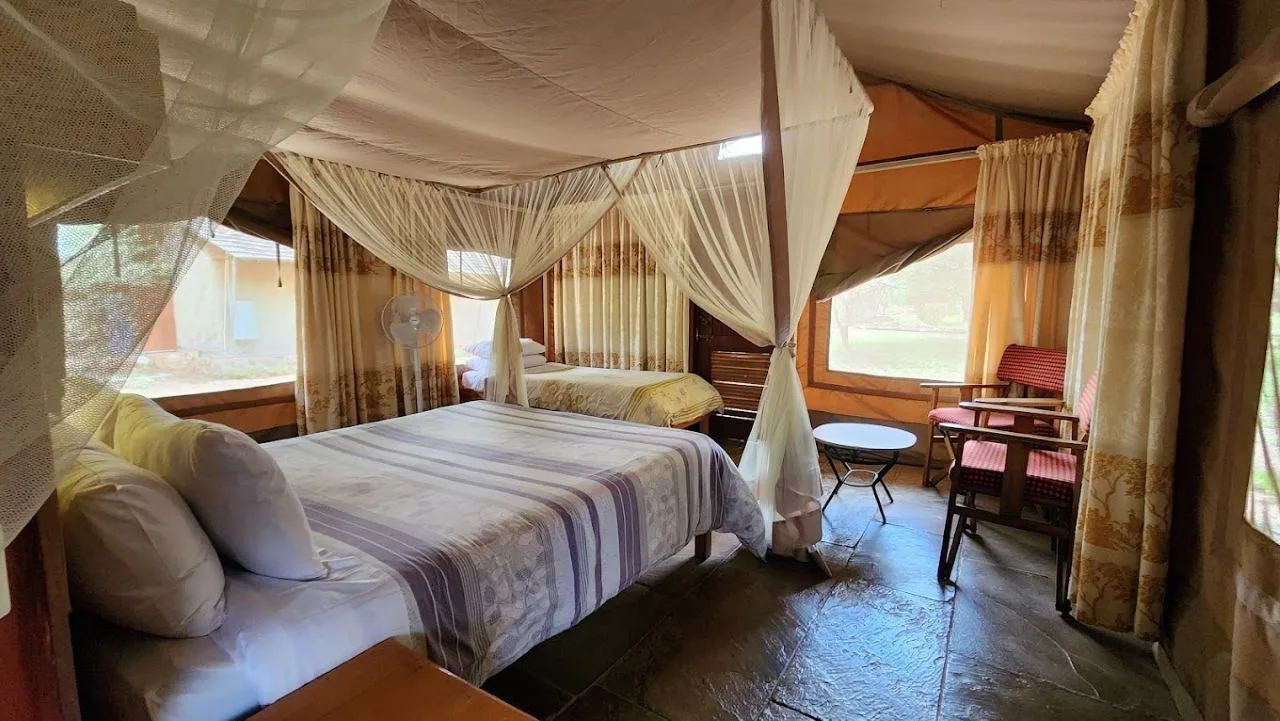
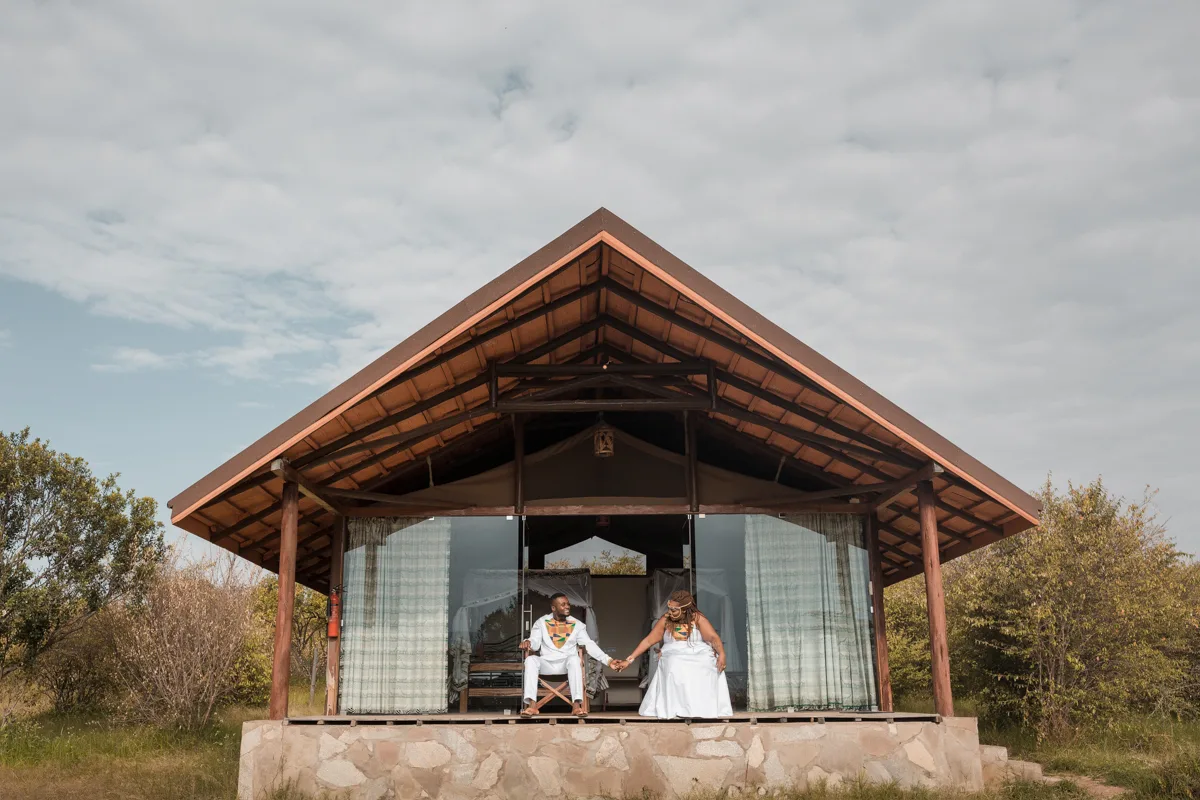
-
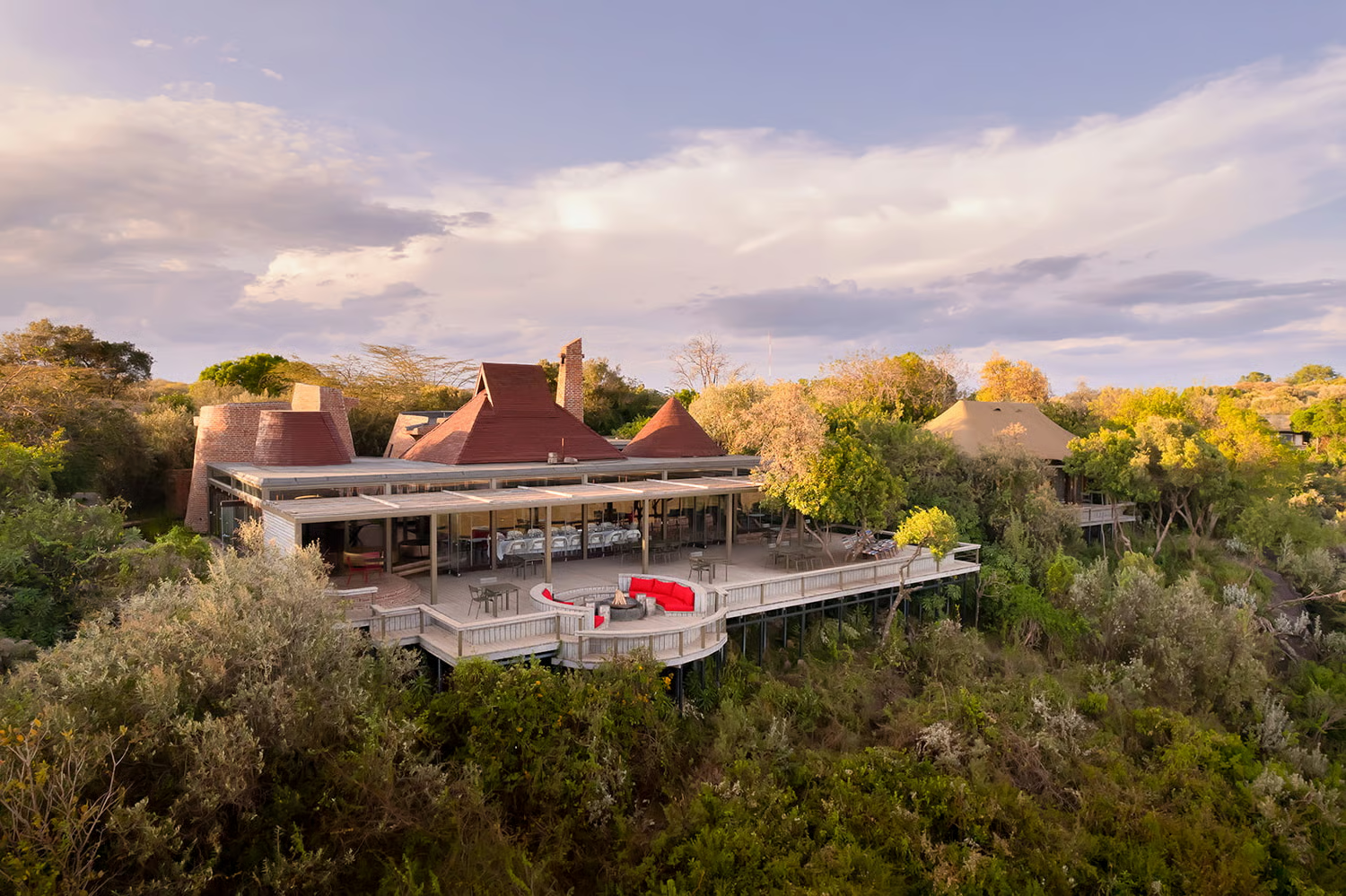
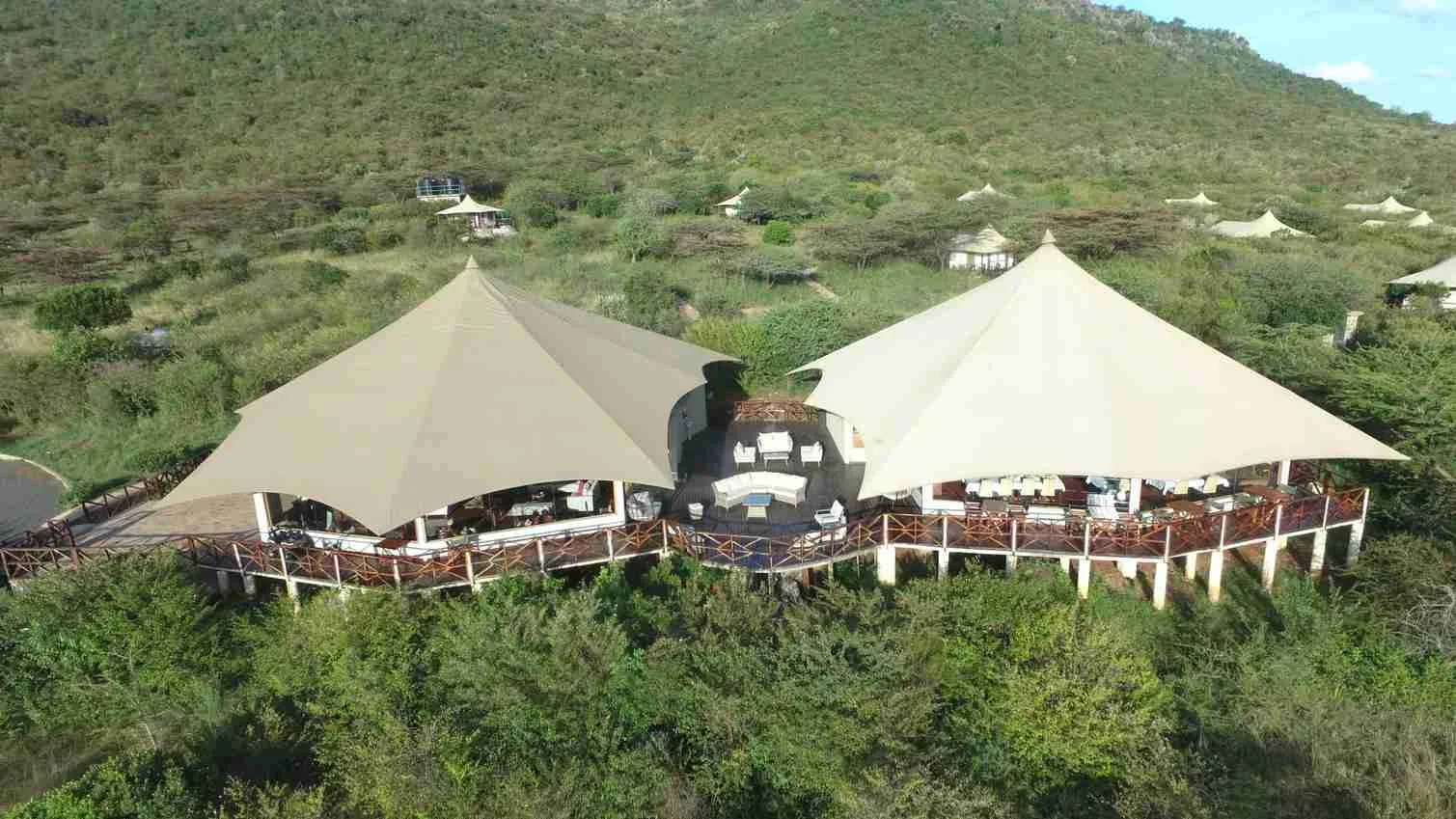
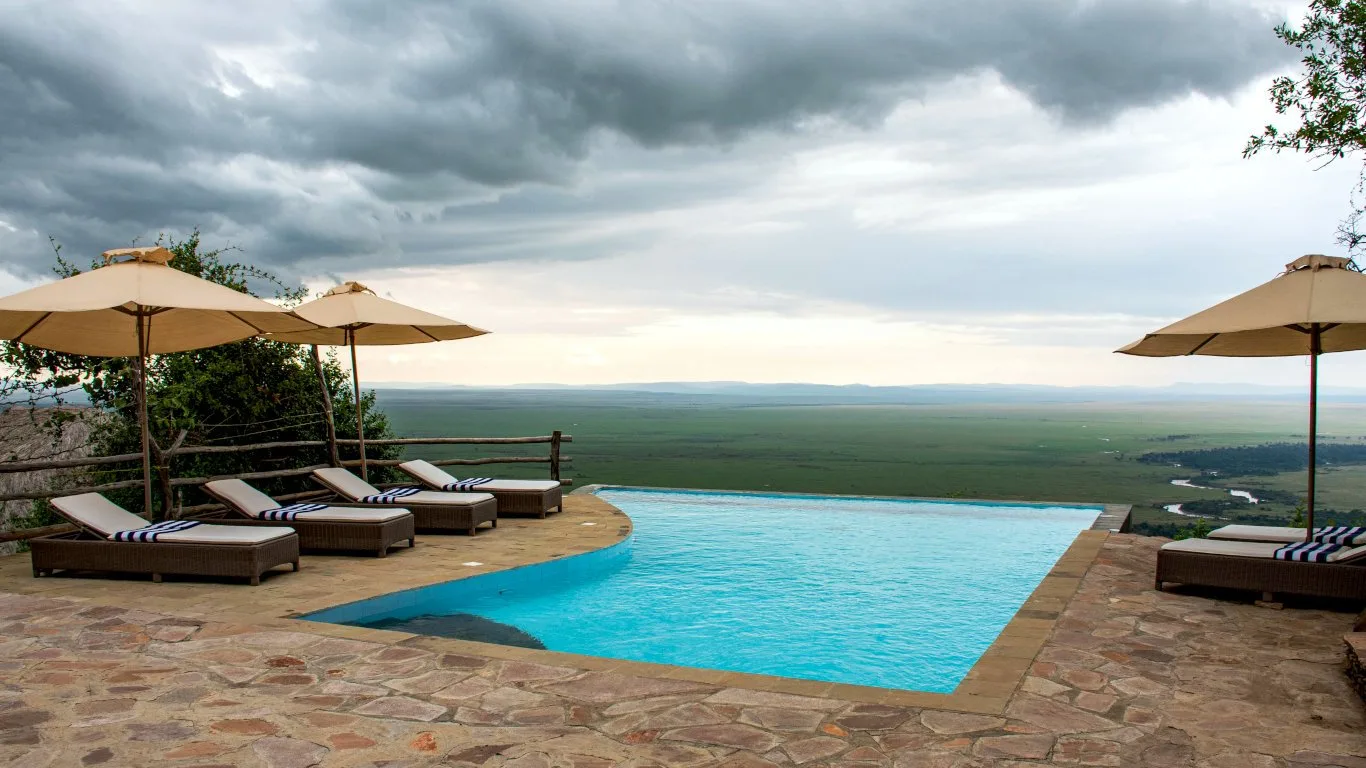
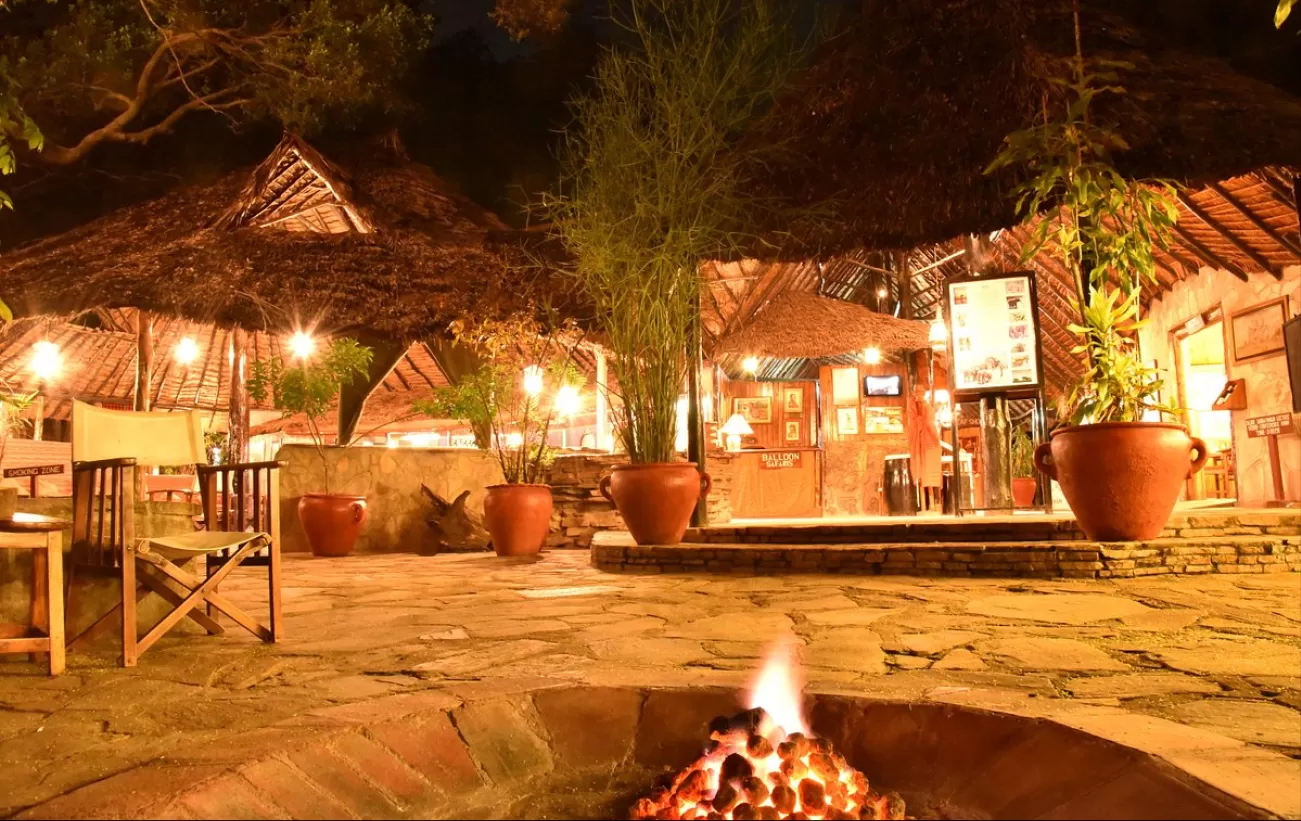
Premium (Luxury)
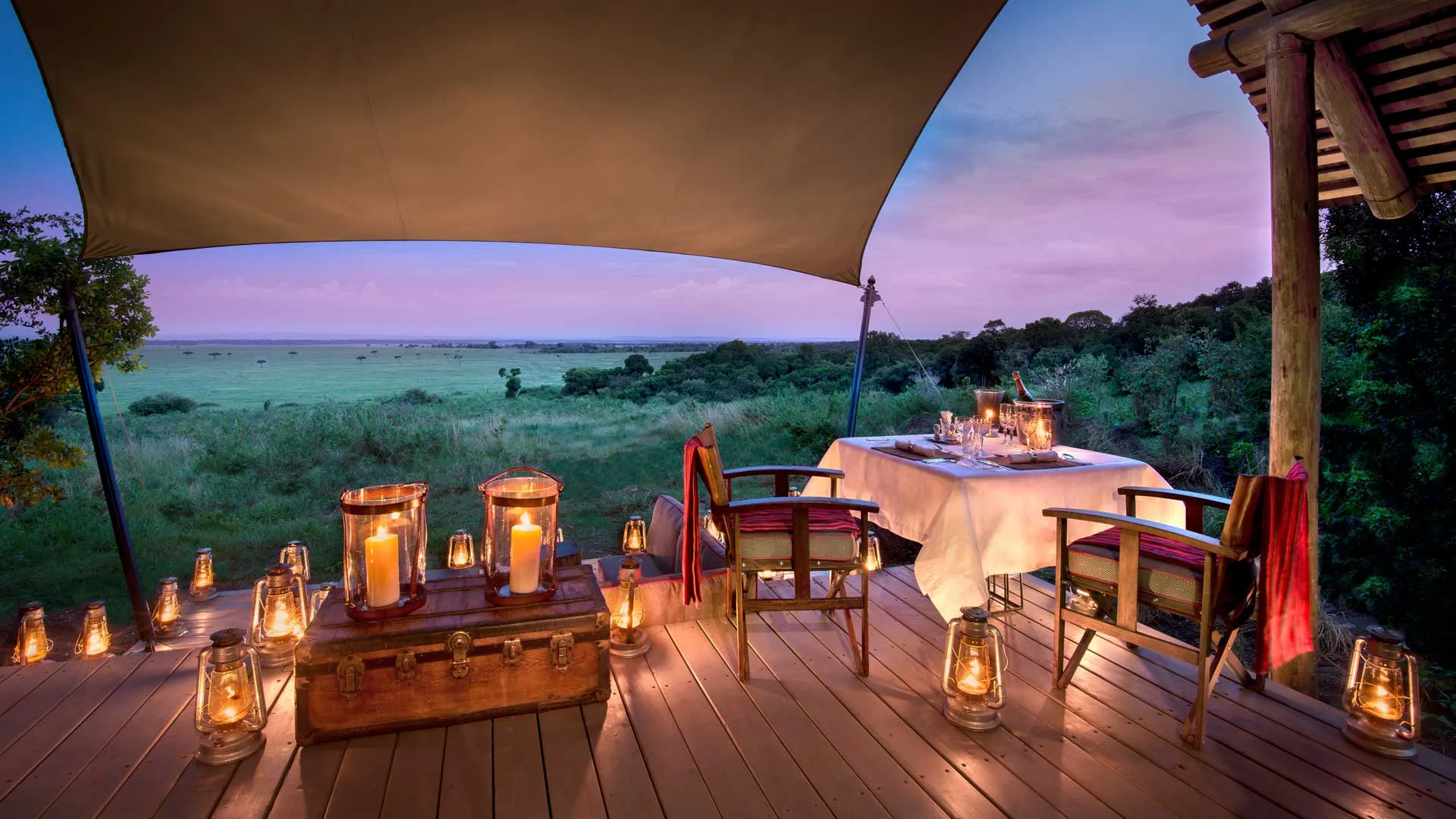
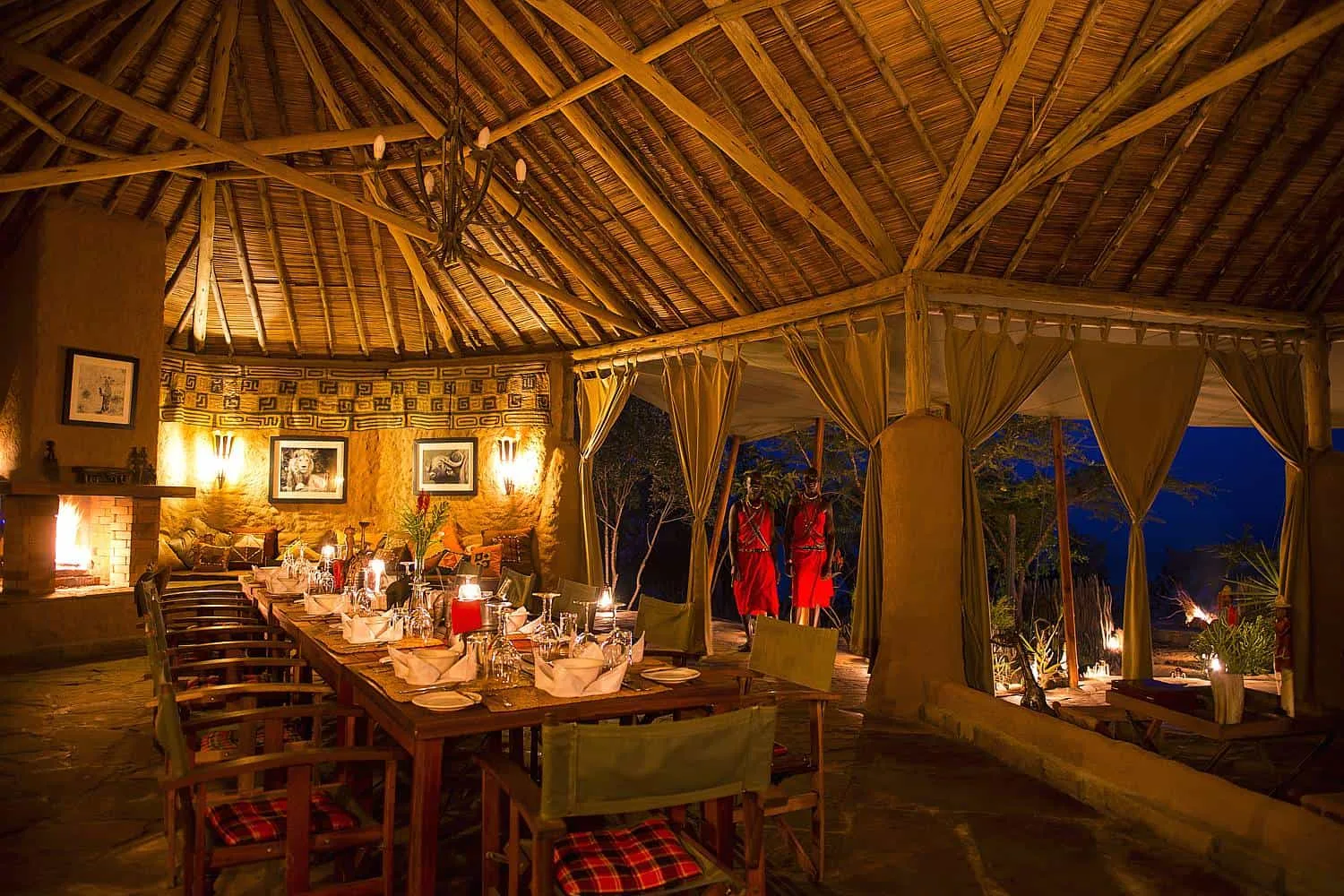
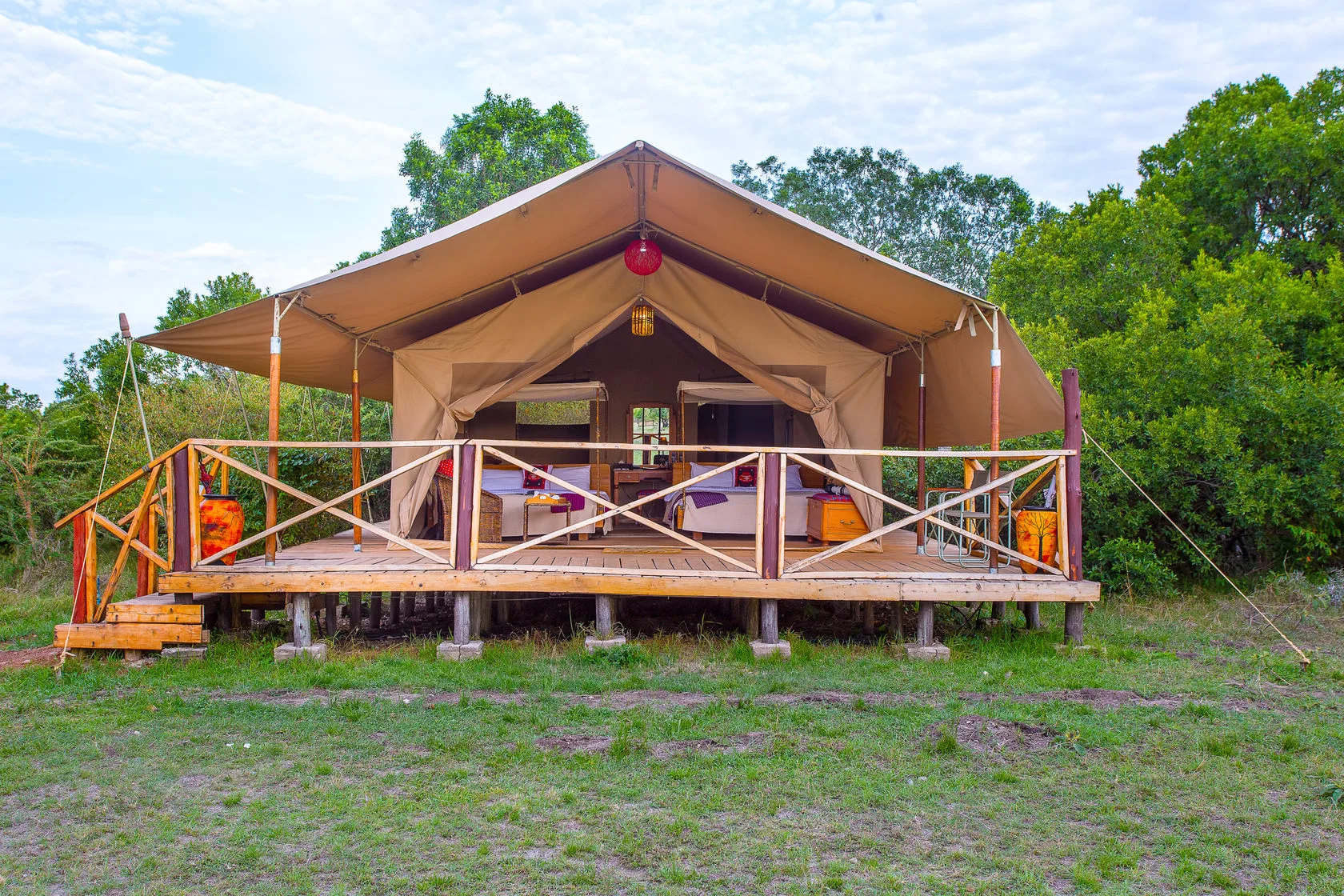
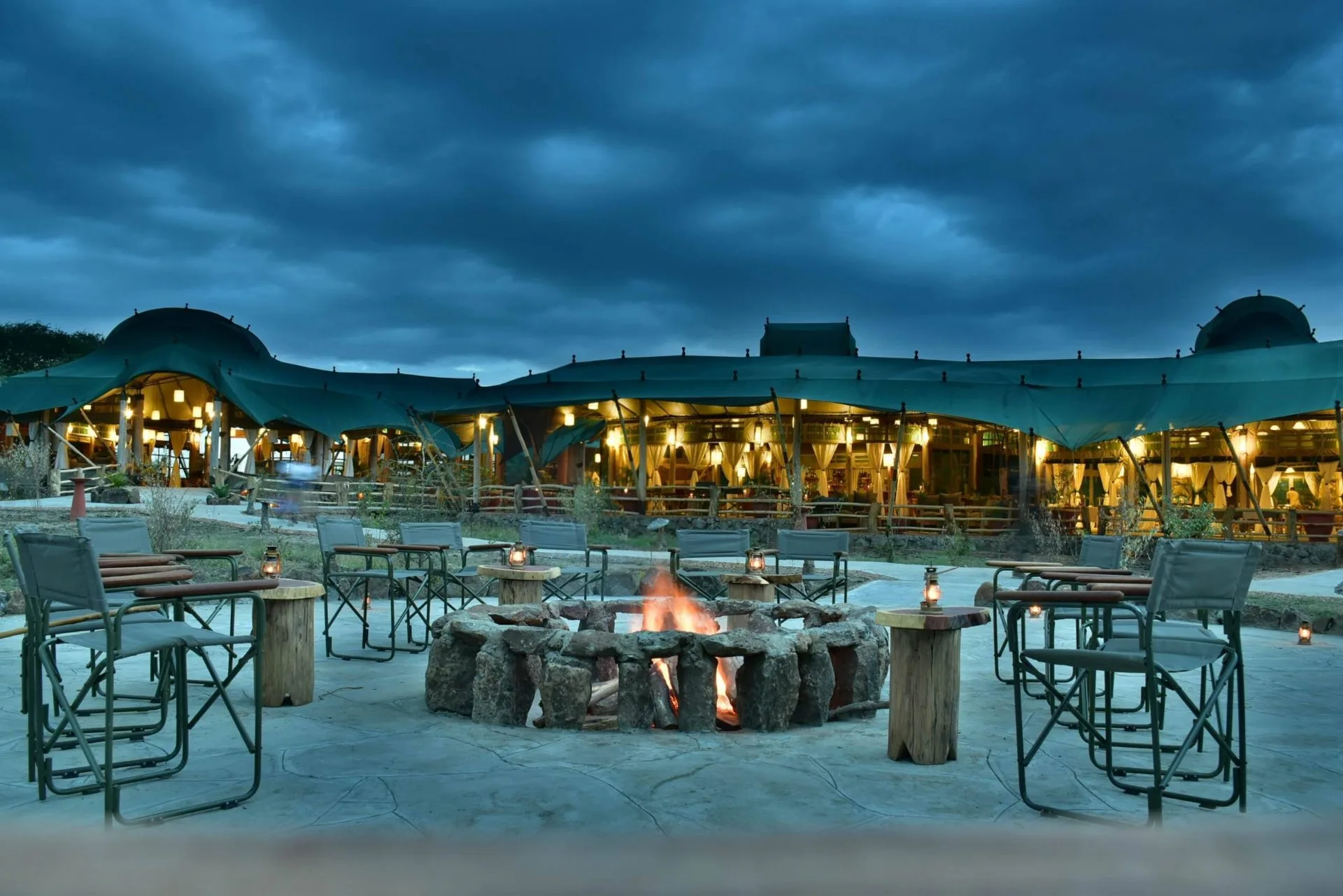
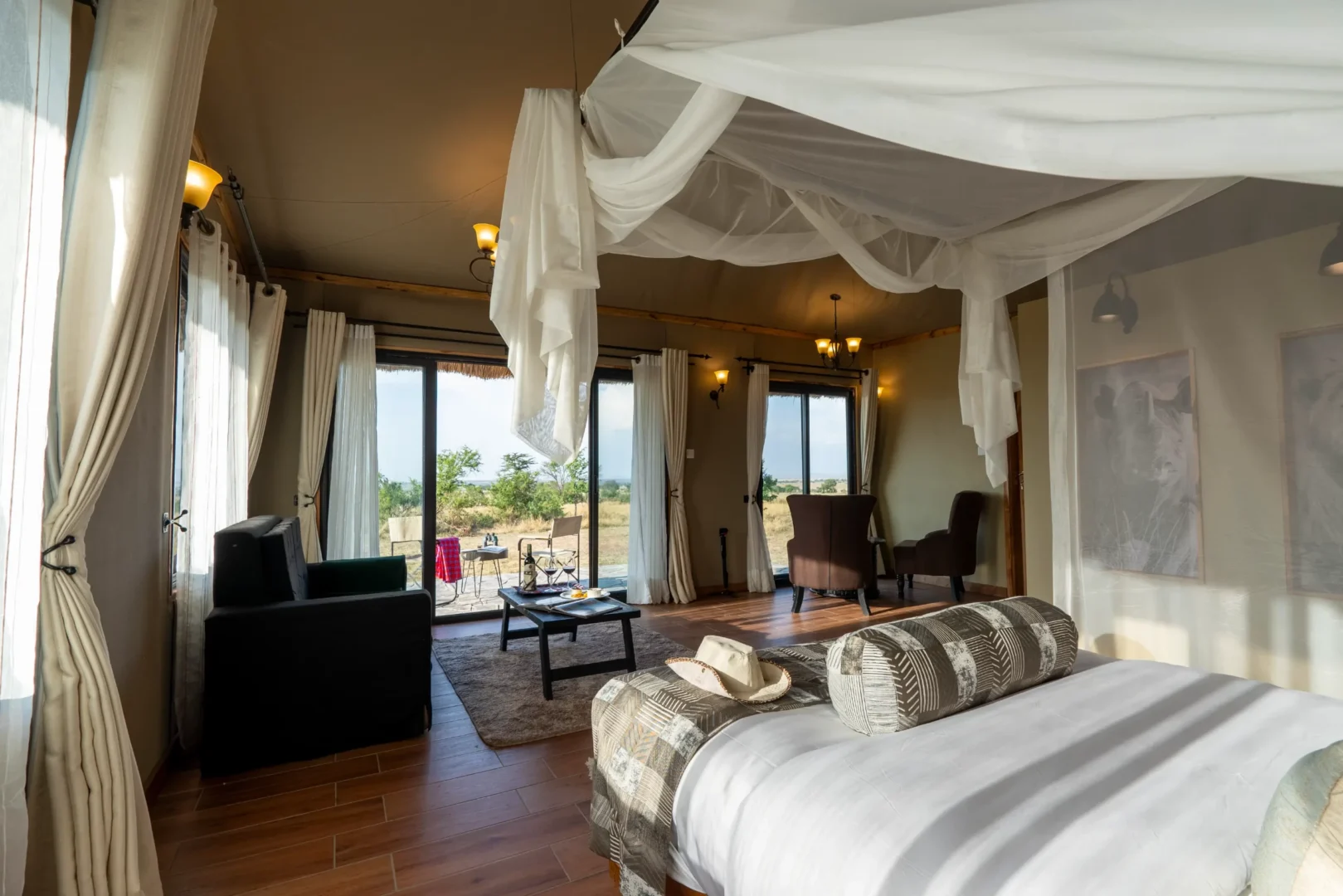
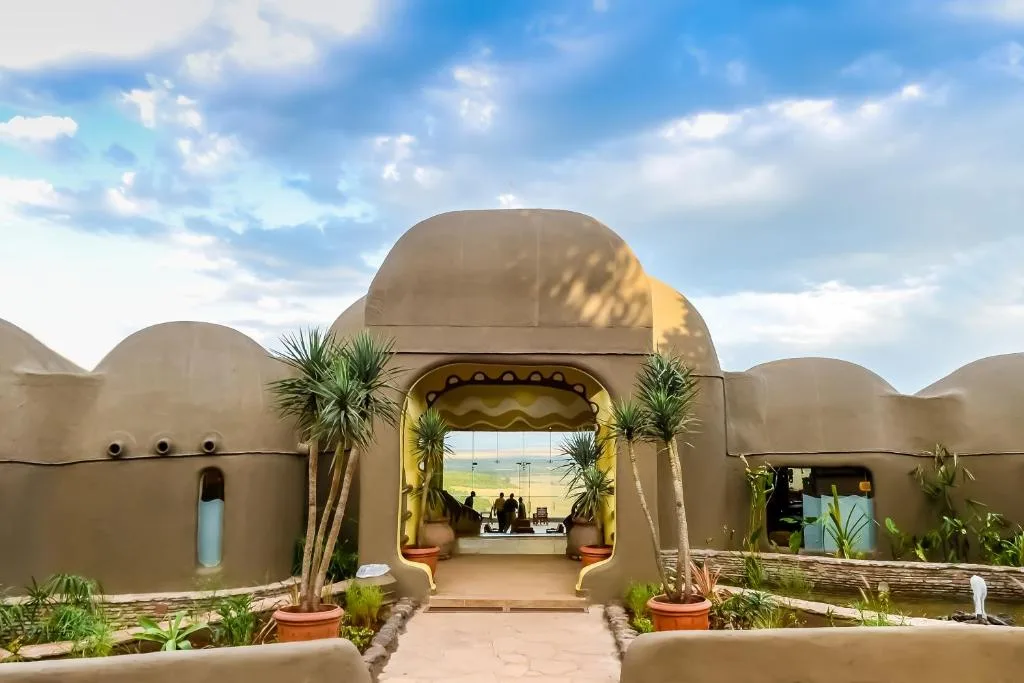
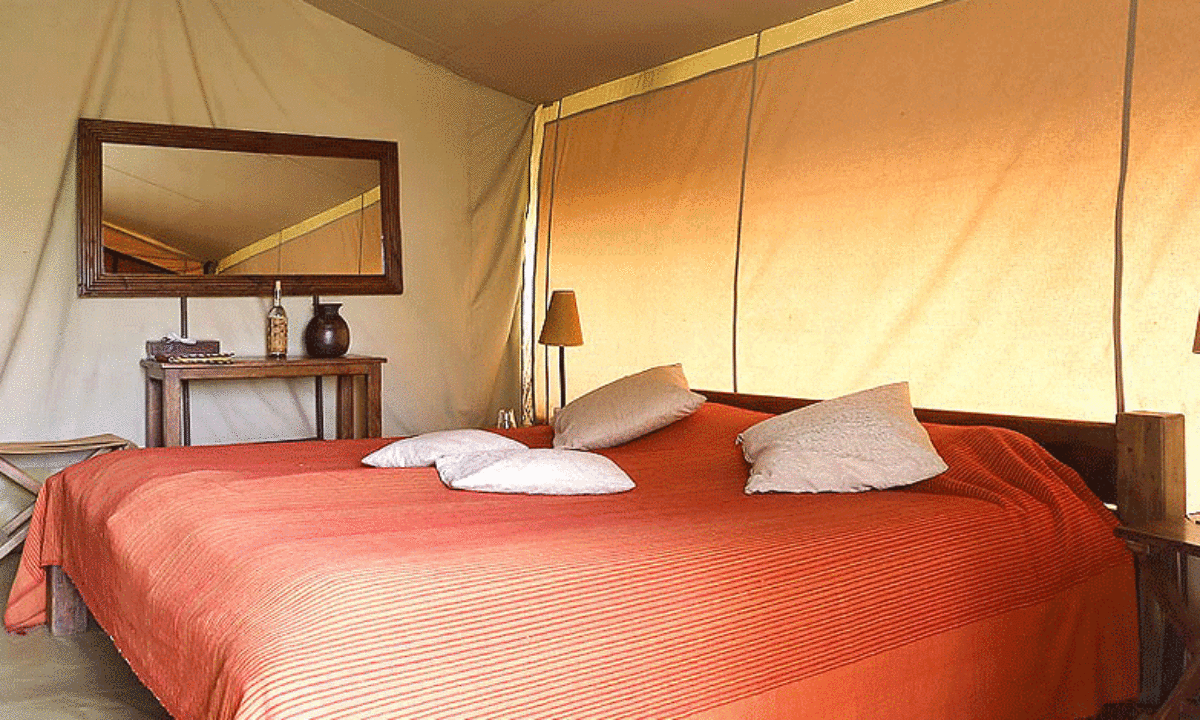
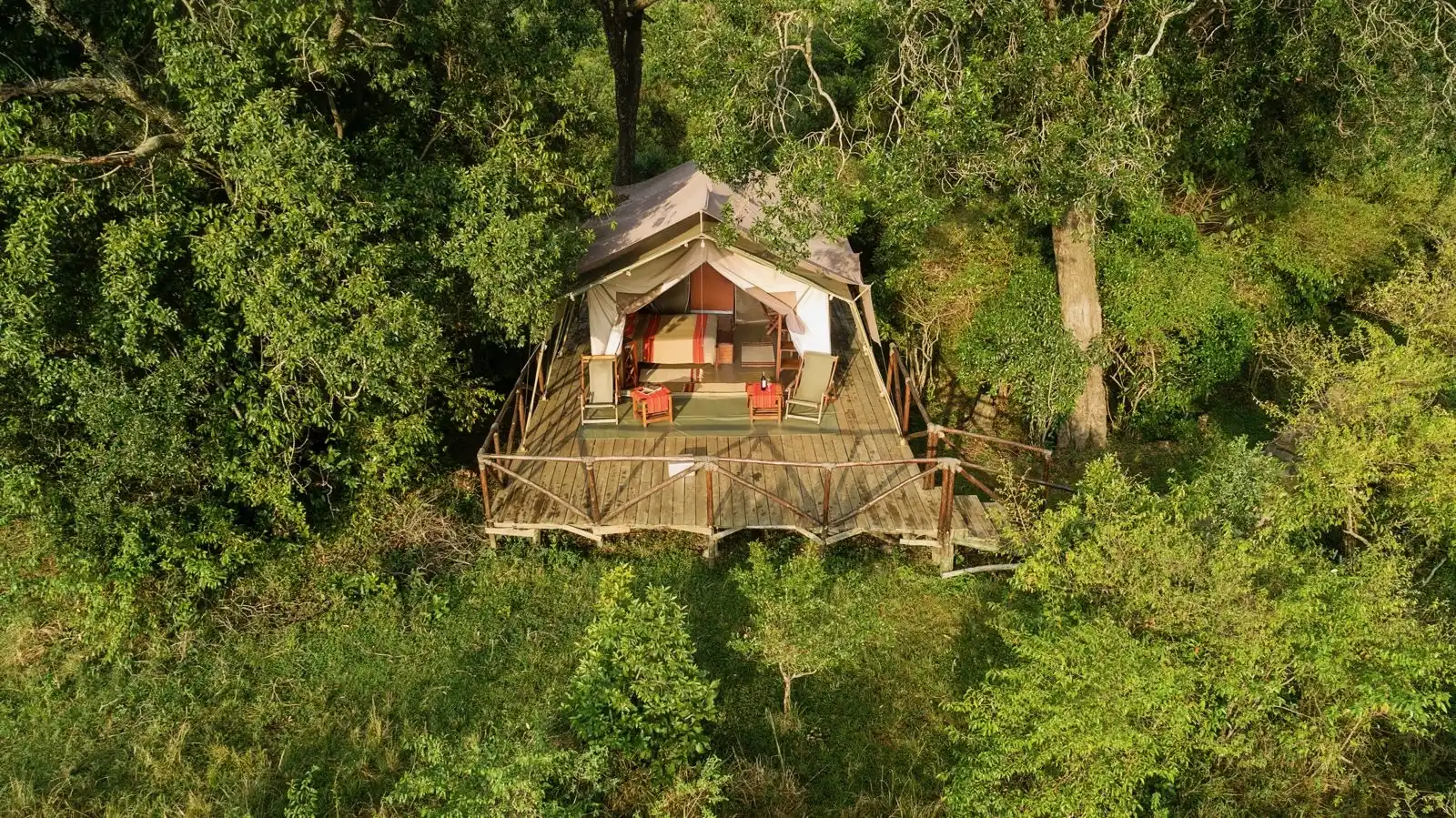
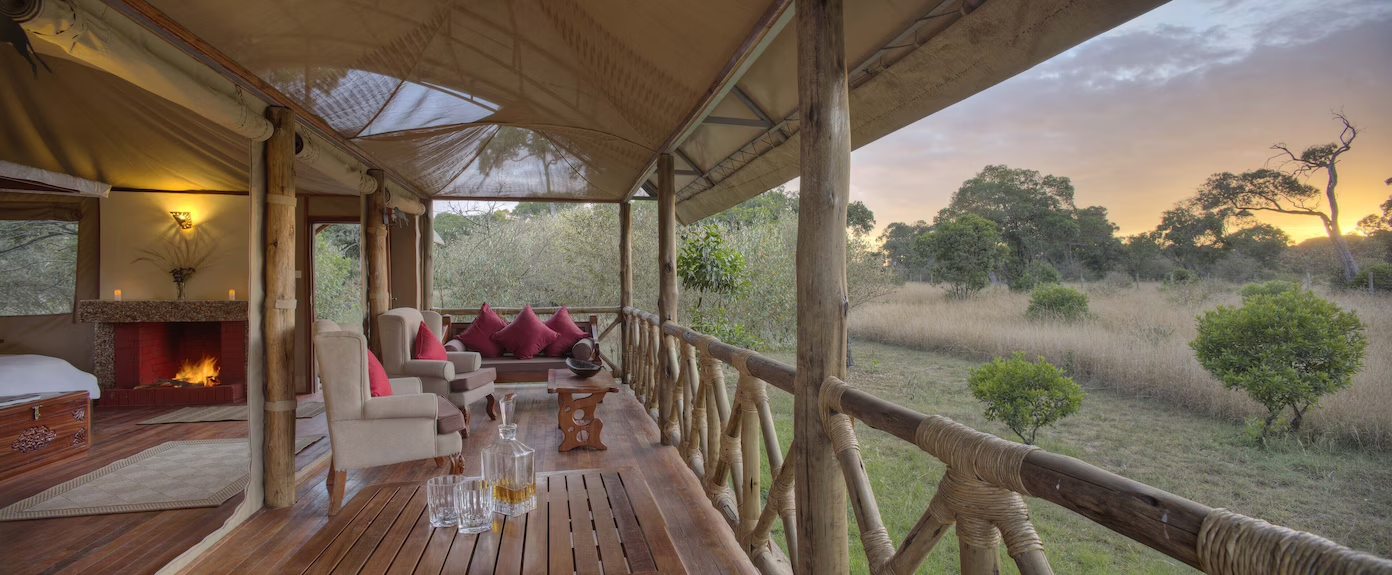
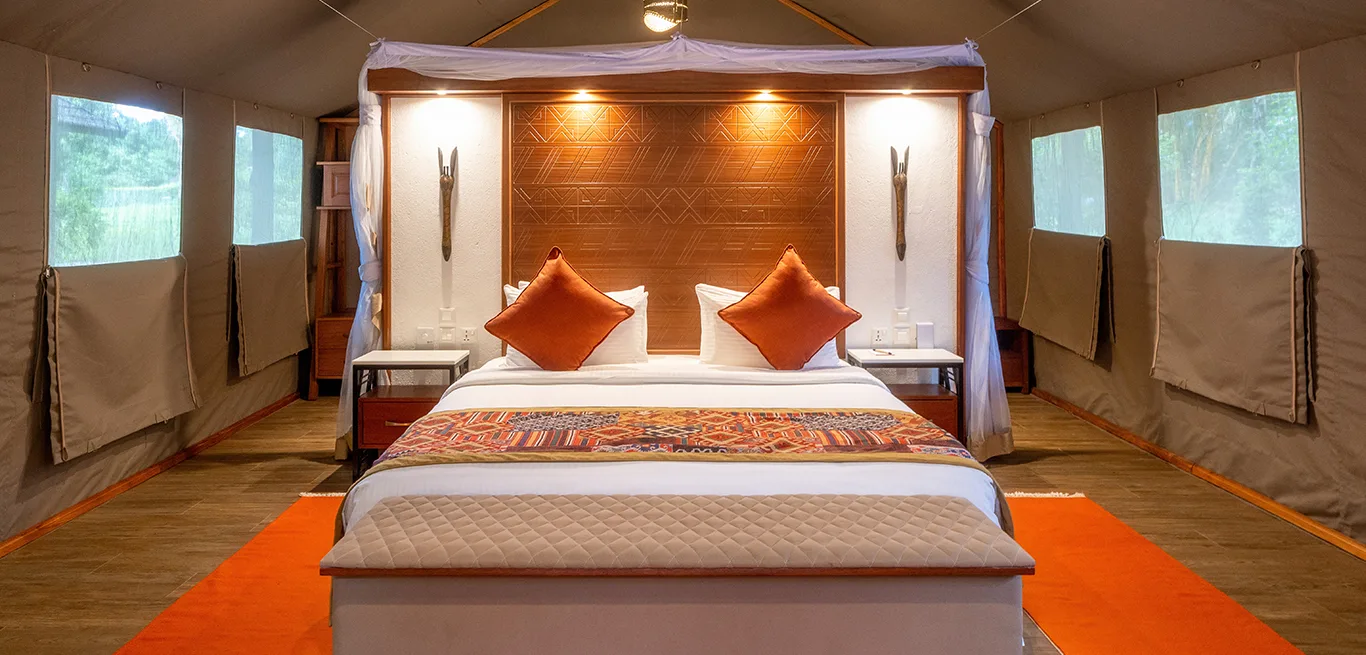
-
Signature (High-end)
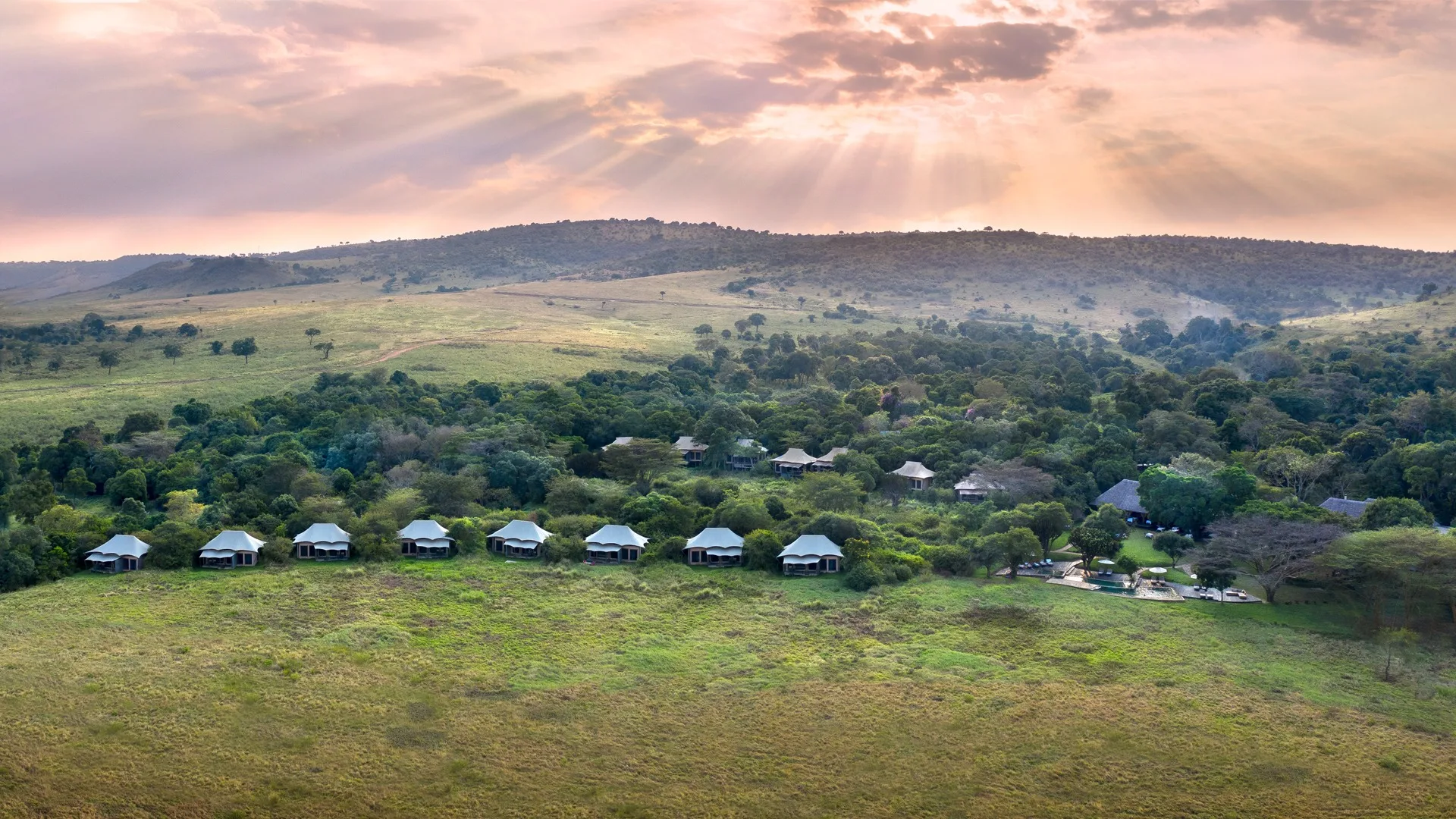
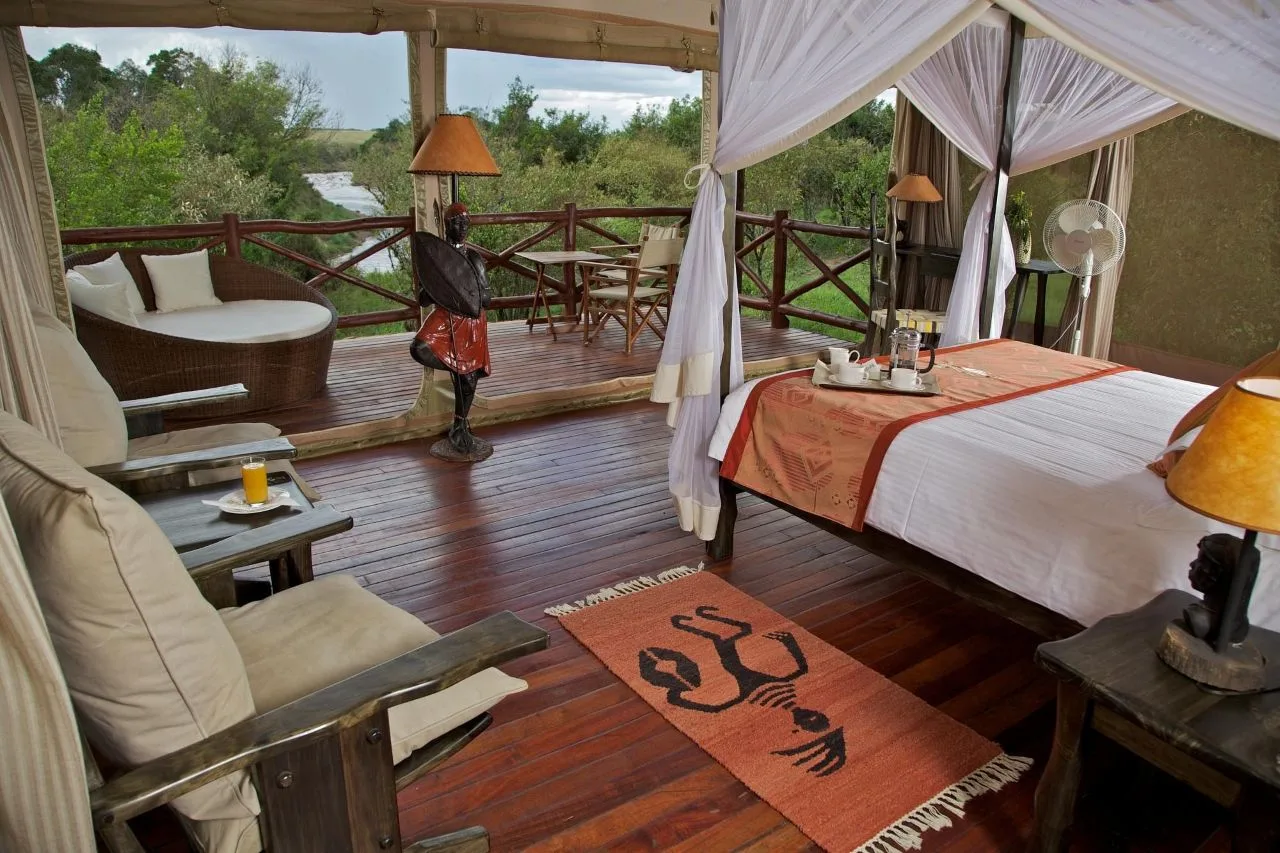
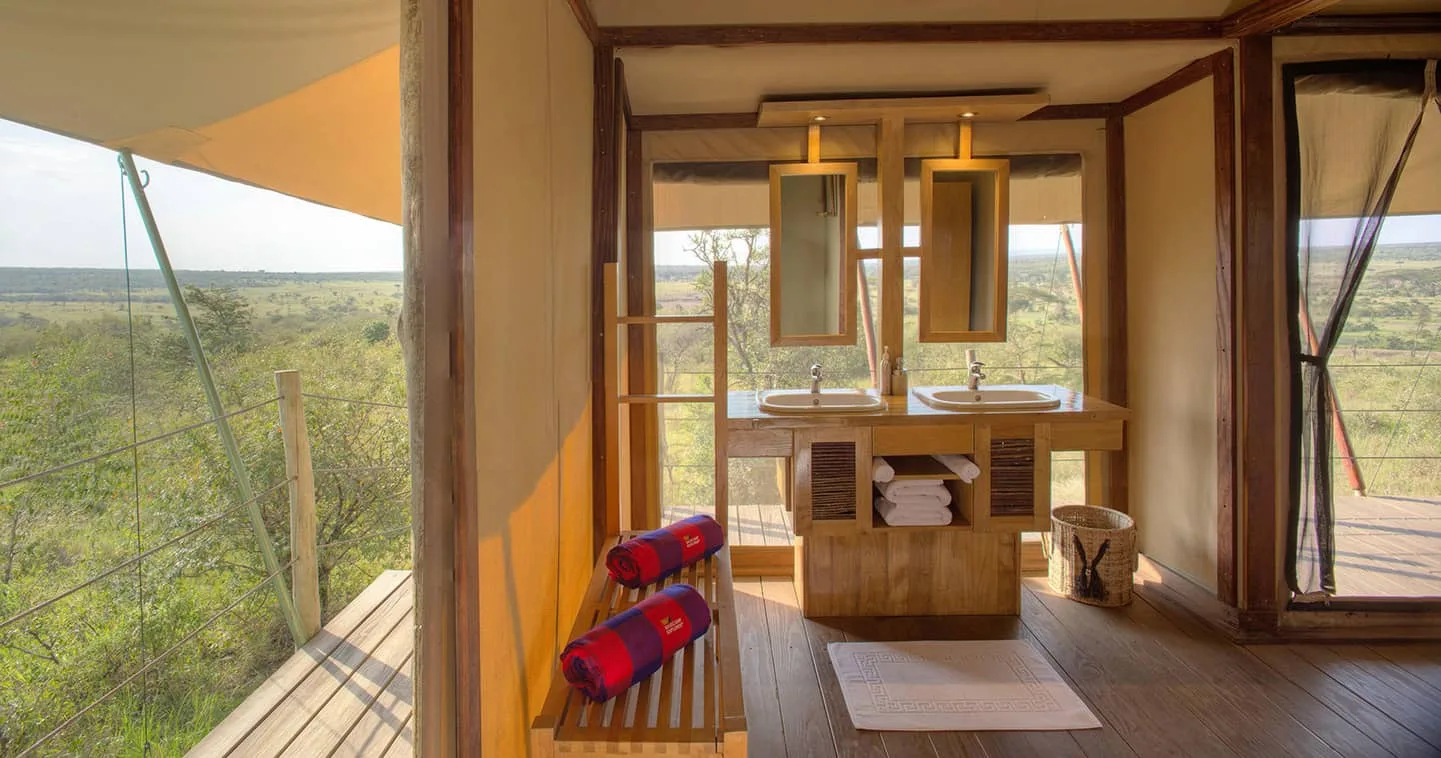
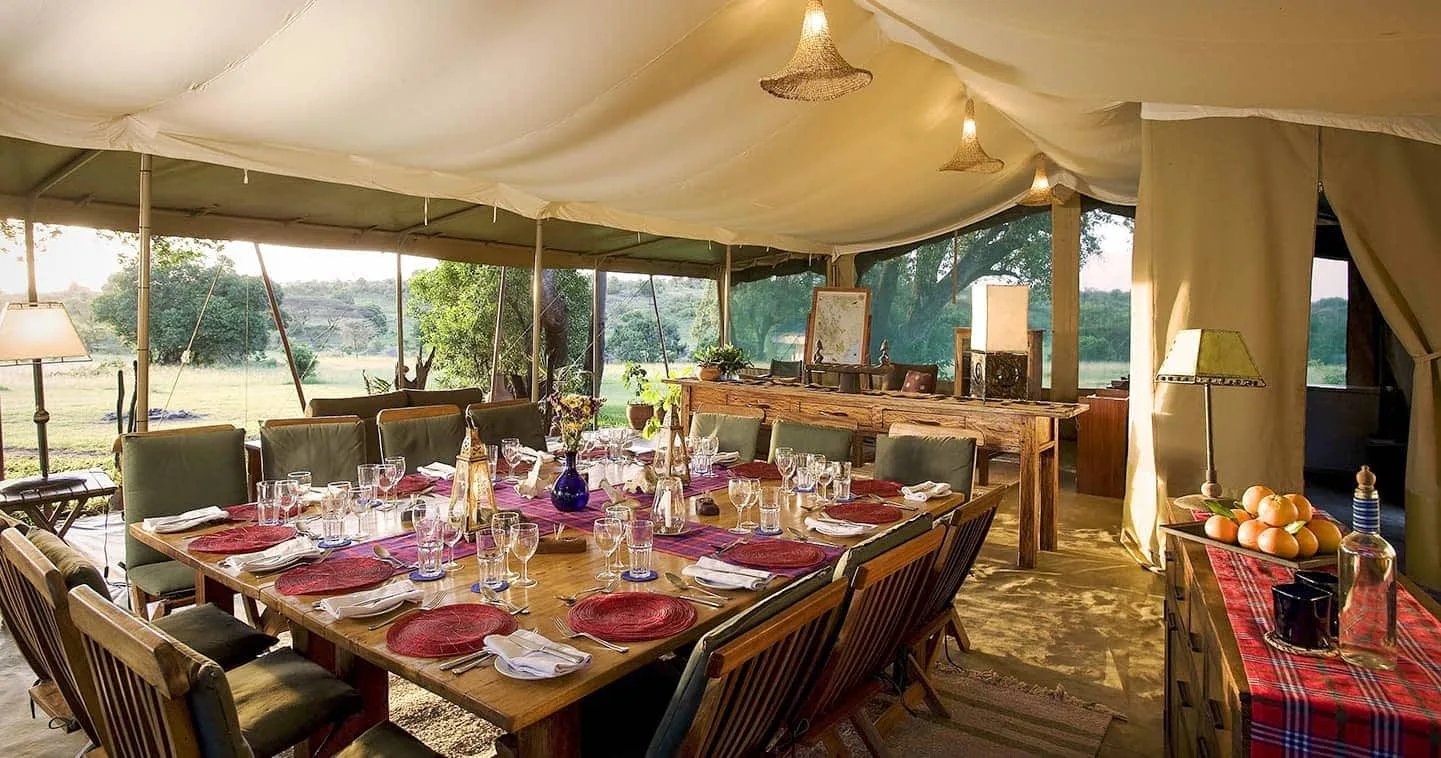
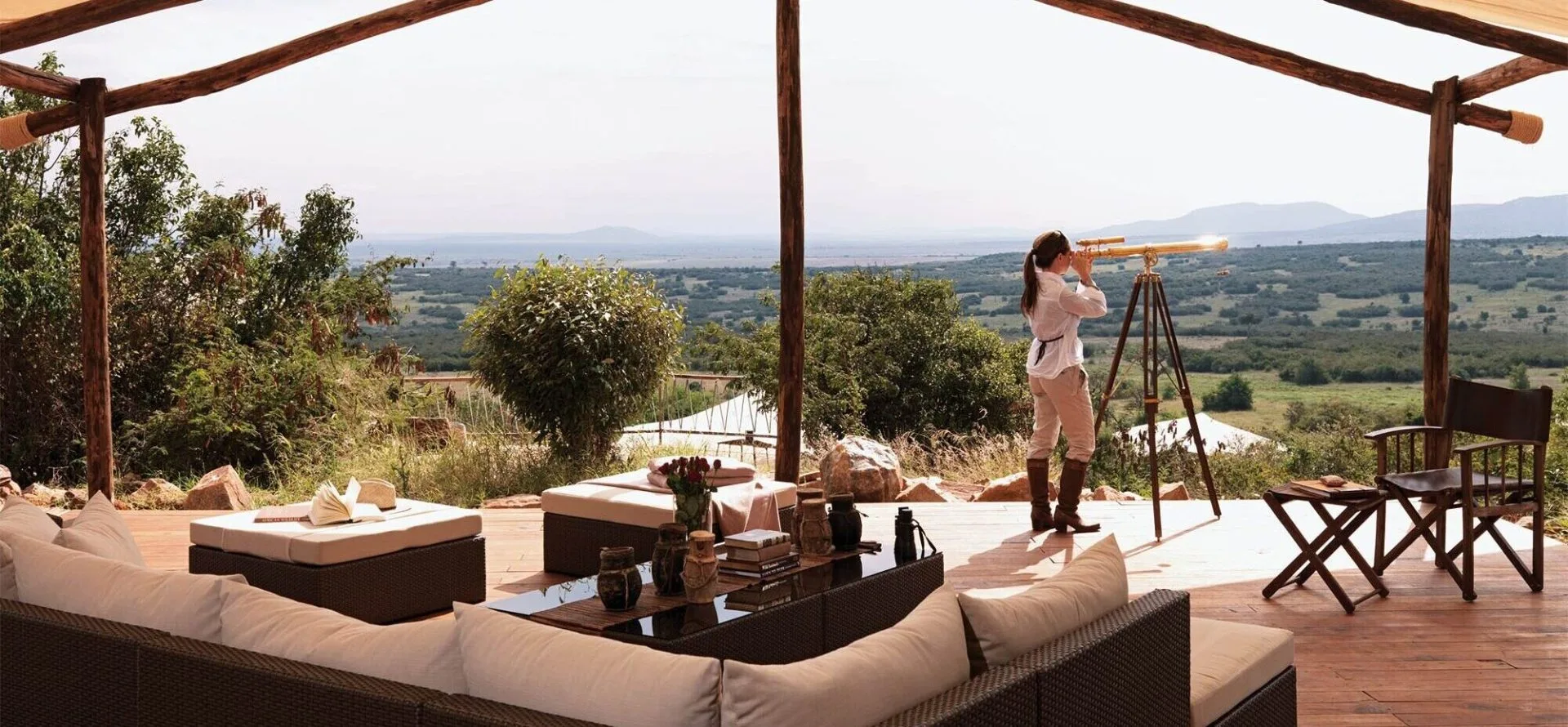
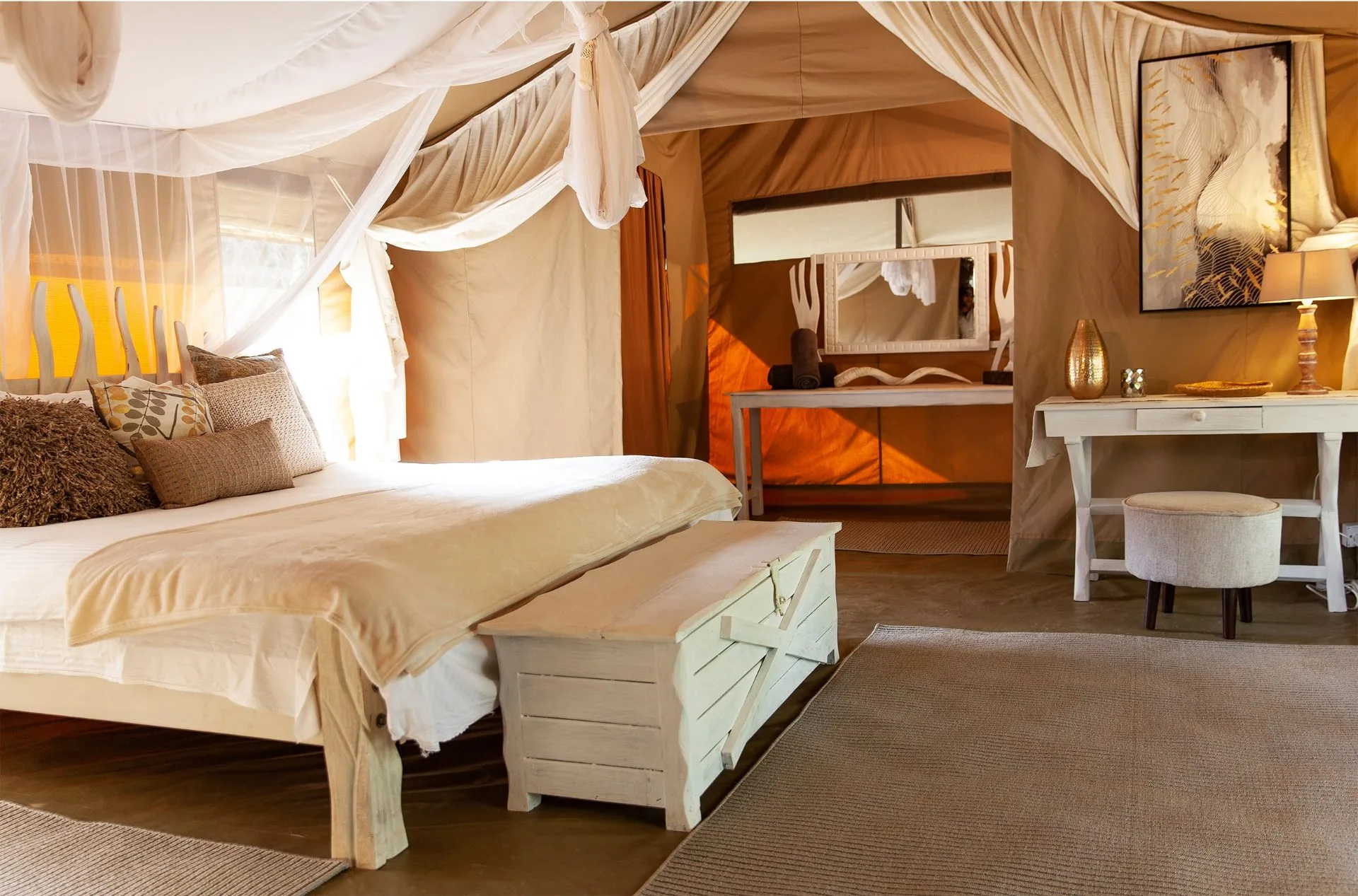
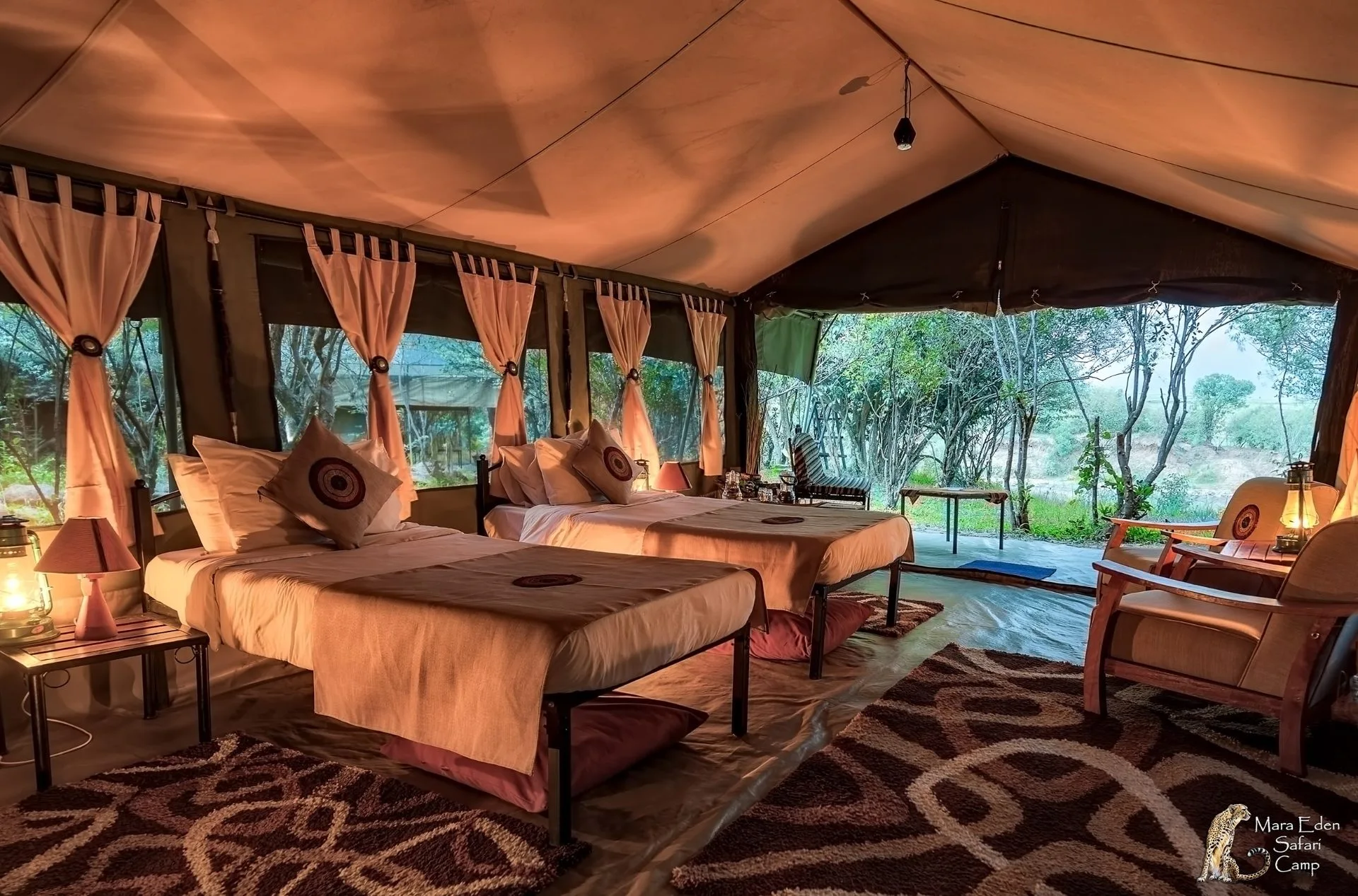
-
Day 2: Nairobi to Amboseli National Park - Main destination
- Masai Mara National Reserve
- Meals
- Breakfast, Lunch, Dinner
After breakfast, meet your private safari driver-guide and begin traveling south toward Amboseli National Park. This is the family's first true safari day. Children can begin watching the landscape change as Nairobi gradually disappears behind you, and depending on road conditions and the ages of the children, your guide can make practical comfort stops along the way.
As you move farther south, the scenery becomes increasingly open. If the weather is clear, the enormous outline of Mount Kilimanjaro may eventually appear, though the view is never guaranteed. Kilimanjaro is Africa's highest mountain, and although the mountain itself lies across the border in Tanzania, some of the best-known views occur from Kenya's Amboseli ecosystem.
Arrive at your selected family-friendly lodge or camp around lunchtime, check into your rooms and enjoy lunch. Allow the children some time to settle in. If the lodge has a swimming pool, a short swim may be a good way to break up the day before the first game drive.
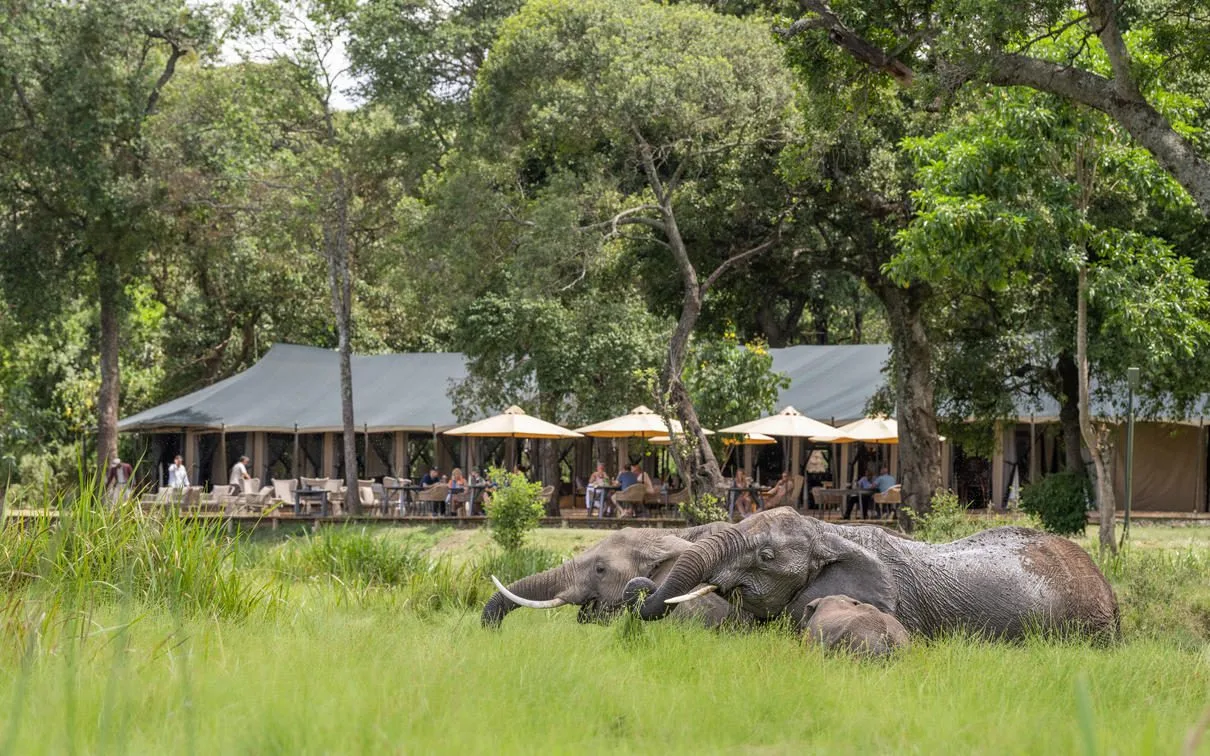
Later in the afternoon, enter Amboseli for your family's first dedicated wildlife safari. For many children, the first sighting of a wild elephant or giraffe becomes one of the defining memories of the trip. Amboseli frequently provides excellent elephant encounters, with large family groups crossing the plains or feeding in the park's marshes. Other possible wildlife includes: Buffaloes, Zebras, Wildebeest, Giraffes, Gazelles, Warthogs, Hyenas, Lions, Hippos.
Keep this first game drive relatively manageable, since the goal is to build excitement without exhausting the children on the first day. Return to the lodge for dinner.
Accommodation: Family-friendly Amboseli lodge or camp
Meal Plan: Breakfast, Lunch and Dinner
Where you stay
-
Day 3: Amboseli Family Safari – Elephants and Kilimanjaro - Main destination
- Masai Mara National Reserve
- Meals
- Breakfast, Lunch, Dinner
Wake for your first full morning inside the Amboseli ecosystem. Families with younger children do not necessarily need to leave before sunrise unless everyone wants to, and a slightly later morning departure can sometimes create a better overall experience. However, families with older children or teenagers may enjoy an early start, and morning can be particularly attractive because Mount Kilimanjaro is often clearer before cloud develops around the mountain.
Begin your game drive through the park. Amboseli is especially good for teaching children about elephant family relationships. Your guide can explain how elephants:
- Communicate
- Protect calves
- Use their trunks
- Find water
- Feed
- Move as family groups
- Respond to one another
Rather than simply identifying an elephant, children can begin learning how animals actually behave.
The park's wetland areas support enormous wildlife activity. Elephants may feed in marshes, buffaloes can gather around permanent water, hippos remain in wetland areas and birdlife can be spectacular. Children can be encouraged to keep a simple wildlife list. Possible entries might include: Elephant, Zebra, Giraffe, Buffalo, Warthog, Wildebeest, Gazelle, Lion, Hyena, Hippo.
Return to your lodge for lunch. The middle of the day can be dedicated to swimming, resting or family time. Later in the afternoon, take another shorter game drive, since this morning-and-afternoon structure is often better for families than remaining in a vehicle continuously from sunrise to sunset. Return for dinner.
Accommodation: Family-friendly Amboseli lodge or camp
Meal Plan: Breakfast, Lunch and Dinner
Where you stay
-
Day 4: Second Full Day in Amboseli – Relaxed Family Wildlife Day - Main destination
- Masai Mara National Reserve
- Meals
- Breakfast, Lunch, Dinner
The additional day in Amboseli provides valuable flexibility. If yesterday's game drives went extremely well, today can be slower. If the children are enthusiastic and want to spend more time searching for animals, the family can take longer drives. The schedule is yours.
Your guide may explore a different section of the park today. Potential themes can include:
Elephant Behavior
Spend time with one elephant family and watch interactions. Children often learn more by observing one group carefully than by constantly driving from animal to animal.
Predator Search
Search open plains for lions, hyenas or possibly cheetahs, while your guide explains the relationship between predators and herbivores.
Bird Challenge
Give children binoculars and encourage them to identify colorful or unusual birds. They might see: Crowned cranes, Herons, Egrets, Storks, Eagles, Kingfishers, Flamingos depending on conditions, Ostriches.
Kilimanjaro Photography
If the mountain is clear, take time for family photographs with the Amboseli landscape.
Return to the lodge for lunch. The afternoon may be spent entirely at leisure if the family needs a break, and a thirteen-day itinerary gives you that freedom. Take a late-afternoon drive only if everyone is interested.
Accommodation: Family-friendly Amboseli lodge or camp
Meal Plan: Breakfast, Lunch and Dinner
Where you stay
-
Day 5: Amboseli to Lake Naivasha – Great Rift Valley - Main destination
- Masai Mara National Reserve
- Meals
- Breakfast, Lunch, Dinner
After breakfast, leave Amboseli and begin traveling toward Lake Naivasha. This is one of the longer transfer sections of the safari, so the driver-guide can divide the journey using rest stops where practical. Carry:
- Water
- Light snacks
- Books
- Simple games
- Headphones
- Tablets if desired
- Cameras
- Binoculars
As you approach the Great Rift Valley, the scenery changes dramatically, and a viewpoint stop may be made where conditions and timing permit. Older children may find the geology particularly interesting, as the Great Rift Valley stretches across a vast part of East Africa and represents one of the continent's most significant geological systems.
Continue toward Lake Naivasha, arrive at your lodge, check in and enjoy lunch. The remainder of the day can be relatively relaxed. If everyone feels energetic, take a short walk around permitted lodge areas or enjoy the gardens. Otherwise, spend the afternoon beside the swimming pool, because after several days of game drives a quiet afternoon can be very valuable.
Accommodation: Family-friendly Lake Naivasha lodge
Meal Plan: Breakfast, Lunch and Dinner
Where you stay
-
Day 6: Lake Naivasha Family Adventure - Main destination
- Masai Mara National Reserve
- Meals
- Breakfast, Lunch, Dinner
Today provides an opportunity to experience wildlife outside a traditional safari vehicle. After breakfast, consider an optional Lake Naivasha boat safari. Children often enjoy boat excursions because they provide a completely different perspective. The lake supports hippos and abundant birdlife, and potential bird sightings include: African fish eagles, Pelicans, Cormorants, Herons, Kingfishers, Egyptian geese.
The boat captain and guide maintain appropriate distance from hippos, and children should remain seated and follow all safety instructions.
Optional Crescent Island Experience
Depending on current arrangements and children's ages, the family may continue to Crescent Island for a guided walking experience. Walking in a wildlife environment can be exciting because it creates a different relationship with the landscape. The activity should always be conducted with an authorized guide and according to current safety rules.
Alternative: Hell's Gate National Park
Families with older children and teenagers may consider an optional visit to Hell's Gate National Park. Depending on current park conditions and regulations, activities can include cycling or hiking. This option may be less suitable for very young children.
Relaxed Family Option
There is absolutely no need to include every optional activity. Families with younger children can simply enjoy the lodge: swim, relax, play games and prepare for the next phase of the safari.
Accommodation: Family-friendly Lake Naivasha lodge
Meal Plan: Breakfast, Lunch and Dinner
Where you stay
-
Day 7: Lake Naivasha to Lake Nakuru National Park - Main destination
- Masai Mara National Reserve
- Meals
- Breakfast, Lunch, Dinner
After breakfast, leave Lake Naivasha and travel toward Lake Nakuru National Park. The relatively manageable transfer is helpful for families. Enter the national park and begin your wildlife drive.
Lake Nakuru can be particularly exciting for children because it introduces another major African animal: the rhinoceros. Both black and white rhinos occur within the park, and wildlife sightings are never guaranteed, but Lake Nakuru offers strong opportunities to search for these impressive animals. Your guide can explain the differences between black and white rhinos, and children may be surprised to learn that the names do not accurately describe their actual colors.
The park is also important for Rothschild's giraffes. Other wildlife may include: Buffaloes, Zebras, Waterbucks, Warthogs, Baboons, Impalas, Lions, Leopards, Hyenas.
Lake Nakuru itself is an important bird habitat. Historically, the lake became famous for huge flamingo flocks, but flamingo numbers now vary depending on water levels and ecological conditions.
Continue your game drive before checking into your lodge or hotel. Spend the evening together and compare the family's growing wildlife list.
Accommodation: Family-friendly Lake Nakuru lodge or hotel
Meal Plan: Breakfast, Lunch and Dinner
Where you stay
-
Day 8: Lake Nakuru Family Wildlife Safari - Main destination
- Masai Mara National Reserve
- Meals
- Breakfast, Lunch, Dinner
Spend another day exploring the Lake Nakuru ecosystem. A second day means the family does not need to rush through the park trying to see everything immediately.
Begin with a morning game drive. Search for rhinos in open areas and thicker vegetation, and look for Rothschild's giraffes feeding among acacia trees. Baboons can be particularly entertaining for children because their social behavior is easy to observe. However, children should never feed wild monkeys or baboons, because feeding wildlife creates dangerous habits and can lead to aggressive behavior. Your guide can explain the importance of keeping wildlife wild.
Potential predator sightings include lions and leopards. Leopards are naturally difficult to find, and searching for them can become a fun challenge for older children.
Return to the lodge for lunch and spend part of the afternoon relaxing. A later game drive can focus on birds, giraffes or any species the children especially want to see again.
Accommodation: Family-friendly Lake Nakuru lodge or hotel
Meal Plan: Breakfast, Lunch and Dinner
Where you stay
-
Day 9: Lake Nakuru to Masai Mara National Reserve - Main destination
- Masai Mara National Reserve
- Meals
- Breakfast, Lunch, Dinner
After breakfast, depart Lake Nakuru and begin the journey toward the Masai Mara National Reserve. The family travels through parts of the Great Rift Valley toward Narok. Beyond Narok, the landscape increasingly resembles the classic East African savannah many children have seen in wildlife films and books. You may see:
- Cattle herds
- Acacia trees
- Open grassland
- Traditional settlements
- Maasai pastoral areas
Arrive at your family-friendly Mara lodge or tented camp. Depending on arrival time, enjoy lunch and allow the children some rest.
Later in the afternoon, begin your first Masai Mara game drive. The Mara offers some of the most exciting wildlife viewing in Africa, and children may encounter several species in a relatively short period. Possible sightings include: Lions, Elephants, Giraffes, Buffaloes, Zebras, Wildebeest, Topis, Impalas, Gazelles, Warthogs, Hyenas.
Cheetahs are another exciting possibility, as the open plains provide excellent habitat for these fast predators. Return to your lodge or camp for dinner.
Accommodation: Family-friendly Masai Mara lodge or tented camp
Meal Plan: Breakfast, Lunch and Dinner
Where you stay
-
Day 10: Full-Day Masai Mara Family Safari - Main destination
- Masai Mara National Reserve
- Meals
- Breakfast, Lunch, Dinner
Today provides a full day in the Masai Mara. Families with older children may choose an extended full-day game drive with a picnic lunch, while families with younger children may prefer separate morning and afternoon drives. Both options can work.
Morning Safari
Begin early enough to take advantage of cooler conditions, as predators can be particularly interesting during morning hours. Your guide may search for: Lion prides, Cheetahs, Leopards, Hyenas.
Children can learn about how different predators hunt. For example: Lions often rely on teamwork, Cheetahs use speed, Leopards use stealth, Hyenas are effective endurance hunters.
These real-world wildlife encounters can turn the safari into a fascinating learning experience, although no particular sighting can be guaranteed.
Plains Game
The Mara also supports enormous populations of herbivores. Look for: Zebras, Wildebeest, Giraffes, Topis, Elands, Buffaloes, Gazelles, Impalas.
Return for lunch and swimming if the family prefers a split-drive schedule. Later, enjoy another afternoon safari.
Accommodation: Family-friendly Masai Mara lodge or tented camp
Meal Plan: Breakfast, Lunch and Dinner
Where you stay
-
Day 11: Masai Mara – Big Cats and Family Wildlife Exploration - Main destination
- Masai Mara National Reserve
- Meals
- Breakfast, Lunch, Dinner
Wake for another day in the Mara. The advantage of staying several nights becomes increasingly clear, because wildlife is unpredictable. You may have seen a large lion pride yesterday but no cheetah, in which case your guide can explore areas known for cheetah activity today. Perhaps the family has not yet seen a leopard, so riverine woodland may become a priority. This gives children something exciting to search for.
A simple wildlife challenge can make game drives more engaging. For example, the family might try to find:
- One big cat
- One bird of prey
- One animal with horns
- One animal with stripes
- One animal with spots
- One baby animal
This encourages children to look beyond only lions and elephants.
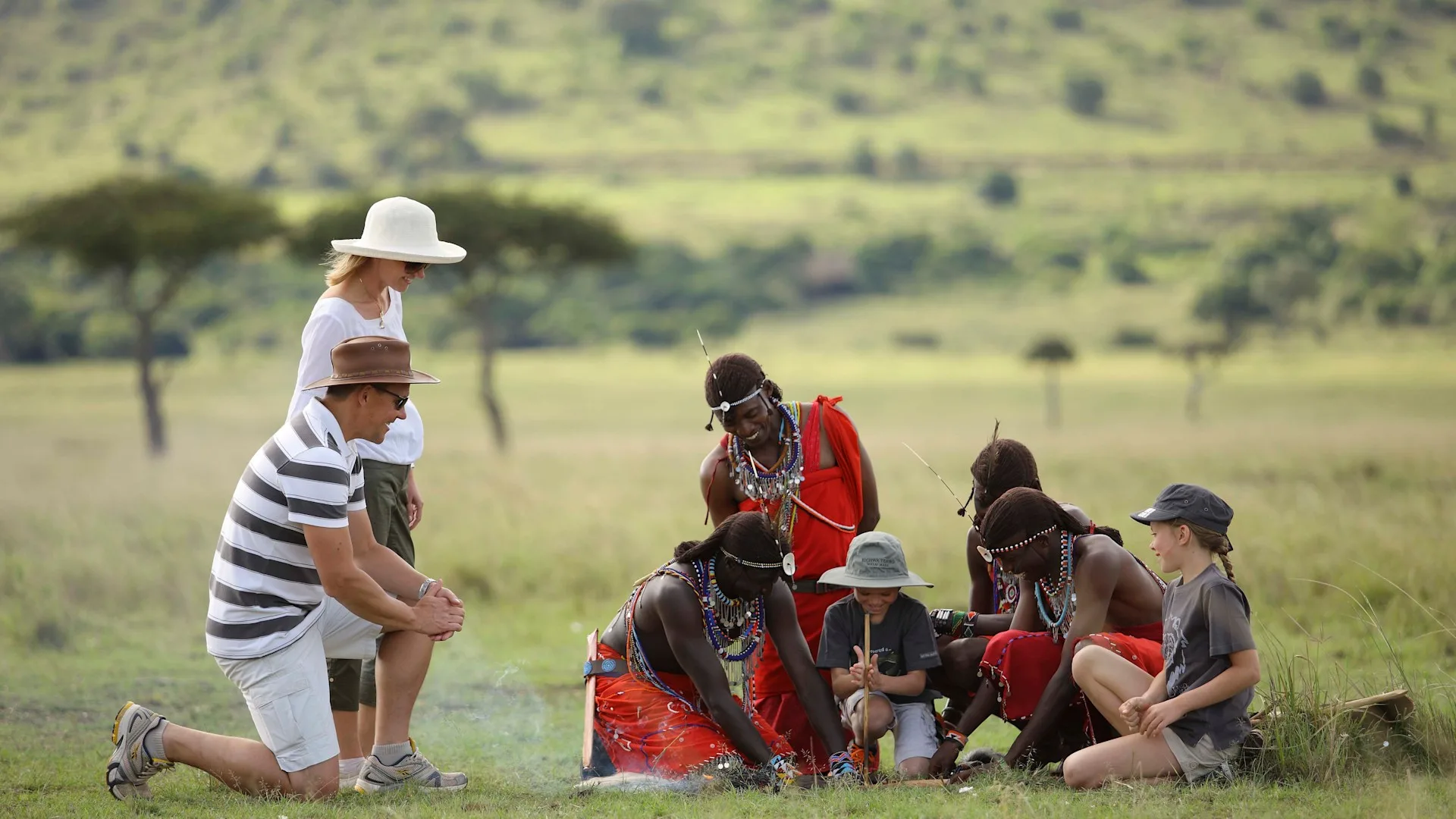
Optional Maasai Cultural Visit
An optional visit to a Maasai community can be arranged, which for families can provide an educational cultural dimension. Children may learn about:
- Traditional houses
- Livestock
- Family life
- Clothing
- Community structure
- Pastoral traditions
A cultural visit should be respectful and arranged responsibly. Return to camp after the day's activities.
Accommodation: Family-friendly Masai Mara lodge or tented camp
Meal Plan: Breakfast, Lunch and Dinner
Where you stay
-
Day 12: Masai Mara – Final Full Safari Day - Main destination
- Masai Mara National Reserve
- Meals
- Breakfast, Lunch, Dinner
Your final full day in the Masai Mara is flexible. By now, the guide will know how much safari time the children enjoy. Families with enthusiastic teenagers may choose another long game drive, while families with younger children may begin with a shorter morning safari and spend the afternoon at the lodge.
Great Wildebeest Migration
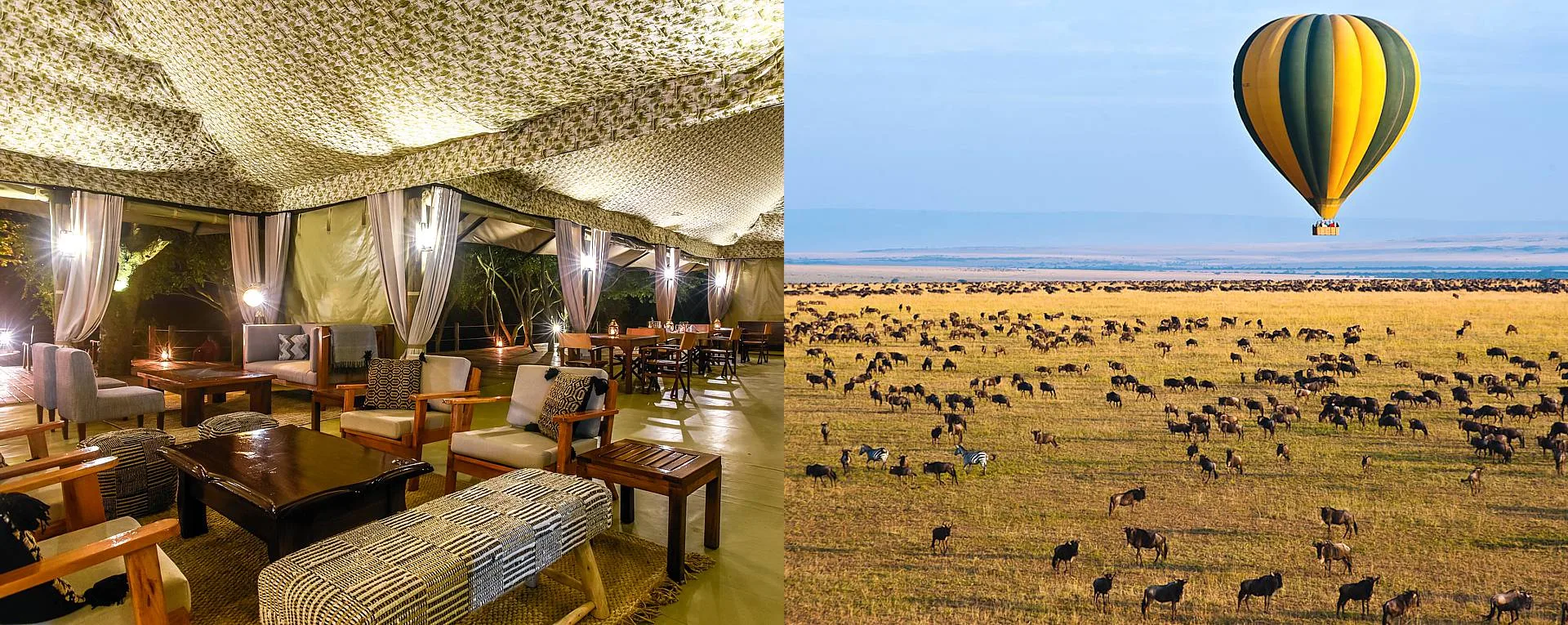
If traveling during the appropriate season, the family may encounter large migratory herds. The Great Migration brings huge numbers of wildebeest and zebras into the wider Masai Mara ecosystem during parts of the year. Children may see: Large wildebeest herds, Zebra groups, Predators following the herds, Vultures, Hyenas, River activity.
However, parents should understand that river crossings cannot be guaranteed. Waiting for a crossing can involve sitting in a vehicle for a long period, which may not be suitable for very young children, so your guide can balance migration viewing with the family's comfort.
Optional Hot-Air Balloon Safari
A hot-air balloon safari may be available for families with children who meet the operator's minimum-age and safety requirements, and flights are never guaranteed. Ballooning generally begins before sunrise, and the flight provides extraordinary views over the Mara. It can be especially exciting for older children and teenagers. The activity is optional and normally charged separately.
Final Family Game Drive
Spend your last afternoon revisiting favorite wildlife areas. Perhaps the children want to see elephants again, or perhaps everyone wants one final lion sighting. Return to camp for a final safari dinner.
Accommodation: Family-friendly Masai Mara lodge or tented camp
Meal Plan: Breakfast, Lunch and Dinner
Where you stay
-
Day 13: Masai Mara to Nairobi – End of Family Safari - Main destination
- Masai Mara National Reserve
- Drive time
- Return transfer as outlined in the itinerary
- Meals
- Breakfast, Lunch
Enjoy breakfast together before leaving the Masai Mara. Depending on camp location, the family may see wildlife while departing the ecosystem. Travel back toward Nairobi through Narok and the Great Rift Valley. Families wanting to reduce the final road journey can request a scheduled flight from a Mara airstrip to Nairobi at additional cost, which may be particularly attractive for families with young children. Upon arrival in Nairobi, transfer to:
- Jomo Kenyatta International Airport
- Nairobi hotel
- Wilson Airport
- Another agreed location
The 13 Days Family Kenya Safari concludes after nearly two weeks of shared wildlife experiences across several of Kenya's most famous landscapes.
Meal Plan: Breakfast
Family Safari in Amboseli
Amboseli is exceptionally well suited to families. The open landscapes make many animals relatively easy to see, and elephants are particularly abundant. For children, elephants are often among the most engaging safari animals because their behavior is easy to recognize. Children can watch:
- Calves staying close to mothers
- Young elephants playing
- Adults feeding
- Herds crossing roads
- Elephants drinking
- Dust bathing
Mount Kilimanjaro provides another memorable visual element. Families can take photographs together with the mountain in the background when weather conditions are favorable.
Where you stay
03 Rates
Safari rates 2027-2029
Indicative per person. Season, group size and lodge style change the total — your quotation confirms current rates.
-
Essential (Budget)
Essential (Budget)
Budget camps and lodges suit travelers who prioritize wildlife while keeping costs lower.
Great value camps
-
Comfort (Mid-range)
Comfort (Mid-range)
Mid-range tented camps and lodges balance comfort and price with private rooms or tents and en-suite facilities.
Quoted for your dates
-
Premium (Luxury)
Premium (Luxury)
Luxury camps and lodges focus on location, service and more intimate wildlife experiences.
Premium camps and lodges
-
Signature (High-end)
Signature (High-end)
Signature camps and lodges are the most exclusive stays — small, highly private properties with exceptional guiding and setting.
Exclusive signature stays
04 Activities
Safari activities
Game viewing is the core of this itinerary. Optional extras are quoted separately and depend on season, permits and availability. Individual species and river crossings are never guaranteed.
-
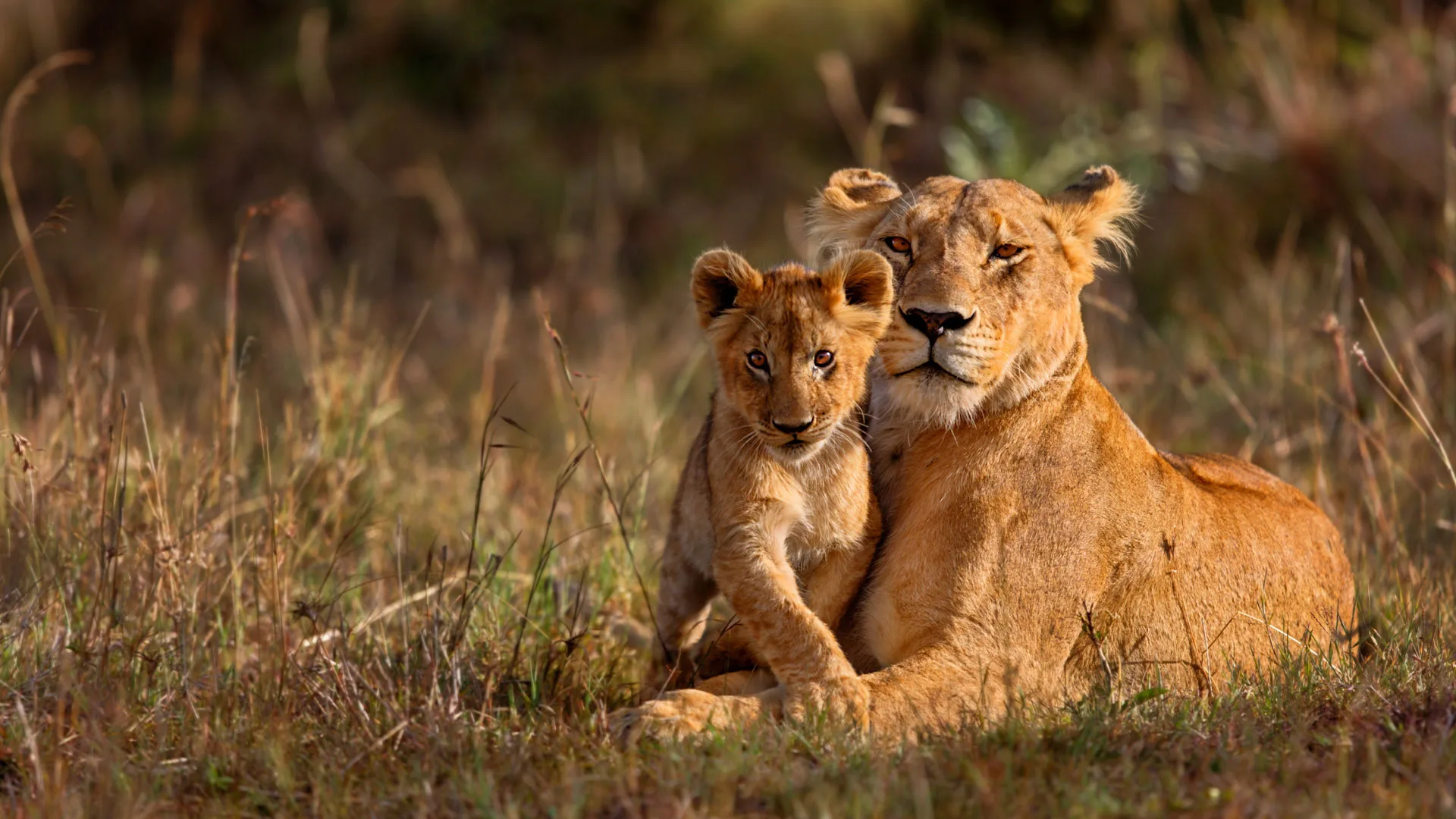
Included
Family-friendly game drives
Included in a typical day on this safari. Exact timing follows the confirmed itinerary.
View activity -
Included
Lake Naivasha boat safari
Included in a typical day on this safari. Exact timing follows the confirmed itinerary.
View activity -
Optional
Crescent Island walking experience
Available at extra cost when conditions, permits and your dates allow. Not guaranteed.
View activity -
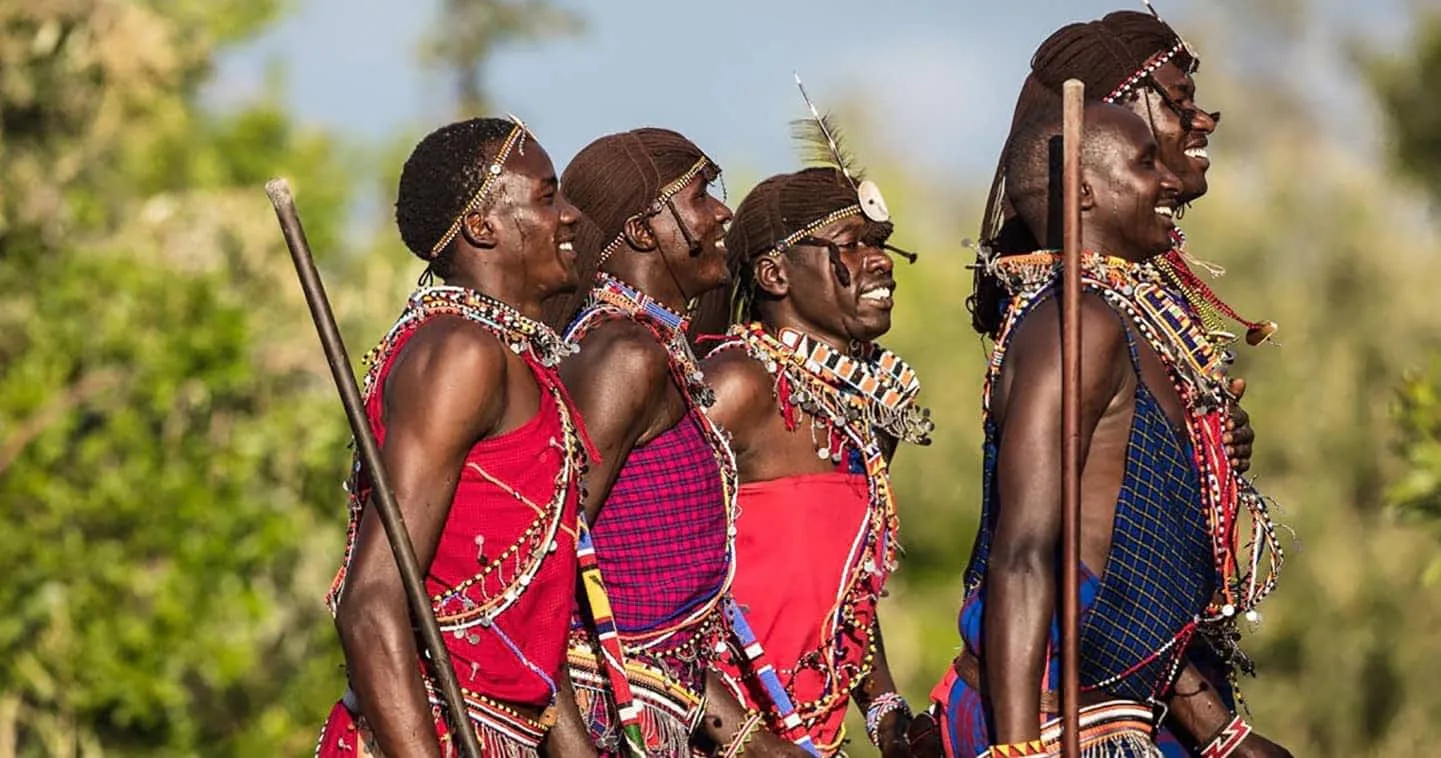
Optional
Maasai cultural visit
Available at extra cost when conditions, permits and your dates allow. Not guaranteed.
View activity -
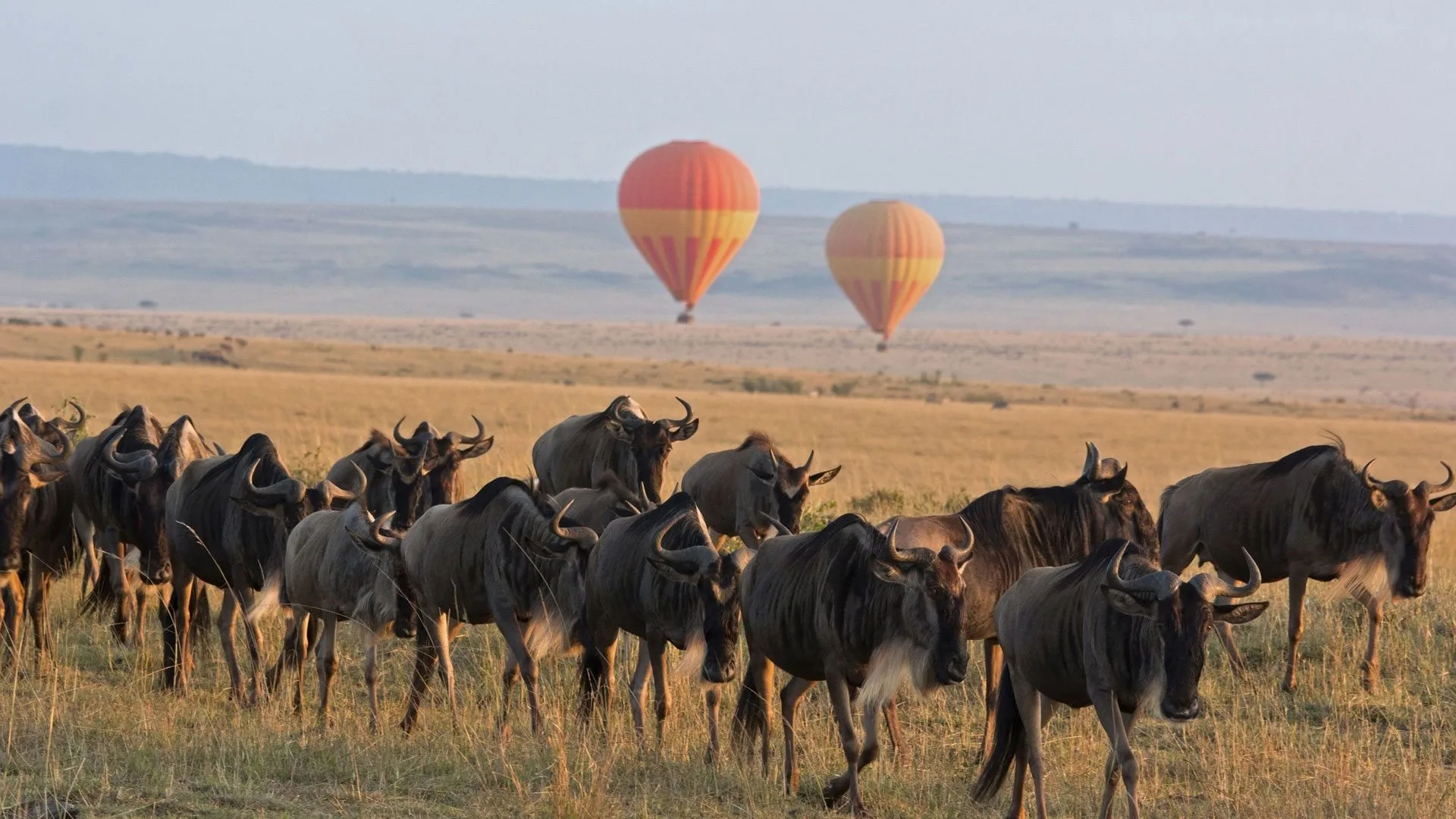
Optional
Hot-air balloon safari for eligible children and
Available at extra cost when conditions, permits and your dates allow. Not guaranteed.
View activity
Additional information
Plan This Safari
Why Lake Naivasha Is Good for Families
Lake Naivasha provides an important break from conventional game drives. Children who have spent several days inside a safari vehicle often enjoy changing to a boat.
The lake can provide opportunities for:
- Hippo viewing
- Birdwatching
- Boat rides
- Guided walking
- Family photography
It also allows extra time for relaxation. A swimming-pool afternoon can sometimes be just as important to children as another wildlife activity.
Lake Nakuru with Children
Lake Nakuru works well because the park is relatively compact, so families do not necessarily need to drive for hours to move between wildlife habitats. Rhino viewing is the major attraction. Seeing a rhinoceros in the wild can be particularly memorable for children because rhinos are much less commonly seen than zebras or antelopes. The park is also known for giraffes, buffaloes, baboons and numerous birds.
Masai Mara Family Safari
Masai Mara is usually the wildlife highlight. The sheer variety of animals makes it easy to keep children interested, and one game drive may produce: Lions, Elephants, Giraffes, Zebras, Hyenas, Wildebeest, Buffaloes, Warthogs.
The open environment makes wildlife observation comparatively easy. Several nights allow families to divide game drives into manageable sessions instead of trying to see everything in one day.
What Age Is Best for a Kenya Family Safari?
There is no universal minimum age for enjoying a Kenya safari. The right age depends on the child. However, parents should consider several factors.
Children Under 5
Very young children may:
- Find long drives difficult
- Need frequent bathroom stops
- Become restless during quiet wildlife searches
- Have early bedtime requirements
Some safari camps also have minimum-age restrictions. A highly customized itinerary is essential.
Children Aged 6–10
This can be an excellent safari age when the itinerary is well paced. Children often become fascinated by:
- Elephants
- Lions
- Giraffes
- Animal tracks
- Birds
- Photography
- Guide explanations
Shorter game drives and swimming breaks remain important.
Children Aged 11–15
Older children can usually tolerate longer game drives. They may enjoy:
- Wildlife photography
- Bird identification
- Conservation discussions
- Cultural experiences
- Longer safari days
- Active Naivasha activities
Teenagers
Teenagers can participate in a safari almost like adults. They may be particularly interested in:
- Photography
- Predators
- Conservation
- Social media content
- Balloon safaris
- Walking experiences
- Cultural interaction
Family Rooms and Accommodation
Room setup is an important part of planning. Possible arrangements include:
Family Suites
A family suite may contain:
- Two bedrooms
- Shared living space
- Private bathroom
- Veranda
Interconnecting Rooms
These allow parents and children to have separate sleeping spaces while remaining connected internally.
Triple Rooms and Extra Beds
A triple room accommodates three guests in one room, and some lodges add an extra bed to a standard room.
Private Villas
Luxury properties may provide private villas with multiple bedrooms and private dining. When requesting a quote, provide:
- Number of adults
- Number of children
- Exact ages
- Preferred room arrangement
This allows accommodation to be planned correctly from the beginning.
Family-Friendly Safari Vehicle
A private safari vehicle can provide:
- Window access
- Pop-up roof
- Charging points depending on vehicle
- Cooler box where available
- Drinking water
- Space for cameras and binoculars
Families should avoid overloading vehicles. More personal space can dramatically improve comfort over thirteen days. For larger families, using two vehicles may sometimes be more comfortable than forcing everyone into one vehicle.
Keeping Children Interested on Game Drives
Parents can make game drives more engaging using simple activities.
Wildlife Checklist
Create a list including: Elephant, Lion, Zebra, Giraffe, Warthog, Baboon, Buffalo, Rhino, Hippo, Cheetah.
Children can mark species as they see them.
Animal Photography
Give older children a camera or smartphone. Ask them to photograph different categories:
- Biggest animal
- Smallest animal
- Funniest animal
- Best bird
- Best landscape
- Best family photo
Bird Challenge and Guide Questions
Birds can fill quiet periods between large animal sightings. Encourage children to ask the guide why animals behave in certain ways rather than simply asking for the animal's name.
Big Five on a Family Kenya Safari
The traditional Big Five are:
- Lion
- Leopard
- Elephant
- Rhino
- Buffalo
The itinerary provides strong opportunities to search for all five. Amboseli is excellent for elephants, and Lake Nakuru improves rhino chances. Masai Mara is particularly strong for lions, buffaloes and general predator viewing. Leopards remain elusive. Parents can turn the Big Five search into a fun family challenge while explaining that wildlife sightings can never be guaranteed.
Other Wildlife Children May Enjoy
Children often become interested in animals adults initially overlook. Potential sightings include: Cheetahs, Hyenas, Jackals, Giraffes, Zebras, Wildebeest, Hippos, Crocodiles, Baboons, Vervet monkeys, Warthogs, Elands, Topis, Gazelles, Waterbucks, Ostriches, Eagles.
Warthogs, baboons and monkeys can be particularly entertaining because of their behavior.
Great Migration for Families
Families traveling during migration season may encounter enormous wildebeest and zebra herds, which can be extraordinary for older children. However, parents should maintain realistic expectations, as herd locations and river crossings are never guaranteed. Migration wildlife viewing sometimes requires:
- Long game-drive days
- Long distances
- Waiting
- Crowded river areas
- Early starts
For very young children, spending several hours waiting for a river crossing may not be appropriate. The guide can instead focus on:
- Large herds
- Predators
- General Mara wildlife
- Shorter migration-related drives
A family safari should remain enjoyable even if a dramatic crossing does not occur.
Best Time for a 13 Days Family Kenya Safari
Kenya can be visited during much of the year. School holidays often influence family travel dates.
June to August
This period coincides with summer holidays for many international families. Conditions are generally relatively dry, and July and August can be busy, particularly in Masai Mara. Migration activity may occur during this period, and booking early is advisable.
September to October
Wildlife viewing can remain excellent, and migration activity may continue depending on conditions.
December Holidays
Christmas and New Year are popular family travel periods. Rates can be high and accommodation fills quickly.
January to February
These months can provide excellent wildlife viewing and warm conditions. Families with flexible school schedules may enjoy lower crowd levels than peak holiday periods.
March to May
The longer rainy season can offer lower accommodation rates and green landscapes. However, road conditions may occasionally be challenging. Families should consider whether lower prices outweigh greater weather uncertainty.
Family Safari During School Holidays
School holidays are often the most practical time for family travel, but they can also coincide with peak safari seasons. Families planning travel during:
- July
- August
- Christmas
- New Year
- Easter
should ideally book well in advance. Family rooms are limited at many safari properties and often sell before standard double rooms.
Family Safari Accommodation Categories
Budget Family Safari
Budget properties can provide:
- Basic family rooms
- Simple meals
- Convenient park access
- Good value
This works well for families prioritizing wildlife over luxury.
Mid-Range Family Safari
Mid-range properties often provide the best balance. Facilities may include:
- Swimming pool
- Family room
- Restaurant
- Gardens
- Ensuite bathrooms
- Comfortable beds
Luxury Family Safari
Luxury family safaris may include:
- Private villas
- Family suites
- Private plunge pools
- Personalized meals
- Private guide
- Children's programs at selected lodges
- Spa
- Premium locations
A mixed-level itinerary can also be arranged.
Is a Private Safari Better for Families?
For most families, yes. A private safari avoids many problems associated with shared vehicles, and children can:
- Talk freely
- Ask questions
- Take breaks
- Return early
- Eat snacks
- Change seats where safe and permitted
Parents do not need to worry about disturbing unrelated travelers. The itinerary becomes a family experience rather than a compromise with strangers.
Family Safari for Grandparents
Multi-generational safaris can be extremely rewarding. Grandparents and grandchildren can share experiences that become family memories for decades. Planning should consider:
- Mobility
- Long road journeys
- Step heights into safari vehicles
- Lodge walking distances
- Medical requirements
- Room locations
- Diet
- Rest periods
Properties with fewer stairs and shorter walking distances may be preferable. A private vehicle allows grandparents to skip a game drive without affecting the rest of the group.
Safety on a Kenya Family Safari
Safari safety depends heavily on following guide and lodge instructions. Children should understand several important rules:
- Never leave the vehicle without permission. Wildlife areas are not zoos, and animals may be nearby even when they are not immediately visible.
- Never feed animals. Feeding wildlife creates dangerous behavior.
- Do not run around camp unsupervised. Many safari camps are unfenced, and wild animals may move through at night.
- Listen to staff. Camp staff understand local wildlife conditions, and if a staff escort is required after dark, families should always use it.
- Keep noise controlled near wildlife. Children should be encouraged to remain calm during close animal sightings.
Food for Children on Safari
Most family-friendly lodges can provide simpler meals for children. Depending on property, options may include:
- Pasta
- Rice
- Chicken
- Chips
- Soup
- Sandwiches
- Fruit
- Eggs
- Pancakes
Parents should communicate dietary requirements in advance. This is especially important for:
- Allergies
- Vegetarian diets
- Vegan diets
- Gluten-free requirements
- Religious dietary restrictions
Snacks can also be carried in the safari vehicle.
Packing for a Kenya Family Safari
Clothing
Recommended items include:
- Neutral T-shirts
- Lightweight trousers
- Shorts for lodge use
- Long-sleeved shirts
- Warm fleece
- Light jacket
- Comfortable closed shoes
- Sandals for lodge use
- Sun hats
Child Essentials
Bring:
- Sunscreen
- Insect repellent suitable for age
- Personal medication
- Small backpack
- Favorite snacks
- Refillable water bottle
- Travel pillow
- Simple games
- Books
- Headphones
Safari Equipment
Useful items include:
- Binoculars
- Camera
- Spare batteries
- Power bank
- Memory cards
- Small flashlight
- Universal travel adapter
Having a pair of binoculars for children can significantly increase engagement.
Malaria and Health Planning
Families should obtain professional travel-health advice before visiting Kenya. Advice should be tailored to:
- Children's ages
- Medical histories
- Destinations
- Travel dates
Parents should consult a qualified travel medicine provider regarding:
- Vaccinations
- Malaria prevention
- Prescription medication
- First-aid requirements
Do not wait until the final days before departure to seek medical advice.
13 Days Family Kenya Safari Cost
The total cost depends on several factors:
- Number of family members: Vehicle costs are shared across the family, so a family of four may have a lower per-person transport cost than two travelers.
- Children's ages: Park fees and accommodation policies may provide child rates depending on age, so always provide exact ages when requesting a quotation.
- Room configuration: A family suite may cost differently from two standard rooms.
- Travel season: July, August and festive holidays can be expensive.
- Accommodation category: Budget, mid-range and luxury options produce very different totals.
- Domestic flights: Flying can reduce road travel but increases cost.
- Optional activities: Boat safaris, balloon flights and cultural visits may be additional.
How to Reduce the Cost of a Family Kenya Safari
Families can reduce costs through sensible planning:
- Travel together in one private vehicle: Larger family groups share transport costs.
- Choose mid-range lodges: Mid-range accommodation often provides excellent family facilities without premium luxury prices.
- Travel outside peak dates: Shoulder-season travel can significantly reduce accommodation costs.
- Use road transfers: Road travel is generally more affordable than multiple domestic flights.
- Mix accommodation categories: Use simpler accommodation in some destinations and upgrade only where it matters most.
- Add fewer optional activities: The wildlife safari itself provides plenty of entertainment, and not every day requires an expensive extra.
Family Safari vs Beach Holiday
Many families choose to combine safari with the Kenya coast. This can work exceptionally well. Children spend the first part of the trip exploring wildlife areas and the final days swimming and relaxing.
Popular extensions include:
- Diani Beach
- Watamu
- Mombasa
A typical extension may add three to six nights.
Diani Beach Family Extension
Diani is especially popular for family extensions. Family-friendly resorts may provide:
- Swimming pools
- Direct beach access
- Children's activities
- Family rooms
- Restaurants
- Water sports
- All-inclusive meal plans
After thirteen days of safari, several beach nights can provide welcome relaxation.
Zanzibar Family Extension
Zanzibar can also be added. Families may combine:
- Beach time
- Stone Town
- Marine activities
- Cultural experiences
Additional regional flights are required, making Zanzibar generally more complex than a Kenya coast extension.
What Is Typically Included?
A standard family safari quotation may include:
- Nairobi airport pickup
- Private safari vehicle
- Professional English-speaking driver-guide
- Family-friendly accommodation
- Meals listed in itinerary
- Scheduled game drives
- Park fees specified in final quotation
- Bottled drinking water during game drives
- Applicable government taxes
- Final Nairobi transfer
The confirmed quotation should always be used as the definitive list of inclusions.
What Is Normally Excluded?
Unless specifically stated otherwise, exclusions may include:
- International flights
- Kenya entry authorization charges
- Travel insurance
- Vaccinations
- Personal medical expenses
- Laundry
- Tips and gratuities
- Premium drinks
- Optional balloon safari
- Optional boat activities
- Optional cultural visits
- Personal purchases
- Beach extension
- Activities not listed as included
Customize Your 13 Days Family Kenya Safari
No two families travel in exactly the same way. The itinerary can be adjusted according to:
- Children's ages
- Number of adults
- Number of children
- Grandparents traveling
- Family room requirements
- Preferred accommodation category
- Wildlife interests
- Travel season
- Maximum driving tolerance
- Swimming-pool requirements
- Dietary needs
- Photography interests
- Great Migration interest
- Beach extension plans
Possible modifications include:
- Add Samburu
- Add Ol Pejeta
- Add more Masai Mara nights
- Remove Lake Nakuru
- Reduce Amboseli nights
- Add domestic flights
- Add private conservancy stay
- Add Maasai cultural experience
- Add Diani Beach
- Add Watamu
- Add Zanzibar
- Create a luxury family version
- Create a budget family version
The final safari should be built around your family's needs rather than forcing the family to adapt to an inflexible tour.
Book Your 13 Days Family Kenya Safari
The 13 Days Family Kenya Safari is about much more than seeing animals. It is about experiencing Kenya together. It can be the moment a child sees a wild elephant for the first time and realizes how enormous it really is.
It can be the excitement inside the vehicle if a lion lifts its head above the grass. It is parents and children searching the horizon for giraffes, and grandparents watching grandchildren discover wildlife they previously knew only from television and books. It is comparing photographs over dinner and learning why zebras have stripes, why elephants live in families, why rhinos need protection and why predators are essential to healthy ecosystems.
A well-designed family safari also understands that children need breaks. Not every memorable moment happens on a game drive. Some happen beside a lodge swimming pool, beside a veranda if monkeys pass through, or while the family listens to animal sounds after dark. Thirteen days provides enough time for these experiences to unfold naturally, combining adventure with rest, education with excitement and Kenya's extraordinary wildlife with valuable time together as a family.
To prepare an accurate family safari quotation, provide:
- Preferred travel dates
- Number of adults
- Number of children
- Exact ages of every child
- Number of grandparents if applicable
- Preferred room configuration
- Budget, mid-range or luxury preference
- Approximate total or per-person budget
- Children's wildlife interests
- Maximum preferred driving time
- Interest in Great Migration
- Interest in balloon safari
- Interest in cultural activities
- Whether you would like a beach extension
We can then customize the 13 Days Family Kenya Safari around your family's ages, interests, comfort requirements and budget while preserving the strongest wildlife experiences Kenya has to offer.
Next mapped page in strict sitemap sequence: #175.
Planning Questions
Frequently Asked Questions
Is 13 days too long for children?
Not if the safari is paced correctly. Multiple-night stays, swimming breaks and alternative activities can make thirteen days more comfortable than a shorter but highly rushed itinerary.
What is the best age for a family safari?
Children around six years and older often engage well with wildlife, but younger children can also travel when the itinerary and lodges are chosen carefully.
Can toddlers go on safari?
Yes, but additional planning is required. Some lodges and activities have age restrictions.
Is the safari private?
It can be operated with a private vehicle exclusively for your family.
Can we shorten game drives?
Yes. A private safari allows game-drive duration to be adapted.
Are family rooms available?
Yes, selected properties offer family suites, interconnecting rooms or extra beds.
Can we see elephants?
Amboseli provides excellent elephant-viewing opportunities.
Can we see rhinos?
Lake Nakuru provides strong opportunities to search for black and white rhinos.
Can we see lions?
Masai Mara is one of Kenya's strongest lion destinations.
Can we see the Big Five?
The route provides opportunities to search for all five, but sightings can never be guaranteed.
Can children see the Great Migration?
Yes. Families traveling during the appropriate season may encounter large migration herds.
Are river crossings guaranteed?
No. River crossings cannot be scheduled or guaranteed.
Is a balloon safari suitable for children?
Minimum-age and safety requirements vary by balloon operator. Eligibility must be confirmed before booking.
Can children visit a Maasai village?
Yes. A responsibly organized cultural visit can be educational for children.
Is Lake Naivasha safe for children?
Yes when activities are conducted by professional operators and safety instructions are followed.
Can we add a beach holiday?
Yes. Diani, Watamu and Mombasa are excellent options.
Can we use luxury accommodation?
Yes. The itinerary can be upgraded to luxury family lodges and villas.
Can we make it more affordable?
Yes. Budget and mid-range family accommodation can be selected.
05 Request Quote
Request Quote
Tell us your dates, group size, and preferred lodge style — we will send a tailored quote for this safari.
Want to extend your safari?
Add Amboseli, Diani Beach, Tanzania and Zanzibar, or gorilla trekking in Uganda or Rwanda — we tailor the journey to your dates.