

Seven to ten days is a good duration for a first Kenya safari, giving travellers enough time to explore several wildlife destinations without spending most of their holiday driving between parks. A three-day safari can still be worthwhile, especially when focused on the Masai Mara, while a longer trip of twelve to fourteen days allows for a more relaxed itinerary, additional regions or a beach extension.
The right answer to how many days for a Kenya safari depends on what you want to experience. A traveller interested primarily in lions and the Great Migration may prefer four nights in the Masai Mara rather than rushing through five different national parks, while someone hoping to photograph elephants beneath Mount Kilimanjaro when weather permits, explore the Rift Valley and watch predators in the Mara will need more time. Families with younger children may prefer fewer accommodation changes; honeymooners may want several nights in one luxury camp; wildlife photographers often benefit from longer stays in fewer destinations.
Kenya’s wildlife regions are geographically spread out, and travel time is one of the most important considerations when designing a safari. This guide compares safari durations from two days to two weeks, explains what is realistic at each length and helps you decide how to divide your time between Kenya’s national parks, reserves and coastal destinations.
Quick Answer: How Many Days Should You Spend on Safari in Kenya?
| Safari duration | Best suited to | Recommended approach |
|---|---|---|
| 2–3 days | Short visits | Focus on one destination |
| 4–5 days | Limited holiday time | One major park or two nearby areas |
| 6–7 days | First-time safari visitors | Two or three complementary destinations |
| 8–10 days | Most first-time visitors | Three or four destinations at a comfortable pace |
| 11–14 days | Comprehensive safari holidays | Several wildlife regions or safari and beach |
| 15+ days | Slow travel and specialist interests | Extended wildlife viewing and regional combinations |
The number of destinations matters as much as the number of days. A seven-day itinerary with two national parks can feel more relaxed and rewarding than a seven-day itinerary with five parks.
Is Three Days Enough for a Kenya Safari?
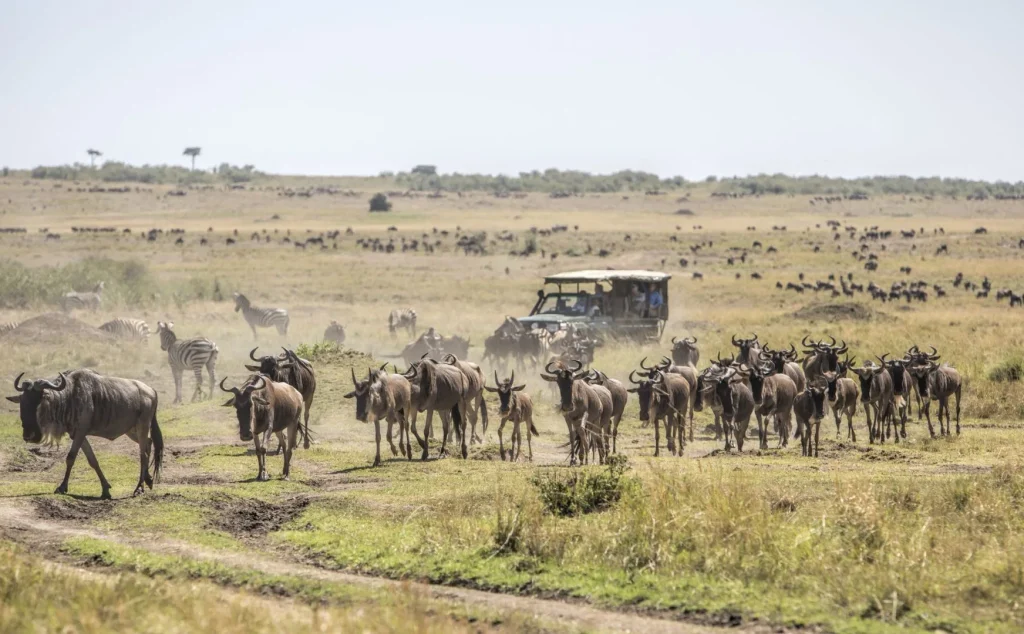
Yes. A three-day Kenya safari can be rewarding when the itinerary concentrates on one destination. The Masai Mara is a popular choice because it supports an exceptional variety of wildlife, including lions, elephants, buffaloes, giraffes, zebras and numerous antelope species.
A typical three-day road safari from Nairobi includes travel to the Mara on the first day, a full day of wildlife viewing on the second and the return journey on the third. This means only one day is fully available for game drives, although additional activities may be possible on arrival or departure.
Example Three-Day Masai Mara Itinerary
Day 1: Nairobi to Masai Mara. Depart Nairobi in the morning and drive through the Great Rift Valley towards the reserve. Depending on the route, road conditions and arrival time, enjoy an afternoon game drive.
Day 2: Full-Day Masai Mara Safari. Spend the day exploring suitable wildlife habitats, searching for big cats, elephants, giraffes, buffaloes and other animals.
Day 3: Masai Mara to Nairobi. Have breakfast and begin the return journey, with any morning activity depending on the confirmed itinerary.
What Are the Limitations?
A three-day safari offers limited flexibility. Wildlife sightings are unpredictable, and a single full day may not provide opportunities to explore different sections of a large reserve. The journey from Nairobi can also be tiring, but three days is considerably better than attempting to fit the Masai Mara into a rushed day trip.
Is Four or Five Days Enough?
Four or five days in Kenya provides more flexibility and can be an excellent choice for travellers with limited holiday time. You can spend three nights in the Masai Mara or combine two nearby destinations—for example, a five-day itinerary might include Lake Naivasha and the Masai Mara, or Amboseli and Tsavo depending on the starting point and onward travel arrangements.
Why Four Nights Can Be Better Than Two
Additional nights create more opportunities for morning and afternoon game drives and reduce pressure to find particular animals immediately. A traveller interested in photographing lions, for example, may appreciate returning to suitable habitats on multiple days. Extra time is particularly useful during the Great Migration because the position of the herds changes, though river crossings cannot be guaranteed regardless of how many nights are booked.
Seven Days: A Good First Kenya Safari
For many first-time visitors, a seven-day Kenya safari provides an attractive balance between wildlife viewing, travel and cost. It is long enough to experience several contrasting landscapes without requiring an extended holiday, and a popular route combines the Masai Mara with Lake Nakuru, Lake Naivasha or Amboseli. Not all combinations are equally efficient—the route should be designed around actual driving times rather than simply adding famous park names.
Example Seven-Day Kenya Safari
Day 1: Arrive in Nairobi. Airport pickup and overnight at a suitable hotel.
Day 2: Nairobi to Amboseli. Travel to Amboseli and enjoy an afternoon wildlife activity where time permits.
Day 3: Amboseli National Park. Explore the park, looking for elephants and other wildlife against the mountain landscape when visibility permits.
Day 4: Amboseli to Lake Naivasha. Travel towards the Rift Valley—a substantial transfer, so the programme should avoid promising extensive activities on arrival.
Day 5: Lake Naivasha to Masai Mara. Enjoy a suitable morning activity before continuing towards the Mara.
Day 6: Masai Mara Wildlife Safari. Spend the day exploring the reserve.
Day 7: Return to Nairobi. Travel back for an appropriately timed onward departure.
This itinerary is possible but includes considerable driving. Travellers who prefer a slower pace may choose only Amboseli and the Masai Mara, or the Masai Mara and Rift Valley lakes.
Ten Days: One of the Best Durations for a Kenya Safari
A ten-day Kenya safari offers enough time to experience several wildlife regions without changing accommodation every night. It is particularly suitable for international visitors travelling to Kenya for the first time and allows a combination of famous destinations and smaller, less hurried experiences. A well-designed itinerary might include Amboseli, Lake Naivasha, Lake Nakuru and the Masai Mara, or focus on Samburu, central Kenya and the Mara, depending on wildlife interests and transport preferences.
Example Ten-Day Classic Kenya Safari
Day 1: Arrival in Nairobi. Meet your guide and transfer to the hotel.
Day 2: Nairobi to Amboseli. Drive south and enjoy wildlife viewing if arrival time permits.
Day 3: Amboseli. Explore the park’s open landscapes and elephant habitats.
Day 4: Amboseli to Lake Naivasha. Transfer to the Rift Valley.
Day 5: Lake Naivasha. Enjoy an authorised boat excursion, a suitable nature activity or time to relax.
Day 6: Lake Naivasha to Lake Nakuru. Travel to Lake Nakuru National Park and enjoy a game drive.
Day 7: Lake Nakuru to Masai Mara. Continue to the Mara and settle into your accommodation.
Day 8: Masai Mara. Enjoy a full day of wildlife viewing.
Day 9: Masai Mara. Explore additional areas of the reserve, with optional activities where available.
Day 10: Return to Nairobi. Travel back or use an appropriate domestic flight connection.
This itinerary provides a stronger balance than attempting to include every major Kenyan park in ten days.
Twelve to Fourteen Days: A More Complete Kenya Experience
A 12–14 day Kenya safari is ideal for travellers who want more than a conventional highlights tour. Additional days make it possible to include northern Kenya, longer stays in the Masai Mara or a coastal extension—for example, a fourteen-day itinerary could combine Samburu, Ol Pejeta, Lake Nakuru, the Masai Mara and Diani Beach. A long list of destinations is not necessarily a better safari; spending three nights in a wildlife area may produce a more memorable experience than spending one night in three different places.
Advantages of a Longer Safari
Longer itineraries offer more time to observe wildlife behaviour, provide flexibility for photography and rest, and may allow visitors to explore less frequently visited regions. For travellers who prefer not to rush, this can be a major advantage.
How Many Days Do You Need for the Masai Mara?
The Masai Mara National Reserve deserves at least two nights, although three or four nights is preferable for many visitors because the reserve is extensive and wildlife movements are unpredictable.
Two Nights
Suitable for a short introduction.
Three Nights
Provides multiple game drives and greater flexibility.
Four Nights
Particularly attractive for migration-focused safaris and photography.
Five Nights or More
Useful for specialist wildlife interests or combining different accommodation areas. During migration season, additional nights can improve flexibility but cannot guarantee a river crossing.
How Many Days for Amboseli?
Two nights is a practical minimum for many Amboseli safaris; three nights allows more time for wildlife viewing and photography. Amboseli is famous for its elephant populations and views of Mount Kilimanjaro when weather conditions permit, though mountain visibility is never guaranteed and a longer stay may provide additional opportunities for clear views.
How Many Days for Lake Nakuru?
One night may be sufficient for travellers including Lake Nakuru as part of a longer circuit, while two nights can provide a more relaxed experience. The park is known for rhinos, buffaloes, giraffes, birds and varied habitats, though flamingo numbers fluctuate according to environmental conditions.
How Many Days for Samburu?
Two or three nights is a useful choice for Samburu. The region supports distinctive wildlife, including species associated with northern Kenya’s drier landscapes, and its location means that driving distances should be considered carefully when combining it with southern destinations.
How Many Days for Tsavo?
Tsavo East and Tsavo West are large national parks with different landscapes. A two-night stay can provide an introduction to one park, while three or four nights allows a more comprehensive experience. Travellers combining Tsavo with Kenya’s coast may find the route particularly convenient.
Driving Time Versus Safari Time
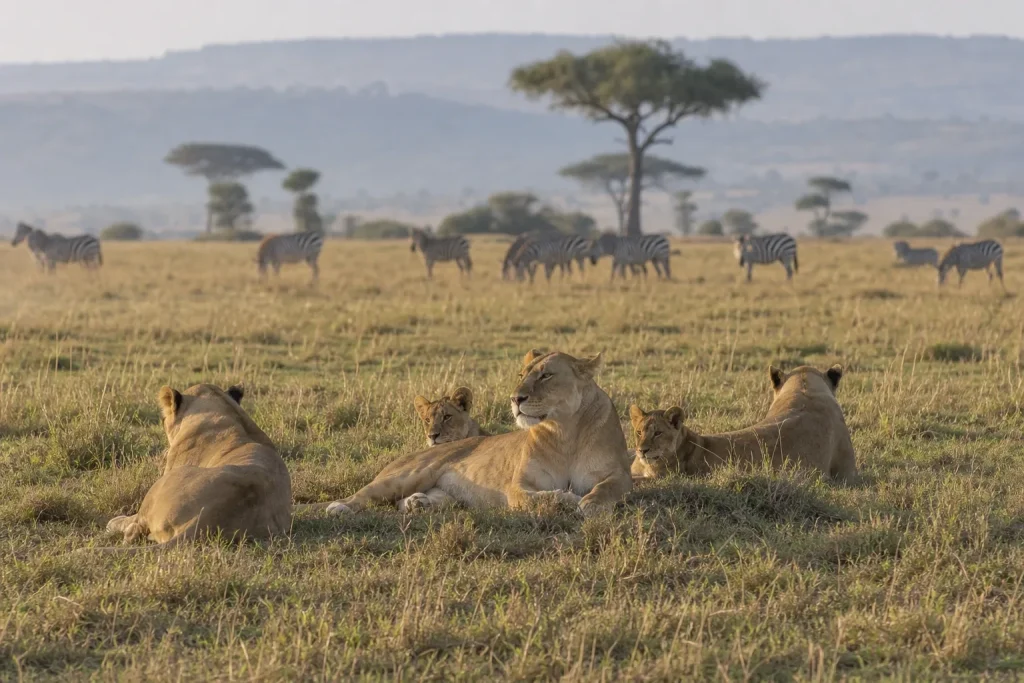
One of the most common mistakes in safari planning is underestimating travel time. Kenya’s major wildlife destinations are not all close together, and a route that looks simple on a map may involve long road journeys, slow sections and stops. For example, travelling from Nairobi to the Masai Mara commonly takes approximately five to seven hours or longer, depending on the exact destination and conditions, and a long transfer day should not be described as a full wildlife-viewing day.
Why This Matters
Every additional accommodation change involves packing, checking out, driving and checking in again, and frequent transfers reduce time available for wildlife observation. For this reason, we generally recommend choosing fewer destinations and spending longer in each.
Road Safari or Fly-In Safari?
A road safari is often more economical and allows travellers to experience Kenya’s changing landscapes, though long transfers can be tiring. A fly-in safari reduces some travel time and may be particularly attractive for luxury travellers, families or visitors with limited days, but flights are subject to schedules, baggage restrictions and operational conditions. The best choice depends on budget and itinerary.
How Many Days for a Kenya Safari with Children?
Families often benefit from a slower pace, because children may find long game drives and road transfers tiring. A seven- to ten-day family safari with fewer accommodation changes can be more comfortable than a rushed multi-park itinerary. Choose accommodation suitable for the children’s ages, confirm family-room arrangements and activity restrictions, and note that a private safari vehicle can provide additional flexibility.
How Many Days for a Kenya Honeymoon?
A honeymoon safari should balance wildlife viewing with relaxation. Three or four nights in the Masai Mara can provide a memorable experience, and couples may then continue to Diani Beach or Watamu. A ten- to fourteen-day safari and beach honeymoon allows a more comfortable pace than a short itinerary with frequent transfers.
How Many Days for the Great Migration?
For a migration-focused safari, we recommend considering at least three or four nights in the Masai Mara. The main migration window in Kenya is commonly associated with July through October, but timing varies. A longer stay provides additional opportunities to explore different wildlife areas, but no safari duration guarantees a Mara River crossing.
How Many Days for a Kenya Safari and Beach Holiday?
A Kenya safari and beach holiday is often best planned over ten to fourteen days—for example, seven days of wildlife viewing followed by four or five nights on the coast can provide a balanced experience. Diani Beach, Watamu and Malindi offer different coastal atmospheres, and the route should be coordinated with domestic flight availability or road transfers.
Kenya Safari Versus Kenya and Tanzania Safari
Travellers planning to visit both Kenya and Tanzania should allow additional time. A combined itinerary involves longer distances, border procedures and different park systems. Ten days can accommodate a selective regional programme, but twelve to fourteen days or longer is often more comfortable. Attempting to visit every famous park in both countries during one short trip can result in excessive driving.
How Budget Influences Safari Duration
The total cost depends on more than the number of days. Accommodation category, transport, park fees, season and group size all matter—a seven-day private luxury safari may cost more than a ten-day shared safari using simpler accommodation. Travellers should decide which experiences matter most before choosing a duration; a longer safari is worthwhile only when the budget allows suitable accommodation, transport and guiding.
Common Safari Planning Mistakes
Watch for these frequent planning errors when comparing itineraries:
- Including too many destinations for the available time
- Counting arrival and departure days as full safari days
- Underestimating the time required to reach remote lodges
- Scheduling international flights too close to long road transfers
A carefully designed itinerary should allow realistic travel times and suitable buffers.
Frequently Asked Questions
Is five days enough for a Kenya safari?
Yes. Five days can provide a rewarding safari focused on one or two destinations.
Is seven days enough for Kenya?
Yes. Seven days is a good introduction, particularly when the itinerary avoids excessive driving.
Is ten days too long for a safari?
No. Ten days allows varied wildlife experiences and a more comfortable pace.
How many days should I spend in Masai Mara?
Three or four nights is a strong choice for many visitors.
Can I do a Kenya safari in two days?
Yes, in a suitable nearby destination, although options are limited.
How long should a Kenya safari and beach holiday be?
Ten to fourteen days is a useful range for combining wildlife viewing with coastal relaxation.
How many days do I need for Kenya and Tanzania?
Twelve to fourteen days or longer is often preferable for a comfortable multi-destination itinerary.
Plan the Right Kenya Safari Duration
The answer to how many days you need for a Kenya safari depends on your wildlife interests, budget and preferred travel pace. For most first-time visitors, seven to ten days provides a good balance. Shorter safaris can be rewarding when focused on one destination, while longer itineraries offer additional variety and relaxation. At Safari Trips to Kenya, we design private and group safari itineraries that make practical use of your available time. Contact our team with your travel dates, preferred destinations and number of travellers to receive a personalised Kenya safari proposal.