

The best wildlife parks in Kenya offer remarkably different safari experiences, from the predator-rich grasslands of the Masai Mara to the elephant herds of Amboseli, the rhino conservation areas of Laikipia and the dramatic landscapes of Tsavo. Choosing the right parks is one of the most important decisions when planning a Kenya safari because wildlife populations, habitats, travel distances and seasonal conditions vary considerably.
Kenya is among Africa’s most established safari destinations. Its protected areas include national parks, national reserves, private conservancies and community-managed wildlife landscapes. These areas collectively support elephants, lions, leopards, cheetahs, rhinos, giraffes, zebras, buffalo and numerous antelope and bird species. However, there is no single park that is best for every traveller—someone hoping to observe the Great Wildebeest Migration will naturally prioritise the Masai Mara, a traveller interested in large elephant herds and Mount Kilimanjaro views may prefer Amboseli, and those seeking rhinos and conservation experiences should consider Ol Pejeta, Lewa or Lake Nakuru.
Families with limited time may benefit from Nairobi National Park, while travellers looking for distinctive northern Kenya wildlife can explore Samburu. The most successful itineraries combine complementary destinations rather than attempting to visit as many parks as possible. This guide compares twelve of Kenya’s outstanding wildlife destinations, explaining what makes each special, which animals you may see, the best travel seasons and how to combine them into a practical safari.
1. Masai Mara National Reserve: Best for Big Cats and the Great Migration
The Masai Mara National Reserve is one of Kenya’s most famous wildlife destinations and an excellent choice for a first African safari. Located in southwestern Kenya along the Tanzanian border, the reserve forms part of the wider Serengeti–Mara ecosystem. Its open grasslands support large populations of grazing animals and the predators that depend on them. Lions, cheetahs and leopards are among the principal attractions, although sightings are never guaranteed.
The Masai Mara is also associated with the Great Wildebeest Migration, when substantial herds of wildebeest and zebra move through the ecosystem in response to rainfall and grazing conditions.
Wildlife Highlights
The Masai Mara is particularly attractive for observing lions, cheetahs, elephants, buffalo, giraffes and plains wildlife. Leopards may be encountered in suitable riverine or woodland habitats, and the reserve also supports hippos, crocodiles and diverse birdlife.
Best Time to Visit
July through October is the principal planning window for migration viewing in Kenya. However, the Masai Mara remains rewarding throughout the year because of its resident wildlife, and January and February can also offer excellent game-drive conditions.
Recommended Stay
Three nights provide a useful introduction, while four or five nights are preferable for photographers and travellers interested in migration activity.
2. Amboseli National Park: Best for Elephants and Kilimanjaro Views
Amboseli National Park is famous for its elephants and the dramatic presence of Mount Kilimanjaro. Located in southern Kenya near the Tanzanian border, the park contains open grasslands, seasonal lakebeds, acacia woodland and permanent wetlands that provide water and vegetation during dry periods.
Wildlife Highlights
Amboseli is an excellent destination for observing elephants, including family groups and adult bulls. Visitors may also encounter buffalo, giraffes, zebras, wildebeest, hippos and predators.
Best Time to Visit
January, February and June through October are generally favourable for wildlife viewing. During dry periods, animals may concentrate around permanent wetlands. Early morning often provides the best opportunity for Mount Kilimanjaro views, although cloud cover is unpredictable.
Recommended Stay
Two nights are suitable for most travellers. Three nights provide more opportunities for photography and mountain views.
3. Lake Nakuru National Park: Best for Rhinos and Rift Valley Scenery
Lake Nakuru National Park is one of Kenya’s important rhino conservation destinations. Located in the Great Rift Valley, the park protects a lake, grasslands, woodland and surrounding escarpments, and its relatively compact size makes it convenient for travellers on a multi-destination safari.
Wildlife Highlights
Lake Nakuru supports black and white rhinos, Rothschild’s giraffes, buffalo, lions, waterbuck and numerous bird species. Flamingos may occur around the lake, but their numbers fluctuate considerably according to water levels and feeding conditions, and visitors should not assume that the enormous flocks seen in historical photographs will be present.
Best Time to Visit
January, February and June through September are generally favourable for game drives. The wetter months can provide attractive green scenery and birdwatching opportunities.
Recommended Stay
One night is sufficient for many travellers, while two nights allow additional game drives and a more relaxed experience.
4. Samburu National Reserve: Best for Northern Kenya’s Special Five
Samburu National Reserve offers a distinctive safari experience in Kenya’s semi-arid north. The reserve is characterised by rugged landscapes, acacia woodland, doum palms and the Ewaso Ng’iro River, and its wildlife differs from that found in some of Kenya’s southern parks.
Wildlife Highlights
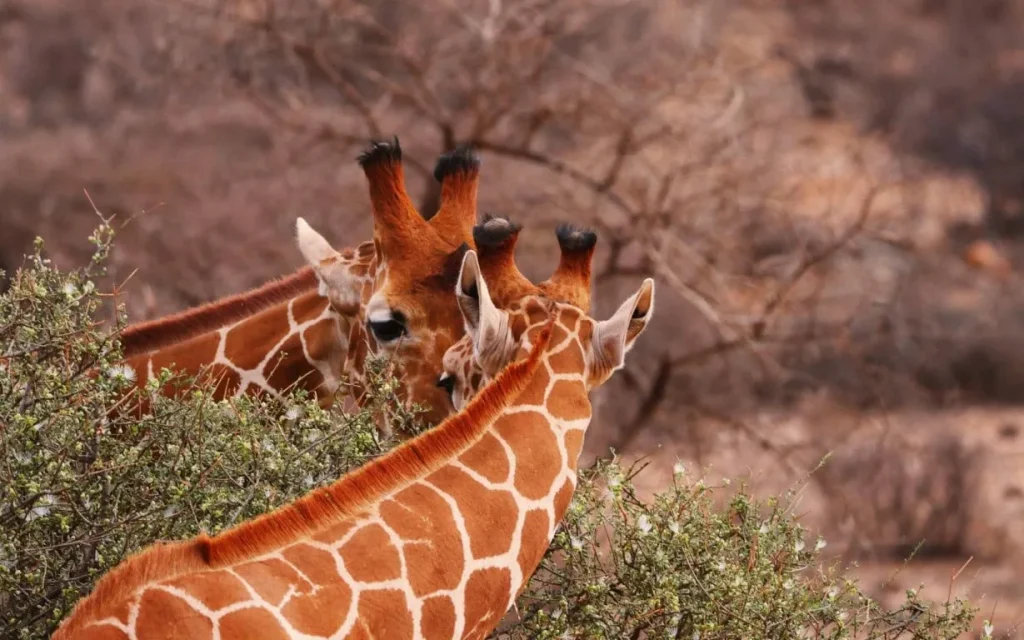
Samburu is famous for the Samburu Special Five: Grevy’s zebra, reticulated giraffe, Beisa oryx, gerenuk and Somali ostrich. Elephants, lions, leopards, cheetahs and other animals also inhabit the wider ecosystem, and the Ewaso Ng’iro River is particularly important during dry periods.
Best Time to Visit
January, February and June through October are generally excellent choices. During dry conditions, wildlife may concentrate around the river and dependable water sources.
Recommended Stay
Two or three nights provide time to search for the Special Five and explore the reserve’s different habitats.
5. Tsavo East National Park: Best for Red Elephants and Open Landscapes
Tsavo East National Park is one of Kenya’s largest protected wildlife areas. Its extensive landscapes, red soils and open habitats create a distinctive safari atmosphere, and the park is particularly attractive for travellers combining a wildlife safari with a holiday on the Kenyan coast.
Wildlife Highlights
Tsavo East is famous for elephants that often appear reddish after dust-bathing in iron-rich soil. Visitors may also encounter giraffes, zebras, buffalo, lions, antelope and diverse birdlife, and the open landscape can provide rewarding opportunities for wildlife photography.
Best Time to Visit
January, February and June through October are generally favourable, and dry conditions may concentrate wildlife around dependable water sources.
Recommended Stay
Two nights provide a useful introduction, particularly for travellers arriving from Mombasa or Diani Beach.
6. Tsavo West National Park: Best for Scenic Variety and Volcanic Landscapes
Tsavo West National Park offers a different experience from Tsavo East. Its terrain includes hills, woodland, volcanic features and permanent springs. Wildlife can be more difficult to locate in some areas because vegetation is denser, but the park’s scenery is among its principal attractions.
Wildlife Highlights
Tsavo West supports elephants, buffalo, giraffes, lions, leopards and other wildlife. Mzima Springs is a well-known attraction associated with aquatic habitats, and the Shetani Lava Flow provides an opportunity to appreciate the region’s volcanic history.
Best Time to Visit
January, February and June through October are generally favourable for game drives. The green season can offer attractive scenery, although some tracks may become muddy.
Recommended Stay
Two nights are suitable for most visitors. Travellers exploring both Tsavo parks may prefer three or four nights in total.
7. Ol Pejeta Conservancy: Best for Rhino Conservation
Ol Pejeta Conservancy is one of Kenya’s most important conservation landscapes. Located near Nanyuki in Laikipia County, it combines wildlife tourism with rhino protection, habitat management and community-focused initiatives.
Wildlife Highlights
Ol Pejeta supports black and white rhinos, elephants, lions, buffalo, giraffes and other mammals. It is also internationally recognised as the home of the two surviving northern white rhino females, Najin and Fatu. The Sweetwaters Chimpanzee Sanctuary provides care for rescued chimpanzees—chimpanzees are not native to Kenya, and the sanctuary should not be confused with a natural chimpanzee trekking destination.
Best Time to Visit
January, February and June through September are generally favourable for wildlife viewing, although conservation-focused visits can be rewarding throughout the year.
Recommended Stay
Two nights are a good starting point. Three nights allow additional time for specialist activities.
8. Lewa Wildlife Conservancy: Best for Exclusive Conservation Safaris
Lewa Wildlife Conservancy is internationally recognised for rhino protection and carefully managed wildlife tourism. Located in northern Kenya near Mount Kenya, it forms part of the wider Lewa–Borana conservation landscape.
Wildlife Highlights
Lewa supports black and white rhinos, Grevy’s zebras, elephants, giraffes and predators. Its conservation programmes provide opportunities to learn about endangered species protection and habitat management.
Best Time to Visit
January, February and June through September are generally excellent choices. The green season can offer attractive landscapes and birdwatching.
Recommended Stay
Two or three nights provide time for game drives and selected conservation experiences.
9. Nairobi National Park: Best for a Short Safari From Nairobi
Nairobi National Park is one of Kenya’s most unusual wildlife destinations because it lies immediately beside the capital city, allowing visitors to observe wildlife with Nairobi’s skyline visible in the distance.
Wildlife Highlights
The park supports black and white rhinos, lions, giraffes, buffalo, zebras and other animals. Leopards and cheetahs may occur but are more difficult to locate. Elephants are not resident in Nairobi National Park.
Best Time to Visit
January, February and June through October are generally favourable for game drives. Early morning is often the best time of day for wildlife activity and comfortable temperatures.
Recommended Stay
A half-day or full-day excursion is sufficient for many visitors. Nairobi National Park is particularly useful before or after a longer Kenya safari.
10. Meru National Park: Best for a Quieter Wilderness Safari
Meru National Park is a rewarding destination for travellers seeking a less conventional Kenya safari. The park contains varied habitats, including grassland, woodland, rivers and other natural features, and its landscape differs from the more heavily visited Masai Mara.
Wildlife Highlights
Meru supports elephants, buffalo, giraffes, lions and other wildlife. It is also associated with rhino conservation, and birdwatching can be rewarding because of the park’s varied habitats.
Best Time to Visit
Relatively dry periods are generally favourable for game drives, although rainfall and road conditions should be checked before travelling.
Recommended Stay
Two or three nights are suitable for travellers seeking a relaxed wilderness experience.
11. Aberdare National Park: Best for Highland Forest Wildlife
Aberdare National Park offers a different safari experience from Kenya’s open grassland reserves. Located in the central highlands, the park contains montane forest, moorland, waterfalls and rugged terrain.
Wildlife Highlights
The Aberdares support elephants, buffalo, forest-associated antelope and other wildlife. Some species are difficult to observe because of dense vegetation, and the park is also attractive for scenery, waterfalls and highland landscapes.
Best Time to Visit
Relatively dry periods are generally preferable for road access and outdoor activities. However, the highland climate can bring rain, mist and cool temperatures throughout the year.
Recommended Stay
One or two nights are suitable for many travellers, depending on the planned activities.
12. Hell’s Gate National Park: Best for Active Outdoor Experiences
Hell’s Gate National Park lies near Lake Naivasha in the Great Rift Valley and is particularly attractive for travellers interested in dramatic scenery and outdoor activities.
Wildlife Highlights
The park supports zebras, giraffes, buffalo, antelope and other wildlife, although it is not primarily a Big Five safari destination. Its main attractions include volcanic landscapes, cliffs and opportunities for selected outdoor activities.
Best Time to Visit
Relatively dry conditions are generally preferable for cycling and other outdoor excursions. Activities should always follow current park rules and safety guidance.
Recommended Stay
A half-day or full-day visit is suitable for many travellers.
Which Kenya Wildlife Park Is Best for the Big Five?
The Big Five are lion, leopard, elephant, buffalo and rhino. No single park guarantees sightings of all five species. The Masai Mara is excellent for lions, elephants, buffalo and other large mammals, but rhino sightings are relatively uncommon in many areas. Lake Nakuru and Ol Pejeta are particularly important for rhino viewing, Amboseli is outstanding for elephants, and Nairobi National Park offers rhino conservation experiences close to the capital.
A well-designed Kenya Big Five safari often combines complementary destinations rather than relying on one park—for example, a route including the Masai Mara and Lake Nakuru provides opportunities to search for all five species.
Best Kenya Parks for Lions, Leopards and Cheetahs
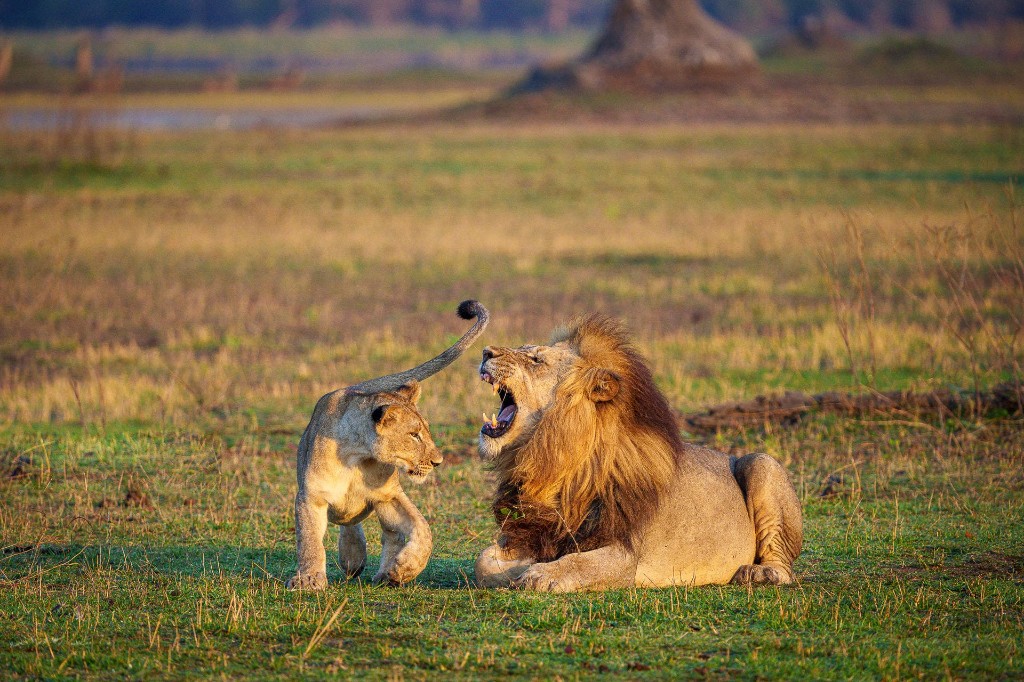
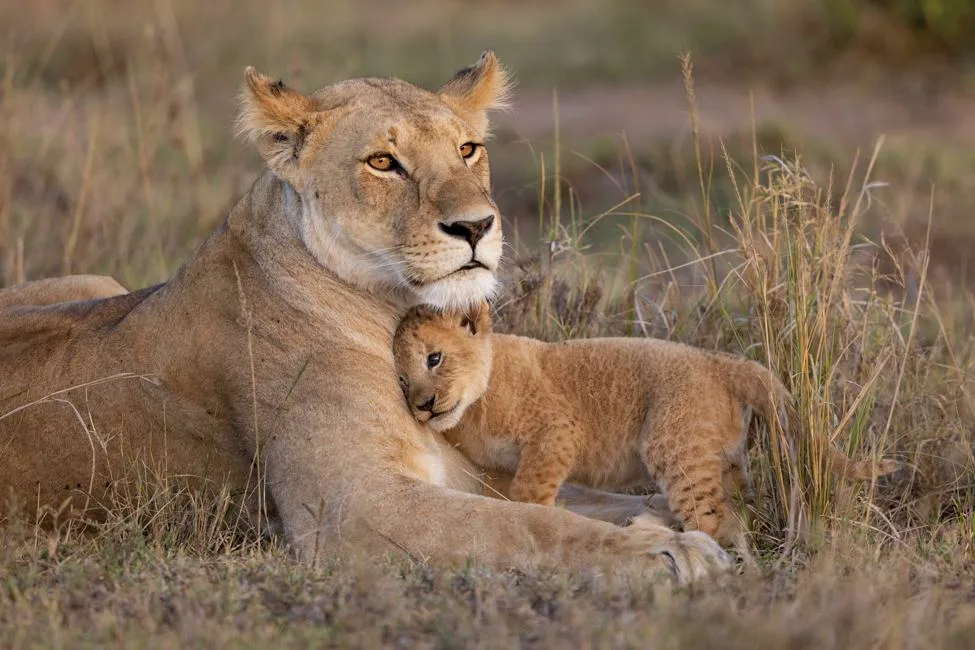
The Masai Mara is one of Kenya’s strongest destinations for big-cat viewing. Its open grasslands provide opportunities to observe lions and cheetahs, while leopards may be encountered in suitable riverine or woodland habitats. Samburu also supports lions, leopards and cheetahs. Tsavo and Amboseli contain predators, although sightings depend on habitat and daily movements. Travellers particularly interested in big cats should allow several days in a suitable destination rather than expecting every species during a single game drive.
Best Kenya Parks for Elephants
Amboseli National Park is one of the country’s most famous elephant destinations. Its permanent wetlands and open plains create opportunities to observe family groups and adult bulls. Tsavo East is another outstanding choice, particularly for its red-soil landscapes. Samburu offers rewarding elephant encounters along the Ewaso Ng’iro River, and the Masai Mara, Ol Pejeta and other conservation areas also support elephants.
Best Kenya Parks for Rhinos
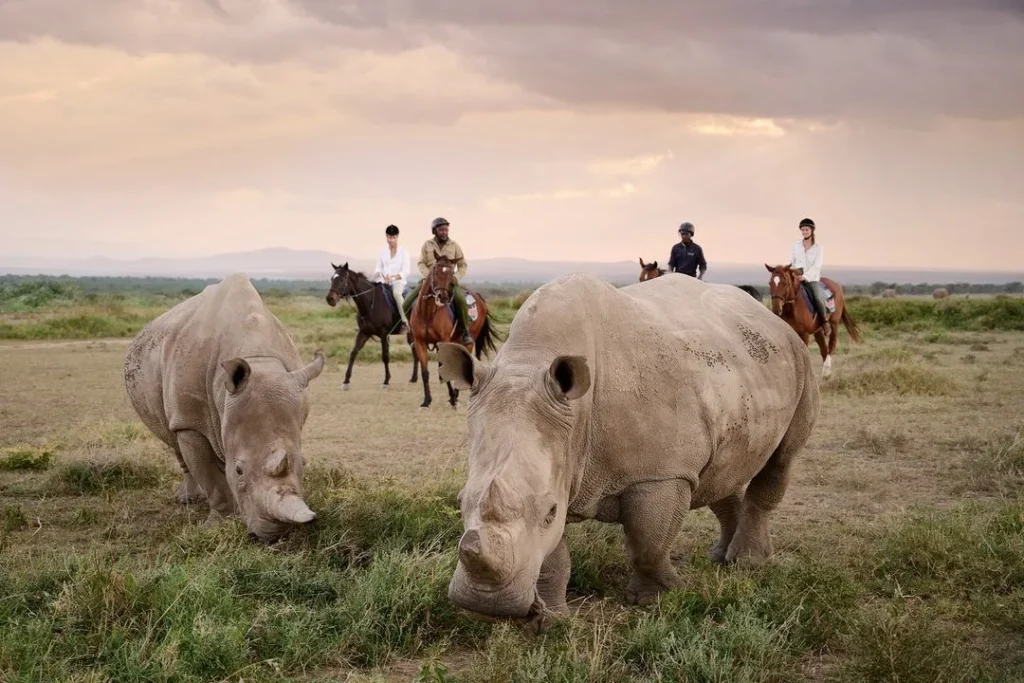
Ol Pejeta Conservancy, Lewa Wildlife Conservancy, Lake Nakuru National Park and Nairobi National Park are among Kenya’s important rhino destinations. These areas support conservation programmes for black rhinos and, in some locations, white rhinos. Rhinos are wild animals, and sightings are never guaranteed—travellers should choose destinations based on conservation interests, location and the wider itinerary.
Best Kenya Parks for Birdwatching
Kenya offers outstanding birdwatching across many habitats. Lake Nakuru supports wetland and woodland birds, Samburu offers species associated with northern Kenya’s dry landscapes, the Aberdares provide opportunities to observe highland forest birds, and Hell’s Gate and Lake Naivasha are attractive for Rift Valley birdlife. The best destination depends on the species and habitats of interest.
Best Time to Visit Kenya’s Wildlife Parks
For many safari destinations, January, February and June through October provide favourable conditions, although the best season varies by region. The Masai Mara’s migration season generally falls between July and October, Amboseli’s dry season is particularly attractive for elephant viewing, and northern Kenya destinations such as Samburu and Lewa can be rewarding during relatively dry periods. The wetter months provide green landscapes, birdwatching and potentially fewer visitors. Travellers should consider both wildlife interests and weather when choosing dates.
How to Combine Kenya’s Best Wildlife Parks
A successful safari itinerary should balance wildlife diversity with realistic travel times.
Five-Day Kenya Safari
A five-day itinerary may focus on the Masai Mara and Lake Nakuru, providing opportunities for predators, plains wildlife and rhinos.
Seven-Day Kenya Safari
A seven-day itinerary may combine Amboseli, Lake Nakuru and the Masai Mara, although driving times should be planned carefully.
Ten-Day Kenya Safari
A ten-day itinerary allows more flexibility. Travellers may combine Samburu, Ol Pejeta, Lake Nakuru and the Masai Mara, or a southern Kenya route may include Amboseli, Tsavo West and Tsavo East.
Fourteen-Day Kenya Safari
A longer itinerary can combine several wildlife regions with a beach extension—for example, northern Kenya, the Rift Valley and the Masai Mara before continuing to Diani or Watamu.
Private Versus Group Kenya Safaris
A private Kenya safari offers flexibility in destinations, accommodation and daily activities. It is particularly suitable for families, photographers and travellers with specific wildlife interests. A Kenya group safari can reduce transport costs by sharing a vehicle and guide, and scheduled group departures may be attractive for solo travellers and couples. However, group itineraries generally follow fixed routes and departure dates. Travellers should confirm vehicle seating arrangements, maximum group size and accommodation categories.
Kenya Safari Accommodation Categories
Safari Trips to Kenya uses four accommodation categories. Essential accommodation focuses on practical comfort and affordability. Comfort accommodation offers established facilities and a balance between value and convenience. Premium accommodation provides additional space, attractive locations and personalised services. Signature accommodation includes high-end lodges and exclusive safari properties. The best choice depends on budget, preferred facilities and location, and accommodation quality should be considered alongside the amount of time available for wildlife viewing.
Kenya Wildlife Park Fees and Safari Costs
The cost of a Kenya wildlife safari depends on park entrance fees, accommodation, transport, guiding and travel season. Some destinations are managed by Kenya Wildlife Service, while others operate under county, private or community conservation arrangements, so fees and access policies differ. Travellers should request current quotations rather than relying on outdated online prices. A complete safari package should explain accommodation, meals, transport, game drives and entrance fees, while optional activities, drinks, gratuities and personal expenses may be excluded.
Responsible Wildlife Tourism in Kenya
Wildlife tourism plays an important role in supporting conservation and local economies, but responsible behaviour is essential:
- Maintain appropriate distances from animals and avoid pressuring guides to approach too closely
- Keep vehicles on authorised routes unless specific permissions apply
- Never feed or deliberately disturb wildlife
- Choose operators that respect park regulations and support responsible tourism practices
Frequently Asked Questions About Kenya’s Wildlife Parks
What Is the Best Wildlife Park in Kenya?
The Masai Mara is an excellent all-round choice for predators and plains wildlife. However, the best park depends on your interests.
Which Park Is Best for Elephants?
Amboseli is particularly famous for elephants, while Tsavo East and Samburu also offer rewarding encounters.
Which Park Is Best for Rhinos?
Ol Pejeta, Lewa, Lake Nakuru and Nairobi National Park are important rhino destinations.
Which Park Is Best for Lions?
The Masai Mara is among Kenya’s strongest destinations for lion viewing.
Can You See the Big Five in One Park?
It is possible in some landscapes, but sightings of all five are never guaranteed. Combining destinations often improves opportunities.
What Is the Best Time for a Kenya Safari?
January, February and June through October are generally excellent choices for many safari regions.
How Many Parks Should You Visit in One Week?
Two or three destinations are usually more practical than attempting to visit too many parks.
Is Kenya Suitable for a First African Safari?
Yes. Kenya offers established safari infrastructure, diverse wildlife destinations and a wide range of accommodation options.
Plan Your Kenya Wildlife Safari With Safari Trips to Kenya
The best wildlife parks in Kenya depend on what you most want to experience. For predators and migration activity, the Masai Mara is a strong choice. For elephants and Mount Kilimanjaro views, Amboseli is outstanding. For rhinos and conservation experiences, Ol Pejeta, Lewa and Lake Nakuru are particularly attractive.
Safari Trips to Kenya can arrange private Kenya safaris, scheduled group departures and customised itineraries combining complementary wildlife destinations. Share your preferred travel dates, number of travellers, accommodation category and wildlife interests to receive a tailored safari proposal. A carefully designed itinerary will give you more time to enjoy Kenya’s wildlife and less time rushing between destinations.