

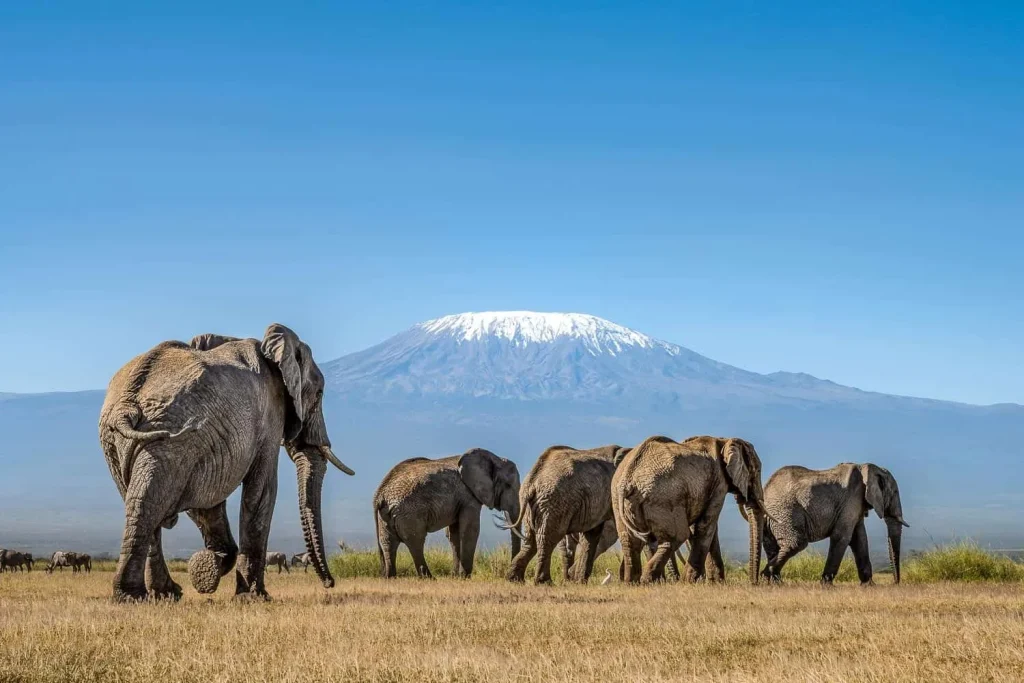
The birds of Amboseli are one of the less-publicised attractions of a national park better known for elephants and views of Mount Kilimanjaro when conditions allow. While many visitors travel to Amboseli primarily to photograph large elephant herds against the mountain, the park’s wetlands, open grasslands, acacia woodland and seasonal lake basin support an impressive variety of birdlife.
Kenya Wildlife Service identifies Amboseli as an important bird area with more than 400 recorded bird species. This diversity is particularly remarkable when considering the park’s relatively compact protected area and the contrast between its dry plains and permanent swamps. For birdwatchers, Amboseli National Park offers opportunities to observe waterbirds, birds of prey, grassland species and woodland birds during a conventional game drive, and it is an excellent location for travellers who want to combine bird photography with elephant viewing and other wildlife encounters. The quality of birdwatching depends heavily on understanding the different habitats, because a morning spent around the swamps can produce a completely different selection of birds from an afternoon exploring dry grasslands or acacia-dominated areas.
Why Amboseli Is Important for Birdwatching
Amboseli lies in southern Kenya, close to the Tanzanian border and beneath the northern slopes of Mount Kilimanjaro. Although the surrounding region is generally dry, water associated with the Kilimanjaro ecosystem helps sustain important wetland habitats within the park. These swamps support aquatic vegetation and attract numerous birds that depend on shallow water, fish, amphibians, aquatic invertebrates and other food sources.
Beyond the wetlands, the park contains open plains, patches of bushland and scattered trees that provide feeding and nesting opportunities for birds adapted to savannah environments. The seasonal Amboseli lake basin adds another dimension: water levels and local conditions change, influencing the presence and distribution of birds, including flamingos. Because the park’s habitats are relatively accessible by vehicle, visitors can observe several different bird communities without undertaking lengthy walking expeditions, which makes Birdwatching in Amboseli especially attractive to families, wildlife photographers and travellers who want to discover birds while enjoying a traditional safari.
Major Bird Habitats in Amboseli National Park
Permanent Swamps and Marshes
The wetlands are among the most productive places for observing Amboseli Wetland Birds. Swamp vegetation provides shelter, feeding grounds and breeding opportunities for numerous aquatic species. Herons and egrets can often be observed searching for prey in shallow water, storks may patrol wetland margins, and other birds forage among reeds and floating vegetation.
Water levels influence where birds gather: some species prefer shallow muddy edges, while others are associated with deeper channels or dense aquatic plants. For photographers, wetland areas can offer interesting compositions involving reflections, vegetation and feeding behaviour, although visitors should remain within permitted areas and avoid disturbing birds or other wildlife.
Open Grasslands
Amboseli’s grasslands support birds adapted to open landscapes. Species such as secretarybirds and bustards may be encountered searching for food across the plains, although ground-feeding birds can be difficult to detect because their plumage often blends with dry vegetation. Careful scanning and slow driving improve the chances of noticing movement, and open grasslands also provide opportunities to observe birds of prey hunting or resting on exposed perches.
Acacia Woodland and Bushland
Scattered trees and bushland provide habitat for hornbills, starlings, rollers, weavers and many smaller birds. These areas can be especially productive during the early morning when birds are actively feeding and calling. Birdwatchers should examine both the tree canopy and lower vegetation because some birds are conspicuous while others remain concealed among branches. The transition between woodland and open grassland is often particularly interesting because species from different habitats may occur close together.
Seasonal Lake Basin
The Amboseli lake basin changes considerably with rainfall and water conditions. At suitable times, the area can attract waterbirds, including flamingos, although flamingo numbers are variable and the presence of suitable water and food is more important than a fixed calendar date. The seasonal nature of the basin makes it an interesting example of how bird populations respond to changing environmental conditions.
Most Interesting Birds of Amboseli
African Fish Eagle
The African Fish Eagle is one of East Africa’s most recognisable birds of prey. Its white head and chest contrast with darker body feathers, making adults relatively easy to identify. Fish eagles are associated with lakes, rivers and wetlands, where they search for fish and other suitable prey, and their powerful calls often carry across open water and are a familiar sound in many African wetland environments.
In Amboseli, suitable wetland habitats provide opportunities to observe these impressive raptors. Birdwatchers should scan exposed branches and other elevated perches near water.
Secretarybird
The Secretarybird is one of the most distinctive birds associated with African grasslands. Unlike many birds of prey that hunt primarily from the air, secretarybirds spend substantial time walking through open habitats, and their long legs and upright posture make them particularly recognisable. They search for insects, reptiles and other small animals while moving across the ground.
Amboseli’s open landscapes provide suitable habitat, although sightings depend on natural movements and cannot be guaranteed. A secretarybird walking across the plains can be an especially rewarding photographic subject.
Kori Bustard
The Kori Bustard is a large, heavy-bodied bird associated with open grasslands and savannah. Its mottled brown plumage provides effective camouflage against dry vegetation, and kori bustards often move slowly while searching for insects and other food. Their size makes them impressive to observe, but they can still be overlooked when standing motionless among grasses, so birdwatchers should scan open areas carefully rather than concentrating only on birds perched in trees.
Grey Crowned Crane
The Grey Crowned Crane is admired for its striking golden crown of stiff feathers. It is associated with grasslands and wetland environments and may be encountered in suitable parts of the Amboseli ecosystem. These cranes are particularly interesting because of their social behaviour and elaborate courtship displays, although their occurrence and distribution depend on local habitat conditions. Photographers should maintain respectful distances and avoid disturbing feeding or breeding birds.
Saddle-billed Stork
The Saddle-billed Stork is among the most visually distinctive African wetland birds. Its long bill features striking red, black and yellow markings, and the species is associated with wetlands, where it searches for fish, amphibians and other aquatic prey. Its tall stature makes it conspicuous when walking through shallow water, and sightings are especially rewarding for photographers interested in unusual colours and detailed bird portraits.
Yellow-billed Stork
The Yellow-billed Stork is another notable wetland species. It frequently feeds in shallow water, using its specialised bill to detect prey, and watching these birds forage provides an opportunity to understand the relationship between feeding behaviour and physical adaptations. Their pale plumage and colourful facial features can create attractive photographs in suitable light.
African Spoonbill
The African Spoonbill is recognised by its distinctive spoon-shaped bill. It feeds by sweeping the bill through shallow water, detecting small aquatic animals, and the species illustrates the remarkable variety of feeding techniques used by birds sharing the same wetland. Birdwatchers may observe spoonbills alongside storks, herons and other waterbirds.
Greater and Lesser Flamingos
Flamingos are among the most recognisable birds associated with East African lakes. Both Greater Flamingos and Lesser Flamingos may occur in the Amboseli lake basin when environmental conditions are suitable. The two species differ in size, bill characteristics and feeding ecology, and lesser flamingos are particularly associated with microscopic food sources, including cyanobacteria and algae in suitable alkaline waters.
Their numbers can change considerably as water conditions fluctuate. Travellers planning a safari specifically to see large flamingo concentrations should consider current local observations rather than assuming that Amboseli will always support substantial flocks.
Lilac-breasted Roller
The Lilac-breasted Roller is one of Kenya’s most photographed birds. Its colourful plumage includes shades of blue, green, purple and brown, and rollers frequently perch on exposed branches or other vantage points while watching for insects and small prey. They can be rewarding photographic subjects because they sometimes remain visible for extended periods, and Amboseli’s open woodland and bushland provide suitable opportunities for observing rollers.
Superb Starling
The Superb Starling is a colourful bird commonly associated with East African savannah environments. Its metallic blue-green plumage and contrasting underparts make it conspicuous, and superb starlings may be seen moving in groups or searching for food on the ground. Although they are not among Kenya’s rarest birds, their behaviour and appearance make them enjoyable subjects for beginners.
Hornbills
Several hornbill species are associated with the wider Amboseli ecosystem. Hornbills have distinctive bills and are often encountered in woodland or bushland habitats, and their feeding behaviour varies by species, with diets that may include insects, fruits and small animals. Birdwatchers should examine tree branches and open woodland edges when searching for these birds.
Herons and Egrets
Herons and egrets are important members of Amboseli’s wetland bird communities. Species associated with suitable habitats include grey herons, purple herons, great egrets and little egrets, and their hunting behaviour can be fascinating to observe. Some stand motionless before striking at prey, while others move slowly through shallow water, and for photography patience is often rewarded by opportunities to capture feeding movements.
Birds of Prey in Amboseli
Amboseli supports a notable diversity of raptors, including eagles, vultures, hawks and other predatory birds adapted to different habitats. Open plains provide hunting opportunities, while scattered trees offer resting and observation points. The Bateleur is particularly distinctive because of its short tail and characteristic flight profile, and Martial Eagles are powerful predators associated with savannah environments, although they are not commonly encountered on every safari.
Vultures play an essential ecological role by consuming carrion. Birdwatchers should avoid assuming that every large bird circling overhead is the same species: wing shape, tail length, flight behaviour and plumage patterns can help with identification, and an experienced safari guide can explain these differences during game drives.
Best Places to Watch Birds in Amboseli
Observation Hill
Observation Hill, also known as Nomatior, provides panoramic views across parts of the park. It is a recognised visitor attraction and an excellent place to appreciate the relationship between wetlands, grasslands and surrounding landscapes. Birdwatching opportunities depend on the species present and conditions at the time of the visit, and the elevated viewpoint can be particularly useful for understanding the wider ecosystem.
Wetland Viewing Areas
Suitable roadside wetland viewpoints are often productive for birdwatching. Visitors may observe waterbirds feeding or resting near swamp margins, although the best locations vary with water levels and wildlife movements. A knowledgeable guide can select appropriate stops while following park regulations.
Grassland Tracks
Open grassland areas are worth exploring slowly. Birdwatchers should look for bustards, secretarybirds, larks and other species associated with dry plains, because birds may be easier to detect when they move across open ground. Early morning excursions are often particularly rewarding because temperatures are lower and many birds are active.
Woodland Edges
Acacia woodland and bushland offer opportunities to observe smaller birds. Rollers, starlings, hornbills and other species may be encountered, and these habitats are particularly useful for travellers who want to broaden their bird lists beyond large waterbirds.
Best Time to See Birds in Amboseli
Amboseli Birdwatching is possible throughout the year, although rainfall, vegetation and seasonal bird movements influence the species encountered. The generally drier periods often provide easier game-drive conditions and clearer visibility across open landscapes, while during wetter periods vegetation can become greener and bird activity may increase in some habitats.
Migratory birds from the northern hemisphere may be present during approximately November to April, a period that can be particularly interesting for birdwatchers seeking a wider variety of species. However, heavy rainfall may affect roads, visibility and access to certain areas. The best time depends on whether the traveller is primarily interested in bird diversity, photography, elephants or a combination of activities.
Bird Photography in Amboseli
Bird Photography in Amboseli benefits from the park’s open landscapes and varied habitats. Large birds such as storks, cranes and raptors can be easier to photograph than smaller, fast-moving species, and wetland reflections and the possibility of distant mountain views provide additional creative opportunities when conditions allow.
Early morning light is often especially useful for photography, while during the middle of the day heat shimmer can reduce image sharpness when photographing distant subjects. A telephoto lens is valuable for maintaining suitable distances from birds, and photographers should also pay attention to background distractions, light direction and the bird’s natural behaviour. It is important to avoid disturbing nesting birds or encouraging wildlife to move for a photograph.
Combining Birdwatching with an Amboseli Wildlife Safari
One of Amboseli’s greatest advantages is the opportunity to combine birdwatching with traditional wildlife viewing. The park is internationally recognised for its elephant population, and elephants frequently use the wetlands, where visitors may also observe numerous birds. This creates opportunities to study the relationship between large mammals and wetland ecosystems.
Birdwatchers may also encounter buffaloes, zebras, wildebeest, giraffes and other wildlife during game drives. Predators occur in the wider ecosystem, although sightings are unpredictable. A combined Amboseli Safari can therefore appeal to travellers with different interests: one person may concentrate on photographing elephants, while another enjoys identifying wetland birds and raptors. A private safari vehicle is particularly useful when travellers want flexibility over observation stops.
Suggested Two-Day Amboseli Birdwatching Experience
Day 1: Nairobi to Amboseli National Park
Depart Nairobi in the morning and travel south towards Amboseli. The road journey generally takes several hours, depending on traffic, route and the location of the accommodation. After arrival, enjoy lunch or a suitable break before an afternoon game drive, exploring selected wetland and grassland habitats while watching for storks, herons, eagles, rollers and other birds. The afternoon may also provide opportunities to observe elephants and other mammals before returning to your lodge or camp for dinner and overnight accommodation.
Day 2: Morning Birdwatching and Return to Nairobi
Begin with an early morning game drive when temperatures are generally more comfortable. Explore suitable habitats according to current wildlife activity and park access, looking for grassland birds, raptors and wetland species. After the morning excursion, return to the accommodation or proceed with the planned departure arrangements and travel back to Nairobi or continue to another safari destination. For dedicated birdwatchers, an additional night is recommended because it provides more time to explore different habitats without rushing.
Accommodation for Birdwatching in Amboseli
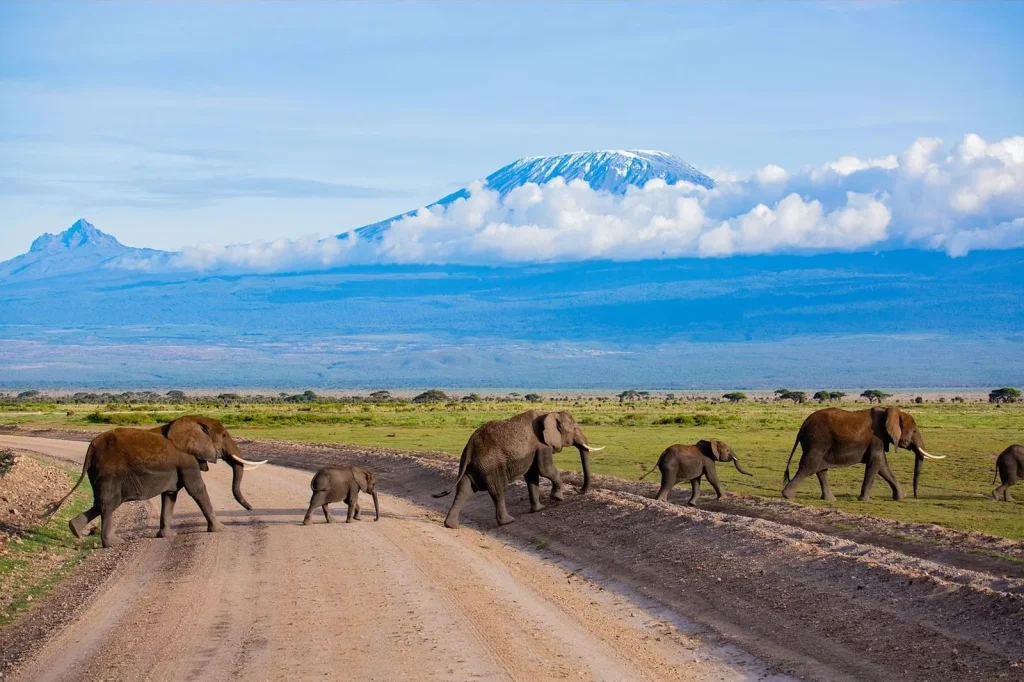
Accommodation location is particularly important for birdwatchers. Properties inside the park or near suitable access gates can reduce travel time before morning game drives, although accommodation inside a protected area may involve different rates and regulations from properties outside the park.
- Our Essential category focuses on practical accommodation for travellers seeking good value.
- Comfort options provide additional amenities while maintaining reasonable access to safari activities.
- Premium accommodation offers enhanced facilities and carefully selected locations.
- Signature properties are suitable for travellers seeking more exclusive accommodation and personalised service.
The best choice depends on budget, desired comfort and how much time the traveller wants to spend birdwatching.
Responsible Birdwatching in Amboseli
- Visitors should remain on authorised tracks and follow the instructions of park authorities and guides.
- Birds should not be approached so closely that they abandon feeding, resting or nesting activities.
- Playback of recorded calls should be used cautiously and avoided where it may disturb sensitive species.
- Feeding wild birds is inappropriate because it can alter natural behaviour.
- Visitors should avoid leaving litter and should respect restrictions around wetlands and sensitive habitats.
Supporting responsible tourism helps maintain the ecological conditions that make Amboseli valuable for both birds and larger wildlife.
Frequently Asked Questions About Birds of Amboseli
How many bird species are found in Amboseli?
Kenya Wildlife Service reports more than 400 bird species in Amboseli National Park.
Is Amboseli good for birdwatching?
Yes. The park contains wetlands, grasslands and woodland habitats that support a wide variety of birds.
Can flamingos be seen in Amboseli?
Flamingos may occur in the seasonal lake basin when water and feeding conditions are suitable. Their presence and numbers are not guaranteed.
What birds of prey can be seen?
Potential species include African fish eagles, bateleurs, martial eagles and various other raptors.
Is Amboseli suitable for beginner birdwatchers?
Yes. Many birds are relatively conspicuous, particularly around wetlands and open grasslands.
How many days should birdwatchers spend in Amboseli?
Two days can provide a useful introduction, but three days or longer allows more time to explore different habitats.
Can I photograph birds from a safari vehicle?
Yes. Vehicle-based photography is practical in many areas, provided visitors follow park regulations and maintain appropriate distances.
Plan an Amboseli Birdwatching Safari
The birds of Amboseli add considerable depth to a wildlife safari that is already famous for elephants and Mount Kilimanjaro. From wetland specialists and colourful woodland birds to impressive raptors and open-country species, the park offers rewarding opportunities for travellers who take time to observe its smaller wildlife.
Safari Trips to Kenya can incorporate birdwatching into an Amboseli Safari Package, arrange a private bird-focused itinerary or combine Amboseli with other important Kenya birding destinations. Contact us with your preferred dates, number of travellers and birdwatching interests to request a customised safari proposal.