

However, a Kenya safari in May requires realistic expectations. Heavy showers can make some tracks muddy, increase journey times and affect activities. Certain seasonal camps may close for maintenance or because of difficult access, while other properties continue operating throughout the month.
For travellers considering a May holiday, the most important decision is not simply whether rain will occur. It is choosing destinations, accommodation and transport arrangements that work well during the green season. Safari Trips to Kenya designs May itineraries around these considerations, helping visitors experience Kenya’s wildlife while allowing enough flexibility for seasonal conditions.
Is May a Good Time to Visit Kenya?
May can be a rewarding time for a Kenya safari, especially for travellers who appreciate green landscapes, birdlife and a less crowded atmosphere. The month is not the most predictable period for weather, but it can offer experiences that differ substantially from those available during the peak dry season.
Wildlife does not disappear when the rains arrive. Lions, elephants, giraffes, buffaloes, zebras and numerous antelopes remain in their natural habitats. What changes is the distribution of animals, the height of vegetation and the accessibility of certain areas.
When water is available across a wider landscape, animals may be less concentrated around permanent rivers and waterholes. This can make wildlife searches more challenging, although experienced guides can adapt routes according to recent sightings and local conditions.
May is particularly suitable for repeat safari visitors, photographers and travellers who enjoy observing ecosystems rather than focusing exclusively on large mammals. First-time visitors can also enjoy May, provided they understand that some activities may need to be rescheduled because of rain.
Kenya Weather in May
Understanding the Long-Rains Season
Kenya May weather is strongly influenced by the long-rains season, which generally occurs between March and May in many parts of the country. The timing, intensity and distribution of rainfall vary from year to year.
Rain does not necessarily fall continuously throughout the day. Some locations experience sunny intervals followed by heavy afternoon showers, while others may have prolonged cloudy or wet periods. Altitude also makes a substantial difference: Nairobi and the central highlands are generally cooler than northern lowland destinations, while the Indian Ocean coast is warm and humid.
Travellers should consult the Kenya Meteorological Department’s current forecasts before departure and remain flexible during their journey.
Nairobi in May
Nairobi generally experiences relatively mild temperatures in May because of its elevation. Rainfall can be significant, particularly during unsettled weather systems, and visitors may experience cloudy mornings, afternoon showers and cool evenings. A waterproof jacket and comfortable shoes are useful for sightseeing.
Road traffic can become slower during heavy rain, so airport transfers should be planned with generous time allowances. Nairobi remains an important gateway for international arrivals and domestic safari flights, making it practical to spend a night before beginning a longer itinerary.
Maasai Mara in May
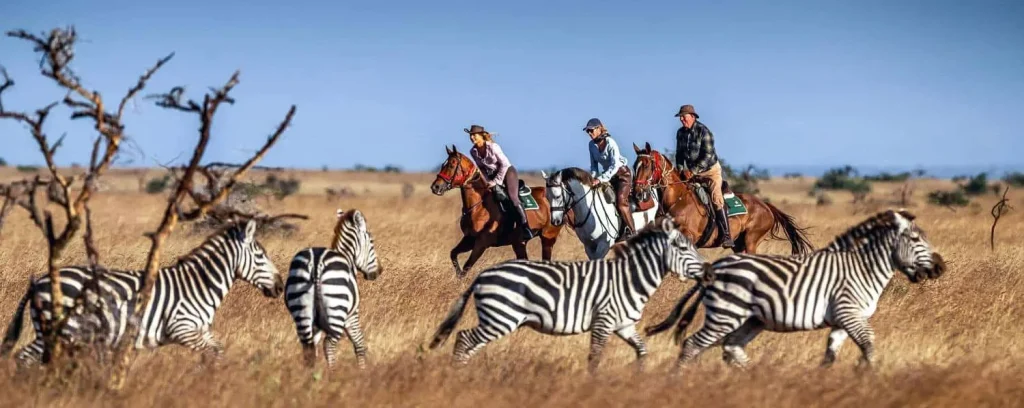
The Maasai Mara in May can be exceptionally green. Grasslands respond to seasonal rainfall, creating attractive landscapes and abundant grazing, and resident wildlife remains present throughout the ecosystem. Lions, elephants, buffaloes, giraffes, zebras and antelopes can still be observed, although taller grass may make some animals harder to locate.
May is not normally the main period for the large migratory wildebeest herds or the famous Mara River crossings. Those events are more commonly associated with later months, although migration movements remain dependent on rainfall.
Some tracks may become muddy after heavy showers. A reliable four-wheel-drive safari vehicle and an experienced guide are essential.
Amboseli in May
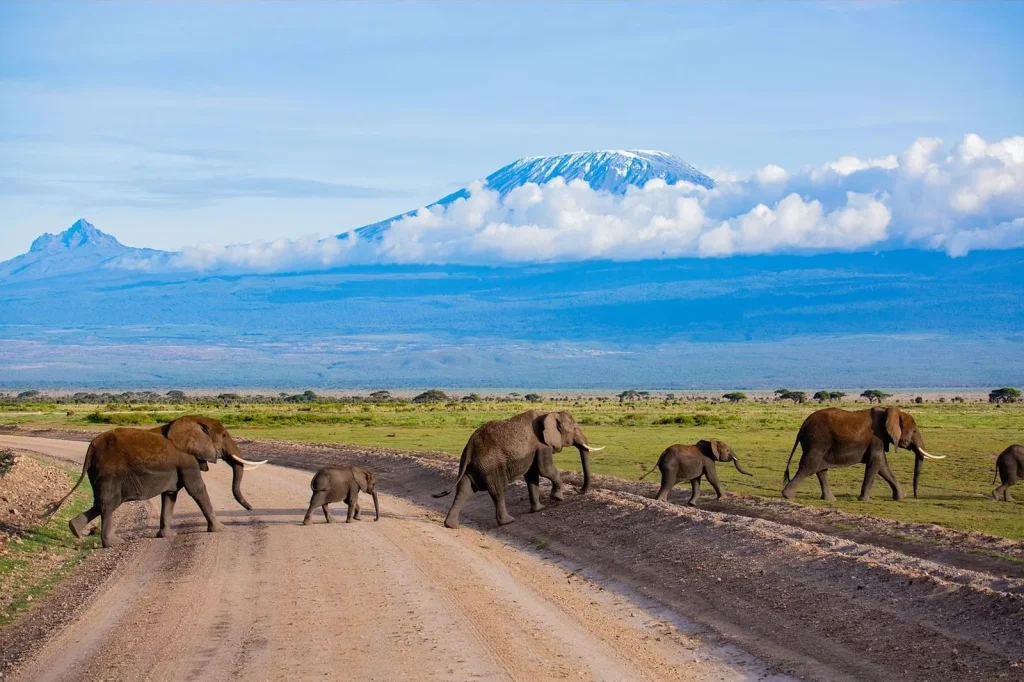
Amboseli in May offers opportunities to observe elephants and wetland wildlife in a landscape influenced by seasonal rainfall. The park’s permanent wetlands remain important, while temporary pools may appear elsewhere following rain.
Cloud cover can affect visibility of Mount Kilimanjaro, so visitors should not assume the mountain will be visible throughout their stay. Elephant viewing remains one of Amboseli’s principal attractions, but animal movements and road conditions may change with rainfall.
Samburu in May
Samburu National Reserve experiences a different climate from Kenya’s central highlands, but seasonal rainfall can still influence conditions. The Ewaso Ng’iro River is an important ecological feature, supporting riverine vegetation and wildlife.
Heavy rain in the catchment can affect river levels, even when local conditions appear relatively dry. Travellers should follow their guide’s advice about road access and avoid attempting river crossings or difficult tracks without appropriate local knowledge.
Kenya Coast in May
The Kenyan coast generally experiences substantial rainfall during the long-rains period, making May a less predictable month for beach holidays. Diani, Watamu and Malindi remain attractive destinations, but showers, humidity and changing sea conditions may affect outdoor activities.
Some coastal hotels offer seasonal promotions, while others may close temporarily for maintenance. Travellers interested in diving, snorkelling or boat excursions should confirm seasonal operations and marine conditions before booking.
Best Places to Visit in Kenya in May
1. Maasai Mara National Reserve
The Maasai Mara National Reserve remains a leading destination for wildlife viewing during May, particularly for visitors interested in resident animals and green-season photography. The reserve’s landscapes include open grasslands, river valleys and woodland; seasonal rain can transform these habitats into lush environments with striking colours.
Lions and other predators remain present, although sightings may require more patience when vegetation is tall. Elephants, giraffes and buffaloes can provide memorable encounters, especially when observed against the green landscape. A stay of three nights allows greater flexibility around rainfall than a rushed one-night visit.
2. Amboseli National Park
Amboseli is one of Kenya’s most recognisable wildlife destinations because of its elephants and views toward Mount Kilimanjaro. During May, wetland habitats can be especially important for birds and other wildlife.
Visitors may observe elephant families moving through the landscape, feeding or interacting. Photographers should prepare for changing light and cloud conditions. Two or three nights allow more opportunities for wildlife viewing when weather interrupts particular game drives.
3. Ol Pejeta Conservancy
Ol Pejeta Conservancy near Nanyuki is an important destination for wildlife conservation and rhino protection. The conservancy offers game drives and selected educational experiences, subject to current operating arrangements.
May’s green vegetation can create attractive scenery, although some activities may be affected by rain. Travellers interested in conservation can learn about habitat management and efforts to protect endangered wildlife. Ol Pejeta can be combined with other destinations in the Mount Kenya and Laikipia region.
4. Lake Nakuru National Park
Lake Nakuru offers a combination of rhino viewing, birdwatching and Rift Valley scenery. The park supports black and white rhinos, buffaloes, giraffes and numerous other animals. Flamingo numbers fluctuate according to lake conditions and food availability.
Rainfall may affect some tracks, but the park remains an interesting destination when access is suitable.
5. Lake Naivasha
Lake Naivasha is attractive for travellers interested in waterbirds, hippos and a relaxed lakeside environment. Authorised boat excursions may be available when weather and safety conditions permit.
Nearby Hell’s Gate National Park offers additional outdoor activities, although heavy rain can affect particular routes. The region can provide a useful break between longer safari journeys.
6. Nairobi National Park
Nairobi National Park is a practical choice for travellers with limited time. The park supports rhinos, giraffes, zebras and other wildlife against the unusual backdrop of Kenya’s capital, and May’s green scenery can be attractive for photography. Visitors should check local track conditions before planning activities.
Wildlife Viewing in Kenya During May
Lions and Other Predators
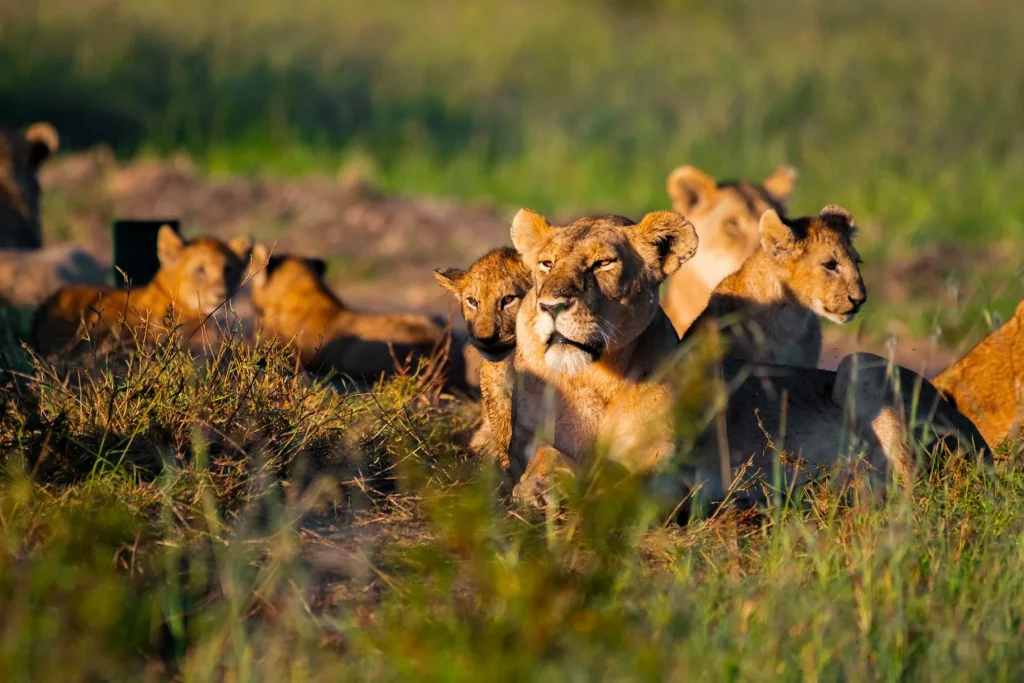
Lions remain present in the Maasai Mara and other suitable habitats throughout the year. May’s taller vegetation can make locating predators more challenging, but it can also create opportunities to observe animals using grassland cover.
Cheetahs favour open areas, while leopards often inhabit woodland and riverine environments. Predator sightings are unpredictable, and no safari can guarantee a hunt or a particular interaction.
Elephants
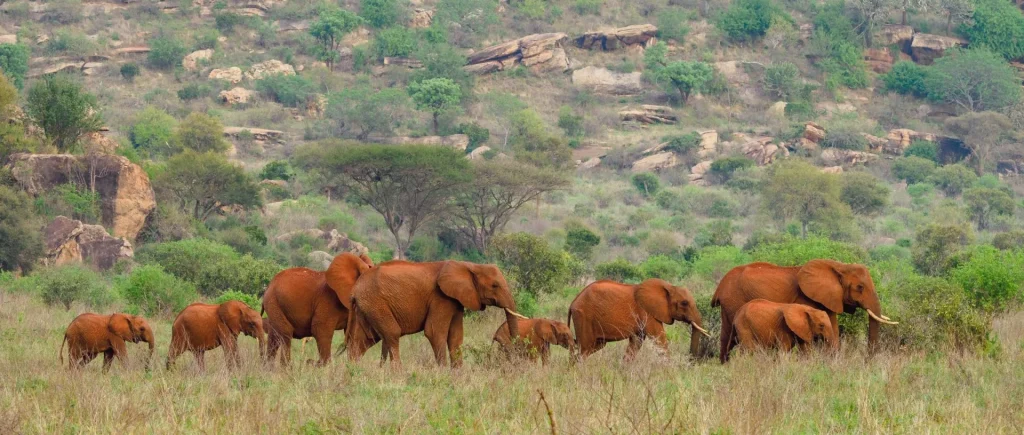
Elephants are among Kenya’s most impressive safari animals. Amboseli is particularly well known for opportunities to observe elephant family groups, and elephants also inhabit the Maasai Mara, Samburu and other protected landscapes.
Their movements are influenced by food, water and social relationships. Visitors should maintain appropriate distances and avoid obstructing animals.
Rhinos
Travellers interested in rhinos should consider destinations with established conservation populations. Ol Pejeta and Lake Nakuru are important options. Rhino sightings depend on habitat, vegetation and the movements of individual animals, and conservation education can add depth to the safari experience.
Birdwatching
May can be rewarding for birdwatching in Kenya, particularly because seasonal rainfall influences wetland habitats and vegetation. Many resident birds are active in suitable habitats, although migratory species vary according to their seasonal movements.
Lake Nakuru, Lake Naivasha, the Maasai Mara and northern Kenya offer different birdwatching opportunities. Dedicated birdwatchers should consider specialist guiding and a slower itinerary.
The Great Migration in May
The Great Wildebeest Migration is a year-round ecological movement through the Serengeti–Mara ecosystem. During May, major migratory herds are generally associated with Tanzania, although their precise location depends on rainfall and grazing conditions.
The Maasai Mara remains home to resident wildebeest and other grazing mammals. However, May is not normally the principal period for large migratory concentrations or Mara River crossings in Kenya.
Travellers whose main interest is the migration should discuss alternative travel dates or destinations.
Advantages of Visiting Kenya in May
May offers several rewards for travellers who accept seasonal variability:
- Green landscapes as rainfall transforms grasslands and woodlands
- A quieter atmosphere in some destinations, with fewer visitors than in peak months
- Seasonal accommodation rates at certain properties, although prices and availability vary
- Dramatic skies, fresh vegetation and softer light for photography
- Wetland and woodland habitats that can be rewarding for birdwatchers
Challenges of May Safaris
Rainfall and green-season conditions also bring practical challenges worth planning for:
- Muddy tracks, longer travel times and occasionally inaccessible remote routes
- Tall vegetation that can make wildlife harder to locate
- Seasonal camps that may close during the long rains
- Weather-related disruption to domestic flights and outdoor activities
Travellers should avoid itineraries with tight connections or excessive driving.
Accommodation in Kenya During May
Safari Trips to Kenya uses four accommodation categories: Essential, Comfort, Premium and Signature.
Essential Accommodation
Essential safari accommodation focuses on practical facilities and value. During May, reliable road access and weather protection are particularly important, and travellers should prioritise established properties with suitable drainage and dependable services.
Comfort Accommodation
Comfort safari accommodation provides private facilities, reliable meals and a relaxed atmosphere. This category is suitable for couples, families and small groups, and comfort lodges with good road access can be particularly practical during the rainy season.
Premium Accommodation
Premium safari accommodation generally offers more spacious rooms, attentive service and attractive locations. Some properties provide indoor relaxation areas that are useful during wet afternoons, and travellers should confirm seasonal operating arrangements before booking.
Signature Accommodation
Signature safari accommodation focuses on distinctive properties and personalised experiences. Selected camps may close temporarily during the long rains, so availability must be checked. The quality of guiding and access should remain central to the accommodation choice.
Sample Seven-Day Kenya Safari Itinerary for May
Day 1: Arrival in Nairobi
Arrive at Jomo Kenyatta International Airport and meet your safari representative. Transfer to your Nairobi hotel for check-in and relaxation, and depending on arrival time and weather, enjoy optional city sightseeing.
Day 2: Nairobi to Lake Nakuru
After breakfast, travel toward the Great Rift Valley and Lake Nakuru National Park. Arrive for lunch or an afternoon game drive, depending on road conditions, and look for rhinos, giraffes, buffaloes and birdlife.
Day 3: Lake Nakuru to the Maasai Mara
Continue toward the Maasai Mara after breakfast. The journey passes through rural landscapes and the Rift Valley countryside. Arrive at your lodge or camp and enjoy an afternoon game drive if weather and timing permit.
Day 4: Full-Day Maasai Mara Safari
Explore the Maasai Mara with your driver-guide. Look for resident lions, elephants, giraffes, zebras and other wildlife while your guide selects suitable tracks according to rainfall and animal movements.
Day 5: Maasai Mara Wildlife Exploration
Enjoy another day of game drives, allowing flexibility around changing weather. The green landscape provides opportunities for photography. Return to camp for dinner and overnight accommodation.
Day 6: Return to Nairobi
After breakfast, begin the journey back to Nairobi. Allow additional time for possible weather-related delays and arrive at your hotel for a relaxed evening.
Day 7: Departure
Transfer to Jomo Kenyatta International Airport according to your flight schedule. Travellers with additional time can extend the itinerary to Amboseli or Ol Pejeta, subject to conditions.
What to Pack for Kenya in May
Pack for warm afternoons, cool mornings and regular rain:
- Lightweight clothing plus a fleece or jacket for cooler periods
- A reliable waterproof jacket
- Comfortable closed shoes with good grip for lodges and permitted walks
- Neutral colours for game drives
- A waterproof bag for cameras, documents and electronic equipment
- Binoculars, a hat, sunscreen and insect repellent
Kenya Safari Prices in May
The cost of a Kenya safari in May depends on accommodation category, travel duration, vehicle arrangements and park fees. Some properties may offer green-season rates, but discounts are not universal.
Private safaris provide flexibility, which can be particularly useful during variable weather. Shared departures may offer better value where suitable programmes are available.
A detailed quotation should identify park fees, accommodation, meals, transport and included activities. Optional excursions, drinks, gratuities and personal expenses may be charged separately.
Practical Travel Tips for May
These practical steps help May itineraries run smoothly:
- Choose a well-maintained four-wheel-drive safari vehicle and allow realistic travel times between destinations.
- Avoid scheduling long road transfers immediately before international flights.
- Check current Kenya entry requirements through official government sources.
- Consult a qualified travel health professional about vaccinations, malaria prevention and other precautions.
- Purchase travel insurance covering medical emergencies and relevant weather-related disruption.
- Respect park regulations and follow your guide’s advice during difficult conditions.
Frequently Asked Questions About Kenya in May
Is May a good month for a Kenya safari?
Yes, particularly for travellers interested in green landscapes, resident wildlife and a quieter atmosphere. Rainfall requires flexibility.
Does it rain a lot in Kenya in May?
May generally falls within the long-rains season, but rainfall varies considerably by region and year.
Is the Maasai Mara worth visiting in May?
Yes. Resident wildlife remains present, although tall vegetation and muddy tracks may affect game drives.
Can I see the Great Migration in Kenya in May?
Major migratory herds are generally associated with Tanzania during May. Mara River crossings are not normally the principal attraction.
Is Amboseli worth visiting in May?
Yes. Amboseli offers opportunities to observe elephants and wetland wildlife, although rainfall and cloud cover may affect conditions.
Are Kenya safaris cheaper in May?
Some properties offer seasonal rates, but prices depend on accommodation, travel dates and availability.
Can I visit Diani Beach in May?
Yes, but May is often wet along the coast, and marine activities may be affected by weather.
What is the best safari vehicle for May?
A reliable four-wheel-drive vehicle with an experienced driver-guide is recommended.
How many days should I spend in Kenya?
Seven to ten days allow several wildlife destinations, with additional flexibility for weather-related changes.
Book Your May Kenya Safari with Safari Trips to Kenya
A well-planned Kenya safari in May offers opportunities to experience the country’s wildlife landscapes during a remarkable seasonal transformation. Safari Trips to Kenya can arrange private and group safaris in the Maasai Mara, Amboseli, Lake Nakuru, Ol Pejeta and other destinations.
Accommodation is available across our Essential, Comfort, Premium and Signature categories, subject to seasonal operations and availability. We recommend selecting a realistic route, allowing flexibility for rainfall and prioritising experienced guiding.
When requesting a quotation, provide your travel dates, number of travellers, accommodation preferences and main wildlife interests. With careful planning, May can provide a memorable safari experience defined by green landscapes, wildlife diversity and a quieter atmosphere.
Research References
- Kenya Meteorological Department: https://meteo.go.ke/
- Kenya Wildlife Service: https://kws.go.ke/
- Ol Pejeta Conservancy: https://olpejetakenya.org/