

For wildlife enthusiasts, a Kenya safari in March can be rewarding in destinations such as the Maasai Mara, Amboseli, Samburu, Lake Nakuru and Ol Pejeta Conservancy. These areas support resident wildlife throughout the year, although animal movements and visibility change according to rainfall and vegetation. March is particularly appealing to travellers who value flexibility and want to experience Kenya outside the busiest migration-focused months—the countryside may become greener as seasonal rains begin, creating attractive photographic opportunities.
At Safari Trips to Kenya, we recommend planning a March safari around realistic weather expectations, suitable accommodation and manageable travel distances.
Is March a Good Time to Visit Kenya?
March can be a good month for a Kenya wildlife safari, particularly when travellers understand the seasonal transition. Early March may provide conditions similar to the preceding dry-season months in some regions; later in the month, increasing rainfall can influence road access and daily activities.
Wildlife remains present throughout the year, so the beginning of the rains does not mean that safari destinations become empty. However, taller vegetation and more widely distributed water may make some animals harder to locate. March can be attractive for photographers interested in green landscapes and dramatic skies—travellers with flexible schedules are generally better suited to this period than those expecting uninterrupted dry weather.
Kenya Weather in March
General Weather Conditions
Kenya March weather varies significantly across the country. March often marks the beginning of the long-rains season in many regions, although rainfall timing and intensity vary—some areas experience increasing afternoon showers, while others remain relatively dry for longer.
The central highlands, Rift Valley, northern regions and Indian Ocean coast have different local climate patterns. Travellers should consult current forecasts shortly before departure.
Nairobi in March
Nairobi generally experiences moderate temperatures because of its elevation. March can bring warm afternoons and increasing rainfall as the long-rains season develops; traffic delays may become more noticeable during heavy showers.
Visitors should allow generous airport transfer times and carry a light waterproof jacket. Nairobi remains a practical starting point for safaris and offers indoor attractions when weather interrupts outdoor activities.
Maasai Mara in March
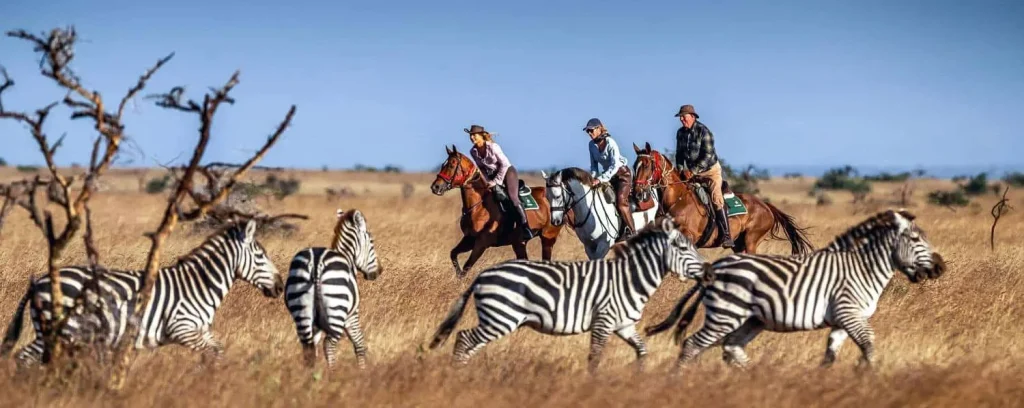
The Maasai Mara in March can feature a mixture of relatively dry conditions and increasing rainfall. As showers develop, grasslands may become greener and seasonal water sources begin to replenish. Resident lions, elephants, buffaloes, giraffes, zebras and other wildlife remain present.
However, March is not normally the main period for large migratory wildebeest concentrations in the Kenyan Mara. Rainfall may affect some tracks, particularly later in the month.
Amboseli in March
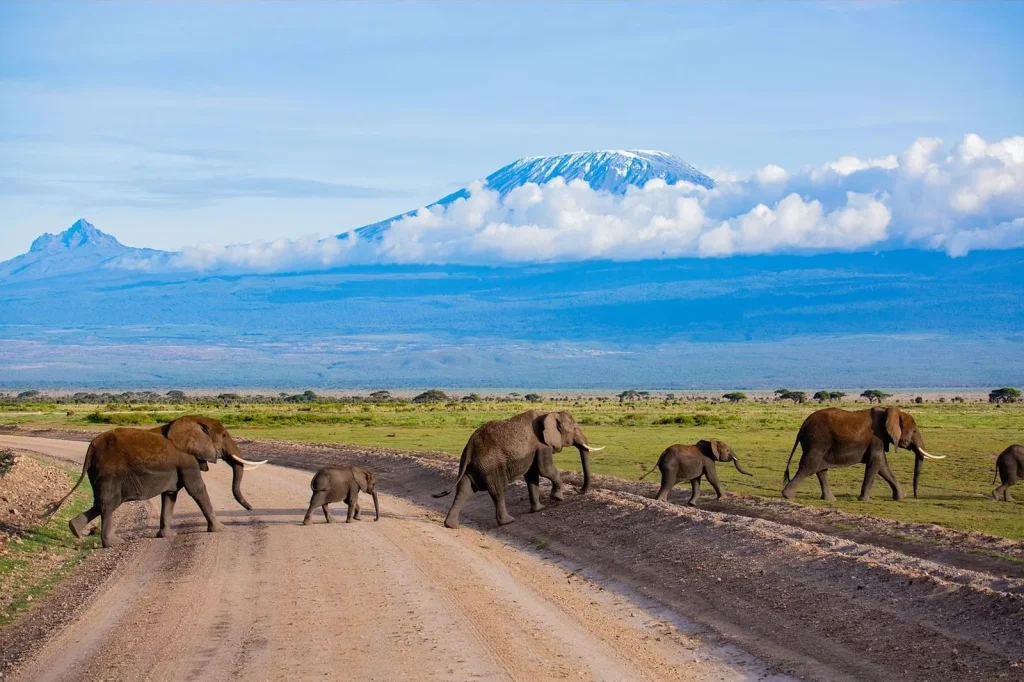
Amboseli in March offers opportunities to observe elephants and other wildlife across open plains and wetlands. The landscape may begin changing as seasonal rainfall increases; Mount Kilimanjaro can provide a dramatic backdrop when cloud cover permits. Rain may create temporary pools and influence wildlife movements—visitors should allow flexibility for changing track conditions.
Samburu in March
Samburu National Reserve lies in northern Kenya and has a generally warmer, drier climate than the central highlands, although March conditions can vary considerably. The Ewaso Ng’iro River supports important wildlife habitats—visitors should prepare for warm daytime temperatures and occasional weather changes.
Kenya Coast in March
Kenya’s Indian Ocean coast is generally warm in March. Humidity can increase as the region approaches the wetter part of the year; Diani, Watamu and Malindi remain attractive for beach holidays, although rainfall may become more frequent.
Marine activities depend on local weather, tides and sea conditions. Travellers should check forecasts and activity availability before booking.
Best Places to Visit in Kenya in March
1. Maasai Mara National Reserve
The Maasai Mara National Reserve remains one of Kenya’s leading wildlife destinations throughout the year. Its grasslands, river valleys and wooded habitats support a wide range of mammals and birds—lions, elephants, giraffes, buffaloes, zebras and numerous antelope species may be observed during game drives. Cheetahs and leopards are also present, although sightings depend on habitat and behaviour.
March’s changing vegetation can provide attractive photographic opportunities. A three-night stay allows flexibility when rainfall affects daily activities.
2. Amboseli National Park
Amboseli is particularly famous for elephants and views toward Mount Kilimanjaro when visibility permits. The park’s wetlands provide important habitat for wildlife and birds—visitors may observe elephant family groups, buffaloes, zebras and other grazing mammals. March can create attractive contrasts between green vegetation and open plains; two or three nights provide opportunities for changing mountain views.
3. Samburu National Reserve
Samburu National Reserve offers a distinctive northern Kenya safari experience. The reserve supports Grevy’s zebras, reticulated giraffes, gerenuks, Beisa oryx and Somali ostriches—species associated with northern Kenya’s semi-arid landscapes. Elephants and predators also inhabit the wider ecosystem, and the Ewaso Ng’iro River provides an important wildlife corridor.
4. Ol Pejeta Conservancy
Ol Pejeta Conservancy combines wildlife viewing with conservation education near Nanyuki. The conservancy is particularly important for rhino protection. Visitors may enjoy game drives and selected specialist activities, subject to availability; the surrounding Mount Kenya region can experience variable weather during March. Ol Pejeta combines well with Samburu and other Laikipia destinations.
5. Lake Nakuru National Park
Lake Nakuru National Park is known for rhino conservation, birdlife and Rift Valley scenery. The park supports black and white rhinos, buffaloes, giraffes and other wildlife; flamingo numbers fluctuate according to lake conditions and food availability. March’s changing vegetation can enhance the scenery, although rainfall may affect access to some tracks, so local guidance is important.
6. Lake Naivasha
Lake Naivasha provides a scenic break between longer safari journeys. The freshwater lake supports hippos and numerous waterbirds; authorised boat excursions may be available, depending on weather and safety conditions. Nearby Hell’s Gate National Park offers selected outdoor activities, and the region can be incorporated into a broader Rift Valley safari.
7. Nairobi National Park
Nairobi National Park offers wildlife viewing close to Kenya’s capital. The park supports rhinos, giraffes, zebras and other wildlife, and its proximity to the city makes it suitable for travellers with limited time. March’s variable weather should be considered when planning game drives.
Wildlife Viewing in Kenya During March
Lions and Other Predators
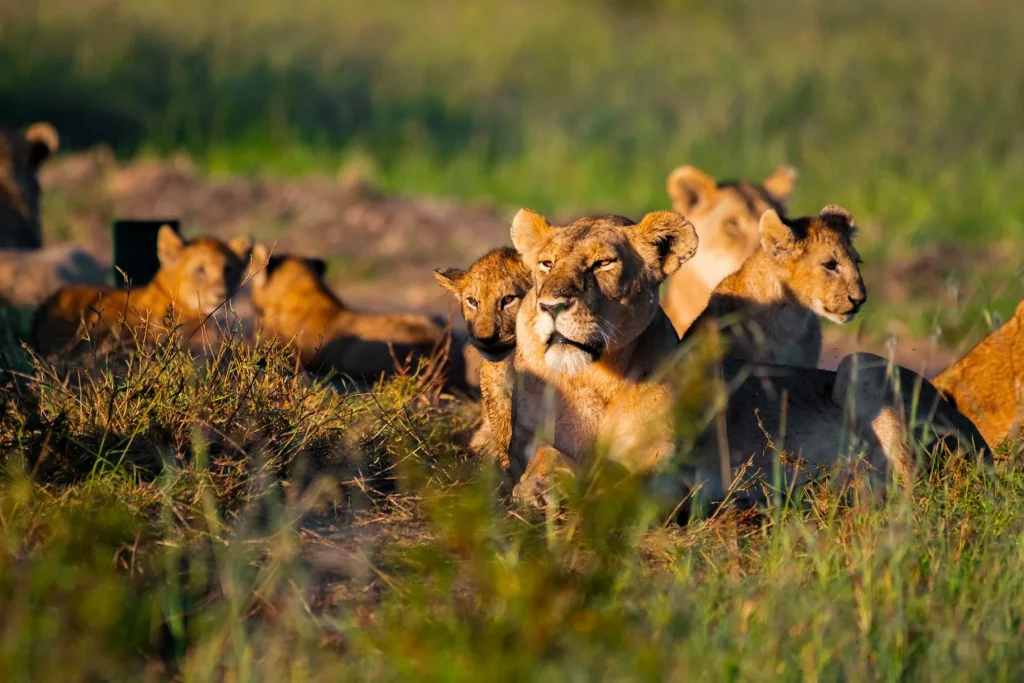
March can be rewarding for observing predators in suitable wildlife habitats. The Maasai Mara supports resident lions, hyenas, cheetahs and leopards, although increasing vegetation may make some animals harder to locate. Experienced guides use local knowledge and recent observations to plan game drives; predator sightings remain unpredictable, and no particular interaction can be guaranteed.
Elephants
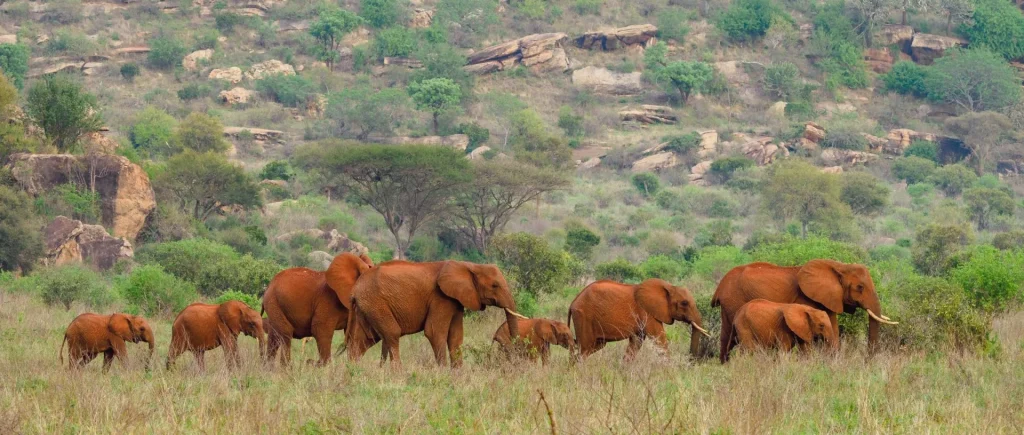
Elephants are among Kenya’s most impressive safari animals. Amboseli is particularly famous for opportunities to observe elephant family groups, and elephants also inhabit the Maasai Mara, Samburu and other protected landscapes. Their movements depend on food availability, water and social relationships—visitors should maintain appropriate distances and avoid disturbing animals.
Rhinos
Rhino-focused itineraries should include destinations with established conservation populations. Ol Pejeta and Lake Nakuru are important options; sightings depend on habitat and the movements of individual animals. Conservation education can add depth to the safari experience.
Birdwatching
March can be rewarding for birdwatching in Kenya, particularly as seasonal rainfall influences vegetation and wetland habitats. Some migratory species from the northern hemisphere may still be present. Lake Nakuru, Lake Naivasha, Samburu and the Maasai Mara provide varied habitats, and dedicated birdwatchers may benefit from specialist guiding.
The Great Migration in March
The Great Wildebeest Migration is a continuous ecological movement through the Serengeti–Mara ecosystem. During March, major migratory herds are generally associated with southern and central Tanzania, although their distribution varies according to rainfall.
The Maasai Mara remains home to resident wildebeest and other grazing animals. However, March is not normally the main period for large migratory concentrations or Mara River crossings in Kenya. Travellers whose primary interest is the migration should consider whether a Tanzania-focused itinerary better matches their objectives.
Advantages of Visiting Kenya in March
- The seasonal transition can create attractive green landscapes and dramatic skies.
- Some destinations may receive fewer visitors than during peak migration months.
- Resident wildlife remains present throughout the year.
- The month appeals to photographers interested in changing light and scenery.
- Early March may provide relatively dry conditions in some regions.
- March suits combining wildlife viewing with coastal relaxation, provided travellers accept variable weather.
Challenges of March Travel
- Rainfall may increase as the month progresses, affecting roads and park tracks.
- Taller vegetation may make wildlife harder to locate.
- Main migratory wildebeest concentrations are generally outside Kenya during this period.
- Coastal humidity and rainfall may increase.
- A flexible itinerary is particularly important.
Accommodation in Kenya During March
Safari Trips to Kenya uses four accommodation categories: Essential, Comfort, Premium and Signature.
Essential Accommodation
Essential safari accommodation focuses on practical facilities and value. Options may include simple lodges and established camps—road access and drainage should be considered carefully as rainfall increases.
Comfort Accommodation
Comfort safari accommodation offers private facilities, reliable meals and a relaxed atmosphere. This category suits couples, families and small groups seeking a balance between price and convenience.
Premium Accommodation
Premium safari accommodation generally provides more spacious rooms, attentive service and attractive locations. Some properties offer additional activities and convenient access to wildlife areas.
Signature Accommodation
Signature safari accommodation focuses on distinctive properties and personalised experiences. Options may include exclusive tented camps and private guiding arrangements—the quality of guiding and wildlife access should remain central to the selection.
Sample Eight-Day Kenya Safari Itinerary for March
Day 1: Arrival in Nairobi
Arrive at Jomo Kenyatta International Airport and meet your safari representative. Transfer to your Nairobi hotel for check-in and relaxation; depending on arrival time, enjoy optional city sightseeing or rest before the safari.
Day 2: Nairobi to Amboseli
After breakfast, travel south toward Amboseli National Park through changing landscapes near the Kenya–Tanzania border. Arrive for lunch or an afternoon game drive, depending on travel conditions.
Day 3: Full-Day Amboseli Safari
Enjoy morning and afternoon game drives in Amboseli, looking for elephant families, buffaloes, zebras and other wildlife. When visibility permits, photograph Mount Kilimanjaro above the surrounding plains.
Day 4: Amboseli to Lake Naivasha
Depart early for the Rift Valley region—this is a substantial driving day, so realistic travel times and breaks are important. Arrive near Lake Naivasha for a relaxed evening.
Day 5: Lake Naivasha to the Maasai Mara
Continue toward the Maasai Mara after breakfast, passing through rural landscapes and the Rift Valley countryside. Arrive at your lodge or camp and enjoy an afternoon game drive if time permits.
Day 6: Full-Day Maasai Mara Safari
Explore the Maasai Mara with your driver-guide, looking for lions, elephants, giraffes, zebras and other resident wildlife. The route is selected according to current animal movements and park conditions.
Day 7: Maasai Mara Wildlife Exploration
Enjoy another day of game drives. Additional time provides flexibility when rainfall or vegetation affects sightings—return to camp for dinner and overnight accommodation.
Day 8: Return to Nairobi
After breakfast, begin the journey back to Nairobi and allow generous time for onward travel arrangements. Travellers with additional time can extend the itinerary to Samburu, Ol Pejeta or the coast.
Combining March Safaris with Beach Holidays
A Kenya safari and beach holiday in March combines wildlife adventures with coastal relaxation. After visiting the Maasai Mara or Amboseli, travellers can continue to Diani, Watamu or another coastal destination. Domestic flights may reduce travel time, although schedules should be confirmed.
Marine activities depend on weather, tides and sea conditions. A beach extension of three or four nights provides time to relax after early safari starts.
Photography Tips for March
March’s changing weather can create dramatic photographic conditions, with fresh vegetation and storm clouds providing attractive contrasts.
- Early-morning and late-afternoon light often produces softer colours.
- A telephoto lens is useful for photographing wildlife from appropriate distances.
- Protect cameras from dust and rainfall.
- Avoid encouraging guides to approach wildlife too closely for photographs.
What to Pack for Kenya in March
Pack for warm afternoons, cooler mornings and increasing rainfall toward the long-rains season.
- Lightweight clothing plus a fleece or jacket for cooler mornings.
- A waterproof layer because rainfall may increase during the month.
- Neutral colours for game drives.
- Comfortable closed shoes, sunglasses, sunscreen and a hat.
- Binoculars to improve wildlife viewing.
- Protection for cameras and electronic devices against moisture and dust.
March Safari Costs and Budget Planning
The cost of a Kenya safari in March depends on accommodation category, travel duration, vehicle arrangements and park fees. Some properties may offer seasonal rates as the long-rains period approaches.
Private safaris provide flexibility but may cost more per person for smaller groups; shared departures can offer better value where suitable programmes are available. A detailed quotation should identify park fees, accommodation, meals, transport and included activities—optional excursions, drinks, gratuities and personal expenses may be charged separately.
Practical Travel Advice for March
Plan around variable weather and allow flexibility in your itinerary.
- Choose a well-maintained four-wheel-drive safari vehicle and experienced driver-guide.
- Avoid tight connections after long road transfers.
- Check current Kenya entry requirements through official government sources.
- Consult a qualified travel health professional about vaccinations, malaria prevention and other precautions.
- Purchase travel insurance covering medical emergencies and relevant disruptions.
- Respect park regulations and avoid disturbing wildlife.
Frequently Asked Questions About Kenya in March
Is March a good month for a Kenya safari?
Yes. March can provide rewarding wildlife viewing and attractive scenery, particularly for travellers comfortable with variable weather.
Does it rain in Kenya in March?
Rainfall often increases as the long-rains season develops, but timing and intensity vary by region and year.
Is the Great Migration in Kenya in March?
Major migratory herds are generally associated with Tanzania during March. The Maasai Mara remains worthwhile for resident wildlife.
Is Amboseli worth visiting in March?
Yes. Amboseli offers opportunities for elephant viewing and landscape photography, although rainfall and cloud cover can affect conditions.
Can I see the Big Five in March?
The Big Five remain present in suitable habitats, but sightings are not guaranteed.
Is March cheaper than peak safari season?
Some properties may offer seasonal rates, but prices vary by destination and accommodation.
Can I visit Diani Beach in March?
Yes. Diani remains a year-round destination, although humidity and rainfall may increase.
How many days should I spend in Kenya?
Seven to ten days allow several wildlife destinations, while longer trips provide time for a relaxed itinerary and beach extension.
Is March suitable for families?
Yes. A family safari can be arranged with appropriate accommodation and manageable driving distances.
Book Your March Kenya Safari with Safari Trips to Kenya
A well-planned Kenya safari in March combines changing seasonal scenery with opportunities to explore the country’s wildlife landscapes. Safari Trips to Kenya can arrange private and group safaris in the Maasai Mara, Amboseli, Samburu, Lake Nakuru, Ol Pejeta and other destinations.
Accommodation is available across our Essential, Comfort, Premium and Signature categories, subject to availability. We can also arrange coastal extensions for travellers interested in combining wildlife adventures with Indian Ocean relaxation. When requesting a quotation, provide your preferred dates, number of travellers, accommodation category and main wildlife interests.
With realistic expectations and careful planning, March offers a rewarding opportunity to experience Kenya’s wildlife, scenery and hospitality.
Research References
- Kenya Meteorological Department: https://meteo.go.ke/
- Kenya Wildlife Service: https://kws.go.ke/
- Ol Pejeta Conservancy: https://olpejetakenya.org/