

April is particularly appealing to travellers with flexible schedules, photographers interested in atmospheric landscapes and visitors who value a slower safari pace. It is less suitable for anyone expecting consistently dry weather, uninterrupted road access or the peak-season concentration of migratory wildebeest in the Maasai Mara. This guide explains what to expect from Kenya April weather, where to travel, which wildlife experiences remain rewarding and how to plan accommodation and transport for the rainy season.
Is April a Good Month to Visit Kenya?
April can be an excellent month to visit Kenya when your expectations match the season. The most important consideration is whether you are comfortable with variable weather and occasional changes to your daily programme. Many travellers associate the ideal safari with golden grass, clear blue skies and large concentrations of wildlife around permanent water. Those conditions are more typical of particular dry-season periods. April presents a different landscape, with fresh vegetation, flowering plants and wildlife dispersed across a wider range of habitats.
There are practical advantages to travelling during the long rains. Some lodges offer seasonal rates, certain destinations receive fewer visitors and the countryside can be exceptionally attractive for photography. However, these benefits should not be treated as universal. Popular properties may maintain their rates, some camps close temporarily and travel costs can increase if difficult roads require alternative arrangements. The most rewarding Kenya green season safari is one designed specifically for April rather than a dry-season itinerary copied onto rainy-season dates.
Kenya Weather in April: What Should You Expect?
Understanding Kenya’s Long Rains
Kenya has several climate zones, and the long-rains season does not affect every part of the country in the same way. In much of the highlands, Rift Valley and western regions, March through May is an important rainfall period, with April frequently among the wetter months. Rainfall may arrive as intense afternoon storms, extended showers or intermittent periods of cloud and sunshine. Conditions can change quickly, particularly in elevated areas where local topography influences cloud formation.
The Kenya Meteorological Department’s April 2025 assessment described that month as the peak of the long-rains season across much of the country, while also noting regional differences. This illustrates why historical averages are useful for planning but cannot predict the conditions on a particular travel date. Before departure, review current forecasts for the specific destinations on your itinerary rather than relying on a general national forecast.
Nairobi Weather in April
Nairobi’s elevation gives it a relatively moderate climate compared with Kenya’s hotter lowland regions. April days can feel mild or warm when the sun appears, while evenings and rainy periods may be noticeably cool. Rain can affect urban traffic, especially during busy commuting hours. Travellers arriving at Jomo Kenyatta International Airport should allow generous transfer times and avoid scheduling tight connections between airport arrivals and domestic departures.
For sightseeing, a waterproof jacket and comfortable walking shoes are more useful than heavy winter clothing. Indoor attractions, restaurants and museums can provide alternatives when outdoor plans are interrupted.
Maasai Mara Weather in April
The Maasai Mara in April is usually much greener than during the later dry season. Rainfall supports grass growth, replenishes seasonal water sources and creates attractive conditions for landscape photography. However, the reserve and surrounding conservancies contain roads and tracks that can become muddy after heavy rain. Access to particular areas may depend on the condition of river crossings, drainage and the capabilities of the safari vehicle.
A well-maintained four-wheel-drive vehicle and an experienced guide are especially valuable. Visitors should also be prepared for longer travel times and the possibility that a planned route will need to change.
Amboseli Weather in April
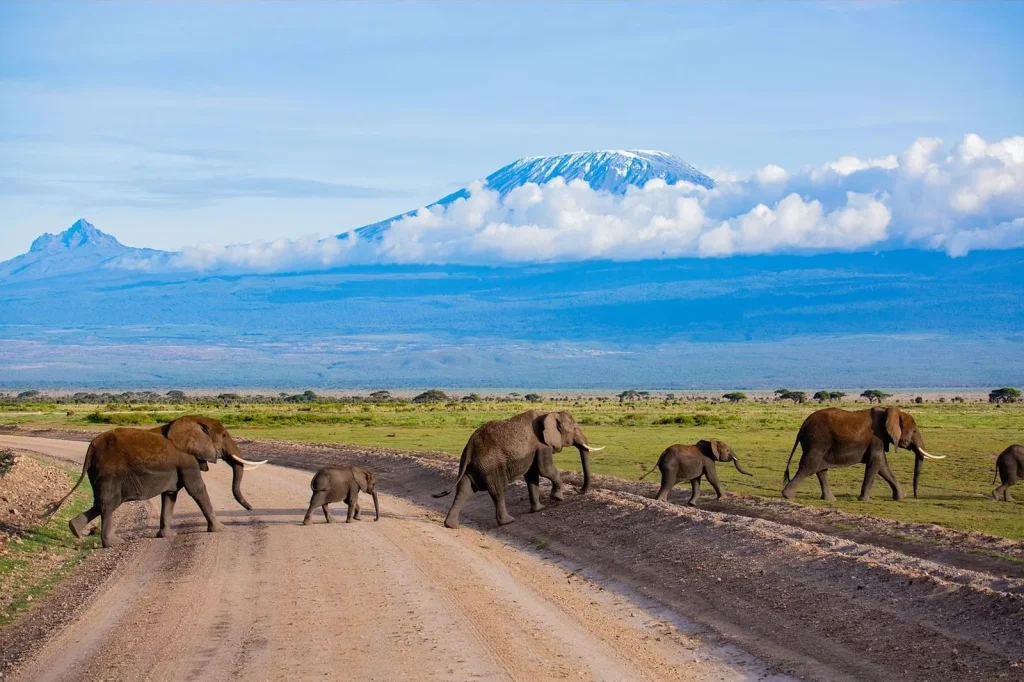
Amboseli in April can be visually rewarding because rain may transform parts of the surrounding plains. The park’s wetlands remain important wildlife habitats, while temporary pools and fresh vegetation influence animal movements. Mount Kilimanjaro may appear above the plains when cloud cover clears, but the mountain is not visible at all times. April’s variable cloud conditions make early-morning viewing opportunities particularly valuable.
Wet tracks and temporary flooding can affect access within the park. Visitors should allow flexibility and avoid planning the entire experience around one photographic viewpoint.
Kenya Coast Weather in April
Kenya’s Indian Ocean coastline has a warmer, more humid climate than Nairobi or the central highlands. April may bring increasing rainfall and uncomfortable humidity, although coastal conditions vary between locations and years. Beach holidays remain possible, but visitors should not assume uninterrupted sunshine. Sea conditions, visibility for snorkelling and the availability of marine excursions may be affected by weather. A beach extension during April is best planned with a flexible attitude and accommodation that remains enjoyable during rainy periods.
Best Places to Visit in Kenya in April
1. Maasai Mara National Reserve
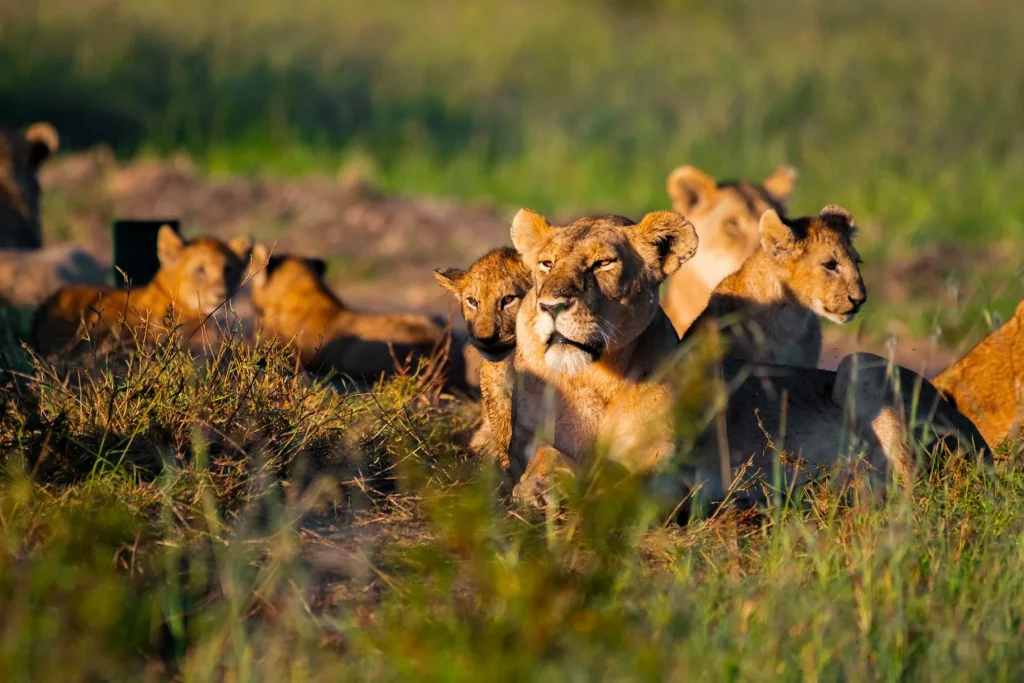
The Maasai Mara National Reserve remains a major wildlife destination outside the peak migration season. Its resident wildlife includes lions, elephants, buffaloes, giraffes, zebras, hyenas and numerous antelope species. April is not generally the main period for the large northern movement of migratory wildebeest into Kenya. Travellers should therefore choose the Mara for its resident wildlife and landscapes rather than expecting the famous peak-season river crossings.
The reserve’s changing vegetation can produce attractive photography, particularly when sunlight breaks through storm clouds. Fresh grass creates a striking contrast with dark skies, and the scenery can feel very different from the familiar dry-season images. Wildlife viewing may require more patience because animals are not necessarily concentrated around limited water sources. Experienced guides use their knowledge of territories, tracks and recent sightings to plan drives. Accommodation location is particularly important. A well-situated lodge can reduce the amount of driving required on wet roads, while a property far outside the wildlife area may add considerable transfer time.
2. Amboseli National Park
Amboseli National Park is one of Kenya’s most recognisable safari destinations, famous for its elephants and views toward Mount Kilimanjaro. The park combines open plains, wetlands and areas of woodland. In April, the surrounding landscape may become greener, creating opportunities for photography of elephants against fresh vegetation. The wetlands continue to attract wildlife and water-associated birds.
Cloud cover can obscure Kilimanjaro, so travellers should allow more than one opportunity to photograph the mountain. A two-night stay is generally more flexible than arriving for a single afternoon drive and departing the following morning. Road conditions should be assessed locally. Your guide may recommend alternative routes after heavy rainfall, particularly where tracks have become slippery or waterlogged.
3. Lake Nakuru National Park
Lake Nakuru National Park can be an attractive destination for travellers interested in birds, rhinos and varied scenery. The park includes lake habitats, woodland, grassland and elevated viewpoints. Bird populations change according to water levels, food availability and seasonal conditions. Flamingo numbers, in particular, should never be promised, as their distribution can shift between Rift Valley lakes.
The park is also known for rhino conservation, although sightings depend on wildlife movements and visibility. A game drive may reveal buffaloes, giraffes, waterbucks and other resident animals. April’s green vegetation can enhance the landscape, but rain may affect access to particular tracks. Visitors should follow ranger guidance and avoid assuming every viewpoint will be accessible.
4. Ol Pejeta Conservancy
Located near Nanyuki, Ol Pejeta Conservancy offers a combination of wildlife viewing and conservation-focused activities. It is particularly interesting for travellers who want to learn about rhino protection and the management of wildlife habitats. The conservancy’s activities may include game drives and selected guided conservation experiences, subject to current operating arrangements. Some specialist activities require advance reservations and may be affected by weather.
Ol Pejeta can be combined with other destinations in the Mount Kenya region, although visitors should allow sufficient time for transfers. April’s cooler, wetter conditions make waterproof clothing and flexible scheduling useful.
5. Samburu National Reserve
Samburu National Reserve lies in a generally drier region of northern Kenya, but this does not mean April is guaranteed to be dry. Seasonal rainfall can affect river levels, tracks and accessibility. The reserve is particularly attractive for wildlife species associated with northern Kenya, including Grevy’s zebra, reticulated giraffe, gerenuk and Beisa oryx.
The Ewaso Ng’iro River is an important feature of the landscape, supporting vegetation and wildlife activity along its banks. During periods of heavy rain, river conditions can change quickly. Samburu is a good option for travellers interested in combining wildlife viewing with a distinctive northern landscape, provided the itinerary is planned around current access conditions.
6. Nairobi and Its Surroundings
Nairobi is more than an arrival point for international travellers. The city offers wildlife, cultural and historical attractions that can be incorporated into a short stay. Nairobi National Park provides the unusual experience of wildlife viewing near a major urban skyline. Depending on conditions, visitors may observe rhinos, giraffes, zebras and other animals within the protected area.
The city also offers museums, cultural centres and restaurants that can be useful when rainfall interrupts outdoor activities. A Nairobi stay is particularly practical for travellers who prefer not to begin a long road transfer immediately after an international flight.
Wildlife Viewing in Kenya During April
Big Five Safari Experiences
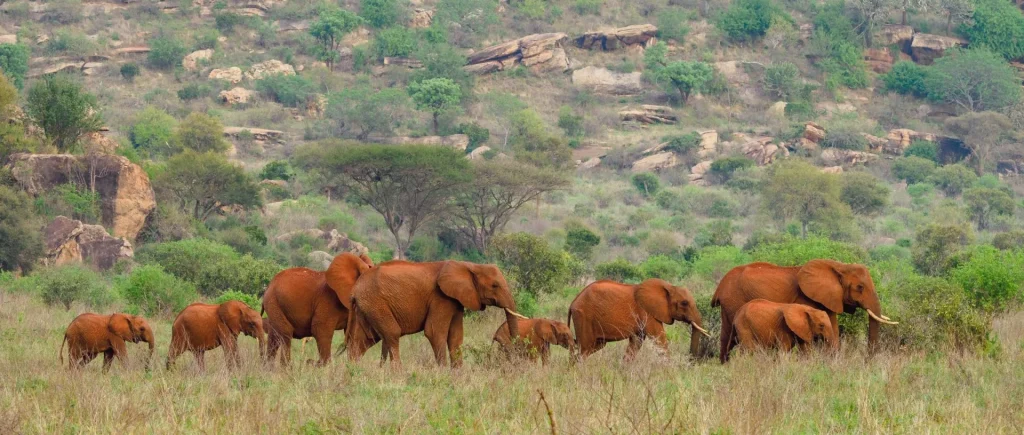
Kenya’s wildlife does not disappear during the rainy season. Lions, leopards, elephants, buffaloes and rhinos remain in their respective habitats, although the probability of observing each species varies by destination and local conditions. Rainfall influences where animals feed, rest and travel. Fresh vegetation can provide more widely distributed grazing opportunities, while increased water availability may reduce the need for wildlife to gather at a limited number of waterholes.
For predators, visibility can be affected by taller grass and thicker vegetation. Lions may remain hidden in cover, and leopards can be particularly difficult to locate in wooded areas. Rhino viewing is best planned around destinations with established rhino populations rather than relying on chance encounters in parks where the species is less common.
Birdwatching in April
April can be rewarding for birdwatching in Kenya, particularly in wetland habitats and areas experiencing renewed vegetation growth. Waterbirds may take advantage of temporary pools and changing lake conditions. Resident species remain an important attraction, including hornbills, kingfishers, bee-eaters, raptors and numerous smaller birds. The exact species encountered depend on habitat, altitude and local rainfall.
Migratory bird presence changes through the year, so travellers seeking particular species should consult an up-to-date birding specialist rather than relying on a broad seasonal description. A dedicated birdwatching itinerary benefits from slower travel, early starts and enough time to explore several habitats.
The Great Migration in April
The Great Wildebeest Migration is a continuous movement through the Serengeti–Mara ecosystem rather than a single annual event. Herd locations change according to rainfall, grazing conditions and other ecological factors. In April, major migratory concentrations are generally associated with the Tanzanian part of the ecosystem rather than the northern Mara crossing areas. Travellers should not expect the famous Mara River crossings as a standard April experience.
The Maasai Mara still supports resident wildebeest and many other grazing animals. Its wildlife value extends far beyond the seasonal migration. If witnessing large migratory herds is your main objective, the timing and geographic focus of your safari should be discussed carefully before booking.
Advantages of Visiting Kenya in April
Travellers who plan around the long rains can find Kenya in April especially rewarding when green scenery, quieter parks and seasonal value matter as much as peak dry-season conditions.
- Fresh vegetation, dramatic skies and changing light can be especially appealing to photographers.
- Some safari areas receive fewer visitors than during the busiest dry-season months, which may create a quieter atmosphere around lodges and on game drives.
- Selected accommodation properties may offer seasonal promotions, though prices and availability must be checked individually.
- April suits travellers interested in landscapes, birds and conservation experiences rather than only seeking a checklist of large mammals.
Disadvantages and Challenges of April Travel
Rain and softer ground are the defining challenges of an April safari. Build extra time into road transfers and accept that some outdoor plans may change.
- Heavy showers can interrupt game drives, outdoor meals, walking activities and road transfers.
- Mud and waterlogged tracks may limit access to particular areas. Even a capable four-wheel-drive safari vehicle cannot guarantee passage on every route.
- Some seasonal camps temporarily close for maintenance during the long rains. Others operate with reduced services or adjust their activities according to conditions.
- Photographers may encounter poor light during prolonged cloudy periods, although dramatic skies can also create exceptional images.
- Travellers with rigid schedules should be particularly cautious. A missed domestic connection or delayed road transfer can have consequences when there is little flexibility in the itinerary.
What to Wear in Kenya in April
Packing for April requires preparation for both warm sunshine and wet weather.
- Lightweight, breathable clothing is suitable for much of the day, while a waterproof outer layer is essential for unexpected showers.
- Neutral-coloured shirts and trousers are practical for game drives. Long sleeves can provide protection from insects and sun exposure, particularly during early-morning and evening activities.
- Comfortable closed shoes with good grip are useful around muddy camps and walking paths. Sandals may be suitable at the lodge, but they should not replace appropriate footwear for outdoor excursions.
- A light fleece or warm layer is helpful in Nairobi, the highlands and during early-morning drives. Temperatures can feel cool when combined with rain and wind.
- Protect cameras, binoculars and electronic devices with waterproof covers or sealed bags. A small dry bag is particularly useful during transfers between vehicles and accommodation.
Safari Vehicles and Road Conditions
For an April safari in Kenya, vehicle selection deserves special attention. A well-maintained four-wheel-drive safari vehicle is generally preferable in wildlife areas where tracks may become muddy. The vehicle should have suitable tyres, functioning recovery equipment and an experienced driver-guide who understands local conditions. However, no vehicle can make flooded crossings or unstable roads automatically safe.
Road travel times should be treated as estimates rather than guarantees. A route that is straightforward in dry weather may take significantly longer after heavy rain. If the itinerary includes several remote destinations, domestic flights may reduce driving time. Flight operations are still subject to weather, schedules and airstrip conditions, so adequate connection time remains important. Avoid planning long road journeys immediately before international departures.
Accommodation in Kenya During April
Safari Trips to Kenya uses four accommodation categories: Essential, Comfort, Premium and Signature.
Essential
Essential accommodation provides practical facilities for travellers prioritising value. In April, check whether access roads, drainage and room facilities are suitable for wet conditions.
Comfort
Comfort accommodation offers a balance of convenience, privacy and affordability. Permanent lodges with reliable facilities can be particularly useful during rainy periods.
Premium
Premium accommodation may include well-appointed lodges and tented camps with attractive locations, attentive service and a wider selection of activities. Confirm which facilities remain operational during the long rains.
Signature
Signature accommodation focuses on distinctive properties and personalised arrangements. April can be appealing for travellers seeking privacy, but some remote camps may close seasonally.
Across all four categories, location and accessibility should take priority over appearance alone.
Sample Seven-Day Kenya Safari Itinerary for April
Day 1: Arrive in Nairobi
Arrive at Jomo Kenyatta International Airport and transfer to your Nairobi hotel. Use the remainder of the day to rest and prepare for the safari. Your representative reviews the itinerary and discusses any weather-related adjustments. Overnight accommodation in Nairobi provides a comfortable start without an immediate long road journey.
Day 2: Nairobi to Lake Nakuru
After breakfast, travel toward the Great Rift Valley and Lake Nakuru National Park. Stop at an appropriate viewpoint if weather and road conditions allow. Arrive for lunch or an afternoon game drive, depending on the departure time. Explore the park’s varied habitats while looking for rhinos, giraffes, buffaloes and birdlife.
Day 3: Lake Nakuru to the Maasai Mara
Continue toward the Maasai Mara region, allowing sufficient time for changing road conditions. The journey passes through agricultural areas and the Rift Valley countryside. After checking into your accommodation, enjoy an afternoon game drive if arrival time and weather permit. Your guide will select suitable tracks based on local conditions.
Day 4: Full-Day Maasai Mara Safari
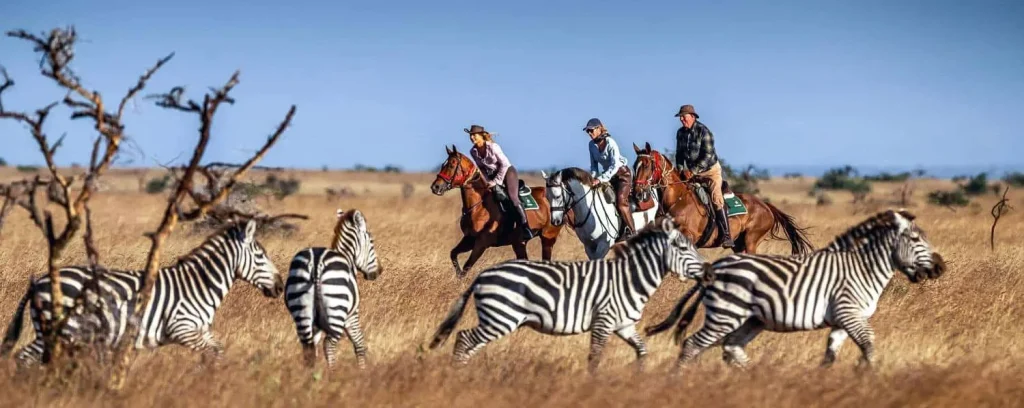
Spend the day exploring the Maasai Mara with your driver-guide. The programme may include morning and afternoon drives or a longer excursion with a packed lunch. Focus on resident wildlife rather than expecting peak migration activity. The green landscape offers opportunities for photography of elephants, giraffes, predators and grazing animals.
Day 5: Maasai Mara Wildlife and Relaxation
Enjoy another game drive, using the flexibility of a second full day to explore areas not visited previously. Wildlife sightings are unpredictable, so additional time can be valuable. The afternoon may include relaxation at the lodge or an authorised optional activity. Rainfall and track conditions will influence the day’s programme.
Day 6: Return to Nairobi
After breakfast, begin the journey back to Nairobi. Allow generous travel time because road conditions may vary. Arrive at your hotel for a relaxed evening. Staying overnight in Nairobi before departure reduces the risk associated with a same-day long road transfer.
Day 7: Departure
Enjoy breakfast and transfer to Jomo Kenyatta International Airport according to your flight schedule. Additional sightseeing can be arranged if time and weather permit. This itinerary can be adjusted to include Amboseli, Ol Pejeta or other destinations, but adding too many parks may create unnecessary driving during the rainy season.
Photography Tips for April Safaris
April’s changing light is one of its greatest photographic attractions. Dark storm clouds, bright green grass and shafts of sunlight can produce striking landscape images.
- Protect equipment from rain and condensation. Avoid changing lenses in dusty or wet conditions, and keep a suitable cloth available for cleaning external lens surfaces.
- Use a fast shutter speed when photographing moving wildlife, particularly in low light. Stabilisation can help with stationary subjects, but it cannot eliminate motion blur from animals that are walking or running.
- A beanbag can provide camera support inside a safari vehicle. Binoculars are also useful for locating animals before selecting a photographic position.
- Do not pressure guides to drive off designated tracks or approach animals too closely for photographs.
Is April a Good Month for a Kenya Beach Holiday?
A beach holiday is possible in April, but travellers should expect more variable weather than during some of the drier coastal periods. Warm temperatures and humidity remain characteristic of destinations such as Diani, Watamu and Malindi. Rain may interrupt beach activities, while sea conditions can affect boat excursions and snorkelling. It is important to check local marine forecasts and operator availability.
For a safari-and-beach itinerary, consider spending enough nights at the coast to accommodate occasional wet days. A short two-night stay may feel disappointing if most of the available time coincides with heavy rain. Choose accommodation with comfortable indoor facilities and flexible dining arrangements.
Practical Travel Tips for Visiting Kenya in April
Successful April travel depends on flexibility, local knowledge and thorough preparation before departure.
- Build flexibility into your itinerary, particularly when travelling between parks by road. Avoid unnecessarily tight schedules and allow time for weather-related delays.
- Book with an operator familiar with seasonal access conditions. Local knowledge is especially valuable when deciding which roads, camps and wildlife areas are suitable.
- Check that your travel insurance covers weather-related disruption and the activities you intend to undertake. Review the policy carefully rather than assuming all cancellations are included.
- Confirm entry requirements, passport validity and the applicable Kenya Electronic Travel Authorisation arrangements through official sources before departure.
- For health preparation, seek professional travel medical advice well before the trip. Malaria prevention and other precautions depend on the destinations, personal circumstances and current recommendations.
- Carry sufficient essential medication and protect important documents from moisture.
Frequently Asked Questions About Kenya in April
Does it rain every day in Kenya in April?
Not necessarily. April is a major rainy-season month in many regions, but rainfall varies by location and year. Some days may include long sunny intervals, while others experience substantial rainfall.
Is April a bad month for a Kenya safari?
No. April can provide rewarding wildlife experiences and beautiful green landscapes. However, travellers must accept more variable weather, occasional muddy roads and potentially reduced access to certain areas.
Can I see the Big Five in April?
The Big Five remain present in their respective habitats throughout the year. Sightings depend on the parks visited, vegetation, wildlife movements and guiding conditions, and no operator can guarantee all five species.
Is the Great Migration in the Maasai Mara in April?
April is not normally the main period for large migratory herds and river crossings in the Maasai Mara. Travellers interested specifically in peak northern migration activity should consider a different seasonal window.
Are Kenya safari lodges cheaper in April?
Some properties offer seasonal rates or promotions, but this is not universal. Prices depend on the lodge, travel dates, room category and current booking conditions.
Is Amboseli worth visiting in April?
Yes, particularly for travellers interested in elephants, wetlands and green scenery. However, rain and cloud cover may affect roads and views of Mount Kilimanjaro.
Can I visit Diani Beach in April?
Yes. Diani remains a year-round destination, but April may bring rain and humidity. Beach and marine activities should be planned with weather flexibility.
What is the best safari vehicle for April?
A properly maintained four-wheel-drive safari vehicle with an experienced driver-guide is strongly recommended for many wildlife routes during the long rains.
How far in advance should I book?
Booking requirements vary by destination and accommodation. Early planning helps identify properties operating during April and allows time to arrange suitable transport and alternative activities.
Plan Your April Kenya Safari with Safari Trips to Kenya
A successful Kenya safari in April is built around the realities of the green season. The objective is not to avoid every rain shower, but to select destinations, accommodation and activities that remain rewarding when conditions change. Safari Trips to Kenya can help design a flexible itinerary combining the Maasai Mara, Amboseli, Lake Nakuru, Ol Pejeta or other suitable destinations. Accommodation can be arranged across Essential, Comfort, Premium and Signature categories according to your preferences and available properties.
When requesting a quotation, share your travel dates, number of travellers, preferred accommodation standard and the wildlife experiences that matter most to you. Let us know whether you prefer a private safari, a slower photography-focused journey or a combination of wildlife and beach relaxation. With appropriate preparation, April offers a refreshing perspective on Kenya’s landscapes and wildlife.
Research References
- Kenya Meteorological Department — April rainfall assessments and seasonal forecasts: https://meteo.go.ke/
- Kenya Wildlife Service — seasonal park guidance: https://kws.go.ke/faq-items/what-is-the-weather-pattern-in-kenya-when-is-the-best-time-to-visit-your-parks-and-reserves/
- Ol Pejeta Conservancy — wildlife activities and visitor information: https://olpejetakenya.org/faq/