

Great Migration with Zanzibar
There is something wonderfully satisfying about following an exciting wildlife safari with a few quiet days beside the Indian Ocean. One morning, you may be watching thousands of wildebeest moving across the Serengeti plains. A few days later, you could be walking barefoot along a white-sand beach in Zanzibar, with traditional wooden boats sailing across turquoise water.
A Great Migration with Zanzibar holiday combines two very different experiences: the extraordinary wildlife of East Africa’s savannah and the relaxed tropical atmosphere of Tanzania’s famous island destination. For many travellers, this is an ideal way to experience Africa without spending the entire holiday moving between national parks. The safari provides excitement, early morning game drives and close encounters with remarkable wildlife. Zanzibar offers time to rest, explore historic Stone Town, enjoy coastal cuisine and discover the Indian Ocean.
However, planning the combination requires more thought than simply adding a beach resort to a safari itinerary. The Great Wildebeest Migration moves through different regions of the Serengeti–Mara ecosystem throughout the year. The best wildlife destination depends on your travel dates, while the most practical route to Zanzibar depends on whether your safari begins in Kenya or Tanzania. This guide explains how to combine the migration with Zanzibar, which months work best, how many days to allow, where to stay and how to design an itinerary that feels like a holiday rather than a sequence of rushed transfers.
Why Combine the Great Migration with Zanzibar?
A migration safari and Zanzibar beach holiday complement each other particularly well. Safari days often begin early, when wildlife activity and light conditions can be rewarding, and travellers spend hours exploring national parks, photographing animals and watching the landscape change. Zanzibar offers a different pace: you can enjoy the beach, swim when conditions permit, visit historic sites or simply relax at your resort.
The combination also introduces two distinctive sides of East Africa. The Serengeti and Masai Mara reveal the region’s extraordinary terrestrial wildlife, while Zanzibar introduces Swahili coastal heritage, Indian Ocean landscapes and a different cultural environment. For honeymooners, couples, families and first-time safari visitors, this variety can make a longer holiday more enjoyable.
Understanding the Great Wildebeest Migration
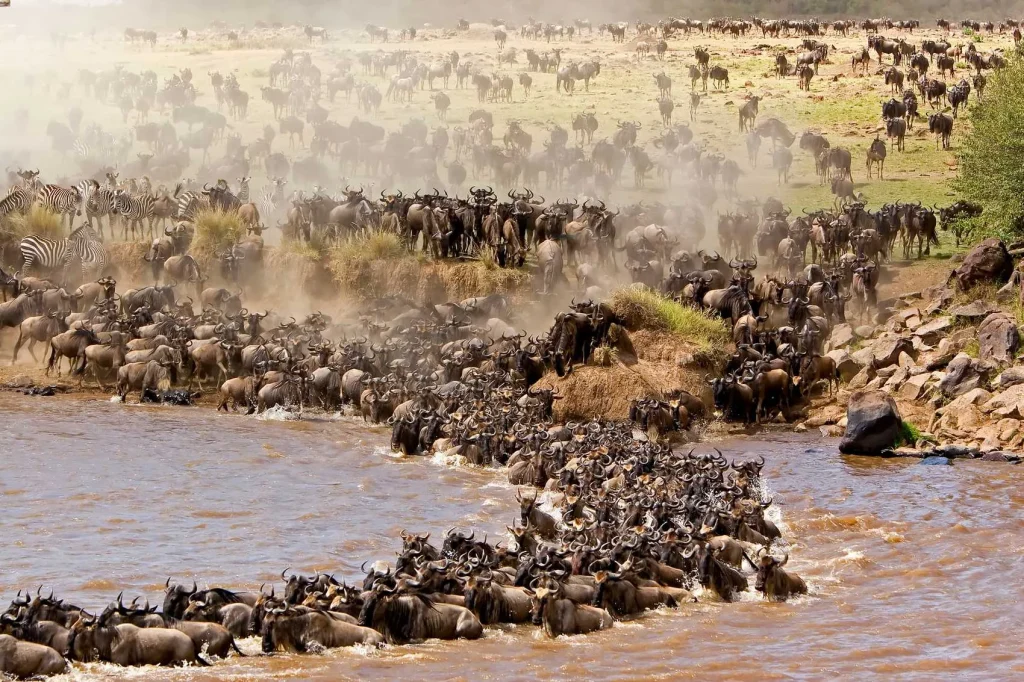
The Great Wildebeest Migration is a continuous seasonal movement of grazing animals across the Serengeti–Mara ecosystem. Wildebeest, accompanied by large numbers of zebras and other grazing animals, move in response to rainfall, grass growth and water availability, and their movements support a complex ecological system involving predators, scavengers and other wildlife.
The migration is often associated with dramatic river crossings, but those events represent only one part of the annual cycle. During the early months of the year, substantial herds may occupy the southern Serengeti and adjoining plains. As conditions change, movements may take animals through central and western regions, and during the northern migration season, large herds may reach the northern Serengeti and Kenya’s Masai Mara. Later, movements may bring them towards southern grazing grounds again, although the precise timing varies between years.
Where Should You See the Migration Before Visiting Zanzibar?
The best destination depends primarily on your travel month.
Southern Serengeti: January to March
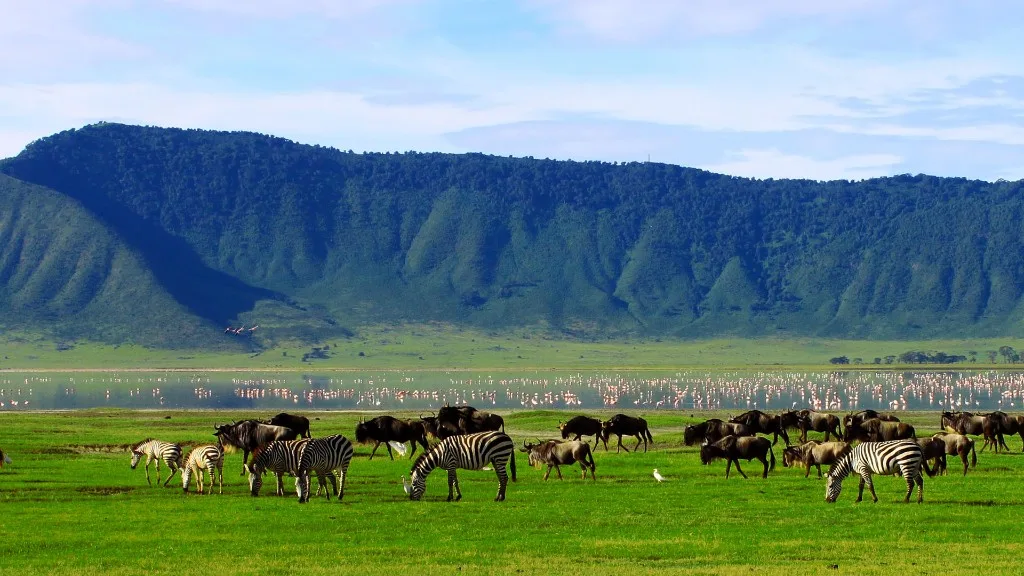
The southern Serengeti and Ndutu region are particularly relevant during the calving season. Large concentrations of wildebeest may occupy the short-grass plains, and newborn calves, grazing herds and predator activity can provide fascinating wildlife encounters. This is an attractive choice for travellers visiting Zanzibar during the first quarter of the year.
Central and Western Serengeti: April to June
Seasonal movements may occur through central and western parts of the Serengeti. The precise distribution depends on rainfall and grazing conditions, and the western corridor and Grumeti area become relevant during certain periods. A safari here can combine wildlife viewing with a subsequent flight towards Zanzibar.
Northern Serengeti: July to October
The northern Serengeti is particularly attractive during the northern migration season. Mara River crossings are possible, but cannot be guaranteed. Travellers should allow several days in the area to increase opportunities for observing migration activity.
Masai Mara: July to October
Kenya’s Masai Mara National Reserve is another important northern migration destination. It offers excellent wildlife viewing and can be combined with Zanzibar through suitable flight arrangements. However, the journey from Kenya to Zanzibar requires more international travel planning than many Tanzania-only itineraries.
Is the Serengeti or Masai Mara Better for a Zanzibar Combination?
Both can work well. The Serengeti is particularly convenient for travellers who want to remain within Tanzania for the safari and beach portions. Depending on available schedules, travellers may connect from Serengeti airstrips to Zanzibar directly or through another Tanzanian airport.
The Masai Mara is attractive for travellers who prefer a Kenya safari or want to combine the migration with additional Kenyan destinations, although reaching Zanzibar from Kenya involves an international journey and flight connections may require travel through Nairobi or another suitable airport. The best choice depends on your dates, budget, preferred wildlife experience and available flight schedules.
Best Time for a Great Migration and Zanzibar Holiday
The ideal travel period must balance two destinations. For migration viewing, July through September is popular for the northern Serengeti and Masai Mara, and January through March is particularly relevant for southern Serengeti calving. For Zanzibar, June through October is generally associated with relatively favourable beach conditions, although weather varies. January and February can also be attractive for beach holidays, with warm conditions. April and May are commonly associated with heavier seasonal rainfall in Zanzibar, although weather patterns vary and rain can occur outside these periods.
For travellers wanting northern migration activity and a beach holiday, August or September can be a particularly practical combination. For calving-season wildlife and Zanzibar, February is worth considering.
How Many Days Do You Need?
A Great Migration and Zanzibar safari works best when neither component is rushed. A seven-day trip can be arranged, but it offers limited time for both wildlife and beach relaxation. Ten days is a more comfortable starting point, and twelve to fourteen days allows additional safari destinations, a longer beach stay or a more relaxed pace.
For a dedicated migration experience, consider at least three or four nights in the relevant wildlife region. For Zanzibar, three or four nights provide time to unwind, and travellers who want to explore the island beyond their resort may prefer five nights or longer.
Recommended 10-Day Serengeti and Zanzibar Itinerary
This itinerary suits travellers who want a focused migration safari followed by a beach holiday. The Serengeti region should be selected according to the travel month.
Day 1: Arrival in Tanzania
Arrive at Kilimanjaro International Airport or another suitable gateway, transfer to your accommodation in Arusha, meet your safari representative and review the itinerary, and overnight in Arusha.
Day 2: Travel to the Serengeti
Continue to the appropriate Serengeti region by road or domestic flight, enjoy a game drive if arrival time permits, and let your guide introduce the landscape and explain the seasonal wildlife conditions before overnighting at a safari lodge or tented camp.
Day 3: Full-Day Great Migration Safari
Spend the day exploring suitable wildlife habitats and look for migrating herds, resident wildlife and predators. During the northern migration season, the guide may explore areas where recent herd activity has been reported. River crossings cannot be guaranteed.
Day 4: Serengeti Wildlife Exploration
Enjoy another full day in the Serengeti—the additional time allows a more relaxed approach to wildlife viewing. You may encounter lions, elephants, giraffes, buffalo, cheetahs or other animals, although sightings remain unpredictable.
Day 5: Final Serengeti Game Drive
Continue exploring the region. A third full game-drive day is particularly valuable for travellers interested in migration behaviour and photography before returning to camp for dinner and overnight.
Day 6: Fly to Zanzibar
Transfer to the relevant airstrip for your flight to Zanzibar. Depending on schedules, a connection may be required. On arrival, transfer to your beach resort and spend the remainder of the day relaxing.
Day 7: Zanzibar Beach Leisure
Enjoy the Indian Ocean coastline—relax at the resort, swim when conditions are suitable or explore nearby beaches. Optional activities may be arranged.
Day 8: Stone Town or Coastal Excursion
Consider a guided visit to Stone Town to explore historic streets, architecture and cultural landmarks, or alternatively remain at the beach.
Day 9: Final Full Day in Zanzibar
Enjoy a final day of relaxation. Optional activities may include snorkelling, a boat excursion or a guided cultural experience, depending on local conditions and availability.
Day 10: Departure
Transfer to Zanzibar airport for your onward flight.
Recommended 12-Day Masai Mara and Zanzibar Safari
This itinerary combines Kenya’s famous wildlife reserve with Tanzania’s coast.
Day 1: Arrive in Nairobi
Meet your representative and transfer to your hotel.
Day 2: Nairobi to Masai Mara
Travel by road or domestic flight and enjoy an introductory game drive.
Day 3: Masai Mara Migration Safari
Spend a full day exploring the reserve and search for wildlife and migration herds according to seasonal conditions.
Day 4: Masai Mara Wildlife Safari
Enjoy another full day of game drives—the Mara supports excellent resident wildlife as well as seasonal migrating herds.
Day 5: Additional Masai Mara Game Drives
Use the extra day to explore different habitats, which provides flexibility if the herds are widely distributed.
Day 6: Return to Nairobi
Travel back to Nairobi and overnight according to flight arrangements.
Day 7: Fly to Zanzibar
Take a suitable international flight to Zanzibar, subject to available schedules, and transfer to your beach accommodation.
Days 8–10: Zanzibar Beach Holiday
Relax on the coast. Optional activities can include Stone Town, marine excursions and cultural experiences.
Day 11: Final Full Day in Zanzibar
Enjoy the beach and resort facilities.
Day 12: Departure
Transfer to the airport. This itinerary can be modified to include Lake Nakuru or Amboseli if additional days are available.
Recommended 14-Day Tanzania Safari and Zanzibar Holiday
A longer itinerary allows travellers to explore more of Tanzania’s northern safari circuit. A practical route may include Arusha, Tarangire, Ngorongoro and the Serengeti before flying to Zanzibar. Tarangire is known for elephants and baobab landscapes, Ngorongoro Crater provides a distinctive wildlife environment, and the Serengeti offers migration-related wildlife viewing in the appropriate seasonal region. After the safari, spend four or five nights on Zanzibar.
This combination provides greater habitat diversity than a Serengeti-only itinerary. However, avoid adding too many distant Serengeti regions in a short period.
Choosing the Best Zanzibar Beach
Zanzibar has several coastal areas with different characteristics.
Nungwi
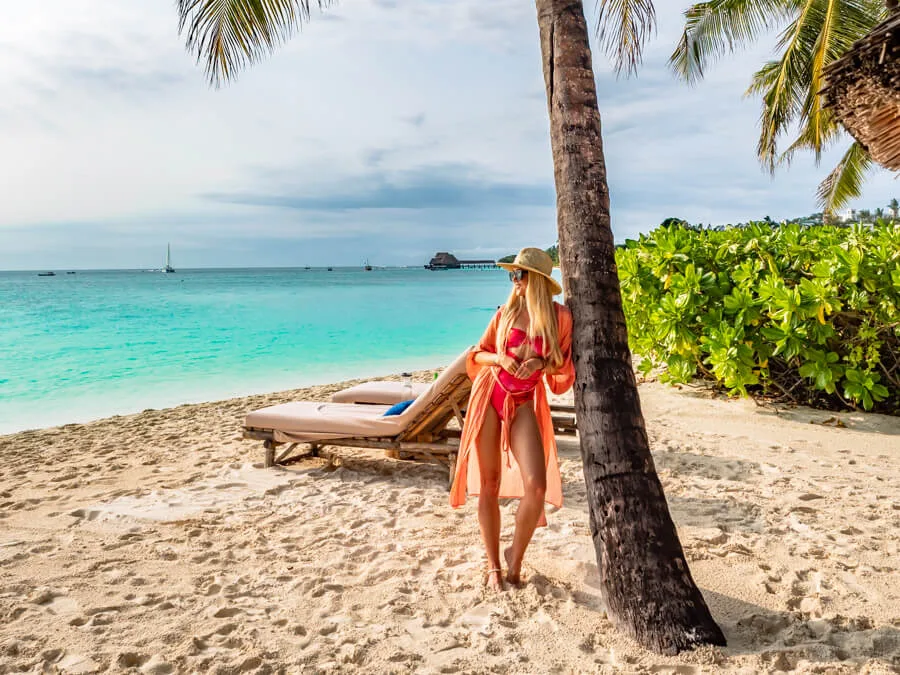
Nungwi, in the north, is popular for beach resorts, restaurants and coastal activities, and can be attractive for travellers who want a lively atmosphere.
Kendwa
Kendwa is known for its broad sandy beach and sunset views. It is popular with couples and travellers seeking a relaxing beach stay.
Paje
Paje, on the southeast coast, is associated with kiteboarding and a more active beach atmosphere. Tidal changes are noticeable in this part of the island.
Jambiani
Jambiani offers a quieter coastal setting with local village character and can appeal to travellers who prefer a less developed atmosphere.
Matemwe
Matemwe is attractive for a peaceful coastal holiday and is also a useful base for certain marine excursions, subject to weather and operator arrangements.
Stone Town: More Than a Beach Extension
Zanzibar’s historic Stone Town offers a valuable cultural contrast to the safari. Its narrow streets, carved wooden doors, historic buildings and waterfront reflect centuries of Indian Ocean trade and cultural exchange. A guided walking tour can provide context that visitors might miss when exploring independently. Travellers should dress respectfully in cultural and religious settings, and Stone Town can be visited as a day excursion or as an overnight stop before continuing to a beach resort.
Optional Activities in Zanzibar
Zanzibar offers more than swimming and sunbathing. Possible activities include guided cultural tours, spice-farm visits, snorkelling, diving and boat excursions, although availability depends on location, season and sea conditions. Choose reputable operators who follow marine conservation and safety practices, and avoid activities that involve disturbing marine wildlife. Not every excursion is suitable for every traveller—ask about swimming ability, equipment and weather requirements before booking.
Zanzibar Accommodation Categories
Safari Trips to Kenya can arrange different levels of accommodation.
- Essential: Practical, affordable guesthouses and hotels.
- Comfort: Established mid-range beach hotels and resorts.
- Premium: Higher-end resorts with additional facilities and service.
- Signature: Distinctive luxury properties, including private villas and exclusive beachfront accommodation.
The best choice depends on budget, location and preferred atmosphere. A luxury resort is not automatically the best option for every traveller—some visitors prefer a smaller property with easy access to local restaurants and village life.
How Much Does a Great Migration and Zanzibar Holiday Cost?
The total price depends on travel season, safari duration, accommodation and transport. Migration-season safari camps can be expensive during periods of high demand, domestic flights may add substantial costs, and Zanzibar accommodation ranges from affordable hotels to luxury resorts. Private safari vehicle costs can be shared between travellers. A complete quotation should identify park fees, accommodation, meals, guiding, transfers and flights; international flights, visas, optional activities and gratuities may be excluded. Avoid comparing packages based only on headline prices.
Road Safari Versus Flying Safari
A road safari can be economical and provides opportunities to observe changing landscapes, although transfers may be lengthy. A flying safari reduces selected travel times—this is particularly valuable when combining the Serengeti with Zanzibar. Domestic flights may have strict baggage allowances, so travellers with large suitcases or professional camera equipment should confirm restrictions before booking. A combination of road and air transport may provide the best balance.
Is This Combination Suitable for Honeymooners?
Yes. A Great Migration honeymoon with Zanzibar combines wildlife adventure with romantic coastal relaxation. Couples can choose private safari vehicles, intimate tented camps and beachfront accommodation, and a private safari allows flexibility in game-drive schedules while Zanzibar offers time to unwind after early morning wildlife excursions. However, honeymooners should not assume that every camp or resort provides the same level of privacy—ask about room categories, transfer arrangements and special occasions.
Is It Suitable for Families?
Yes, provided the itinerary is designed around children’s ages and interests. A private safari may provide flexibility for breaks, although some camps have minimum-age policies and long road journeys may be tiring for younger children. Zanzibar resorts vary in family facilities—confirm room configurations, swimming arrangements and activity suitability, and include enough rest time in the itinerary.
Can You Combine the Migration, Zanzibar and Gorilla Trekking?
Yes, but the journey requires additional time and international travel arrangements. Gorilla trekking is available in Uganda and Rwanda, and a combined itinerary might include the Serengeti or Masai Mara, gorilla trekking in Uganda or Rwanda, and Zanzibar. However, gorilla trekking permits are limited and must be secured in advance. The activity involves walking through forest terrain and has specific age and health requirements, so for this combination a longer holiday is advisable.
Flights and Travel Logistics
Flight schedules influence the most practical itinerary. Tanzania-only combinations may involve flights from Serengeti airstrips to Zanzibar, sometimes with connections, while Kenya combinations generally require an international flight. Travellers should confirm current routes and schedules before finalising accommodation, allow adequate time between flights, and avoid planning a tight international departure immediately after a remote safari transfer.
Visas and Entry Requirements
Kenya and Tanzania have separate immigration requirements. Travellers should verify current rules for their nationality, and if the safari includes Kenya and Zanzibar, entry into Tanzania must be considered. Passport validity requirements should also be checked. Travel insurance is strongly recommended, and consult a travel-health professional about destination-specific health precautions.
What to Pack for Safari and Zanzibar
For safari:
- Lightweight clothing in practical colours
- A warm layer for early morning game drives
- Comfortable closed shoes, a hat and sunglasses
- Binoculars
For Zanzibar, pack swimwear, sandals and light coastal clothing, and include sunscreen and appropriate insect repellent. If your itinerary includes domestic flights, check luggage restrictions—a soft-sided bag may be required on some light-aircraft services.
Common Planning Mistakes
- Choosing the wrong migration region for the travel month
- Allowing too few game-drive days
- Underestimating the time needed for international connections
- Booking a Zanzibar beach without considering tidal conditions or the desired atmosphere
- Building a rushed itinerary that leaves little time for relaxation
The best approach is to plan the safari first, then select a practical beach extension.
Frequently Asked Questions
Can You Combine the Great Migration with Zanzibar?
Yes. The combination is popular and can be arranged through Tanzania or Kenya.
How Many Days Do You Need?
Ten days is a useful starting point. Twelve to fourteen days provides a more relaxed experience.
Is the Serengeti or Masai Mara Better?
The best destination depends on the travel month and preferred wildlife experience.
When Is the Best Time for Both Destinations?
July through September can work well for northern migration viewing and Zanzibar. February is attractive for southern Serengeti calving.
Can You Fly From the Serengeti to Zanzibar?
Suitable flight connections may be available, sometimes requiring a transfer. Schedules should be confirmed.
Is Zanzibar Good for Honeymoons?
Yes. It offers a wide range of beachfront accommodation and leisure experiences.
Are Mara River Crossings Guaranteed?
No. Crossings are unpredictable natural events.
Can You Add Ngorongoro?
Yes. Ngorongoro is a popular addition to Tanzania safari itineraries.
Plan Your Great Migration and Zanzibar Safari
A Great Migration with Zanzibar holiday offers an exceptional combination of wildlife, scenery, culture and relaxation. The most successful itineraries match the safari destination to the travel season, provide several days for wildlife viewing and include a practical transfer to the coast.
Safari Trips to Kenya can arrange Masai Mara and Serengeti migration safaris with Zanzibar beach extensions, including private tours and different accommodation categories. Share your preferred travel dates, number of travellers, safari duration and beach preferences. Whether you want a romantic honeymoon, a family adventure or a longer East African holiday, a carefully designed migration and Zanzibar itinerary can provide two remarkable experiences in one journey.