
Great Migration Weather Guide
Weather is one of the most important factors to consider when planning a Great Migration safari in Kenya or Tanzania. It influences not only how comfortable you will feel during game drives but also the landscapes, road conditions and seasonal movement of wildlife. A cool morning in the Masai Mara can feel very different from a warm afternoon on the Serengeti plains, and a clear dry-season day may provide excellent visibility and dusty golden landscapes, while a rainy-season safari can reveal green grasslands, dramatic skies and fresh vegetation.
However, weather does not follow a perfectly fixed calendar. The Masai Mara and Serengeti cover a vast geographical area with differences in elevation, rainfall and local climate, and conditions may vary substantially between regions and from one year to another. Understanding these differences helps travellers choose the right month, pack suitable clothing and avoid unrealistic expectations.
This Great Migration Weather Guide explains seasonal conditions in Kenya’s Masai Mara and Tanzania’s Serengeti, including monthly weather patterns, wet and dry seasons, game-drive comfort, photography conditions and the relationship between weather and migration movements.
Why Weather Matters for a Migration Safari
Weather affects several aspects of the safari experience, so choosing a travel month should involve more than simply looking for the lowest chance of rain. The best month depends on your preferred wildlife experience.
- Rainfall influences grass growth and water availability, which contribute to the seasonal movement of wildebeest and other grazing animals.
- Temperature affects comfort during game drives.
- Rain can change road conditions.
- Cloud cover and sunlight influence photography.
- Weather also affects accommodation operations in some remote areas.
Understanding the Serengeti–Mara Climate
The Serengeti–Mara ecosystem extends across northern Tanzania and southwestern Kenya. It includes grasslands, woodland, river systems and areas of differing elevation, and the climate is generally influenced by seasonal rainfall patterns. However, the Masai Mara and different Serengeti regions do not experience identical conditions.
The Masai Mara’s elevation can contribute to cool mornings and evenings, while parts of the Serengeti may experience warmer daytime conditions. Rainfall varies geographically and seasonally, so a weather forecast for Nairobi or Arusha should not be treated as an exact forecast for a distant safari camp.
The Main Rainy Seasons
Northern Tanzania commonly experiences two broad rainy periods. The short rains are generally associated with November and December, and the long rains are commonly associated with March through May. However, these periods vary in timing and intensity. The Masai Mara has its own rainfall patterns, and rain can occur during months commonly described as dry, so travellers should prepare for changing conditions throughout the year.
The Main Dry Seasons
June through September is generally a relatively dry period in much of the Serengeti–Mara ecosystem. January and February can also be comparatively drier in some areas, although conditions vary. Dry-season travel is popular because roads may be more manageable and some wildlife-viewing areas can be productive. However, dry conditions can also bring dust, morning temperatures may be cool particularly in the Masai Mara, and dry season does not mean every day will be cloudless.
Great Migration Weather by Month
The following guide describes broad seasonal tendencies. Actual conditions vary by location and year.
| Month | General weather pattern | Migration planning focus |
|---|---|---|
| January | Variable, often relatively warm in southern areas | Southern Serengeti |
| February | Often favourable for southern plains visits | Calving season |
| March | Rainfall may increase | Southern and central Serengeti |
| April | Long-rains period in many areas | Central Serengeti |
| May | Wet conditions may continue | Central and western Serengeti |
| June | Often becoming drier | Western and northern movements |
| July | Relatively dry, cool mornings possible | Northern Serengeti and Masai Mara |
| August | Popular dry-season period | Northern migration |
| September | Often relatively dry | Masai Mara and northern Serengeti |
| October | Transitional conditions | Northern and central areas |
| November | Short rains may begin | Central and southern movements |
| December | Variable rain and fresh vegetation | Southern Serengeti |
This is a planning overview, not a forecast.
January Weather
January can be a rewarding month for the southern Serengeti. The plains may be green following seasonal rainfall, daytime conditions can be warm while mornings and evenings may be cooler, and rain is still possible. The southern Serengeti and Ndutu region are particularly relevant for migration-focused travel, and photographers may enjoy green landscapes and dramatic cloud formations.
Pack lightweight clothing, sun protection and a rain jacket.
February Weather
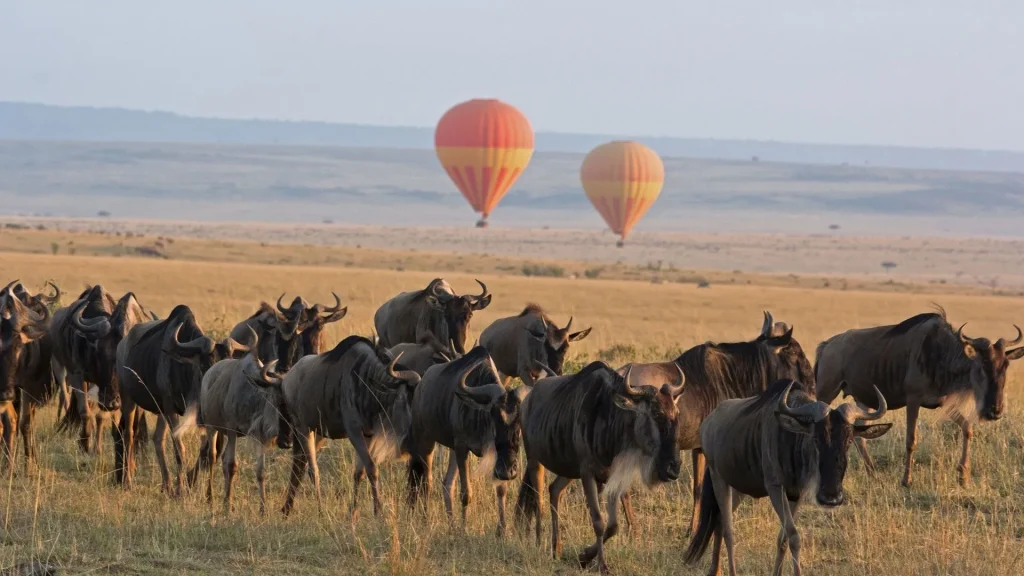
February is strongly associated with the southern Serengeti calving season. The weather may be relatively favourable for exploring the short-grass plains, although rainfall remains possible. Large concentrations of wildebeest may occupy suitable grazing areas, and the open landscape can provide excellent wildlife-viewing opportunities. Travellers should prepare for both warm afternoons and cooler mornings.
March Weather
March can mark a transition towards wetter conditions. Rainfall may increase in parts of northern Tanzania, the landscape can become lush, and road conditions may begin to change. Migration herds may remain in southern areas or move according to grazing conditions. A March safari can be rewarding, but flexibility is important, and waterproof protection for clothing and equipment is useful.
April Weather
April is commonly associated with the long rains. Rainfall can be substantial in some regions, grasslands may be green and cloud formations can be dramatic. However, roads may become muddy and some camps may close seasonally, so travellers should confirm accommodation operations and transfer arrangements. A well-planned April safari can provide beautiful landscapes and wildlife viewing, but it requires realistic expectations about weather.
May Weather
Wet conditions may continue during May, and some areas can be difficult to access after sustained rain. Migration activity may become relevant in central and western Serengeti regions, although herd movements depend on environmental conditions. May can appeal to travellers interested in green landscapes and quieter periods; check road access and accommodation availability carefully.
June Weather
June often brings a transition towards drier conditions, and some parts of the Serengeti may become easier to explore. Migration herds may move towards western and northern areas. Morning temperatures can be cool, so a warm layer is useful. June can be attractive for travellers interested in seasonal herd movements before the busiest northern migration months.
July Weather
July is a popular month for northern migration safaris. The northern Serengeti and Masai Mara may become increasingly relevant, and conditions are often relatively dry, although rain remains possible. The Masai Mara can be cool in the early morning, so a fleece or lightweight jacket is important, and dust may be noticeable on dry roads.
August Weather
August is one of the busiest months for migration tourism. The Masai Mara and northern Serengeti can offer excellent wildlife-viewing opportunities, with cool mornings and sunny, comfortable afternoons, although weather varies. Pack layers, sun protection and a rain jacket, and note that accommodation demand can be high.
September Weather
September is another attractive month for northern migration travel. Conditions are often relatively dry, and the Masai Mara may still host substantial migrating herds, although herd distribution depends on grazing conditions. Morning game drives can be cool and afternoons may be warm; dust protection for cameras and electronics can be useful.
October Weather
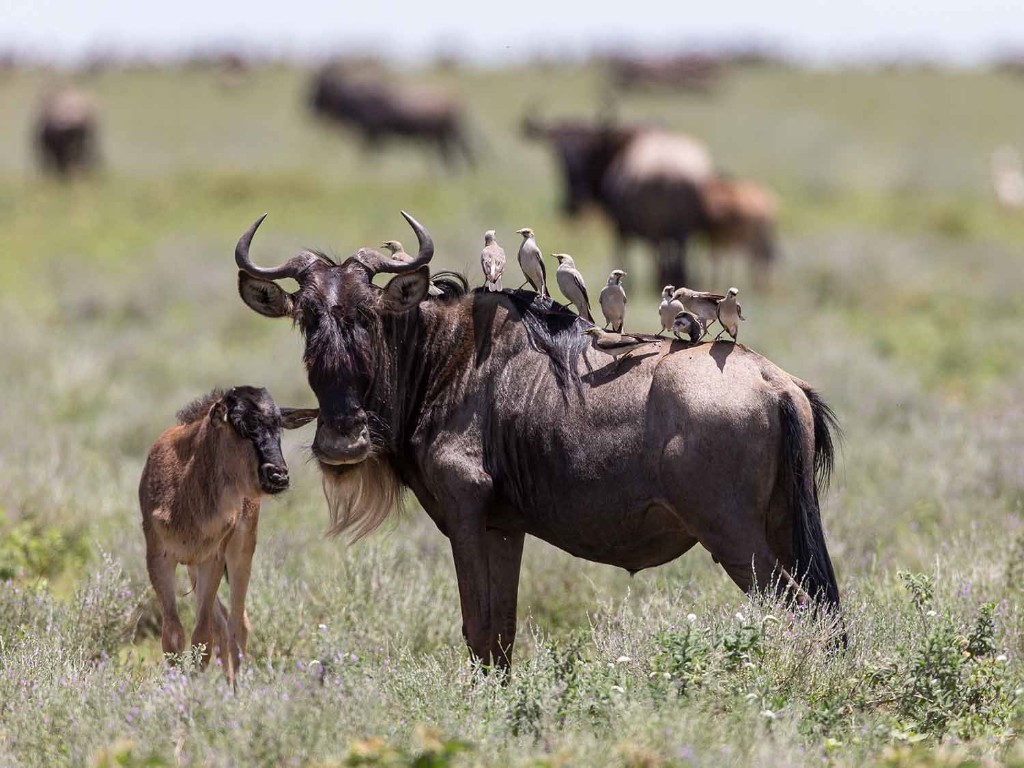
October is a transitional month. Rainfall patterns may begin changing, and some migration herds may remain in northern areas while others move towards central regions; the exact timing varies. Travellers should prepare for mixed conditions, and a flexible itinerary with good resident wildlife viewing is particularly valuable.
November Weather
November is commonly associated with the short rains in parts of the Serengeti. Fresh grass growth may encourage southward herd movements, the landscape can become greener, and rain showers may affect some game drives. Wildlife viewing remains possible, and a waterproof jacket and suitable equipment protection are useful.
December Weather
December can offer green landscapes and changing herd movements. The southern Serengeti may become increasingly important as the calving season approaches, rainfall remains variable, and travellers should prepare for warm daytime conditions and occasional showers. Accommodation demand may increase during holiday periods, so book early if travelling around Christmas or New Year.
Masai Mara Weather Versus Serengeti Weather
The Masai Mara and Serengeti share a wider ecosystem but have different local conditions. The Masai Mara’s relatively high elevation can contribute to cool mornings, while the Serengeti includes regions with different elevations and habitats—the southern plains may feel warmer during the day than some Mara locations. Rainfall can vary substantially. When planning, request weather guidance for the specific camp or region rather than relying on a general country forecast.
How Cold Does the Masai Mara Get?
Early mornings in the Masai Mara can feel surprisingly cool, particularly during the relatively dry midyear months. Wind exposure through an open vehicle roof may increase the sensation of cold, so a fleece, lightweight jacket and long trousers are useful. As the sun rises, temperatures may become more comfortable, and layering is the most practical approach. Heavy winter clothing is usually unnecessary for a conventional safari.
How Hot Does the Serengeti Get?
Daytime conditions in parts of the Serengeti can be warm, although temperature varies by region, season and elevation. Open grassland provides limited shade in some areas, so sun protection is important—carry water and wear comfortable clothing. Do not assume that every Serengeti destination has identical temperatures.
Rainfall and the Great Migration
Rainfall affects grass growth and water availability, which influence wildebeest movements. When suitable pasture develops in one region, herds may move towards it. However, the relationship is complex: different areas may receive different amounts of rain and some herds may move earlier than others. This is why migration calendars describe broad patterns rather than exact schedules.
Does Rain Cause Mara River Crossings?
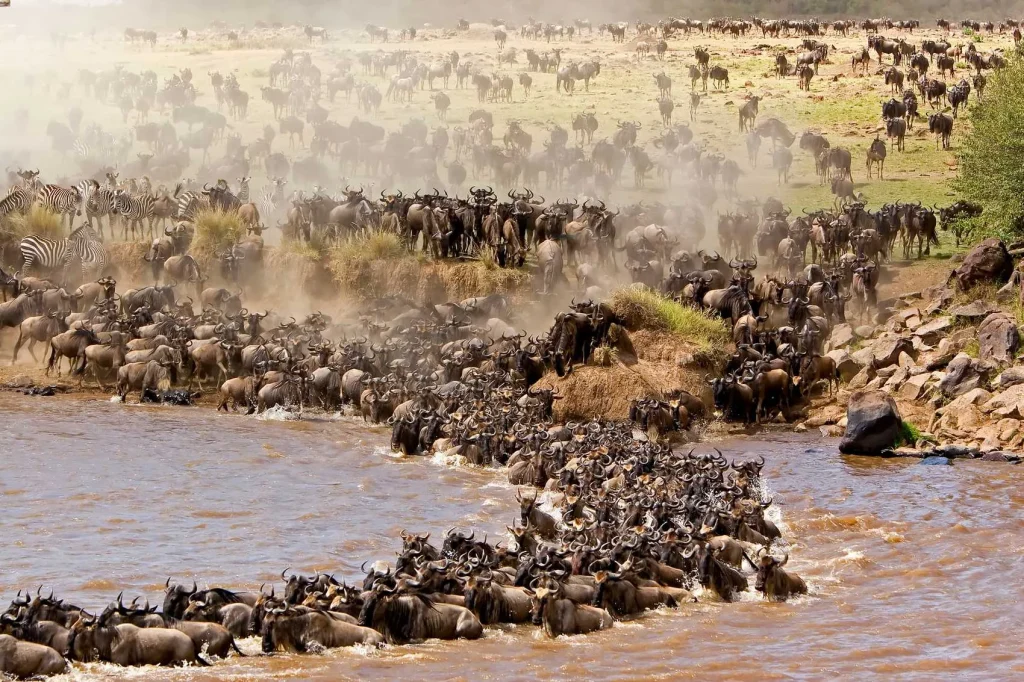
Rainfall can influence river conditions and herd movements, but it does not guarantee a crossing. Wildebeest may gather near the Mara River and hesitate, move away or cross at another location. River depth, current, bank conditions and animal behaviour can all influence events, and no operator can guarantee a crossing on a particular date.
Best Weather for Wildlife Photography
Different seasons offer different photographic opportunities. Dry-season conditions may provide clear views and golden grassland, although dust can create atmospheric scenes but may also affect equipment. Rainy-season conditions can produce green landscapes, dramatic skies and reflections, and cloud cover may soften harsh light, though rain can make photography more challenging. The best season depends on the images you want to create.
Best Weather for Families
Families often prefer relatively dry periods because road conditions may be more manageable. July through September can be attractive, although mornings may be cool and these months can also be busy. A private safari provides flexibility for children when you choose accommodation with suitable facilities and allow realistic transfer times and rest periods.
Best Weather for Older Travellers
Comfort depends on more than temperature. Long road journeys, rough tracks and early starts can be tiring, and relatively dry periods may provide more manageable road conditions in some areas, although individual needs vary. A flying safari can reduce selected transfer times when you choose accommodation with suitable access and facilities and discuss mobility requirements before booking.
Weather and Road Conditions
Rain can affect unpaved roads: some tracks become muddy or slippery and travel times may increase. Professional guides should adapt routes to current conditions. Avoid itineraries with unrealistic connections after long road transfers, because a flexible schedule can reduce stress during periods of unpredictable weather.
Weather and Domestic Flights
Domestic flights may be affected by operational or weather conditions, schedules can change, and some airstrips have restrictions or seasonal considerations. Confirm flight arrangements with your operator, allow sufficient connection time before international departures, and check baggage allowances.
What to Pack for Dry-Season Safaris
Useful items include:
- Lightweight clothing, a warm layer, sun protection and comfortable shoes
- A hat and sunglasses
- A rain jacket, even in drier months
- Binoculars and camera protection
- A small day bag with essentials
Dust can be common during dry-season game drives.
What to Pack for Wet-Season Safaris
Waterproof clothing becomes more important; choose quick-drying fabrics and protect electronics. Comfortable footwear with suitable grip is useful, and a lightweight rain jacket is preferable to bulky clothing for many vehicle-based safaris. Check whether your accommodation provides laundry services.
Does Weather Affect Safari Prices?
Travel season influences accommodation demand. Popular northern migration months often attract higher rates, and some properties may offer lower prices during quieter periods. However, prices also depend on accommodation category, location and services—a rainy-season safari is not automatically cheaper in every destination, so compare complete quotations.
Does Weather Affect Wildlife Sightings?
Weather influences animal activity and habitat conditions. Cooler periods may encourage some animals to be active, rain can change grazing patterns, dense vegetation may make certain animals harder to spot, and dry conditions may concentrate wildlife near water sources in some areas. However, no weather pattern guarantees particular sightings; an experienced guide helps interpret local conditions.
Choosing the Best Month for Your Priorities
- If your main interest is Mara River crossings, consider the northern migration season.
- If you want to observe the wildebeest calving season, consider the southern Serengeti during January through March.
- If you prefer green landscapes and fewer visitors, some wetter or transitional periods may appeal.
- If you prioritise relatively manageable road conditions, the drier months may be preferable.
The best choice depends on your interests, not simply the average rainfall.
Frequently Asked Questions
What Is the Best Weather for the Great Migration?
Relatively dry months can be comfortable for travel, but the best season depends on the migration phase you want to see.
Is August Cold in the Masai Mara?
Early mornings can be cool. Bring a warm layer.
Does It Rain in the Serengeti During July?
Rain is possible, although July is generally within a relatively dry period in many regions.
Is April Too Wet for Safari?
April can be wet, but safaris remain possible in suitable areas. Road conditions and camp operations require consideration.
Is February Good for the Serengeti?
Yes. February is particularly attractive for the southern Serengeti calving season.
Does Rain Stop Game Drives?
Not necessarily. Guides adapt activities according to conditions and safety.
Can Weather Delay Domestic Flights?
Yes. Weather and operational conditions can affect schedules.
Does Dry Weather Guarantee River Crossings?
No. Crossings remain unpredictable.
Which Is Cooler, the Masai Mara or Serengeti?
The Masai Mara often has cool mornings due to elevation, but conditions vary across both destinations.
Should I Pack a Rain Jacket in August?
Yes. Rain can occur even during relatively dry months.
Plan Your Great Migration Safari for the Right Season
Weather is an important part of the Great Migration safari experience. It shapes landscapes, influences grazing conditions and affects travel comfort. However, the best safari month is not necessarily the driest. The ideal choice depends on whether you want northern migration herds, possible river crossings, southern calving or a broader wildlife experience.
Safari Trips to Kenya can arrange Masai Mara and Serengeti safaris matched to your preferred travel dates and accommodation category. Share your travel month, number of travellers and principal wildlife interests, and a carefully planned itinerary will account for seasonal conditions while allowing the flexibility needed to enjoy the migration as a natural, changing phenomenon.