
5 DAYS / 4 NIGHTS
Private Migration Safari
Explore Private Migration Safari with guidance on migration timing, herd movements, river crossings, safari locations, camps, photography and how to plan the.
- Wildlife Safari Private Journey
- Private Safari 4x4 Vehicle
- Expert Guide English Speaking
- All Meals Breakfast, Lunch, Dinner
- 24/7 Support We're here to help
01 Overview
Safari Overview
- Duration 5 days / 4 nights
- Destination Wildebeest Migration
- Starts / ends Nairobi
- Safari style Private 4×4 safari
- Accommodation Essential · Comfort · Premium · Signature
- Best for Wildlife viewing, photography
Private Migration Safari – Exclusive Great Wildebeest Migration Experience in Kenya
A Private Migration Safari offers an exceptional opportunity to witness one of Africa's greatest wildlife spectacles while enjoying the freedom, privacy and personalised attention of a dedicated safari experience. The Great Wildebeest Migration involves enormous herds of wildebeest moving through the Serengeti-Mara ecosystem in search of fresh grazing and water. Along the way, zebras, gazelles, lions, cheetahs, leopards, hyenas and crocodiles contribute to one of the world's most complex wildlife ecosystems.
Unlike a scheduled group safari, a private migration safari allows travellers to explore the wilderness according to their interests and preferred pace. Your vehicle is reserved exclusively for your travelling party, and your professional safari guide can adjust game-drive routes and observation times according to wildlife movements, weather conditions and park regulations. This flexibility is particularly valuable during migration season, when patience and careful positioning can make a significant difference to the overall experience.
For travellers visiting Kenya, the Masai Mara National Reserve is the principal destination for observing the northern phase of the Great Wildebeest Migration. Large herds may arrive in the Mara ecosystem during the middle months of the year, with July to October commonly associated with the northern migration season. However, the migration does not operate according to a fixed calendar, and the animals' movements depend on rainfall, vegetation and water availability.
At Safari Trips to Kenya, we design private migration itineraries for couples, families, photographers, honeymooners and small groups seeking a more personalised African safari. Whether your priority is witnessing a Mara River crossing, photographing predators, enjoying comfortable accommodation or combining Kenya with Tanzania, the itinerary can be planned around your interests and the most appropriate seasonal destinations.
What Makes a Private Migration Safari Different?
The most important feature of a Private Wildebeest Migration Safari is the exclusive use of your safari vehicle and guide. Rather than sharing a vehicle with unrelated travellers, you travel with your own companions and follow a programme designed specifically for your group.
This arrangement creates opportunities for a more relaxed and immersive wildlife experience. When a lion pride is resting near a wildebeest herd, you can spend time observing the interaction rather than leaving because other passengers prefer to continue driving. If a cheetah begins stalking prey, your guide can help position the vehicle at a responsible distance while allowing the natural behaviour to unfold.
Private safaris also provide greater flexibility in accommodation selection, departure dates and daily schedules. Some travellers prefer long game drives with packed lunches, while others enjoy returning to their lodge for a midday break. Families with children may appreciate shorter excursions, whereas dedicated photographers often prefer extended periods in the field.
However, private arrangements do not provide exclusive access to national parks or wildlife. Popular river crossing locations may attract numerous safari vehicles, and all visitors must follow the same protected-area regulations.
Understanding the Great Wildebeest Migration
The Great Wildebeest Migration is a continuous seasonal movement of grazing animals across the Serengeti-Mara ecosystem in Tanzania and Kenya. The movement is primarily driven by rainfall patterns, the growth of fresh grass and the availability of water.
Wildebeest are the principal participants, but zebras and several antelope species also use the wider ecosystem. Their movements influence predator activity and create important ecological relationships between herbivores, carnivores and scavengers.
The migration is frequently described as a circular journey, although the reality is considerably more complicated. Different herds may travel along different routes, spread across extensive areas or remain in particular regions longer than expected.
For this reason, a well-planned migration safari should focus on the destinations most likely to support wildlife concentrations during the intended travel period rather than promising a specific herd movement.
Why the Migration Is Important
The migration is not simply a tourist attraction. It is an essential ecological process that influences grazing patterns, nutrient distribution and predator-prey relationships across the ecosystem.
Large herds consume vegetation and redistribute nutrients as they move. Their presence provides food for lions, cheetahs, hyenas, crocodiles and scavenging birds.
The migration also demonstrates the importance of connected wildlife habitats. Animals need access to extensive landscapes, and restrictions on their movement can affect the ecological balance.
Responsible tourism can contribute to conservation by supporting protected areas and wildlife-compatible land use.
Best Time for a Private Migration Safari
The best time depends on which stage of the migration you want to experience.
January to March – Wildebeest Calving Season
During the early months of the year, many migrating wildebeest gather on the southern Serengeti plains, particularly around the Ndutu region in Tanzania.
This period is associated with the birth of large numbers of calves. The concentration of vulnerable young animals attracts predators and provides opportunities to observe maternal behaviour, hunting strategies and interactions between species.
A Private Calving Season Safari is especially rewarding for wildlife photographers interested in animal behaviour.
Travellers should understand that the main calving grounds are in Tanzania rather than the Masai Mara.
April to May – Movement Through the Serengeti
As rainfall and grazing conditions change, migrating herds may move through central and western parts of the Serengeti.
The landscape is often greener, and dramatic cloud formations can create attractive photographic conditions.
Rain may affect roads, so a suitable safari vehicle and flexible schedule are important.
This period can appeal to travellers interested in the wider migration ecosystem rather than a particular river crossing.
June to July – Northern Migration Movements
During this period, many herds move towards the northern Serengeti and the Kenya-Tanzania border region.
River crossing activity may begin in suitable areas, although timing varies considerably.
A private safari can be organised around current wildlife information, but no crossing should be treated as guaranteed.
July to October – Masai Mara Migration Season
This is the most popular period for a Masai Mara Migration Safari.
Large numbers of wildebeest may enter Kenya's Masai Mara ecosystem, where open grasslands and river systems provide important grazing and water resources.
The Mara River becomes a major focus for visitors hoping to witness crossings.
However, the animals may gather along riverbanks without crossing, and some crossings occur at locations that are difficult to access.
A longer stay increases opportunities to observe different migration behaviours, but it cannot guarantee a particular event.
November to December – Southern Return Movements
As seasonal rainfall patterns change, many herds begin moving southwards again.
The distribution of animals varies, and some groups may remain in northern areas longer than expected.
This period can still provide excellent wildlife viewing, particularly for travellers interested in resident predators and the broader ecosystem.
Best Destinations for a Private Migration Safari
Masai Mara National Reserve
The Masai Mara National Reserve is Kenya's most famous migration destination.
Its extensive grasslands, river valleys and varied habitats support wildebeest, zebras, giraffes, elephants, buffalo and numerous predators.
During the northern migration season, large herds may move across the plains and gather near river crossing points.
However, the reserve remains a rewarding wildlife destination throughout the year because it supports substantial resident animal populations.
Mara Triangle
The Mara Triangle occupies the western portion of the Masai Mara National Reserve.
Its landscapes include open grasslands, wooded areas and sections of the Mara River ecosystem.
The area can be particularly appealing to travellers interested in migration photography and a varied wildlife experience.
Accommodation location and access arrangements should be considered carefully when planning game drives.
Greater Mara Conservancies
The conservancies surrounding the reserve provide important habitat for wildlife and opportunities for community-based conservation.
Some conservancies offer lower-density tourism experiences and activities that differ from those permitted inside the national reserve.
Depending on the conservancy and applicable rules, activities may include guided walks or night drives.
Travellers should confirm whether reserve access, additional fees and transfer times are included in their itinerary.
Northern Serengeti
The Northern Serengeti is particularly relevant during the period when migrating herds move towards Kenya.
It provides opportunities to explore the wider Mara River ecosystem from the Tanzanian side.
Combining the northern Serengeti with the Masai Mara can create a comprehensive migration itinerary, but international border logistics must be planned carefully.
Ndutu and Southern Serengeti
The Ndutu region is an important destination during the wildebeest calving season.
Its open plains provide suitable grazing for pregnant wildebeest and support predators that take advantage of seasonal prey concentrations.
A private safari during January or February may focus on this region rather than the northern migration areas.
Witnessing the Mara River Crossings
The Mara River Crossing Safari is among the most sought-after wildlife experiences in Africa.
During the northern migration season, wildebeest may gather near the river before attempting to reach grazing areas on the opposite bank.
The crossings can involve steep banks, strong currents, crocodiles and confusion within large herds.
Some animals cross successfully, while others may be injured or lost.
The experience can be dramatic and emotionally intense, particularly when predators are active.
Why Crossings Are Unpredictable
Wildebeest do not follow a schedule established for safari visitors.
Herds may approach the river, hesitate for hours and eventually retreat without crossing.
Other groups may cross suddenly at a different location.
Water levels, weather conditions and animal behaviour all influence these decisions.
An experienced guide can interpret the situation, but cannot guarantee when or where a crossing will occur.
The Advantage of a Private Vehicle
A private vehicle allows travellers to wait at suitable observation points when regulations permit.
Your guide can also adjust the route if wildlife reports suggest activity elsewhere.
Photographers may appreciate the ability to prepare equipment and remain focused on a particular scene.
Nevertheless, responsible viewing requires maintaining safe distances and avoiding interference with animal movement.
Wildlife Beyond the Migration
Although wildebeest are the principal attraction, a private migration safari offers opportunities to observe many other animals.
Lions
Lions are among the Mara's best-known predators.
They may be seen resting, interacting within prides or hunting grazing animals.
The arrival of migrating herds can influence prey availability, but lions also depend on resident wildlife throughout the year.
Cheetahs
Cheetahs are particularly associated with open grassland habitats.
Their speed and hunting behaviour make them attractive subjects for photography.
A private safari allows additional time to observe stalking behaviour without rushing between sightings.
Leopards
Leopards are secretive predators that often use wooded areas and riverine habitats.
They may be difficult to locate, making patience and experienced guiding valuable.
Spotted Hyenas
Spotted hyenas are effective hunters and scavengers.
Their complex social behaviour and interactions with other predators provide fascinating opportunities for observation.
Elephants and Other Herbivores
Elephants, giraffes, buffalo, antelopes and zebras contribute to the wider safari experience.
These animals remain important attractions even when the principal migrating herds are elsewhere.
Suggested Five-Day Private Masai Mara Migration Safari
The following is a proposed itinerary suitable for travellers visiting during the northern migration season. It can be adjusted according to accommodation availability, travel dates and wildlife movements.
Itinerary
- Day 1: Nairobi to Masai Mara, enter the Migration Landscape
- Day 2: Migration Exploration
- Day 3: Mara River and Predator Territory
- Day 4: Wildlife Photography and Extended Game Drives
- Day 5: Masai Mara to Nairobi

02 Itinerary
Private Migration Safari: Detailed Itinerary
-
Day 1: Nairobi to Masai Mara – Enter the Migration Landscape - Main destination
- Masai Mara National Reserve
- Drive time
- Road transfer as outlined in the itinerary
- Meals
- Lunch, Dinner
Your private safari begins with collection from your Nairobi hotel or another agreed location.
Travel west towards the Great Rift Valley before continuing through changing landscapes towards the Masai Mara.
The road journey generally takes several hours, depending on traffic, weather and the location of your accommodation.
Arrive at your selected camp or lodge, complete check-in and enjoy lunch or refreshments according to the confirmed meal plan.
If arrival time permits, take an afternoon game drive in the reserve or designated conservancy area.
This first outing introduces the landscape and may provide opportunities to observe giraffes, zebras, elephants, antelopes and predators.
Return to accommodation for dinner and overnight.
Where you stay
-
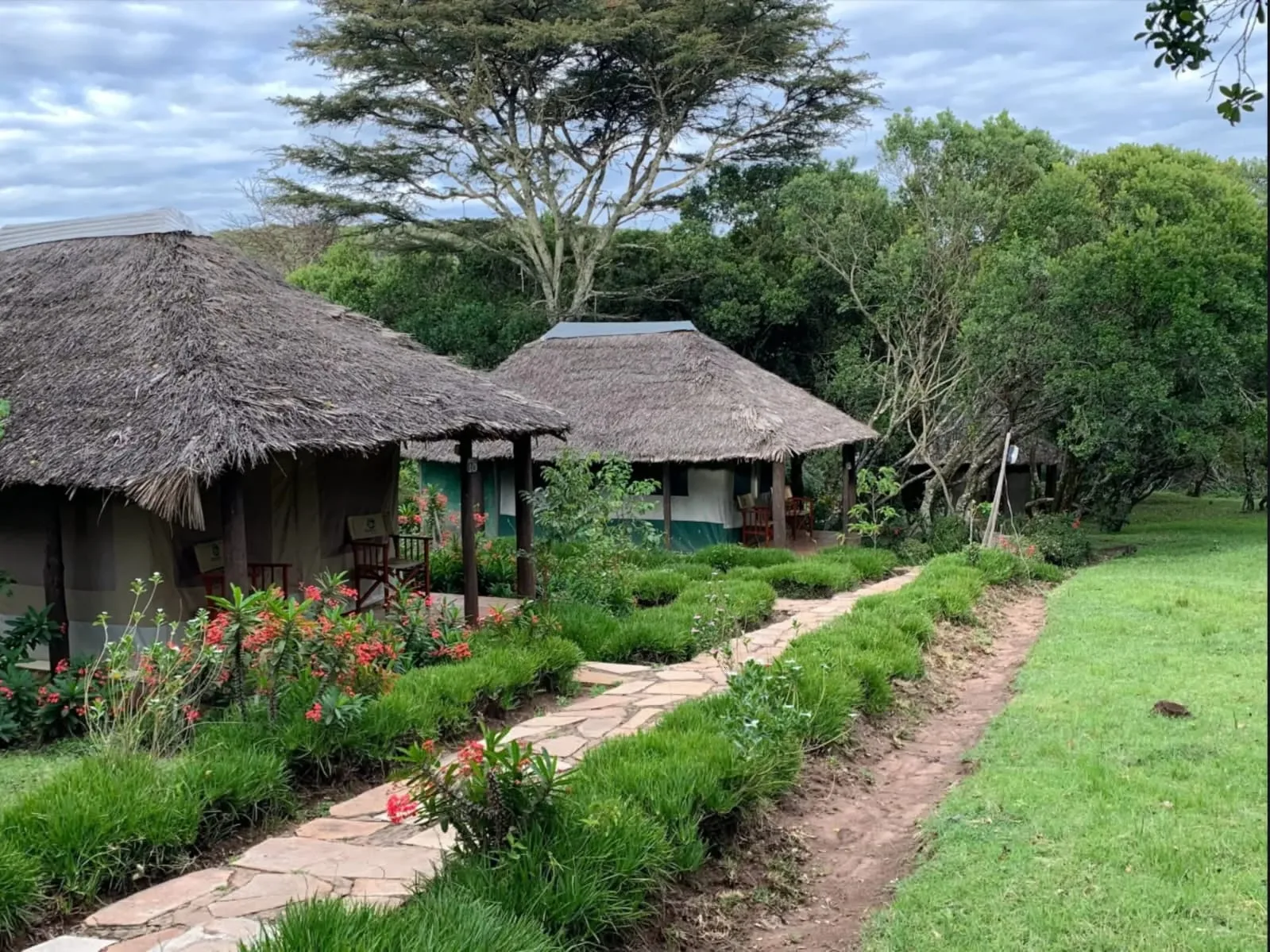
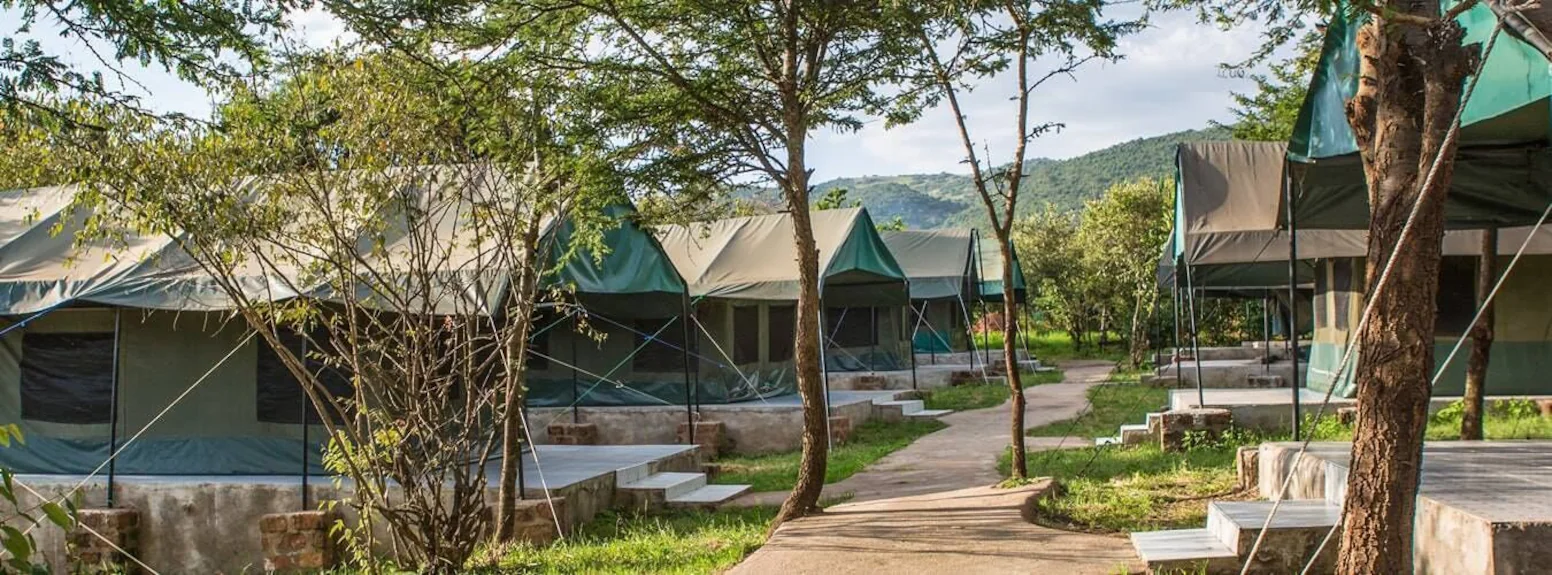
Essential (Budget)
-
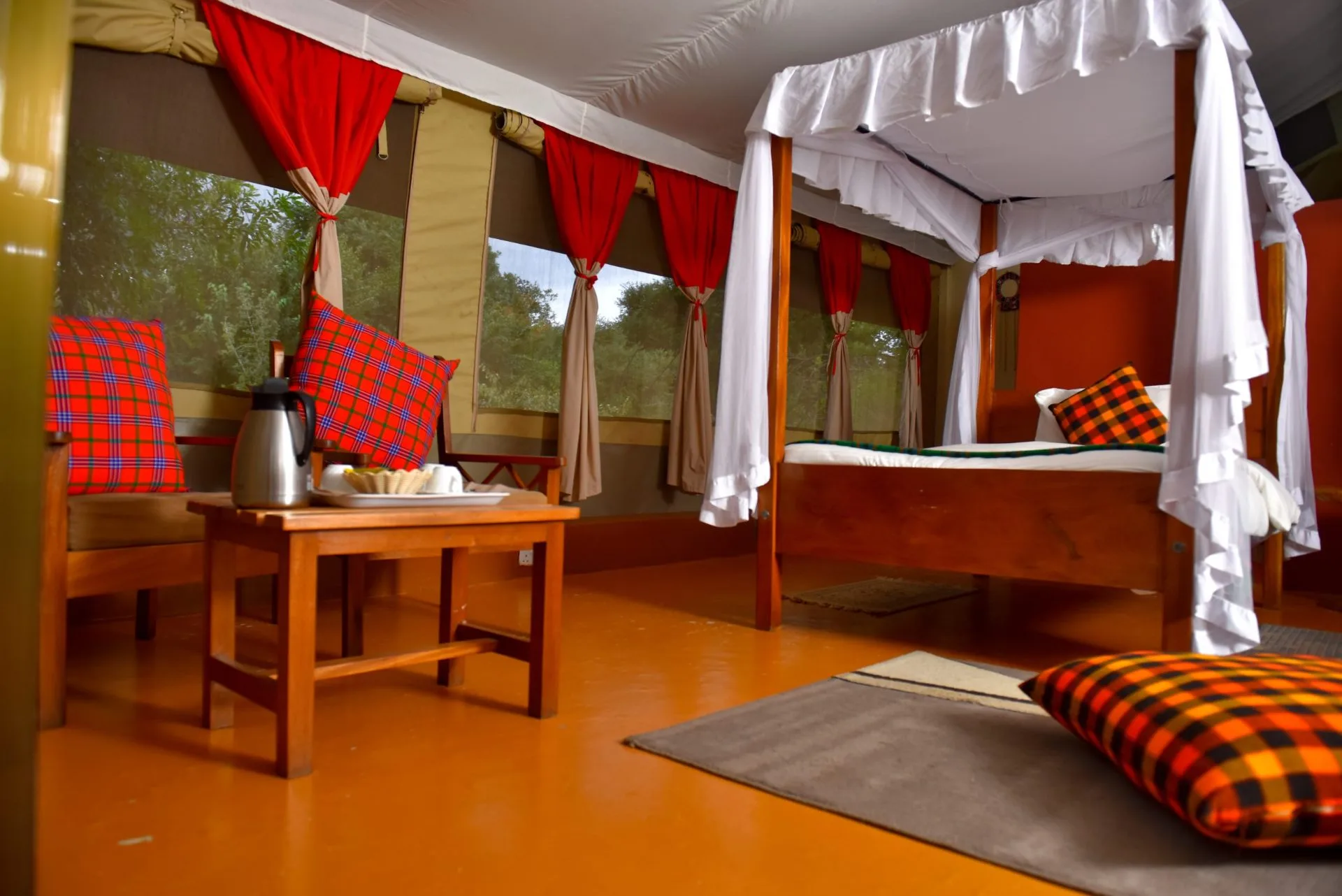
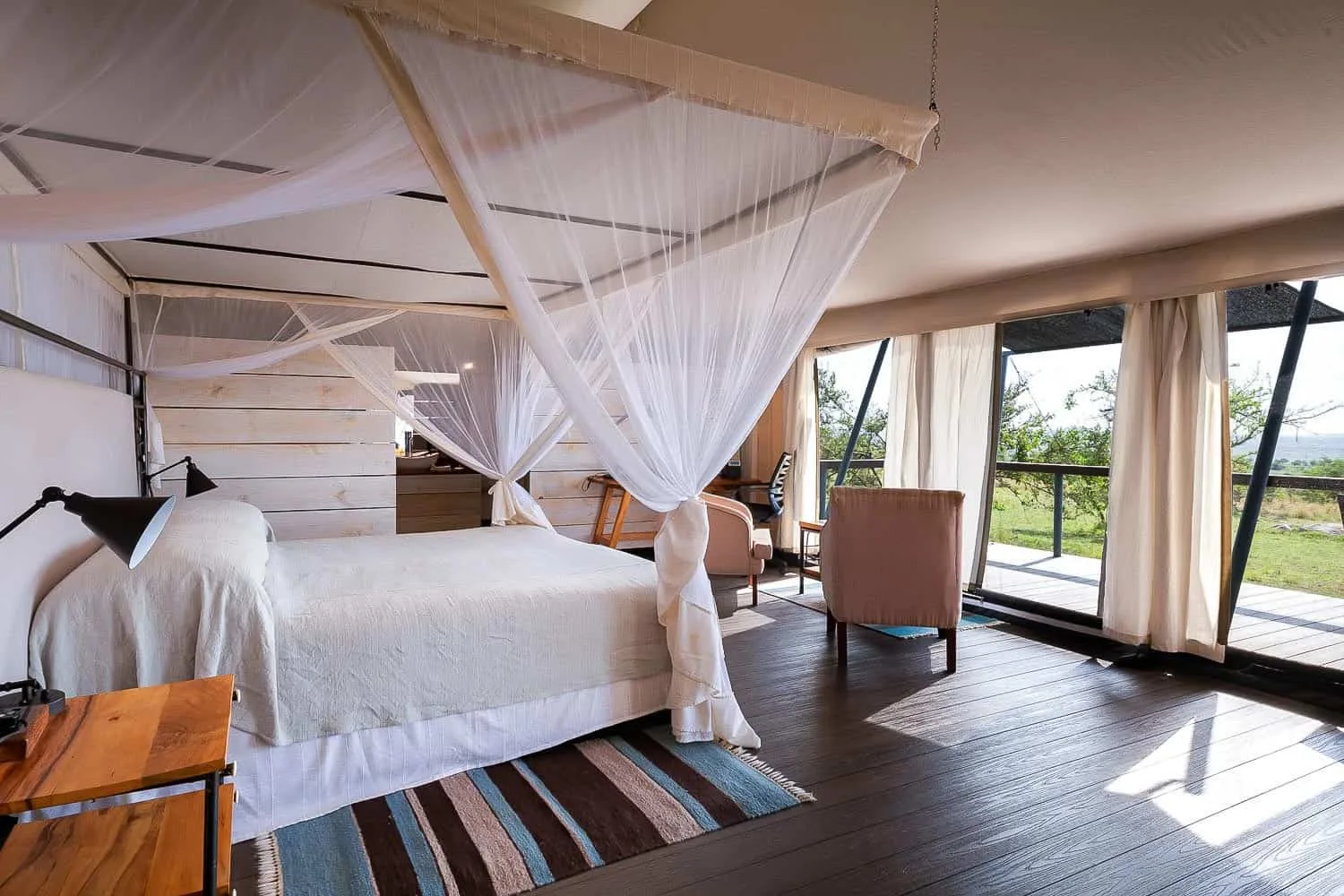
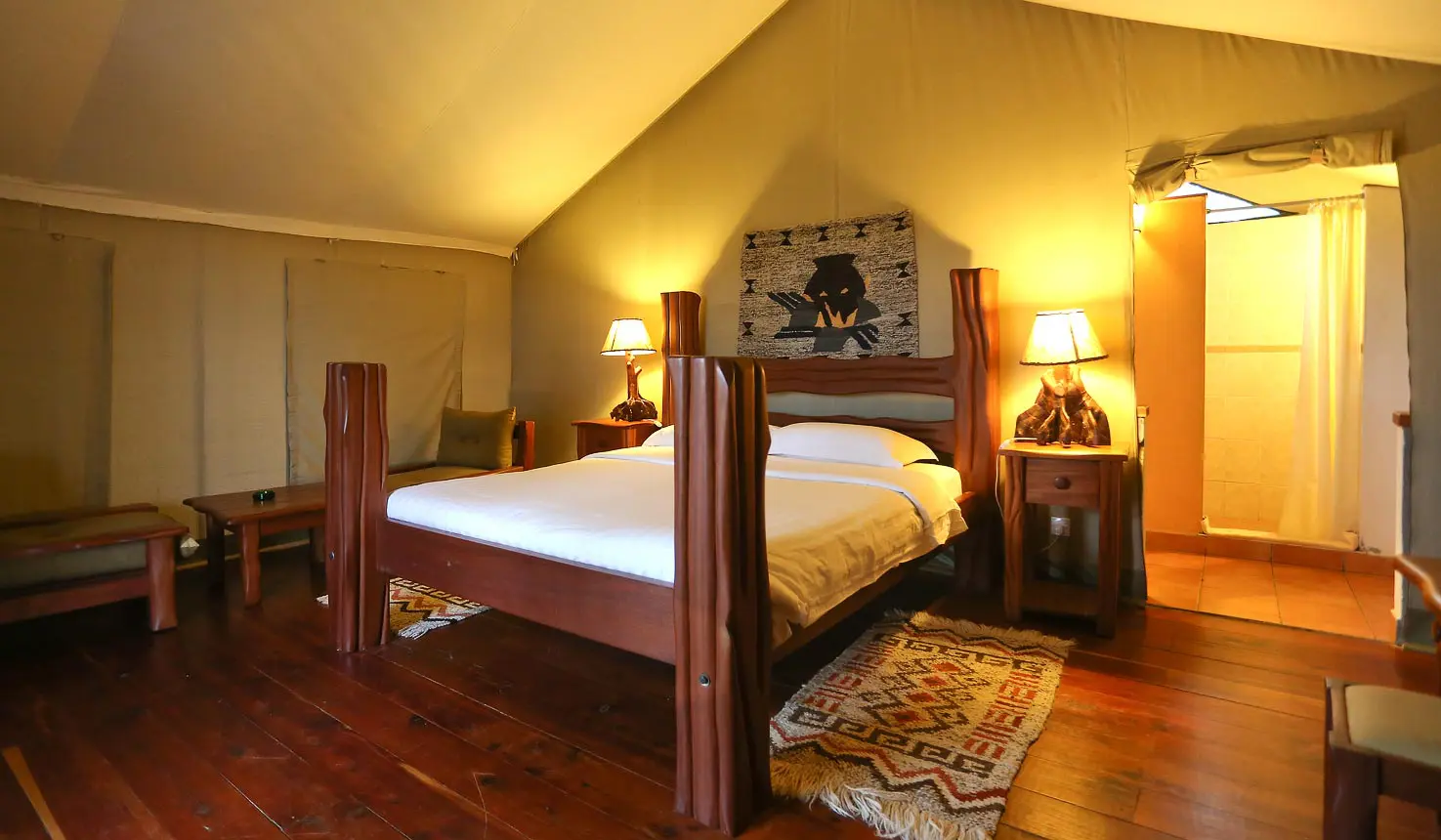
Comfort (Mid-range)
-
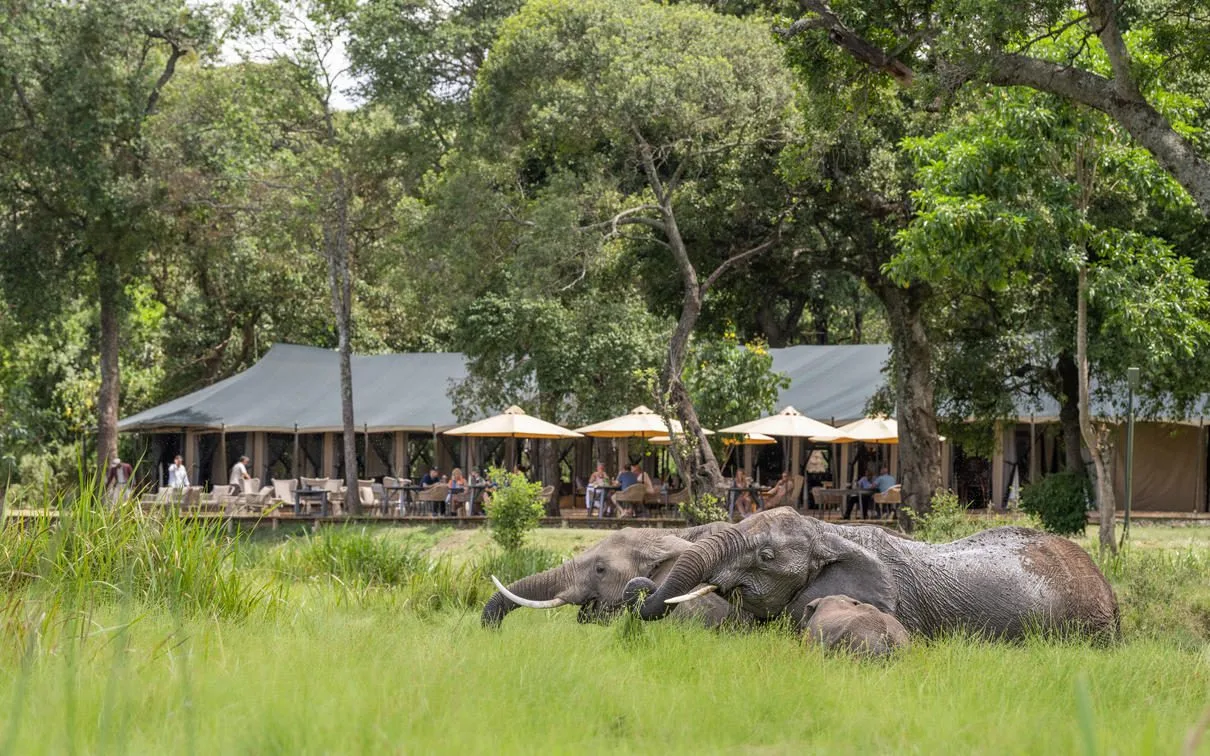
Premium (Luxury)
-
Signature (High-end)
-
Day 2: Full-Day Migration Exploration - Main destination
- Masai Mara National Reserve
- Meals
- Breakfast, Lunch, Dinner
Begin early, when temperatures are cooler and wildlife may be more active.
Your guide will assess current herd movements and select suitable game-drive routes.
During migration season, large wildebeest herds may be distributed across the grasslands.
Spend time observing their grazing patterns, movement and interactions with other species.
Depending on the location of the animals, the day may include exploration of suitable Mara River viewing areas.
A packed lunch can allow more time in the field when included in the itinerary.
Return to your accommodation in the evening.
Where you stay
-
Day 3: Mara River and Predator Territory - Main destination
- Masai Mara National Reserve
- Meals
- Breakfast, Lunch, Dinner
Today's programme focuses on the river ecosystem and surrounding predator habitats.
If herds are gathering near a crossing point, your guide may recommend waiting at an approved location.
Patience is essential because the animals may cross, retreat or move elsewhere.
If crossing activity is unlikely, the day can be redirected towards lion territories, cheetah habitats and other productive wildlife areas.
The flexibility of a private safari allows the programme to respond to changing conditions.
Enjoy another evening at your selected accommodation.
Where you stay
-
Day 4: Wildlife Photography and Extended Game Drives - Main destination
- Masai Mara National Reserve
- Meals
- Breakfast, Lunch, Dinner
An additional full day provides valuable opportunities for wildlife observation.
You may choose to revisit migration areas, explore different habitats or concentrate on photographing predators.
A private guide can help identify suitable viewing positions while maintaining appropriate distances.
Photographers may prefer extended observation of individual animals rather than moving continuously.
Families may choose a shorter morning drive followed by relaxation at camp.
The day can be adapted to your interests within the agreed arrangements.
Where you stay
-
Day 5: Masai Mara to Nairobi - Main destination
- Masai Mara National Reserve
- Drive time
- Return transfer as outlined in the itinerary
- Meals
- Breakfast, Lunch
Enjoy breakfast before checking out.
Return to Nairobi by road or use a suitable domestic flight if included in your confirmed package.
Travellers with international departures should allow sufficient time for airport procedures and possible delays.
The itinerary can also be extended to other destinations, including Lake Nakuru, Amboseli or the Kenyan coast.
Where you stay
03 Rates
Safari rates 2027-2029
Indicative per person. Season, group size and lodge style change the total — your quotation confirms current rates.
-
Essential (Budget)
Essential (Budget)
Budget camps and lodges suit travelers who prioritize wildlife while keeping costs lower.
Great value camps
-
Comfort (Mid-range)
Comfort (Mid-range)
Mid-range tented camps and lodges balance comfort and price with private rooms or tents and en-suite facilities.
Quoted for your dates
-
Premium (Luxury)
Premium (Luxury)
Luxury camps and lodges focus on location, service and more intimate wildlife experiences.
Premium camps and lodges
-
Signature (High-end)
Signature (High-end)
Signature camps and lodges are the most exclusive stays — small, highly private properties with exceptional guiding and setting.
Exclusive signature stays
04 Activities
Safari activities
Game viewing is the core of this itinerary. Optional extras are quoted separately and depend on season, permits and availability. Individual species and river crossings are never guaranteed.

Additional information
Plan This Safari
Seven-Day Private Kenya and Tanzania Migration Safari
Travellers seeking a more comprehensive experience may prefer a Kenya and Tanzania Migration Safari.
A longer itinerary can combine the Masai Mara with suitable Serengeti destinations, depending on the travel season.
However, the two countries' protected areas do not operate as a single unrestricted tourism zone.
Cross-border travel requires appropriate entry arrangements, designated border crossings and careful transport planning.
A direct safari drive across the international boundary should not be assumed.
For some itineraries, additional road transfers, vehicle changes or flights may be necessary.
A seven-day programme should therefore focus on a realistic route rather than attempting to visit too many distant locations.
Private Migration Safari for Photographers
A Migration Photography Safari benefits from flexible scheduling and exclusive vehicle use.
Photographers can spend longer at sightings, choose suitable viewing angles and carry equipment without competing for space.
A dedicated vehicle may also allow each traveller better access to windows or roof openings.
Photographing Wildebeest Herds
Wide-angle photographs can capture the scale of large herds moving across the plains.
Telephoto lenses are useful for isolating individual animals and behavioural interactions.
Dust and changing light may create atmospheric images, particularly during early morning and late afternoon.
Photographing River Crossings
River crossings require preparation and patience.
Fast shutter speeds may help capture animals moving through water.
Photographers should also consider wider compositions showing the landscape and scale of the crossing.
Vehicle positioning must always respect wildlife and park regulations.
Photographing Predators
Lions, cheetahs and leopards provide opportunities for behavioural photography.
Understanding animal movement can help photographers anticipate interesting moments.
However, no photograph justifies disturbing a hunt or approaching wildlife too closely.
Private Migration Safaris for Families
A Family Migration Safari can be tailored to the ages and interests of children.
Private transport allows parents to arrange breaks, adjust game-drive duration and avoid unnecessarily demanding schedules.
Accommodation with family rooms or suitable facilities may be preferable.
Parents should also prepare children for the realities of wildlife viewing, including the possibility of witnessing predation.
Minimum ages for specialist activities should be confirmed before booking.
Honeymoon and Luxury Migration Safaris
A Luxury Migration Safari may include carefully selected tented camps, private guiding, domestic flights and additional comfort.
Couples often appreciate accommodation offering privacy, attractive scenery and opportunities to relax between activities.
A well-designed honeymoon itinerary should balance wildlife viewing with time to enjoy the property.
Special arrangements such as private dining or celebrations should be confirmed in advance.
Choosing Safari Accommodation
Safari Trips to Kenya uses four broad accommodation categories.
Essential accommodation focuses on practical comfort and value.
Comfort accommodation provides a balance of facilities, service and affordability.
Premium accommodation generally offers additional comfort and a more developed guest experience.
Signature accommodation is selected for distinctive settings and higher-end experiences.
These categories are planning tools rather than official hotel star ratings.
During migration season, location is particularly important.
A camp far from the relevant wildlife area may require lengthy transfers, reducing the time available for game drives.
What Determines the Cost?
The price of a Private Migration Safari depends on the season, accommodation category, itinerary duration and number of travellers.
Peak migration months can attract high accommodation demand.
Private vehicle and guiding costs are shared among the travelling party, so the per-person price may decrease as group size increases.
Domestic flights, park fees and cross-border arrangements also influence the total cost.
Travellers should compare complete quotations rather than focusing only on advertised nightly rates.
Responsible Migration Tourism
The migration is a natural event, and wildlife welfare must remain the priority.
Vehicles should never block crossing routes or interfere with herd movement.
Drivers must follow protected-area regulations and maintain appropriate distances.
Visitors should avoid encouraging unsafe driving or pressuring guides to approach animals too closely.
Responsible tourism contributes to conservation through legitimate fees and support for wildlife-compatible land use.
Book Your Private Migration Safari with Safari Trips to Kenya
A Private Migration Safari provides the freedom to experience the Great Wildebeest Migration at your own pace.
The combination of personalised guiding, flexible game drives and carefully selected accommodation allows the itinerary to focus on your preferred wildlife experiences.
At Safari Trips to Kenya, we can design private migration itineraries in the Masai Mara and, where appropriate, the wider Kenya-Tanzania ecosystem.
Contact us with your preferred travel dates, number of travellers, accommodation category and wildlife interests to request a personalised safari proposal.
Individual species, river crossings and mountain views can never be guaranteed.
Planning Questions
Frequently Asked Questions
Is a private migration safari better than a group safari?
A private safari provides greater flexibility, exclusive vehicle use and personalised guiding. Group safaris may offer lower per-person costs.
When is the best time to visit Masai Mara for migration?
July to October is commonly associated with the northern migration season, although exact herd movements vary annually.
Can Mara River crossings be guaranteed?
No. Crossings are natural events and cannot be scheduled.
How many days should I book?
Four or five days in the Masai Mara can provide a rewarding experience. Longer stays are useful for photographers and travellers combining destinations.
Can I combine Kenya and Tanzania?
Yes. Combined itineraries are possible, but cross-border logistics require careful planning.
Is a private migration safari suitable for children?
Yes. Private itineraries can be adapted to children's ages, accommodation requirements and preferred daily schedules.
Can I choose my accommodation?
Yes. Accommodation can be selected according to budget, location, availability and travel preferences.
Will I have a private guide?
A fully private safari generally includes a dedicated guide, but the precise arrangements should be confirmed.
Can I travel outside migration season?
Yes. The migration continues throughout the year, but the most relevant destination changes seasonally.
05 Request Quote
Request Quote
Tell us your dates, group size, and preferred lodge style — we will send a tailored quote for this safari.
Want to extend your safari?
Add Amboseli, Diani Beach, Tanzania and Zanzibar, or gorilla trekking in Uganda or Rwanda — we tailor the journey to your dates.