

Best Camps for Calving Season
The best camps for calving season are located in and around the southern Serengeti plains and the Ndutu area of northern Tanzania, where enormous numbers of wildebeest gather during the early months of the year. This stage of the Great Migration is particularly remarkable because the herds are not simply travelling across the landscape: they are feeding, giving birth and raising newborn calves in an environment where predators are constantly searching for opportunities.
The calving period is commonly associated with January through March, with February often considered the central month. However, the exact timing and distribution of the herds depend on rainfall and grass growth; wildebeest follow suitable grazing conditions rather than a fixed tourism calendar. Choosing accommodation in the right area is essential—a beautiful camp located several hours from the main calving plains may be less practical than a simpler property positioned close to current wildlife activity. Travellers should compare camps according to location, seasonal operation, vehicle access, guiding quality and the amount of time available for game drives.
Although Safari Trips to Kenya specialises in Kenya safaris, the Great Migration is a transboundary ecosystem. Understanding the Tanzanian calving season is important for travellers planning a comprehensive East Africa migration itinerary, particularly those considering both the southern Serengeti and Kenya’s Masai Mara.
Where Does the Wildebeest Calving Season Take Place?
The principal wildebeest calving grounds are associated with the short-grass plains of the southern Serengeti ecosystem, including areas around Ndutu, the southern Serengeti National Park and adjoining parts of the Ngorongoro Conservation Area. These plains provide nutrient-rich grasses that become particularly valuable after seasonal rainfall. Pregnant wildebeest gather where grazing conditions are favourable, and large numbers of calves may be born within a relatively short period.
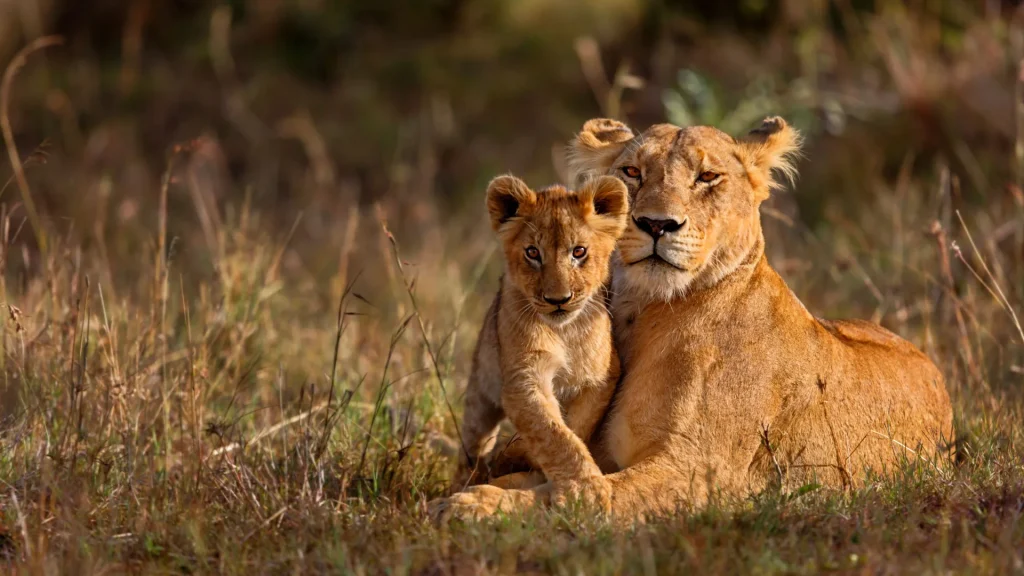
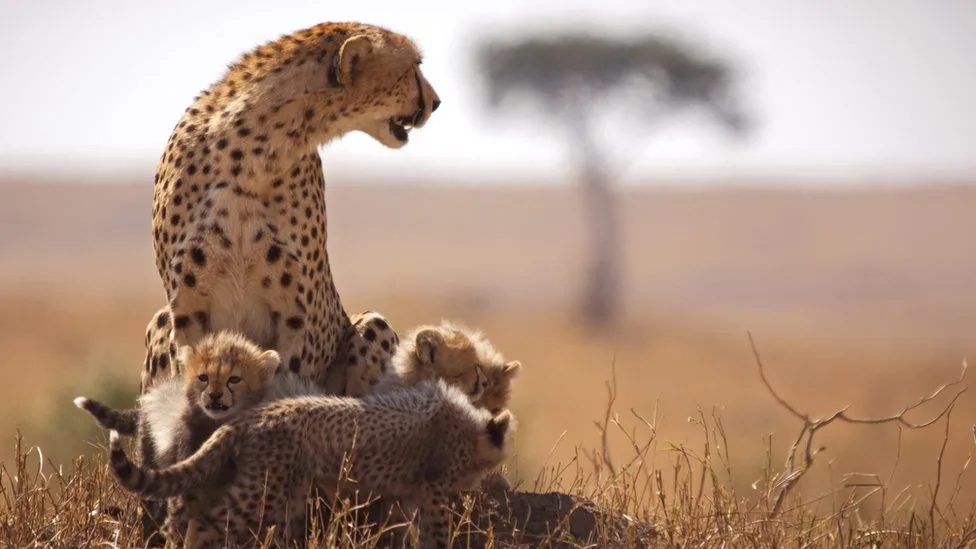
The concentration of newborn animals attracts predators, including lions, cheetahs and spotted hyenas. The wider landscape is open, allowing visitors to observe large herds against broad grassland horizons, while acacia woodland and seasonal lakes around Ndutu add habitat diversity and photographic interest. Ndutu is a geographical region rather than a single national park, so accommodation and game-drive rules can differ depending on whether a property is situated within Serengeti National Park or the Ngorongoro Conservation Area.
Why Camp Location Matters More Than Luxury
A calving safari is heavily influenced by wildlife movements. During favourable conditions, enormous herds may gather across the southern plains; in other periods, animals can move considerable distances in response to rainfall. A camp that provides easy access to the relevant wildlife areas can reduce daily driving time and allow more hours observing behaviour—particularly important for photographers who want extended time watching mothers and calves, predator interactions and herd movements.
Luxury accommodation has its advantages, including spacious tents, refined dining and personalised service, but a higher nightly rate does not automatically mean better wildlife viewing. The strongest choice balances comfort with access to the seasonal calving landscape.
1. Ndutu Safari Lodge
Ndutu Safari Lodge is one of the most established accommodation properties in the Ndutu area.
Its location near Lake Ndutu and the surrounding woodland provides access to important wildlife habitats associated with the southern migration.
Unlike seasonal mobile camps, Ndutu Safari Lodge is a permanent property with traditional cottage-style accommodation.
This can appeal to travellers who prefer solid-walled rooms rather than canvas tents.
The lodge’s long history in the region also contributes to its appeal for visitors interested in wildlife photography and natural history.
Why Choose Ndutu Safari Lodge?
The principal advantage is its location within the Ndutu landscape.
Guests can explore nearby plains, woodland and seasonal lake environments according to current wildlife movements.
The accommodation provides a relatively informal safari atmosphere rather than the highly polished style of an exclusive luxury camp.
It is particularly suitable for wildlife-focused travellers who prioritise time in the field.
Who Is It Best For?
Ndutu Safari Lodge is worth considering for couples, photographers and experienced safari travellers who appreciate an established property with convenient access to the calving region.
It may also suit visitors who prefer permanent accommodation.
Availability can become limited during the peak calving months, so early booking is important.
2. Lake Masek Tented Lodge
Lake Masek Tented Lodge is situated in the Ndutu region, close to the seasonal lake environments associated with the southern Serengeti ecosystem.
The property offers tented accommodation designed to provide comfort while retaining the atmosphere of a wilderness safari.
Its location makes it a useful option for travellers who want to explore the calving plains and surrounding habitats.
The landscape can be particularly attractive after rainfall, when the grasslands become greener and seasonal water influences wildlife distribution.
Accommodation Experience
Lake Masek provides spacious tented accommodation with private facilities.
The property is suitable for travellers who want a more comfortable tented experience than basic camping.
Guests should confirm the current room categories, meal arrangements and facilities before booking.
Wildlife Access
The lodge provides a base for game drives into the Ndutu area and suitable surrounding wildlife habitats.
Travel times to particular herds depend on where animals are feeding during the visit.
The location is attractive, but sightings of births or predators cannot be guaranteed.
3. Lake Ndutu Luxury Tented Lodge
Lake Ndutu Luxury Tented Lodge offers an upgraded tented accommodation experience in the wider Ndutu region.
The lodge is designed for travellers seeking greater comfort while remaining close to the landscapes associated with the migration’s calving phase.
Tented accommodation can provide an appealing balance between modern facilities and a traditional safari atmosphere.
Guests should compare the property’s precise location with other Ndutu options, because driving distances can affect the amount of time available for wildlife viewing.
Why Consider This Lodge?
It is particularly attractive for couples and travellers who want comfortable accommodation during a wildlife-intensive safari.
The surrounding region supports opportunities for observing wildebeest, zebras, gazelles and predators when conditions are favourable.
The best choice depends on current availability, the selected room category and the overall safari route.
4. Sanctuary Kusini
Sanctuary Kusini is a luxury safari camp in the southern Serengeti, positioned to provide access to the broader plains used by migratory wildlife.
Its location differs from accommodation concentrated immediately around Ndutu.
This distinction matters because the herds can occupy different parts of the southern ecosystem depending on rainfall.
Kusini offers a refined tented safari experience and is particularly attractive to travellers who prefer intimate accommodation.
What Makes Kusini Appealing?
The camp combines a remote atmosphere with access to southern Serengeti wildlife habitats.
Its location can be rewarding for photographers interested in open landscapes and predator activity.
However, guests should not assume that the main calving herds will always be immediately outside the camp.
A guide’s knowledge of current movements remains essential.
Best Travel Style
Sanctuary Kusini is suited to Premium and Signature safari itineraries where comfort, guiding and a remote atmosphere are priorities.
It can also form part of a longer Tanzania safari incorporating other Serengeti regions.
5. Nomad Serengeti Safari Camp
Nomad Serengeti Safari Camp is a mobile safari operation designed to move seasonally in response to the Great Migration.
This approach differs from permanent lodges that remain in one location throughout the year.
A mobile camp can provide a strong sense of immersion in the wilderness, particularly when its seasonal position corresponds with major herd movements.
The exact camp location changes according to the operator’s migration programme.
Advantages of a Mobile Camp
A well-positioned mobile camp can reduce the distance between accommodation and relevant wildlife areas.
The experience is often more intimate than staying in a large permanent lodge.
Guests may enjoy canvas accommodation, communal dining and an atmosphere focused on wildlife exploration.
Important Booking Considerations
Travellers must confirm the camp’s precise location for their intended dates.
A mobile camp name alone does not establish that it will be in Ndutu during a particular week.
The current seasonal itinerary, access arrangements and included activities should be verified before booking.
6. Lemala Ndutu Tented Camp
Lemala Ndutu Tented Camp is a seasonal safari property associated with the southern Serengeti and Ndutu calving region.
The camp is designed to provide access to the migration during the months when the herds are expected in the southern plains.
Its tented accommodation creates a classic safari atmosphere while providing a comfortable base for wildlife viewing.
Why It Is Popular During Calving Season
The seasonal location is selected with migration movements in mind.
This can make the camp attractive to travellers who want to focus specifically on the calving period.
Game drives may provide opportunities to observe newborn wildebeest, grazing herds and predators.
However, rainfall and herd distribution still determine actual wildlife viewing.
Who Should Consider It?
Lemala Ndutu is a strong option for wildlife enthusiasts, photographers and couples seeking a seasonal tented camp.
Guests should confirm the current operating dates and exact location.
7. Serengeti Under Canvas
andBeyond Serengeti Under Canvas offers a luxury mobile camping experience that follows the migration through different parts of the Serengeti ecosystem.
The camp’s position changes seasonally.
During appropriate periods, its itinerary may provide access to the southern migration landscape.
This style of accommodation is particularly attractive to travellers seeking an intimate, traditional safari atmosphere with refined service.
The Mobile Safari Experience
The camp is designed around comfortable tented accommodation and personalised hospitality.
Its temporary nature creates a sense of closeness to the surrounding wilderness.
However, the exact location for the calving period must be confirmed.
Not every date or camp movement will necessarily correspond with the Ndutu plains.
Best For
This option is suitable for travellers planning a Signature safari and seeking an exclusive mobile-camp experience.
It can also be combined with other luxury properties in Tanzania.
8. Tanzania Bush Camps in Ndutu
Several seasonal operators offer mobile tented camps in Ndutu during the calving months.
These properties can provide attractive alternatives to larger lodges.
Accommodation standards vary considerably, from comfortable mid-range tents to highly refined luxury suites.
Some camps focus on straightforward wildlife access and practical facilities, while others emphasise personalised service and exclusivity.
The best option depends on the exact seasonal location and the standard of accommodation required.
Travellers should ask for the camp’s current site, tent photographs, bathroom arrangements and operating dates before confirming.
Permanent Lodges Versus Mobile Camps
Choosing between permanent and mobile accommodation is one of the most important decisions for a calving safari.
Permanent Lodges
Permanent lodges provide established infrastructure and consistent locations. They may offer larger communal facilities, swimming pools or more conventional room arrangements, but they cannot relocate when the migration moves.
Mobile Camps
Mobile camps can be positioned seasonally near important wildlife areas and often provide a more intimate safari atmosphere. Facilities may be simpler than those of permanent luxury lodges, although some mobile camps are exceptionally comfortable, and the location must be verified for the intended travel dates.
Neither style is automatically superior. The best choice depends on wildlife priorities, comfort preferences and the current distribution of the herds.
Best Time to Stay in Ndutu for Calving Season
December
The migration may begin moving towards the southern Serengeti as rainfall encourages fresh grass growth.
However, the herds may still be widely distributed.
December is not generally the most reliable month for observing large numbers of newborn calves.
January
Large herds may occupy the southern plains, and calving activity can begin.
The landscape is often green following seasonal rains.
January can be rewarding for wildlife photography, although timing varies.
February
February is commonly considered the peak calving month.
Large numbers of wildebeest calves may be born during a relatively concentrated period.
Predator activity can be particularly interesting because newborn animals are vulnerable.
However, no operator can guarantee that a birth or hunt will be witnessed.
March
Calving activity may continue, but herd movements can change as grazing conditions evolve.
The southern plains may still support substantial wildlife concentrations.
Rainfall patterns influence how long the herds remain.
What Wildlife Can You See During Calving Season?
Wildebeest and Newborn Calves
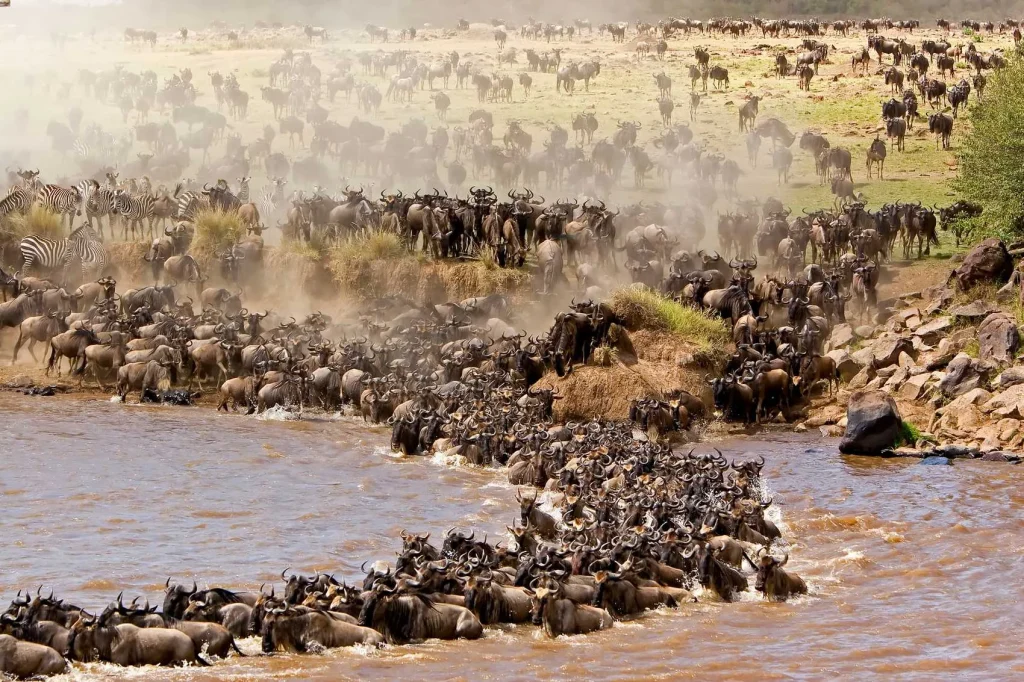
The central attraction is the concentration of wildebeest herds and newborn calves.
Calves are capable of standing and moving relatively soon after birth, an important adaptation in a landscape where predators are present.
Watching interactions between mothers and calves can be particularly rewarding.
Zebras
Zebras often occur alongside wildebeest in the migration ecosystem.
Their grazing behaviour and movement patterns contribute to the broader dynamics of the herds.
Lions
Lions may follow the availability of prey across the southern plains.
They can be encountered resting, moving through territories or hunting.
Cheetahs
The open plains provide suitable hunting environments for cheetahs.
Calving season can offer opportunities to observe predator behaviour, although sightings remain unpredictable.
Spotted Hyenas
Hyenas are important predators and scavengers in the ecosystem.
Their social behaviour and interactions with other predators can provide fascinating wildlife experiences.
Gazelles and Other Herbivores
Thomson’s gazelles, Grant’s gazelles and other herbivores occupy suitable habitats.
These animals contribute to the diversity of wildlife viewing beyond the wildebeest herds.
Is Calving Season Better Than River Crossing Season?
The calving season and Mara River crossing season offer very different experiences.
Calving season focuses on newborn animals, grazing herds and predator interactions on the southern plains.
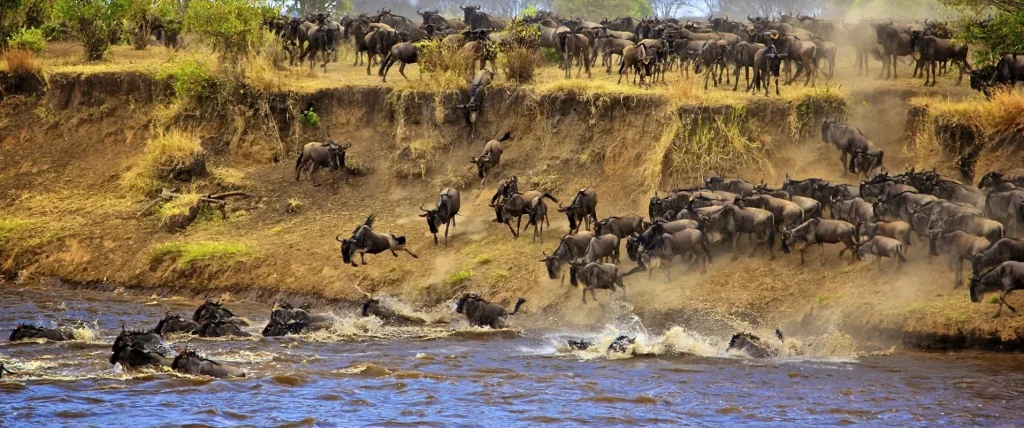
River crossing season is associated with migratory herds moving through the northern Serengeti and Kenya’s Masai Mara.
Crossings can be dramatic, but they are highly unpredictable.
Calving season often provides more opportunities to observe large concentrations of animals over an extended period.
However, the best choice depends on personal interests.
Photographers interested in newborn wildlife and predator behaviour may prefer Ndutu, while travellers fascinated by river crossings may prioritise the northern migration.
How Many Nights Should You Stay for Calving Season?
A two-night stay provides limited time to explore the southern plains.
Three nights are a reasonable starting point for a dedicated calving safari.
Four or five nights provide greater flexibility for changing weather and wildlife movements.
Serious photographers may prefer a longer stay.
The additional time allows guests to observe behaviour rather than moving rapidly between sightings.
Getting to Ndutu
Road Travel from Arusha
Ndutu is commonly reached by road from Arusha, travelling through the Ngorongoro region.
The journey can take much of the day, depending on the route, road conditions and stops.
Travellers should allow time for conservation-area formalities.
Domestic Flights
Scheduled or charter flights may serve airstrips in the southern Serengeti and Ndutu region.
Flight availability depends on season and operator.
Air transfers can reduce travel time, particularly for luxury itineraries.
Combining Ndutu with Ngorongoro Crater
The Ngorongoro Crater is a popular addition to a calving safari.
The crater supports a different wildlife environment and provides opportunities to observe animals within a distinctive volcanic landscape.
Combining both destinations creates a more varied Tanzania itinerary.
Calving Safari Accommodation Costs
The cost of staying in Ndutu varies considerably.
Seasonal mobile camps, permanent lodges and luxury tented properties have different pricing structures.
February can be a high-demand period because of the calving season.
Accommodation costs should be considered alongside vehicle hire, guiding, conservation fees and transport.
A camp that appears inexpensive on a room-only basis may not provide the best overall value if it requires extensive additional driving.
Travellers should request a complete safari quotation.
What Should Be Included in a Calving Safari Package?
A comprehensive package may include accommodation, meals, a professional guide, a suitable 4×4 safari vehicle, conservation fees and scheduled game drives.
Domestic flights may be included in certain itineraries.
Optional activities, premium beverages, gratuities and personal expenses may be excluded.
Guests should confirm whether the safari is private or shared.
Photographers may particularly value a private vehicle because it provides more flexibility for waiting at wildlife sightings.
Calving Season Photography Tips
Calving-season photography rewards flexible technique and respectful positioning:
- Use a telephoto zoom lens for calves, predators and distant wildlife.
- Carry a shorter lens for large herds against the open plains.
- Prioritise early morning and late afternoon light, while remembering predator activity and births can occur at any time.
- Use fast shutter speeds for moving animals and avoid disturbing mothers with newborn calves.
- Rely on a knowledgeable guide to position the vehicle responsibly while maintaining appropriate distances.
Responsible Wildlife Viewing
- Avoid asking guides to approach newborn animals too closely.
- Follow vehicle regulations governing the relevant protected area.
- Never interfere with predator hunts.
- Prioritise wildlife welfare over obtaining a particular photograph.
Calving season attracts substantial tourism interest; responsible viewing helps preserve the quality of the safari experience for other visitors.
Frequently Asked Questions About Calving Season Camps
Where are the best camps for wildebeest calving season?
The Ndutu area and southern Serengeti are the principal accommodation regions for travellers focusing on the calving period.
Is February the best month?
February is commonly associated with peak calving activity, but the exact timing varies with rainfall and herd movements.
Can you see wildebeest giving birth?
Yes, it is possible, but witnessing an actual birth cannot be guaranteed.
Are mobile camps better than permanent lodges?
Mobile camps may provide seasonal positioning advantages, while permanent lodges offer established facilities. The best choice depends on location and travel preferences.
Is calving season suitable for families?
Yes. Families can enjoy the wildlife experience, although game-drive durations and accommodation policies should be planned around children’s ages.
How many nights should I book?
Three or four nights provide a useful balance between wildlife viewing and travel time.
Can I combine calving season with the Masai Mara?
Yes, but the principal calving grounds are in Tanzania. A combined Kenya–Tanzania itinerary should be designed around realistic travel distances and seasonal wildlife movements.
Plan Your Great Migration Calving Safari
The best camps for calving season are those that provide practical access to the southern Serengeti and Ndutu wildlife areas while matching your preferred accommodation standard.
At Safari Trips to Kenya, we can help plan wider East Africa safari itineraries combining Kenya’s Masai Mara with the Serengeti, Ngorongoro and other destinations.
Whether you prefer a comfortable permanent lodge or a luxury mobile tented camp, the priority should be an itinerary that allows sufficient time for wildlife observation.
Contact our team with your preferred dates, number of travellers and accommodation preferences to plan a personalised Great Migration calving season safari.