
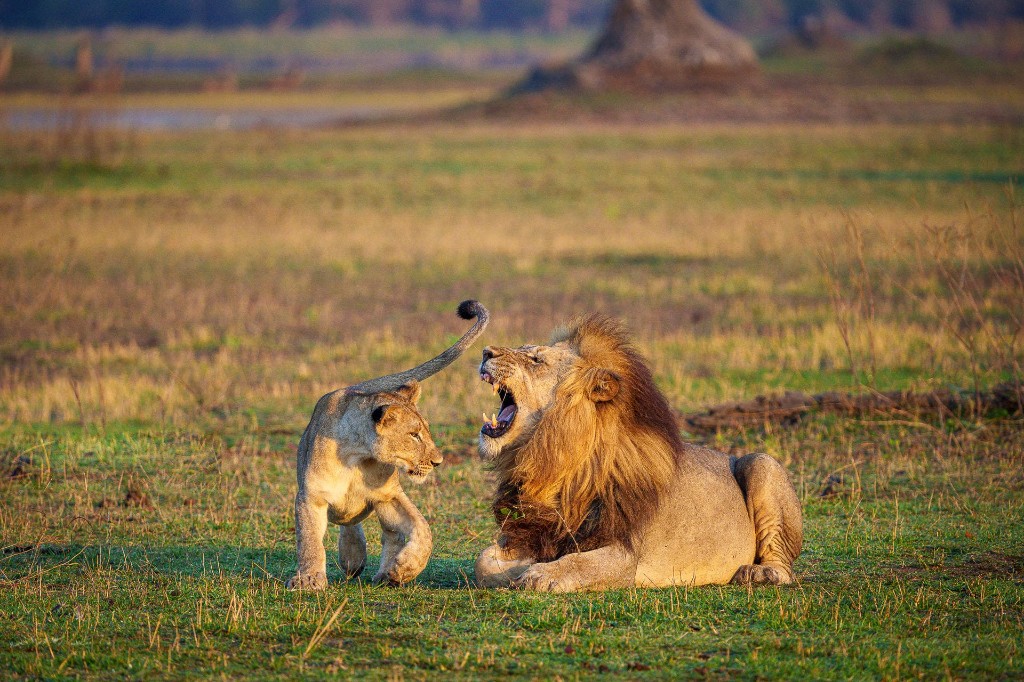
Planning a safari in Kenya involves more than choosing a national park and booking accommodation. The country offers an extraordinary variety of wildlife destinations, landscapes, cultural experiences and travel styles, and understanding how these elements fit together is essential for creating a rewarding holiday. From the open grasslands of the Masai Mara to the elephant-rich plains of Amboseli, the dramatic landscapes of Tsavo and the Indian Ocean coastline, Kenya provides opportunities for both first-time safari travellers and experienced African wildlife enthusiasts.
This Kenya Safari Travel Guide brings together the practical information you need before booking. It explains when to travel, which destinations to include, how safari transport works, what accommodation standards to expect and how to prepare for wildlife viewing in different seasons. It also addresses important questions about travel documentation, health precautions, safari costs, family holidays and responsible tourism.
At Safari Trips to Kenya, we believe a successful safari begins with realistic expectations and thoughtful planning. A well-designed itinerary should match your interests, available time and budget while allowing enough time to appreciate each destination. Rushing between too many parks can reduce the quality of the experience, even when the itinerary appears impressive on paper.
Whether you are considering a 3 Days Masai Mara Safari, a longer Kenya Wildlife Safari, a family holiday or a safari followed by a few days on Diani Beach, this guide will help you make informed decisions.
Why Choose Kenya for an African Safari?
Kenya is one of Africa's established wildlife tourism destinations, with a network of national parks, national reserves and community conservancies supporting a remarkable diversity of animals. Visitors can encounter lions, elephants, buffaloes, giraffes, zebras, antelope and numerous bird species in landscapes that vary considerably between regions.
The country is especially famous for the Great Wildebeest Migration, which brings large concentrations of wildebeest into the Masai Mara ecosystem during the northern migration season. However, Kenya's wildlife experiences extend far beyond the migration. Amboseli is particularly celebrated for elephant photography, Samburu offers opportunities to see distinctive northern species, and Lake Nakuru is important for rhinoceros conservation.
Kenya also has a well-developed safari tourism infrastructure. Travellers can choose from practical tented camps, comfortable lodges, premium properties and highly personalised luxury experiences. Road safaris and scheduled light-aircraft flights provide different ways of reaching wildlife destinations. Another advantage is the opportunity to combine safari activities with coastal relaxation—after several days of game drives, visitors can travel to Diani, Watamu or another Indian Ocean destination for swimming, beach walks and marine activities.
Understanding Kenya's Main Safari Destinations
Choosing the right destinations is one of the most important steps in Kenya Safari Planning. Each park offers a different combination of wildlife, scenery, activities and travel logistics.
Masai Mara National Reserve
The Masai Mara National Reserve is among Kenya's best-known safari destinations. Its open grasslands and river systems support substantial resident wildlife populations, including lions, cheetahs, leopards, elephants, buffaloes and numerous grazing animals. Between approximately July and October, migrating wildebeest frequently enter the wider Masai Mara ecosystem from Tanzania. The timing varies according to rainfall and grazing conditions, and river crossings cannot be guaranteed. The Masai Mara is suitable for short safaris from Nairobi, longer photography holidays and combined wildlife itineraries. Travellers should consider staying at least two or three nights, with additional time recommended when migration viewing is the main priority.
Amboseli National Park
Amboseli National Park is famous for its elephants and views towards Mount Kilimanjaro. The mountain lies across the border in Tanzania, and its visibility depends on cloud cover and weather conditions. The park includes open plains, seasonal wetlands and other habitats that attract wildlife. Elephants are a major highlight, but visitors may also encounter buffaloes, zebras, giraffes, antelope, lions and a variety of birds. Amboseli is particularly attractive to photographers who want to capture elephants against a mountain backdrop. Early morning often provides favourable lighting and potentially clearer views of Kilimanjaro.
Lake Nakuru National Park
Lake Nakuru National Park is an important destination for travellers interested in rhinoceros conservation and Rift Valley landscapes. Both black and white rhinoceroses are associated with the park, although sightings remain dependent on conditions. Visitors may also encounter buffaloes, giraffes, waterbuck, baboons and other animals. The lake supports varied birdlife, while flamingo numbers fluctuate with environmental conditions. Lake Nakuru can be combined with the Masai Mara or Lake Naivasha on a multi-destination road safari.
Tsavo East National Park
Tsavo East National Park is known for expansive landscapes, semi-arid vegetation, the Galana River and elephants that may appear reddish from dust bathing in the park's iron-rich soils. The park offers a different atmosphere from the Masai Mara. Wildlife can be more widely dispersed, making patient game drives and knowledgeable guiding particularly important. Tsavo East is a useful destination for travellers combining a safari with Kenya's coast, particularly those staying around Mombasa, Watamu or Diani.
Tsavo West National Park
Tsavo West National Park features varied terrain, including volcanic landscapes, rocky hills, woodland and natural springs. Mzima Springs is one of its recognised attractions. The park offers opportunities to encounter elephants, buffaloes, giraffes, antelope and predators, although vegetation can make some wildlife more difficult to locate. Combining Tsavo East and Tsavo West provides a broader understanding of the Tsavo ecosystem.
Samburu National Reserve
Samburu National Reserve lies in Kenya's northern safari circuit and is associated with distinctive dry-country landscapes. The reserve is known for species such as Grevy's zebra, reticulated giraffe, gerenuk, Beisa oryx and Somali ostrich. The Ewaso Ng'iro River supports important wildlife activity, particularly during drier periods. Samburu is an excellent choice for travellers seeking a different wildlife experience from the southern parks.
Ol Pejeta Conservancy
Ol Pejeta Conservancy in Laikipia is recognised for wildlife conservation and rhino protection. The conservancy supports black and white rhinoceroses and other wildlife, while conservation programmes provide opportunities to learn about protection efforts. Activities and access arrangements vary, so visitors should confirm current options before travelling.
Lake Naivasha
Lake Naivasha offers a contrasting environment centred on freshwater habitats and surrounding Rift Valley scenery. Boat excursions may provide opportunities to observe hippos and waterbirds from a safe distance. Nearby attractions include Hell's Gate National Park, where permitted activities differ from conventional vehicle-based safaris. Lake Naivasha is often included as a relaxing stop between Nairobi and other wildlife destinations.
Best Time to Visit Kenya for a Safari
Kenya offers wildlife viewing throughout the year, but seasonal conditions influence the experience.
January to March
These months are often relatively dry in many safari regions, although conditions vary geographically and annually. Wildlife viewing can be productive, and travellers may enjoy clearer roads and open landscapes in some parks. January and February are attractive for general wildlife safaris, particularly for visitors who are not specifically focused on the Masai Mara migration.
April to May
April and May are commonly associated with the long rains in many parts of Kenya. Rainfall can make landscapes greener and create appealing photographic conditions, but some roads may become difficult to navigate. Certain camps may operate seasonally, and travel arrangements require additional attention. The advantage can be a different atmosphere and, at some properties, more favourable accommodation rates.
June to October
June through October generally includes much of the drier safari season. The Masai Mara Migration Season commonly develops from July, with August and September popular for large herd concentrations. These months also attract significant visitor demand, particularly around major holiday periods. Accommodation should be reserved early when travelling during peak migration dates.
November to December
Short rains may occur during November and December, although rainfall patterns are variable. Green landscapes, birdlife and resident wildlife can make these months rewarding. December holiday periods may bring increased demand at popular lodges and coastal resorts.
How Many Days Do You Need for a Kenya Safari?
The ideal safari duration depends on the destinations you want to visit and the amount of time you can spend travelling. A three-day safari is suitable for a focused visit to one destination, such as the Masai Mara—it generally includes travel on the first and last days, leaving one full day for wildlife viewing. A five-day safari allows more flexibility and may include two destinations; for example, travellers can combine Lake Nakuru with the Masai Mara, provided the route is planned carefully.
Seven to ten days provide a more comfortable opportunity to explore several parks without spending every day transferring between lodges. A two-week holiday can combine a wildlife circuit with several days at the coast. When planning your itinerary, prioritise meaningful time inside the parks over the number of destinations listed.
Road Safaris vs Fly-In Safaris
Road Safaris
A Kenya Road Safari is a popular choice for visitors who want to experience the countryside between destinations. Travel is commonly arranged in a safari vehicle with a professional driver-guide. Depending on the package, this may be a customised 4×4 Land Cruiser or another suitable safari vehicle. Road journeys can be lengthy, and travel times vary with traffic, road conditions and accommodation locations. A road safari may provide good value for families or small groups sharing transport costs.
Fly-In Safaris
A Kenya Fly-In Safari uses scheduled or chartered light-aircraft services to reach regional safari airstrips. This option reduces some long overland transfers and can be useful for travellers with limited time. Flights are particularly attractive when visiting the Masai Mara or remote safari areas. Baggage allowances are often more restrictive than on international flights, so luggage requirements should be checked in advance.
Choosing the Right Option
Road travel may suit visitors who enjoy the journey and have sufficient time. Fly-in travel may be preferable for shorter holidays, luxury itineraries or travellers who wish to minimise long driving days. A combination of road and air transport can also work well.
Understanding Kenya Safari Accommodation
Accommodation is a major part of the safari experience, influencing comfort, travel time and access to wildlife-viewing areas. Safari Trips to Kenya organises accommodation options into four broad categories.
Essential
Essential Safari Accommodation focuses on practical comfort and affordability. Properties may include simple camps, guesthouses and lodges with basic facilities. This category suits travellers who prefer to allocate more of their budget to wildlife activities.
Comfort
Comfort Safari Accommodation generally offers private rooms or tents, en-suite bathrooms and organised meals. It is suitable for many couples, families and small groups.
Premium
Premium Safari Lodges offer higher levels of comfort, more spacious accommodation and attentive service. Some provide attractive locations within protected areas or adjoining conservancies.
Signature
Signature Safari Accommodation emphasises personalised service, distinctive settings and elevated comfort. Properties may offer private guiding arrangements or additional experiences, subject to location and availability. Regardless of category, travellers should examine the property's location carefully—a beautiful lodge may be inconvenient for a particular wildlife-viewing objective if it requires long daily transfers.
How Much Does a Kenya Safari Cost?
Kenya Safari Costs vary considerably according to season, accommodation, transport, park fees, group size and itinerary length. A short shared safari using practical accommodation generally costs less per person than a private luxury fly-in itinerary. The number of travellers also affects pricing—sharing a vehicle among four or six people can reduce the per-person transport cost compared with a private safari for one or two travellers.
Park and conservation fees are significant components of many itineraries. These fees may change, and some destinations have different charging structures. Accommodation prices also fluctuate by season, with popular migration dates often attracting higher rates. When comparing quotations, ask whether the package includes accommodation, meals, park fees, guiding, vehicle use, airport transfers and domestic flights where relevant. A lower advertised price is not necessarily better value if important expenses are excluded.
Private Kenya Safaris vs Group Departures
A Private Kenya Safari gives travellers greater flexibility over departure dates, accommodation choices and daily activities. Private arrangements are especially useful for families, photographers and visitors with specific interests. A Kenya Group Safari allows participants to share transport and guiding costs and can appeal to solo travellers and those seeking a more economical holiday.
Before joining a group, confirm the maximum number of participants, vehicle configuration, accommodation standards and whether everyone has a suitable viewing position. The best option depends on budget, flexibility and personal preferences.
Planning a Kenya Family Safari
Kenya can be an excellent family safari destination when the itinerary is designed around the ages and interests of the children. Long road transfers can be tiring, particularly for younger travellers, so families may benefit from staying several nights in one location rather than moving between lodges every day.
Accommodation should be selected with attention to family rooms, swimming pools, child supervision and any age restrictions on activities. Some camps have unfenced grounds where wildlife may move through the property—children must follow staff instructions and should not walk unaccompanied where this is prohibited. Game drives can be adapted to include breaks and shorter viewing sessions when appropriate.
Kenya Safari for Couples and Honeymooners
Couples often prefer a slower itinerary with comfortable accommodation and opportunities to enjoy the landscape between game drives. The Masai Mara, Amboseli and Laikipia offer different safari atmospheres, and a honeymoon can also include a coastal extension to Diani or Watamu. Private transport and carefully selected accommodation may provide greater flexibility and privacy. Travellers should explain their priorities during the planning stage rather than assuming every luxury safari follows the same style.
What Wildlife Can You See in Kenya?
Kenya supports a wide range of mammals, birds and other wildlife. Lions, leopards, cheetahs, elephants, buffaloes, giraffes and zebras are among the most recognised animals. Different destinations offer opportunities to see specialised species—Samburu is important for northern dry-country wildlife, while Lake Nakuru and Ol Pejeta are relevant for rhino-focused itineraries. Birdwatching is rewarding in many regions, from freshwater lakes to grasslands and coastal habitats. Wildlife sightings remain unpredictable; no ethical operator should guarantee a particular animal encounter.
Kenya Travel Requirements
Entry requirements depend on nationality, passport type and travel circumstances. Kenya operates an electronic travel authorisation system for many visitors, subject to exemptions and current rules. Travellers should verify requirements using the official Kenyan immigration and eTA channels before departure. Passport validity and onward travel documentation should also be checked. If your itinerary includes Tanzania, Uganda or another neighbouring country, separate entry requirements may apply. Avoid relying solely on old travel articles, as immigration procedures can change.
Health and Travel Insurance
Travellers should consult a qualified travel-health professional before departure. Advice may cover malaria prevention, routine vaccinations, yellow fever documentation and other destination-specific considerations. Requirements and recommendations depend on travel history, medical circumstances and the regions visited.
Comprehensive travel insurance is strongly recommended. A suitable policy should address medical treatment, emergency evacuation, trip interruption and relevant safari activities. Travellers with ongoing medical needs should discuss accessibility and medication arrangements before booking.
What to Pack for a Kenya Safari
A practical Kenya safari packing list should include:
- Lightweight, comfortable clothing in neutral colours
- A warm layer for early morning game drives
- A sunhat, sunglasses, sunscreen and comfortable closed shoes
- Binoculars for wildlife viewing, especially birds and distant animals
- Camera equipment, spare batteries and storage cards for photographers
- A lightweight rain jacket, even during relatively dry months
If travelling by light aircraft, confirm baggage limits before packing. Avoid bringing unnecessary hard-sided luggage when aircraft or vehicle storage is restricted.
Money, Payments and Tipping
The Kenyan shilling is the local currency, although some tourism services quote prices in US dollars. Payment arrangements vary between operators, lodges and activity providers, so travellers should confirm accepted payment methods before departure. Cards may be accepted at established hotels, but carrying some local currency can be useful for small purchases. Tipping is customary in many safari settings but generally remains discretionary—ask your operator for current guidance appropriate to your itinerary and service arrangements.
Connectivity and Electricity
Mobile network coverage varies between cities, towns and remote safari areas. Some lodges provide Wi-Fi, but speed and reliability may be limited. Travellers who need regular internet access should confirm arrangements in advance. Kenya generally uses Type G electrical sockets, and the standard supply is approximately 240 volts at 50 hertz. Check your devices for voltage compatibility and bring an appropriate adapter. Remote camps may operate on solar or generator power and have designated charging hours.
Responsible Safari Travel
Responsible tourism helps protect Kenya's wildlife and supports communities connected to conservation areas. Key practices include:
- Follow park regulations and guide instructions
- Do not feed wildlife, approach animals on foot without authorisation or encourage drivers to disturb animals for photographs
- Avoid littering and minimise unnecessary plastic waste
- Respect local communities and request permission before photographing individuals
- Where possible, choose operators and accommodation providers that demonstrate responsible environmental and employment practices
Frequently Asked Questions
What is the best month for a Kenya safari?
Kenya offers wildlife viewing year-round. July through October is popular for the Masai Mara migration, while January and February can also provide excellent general safari conditions.
How much time should I spend in Masai Mara?
Three or four days is a useful starting point, with longer stays recommended for travellers particularly interested in migration viewing or photography.
Is Kenya safe for tourists?
Safety varies by region and circumstances. Travellers should review current official travel advisories, use reputable transport arrangements and follow local guidance.
Can I combine safari and beach holidays?
Yes. Diani, Watamu and other coastal destinations can be combined with inland wildlife parks.
Do I need a private safari vehicle?
Not necessarily. Private vehicles provide flexibility, while group safaris can reduce costs.
Is a Kenya safari suitable for children?
Yes, provided accommodation, travel times and activities are selected appropriately for the children's ages.
Can I see the Big Five in Kenya?
Kenya offers opportunities to encounter Big Five species, but the likelihood varies by destination and sightings are not guaranteed.
Should I book my safari in advance?
Advance booking is particularly important during peak migration months and major holiday periods, especially for popular lodges and family accommodation.
Start Planning Your Kenya Safari
A successful safari combines suitable destinations, realistic travel times, knowledgeable guiding and accommodation that matches your expectations. At Safari Trips to Kenya, we help travellers develop itineraries around their preferred wildlife experiences, travel dates and budgets. Our Kenya Safari Packages can include the Masai Mara, Amboseli, Lake Nakuru, Tsavo, Samburu, Laikipia and coastal destinations.
We can help you compare private and group options, road and fly-in arrangements, and Essential, Comfort, Premium and Signature accommodation. Contact Safari Trips to Kenya with your intended travel dates, number of travellers, available days and preferred destinations. We will help you plan a practical, enjoyable and well-paced safari that reflects your interests.