10 Days Kenya Northern Reserves and Maasai Mara
A 10 day Kenya journey connecting Nairobi, Ol Pejeta, Samburu or Buffalo Springs, Solio, Lake Nakuru, Maasai Mara…
Lake Naivasha, Lake Nakuru, Masai Mara
View SafariHandpicked Samburu Safari Tours for Every Traveler
Plan a Nairobi to Samburu safari with detailed itineraries, Samburu Special Five wildlife, accommodation options, driving times and northern Kenya travel tips.
Samburu National Reserve is located in Samburu County in northern Kenya, on the banks of the Ewaso Ng'iro River. It lies within a wider landscape of semi-arid rangelands, neighbouring protected areas and community-managed lands.
The reserve covers approximately 165 square kilometres. Across the river, Buffalo Springs National Reserve protects additional wildlife habitat, while Shaba National Reserve lies farther east. These areas are often discussed together because they form part of the broader northern Kenya safari circuit, although they have separate access arrangements and applicable fees.
Samburu's environment differs significantly from the wetter highlands around Nairobi. Vegetation includes acacia woodland, scrub, riverine forest and open plains. Temperatures can be high during the day, while rainfall is generally less predictable than in many parts of central Kenya.
The Ewaso Ng'iro River is particularly important. It supports riverside vegetation and attracts wildlife seeking water, although river flow and surrounding conditions vary with rainfall in the wider catchment.
Showing 1–12 of 18 safaris
A 10 day Kenya journey connecting Nairobi, Ol Pejeta, Samburu or Buffalo Springs, Solio, Lake Nakuru, Maasai Mara…
Lake Naivasha, Lake Nakuru, Masai Mara
View SafariPlan a 10 Days Samburu, Ol Pejeta & Masai Mara with expert guides, game drives and carefully chosen…
Masai Mara, Samburu, Ol Pejeta
View SafariPlan a 11 Days Samburu, Ol Pejeta, Nakuru & Mara with expert guides, game drives and carefully chosen…
Lake Nakuru, Samburu, Ol Pejeta
View SafariExplore Kenya on a 12 Days Samburu to Masai Mara Safari combining Samburu, Ol Pejeta, Lake Nakuru, Naivasha…
Masai Mara, Samburu
View SafariA 14 day Kenya journey connecting Nairobi, Ol Pejeta, Samburu, Solio, Lake Nakuru, Maasai Mara, Lake Naivasha, Amboseli,…
Amboseli, Lake Naivasha, Lake Nakuru
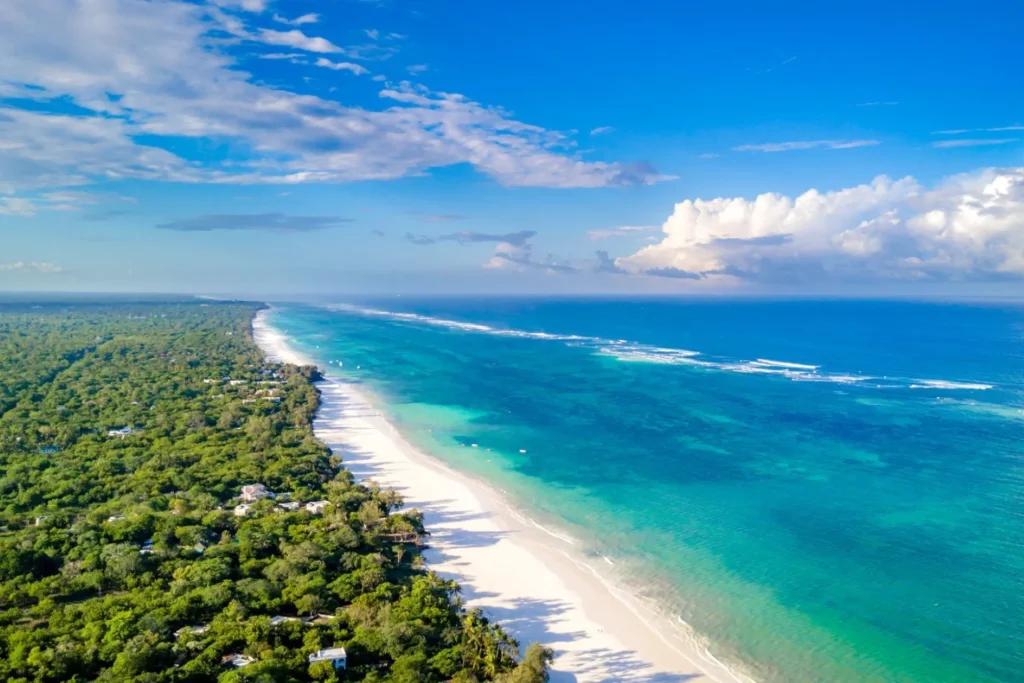
View SafariA 14 day Kenya journey connecting Nairobi, Ol Pejeta, Samburu, Solio, Lake Naivasha, Maasai Mara and Diani Beach.
Diani Beach, Lake Naivasha, Masai Mara
View SafariA 15 day Kenya journey connecting Nairobi, Ol Pejeta, Samburu or Buffalo Springs, Solio, Lake Nakuru, Maasai Mara,…
Amboseli, Lake Naivasha, Lake Nakuru
View SafariA 16 day Kenya journey connecting Nairobi, Ol Pejeta, Samburu or Buffalo Springs, Solio, Lake Nakuru, Maasai Mara,…
Amboseli, Diani Beach, Lake Naivasha
View SafariA 18 day Kenya journey connecting Nairobi, Ol Pejeta, Samburu or Buffalo Springs, Solio, Lake Nakuru, Maasai Mara,…
Amboseli, Diani Beach, Lake Naivasha
View SafariPlan a 2 Days Samburu Safari with expert guides, game drives and carefully chosen camps. Request a quote.
Samburu
View SafariPlan a 3 Days Samburu Safari with expert guides, game drives and carefully chosen camps. Request a quote.
Samburu
View SafariExplore the 4 Days Samburu Safari with a day-by-day safari plan, key wildlife experiences, destinations, accommodation ideas, travel…
Samburu
View SafariOne of Samburu's greatest attractions is the opportunity to encounter species adapted to dry northern habitats. The Samburu Special Five have become a popular focus for wildlife viewing because their appearance and behaviour differ from animals more frequently seen in southern Kenya.
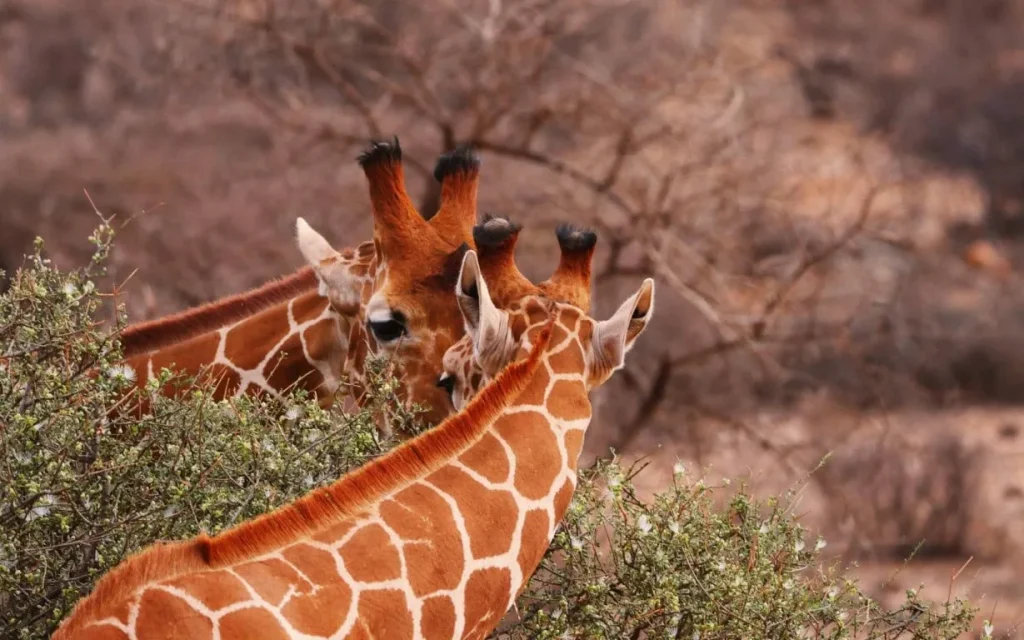
Grevy's zebras have narrower stripes and larger ears than plains zebras. Reticulated giraffes display a striking network of sharply defined patches. Gerenuks are recognised for their long necks and unusual ability to stand upright while browsing.
These differences make Samburu particularly rewarding for travellers who have already visited the Masai Mara or Amboseli and want to expand their wildlife experience.
Elephants are a major attraction in the Samburu ecosystem. They use riverine habitats, woodland and surrounding rangelands, moving according to water and food availability.
Visitors may observe elephants feeding, drinking, crossing sandy riverbeds or interacting within family groups. These encounters provide opportunities to learn about elephant behaviour and the importance of protecting wildlife movement corridors.
A professional guide should maintain safe distances, especially around breeding herds and calves.
Samburu's scenery is characterised by warm earth tones, rocky hills, scattered acacias and riverine vegetation. The combination creates attractive photographic opportunities throughout the day.
The reserve can look dramatically different depending on rainfall. During drier periods, dust and sparse vegetation emphasise the semi-arid environment, while rain can bring fresh grass and renewed vegetation.
Many first-time visitors focus on the Masai Mara and Amboseli. Samburu provides an alternative that can broaden the geographical and ecological range of a Kenya holiday.
It is especially suitable for travellers interested in northern wildlife, birdwatching, conservation, landscape photography and cultural context.
The road journey from Nairobi to Samburu is approximately 300–350 kilometres for many commonly used routes, depending on the starting point, reserve gate and accommodation location.
Travellers should generally allow five to seven hours or longer for the journey. Nairobi traffic, roadworks, weather, comfort stops and the final access road can all affect travel time.
A common route travels north through central Kenya towards Nanyuki and Isiolo before continuing towards the Samburu region. Along the way, the scenery changes from the agricultural highlands to drier northern landscapes.
The journey is part of the safari experience, but it should not be underestimated. Families with younger children and travellers who prefer shorter drives may benefit from an overnight stop or suitable domestic flight arrangements.
The following is a recommended itinerary illustrating how a three-day safari can be organised. It is not a fixed confirmed departure, and the final accommodation, meals, reserve fees and activities must be specified in the quotation.
Your safari begins with pickup from your Nairobi hotel or another agreed location. After meeting your professional driver-guide, travel north through the central Kenyan highlands. The route passes agricultural areas and towns before approaching the drier landscapes associated with Isiolo and the Samburu region.
As the journey progresses, your guide can explain the differences between central Kenya's productive highlands and northern Kenya's semi-arid ecosystems. Depending on visibility and the selected route, views of the Mount Kenya region may be possible. Appropriate comfort stops can be arranged without turning the journey into an unnecessarily lengthy transfer.
Arrive in the Samburu area around early or mid-afternoon, depending on road conditions and the location of your accommodation. Check in at the selected lodge or camp and enjoy lunch if included in the confirmed meal plan. After a short rest, prepare for the first game drive.
The afternoon safari introduces Samburu's dry-country wildlife and riverine habitats. Your guide searches for elephants, reticulated giraffes, Grevy's zebras, oryx and gerenuks, while also looking for predators and other animals. The Ewaso Ng'iro River may provide particularly interesting wildlife activity, depending on conditions.
Return to your accommodation in the evening for dinner and overnight. The first day is designed to balance the road journey with an introduction to the reserve rather than promising a lengthy game drive after a late arrival.
Approximate driving time: 5–7 hours or longer.
Accommodation: Selected Essential, Comfort, Premium or Signature lodge or camp.
Meals: As confirmed in the safari quotation.
Begin the day early, when temperatures are cooler and wildlife may be active. After breakfast or an agreed early meal arrangement, depart for a morning game drive through the reserve's woodland, open plains and riverine habitats. The guide will plan the route according to wildlife activity, road conditions and the group's interests.
The Samburu Special Five are a major focus of the day. Grevy's zebras may be observed grazing, while reticulated giraffes browse among trees. Gerenuks are particularly interesting because they may stand on their hind legs to reach foliage. Beisa oryx are adapted to dry conditions, while Somali ostriches add another distinctive element to northern Kenya's wildlife.
The morning may also provide opportunities to observe elephants, buffaloes, lions or leopards. Predator sightings remain unpredictable, and a responsible guide will not chase animals or obstruct their movements. Time spent observing elephant family groups, antelope behaviour or birdlife can be equally rewarding.
Lunch can be arranged at the lodge or as a picnic in an authorised location, depending on the confirmed itinerary. During warmer periods, a midday break may be particularly welcome because Samburu can become hot.
Continue with an afternoon game drive, exploring areas that complement the morning route. The changing light can create attractive photographic conditions, especially along the river and around acacia woodland.
Return to the lodge or camp in the evening for dinner and overnight. Travellers interested in specialist photography may prefer a private vehicle so that the guide can spend longer at particular sightings.
Safari activities: Morning and afternoon game drives or an agreed full-day excursion.
Accommodation: Second night in Samburu.
Meals: According to the confirmed package.
Wake early for breakfast and a final opportunity to enjoy Samburu's landscapes. Depending on the lodge location and departure schedule, a short morning game drive may be possible before beginning the return journey.
The early hours can be rewarding for photography because the light is softer and temperatures are lower. Your guide may revisit productive wildlife areas or concentrate on species that were not encountered during the previous day.
After checkout, depart south towards Isiolo and Nanyuki, continuing through the central highlands to Nairobi. The road journey is substantial, so suitable refreshment and comfort stops should be included.
Arrival in Nairobi is normally expected in the afternoon or evening, depending on departure time and traffic. Travellers with international flights should allow generous time or consider spending the final night in Nairobi.
Approximate return journey: 5–7 hours or longer.
End of safari: Nairobi.
A 4 Days Samburu Safari is preferable for travellers who want more time for wildlife viewing without feeling rushed.
The first day follows the journey from Nairobi to Samburu, with an afternoon game drive if arrival time permits. The second and third days are devoted to exploring different habitats, allowing more opportunities to search for the Special Five and observe predators.
The additional day can also provide flexibility for birdwatching or a carefully arranged cultural experience, subject to community consent and the selected itinerary.
The fourth day involves the return journey to Nairobi. This programme is particularly suitable for photographers and travellers who prefer a slower safari pace.
Grevy's zebra is distinguished from the more widespread plains zebra by its narrow stripes, large rounded ears and white belly. It is one of Africa's most threatened equids and is closely associated with the drylands of northern Kenya.
Grevy's zebras may be encountered in Samburu and the surrounding ecosystem. Their conservation depends on suitable grazing habitat, access to water and cooperation with communities sharing the landscape.
The reticulated giraffe has a striking coat pattern formed by large reddish-brown patches separated by pale lines. Its appearance differs from the giraffe forms commonly encountered in southern Kenya.
Reticulated giraffes browse on trees and shrubs, using their long necks and tongues to reach foliage. Their presence makes Samburu especially attractive for wildlife photography.
The Beisa oryx is a large antelope adapted to relatively dry environments. It has long, straight horns and distinctive facial markings.
Oryx can survive in challenging habitats through physiological and behavioural adaptations that help them manage heat and water requirements.
The gerenuk, sometimes called the giraffe gazelle, is recognised for its unusually long neck and slender build.
Its most distinctive behaviour is standing upright on its hind legs to browse on leaves and shoots. This allows it to reach vegetation unavailable to many other antelope species.
The Somali ostrich is a large flightless bird associated with the Horn of Africa and northern Kenya. Adult males can be distinguished by their characteristic blue-grey neck and leg coloration during appropriate conditions.
Observing ostriches in Samburu provides another example of the region's distinctive dry-country wildlife.
Elephants are among Samburu's most rewarding animals to observe. They may be seen near the river, moving between feeding areas or travelling in family groups.
The wider ecosystem is important for elephant movement, and conservation efforts must consider landscapes beyond reserve boundaries.
Lions occur in Samburu and may be encountered resting in shade, moving through grassland or following prey.
Sightings are not guaranteed, and visitors should avoid pressuring guides to approach animals too closely.
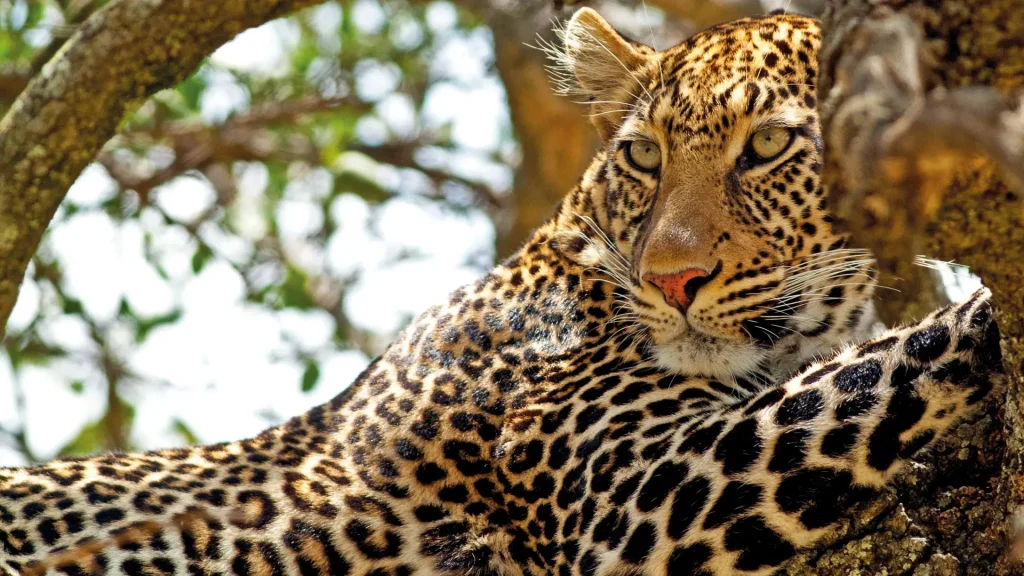
Leopards are associated with woodland and riverine habitats. They are secretive animals, and sightings depend on patience and luck.
A longer safari increases the time available for wildlife viewing but cannot guarantee an encounter.
African buffaloes, impalas, waterbucks and other herbivores use different habitats within the reserve. Their distribution changes according to water availability and vegetation.
Samburu is an excellent destination for birdwatching, with numerous species associated with dry woodland, riverine vegetation and open plains.
Bird enthusiasts may encounter raptors, hornbills, bee-eaters, kingfishers and other species. A specialist bird guide can add considerable value for travellers with particular interests.
Samburu can be visited throughout the year, although rainfall and temperature influence wildlife viewing.
These months are often relatively dry and warm. Wildlife may concentrate around reliable water sources, making riverine areas particularly interesting.
Daytime temperatures can be high, so early morning and late afternoon game drives are generally comfortable.
The longer rainy period can bring greener vegetation and changes in animal distribution. Some tracks may become difficult after heavy rainfall.
Birdwatching can be rewarding, but visitors should allow flexibility for weather conditions.
This period often provides comparatively dry conditions and is popular for wildlife safaris. Animals may be easier to locate around permanent water sources when surrounding areas become dry.
Accommodation demand can increase during major holiday periods.
Shorter rains may occur, bringing fresh vegetation and changing wildlife movements. Rainfall patterns are variable, and travellers should not assume that any particular month will be completely dry.
Essential Samburu Accommodation prioritises affordability and practical comfort. Properties may be located outside the reserve, so transfer times and entrance arrangements should be considered.
Comfort Samburu Safari Lodges offer a balance between price and facilities. They are suitable for couples, families and small groups seeking dependable rooms and meal services.
Premium Samburu Safari Camps may provide upgraded accommodation, attractive river settings and more personalised hospitality.
Established properties in the wider area include Samburu Intrepids and Samburu Sopa Lodge, subject to current operating arrangements and availability.
Signature Samburu Accommodation focuses on distinctive settings and high-end hospitality. Properties such as Saruni Samburu in the wider Samburu region offer a different style of experience from conventional reserve lodges.
Travellers should check the exact location because some premium properties are situated in community conservancies rather than inside Samburu National Reserve.
The price of a Nairobi to Samburu Safari depends on group size, safari duration, accommodation category, vehicle type and applicable reserve fees.
Private safaris generally become more economical per person when several travellers share transport and guiding costs. Solo travellers or couples may pay a higher per-person rate for exclusive vehicle use.
Accommodation rates vary by property and season. Properties in private or community conservancies may also have different access fees and activity arrangements.
A quotation should clearly specify reserve entry, accommodation, meals, game drives, transport and any optional experiences.
A Private Samburu Safari provides flexibility for photography, birdwatching and the pace of game drives. It is particularly suitable for travellers interested in the Special Five or particular wildlife behaviour.
A group safari can reduce per-person costs, but participants share the vehicle and follow a common schedule.
Before booking, confirm the number of passengers, vehicle type, luggage arrangements and whether each traveller will have a suitable wildlife viewing position.
The Samburu people have a strong cultural connection to northern Kenya's landscapes and pastoral traditions. Travellers may have opportunities to learn about local livelihoods, beadwork, cultural heritage and community conservation initiatives.
Such visits should be arranged respectfully and with the agreement of the host community. Cultural experiences should not treat people as tourist exhibits or assume that every community follows identical traditions.
A well-organised visit provides opportunities for genuine exchange and appropriate compensation for hosts.
Cultural activities should be identified as optional unless they are expressly included in the safari quotation.
A Samburu and Ol Pejeta Safari combines northern Kenya's specialised wildlife with rhino conservation and the Sweetwaters Chimpanzee Sanctuary.
This is one of the most practical combinations because the destinations can be linked through the central Kenya road network.
The Mount Kenya region offers highland scenery, forest habitats and outdoor activities. It can provide a cooler contrast to Samburu's semi-arid environment.
Aberdare offers montane forest, moorland and waterfalls. Combining it with Samburu introduces travellers to contrasting ecosystems.
A longer Kenya Wildlife Safari can combine Samburu with the Masai Mara. The itinerary provides excellent ecological variety but requires sufficient days or appropriate flight connections.
Pack lightweight clothing, a sunhat, sunscreen, insect repellent, drinking water and comfortable footwear. A warm layer can be useful during early departures and cooler evenings.
Binoculars are valuable for identifying birds and distant animals. Photographers should carry spare batteries, memory cards and protection against dust.
Follow reserve regulations and remain inside the safari vehicle except at authorised locations. Never feed wildlife or ask a guide to leave permitted tracks.
Travellers should consult appropriate medical advice before travelling to Kenya and ensure that their insurance covers the planned activities.
The journey commonly takes five to seven hours or longer, depending on traffic, route and accommodation location.
Three days provide a useful introduction, but four days offer more wildlife viewing time and a more relaxed pace.
They are Grevy's zebra, reticulated giraffe, Beisa oryx, gerenuk and Somali ostrich.
Yes. Elephants occur throughout the Samburu ecosystem, although sightings depend on their movements.
Yes. Its dry-country wildlife, riverine habitats and distinctive landscapes offer excellent photographic opportunities.
Yes. The destinations complement each other and form a practical northern Kenya safari route.
Only when expressly stated in the quotation. They may be arranged as optional experiences with suitable community hosts.
Yes, provided the road journey, accommodation and game drive schedule are planned around the family's needs.
A Nairobi to Samburu Safari is an excellent choice for travellers who want to experience northern Kenya's distinctive wildlife and landscapes. The Samburu Special Five, elephants, predators and riverine habitats provide a rewarding contrast to the country's more familiar southern safari destinations.
Safari Trips to Kenya can arrange private transport, professional guiding, suitable accommodation and itineraries tailored to your available time. Choose a three-day safari for an introduction or extend to four days or longer for a more relaxed experience.
Contact Safari Trips to Kenya with your travel dates, group size and preferred accommodation category to receive a customised Samburu safari proposal.