
9 DAYS / 8 NIGHTS
9 Days Family Kenya Safari
Plan a 9 Days Family Kenya Safari with expert guides, game drives and carefully chosen camps. Request a quote.
- Wildlife SafariPrivate Journey
- Private Safari4x4 Vehicle
- Expert GuideEnglish Speaking
- All MealsBreakfast, Lunch, Dinner
- 24/7 SupportWe're here to help
01 Overview
Safari Overview
- Duration9 days / 8 nights
- DestinationKenya
- Starts / endsNairobi
- Safari stylePrivate safari
- AccommodationEssential · Comfort · Premium · Signature
- Best forWildlife viewing, photography
9 Days Family Kenya Safari – Private Wildlife Adventure for Parents and Children
The 9 Days Family Kenya Safari is designed for families who want to experience Kenya's extraordinary wildlife together without turning the holiday into an exhausting sequence of long drives, very early mornings and constantly changing hotels. The itinerary combines rewarding game viewing, comfortable family-friendly accommodation, flexible pacing and enough variety to keep both adults and children engaged throughout the journey.
Kenya is one of Africa's strongest destinations for a family safari because wildlife can often be seen in relatively open habitats, the country's tourism infrastructure is well established, private safari vehicles are widely available, and accommodation ranges from simple family lodges to premium camps with interconnected rooms, family tents, swimming pools and child-focused activities.
For children, the safari can become a living classroom. Instead of seeing elephants, lions, giraffes and zebras in books or documentaries, they encounter them in their natural environments. A morning game drive may involve watching a herd of elephants protect young calves, and an afternoon may bring a pride of lions resting beneath acacia trees. Another day may introduce rhinos, hippos, giraffes, buffaloes, cheetahs, zebras, wildebeest and hundreds of birds, although no individual sighting can be guaranteed.
For parents, a private family safari offers valuable flexibility. You do not need to follow the schedule of unrelated travelers. If the children are tired, the game drive can be shortened. If everyone is enjoying a sighting, you can remain longer. If the family needs a relaxed morning after several early starts, the schedule can be adjusted.
The 9 Days Family Kenya Safari can be customized around the ages of your children, preferred accommodation level, travel dates, budget and wildlife interests. It can also be adapted for multigenerational families traveling with grandparents or other relatives.
9 Days Family Kenya Safari at a Glance
A representative family-friendly itinerary can follow this structure:
- Day 1: Arrival in Nairobi – Family Hotel and Safari Briefing
- Day 2: Nairobi – Amboseli National Park
- Day 3: Full-Day Family Safari in Amboseli
- Day 4: Amboseli – Central Kenya / Rhino Conservation Area
- Day 5: Family Wildlife and Conservation Experience
- Day 6: Transfer to Masai Mara National Reserve
- Day 7: Full-Day Family Masai Mara Safari
- Day 8: Second Full Day in the Masai Mara / Optional Family Activities
- Day 9: Masai Mara – Nairobi / Departure
This routing combines three complementary experiences:
- Elephants in Amboseli, with Kilimanjaro scenery when the mountain is clear
- Rhino conservation and varied wildlife in central Kenya
- Big cats and classic savannah wildlife in the Masai Mara
The itinerary can be simplified for younger children by reducing destinations and adding more nights in fewer locations.
Why Kenya Is Excellent for a Family Safari
Kenya offers several advantages for families.
Excellent Wildlife Visibility
Children can lose interest quickly if game drives involve hours of searching through dense vegetation without seeing much. Many of Kenya's best-known parks contain open grassland and savannah. Animals may therefore be visible at considerable distances. This improves the chance that younger travelers remain engaged.
Familiar Animals Children Recognize
Kenya provides opportunities to see many animals children already recognize from books, school and films, and recognizing familiar animals can make the safari immediately exciting. These can include:
- Lion
- African elephant
- Giraffe
- Zebra
- Rhinoceros
- Hippopotamus
- Cheetah
- Leopard
- Buffalo
- Wildebeest
- Warthog
- Crocodile
- Hyena
- Baboon
- Ostrich
Private Safari Flexibility
A private safari vehicle is one of the most valuable family arrangements. Shared safaris require everyone to follow the same schedule, while a private family safari can be adapted throughout the trip, which makes the schedule much easier for everyone.
- If children become tired after two hours, you can return to the lodge.
- If a lion sighting is especially interesting, you can remain.
- Parents can decide whether to start extremely early or have breakfast first.
Family-Friendly Accommodation
Kenya offers numerous family accommodation options. Depending on budget and destination, these may include:
- Family rooms
- Interconnected rooms
- Two-bedroom units
- Family cottages
- Large family tents
- Exclusive-use villas
- Lodges with swimming pools
- Camps with educational activities
- Properties with large grounds
Choosing the correct accommodation is important. A romantic camp designed primarily for honeymooners may not be the best choice for children even if it is luxurious. A family safari should prioritize practical room configurations, safety and flexibility.
Educational Value
A Kenya family safari can introduce children to:
- Wildlife behavior
- Predator-prey relationships
- Conservation
- Geography
- Different ecosystems
- Birdlife
- African cultures
- Environmental protection
- Responsible tourism
Professional guides can adapt explanations to the age and interests of the children. Older children may become particularly interested in tracking, animal behavior, photography and conservation.
Itinerary
- Day 1:Arrival in Nairobi, family Welcome to Kenya
- Day 2:Nairobi, amboseli
- Day 3:Family Safari in Amboseli
- Day 4:Amboseli, central Kenya / Rhino Conservation Area
- Day 5:Family Wildlife and Conservation Experience
- Day 6:Transfer to Masai Mara
- Day 7:Family Masai Mara Safari
- Day 8:Second Full Day in the Masai Mara, family Adventure and Optional Activities
- Day 9:Morning game drive – return to Nairobi

02 Itinerary
9 Days Family Kenya Safari: Detailed Itinerary
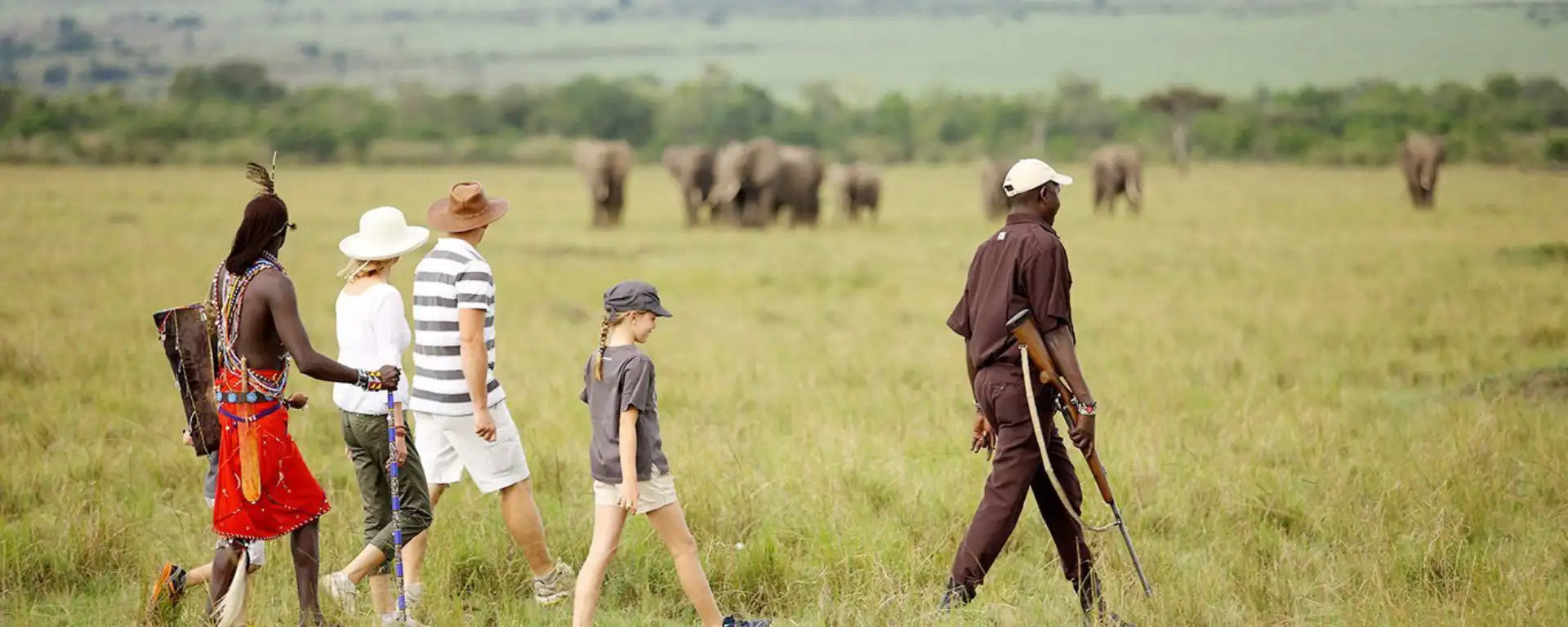
Day 1: Arrival in Nairobi – Family Welcome to Kenya - Main destination
- Masai Mara National Reserve
- Drive time
- Road transfer as outlined in the itinerary
- Meals
- Lunch, Dinner
Your 9 Days Family Kenya Safari begins when you arrive in Nairobi. A representative meets your family at Jomo Kenyatta International Airport and transfers you privately to your selected hotel.
For families arriving after a long international journey, a Nairobi overnight is strongly recommended. Traveling immediately from the airport to a distant national park can make the first day unnecessarily tiring, particularly for younger children. Instead, settle into the hotel, allow everyone to recover from the flight and prepare for the safari. Depending on arrival time, children may enjoy using the hotel swimming pool or simply resting, while parents can organize luggage, charge devices and prepare safari clothing.
Family Safari Briefing
Your guide or representative can provide a short briefing. Topics may include:
- Safari route
- Driving times
- Wildlife expectations
- Park rules
- Meal schedules
- Safety around wildlife
- Vehicle arrangements
- Child-friendly activities
- Weather
- Clothing
- Photography
- Health considerations
Children can also be included in the briefing. Explaining basic safari rules before the first game drive helps them understand why certain behavior is important.
Important Safari Rules for Children
Parents should explain that wild animals must be respected. Children should understand that they must:
- Remain seated when instructed
- Avoid shouting around animals
- Keep hands inside the vehicle when necessary
- Never feed wildlife
- Follow the guide's instructions
- Avoid wandering alone at safari camps
- Respect other guests
- Avoid dropping litter
A safari guide will reinforce these rules in an age-appropriate way.
Optional Nairobi Activities
Families arriving early may add a short Nairobi activity. Possible options can include:
- Nairobi National Park
- Giraffe conservation experience
- Elephant conservation experience
- Selected museums
- Family-friendly restaurants
- Craft shopping
- Short cultural visits
Avoid overloading the first day. Children often benefit more from rest than from immediately beginning intensive sightseeing.
Destination: Nairobi
Main experience: Arrival, rest and family safari briefing
Accommodation: Family-friendly Nairobi hotel
Meals: According to hotel plan and arrival time
Where you stay
- Essential (Budget)
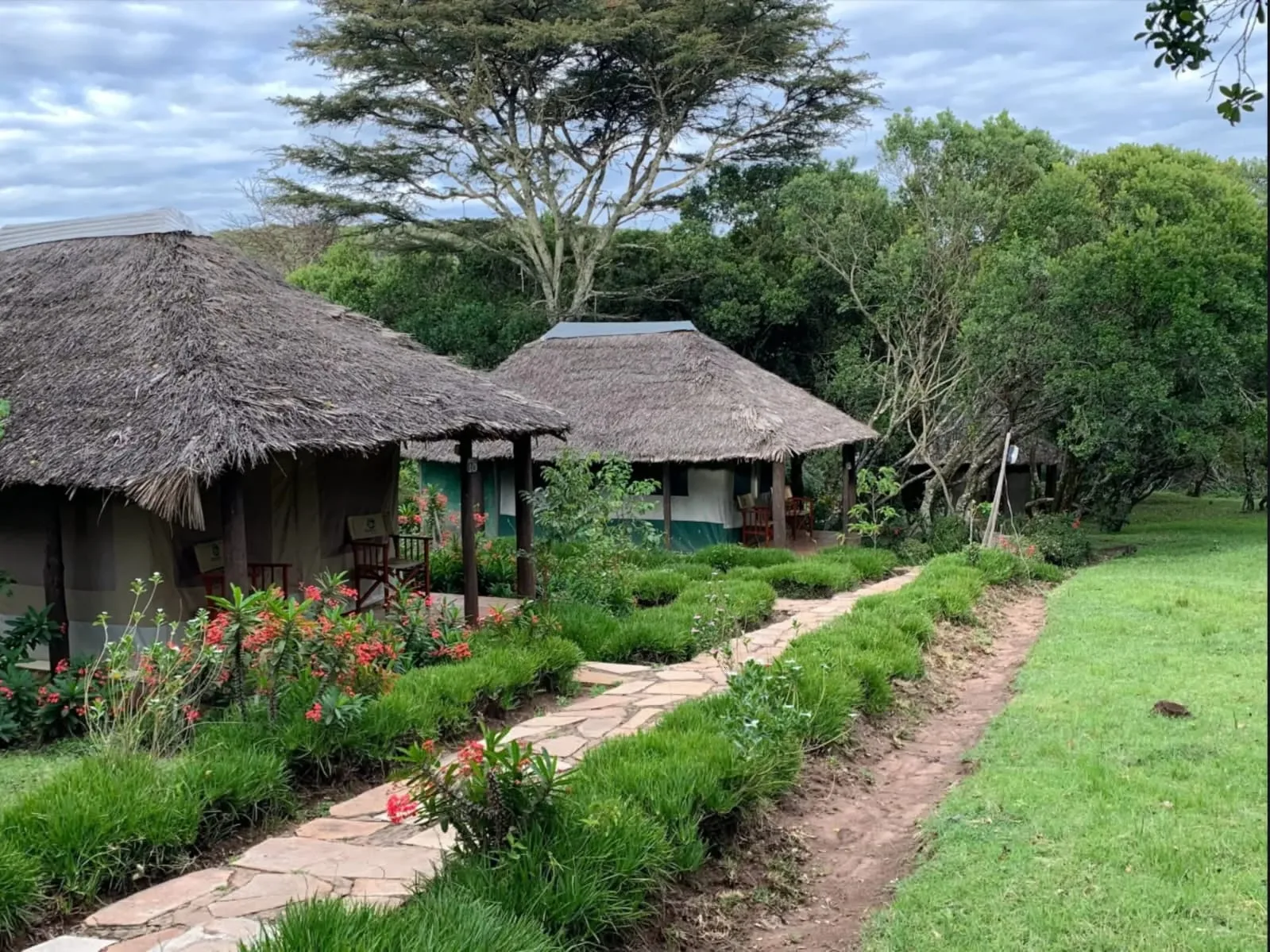
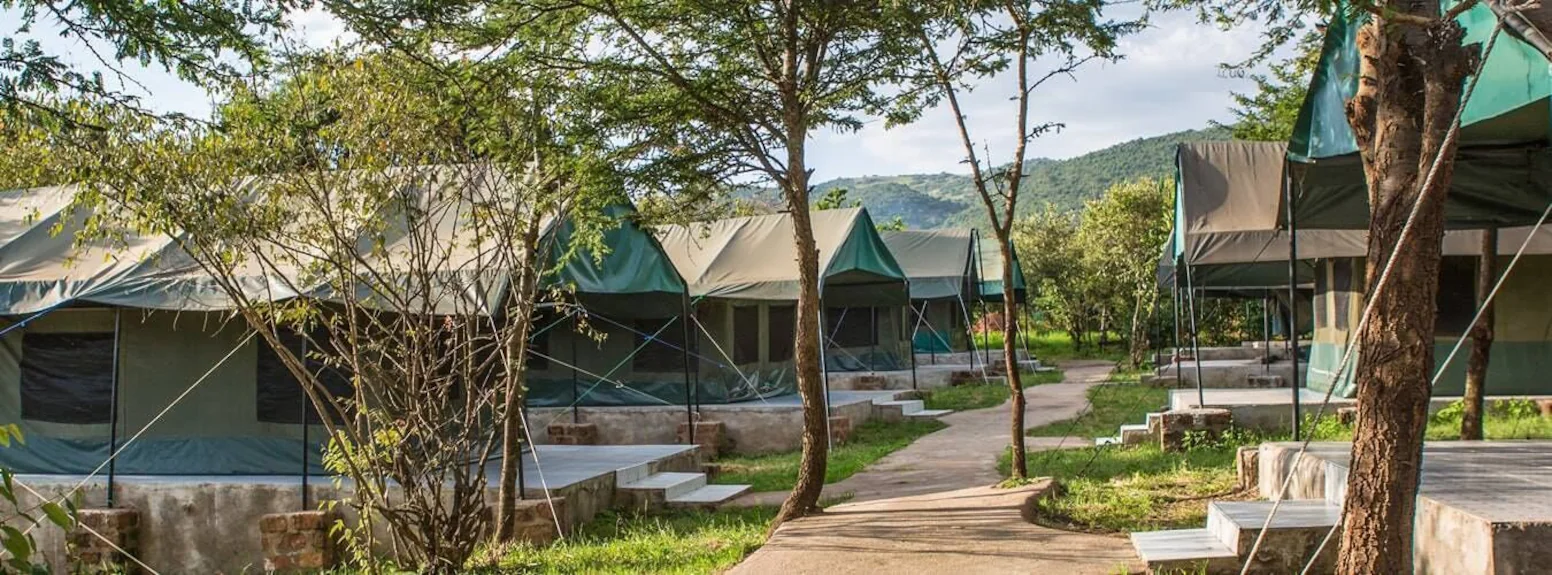
- Comfort (Mid-range)
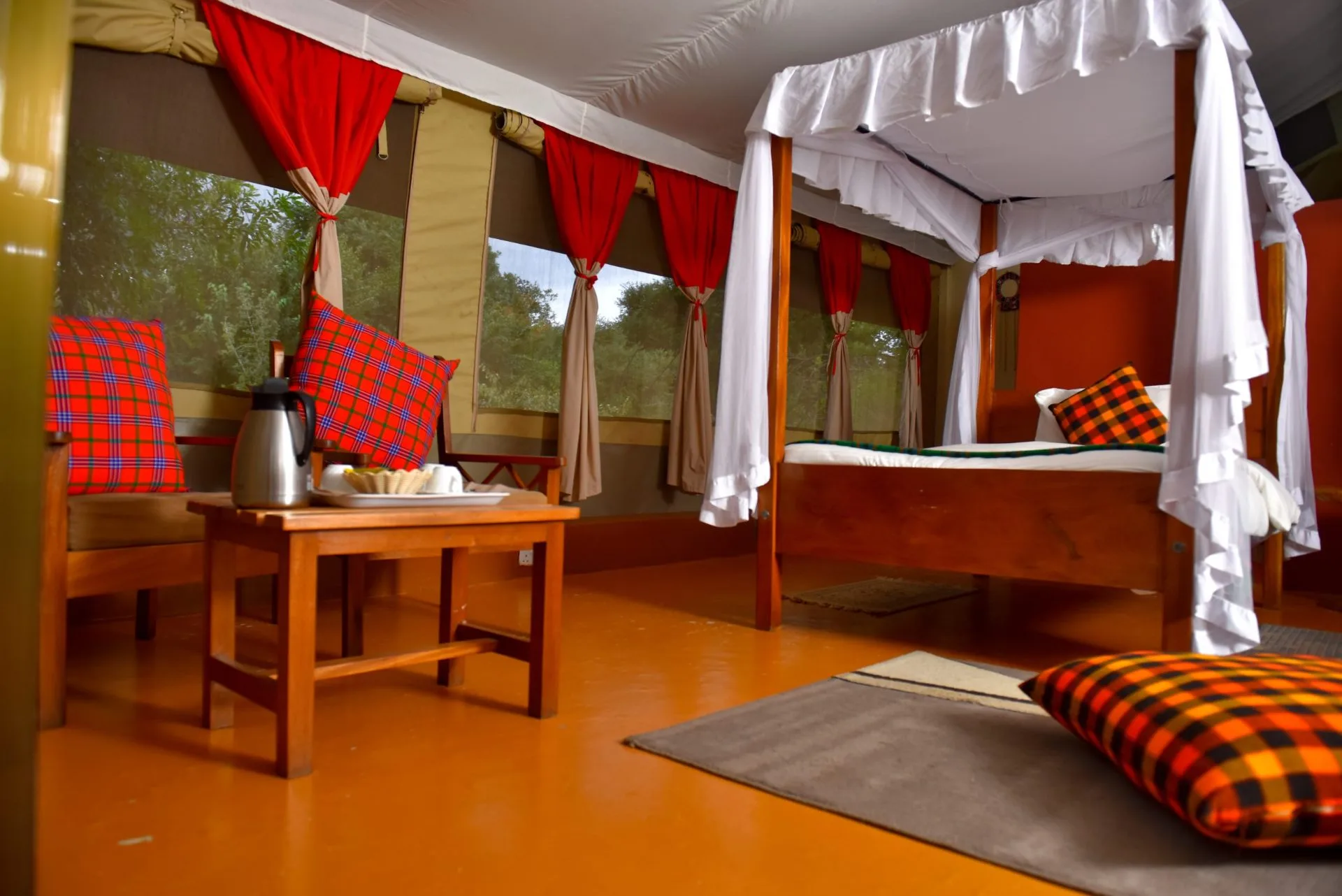
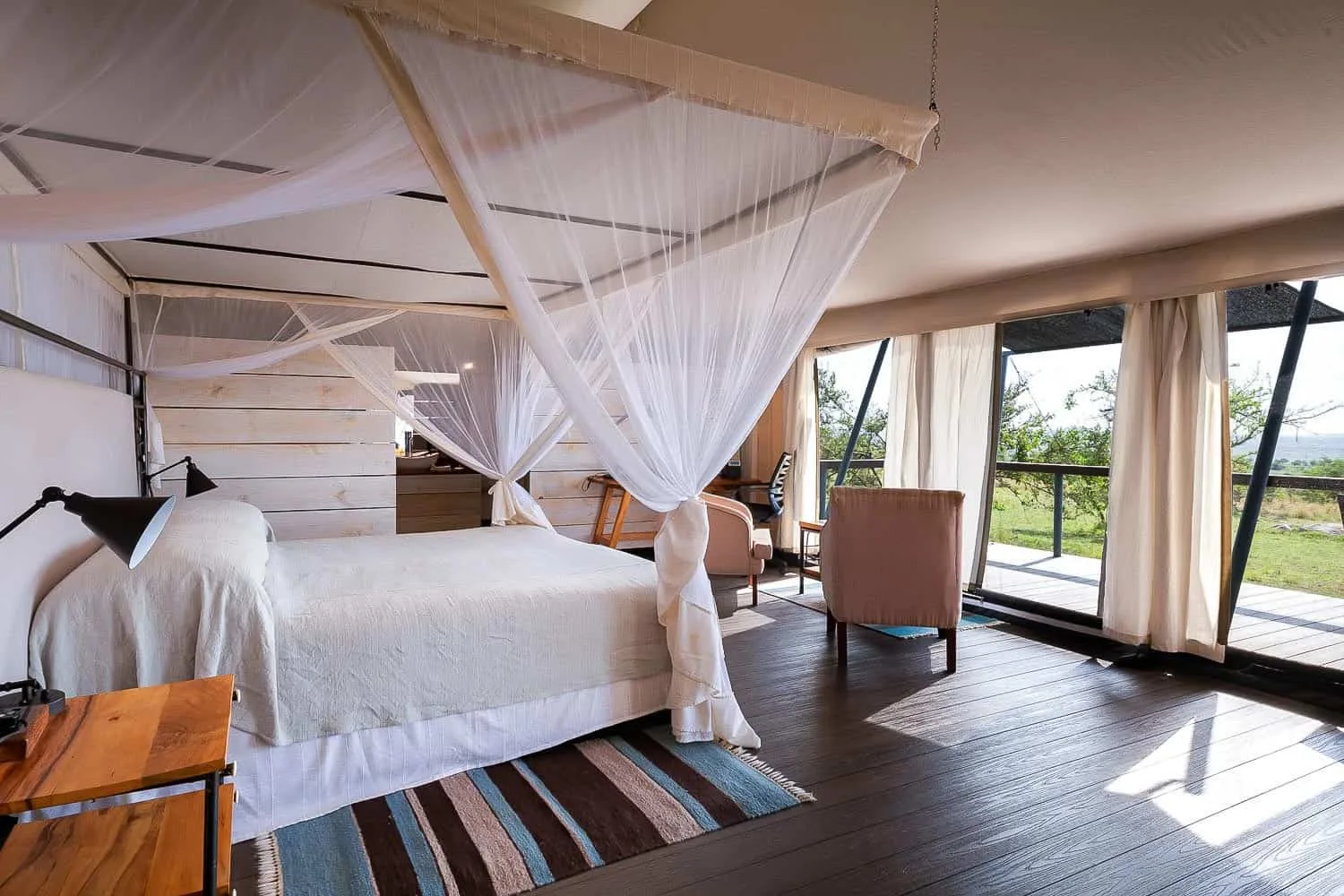
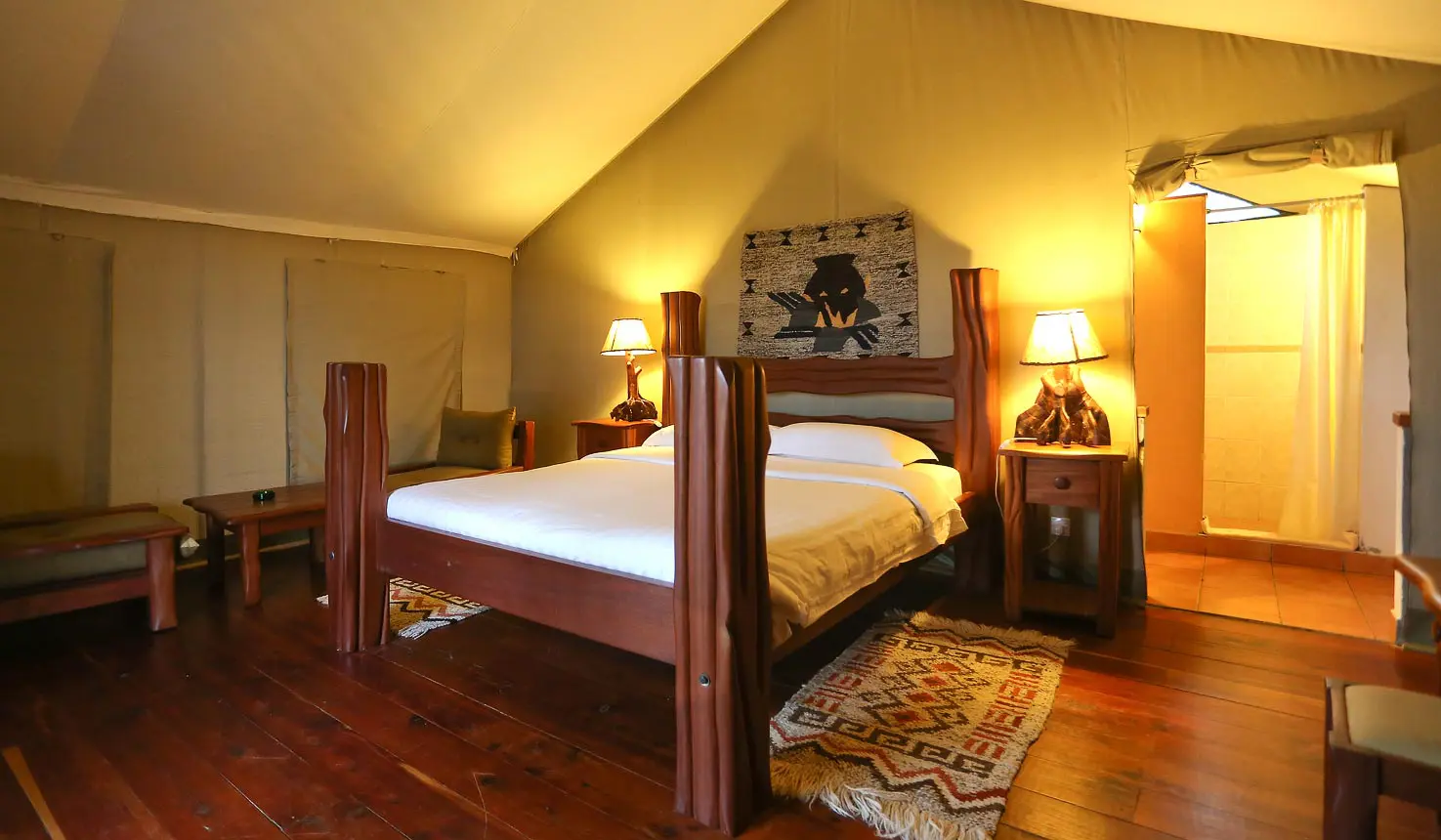
- Premium (Luxury)
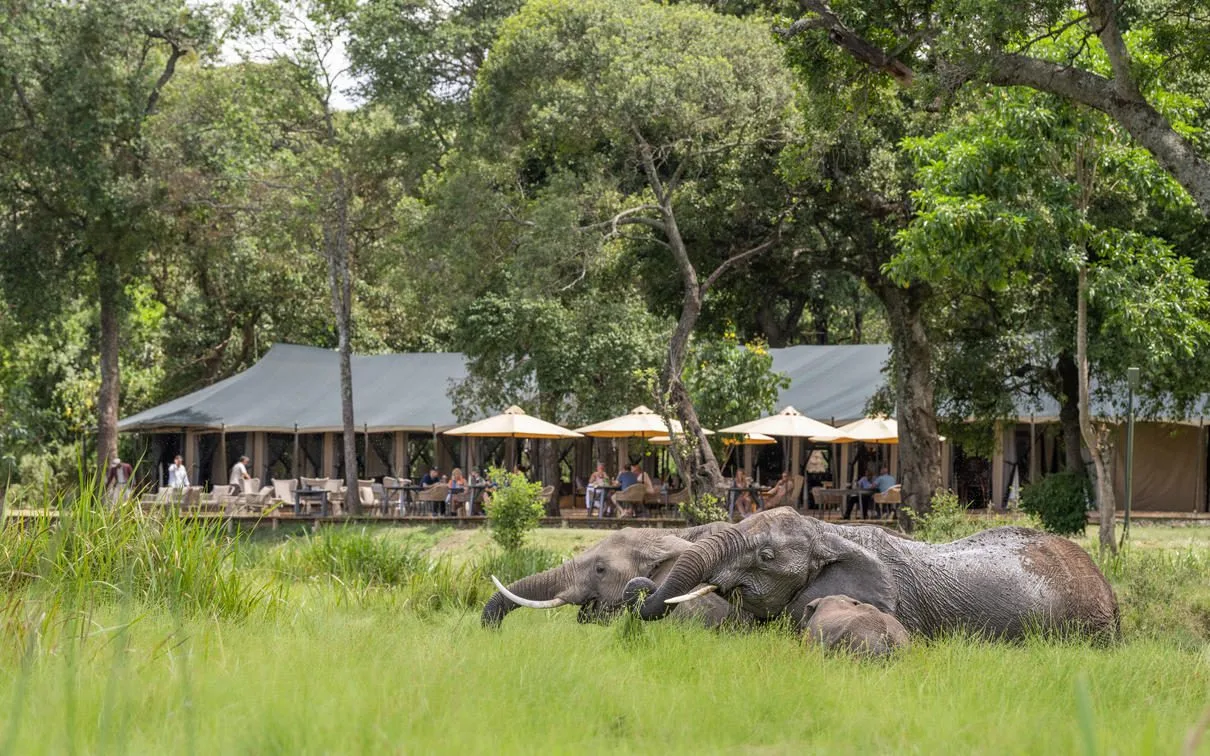
- Signature (High-end)
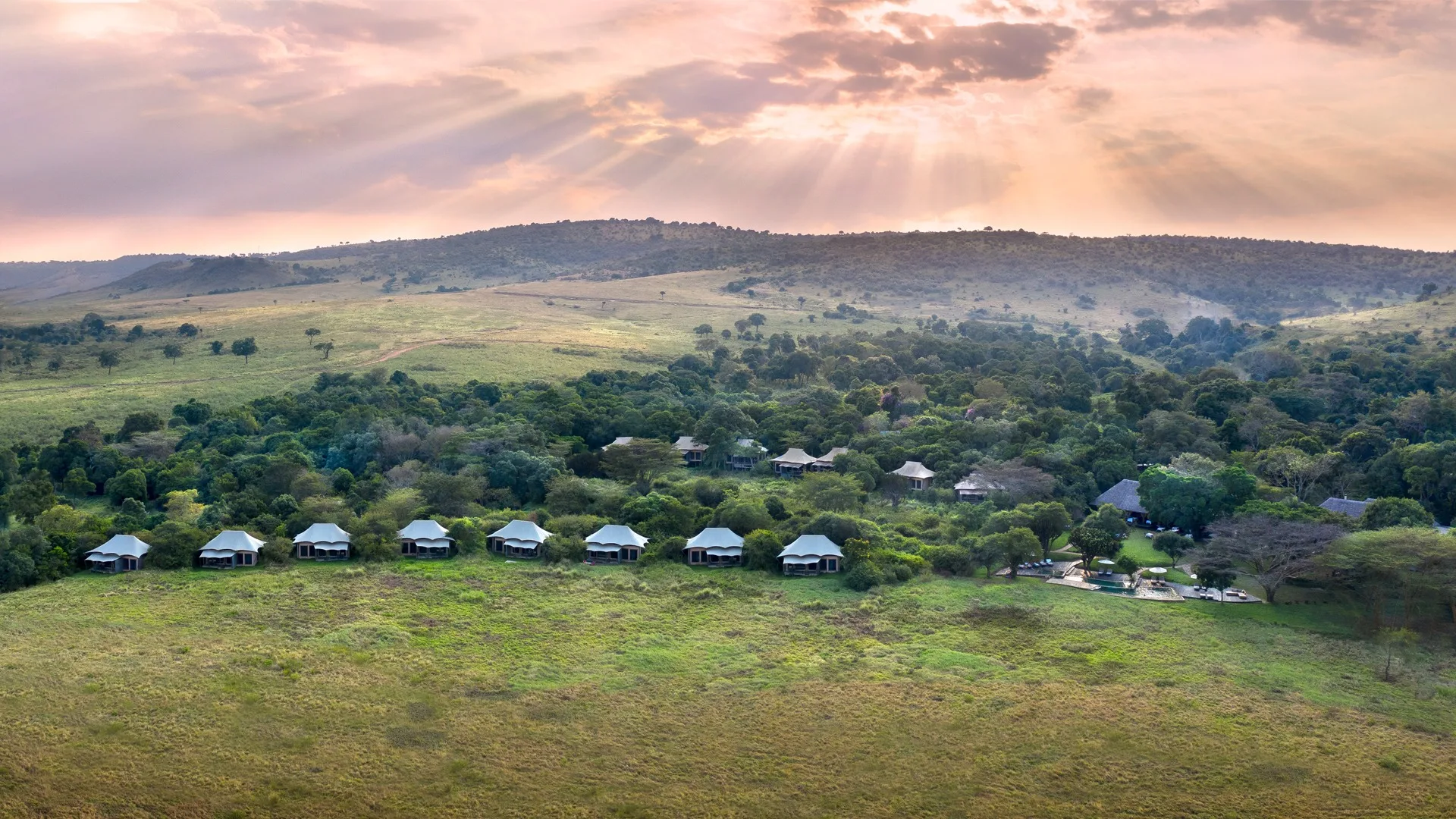
Day 2: Nairobi – Amboseli National Park - Main destination
- Masai Mara National Reserve
- Meals
- Breakfast, Lunch, Dinner
After breakfast, meet your private safari guide and begin the journey to Amboseli National Park. Amboseli is an excellent first safari destination for families. It offers several advantages:
- Wildlife is often easy to see
- Elephants are common
- Open habitats improve visibility
- The park is relatively compact
- Mount Kilimanjaro provides dramatic scenery
- Lodges often have family-friendly facilities
The drive from Nairobi introduces children to the changing Kenyan landscape, as urban areas gradually give way to open country. Depending on traffic and the route, stops can be arranged for washrooms, snacks or stretching. Family safaris should never treat transfers as endurance tests.
Approaching Amboseli
As you travel south, the landscape becomes progressively drier. On clear days, Mount Kilimanjaro may appear ahead, though views are never guaranteed. Children often enjoy trying to spot the mountain first. Although Kilimanjaro lies in Tanzania, Amboseli provides some of the most recognizable views.
Arrive at your lodge or camp and check in. After lunch, allow time for a short rest before the first game drive.
First Family Game Drive
Your children are now beginning their first true African safari. The first sighting is often memorable regardless of which species appears. It might be: Zebra, Giraffe, Elephant, Gazelle, Warthog, Wildebeest.
Your guide can introduce each animal gradually. There is no need to overwhelm children with scientific information, as the best guides balance education with excitement.
Amboseli Elephants
Elephants are likely to become one of the main highlights, as family groups frequently move across the plains and around wetlands. Children may see:
- Calves walking beneath adults
- Elephants drinking
- Dust bathing
- Feeding
- Families crossing tracks
- Young elephants playing
These sightings provide excellent opportunities to explain elephant family structure. A matriarch often leads the group, and calves depend on mothers and other adult females. Young elephants may behave playfully in ways children immediately recognize.
Other Amboseli Wildlife
Possible first-day sightings include the following, though none are guaranteed: Lion, Buffalo, Giraffe, Zebra, Wildebeest, Hippo, Hyena, Jackal, Impala, Grant's gazelle, Thomson's gazelle, Warthog, Ostrich, Numerous birds.
Return to the lodge before dinner. If the property has a swimming pool and time allows, children may enjoy a short swim before the evening meal.
Destination: Amboseli National Park
Main experience: Scenic transfer and first family game drive
Accommodation: Family-friendly safari lodge/camp
Meals: Breakfast, lunch and dinner
Where you stay
Day 3: Full-Day Family Safari in Amboseli - Main destination
- Masai Mara National Reserve
- Meals
- Breakfast, Lunch, Dinner
Today is dedicated to exploring Amboseli at a child-friendly pace. A common mistake on family safaris is assuming that more hours in the vehicle automatically means a better safari. Children often enjoy wildlife most when drives are broken into manageable periods. For families with younger children, a morning drive + lodge break + afternoon drive can be ideal, while families with teenagers may prefer a longer full-day excursion.
Early Morning Game Drive
Wake early enough to experience the cool morning but not necessarily so early that young children become exhausted. After tea, coffee or breakfast according to your arrangement, enter the park. Kilimanjaro may be clearer during the morning, and if weather cooperates, the mountain creates an extraordinary background for wildlife, though views are never guaranteed.
Learning About Animal Families
Amboseli provides excellent opportunities to compare animal family structures. Your guide can explain:
- Elephants: Elephants live in complex matriarchal family groups.
- Lions: Lion prides can include related females, cubs and one or more males.
- Zebras: Zebras often live in family units within larger herds.
- Giraffes: Giraffes have a looser social structure than elephants or lions.
- Buffaloes: Buffaloes may live in enormous herds that provide protection against predators.
This type of comparison helps transform the safari into an educational experience without making it feel like school.
Searching for Lions
Children are often especially excited about seeing lions. Your guide searches areas where lions have recently been reported or where prey concentrations are strong, though sightings are never guaranteed. A lion sighting may involve:
- Lions sleeping
- Cubs playing
- Females interacting
- Males patrolling
- Lions feeding
- A pride moving through grass
Children should understand that lions spend large portions of the day resting. Seeing a lion asleep is normal behavior, not a disappointing sighting. Patience is an important part of safari.
Amboseli Marshes
Spend part of the morning near the productive wetland areas. These marshes can support: Elephants, Buffaloes, Hippos, Waterbirds, Antelopes.
The contrast between green wetlands and dry plains can help children understand how water shapes wildlife distribution. Your guide can explain why animals travel long distances to reach reliable water.
Picnic Lunch or Lodge Lunch
Families have two main options. Older children may enjoy a picnic lunch at an authorized picnic location, which creates a sense of adventure and avoids returning to the lodge. Families with young children may prefer a lodge lunch, which allows time for:
- Swimming
- Rest
- Reading
- Games
- Shower
- Quiet time
A midday break can significantly improve the afternoon experience.
Afternoon Safari
Return to the park as temperatures begin to fall, when wildlife often becomes increasingly active. This may be an excellent time for:
- Elephant viewing
- Lion searches
- Birdwatching
- Giraffe photography
- Sunset landscapes
Children can be encouraged to keep a simple wildlife list. Possible categories include:
- Animals seen
- Birds seen
- Favorite animal
- Biggest herd
- Most interesting behavior
This keeps them engaged without requiring formal note-taking. Return to your accommodation before dinner.
Destination: Amboseli National Park
Main experience: Family wildlife safari at a flexible pace
Accommodation: Same family lodge/camp
Meals: Breakfast, lunch and dinner
Where you stay
Day 4: Amboseli – Central Kenya / Rhino Conservation Area - Main destination
- Masai Mara National Reserve
- Meals
- Breakfast, Lunch, Dinner
After breakfast, leave Amboseli and continue toward central Kenya. Because this can be a longer transfer depending on the final destination, the itinerary should be planned carefully for families. Domestic flights can be considered when budget allows. Alternatively, a road journey can be broken with comfort stops and lunch.
Why Include a Rhino Destination?
Rhinos are one of the traditional Big Five and among Africa's most threatened large mammals. Including a strong rhino conservation area adds educational value to the safari. Children can learn that wildlife conservation involves much more than simply protecting animals inside parks. It may require:
- Rangers
- Anti-poaching patrols
- Habitat management
- Scientific monitoring
- Community involvement
- Tourism revenue
- Veterinary support
This can become one of the most meaningful parts of the family journey.
Arrival and Afternoon Safari
After reaching your selected central Kenya wildlife area, check into your family-friendly accommodation. Have lunch or refreshments and rest. Later, take a short afternoon game drive. The exact species depend on the final reserve or conservancy, and sightings are never guaranteed. Possible wildlife can include: Black rhino, White rhino, Elephant, Buffalo, Lion, Giraffe, Zebra, Cheetah, Hyena, Antelopes.
Understanding Rhinos
Children are usually fascinated by rhinos because they look so different from other large mammals. Your guide can explain basic differences between black and white rhinos. The names do not accurately describe their color. Instead, differences include:
- Mouth shape
- Feeding strategy
- Body shape
- Habitat preferences
- Behavior
White rhinos are generally grazers, while black rhinos primarily browse shrubs and vegetation. Seeing both species provides a useful comparison. Return to the lodge for dinner.
Destination: Central Kenya conservation area
Main experience: Transfer and family rhino safari
Accommodation: Family-friendly lodge/camp
Meals: Breakfast, lunch and dinner
Where you stay
Day 5: Family Wildlife and Conservation Experience - Main destination
- Masai Mara National Reserve
- Meals
- Breakfast, Lunch, Dinner
Today combines wildlife with a more interactive conservation theme. Exactly which activities are available depends on the selected destination. A family itinerary should avoid filling every minute, and one meaningful conservation experience combined with a game drive is often more effective than a long list of activities.
Morning Wildlife Drive
Begin the day with a private game drive and look for species you may not have encountered well in Amboseli. Potential highlights can include the following, though sightings are never guaranteed: Rhino, Lion, Elephant, Buffalo, Giraffe, Zebra, Cheetah, Hyena, Jackal, Waterbuck, Eland.
Children can begin comparing this ecosystem with Amboseli. Questions might include:
- Is the landscape greener?
- Are there more trees?
- Which animals are different?
- Are elephants behaving differently?
- Which animals are easier to see?
Encouraging observation turns children into active participants.
Conservation Learning
Depending on the destination, a conservation experience may explain:
- How rhinos are protected
- What rangers do
- Why poaching threatens wildlife
- How animals are monitored
- Why habitats need protection
- How communities benefit from tourism
- Why livestock and wildlife sometimes compete for land
The guide should explain these issues appropriately for the children's ages. Younger children may focus on the role of rangers and protecting animals, while teenagers may be ready for deeper discussion about economics, land use and conservation policy.
Optional Guided Nature Walk
Where permitted and age-appropriate, a guided nature walk can provide a break from vehicle-based safari. The objective is not to approach dangerous wildlife. Instead, the guide may introduce:
- Tracks
- Plants
- Insects
- Bird calls
- Dung
- Animal feeding signs
- Small creatures
Children often enjoy learning how guides read tracks and signs. Age restrictions may apply, and safety rules differ among properties. The activity should only be undertaken where officially permitted and professionally guided.
Lodge Time
Return to the lodge for lunch. The afternoon can include a longer rest period. Family-friendly lodge facilities may include:
- Swimming pool
- Garden
- Lounge
- Board games
- Wildlife viewing area
- Children's activities
- Educational talks
This downtime is an important part of the itinerary, as children who have time to relax are generally much more enthusiastic during the next game drive.
Late Afternoon Safari
Return to the wildlife area during the cooler hours and search for predators or animals you missed earlier. The game drive can finish around sunset before returning to the lodge.
Destination: Central Kenya conservation area
Main experience: Wildlife, conservation and family education
Accommodation: Same family lodge/camp
Meals: Breakfast, lunch and dinner
Where you stay
Day 6: Transfer to Masai Mara National Reserve - Main destination
- Masai Mara National Reserve
- Meals
- Breakfast, Lunch, Dinner
Today you continue to the Masai Mara, the most famous wildlife destination on the itinerary. For families, the transfer method should be chosen carefully. A domestic flight can greatly reduce travel time, which is particularly useful when traveling with:
- Young children
- Grandparents
- Travelers who dislike long road transfers
- Families with limited holiday time
A road safari remains possible and can be more economical.
Fly-In Family Option
If flying, transfer to the appropriate airstrip or airport. Small safari aircraft provide an exciting experience for many children. Before flying, parents should understand:
- Luggage restrictions
- Aircraft size
- Boarding procedures
- Ear-pressure considerations
- Flight times
Soft-sided luggage is generally easier to handle than large hard-shell suitcases. Upon landing in the Mara, your safari guide meets the family, and wildlife may be visible almost immediately.
Road Family Option
If traveling by road, your private vehicle allows stops whenever necessary. The journey can include:
- Washroom stops
- Snacks
- Scenic breaks
- Lunch
- Short walks at safe stops
Parents should carry games, books or downloaded entertainment for long transfer sections.
Arrival in the Masai Mara
The scenery opens into broad rolling grassland, and the greater Mara ecosystem supports enormous numbers of herbivores and predators. Children may quickly begin spotting animals from the vehicle. Possible first sightings include: Zebra, Giraffe, Wildebeest, Impala, Topi, Elephant.
Check into your selected family camp or lodge. After lunch and a break, take an introductory game drive.
First Mara Big-Cat Search
The Masai Mara is particularly famous for lions, leopards and cheetahs, though sightings are never guaranteed. Lions are generally the easiest of the three to encounter, cheetahs use open plains, and leopards often stay near riverine woodland or areas with mature trees. Your guide will introduce how each cat hunts differently, and children often enjoy comparing these strategies: Lions: Depend on strength, cooperation and ambush, Cheetahs: Depend on speed, Leopards: Depend on stealth and surprise.
Return to the camp for dinner.
Destination: Masai Mara National Reserve
Main experience: Transfer and first Mara family safari
Accommodation: Family-friendly lodge or tented camp
Meals: Breakfast, lunch and dinner
Where you stay
Day 7: Full-Day Family Masai Mara Safari - Main destination
- Masai Mara National Reserve
- Meals
- Breakfast, Lunch, Dinner
Today is dedicated to the Masai Mara, and the day can be structured around the children's ages. For older children and teenagers, a longer full-day drive with picnic lunch may be exciting, while for younger children, split game drives are usually preferable.
Morning Game Drive
Begin early enough to experience predator activity, as the cooler morning hours are often productive. Your guide may search for lions first. A pride can include females, males and cubs, and watching cubs play can be particularly entertaining for children. They may:
- Chase each other
- Climb on adults
- Practice stalking
- Bite tails
- Wrestle
- Investigate objects
These behaviors help young lions develop important skills. No sighting is guaranteed.
Cheetah Encounters
If a cheetah is located, the guide can explain why its body is adapted for speed. Children may notice:
- Long legs
- Slender body
- Long tail
- Small head
- Black facial markings
The tail acts partly as a balance aid during high-speed turns. A cheetah cannot maintain top speed for long, so successful hunts require careful stalking before the chase.
Leopard Search
Leopards are more difficult to find. Your guide may search:
- Riverine woodland
- Large trees
- Dense vegetation
- Known leopard territories
Children should understand that not finding every animal is part of real wildlife viewing. Safari is not a zoo, and the unpredictability is what makes a good sighting special.
Plains Wildlife
The Mara contains an enormous variety of herbivores. Children may see: Wildebeest, Zebra, Giraffe, Buffalo, Elephant, Impala, Topi, Grant's gazelle, Thomson's gazelle, Eland, Warthog.
A simple spotting competition can keep younger travelers engaged, and the guide can help make this educational rather than competitive. For example:
- "Who can spot the first giraffe?"
- "Who can find a baby animal?"
- "Who can identify a zebra from a wildebeest at long distance?"
Picnic Lunch
Families choosing a full-day drive can eat a picnic at an authorized site. This can become one of the children's favorite memories, as eating lunch surrounded by the broader African landscape feels very different from a normal restaurant. Safety rules must always be followed, and children should never wander away from the approved area.
Mara River and Hippos
Depending on your route, you may visit sections of the Mara River or other waterways. Possible wildlife can include: Hippos, Nile crocodiles, Waterbirds.
Hippos are fascinating but dangerous wild animals. Children should understand that they must only observe them from safe locations under guide supervision.
Afternoon Game Drive
Continue searching for wildlife before returning to the camp. The evening can be spent relaxing. Some family-friendly properties may provide:
- Campfire
- Storytelling
- Board games
- Nature talks
- Star viewing
Destination: Masai Mara National Reserve
Main experience: Full-day family wildlife safari
Accommodation: Same family lodge/camp
Meals: Breakfast, lunch and dinner
Where you stay
Day 8: Second Full Day in the Masai Mara – Family Adventure and Optional Activities - Main destination
- Masai Mara National Reserve
- Meals
- Breakfast, Lunch, Dinner
The second full day is intentionally flexible. By now, your guide understands the family's interests. Perhaps the children want to find cheetahs again, maybe one child is fascinated by elephants, or perhaps the family still hopes to see a leopard. Today's route can focus on those priorities, although no sighting is guaranteed.
Great Migration for Families
During appropriate periods, the Mara may contain large numbers of migrating wildebeest and zebra. The Great Migration can be extraordinary for children because the scale is easy to understand visually, with thousands of animals spread across the plains. Your guide can explain that the migration occurs because animals follow:
- Rainfall
- Water
- Fresh grass
It is not a single event. The herds move continuously through the wider Serengeti-Mara ecosystem.
River Crossings
Some families hope to see wildebeest crossing rivers. These events can be dramatic and can also involve predation, injury and death, so parents should consider whether very young or sensitive children are comfortable watching intense natural events. River crossings are also unpredictable, as a herd may wait for hours and then walk away. No safari operator should promise one.
Optional Family Cultural Experience
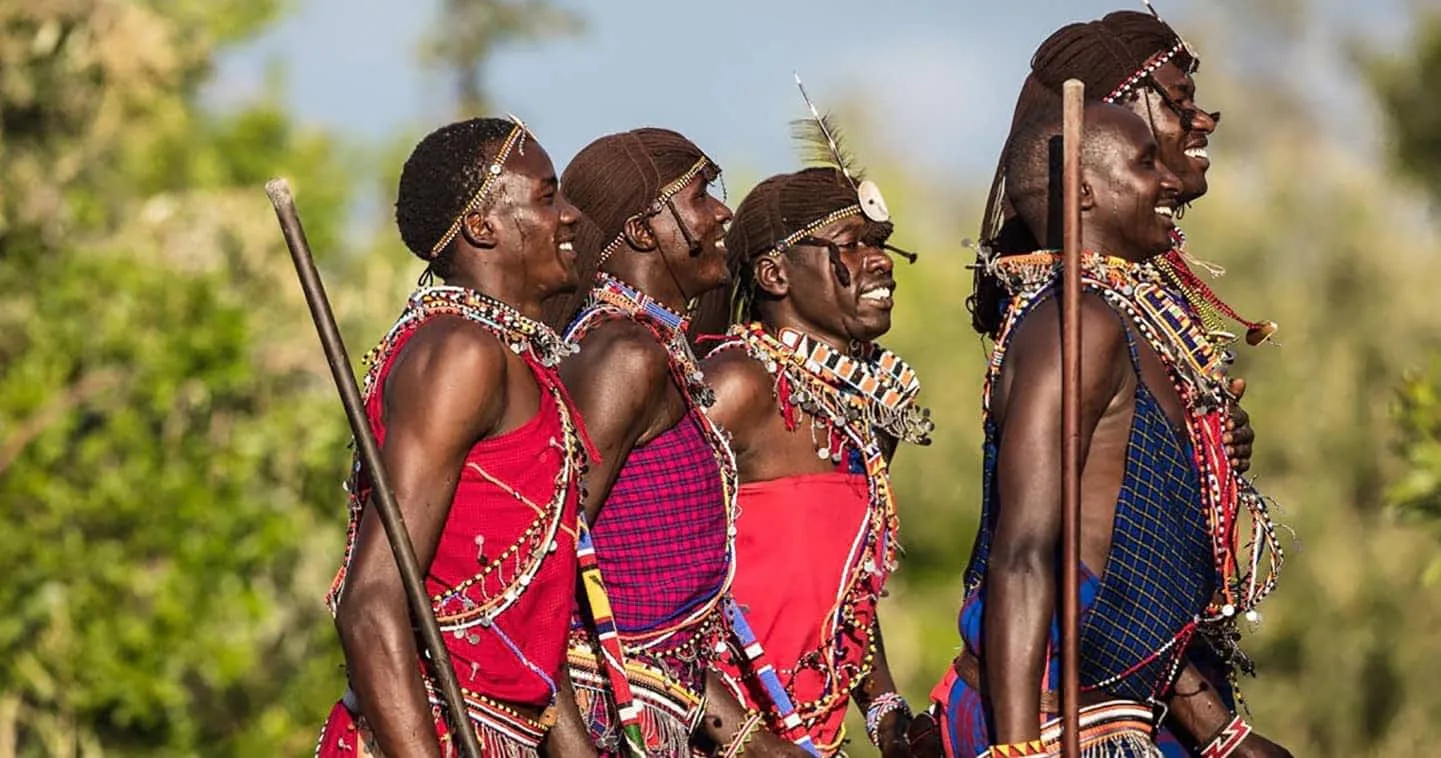
A thoughtfully arranged cultural visit can introduce children to a very different part of Kenya. Depending on the community and format, they may learn about:
- Livestock
- Homes
- Beadwork
- Clothing
- Local education
- Traditional livelihoods
- Changing modern life
- Wildlife conservation
The experience should be respectful and community-led, and children should be encouraged to ask questions politely.
Optional Nature Walk
Where permitted and suitable for children's ages, a guided walk can provide a break from game drives. Age restrictions often apply. The guide may help children identify:
- Tracks
- Insects
- Plants
- Feathers
- Animal signs
- Bird calls
Optional Swimming and Lodge Afternoon
The family does not need to spend the entire final day inside the vehicle. A relaxed option can be Morning game drive → brunch/lunch → swimming and rest → late afternoon game drive. This balance often creates an excellent final safari day.
Photography for Children
Older children may enjoy taking photographs, and a simple camera or phone can help them engage with the safari. Encourage them to photograph:
- Different species
- Animal families
- Landscapes
- Birds
- Tracks
- Interesting plants
They can later create a travel diary or photo book. Children should not become so focused on screens that they stop observing wildlife directly, as photography should complement the experience.
Final Evening in the Mara
Return to your lodge after the final game drive. Enjoy dinner together and discuss favorite safari moments. Families often discover that everyone chooses a different highlight: one child may prefer elephants, another may choose a lion cub, a parent may remember a sunrise, and another family member may value a quiet moment watching giraffes. These differences are part of what makes a family safari memorable.
Destination: Masai Mara National Reserve
Main experience: Flexible family safari and optional experiences
Accommodation: Same lodge/camp
Meals: Breakfast, lunch and dinner
Where you stay
Day 9: Masai Mara – Nairobi and Departure - Main destination
- Masai Mara National Reserve
- Drive time
- Return transfer as outlined in the itinerary
- Meals
- Breakfast, Lunch
Wake for the final morning in the Masai Mara. Depending on the family's energy level and departure arrangements, you may take a short sunrise game drive. There is no need to force an early activity if everyone is tired, and the safari can end with a relaxed breakfast instead. After check-out, travel back to Nairobi by road or domestic flight.
Flight Return
Flying is often the most comfortable final-day option for families. It reduces travel time and can make international flight connections easier. Upon reaching Nairobi, a private driver transfers you to Jomo Kenyatta International Airport or your hotel.
Road Return
Families choosing the road option travel with their private driver-guide, with comfort stops arranged as needed. Upon arrival in Nairobi, continue to your airport or hotel. Your 9 Days Family Kenya Safari ends after nine days of shared wildlife experiences, conservation learning and family adventure.
Best Age for a Kenya Family Safari
There is no single perfect age. Children of different ages experience safari differently.
Children Under 5
A safari is possible, but expectations should be realistic. Some lodges also have minimum-age policies, and shorter safari itineraries may be more suitable. Very young children may:
- Struggle with long drives
- Need frequent bathroom stops
- Become noisy
- Need afternoon naps
- Find early mornings difficult
Children Aged 5–8
Children in this age group can become extremely excited by wildlife, and game drives should generally remain shorter. Useful features include:
- Swimming pool
- Family rooms
- Flexible schedule
- Wildlife spotting games
- Simple explanations
Children Aged 9–12
This can be an excellent safari age, and children may become very interested in conservation. Children are often old enough to:
- Understand wildlife behavior
- Use binoculars
- Take photographs
- Participate in nature activities
- Handle longer drives
Teenagers
Teenagers can participate in a more intensive safari, and a good guide can engage them by treating them as active participants rather than young children. They may enjoy:
- Photography
- Longer game drives
- Conservation discussions
- Cultural visits
- Nature walks
- Birding
- Wildlife tracking
- Social media photography
Family Safari with Teenagers
A teenager-focused itinerary can be more adventurous. These activities should always be checked for minimum-age restrictions. Where available and permitted, optional experiences might include:
- Guided walking
- Cycling in suitable destinations
- Cultural experiences
- Photography
- Conservation activities
- Balloon safari subject to age and operator rules, and never guaranteed
Family Safari with Grandparents
Kenya is also excellent for multigenerational travel. A family group may include grandparents, parents and children, and a private safari vehicle is particularly important for multigenerational groups. The main planning priorities become:
- Comfortable vehicle
- Moderate transfer times
- Accessible accommodation
- Flexible schedule
- Suitable room arrangements
- Domestic flights where beneficial
Choosing Family Accommodation
Accommodation should be selected carefully, and a lodge's star rating does not automatically indicate how suitable it is for families. Important questions include:
- Are family rooms available?
- Are rooms interconnected?
- Can children stay in the same tent?
- Is there a pool?
- Are pathways safe?
- Is the camp fenced?
- Are escorts required at night?
- What are the age restrictions?
- Are children's meals available?
- Are there family activities?
Fenced vs Unfenced Safari Camps
Parents should understand the difference. Fenced lodges may provide additional freedom around certain areas of the property. However, wildlife can still sometimes enter, so children must still be supervised.
In unfenced camps, wild animals may move through camp, guests usually require escorts after dark and children must follow strict safety rules. Unfenced camps can provide an extraordinary wilderness experience, but parents should choose according to the children's ages and temperament.
Family Tents
Many tented camps offer larger family units, which provide the atmosphere of safari camping while keeping children close to parents. These can include:
- Two sleeping areas
- Shared bathroom
- Separate children's room
- Connecting deck
- Multiple beds
Family Villas and Exclusive-Use Houses
Families seeking privacy can choose exclusive-use properties, which are particularly attractive for larger families or multigenerational groups. These may include:
- Multiple bedrooms
- Private lounge
- Private dining
- Private chef
- Dedicated guide
- Private vehicle
- Flexible schedules
Where you stay
03 Rates
Safari rates 2027-2029
Indicative per person. Season, group size and lodge style change the total — your quotation confirms current rates.
- Essential (Budget)
Essential (Budget)
Budget camps and lodges suit travelers who prioritize wildlife while keeping costs lower.
Great value camps
- Comfort (Mid-range)
Comfort (Mid-range)
Mid-range tented camps and lodges balance comfort and price with private rooms or tents and en-suite facilities.
Quoted for your dates
- Premium (Luxury)
Premium (Luxury)
Luxury camps and lodges focus on location, service and more intimate wildlife experiences.
Premium camps and lodges
- Signature (High-end)
Signature (High-end)
Signature camps and lodges are the most exclusive stays — small, highly private properties with exceptional guiding and setting.
Exclusive signature stays
04 Activities
Safari activities
Game viewing is the core of this itinerary. Optional extras are quoted separately and depend on season, permits and availability. Individual species and river crossings are never guaranteed.

Additional information
Plan This Safari
Is a Tented Camp Safe for Children?
Yes, when the camp accepts children and family members follow safety procedures. Safari tents are not equivalent to ordinary recreational camping. Many permanent tented camps include proper beds, bathrooms, electricity, furniture, solid flooring and private verandas. However, wildlife can pass near camps, and parents must follow staff instructions carefully.
Private Vehicle for Families
A private safari vehicle is strongly recommended, and for many families it is the single most important upgrade. Advantages include:
- Flexible departure times
- Flexible return times
- More bathroom breaks
- Space for snacks
- Ability to shorten drives
- Child-specific guiding
- No concerns about disturbing unrelated guests
- Better seat allocation
Family Safari Vehicle Seating
The appropriate vehicle depends on group size. Children should have safe seating and good visibility, and a family should avoid overcrowding the vehicle. Every traveler should ideally have easy access to a window or viewing position. Large families may sometimes benefit from two vehicles, which provides more space and allows different age groups to follow slightly different schedules.
Snacks and Drinks
Children often become hungry between lodge meals. Parents should carry simple snacks where permitted. Useful items may include:
- Crackers
- Fruit
- Energy bars
- Biscuits
- Nuts where appropriate
- Water
Avoid leaving food in an unsecured tent or room where animals may be attracted. Follow camp instructions.
Toilets During Game Drives
Parents commonly worry about bathroom access. Safari parks contain designated picnic areas, gates, lodges or ranger locations where facilities may be available. However, they are not always close. Encourage children to use the bathroom before leaving the lodge, and your guide can plan stops where practical.
Motion Sickness
Some safari tracks can be rough. Children prone to motion sickness may need appropriate medication recommended by a medical professional. Discuss severe motion sickness concerns during itinerary planning. Other useful strategies include:
- Light meals before drives
- Fresh air
- Forward-facing seats
- Regular breaks
- Hydration
Family Safari Health
Families should seek appropriate travel health advice before departure, and should not depend on remote safari lodges to have specific children's medication. Parents should carry:
- Prescription medication
- Children's medication
- Sunscreen
- Insect repellent
- Hand sanitizer
- Basic personal medical supplies
- Copies of prescriptions
Malaria Considerations
Some Kenya safari areas are malaria-risk regions. Parents should seek individualized advice from a qualified travel health professional. Preventive measures may include:
- Appropriate medication if prescribed
- Long sleeves in evenings
- Insect repellent
- Mosquito nets where provided
- Closed windows/screens where appropriate
Sun Protection
The African sun can be strong, and parents should reapply sunscreen during long days. Children should use:
- High-protection sunscreen
- Sun hats
- Sunglasses
- Lightweight long-sleeved clothing
- Regular hydration
Hydration
Children may become dehydrated more quickly than adults. Carry drinking water in the safari vehicle. Encourage regular drinking even when children do not say they are thirsty. This is particularly important in warmer destinations.
What Children Should Pack
Useful children's safari items include:
- Comfortable clothing
- Warm fleece
- Light jacket
- Closed shoes
- Sandals for lodge use
- Hat
- Sunglasses
- Small backpack
- Binoculars
- Camera if appropriate
- Wildlife notebook
- Pencil
- Favorite book
- Quiet travel games
- Personal medication
- Reusable water bottle
Clothing for Family Safari
Neutral colors such as khaki, beige, brown, olive and grey are practical. Bright colors are not generally dangerous on a vehicle-based safari, but neutral clothing is often more comfortable for wilderness travel. Avoid excessive camouflage clothing because regulations or cultural sensitivities can vary. Early mornings can be cold, so layers are essential.
Packing Light
Families often bring too much luggage. This becomes especially difficult when using domestic safari flights. Choose clothes that can be mixed and reused. Laundry is available at many lodges, sometimes at extra cost. Soft-sided travel bags are generally more practical for small aircraft.
Electronic Devices
Phones and tablets can be useful during long road transfers. However, game drives are more rewarding when children spend most of their time looking outside the vehicle. Parents can establish simple rules, such as:
- No games during active wildlife viewing
- Devices allowed during long highway transfers
- Cameras allowed for wildlife photographs
Binoculars for Children
Binoculars are one of the best safari tools for children. They make distant animals much more interesting. Lightweight binoculars suited to smaller hands are easier for younger children to use. Ideally, each child should have access to binoculars rather than constantly sharing one pair.
Wildlife Checklist for Children
A simple checklist can make game drives engaging. The objective should not be to "complete" the list at all costs, as the list is simply a tool for observation. Potential animals include: [ ] Elephant, [ ] Lion, [ ] Giraffe, [ ] Zebra, [ ] Buffalo, [ ] Rhino, [ ] Cheetah, [ ] Leopard, [ ] Hippo, [ ] Wildebeest, [ ] Warthog, [ ] Hyena, [ ] Baboon, [ ] Ostrich, [ ] Crocodile.
Big Five for Families
The traditional Big Five are: Lion, Leopard, Elephant, Buffalo, Rhinoceros.
A well-designed family route can provide excellent opportunities to see all five. However, no wildlife can be guaranteed. Leopards are often the most difficult, and rhinos require appropriate destinations. Children should understand that wildlife does not appear on command.
Why Wildlife Sightings Should Never Be Guaranteed
A real safari takes place in functioning ecosystems. This unpredictability can be an important lesson for children, because it distinguishes wildlife conservation areas from zoos. Animals move according to:
- Food
- Water
- Weather
- Predators
- Reproduction
- Territory
- Disturbance
Great Migration Family Safari
Families visiting when migrating herds are present may see extraordinary numbers of wildebeest and zebras. The migration is one of Africa's greatest natural events, though herd movements are never guaranteed. Parents should understand that some migration scenes can include the following. These are natural ecological processes, and parents may wish to prepare sensitive children beforehand.
- Predation
- Injured animals
- Death
- River crossings
- Crocodile attacks
Is the Hot-Air Balloon Safari Suitable for Children?
Hot-air balloon policies vary by operator, minimum-age or height restrictions may apply, and a flight is never guaranteed. Children must be able to follow safety instructions. The experience involves a very early start, a balloon basket, landing procedures and approximately an hour in the air. Families interested in ballooning should provide children's ages before booking.
Family Cultural Experiences
Cultural experiences can add valuable context. Children can learn that Kenya is not simply a collection of wildlife parks. The country contains diverse communities with different histories, languages and livelihoods. Visits should be respectful and genuinely community-led. Avoid treating people as photographic attractions, and children should ask permission before taking close-up photographs of individuals.
Family Wildlife Photography
Photography can become a family activity. Children can create themes such as:
- Animal babies
- Animal families
- Favorite bird
- Biggest animal
- Funniest behavior
- Best landscape
After returning home, the family can create a photo book from the trip. This extends the educational value of the safari.
Best Time for a 9 Days Family Kenya Safari
Kenya can be visited throughout the year. School holidays often influence family travel dates.
January to March
These months can offer warm weather and strong wildlife viewing. They work well for families whose school schedules allow travel.
April and May
These are generally wetter months. Advantages can include greener landscapes and fewer visitors. Some roads can become muddy after heavy rain. Families should be prepared for variable conditions.
June
June can be an excellent transitional month. Conditions often improve as the drier season begins.
July to October
These months are extremely popular, so book early. Advantages include:
- Dry-season wildlife viewing
- Potential migration activity in the Mara
- School holiday compatibility for many countries
Disadvantages include:
- Higher prices
- More visitors
- Strong demand for family rooms
November
Short rains can occur. The scenery becomes greener. Wildlife viewing remains rewarding.
December
December is popular for family holidays. Christmas and New Year dates often sell out early.
Best Safari Pace for Families
Do not assume every day must begin before sunrise. The objective is for children to finish the safari wanting more rather than feeling relieved it is over. A family safari should contain a mixture of:
- Early mornings
- Normal breakfasts
- Short drives
- Longer drives
- Swimming
- Rest
- Educational activities
How Many Parks Should a Family Visit?
Within nine days, three major wildlife areas are usually sufficient. Trying to visit too many parks can create long transfers, constant packing, short stays, tired children and less wildlife time. A slower itinerary often produces a better family experience.
Family Safari Road Transfers
Road transfers can be interesting for children but should be managed carefully, and parents should not expect children to treat every transfer as a sightseeing experience. Useful strategies include:
- Regular comfort stops
- Snacks
- Music
- Audiobooks
- Travel games
- Downloaded movies for non-safari road sections
- Window seats
- Discussing landscapes
Fly-In Family Safari
Domestic flights reduce road travel. They can be especially valuable for:
- Young children
- Short holidays
- Luxury family travel
- Multigenerational families
However, they add:
- Higher cost
- Luggage restrictions
- Fixed schedules
A hybrid itinerary can provide the best balance.
Family Safari Meal Plans
Safari lodges generally provide full-board meals. Children's menus may be available at some properties. Remote camps need advance notice to organize special ingredients, so parents should advise accommodation in advance about:
- Allergies
- Vegetarian diets
- Vegan diets
- Gluten intolerance
- Food sensitivities
- Very selective eaters
What Is Typically Included?
A representative family safari may include the following. Always use the personalized quotation as the final statement of inclusions.
- Nairobi airport pickup
- Private family safari vehicle
- Professional safari driver-guide
- Eight nights' accommodation
- Family rooms where confirmed
- Meals according to itinerary
- Park fees stated in the quotation
- Game drives
- Drinking water
- Inter-destination transfers
- Airport transfer on final day
- Applicable taxes
What Is Normally Excluded?
Possible exclusions may include:
- International flights
- Kenya entry authorization or visa costs where applicable
- Travel insurance
- Domestic flights unless specified
- Balloon safari
- Optional cultural visits
- Optional conservation activities
- Premium beverages
- Laundry
- Personal shopping
- Gratuities
- Medical expenses
- Activities outside the confirmed itinerary
Family Safari Costs
Family safari pricing depends on several variables. Families should always provide children's exact ages, as safari pricing often differs substantially between infants, younger children, teenagers and adults. These variables include:
- Children's ages
- Number of adults
- Room configuration
- Travel season
- Park fees
- Accommodation category
- Road vs fly-in transport
- Private vehicle size
- Optional activities
Can Families Save Money?
Yes. Possible strategies include the following, and cost savings should not compromise vehicle comfort or safety.
- Traveling outside peak migration months
- Choosing quality mid-range lodges
- Using family rooms rather than multiple rooms
- Driving selected routes instead of flying
- Spending more nights in fewer parks
- Avoiding unnecessary premium activities
- Traveling before children reach higher pricing age brackets where rules allow
Budget Family Kenya Safari
A budget family safari can use simple but comfortable properties, and accommodation may be outside park gates where prices are lower. Priorities should remain:
- Safe accommodation
- Private vehicle
- Suitable family room
- Reliable meals
- Good guide
Mid-Range Family Kenya Safari
Mid-range accommodation is often ideal, and this category generally offers the strongest balance between comfort and price. It can provide:
- Family rooms
- Private bathrooms
- Swimming pools
- Restaurants
- Comfortable beds
- Attractive settings
Luxury Family Kenya Safari
For larger families, an exclusive-use villa can sometimes provide excellent value compared with booking several separate luxury rooms. Luxury family safaris can incorporate:
- Family suites
- Villas
- Private guides
- Fly-in transfers
- Private dining
- Exclusive-use vehicles
- Child-focused activities
- Premium camps
- Personalized schedules
Kenya Family Safari and Beach Extension
Families can extend the safari to the Kenya coast. Popular options can include:
- Diani Beach
- Mombasa
- Watamu
- Malindi
- Other approved coastal destinations
A beach extension works particularly well because children can relax after safari, and a longer family holiday can therefore combine wildlife and beach. Activities may include:
- Swimming
- Snorkeling
- Beach games
- Marine excursions
- Pool time
Family Safari and Tanzania Extension
Families with more time can combine Kenya with Tanzania. However, border crossings and additional transfers make the itinerary longer. For nine days, focusing on Kenya generally creates a more relaxed experience. Potential destinations include:
- Serengeti
- Ngorongoro
- Tarangire
Family Safari and Gorilla Trekking
Families with older teenagers may consider extending to Uganda or Rwanda. Mountain gorilla trekking has strict minimum-age requirements and other regulations. Families should verify eligibility before planning the extension. For children below the required age, Uganda and Rwanda still offer other wildlife and cultural experiences.
Responsible Family Safari
Teaching children respectful tourism can be part of the holiday, and children often respond strongly to conservation messages when they see wildlife firsthand. Families should:
- Avoid feeding animals
- Keep noise low
- Respect communities
- Dispose of waste properly
- Avoid purchasing wildlife products
- Follow park rules
- Use refillable bottles where practical
- Respect guides and lodge staff
Why Book the 9 Days Family Kenya Safari?
A family safari is valuable because everyone experiences the journey together: parents and children can begin the day unsure what they will encounter and then spend the evening discussing elephants, lions, rhinos and giraffes seen only hours earlier, and the 9 Days Family Kenya Safari is designed to create those shared experiences without exhausting the family. Amboseli introduces elephants, wetlands and, when the mountain is clear, the Kilimanjaro landscape; central Kenya adds rhino conservation and educational opportunities; and the Masai Mara offers classic savannah wildlife, with opportunities for big cats and the possibility of Great Migration activity during appropriate periods. Children need breaks, parents need flexibility, young travelers may prefer a swimming pool to another three-hour afternoon drive, teenagers may want photography or conservation activities, and grandparents may prefer domestic flights instead of long road transfers. There is no single family safari schedule that works for everyone, so the strongest itinerary is one that reflects the ages, interests and travel style of the actual family.
Plan Your 9 Days Family Kenya Safari
To create the most suitable 9 Days Family Kenya Safari, provide as much family information as possible when requesting a quotation. Important details include:
- Travel dates
- Number of adults
- Number of children
- Exact ages of all children
- Number of rooms required
- Preferred accommodation category
- Budget range
- Whether grandparents are traveling
- Dietary requirements
- Medical or mobility considerations
- Wildlife interests
- Children's favorite animals
- Preferred balance between safari and relaxation
- Road or fly-in preference
- Interest in a beach extension
We can then build a private family safari that provides excellent wildlife viewing without making every day unnecessarily demanding. The goal is not simply for the family to complete nine days in Kenya. The goal is for children and adults to return home with a deeper understanding of wildlife, unforgettable shared memories and the feeling that the safari ended too soon rather than lasting too long.
Request a customized 9 Days Family Kenya Safari quotation and create a private family adventure combining elephants, rhinos, big cats, comfortable accommodation, flexible game drives and some of Kenya's most memorable wilderness landscapes. Individual species, river crossings, mountain views and balloon flights can never be guaranteed.
Planning Questions
Frequently Asked Questions
Is Kenya good for a family safari?
Yes. Kenya is one of Africa's best family safari destinations because of its abundant wildlife, open landscapes, experienced guides and wide selection of family-friendly accommodation.
Is nine days too long for children?
Not when the safari is paced properly. Nine days allows enough time to include rest periods and multiple nights in each destination rather than rushing between parks.
What age is best for a Kenya family safari?
Children from around school age often engage particularly well, but younger children can also travel when the itinerary and accommodation are appropriate.
Can toddlers go on safari?
Yes, but some camps and activities have age restrictions. Very young children also require shorter game drives and more flexible schedules.
Can children see the Big Five?
Yes. A well-designed route provides opportunities for all five species, although no sighting is guaranteed.
Is a private safari better for families?
Usually yes. A private vehicle provides much greater flexibility with departure times, bathroom stops and game-drive length.
Can we have family rooms?
Yes. Many lodges and camps offer family rooms, family tents or interconnected accommodation.
Are safari camps safe for children?
They can be, provided the property accepts children and the family follows camp safety rules.
Do children need their own binoculars?
They are not essential, but lightweight binoculars greatly improve the safari experience.
Can children use cameras?
Yes. Photography can be an excellent way to keep older children engaged.
Will children get bored on game drives?
They can if drives are too long. Flexible private drives, wildlife games, binoculars and rest periods help maintain interest.
Can children swim at safari lodges?
Many family-friendly lodges have pools. Swimming must always be supervised.
Are game drives dangerous?
Professional game drives are conducted under strict safety procedures. Families must follow the guide's instructions.
Can children leave the vehicle?
Only at designated safe areas or when the guide explicitly says it is permitted.
Are there toilets in the parks?
Facilities are available at selected gates, lodges and picnic areas, but not everywhere. Guides plan stops where possible.
Can children go on walking safaris?
Age restrictions apply and vary by property and destination.
Can children take a balloon safari?
Operator rules vary. Minimum ages or height restrictions may apply.
Is the Great Migration suitable for children?
Yes, but parents should understand that natural events can involve hunting, injuries and death.
Can children see lions hunting?
Possibly. Hunts are unpredictable and can be intense.
Can we avoid very early starts?
Yes. A private itinerary can be adjusted, although some early drives are worthwhile for wildlife viewing.
Can we fly between parks?
Yes. Domestic flights can reduce long road transfers.
Is flying better with young children?
It often improves comfort, although luggage restrictions and added cost must be considered.
Can dietary requirements be accommodated?
Generally yes, provided lodges are informed in advance.
Are children's meals available?
Many family-friendly properties can adapt meals, but arrangements should be confirmed before booking.
Should we bring car seats?
Requirements depend on children's ages, vehicle configuration and local arrangements. Discuss this when booking.
Do safari vehicles have air conditioning?
Many customized safari vehicles rely primarily on natural ventilation during game drives. Vehicle specifications vary.
Is Wi-Fi available?
Many lodges offer Wi-Fi, although remote locations may have slower connections.
Can we combine safari and beach?
Yes. Diani Beach and other Kenya coast destinations make excellent family extensions.
Can grandparents join?
Yes. Multigenerational family safaris are very popular when transfers and accommodation are selected carefully.
Is travel insurance necessary?
Comprehensive family travel insurance is strongly recommended.
Do children pay full park fees?
Age-based fees vary. Exact pricing should be confirmed for the travel dates and parks included.
Can the safari be customized?
Yes. The itinerary can be adapted according to children's ages, interests, accommodation preference and family budget.
05 Request Quote
Request Quote
Tell us your dates, group size, and preferred lodge style — we will send a tailored quote for this safari.
Want to extend your safari?
Add Amboseli, Diani Beach, Tanzania and Zanzibar, or gorilla trekking in Uganda or Rwanda — we tailor the journey to your dates.