
8 DAYS / 7 NIGHTS
8 Days Masai Mara, Nakuru & Amboseli
Explore an 8 Days Masai Mara, Nakuru & Amboseli safari with Big Five game viewing, rhinos, elephants, Kilimanjaro scenery, big cats and private safari options.
- Wildlife Safari Private Journey
- Private Safari 4x4 Vehicle
- Expert Guide English Speaking
- All Meals Breakfast, Lunch, Dinner
- 24/7 Support We're here to help
01 Overview
Safari Overview
- Duration 8 days / 7 nights
- Destination Masai Mara
- Starts / ends Nairobi
- Safari style Private 4×4 safari
- Accommodation Essential · Comfort · Premium · Signature
- Best for Wildlife viewing, photography
8 Days Masai Mara, Nakuru & Amboseli Safari – Big Cats, Rhinos, Elephants & Kilimanjaro
An 8 Days Masai Mara, Nakuru & Amboseli Safari combines three of Kenya’s most important wildlife destinations into one well-balanced journey, giving travelers enough time to experience each ecosystem rather than simply passing through it. This itinerary brings together the sweeping predator-rich plains of the Masai Mara National Reserve, the rhinoceros sanctuary and Great Rift Valley landscapes of Lake Nakuru National Park, and the elephant-dominated wetlands and open plains of Amboseli National Park beneath the towering presence of Mount Kilimanjaro.
Eight days creates a particularly strong safari structure. Compared with shorter versions of this route, an extra day allows more time in the Masai Mara or Amboseli, improves the pace of the journey and creates additional opportunities for wildlife sightings. That matters because a safari is not predictable. A leopard may remain hidden one day and appear the next. Mount Kilimanjaro may be completely covered by clouds one afternoon but perfectly visible the following morning. A lion pride may move into a new area overnight. By allocating more time to the destinations, travelers improve their chances of experiencing these natural moments.
This itinerary is particularly suitable for:
- First-time visitors to Kenya
- Big Five enthusiasts
- Couples
- Families
- Honeymooners
- Wildlife photographers
- Private safari travelers
- Small groups
- Travelers interested in the Great Wildebeest Migration
- Visitors wanting both predators and elephants
- Travelers seeking a balanced one-week-plus Kenya safari
The safari can be operated entirely by road or modified to include selected domestic flights. Accommodation can range from budget-friendly tented camps to mid-range lodges, luxury properties and high-end conservancy camps.
8 Days Masai Mara, Nakuru & Amboseli Safari at a Glance
- Day 1: Nairobi to Masai Mara National Reserve – Afternoon Game Drive
- Day 2: Full-Day Masai Mara Safari
- Day 3: Second Full-Day Masai Mara Safari – Big Cats & Migration Country
- Day 4: Masai Mara to Lake Nakuru National Park – Rhino Safari
- Day 5: Lake Nakuru to Amboseli National Park – Scenic Transfer
- Day 6: Full-Day Amboseli Safari – Elephants & Kilimanjaro
- Day 7: Second Full-Day Amboseli Safari – Wildlife & Photography
- Day 8: Amboseli to Nairobi – Departure
This route gives the Masai Mara and Amboseli three-night stays each, with Lake Nakuru strategically positioned between them.
Why Combine Masai Mara, Lake Nakuru & Amboseli?
These three destinations complement one another exceptionally well. Together, the parks provide a strong opportunity to see the traditional African Big Five while also experiencing several of Kenya’s most distinctive landscapes.
Masai Mara
Best known for:
- Lions
- Leopards
- Cheetahs
- Elephants
- Buffaloes
- Wildebeest
- Zebras
- Giraffes
- Hyenas
- Great Migration
- Savannah landscapes
Lake Nakuru
Best known for:
- Black rhinos
- White rhinos
- Rothschild’s giraffes
- Buffaloes
- Birdlife
- Flamingos
- Great Rift Valley scenery
Amboseli
Best known for:
- Large elephant herds
- Mount Kilimanjaro views
- Wetlands
- Buffaloes
- Lions
- Giraffes
- Plains game
- Photography
Itinerary
- Day 1: Nairobi to Masai Mara, enter Kenya’s Famous Savannah
- Day 2: Masai Mara Safari – Lions, Leopards, Cheetahs & Plains Game
- Day 3: Second Full, day Masai Mara Safari, great Migration, Mara River & Deeper Wildlife Exploration
- Day 4: Masai Mara to Lake Nakuru, great Rift Valley Rhino Safari
- Day 5: Lake Nakuru to Amboseli – Kilimanjaro Country
- Day 6: Amboseli Safari – Elephants, Wetlands & Mount Kilimanjaro
- Day 7: Second Full, day Amboseli Safari, deeper Wildlife Exploration & Photography
- Day 8: Morning game drive – return to Nairobi
02 Itinerary
8 Days Masai Mara, Nakuru & Amboseli: Detailed Itinerary
-
Day 1: Nairobi to Masai Mara National Reserve – Enter Kenya’s Famous Savannah - Main destination
- Masai Mara National Reserve
- Drive time
- Road transfer as outlined in the itinerary
- Meals
- Lunch, Dinner
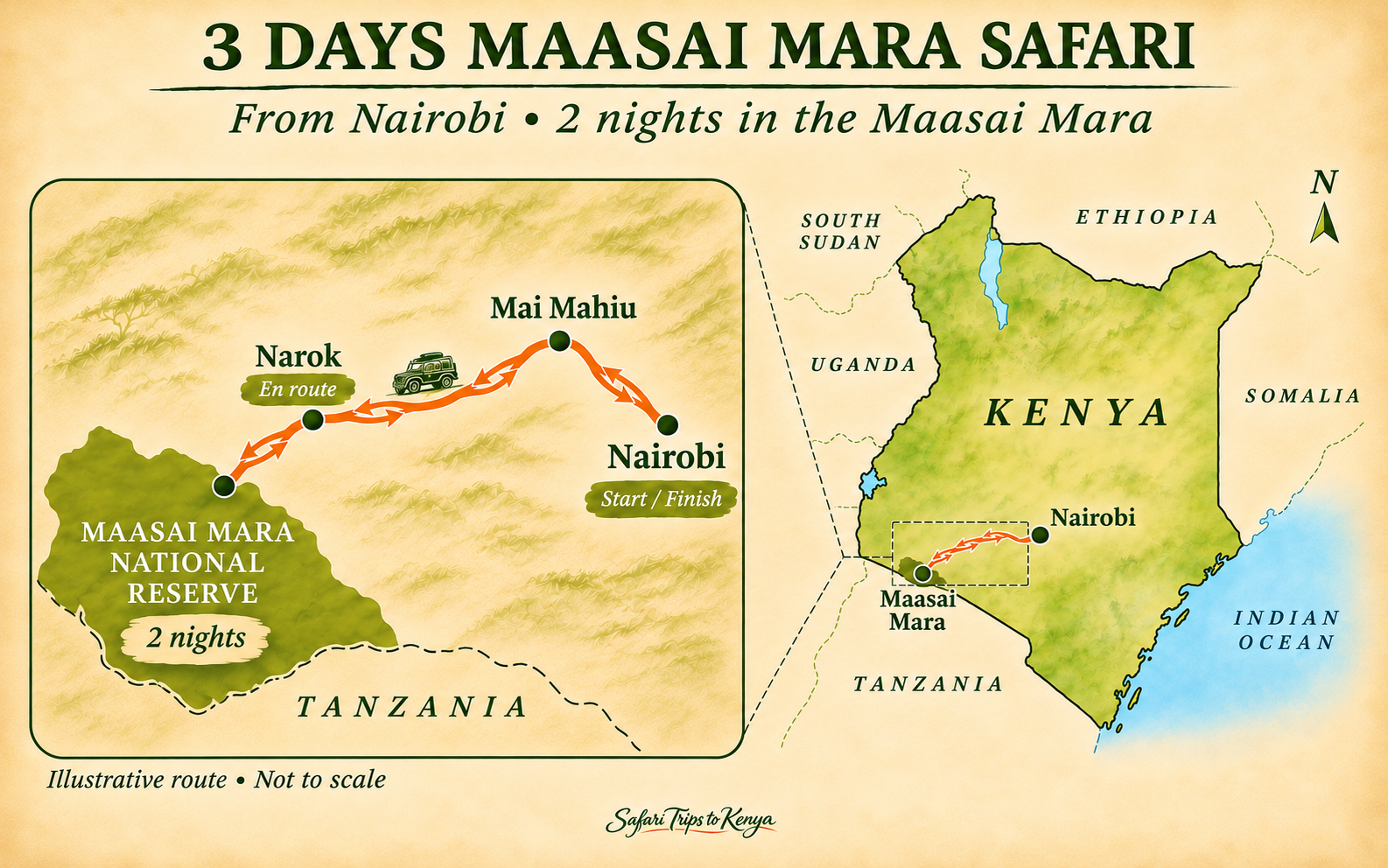
Your 8 Days Masai Mara, Nakuru & Amboseli Safari begins in Nairobi. Your professional safari driver-guide will meet you at your Nairobi hotel, residence or another agreed departure point. After introductions, luggage loading and a short briefing about the days ahead, begin the journey toward southwestern Kenya.
Travel toward the Great Rift Valley, one of East Africa’s most important geographical features. Depending on the route, traffic and available time, you may stop at a viewpoint overlooking the valley. The landscape stretches across an enormous geological depression framed by escarpments.
Continue toward Narok, the principal gateway town for many overland journeys to the Masai Mara. A comfort and refreshment stop can be arranged along the way. From Narok, proceed deeper into the greater Mara region, where the landscape gradually becomes more open. You may see:
- Maasai homesteads
- Livestock herds
- Rural settlements
- Rolling grasslands
- Acacia trees
- Distant hills
As you approach the reserve or conservancy area, the classic safari landscape begins to emerge. Arrive at your lodge or tented camp around lunchtime or during the afternoon depending on road and traffic conditions. After check-in and lunch, prepare for your first game drive.
First Masai Mara Game Drive
The Masai Mara can produce remarkable wildlife sightings even during a relatively short afternoon drive. Possible animals include: African elephants, African buffaloes, Masai giraffes, Wildebeest, Plains zebras, Impalas, Topis, Grant’s gazelles, Thomson’s gazelles, Common warthogs, Spotted hyenas, Jackals, Lions, Cheetahs, Leopards.
The reserve’s open plains make many animals relatively easy to observe, and predators are one of the main attractions. Your guide will look for recent signs of lion, cheetah and leopard activity. If a good sighting is located, a private safari allows you to spend time observing behavior rather than immediately moving to another animal.
Continue through the late afternoon, when the golden light over the Mara plains can create spectacular photography. Return to your lodge or tented camp for dinner.
- Destination: Masai Mara National Reserve
- Main activities: Nairobi–Masai Mara transfer and afternoon game drive
- Safari highlights: First big-cat opportunities, giraffes, elephants, plains game and savannah landscapes
- Meals: Lunch and dinner depending on arrival arrangements
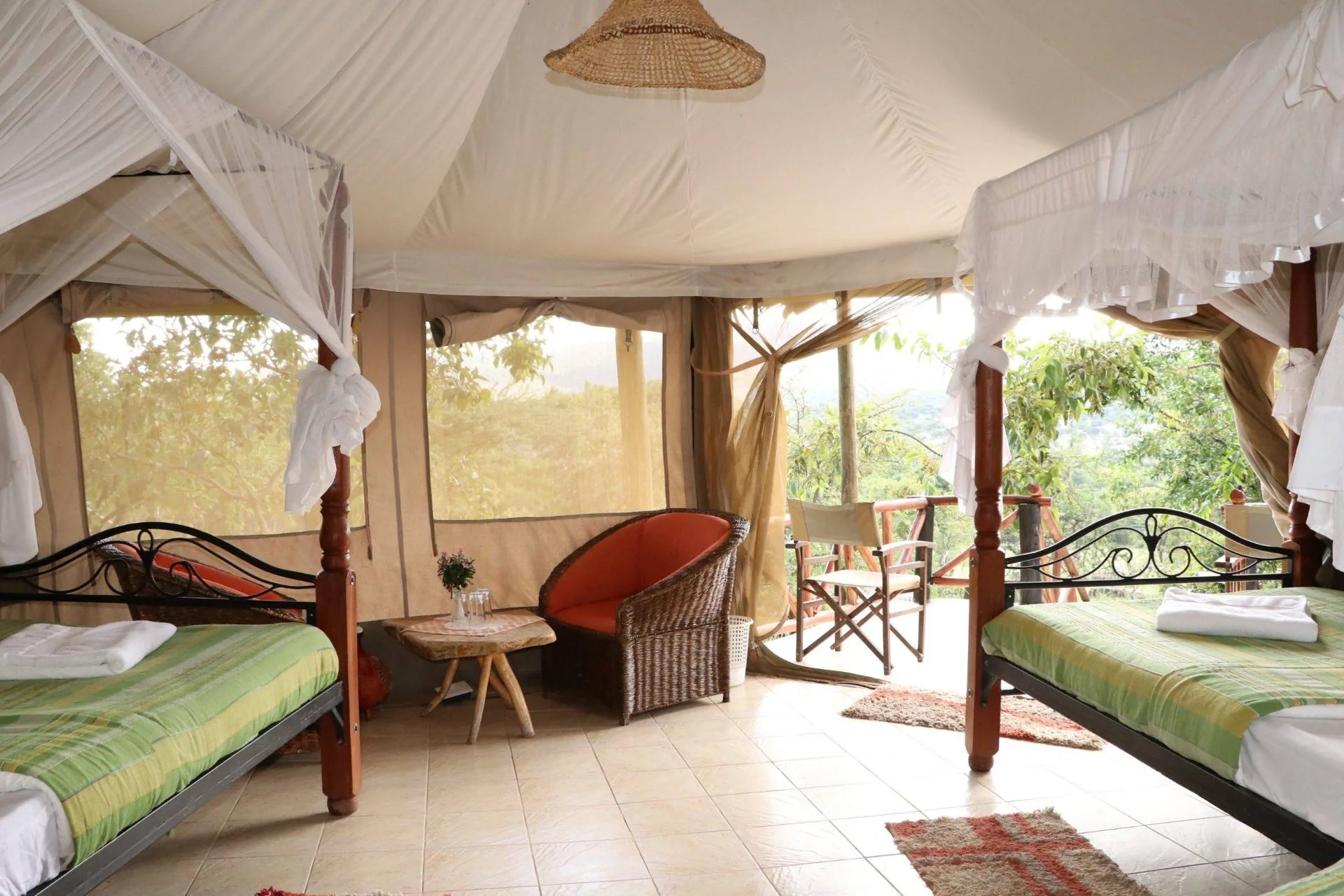
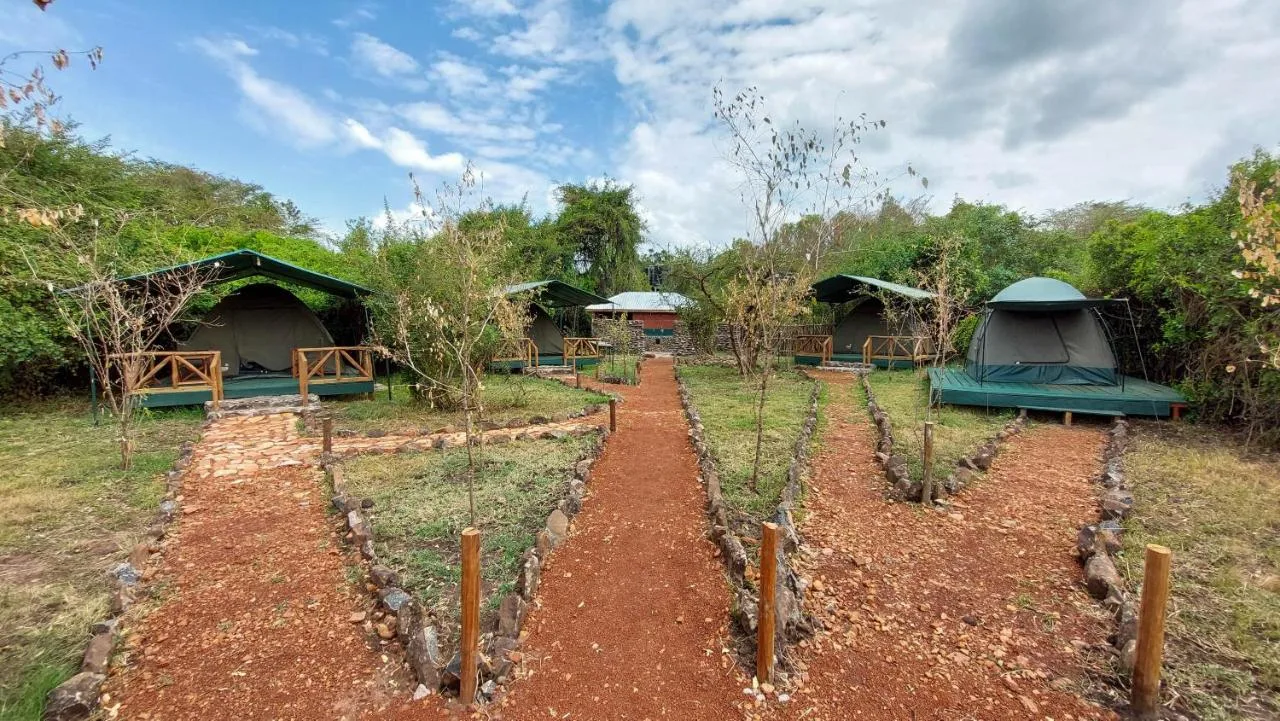
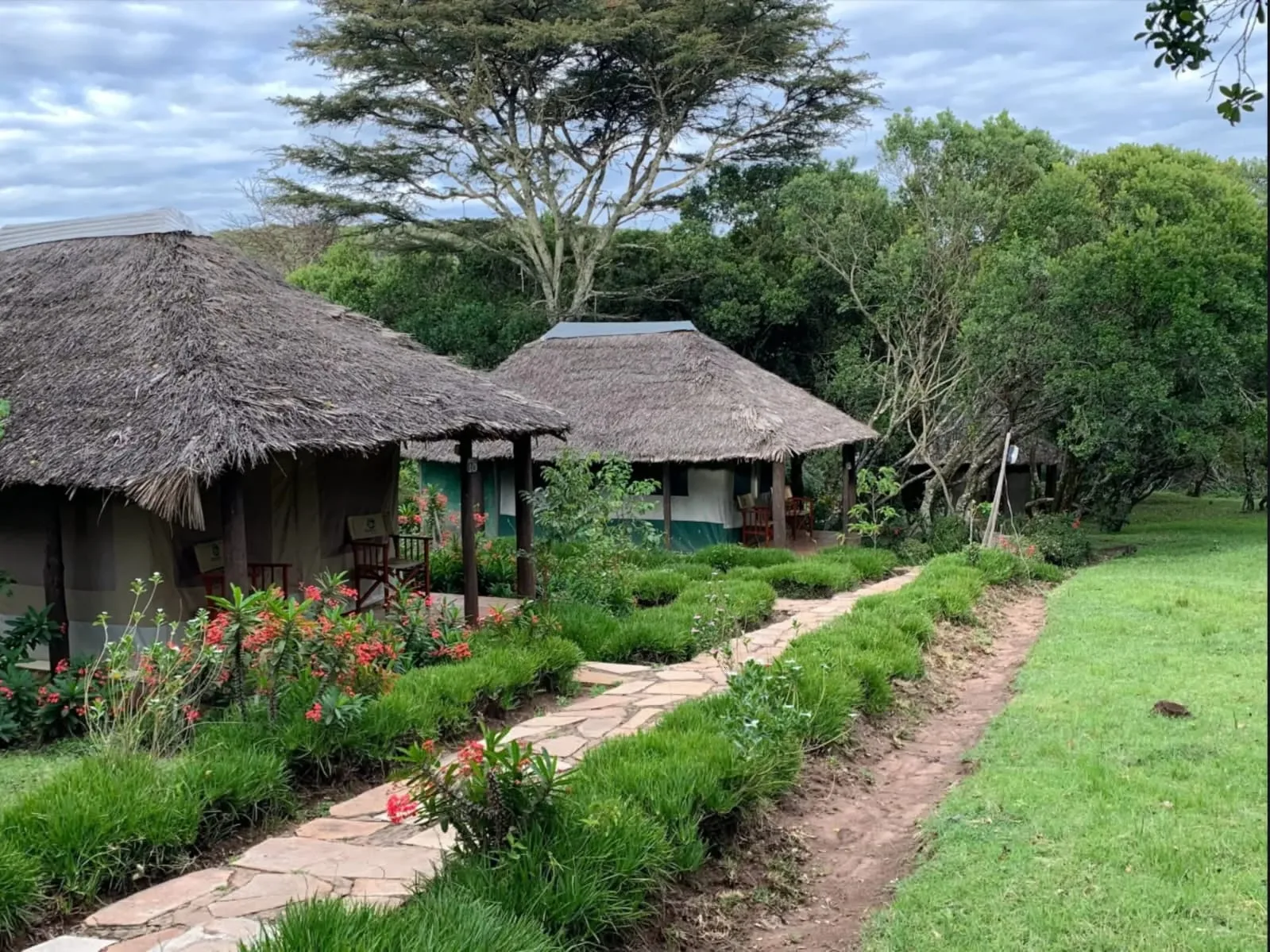
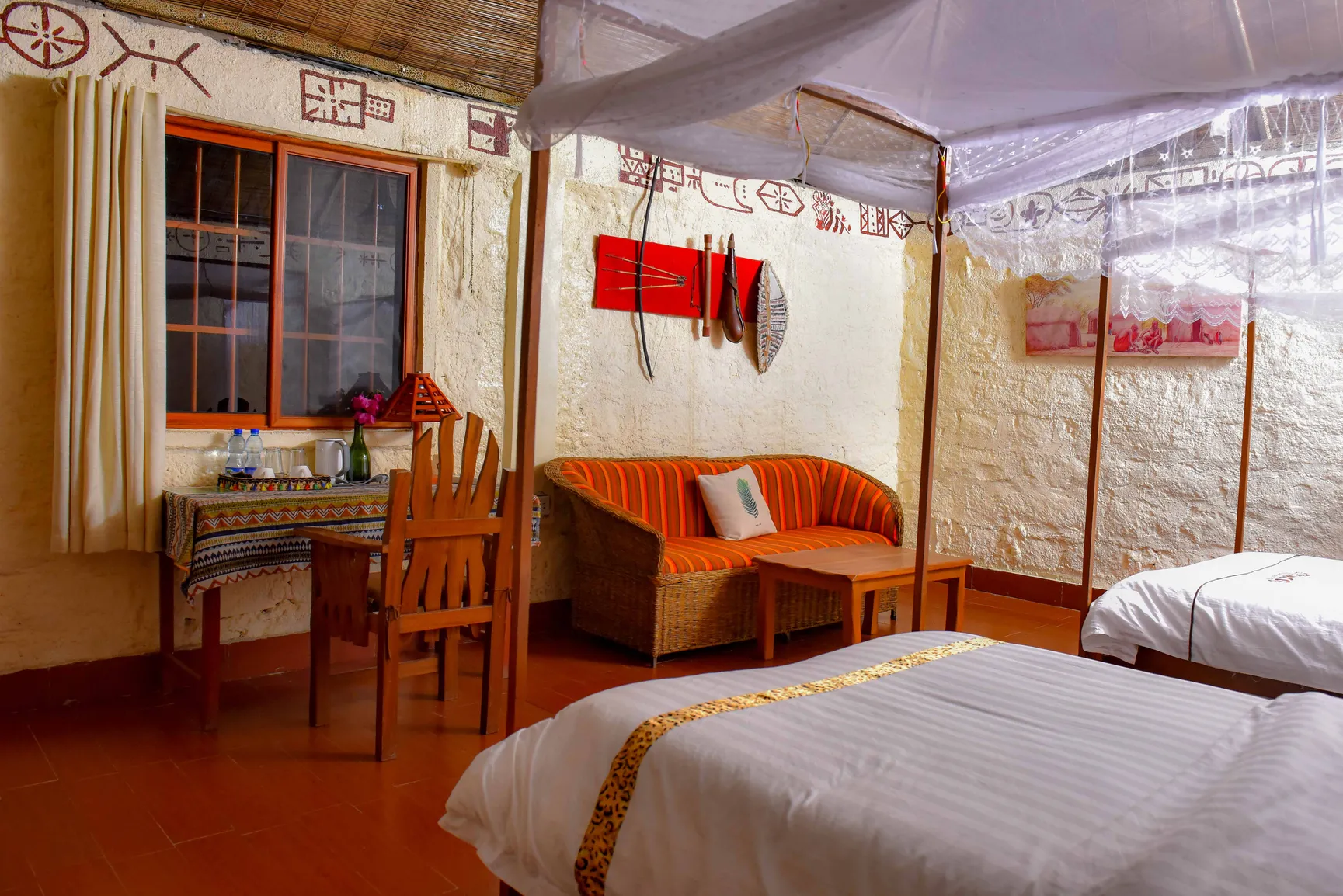
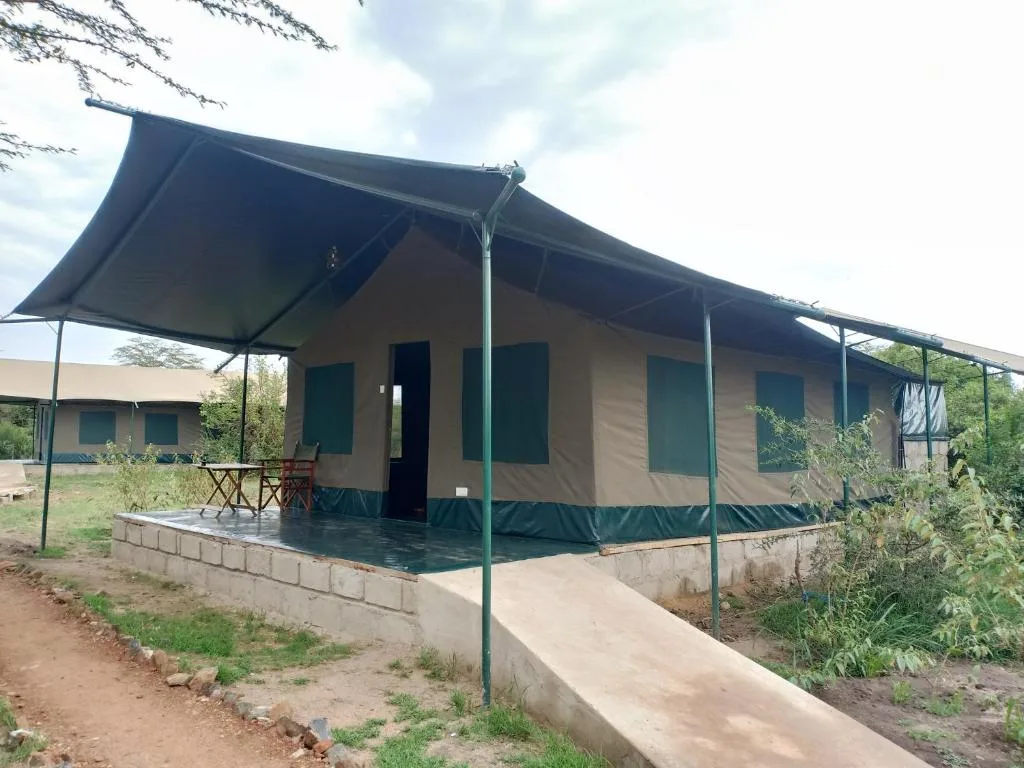
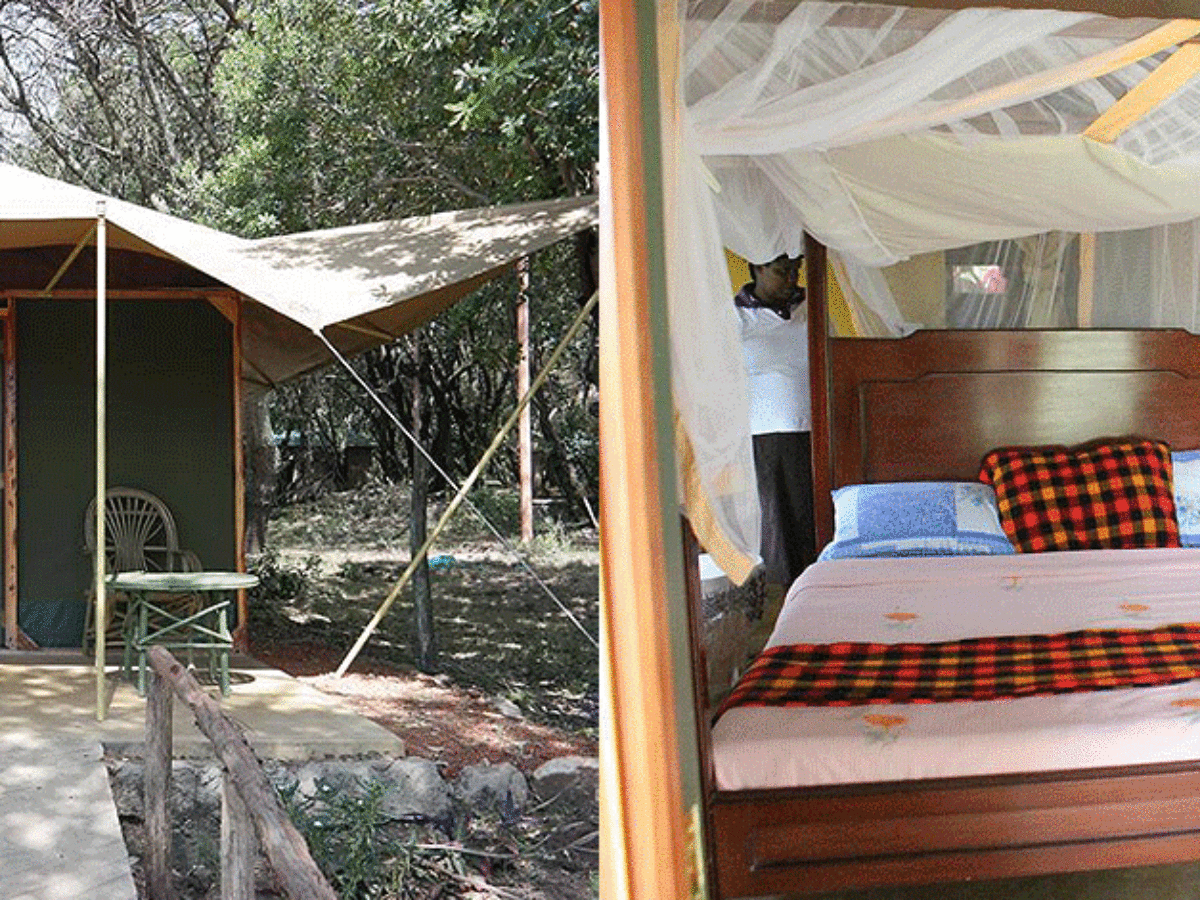
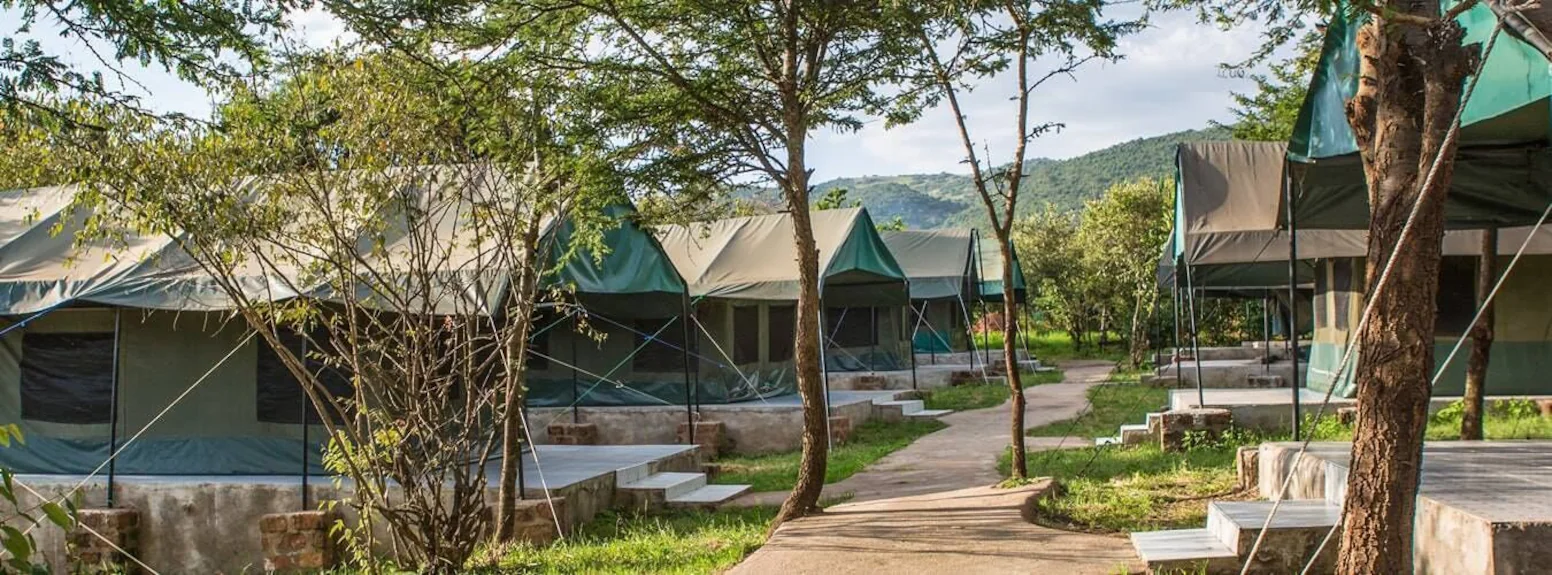
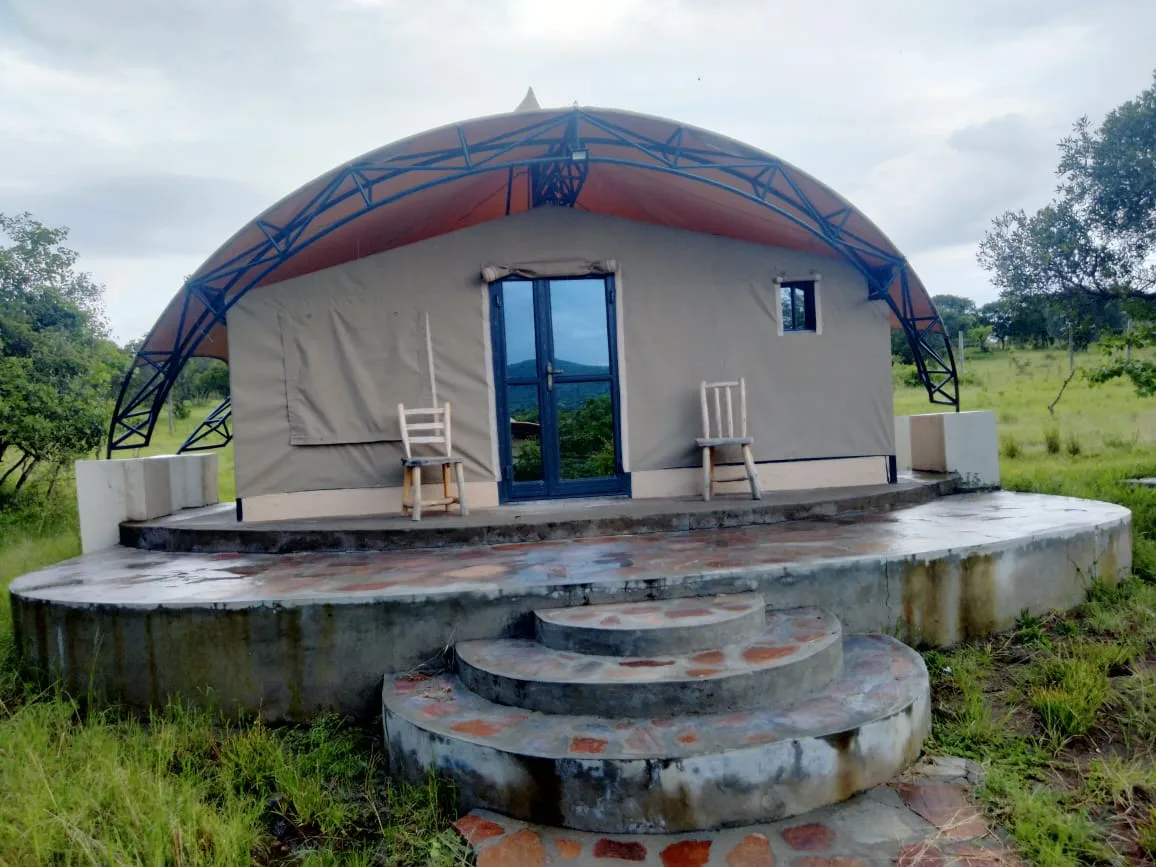
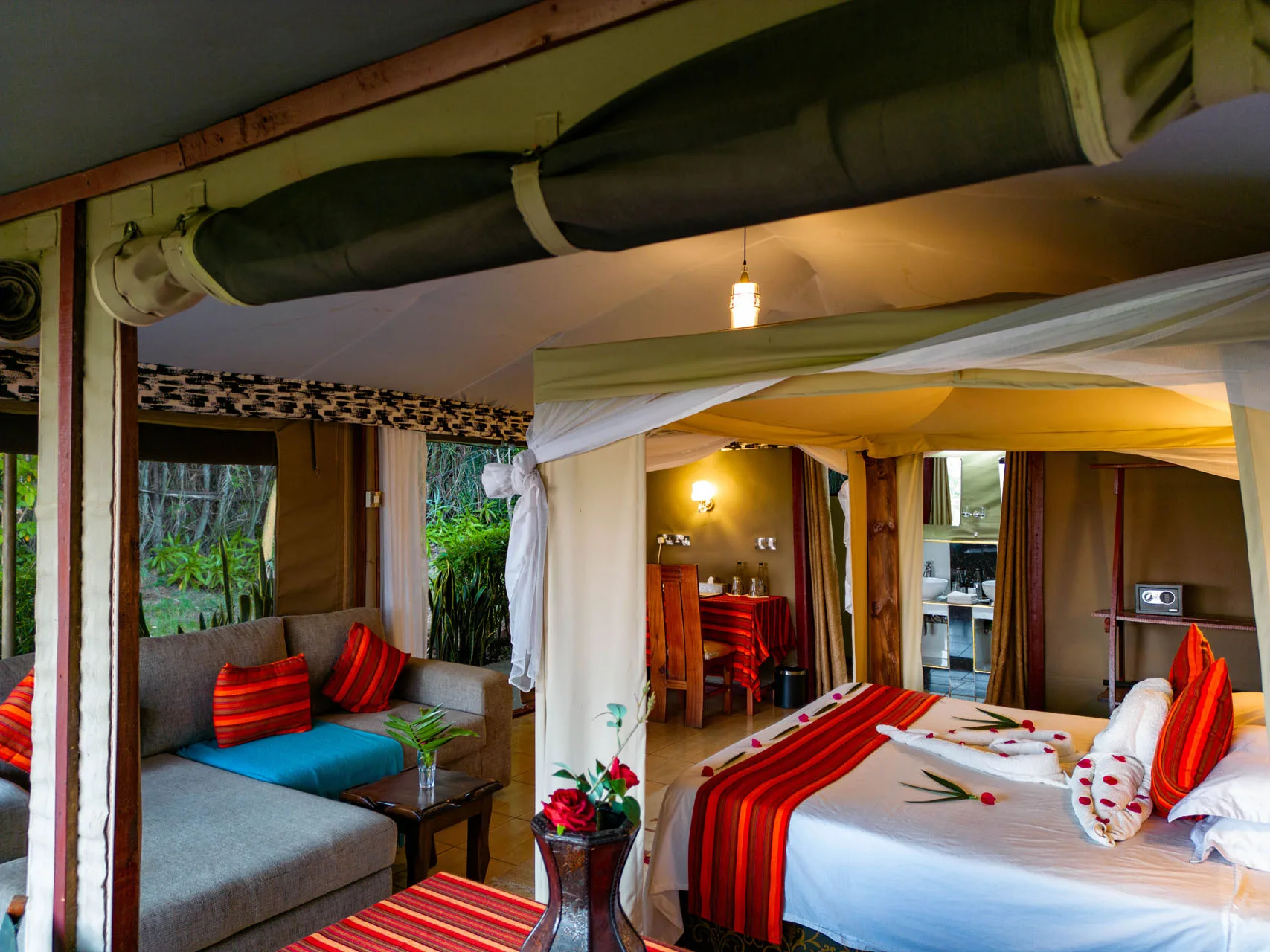
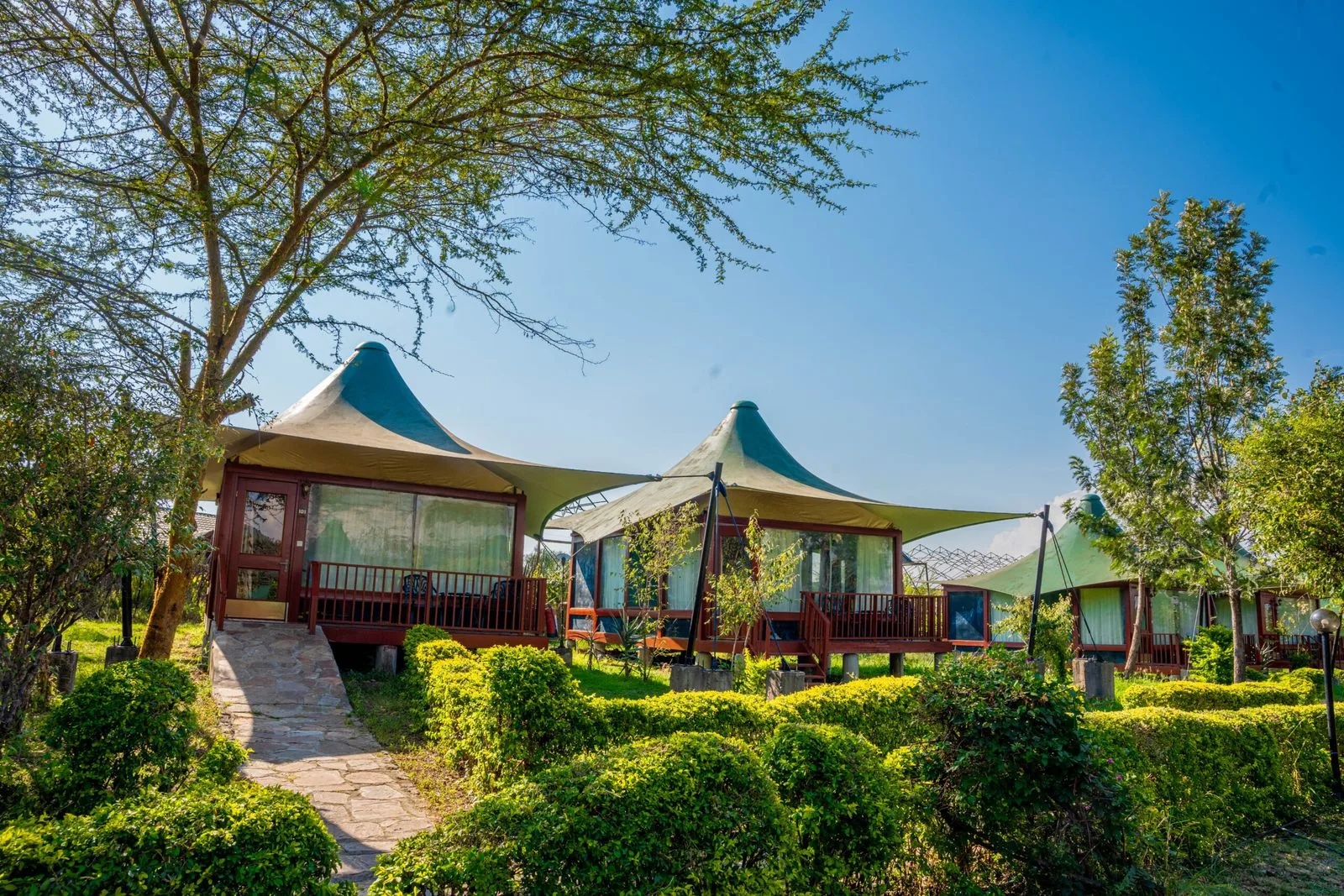
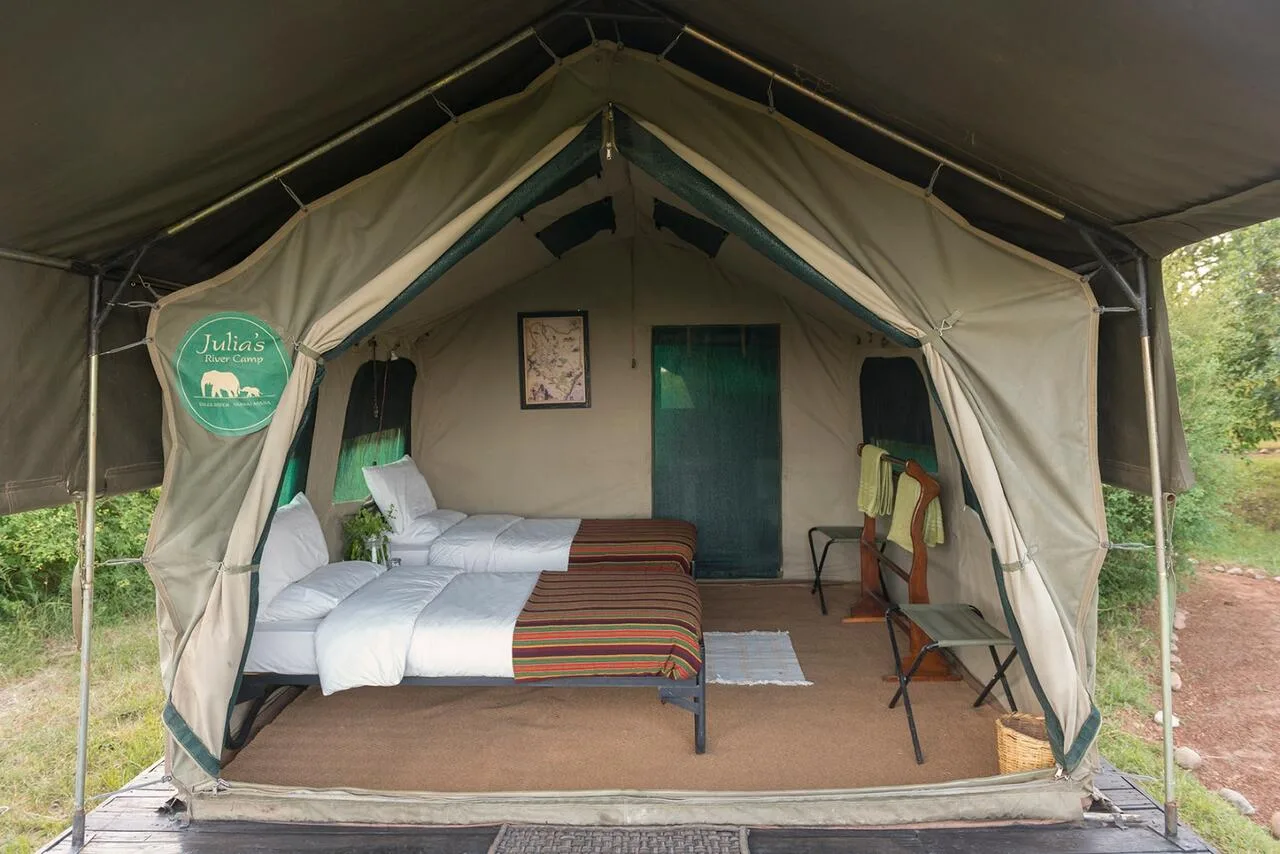
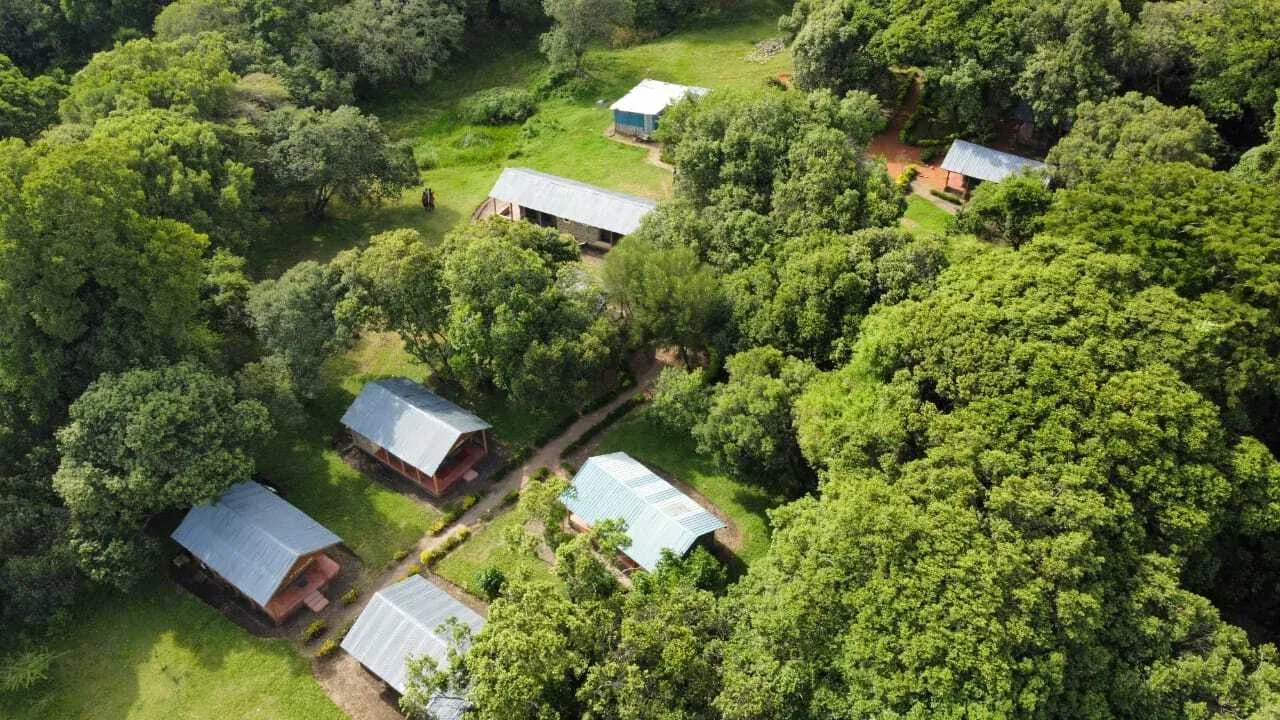
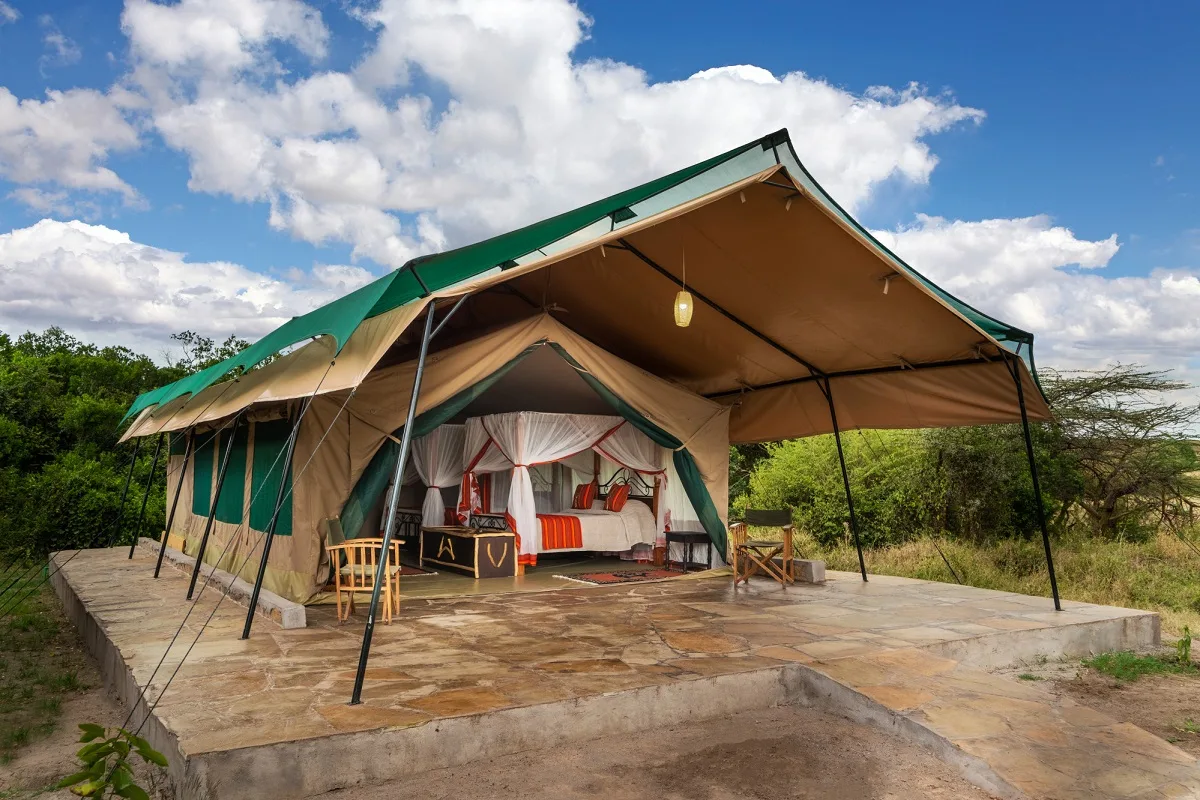
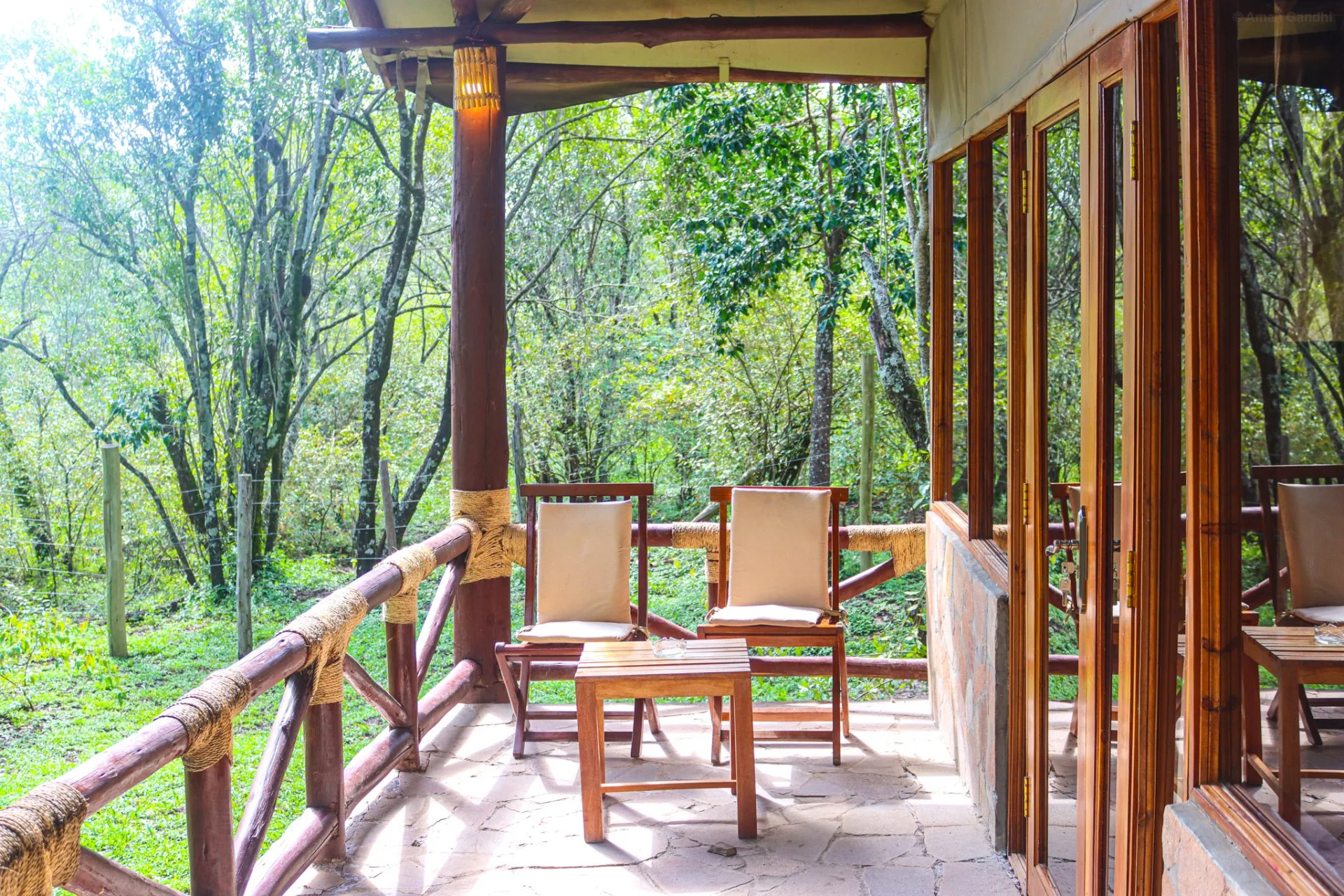
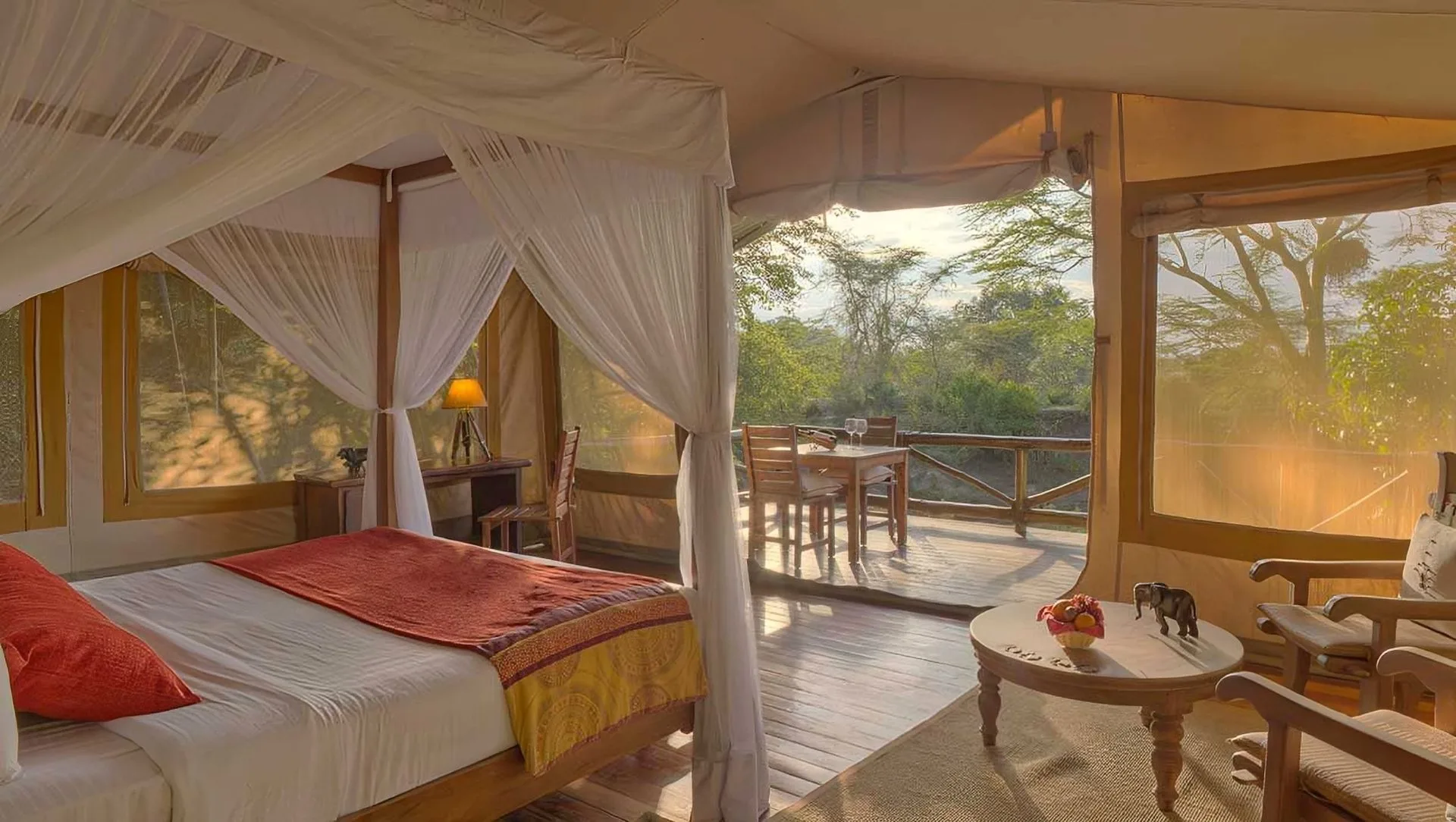
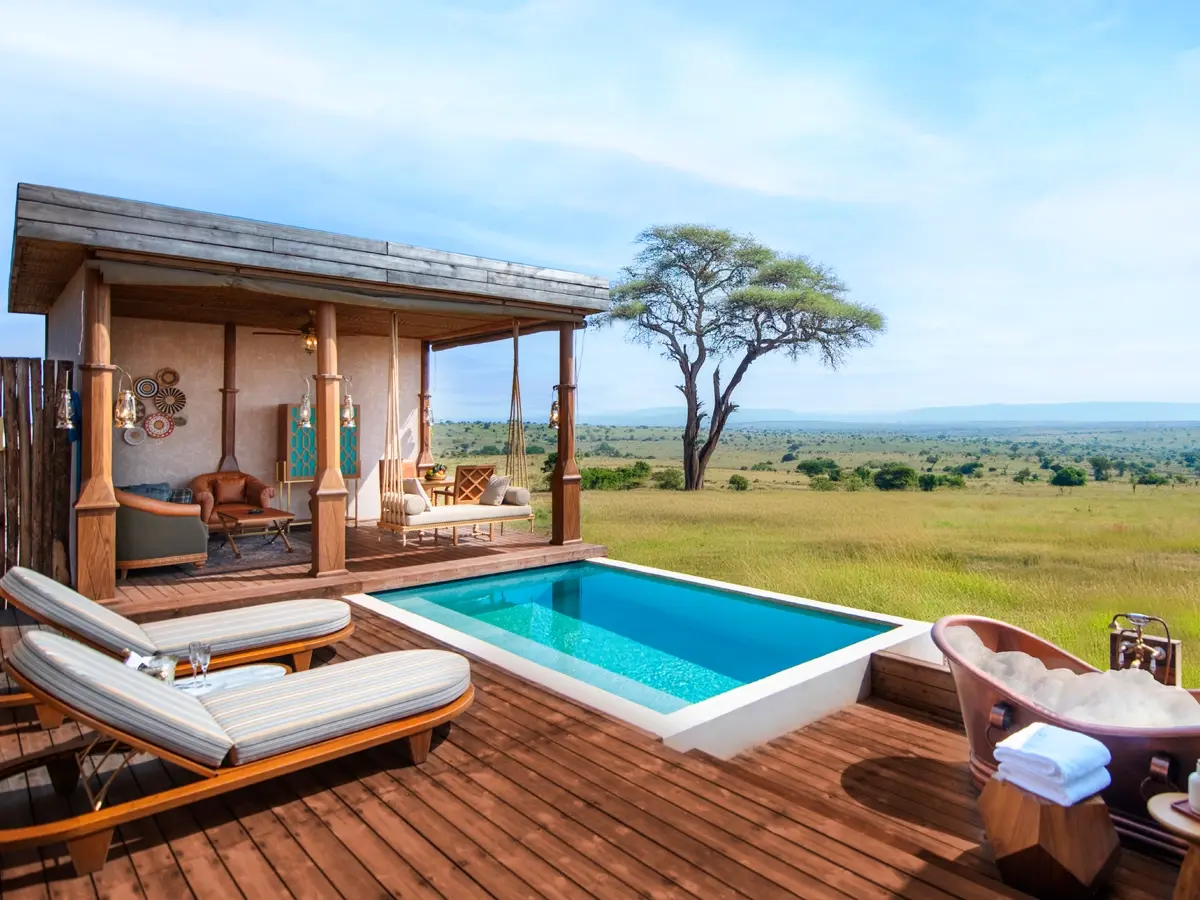
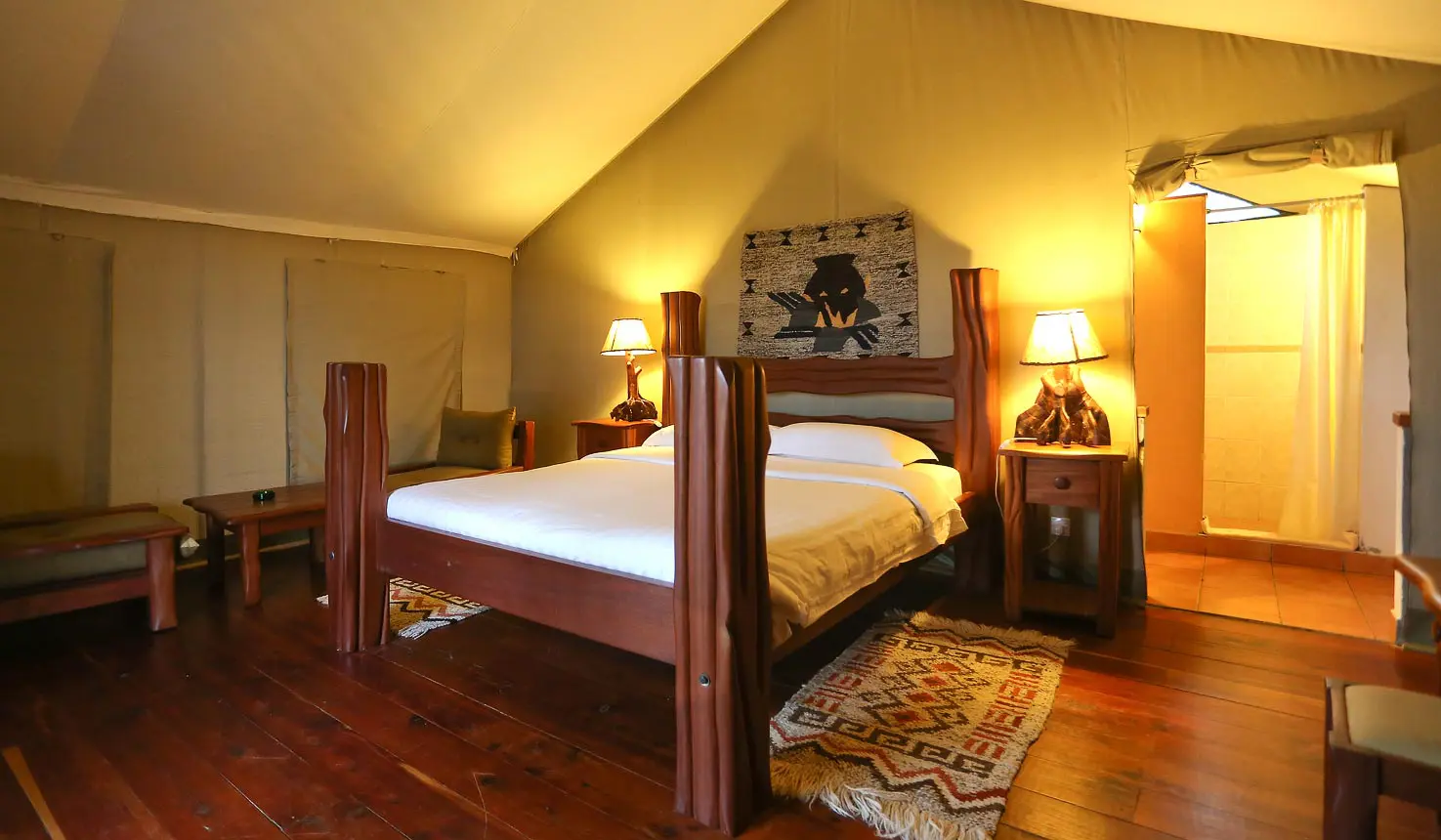
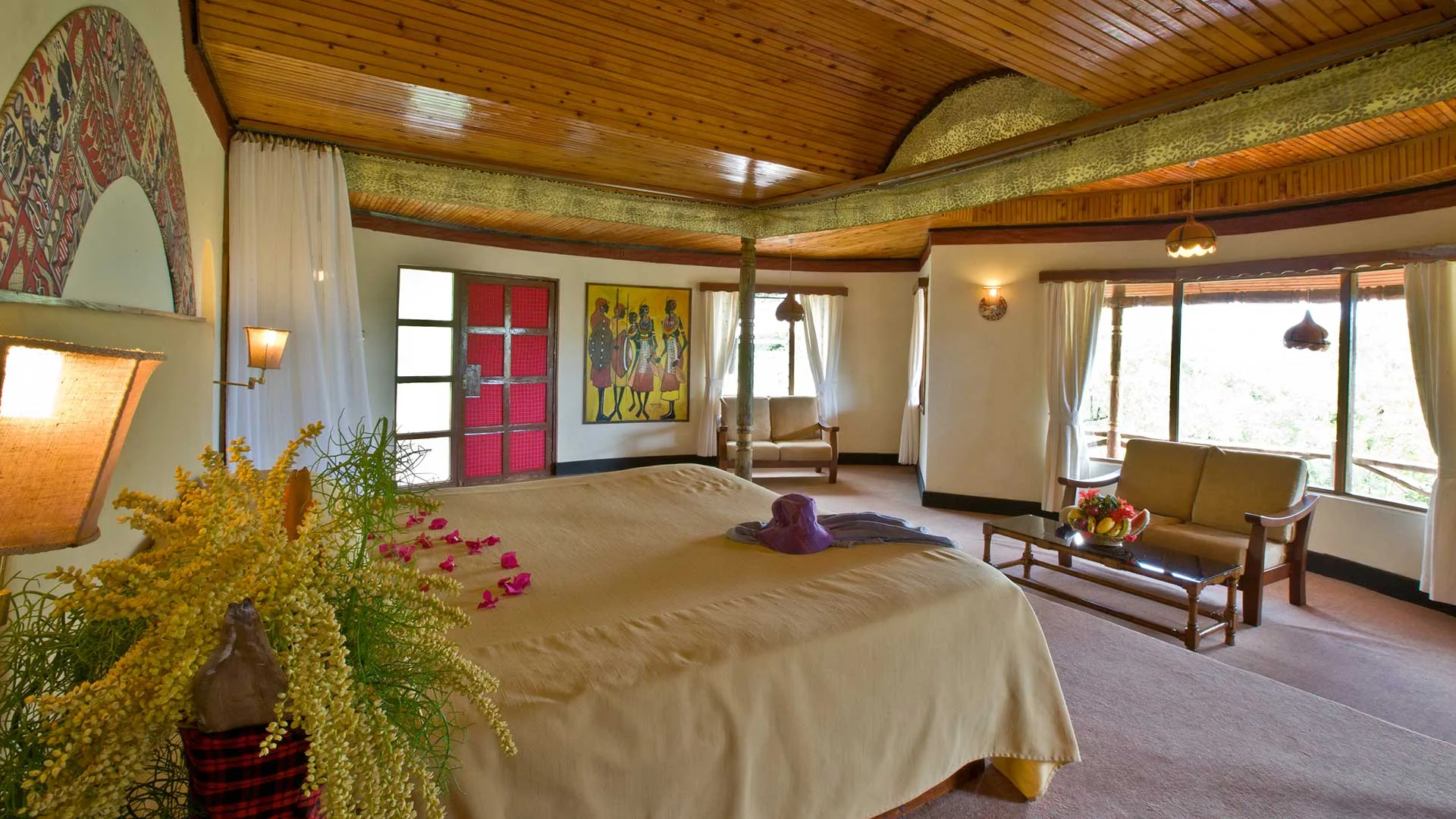
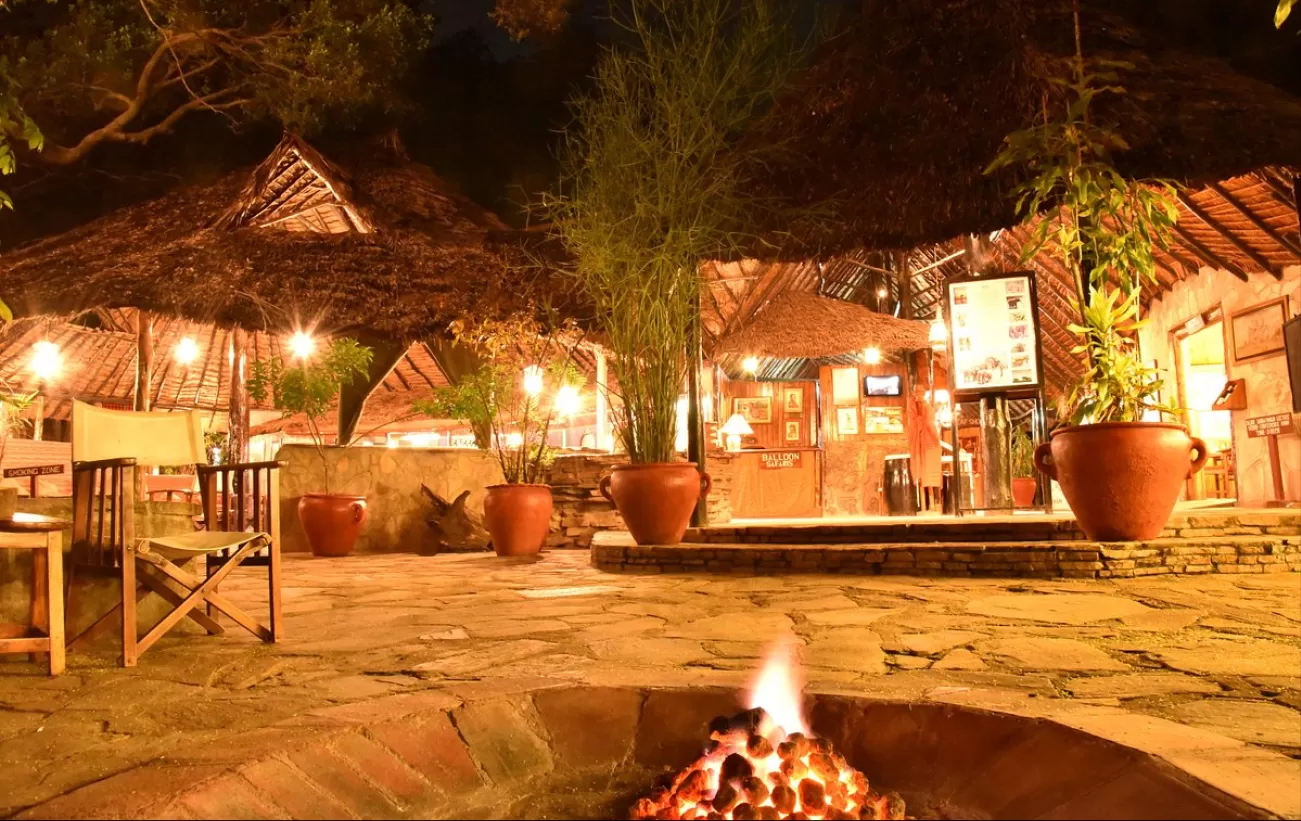
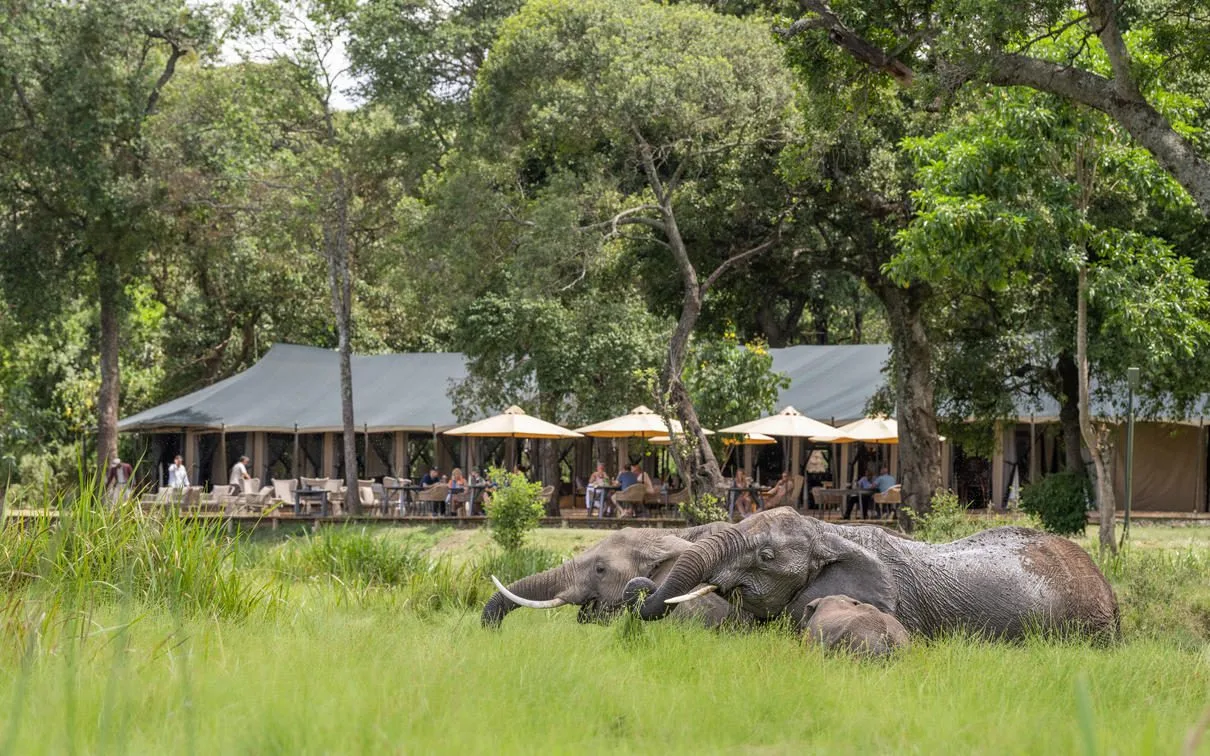
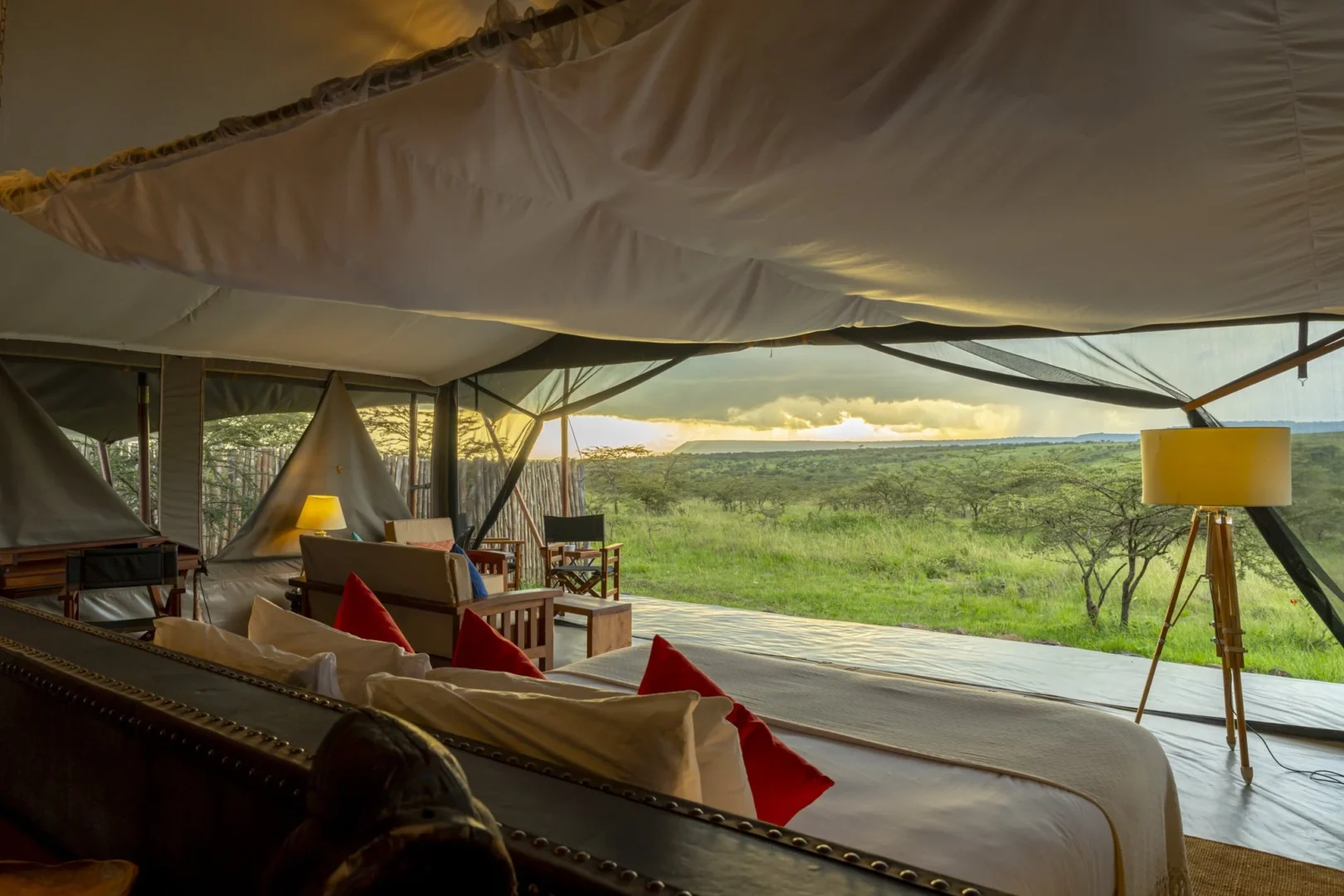
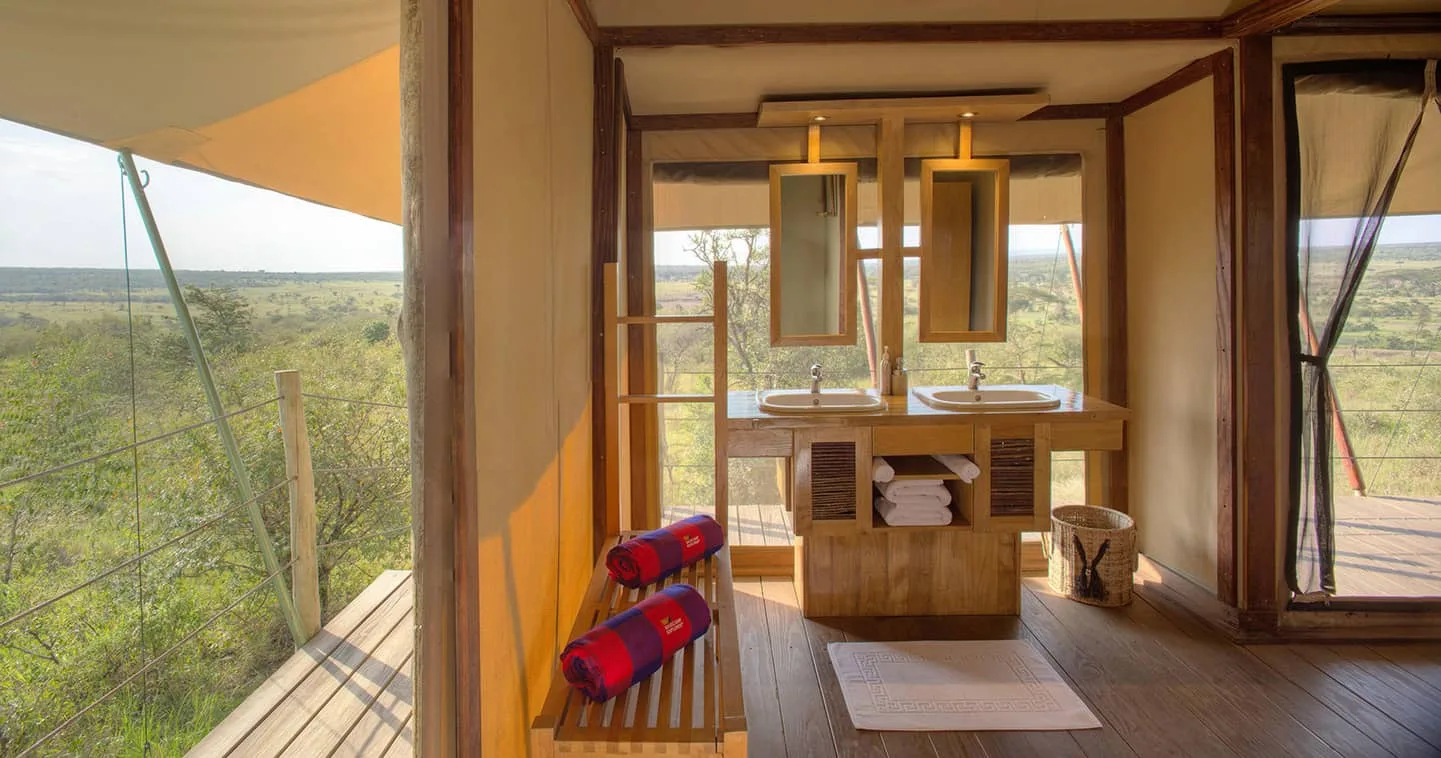
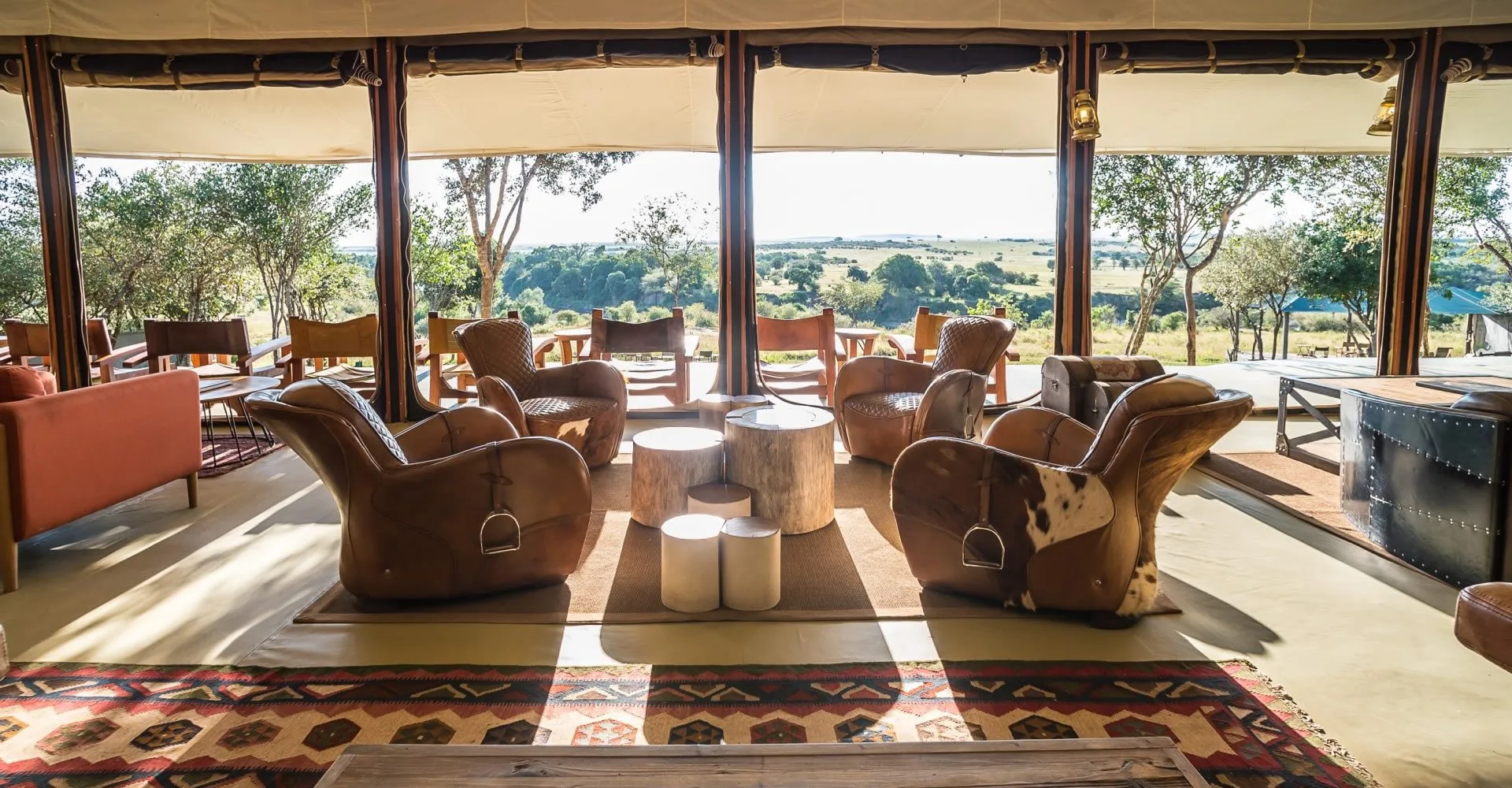
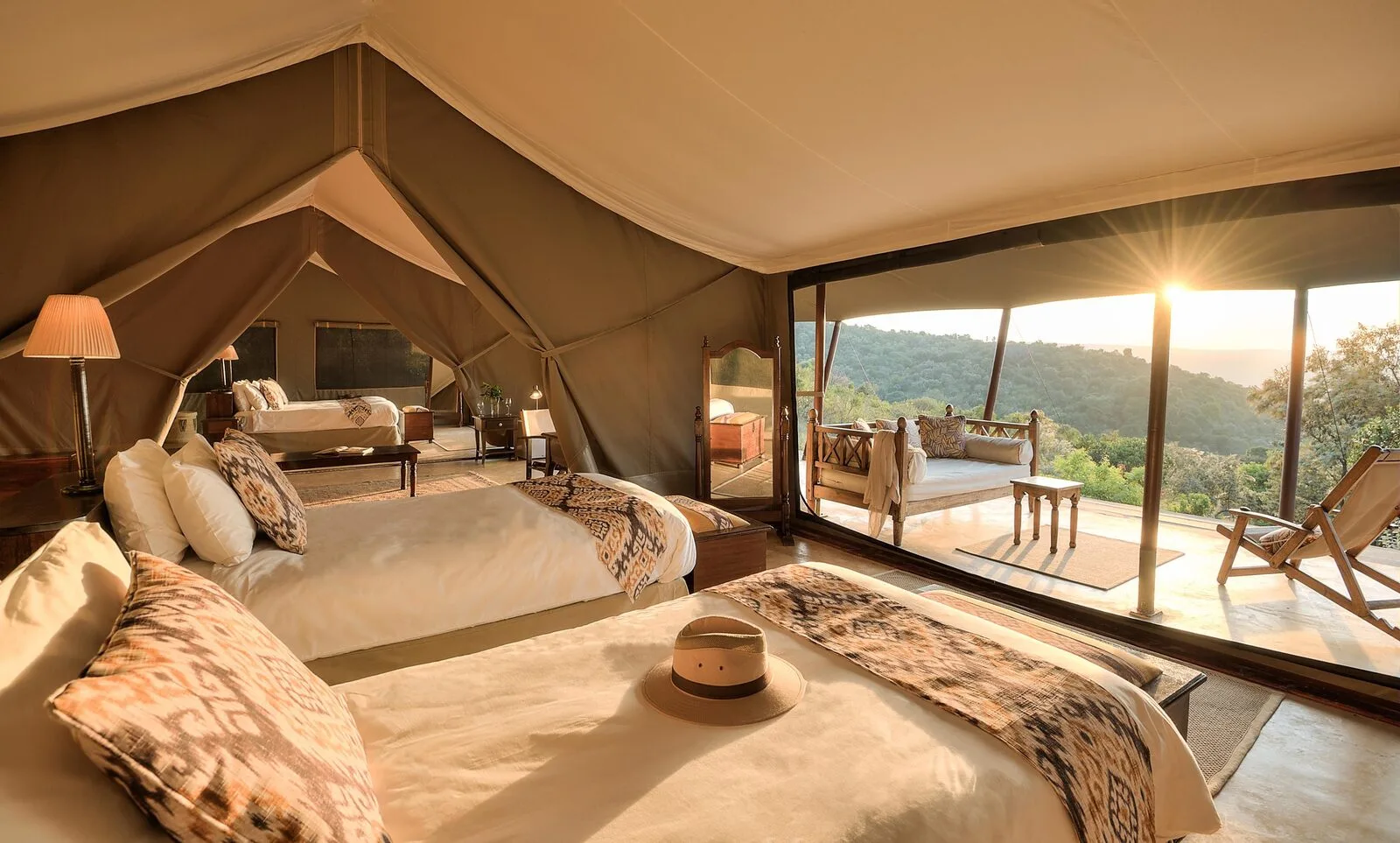
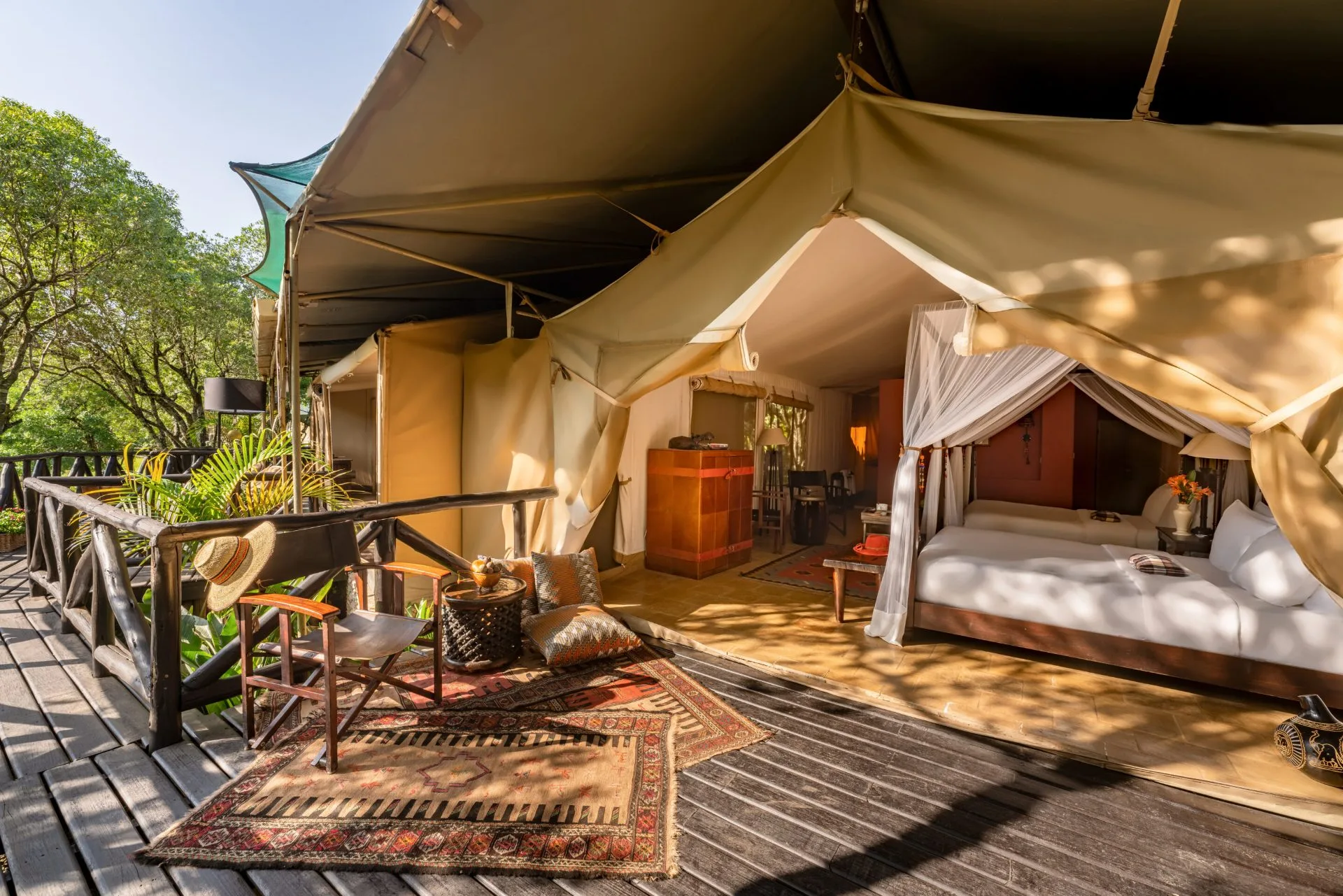
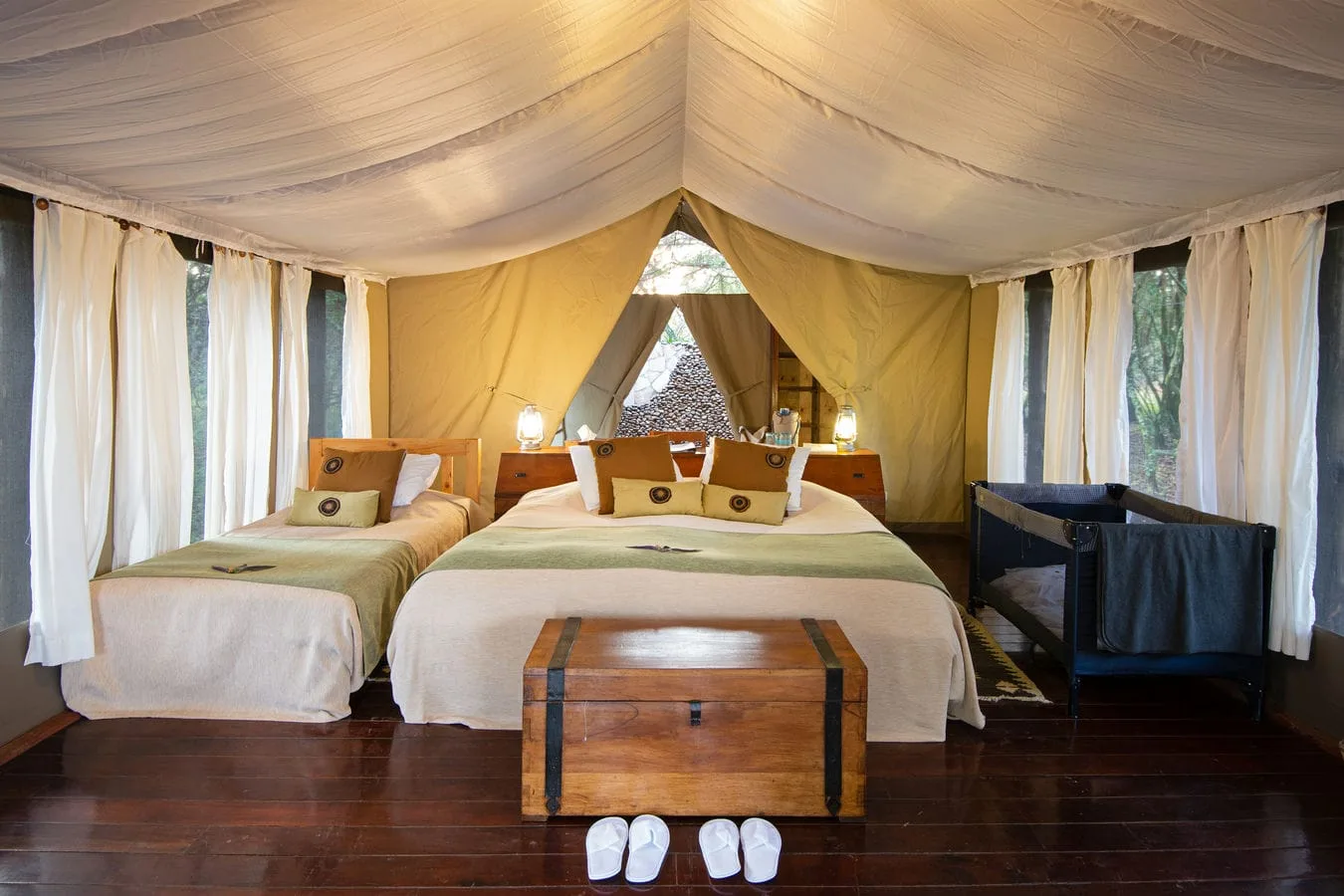
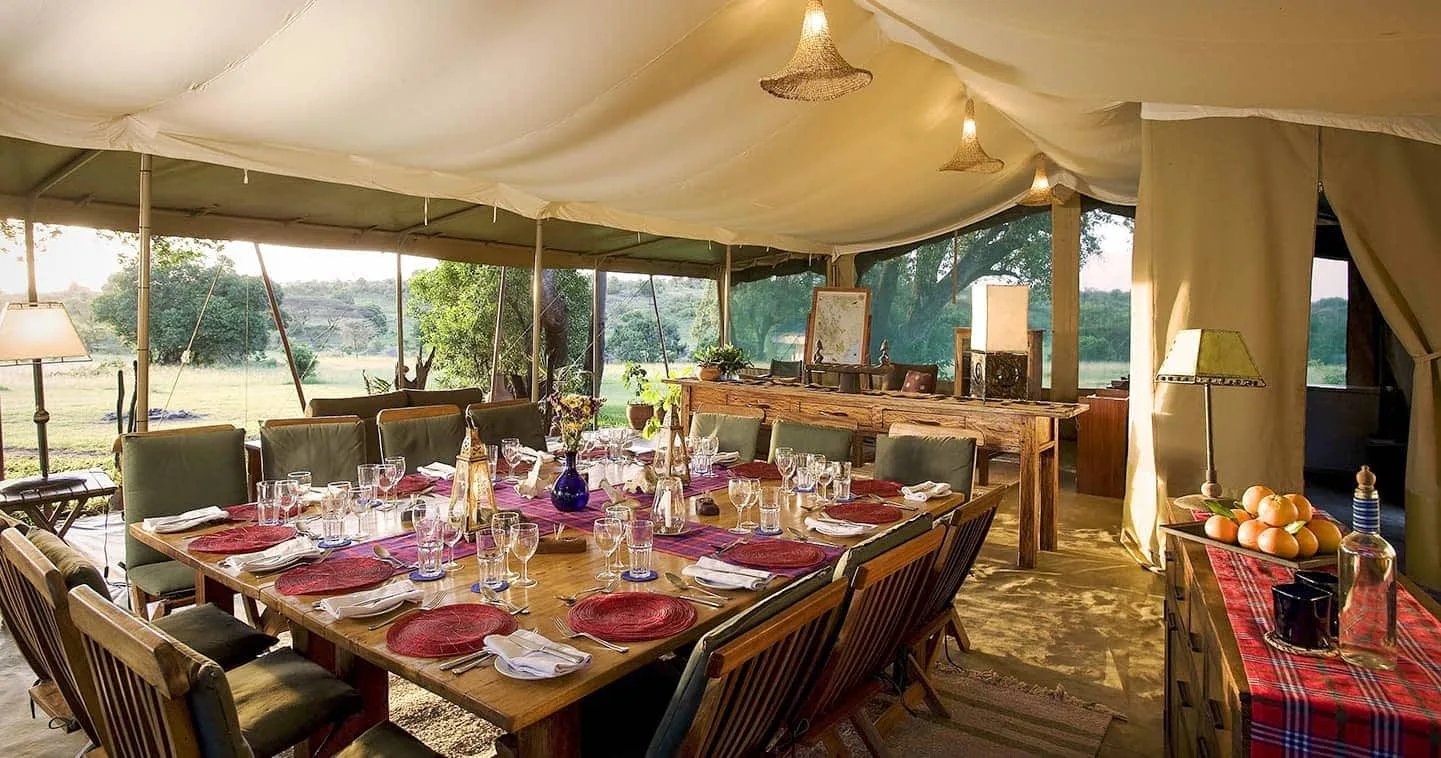
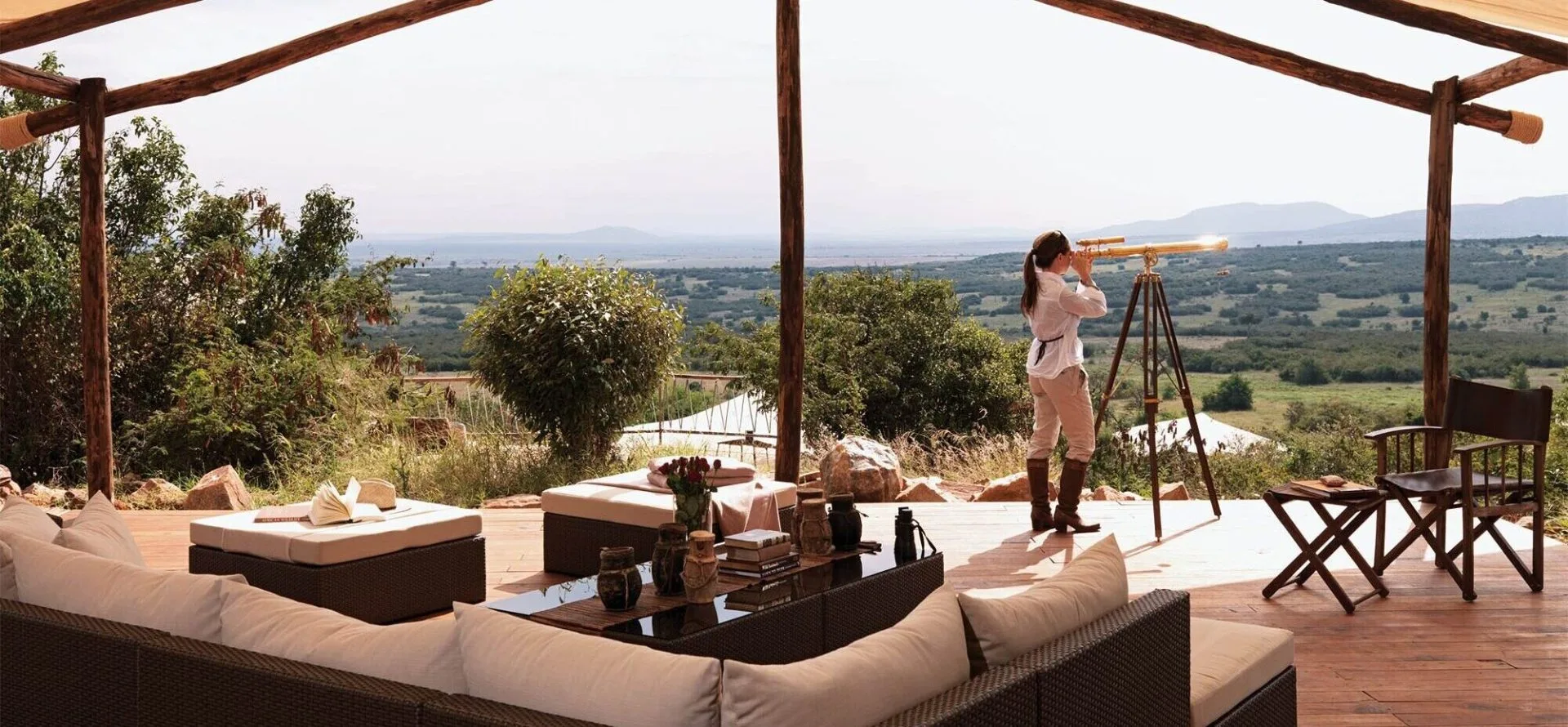
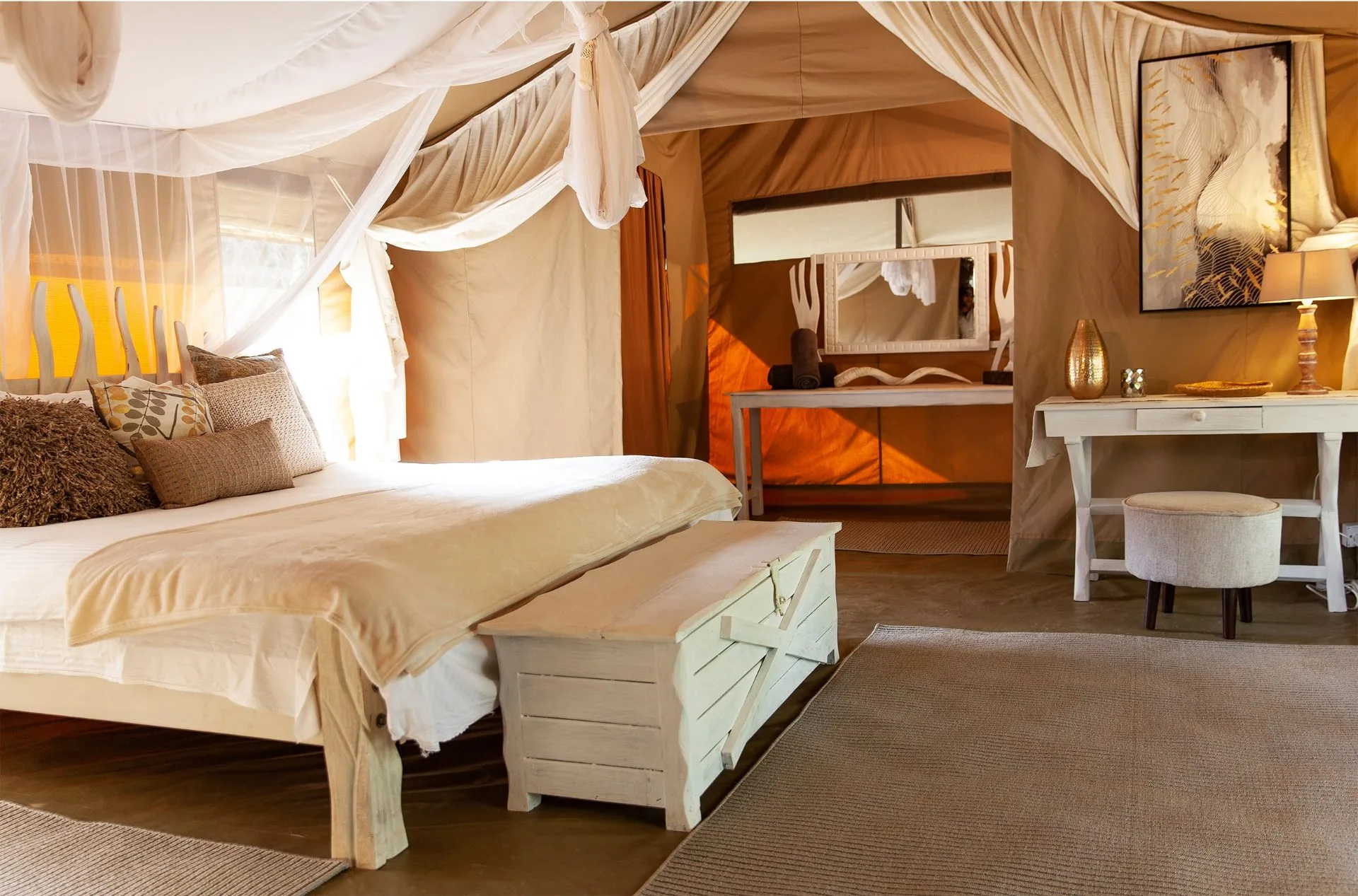
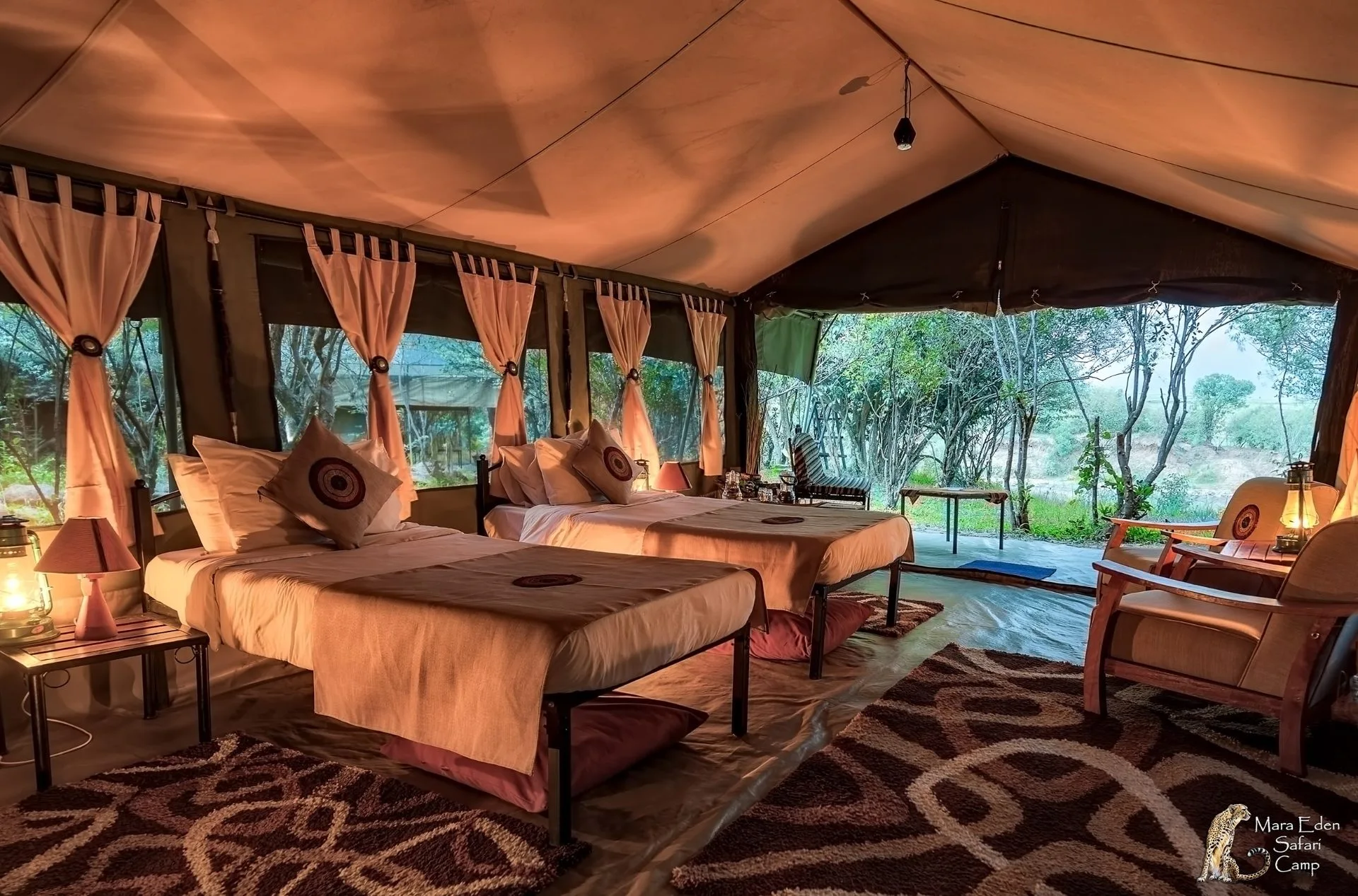
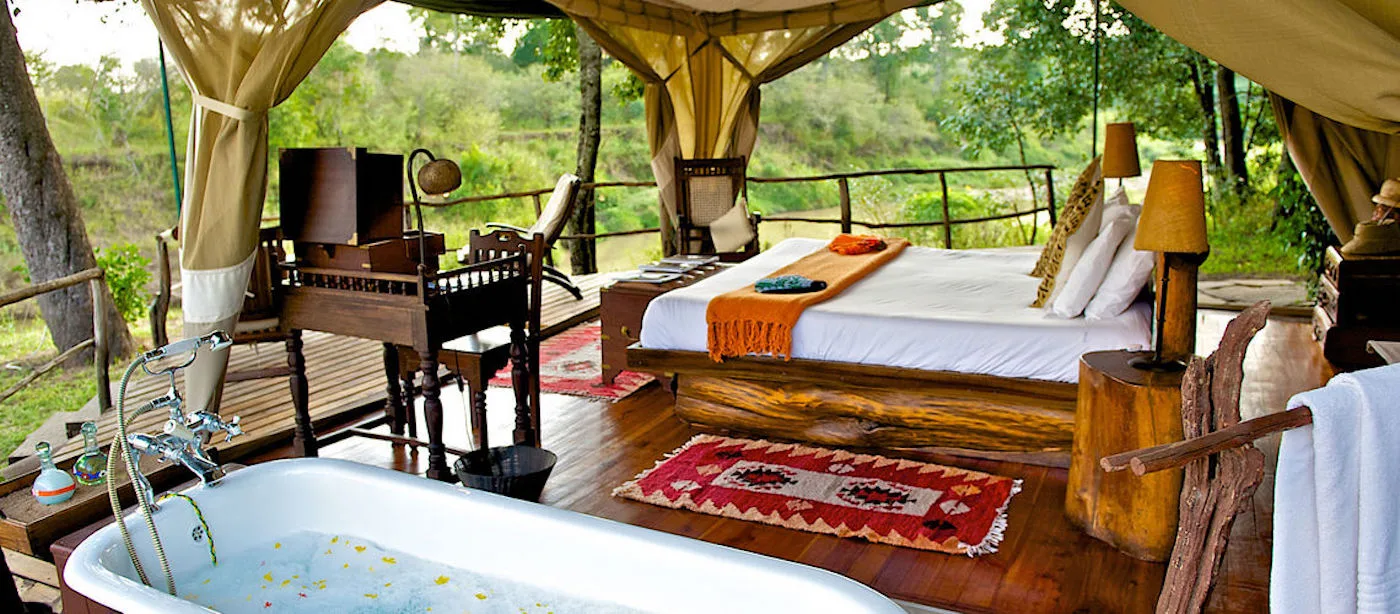
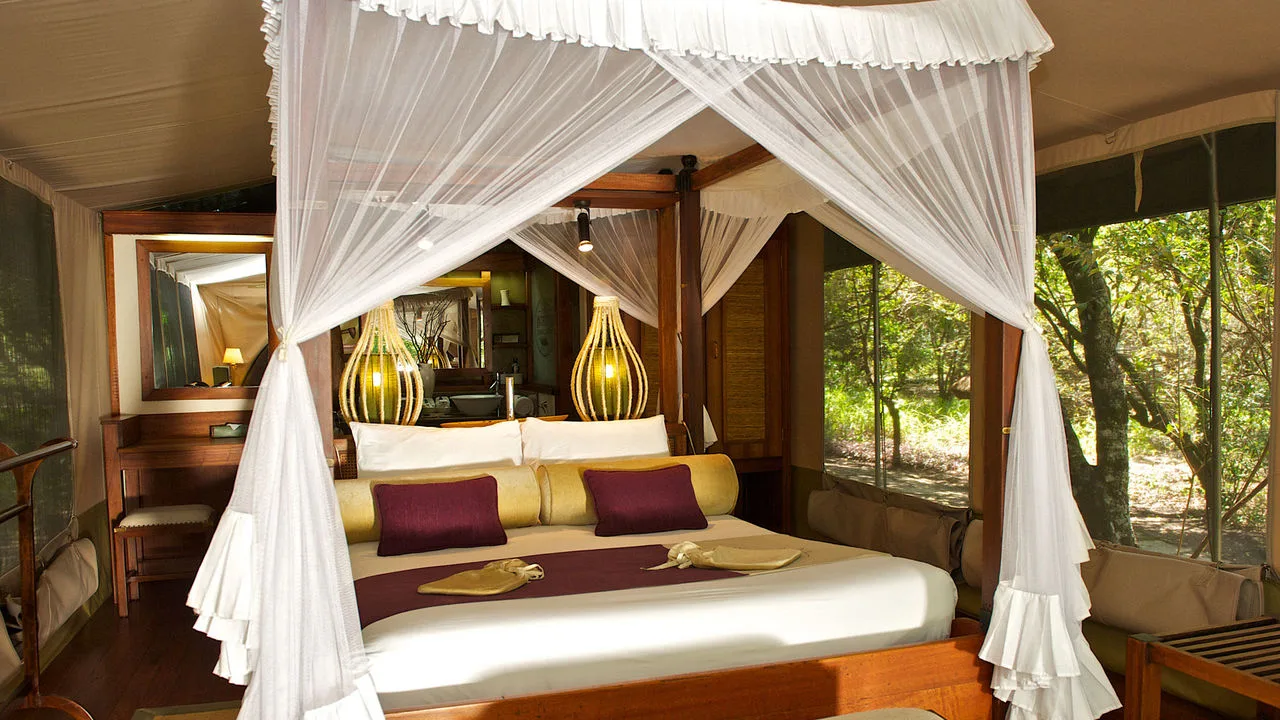
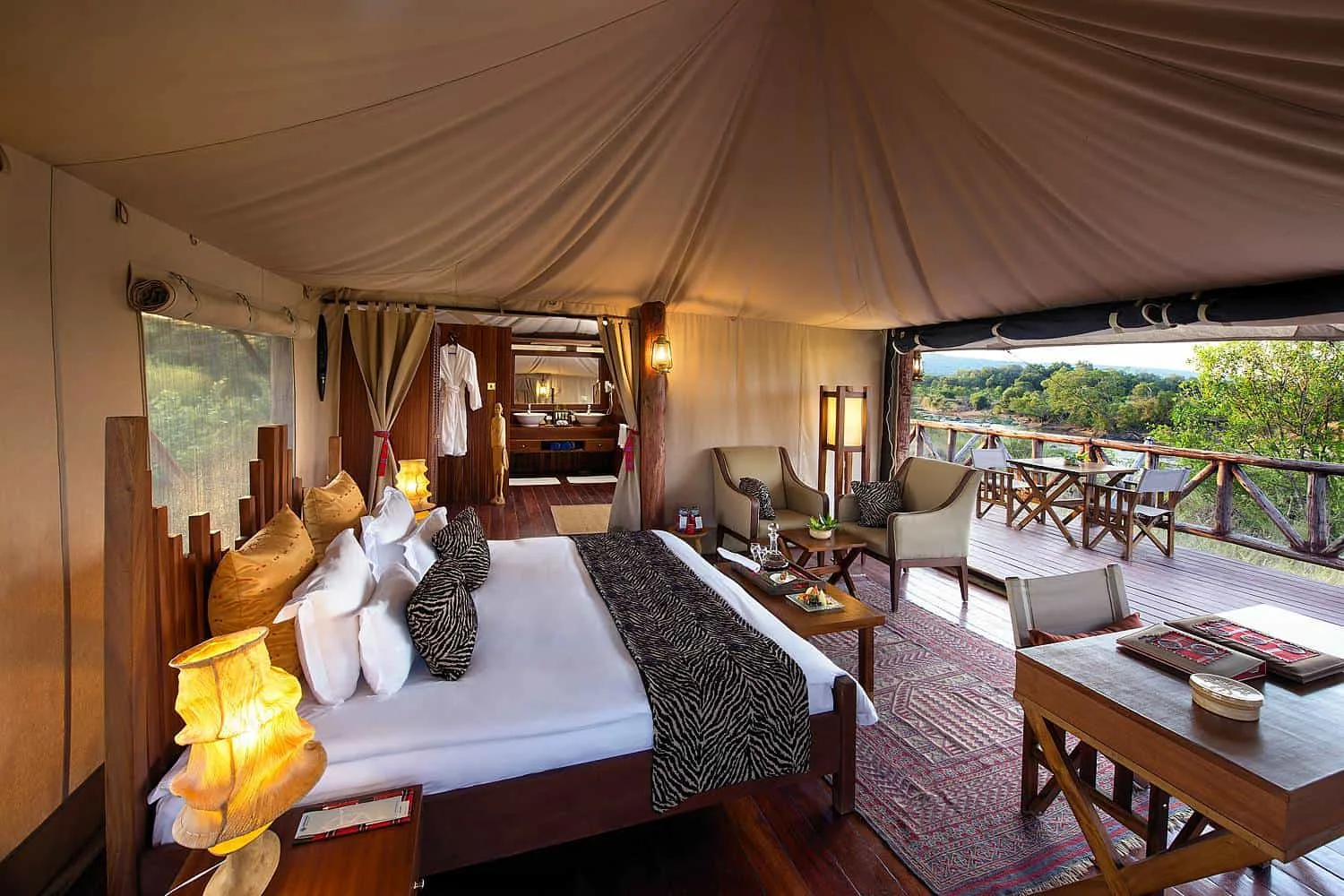
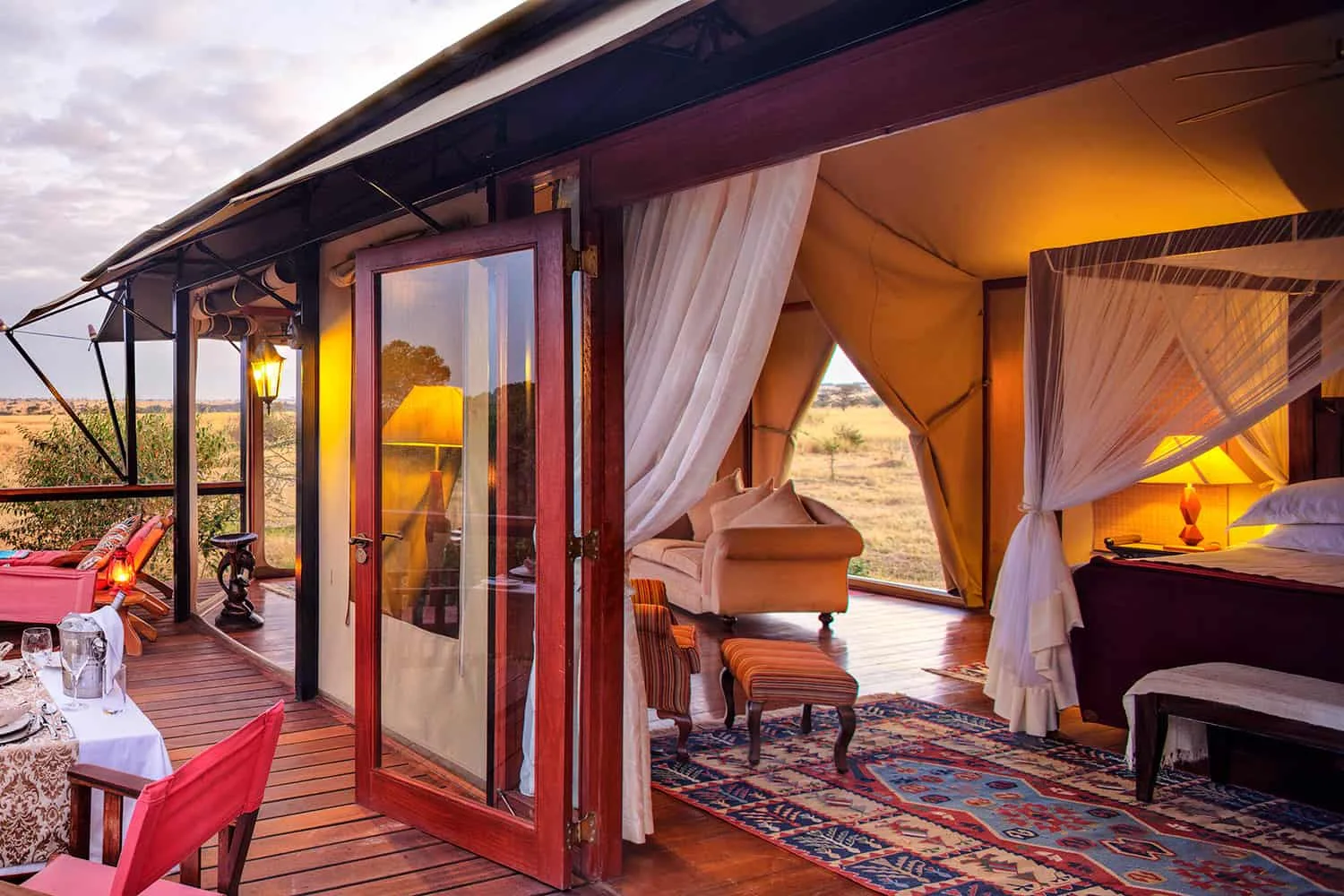
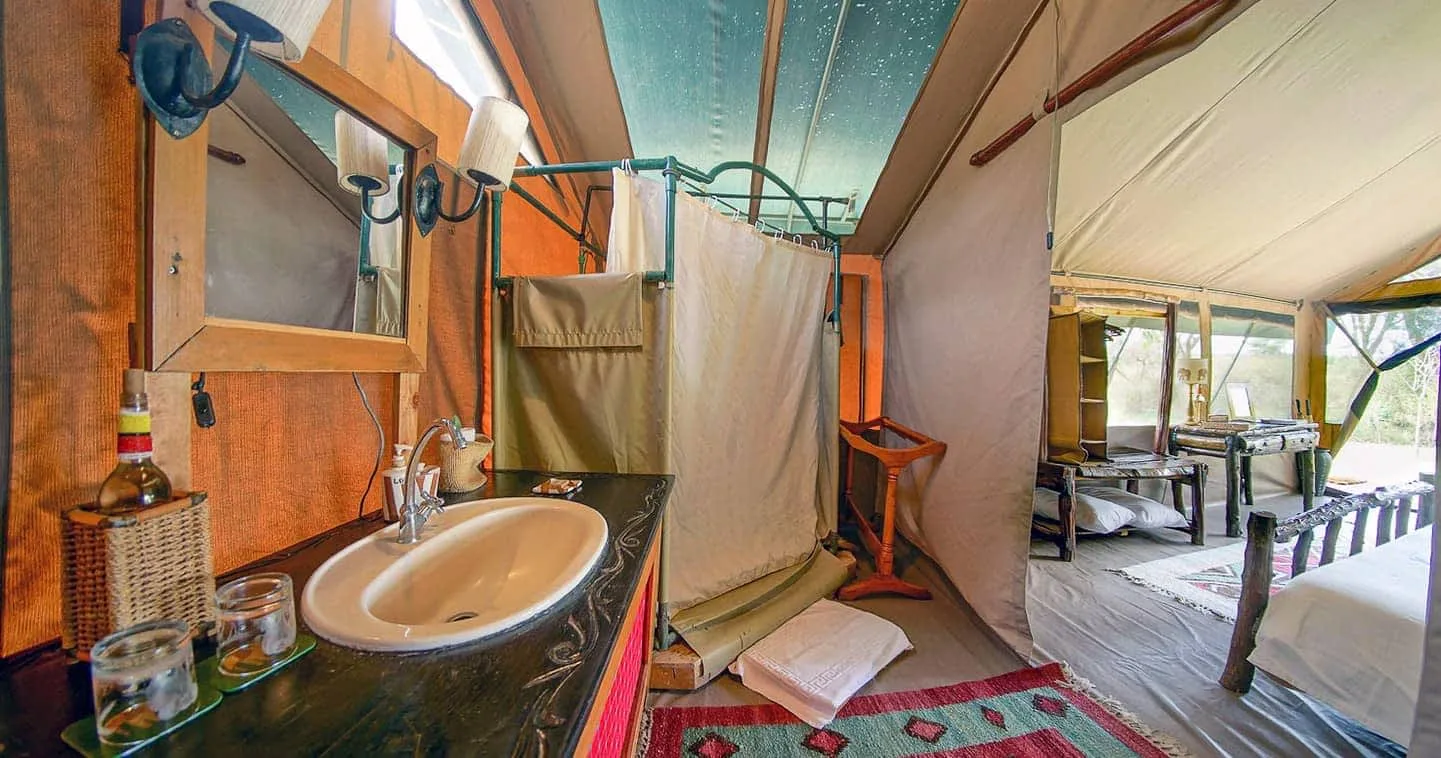
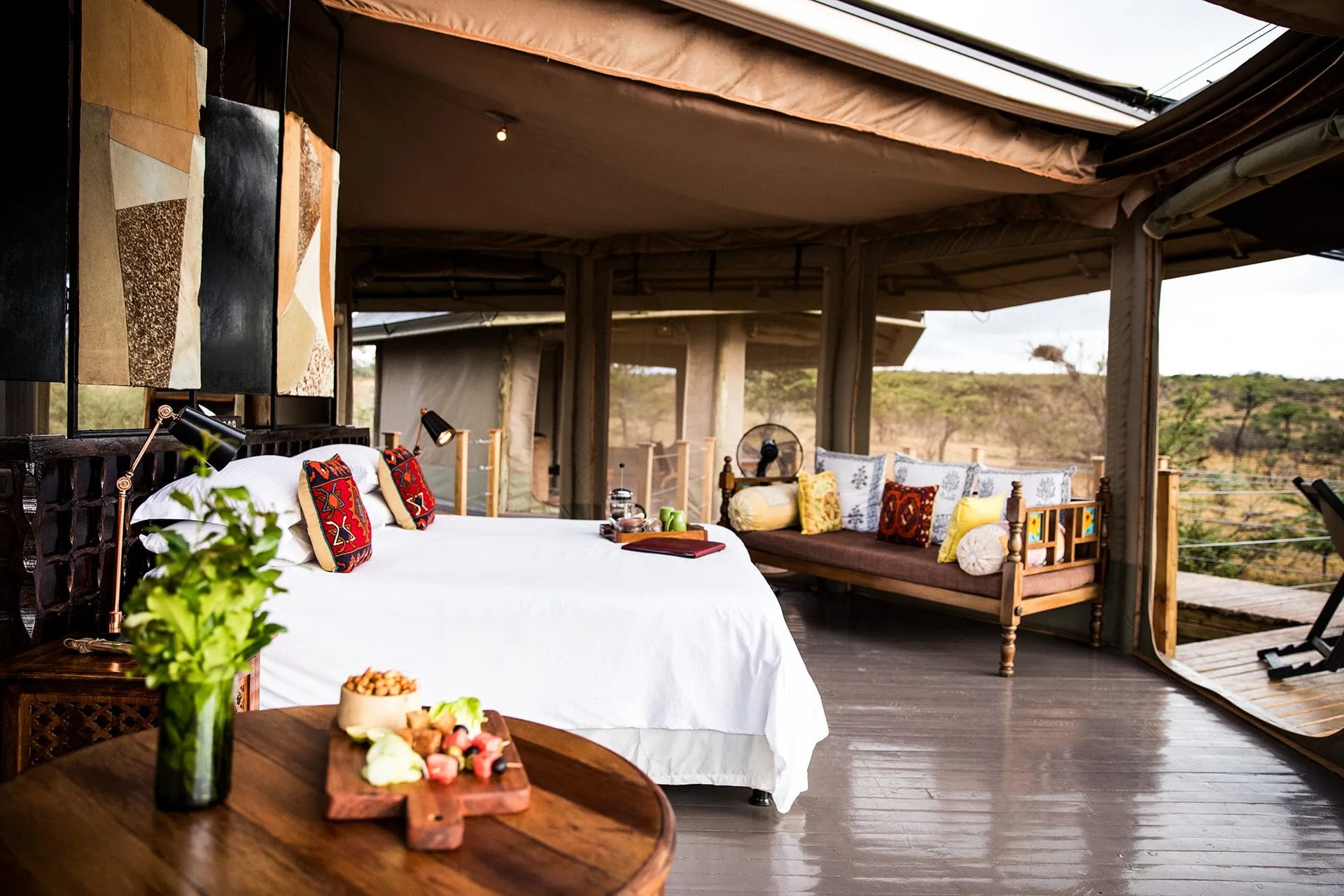
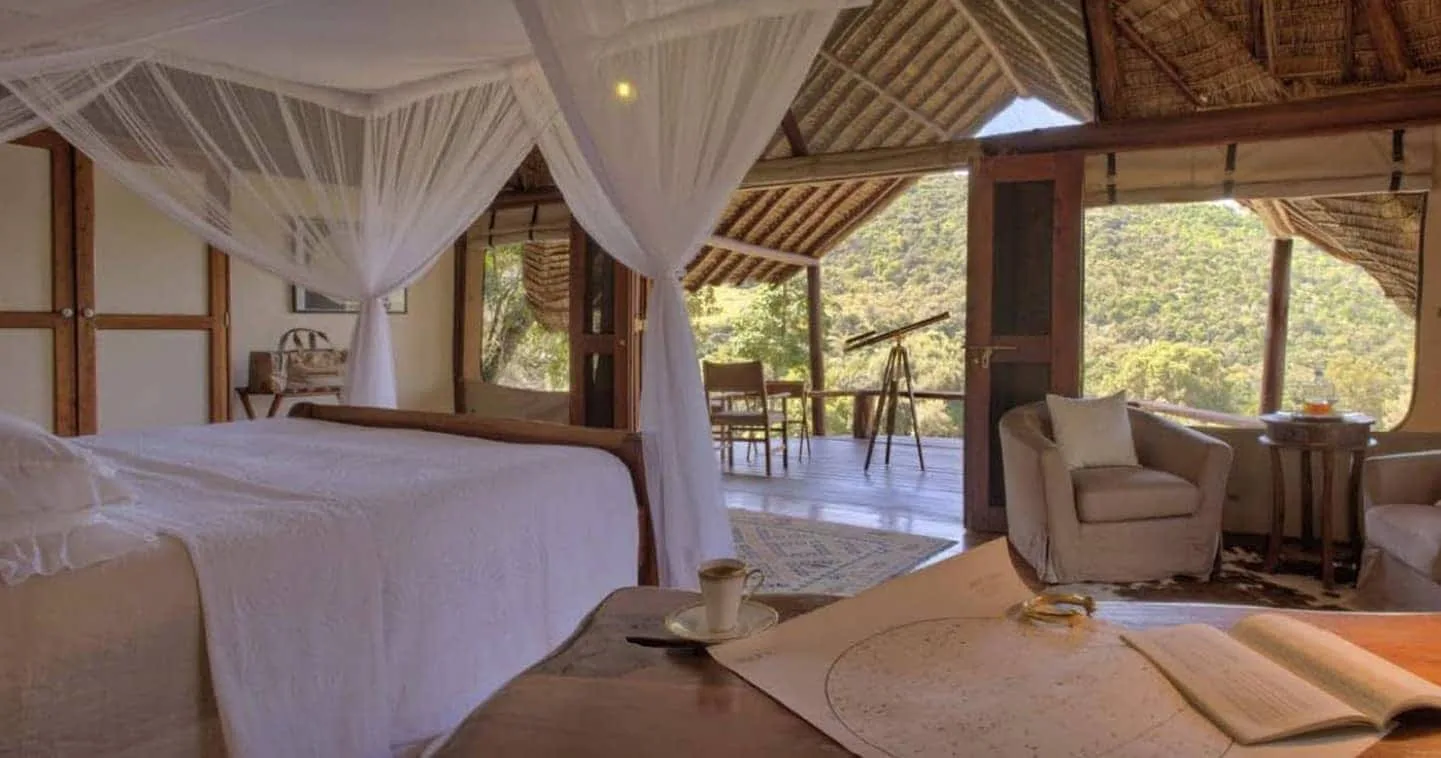
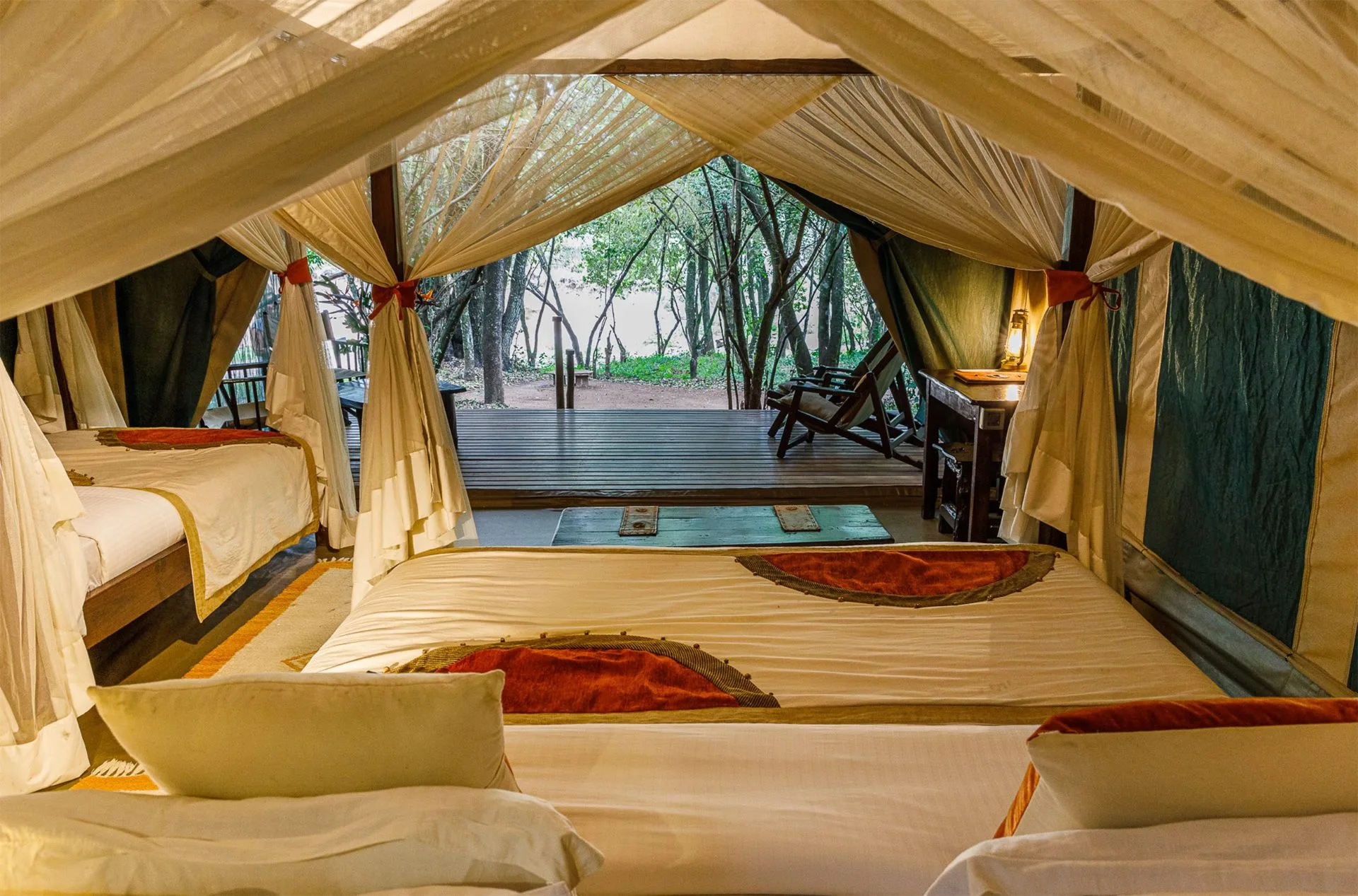
- Accommodation: Budget, mid-range, luxury or high-end lodge/tented camp in or near the Masai Mara
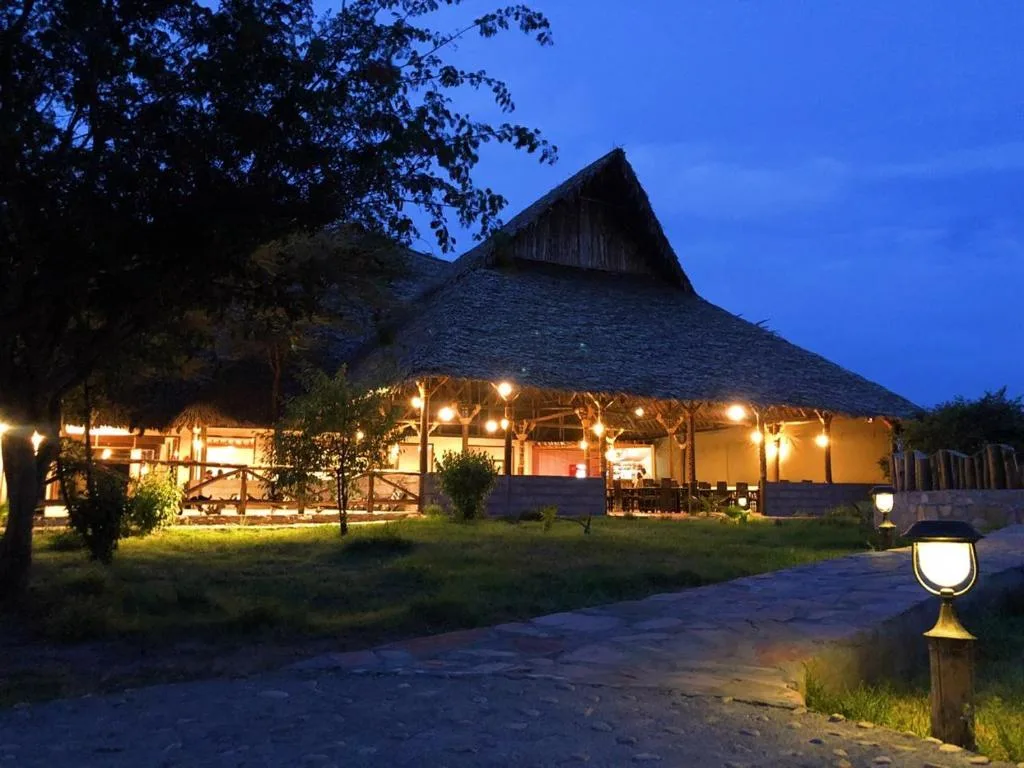
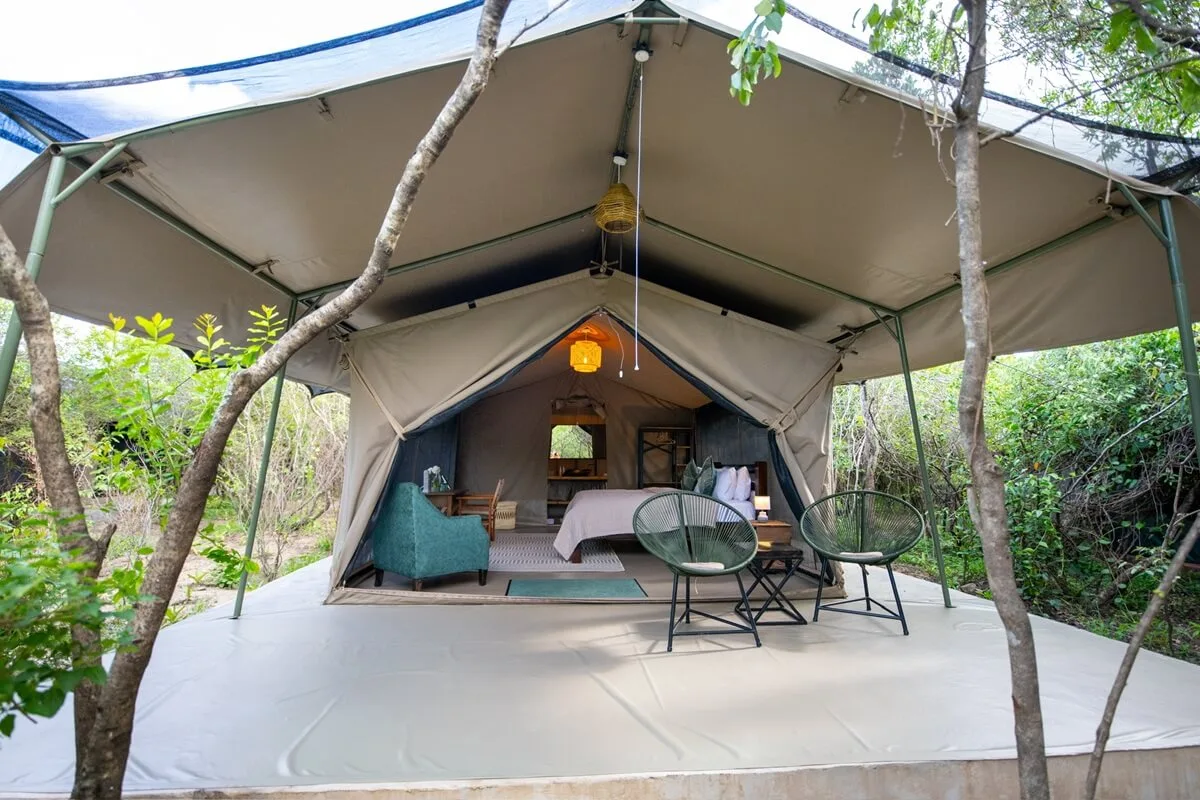
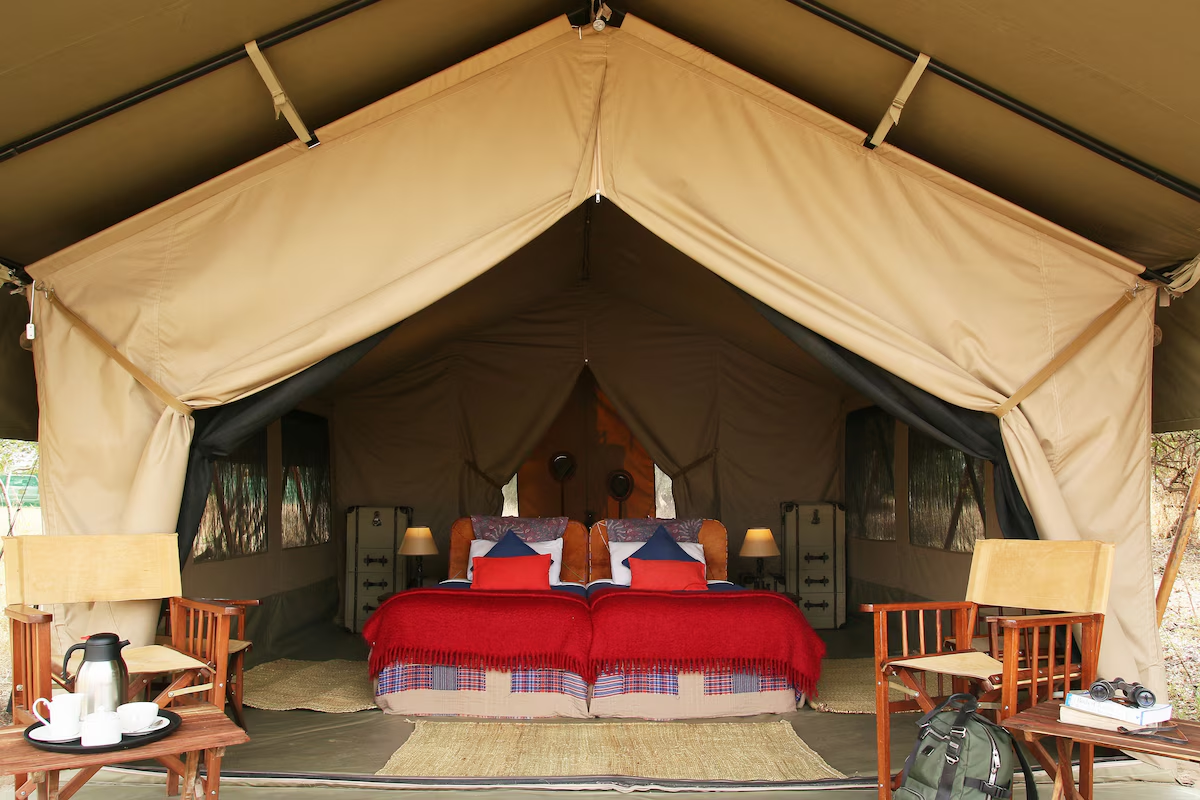
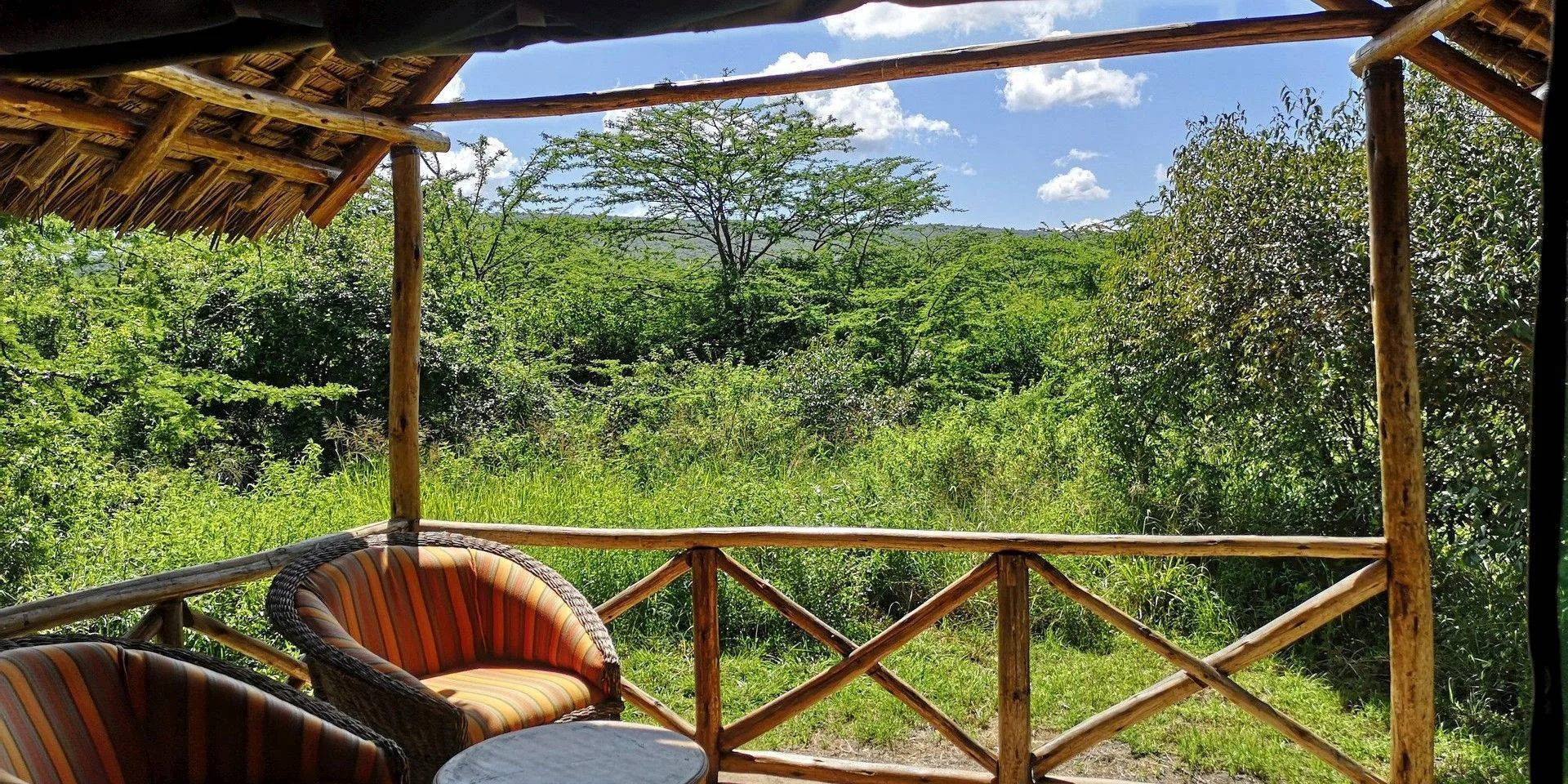
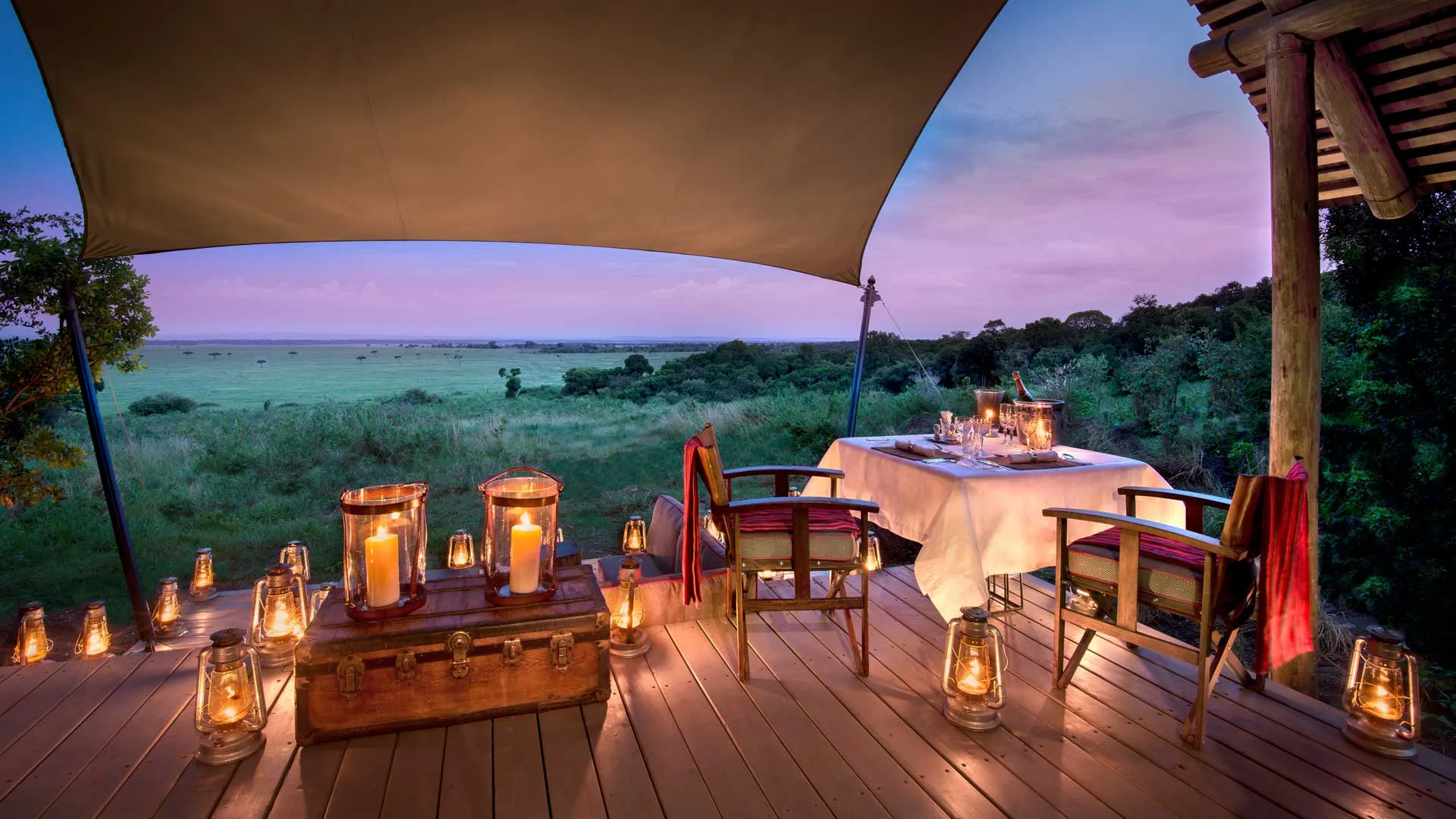
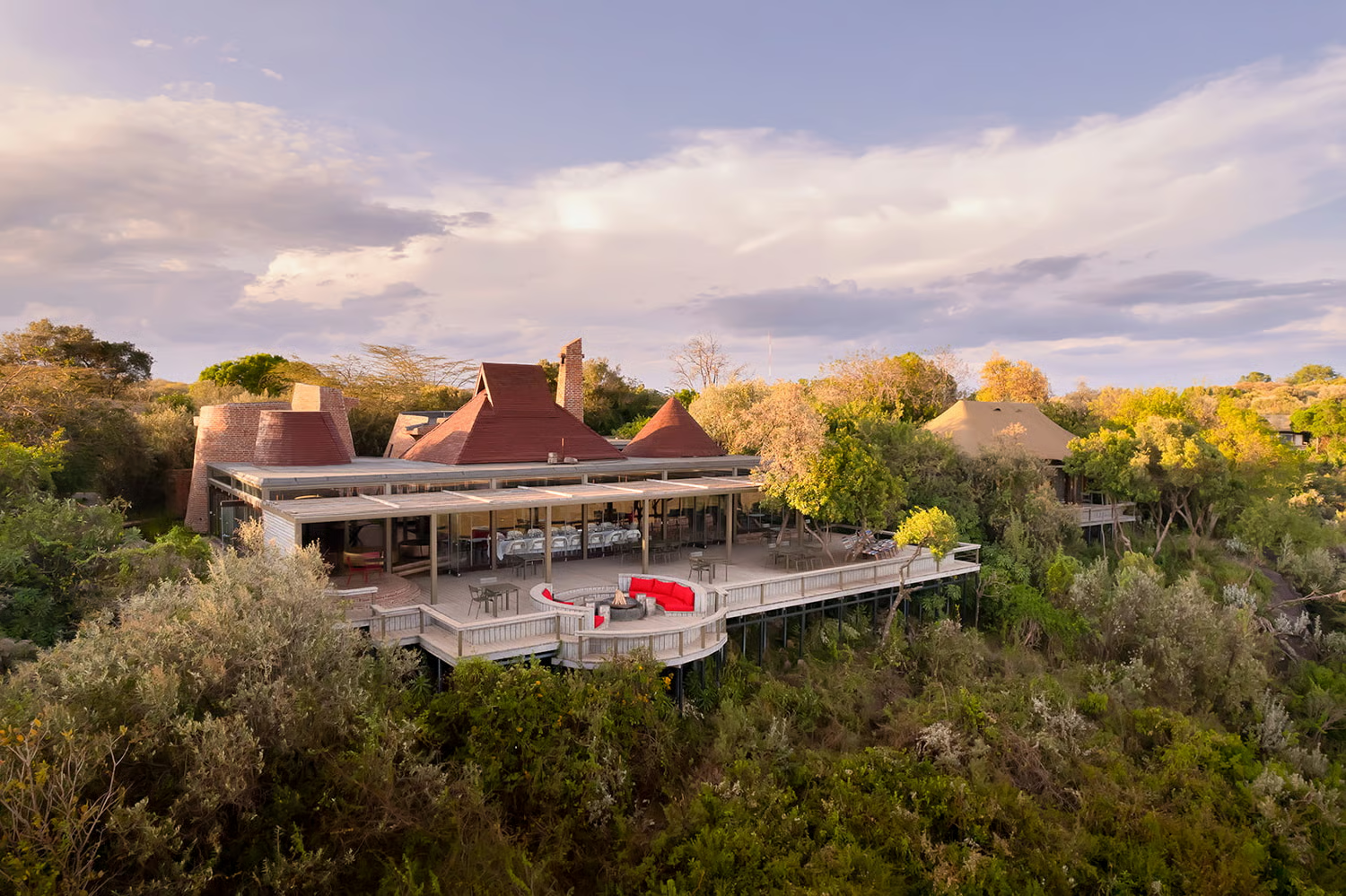
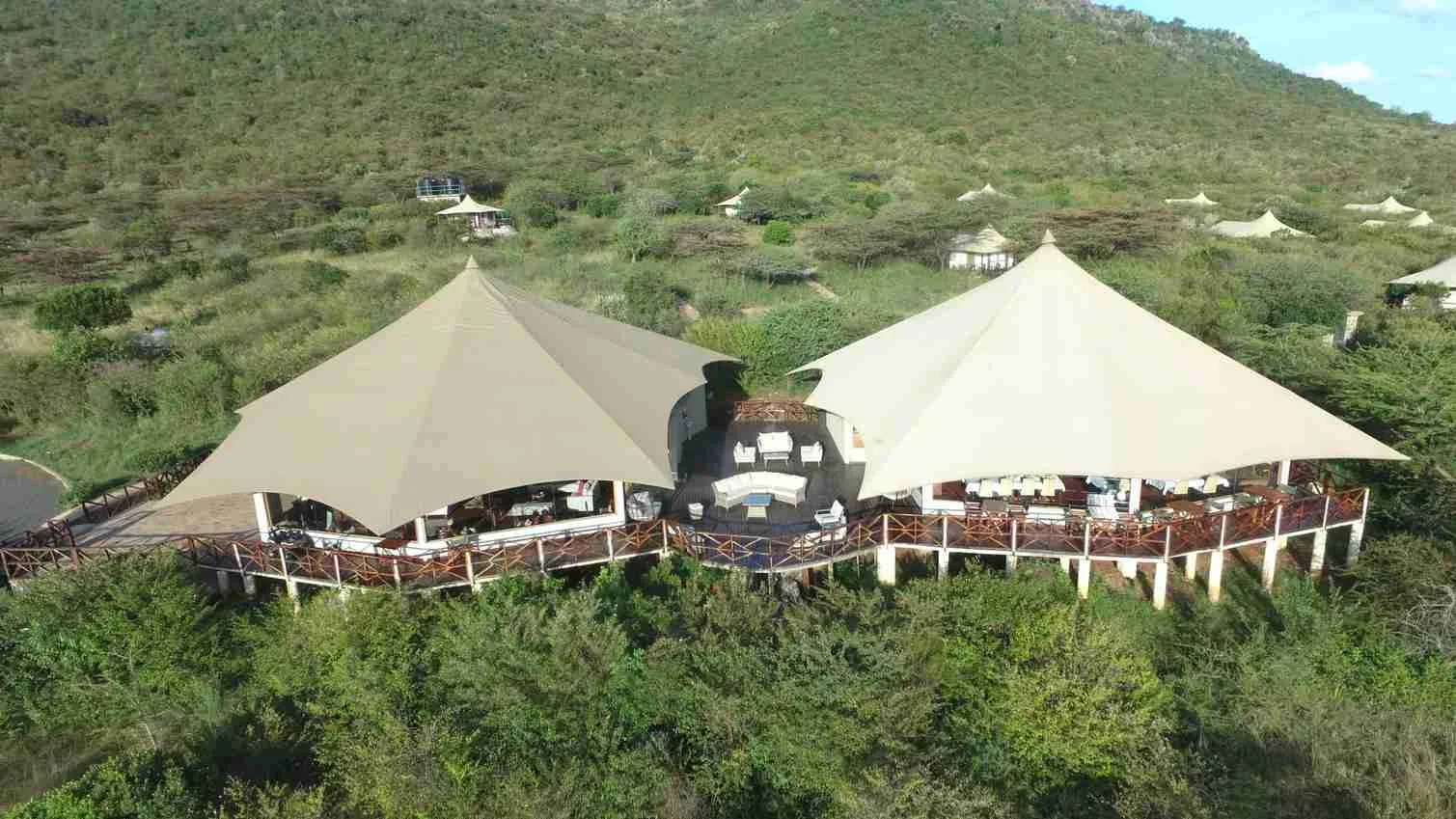
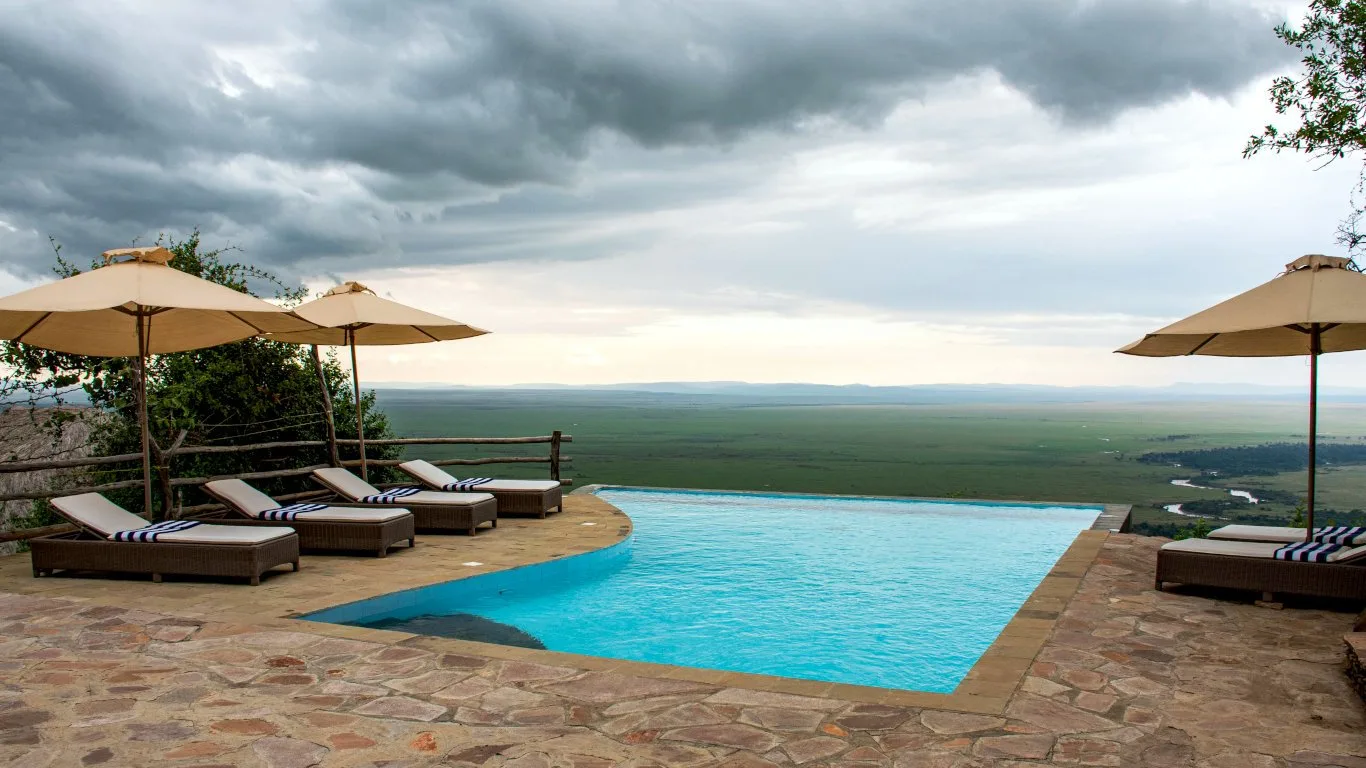
Where you stay
-
Essential (Budget)
-
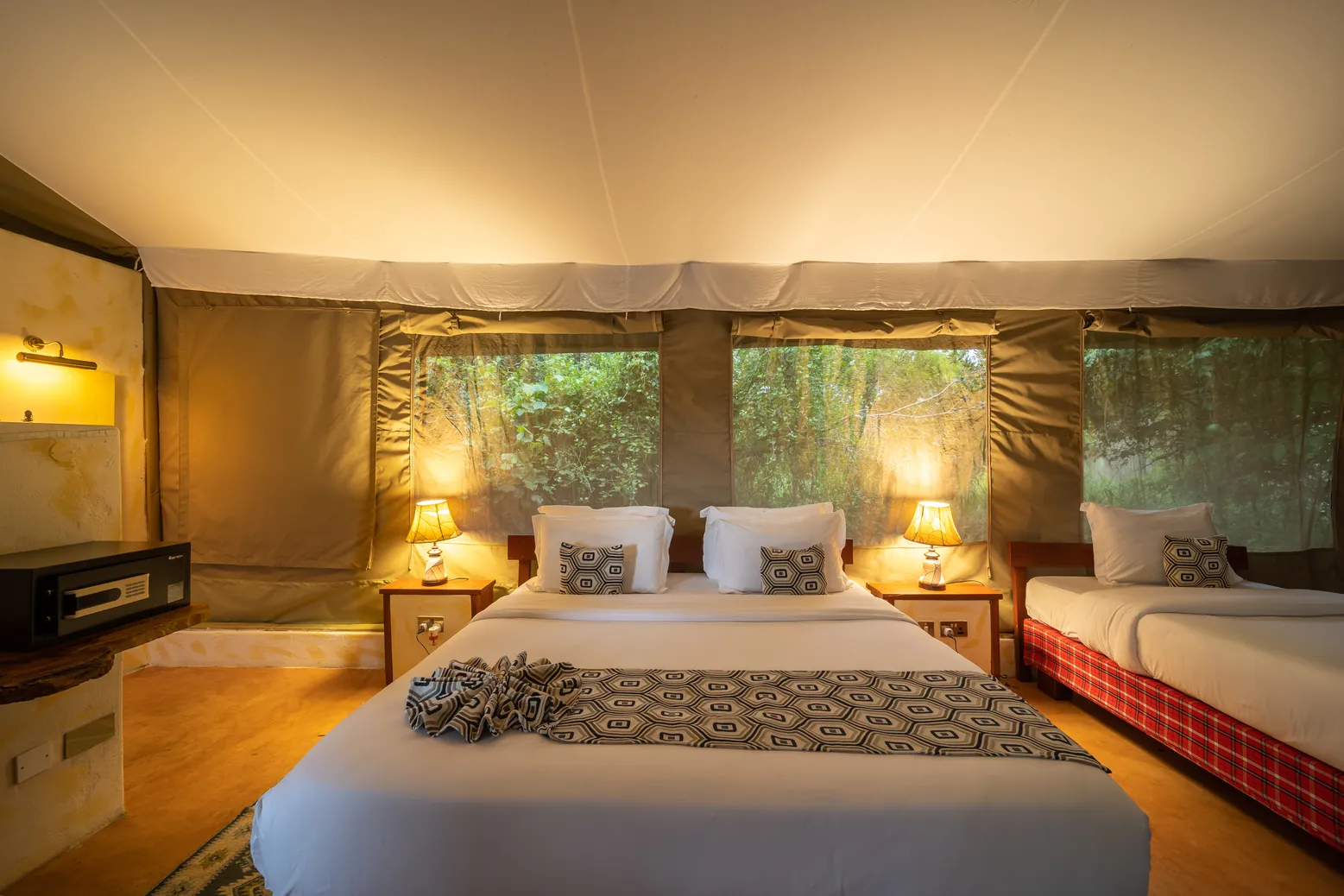
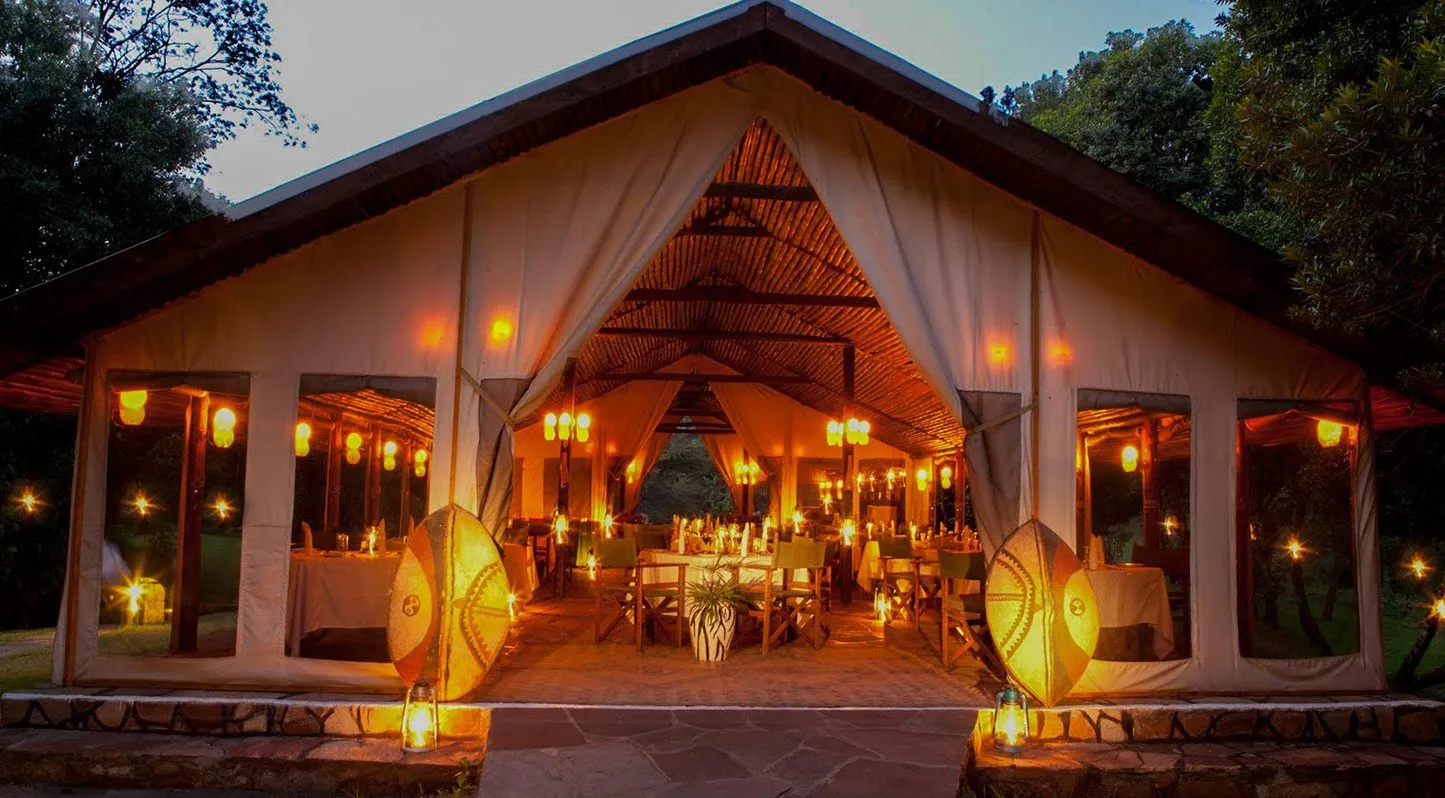
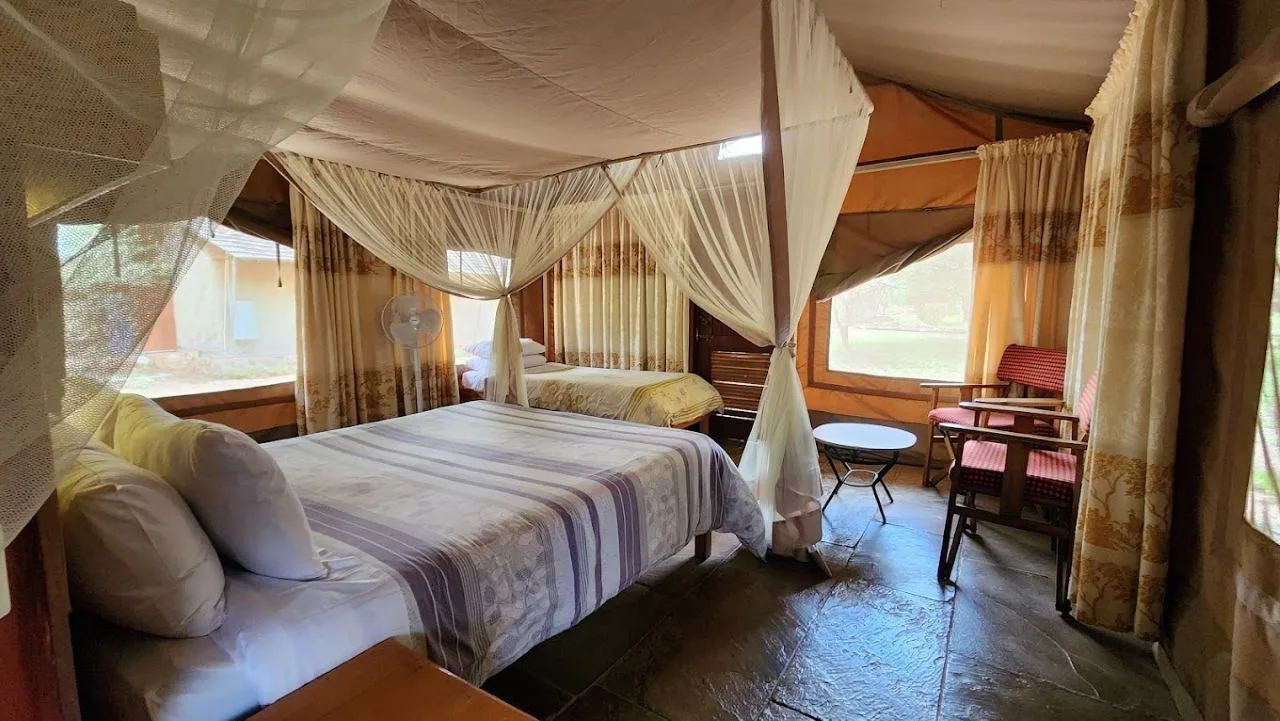
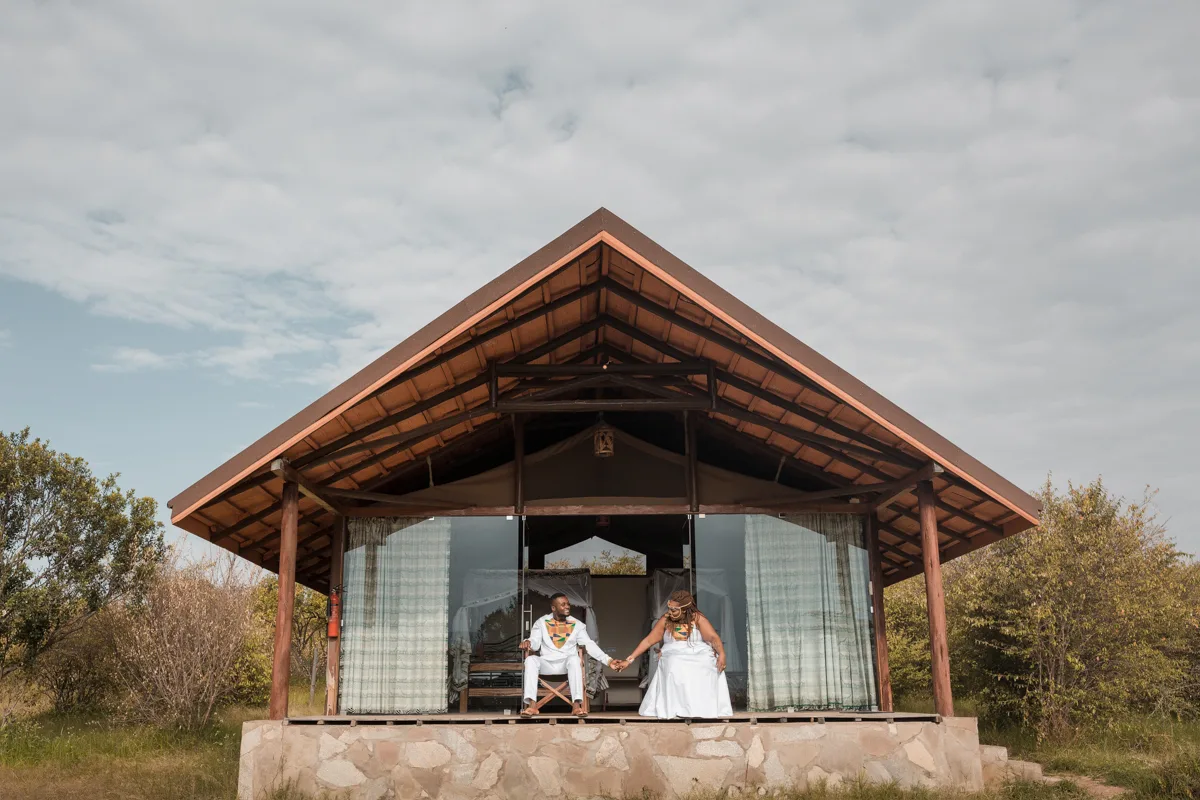
Comfort (Mid-range)
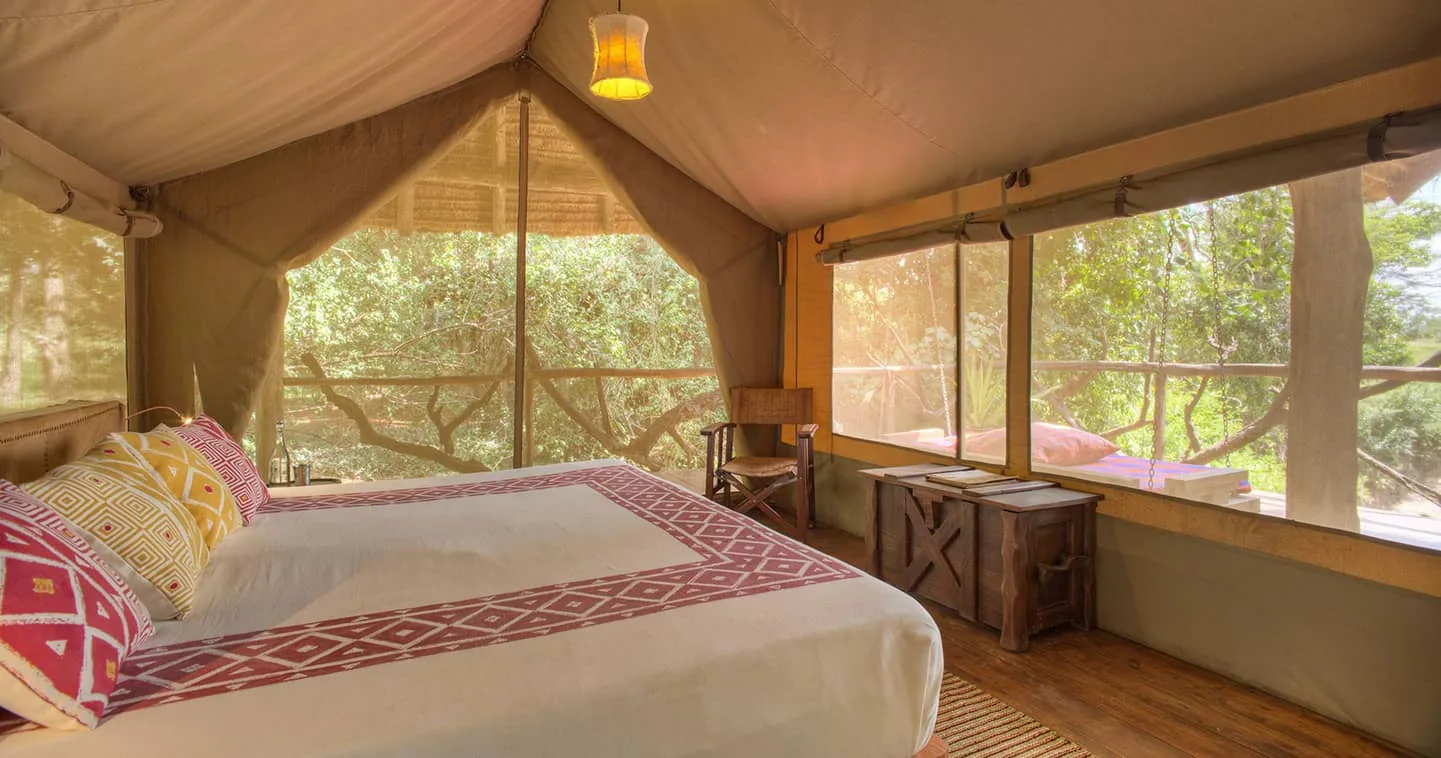
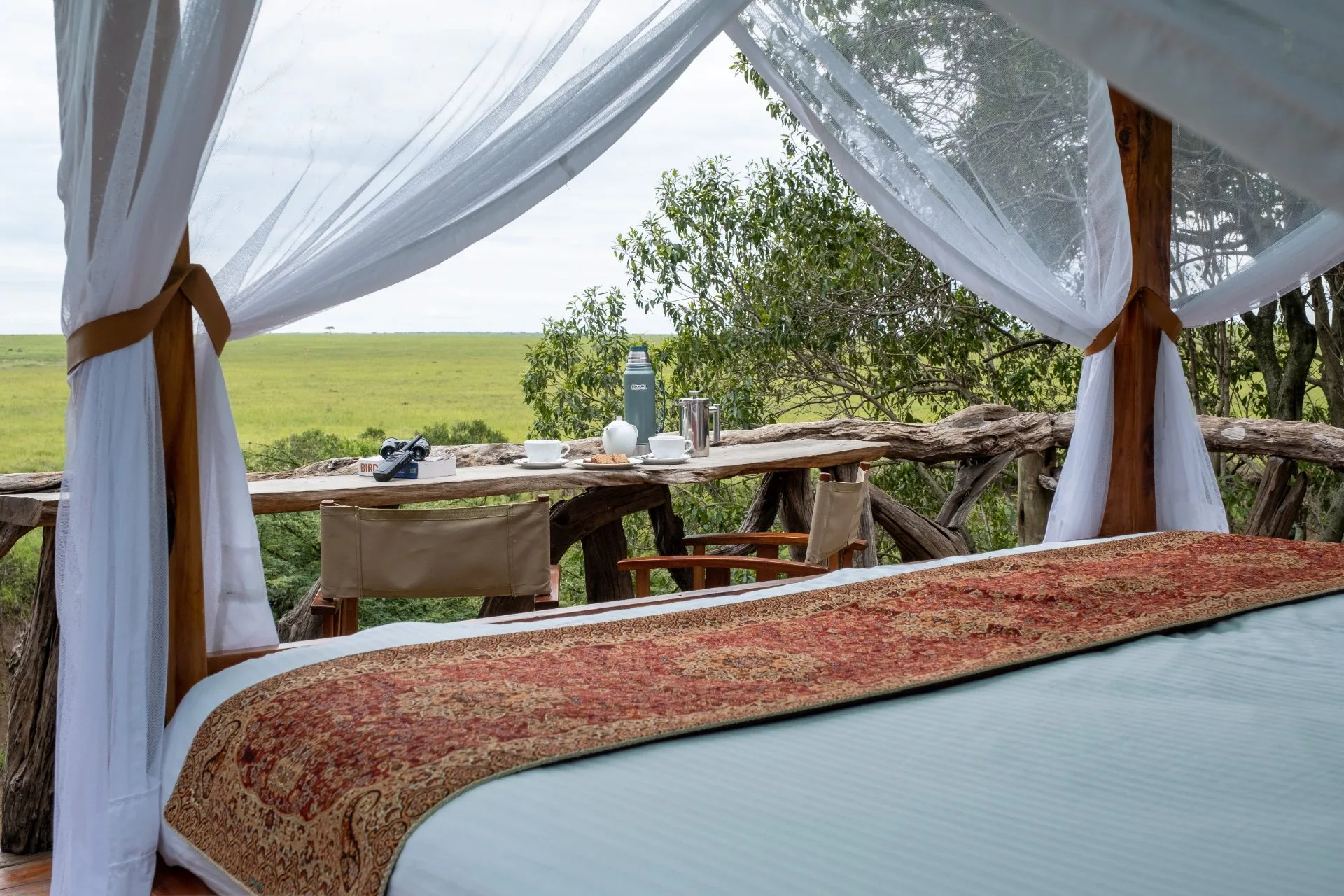
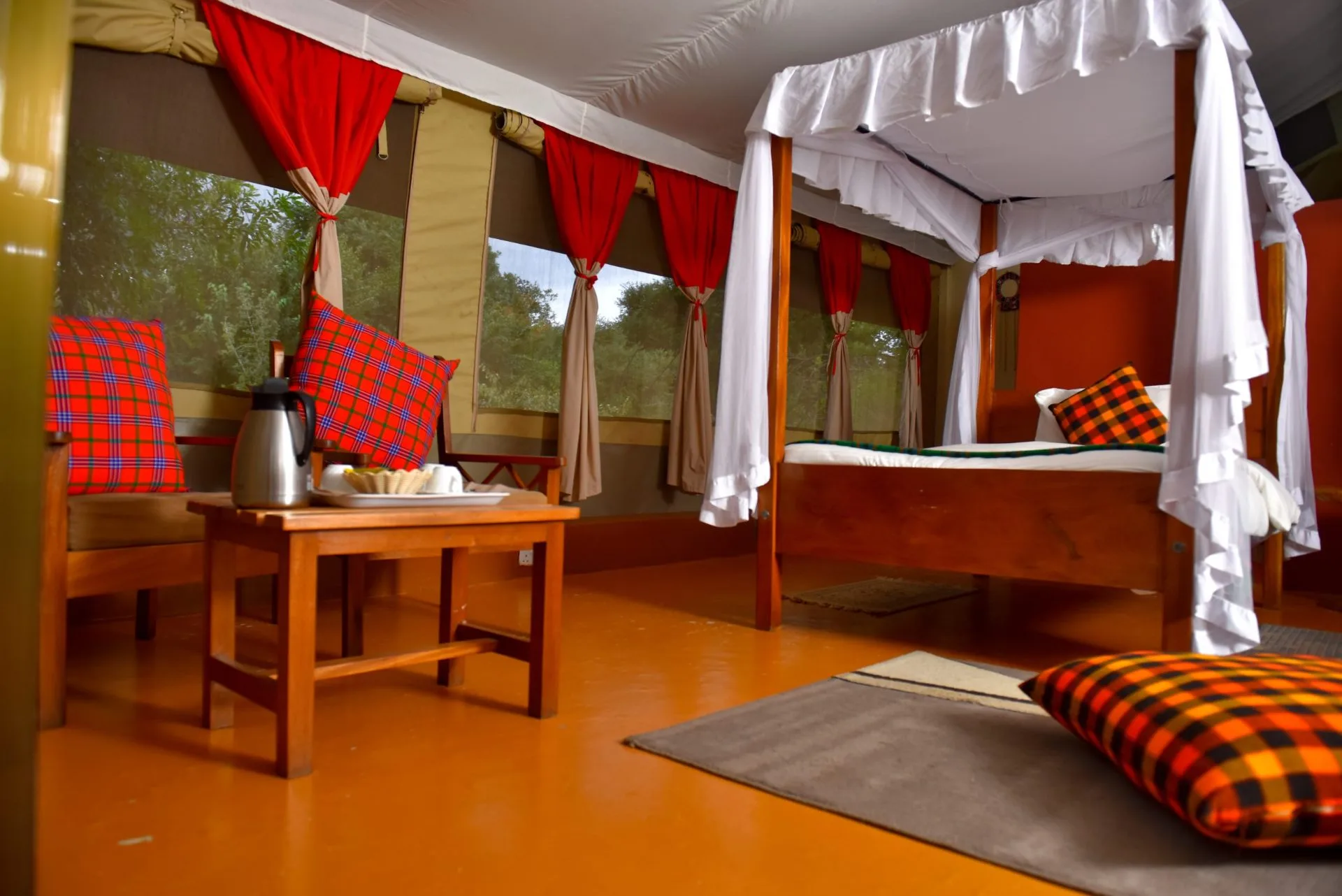
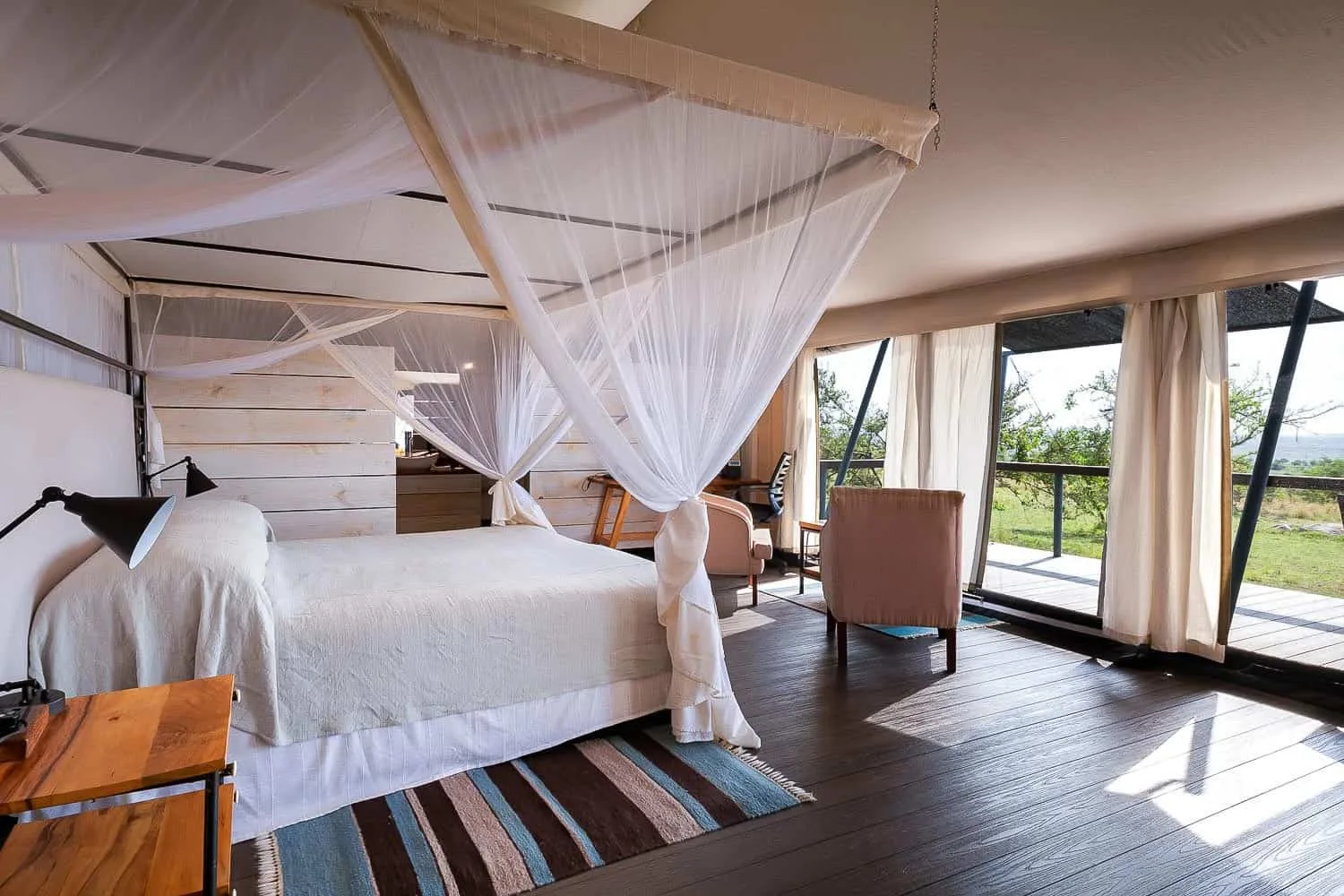
-
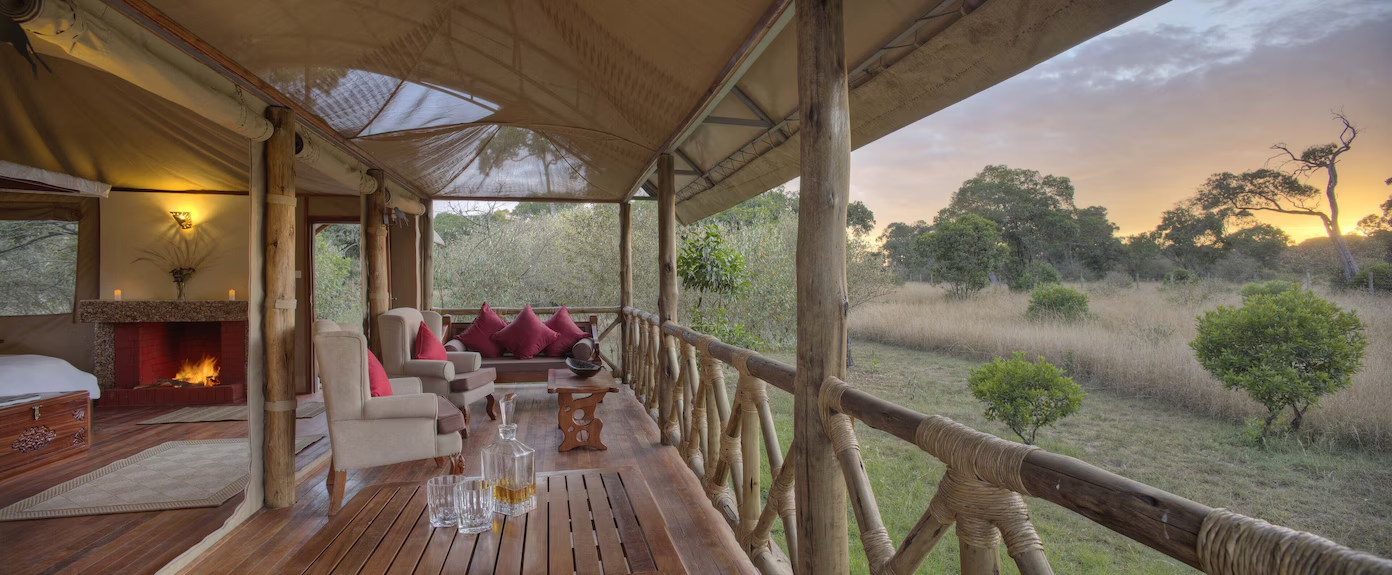
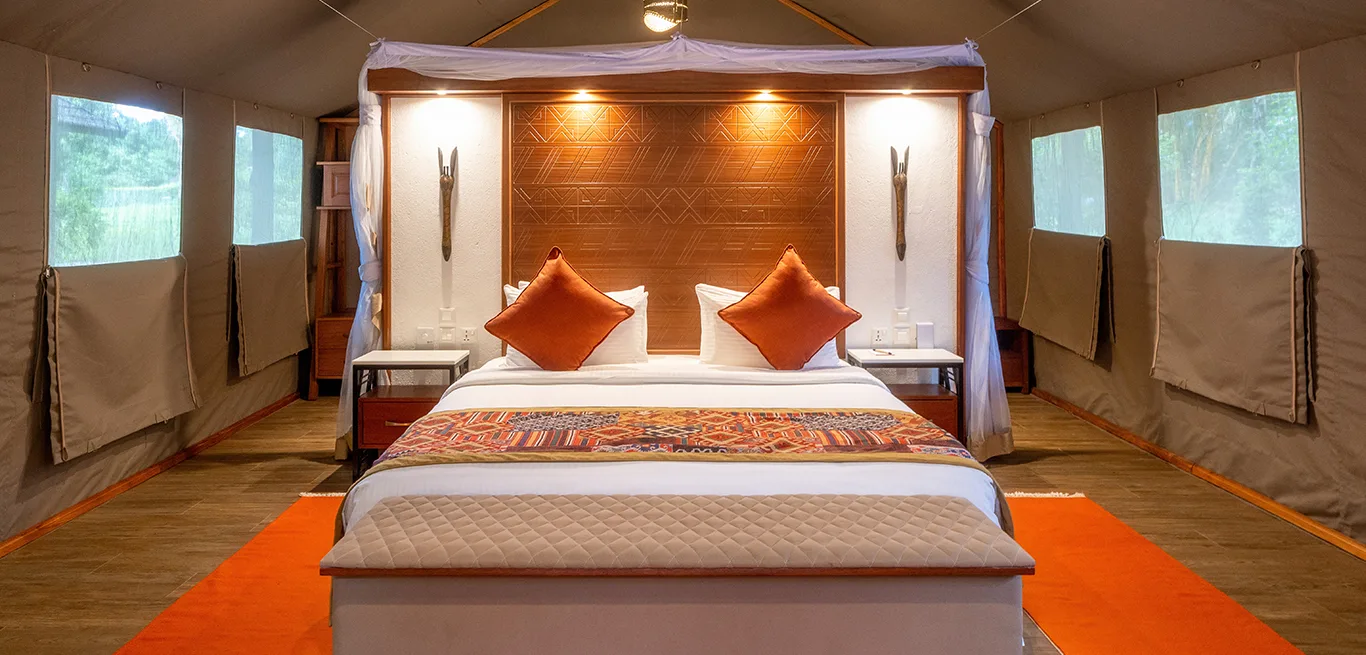
Premium (Luxury)
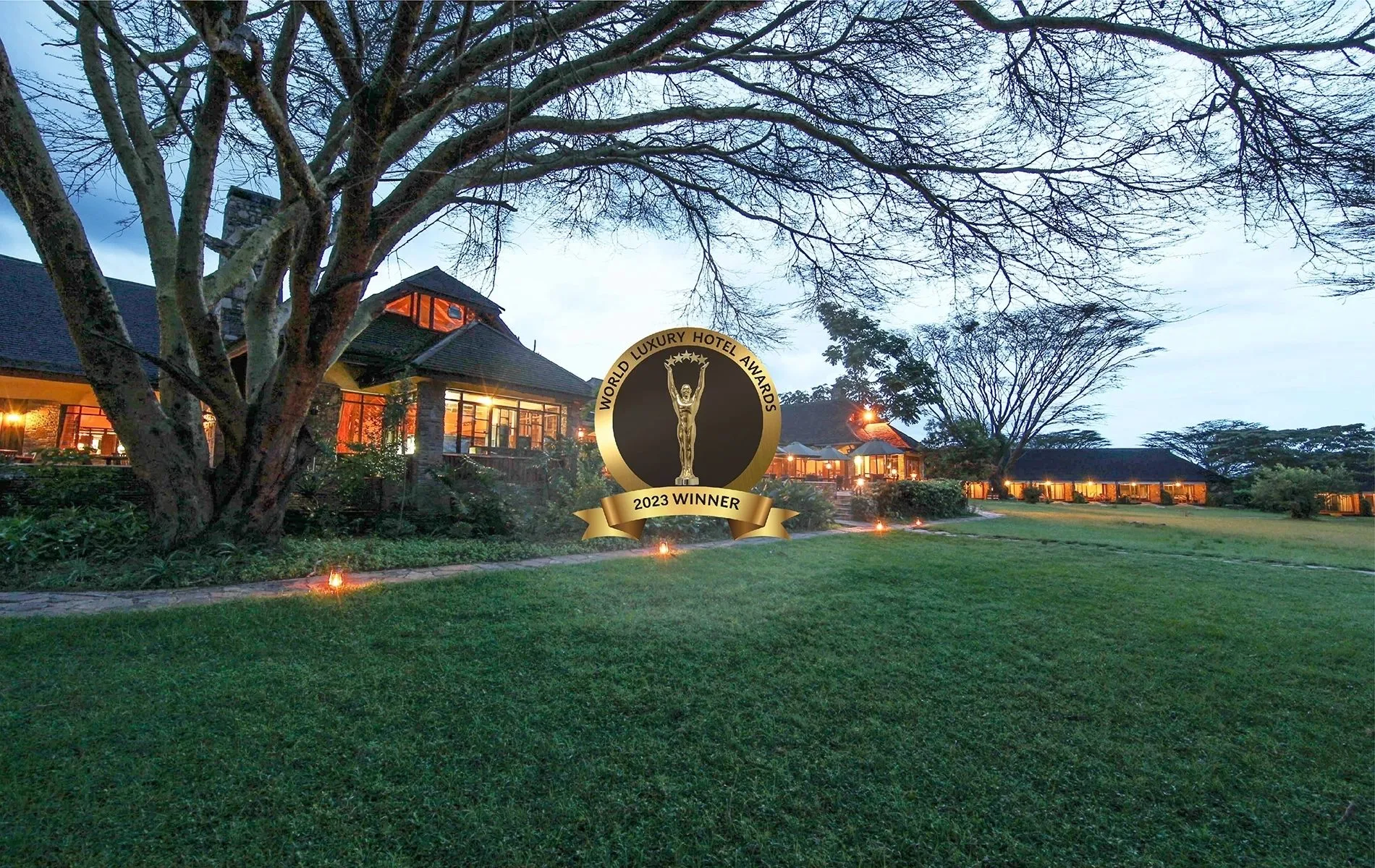
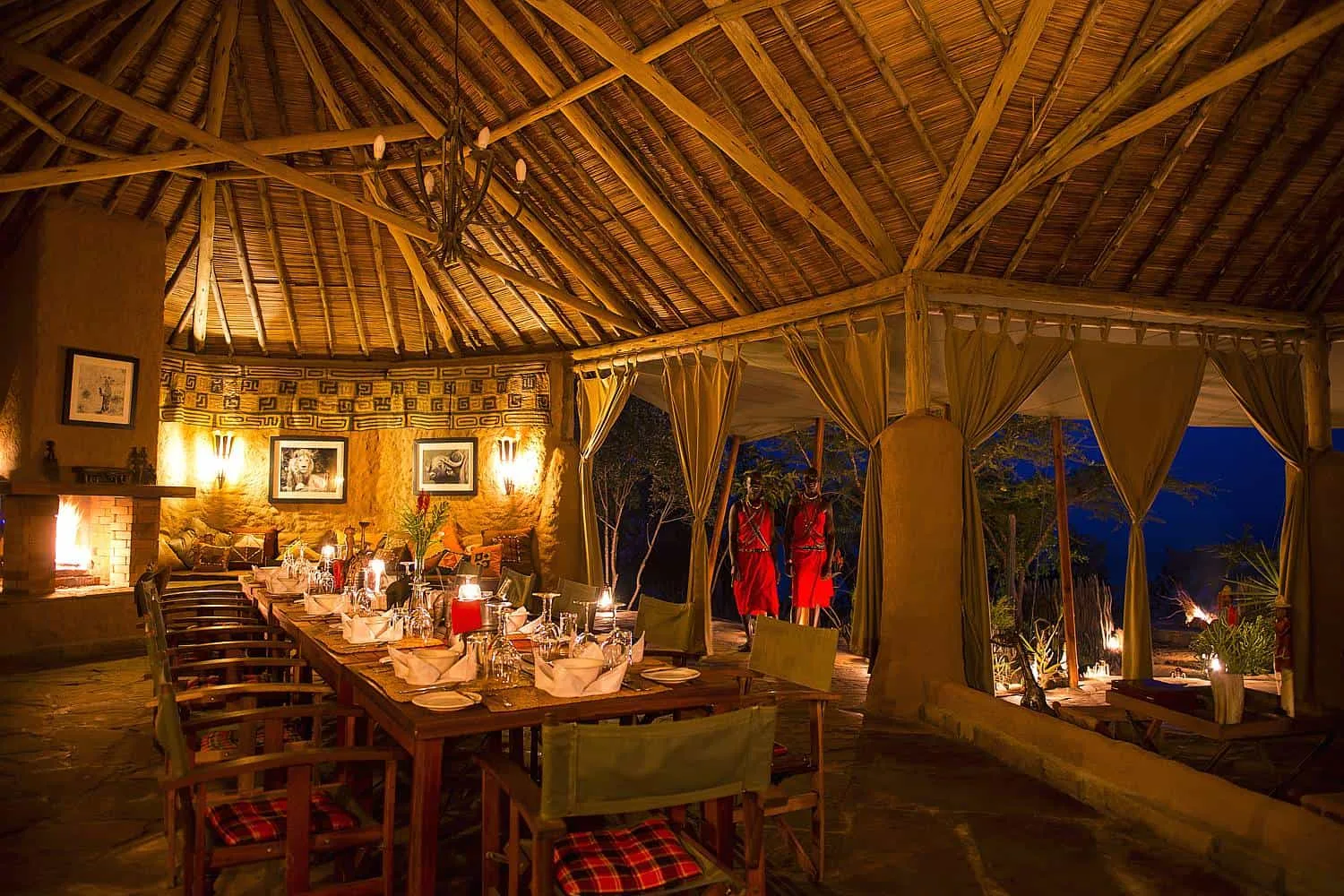
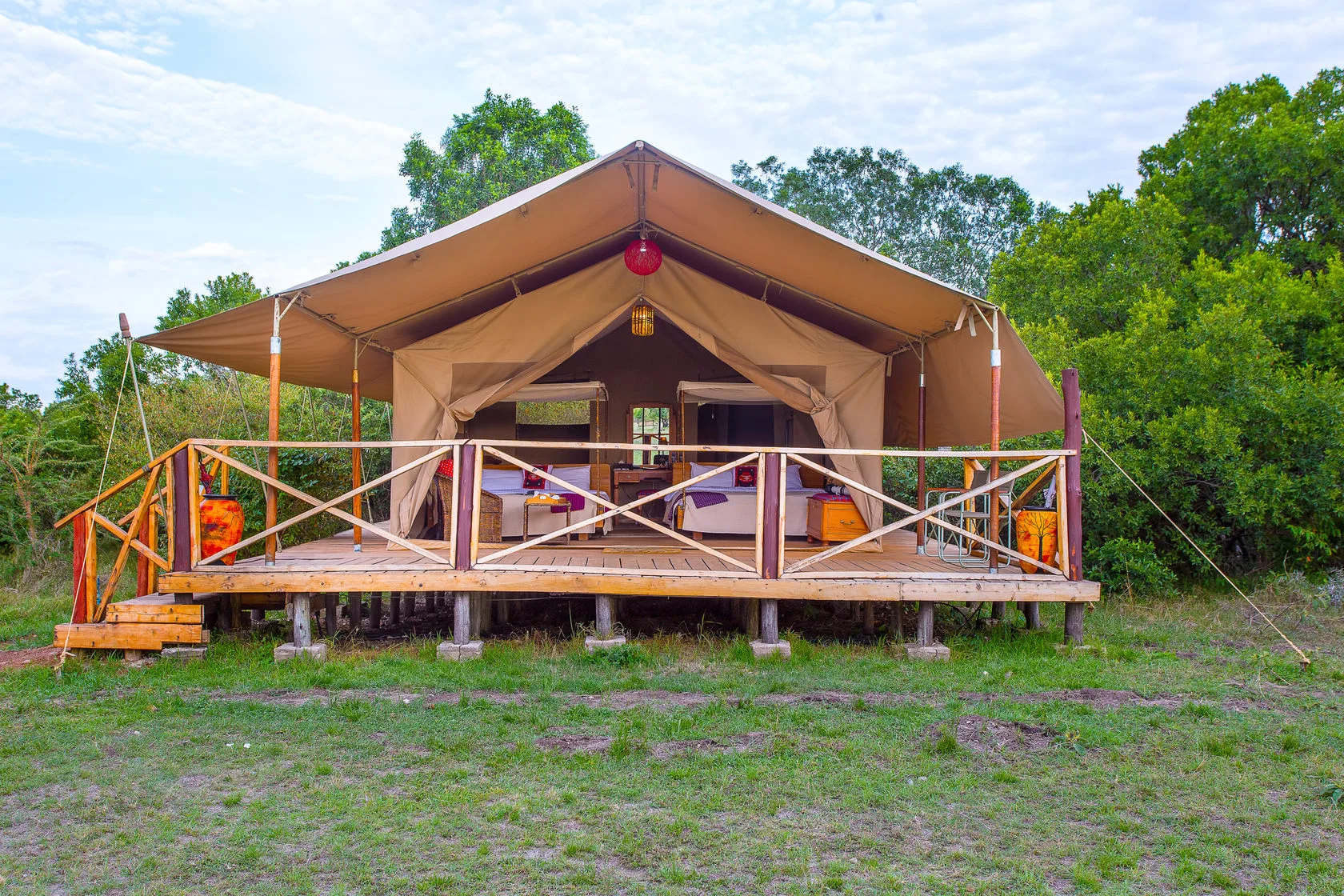
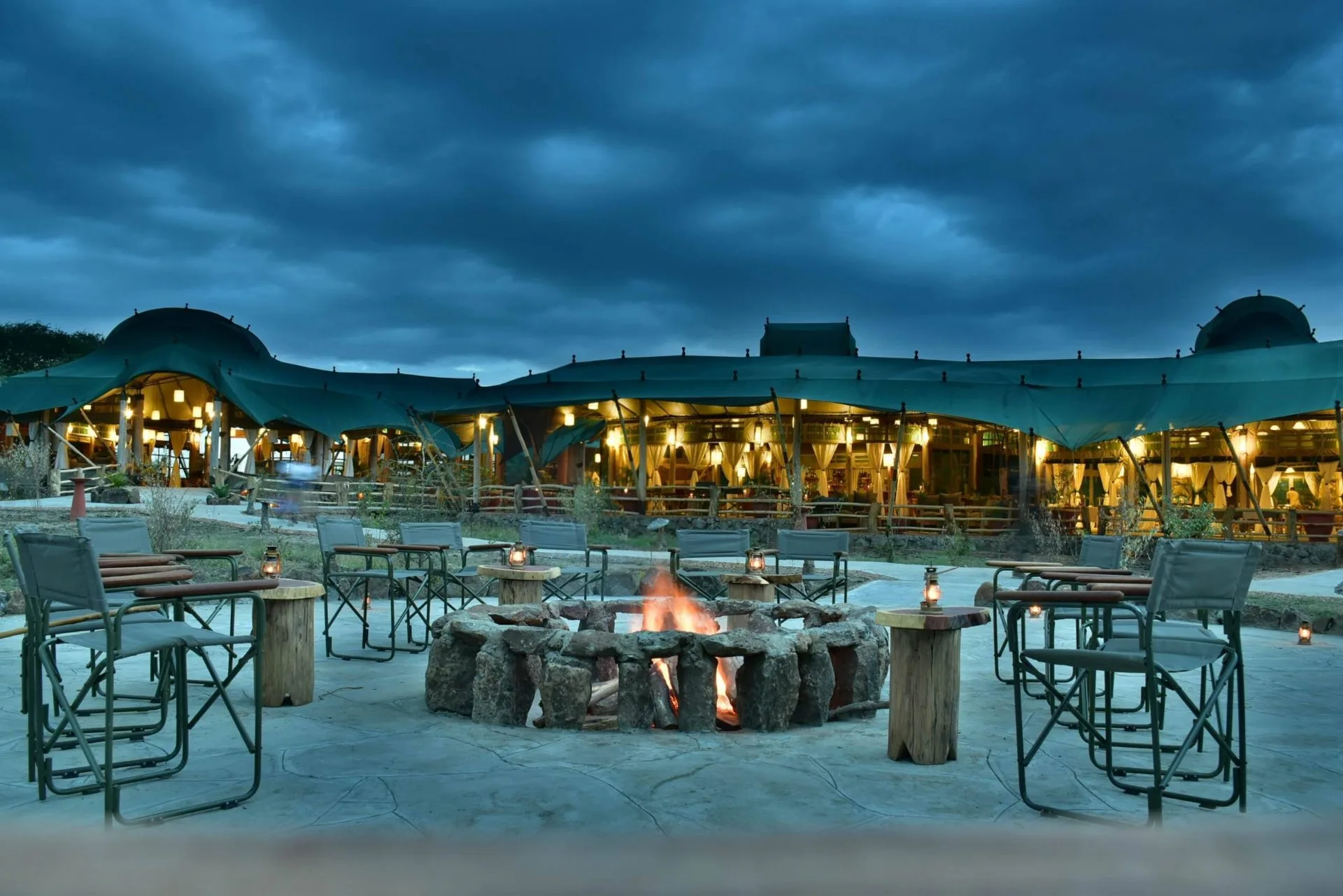
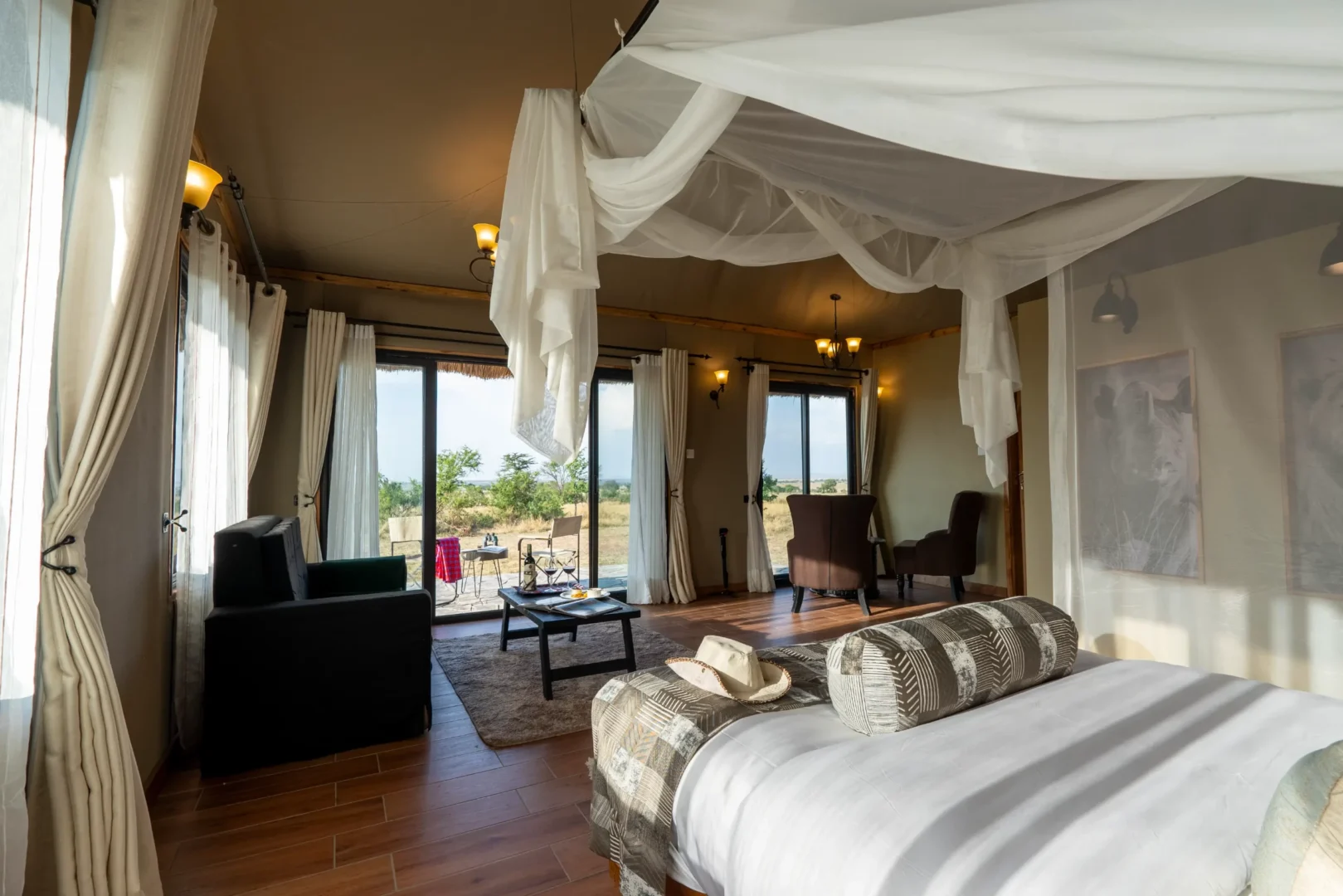
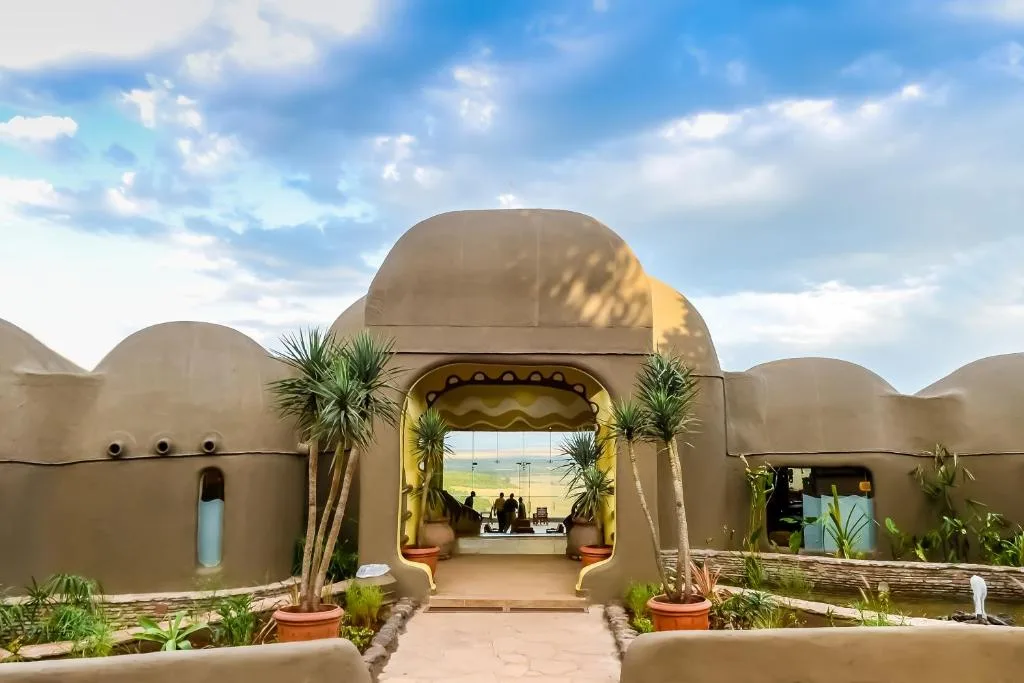
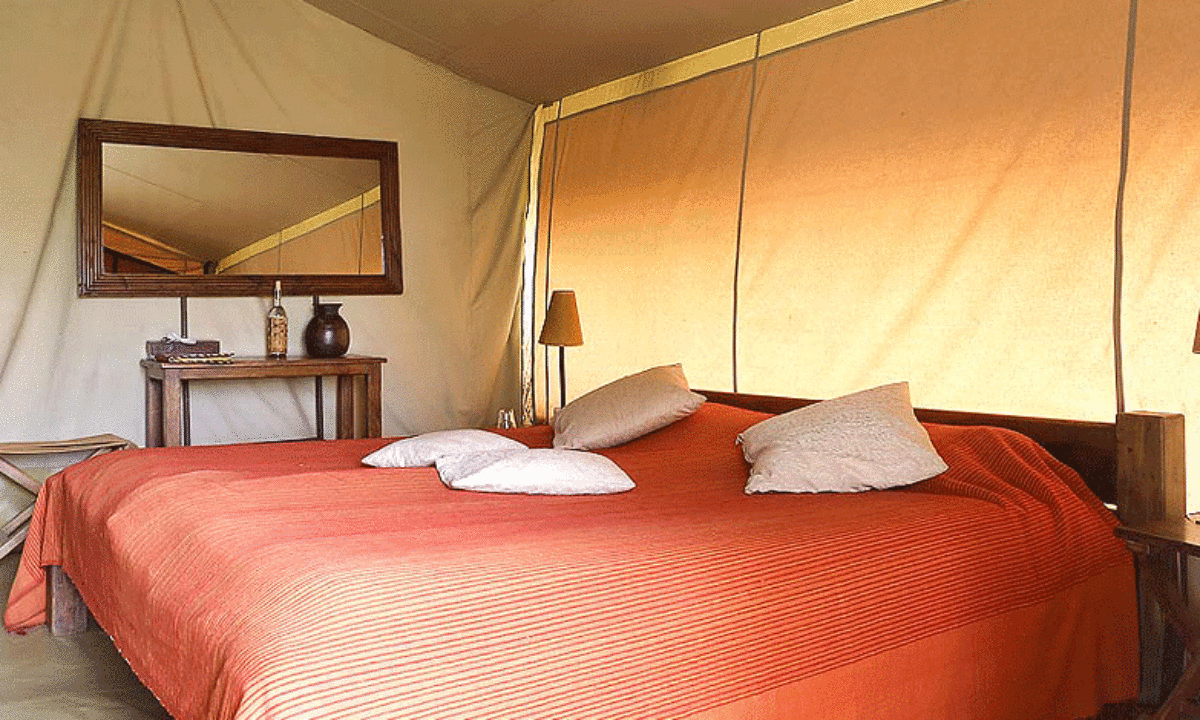
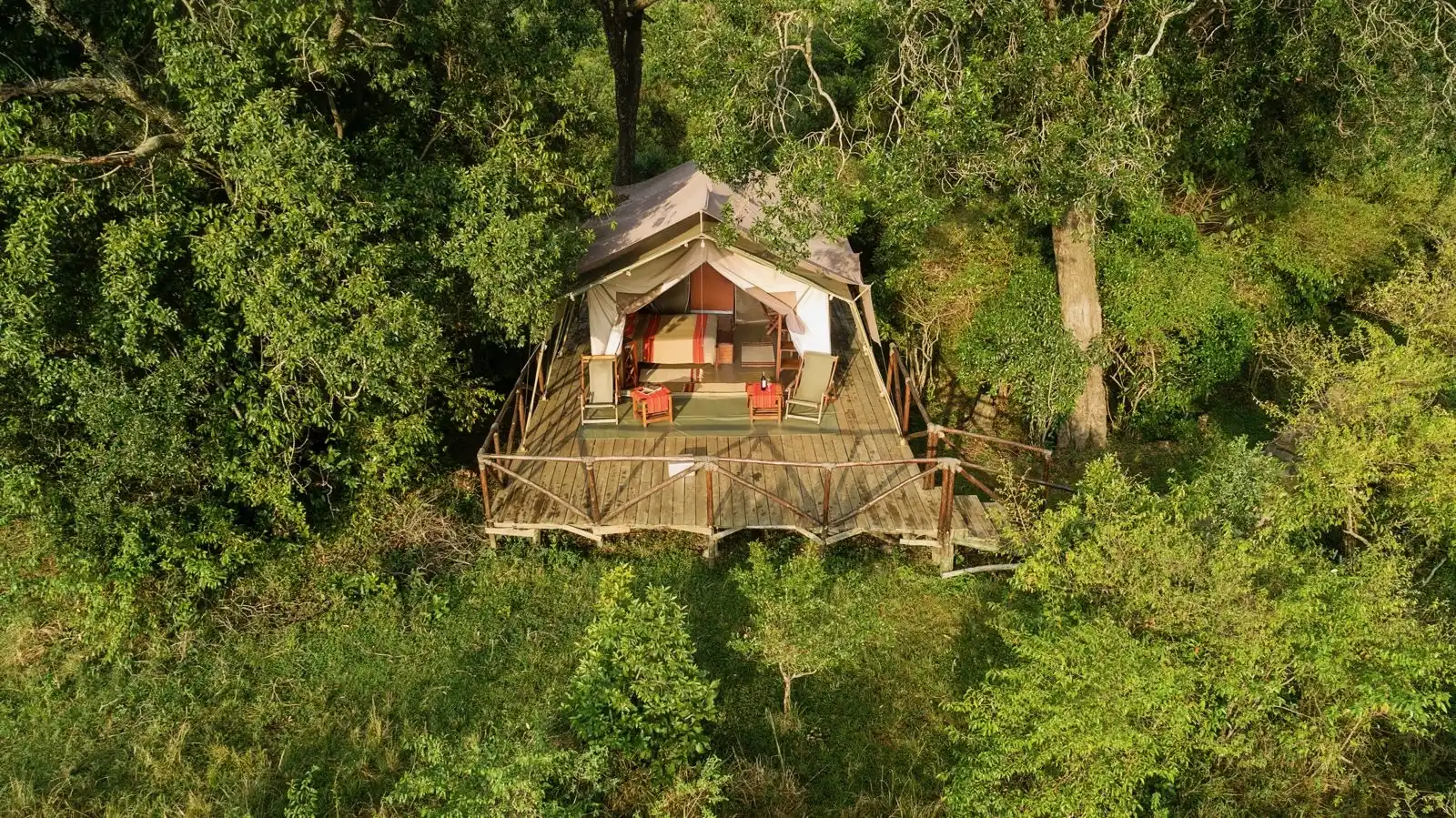
-
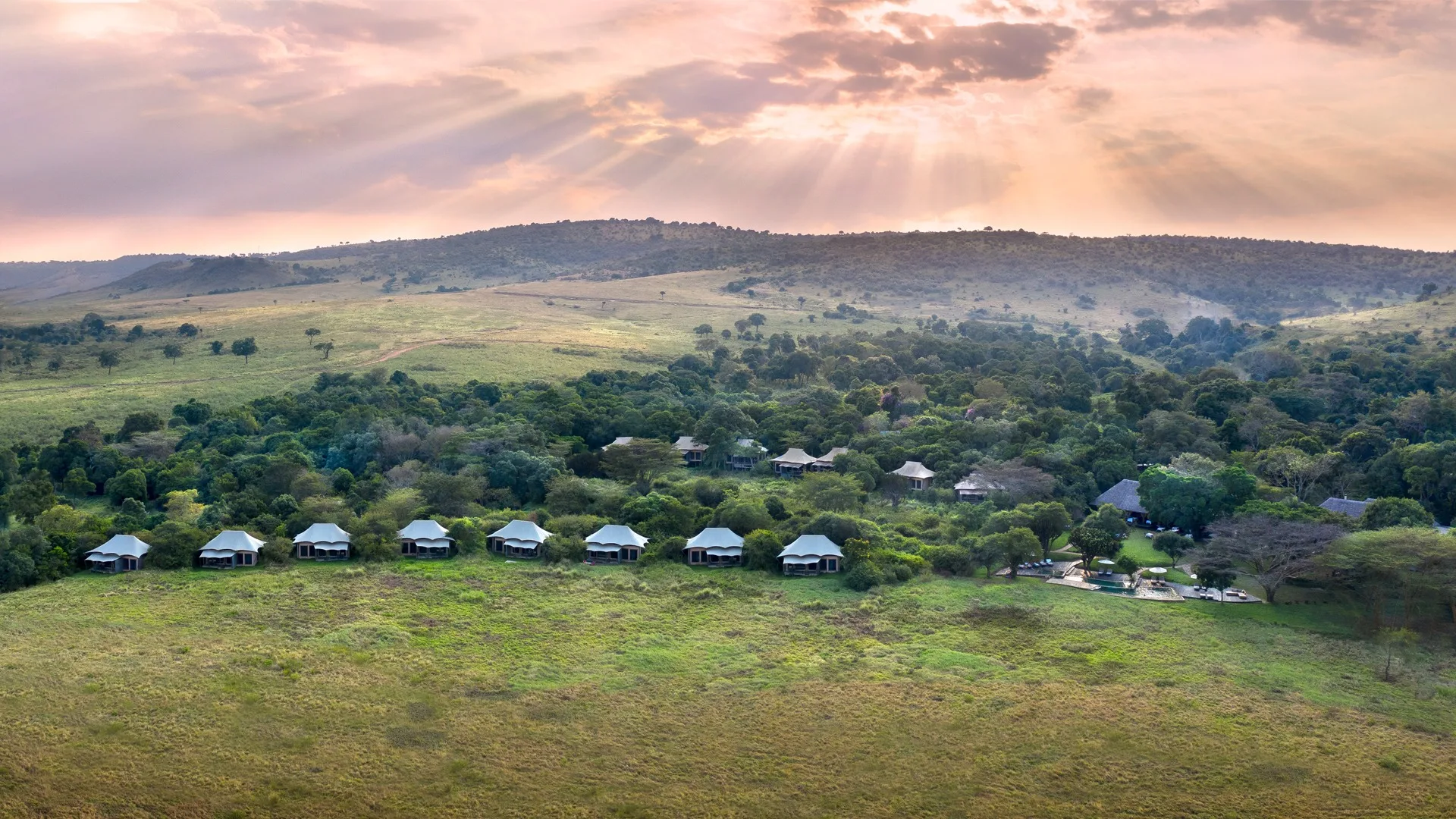
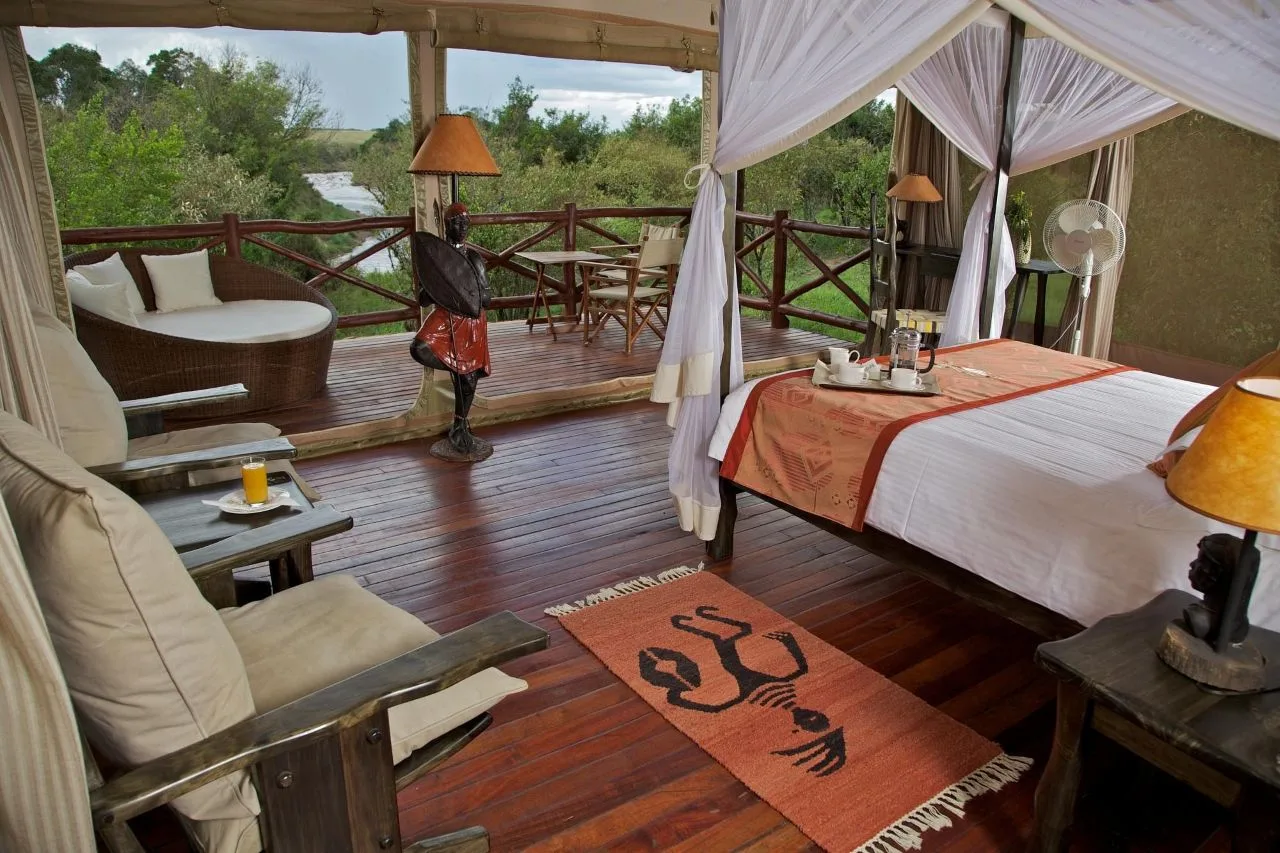
Signature (High-end)
-
Day 2: Full-Day Masai Mara Safari – Lions, Leopards, Cheetahs & Plains Game - Main destination
- Masai Mara National Reserve
- Meals
- Breakfast, Lunch, Dinner
Wake early for your first complete day in the Masai Mara. Morning is one of the most rewarding times for wildlife viewing, as temperatures are cooler, herbivores are active and predators may still be moving after nighttime hunting. After breakfast, head into the reserve with your safari guide.
For travelers who prefer a long full-day safari, a packed lunch can be carried. Alternatively, if your lodge is conveniently located, morning and afternoon game drives can be separated by a midday break.
Lions of the Masai Mara
The Masai Mara is particularly famous for its lion population. Prides can occupy territories across:
- Grasslands
- River systems
- Woodland margins
- Drainage lines
- Rocky areas
Morning sightings may include:
- Lions walking across the plains
- Cubs playing
- Females hunting
- Males patrolling territory
- Lions resting around a kill
- Pride members interacting
Your guide can explain lion social structure, including the roles of females, males, cubs and territorial coalitions.
Cheetahs
The open terrain of the Mara makes it an excellent destination for cheetahs. Cheetahs often use the following as vantage points:
- Termite mounds
- Small rises
- Open plains
They rely heavily on vision and speed, and possible prey includes gazelles and other small antelopes. If a cheetah begins preparing to hunt, your guide will maintain an appropriate distance and avoid interfering with its natural behavior.
Leopards
Leopards are considerably more elusive. They often use:
- Riverine forest
- Large trees
- Dense vegetation
- Drainage systems
A leopard may be found resting in a tree, walking through grass or feeding on prey carried into a branch. Guides may look for:
- Fresh tracks
- Alarm calls
- Recent reports
- Prey animals staring toward cover
Although the Mara provides strong opportunities, leopard sightings can never be guaranteed.
Elephants
African elephants are widely distributed through the ecosystem. You may encounter family groups containing:
- Matriarchs
- Adult females
- Juveniles
- Calves
Large bulls can sometimes be seen traveling independently. The broad grasslands provide excellent opportunities to photograph elephants in their natural environment.
African Buffaloes
Buffaloes are another important Mara species. Large herds may move through grasslands or gather near water, and older bulls sometimes form smaller groups. Buffaloes are one of the traditional Big Five.
Plains Game
The Mara supports enormous populations of herbivores. Possible sightings include: Blue wildebeest, Plains zebra, Topi, Coke’s hartebeest, Common eland, Impala, Waterbuck, Grant’s gazelle, Thomson’s gazelle, Warthog.
The abundance of prey helps sustain the predator population.
Spotted Hyenas
Hyenas are frequently encountered. Contrary to their reputation as simple scavengers, spotted hyenas are highly effective hunters with complex social structures. You may see:
- Hyenas around kills
- Clan members interacting
- Individuals resting
- Animals moving across the plains
- Competition with lions
Picnic Lunch
If spending the whole day in the reserve, enjoy a packed lunch at an approved picnic location. Remaining in the field allows you to explore more distant wildlife areas. Continue your game drive into the late afternoon, then return to your accommodation for dinner.
- Destination: Masai Mara National Reserve
- Main activity: Full-day safari
- Safari highlights: Lions, leopards, cheetahs, elephants, buffaloes and plains wildlife
- Meals: Breakfast, lunch and dinner
- Accommodation: Same Masai Mara lodge or tented camp
Where you stay
-
Day 3: Second Full-Day Masai Mara Safari – Great Migration, Mara River & Deeper Wildlife Exploration - Main destination
- Masai Mara National Reserve
- Meals
- Breakfast, Lunch, Dinner
A second complete Masai Mara day is one of the major advantages of the eight-day itinerary. Wildlife changes constantly: yesterday’s quiet area may become extremely active today, a lion pride may move, a cheetah may appear on a different plain, and elephants can arrive from another part of the ecosystem. If migration herds are present, their positions can shift considerably overnight. After an early breakfast, return to the reserve.
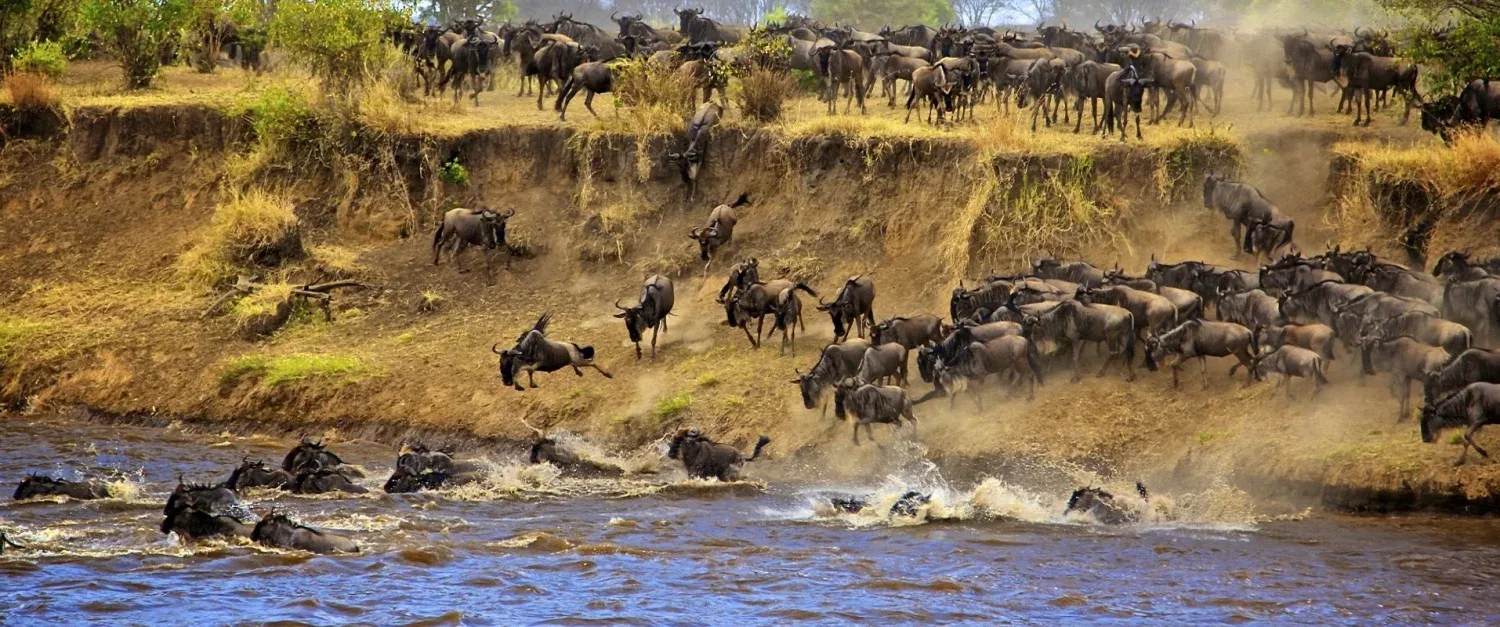
Great Wildebeest Migration
If your safari occurs during the broader period when migrating herds are present in Kenya, the day can focus partly on the Great Wildebeest Migration. Huge numbers of wildebeest and zebras move through the Serengeti-Mara ecosystem in search of:
- Water
- Fresh grass
- Seasonal grazing
The Kenyan migration period is traditionally associated with approximately July through October. However, exact timing varies every year according to rainfall and pasture conditions. Herds may arrive earlier or later, and some groups may remain longer in Kenya while others begin moving south.
Mara River
During some parts of the migration cycle, large herds may gather near the Mara River. The river is home to hippopotamuses and Nile crocodiles and can become the setting for famous wildebeest crossings.
Are Mara River Crossings Guaranteed?
No. This point is extremely important: river crossings are completely natural and unpredictable. Wildebeest may:
- Gather near the bank
- Wait for hours
- Turn around
- Move upstream
- Cross somewhere else
- Cross suddenly without warning
No guide or safari operator can guarantee a crossing on a particular day. Your guide can use field information and herd behavior to maximize the opportunity, but the final decision belongs to the animals.
Migration Predators
Large herds attract predators. Potential sightings include: Lions, Spotted hyenas, Cheetahs, Leopards, Jackals.
During periods of high prey density, predator interactions can be particularly interesting.
Hippos
The Mara and Talek river systems support hippopotamuses. At suitable viewing locations, hippos can be observed in the water during the day. They usually leave the river to graze after dark.
Nile Crocodiles
Nile crocodiles can be seen around river systems. They are especially associated with dramatic migration crossing scenes, but they remain part of the river ecosystem throughout the year.
Birdlife
The Mara is also excellent for birds. Possible species include: Secretary birds, Southern ground hornbills, Martial eagles, Bateleurs, Tawny eagles, Vultures, Ostriches, Bustards, Crowned cranes, Storks, Rollers, Bee-eaters, Kingfishers.
Birding can be particularly rewarding between large mammal sightings.
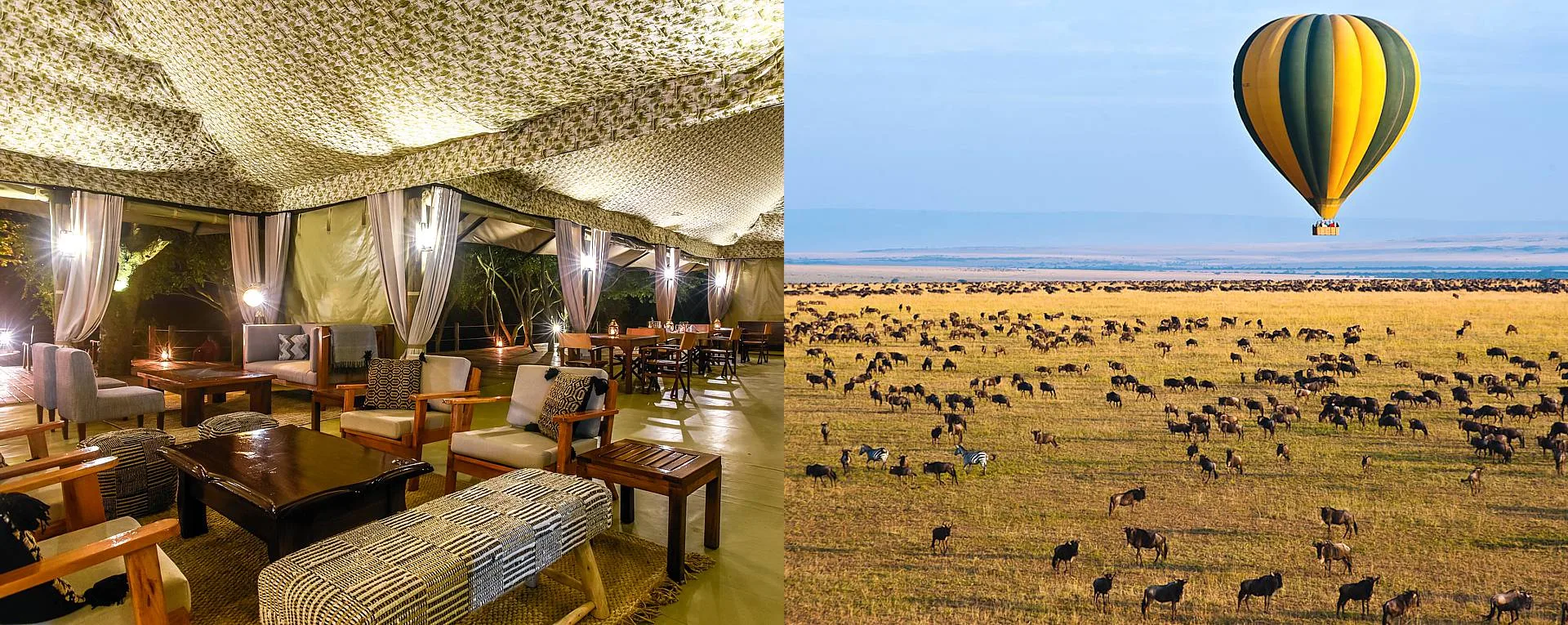
Optional Hot-Air Balloon Safari
Day 3 is a good opportunity to add a hot-air balloon safari. The experience generally begins before sunrise. After transfer to the launch site and a safety briefing, the balloon rises over the Mara plains. Possible aerial views include:
- Wildebeest
- Zebras
- Elephants
- Giraffes
- Buffaloes
- River systems
- Open savannah
The flight normally lasts around one hour depending on wind and operating conditions, and a breakfast experience often follows the landing. Balloon flights are generally charged separately, advance booking is advisable, and flights remain subject to availability and weather.
Optional Maasai Cultural Experience
A responsible Maasai community visit can also be arranged. The experience may introduce guests to:
- Pastoral traditions
- Livestock keeping
- Homestead structure
- Clothing
- Family life
- Community organization
- Conservation relationships
Return to your accommodation after another full safari day.
- Destination: Masai Mara ecosystem
- Main activity: Full-day game viewing
- Optional activities: Hot-air balloon safari and cultural visit
- Safari highlights: Migration herds, Mara River, predators and deeper wildlife observation
- Meals: Breakfast, lunch and dinner
- Accommodation: Same Masai Mara lodge or camp
Where you stay
-
Day 4: Masai Mara to Lake Nakuru National Park – Great Rift Valley Rhino Safari - Main destination
- Masai Mara National Reserve
- Meals
- Breakfast, Lunch, Dinner
After breakfast, check out of your Masai Mara accommodation. Depending on lodge location and departure time, you may enjoy wildlife sightings while leaving the ecosystem.
Begin traveling toward Lake Nakuru National Park. The route passes through the Narok region before continuing toward the Great Rift Valley. The scenery changes substantially, as open Mara grasslands gradually give way to agricultural landscapes, towns, escarpments and the greener surroundings of the Rift Valley. Arrive in the Lake Nakuru region around lunchtime or during the afternoon, then enter the national park and begin your game drive.
Why Lake Nakuru Is Important on This Safari
Lake Nakuru adds several things that Masai Mara and Amboseli do not provide as reliably. Most importantly, it offers strong opportunities for rhinoceros, as both black and white rhinos are protected within the park. This substantially strengthens the Big Five potential of the itinerary, though no sighting is guaranteed. The park also introduces:
- Rothschild’s giraffes
- Rift Valley landscapes
- Lake ecosystems
- Birdlife
- Flamingos
- Forest and woodland
White Rhinoceros
White rhinos are mainly grazers, and their broad square mouth is designed for feeding on grass. They often use open areas, making them easier to observe than black rhinos in many circumstances. You may encounter:
- Solitary adults
- Mothers with calves
- Small groups
Your guide will maintain a respectful distance.
Black Rhinoceros
Black rhinos are browsers, and their pointed upper lip helps them feed on shrubs and woody vegetation. Because they often use denser areas, they can be harder to locate. Finding a black rhino can be a particularly memorable wildlife encounter.
Rothschild’s Giraffes
Lake Nakuru is one of Kenya’s important areas for Rothschild’s giraffes. These giraffes may be seen browsing around woodland and open grassland. Their presence gives travelers the opportunity to compare them with the Masai giraffes encountered in the Mara and Amboseli.
African Buffaloes
Buffaloes are common. Large herds may gather near wetland or grassland areas, and some older bulls may occur in smaller groups.
Lions and Leopards
Lions and leopards both occur in the park. Lions may be found:
- Resting in grassland
- Near woodland
- Watching prey
Leopards are more secretive and tend to favor wooded habitat.
Flamingos
Lake Nakuru became internationally famous for its flamingos. Numbers fluctuate significantly according to:
- Water level
- Salinity
- Food availability
- Seasonal conditions
Visitors should therefore not assume the lake will always contain the enormous concentrations shown in historic photographs. Nevertheless, flamingos may still be present, and the park remains outstanding for birdlife.
Other Birds
Potential sightings include: Pelicans, Cormorants, Herons, Egrets, Storks, African fish eagles, Kingfishers, Raptors, Waterfowl.
Lake Nakuru Viewpoints
Depending on time and conditions, your guide may visit elevated locations overlooking the lake. These can provide excellent photography and a broader understanding of the park’s geography. Continue to your lodge or camp for dinner.
- Destination: Lake Nakuru National Park
- Main activities: Masai Mara–Lake Nakuru transfer and afternoon game drive
- Safari highlights: Black and white rhinos, Rothschild’s giraffes, buffaloes and Rift Valley scenery
- Meals: Breakfast, lunch and dinner
- Accommodation: Budget, mid-range or luxury lodge in or near Lake Nakuru
Where you stay
-
Day 5: Lake Nakuru to Amboseli National Park – Travel to Kilimanjaro Country - Main destination
- Masai Mara National Reserve
- Meals
- Breakfast, Lunch, Dinner
After breakfast, check out and begin the journey toward Amboseli National Park. This is one of the longer transfer days. The route typically takes you through or around Nairobi before continuing southeast toward Kenya’s border with Tanzania. Your guide will plan suitable comfort and refreshment stops.
As you travel south, the environment becomes increasingly dry. Open plains, scattered acacia vegetation and semi-arid scenery begin replacing the greener Rift Valley landscapes. If the weather is clear, you may eventually see the massive profile of Mount Kilimanjaro, though a view is never guaranteed. At approximately 5,895 meters above sea level, Kilimanjaro is Africa’s highest mountain. Although geographically located in Tanzania, some of its most famous photographic views are obtained from Amboseli on the Kenyan side.
Arrive at your lodge or tented camp during the afternoon. Depending on arrival time, rest briefly before heading out for an introductory game drive.
First Amboseli Game Drive
Amboseli is internationally famous for elephants. Large family groups can often be seen moving across the open plains or feeding in permanent wetlands. Possible wildlife includes: African elephants, African buffaloes, Masai giraffes, Plains zebras, Wildebeest, Impalas, Grant’s gazelles, Thomson’s gazelles, Warthogs, Lions, Spotted hyenas, Jackals, Occasional cheetahs.
The open environment provides excellent visibility. Continue until late afternoon before returning to your accommodation.
- Destination: Amboseli National Park
- Main activities: Lake Nakuru–Amboseli transfer and afternoon game drive
- Safari highlights: First elephant herds and possible Kilimanjaro views
- Meals: Breakfast, lunch and dinner
- Accommodation: Budget, mid-range, luxury or high-end lodge/tented camp in or around Amboseli
Where you stay
-
Day 6: Full-Day Amboseli Safari – Elephants, Wetlands & Mount Kilimanjaro - Main destination
- Masai Mara National Reserve
- Meals
- Breakfast, Lunch, Dinner
Wake early for your first complete Amboseli day. Early morning is often the best time to see Mount Kilimanjaro before cloud develops around the upper slopes, though a clear view is never guaranteed. After breakfast—or before breakfast if an early drive is arranged—enter the park.
Elephants of Amboseli
Amboseli is one of Africa’s classic elephant destinations. Family groups may contain:
- Older matriarchs
- Adult females
- Juveniles
- Calves
Large males can also be encountered independently. The opportunity to observe elephant social behavior is one of the strongest features of this itinerary. You may witness:
- Feeding
- Dust bathing
- Mud bathing
- Calves playing
- Herd members touching
- Elephants entering wetlands
- Large bulls moving across open plains
Photographing Elephants with Kilimanjaro
When Kilimanjaro is visible, the combination of wildlife and mountain creates one of Kenya’s most iconic photographic scenes. Your guide may search for areas where elephants naturally cross the open plains with the mountain in the background. Visibility is not guaranteed, as the mountain can disappear behind cloud even when the park itself remains sunny. This is one reason why having more than one Amboseli morning is valuable.
Amboseli Wetlands
Amboseli may look dry from a distance, but parts of the ecosystem contain permanent wetlands. Groundwater associated with the Kilimanjaro massif helps sustain these marshes. The wetlands attract: Elephants, Buffaloes, Hippos, Waterbirds, Zebras, Wildebeest.
The visual contrast between green marshes and dusty plains is striking.
Observation Hill
A visit to Observation Hill may be included. At this designated location, visitors can leave the vehicle and climb to a panoramic viewpoint. From the top, you may see:
- Wetlands
- Open plains
- Seasonal lakebed
- Wildlife
- Distant hills
It is one of the best places to understand the physical layout of the Amboseli basin.
Lions
Amboseli supports lions. They may be encountered near:
- Open grasslands
- Prey concentrations
- Woodland
- Wetlands
Morning and late afternoon are often productive.
Spotted Hyenas
Hyenas are also present. They may be seen:
- Walking across open plains
- Resting
- Feeding
- Following prey herds
Cheetahs
Cheetahs occur in the wider ecosystem but are generally less frequently encountered than in the Masai Mara. A sighting is therefore especially rewarding.
Amboseli Birdlife
The park is excellent for birding. Possible groups include: Herons, Egrets, Pelicans, Storks, Kingfishers, Raptors, Secretary birds, Bustards, Waterfowl, Weavers.
Wetlands can be particularly productive.
Full-Day or Split Game Drives
You can choose between:
Full-Day Safari
Carry a packed lunch and stay out most of the day.
Morning and Afternoon Drives
Return to the lodge around midday for lunch and rest.
Both options can work well. Return to your accommodation in the evening.
- Destination: Amboseli National Park
- Main activity: Full-day game viewing
- Safari highlights: Elephants, Kilimanjaro, wetlands, predators and birdlife
- Meals: Breakfast, lunch and dinner
- Accommodation: Same Amboseli lodge or camp
Where you stay
-
Day 7: Second Full-Day Amboseli Safari – Deeper Wildlife Exploration & Photography - Main destination
- Masai Mara National Reserve
- Meals
- Breakfast, Lunch, Dinner
A second full Amboseli day gives the safari a more relaxed and rewarding finish. Rather than rushing away after only one morning, you have another opportunity to experience the park under different weather and wildlife conditions. Leave early for your second chance to see Kilimanjaro. If the mountain was hidden yesterday, today may be completely different, although visibility is never guaranteed.
Spend More Time with Elephants
By now you may already have seen several elephant herds. Instead of simply looking for another group, you can spend longer observing behavior. Watch for:
- Calves staying close to mothers
- Juveniles playing
- Herd communication
- Feeding patterns
- Dust baths
- Elephants entering water
- Bulls interacting
These longer encounters often become the most memorable part of the safari.
Photography-Focused Morning
Day 7 is particularly useful for photographers. You can focus on:
- Sunrise
- Kilimanjaro
- Elephant silhouettes
- Dusty backlit scenes
- Giraffes
- Reflections around wetlands
- Birds
- Environmental portraits
The guide can adjust vehicle positioning within park rules.
Wildlife Beyond Elephants
Although elephants dominate Amboseli’s reputation, look for: Buffaloes, Zebras, Wildebeest, Giraffes, Gazelles, Warthogs, Lions, Hyenas, Jackals, Hippos.
The additional day gives you more time to appreciate these species.
Optional Cultural Experience
Depending on the final itinerary, a responsible Maasai cultural visit may be arranged in the Amboseli region. The experience can introduce travelers to:
- Pastoral life
- Livestock
- Traditional housing
- Clothing
- Community organization
- Modern Maasai life
- Conservation relationships
The activity usually carries an additional cost unless listed as included.
Relaxed Lodge Time
Travelers who do not want another full day in the vehicle can use the midday hours at the lodge. Possible options include:
- Swimming
- Reading
- Photography
- Resting
- Enjoying views
- Lunch
Then return for a final afternoon game drive.
Final Amboseli Sunset
Your last evening in Amboseli provides one final chance for memorable photography. If conditions are favorable, watch the plains turn golden as elephants, giraffes and other wildlife move through the landscape. Return to your accommodation for dinner.
- Destination: Amboseli National Park
- Main activities: Flexible full-day safari, photography and optional cultural experience
- Safari highlights: Second Kilimanjaro opportunity, elephants, predators and relaxed game viewing
- Meals: Breakfast, lunch and dinner
- Accommodation: Same Amboseli lodge or camp
Where you stay
-
Day 8: Amboseli to Nairobi – Final Morning & Departure - Main destination
- Masai Mara National Reserve
- Drive time
- Return transfer as outlined in the itinerary
- Meals
- Breakfast, Lunch
Wake for your final safari morning. If your departure schedule allows, you may undertake a short early game drive. This gives you one last opportunity to see:
- Elephants
- Lions
- Giraffes
- Buffaloes
- Kilimanjaro
- Morning birdlife
Return for breakfast and check out, then begin the road journey back to Nairobi. Comfort stops can be made along the way. On arrival, your guide can transfer you to:
- Jomo Kenyatta International Airport
- Wilson Airport
- Nairobi hotel
- Another agreed location
Travelers with late-evening international flights may continue directly to the airport, while those with early departures should add a Nairobi overnight or consider other transport arrangements. Your arrival in Nairobi marks the conclusion of the 8 Days Masai Mara, Nakuru & Amboseli Safari.
- Destination: Nairobi
- Main activity: Amboseli–Nairobi transfer
- Meals: Breakfast and lunch depending on arrangements
- Accommodation: Not included after safari unless requested
Where you stay
03 Rates
Safari rates 2027-2029
Indicative per person. Season, group size and lodge style change the total — your quotation confirms current rates.
-
Essential (Budget)
Essential (Budget)
Budget camps and lodges suit travelers who prioritize wildlife while keeping costs lower.
Great value camps
-
Comfort (Mid-range)
Comfort (Mid-range)
Mid-range tented camps and lodges balance comfort and price with private rooms or tents and en-suite facilities.
Quoted for your dates
-
Premium (Luxury)
Premium (Luxury)
Luxury camps and lodges focus on location, service and more intimate wildlife experiences.
Premium camps and lodges
-
Signature (High-end)
Signature (High-end)
Signature camps and lodges are the most exclusive stays — small, highly private properties with exceptional guiding and setting.
Exclusive signature stays
04 Activities
Safari activities
Game viewing is the core of this itinerary. Optional extras are quoted separately and depend on season, permits and availability. Individual species and river crossings are never guaranteed.
-
Included
Second Full-Day Amboseli Safari – Deeper Wildlife
Included in a typical day on this safari. Exact timing follows the confirmed itinerary.
Additional information
Plan This Safari
Can You See the Big Five on This Safari?
Yes. This is one of the strongest short Kenya itineraries for travelers hoping to see the African Big Five:
- Lion
- Leopard
- Elephant
- Rhinoceros
- African buffalo
Lion
The Masai Mara provides particularly strong lion opportunities. Lions also occur in Amboseli and Lake Nakuru.
Leopard
Leopards occur in the Mara and Lake Nakuru but are naturally elusive.
Elephant
Amboseli is the premier elephant destination, although elephants also occur in the Mara.
Rhinoceros
Lake Nakuru provides the main rhino opportunity. Both black and white rhinos occur there.
Buffalo
Buffaloes are found in all three major destinations. Seeing all five is possible but cannot be guaranteed.
Wildlife You May See
Potential wildlife includes: Lion, Leopard, Cheetah, African elephant, African buffalo, Black rhinoceros, White rhinoceros, Masai giraffe, Rothschild’s giraffe, Plains zebra, Blue wildebeest, Hippopotamus, Spotted hyena, Black-backed jackal, Common warthog, Topi, Coke’s hartebeest, Eland, Impala, Waterbuck, Grant’s gazelle, Thomson’s gazelle, Olive baboon, Vervet monkey.
Masai Mara vs Lake Nakuru vs Amboseli
Each destination contributes a different safari strength.
Masai Mara
Choose it for:
- Big cats
- Savannah
- Great Migration
- Large wildlife concentrations
- Photography
Lake Nakuru
Choose it for:
- Rhinos
- Giraffes
- Birdlife
- Rift Valley scenery
- Compact game viewing
Amboseli
Choose it for:
- Elephants
- Kilimanjaro
- Wetlands
- Open landscapes
- Elephant photography
Combining all three creates a significantly more complete Kenya safari than concentrating on only one park.
Best Time for an 8 Days Masai Mara, Nakuru & Amboseli Safari
The safari can operate throughout the year.
January to February
Often relatively dry and excellent for wildlife. Amboseli can provide good mountain visibility.
March to May
The longer rainy period brings green landscapes, fewer visitors and excellent birdlife. Some roads can become muddy.
June
A strong transitional month. The landscape begins drying and wildlife becomes increasingly easy to locate.
July to October
Traditional high season. Masai Mara may host Great Migration herds. Demand is high.
November
Short rains create attractive green scenery. Wildlife remains good.
December
A popular period, especially around Christmas and New Year. Early booking is advisable.
Great Migration on This Safari
Travelers visiting during the migration period can use the three-night Masai Mara stay to search for large wildebeest and zebra concentrations. The migration is driven by rainfall, so herd locations cannot be guaranteed. The broader July-to-October period is traditionally associated with major migration activity in Kenya. A longer Mara stay provides more flexibility than a one-night stop.
Photography Safari Potential
This itinerary is excellent for photography because it includes three highly contrasting environments.
Masai Mara
Best for: Lions, Leopards, Cheetahs, Elephants, Wildebeest, Zebras, Sunsets, Migration herds.
Lake Nakuru
Best for: Rhinos, Rothschild’s giraffes, Flamingos, Buffaloes, Lake landscapes.
Amboseli
Best for:
- Elephants
- Kilimanjaro
- Wetlands
- Dust
- Sunrise
- Environmental portraits
Budget Safari Option
A budget version can use:
- Permanent tented camps
- Economical lodges
- Road transport
- Practical room categories
Wildlife access remains the same. Savings come primarily from accommodation.
Mid-Range Safari Option
Mid-range accommodation may include:
- Ensuite safari tents
- Comfortable rooms
- Restaurants
- Swimming pools at selected properties
- Hot showers
- Electricity
- Good wildlife access
This category offers a strong balance between comfort and value.
Luxury Safari Option
Luxury versions may include:
- Premium camps
- Spacious suites
- Private verandas
- Fine dining
- Swimming pools
- Spa services
- Private vehicles
- Conservancy accommodation
- Fly-in sectors
Private Safari Option
A private safari is particularly useful on this itinerary. Benefits include:
- Flexible departure times
- Longer wildlife stops
- Better photography
- No unrelated travelers
- Flexible comfort stops
- Ability to focus on preferred species
Family Safari Option
Families can customize the itinerary with:
- Shorter game drives
- Lodges with swimming pools
- Family rooms
- More breaks
- Selected domestic flights
Children’s ages should be provided before accommodation is selected.
Honeymoon Safari Option
Couples can upgrade the itinerary with:
- Romantic tented camps
- Private vehicle
- Premium rooms
- Balloon safari
- Sundowners
- Bush meals
- Diani Beach extension
Fly-In Safari Option
Selected transfers can be replaced with domestic flights. A common upgrade is to fly between Nairobi and Masai Mara or return from the Mara by air. Flights reduce travel time but increase cost. Baggage restrictions generally apply.
Road Safari Option
The standard road itinerary provides:
- Scenic overland travel
- One guide throughout
- Greater luggage flexibility
- Lower cost than multiple flights
Some transfer days are long, so travelers should expect a genuine overland safari.
Optional Masai Mara Hot-Air Balloon Safari
Ballooning is one of the most popular upgrades. It normally includes:
- Early-morning transfer
- Sunrise flight
- Aerial wildlife views
- Breakfast after landing
Advance booking is recommended, and flights remain subject to availability and weather.
Optional Maasai Cultural Visit
A responsible cultural experience can be added near Masai Mara or Amboseli. Travelers may learn about:
- Livestock
- Traditional housing
- Clothing
- Community life
- Contemporary Maasai culture
- Conservation
8 Days Masai Mara, Nakuru & Amboseli Safari Cost
The total price depends on:
- Number of travelers
- Travel season
- Accommodation category
- Room configuration
- Safari vehicle
- Park fees
- Conservancy fees
- Domestic flights
- Optional activities
- Seasonal supplements
Private safari costs per person usually decrease when more travelers share the vehicle. A personalized quotation is therefore necessary.
Typical Safari Inclusions
Depending on the final package, inclusions may include:
- Private safari transportation
- Professional driver-guide
- Seven nights’ accommodation
- Meals specified in the itinerary
- Park and reserve fees listed in the quotation
- Game drives
- Bottled drinking water
- Nairobi pickup
- Nairobi drop-off
- Applicable government taxes
- Safari planning and operational support
Always refer to the final confirmed quotation.
Typical Safari Exclusions
Possible exclusions include:
- International flights
- Kenya entry authorization expenses
- Travel insurance
- Vaccinations
- Medical expenses
- Tips
- Alcoholic drinks
- Premium beverages
- Laundry
- Souvenirs
- Balloon safari
- Optional cultural visits
- Domestic flights unless specifically included
- Additional accommodation
What to Pack
Recommended items include:
- Lightweight neutral clothing
- Long trousers
- Long-sleeved shirts
- Warm fleece
- Light jacket
- Comfortable closed shoes
- Sun hat
- Sunglasses
- Sunscreen
- Insect repellent
- Binoculars
- Camera
- Telephoto lens
- Spare batteries
- Memory cards
- Power bank
- Personal medication
- Reusable water bottle
- Travel documents
Early mornings can be cool. Layered clothing is recommended.
Can the Itinerary Be Customized?
Yes. The 8 Days Masai Mara, Nakuru & Amboseli Safari is fully customizable. The ideal version should reflect the traveler’s priorities. Possible changes include:
- Add another Masai Mara night
- Add Lake Naivasha
- Replace Lake Nakuru with Ol Pejeta
- Add Samburu
- Reduce Amboseli by one night
- Add a Masai Mara conservancy
- Use domestic flights
- Add a balloon safari
- Upgrade accommodation
- Add photography guiding
- Add Diani Beach
- Add Zanzibar
- Extend into Tanzania
Add Lake Naivasha
Travelers with another day can add Lake Naivasha. Possible activities include:
- Boat safari
- Hippo viewing
- Birdwatching
- Relaxation
- Crescent Island walking experience where included
Adding an extra night is preferable to compressing the existing itinerary.
Add Ol Pejeta
Ol Pejeta can be added for additional rhino conservation experiences and stronger Big Five opportunities. This works particularly well for travelers with nine or ten days.
Add Samburu
Samburu adds rare northern Kenya wildlife including: Grevy’s zebra, Reticulated giraffe, Gerenuk, Beisa oryx, Somali ostrich.
It is ideal for travelers seeking greater species diversity.
Add Diani Beach
A popular safari-and-beach combination is the 8 Days Masai Mara, Nakuru & Amboseli Safari + Diani Beach. After the safari, relax beside the Indian Ocean. Diani offers:
- White sand
- Swimming
- Snorkeling
- Diving
- Beach resorts
- Spa experiences
Add Zanzibar
The safari can also be combined with Zanzibar. A typical extension may include:
- Beach resort
- Stone Town
- Spice tours
- Snorkeling
- Diving
- Sailing
Combine Kenya and Tanzania
Travelers with additional time can continue to:
- Serengeti National Park
- Ngorongoro Crater
- Tarangire
- Lake Manyara
- Arusha
- Zanzibar
A combined itinerary is particularly useful for travelers wanting a broader East African safari.
Who Should Choose This Safari?
The 8 Days Masai Mara, Nakuru & Amboseli Safari is particularly suitable for travelers seeking:
- Big Five opportunities
- Lions
- Leopards
- Cheetahs
- Rhinos
- Elephants
- Mount Kilimanjaro
- Great Migration possibilities
- Rift Valley scenery
- Birdlife
- Wildlife photography
- A private Kenya safari
- A first-time African safari
- A family safari
- A honeymoon safari
- A balanced one-week-plus itinerary
Why Choose 8 Days Instead of 7 Days?
That extra day can make a meaningful difference. A seven-day route through Masai Mara, Nakuru and Amboseli is possible, but every transfer places pressure on the remaining game-viewing time. With eight days, travelers can allocate additional time to one of the major destinations. In this version, both Masai Mara and Amboseli receive three nights, which creates multiple mornings and afternoons in each area. In Masai Mara, this means more chances to search for elusive predators and seasonal migration activity. In Amboseli, it means more opportunities for clear Kilimanjaro views and extended elephant encounters. The result is a safari that feels more immersive and less like a checklist of parks.
Why This Route Works So Well
The journey has a clear wildlife progression. You begin with the abundance and predators of the Masai Mara. You then move into Lake Nakuru, where the focus changes toward rhinos, giraffes and Rift Valley scenery. Finally, you reach Amboseli, where the visual identity shifts again toward elephants, wetlands and Kilimanjaro. This means every destination feels different. You are not simply repeating the same safari landscape three times. The contrast keeps the journey interesting and gives photographers, wildlife enthusiasts and first-time travelers a much broader understanding of Kenya.
Book Your 8 Days Masai Mara, Nakuru & Amboseli Safari
The 8 Days Masai Mara, Nakuru & Amboseli Safari brings together three of Kenya’s most iconic wildlife regions in a route that balances predator viewing, rhinoceros conservation, elephants, scenic landscapes and meaningful time in the field. Begin in the Masai Mara, where lions patrol sweeping grasslands, cheetahs scan for prey, elephants move through the savannah and elusive leopards use riverine woodland for cover. During the migration season, enormous wildebeest and zebra herds may transform the plains and create opportunities to search for dramatic activity around the Mara River.
Continue into the Great Rift Valley and explore Lake Nakuru National Park, where black and white rhinoceros provide one of the strongest Big Five opportunities on the itinerary. Rothschild’s giraffes, buffaloes, flamingos and Rift Valley scenery create a completely different wildlife experience. Finish in Amboseli beneath Mount Kilimanjaro, watching some of Kenya’s most celebrated elephant herds move between open plains and permanent wetlands. With two full Amboseli days, you receive repeated opportunities for mountain views, elephant behavior, photography and predator searches.
The itinerary can be customized around your budget, interests and travel style. Choose budget, mid-range, luxury or high-end accommodation. Travel entirely by private road vehicle or incorporate selected flights. Add a hot-air balloon safari, cultural visit, photographic vehicle or conservancy experience. Extend the journey to Diani Beach, Zanzibar or Tanzania if you want a longer East African holiday. For travelers seeking Masai Mara big cats, Lake Nakuru rhinos, Amboseli elephants, Kilimanjaro landscapes and excellent Big Five potential in one carefully balanced safari, this eight-day Kenya itinerary offers an outstanding combination of wildlife diversity and time in the wilderness.
Planning Questions
Frequently Asked Questions
Is eight days enough for Masai Mara, Lake Nakuru and Amboseli?
Yes. Eight days creates a well-balanced itinerary with three nights in Masai Mara, one night around Lake Nakuru and three nights in Amboseli.
Is this itinerary rushed?
It is active but more relaxed than shorter versions of the same circuit.
Can I see the Big Five?
Yes. The itinerary provides strong possibilities for all five species, though no wildlife sighting is guaranteed.
Where will I see rhinos?
Lake Nakuru provides the primary rhino opportunity.
Where are lions best seen?
Masai Mara is particularly strong for lions.
Can I see leopards?
Yes. Masai Mara provides opportunities, but leopards are elusive.
Can I see cheetahs?
Yes. Masai Mara offers excellent cheetah possibilities.
Where are elephants best seen?
Amboseli is one of Kenya’s premier elephant destinations.
Can I see Mount Kilimanjaro?
Yes, weather permitting.
Is Kilimanjaro in Kenya?
No. Mount Kilimanjaro is in Tanzania, but Amboseli provides famous views of the mountain.
Can I see flamingos?
Flamingos may be present at Lake Nakuru, but numbers vary.
Can I see the Great Migration?
Potentially, if your travel dates coincide with the period when migration herds are present in the Masai Mara.
Are river crossings guaranteed?
No.
Can we take a hot-air balloon safari?
Yes. Balloon flights can be added in the Masai Mara.
Is this safari private?
It can be arranged completely privately.
Can families book?
Yes.
Can honeymooners book?
Yes. Romantic and luxury accommodation can be selected.
Can solo travelers book?
Yes.
Can we use budget lodges?
Yes.
Can we use luxury camps?
Yes.
Can we fly instead of driving?
Selected sectors can be replaced with domestic flights.
Can we add the beach afterward?
Yes. Diani, Watamu, Mombasa or Zanzibar can be added.
05 Request Quote
Request Quote
Tell us your dates, group size, and preferred lodge style — we will send a tailored quote for this safari.
Want to extend your safari?
Add Amboseli, Diani Beach, Tanzania and Zanzibar, or gorilla trekking in Uganda or Rwanda — we tailor the journey to your dates.