
7 DAYS / 6 NIGHTS
7 Days Family Kenya Safari
Plan a 7 Days Family Kenya Safari with kid-friendly game drives, family lodges, Masai Mara wildlife, rhinos, elephants, flexible pacing and private transport.
- Wildlife Safari Private Journey
- Private Safari 4x4 Vehicle
- Expert Guide English Speaking
- All Meals Breakfast, Lunch, Dinner
- 24/7 Support We're here to help
01 Overview
Safari Overview
- Duration 7 days / 6 nights
- Destination Kenya
- Starts / ends Nairobi
- Safari style Private 4×4 safari
- Accommodation Essential · Comfort · Premium · Signature
- Best for Wildlife viewing, photography
7 Days Family Kenya Safari – A Kid-Friendly Wildlife Adventure for Parents and Children
A 7 Days Family Kenya Safari is designed to give parents and children the excitement of seeing Africa's wildlife while keeping the journey comfortable, flexible, educational and realistic for younger travelers. Kenya is one of Africa's strongest destinations for a family safari because wildlife can often be seen from specially adapted safari vehicles without requiring strenuous walking. Children can watch elephants moving across open plains, lions resting beneath acacia trees, giraffes browsing beside the road, zebras gathering in herds and rhinos grazing in protected habitats—all while traveling with their family and a professional safari guide.
The best family safari is not simply a standard adult itinerary with children added to the booking. Families usually benefit from shorter or more flexible game drives, well-positioned accommodation, family rooms, predictable meal arrangements, opportunities for swimming and rest, engaging guides and enough time in each destination to avoid spending the entire holiday changing lodges.
A well-balanced seven-day itinerary can combine the Masai Mara National Reserve, Lake Nakuru National Park and Amboseli National Park, creating a varied introduction to Kenya's wildlife without requiring an excessively long trip. The Masai Mara gives children their classic African savannah experience, with possibilities for lions, cheetahs, elephants, giraffes, zebras, wildebeest and buffaloes. Lake Nakuru introduces rhinos, Rothschild's giraffes, birds and the striking landscapes of the Great Rift Valley. Amboseli completes the safari with large elephant herds, wetlands and the famous backdrop of Mount Kilimanjaro, though mountain views are never guaranteed.
This itinerary can be customized for children of different ages, whether you are traveling with younger children, teenagers or a multi-generational family group.
Why Kenya Is Excellent for a Family Safari
Kenya offers several practical advantages for parents planning their first African safari with children. Wildlife areas are well established. There is a wide range of accommodation, including camps and lodges with family rooms. Many routes can be completed by private road vehicle, meaning families do not have to depend entirely on strict flight schedules. Most importantly, Kenya's parks provide regular opportunities to see large animals from the safety and comfort of a safari vehicle.
Children may see many species they previously knew only from books, school lessons and wildlife documentaries. Possible encounters include:
- Lions
- Elephants
- Giraffes
- Rhinos
- Cheetahs
- Zebras
- Wildebeest
- Buffaloes
- Hippos
- Warthogs
- Baboons
- Monkeys
- Hyenas
- Gazelles
- Hundreds of bird species
A family safari can therefore be both an adventure and an educational experience.
7 Days Family Kenya Safari at a Glance
- Day 1: Nairobi to Masai Mara – Family-Friendly Afternoon Safari
- Day 2: Flexible Full-Day Masai Mara Family Safari
- Day 3: Masai Mara to Lake Nakuru – Rhino & Giraffe Safari
- Day 4: Lake Nakuru to Amboseli – Scenic Family Transfer
- Day 5: Full-Day Amboseli Family Safari
- Day 6: Flexible Amboseli Safari, Pool Time & Optional Cultural Experience
- Day 7: Amboseli to Nairobi – Departure
The schedule can be adjusted according to the children's ages and the international flight itinerary. Families who prefer a slower journey can extend the safari to eight or nine days.
Itinerary
- Day 1: Nairobi to Masai Mara, begin Your Family Wildlife Adventure
- Day 2: Masai Mara Family Safari – Lions, Cheetahs, Elephants & Plains Game
- Day 3: Masai Mara to Lake Nakuru, family Rhino Safari in the Great Rift Valley
- Day 4: Lake Nakuru to Amboseli, scenic Transfer to Elephant Country
- Day 5: Amboseli Family Safari – Elephants Beneath Kilimanjaro
- Day 6: Flexible Amboseli Family Day, wildlife, Relaxation & Cultural Learning
- Day 7: Morning game drive – return to Nairobi
02 Itinerary
7 Days Family Kenya Safari: Detailed Itinerary
-

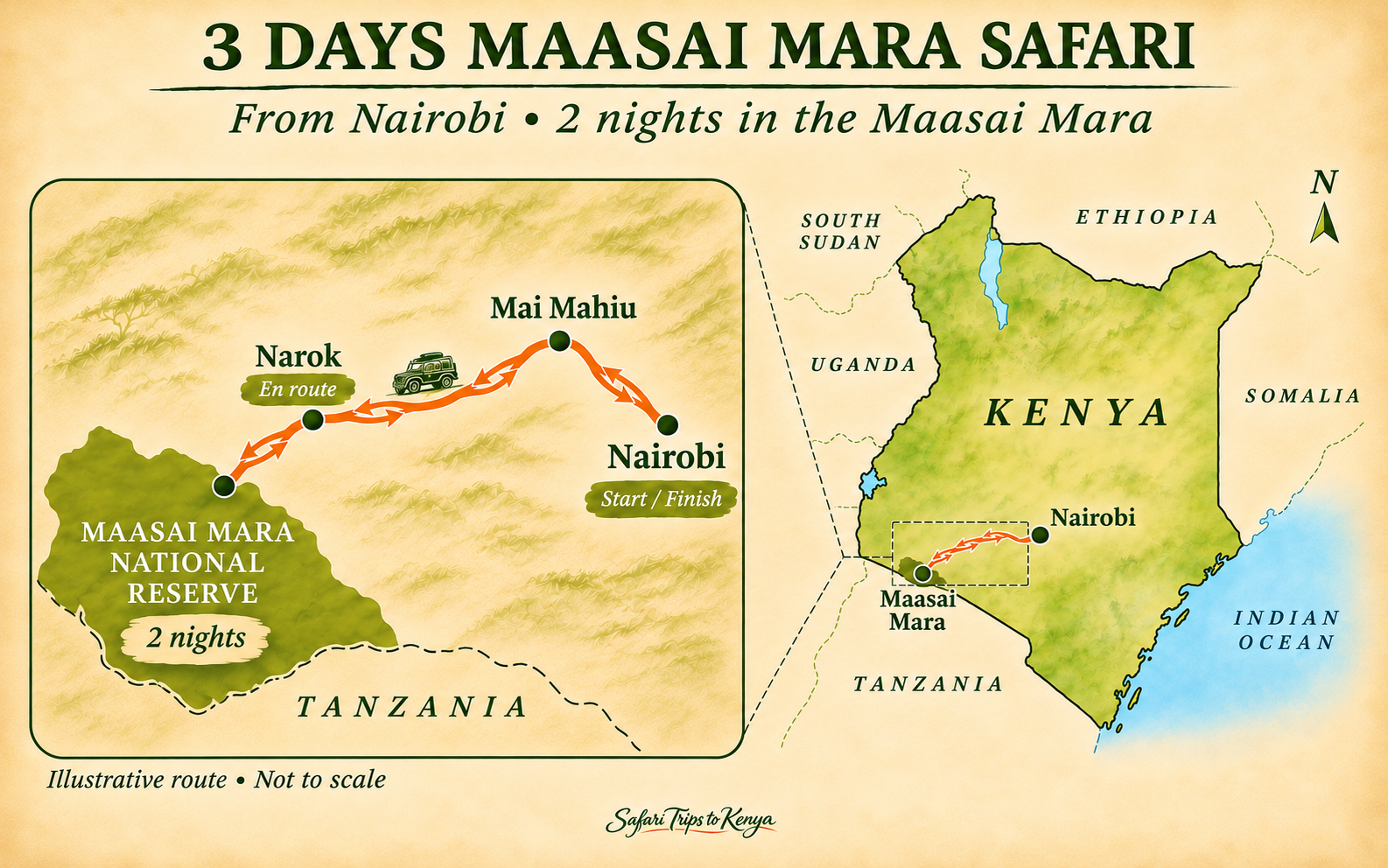
Day 1: Nairobi to Masai Mara – Begin Your Family Wildlife Adventure - Main destination
- Masai Mara National Reserve
- Drive time
- Road transfer as outlined in the itinerary
- Meals
- Lunch, Dinner
Your 7 Days Family Kenya Safari begins in Nairobi. Your private safari driver-guide will meet your family at your Nairobi hotel, residence or another agreed pickup location in the morning. Using a private vehicle is especially useful when traveling with children because the family controls the schedule, and there is no requirement to follow the timetable of unrelated travelers. You can stop when required for:
- Bathroom breaks
- Snacks
- Stretching
- Photography
- Motion-sickness breaks
- Children's needs
After a short briefing, leave Nairobi and begin traveling toward southwestern Kenya. Depending on timing, you may stop at a viewpoint overlooking the Great Rift Valley. This can be an excellent opportunity for children to begin learning about the geography of East Africa, and your guide can explain how the Rift Valley formed and point out major landscape features.
Continue toward Narok, where a comfort or refreshment stop can be arranged, then travel toward the greater Masai Mara ecosystem. The surroundings gradually become more open, and children may begin spotting animals even before entering the reserve. Maasai homesteads, livestock and open grasslands provide a fascinating introduction to rural Kenya.
Arrive at your family-friendly camp or lodge around lunchtime or in the early afternoon and check into your room or family tent. Parents may want to allow children some time to rest after the road journey before heading out for the first game drive.
First Family Game Drive in the Masai Mara
The first safari should be exciting without becoming exhausting, and a two- to three-hour afternoon game drive is often ideal for younger children. Your guide will introduce the family to the safari environment and explain basic rules such as:
- Remaining inside the vehicle unless the guide says otherwise
- Avoiding loud shouting near animals
- Keeping hands and objects inside the vehicle
- Never feeding wildlife
- Listening to the guide's instructions
Then the adventure begins. Possible first sightings include: Giraffes, Zebras, Wildebeest, Elephants, Buffaloes, Impalas, Gazelles, Warthogs, Baboons, Lions, Hyenas.
Children often become enthusiastic wildlife spotters once they realize animals can appear anywhere. A giraffe in the distance, an elephant calf beside its mother or a lion resting in the grass can become an unforgettable first safari memory, although no sighting is ever guaranteed.
Return to the lodge before dinner. Depending on the property, children may have time to swim, play or simply relax.
- Destination: Masai Mara National Reserve
- Main activities: Nairobi–Masai Mara transfer and afternoon family game drive
- Family highlights: First wildlife encounters, flexible private vehicle and child-friendly safari introduction
- Meals: Lunch and dinner depending on arrival time
- Accommodation: Family-friendly budget, mid-range or luxury lodge/tented camp
Where you stay
-
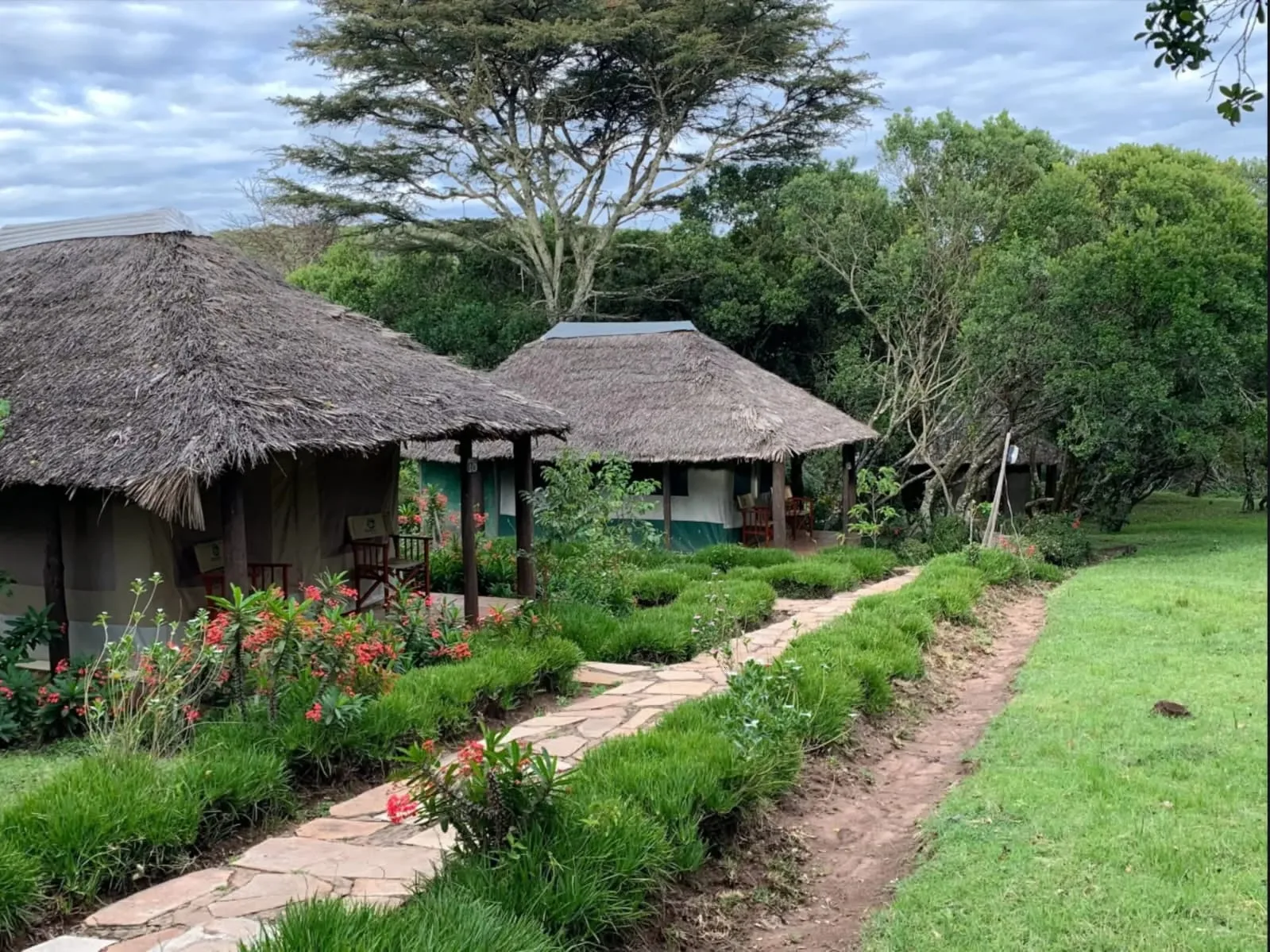
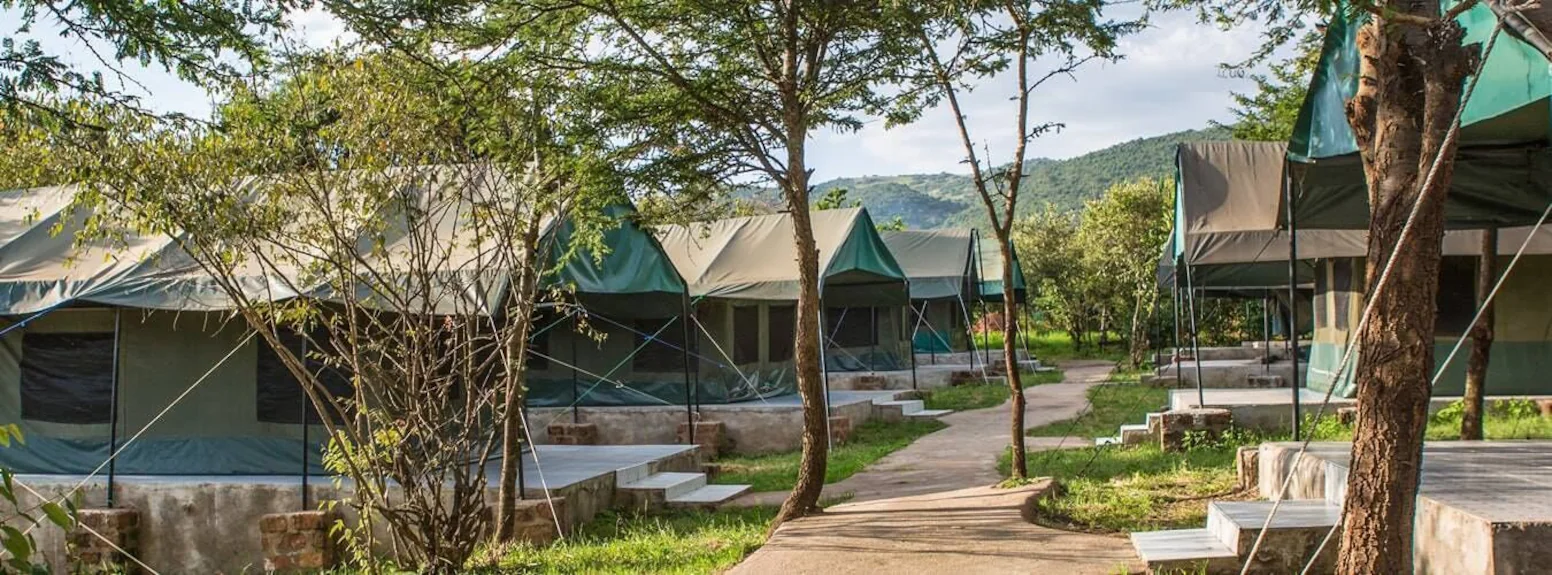
Essential (Budget)
-
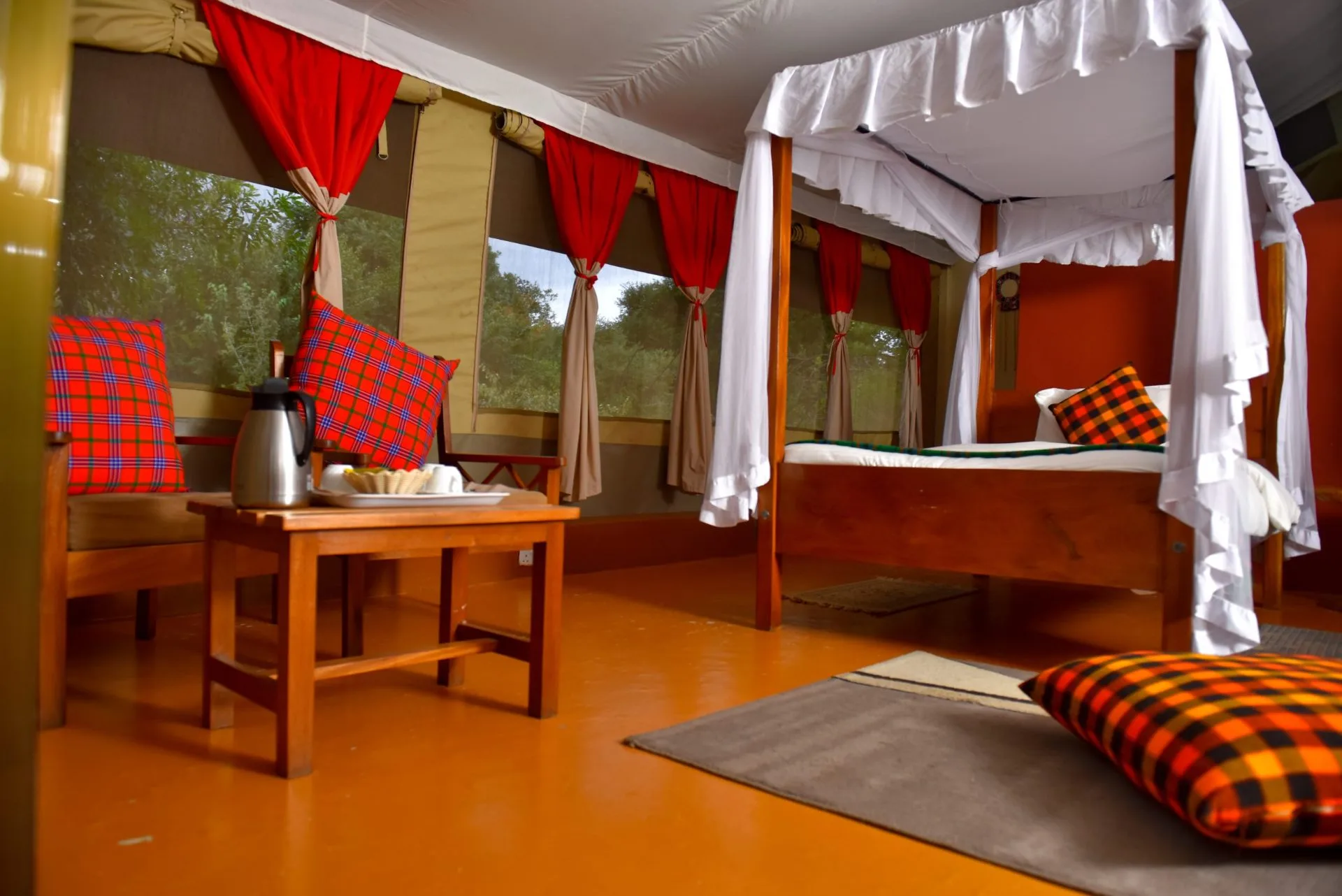
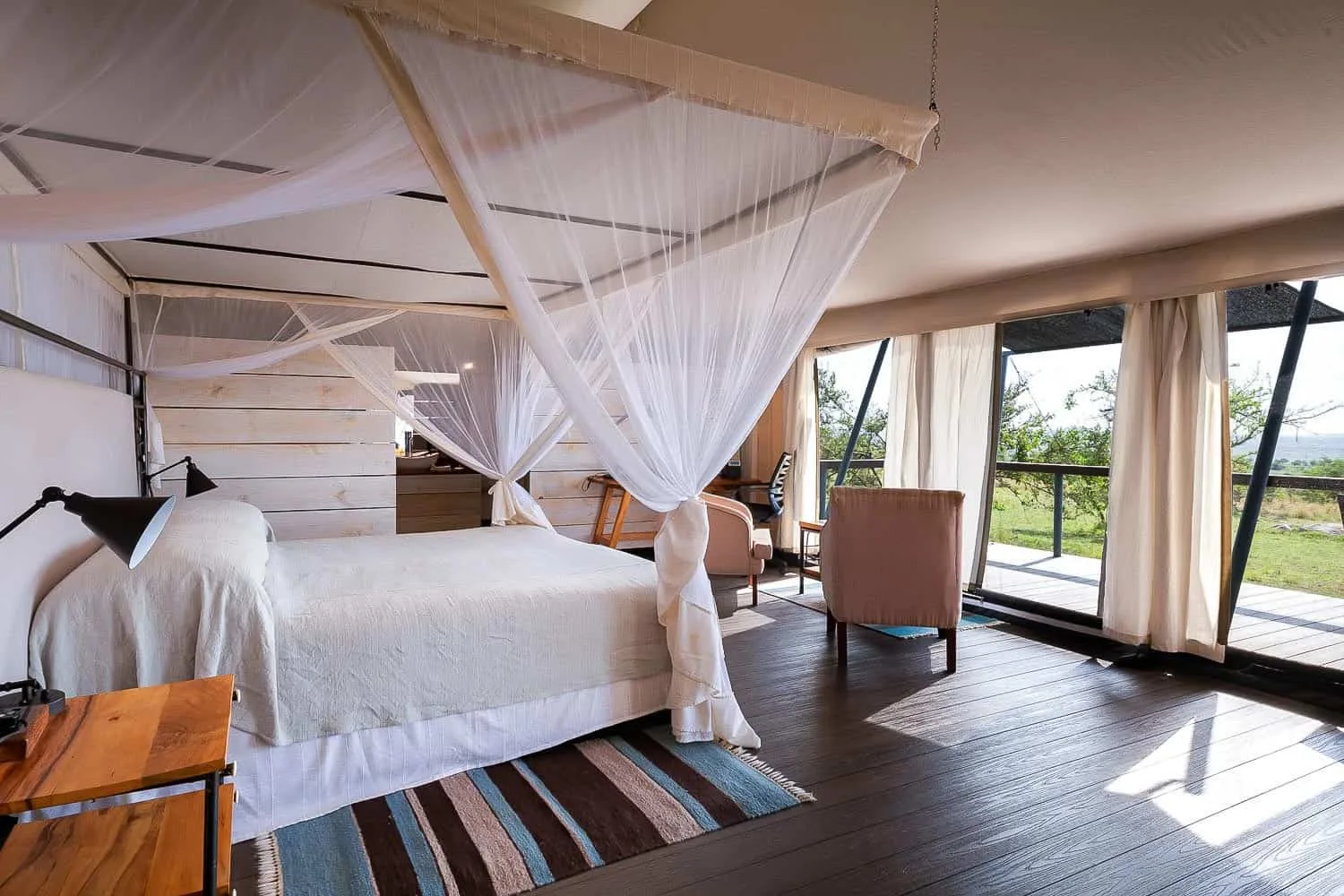
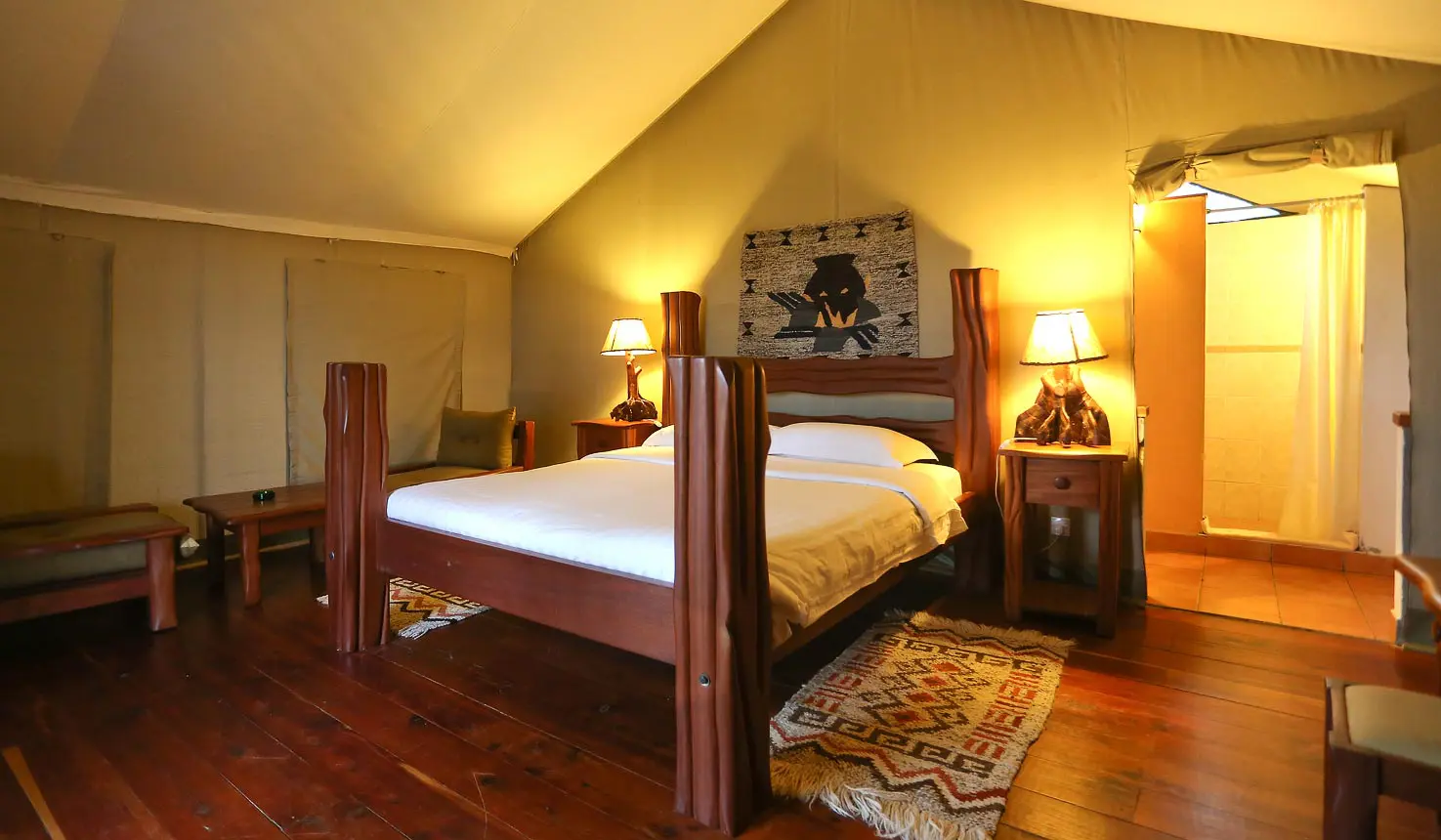
Comfort (Mid-range)
-
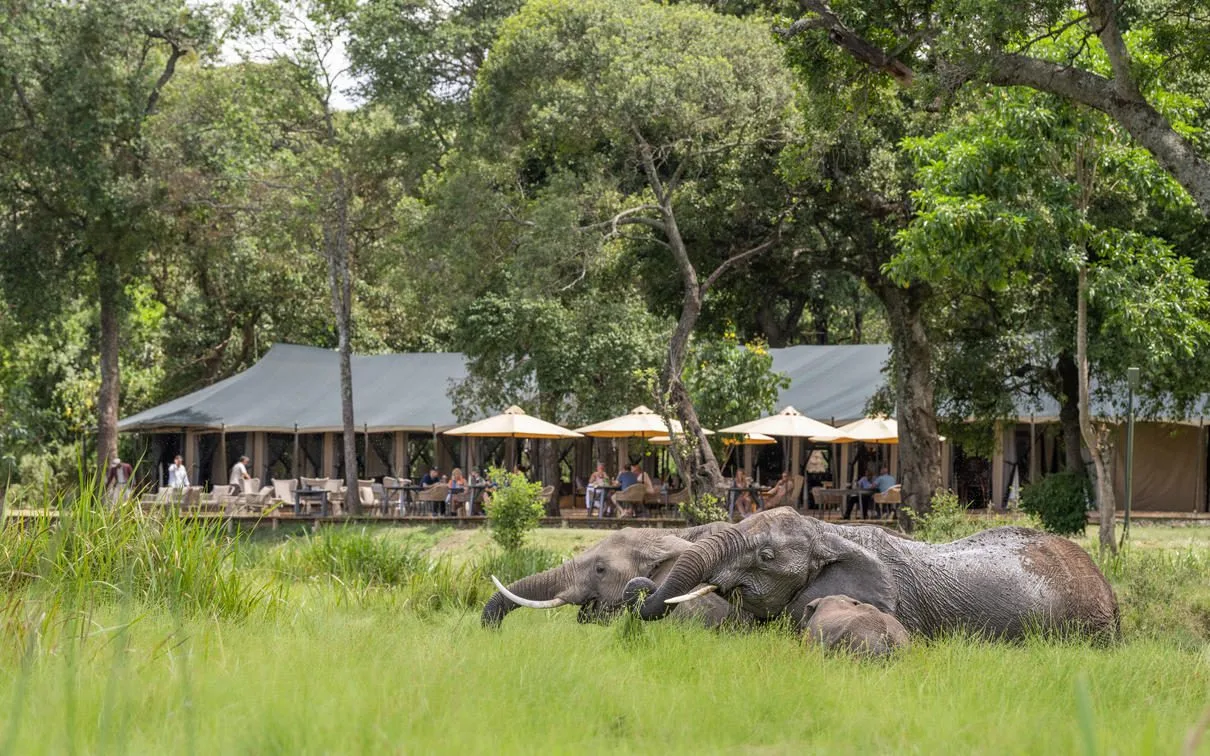
Premium (Luxury)
-
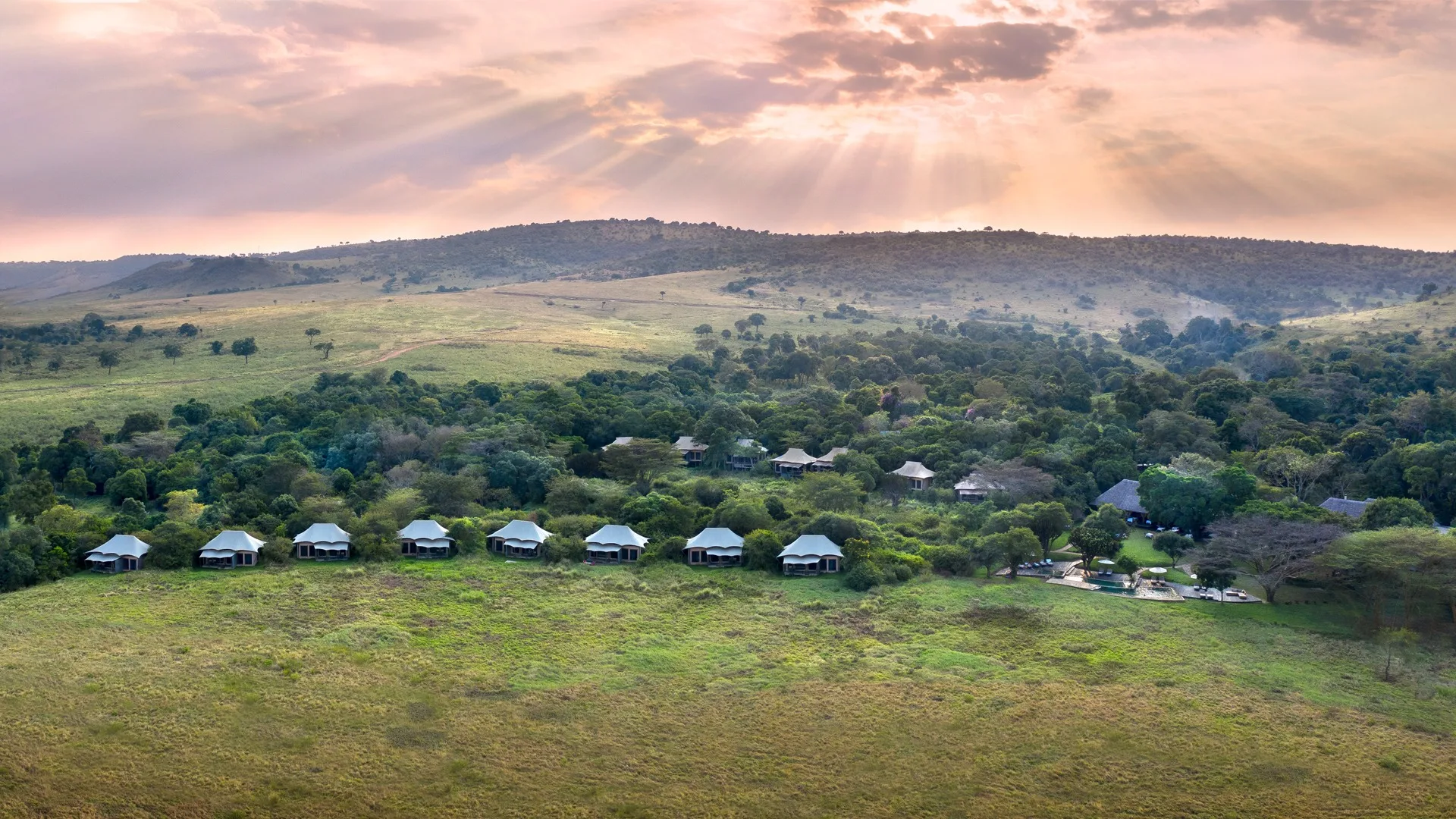
Signature (High-end)
-
Day 2: Full-Day Masai Mara Family Safari – Lions, Cheetahs, Elephants & Plains Game - Main destination
- Masai Mara National Reserve
- Meals
- Breakfast, Lunch, Dinner
Wake for the family's first complete day in the Masai Mara. The day's structure should be adjusted to match the children's age and energy level, and there are two main options.
Option 1: Morning and Afternoon Game Drives
This is often the best format for families with younger children. Take an early or mid-morning game drive, return to the lodge for lunch and rest, then head out again in the afternoon. Advantages include:
- Shorter periods inside the vehicle
- Time for swimming
- Nap opportunities
- Relaxed family lunch
- Reduced fatigue
Option 2: Full-Day Game Drive
Families with older children and teenagers may prefer to stay inside the reserve for most of the day with a picnic lunch. This allows more time to explore distant wildlife areas, and the schedule is completely flexible.
Lions – A Favorite Family Safari Sighting
For many children, seeing a lion in the wild is one of the most anticipated moments of the trip, and the Masai Mara is one of Kenya's leading lion destinations. Your guide may find:
- Adult males
- Females
- Cubs
- A pride resting
- Lions walking through the plains
- Lions feeding
- Cubs playing
The guide can explain the social structure of a lion pride in a way children can understand. They may learn why females usually do much of the hunting, why males have manes and how cubs are protected within the pride. This turns the sighting into a natural outdoor lesson rather than simply a photograph.
Cheetahs – Learning About Speed and Hunting
Cheetahs are another exciting species for children. They often occur on open plains where they can use their speed to hunt. The guide may explain how cheetahs differ from leopards, including:
- Body shape
- Facial markings
- Hunting style
- Habitat
- Climbing behavior
Children can learn to distinguish the two cats themselves. A cheetah may be seen resting, walking through grass or standing on raised ground to scan the plains.
Elephants
African elephants are among the easiest large mammals for children to recognize. Family groups may include adults, juveniles and young calves. The guide can explain: Elephant family structure, The role of the matriarch, How elephants communicate, Why they use mud and dust, How calves stay close to adults, Why elephants are important to the ecosystem.
Long elephant encounters can be particularly enjoyable for families because there is often constant social behavior to observe.
Giraffes, Zebras & Wildebeest
Children often enjoy identifying species themselves, and giraffes, zebras and wildebeest are excellent animals for young travelers learning to recognize wildlife. Possible game-drive activities include asking children to keep count of: Giraffes, Elephants, Lions, Different antelopes, Bird species.
A simple safari notebook can turn each drive into an interactive experience.
Picnic Lunch for Families
If undertaking a full-day game drive, your lodge can prepare a packed lunch, and your guide will select an appropriate picnic area. Children should never wander away from the designated safe location. A picnic lunch inside the safari landscape can be one of the family's most memorable meals.
Continue wildlife viewing after lunch, then return to accommodation during the afternoon or evening depending on the children's energy level.
- Destination: Masai Mara
- Main activity: Flexible family game viewing
- Safari highlights: Lions, cheetahs, elephants, giraffes, zebras and plains game
- Meals: Breakfast, lunch and dinner
- Accommodation: Same family-friendly Mara lodge or camp
Great Wildebeest Migration with Children
If the safari occurs while migration herds are present in the Masai Mara, children may witness enormous numbers of wildebeest and zebras. The Great Wildebeest Migration is one of the world's greatest natural wildlife movements. Your guide can explain how animals move through the Serengeti-Mara ecosystem following:
- Rain
- Water
- Fresh grass
The migration is traditionally associated with the Masai Mara during approximately July through October, although actual movements depend on rainfall. Families should understand that river crossings are unpredictable and are never guaranteed, and waiting beside a river for many hours may not be ideal for younger children. A good family guide therefore balances migration searching with other enjoyable wildlife encounters.
Where you stay
-
Day 3: Masai Mara to Lake Nakuru – Family Rhino Safari in the Great Rift Valley - Main destination
- Masai Mara National Reserve
- Meals
- Breakfast, Lunch, Dinner
After breakfast, check out and begin the road journey toward Lake Nakuru National Park. The transfer gives children time to rest between safari destinations, and regular comfort stops can be arranged. Parents may want to carry:
- Snacks
- Water
- Books
- Travel games
- Tablets with downloaded content
- Children's headphones
- Small pillows
Arrive in the Lake Nakuru region during the afternoon. After entering the national park, begin your family wildlife drive.
Rhinos – One of the Highlights for Children
Lake Nakuru is particularly useful on a family safari because it provides opportunities to see rhinoceros. Both black and white rhinos occur in the park, and children can learn how to distinguish them.
White Rhino
The white rhino has a broad mouth designed for grazing. It often feeds in more open grassland.
Black Rhino
The black rhino has a hooked upper lip used to browse leaves and shrubs. It is often more difficult to find because it can use thicker vegetation. The guide can explain that the names "black" and "white" are not accurate descriptions of body color.
Rothschild's Giraffes
Lake Nakuru also provides an opportunity to see Rothschild's giraffes. Children who already saw Masai giraffes in the Mara can compare the coat patterns, which can become an enjoyable natural-history lesson.
Flamingos and Birds
Lake Nakuru is famous for birdlife. Flamingo numbers vary with water and feeding conditions, but families may see: Flamingos, Pelicans, Herons, Egrets, Storks, Fish eagles, Kingfishers.
Birdwatching provides additional interest when large mammals are temporarily difficult to locate.
Other Lake Nakuru Wildlife
Possible sightings include: Buffaloes, Zebras, Waterbucks, Warthogs, Baboons, Monkeys, Hippos, Lions, Leopards.
After the game drive, proceed to your accommodation. A family-friendly lodge with comfortable rooms and, where available, a swimming pool can be especially useful after the transfer.
- Destination: Lake Nakuru National Park
- Main activities: Masai Mara–Lake Nakuru transfer and rhino safari
- Family highlights: Black and white rhinos, giraffes, birds and Rift Valley scenery
- Meals: Breakfast, lunch and dinner
- Accommodation: Family-friendly lodge in or near Lake Nakuru
Where you stay
-
Day 4: Lake Nakuru to Amboseli – Scenic Transfer to Elephant Country - Main destination
- Masai Mara National Reserve
- Meals
- Breakfast, Lunch, Dinner
After breakfast, check out and begin the journey toward Amboseli National Park. This is one of the longer transfer days, so family comfort should be prioritized. The guide can schedule stops for:
- Bathroom breaks
- Stretching
- Snacks
- Lunch
- Rest
Families with very young children who prefer to avoid long drives can customize the safari with an additional overnight or selected domestic flight. The route generally passes through or around Nairobi before continuing toward southern Kenya.
As you approach Amboseli, the landscape becomes more open and semi-arid. When conditions are clear, children may see the enormous summit of Mount Kilimanjaro rising in the distance, although views are never guaranteed. Although Kilimanjaro is in Tanzania, the Kenyan side offers spectacular views when the cloud allows.
Arrive at the lodge or camp during the afternoon. Depending on arrival time and children's energy levels, you can either relax at the lodge or take a short introductory game drive.
First Amboseli Elephants
Amboseli is particularly exciting for families because elephant sightings can be outstanding, and large herds may move across open plains. Children may see: Adult elephants, Calves, Large bulls, Elephants bathing, Elephants feeding, Elephants entering wetlands.
Because the terrain is often relatively open, animals can sometimes be watched for long periods. Return to the lodge for dinner.
- Destination: Amboseli National Park
- Main activities: Transfer and optional afternoon game drive
- Family highlights: First elephants and possible Mount Kilimanjaro views
- Meals: Breakfast, lunch and dinner
- Accommodation: Family-friendly lodge or tented camp in or around Amboseli
Where you stay
-
Day 5: Full-Day Amboseli Family Safari – Elephants Beneath Kilimanjaro - Main destination
- Masai Mara National Reserve
- Meals
- Breakfast, Lunch, Dinner
Wake early for a full day in Amboseli. Again, the schedule can be adjusted according to the children's ages: younger children may do best with separate morning and afternoon drives, while older children and teenagers may enjoy a longer exploration.
Mount Kilimanjaro
Early morning can provide the clearest mountain views, although visibility is never guaranteed. Mount Kilimanjaro rises to approximately 5,895 meters above sea level, making it Africa's highest mountain. Children can learn:
- That the mountain is actually in Tanzania
- Why it can still be clearly seen from Kenya
- That Kilimanjaro is a volcanic massif
- How mountains affect local weather
- Why the mountain is important to Amboseli's scenery
If conditions cooperate, photographs of elephants beneath Kilimanjaro can become some of the family's favorite images.
Elephant Families
Amboseli offers an outstanding opportunity for children to observe elephant social behavior. A herd is often led by an older female known as the matriarch, and the family may contain her daughters, younger relatives and calves. Children may notice how:
- Calves remain close to adults
- Elephants use their trunks
- Young animals play
- Adults protect calves
- Herd members touch one another
- Elephants use dust to protect their skin
These encounters can be fascinating even for very young children.
Amboseli Wetlands
The park contains productive wetlands fed by underground water, and these areas attract many animals. Possible sightings include: Elephants, Buffaloes, Hippos, Zebras, Wildebeest, Waterbirds.
Children may be surprised to see green marshes within a landscape that appears otherwise dry.
Observation Hill
A visit to Observation Hill can be particularly enjoyable for families. At the designated location, visitors can leave the vehicle and climb to an elevated viewpoint, which gives children an opportunity to stretch their legs while enjoying panoramic views. From the top, the family can see:
- Wetlands
- Open plains
- Wildlife
- Distant hills
- Seasonal lake areas
Parents should supervise younger children carefully.
Lions, Hyenas & Other Predators
Amboseli also supports predators. Possible sightings include: Lions, Spotted hyenas, Jackals, Occasional cheetahs.
The guide can explain how predators fit into the ecosystem, and children often have many questions about hunting and feeding behavior. Parents who have very young or sensitive children can tell the guide in advance if they prefer not to remain at graphic predator-kill scenes.
Family Lunch and Rest
Return to your lodge around midday if following split game drives. This allows time for:
- Lunch
- Swimming
- Naps
- Reading
- Games
- Relaxation
This break often makes the afternoon drive far more enjoyable. Later, head back into the park and continue until late afternoon before returning to the lodge for dinner.
- Destination: Amboseli National Park
- Main activity: Flexible full-day family safari
- Family highlights: Elephants, Kilimanjaro, Observation Hill, wetlands and predators
- Meals: Breakfast, lunch and dinner
- Accommodation: Same family-friendly Amboseli lodge or camp
Where you stay
-
Day 6: Flexible Amboseli Family Day – Wildlife, Relaxation & Cultural Learning - Main destination
- Masai Mara National Reserve
- Meals
- Breakfast, Lunch, Dinner
Day 6 is intentionally flexible. A seven-day family safari should not feel like a military schedule. By this point, parents will have a good idea of how much time the children enjoy spending in the vehicle, so you can choose the most appropriate balance between wildlife and relaxation.
Option 1: Morning and Afternoon Game Drives
Take a morning drive while wildlife is active, return to the lodge for lunch and swimming, then head out again for the final afternoon safari. This is ideal for younger children.
Option 2: Longer Photography and Wildlife Drive
Families with teenagers may choose a longer drive. You can search for: Elephant herds, Lions, Buffaloes, Giraffes, Zebras, Hyenas, Birdlife.
Teenagers interested in photography can spend additional time learning how to frame wildlife and landscapes.
Option 3: Relaxed Family Morning
Some families may prefer to sleep later and enjoy the lodge. There is nothing wrong with missing one early game drive, because a holiday should remain enjoyable. Use the morning for:
- Swimming
- Family breakfast
- Reading
- Photography around the lodge
- Rest
Then head out for a longer afternoon safari.
Optional Maasai Cultural Experience
Depending on the final itinerary, a responsible Maasai cultural experience can be added. This can be especially educational for children. The family may learn about:
- Livestock
- Traditional homes
- Clothing
- Community life
- Local languages
- Schooling
- Conservation
- The relationship between communities and wildlife
Parents should choose community visits that are respectful and beneficial to local participants. The activity may carry an additional cost.
Safari Journals for Children
Day 6 is also a good time for children to review what they have seen. Consider giving each child a simple notebook where they can record:
- Favorite animal
- Number of species seen
- New facts learned
- Best moment of the day
- Drawings
- Questions for the guide
This turns the safari into a personal learning experience. Return to the lodge for the final night.
- Destination: Amboseli
- Main activities: Flexible game drives, family relaxation and optional cultural visit
- Meals: Breakfast, lunch and dinner
- Accommodation: Same family-friendly lodge or camp
Where you stay
-
Day 7: Amboseli to Nairobi – Final Safari Morning and Departure - Main destination
- Masai Mara National Reserve
- Drive time
- Return transfer as outlined in the itinerary
- Meals
- Breakfast, Lunch
Wake for your final morning in the wilderness. If the children are enthusiastic, take a short early drive; if they are tired, enjoy a relaxed breakfast at the lodge. This flexibility is one of the advantages of a private family safari.
Check out and begin the drive back to Nairobi, with comfort stops whenever necessary. On arrival in Nairobi, transfer to:
- Jomo Kenyatta International Airport
- Your Nairobi hotel
- Wilson Airport
- Another agreed location
Families with an evening international flight should allow a generous margin because Nairobi traffic can be unpredictable. If your flight departs earlier, an additional Nairobi overnight may be preferable. Your arrival marks the end of your 7 Days Family Kenya Safari.
- Destination: Nairobi
- Main activity: Amboseli–Nairobi transfer
- Meals: Breakfast and lunch depending on arrangements
- Accommodation: Not included after safari unless requested
Best Kenya Safari Parks for Families
Different parks offer different advantages for children.
Masai Mara
Excellent for: Lions, Cheetahs, Elephants, Giraffes, Zebras, Wildebeest, Open landscapes, Seasonal migration.
The abundance of visible wildlife helps keep children interested.
Lake Nakuru
Excellent for: Rhinos, Giraffes, Buffaloes, Birds, Relatively compact game viewing.
The smaller park can be particularly suitable for shorter drives.
Amboseli
Excellent for:
- Elephants
- Kilimanjaro
- Wetlands
- Observation Hill
- Open landscapes
Large elephant herds make it particularly memorable for children.
Best Age for a Kenya Family Safari
There is no single perfect age. Families travel successfully with children of many different ages, but the safari style should change according to age.
Toddlers and Very Young Children
Very young children require careful planning. Important considerations include:
- Short game drives
- Frequent stops
- Family rooms
- Swimming pools
- Meal flexibility
- Heat
- Long transfer days
- Medical preparation
Some lodges may have minimum age restrictions.
Children Around 6–11 Years
This can be an excellent safari age. Children are usually old enough to appreciate wildlife while still finding each new animal exciting, and interactive guiding works particularly well.
Teenagers
Teenagers can participate in longer game drives and may appreciate:
- Wildlife photography
- Conservation
- Cultural experiences
- Longer drives
- Birding
- More advanced wildlife discussions
Multi-Generational Families
Kenya is also excellent for grandparents traveling with children and grandchildren. The itinerary can be designed around varying mobility and energy levels.
Where you stay
03 Rates
Safari rates 2027-2029
Indicative per person. Season, group size and lodge style change the total — your quotation confirms current rates.
-
Essential (Budget)
Essential (Budget)
Budget camps and lodges suit travelers who prioritize wildlife while keeping costs lower.
Great value camps
-
Comfort (Mid-range)
Comfort (Mid-range)
Mid-range tented camps and lodges balance comfort and price with private rooms or tents and en-suite facilities.
Quoted for your dates
-
Premium (Luxury)
Premium (Luxury)
Luxury camps and lodges focus on location, service and more intimate wildlife experiences.
Premium camps and lodges
-
Signature (High-end)
Signature (High-end)
Signature camps and lodges are the most exclusive stays — small, highly private properties with exceptional guiding and setting.
Exclusive signature stays
04 Activities
Safari activities
Game viewing is the core of this itinerary. Optional extras are quoted separately and depend on season, permits and availability. Individual species and river crossings are never guaranteed.
-
Included
Flexible Amboseli Family Day – Wildlife
Included in a typical day on this safari. Exact timing follows the confirmed itinerary.
Additional information
Plan This Safari
Private Vehicle for Families
A private safari vehicle is strongly recommended for families. Benefits include:
- Flexible game drives
- Bathroom stops
- Snack stops
- No unrelated travelers
- Child-friendly pace
- More luggage flexibility
- Freedom to return to the lodge early
- Better family photography
- Greater interaction with the guide
This flexibility can make the difference between a stressful family safari and an enjoyable one.
Choosing a Family Safari Guide
The guide is particularly important when traveling with children, and children often remember their safari guide almost as clearly as the animals. An excellent family guide should be:
- Patient
- Engaging
- Knowledgeable
- Safety-conscious
- Comfortable answering children's questions
- Able to explain wildlife simply
- Flexible with timing
Family-Friendly Accommodation
The right accommodation can significantly improve the safari. Parents should tell the safari planner the exact ages of all children so suitable properties can be selected. Useful features include:
- Family rooms
- Interconnecting rooms
- Triple or quad rooms
- Family tents
- Swimming pools
- Child-friendly meals
- Safe common areas
- Short distance to park gates
- Reliable hot water
- Electricity
Family Rooms vs Separate Rooms
Accommodation rules vary. Some lodges have dedicated family units containing:
- Two bedrooms
- Shared lounge
- One or two bathrooms
Others provide interconnecting rooms. Older teenagers may be permitted to stay in an adjacent room, depending on property policy. Families should never assume a particular room arrangement without confirming it.
Meals for Children
Most safari lodges can accommodate children. Possible options include:
- Simpler meals
- Pasta
- Rice
- Potatoes
- Chicken
- Fruit
- Sandwiches
- Early dinners
Advance notice gives lodges more time to prepare appropriately, so parents should provide information about:
- Allergies
- Vegetarian requirements
- Vegan diets
- Religious dietary needs
- Picky eating
Snacks During Game Drives
Parents may want to carry small snacks such as:
- Crackers
- Biscuits
- Fruit where practical
- Cereal bars
- Nuts if appropriate
- Water
Avoid feeding wildlife under any circumstances. Food should remain inside the vehicle and rubbish should be taken back to the lodge.
Toilets During Game Drives
This is a common family concern. Toilet facilities are available at:
- Lodges
- Camps
- Certain park gates
- Designated picnic areas
- Some visitor facilities
Facilities are not available everywhere in the wilderness. Parents should encourage children to use toilets before long game drives. Your guide can advise on the next appropriate stop.
Can Children Leave the Safari Vehicle?
Only when your guide says it is safe and in areas where exiting the vehicle is permitted. Wildlife can be dangerous even when animals appear calm. Children should never leave the vehicle without adult supervision and guide approval.
Safari Safety with Children
Parents should explain these basic family safari safety rules before the safari begins:
- Follow guide instructions
- Never feed animals
- Never approach wildlife
- Do not allow children to wander around camps unsupervised
- Keep tents and room doors appropriately secured
- Use designated walkways
- Ask for an escort at night where required
- Keep children seated during game drives when necessary
- Avoid dangling arms outside near wildlife
- Store snacks securely
Wildlife Around Safari Camps
Some camps are unfenced and wild animals may move through the property. This is part of the safari experience but requires strict attention to lodge instructions. Guests may need an escort between the room and common areas after dark, and children should never walk alone in an unfenced safari camp.
Health Preparation for Children
Parents should consult an appropriate medical professional before international travel. Topics to discuss may include:
- Routine vaccinations
- Destination-specific health advice
- Malaria prevention
- Children's medication
- Allergies
- Motion sickness
- Travel insurance
Carry enough of any required prescription medicine for the complete journey. Health recommendations and entry requirements can change, so families should verify current official guidance for their travel dates.
Travel Insurance for Families
Comprehensive travel insurance is strongly recommended, and parents should ensure all children are properly covered. A suitable policy should be reviewed for:
- Medical emergencies
- Trip cancellation
- Lost luggage
- Travel delays
- Evacuation where applicable
- Safari activities
Long Drives with Children
Road safaris involve travel between parks. Families can make these journeys easier by bringing:
- Travel pillows
- Snacks
- Water
- Books
- Offline games
- Downloaded movies
- Headphones
- Small toys
The private guide can schedule comfort stops. Families who strongly dislike road travel can replace selected transfers with domestic flights.
Fly-In Family Safari Option
A more comfortable but more expensive alternative is a fly-in family Kenya safari. Flights can reduce driving time significantly. However, parents should consider:
- Baggage restrictions
- Child fares
- Small aircraft
- Fixed departure times
- Airport transfers
Some children find bush flights exciting, while others may prefer road travel.
Family Safari Vehicle
A customized safari vehicle usually provides:
- Opening roof
- Large windows
- Good visibility
- Individual seating
- Seat belts
- Storage space
- Drinking water
Families may also request child seats where appropriate and available, but this should be confirmed during booking.
Can Babies Go on Safari?
It is possible in some circumstances, but traveling with an infant requires substantially more planning. Some accommodation properties may not accept very young children. Families should provide the exact child's age before any itinerary is confirmed. Consider:
- Heat
- Long drives
- Feeding
- Diapers
- Medical access
- Sleep schedules
- Malaria precautions
- Lodge restrictions
- Game-drive duration
Family Safari and the Big Five
The traditional Big Five are:
- Lion
- Leopard
- Elephant
- Rhinoceros
- African buffalo
This itinerary provides opportunities for all five, but wildlife sightings can never be guaranteed. Where each one is most likely to be found:
- Lion: Masai Mara provides excellent opportunities.
- Leopard: Leopards occur in the Mara and Lake Nakuru but remain elusive.
- Elephant: Amboseli is one of Kenya's premier elephant destinations.
- Rhinoceros: Lake Nakuru provides important rhino opportunities.
- Buffalo: Buffaloes occur throughout the itinerary.
Other Animals Children May Love
The Big Five are only part of the experience, and young travelers often develop unexpected favorite animals. Children may be equally fascinated by: Giraffes, Cheetahs, Zebras, Hippos, Warthogs, Baboons, Monkeys, Hyenas, Ostriches, Flamingos, Gazelles, Baby elephants, Lion cubs.
Family Wildlife Photography
Children with smartphones or simple cameras can participate in photography. Parents can encourage them to photograph:
- Favorite animals
- Landscapes
- Birds
- Animal tracks
- Sunsets
- Family moments
Older children can learn basic concepts such as:
- Keeping the camera steady
- Avoiding digital zoom
- Waiting for animal behavior
- Photographing animals at eye level where possible
- Including landscapes around wildlife
Educational Value of a Kenya Safari
A family safari creates natural opportunities to learn about:
- Biology: Children observe real animals and ecosystems.
- Geography: They experience the Great Rift Valley, savannahs, mountains and wetlands.
- Conservation: Guides can explain the threats facing rhinos, elephants and predators.
- Culture: Community experiences can introduce children to Kenyan lifestyles different from their own.
- Environmental responsibility: Children learn why wildlife habitats need protection.
The safari can therefore complement classroom learning in a memorable way.
Conservation Lessons for Children
Rather than making conservation frightening, guides can explain it positively, which can create a lifelong interest in wildlife. Children can learn:
- Why national parks exist
- Why rhinos need protection
- Why elephants need space to move
- Why predators are important
- Why communities are part of conservation
- Why visitors should not litter
- Why animals should never be fed
Maasai Cultural Experience for Families
A carefully selected community visit can be particularly interesting for children. They may learn about:
- Traditional homes
- Cattle and goats
- Maasai clothing
- Family life
- Schooling
- Language
- Music and dance
- Conservation
Parents should avoid presenting communities as though they exist only for tourism. The experience should emphasize respect and contemporary life as well as tradition.
Is the Great Migration Suitable for Families?
Yes, but expectations should be realistic. The overall spectacle of large wildebeest and zebra herds can be exciting for children. However, waiting many hours for a river crossing can become tiring, and crossings can also involve predation and animal deaths. Parents with sensitive children may prefer to focus on the migration herds rather than specifically pursuing dramatic crossing scenes, and your guide can adapt accordingly.
Best Time for a Family Kenya Safari
Kenya can be visited year-round, but school schedules often influence family travel. A month-by-month guide:
- January to February: Generally excellent wildlife viewing and relatively dry conditions in many safari areas.
- March to May: The green season provides lush scenery and lower visitor numbers, although rain can affect roads.
- June: An excellent period with improving dry-season conditions.
- July to August: Very popular because of northern hemisphere school holidays and the potential presence of migration herds. Prices and visitor numbers can be high.
- September to October: Excellent wildlife viewing and possible migration activity.
- November: Short rains can produce beautiful green landscapes.
- December: Popular during Christmas holidays, with high demand around festive dates.
Best School-Holiday Safari Period
Families often travel during July and August. These months have excellent wildlife conditions but are also among the busiest. Families wanting lower prices and fewer vehicles might consider:
- June
- Early December
- January
- Selected green-season periods
The best choice depends on school schedules and weather preferences.
Family Safari Cost
The cost of a 7 Days Family Kenya Safari depends on:
- Number of adults
- Number of children
- Children's ages
- Accommodation category
- Family room availability
- Travel season
- Safari vehicle
- Park fees
- Domestic flights
- Optional activities
Children may receive reduced rates on some accommodation and park-related services depending on age and applicable rules. Exact child policies vary and should be checked for the actual travel dates.
Budget Family Safari
Families wanting to control costs can use:
- Budget lodges
- Permanent tented camps
- Road transportation
- Shared family rooms
- Private vehicle shared among family members
A family of four can often achieve good value because vehicle costs are distributed across several travelers.
Mid-Range Family Safari
Mid-range accommodation is particularly popular. Properties may provide:
- Family rooms
- Swimming pools
- Ensuite bathrooms
- Restaurants
- Comfortable lounges
- Larger tents or rooms
This category generally provides an excellent balance between comfort and price.
Luxury Family Safari
Luxury family safaris can include:
- Family suites
- Private vehicles
- Fly-in transfers
- Premium lodges
- Children's programs at selected properties
- Private dining
- Swimming pools
- Personalized guiding
Families with younger children should still confirm age rules because not every luxury camp is designed for children.
Typical Safari Inclusions
Depending on the confirmed package, inclusions may cover:
- Private family safari vehicle
- Professional driver-guide
- Six nights' accommodation
- Meals specified in the itinerary
- Park and reserve fees specified in the quotation
- Game drives
- Bottled drinking water
- Nairobi pickup
- Nairobi drop-off
- Applicable government taxes
- Safari planning assistance
The final quotation should always be checked for exact inclusions.
Typical Exclusions
Possible exclusions include:
- International flights
- Kenya entry authorization expenses
- Travel insurance
- Vaccinations
- Personal medical expenses
- Tips
- Alcohol
- Premium drinks
- Laundry
- Souvenirs
- Balloon safari
- Optional cultural visits
- Additional meals or activities not listed
Packing List for a Family Kenya Safari
Useful family items include the following. Avoid overpacking, as laundry may be available at some properties.
- Lightweight neutral clothing
- Long trousers
- Long-sleeved shirts
- Warm layers
- Light jackets
- Comfortable closed shoes
- Hats
- Sunglasses
- Sunscreen
- Insect repellent
- Children's medication
- First-aid essentials
- Binoculars
- Camera
- Power bank
- Small backpacks
- Reusable water bottles
- Travel games
- Books
- Snacks
- Travel pillows
- Copies of documents
Family Safari Packing Tip: Binoculars
If possible, provide children with their own small binoculars. This helps keep them engaged. They can search independently for animals rather than waiting for adults to hand over one shared pair. Lightweight binoculars are generally easier for children to use.
Can We Add Nairobi Activities?
Yes. Families with additional time can add attractions in or around Nairobi. The appropriate activities depend on current opening arrangements and children's interests. A Nairobi day can be useful before or after the safari, particularly when international flight schedules require an extra night.
Can We Add Diani Beach?
Yes. A safari-and-beach holiday is particularly suitable for families, and a popular combination is 7 Days Family Kenya Safari + 4–5 Nights Diani Beach. After several active safari days, children and parents can relax at the coast. Family beach resorts may offer:
- Swimming pools
- Beach access
- Water activities
- Family rooms
- Children's facilities
Can We Add Zanzibar?
Yes. The family can continue to Zanzibar after Kenya, and flight routing depends on travel dates. A Zanzibar extension can include:
- Beach resort
- Swimming
- Snorkeling
- Stone Town
- Cultural experiences
- Spice tours
Can We Combine Kenya with Tanzania?
Yes, but families should consider the additional driving and border logistics. For younger children, it may be better to spend more time in fewer destinations rather than creating an overly long multi-country itinerary. Possible Tanzania destinations include:
- Serengeti
- Ngorongoro
- Tarangire
- Lake Manyara
Can the 7 Days Family Kenya Safari Be Customized?
Yes. The 7 Days Family Kenya Safari is fully customizable, and the children's ages should always guide the final design. Possible changes include:
- Shorter game drives
- Extra rest time
- Add Lake Naivasha
- Add another Masai Mara night
- Reduce long transfer days
- Add domestic flights
- Choose lodges with swimming pools
- Choose family rooms
- Add educational activities
- Add cultural experiences
- Add beach extension
- Upgrade selected nights
How to Make a Safari Fun for Children
Parents can improve the experience by avoiding the temptation to schedule every possible activity. Children often enjoy safari most when there is balance. Useful ideas include:
- Let children choose an animal to search for
- Give them binoculars
- Keep a wildlife checklist
- Draw animals after game drives
- Ask the guide questions
- Take swimming breaks
- Carry snacks
- Avoid unnecessarily long drives
- Allow occasional late mornings
- Celebrate small sightings, not only the Big Five
A mongoose, colorful bird or dung beetle can be just as interesting to a child as a lion.
Why a Seven-Day Safari Works Well for Families
Seven days provides enough time for a meaningful safari without requiring children to spend two weeks continuously moving between wildlife areas. The itinerary allows the family to experience:
- Classic savannah
- Big cats
- Rhinos
- Elephants
- Giraffes
- Rift Valley landscapes
- Kilimanjaro
- Birdlife
It also provides enough nights in key destinations to avoid changing accommodation every morning. For many families, this is an excellent balance between adventure and comfort.
Who Should Choose This Safari?
The 7 Days Family Kenya Safari is particularly suitable for:
- Parents traveling with children
- Families with teenagers
- Multi-generational families
- First-time visitors to Africa
- Wildlife-loving families
- Families wanting the Big Five
- Families seeking a private safari
- Families combining safari and beach
- Parents wanting an educational holiday
- Families requiring flexible game drives
Why Choose a Private 7 Days Family Kenya Safari?
Family safari travel works best when the itinerary can change according to how everyone feels. If a child becomes tired, you can return to the lodge. If the family is fascinated by elephants, you can spend longer with the herd. If everyone wants to sleep an extra hour one morning, the day's schedule can be adjusted. If the children want to swim after lunch instead of taking another long drive, there is no need to follow another group's timetable.
This flexibility is one of the greatest advantages of a private safari. The family also develops a relationship with the guide, and children can ask questions throughout the journey while the guide adapts explanations to their ages and interests. Instead of being passive passengers, young travelers become active participants in the safari.
Book Your 7 Days Family Kenya Safari
The 7 Days Family Kenya Safari offers parents and children an opportunity to discover Kenya's wildlife together in a journey designed around flexibility, comfort and shared experiences. Begin on the open plains of the Masai Mara, where children can search for lions, cheetahs, giraffes, elephants, zebras and wildebeest. Continue into the Great Rift Valley and discover black and white rhinoceros, Rothschild's giraffes and abundant birdlife around Lake Nakuru. Then travel to Amboseli, where some of the safari's most memorable moments may come from simply watching elephant families move across the plains beneath Mount Kilimanjaro.
The itinerary can be completely adapted to your family. Choose budget, mid-range or luxury accommodation. Select family rooms, camps with swimming pools and properties with practical access to wildlife areas. Shorten game drives for younger children, include longer photographic outings for teenagers, replace selected road journeys with flights or add several relaxing days at Diani Beach after the safari.
For families seeking wildlife, education, adventure and quality time together, a private seven-day Kenya safari creates memories that can remain part of the family story for many years.
Planning Questions
Frequently Asked Questions
Is Kenya safe for a family safari?
A professionally organized safari can be suitable for families when parents and children follow guide and lodge safety instructions.
What is the best age for children to go on safari?
There is no single ideal age, but children from roughly school age upward generally find game drives easier. Younger children can also travel if the itinerary is carefully adapted.
Can toddlers go on safari?
Possibly, but parents should check lodge age restrictions, health considerations and game-drive practicality before booking.
Are children allowed in Masai Mara?
Children can visit the Masai Mara, subject to accommodation and activity-specific rules.
Are children allowed in Amboseli?
Yes, family safaris are commonly operated in the Amboseli area, subject to lodge rules.
Can children see the Big Five?
Yes. This itinerary provides opportunities for lion, leopard, elephant, rhino and buffalo.
Will we definitely see lions?
No wild-animal sighting can be guaranteed, but Masai Mara provides strong opportunities.
Will children see elephants?
Amboseli is one of Kenya's leading elephant destinations and sightings are common, though still natural.
Can we see rhinos?
Yes. Lake Nakuru provides good rhino opportunities.
Is the Great Migration suitable for children?
Yes, particularly older children, although long waits for crossings may be difficult for younger travelers.
Do we need a private vehicle?
It is not compulsory, but a private vehicle is strongly recommended for families because of the flexibility it provides.
Are there toilets during game drives?
Facilities exist at selected lodges, gates and picnic areas but not everywhere. The guide plans suitable stops.
Can children swim at safari lodges?
Many family-friendly lodges have swimming pools. Children must be supervised.
Do camps have Wi-Fi?
Many do, usually in common areas, but connectivity can be limited.
Can we request children's meals?
Yes. Advance notice is recommended.
Can dietary allergies be accommodated?
Often yes, but the lodge must receive detailed information before travel.
Do family rooms exist?
Yes. Some camps have dedicated family suites, family tents or interconnected rooms.
Can children have their own room?
This depends on age and lodge policy. Parents should confirm before booking.
Is malaria a concern?
Families should seek current professional medical advice for their travel dates and destinations.
Should we buy travel insurance?
Comprehensive family travel insurance is strongly recommended.
Can we fly between parks?
Yes. Domestic flights can be incorporated where suitable.
Can we add a beach holiday?
Yes. Diani Beach and other coastal destinations can be added.
05 Request Quote
Request Quote
Tell us your dates, group size, and preferred lodge style — we will send a tailored quote for this safari.
Want to extend your safari?
Add Amboseli, Diani Beach, Tanzania and Zanzibar, or gorilla trekking in Uganda or Rwanda — we tailor the journey to your dates.