
6 DAYS / 5 NIGHTS
6 Days Family Kenya Safari
Explore the 6 Days Family Kenya Safari with a day-by-day safari plan, key wildlife experiences, destinations, accommodation ideas, travel logistics and booking.
- Wildlife Safari Private Journey
- Private Safari 4x4 Vehicle
- Expert Guide English Speaking
- All Meals Breakfast, Lunch, Dinner
- 24/7 Support We're here to help
01 Overview
Safari Overview
- Duration 6 days / 5 nights
- Destination Kenya
- Starts / ends Nairobi
- Safari style Private 4×4 safari
- Accommodation Essential · Comfort · Premium · Signature
- Best for Wildlife viewing, photography
6 Days Family Kenya Safari
A 6 Days Family Kenya Safari is designed for parents, children and multigenerational families who want to experience Kenya's remarkable wildlife together without making the journey unnecessarily exhausting for younger travelers. It combines exciting game drives, famous African animals, comfortable family-friendly accommodation, flexible daily schedules and enough downtime to ensure the safari feels like a holiday rather than an endurance test.
Kenya is one of Africa's most rewarding destinations for a family safari because wildlife can often be observed directly from a safari vehicle, many major parks have a long history of hosting families, and the variety of animals keeps children engaged. For many young travelers, seeing an elephant walking beside the vehicle, watching giraffes cross an open plain or hearing lions roar can transform animals previously known only from books and documentaries into real living creatures.
A successful family safari, however, requires different planning from an adult-only wildlife expedition. Adults may happily spend ten hours in a safari vehicle waiting for a leopard to emerge from thick vegetation, but a seven-year-old may not. A wildlife photographer may want to remain motionless beside a sleeping lion for two hours waiting for it to stand, while children may enjoy the first twenty minutes and then become restless.
The best family safari therefore balances wildlife viewing with comfort, flexibility, meals, rest, swimming, shorter activity periods and opportunities for children to learn about the environment. Six days provides enough time to achieve this balance. Instead of trying to visit five different parks in six days, the itinerary should concentrate on a smaller number of productive wildlife areas. A particularly effective route can combine the Masai Mara with another complementary Kenya destination such as Lake Nakuru, depending on the children's ages, family interests and preferred driving times.
The Masai Mara provides outstanding opportunities for lions, elephants, giraffes, zebras, wildebeest, cheetahs, buffaloes and other classic safari animals. Lake Nakuru adds a different landscape and strong opportunities for rhinoceroses and birdlife. Individual animals are never guaranteed. Families can select budget, mid-range, luxury or high-end accommodation, including family rooms, interconnected rooms, family tents and private units depending on availability. The safari can also be operated with a private safari vehicle, which is strongly recommended for families because it gives parents control over the daily pace.
6 Days Family Kenya Safari at a Glance
- Duration: 6 Days / 5 Nights
- Safari Style: Private family wildlife safari
- Starting Point: Nairobi
- Ending Point: Nairobi
Recommended For:
- Families with children
- Parents traveling with teenagers
- Multigenerational families
- Grandparents traveling with grandchildren
- First-time family safari travelers
- Families interested in wildlife and nature
- Families combining safari with the Kenya Coast
Core Family Safari Experiences
- Masai Mara game drives
- Lions
- Elephants
- Giraffes
- Zebras
- Cheetahs
- Buffaloes
- Rhino opportunities
- Hippos
- Birdwatching
- Great Rift Valley scenery
- Family-friendly lodges
- Flexible game-drive schedules
- Private safari vehicle
- Swimming and lodge relaxation where available
- Educational wildlife interpretation
- Optional cultural activities
Why Kenya Is Excellent for a Family Safari
Kenya has several characteristics that make it particularly suitable for families. The first is wildlife diversity. Children do not need to wait days before animals may appear, although a sighting is never guaranteed. In productive wildlife areas, a morning game drive may reveal:
- Zebras
- Giraffes
- Elephants
- Lions
- Buffaloes
- Antelopes
- Warthogs
- Baboons
- Birds
This variety helps maintain interest. The second advantage is the diversity of accommodation. Kenya offers everything from simple family-friendly tented camps to large lodges and private luxury villas. The third advantage is accessibility, and major safari destinations can be reached by road or scheduled flight, allowing the itinerary to be adjusted according to family budget and children's tolerance for long drives.
Why Six Days Works Well for Families
Six days provides enough time for children to settle into the safari rhythm. The first day is often filled with excitement, and everything is new. By the second and third days, children begin recognizing animals themselves. A child who initially calls every antelope a "deer" may soon distinguish:
- Impalas
- Gazelles
- Topi
- Wildebeest
They may begin identifying:
- Male and female lions
- Different giraffes
- Vultures
- Eagles
- Zebra foals
- Elephant calves
This gradual learning can become one of the most rewarding parts of a family safari.
Private Safari Vehicle for Families
A private safari vehicle is highly recommended. It allows the family to decide when to:
- Start game drives
- Stop for photographs
- Take bathroom breaks
- Return to the lodge
- Have lunch
- Rest
- Continue wildlife viewing
This flexibility becomes particularly important with younger children. If a child becomes tired, there is no need to inconvenience unrelated travelers. If everyone is enjoying an extraordinary lion sighting, the family can remain longer.
Choosing the Right Family Safari Accommodation
Family accommodation should be selected for practical reasons rather than appearance alone. Important considerations include:
- Family room availability
- Interconnecting rooms
- Distance between children's and parents' rooms
- Swimming pool
- Fenced or unfenced property
- Meal flexibility
- Children's menus
- Electricity
- Hot water
- Mosquito nets
- Medical access
- Distance from wildlife-viewing areas
Families with young children should discuss room configuration carefully before booking.
Itinerary
- Day 1: Nairobi to Masai Mara, great Rift Valley and First Family Game Drive
- Day 2: Masai Mara Family Safari – Lions, Elephants and Cheetahs
- Day 3: Masai Mara, mara River, Hippos, Crocodiles and Migration Country
- Day 4: Masai Mara Family Safari, big Cats, Birds and Optional Cultural Experience
- Day 5: Masai Mara to Lake Nakuru, family Road Journey and Rhino Safari
- Day 6: Lake Nakuru Morning Safari, final Wildlife Experience and Nairobi

02 Itinerary
6 Days Family Kenya Safari: Detailed Itinerary
-

Day 1: Nairobi to Masai Mara – Great Rift Valley and First Family Game Drive - Main destination
- Masai Mara National Reserve
- Drive time
- Road transfer as outlined in the itinerary
- Meals
- Lunch, Dinner
Your 6 Days Family Kenya Safari begins in Nairobi. Your private safari driver-guide collects the family from your hotel, residence or another agreed location and introduces the safari in a way that children can understand. This may include explaining:
- Where you are going
- Which animals you might see
- How to behave around wildlife
- Why animals should never be fed
- Why everyone should remain inside the vehicle when instructed
- Why voices should sometimes be kept low
Making children part of the briefing helps build excitement and responsibility.
Depart Nairobi
Leave Nairobi and begin traveling toward the Great Rift Valley. Families traveling with younger children can request additional comfort stops, as there is no benefit in making children uncomfortable simply to arrive thirty minutes earlier.
Great Rift Valley Viewpoint
Where conditions and timing allow, stop at a viewpoint overlooking the Great Rift Valley. This provides an opportunity to:
- Stretch
- Use facilities where available
- Take photographs
- Explain the landscape to children
Parents can introduce simple concepts such as geology, volcanoes and tectonic movement depending on children's ages.
Continue Toward Narok
Travel through Kenya's countryside, where children can observe:
- Farms
- Towns
- Livestock
- Rural landscapes
- Local communities
The road journey can therefore become part of the educational experience.
Entering Maasai Country
Beyond Narok, the scenery gradually changes. You may see:
- Cattle
- Sheep
- Goats
- Open grasslands
- Maasai homesteads
Your guide can explain how pastoral communities have historically lived alongside wildlife.
Arrival at Your Family-Friendly Camp
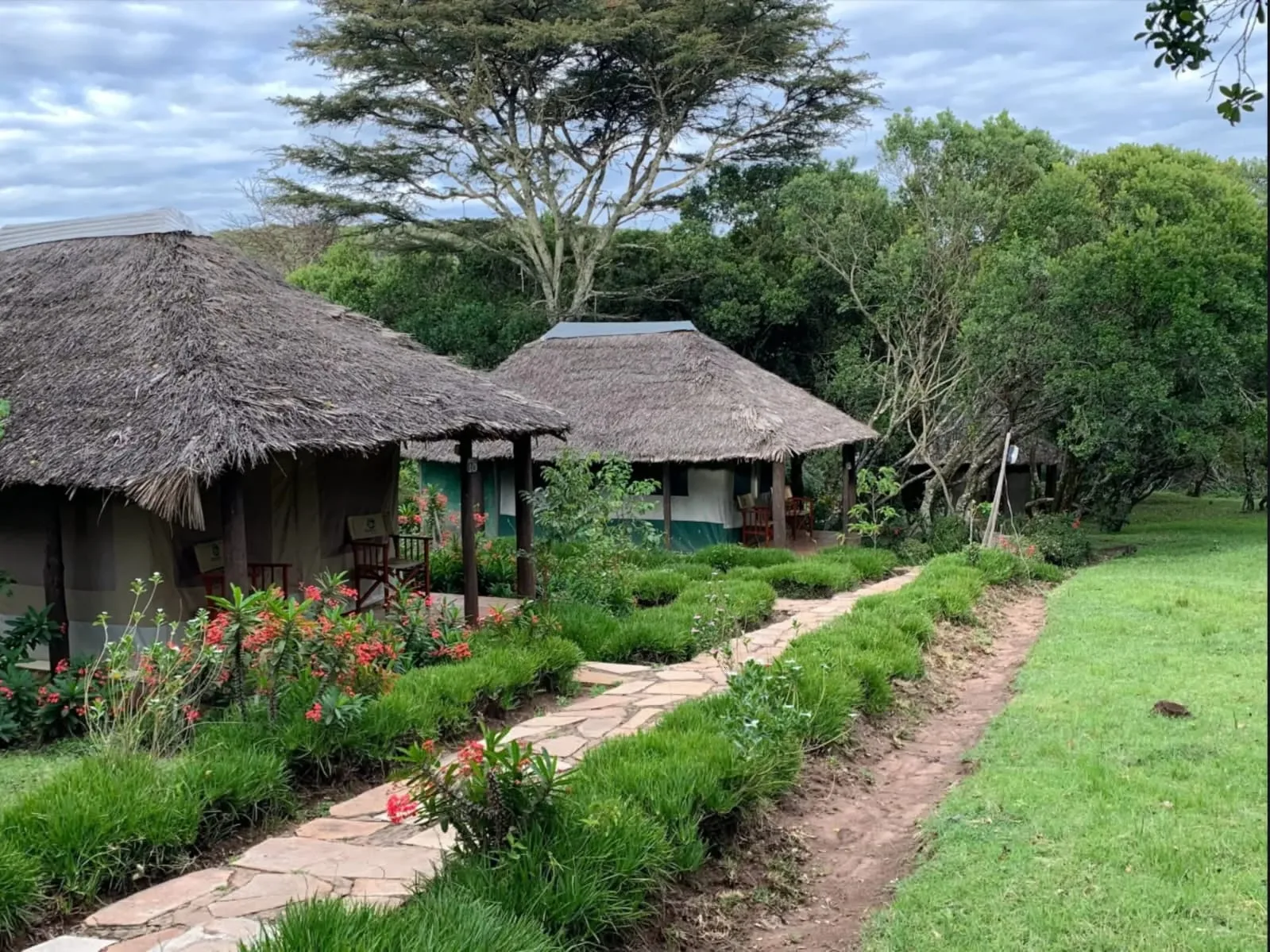
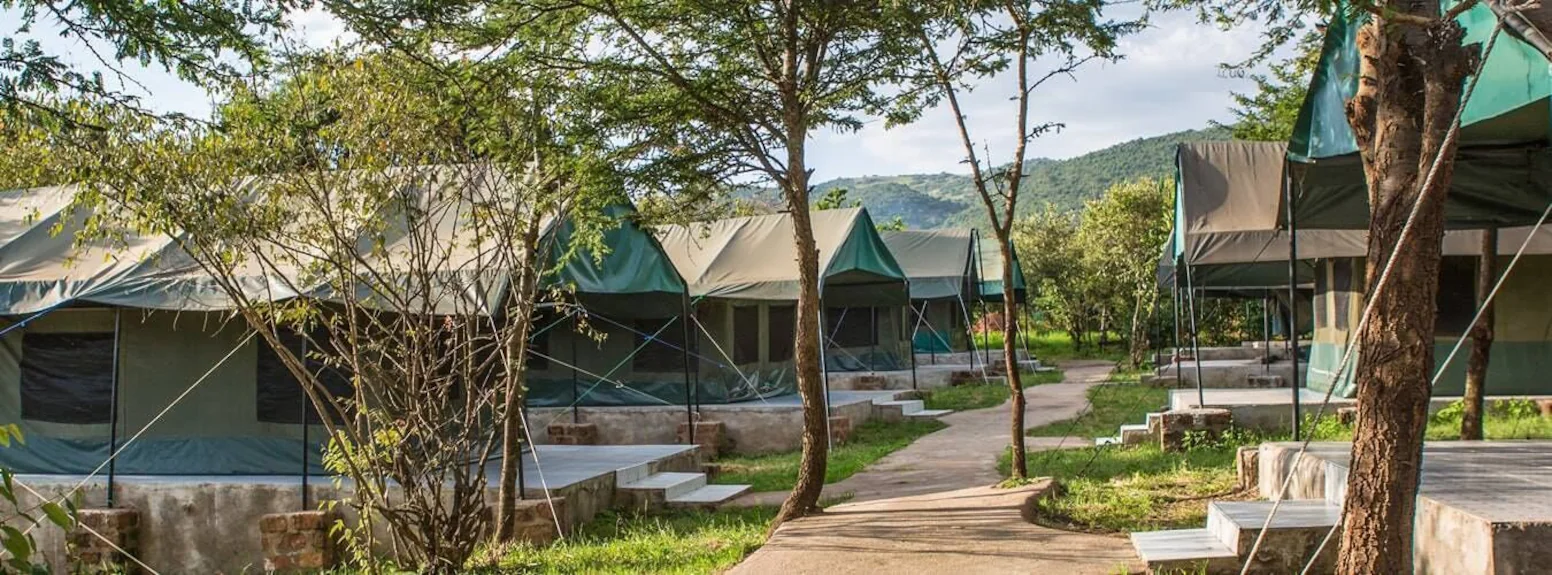
Reach the Masai Mara area around lunchtime or early afternoon depending on road conditions, then check into the selected accommodation. Family-friendly properties may provide:
- Family tents
- Interconnecting rooms
- Triple rooms
- Swimming pool
- Garden
- Children's meals
- Large common areas
Enjoy lunch and allow everyone time to settle.
First Family Game Drive
Later in the afternoon, begin the first wildlife drive. For children, the first animal encounter can be unforgettable. Even species adults may initially overlook can create excitement: a zebra is not ordinary to a child seeing one in the wild for the first time, and neither is a giraffe. Possible sightings include: Zebras, Giraffes, Wildebeest, Impalas, Gazelles, Elephants, Buffaloes, Warthogs, Lions.
Sightings can never be guaranteed.
Seeing Elephants as a Family
Elephant herds are particularly interesting for children because family relationships are visible. Your guide can explain:
- Mothers
- Calves
- Juveniles
- Herd leadership
- Trunk communication
- Feeding behavior
Watching an elephant calf trying to control its trunk can become a favorite family memory.
First Lions
If lions are located, approach responsibly. Children should be reminded that lions are wild predators, not oversized domestic cats. Observe:
- Cubs
- Lionesses
- Adult males
- Resting behavior
If the animals are sleeping, explain that lions may spend much of the day resting and become more active during cooler periods.
Return to Camp
Return before or around sunset according to applicable wildlife-area regulations and have dinner as a family. Children may already have dozens of questions, so encourage them to discuss their favorite sighting of the day.
- Accommodation: Family-friendly Masai Mara lodge or tented camp
- Meal Plan: Lunch and dinner depending on arrival arrangements
- Activities: Nairobi transfer, Rift Valley stop and afternoon family game drive
Where you stay
-
Essential (Budget)
-
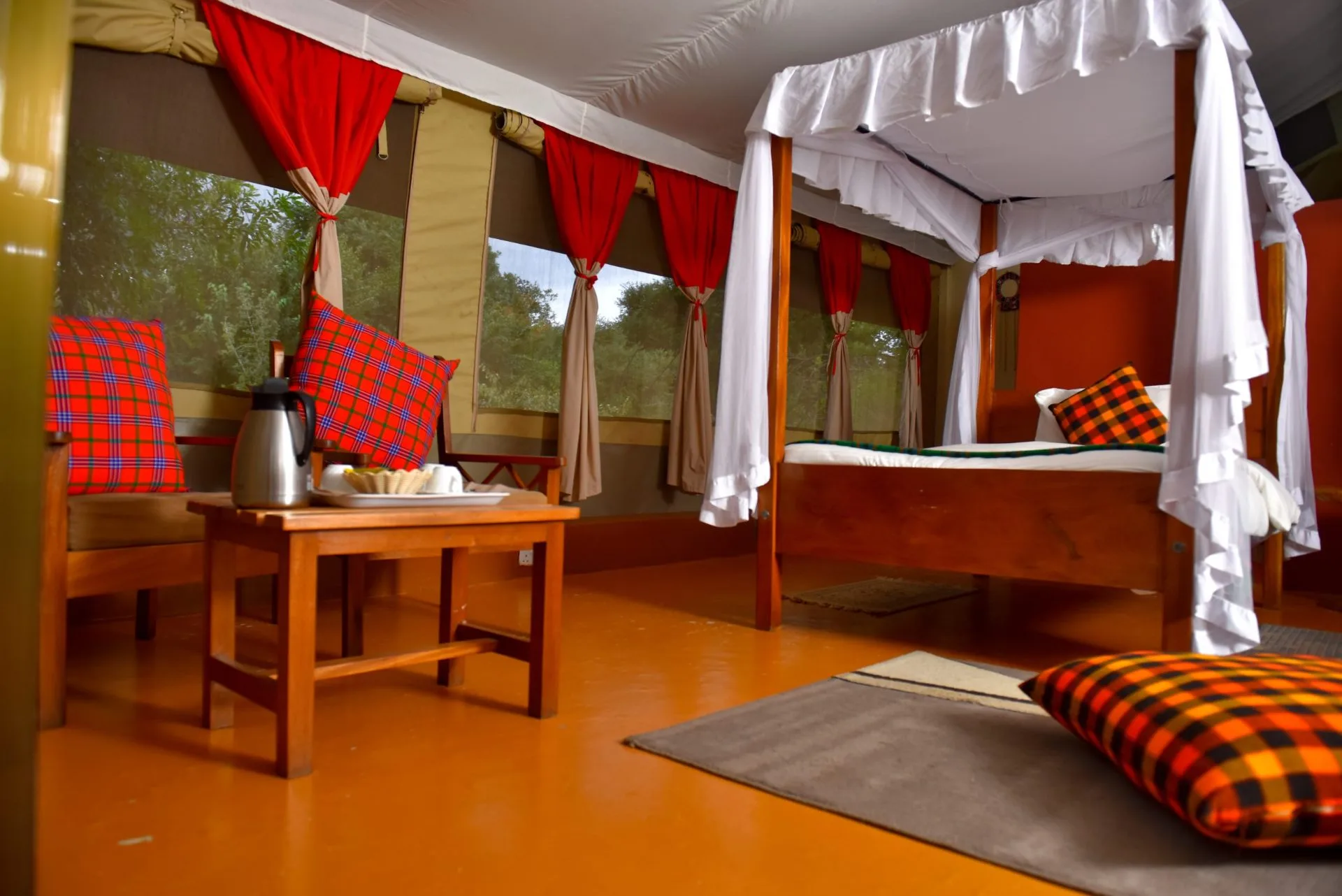
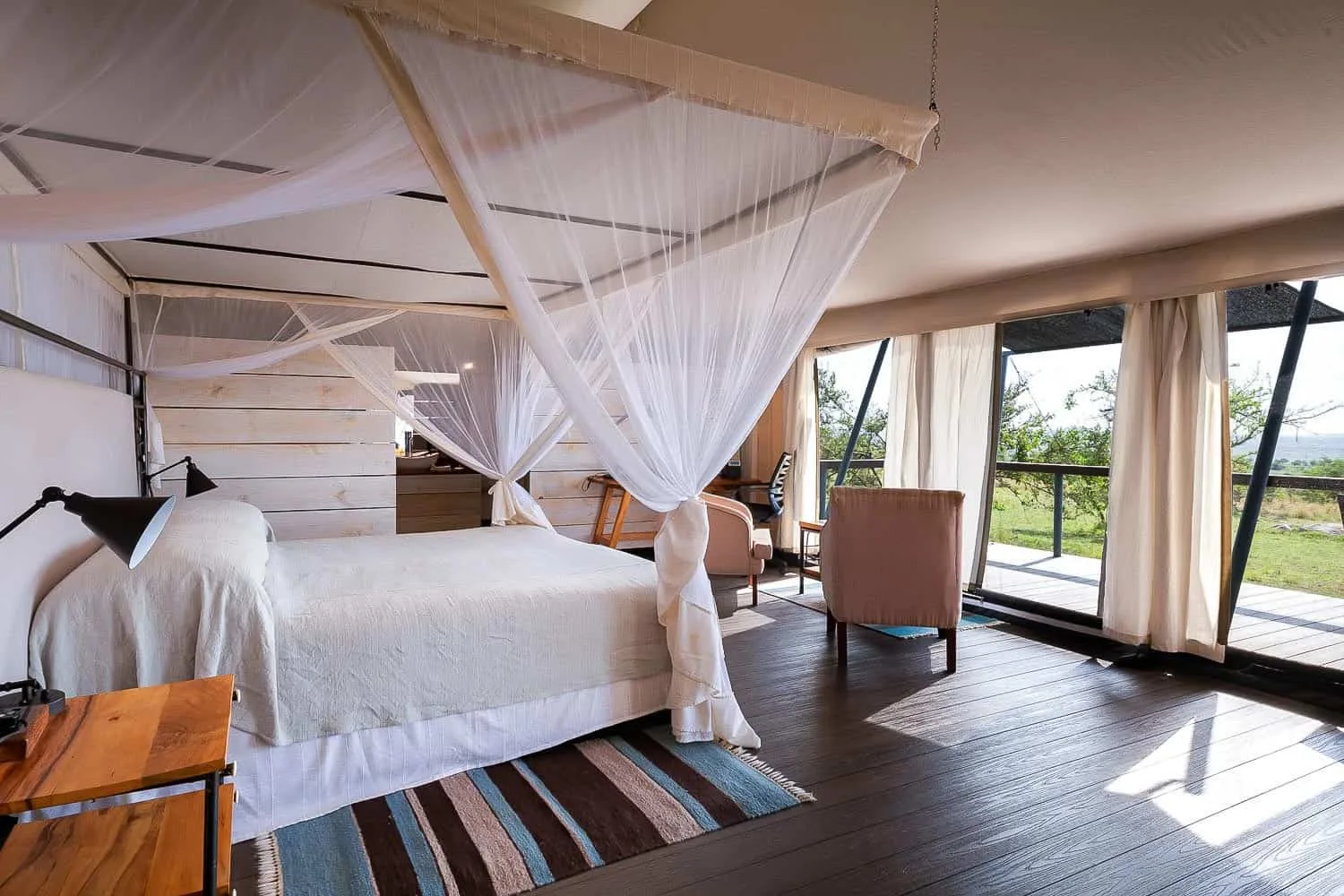
Comfort (Mid-range)
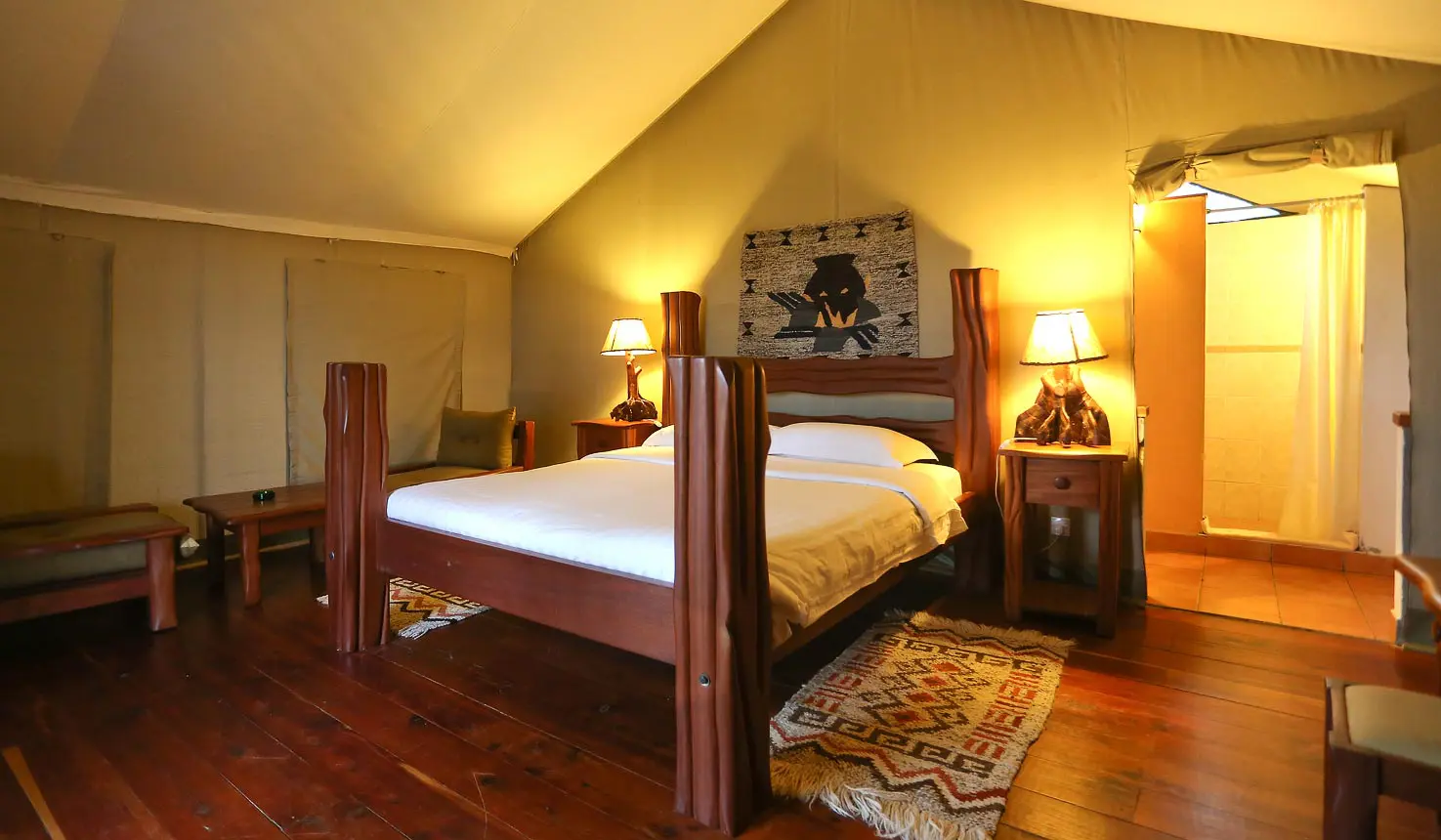
-
Premium (Luxury)
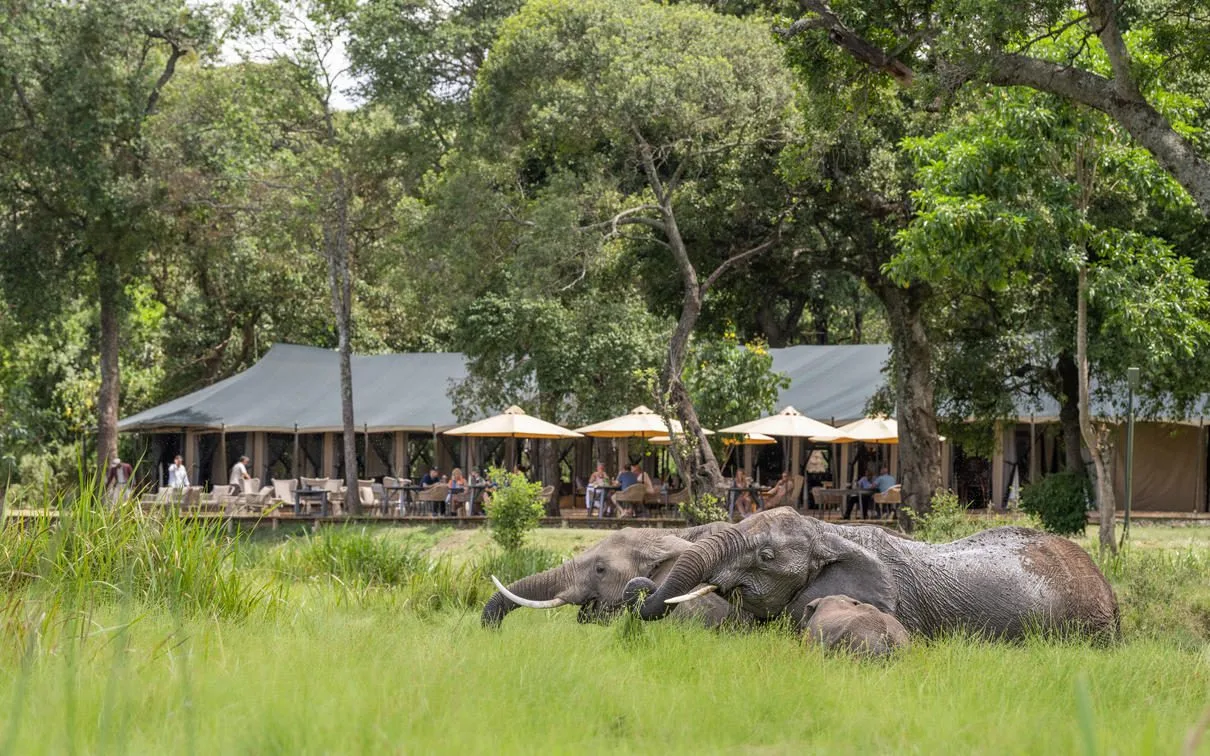
-
Signature (High-end)
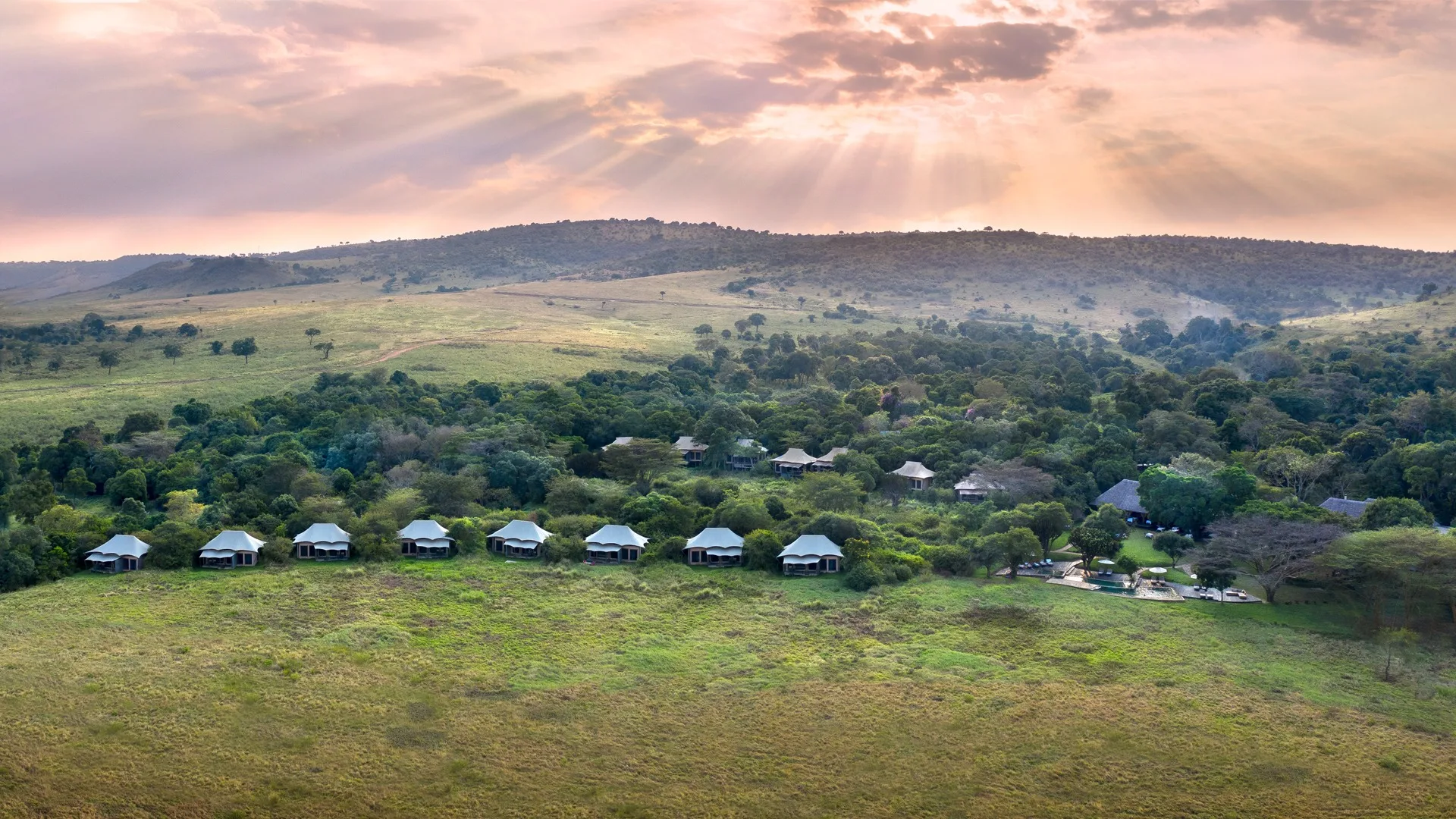
-
Day 2: Full-Day Masai Mara Family Safari – Lions, Elephants and Cheetahs - Main destination
- Masai Mara National Reserve
- Meals
- Breakfast, Lunch, Dinner
Wake for your first complete day in the Masai Mara. The day's schedule should depend on children's ages. Families with teenagers may enjoy an extended full-day safari, while families with younger children may prefer:
- Morning game drive
- Lodge lunch and swimming
- Afternoon game drive
Neither approach is inherently better, and the best schedule is the one the family enjoys.
Morning Wildlife Safari
Leave when temperatures are cool, as morning can provide excellent predator activity. Possible sightings include: Lions, Cheetahs, Hyenas, Elephants, Giraffes, Buffaloes, Zebras, Antelopes.
Make Wildlife Identification a Game
Children can be encouraged to keep a wildlife checklist. Possible categories include: Big animals: elephant, giraffe, buffalo, hippo, rhino, Predators: lion, leopard, cheetah, hyena, jackal, Plains animals: zebra, wildebeest, impala, gazelle, topi.
This turns the safari into an interactive learning experience.
Lion Families
If you find a pride containing cubs, children may notice similarities between animal and human family behavior. Cubs may:
- Play
- Chase each other
- Climb on adults
- Wrestle
- Sleep beside their mothers
Your guide can explain how play develops hunting and social skills.
Cheetahs
Cheetahs are often among children's favorite animals. Explain their adaptations:
- Lightweight body
- Long legs
- Flexible spine
- Large nasal passages
- Long tail for balance
- Exceptional acceleration
Avoid presenting wildlife purely as statistics, because watching the animal's behavior makes the learning more meaningful.
Elephants
Elephants offer opportunities to discuss conservation and family structure, and children can learn how elephant herds protect calves and communicate. Maintain appropriate distance and never pressure elephants for photographs.
Midday Family Break
Families using a split-drive schedule return to camp and enjoy lunch. Children can:
- Swim where available
- Rest
- Read
- Review photographs
- Update wildlife journals
Parents can also relax, and this break often makes the afternoon drive more enjoyable.
Afternoon Safari
Return to the wildlife area later in the day and search for species missed during the morning. Possible sightings include: Lions becoming active, Cheetahs, Giraffes, Elephants, Hyenas, Jackals, Birds.
Return for dinner.
- Accommodation: Family-friendly Masai Mara lodge/camp
- Meal Plan: Breakfast, lunch and dinner
- Activities: Morning and afternoon game drives or full-day family safari
Where you stay
-
Day 3: Masai Mara – Mara River, Hippos, Crocodiles and Migration Country - Main destination
- Masai Mara National Reserve
- Meals
- Breakfast, Lunch, Dinner
Today can be dedicated to a longer excursion toward the Mara River, depending on camp location, road conditions and children's ages. Take packed lunches when appropriate.
Journey Across the Mara
The drive itself can reveal many animals. Encourage children to look beyond the obvious by asking them to search for: Giraffes on the horizon, Birds on trees, Warthogs, Jackals, Elephants, Vultures circling overhead.
This keeps them engaged between major sightings.
Mara River
Reach suitable areas around the river, which introduces a completely different habitat. Possible wildlife includes: Hippos, Nile crocodiles, Waterbirds.
Hippos
Hippos fascinate many children. Your guide can explain that although they spend much of the day in water, they generally leave to feed on land. Children should understand that hippos are powerful wild animals and must always be viewed from appropriate safe areas.
Nile Crocodiles
Crocodiles may be seen resting on banks or partly submerged. This is an opportunity to discuss reptile adaptations and the role of predators in ecosystems.
Great Wildebeest Migration
If traveling during the appropriate period, the family may encounter large migration herds, and thousands of wildebeest and zebras can transform the landscape. Explain to children that migration is not an event that happens on a fixed date. Animals move according to:
- Rain
- Grass
- Water
- Natural instinct
River Crossings and Children
River crossings can be dramatic, but they are never guaranteed. Families should understand that crossings may involve predation, injury and death. Parents with younger or sensitive children may prefer not to remain at particularly graphic situations, and your guide can help assess circumstances. A family safari should respect children's emotional maturity.
Picnic Lunch
Stop at an authorized picnic area. A picnic breaks up the day and gives children time outside the vehicle where safely permitted. Always follow guide instructions.
Afternoon Wildlife Viewing
Continue exploring on the return journey. Possible sightings include: Elephants, Lions, Cheetahs, Giraffes, Zebras, Hyenas.
Return to camp.
- Accommodation: Family-friendly Masai Mara lodge/camp
- Meal Plan: Breakfast, packed lunch and dinner
- Activities: Mara River excursion and full-day wildlife viewing where appropriate
Where you stay
-
Day 4: Masai Mara Family Safari – Big Cats, Birds and Optional Cultural Experience - Main destination
- Masai Mara National Reserve
- Meals
- Breakfast, Lunch, Dinner
Day four provides another complete day in the Mara. Having multiple nights is particularly useful for families because there is less pressure to force every experience into a single day. If children are tired, start later; if everyone is enthusiastic, depart early.
Search for Leopards
Leopards are among the most difficult major animals to locate, and sightings cannot be guaranteed. Your guide may search:
- Large trees
- Riverine woodland
- Drainage lines
- Thick bush
Turn the search into a family challenge, as children are sometimes remarkably good at spotting wildlife.
Why Leopards Are Hard to Find
Explain camouflage. A leopard's spotted coat helps break up its outline among:
- Leaves
- Branches
- Shadows
- Grass
Even when a guide points directly toward a leopard, it can take several seconds to see it.
Birdwatching for Children
Birds add color and variety to the safari. Rather than trying to identify hundreds of species, younger travelers can look for memorable birds such as: Ostriches, Secretary birds, Crowned cranes, Lilac-breasted rollers, Hornbills, Eagles, Vultures.
Children can compete to find the largest, smallest or most colorful bird.
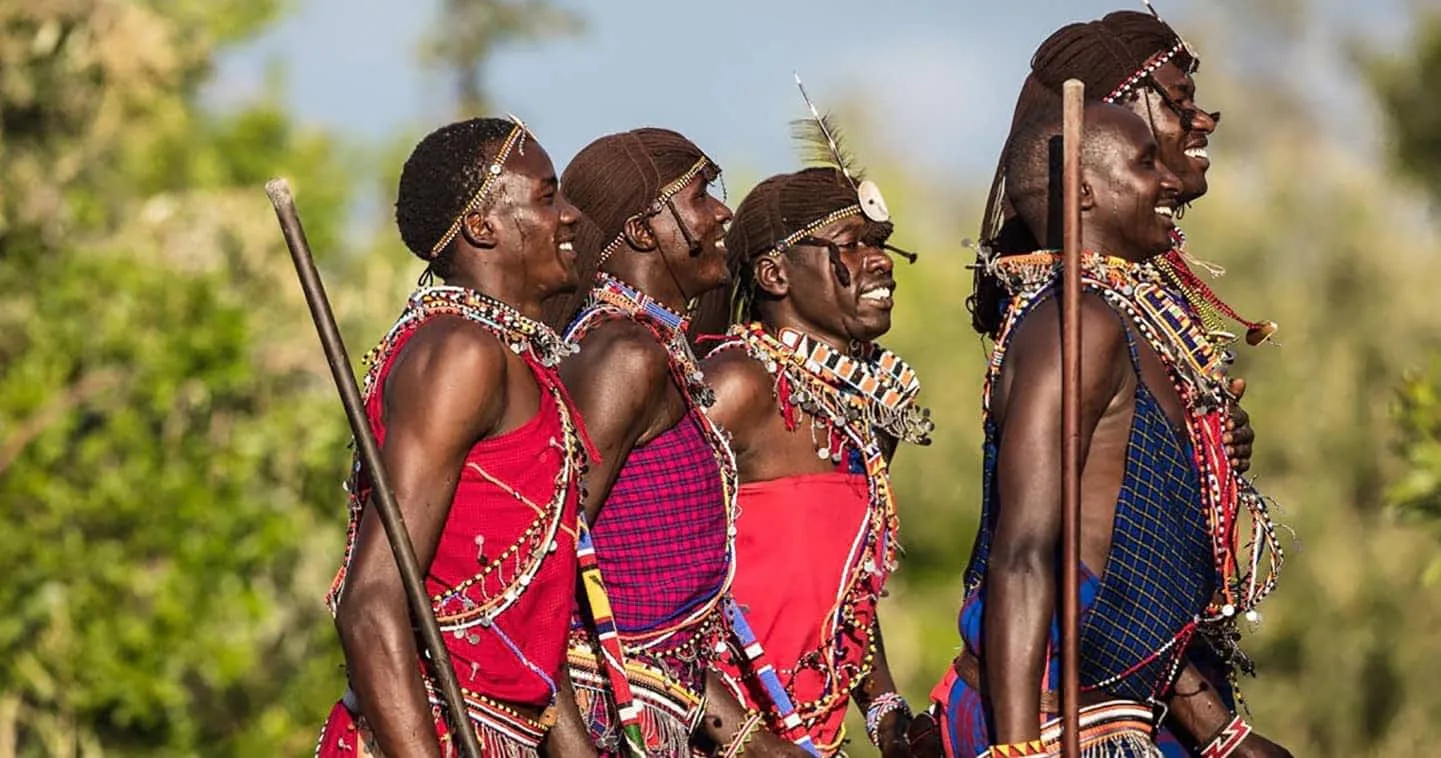
Optional Maasai Cultural Experience
Families interested in Kenyan culture may request a responsible community visit, which can introduce children to a different way of life. Topics may include:
- Livestock
- Housing
- Family life
- Beadwork
- Traditional clothing
- Education
- Conservation
Cultural visits should be respectful and not treat communities as entertainment exhibits, and children should be encouraged to ask polite questions.
Cultural Exchange
Where appropriate, children may particularly enjoy meeting local children. Parents should avoid distributing sweets, money or gifts directly without guidance because uncontrolled giving can create unintended problems. If the family wants to support a community project, discuss appropriate methods with the safari operator or community representatives.
Midday Rest
Return to the lodge where the itinerary allows and enjoy lunch and relaxation. Swimming is often one of the easiest ways to balance safari intensity for children.
Final Mara Afternoon
Return for your final major Mara game drive and try to revisit favorite animals. Perhaps the family wants: Another lion sighting, More elephants, A cheetah, Giraffes, A leopard search.
Allow children to help select priorities, which gives them a sense of ownership over the safari.
Family Sunset
Stop where safely permitted and appreciate the landscape. Ask each family member to name their favorite experience so far, then return to camp for your final Mara dinner.
- Accommodation: Family-friendly Masai Mara lodge/camp
- Meal Plan: Breakfast, lunch and dinner
- Activities: Game drives and optional responsible cultural experience
Where you stay
-
Day 5: Masai Mara to Lake Nakuru – Family Road Journey and Rhino Safari - Main destination
- Masai Mara National Reserve
- Meals
- Breakfast, Lunch, Dinner
After breakfast, check out and begin traveling toward Lake Nakuru National Park. The change of destination introduces new scenery and new animals.
Managing the Road Transfer With Children
Plan comfort stops and carry:
- Drinking water
- Light snacks
- Books
- Quiet games
- Children's headphones where appropriate
Avoid excessive screen use if children are interested in watching the countryside, but there is no need to make family travel unnecessarily strict. The objective is a comfortable journey.
Arrival in the Lake Nakuru Area
Reach the park or accommodation depending on the schedule. After lunch where applicable, begin exploring Lake Nakuru National Park. The ecosystem differs noticeably from the Mara, and habitats include:
- Lakeshore
- Grassland
- Woodland
- Bush
- Wetlands
- Rocky areas
Rhinoceroses
For many families, seeing a rhinoceros is one of the highlights of the entire safari, although sightings are never guaranteed. Lake Nakuru provides opportunities to search for both:
- White rhinoceroses
- Black rhinoceroses
White Rhino vs Black Rhino
Children can learn the differences, starting with the fact that the names do not accurately describe their actual colors. One important distinction relates to feeding: white rhinos are mainly grazers, while black rhinos are browsers. Your guide can point out differences in mouth shape when viewing conditions allow.
Conservation Lesson
Rhinos provide an opportunity to introduce children to conservation. Explain age-appropriately why these animals require protection. Topics may include:
- Poaching
- Habitat
- Rangers
- Protected areas
- Responsible tourism
Avoid overwhelming younger children with disturbing details and focus on how conservation helps protect wildlife.
Rothschild's Giraffes
Lake Nakuru also provides opportunities to see Rothschild's giraffes. Children who have already seen Maasai giraffes can compare their markings.
Flamingos and Waterbirds
Depending on ecological conditions, flamingos may be present, but numbers fluctuate. Other birds may include: Pelicans, Herons, Egrets, Storks, Cormorants.
Children interested in photography may enjoy photographing the lakeshore.
Family Accommodation
Proceed to your lodge or hotel. A property with a swimming pool can be particularly useful after the transfer day. Enjoy dinner and discuss the differences between the Mara and Lake Nakuru.
- Accommodation: Family-friendly Lake Nakuru/Nakuru accommodation
- Meal Plan: Breakfast, lunch and dinner
- Activities: Transfer and afternoon Lake Nakuru game drive
Where you stay
-
Day 6: Lake Nakuru Morning Safari – Final Wildlife Experience and Nairobi - Main destination
- Masai Mara National Reserve
- Drive time
- Return transfer as outlined in the itinerary
- Meals
- Breakfast, Lunch
Wake for the final safari morning. After breakfast, enjoy another wildlife drive according to the day's travel schedule.
Final Rhino Search
Search again for white and black rhinos. If the family saw them yesterday, children may now be able to identify which species they are observing.
Other Lake Nakuru Wildlife
Possible animals include: Buffaloes, Giraffes, Zebras, Waterbucks, Impalas, Warthogs, Baboons, Vervet monkeys, Hyenas, Lions.
Family Wildlife Checklist
Before leaving the park, review the family's checklist:
- How many species did everyone identify?
- Which animal was the favorite?
- Which was the hardest to find?
- Which behavior was most surprising?
This helps children process the experience rather than treating the safari as a series of photographs.
Return to Nairobi
Leave Lake Nakuru and travel toward Nairobi, stopping for refreshments where required. Arrive in Nairobi during the afternoon depending on traffic, then transfer to:
- Nairobi hotel
- Residence
- Jomo Kenyatta International Airport
- Wilson Airport
- Another agreed location
This concludes your 6 Days Family Kenya Safari.
- Meal Plan: Breakfast; lunch according to confirmed arrangements
- Route: Lake Nakuru → Nairobi
Animals Children May See on the Safari
Possible wildlife includes: Lions, Leopards, Cheetahs, Elephants, Buffaloes, White rhinos, Black rhinos, Maasai giraffes, Rothschild's giraffes, Zebras, Wildebeest, Hippos, Crocodiles, Hyenas, Jackals, Warthogs, Baboons, Vervet monkeys, Impalas, Gazelles, Topi, Elands, Waterbucks, Numerous birds.
No animal sighting can be guaranteed.
Big Five Family Safari
The traditional Big Five are: Lion, Leopard, Elephant, Buffalo, Rhinoceros.
This six-day route creates opportunities for all five, although none can be guaranteed. The safari should not become a race to tick five boxes, because children often find many supposedly "ordinary" animals equally fascinating. A dung beetle, colorful lizard, zebra foal or baboon family may attract more attention than a sleeping lion, so encourage curiosity.
Family Safari With Young Children
Families with younger children require additional planning. Consider:
- Shorter game drives
- Midday breaks
- Early dinners
- Swimming pools
- Family rooms
- Flexible schedules
- Private vehicle
Parents should provide children's exact ages when requesting a quotation because accommodation and activity policies vary.
Kenya Safari With Teenagers
Teenagers may enjoy longer and more specialized activities. Possible interests include:
- Wildlife photography
- Birding
- Conservation
- Cultural experiences
- Great Migration
- Big-cat behavior
Give teenagers some influence over daily priorities.
Multigenerational Kenya Family Safari
A six-day safari can work well for grandparents, parents and children traveling together. Accommodation selection becomes especially important. Consider:
- Walking distances
- Stairs
- Room proximity
- Vehicle access
- Dietary requirements
- Medical considerations
A private vehicle makes it easier to balance different energy levels.
Family Safari Accommodation Options
Budget
Budget family accommodation may provide:
- Triple rooms
- Family tents
- Basic en-suite bathrooms
- Simple meals
- Practical locations
Mid-Range
Mid-range properties often provide:
- Larger rooms
- Swimming pools
- Better common areas
- Family units
- Comfortable dining
Luxury
Luxury family safari properties may offer:
- Large family suites
- Private villas
- Multiple bedrooms
- Private pools
- Personalized meals
- Private guides
- Children's programs
The best accommodation is the one that fits the family's actual needs.
Where you stay
03 Rates
Safari rates 2027-2029
Indicative per person. Season, group size and lodge style change the total — your quotation confirms current rates.
-
Essential (Budget)
Essential (Budget)
Budget camps and lodges suit travelers who prioritize wildlife while keeping costs lower.
Great value camps
-
Comfort (Mid-range)
Comfort (Mid-range)
Mid-range tented camps and lodges balance comfort and price with private rooms or tents and en-suite facilities.
Quoted for your dates
-
Premium (Luxury)
Premium (Luxury)
Luxury camps and lodges focus on location, service and more intimate wildlife experiences.
Premium camps and lodges
-
Signature (High-end)
Signature (High-end)
Signature camps and lodges are the most exclusive stays — small, highly private properties with exceptional guiding and setting.
Exclusive signature stays
04 Activities
Safari activities
Game viewing is the core of this itinerary. Optional extras are quoted separately and depend on season, permits and availability. Individual species and river crossings are never guaranteed.
Additional information
Plan This Safari
Is a Tented Camp Safe for Children?
Properly operated safari camps can accommodate families, but policies vary. Many wildlife camps are unfenced, and wild animals may move through the property. Guests may therefore be escorted between rooms and common areas after dark, and children must follow camp instructions. Families with very young children should discuss fencing, room layout and supervision requirements before booking.
Swimming Pools on Family Safari
A swimming pool can be extremely valuable. After several hours inside a safari vehicle, children may want physical activity. A midday swim can transform the rest of the day. When selecting accommodation, families should consider lodge facilities as part of the itinerary rather than simply as optional extras.
Family-Friendly Meal Planning
Children may not always enjoy unfamiliar meals. Ask about:
- Children's menus
- Early meals
- Simple pasta
- Rice
- Chicken
- Fruit
- Vegetarian options
- Allergies
Dietary requirements should be communicated before travel.
Food Allergies
Families should disclose serious allergies during booking. Carry necessary medication and ensure parents retain control over emergency treatment. Remote safari locations may not have immediate access to the same medical facilities available in major cities.
How Long Are Kenya Safari Game Drives?
Game drives are flexible on a private family safari, and the family does not need to follow the same schedule every day. Possible schedules include:
- Morning safari: Approximately several hours before returning for lunch.
- Afternoon safari: A shorter drive later in the day.
- Full-day safari: Useful for reaching distant wildlife areas but better suited to older children or particularly enthusiastic young travelers.
Keeping Children Interested During Game Drives
Useful ideas include:
- Wildlife checklists
- Children's binoculars
- Camera
- Nature journal
- Animal identification book
- Bird checklist
- Drawing notebook
Ask children questions rather than continuously lecturing them. For example:
- "Why do you think zebras stay together?"
- "What is the elephant using its trunk for?"
- "Can you find the baby giraffe?"
Interactive observation builds curiosity.
Family Safari Photography
Children may enjoy having their own simple camera. Photography encourages them to:
- Look carefully
- Wait
- Notice behavior
- Observe landscapes
A smartphone can also work well. Remind children to experience wildlife directly rather than viewing the entire safari through a screen.
Great Migration Family Safari
The Great Wildebeest Migration can be extraordinary for families. Children may see: Huge wildebeest herds, Zebras, Predators, Vultures, River ecosystems.
However, some migration events can involve predation and animal deaths. Parents should consider children's sensitivity. Herds and river crossings are never guaranteed.
Best Time for a 6 Days Family Kenya Safari
Kenya offers year-round family safari possibilities.
July to October
Popular for migration possibilities in the Mara. This period can be busy, so book family rooms early.
January and February
Can provide excellent resident wildlife viewing and relatively dry conditions.
March to May
The greener season can bring lower visitor numbers and beautiful landscapes, although rainfall may affect roads.
November and December
Short rains can create fresh landscapes and excellent birding. Festive periods may be busy.
Family Safari During School Holidays
School-holiday periods can coincide with high safari demand, and family rooms are fewer than standard double rooms. Early planning is recommended for travel during:
- July
- August
- Christmas
- New Year
- Easter
What to Pack for Children
Depending on age, consider:
- Lightweight clothing
- Long trousers
- Shorts
- Warm fleece
- Light jacket
- Rain jacket
- Comfortable shoes
- Sun hat
- Sunglasses
- Sunscreen
- Insect repellent
- Reusable water bottle
- Small backpack
- Binoculars
- Wildlife book
- Notebook
- Personal medication
Pack layers because mornings may feel cool.
What Parents Should Pack
Parents should also consider:
- Travel documents
- Insurance details
- Medical information
- First-aid essentials
- Chargers
- Power banks
- Camera equipment
- Spare clothing
- Snacks for transfers
Avoid overpacking.
How Much Does a 6 Days Family Kenya Safari Cost?
Family safari pricing depends on:
- Number of adults
- Number of children
- Exact ages
- Travel dates
- Accommodation category
- Room configuration
- Park fees
- Transport type
- Private vehicle
- Optional activities
Children's ages are particularly important because rates and policies can vary. A customized quotation is therefore necessary.
How Families Can Reduce Safari Costs
Families can control costs by:
- Traveling by road
- Choosing mid-range accommodation
- Using family rooms
- Avoiding unnecessary destination changes
- Traveling outside peak periods
- Limiting expensive optional activities
However, do not choose accommodation solely because it is cheapest. Location and family suitability matter.
Typical Family Safari Inclusions
Depending on the confirmed quotation:
- Private safari vehicle
- Professional driver-guide
- Five nights' accommodation
- Family room arrangements as specified
- Meals according to itinerary
- Park and conservation fees as specified
- Game drives
- Drinking water in the vehicle
- Nairobi pickup
- Nairobi drop-off
- Applicable taxes on included services
Typical Exclusions
Unless specifically included:
- International flights
- Kenya entry authorization costs where applicable
- Travel insurance
- Alcoholic beverages
- Premium drinks
- Laundry
- Tips
- Balloon safari
- Optional cultural activities
- Personal expenses
- Additional Nairobi accommodation
- Beach extension
- Services not specified
Family Safari and Beach Holiday
After six days of wildlife viewing, many families enjoy continuing to the Kenya Coast. A beach extension creates a natural contrast. The safari portion provides:
- Wildlife
- Early mornings
- Game drives
- Adventure
- Learning
The beach portion provides:
- Swimming
- Rest
- Ocean activities
- Family time
- Relaxation
This combination works particularly well for longer family holidays.
Responsible Family Safari Travel
A family safari is an opportunity to teach children how responsible tourism works. Encourage them to understand:
- Animals are wild
- Wildlife should not be fed
- Litter should never be thrown outside
- Guides and rangers deserve respect
- Communities are not tourist attractions
- Protected areas require funding
- Conservation involves difficult long-term work
Children who understand why wildlife is protected may return home with more than photographs.
Internal Linking Instructions
Use contextual internal links toward relevant approved SafariTripsToKenya.com pages covering:
- Kenya Safari Packages
- Kenya Family Safaris
- Masai Mara Safaris
- Lake Nakuru Safaris
- Kenya Wildlife Safaris
- Kenya Big Five Safaris
- Great Wildebeest Migration
- Kenya Safari Cost
- Best Time to Visit Kenya
- Kenya Safari Packing List
- Kenya Safari and Beach Holidays
- Kenya Budget Safaris
- Kenya Luxury Safaris
Use only URLs already mapped in the approved sitemap. URL LOCK: Do not invent, rename, shorten, optimize or otherwise alter mapped URLs.
Why a Family Safari Is More Than a Holiday
A safari gives families something increasingly rare: several days spent paying attention to the same environment together. There are no zoo fences separating the animal from its ecosystem. Children see that a lion exists because prey exists, and they see that zebras and wildebeest gather for protection. They watch vultures clean carcasses, observe elephants caring for calves, and learn that predators are not "bad" animals and prey species are not helpless characters in a story. Every species plays a role, and these lessons are difficult to reproduce in a classroom.
Book Your 6 Days Family Kenya Safari
A 6 Days Family Kenya Safari gives parents and children enough time to experience Kenya's wildlife without turning every day into a race between destinations. Begin in Nairobi and travel through the Great Rift Valley toward the Masai Mara. Let children watch the scenery change as the city gives way to farmland, pastoral country and finally the open wildlife landscapes of the Mara.
Begin with an afternoon game drive and the chance to look for a first zebra, giraffe, elephant or lion. Spend the following days exploring at a pace appropriate for your family. Search for lion prides in the morning, look for elephant calves following their mothers, and scan the plains for cheetahs. Search woodland for leopards, and give children time to identify zebras, wildebeest, topi, gazelles and birds when they are present.
Use lodge breaks for swimming and rest. Visit the Mara River when appropriate to look for hippos and crocodiles and, during the relevant season, explore areas used by the Great Wildebeest Migration. River crossings are never guaranteed. Add a responsible cultural experience if your family wants to learn more about Maasai life, then travel to Lake Nakuru National Park, where the wildlife experience changes. Search for white and black rhinoceroses, compare Rothschild's giraffes with the Maasai giraffes of the Mara if both are seen, and look for buffaloes, zebras and waterbucks. Scan the lakeshore for flamingos and other waterbirds according to current ecological conditions.
Throughout the journey, use a private safari vehicle to keep the schedule flexible. Choose accommodation according to the family's needs rather than simply selecting the most expensive option. Families with younger children can prioritize swimming pools, shorter drives and early meals. Families with teenagers can spend longer in the field and focus on photography, predators, birding or conservation.
Multigenerational families can choose room configurations and schedules that accommodate different mobility and energy levels. The safari can be arranged using budget, mid-range, luxury or high-end family accommodation, and additional days can be added where needed. After the safari, continue to the Kenya Coast for a family beach holiday or return to Nairobi for your international departure.
Send your travel dates, number of adults, number of children, exact children's ages, preferred accommodation category and whether you want a safari-only or safari-and-beach holiday to receive a customized quotation for your 6 Days Family Kenya Safari.
Planning Questions
Frequently Asked Questions
Is Kenya suitable for a family safari?
Yes. Kenya offers excellent wildlife, diverse accommodation and flexible safari routes suitable for families.
Is six days too long for children?
Not when the itinerary is properly paced. Six days can actually be easier than a rushed short safari because there is more time for rest.
What ages can children go on safari?
Policies vary between accommodation providers and activities. Provide children's exact ages when planning.
Should families use a private vehicle?
A private vehicle is strongly recommended because it provides maximum flexibility.
Can we stop when children need a break?
Yes, subject to safety and park regulations.
Can children see lions?
The Masai Mara provides excellent lion-viewing opportunities, although a lion sighting is never guaranteed.
Can children see elephants?
Elephants are frequently encountered on this route, although a sighting is never guaranteed.
Can we see cheetahs?
The Mara provides strong cheetah opportunities, although a cheetah sighting is never guaranteed.
Can we see leopards?
Potentially, although leopards are elusive and a sighting is never guaranteed.
Can children see rhinos?
Lake Nakuru provides opportunities for both white and black rhinos, although a rhino sighting is never guaranteed.
Can we see the Big Five?
Potentially, although wildlife sightings can never be guaranteed.
Can families see the Great Migration?
When the major herds are present in the Mara ecosystem, families may see the migration, although herd movements are never guaranteed.
Are river crossings suitable for young children?
River crossings are never guaranteed, and when they happen they can involve distressing wildlife scenes. Parents should decide according to children's ages and sensitivity.
Are family rooms available?
Yes, at selected properties. They should be booked early during busy periods.
Can we have interconnecting rooms?
Selected lodges offer them. Availability must be confirmed.
Do safari lodges have swimming pools?
Many do, especially mid-range and luxury properties.
Can children's meals be arranged?
Many family-friendly properties can provide simpler meals with advance notice.
Can dietary requirements be accommodated?
Usually yes when communicated in advance.
Can we add a beach holiday?
Yes. A Kenya Coast extension is an excellent family combination.
Can we add more safari days?
Yes. The itinerary can be extended according to family interests and available time.
05 Request Quote
Request Quote
Tell us your dates, group size, and preferred lodge style — we will send a tailored quote for this safari.
Want to extend your safari?
Add Amboseli, Diani Beach, Tanzania and Zanzibar, or gorilla trekking in Uganda or Rwanda — we tailor the journey to your dates.