
5 DAYS / 4 NIGHTS
5 Days Family Kenya Safari
Plan a 5 Days Kenya Family Safari with child-friendly game drives, family accommodation, Masai Mara wildlife and flexible private safari experiences.
- Wildlife SafariPrivate Journey
- Private Safari4x4 Vehicle
- Expert GuideEnglish Speaking
- All MealsBreakfast, Lunch, Dinner
- 24/7 SupportWe're here to help
01 Overview
Safari Overview
- Duration5 days / 4 nights
- DestinationKenya
- Starts / endsNairobi
- Safari stylePrivate 4×4 safari
- AccommodationEssential · Comfort · Premium · Signature
- Best forWildlife viewing, photography
5 Days Kenya Family Safari
A 5 Days Kenya Family Safari is a carefully paced wildlife adventure designed for parents, children and multi-generational families who want to experience Kenya's extraordinary animals without turning the holiday into an exhausting sequence of long drives, rushed park visits and constant accommodation changes.
Kenya is one of Africa's classic family safari destinations. Its famous wildlife landscapes introduce children to animals they may previously have encountered only in books, documentaries or school lessons. Lions resting beside the road, elephants protecting young calves, giraffes browsing above acacia trees, zebras moving across open grasslands and hippos crowded into rivers can transform wildlife from an abstract subject into something immediate and unforgettable.
For families, however, a successful safari requires more than simply selecting a wildlife-rich destination. Several things matter:
- The daily pace
- Accommodation
- Driving distances
- Meal arrangements
- The ages and attention spans of children
- Vehicle privacy, which can matter enormously
A five-day itinerary therefore needs to balance excellent wildlife viewing with comfort, flexibility, rest and family time.
The Masai Mara is particularly suitable as the principal destination because of its exceptional concentration of wildlife. Families do not necessarily need to spend ten hours searching before finding something interesting. Depending on wildlife movements, lions, elephants, giraffes, zebras, wildebeest, buffaloes, antelopes and other animals can provide frequent viewing opportunities.
The safari can then incorporate a complementary Rift Valley destination such as Lake Nakuru National Park, where children can search for rhinoceroses, Rothschild's giraffes, buffaloes and diverse birdlife. Alternatively, families wanting an even slower safari can spend all four nights around the Masai Mara ecosystem and eliminate the additional transfer. This itinerary can be arranged using budget, mid-range, luxury or high-end family-friendly accommodation, with private transportation strongly recommended for families wanting maximum flexibility.
5 Days Kenya Family Safari at a Glance
- Duration: 5 Days / 4 Nights
- Safari Style: Private family Kenya safari
- Starting Point: Nairobi
- Ending Point: Nairobi
- Primary Destination: Masai Mara
- Recommended Complementary Destination: Lake Nakuru
- Suitable For: Families with children, teenagers, parents, grandparents and multi-generational groups
Recommended Family Route
Nairobi → Masai Mara → Masai Mara → Masai Mara → Lake Nakuru → Nairobi
Overnight Plan
- Night 1: Masai Mara
- Night 2: Masai Mara
- Night 3: Masai Mara
- Night 4: Lake Nakuru/Nakuru area
Safari Summary
- Day 1: Nairobi to Masai Mara – scenic journey and gentle afternoon safari
- Day 2: Masai Mara – flexible family game drives and big-cat search
- Day 3: Masai Mara – wildlife exploration, Mara River and optional family activities
- Day 4: Masai Mara to Lake Nakuru – relaxed transfer and rhino safari
- Day 5: Lake Nakuru family game drive and return to Nairobi
Why Choose Kenya for a Family Safari?
Kenya offers an unusually strong combination of wildlife, safari infrastructure and accommodation options. For children, the greatest advantage is the diversity of animals. A single game drive may produce sightings of:
- Lions
- Elephants
- Giraffes
- Zebras
- Wildebeest
- Buffaloes
- Gazelles
- Warthogs
- Baboons
- Monkeys
- Hyenas
- Numerous birds
The frequent changes in wildlife help keep younger travelers engaged. For parents, Kenya offers accommodation ranging from affordable family rooms to luxury family suites, making it possible to design the safari around different budgets.
Why Five Days Works Well for Families
A very short safari can involve a disproportionately large amount of travel. A very long safari can become tiring for younger children. Five days provides a useful middle ground. It allows families to experience several mornings and afternoons in the wilderness without committing to an extended expedition. The itinerary can also be adjusted according to children's ages. Families with younger children may prefer:
- Shorter morning drives
- Midday lodge breaks
- Afternoon drives
- Swimming time
- Earlier dinners
Families with teenagers may prefer:
- Full-day drives
- Photography
- Longer predator searches
- Cultural experiences
- More adventurous schedules
There is no need for every family to follow exactly the same routine.
Private Safari Vehicle for Families
A private vehicle is one of the most useful upgrades for a family safari. With a private safari vehicle, your family controls the pace. If a child needs a bathroom break, the guide can plan accordingly. If children become tired, return to the lodge earlier. If everyone is fascinated by a lion pride, remain longer. If the children want to spend twenty minutes watching warthogs rather than searching for another leopard, you can do so. Private transportation removes the pressure of adapting to unrelated travelers.
Family-Friendly Safari Accommodation
The best family accommodation is not necessarily the most expensive. Important considerations include:
- Family rooms
- Interconnecting rooms
- Triple rooms
- Extra beds
- Swimming pool
- Safe grounds
- Child-friendly meals
- Flexible dining times
- Short distance to wildlife areas
- Reliable hot water
- Electricity
- Charging facilities
Some properties have age restrictions for specific activities, so children's exact ages should always be provided before accommodation is confirmed.
Itinerary
- Day 1:Nairobi to Masai Mara, great Rift Valley and First Family Game Drive
- Day 2:Masai Mara Family Safari, lions, Cheetahs, Elephants and Plains Wildlife
- Day 3:Masai Mara Family Adventure, mara River, Hippos and Great Migration Country
- Day 4:Masai Mara to Lake Nakuru, family Road Journey and Rhino Safari
- Day 5:Morning game drive / optional Maasai village – return to Nairobi

02 Itinerary
5 Days Family Kenya Safari: Detailed Itinerary
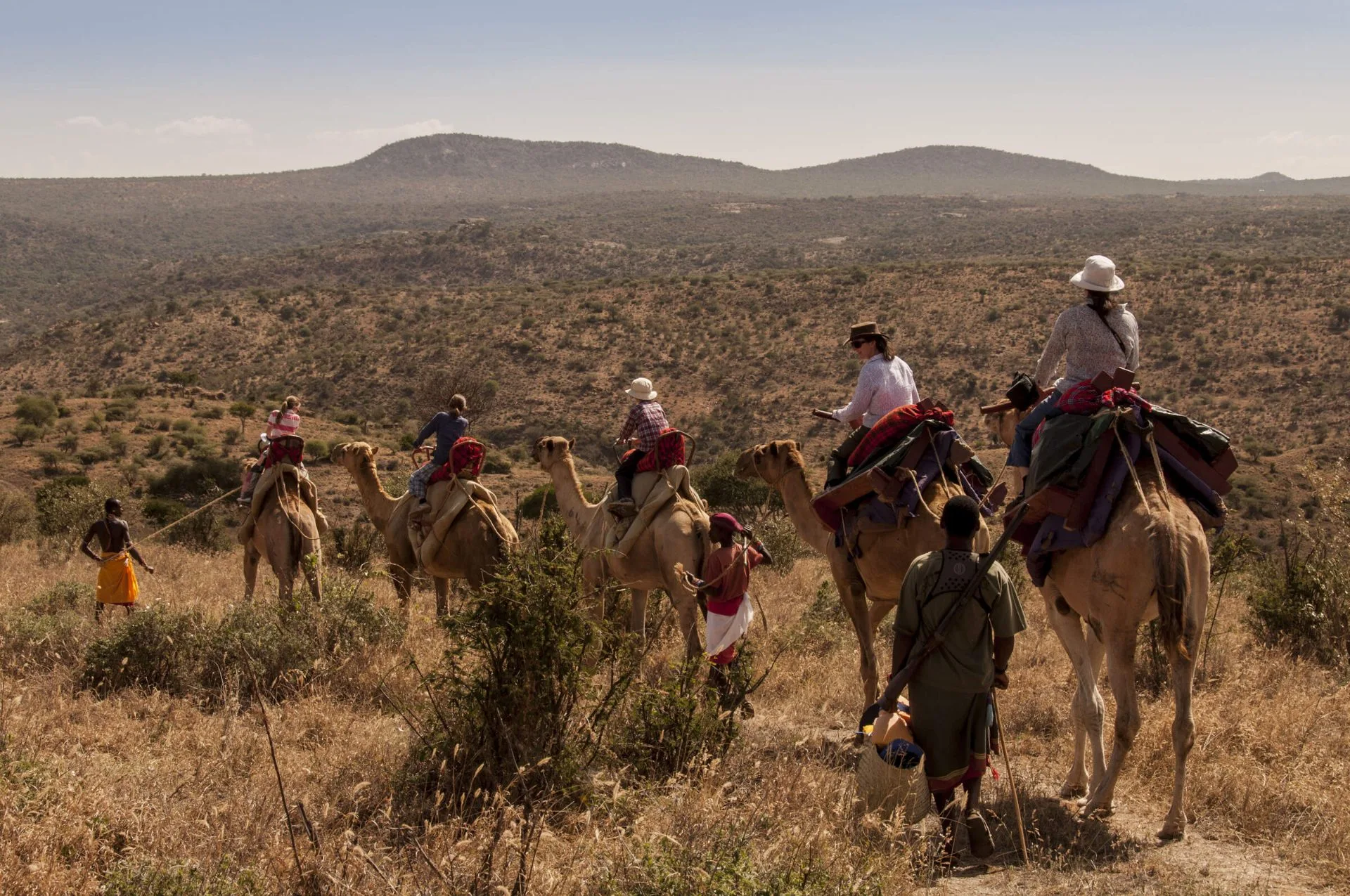
Day 1: Nairobi to Masai Mara – Great Rift Valley and First Family Game Drive - Main destination
- Masai Mara National Reserve
- Drive time
- Road transfer as outlined in the itinerary
- Meals
- Lunch, Dinner
Your 5 Days Kenya Family Safari begins in Nairobi. Your private driver-guide collects your family from your hotel, residence or another agreed Nairobi location in the morning. Before departure, the guide introduces the safari and explains the journey in a family-friendly way. Parents should mention any important requirements, including:
- Motion sickness
- Dietary restrictions
- Child-seat requirements where available
- Medical needs
- Preferred rest stops
- Children's interests
- Mobility considerations
You then leave Nairobi toward the Great Rift Valley.
Great Rift Valley Stop
Depending on weather, road conditions and timing, stop at an appropriate viewpoint overlooking the Rift Valley. For children, this provides an opportunity to get out of the vehicle, stretch and begin understanding Kenya's geography. Parents can explain how the landscape forms part of the enormous East African Rift system. The stop also provides family photographs before the journey continues.
Journey Through Rural Kenya
Continue toward Narok. One advantage of traveling by road is that children see Kenya beyond the national parks. The journey passes:
- Towns
- Farms
- Markets
- Livestock
- Rural landscapes
- Pastoral areas
This creates opportunities for questions and conversation. A family safari can therefore become both a wildlife experience and a broader introduction to Kenya.
Approaching the Masai Mara
After Narok, landscapes become increasingly open. Children may begin seeing cattle, sheep and goats associated with Maasai pastoral communities. Eventually, the family reaches the Masai Mara region. Check into your selected lodge or tented camp and enjoy lunch. Depending on arrival time and children's energy levels, relax briefly before beginning the first game drive.
First Family Game Drive
The first afternoon should generally remain relaxed. There is no need to immediately search for every famous animal. Allow children time to adjust to the safari vehicle and learn how wildlife viewing works. Your guide may explain:
- Why animals are not fed
- Why everyone should remain quiet at certain sightings
- Why hands should remain inside the vehicle
- How guides locate animals
- Why wildlife should never be approached on foot without authorization
These lessons can make children active participants rather than passive passengers.
Searching for Giraffes
Giraffes are often among the most exciting animals for children. Their extraordinary height is much more impressive in reality than on television. The Masai Mara is home to Maasai giraffes. Children can learn how giraffes:
- Use long tongues to feed
- Browse from trees
- Move with a distinctive walking pattern
- Use their height to watch for predators
Zebras
Zebras are another family favorite. Rather than simply identifying them, encourage children to notice differences between individuals. Every zebra has a unique stripe pattern. Families can also watch how zebras associate with wildebeest and other herbivores.
Warthogs
Warthogs often produce some of the most entertaining sightings for younger travelers. They may run with their tails upright like small flags. Families can learn about how warthogs use burrows and why they frequently kneel while feeding.
First Lion Encounter
If your guide locates lions, the first encounter can become one of the defining moments of the safari. Children should be reminded to remain calm and avoid sudden loud noises. Lions often appear surprisingly relaxed around safari vehicles because vehicles are familiar elements within protected wildlife areas. Possible observations include:
- Sleeping lions
- Cubs playing
- Females grooming
- Males resting
- Lions walking through grassland
Do not promise children that a lion will hunt. Hunting events are unpredictable.
Elephants and Family Behavior
Elephants are particularly appropriate animals for family safaris because their social relationships are easy to appreciate. A family group may contain:
- Adult females
- Young elephants
- Calves
Children can watch how adults protect younger animals. Elephants communicate using touch, sound and body language, and a mother keeping a calf close provides a natural opportunity to discuss family relationships in wildlife.
Return to Camp
Return to your lodge before or around sunset according to applicable regulations. Families with younger children may prefer an earlier dinner. After dinner, discuss favorite sightings from the day. Encouraging children to keep a wildlife list or safari journal can make the experience more engaging.
- Accommodation: Family-friendly Masai Mara lodge/tented camp
- Meal Plan: Lunch and dinner depending on arrival arrangements
- Activities: Nairobi transfer, Rift Valley stop and afternoon family game drive
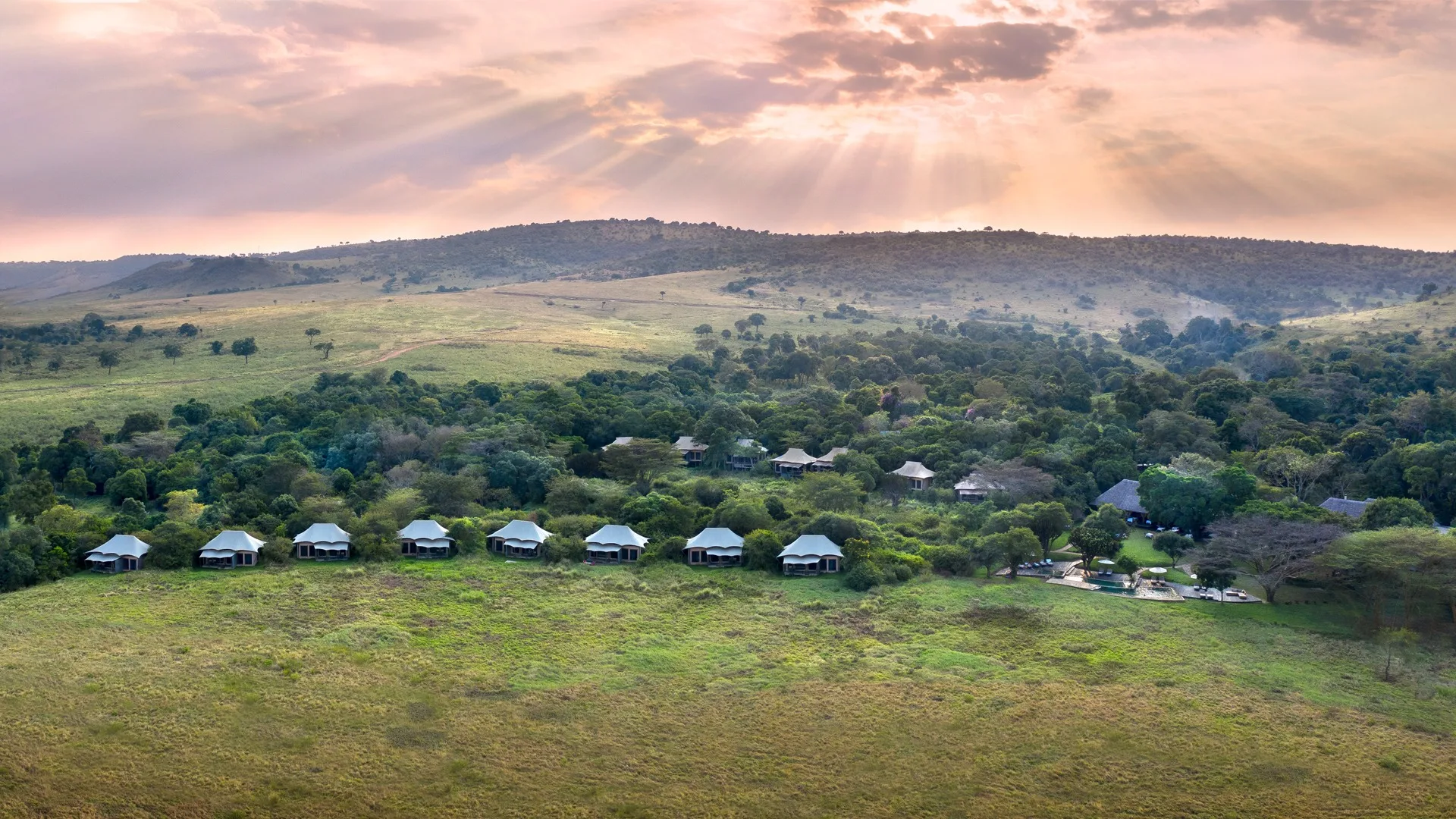
Where you stay
- Essential (Budget)
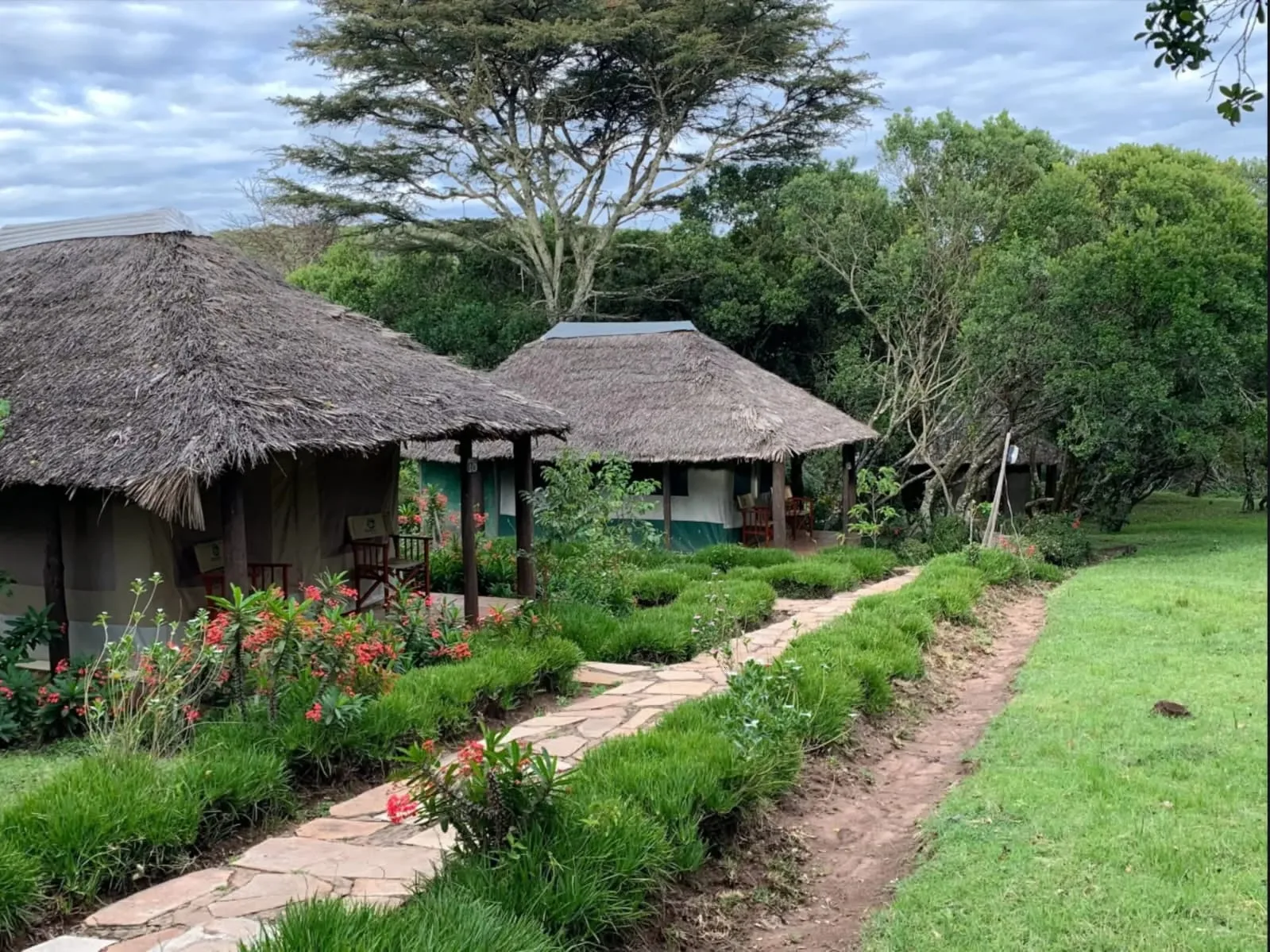
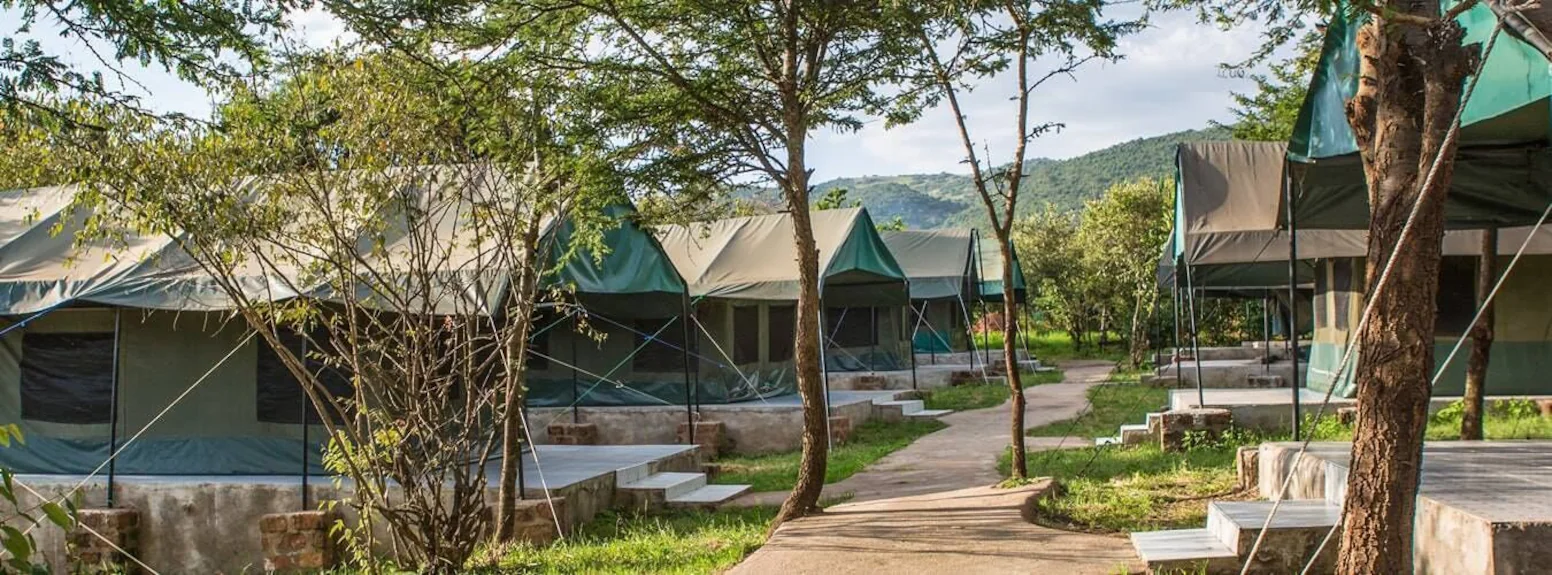
- Comfort (Mid-range)
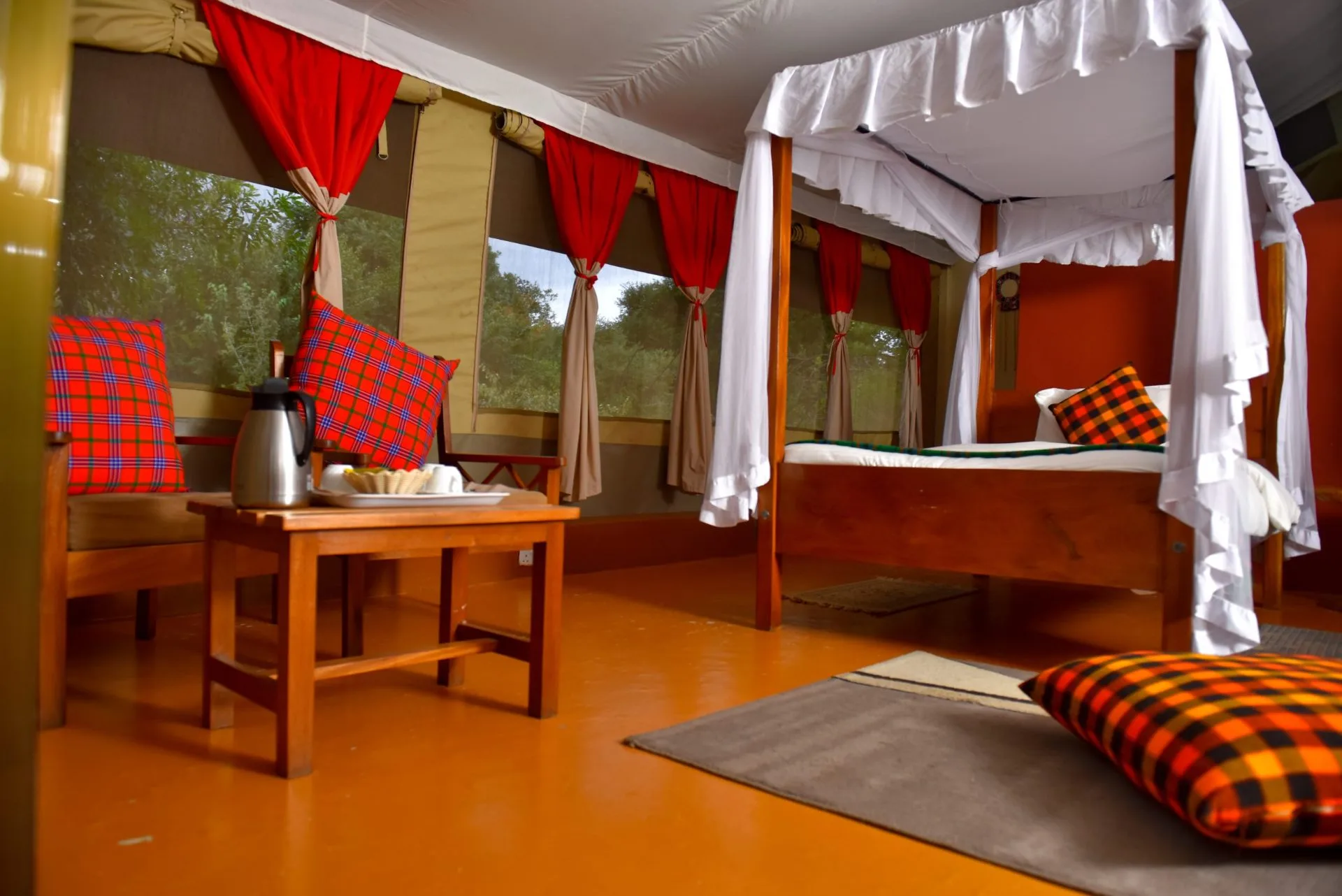
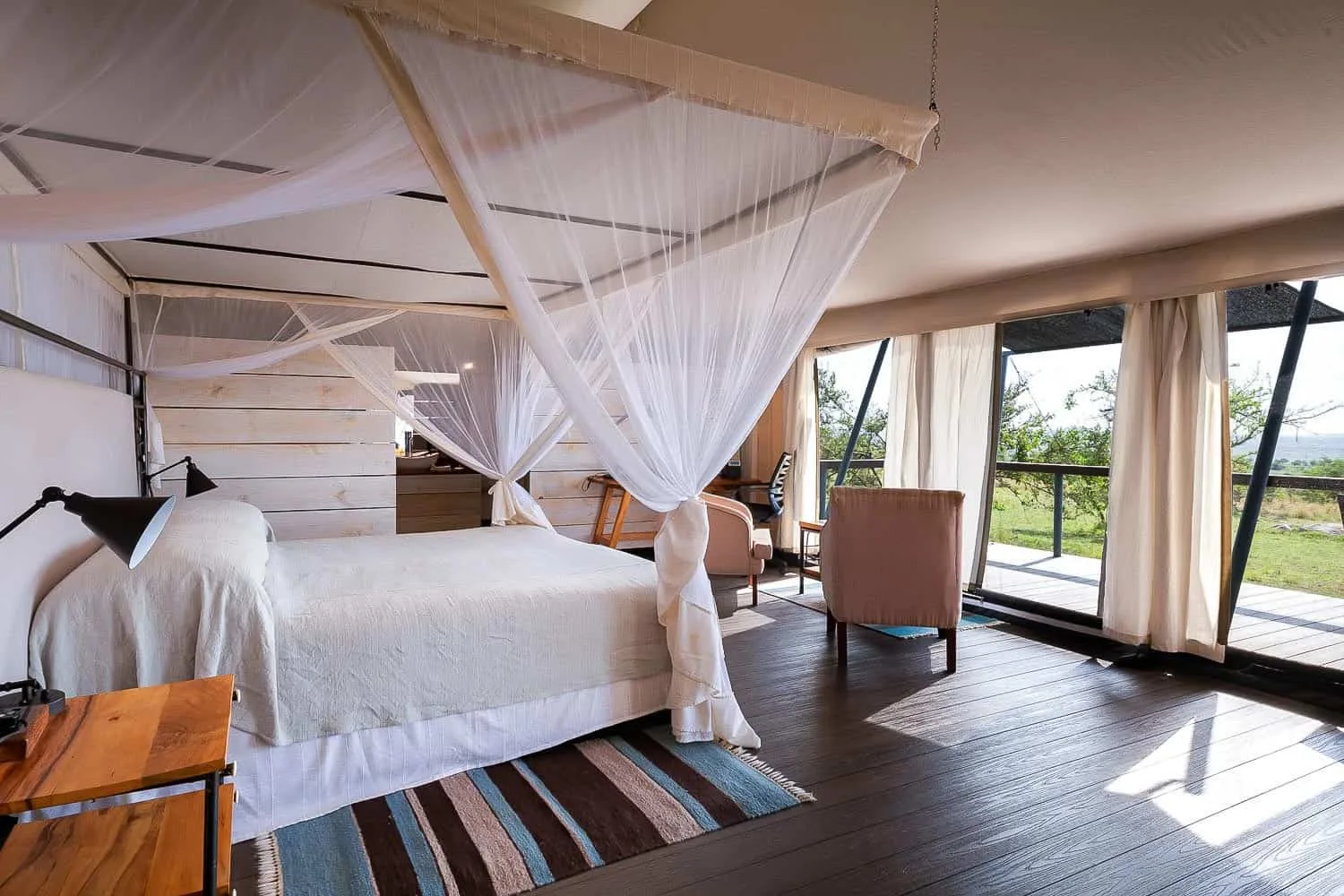
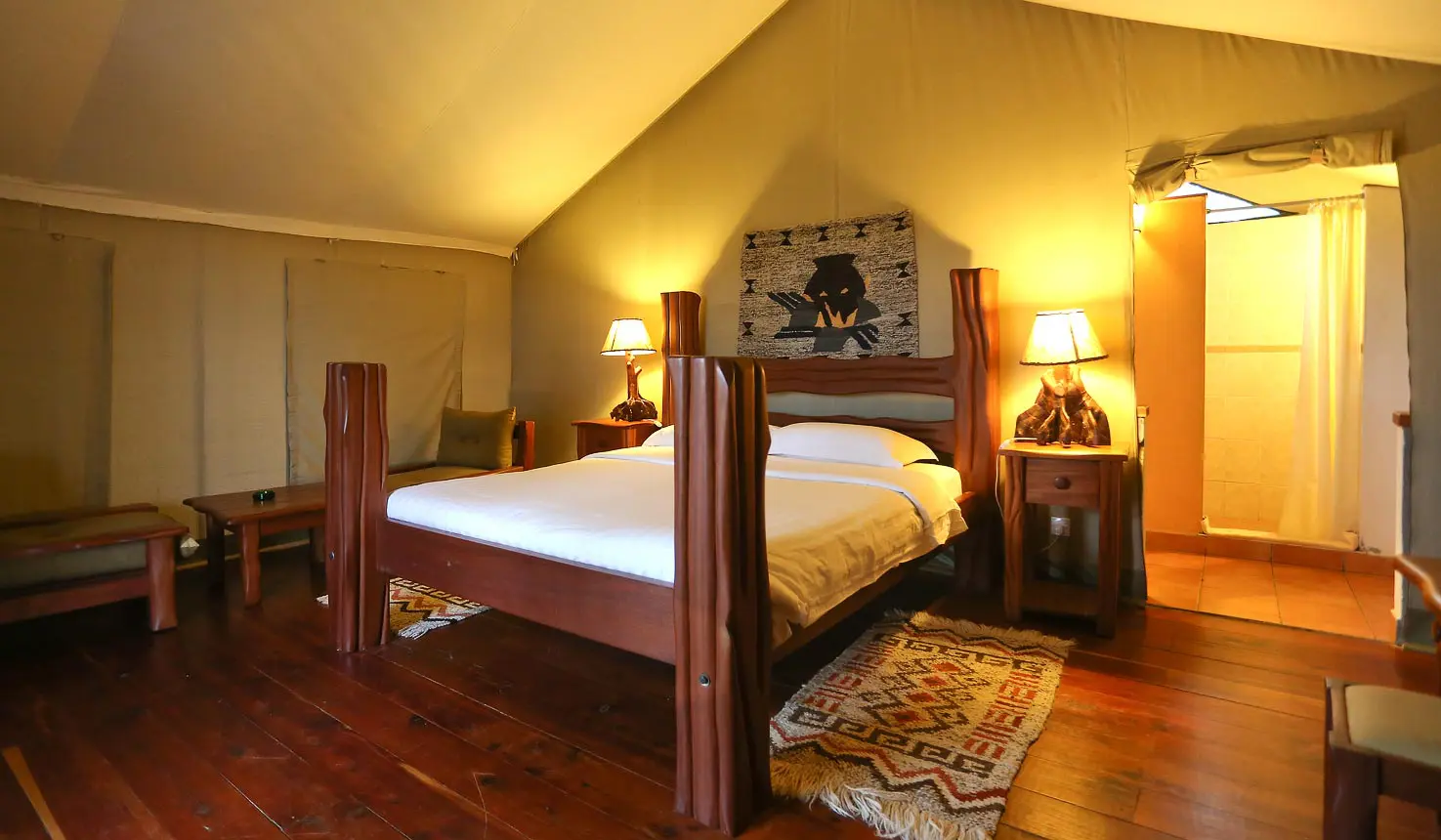
- Premium (Luxury)
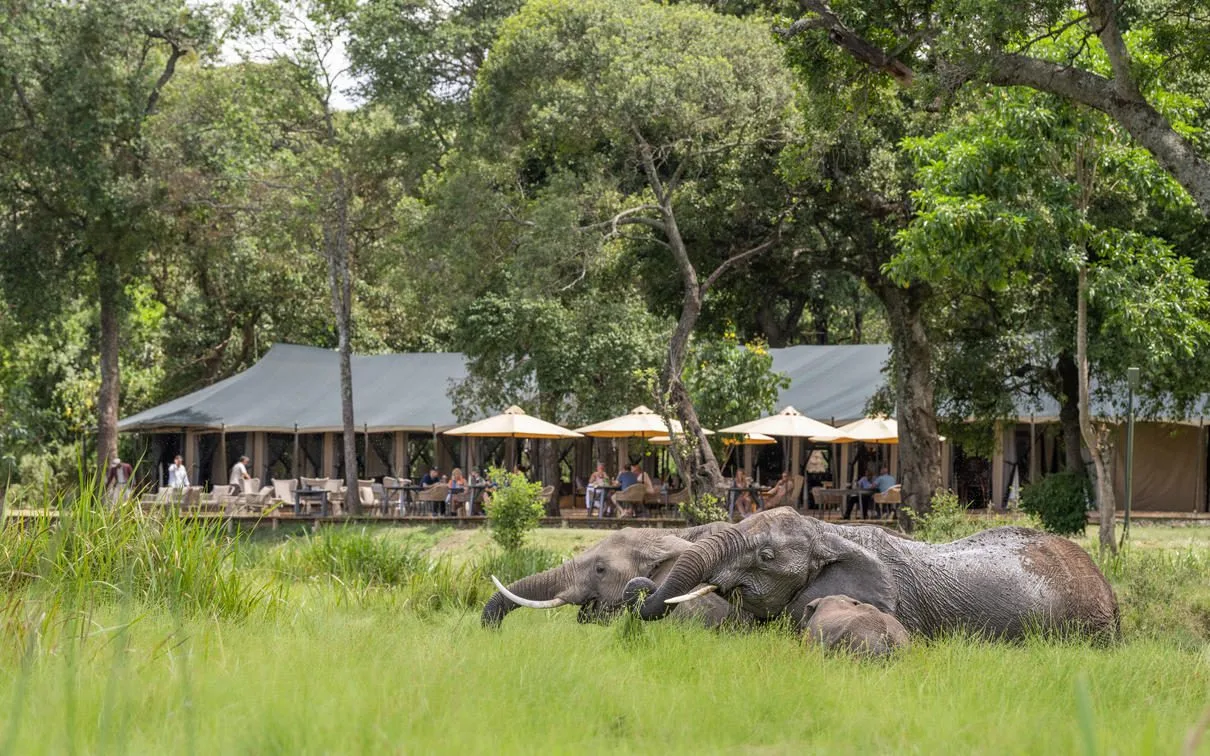
- Signature (High-end)
Day 2: Masai Mara Family Safari – Lions, Cheetahs, Elephants and Plains Wildlife - Main destination
- Masai Mara National Reserve
- Meals
- Breakfast, Lunch, Dinner
Wake early according to your family's preferred schedule. Families with older children and teenagers may want to leave before sunrise, while families with younger children may prefer breakfast first and a slightly later departure. The itinerary can be adapted accordingly.
Morning Game Drive
The cooler morning hours are often excellent for wildlife. Predators may still be active, herbivores begin feeding and bird activity increases. Your guide searches for animals according to current conditions. Possible sightings include: Lions, Cheetahs, Leopards, Elephants, Buffaloes, Giraffes, Zebras, Wildebeest, Hyenas, Jackals, Antelopes.
Learning About Lions
If you find a pride, the guide can explain lion family structure. Children may learn that females often form the stable core of the pride, adult males may form coalitions, and cubs spend substantial time playing. Play is not meaningless. Young lions practice coordination, stalking and social behavior through games. This turns the sighting into an outdoor wildlife lesson.
Cheetahs
Cheetahs provide another opportunity to discuss animal adaptations. Ask children what they notice about the animal. Cheetahs have:
- Long legs
- Lightweight bodies
- Long tails
- Distinctive facial markings
- Powerful acceleration
Their body structure is adapted for speed. They generally hunt by using explosive acceleration over relatively short distances rather than chasing prey indefinitely.
Leopard Search
Leopards introduce children to camouflage. A leopard can remain almost invisible even when nearby. Encourage children to scan:
- Tree branches
- Bushes
- Riverine vegetation
- Shaded areas
Finding a leopard can become a family challenge. Your guide may also explain how alarm calls from other animals help reveal predators.
Return to Lodge for Lunch
For many families, a split game-drive schedule works better than spending the entire day in the vehicle. Return to the lodge around late morning, have lunch and enjoy several hours of relaxation. Depending on accommodation, children may:
- Swim
- Rest
- Read
- Review photographs
- Complete safari journals
- Watch wildlife from the lodge
Parents also benefit from this slower pace.
Afternoon Family Game Drive
Return to the wildlife area later in the afternoon. The changing light creates new photographic opportunities, and animals that were inactive during midday begin moving again. Your guide may revisit a lion pride or search for elephants and giraffes. Children often become more engaged when game drives have specific missions. Examples include: Find five different antelope species, Identify three birds of prey, Search for a baby animal, Find an animal beginning with a particular letter, Compare zebra stripe patterns.
This can transform long drives into interactive exploration.
Buffaloes
Cape buffaloes may appear in large herds. Children should understand that animals do not need sharp claws or large teeth to be dangerous. Buffaloes are extremely powerful, and their size and herd behavior can make them formidable opponents even for lions.
Hyenas
Spotted hyenas provide an opportunity to correct common misconceptions. They are not simply scavengers. Hyenas are capable hunters with complex social structures, and their clans can include numerous individuals. Watch how they communicate and interact.
Safari Sunset
Spend the final part of the afternoon enjoying the changing landscape. Return to camp for dinner and overnight.
- Accommodation: Family-friendly Masai Mara lodge/tented camp
- Meal Plan: Breakfast, lunch and dinner
- Activities: Morning and afternoon family game drives
Where you stay
Day 3: Masai Mara Family Adventure – Mara River, Hippos and Great Migration Country - Main destination
- Masai Mara National Reserve
- Meals
- Breakfast, Lunch, Dinner
Day three provides another complete day in the Masai Mara. The exact schedule can be adjusted according to the family's energy levels. Families comfortable with longer drives may carry a picnic lunch and explore farther into the ecosystem, while families with younger children may prefer morning and afternoon game drives separated by a lodge break.
Mara River
One possible focus is the Mara River. The river provides a completely different wildlife environment. Children can look for:
- Hippopotamuses
- Nile crocodiles
- Waterbirds
- Wildlife coming to drink
The river also plays an important role in the Great Wildebeest Migration.
Hippopotamuses
Hippos can be fascinating for children because their appearance can be misleading. They spend much of the day in water but usually feed on land. Despite their bulky appearance, they can move surprisingly quickly. Families should always follow the guide's safety instructions near rivers and hippo areas.
Nile Crocodiles
Crocodiles can remain almost invisible in water. Children can learn how their eyes and nostrils are positioned to allow much of the body to remain submerged. The Mara River supports some large individuals.
Great Wildebeest Migration for Families
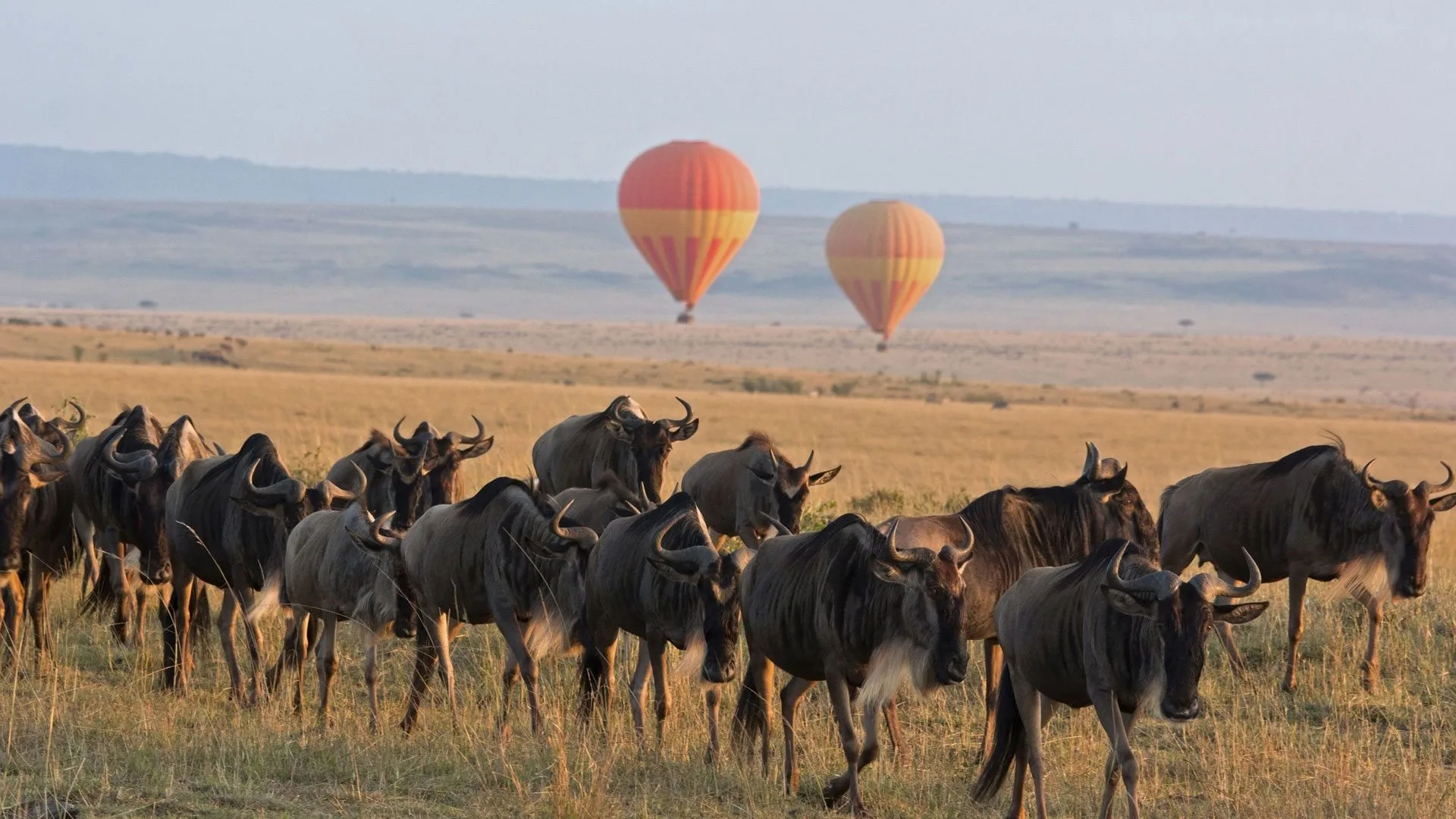
If your safari occurs when major migration herds are in the Mara, children may witness one of the world's greatest wildlife movements. Thousands of wildebeest and zebras can cover the plains. The migration is an excellent way to introduce concepts such as:
- Seasonal movement
- Rainfall
- Grazing
- Predator-prey relationships
- Ecosystems
- Survival
However, parents should be aware that migration viewing can sometimes involve natural predation.
Preparing Children for Predation
Wildlife documentaries can make predation seem distant. Seeing it in reality can be emotionally difficult for some children. A lion may kill an antelope, a crocodile may catch a wildebeest, and hyenas may feed on a carcass. Parents should decide how they want these situations handled. Tell your guide if you prefer to avoid prolonged viewing of kills. A family safari can remain educational without forcing children to watch scenes they find upsetting.
Are River Crossings Suitable for Children?
They can be extraordinary, but they may also be chaotic and sometimes graphic. Crossings can involve:
- Drowning
- Crocodile attacks
- Injuries
- Predator activity
Families with sensitive younger children may prefer viewing migration herds away from major crossing points.
Picnic Lunch
Families undertaking a full-day drive can stop at an authorized picnic location. A picnic breaks the day into manageable sections, and children have an opportunity to eat and rest before continuing. Always follow the guide's instructions and never wander away from approved areas.
Afternoon Wildlife Search
Continue searching for favorite animals. By Day 3, children often begin recognizing species without assistance. They may distinguish: Impala from gazelle, Wildebeest from buffalo, Maasai giraffe from other giraffe forms, Hyena from jackal, Eagle from vulture.
This growing confidence is one of the most rewarding aspects of a family safari.
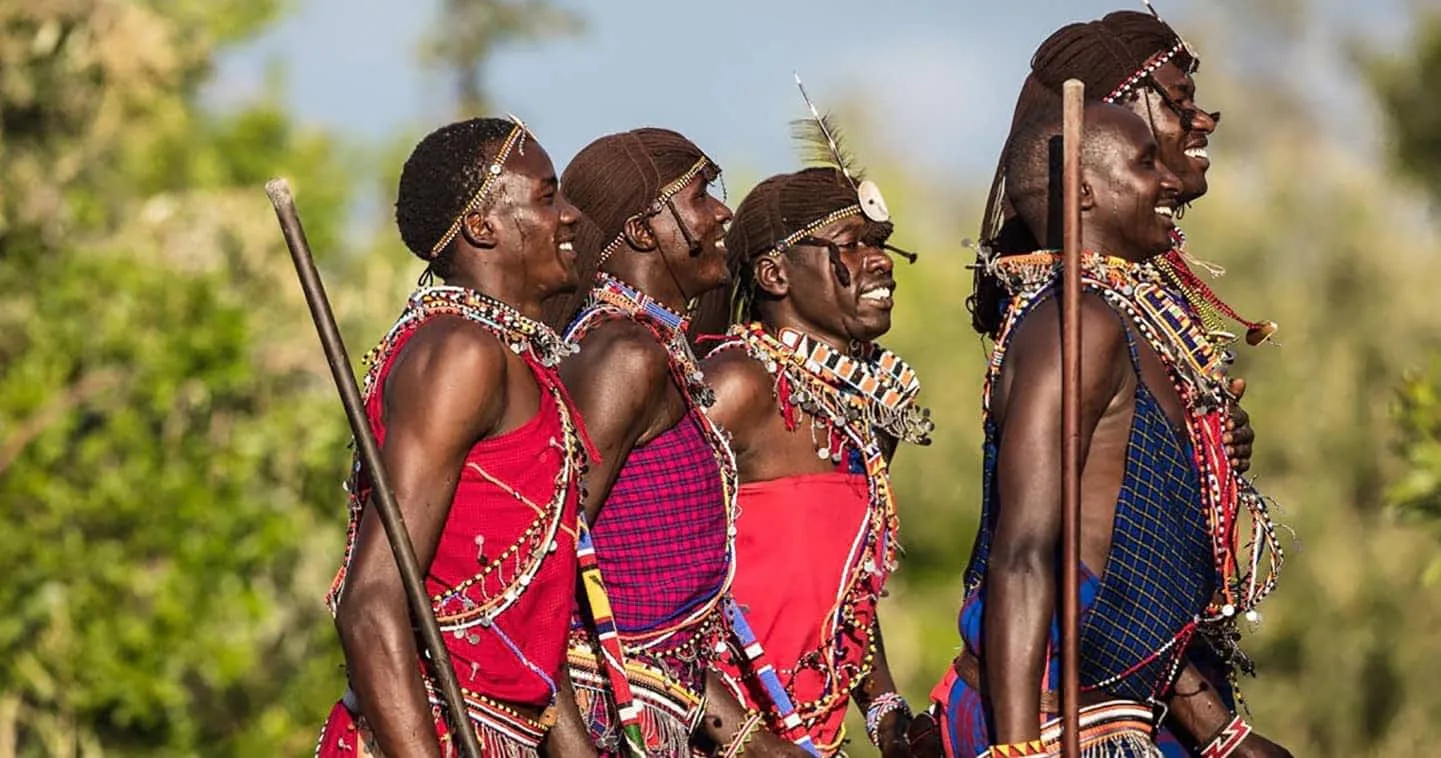
Optional Maasai Cultural Experience
A responsible cultural experience can be incorporated where appropriate. Children may learn about:
- Maasai pastoral traditions
- Cattle
- Homestead structure
- Beadwork
- Clothing
- Community life
- Education
- Changing traditions
The experience should be respectful and interactive. Local people should never be treated as exhibits.
Optional Hot-Air Balloon Safari
Families with older children may consider a hot-air balloon safari. Age, height and other participation requirements depend on the balloon operator, and the activity begins very early and is subject to weather conditions. For families who can participate, the aerial perspective can become a major highlight. Advance reservation is recommended.
Final Masai Mara Evening
Return to camp after your final full day. Encourage children to choose their favorite animal and explain why. This simple conversation often reveals that their most memorable species may not be the one parents expected. A child may prefer a warthog to a lion or a colorful bird to an elephant. That is part of the value of allowing children to experience nature on their own terms.
- Accommodation: Family-friendly Masai Mara lodge/tented camp
- Meal Plan: Breakfast, lunch and dinner
- Activities: Flexible Mara game drives, river exploration and optional family experiences
Where you stay
Day 4: Masai Mara to Lake Nakuru – Family Road Journey and Rhino Safari - Main destination
- Masai Mara National Reserve
- Meals
- Breakfast, Lunch, Dinner
After breakfast, check out from your Mara accommodation. Depending on the day's schedule, enjoy wildlife viewing while leaving the ecosystem. You then begin traveling toward the Lake Nakuru region. For families, road transfers should include sensible comfort breaks. Carry:
- Drinking water
- Snacks
- Children's entertainment
- Small travel games
- Books
- Chargers
- Personal medication
Parents of children susceptible to motion sickness should prepare appropriately before departure.
Changing Landscapes
The transfer provides another opportunity to show children Kenya outside the wildlife reserves. You pass through different landscapes and settlements before reaching the Rift Valley region around Nakuru. Lunch is arranged according to the confirmed itinerary. Arrive in the Lake Nakuru area and begin an afternoon game drive when time allows.
Rhino Safari for Children
For many families, the main objective at Lake Nakuru is finding rhinoceroses. Both white and black rhinos occur within the ecosystem, and children can learn to distinguish them.
White Rhino
White rhinos are primarily grazers. Their broad mouths are adapted to eating grass, and they often use relatively open habitat. Despite their name, they are not actually white.
Black Rhino
Black rhinos are generally browsers. Their more pointed upper lips help them select leaves and branches. They may use thicker vegetation and can therefore be harder to locate.
Teaching Children About Rhino Conservation
Rhinos provide an important opportunity to discuss conservation. Parents and guides can explain, in an age-appropriate way, why rhinos require protection. Topics may include:
- Poaching
- Habitat loss
- Protected areas
- Wildlife rangers
- Conservation tourism
- Responsible travel
Children can understand that visiting protected wildlife areas contributes to a larger conservation economy.
Rothschild's Giraffes
Lake Nakuru is also known for Rothschild's giraffes. Children who have already seen Maasai giraffes in the Mara can compare the animals. This creates another natural educational activity.
Birdlife
The lake and surrounding habitats support numerous birds. Possible sightings include: Flamingos, Pelicans, Herons, Egrets, Storks, Cormorants, Eagles.
Flamingo numbers fluctuate according to ecological conditions. Never promise enormous concentrations.
Family Evening in Nakuru
Proceed to your selected family-friendly accommodation. After several intensive safari days, families may appreciate an early dinner and quiet evening. Children can update wildlife journals or count the total number of species encountered so far.
- Accommodation: Family-friendly Lake Nakuru/Nakuru accommodation
- Meal Plan: Breakfast, lunch and dinner
- Activities: Transfer and afternoon Lake Nakuru family safari
Where you stay
Day 5: Lake Nakuru Family Safari – Final Wildlife Drive and Return to Nairobi - Main destination
- Masai Mara National Reserve
- Drive time
- Return transfer as outlined in the itinerary
- Meals
- Breakfast, Lunch
Wake for the final day of your Kenya family safari. Depending on your accommodation and schedule, enjoy breakfast and then begin a final Lake Nakuru game drive. The morning provides one more opportunity to find rhinos and other animals.
Final Wildlife Checklist
Children can use the final game drive to complete a safari checklist. Possible species include: White rhino, Black rhino, Buffalo, Rothschild's giraffe, Zebra, Waterbuck, Impala, Warthog, Baboon, Vervet monkey, Hyena, Lion, Flamingo, Pelican.
Not every animal will necessarily be seen. That uncertainty should be part of the lesson. A genuine safari is not a zoo. Wild animals decide where they go.
Learning from the Safari
By Day 5, children may have learned far more than animal names. They may understand:
- Why predators rest during the day
- Why herbivores form herds
- How camouflage works
- Why water is important
- How ecosystems connect
- Why conservation matters
- Why animals should not be fed
- Why visitors must respect wildlife
These lessons are among the greatest benefits of family safari travel.
Return to Nairobi
Leave Lake Nakuru and travel through the Great Rift Valley toward Nairobi. Stop for refreshments or lunch according to the itinerary. The drive provides time for the family to discuss favorite moments. Arrival in Nairobi is generally during the afternoon, depending on road and traffic conditions. Your driver-guide can transfer you to:
- Nairobi hotel
- Residence
- Jomo Kenyatta International Airport
- Wilson Airport
- Another agreed location
If flying internationally on the same evening, allow generous time for Nairobi traffic and airport check-in. This concludes your 5 Days Kenya Family Safari.
- Meal Plan: Breakfast; lunch according to confirmed arrangements
- Route: Lake Nakuru → Nairobi
- Accommodation: Not included unless an additional Nairobi night is arranged
Alternative Family Safari: Four Nights in the Masai Mara
Not every family needs to visit two destinations. For families with younger children, spending all four nights in the Masai Mara can be an excellent alternative. A possible itinerary is:
- Day 1: Nairobi → Masai Mara
- Day 2: Masai Mara family safari
- Day 3: Masai Mara family safari
- Day 4: Masai Mara family safari
- Day 5: Masai Mara → Nairobi
Advantages include:
- Less packing
- Fewer long transfers
- More lodge time
- More wildlife time
- Familiar accommodation
- Easier routines for children
This can be particularly suitable for children who do not enjoy long road journeys.
Where you stay
03 Rates
Safari rates 2027-2029
Indicative per person. Season, group size and lodge style change the total — your quotation confirms current rates.
- Essential (Budget)
Essential (Budget)
Budget camps and lodges suit travelers who prioritize wildlife while keeping costs lower.
Great value camps
- Comfort (Mid-range)
Comfort (Mid-range)
Mid-range tented camps and lodges balance comfort and price with private rooms or tents and en-suite facilities.
Quoted for your dates
- Premium (Luxury)
Premium (Luxury)
Luxury camps and lodges focus on location, service and more intimate wildlife experiences.
Premium camps and lodges
- Signature (High-end)
Signature (High-end)
Signature camps and lodges are the most exclusive stays — small, highly private properties with exceptional guiding and setting.
Exclusive signature stays
04 Activities
Safari activities
Game viewing is the core of this itinerary. Optional extras are quoted separately and depend on season, permits and availability. Individual species and river crossings are never guaranteed.
Additional information
Plan This Safari
Fly-In Kenya Family Safari
Families with a higher budget may consider flying from Nairobi's Wilson Airport to the Masai Mara. A fly-in safari reduces road travel considerably. This can be useful for:
- Families with younger children
- Families with limited time
- Multi-generational groups
- Travelers wanting greater comfort
However, small safari aircraft usually have luggage restrictions. Soft-sided luggage may be required. Exact baggage allowances must be checked for the confirmed flights.
What Is the Best Age for a Kenya Family Safari?
There is no single perfect age. Children respond differently to travel. However, parents should consider:
- Ability to sit in a vehicle
- Interest in animals
- Sleep routine
- Comfort with early mornings
- Ability to follow safety instructions
- Food requirements
- Sensitivity to heat
- Motion sickness
Older children and teenagers can generally participate in longer game drives. Younger children may require more lodge time.
Can Toddlers Go on Safari in Kenya?
Some families travel successfully with toddlers, but additional planning is required. Important issues include:
- Long road transfers
- Car seats
- Heat
- Food
- Naps
- Mosquito protection
- Lodge safety
- Wildlife-area restrictions
- Medical access
Some camps and activities have minimum-age policies. Always provide children's exact ages before booking.
Family Rooms
Accommodation may offer:
- Family cottages
- Two-bedroom units
- Interconnecting rooms
- Triple rooms
- Extra beds
- Family tents
Availability can be limited during peak season. Families should book early when specific room configurations are required.
Family Safari Safety
Kenya family safaris can be safely enjoyed when appropriate rules are followed. Children should understand that wildlife areas are not amusement parks. Important rules include:
- Never leave the vehicle without guide permission
- Never feed wildlife
- Do not run around unfenced camps
- Follow staff instructions after dark
- Keep noise controlled near animals
- Never approach wildlife for photographs
- Keep doors and tent entrances secured according to lodge instructions
- Supervise children around swimming pools and balconies
Unfenced Safari Camps
Some safari camps are unfenced. Wild animals may pass through the property. This is part of the wilderness experience but requires discipline. Guests may need staff escorts between rooms and common areas after dark. Parents should explain these procedures to children before arrival.
Family Safari Meals
Most family-friendly lodges can accommodate children's meals with advance notice. Possible arrangements include:
- Earlier dinner
- Simple meals
- Vegetarian meals
- Allergy-sensitive meals
- Packed lunches
- Snacks
Dietary requirements should be communicated before the safari. Do not wait until arrival to mention serious allergies.
Family Safari Packing List
Recommended family items include:
- Lightweight clothing
- Long trousers
- Long-sleeved shirts
- Warm fleece
- Light jacket
- Rain jacket
- Comfortable shoes
- Sun hats
- Sunglasses
- Sunscreen
- Insect repellent
- Personal medication
- Child-specific medicines
- Binoculars
- Camera
- Power banks
- Travel adapters
- Reusable water bottles
- Small backpacks
- Wet wipes
- Hand sanitizer
- Children's books
- Safari journal
- Pencils
- Small games
- Snacks where appropriate
Pack layers because early mornings can feel cool even when afternoons are warm.
Binoculars for Children
Consider providing children with their own binoculars. They do not need to be expensive. Having binoculars encourages children to search independently. They may begin locating birds, giraffes or distant elephants before adults notice them. This turns the game drive into active exploration.
Safari Journals for Children
A safari journal can dramatically improve children's engagement. Each day, children can record:
- Animals seen
- Birds seen
- Favorite sighting
- New facts learned
- Drawings
- Weather
- Places visited
Older children can also practice photography or write short descriptions of animal behavior.
Educational Value of a Kenya Family Safari
Biology
Children observe:
- Food chains
- Adaptation
- Predation
- Herbivory
- Social behavior
- Reproduction
Geography
They experience:
- Rift Valley landscapes
- Rivers
- Grasslands
- Lakes
- Climate
- Land use
Environmental Science
They learn about:
- Conservation
- Protected areas
- Endangered species
- Human-wildlife coexistence
- Tourism impacts
Culture
Responsible community experiences can introduce:
- Languages
- Pastoral traditions
- Livelihoods
- Changing societies
Few family holidays provide such a natural combination of education and adventure.
Family Photography Safari
Children and teenagers interested in photography can use the safari to develop practical skills. They can experiment with:
- Composition
- Light
- Animal portraits
- Landscapes
- Behavior photography
- Silhouettes
A smartphone is sufficient for many children. Older teenagers may enjoy using a dedicated camera. Always prioritize safety over getting the photograph.
Best Time for a Kenya Family Safari
Kenya offers year-round wildlife viewing. The best period depends partly on school holidays and family priorities.
July to October
This is a popular family travel period. Migration herds may be present in the Masai Mara. Wildlife viewing can be excellent. However:
- Prices may be higher
- Camps can be busy
- Popular sightings may attract more vehicles
Early booking is recommended.
December Holiday Period
December can work well for families traveling during school holidays. Resident wildlife remains present. The festive period can be extremely popular, so accommodation should be reserved early.
January and February
These months can provide excellent resident wildlife viewing and relatively dry conditions. Families not tied to school holidays may find this period attractive.
March to May
Rainfall can increase. The advantages can include:
- Green landscapes
- Lower visitor numbers
- Potential accommodation value
Families should be prepared for possible muddy conditions and rainfall.
November
Short rains can refresh the landscape. Birding can be excellent, and wildlife remains present.
Family Safari During the Great Migration
The Great Migration can be spectacular for families, particularly those with older children. Huge herds create unforgettable scenes. However, parents should remember that migration is not simply a peaceful procession of animals. Natural events can include:
- Predation
- Injuries
- Drowning
- Carcasses
Sensitive children should be prepared appropriately.
Family Safari and Kenya Coast Holiday
Five safari days can be followed by several relaxing days on the Kenya Coast. This is one of the best family combinations because the safari provides adventure while the beach provides downtime. Popular destinations include:
- Diani Beach
- Mombasa
- Watamu
- Malindi
Families can choose resorts with:
- Swimming pools
- Family rooms
- Beach access
- Children's activities
- Water sports
Family Safari and Diani Beach
A particularly popular itinerary is Nairobi → Masai Mara → Lake Nakuru → Nairobi → Diani Beach. The safari portion keeps children engaged with wildlife. The beach extension allows everyone to relax afterward. The combination can work particularly well for longer school holidays.
Budget Kenya Family Safari
Families wanting to control costs can use:
- Budget tented camps
- Affordable lodges
- Road transportation
- Family rooms
- Shared room configurations
A private vehicle can still be retained while saving money on accommodation.
Mid-Range Kenya Family Safari
Mid-range accommodation often provides an excellent balance. Facilities may include:
- En-suite family rooms
- Swimming pools
- Restaurants
- Comfortable beds
- Reliable electricity
- Good locations
For many families, mid-range represents the strongest overall value.
Luxury Kenya Family Safari
Luxury family safaris can include:
- Family suites
- Private vehicles
- Premium camps
- Swimming pools
- Larger rooms
- Personalized meals
- Fly-in transfers
- Exclusive activities
Luxury is particularly useful for multi-generational families seeking greater comfort.
Multi-Generational Family Safari
A safari involving grandparents, parents and children requires careful planning. Important considerations include:
- Walking distances within lodges
- Stairs
- Vehicle access
- Room proximity
- Dietary needs
- Medical requirements
- Game-drive duration
- Road-transfer length
A private safari vehicle is strongly recommended because different generations may have different energy levels.
How Much Does a 5 Days Kenya Family Safari Cost?
The cost depends on:
- Number of adults
- Number of children
- Children's ages
- Travel dates
- Accommodation category
- Room configuration
- Private or shared vehicle
- Park fees
- Road or air transfers
- Optional activities
Children may qualify for different rates depending on age and applicable supplier or park policies. For accurate pricing, always provide the exact age of every child at the time of travel.
Typical Family Safari Inclusions
Depending on the confirmed package, inclusions may include:
- Private safari vehicle
- Professional driver-guide
- Four nights' accommodation
- Family room arrangements as specified
- Meals according to itinerary
- Applicable park/conservation fees as quoted
- Game drives
- Drinking water in the safari vehicle
- Nairobi pickup
- Nairobi drop-off
- Applicable taxes on included services
Typical Family Safari Exclusions
Unless specifically included:
- International flights
- Kenya entry authorization costs where applicable
- Travel insurance
- Personal purchases
- Alcoholic beverages
- Premium drinks
- Laundry where charged
- Tips and gratuities
- Balloon safari
- Optional cultural visits
- Additional Nairobi accommodation
- Beach extension
- Services not specifically listed
Who Should Choose a 5 Days Kenya Family Safari?
This safari is ideal for:
- Parents traveling with children
- Families with teenagers
- Multi-generational families
- Grandparents traveling with grandchildren
- Families visiting Africa for the first time
- Wildlife-loving families
- Educational family holidays
- Families combining safari and beach
- Families wanting a private vehicle
- Families seeking budget, mid-range or luxury options
Responsible Family Safari Travel
A family safari is an opportunity to teach children that wildlife deserves respect. Children should learn that animals are not performers. They should not be expected to move closer, hunt or behave dramatically simply because tourists are watching. Responsible safari behavior includes:
- Keeping appropriate distances
- Remaining quiet at sensitive sightings
- Never feeding animals
- Never throwing objects
- Never leaving the vehicle without permission
- Respecting guide instructions
- Avoiding litter
- Respecting local communities
Children who learn these principles early may carry a deeper appreciation for wildlife throughout their lives.
Internal Linking Instructions
Use contextual internal links from this page toward approved SafariTripsToKenya.com pages covering:
- Kenya Safari Packages
- Kenya Family Safaris
- Masai Mara Safaris
- Lake Nakuru Safaris
- Kenya Wildlife Safaris
- Kenya Big Five Safaris
- Great Wildebeest Migration
- Kenya Safari Packing List
- Best Time to Visit Kenya
- Kenya Safari Cost
- Budget Kenya Safaris
- Luxury Kenya Safaris
- Kenya Safari and Beach Holidays
- Diani Beach
Only use exact URLs already present in the approved sitemap. URL LOCK: Do not invent, modify, shorten, rename or optimize mapped URLs.
Why a Family Safari Can Become One of Your Most Memorable Holidays
Family holidays are often remembered through shared moments rather than hotel rooms. A safari creates these moments constantly. A family may see its first wild lion together. A child may spot a giraffe before the guide points it out. The family may watch an elephant calf struggle to keep up with its mother. A warthog may run across the road with its tail raised. A group of zebras may block the vehicle. Children may hear lions calling after dark, and parents watch their children become increasingly confident identifying wildlife.
By the end of five days, the animals are no longer simply "lion," "zebra" and "giraffe." Children begin recognizing behavior. They notice when impalas become nervous. They understand why vultures are circling. They know that a sleeping lion may become active when the temperature falls. They understand that a leopard can be present without being visible. That transformation from simply seeing animals to understanding something about them is one of the greatest rewards of a family safari.
Book Your 5 Days Kenya Family Safari
A 5 Days Kenya Family Safari combines Kenya's famous wildlife with a schedule designed around the realities of traveling as a family. Begin in Nairobi and journey through the Great Rift Valley toward the legendary Masai Mara. Introduce children gradually to safari life during the first afternoon. Watch for giraffes browsing above the grasslands, look for zebras and compare their unique stripe patterns, and look for warthogs racing across the plains. Search for elephants and observe how adults protect their calves.
Then begin exploring the world of predators. Look for lion prides and learn how they live socially. Search the grasslands for cheetahs and scan trees and riverine vegetation for leopards. Look for hyenas and discover why their reputation as simple scavengers is misleading. Use your second full Mara day to explore the Mara River, where hippos and Nile crocodiles introduce an entirely different wildlife environment. During migration periods, vast numbers of wildebeest and zebras may move through the ecosystem, and you can help children understand how rainfall, grazing, predators and seasonal movement are interconnected. River crossings are never guaranteed.
Continue through the Great Rift Valley to Lake Nakuru National Park, where the safari introduces one of Africa's most important conservation stories. Search for white and black rhinoceroses. Compare Rothschild's giraffes with the Maasai giraffes of the Mara. Look for buffaloes, zebras, waterbucks, monkeys and birds.
Throughout the journey, your private guide can adjust the pace according to your family's needs. Younger children can enjoy shorter game drives and more lodge time, and teenagers can spend longer searching for predators or practicing wildlife photography. Parents can choose accommodation with swimming pools, and grandparents can be accommodated with carefully selected rooms and reduced walking distances. The safari can be arranged using budget, mid-range, luxury or high-end family accommodation, and the route can be changed to reduce driving when necessary.
Families wanting a slower holiday can spend all four nights in the Masai Mara. Families prioritizing comfort can fly between Nairobi and the Mara. Families wanting additional relaxation can continue after the safari to Diani Beach, Watamu, Mombasa or another Kenya Coast destination.
Send your travel dates, number of adults, number of children, exact ages of the children, preferred accommodation category and any special family requirements to receive a customized quotation for your 5 Days Kenya Family Safari.
Planning Questions
Frequently Asked Questions
Is Kenya suitable for a family safari?
Yes. Kenya offers excellent wildlife, established safari infrastructure and accommodation suitable for many family types.
Is five days too long for children?
For most wildlife-interested children, five days can work very well when game drives are balanced with breaks.
Should we book a private safari?
A private vehicle is strongly recommended for families because it provides maximum flexibility.
Can young children go on game drives?
Usually yes, but age policies can vary between properties and activities.
Can children see lions?
Yes. The Masai Mara provides excellent lion-viewing opportunities, although no wildlife sighting can be guaranteed.
Can children see elephants?
Yes. Elephant family groups are among the most popular safari encounters.
Can we see rhinos?
Yes. Lake Nakuru provides opportunities to search for white and black rhinos.
Can we see cheetahs?
Yes. The Masai Mara provides good cheetah opportunities.
Can we see leopards?
Possibly. Leopards occur in the Mara but are secretive and unpredictable.
Can we see the Big Five?
Potentially. The route provides opportunities to search for all five, but sightings cannot be guaranteed.
Is the Great Migration suitable for children?
Yes, particularly for older children, although parents should be aware that natural predation and other graphic wildlife events can occur.
Are Mara River crossings guaranteed?
No. Crossings are unpredictable natural events.
Can children do a balloon safari?
Age and participation restrictions depend on the operator and must be checked before booking.
Do lodges have swimming pools?
Many family-friendly properties do, but not all. Request a pool when choosing accommodation if it is important.
Can we request family rooms?
Yes, subject to availability.
Can children have separate meals?
Many lodges can provide child-friendly meal options with advance notice.
Can allergies be accommodated?
Usually, but serious allergies must be communicated before travel.
Is Wi-Fi available?
Many lodges offer Wi-Fi, although quality varies in remote locations.
Can we fly to the Masai Mara?
Yes. A fly-in family safari can reduce road-transfer time.
Can we add a beach holiday?
Yes. Diani Beach, Watamu and other Kenya Coast destinations can be added.
05 Request Quote
Request Quote
Tell us your dates, group size, and preferred lodge style — we will send a tailored quote for this safari.
Want to extend your safari?
Add Amboseli, Diani Beach, Tanzania and Zanzibar, or gorilla trekking in Uganda or Rwanda — we tailor the journey to your dates.