
2 DAYS / 1 NIGHTS
2 Days Masai Mara Safari
Plan a 2 Days Masai Mara Safari with expert guides, game drives and carefully chosen camps. Request a quote.
- Wildlife Safari Private Journey
- Private Safari 4x4 Vehicle
- Expert Guide English Speaking
- All Meals Breakfast, Lunch, Dinner
- 24/7 Support We're here to help
01 Overview
Safari Overview
- Duration 2 days / 1 nights
- Destination Masai Mara
- Starts / ends Nairobi
- Safari style Private 4×4 safari
- Accommodation Essential · Comfort · Premium · Signature
- Best for Wildlife viewing, photography
2 Days Masai Mara Safari – Short Wildlife Safari from Nairobi
A 2 Days Masai Mara Safari is an intensive but highly rewarding short safari designed for travellers who want to experience Kenya's most famous wildlife destination within a limited amount of time. In two days and one night, you can leave Nairobi, travel through the Great Rift Valley toward the Masai Mara ecosystem, enjoy an afternoon game drive, spend a night in the African wilderness, return to the plains for an early-morning wildlife experience and then travel back to Nairobi.
The Masai Mara is one of the most celebrated safari destinations in Africa. Its extensive grasslands, river systems, woodland corridors and rolling hills support remarkable concentrations of wildlife throughout the year. Lions, elephants, buffaloes, giraffes, zebras, wildebeest, hyenas, jackals, antelopes and numerous bird species can all be encountered.
The reserve is particularly famous for big cats. Lions are among the animals most frequently associated with the Mara. Cheetahs favour open grasslands where their exceptional speed provides a hunting advantage, while leopards often use riverine woodland and areas with suitable trees.
The Masai Mara is also one of the principal Kenyan landscapes associated with the Great Wildebeest Migration. During portions of the year, very large numbers of wildebeest and zebras may enter the Kenyan side of the greater Serengeti–Mara ecosystem. However, the Mara should never be considered only a migration destination. Its resident wildlife remains exceptional throughout the year, making even a short two-day safari worthwhile outside the peak migration period.
The 2 Days Masai Mara Safari works particularly well for visitors with only one night available outside Nairobi, business travellers adding safari to a work trip, couples on a short Kenya escape, travellers combining Kenya with another East African destination and visitors who want a genuine wildlife experience before an international departure. Because the itinerary is compact, careful organisation is essential. An early departure from Nairobi, efficient road travel, well-positioned accommodation and a professional safari guide all help maximise the amount of time spent viewing wildlife rather than simply travelling.
2 Days Masai Mara Safari at a Glance
- Duration: 2 days / 1 night
- Country: Kenya
- Starting Point: Nairobi
- Ending Point: Nairobi unless customised
- Primary Destination: Masai Mara
- Safari Style: Private road safari or customised short safari
- Main Activities: Game drives, predator search, wildlife photography and birdwatching
- Accommodation: Budget, mid-range or luxury camp/lodge
- Main Wildlife: Lions, leopards, cheetahs, elephants, buffaloes, giraffes, zebras, wildebeest, hyenas and antelopes
- Migration Possibility: Seasonal and dependent on natural herd movements
Why Choose a 2 Days Masai Mara Safari?
For travellers with very limited time, two days provides one of the shortest practical opportunities to experience the Masai Mara by road from Nairobi. It is not a leisurely itinerary, and there is significant travel on both days. However, the reward is that you can still experience the atmosphere of the Mara, enjoy two separate wildlife-viewing periods and spend a night in one of Africa's great safari landscapes. A carefully structured 2 Days Masai Mara Safari can provide:
- An early departure from Nairobi.
- Scenic travel through the Great Rift Valley.
- One afternoon game drive.
- One overnight stay in the Mara region.
- One early-morning game drive.
- Opportunities for lion sightings.
- Chances to see cheetahs and leopards.
- Elephant and buffalo viewing.
- Large populations of plains wildlife.
- Exceptional photographic scenery.
- Birdwatching.
- Potential seasonal migration encounters.
- Private safari flexibility.
- Budget, mid-range and luxury accommodation choices.
Who Is the 2 Days Masai Mara Safari Best For?
This itinerary is particularly suitable for the travellers below. If you have three or more days available, a longer Masai Mara safari will normally provide better value in terms of actual wildlife-viewing hours. However, when two days is the maximum possible duration, this short itinerary can still be extremely rewarding.
- Travellers with only one free night.
- Nairobi stopover visitors.
- Business travellers.
- Couples.
- Solo travellers.
- Short-stay Kenya visitors.
- Travellers combining Kenya with Uganda, Rwanda or Tanzania.
- Visitors wanting a first taste of the Masai Mara.
- Travellers who prefer wildlife intensity over lodge leisure time.
Itinerary
- Day 1: Nairobi to Masai Mara, great Rift Valley Journey and Afternoon Game Drive
- Day 2: Morning game drive – return to Nairobi

02 Itinerary
2 Days Masai Mara Safari: Detailed Itinerary
-

Day 1: Nairobi to Masai Mara – Great Rift Valley Journey and Afternoon Game Drive - Main destination
- Masai Mara National Reserve
- Drive time
- Road transfer as outlined in the itinerary
- Meals
- Lunch, Dinner
Your 2 Days Masai Mara Safari begins very early in Nairobi. Your professional safari driver-guide will collect you from your hotel, private residence or another agreed pickup location. Because the road journey is substantial and your time in the Mara is limited, an early start is extremely important. After meeting your guide, complete a brief introduction to the safari program and begin travelling away from Nairobi.
Leaving Nairobi for the Masai Mara
As you leave Kenya's capital, urban development gradually gives way to highland scenery and more open countryside. The route toward southwestern Kenya reveals a different side of the country from what many visitors see during a city stay, and depending on the selected road and traffic conditions, the journey may pass through or near important Rift Valley viewpoints and agricultural regions.
The Great Rift Valley is one of the most dramatic geological features in East Africa, and its escarpments, volcanic landscapes and broad valleys create impressive scenery. Where timing and traffic allow, an appropriate stop may be made for photographs or refreshments. Because this is a two-day safari, stops should remain efficient, and the priority is reaching the Mara with enough time for a meaningful afternoon game drive.
Continuing Through Rural Kenya
As the journey continues, you pass increasingly rural landscapes. Towns, farms, grazing areas and local communities provide a glimpse into everyday Kenyan life beyond Nairobi. The scenery changes again as you approach the greater Mara ecosystem and grasslands become more extensive. Wildlife may occasionally appear even before formal entry into the reserve or conservancy, depending on the exact route and accommodation location, and the anticipation increases as the vehicle approaches your safari area.
Arrival in the Masai Mara
Upon arrival, proceed according to your selected park, reserve, conservancy and accommodation arrangements. The wider Mara ecosystem contains the national reserve and surrounding conservancy areas, and where you stay influences game-drive logistics, available activities and wildlife-viewing patterns. Depending on your arrival time, you may check into your camp or lodge and have lunch before entering the wildlife area, or arrangements may prioritise wildlife viewing immediately after arrival.
Once your formal game drive begins, the landscape changes completely. Open grasslands stretch toward the horizon, zebras graze among wildebeest, giraffes browse near acacia woodland, topi stand alert on termite mounds and gazelles move through short grass. Then the search for predators begins.
Searching for Lions in the Masai Mara
The Mara is internationally renowned for lions. Prides occupy territories across the ecosystem, and the relatively open environment can provide excellent visibility. During the warmer middle of the day, lions often rest, lying beneath bushes, remaining close to water or stretching out in open grass when temperatures are comfortable. As the afternoon cools, activity may increase: females may begin moving through their territory, cubs become more playful and adult males may patrol, scent mark or interact with pride members.
Your guide will look for clues such as:
- Fresh lion tracks.
- Alarm calls from antelopes.
- The behaviour of zebras and wildebeest.
- Vulture movement.
- Information from other guides.
- Known pride territories.
A lion sighting can easily become the highlight of your first afternoon. However, good safari guiding involves allowing wildlife to behave naturally rather than surrounding animals aggressively or blocking their movement.
Searching for Cheetahs
Cheetahs are another major Mara attraction. They prefer open habitats because their hunting strategy relies on speed and visibility, and a cheetah may stand on a termite mound or small rise to scan for gazelles. Mothers with cubs can be particularly fascinating to observe. Because cheetahs are vulnerable to larger predators, they frequently remain alert even when resting, and they may move considerable distances within a day. For this reason, a sighting cannot be guaranteed even in excellent cheetah country.
When one is located, patience can be extremely rewarding. Rather than immediately moving to the next animal, watch how the cheetah scans the plains, reacts to nearby vehicles, positions itself in relation to prey and responds to other predators.
Searching for Leopards
Leopards are more elusive than lions or cheetahs, and they favour habitats offering cover. Riverine woodland, tree-lined drainage areas and rocky terrain can be productive. Your guide may look for:
- Tracks.
- Alarm calls from monkeys or antelopes.
- Drag marks.
- Carcasses in trees.
- Known leopard territories.
- Behaviour of other animals.
Because leopards are secretive, a brief glimpse can feel especially rewarding. The longer you spend in the Mara, the greater your chance of finding them, but even a two-day safari provides a possibility.
Elephants in the Mara
Elephants are widely distributed within the greater ecosystem, and family groups may travel through woodland, cross open plains or feed near rivers. The Mara provides a different elephant experience from Amboseli: rather than focusing on marshes and Kilimanjaro scenery, elephants here are seen within rolling savannah and riverine environments. Watching a herd move slowly through long grass can be one of the most peaceful moments of your safari.
Buffaloes
African buffaloes are another member of the traditional Big Five. They may occur individually, in bachelor groups or in substantial herds, and large mature males can be particularly impressive. Buffaloes frequently attract attention from lions, although hunting a healthy adult is extremely dangerous for predators. If you observe lions near a buffalo herd, remain patient. Interesting interactions can develop, but no hunt should ever be expected or encouraged.
Plains Wildlife
The Masai Mara supports abundant herbivores. Potential sightings include: Plains zebra, Wildebeest, Topi, Eland, Impala, Thomson's gazelle, Grant's gazelle, Warthog, Waterbuck, Giraffe, Coke's hartebeest in appropriate areas.
This abundance of prey helps support the ecosystem's famous predator populations. It also means that game viewing remains rewarding even when big cats are difficult to locate.
Spotted Hyenas
Spotted hyenas are among the Mara's most important predators. They are frequently misunderstood as simple scavengers, but in reality hyenas are efficient hunters with highly complex social structures. Clans can contain many individuals organised within sophisticated dominance hierarchies. You may see hyenas:
- Resting near dens.
- Hunting.
- Following predators.
- Feeding.
- Interacting socially.
- Moving across open plains.
- Calling during evening hours.
Hyena behaviour can become one of the most interesting parts of the safari when given enough observation time.
Jackals and Smaller Predators
Black-backed jackals and other smaller carnivores may also occur. They are often overlooked because visitors focus on lions and leopards, but their behaviour can be fascinating. Jackals may hunt independently, travel in pairs or exploit opportunities created by larger predators, and observing smaller animals adds depth to the safari.
Afternoon Light in the Masai Mara
As afternoon temperatures fall, the quality of light improves. The grasslands turn golden, shadows lengthen and cloud formations become more dramatic, so wildlife photography can become particularly rewarding. A giraffe standing against a distant horizon, elephants crossing open plains or lions illuminated by warm evening light can create memorable photographs. Your guide will position the vehicle carefully to take advantage of available light while respecting other vehicles and animal movement.
Sunset and Return to Camp
As evening approaches, wildlife activity may increase. Lions sometimes become more alert, hyenas begin moving, herbivores continue feeding and birds fly toward roosting areas. The sky itself becomes part of the experience, as the Mara is famous for wide horizons and dramatic sunsets. After completing the game drive within permitted operating hours, return to your lodge or camp, check into your room or tent if you have not already done so, freshen up and enjoy dinner.
Although your safari lasts only one night, sleeping in the Mara is very different from returning to Nairobi at the end of the day. The soundscape changes after dark, and you may hear insects, distant hyenas, birds or other wildlife depending on location. Camp staff will explain safety procedures. In unfenced safari properties, guests are often escorted between rooms and common areas after dark, so always follow staff instructions.
- Destination: Masai Mara
- Activities: Road transfer and afternoon game drive
- Accommodation: Selected Mara camp or lodge
- Meals: Lunch and dinner depending on package
Where you stay
-
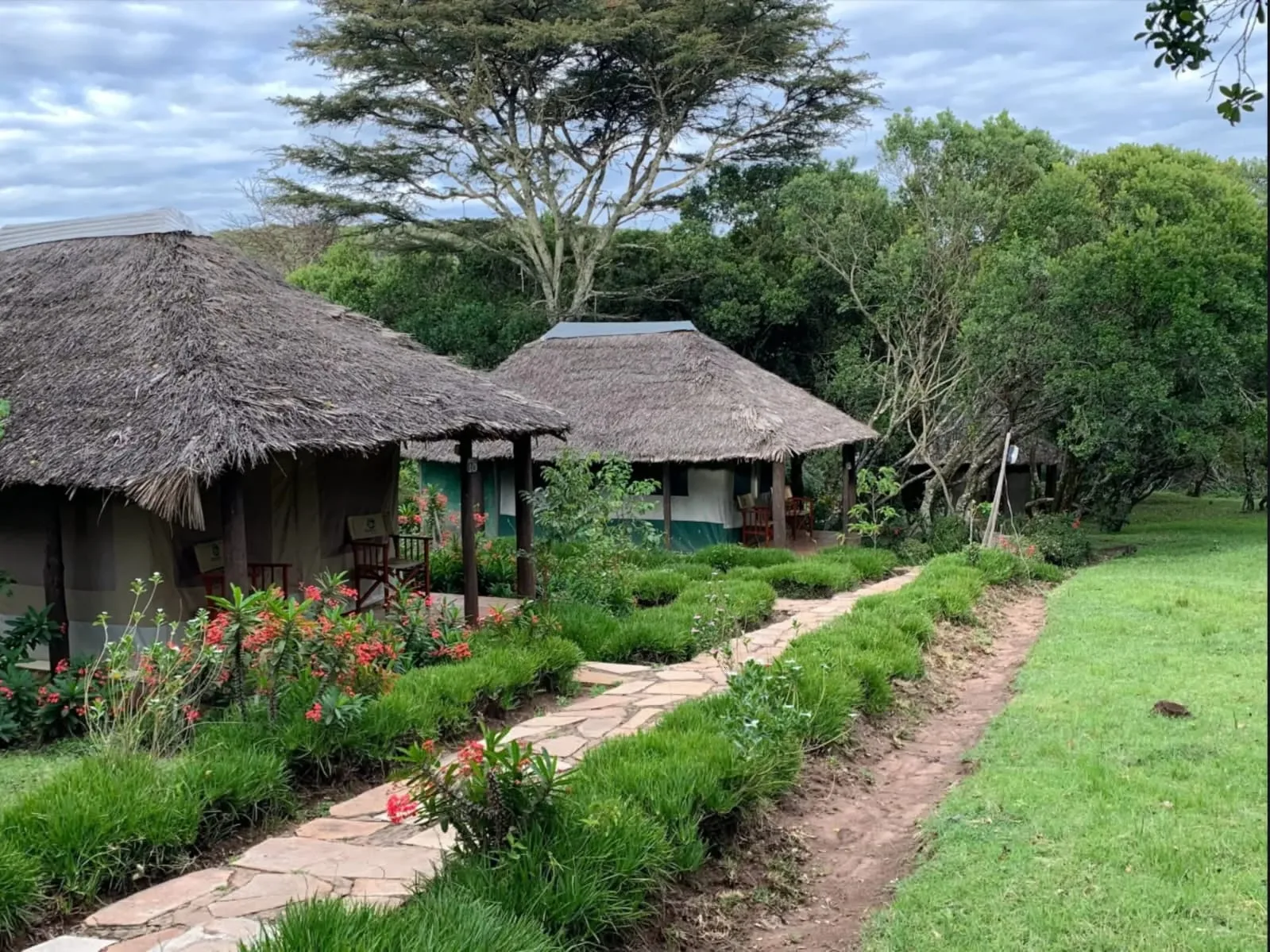
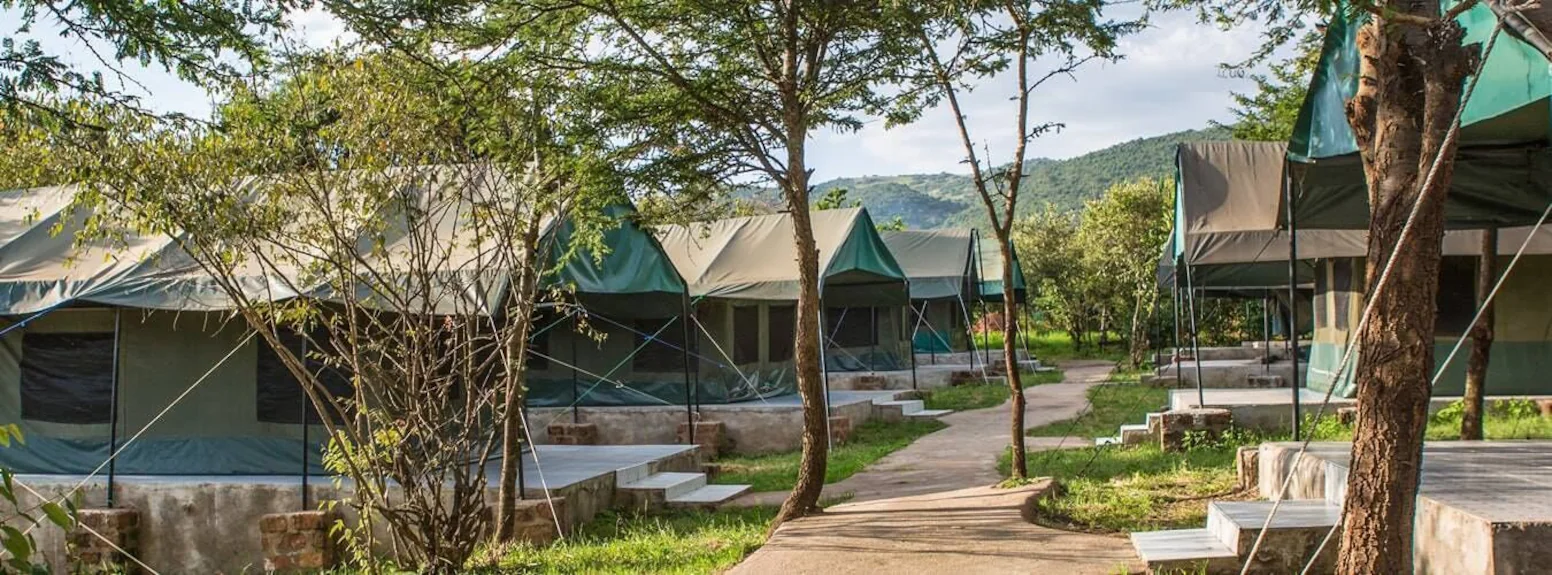
Essential (Budget)
-
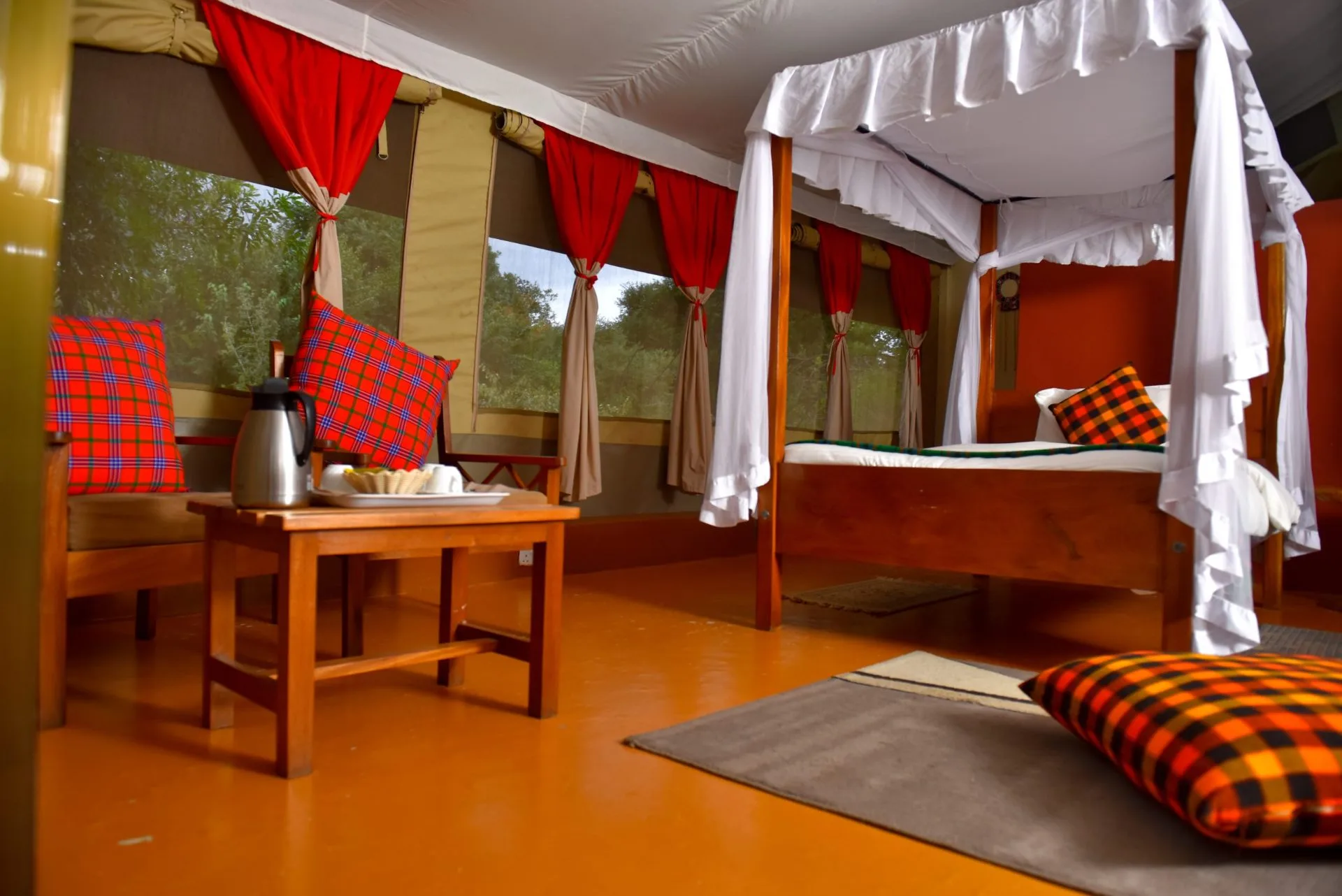
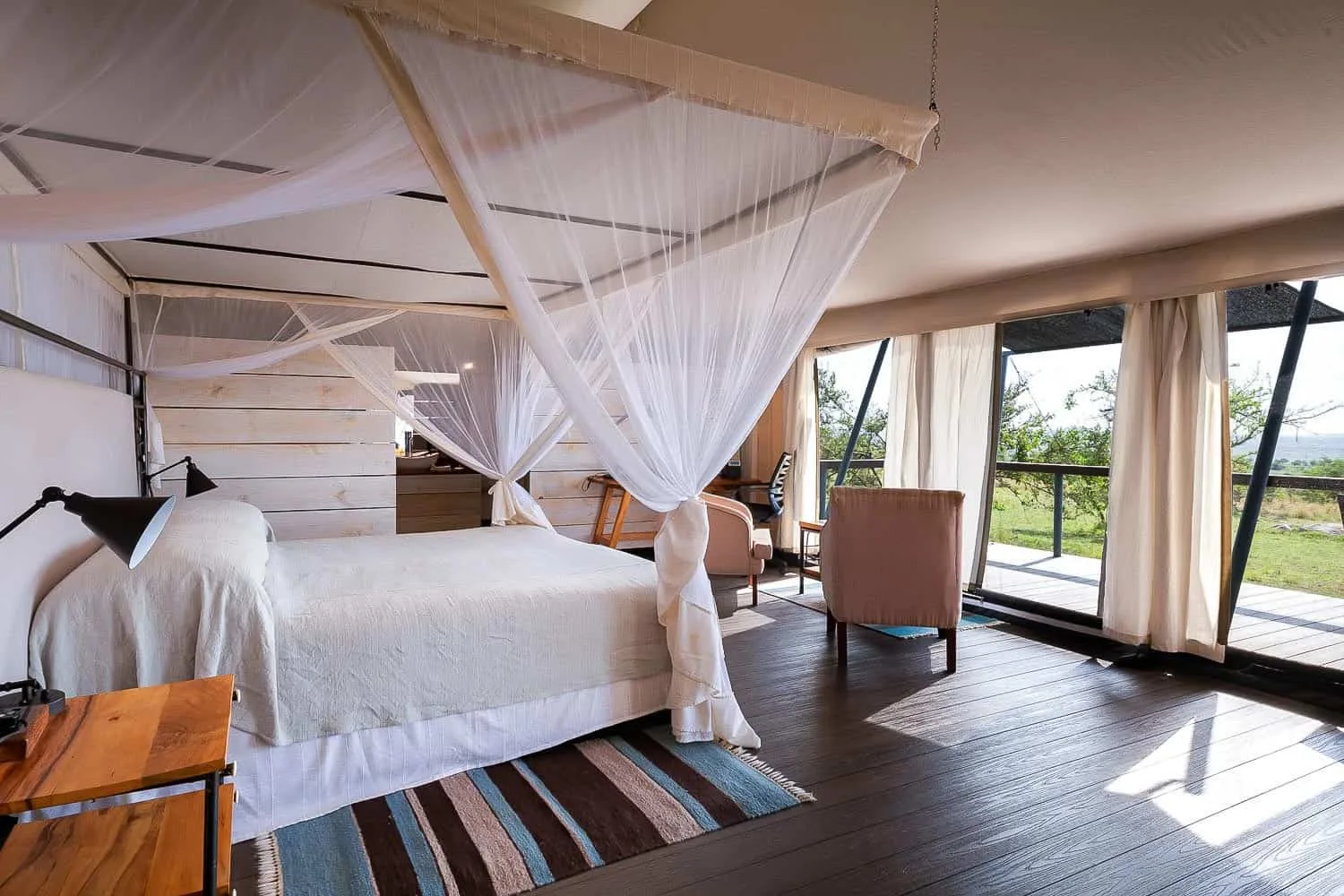
Comfort (Mid-range)
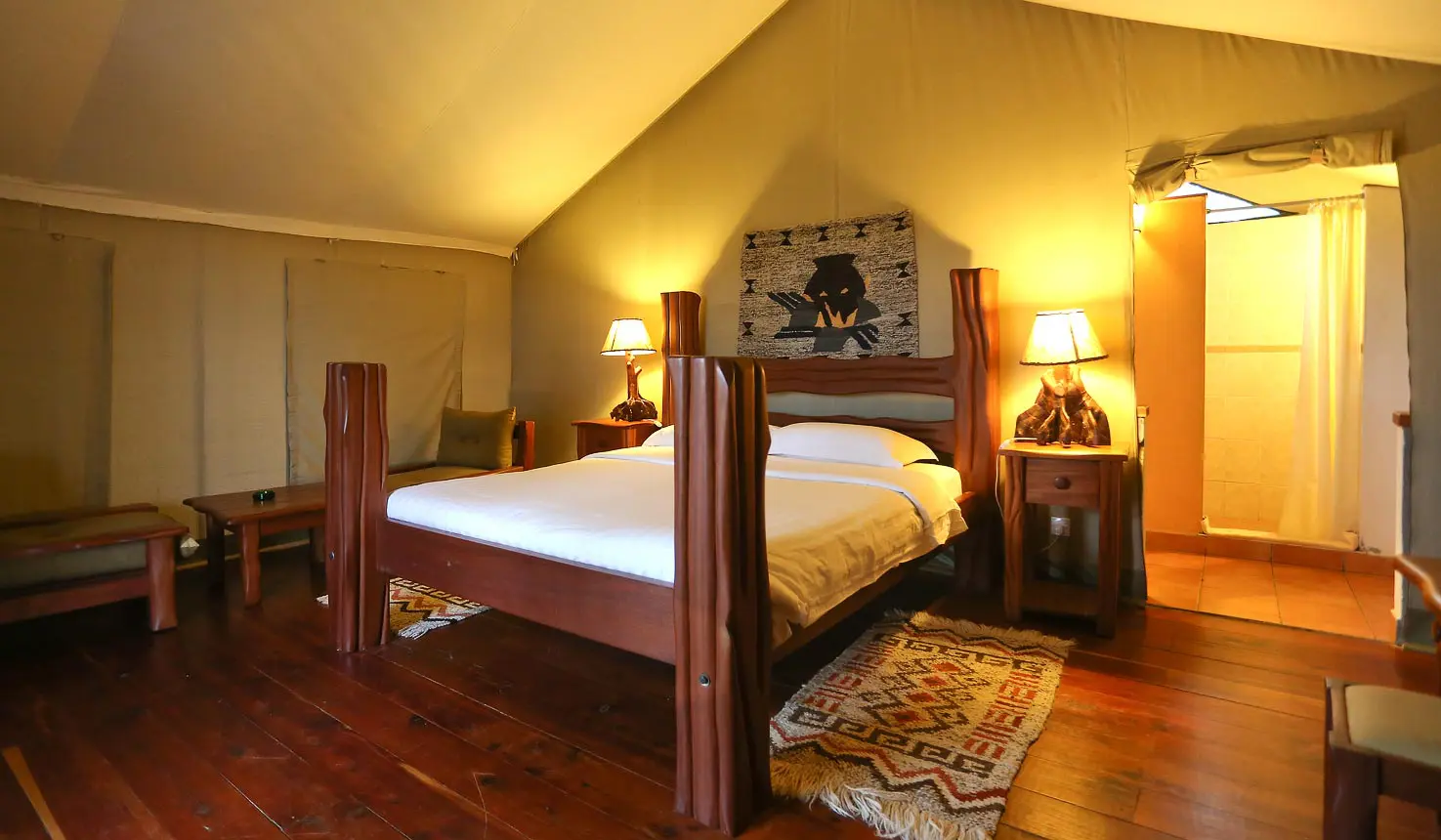
-
Premium (Luxury)
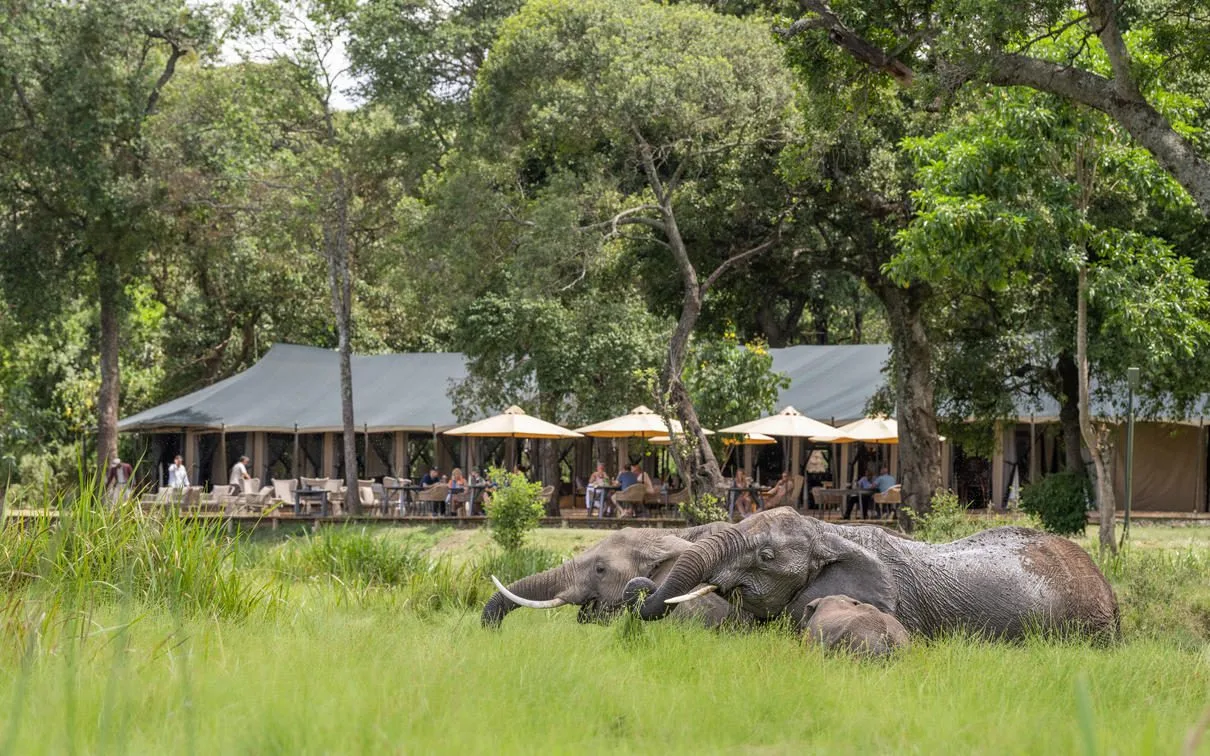
-
Signature (High-end)
-
Day 2: Sunrise Masai Mara Safari – Final Wildlife Experience – Return to Nairobi - Main destination
- Masai Mara National Reserve
- Drive time
- Return transfer as outlined in the itinerary
- Meals
- Breakfast, Lunch
Wake early for your second and final wildlife session. The early-morning drive is particularly important on a two-day itinerary because it provides your best opportunity to experience the Mara before the return journey. Depending on your accommodation and program, you may have tea or coffee before leaving and return later for breakfast.
Sunrise in the Masai Mara
The landscape before sunrise feels completely different from the afternoon. Temperatures are cooler, the grass may be covered with dew and predators can still be active after the night. The first sunlight gradually illuminates the plains, and photographers should be ready before leaving camp because some of the most beautiful light lasts only briefly.
A lion walking through golden grass at sunrise can produce exceptional images, giraffes and elephants become silhouettes against the sky, and even ordinary plains wildlife becomes visually dramatic under soft morning light.
Morning Lion Search
Your guide may first revisit a location where lions were seen during the previous afternoon. Lions often remain within a broad area, particularly if they have made a kill, but they can also travel significant distances overnight, so fresh tracks become valuable clues. If a pride is located, observe its behaviour. Morning may reveal more movement than afternoon: adults may greet each other, cubs may play, females may begin travelling and males may patrol. The objective should not simply be to photograph the animals but to understand what is happening.
Cheetah Activity in the Morning
Cheetahs often benefit from cooler morning temperatures and may begin actively scanning for prey. If a cheetah starts hunting, your guide will maintain an appropriate distance. Vehicles should never block the predator or its prey, and responsible positioning allows natural behaviour to continue. A hunt can unfold extremely quickly, but even when no chase occurs, watching the preparation and decision-making can be fascinating.
Leopards at Dawn
Leopards may remain active during early morning, so riverine areas can be worth investigating. A leopard descending from a tree or moving through woodland can disappear in seconds, which makes your guide's ability to recognise tracks and interpret alarm calls especially important.
Hyenas at Sunrise
Hyenas frequently remain active early in the morning. You may encounter them travelling back from feeding areas or interacting near clan territories, and their distinctive calls can sometimes be heard before they are seen. Morning light also provides better photographic opportunities than harsh midday conditions.
Elephants and Herbivores
Not every morning needs to revolve around predators. Elephant families feeding quietly in soft morning light can be equally memorable, and large herds of zebras and wildebeest create classic Mara scenes. Giraffes may cross open country, topi often use elevated points to watch for danger and gazelles feed continuously while remaining alert to predators. The entire ecosystem feels active.
Birdwatching During the Morning Drive
The Mara supports exceptional birdlife. Even on a short safari you may encounter: Secretary birds, Ostriches, Martial eagles, Tawny eagles, Vultures, Ground hornbills, Bustards, Crowned cranes, Storks, Rollers, Bee-eaters, Lapwings, Numerous smaller grassland species.
Dedicated birders should inform their guide that birds are a priority. Even thirty minutes focused specifically on birding can add considerable variety to the safari.
Breakfast and Departure from the Mara
After the morning game drive, return to your lodge or camp according to the scheduled plan. Enjoy breakfast and complete check-out procedures, and take some time to appreciate the final views from your accommodation. Although the visit has been short, spending a night in the Mara gives you an experience that a simple day trip cannot replicate.
Once ready, begin the journey back toward Nairobi. Depending on your exact accommodation location and route, you may continue seeing wildlife while travelling through or out of the protected area, so remain observant until the formal wildlife zone is behind you.
Return Journey to Nairobi
The return journey again passes through rural southwestern Kenya and the Rift Valley region. Comfort stops can be made as appropriate. Traffic can increase significantly as you approach Nairobi, so arrival time varies. Your guide will transfer you to:
- Your Nairobi hotel.
- Private residence.
- Airport-area accommodation.
- Another agreed Nairobi location.
If you are connecting with an international flight the same evening, your itinerary should allow generous time for traffic and airport procedures, as it is risky to schedule a tight airport connection immediately after a long road transfer. The 2 Days Masai Mara Safari ends after an intensive introduction to Kenya's most famous wildlife landscape.
- Destination: Masai Mara and Nairobi
- Activities: Early-morning game drive and return transfer
- Meals: Breakfast and other meals according to package
Where you stay
03 Rates
Safari rates 2027-2029
Indicative per person. Season, group size and lodge style change the total — your quotation confirms current rates.
-
Essential (Budget)
Essential (Budget)
Budget camps and lodges suit travelers who prioritize wildlife while keeping costs lower.
Great value camps
-
Comfort (Mid-range)
Comfort (Mid-range)
Mid-range tented camps and lodges balance comfort and price with private rooms or tents and en-suite facilities.
Quoted for your dates
-
Premium (Luxury)
Premium (Luxury)
Luxury camps and lodges focus on location, service and more intimate wildlife experiences.
Premium camps and lodges
-
Signature (High-end)
Signature (High-end)
Signature camps and lodges are the most exclusive stays — small, highly private properties with exceptional guiding and setting.
Exclusive signature stays
04 Activities
Safari activities
Game viewing is the core of this itinerary. Optional extras are quoted separately and depend on season, permits and availability. Individual species and river crossings are never guaranteed.
Additional information
Plan This Safari
Wildlife You May See on a 2 Days Masai Mara Safari
The Mara supports an extraordinary range of mammals. Although the itinerary is short, potential sightings include: Lion, Leopard, Cheetah, African elephant, African buffalo, Masai giraffe, Plains zebra, Wildebeest, Hippopotamus, Nile crocodile in suitable river areas, Spotted hyena, Black-backed jackal, Warthog, Topi, Eland, Impala, Thomson's gazelle, Grant's gazelle, Waterbuck, Olive baboon, Vervet monkey.
All wildlife remains wild. No responsible operator should guarantee any particular animal.
Can You See the Big Five on a 2 Days Masai Mara Safari?
The Masai Mara is excellent for several members of the traditional Big Five. Lions, elephants and buffaloes can be relatively common in suitable areas, while leopards are more elusive. Rhinos are significantly harder to encounter during such a short visit and should never be assumed, so travellers should not judge the success of a 2 Days Masai Mara Safari solely on whether all five species are seen. The Mara's ecological richness goes far beyond the Big Five. The Big Five are: Lion, Leopard, Elephant, Buffalo, Rhinoceros.
Great Wildebeest Migration During a 2 Days Masai Mara Safari
The Great Wildebeest Migration is one of the main reasons international travellers recognise the Masai Mara. Large numbers of wildebeest, zebras and other herbivores move through the greater Serengeti–Mara ecosystem according to rainfall and grazing conditions. The Kenyan portion of the ecosystem may receive large herds during portions of roughly July through October.
However, exact timing varies every year. Rainfall patterns influence movement, and fresh pasture may cause the animals to arrive earlier, remain longer or change direction. For this reason, migration travel should always be approached realistically.
Can You See a River Crossing in Two Days?
Possibly, but it should never be expected. River crossings are completely unpredictable: wildebeest may gather near a river and wait for hours, approach the water and then turn around, or cross unexpectedly at a different location. A guide cannot create or schedule the event. With only two days in the Mara, your chances are naturally lower than on a longer migration-focused safari, so travellers whose primary goal is river-crossing photography should consider spending several nights in the ecosystem.
Is the Masai Mara Worth Visiting Outside the Migration?
Absolutely. One of the biggest misconceptions about the Masai Mara is that it is only worthwhile during wildebeest migration months. Resident wildlife remains impressive throughout the year, and in some seasons lower visitor numbers can actually create quieter and more relaxed wildlife experiences. The Mara supports: Lions, Leopards, Cheetahs, Elephants, Buffaloes, Giraffes, Zebras, Hyenas, Antelopes, Hippos, Numerous birds.
Is Two Days Enough for the Masai Mara?
Yes, but with important limitations. This gives you a genuine safari experience, but a substantial portion of both days is used for travel, so two days is best viewed as an introduction rather than a comprehensive Mara safari. A typical 2 Days Masai Mara Safari provides:
- Travel to the Mara on Day 1.
- An afternoon game drive.
- One overnight stay.
- A sunrise or early-morning game drive.
- Return to Nairobi on Day 2.
2 Days Versus 3 Days in the Masai Mara
A 2 Days Masai Mara Safari is best when:
- You only have one night available.
- Your schedule cannot be extended.
- You want the shortest practical road safari.
- You accept an intensive itinerary.
- You prioritise seeing the Mara over having leisure time.
A longer three-day safari is generally better when:
- You have two nights available.
- You want a full day dedicated entirely to wildlife.
- Photography is important.
- You want more predator-search opportunities.
- You are travelling with children.
- You want a less rushed experience.
- The migration is a major priority.
If time permits, the extra night is highly worthwhile.
Private 2 Days Masai Mara Safari
A private safari is especially valuable on a short itinerary. Because your wildlife-viewing time is limited, sharing decision-making with unrelated travellers can reduce flexibility. With a private vehicle, your group can determine:
- How long to remain at sightings.
- Whether to prioritise predators or general wildlife.
- Photography stops.
- Birdwatching time.
- Comfort breaks.
- Game-drive pace.
- Departure times within practical limits.
The guide also receives a clearer understanding of your interests.
Road Safari Versus Fly-In Safari
A two-day Mara trip can potentially be organised by road or by domestic flight.
Road Safari
The road option allows you to experience Kenya's changing landscapes between Nairobi and the Mara, although the major disadvantage is travel time. Advantages may include:
- Lower cost than flying.
- Private vehicle flexibility.
- Rural sightseeing.
- No light-aircraft luggage restrictions during the transfer.
Fly-In Safari
A fly-in option can significantly reduce transfer time, which may allow more time for wildlife viewing. However, it usually costs more and requires coordination of:
- Flight schedules.
- Airstrip transfers.
- Luggage limits.
- Camp location.
- Game-drive arrangements.
For travellers with a higher budget and only two days available, flying can be an attractive option.
Masai Mara National Reserve Versus Private Conservancies
The wider Mara ecosystem includes the national reserve and surrounding conservation areas. Both can provide excellent safari experiences.
Masai Mara National Reserve
The reserve contains extensive wildlife habitat and some of the most famous landscapes associated with the Mara. During migration periods, important wildlife movements may occur within the reserve.
Private Conservancies
Conservancies can provide:
- Lower vehicle densities in some areas.
- Carefully managed tourism.
- Community conservation benefits.
- Potential night drives where allowed.
- Guided walks where permitted.
- More exclusive experiences.
The best choice depends on your accommodation, budget and wildlife priorities. For a two-day itinerary, logistics are especially important. Your accommodation should ideally minimise unnecessary transfer time.
Best Time for a 2 Days Masai Mara Safari
The Masai Mara can be visited throughout the year. Each season provides different advantages.
January to February
These months can provide relatively dry conditions. Wildlife viewing is often excellent. Vegetation may be shorter in some areas, improving visibility. Big cats remain a major attraction.
March to May
The long rains create greener landscapes. Visitor numbers can be lower. Photography can be excellent because of fresh vegetation and dramatic skies. Some roads may become muddy depending on rainfall.
June
Conditions often begin becoming drier. Landscapes may retain some green colour. Wildlife viewing can be productive.
July to October
This is one of the most popular periods because migrating wildebeest may be present in the greater Mara ecosystem during parts of these months. Dry-season wildlife viewing can also be excellent. Visitor numbers may be significantly higher.
November
Short rains can refresh the grasslands. Birdlife can be excellent. Wildlife remains active.
December
December can be a rewarding safari month. It can also be busy around the festive season, making advance booking important.
Masai Mara in the Green Season
Green-season safaris are often underestimated. Rain transforms the plains, fresh grass produces beautiful colour, and clouds can create extraordinary skies. Young animals may be present depending on species and timing.
Photographers often appreciate the cleaner, greener backgrounds, and another advantage can be reduced visitor numbers. However, heavy rain can occasionally make some tracks difficult, so a professional guide and suitable safari vehicle become particularly important.
Masai Mara During Dry Conditions
As landscapes dry, wildlife often becomes increasingly concentrated around reliable water and productive grazing areas. Vegetation can become shorter in some places, making animals easier to locate. Dust adds atmosphere to photographs, especially when elephants or herds move across dry ground. Dry conditions are one reason peak-season wildlife viewing can be highly productive.
Accommodation for a 2 Days Masai Mara Safari
Accommodation choice matters enormously on such a short itinerary. A property located too far from your preferred game-viewing area can consume significant time. When selecting accommodation, consider:
- Location.
- Park or conservancy access.
- Driving time.
- Comfort level.
- Meal arrangements.
- Family suitability.
- Wildlife surroundings.
- Budget.
Budget Masai Mara Safari
Budget camps focus on affordability and essential facilities. They may provide:
- Simple tents or rooms.
- Beds.
- Basic bathrooms.
- Dining areas.
- Safari access.
- Essential services.
Budget accommodation works well for travellers whose main priority is wildlife viewing.
Mid-Range Masai Mara Safari
Mid-range camps and lodges are popular because they combine comfort with reasonable cost. Features may include:
- Permanent tents or lodge rooms.
- Ensuite bathrooms.
- Hot showers.
- Comfortable beds.
- Restaurant.
- Lounge.
- Swimming pool at selected properties.
- Pleasant views.
- Good service.
For many travellers, this category offers the best overall balance.
Luxury Masai Mara Safari
Luxury camps may provide:
- Spacious tented suites.
- Premium wildlife locations.
- Smaller guest numbers.
- High levels of service.
- Excellent dining.
- Private decks.
- Beautiful views.
- Additional experiences.
Because there is only one overnight stay, luxury accommodation can make the evening and morning particularly memorable.
2 Days Masai Mara Safari for Couples
A short Mara safari can be an excellent romantic escape. Couples may prefer:
- Private vehicle.
- Intimate tented camp.
- Scenic accommodation.
- Luxury room or tent.
- Sundowner where available.
- Special dinner arrangements.
- Fly-in transfers for greater comfort.
For honeymooners with additional time, extending beyond two days is normally recommended.
2 Days Masai Mara Safari for Families
Families can undertake a two-day safari, but parents should consider the substantial road journey. Young children may find several hours of driving difficult. A private safari provides flexibility. Family-friendly accommodation can be selected according to:
- Family room availability.
- Pool.
- Meal flexibility.
- Safe walking arrangements.
- Child-friendly staff.
- Educational activities.
A three-day itinerary may be more comfortable for families because it provides a full wildlife day without a road transfer.
2 Days Masai Mara Safari for Senior Travellers
Senior travellers can enjoy the safari when the itinerary is organised carefully. Important considerations include:
- Vehicle comfort.
- Ease of getting in and out.
- Regular comfort stops.
- Accessible accommodation.
- Dietary requirements.
- Medical needs.
- Sufficient rest.
Travellers who prefer to avoid long road transfers may find a fly-in arrangement more comfortable.
Masai Mara for Wildlife Photographers
The Mara is one of Africa's great wildlife-photography destinations. Even during a short stay, potential subjects include: Lions, Cheetahs, Leopards, Elephants, Giraffes, Wildebeest, Zebras, Hyenas, Raptors, Sunrise landscapes, Sunset silhouettes, Predator-prey interactions, Migration scenes in season.
The open plains often provide excellent visibility. Photographers should communicate their priorities to the guide at the beginning of the safari.
Recommended Photography Equipment
Useful equipment includes:
- Telephoto lens.
- Mid-range zoom lens.
- Wide-angle lens.
- Spare batteries.
- Multiple memory cards.
- Beanbag.
- Lens-cleaning materials.
- Dust protection.
- Binoculars.
A short safari leaves little time to solve forgotten-equipment problems, so prepare before departure.
Birdwatching in the Masai Mara
The Mara is also an excellent birding destination. Large, easily identifiable species can be particularly satisfying for casual birders. Potential sightings may include: Ostriches, Secretary birds, Martial eagles, Tawny eagles, Vultures, Southern ground hornbills, Bustards, Crowned cranes, Storks, Rollers, Bee-eaters, Lapwings, Various larks and grassland birds.
Tell your guide if birding is important so that the game drive can incorporate additional stops.
What to Pack for a 2 Days Masai Mara Safari
One night does not require heavy luggage. A small overnight bag is usually adequate. Recommended items include:
- Neutral safari clothing.
- Comfortable trousers.
- Long-sleeved shirt.
- Light fleece or jacket.
- Comfortable closed shoes.
- Hat.
- Sunglasses.
- Sunscreen.
- Insect repellent.
- Camera.
- Binoculars.
- Spare batteries.
- Personal medication.
- Toiletries.
- Small day bag.
- Reusable water bottle where appropriate.
Mornings in the Mara can be surprisingly cool. Layered clothing is useful.
Safari Vehicle
Your safari vehicle becomes both transport and viewing platform. For a road safari from Nairobi, comfort matters because of the substantial journey. A suitable vehicle should provide:
- Good seating.
- Wildlife visibility.
- Appropriate luggage space.
- Reliable road performance.
- Suitable viewing roof or configuration.
- Drinking water where included.
Your driver-guide is responsible for both safe transportation and wildlife interpretation.
Your Driver-Guide
A skilled guide is one of the most important parts of a short safari. With limited time, local knowledge becomes especially valuable. A professional guide should:
- Identify wildlife.
- Read tracks.
- Interpret behaviour.
- Understand predator territories.
- Know productive habitats.
- Respect wildlife.
- Follow reserve regulations.
- Coordinate with other guides.
- Position the vehicle responsibly.
- Explain ecology and conservation.
- Manage transfer timing.
The best guides do much more than point at animals. They help transform sightings into understanding.
Meals During the Safari
Meal arrangements depend on the confirmed package. A typical itinerary may include:
- Day 1: Lunch and dinner.
- Day 2: Breakfast and possibly lunch depending on timing.
Some road itineraries may include lunch en route or after departing the Mara. Your quotation should specify meal inclusions clearly. Dietary requirements should be communicated before travel.
Typical Safari Inclusions
Your final quotation is the definitive list. Depending on your package, inclusions may cover:
- Nairobi pickup.
- Return transfer.
- Private safari transportation.
- Professional driver-guide.
- Game drives.
- One night's accommodation.
- Meals according to itinerary.
- Reserve or conservancy fees where specified.
- Drinking water.
- Applicable taxes where included.
Typical Exclusions
Possible exclusions include:
- International flights.
- Domestic flights unless specifically included.
- Travel insurance.
- Travel-authorisation or visa-related charges where applicable.
- Tips and gratuities.
- Alcoholic beverages.
- Premium drinks.
- Personal purchases.
- Laundry.
- Balloon safari.
- Optional cultural experiences.
- Services not explicitly listed.
Responsible Wildlife Viewing in the Masai Mara
The Mara is a globally important wildlife ecosystem. Every visitor has a responsibility to minimise disturbance. Responsible viewing includes:
- Maintaining appropriate distance.
- Avoiding excessive crowding.
- Never blocking animal movement.
- Not pressuring predators during hunts.
- Following guide instructions.
- Remaining on permitted tracks where required.
- Avoiding littering.
- Keeping noise low.
- Never feeding wildlife.
- Respecting reserve and conservancy regulations.
Photographs should never be obtained at the expense of animal welfare.
Vehicle Crowding Around Predators
Popular predator sightings can occasionally attract several safari vehicles. A responsible guide should avoid aggressive positioning. Crowding can stress animals and reduce the quality of the experience, so patience is often better. If a sighting becomes overcrowded, your guide may choose to wait, reposition or search elsewhere. The Mara is large, and wildlife opportunities are not limited to one cat sighting.
Optional Hot-Air Balloon Safari
Hot-air ballooning is one of the best-known optional activities in the Mara. However, incorporating it into a two-day road safari requires careful logistics because the itinerary is already extremely short. Balloon flights usually begin very early in the morning and take several hours including transfers and associated arrangements.
For this reason, travellers particularly interested in ballooning may be better served by extending the safari. If ballooning remains a priority, availability and timing should be checked during itinerary design. A flight is never guaranteed.
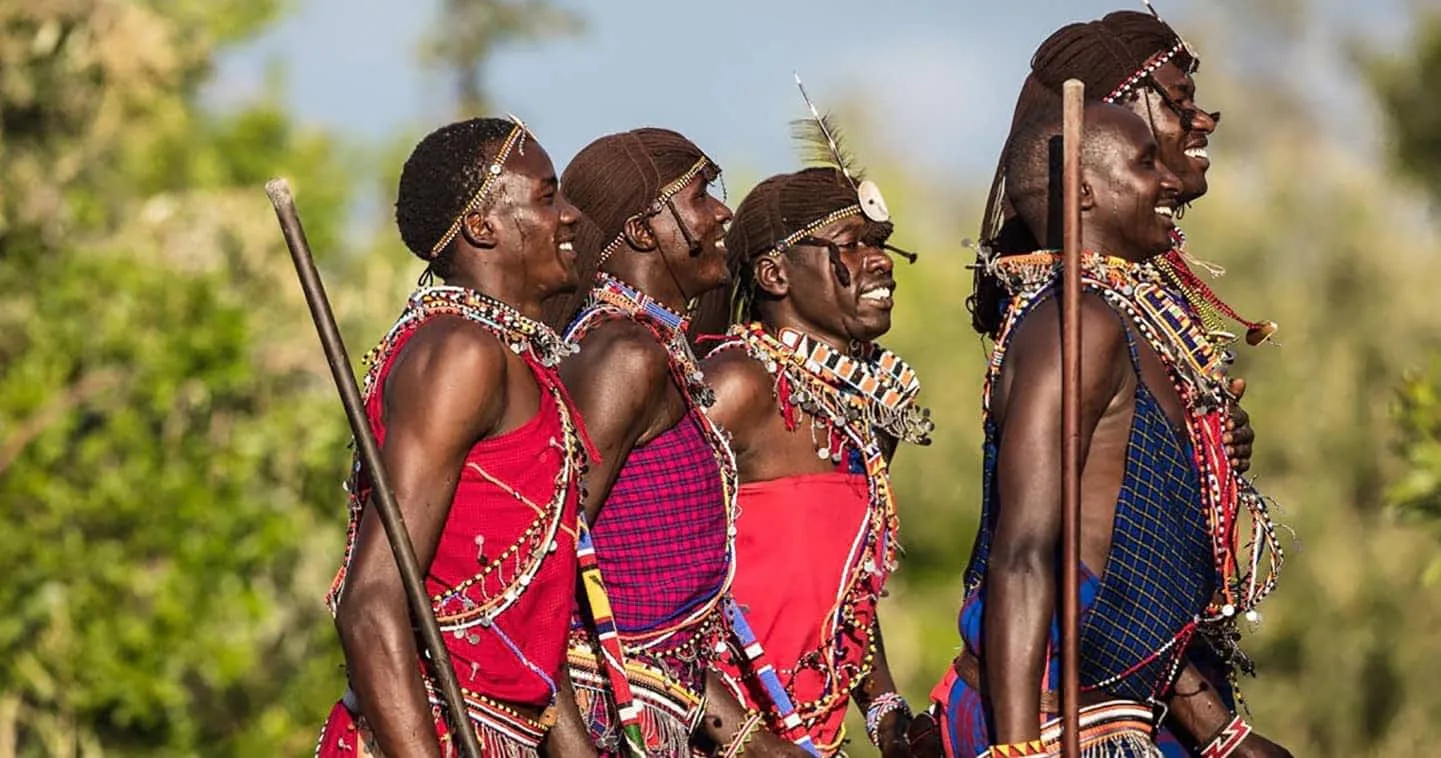
Optional Cultural Experience
A cultural visit can potentially be incorporated, but the two-day schedule provides very limited free time. Adding another activity means reducing wildlife-viewing time unless the itinerary is restructured.
Travellers genuinely interested in local culture may prefer a longer safari that provides enough time to experience both wildlife and community interaction properly. Any cultural visit should be respectful and offer genuine benefit to participating communities.
Can the Safari Start from the Airport?
Potentially, but this depends on your international flight arrival time. Immigration, baggage collection, customs procedures and Nairobi traffic are unpredictable. An early-morning arrival might theoretically connect with the road journey, but the schedule should include substantial buffer time. In many cases, spending the previous night in Nairobi provides a safer and more relaxed start.
Can the Safari End at the Airport?
Yes, depending on flight timing. However, because the return road journey is vulnerable to traffic and delays, a generous buffer is essential. A tight international connection should be avoided.
Can the Safari End Somewhere Other Than Nairobi?
Yes. A customised itinerary may continue to another Kenyan destination if routing is practical. For example, the Masai Mara can form part of a longer safari rather than an isolated round trip, which can reduce unnecessary backtracking.
Can We Extend the Safari?
Absolutely. If your schedule permits even one additional night, the wildlife experience generally improves substantially. The two-day itinerary can be extended to:
- Additional Mara nights.
- Other Kenya safari destinations.
- Rift Valley lakes.
- Central Kenya.
- Amboseli.
- Kenya coast.
2 Days Masai Mara Safari for First-Time Visitors
For first-time safari travellers, the Mara delivers many of the elements people associate with an African wildlife journey. You experience:
- Open savannah.
- Professional game drives.
- Lions and other predators.
- Large herbivore herds.
- Tented or lodge accommodation.
- Sunrise wildlife viewing.
- Dramatic African skies.
- Night sounds in the wilderness.
Even when the visit is short, the environment feels completely different from Nairobi. The transition from city to savannah can make the experience especially memorable.
Why the Masai Mara Is So Important
The Masai Mara is part of a much larger transboundary ecosystem extending into northern Tanzania. Wildlife moves across this landscape according to water, grazing, breeding requirements and seasonal conditions. This broader ecological continuity is one reason the Mara supports such exceptional biodiversity.
The area is also important for predator populations. High prey availability supports lions, cheetahs, leopards and hyenas. Conservation therefore depends not only on protecting individual animals but also on maintaining habitat and movement corridors.
Why Book a 2 Days Masai Mara Safari?
A 2 Days Masai Mara Safari is about making the most of limited time. It allows you to leave Nairobi and reach one of Africa's most famous wilderness landscapes within the same day, and by afternoon you may already be watching lions resting in golden grass, giraffes moving across the horizon or elephants crossing an open plain. You spend the night surrounded by the sounds of the Mara, then return to the plains before sunrise, when predators may still be active, the light is soft and the grasslands gradually brighten as another day begins. After one final wildlife session, you return to Nairobi having experienced a genuine safari rather than simply visiting an attraction. It is a demanding itinerary, but it can be extraordinarily rewarding for travellers whose schedule allows no longer option.
Book Your 2 Days Masai Mara Safari
A 2 Days Masai Mara Safari is ideal for travellers who have very limited time but do not want to leave Kenya without experiencing its most famous wildlife ecosystem. The itinerary combines a scenic road journey, professional game drives, abundant plains wildlife, excellent predator-viewing opportunities and one memorable night in the Mara. Safari Trips to Kenya can customise the safari according to your travel dates, accommodation category, Nairobi pickup point, private-safari requirements, photography interests and overall budget.
The trip can be arranged using budget, mid-range or luxury accommodation and can also be adapted into a fly-in safari or extended into a longer Kenya wildlife journey. For travellers with only two days available, the Masai Mara offers an unforgettable introduction to the wildlife and landscapes that have made Kenya one of the world's most celebrated safari destinations.
Planning Questions
Frequently Asked Questions
Is two days really enough for the Masai Mara?
It is enough for a short introduction. You typically receive an afternoon game drive and an early-morning game drive. However, much of both days involves road travel. Three or more days is preferable when time permits.
How many nights do we stay?
The standard two-day safari normally includes one night in the Mara region.
Where does the safari start?
Most itineraries begin in Nairobi.
How early do we leave Nairobi?
An early departure is strongly recommended to maximise Day 1 wildlife viewing. Exact timing depends on your pickup location and road conditions.
How long is the drive to the Masai Mara?
Travel takes several hours. Exact duration varies according to traffic, road conditions, route and accommodation location.
Can we fly instead?
Yes. A fly-in option may be available and can reduce transfer time.
Will we see lions?
The Mara offers excellent lion-viewing opportunities. However, wildlife sightings cannot be guaranteed.
Can we see leopards?
Yes, but leopards are elusive. A short itinerary reduces the number of opportunities compared with a longer stay.
Can we see cheetahs?
Yes. The open grasslands provide excellent cheetah habitat. Sightings remain dependent on natural movement.
Can we see rhinos?
Rhinos are difficult to encounter during a short Mara visit and should not be expected.
Can we see all of the Big Five?
It is possible to encounter several members of the Big Five, but seeing all five within two days should never be guaranteed.
Can we see the Great Migration?
Potentially, when the migrating herds are in the Mara. Exact timing varies every year.
Is the migration only in July and August?
No. The migration is a year-round natural cycle across the greater ecosystem. Herds may occupy the Kenyan Mara during portions of a broader seasonal period, depending on rainfall.
Can you guarantee a river crossing?
No. River crossings are spontaneous natural events.
Is the safari private?
It can be organised privately with a dedicated vehicle and guide.
Can children join?
Yes. However, parents should consider the long road journey.
Is this suitable for honeymooners?
Yes, although honeymooners may prefer extending the safari for more leisure time.
Is it suitable for senior travellers?
Yes. A fly-in option may be preferable for travellers wanting to minimise driving.
Are meals included?
Meals are included according to the confirmed package.
Are park fees included?
They may be, depending on your quotation. Always rely on the confirmed itinerary and invoice.
Can we choose our accommodation?
Yes. Your camp or lodge can be selected according to budget and preferred safari style.
Can we upgrade to a luxury camp?
Yes. Luxury accommodation can be incorporated.
Can we add a balloon safari?
Potentially, although extending the trip is recommended because the two-day itinerary is already compact.
Do we need binoculars?
Yes, they are strongly recommended.
What should we wear?
Neutral, comfortable clothing and layered items for cool mornings work well.
Is travel insurance recommended?
Yes. Safari travellers should have appropriate travel insurance covering their trip requirements.
# 2 Days Masai Mara Safari for First-Time Visitors
For first-time safari travellers, the Mara delivers many of the elements people associate with an African wildlife journey. You experience open savannah, professional game drives, lions and other predators, large herbivore herds, tented or lodge accommodation, sunrise wildlife viewing, dramatic African skies and night sounds in the wilderness. Even when the visit is short, the environment feels completely different from Nairobi. The transition from city to savannah can make the experience especially memorable.
# Why the Masai Mara Is So Important
The Masai Mara is part of a much larger transboundary ecosystem extending into northern Tanzania. Wildlife moves across this landscape according to water, grazing, breeding requirements and seasonal conditions. This broader ecological continuity is one reason the Mara supports such exceptional biodiversity. The area is also important for predator populations. High prey availability supports lions, cheetahs, leopards and hyenas. Conservation therefore depends not only on protecting individual animals but also on maintaining habitat and movement corridors.
# Why Book a 2 Days Masai Mara Safari?
A 2 Days Masai Mara Safari is about making the most of limited time. It allows you to leave Nairobi and reach one of Africa's most famous wilderness landscapes within the same day, and by afternoon you may already be watching lions resting in golden grass, giraffes moving across the horizon or elephants crossing an open plain. You spend the night surrounded by the sounds of the Mara, then return to the plains before sunrise, when predators may still be active, the light is soft and the grasslands gradually brighten as another day begins. After one final wildlife session, you return to Nairobi having experienced a genuine safari rather than simply visiting an attraction. It is a demanding itinerary, but it can be extraordinarily rewarding for travellers whose schedule allows no longer option.
# Book Your 2 Days Masai Mara Safari
A 2 Days Masai Mara Safari is ideal for travellers who have very limited time but do not want to leave Kenya without experiencing its most famous wildlife ecosystem. The itinerary combines a scenic road journey, professional game drives, abundant plains wildlife, excellent predator-viewing opportunities and one memorable night in the Mara. Safari Trips to Kenya can customise the safari according to your travel dates, accommodation category, Nairobi pickup point, private-safari requirements, photography interests and overall budget. The trip can be arranged using budget, mid-range or luxury accommodation and can also be adapted into a fly-in safari or extended into a longer Kenya wildlife journey. For travellers with only two days available, the Masai Mara offers an unforgettable introduction to the wildlife and landscapes that have made Kenya one of the world's most celebrated safari destinations.
05 Request Quote
Request Quote
Tell us your dates, group size, and preferred lodge style — we will send a tailored quote for this safari.
Want to extend your safari?
Add Amboseli, Diani Beach, Tanzania and Zanzibar, or gorilla trekking in Uganda or Rwanda — we tailor the journey to your dates.