
19 DAYS / 18 NIGHTS
19 Days Kenya Photography Safari
Explore the 19 Days Kenya Photography Safari with a day-by-day safari plan, key wildlife experiences, destinations, accommodation ideas, travel logistics and.
- Wildlife Safari Private Journey
- Private Safari 4x4 Vehicle
- Expert Guide English Speaking
- All Meals Breakfast, Lunch, Dinner
- 24/7 Support We're here to help
01 Overview
Safari Overview
- Duration 19 days / 18 nights
- Destination Kenya
- Starts / ends Nairobi
- Safari style Private 4×4 safari
- Accommodation Essential · Comfort · Premium · Signature
- Best for Wildlife viewing, photography
19 Days Kenya Photography Safari – Detailed Wildlife Photography Tour in Kenya
The 19 Days Kenya Photography Safari is an extended private safari created for travelers who want sufficient time in Kenya's most productive wildlife areas to photograph animals rather than simply see them. Over nineteen days, the itinerary combines exceptional predator country, elephant habitats, dramatic landscapes, endangered wildlife conservation areas, Rift Valley scenery and some of the most photogenic savannah environments in East Africa.
Wildlife photography requires a different approach from a conventional sightseeing safari. A normal game drive may move quickly from one animal sighting to another in an effort to see as many species as possible. A photography safari often does the opposite. When conditions are favorable, the vehicle may remain with a single lion pride, cheetah, leopard, elephant herd or group of giraffes for an extended period while the photographer waits for behavior, better light, cleaner backgrounds or an interaction worth capturing.
This 19 Days Kenya Photography Safari therefore prioritizes time. Instead of trying to cover Kenya in a rushed sequence, the itinerary provides multiple nights in strategically selected destinations. Longer stays increase opportunities to photograph wildlife during the golden hours shortly after sunrise and before sunset, revisit productive territories, follow predators over several days and adapt daily plans according to weather, light and animal movement.
A typical route can combine Samburu National Reserve, Ol Pejeta Conservancy, Lake Nakuru National Park, Lake Naivasha, Amboseli National Park and the Masai Mara National Reserve. The program can also be adjusted to incorporate destinations such as Tsavo, Laikipia, Lewa Wildlife Conservancy, Meru National Park or private Masai Mara conservancies depending on the photographer's objectives. The safari can be organized for individual photographers, couples, private groups, professional photographers, photography clubs, content creators and enthusiastic beginners.
Why Choose a 19-Day Photography Safari in Kenya?
Kenya is exceptionally suitable for an extended photography safari because each major wildlife ecosystem offers a different visual character. In Samburu, dry landscapes, doum palms, rocky hills and the Ewaso Nyiro River create striking compositions around elephants, leopards, Grevy's zebras and reticulated giraffes. At Ol Pejeta, photographers can concentrate on rhinos, lions, elephants and conservation stories with Mount Kenya sometimes visible in the wider landscape.
Lake Nakuru National Park combines lake scenery, woodland, cliffs, buffaloes, giraffes, rhinos and birdlife. Amboseli National Park is one of Africa's iconic elephant photography destinations, and under favorable conditions, photographers can compose images of elephants against the enormous profile of Mount Kilimanjaro.
The Masai Mara provides extraordinary opportunities for predator photography. Lions, cheetahs, leopards and spotted hyenas coexist with enormous populations of plains animals. During portions of the Great Wildebeest Migration season, the number of wildebeest and zebras can increase dramatically. Nineteen days provides enough time to experience these environments without turning the journey into a constant series of transfers.
19 Days Kenya Photography Safari Highlights
Highlights of the safari can include:
- Dedicated wildlife photography game drives.
- Private 4x4 safari vehicle arrangements.
- Multiple sunrise and sunset photography sessions.
- Extended time with wildlife sightings where conditions permit.
- Photographing elephants against Mount Kilimanjaro in Amboseli.
- Searching for lions, leopards and cheetahs in the Masai Mara.
- Photographing Samburu's distinctive northern Kenya wildlife.
- Opportunities to photograph black and white rhinos.
- Bird photography around Rift Valley lakes and wetland habitats.
- Landscape photography in the Great Rift Valley.
- Possible Great Wildebeest Migration photography during the appropriate season.
- Optional hot-air balloon photography over the Masai Mara.
- Flexible daily game-drive schedules.
- Accommodation selected for convenient access to wildlife areas.
- Reduced number of guests per safari vehicle where requested.
- Photography support from an experienced safari driver-guide.
- Opportunities for environmental portraits, wildlife behavior and wider landscape compositions.
- Optional cultural photography arranged respectfully with local communities.
- Possibility of incorporating private conservancies where off-road driving or extended activities may be available under local rules.
- Customized routing according to target species and photographic priorities.
Itinerary
- Day 1: Arrival in Nairobi, Kenya
- Day 2: Nairobi to Samburu
- Day 3: Samburu Photography Safari
- Day 4: Second Full Photography Day in Samburu
- Day 5: Samburu to Ol Pejeta
- Day 6: Ol Pejeta Photography Safari
- Day 7: Ol Pejeta to Lake Nakuru
- Day 8: Lake Nakuru Photography and Transfer to Lake Naivasha
- Day 9: Lake Naivasha to Amboseli
- Day 10: Amboseli Photography Safari
- Day 11: Second Full Photography Day in Amboseli
- Day 12: Amboseli to Nairobi
- Day 13: Nairobi to Masai Mara
- Day 14: Masai Mara Predator Photography
- Day 15: Cheetah and Leopard Photography in the Masai Mara
- Day 16: Masai Mara Wildlife Photography
- Day 17: Great Wildebeest Migration Photography or Resident Wildlife
- Day 18: Final Full, day Masai Mara Photography Safari
- Day 19: Morning game drive – return to Nairobi

02 Itinerary
19 Days Kenya Photography Safari: Detailed Itinerary
-

Day 1: Arrival in Nairobi, Kenya - Main destination
- Masai Mara National Reserve
- Drive time
- Road transfer as outlined in the itinerary
- Meals
- Lunch, Dinner
Your 19 Days Kenya Photography Safari begins upon arrival at Jomo Kenyatta International Airport in Nairobi. After immigration and baggage collection, meet our representative and transfer to your Nairobi hotel.
The first day is deliberately kept relaxed. Wildlife photographers frequently travel with more equipment than conventional safari guests, including camera bodies, long telephoto lenses, laptop computers, external storage drives, chargers and supporting accessories. The Nairobi overnight provides time to organize equipment before heading into the field. Depending on your arrival time, the afternoon or evening can be used to:
- Charge all camera batteries.
- Prepare memory cards.
- Confirm camera date and time settings.
- Assemble camera bodies and lenses.
- Review dust-protection procedures.
- Discuss target species with your guide.
- Confirm vehicle seating arrangements.
- Organize bean bags or camera supports.
- Review luggage requirements if domestic flights are included.
Your safari guide or representative can provide a briefing explaining the photography-focused approach to the journey. Unlike conventional tours where the objective may be a checklist of animal species, the emphasis will be on patience, behavior, light and photographic opportunity.
- Destination: Nairobi
- Activity: Airport transfer and safari briefing
- Accommodation: Nairobi hotel
- Meal Plan: Depending on arrival arrangements
Where you stay
-
Essential (Budget)
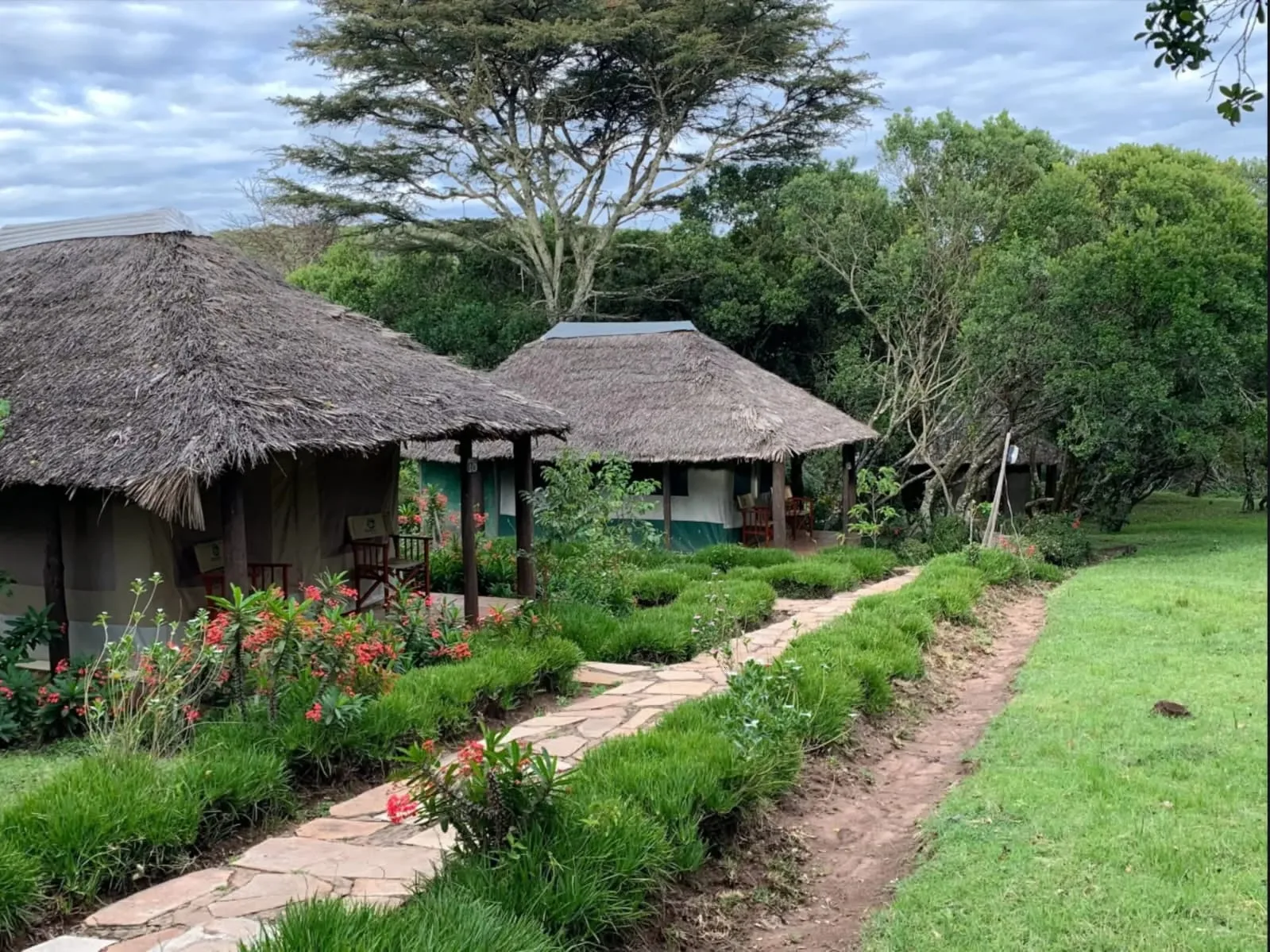
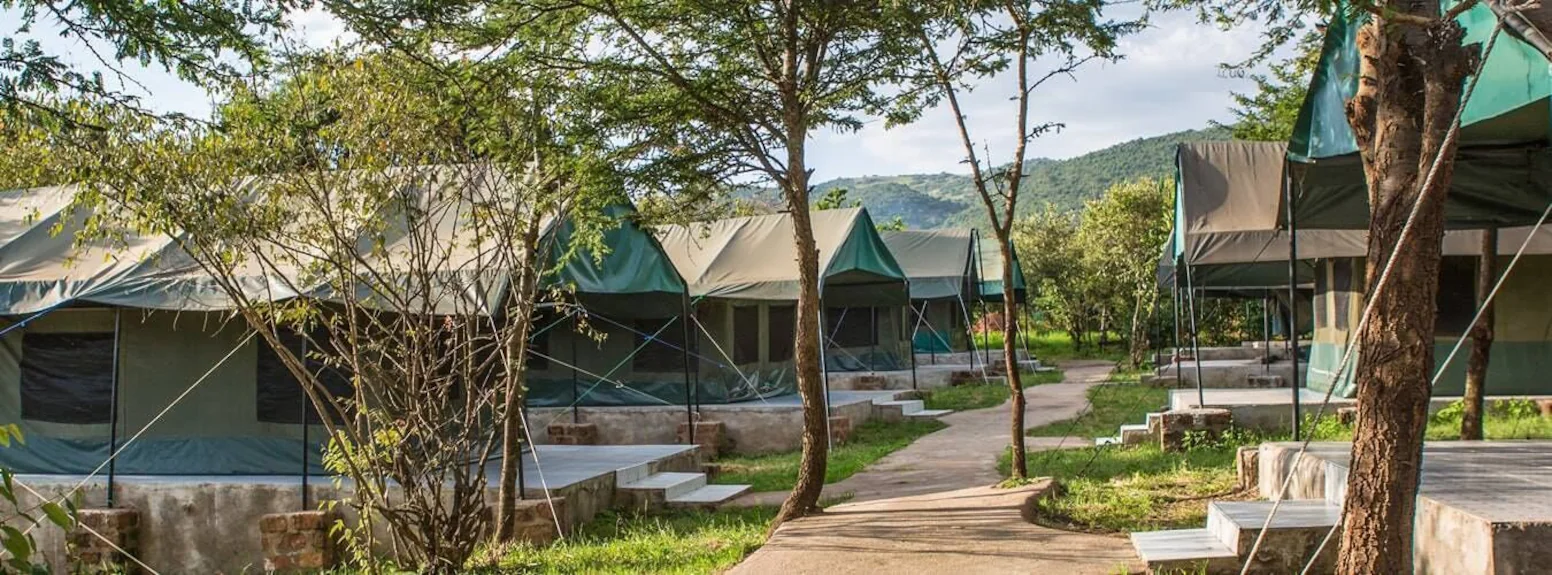
-
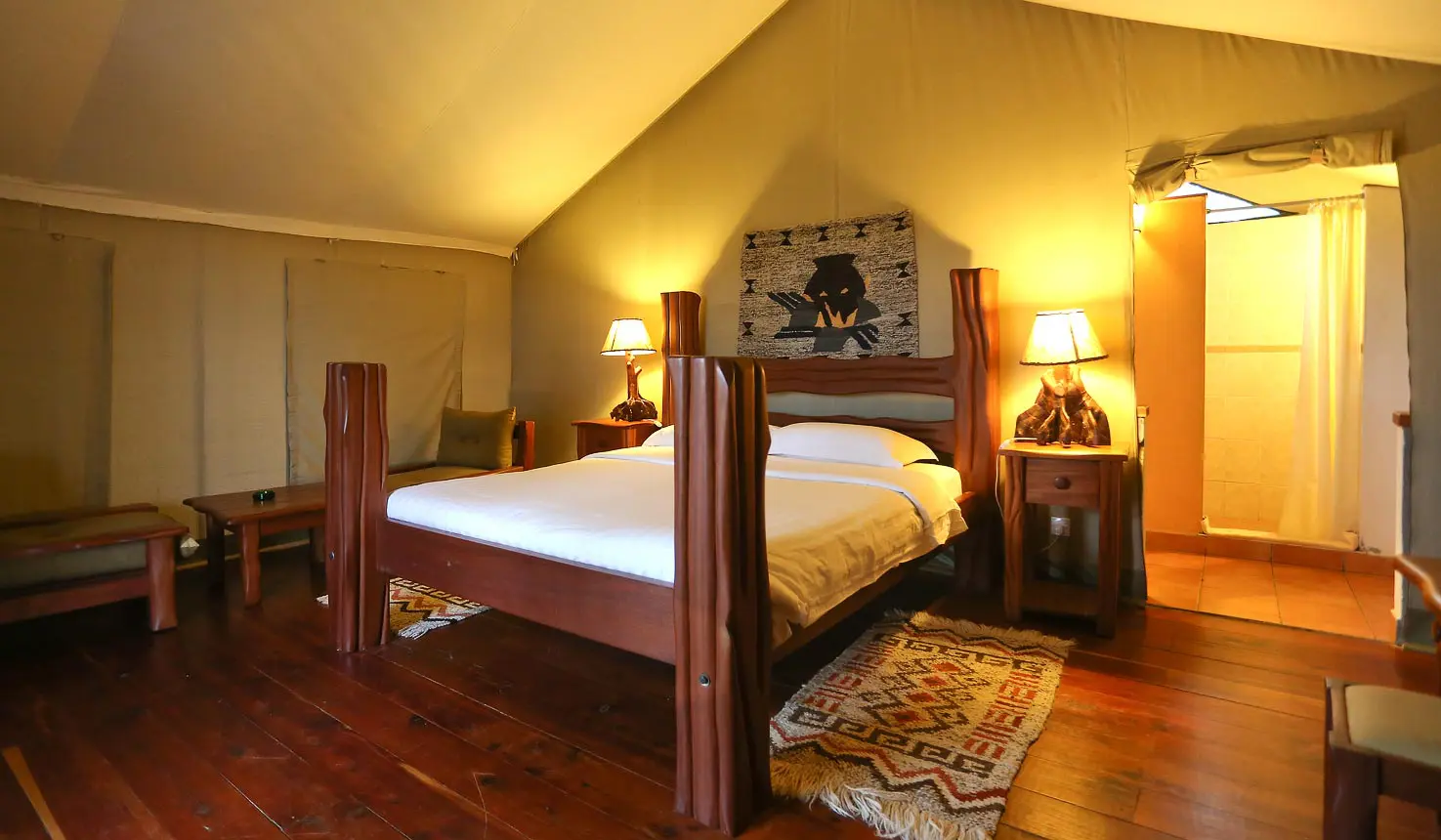
Comfort (Mid-range)
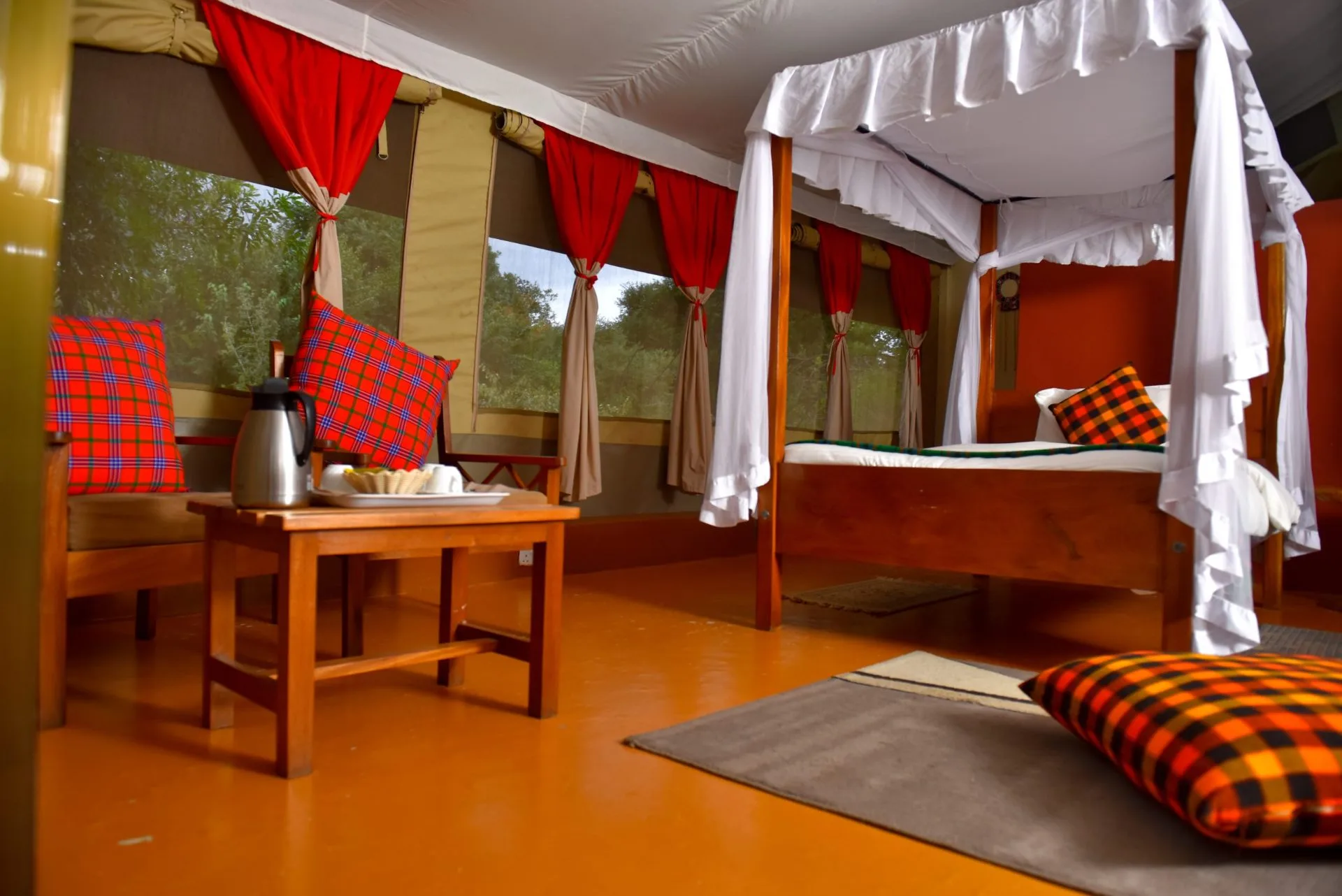
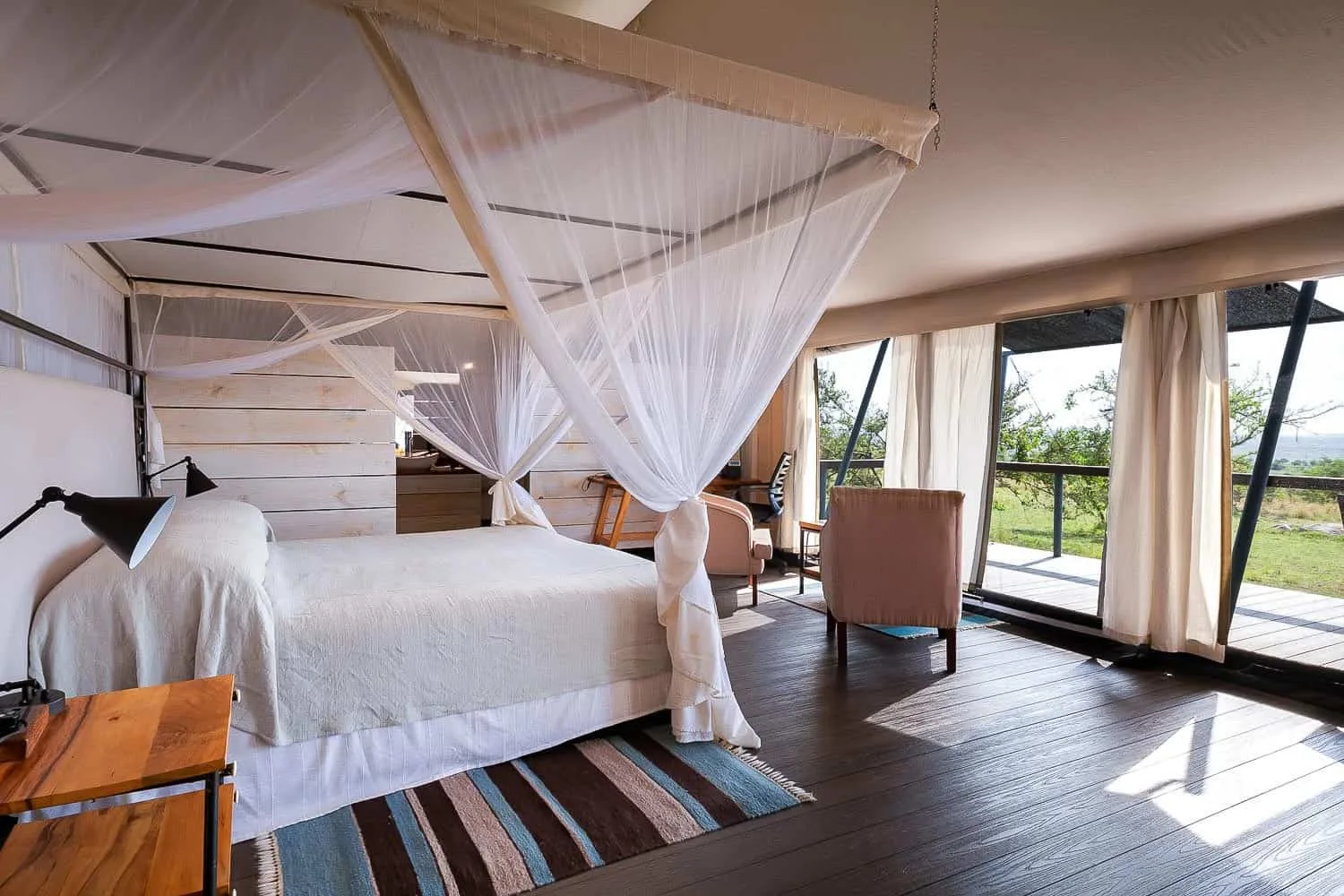
-
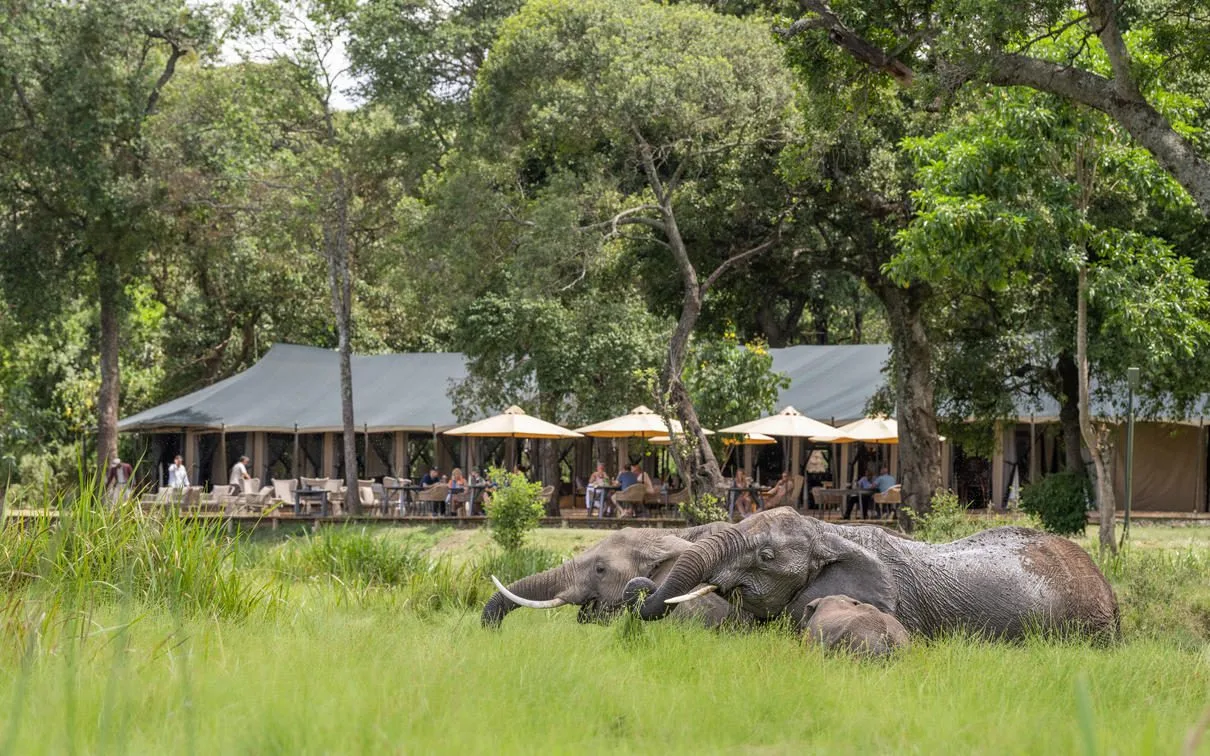
Premium (Luxury)
-
Signature (High-end)
-
Day 2: Nairobi to Samburu National Reserve - Main destination
- Masai Mara National Reserve
- Meals
- Breakfast, Lunch, Dinner
After an early breakfast, leave Nairobi and travel north toward Samburu National Reserve. The route passes through Kenya's central highlands before descending toward the warmer and increasingly arid landscapes of northern Kenya. The journey itself introduces dramatic changes in scenery, from agricultural areas to open dry-country landscapes. Arrive in Samburu, check into your lodge or tented camp and prepare for the first dedicated photography game drive.
The afternoon light in Samburu can be particularly attractive. Warm sunlight illuminating reddish landscapes, acacia woodland and the banks of the Ewaso Nyiro River creates excellent opportunities for environmental wildlife photography. The reserve supports several distinctive mammals, including: Reticulated giraffe, Grevy's zebra, Gerenuk, Beisa oryx, Somali ostrich.
Together, these are often associated with the celebrated wildlife specialties of northern Kenya. Elephants are also a major photographic attraction in Samburu. Herds regularly move toward the river, creating possibilities for photographing drinking, bathing, social interaction and river crossings. Remain in the reserve until late afternoon where park regulations permit before returning to camp.
- Destination: Samburu National Reserve
- Photography Focus: Elephants, dry-country mammals, landscapes and golden-hour photography
- Accommodation: Safari lodge or tented camp
- Meal Plan: Breakfast, lunch and dinner
Where you stay
-
Day 3: Full-Day Samburu Photography Safari - Main destination
- Masai Mara National Reserve
- Meals
- Breakfast, Lunch, Dinner
Depart before or around sunrise for the first complete photography day. Early mornings are valuable because temperatures are cooler and many animals are more active. Predators may still be hunting or feeding from nighttime activity, while herbivores begin moving toward feeding and drinking areas.
Samburu is particularly rewarding for photographing reticulated giraffes, whose sharply defined geometric coat patterns contrast beautifully against pale northern Kenya landscapes. Grevy's zebras offer similarly distinctive photographic opportunities, with narrow stripes, large ears and white bellies that distinguish them from the more familiar plains zebras found farther south. The unusual gerenuk, sometimes called the giraffe gazelle, may be photographed standing upright on its hind legs to browse leaves beyond the reach of other antelopes.
Rather than constantly moving, the vehicle can remain with cooperative subjects. If a giraffe herd is moving toward the horizon, for example, positioning can focus on silhouettes and landscape composition rather than close portraits. If elephants approach the river, waiting patiently may produce images showing:
- Trunk-to-trunk interaction.
- Mothers protecting calves.
- Dust bathing.
- Water spraying.
- Drinking behavior.
- Herd movement.
- River crossings.
- Social greetings.
Return to camp during the brighter middle part of the day for lunch, rest, battery charging and image backup. Later, head back into the reserve for another extended afternoon session.
- Destination: Samburu National Reserve
- Photography Focus: Samburu Special Five, elephants, predators and behavior
- Accommodation: Same lodge or camp
- Meal Plan: Breakfast, lunch and dinner
Where you stay
-
Day 4: Second Full Photography Day in Samburu - Main destination
- Masai Mara National Reserve
- Meals
- Breakfast, Lunch, Dinner
A second complete day provides an important advantage: you are no longer learning the reserve from the beginning. Your guide may already know the approximate territories of certain predators or areas where elephants have been concentrating. Begin again around sunrise.
One of today's priorities can be searching for leopards. Riverine habitats along the Ewaso Nyiro provide suitable leopard territory, and these secretive cats may occasionally be found resting in trees, moving through undergrowth or observing prey near the river. Samburu also supports lions and cheetahs.
When predators are found, patience becomes especially important. A resting lion may appear photographically inactive, but behavior can change suddenly. Lions may greet pride members, interact with cubs, begin walking toward prey or position themselves against beautiful evening light. Bird photographers can also enjoy exceptional diversity, with species that may include colorful bee-eaters, hornbills, kingfishers, rollers, eagles, vultures and numerous dry-country birds. Return to camp after sunset or according to reserve operating rules.
- Destination: Samburu National Reserve
- Photography Focus: Leopards, lions, birds, elephants and northern landscapes
- Accommodation: Same lodge or camp
- Meal Plan: Breakfast, lunch and dinner
Where you stay
-
Day 5: Samburu to Ol Pejeta Conservancy - Main destination
- Masai Mara National Reserve
- Meals
- Breakfast, Lunch, Dinner
After an early breakfast, photograph wildlife while leaving Samburu and travel south toward Ol Pejeta Conservancy. Ol Pejeta combines conventional wildlife viewing with one of Kenya's strongest conservation stories. After arriving, check into your accommodation and prepare for an afternoon game drive.
The conservancy supports both black and white rhinos, making it one of the itinerary's key destinations for rhino photography. Photographers can concentrate on more than standard side-profile portraits. Interesting compositions may include:
- Rhino silhouettes.
- Rhinos against Mount Kenya landscapes when conditions permit.
- Mothers with calves.
- Dust-covered animals.
- Close horn and skin details.
- Wide environmental portraits.
- Interaction between rhinos and other species.
Ol Pejeta also supports elephants, buffaloes, giraffes, zebras, lions, hyenas and numerous antelope species.
- Destination: Ol Pejeta Conservancy
- Photography Focus: Rhinos, conservation and landscapes
- Accommodation: Lodge or tented camp
- Meal Plan: Breakfast, lunch and dinner
Where you stay
-
Day 6: Full-Day Ol Pejeta Photography Safari - Main destination
- Masai Mara National Reserve
- Meals
- Breakfast, Lunch, Dinner
Spend the entire day photographing wildlife at Ol Pejeta. Begin early when the light is soft. Rhinos may be the primary target, but the conservancy offers much more. Lion photography can be productive, especially when individuals or prides are located in open areas, elephants provide opportunities for broader environmental compositions, and giraffes can be photographed against distant highlands.
Certain conservation experiences may be available by advance arrangement. These should be discussed during safari planning because specialist activities may have additional fees, limited availability or specific regulations.
For photographers interested in conservation storytelling, Ol Pejeta can add important depth to the portfolio. Rather than producing only beautiful wildlife portraits, the safari can also document the relationship between tourism, conservation and endangered species protection. Return to your accommodation during the middle of the day if desired before heading out again in the late afternoon.
- Destination: Ol Pejeta Conservancy
- Photography Focus: Rhinos, lions, elephants and conservation storytelling
- Accommodation: Same lodge or camp
- Meal Plan: Breakfast, lunch and dinner
Where you stay
-
Day 7: Ol Pejeta to Lake Nakuru National Park - Main destination
- Masai Mara National Reserve
- Meals
- Breakfast, Lunch, Dinner
After breakfast, travel toward the Great Rift Valley and continue to Lake Nakuru National Park. The Rift Valley creates entirely different photographic scenery. After entering Lake Nakuru National Park, begin game viewing en route to your accommodation.
The park is compact compared with destinations such as Samburu or the Masai Mara, allowing photographers to cover several habitats relatively efficiently. Potential subjects include: White rhinos, Black rhinos, Rothschild's giraffes, Buffaloes, Waterbucks, Zebras, Baboons, Monkeys, Lions, Leopards, Pelicans, Flamingos, Eagles and other birds.
The lake itself can provide opportunities for wider compositions incorporating water, birds and surrounding escarpments. Later in the afternoon, position for sunset photography where wildlife movements and park regulations allow.
- Destination: Lake Nakuru National Park
- Photography Focus: Rhinos, birds, lake landscapes and Rothschild's giraffes
- Accommodation: Safari lodge
- Meal Plan: Breakfast, lunch and dinner
Where you stay
-
Day 8: Lake Nakuru Photography and Transfer to Lake Naivasha - Main destination
- Masai Mara National Reserve
- Meals
- Breakfast, Lunch, Dinner
Leave early for another photography game drive in Lake Nakuru National Park. Morning is particularly useful for rhino photography because the soft light can reveal texture without the harsh contrast encountered later in the day. Your guide may also search woodland for leopards or open areas for lions.
After the morning session and breakfast, leave Lake Nakuru and travel to Lake Naivasha. The afternoon can include an optional photography-oriented boat excursion on Lake Naivasha. A boat offers an entirely different shooting angle from a safari vehicle. Possible subjects include: Hippos, African fish eagles, Pelicans, Cormorants, Kingfishers, Herons, Egrets, Gulls, Other aquatic birds.
Bird photographers may particularly enjoy opportunities to photograph African fish eagles during flight. Because water reflects changing light, late afternoon can be especially attractive for creating silhouettes and atmospheric images.
- Destination: Lake Naivasha
- Photography Focus: Bird photography, hippos and Rift Valley scenery
- Accommodation: Lakeside lodge
- Meal Plan: Breakfast, lunch and dinner depending on arrangement
Where you stay
-
Day 9: Lake Naivasha to Amboseli National Park - Main destination
- Masai Mara National Reserve
- Meals
- Breakfast, Lunch, Dinner
After breakfast, leave the Rift Valley and travel toward Amboseli National Park. Amboseli is one of the most important destinations on the entire photography itinerary. The classic image is well known: African elephants crossing open plains with snow-capped Mount Kilimanjaro dominating the horizon.
However, successful Kilimanjaro photography requires flexibility, and the mountain view is never guaranteed. The mountain is frequently clearer early in the morning before clouds develop, which is one reason the itinerary includes more than one night in Amboseli. After arrival and lunch, head into the park for afternoon photography. Subjects may include: Elephants, Giraffes, Zebras, Wildebeest, Buffaloes, Hippos, Lions, Cheetahs, Hyenas, Gazelles, Numerous waterbirds.
Use the late afternoon to become familiar with elephant movements and possible Kilimanjaro viewpoints.
- Destination: Amboseli National Park
- Photography Focus: Elephants, Kilimanjaro and savannah landscapes
- Accommodation: Safari lodge or tented camp
- Meal Plan: Breakfast, lunch and dinner
Where you stay
-
Day 10: Full-Day Amboseli Photography Safari - Main destination
- Masai Mara National Reserve
- Meals
- Breakfast, Lunch, Dinner
Wake before sunrise and enter or move through Amboseli as early as permitted. This morning is dedicated to one of Africa's most iconic photographic objectives: elephants beneath Mount Kilimanjaro. When conditions cooperate, patience is essential. Rather than simply photographing an elephant as soon as it appears, the guide can position the vehicle at an appropriate distance and allow the animals to move naturally into the desired composition. The objective may be to capture: Single elephants beneath Kilimanjaro, Entire elephant families, Elephants walking in a line, Dust rising behind elephant herds, Calves interacting with adults, Elephant reflections near wetlands, Backlit silhouettes, Wide environmental scenes.
Amboseli's wetlands provide additional opportunities. Elephants may wade into marshes and feed on vegetation while egrets and other birds move around them. The park also offers opportunities for predator photography, as lions may rest on open plains or move between wildlife concentrations.
During the bright middle of the day, return to the lodge for lunch and image management. Late afternoon provides another dedicated photography session.
- Destination: Amboseli National Park
- Photography Focus: Elephants and Mount Kilimanjaro
- Accommodation: Same lodge or camp
- Meal Plan: Breakfast, lunch and dinner
Where you stay
-
Day 11: Second Full Photography Day in Amboseli - Main destination
- Masai Mara National Reserve
- Meals
- Breakfast, Lunch, Dinner
Spend another full day in Amboseli to increase the chance of favorable weather and exceptional elephant behavior. The advantage of repeating a destination becomes clear on photography safaris, because conditions that were poor yesterday may become outstanding today. Clouds may disappear, dust levels may increase enough to create dramatic backlit scenes, an elephant herd may use a completely different route and predators may become active.
Early morning again prioritizes Kilimanjaro and large mammals. Later, attention can shift to smaller subjects and birds. Amboseli supports excellent birdlife because wetlands contrast dramatically with surrounding dry plains. Depending on season and habitat, photographic subjects can include: Pelicans, Egrets, Herons, Cranes, Flamingos, Raptors, Kingfishers, Storks.
In the late afternoon, work with warm side lighting, silhouettes and dust. This additional day dramatically improves the chances of leaving Amboseli with a diverse image portfolio rather than several variations of the same photograph.
- Destination: Amboseli National Park
- Photography Focus: Elephant behavior, predators, birds and landscapes
- Accommodation: Same lodge or camp
- Meal Plan: Breakfast, lunch and dinner
Where you stay
-
Day 12: Amboseli to Nairobi - Main destination
- Masai Mara National Reserve
- Meals
- Breakfast, Lunch, Dinner
Enjoy one final sunrise photography session in Amboseli. If Kilimanjaro is exceptionally clear, this may become one of the most productive mornings of the safari, although mountain views are never guaranteed. After breakfast, leave Amboseli and transfer back toward Nairobi. This strategically placed overnight provides a break before the final and longest wildlife photography section in the Masai Mara.
Arrive in Nairobi and check into your hotel. The afternoon or evening is useful for:
- Backing up photographs.
- Cleaning equipment.
- Charging batteries.
- Reorganizing memory cards.
- Repacking camera bags.
- Reviewing images captured so far.
- Discussing remaining target species.
Photographers using particularly large telephoto lenses should also confirm arrangements if the next day's journey involves a domestic flight rather than a road transfer.
- Destination: Nairobi
- Activity: Transfer and photography equipment preparation
- Accommodation: Nairobi hotel
- Meal Plan: Breakfast and other meals depending on arrangement
Extended Masai Mara Photography Experience
Days 13 to 18 form the core predator-photography section of the safari. Allowing several nights in the Masai Mara National Reserve or adjacent conservancies dramatically improves opportunities for behavioral photography. Instead of seeing a lion pride once, photographers may follow the same pride over several days, and instead of photographing a resting cheetah and immediately leaving, there is time to observe whether it begins hunting. The additional days also create flexibility during poor weather or quiet wildlife periods.
Where you stay
-
Day 13: Nairobi to Masai Mara - Main destination
- Masai Mara National Reserve
- Meals
- Breakfast, Lunch, Dinner
After breakfast, depart Nairobi and travel toward the Masai Mara ecosystem. Alternatively, a domestic flight can be arranged for travelers wishing to reduce road travel. Upon arrival, check into your safari camp or lodge and begin the first Mara photography drive.
The landscape itself provides beautiful compositions, with rolling grasslands, lone acacia trees, dramatic skies and enormous horizons creating a classic East African atmosphere. Your guide will begin assessing recent wildlife activity. Possible first-day targets include: Lions, Leopards, Cheetahs, Elephants, Giraffes, Wildebeest, Zebras, Buffaloes, Topis, Gazelles, Hyenas.
Use the late afternoon light to begin building the Masai Mara section of your photographic portfolio.
- Destination: Masai Mara
- Photography Focus: Predators and classic savannah landscapes
- Accommodation: Safari lodge or tented camp
- Meal Plan: Breakfast, lunch and dinner
Where you stay
-
Day 14: Full-Day Masai Mara Predator Photography - Main destination
- Masai Mara National Reserve
- Meals
- Breakfast, Lunch, Dinner
Depart before or shortly after sunrise. The early hours can be especially productive for predators: lions that hunted during the night may still be feeding, hyenas may be attempting to steal remains, cheetahs may begin scanning open plains and leopards may be returning toward cover after nighttime activity.
When an interesting animal is found, photography takes priority over covering distance. Your guide can help position the vehicle appropriately while respecting park regulations and animal welfare. For lion photography, possible subjects include:
- Pride interaction.
- Cubs playing.
- Males patrolling territory.
- Grooming.
- Feeding.
- Hunting behavior.
- Drinking.
- Silhouettes.
- Portraits.
The goal is not simply to fill memory cards but to produce a varied sequence of images showing behavior and environment. Return to camp during midday or remain in the reserve with a packed lunch depending on wildlife conditions, then head out again for the evening golden hour.
- Destination: Masai Mara
- Photography Focus: Lions, cheetahs, leopards and hyenas
- Accommodation: Same lodge or camp
- Meal Plan: Breakfast, lunch and dinner
Where you stay
-
Day 15: Cheetah and Leopard Photography in the Masai Mara - Main destination
- Masai Mara National Reserve
- Meals
- Breakfast, Lunch, Dinner
Today's primary objective can be finding some of the Mara's most sought-after cats.
Cheetah Photography
Cheetahs are particularly photogenic because they often use open ground. A photographer may capture:
- Cheetahs scanning from termite mounds.
- Mothers interacting with cubs.
- Walking sequences.
- Hunting behavior.
- Feeding.
- Grooming.
- High-key grassland portraits.
- Backlit evening silhouettes.
Actual hunting events are impossible to schedule, making time particularly important. A photographer who spends several days in cheetah habitat has considerably better opportunities than someone making a single game drive.
Leopard Photography
Leopards present the opposite challenge. They are often secretive and may disappear into dense vegetation. When a leopard is located in an accessible position, the safari can slow down and wait for movement. Photographic opportunities may include:
- Leopards resting in trees.
- Portraits through vegetation.
- Walking sequences.
- Feeding.
- Interaction with cubs.
- Territorial behavior.
Return to camp after the evening session.
- Destination: Masai Mara
- Photography Focus: Cheetahs and leopards
- Accommodation: Same lodge or camp
- Meal Plan: Breakfast, lunch and dinner
Where you stay
-
Day 16: Full-Day Masai Mara Wildlife Photography - Main destination
- Masai Mara National Reserve
- Meals
- Breakfast, Lunch, Dinner
Another full photography day allows the itinerary to respond to what has happened during the preceding sessions. If a cheetah family was particularly productive yesterday, you may return to the same territory. If lions appear to be preparing to hunt, extra time can be allocated to that pride, and if elephants are gathering in an area with dramatic skies, landscape photography can become the day's priority.
Photographers should avoid approaching every day with an inflexible checklist, because some of the best safari images result from unexpected encounters. A giraffe walking past a dramatic storm may become more memorable than another close lion portrait, and a hyena carrying food to its den can create a stronger behavioral story than a sleeping leopard. The Mara encourages this flexibility because so many different species coexist within a productive ecosystem.
- Destination: Masai Mara
- Photography Focus: Behavioral photography and flexible wildlife targets
- Accommodation: Same lodge or camp
- Meal Plan: Breakfast, lunch and dinner
Where you stay
-
Day 17: Great Wildebeest Migration Photography or Resident Wildlife - Main destination
- Masai Mara National Reserve
- Meals
- Breakfast, Lunch, Dinner
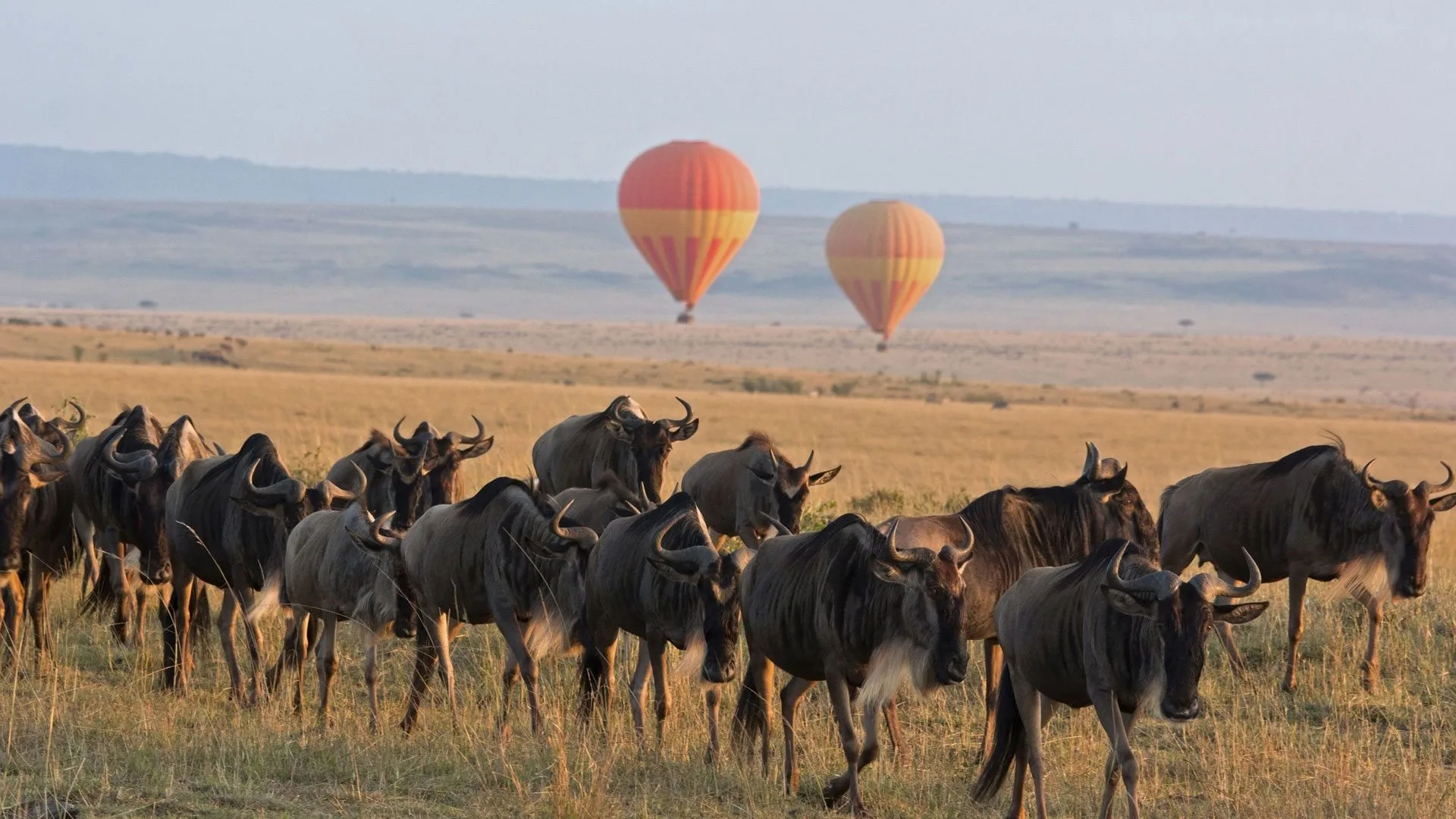
If your safari takes place during a period when migratory herds are present in the Masai Mara, today can concentrate on the Great Wildebeest Migration. Large herds create exceptional photographic opportunities even without river crossings. Potential compositions include:
- Thousands of wildebeest spread across plains.
- Wildebeest beneath dramatic skies.
- Zebra and wildebeest mixed herds.
- Dust clouds.
- Predator-prey interactions.
- Calves and adults moving together.
- Lines of migrating animals.
- Wide panoramic landscape images.
River Crossing Photography
During portions of the migration season, photographers may hope to witness a river crossing. These events are completely natural. Wildebeest may approach a river and wait for several hours before crossing, or they may move away without crossing. For photography, patience is essential. When a crossing occurs, possibilities include:
- Herds descending steep banks.
- Animals entering the water.
- Swimming wildebeest.
- Crocodile interactions.
- Dust and congestion.
- Animals climbing opposite banks.
However, no safari operator can guarantee a river crossing on a specific day or at a specific location. Outside migration months, today's session instead concentrates on the Mara's excellent resident wildlife.
- Destination: Masai Mara
- Photography Focus: Migration or resident plains wildlife
- Accommodation: Same lodge or camp
- Meal Plan: Breakfast, picnic lunch and dinner
Where you stay
-
Day 18: Final Full-Day Masai Mara Photography Safari - Main destination
- Masai Mara National Reserve
- Meals
- Breakfast, Lunch, Dinner
This is your final complete photography day. By now, your guide understands your interests and you know which species or images are still missing from your portfolio. The day can therefore be completely tailored. You may decide to concentrate on: Lions, Leopards, Cheetahs, Elephant families, Hyena behavior, Birds of prey, Giraffes, Wide landscapes, Backlighting, Sunrise silhouettes, Environmental portraits.
Optional Hot-Air Balloon Safari
An optional hot-air balloon safari can be arranged, subject to availability and weather. Ballooning provides a completely different photographic perspective. From above, photographers can capture:
- Patterns created by animal herds.
- Rivers and drainage systems.
- Savannah textures.
- Acacia trees.
- Sunrise landscapes.
- Wildlife moving across open plains.
Photographers should consider lens choice carefully because changing lenses inside a balloon basket may be inconvenient. Return to camp after the day's final evening photography session for dinner and your last night in the African wilderness.
- Destination: Masai Mara
- Photography Focus: Personalized final photography targets
- Accommodation: Same lodge or camp
- Meal Plan: Breakfast, lunch and dinner
Where you stay
-
Day 19: Masai Mara to Nairobi – Departure - Main destination
- Masai Mara National Reserve
- Drive time
- Return transfer as outlined in the itinerary
- Meals
- Breakfast, Lunch
Wake early for one final sunrise photography session if your schedule permits, as some of the safari's most memorable moments can occur during the last drive. After breakfast, leave the Masai Mara and travel back to Nairobi, or fly from a Mara airstrip to Nairobi where appropriate. Upon arrival, transfer to your hotel, restaurant or Jomo Kenyatta International Airport depending on your international flight schedule.
Your 19 Days Kenya Photography Safari concludes after almost three weeks of intensive wildlife and landscape photography across several of Kenya's most photogenic ecosystems.
Main Photography Destinations on the Safari
Samburu National Reserve
Samburu provides one of the strongest visual contrasts on the itinerary. The dry northern landscape is completely different from the lush Rift Valley or grasslands of the Mara. Photographic subjects include: Reticulated giraffes, Grevy's zebras, Elephants, Gerenuks, Beisa oryx, Somali ostriches, Lions, Leopards, Cheetahs, Birds.
The Ewaso Nyiro River creates particularly attractive opportunities for elephant and bird photography.
Ol Pejeta Conservancy
Ol Pejeta is especially important for photographers interested in rhinos and conservation storytelling. The conservancy allows visitors to combine classical wildlife imagery with a deeper understanding of endangered species conservation. The varied landscape also produces opportunities for elephants, lions, giraffes, buffaloes and landscape photographs.
Lake Nakuru National Park
Lake Nakuru combines wildlife and bird photography within a compact park. Rhinos are a particular highlight, while Rothschild's giraffes, buffaloes, birds and woodland scenery provide additional subjects. The lake creates opportunities for wide environmental photographs rather than concentrating exclusively on close wildlife portraits.
Lake Naivasha
Lake Naivasha introduces boat-based photography. From water level, photographers gain a different perspective on hippos and birds. The lake can be particularly rewarding for: African fish eagles, Kingfishers, Cormorants, Pelicans, Herons, Egrets.
Amboseli National Park
Amboseli is arguably Kenya's most famous elephant photography destination. The combination of elephants and Kilimanjaro provides extraordinary environmental portrait possibilities when the mountain is visible. The park is also excellent for: Bird photography, Buffaloes, Zebras, Wildebeest, Giraffes, Lions, Cheetahs, Wetland landscapes.
Masai Mara National Reserve
The Masai Mara is the primary predator-photography destination on this itinerary. Photographic highlights include: Lion prides, Cheetah families, Leopards, Spotted hyenas, Elephants, Giraffes, Wildebeest, Zebras, Topis, Gazelles, Birds of prey, Hippos, Crocodiles.
Multiple days substantially improve the probability of witnessing meaningful behavior.
Where you stay
03 Rates
Safari rates 2027-2029
Indicative per person. Season, group size and lodge style change the total — your quotation confirms current rates.
-
Essential (Budget)
Essential (Budget)
Budget camps and lodges suit travelers who prioritize wildlife while keeping costs lower.
Great value camps
-
Comfort (Mid-range)
Comfort (Mid-range)
Mid-range tented camps and lodges balance comfort and price with private rooms or tents and en-suite facilities.
Quoted for your dates
-
Premium (Luxury)
Premium (Luxury)
Luxury camps and lodges focus on location, service and more intimate wildlife experiences.
Premium camps and lodges
-
Signature (High-end)
Signature (High-end)
Signature camps and lodges are the most exclusive stays — small, highly private properties with exceptional guiding and setting.
Exclusive signature stays
04 Activities
Safari activities
Game viewing is the core of this itinerary. Optional extras are quoted separately and depend on season, permits and availability. Individual species and river crossings are never guaranteed.
-

Included
Dedicated wildlife photography game drives
Included in a typical day on this safari. Exact timing follows the confirmed itinerary.
View activity -
Optional
Hot-air balloon photography over the Masai Mara.
Available at extra cost when conditions, permits and your dates allow. Not guaranteed.
View activity -
Included
Customized routing according to target species and
Included in a typical day on this safari. Exact timing follows the confirmed itinerary.
Additional information
Plan This Safari
Why a Private Vehicle Is Important for Photography
A private safari vehicle is highly recommended for serious photographers. Shared safari vehicles can work for conventional sightseeing, but photographers often have different requirements. A photographer may want to remain beside one animal for an hour, while another guest may want to move on after five minutes. These competing priorities are eliminated with a private vehicle. Private arrangements also provide greater flexibility regarding:
- Sunrise departure.
- Length of sightings.
- Vehicle positioning.
- Lens changes.
- Photography stops.
- Rest periods.
- Lunch timing.
- Subject selection.
For two photographers, limiting the number of passengers can also provide easier movement between both sides of the vehicle.
Photography Safari Vehicle Setup
The exact vehicle varies according to the confirmed safari arrangement, but a photography-oriented vehicle may include:
- Pop-up viewing roof.
- Large side windows.
- Charging points.
- Cooler box.
- Space for camera bags.
- Bean bags or supports.
- Individual seating.
- Communication equipment.
- First-aid equipment.
Photographers carrying very large lenses should inform us in advance. This helps ensure sufficient storage and vehicle space.
Recommended Camera Equipment for a Kenya Photography Safari
The ideal equipment depends on your photography style and experience. A versatile safari setup may include:
Camera Bodies
Bringing two camera bodies is useful. One can remain attached to a long telephoto lens while the other carries a shorter zoom. This reduces the need to change lenses in dusty conditions.
Long Telephoto Lens
A telephoto lens is particularly useful for: Birds, Leopards, Cheetahs, Distant lions, Close wildlife portraits.
Common useful focal ranges include approximately 300mm to 600mm depending on camera format.
Medium Telephoto Zoom
A lens covering approximately 70–200mm or 100–400mm can be extremely versatile. It is useful when elephants, giraffes or other large animals approach the vehicle.
Wide-Angle Lens
Do not carry only long lenses. Wide-angle photography can produce some of the safari's strongest images. Use wider lenses for:
- Kilimanjaro.
- Rift Valley landscapes.
- Dramatic skies.
- Environmental wildlife portraits.
- Camp photography.
- Balloon safari photography.
Bring More Memory Than You Think You Need
Nineteen days of wildlife photography can generate enormous amounts of data. Photographers using high-resolution cameras or shooting bursts during animal behavior may produce thousands of images. Bring sufficient:
- Memory cards.
- External drives.
- Laptop storage.
- Camera batteries.
- Chargers.
- Backup cables.
Whenever possible, maintain at least two copies of important photographs.
Protecting Camera Equipment From Dust
Kenya safari environments can be dusty. Useful precautions include:
- Avoid unnecessary lens changes in the field.
- Carry two camera bodies where practical.
- Keep unused cameras inside closed bags.
- Use a blower rather than touching sensors.
- Protect equipment when vehicles travel rapidly on dusty roads.
- Carry microfiber cloths.
- Keep lens caps readily available.
Bean Bags and Camera Supports
A bean bag is one of the simplest and most useful wildlife photography accessories. It can support heavy telephoto lenses on:
- Vehicle windows.
- Roof openings.
- Side rails.
Bean bags reduce fatigue and improve stability, particularly during long waiting periods. Discuss support arrangements when booking so appropriate options can be prepared.
Best Time for a Kenya Photography Safari
Kenya can be photographed throughout the year. The best period depends on your preferred subject matter.
January to March
These months can provide excellent wildlife photography with relatively dry conditions in many areas. Vegetation may be shorter, helping wildlife visibility.
April and May
The greener season creates:
- Lush landscapes.
- Dramatic clouds.
- Fewer tourist vehicles in some destinations.
- Rich color.
- Interesting reflections.
Rain can make roads more challenging, but photographers may appreciate the visual atmosphere.
June
June can provide attractive green landscapes as the country transitions toward the main dry season.
July to October
This is a popular wildlife photography period. The Masai Mara may receive migratory wildebeest and zebras during parts of these months. Wildlife concentrations around water can also become increasingly productive.
November and December
Short rains can transform landscapes. Fresh vegetation, dramatic skies and newborn animals may provide excellent photographic opportunities.
Great Migration Photography
The Great Wildebeest Migration is one of the world's most photographed wildlife spectacles. If migration photography is your priority, the itinerary can be adjusted to allocate additional nights to the Masai Mara. Photographers should understand that the migration does not follow a precise timetable. Rainfall controls grass growth and water availability, which influence herd movements. Even during periods when wildebeest are present in the Mara, river crossings remain unpredictable. For this reason, additional days are particularly valuable.
Golden-Hour Photography
The first and final hours of daylight are among the most productive periods during the safari. Morning light may produce:
- Warm side lighting.
- Long shadows.
- Mist.
- Silhouettes.
- Predator activity.
- Mountain views when the sky is clear.
Evening light can produce:
- Golden grass.
- Backlighting.
- Dust illumination.
- Silhouettes.
- Colorful sunsets.
The photography itinerary prioritizes these periods whenever park regulations and logistics permit.
Backlit Wildlife Photography
Dusty Kenya landscapes can produce spectacular backlit photographs. When the sun is low and animals move through dust, the particles can glow around their outlines. Elephants are especially suitable for this technique. The photographer can deliberately underexpose slightly to create dramatic silhouettes while retaining illuminated dust and sky.
Bird Photography in Kenya
Although the safari is centered on mammals, Kenya is exceptional for bird photography. Possible subjects include: African fish eagle, Lilac-breasted roller, Secretary bird, Martial eagle, Crowned crane, Hornbills, Bee-eaters, Kingfishers, Vultures, Pelicans, Flamingos, Storks, Herons.
A longer lens is especially valuable for bird photography.
Photography Ethics
Wildlife welfare should always take priority over obtaining a photograph. Responsible photography practices include:
- Never encouraging a guide to chase wildlife.
- Avoiding excessive pressure around predators.
- Maintaining respectful distances.
- Following reserve regulations.
- Never feeding wildlife.
- Avoiding unnecessary noise.
- Never blocking an animal's escape route.
- Respecting limits on vehicles around sensitive sightings.
- Avoiding flash where inappropriate.
The strongest wildlife photographs come from observing natural behavior rather than disturbing it.
Photography Safari for Beginners
You do not need to be a professional photographer to join the safari. Beginners can benefit greatly from spending more time with animals. Because the vehicle is not constantly rushing between sightings, photographers have opportunities to experiment with:
- Shutter speed.
- Aperture.
- ISO.
- Exposure compensation.
- Autofocus modes.
- Composition.
- Backlighting.
- Panning.
- Silhouettes.
Even smartphone photographers can enjoy the safari, although interchangeable-lens cameras provide greater flexibility for distant wildlife.
Photography Safari for Professional Photographers
Professional photographers may request additional customization. Options can include:
- Exclusive vehicle use.
- One photographer per seat row.
- Specific camps.
- Longer stays in predator territories.
- Private conservancy accommodation.
- Specialist photographic guides.
- Additional luggage arrangements.
- Domestic charter flights.
- Dedicated bird photography.
- Particular species targets.
Provide details of your photographic objectives during booking so the itinerary can be optimized accordingly.
Accommodation for the 19 Days Kenya Photography Safari
Accommodation can be arranged in different categories.
Mid-Range
A mid-range photography safari provides comfortable lodges and tented camps with good access to wildlife areas. Typical facilities may include:
- Ensuite bathroom.
- Comfortable beds.
- Restaurant.
- Electricity.
- Charging facilities.
- Lounge areas.
- Wi-Fi at selected properties.
Luxury
Luxury camps may provide better locations, smaller guest numbers and more personalized service. Possible features include:
- Spacious safari tents.
- Private verandas.
- Premium wildlife locations.
- Swimming pools.
- Fine dining.
- Spa services.
- Private activities.
- Enhanced photography access.
High-End Photography Safari
A specialist high-end version can combine boutique properties, fly-in transfers and private conservancies. The objective is to maximize photography time while reducing lengthy road transfers.
19 Days Kenya Photography Safari Cost
The price of a 19 Days Kenya Photography Safari varies considerably according to:
- Travel season.
- Number of travelers.
- Accommodation category.
- Private vehicle requirements.
- Domestic flights.
- Park and conservancy fees.
- Optional activities.
- Specialist photographic guide requirements.
- Number of single rooms.
- Selected conservancies.
A private two-person photography safari usually costs more per traveler than a larger group safari because vehicle expenses are divided between fewer guests. However, private use of the vehicle delivers substantial photographic benefits. Contact us with your travel dates, group size and preferred accommodation standard for an accurate quotation.
Typical Safari Inclusions
Depending on your confirmed package, inclusions may cover:
- Airport transfers.
- Private 4x4 safari vehicle.
- Professional safari driver-guide.
- Accommodation.
- Meals according to the itinerary.
- Park entrance fees specified in the quotation.
- Conservancy fees where specifically included.
- Game drives.
- Bottled drinking water during safari drives.
- Photography-focused vehicle arrangements.
- Government taxes applicable to confirmed services.
Your final quotation provides the definitive list.
Typical Safari Exclusions
Unless specifically stated, exclusions may include:
- International flights.
- Travel authorization or visa-related costs where applicable.
- Travel insurance.
- Personal medical expenses.
- Alcoholic drinks.
- Premium beverages.
- Laundry.
- Tips.
- Optional balloon safari.
- Optional boat trips.
- Specialist conservation experiences.
- Additional domestic flights.
- Personal photography equipment.
- Excess baggage fees.
- Activities not included in the confirmed program.
What to Pack for a 19-Day Photography Safari
In addition to photography equipment, useful items include:
- Neutral-colored safari clothing.
- Long-sleeved shirts.
- Lightweight trousers.
- Warm jacket or fleece.
- Rain jacket.
- Hat.
- Sunglasses.
- Sunscreen.
- Comfortable shoes.
- Insect repellent.
- Personal medication.
- Reusable water bottle where appropriate.
- Binoculars.
- Power bank.
- Universal adapters.
- Small flashlight.
- Dry bags or protective camera covers.
Morning game drives can be unexpectedly cold, particularly in open safari vehicles or higher-altitude areas. Layered clothing is therefore recommended.
Can the 19 Days Kenya Photography Safari Be Customized?
Yes. The 19 Days Kenya Photography Safari is fully customizable, and professional photographers can also provide a target-species list before travel. Possible modifications include:
- Adding more Masai Mara nights.
- Spending more time in Amboseli.
- Adding Tsavo East.
- Adding Tsavo West.
- Adding Lewa Wildlife Conservancy.
- Adding Laikipia.
- Adding Meru National Park.
- Adding private Mara conservancies.
- Adding a dedicated bird-photography section.
- Adding Diani Beach.
- Adding Tanzania's Serengeti.
- Adding Ngorongoro Crater.
- Adding Zanzibar.
- Replacing road transfers with flights.
- Upgrading accommodation.
- Adding a specialist photography guide.
Optional Tanzania Photography Extension
Travelers with additional time can combine Kenya with Tanzania. Combining Kenya and Tanzania can create one of Africa's most comprehensive wildlife photography journeys. Popular extensions include:
- Serengeti National Park.
- Ngorongoro Crater.
- Tarangire National Park.
- Lake Manyara.
- Ndutu during the calving season.
Optional Beach Extension
After nineteen days of early starts and long photography sessions, many guests choose several days on the Indian Ocean coast. A beach extension creates time to relax, process photographs and recover before flying home. Popular options include:
- Diani Beach.
- Watamu.
- Malindi.
- Mombasa.
- Zanzibar.
Why Book a 19 Days Kenya Photography Safari?
An exceptional wildlife photograph rarely results from rushing. It comes from understanding light, anticipating animal behavior, choosing the right position and then waiting. The 19 Days Kenya Photography Safari provides the one resource wildlife photographers need most: time.
- Time to return to the same elephant family.
- Time to wait for Kilimanjaro to emerge from cloud.
- Time to follow a cheetah across the plains.
- Time to watch lion cubs interact.
- Time to sit beside a leopard without immediately moving to another sighting.
- Time to photograph birds from a boat.
- Time to wait for a herd to enter exactly the right light.
- Time to experience Kenya rather than simply drive through it.
From the dramatic dry landscapes of Samburu and the conservation areas of Ol Pejeta to the Rift Valley, the elephant plains of Amboseli and the predator-rich grasslands of the Masai Mara, this journey provides extraordinary photographic diversity. Each destination contributes something different to the final portfolio. Samburu provides shape, texture and distinctive species, and Ol Pejeta contributes conservation and rhinos. Lake Nakuru adds lake environments and birdlife, Naivasha introduces water-level photography, Amboseli offers elephant photography and Kilimanjaro when the mountain is clear, and the Masai Mara provides predators, dramatic behavior and classic East African savannah.
The result is not simply a nineteen-day holiday. It is a carefully paced Kenya wildlife photography expedition designed to give photographers repeated opportunities to create images that communicate behavior, environment, atmosphere and the remarkable diversity of Kenya's wildlife.
Book Your 19 Days Kenya Photography Safari
Contact Safari Trips to Kenya to customize your 19 Days Kenya Photography Safari. Tell us:
- Your preferred travel dates.
- Number of travelers.
- Number of photographers.
- Accommodation preference.
- Camera equipment you intend to carry.
- Whether you prefer road or fly-in transfers.
- Your most important target species.
- Whether the Great Migration is a priority.
- Whether you require a private photography vehicle.
- Whether you want a beach or Tanzania extension.
We can then design a photography-focused safari around your priorities and provide a detailed quotation for your chosen travel period. Plan your 19 Days Kenya Photography Safari and spend nearly three weeks among areas known for elephants, rhinos, lions, leopards, cheetahs, giraffes, birds and spectacular landscapes. Species, river crossings, mountain views and balloon flights are never guaranteed.
Planning Questions
Frequently Asked Questions
Is this safari only for professional photographers?
No. The safari is suitable for professionals, enthusiastic amateurs, beginners and travelers who simply enjoy taking wildlife photographs.
Do I need an expensive camera?
No. Better equipment can expand creative possibilities, but knowledge of light, behavior and composition is equally important.
Is a private vehicle recommended?
Yes. Private vehicle use is one of the most valuable upgrades for serious photography because you control the duration and positioning of sightings.
How many photographers should share one vehicle?
For maximum comfort, fewer photographers are preferable. Two to four photographers normally have much greater freedom to move between viewing positions than a completely full vehicle.
Can I bring a 600mm lens?
Yes. Large telephoto lenses are widely used for wildlife photography. Inform us beforehand so appropriate vehicle space and luggage arrangements can be considered.
Should I bring two camera bodies?
Two bodies are highly recommended when possible. One can carry a long telephoto lens while another carries a shorter zoom.
Do I need a tripod?
Tripods are often difficult to use inside safari vehicles. Bean bags and vehicle-mounted supports are generally more practical. A monopod may also be useful depending on the vehicle configuration.
Can I photograph lions and cheetahs?
Yes. The Masai Mara provides excellent habitat for both species. Sightings remain natural and therefore cannot be guaranteed.
Can I photograph leopards?
Yes. Samburu and the Masai Mara can provide excellent leopard opportunities, although leopards are naturally secretive.
Are elephants included?
Yes. Amboseli and Samburu are particularly important elephant photography destinations.
Can I photograph rhinos?
Yes. Ol Pejeta Conservancy and Lake Nakuru are included partly because they offer important rhino-viewing opportunities.
Can I photograph Mount Kilimanjaro?
Amboseli provides exceptional views of Kilimanjaro when weather conditions are clear. Early mornings are often particularly productive.
Does the safari include the Great Migration?
The Masai Mara section can coincide with the Great Wildebeest Migration during appropriate months. Migration timing changes according to natural conditions.
Are river crossings guaranteed?
No. River crossings are completely unpredictable natural events. Additional days in the migration area improve opportunities but never provide a guarantee.
Can I photograph birds?
Absolutely. Kenya is outstanding for bird photography, and several destinations on this itinerary provide excellent opportunities.
Can I charge batteries at the lodges?
Most established safari accommodation provides charging facilities, although electricity schedules vary. Carry spare batteries whenever possible.
Should I bring a laptop?
A laptop is useful for image backups, particularly during a nineteen-day safari.
Is internet available?
Many lodges provide Wi-Fi in selected areas, but connection quality can be inconsistent in remote wildlife regions. Do not depend on continuous high-speed internet.
Can domestic flights be added?
Yes. Flights can reduce road-transfer time and provide additional hours for photography.
Can the safari start on any date?
Private departures can generally be arranged throughout the year, subject to accommodation availability and operational considerations.
05 Request Quote
Request Quote
Tell us your dates, group size, and preferred lodge style — we will send a tailored quote for this safari.
Want to extend your safari?
Add Amboseli, Diani Beach, Tanzania and Zanzibar, or gorilla trekking in Uganda or Rwanda — we tailor the journey to your dates.