
18 DAYS / 17 NIGHTS
18 Days Kenya Wildlife Safari
Experience an 18 Days Kenya Wildlife Safari exploring Kenya’s diverse parks, Big Five habitats, Samburu wildlife, Amboseli elephants and the Masai Mara.
- Wildlife Safari Private Journey
- Private Safari 4x4 Vehicle
- Expert Guide English Speaking
- All Meals Breakfast, Lunch, Dinner
- 24/7 Support We're here to help
01 Overview
Safari Overview
- Duration 18 days / 17 nights
- Destination Kenya
- Starts / ends Nairobi
- Safari style Private safari
- Accommodation Essential · Comfort · Premium · Signature
- Best for Wildlife viewing, photography
18 Days Kenya Wildlife Safari
An 18 Days Kenya Wildlife Safari is an extensive journey created for travelers who want wildlife to remain the central focus of their Kenya holiday. Rather than concentrating on only two or three famous parks, eighteen days provides enough time to explore several contrasting ecosystems, spend multiple nights in the most productive wildlife areas and search for both Kenya's famous large mammals and some of the country's more specialized species.
The safari can take you from the dry northern landscapes of Samburu to the rhino conservation areas of central Kenya, through the Great Rift Valley and onward to the elephant-rich plains of Amboseli National Park before finishing with several wildlife-intensive days in the legendary Masai Mara.
This geographical diversity is important. Kenya's wildlife is not distributed evenly across the country. Different habitats support different species. The animals you encounter in Samburu may differ considerably from those found around the Rift Valley lakes. Amboseli's wetlands create unusually productive elephant habitat, while the Masai Mara's grasslands support some of Africa's most famous predator populations. An eighteen-day itinerary therefore allows you to experience Kenya as a collection of interconnected but remarkably different ecosystems.
Potential wildlife highlights include the following, although sightings cannot be guaranteed:
- African elephants
- Lions
- Leopards
- Cheetahs
- Black rhinos
- White rhinos
- African buffaloes
- Reticulated giraffes
- Masai giraffes
- Grevy's zebras
- Plains zebras
- Gerenuk
- Beisa oryx
- Wildebeest
- Hippopotamuses
- Nile crocodiles
- Spotted hyenas
- Jackals
- Elands
- Topis
- Impalas
- Gazelles
- Waterbucks
- Warthogs
- Baboons
- Vervet monkeys
The safari also offers exceptional birdwatching opportunities because the route crosses dry northern country, rivers, wetlands, freshwater lakes, woodland and open savannah.
For travelers visiting during the appropriate period, the final Masai Mara section may coincide with large concentrations of wildebeest and zebras associated with the Great Wildebeest Migration. However, the migration is only one component of the experience. This itinerary is designed primarily as a Kenya wildlife safari, meaning that elephants, predators, rhinos, giraffes, antelopes, birds, conservation landscapes and animal behavior remain important regardless of the month in which you travel.
18 Days Kenya Wildlife Safari at a Glance
A wildlife-focused itinerary can follow:
- Day 1: Arrival in Nairobi – Welcome to Kenya
- Day 2: Nairobi to Samburu
- Day 3: Full-Day Samburu Wildlife Safari
- Day 4: Samburu Special Five and Predator Safari
- Day 5: Second Full Day Exploring Samburu
- Day 6: Samburu to Ol Pejeta Conservancy
- Day 7: Full-Day Ol Pejeta Rhino Safari
- Day 8: Ol Pejeta Wildlife and Conservation Experiences
- Day 9: Ol Pejeta to Lake Nakuru National Park
- Day 10: Lake Nakuru Wildlife Safari – Transfer to Lake Naivasha
- Day 11: Lake Naivasha Boat Safari and Rift Valley Wildlife
- Day 12: Lake Naivasha to Amboseli National Park
- Day 13: Full-Day Amboseli Elephant Safari
- Day 14: Amboseli to Masai Mara
- Day 15: Full-Day Masai Mara Big-Cat Safari
- Day 16: Second Full Day in the Masai Mara
- Day 17: Great Migration, Predators and Final Mara Wildlife Safari
- Day 18: Masai Mara to Nairobi – Departure
This route can be modified according to season and wildlife interests. Travelers especially interested in elephants can increase Amboseli time. Photographers can allocate additional nights to the Masai Mara. Rhino enthusiasts can retain more time at Ol Pejeta, while travelers interested in northern specialty species can spend additional time in Samburu.
Why Choose an 18 Days Kenya Wildlife Safari?
The biggest advantage is time in the field. Wildlife viewing improves when you are not forced to rush, because animals do not appear according to an itinerary: a leopard may remain hidden, a lion pride may sleep throughout an entire afternoon, elephants may move away from the roads and cheetahs may spend hours resting before becoming active. Weather may also change your experience. A cloudy morning in Amboseli can hide Kilimanjaro completely, while the following morning may produce perfect visibility, so spending multiple nights in major wildlife areas gives you repeated opportunities.
A Safari Designed Around Wildlife Rather Than Hotels
The purpose of this itinerary is not simply to move between attractive lodges. Accommodation matters, but wildlife access matters more. Properties should therefore be selected according to factors such as:
- Location
- Access to productive wildlife areas
- Game-drive flexibility
- Guiding quality
- Conservancy access
- Distance from park gates
- Seasonal wildlife distribution
This can substantially improve the experience.
Excellent Big Five Opportunities
The itinerary crosses habitats supporting all members of the famous Big Five:
- Lion
- Leopard
- Elephant
- Rhino
- African buffalo
Ol Pejeta strengthens the rhino component. Amboseli is especially important for elephants. The Masai Mara provides outstanding predator opportunities. However, no responsible safari should guarantee that every species will be seen. Wildlife remains wild and free-ranging.
Northern Kenya Specialty Wildlife
Samburu makes this itinerary especially diverse because northern Kenya supports animals that may be absent or considerably less common farther south. These include:
- Reticulated giraffe
- Grevy's zebra
- Gerenuk
- Beisa oryx
- Somali ostrich
These species are sometimes collectively associated with Samburu's famous Special Five. Their inclusion means the safari extends far beyond the standard Big Five checklist, although individual sightings can never be guaranteed.
Itinerary
- Day 1: Arrival in Nairobi, welcome to Kenya
- Day 2: Nairobi to Samburu
- Day 3: Samburu Wildlife Safari
- Day 4: Samburu Special Five and Predator Safari
- Day 5: Second Full Day Exploring Samburu
- Day 6: Samburu to Ol Pejeta
- Day 7: Ol Pejeta Rhino Safari
- Day 8: Ol Pejeta Wildlife and Conservation Experiences
- Day 9: Ol Pejeta to Lake Nakuru
- Day 10: Lake Nakuru Wildlife Safari – Lake Naivasha
- Day 11: Lake Naivasha Boat Safari and Rift Valley Wildlife
- Day 12: Lake Naivasha to Amboseli
- Day 13: Amboseli Elephant Safari
- Day 14: Amboseli to Masai Mara
- Day 15: Masai Mara Big-Cat Safari
- Day 16: Second Full Day in the Masai Mara
- Day 17: Great Migration, Predators and Final Mara Wildlife Safari
- Day 18: Morning game drive – return to Nairobi
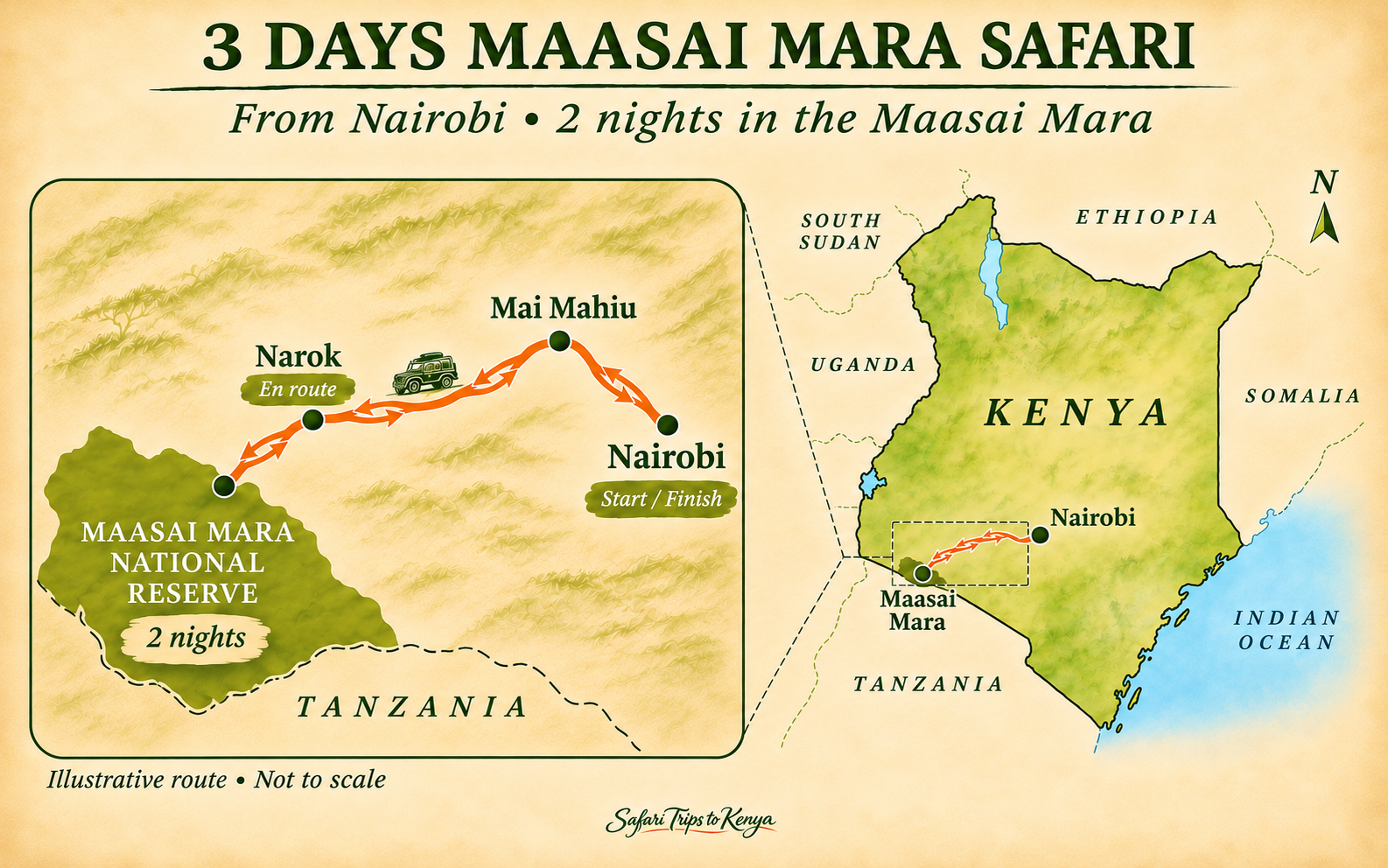
02 Itinerary
18 Days Kenya Wildlife Safari: Detailed Itinerary
-

Day 1: Arrival in Nairobi – Welcome to Kenya - Main destination
- Masai Mara National Reserve
- Drive time
- Road transfer as outlined in the itinerary
- Meals
- Lunch, Dinner
Your 18 Days Kenya Wildlife Safari begins at Jomo Kenyatta International Airport in Nairobi. After completing immigration procedures and collecting your luggage, proceed into the arrivals area where your representative will be waiting. You will be transferred privately to your Nairobi hotel.
The first day is deliberately uncomplicated. After a long international journey, most travelers benefit from resting before beginning the safari. Check into your room and settle in, and depending on your arrival time, enjoy lunch or dinner. Guests arriving early may choose to add selected Nairobi wildlife experiences, although these should remain optional.
Later, meet your safari representative or driver-guide for a comprehensive briefing. Discuss:
- Safari route
- Wildlife priorities
- Game-drive schedules
- Road conditions
- Domestic flights where included
- National park procedures
- Photography
- Birdwatching
- Accommodation
- Meals
- Drinking water
- Optional activities
If you have particular species you hope to see, mention them now so your guide can consider these priorities throughout the journey.
Destination: Nairobi
Main experience: Arrival and safari briefing
Accommodation: Nairobi hotel
Meals: According to arrival time and package
Where you stay
-
Essential (Budget)
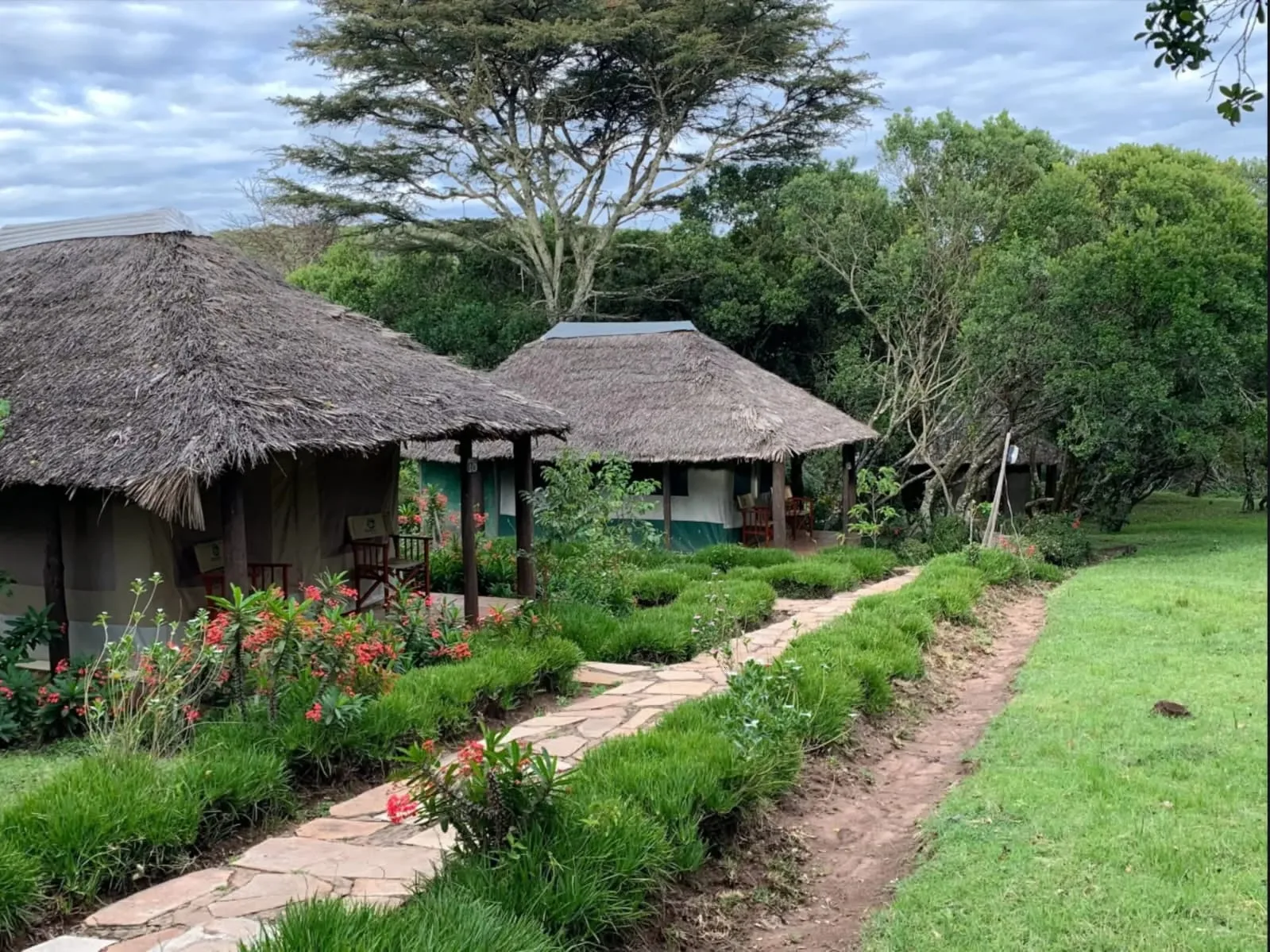
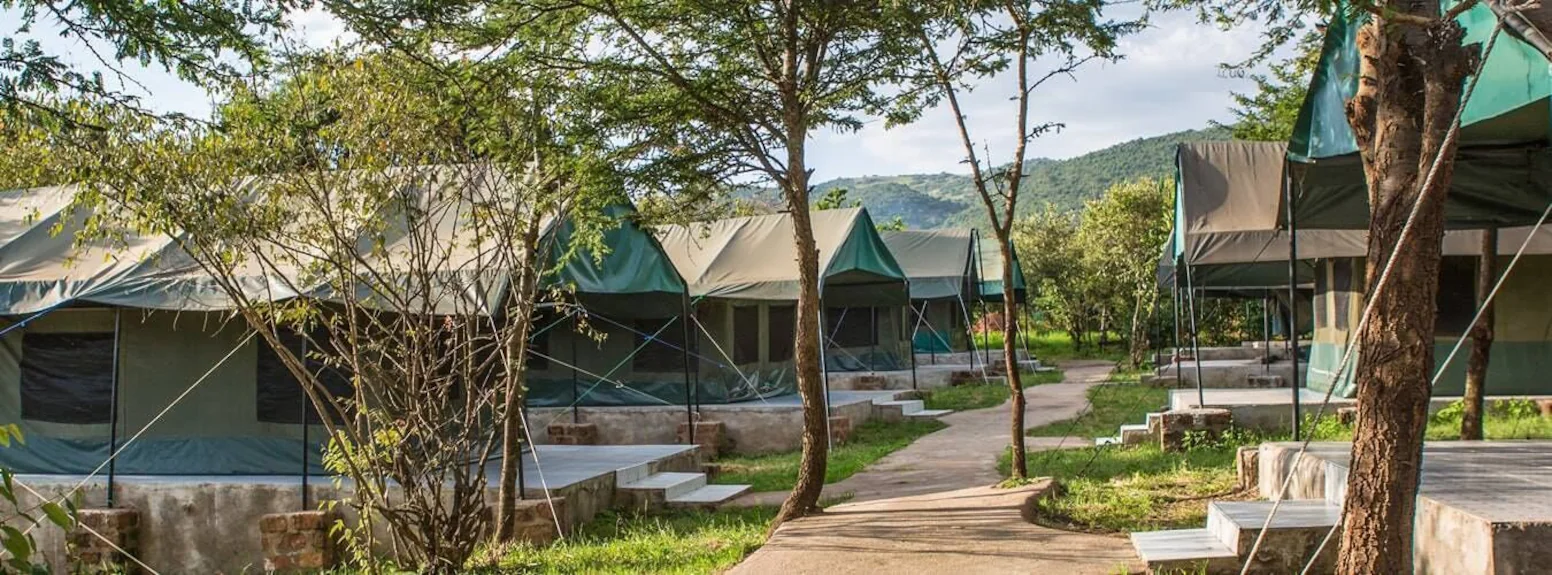
-
Comfort (Mid-range)
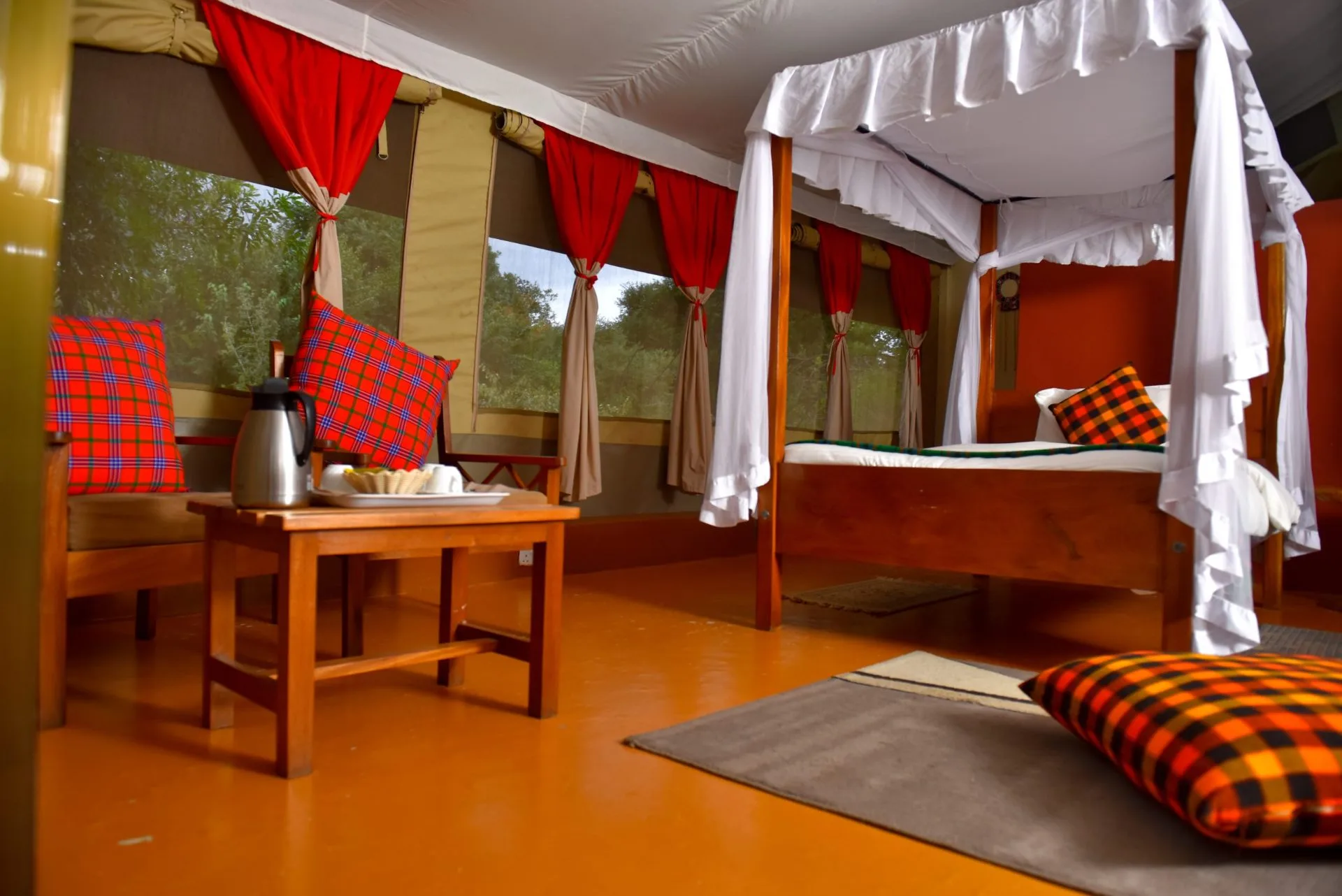
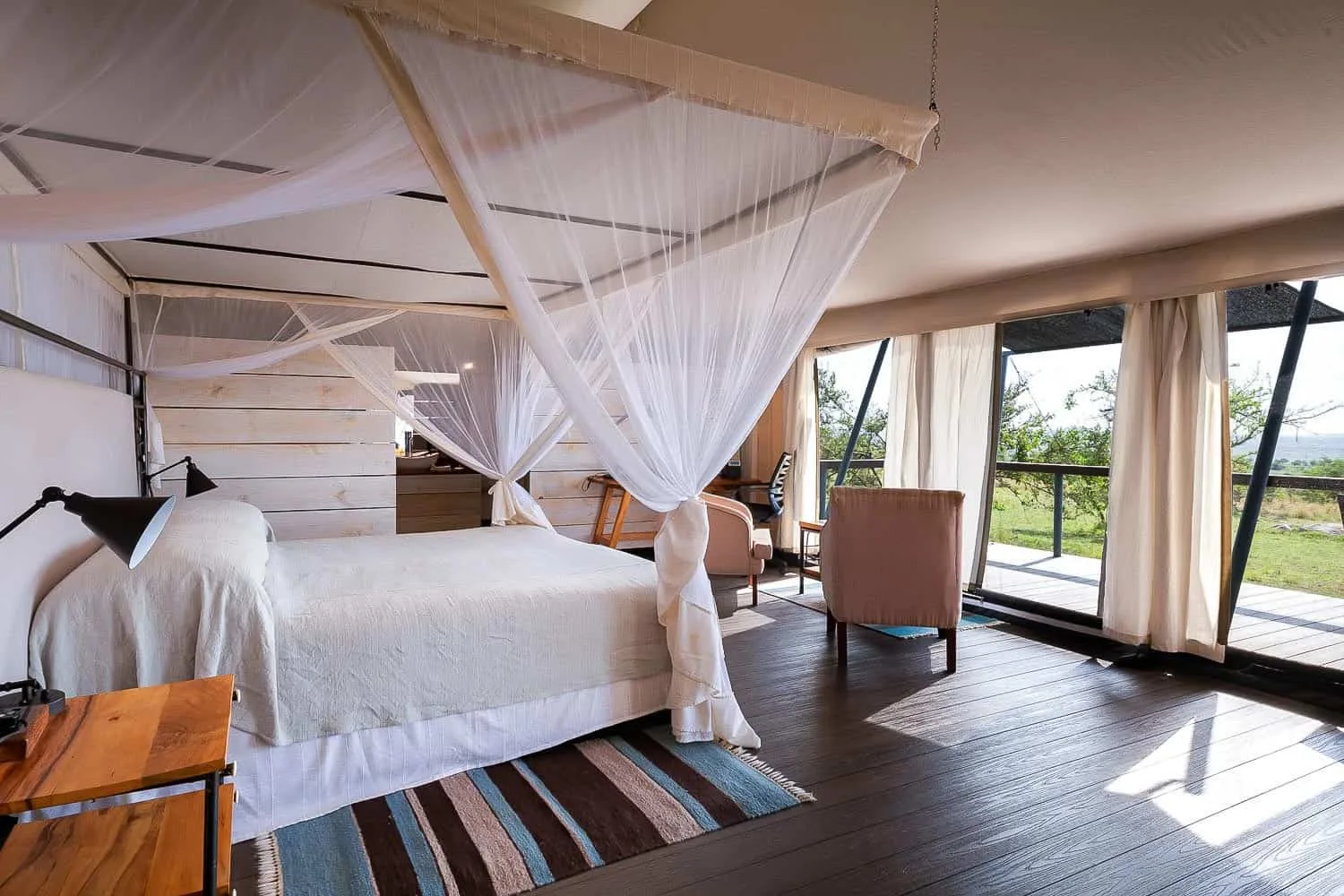
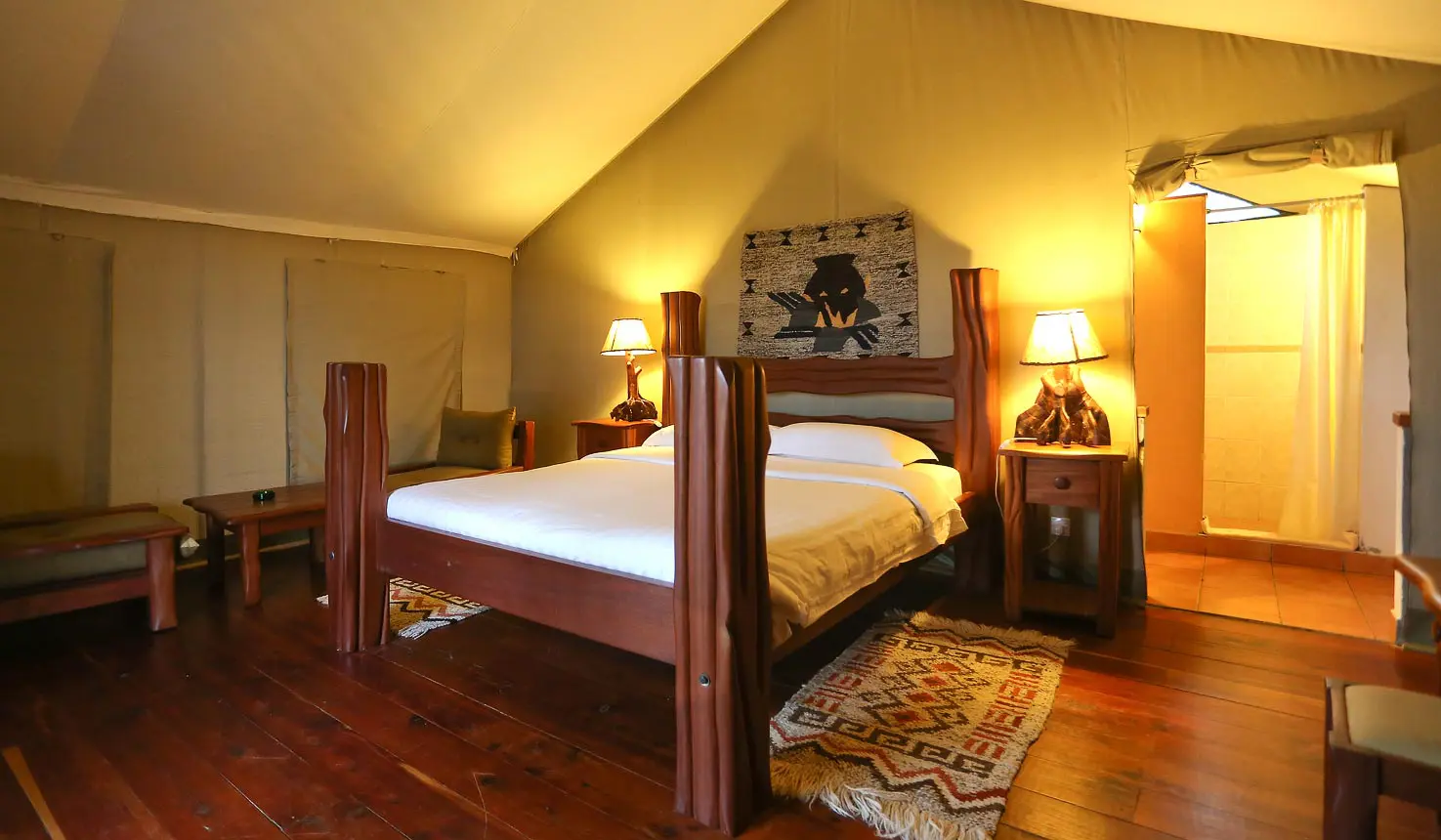
-
Premium (Luxury)
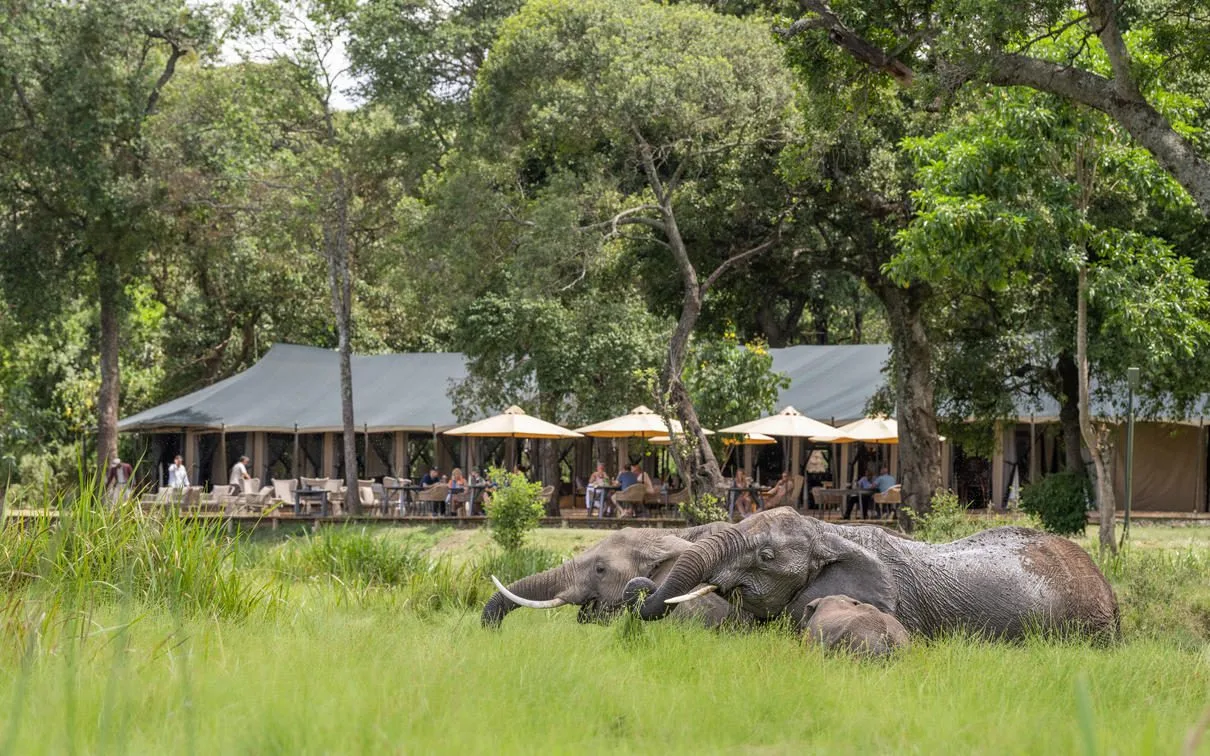
-
Signature (High-end)
-
Day 2: Nairobi to Samburu - Main destination
- Masai Mara National Reserve
- Meals
- Breakfast, Lunch, Dinner
After breakfast, leave Nairobi and travel north toward Samburu. Depending on your selected safari style, you can travel by road or domestic flight. A road journey provides a gradual introduction to Kenya's changing geography. As you travel north, landscapes become increasingly dry and rugged before you enter the wider Samburu ecosystem.
The Ewaso Nyiro River is central to wildlife survival here. Riverine vegetation creates an important wildlife corridor through otherwise dry country. Arrive at your lodge or tented camp, check in and have lunch.
Later, begin your first dedicated game drive. The differences between Samburu and southern Kenya may immediately become obvious. Look for reticulated giraffes with their distinctive geometric patterns, Grevy's zebras with their narrow stripes and large rounded ears, and gerenuk, which may stand upright on their hind legs while browsing. Elephants frequently move toward the river. Predators can include: Lions, Leopards, Cheetahs, Spotted hyenas.
Sightings cannot be guaranteed. Continue exploring until late afternoon, then return to your accommodation for dinner.
Destination: Samburu
Main experiences: Northern Kenya landscapes and introductory wildlife safari
Accommodation: Safari lodge or tented camp
Meals: Breakfast, lunch and dinner
Where you stay
-
Day 3: Full-Day Samburu Wildlife Safari - Main destination
- Masai Mara National Reserve
- Meals
- Breakfast, Lunch, Dinner
Wake early and begin exploring while temperatures remain cool. Morning can be particularly productive for predators. Lions may still be moving after nocturnal activity, leopards sometimes use the riverine woodland, and cheetahs may be found in more open terrain, although none can be guaranteed. Your guide will search for tracks and signs of recent animal movement.
The river is likely to become a major focus, as elephants often approach water during the day. Watching an elephant family around the river can provide much more than a simple sighting. Spend time observing:
- Calves interacting with adults
- Elephants drinking
- Dust bathing
- Social greetings
- Family movement
- Protective behavior
- Bulls approaching water
Return to camp during midday or continue with a longer game drive according to wildlife activity. Have lunch and rest. Later, return to the reserve, as the late afternoon provides softer light and cooler temperatures. Giraffes, zebras and antelopes may become more active. Continue searching for predators until the end of the game drive.
Where you stay
-
Day 4: Samburu Special Five and Predator Safari - Main destination
- Masai Mara National Reserve
- Meals
- Breakfast, Lunch, Dinner
Today concentrate more heavily on species associated with northern Kenya.
Reticulated Giraffe
The reticulated giraffe is one of Samburu's most visually distinctive animals. Its coat consists of sharply defined brown patches separated by pale lines. Spend time photographing giraffes against Samburu's rugged scenery rather than always seeking close portraits.
Grevy's Zebra
Grevy's zebra is larger than the plains zebra. Its stripes are narrower and more numerous, and its large ears are another useful identification feature. Seeing Grevy's zebra is especially significant because the species has a restricted distribution.
Gerenuk
The gerenuk is one of the most unusual antelopes encountered on a Kenya safari. Its elongated neck allows it to browse higher vegetation, and it may stand upright on its hind legs to reach leaves.
Beisa Oryx
The oryx is beautifully adapted to dry environments. Its long straight horns make it particularly distinctive.
Somali Ostrich
The Somali ostrich can also be encountered within northern Kenya's dry landscapes.
The day's game drives should not focus exclusively on these species. Continue searching for: Elephants, Lions, Leopards, Cheetahs, Hyenas, Jackals, Baboons, Birds.
Return to camp during the warmest part of the day. After lunch and rest, continue with another afternoon drive.
Where you stay
-
Day 5: Second Full Day Exploring Samburu - Main destination
- Masai Mara National Reserve
- Meals
- Breakfast, Lunch, Dinner
A third wildlife day in Samburu provides freedom to revisit productive areas. By now, your guide has a clearer understanding of your interests. If you are especially interested in leopards, more time can be spent around riverine woodland. If elephants are the priority, focus on water and movement corridors. If photography is important, the route can emphasize favorable light and environmental backgrounds.
Birdwatching should also receive more attention today, as dry northern Kenya supports numerous interesting species. Potential birds include: Hornbills, Eagles, Vultures, Bee-eaters, Kingfishers, Bustards, Starlings, Weavers.
Spend time observing ecological relationships. Vultures circling may indicate feeding activity, alarm calls can reveal predators, and antelopes staring intensely in one direction may be watching a lion, leopard or cheetah. Learning to interpret these signs makes wildlife viewing far more engaging. Return to camp for your final Samburu evening.
Where you stay
-
Day 6: Samburu to Ol Pejeta Conservancy - Main destination
- Masai Mara National Reserve
- Meals
- Breakfast, Lunch, Dinner
After breakfast, leave Samburu and travel toward Ol Pejeta Conservancy. The transition between northern Kenya and the central highlands introduces another dramatic environmental change. Ol Pejeta is one of Kenya's most important wildlife conservation areas, and it is especially famous for rhinos.
Arrive at your accommodation and have lunch. Later, begin an introductory game drive. Both black and white rhinos may be encountered. Other wildlife can include: Elephants, Lions, Buffaloes, Giraffes, Zebras, Hyenas, Jackals, Warthogs, Antelopes.
The destination provides an opportunity to connect wildlife viewing with conservation. Your guide can explain the challenges associated with protecting threatened animals. Return to camp for dinner.
Destination: Ol Pejeta Conservancy
Main experiences: Rhino conservation and general wildlife safari
Accommodation: Conservancy lodge or tented camp
Meals: Breakfast, lunch and dinner
Where you stay
-
Day 7: Full-Day Ol Pejeta Rhino Safari - Main destination
- Masai Mara National Reserve
- Meals
- Breakfast, Lunch, Dinner
Wake early and begin searching for rhinos. The conservancy protects both African rhino species.
White Rhinos
White rhinos are primarily grazers, and their broad mouths are adapted to feeding on grass. They may be encountered in open areas where visibility is relatively good.
Black Rhinos
Black rhinos are browsers, and their pointed upper lips help them feed on shrubs and woody vegetation. They may use thicker habitat and can be more difficult to locate.
Observe rhinos quietly and follow your guide's instructions. These encounters provide an opportunity to discuss the enormous conservation challenges facing rhinos. Protection can require:
- Anti-poaching patrols
- Security
- Monitoring
- Veterinary intervention
- Habitat management
- Research
- Community involvement
- Tourism revenue
Continue searching for other wildlife. Ol Pejeta is a complete wildlife destination rather than simply a rhino sanctuary, and lions, elephants, buffaloes and numerous herbivores can all be encountered. Return to the lodge around midday, have lunch and rest. Later, take another game drive.
Where you stay
-
Day 8: Ol Pejeta Wildlife and Conservation Experiences - Main destination
- Masai Mara National Reserve
- Meals
- Breakfast, Lunch, Dinner
Today allows more time to explore the conservancy beyond rhinos. Begin with an early wildlife drive and look for predators. Lion movements can change overnight, spotted hyenas may be encountered around feeding areas, and jackals can also be present. Elephants move through the landscape in family groups and individually.
If walking activities are available through your selected accommodation and current conservancy regulations, a guided walk can be incorporated. Walking changes your perspective. Instead of focusing only on large mammals, you begin noticing:
- Tracks
- Dung
- Feeding signs
- Plants
- Insects
- Bird calls
- Territorial markings
Return to your accommodation during midday. The afternoon can include another game drive or a slower conservation-focused experience. This additional day improves the chances of meaningful rhino observations without turning the destination into a rushed stop.
Where you stay
-
Day 9: Ol Pejeta to Lake Nakuru National Park - Main destination
- Masai Mara National Reserve
- Meals
- Breakfast, Lunch, Dinner
After breakfast, leave Ol Pejeta and travel toward the Great Rift Valley. Today's destination is Lake Nakuru National Park. The park contains several habitats within a relatively compact area. These include:
- Lake
- Grassland
- Woodland
- Wetland
- Acacia habitat
- Rocky escarpments
Lake Nakuru became famous internationally for flamingos. Their numbers vary according to changing ecological conditions, so visitors should appreciate the park's entire wildlife community rather than expecting one particular bird spectacle.
The park is another important rhino destination, and both black and white rhinos may be present. Other wildlife includes: Buffaloes, Giraffes, Waterbucks, Zebras, Baboons, Warthogs, Lions, Leopards, Antelopes.
Begin exploring after arrival. Your guide will search both open areas and woodland. Return to your lodge or camp for dinner.
Destination: Lake Nakuru National Park
Main experiences: Rift Valley wildlife, rhinos and birdwatching
Accommodation: Safari lodge or camp
Meals: Breakfast, lunch and dinner
Where you stay
-
Day 10: Lake Nakuru Wildlife Safari – Transfer to Lake Naivasha - Main destination
- Masai Mara National Reserve
- Meals
- Breakfast, Lunch, Dinner
Wake early and return to Lake Nakuru. Morning provides another opportunity to search for rhinos. Buffaloes may gather in large groups, giraffes can be particularly beautiful when moving through woodland, and baboons are common in selected areas.
Predators require more patience. Lions may occasionally be encountered, while leopards are considerably more elusive. Birdwatchers should watch the shoreline, woodland and grassland carefully.
After the game drive, return for breakfast and leave for Lake Naivasha. The relatively short transfer allows a more relaxed afternoon. Arrive at your lakeside lodge and have lunch. Spend the remainder of the day resting or birdwatching around the property.
Hippos may leave the water after dark to graze, so always follow lodge instructions when moving around at night.
Destination: Lake Naivasha
Main experiences: Lake Nakuru wildlife and Rift Valley transfer
Accommodation: Lakeside lodge
Meals: Breakfast, lunch and dinner
Where you stay
-
Day 11: Lake Naivasha Boat Safari and Rift Valley Wildlife - Main destination
- Masai Mara National Reserve
- Meals
- Breakfast, Lunch, Dinner
After breakfast, board a boat for a safari on Lake Naivasha. The experience provides a welcome break from vehicle-based wildlife viewing. Hippos are among the principal attractions. They often remain partly submerged during daylight, so maintain responsible distance and follow the boat operator's instructions.
Lake Naivasha is particularly important for birds. Potential sightings include: African fish eagle, Pied kingfisher, Malachite kingfisher, Pelicans, Cormorants, Herons, Egrets, Ducks, Geese, Waders.
Fish eagles are particularly characteristic of the lake, and their distinctive calls can be heard across the water.
Depending on your itinerary, the boat safari may be combined with a guided walking experience at Crescent Island or another suitable area. This provides an opportunity to observe selected herbivores from ground level. Return to your lodge later and spend the afternoon relaxing.
Where you stay
-
Day 12: Lake Naivasha to Amboseli National Park - Main destination
- Masai Mara National Reserve
- Meals
- Breakfast, Lunch, Dinner
After breakfast, leave the Rift Valley and travel toward Amboseli National Park. This is another important transition in the safari. As you approach southern Kenya, the landscape becomes increasingly open and dry. When weather permits, Mount Kilimanjaro begins appearing in the distance.
Arrive at your lodge or tented camp and have lunch. Later, begin your first Amboseli game drive. Elephants are likely to become the major focus, as Amboseli's permanent wetlands support substantial wildlife even when the surrounding plains appear dry. Potential sightings include: Elephants, Buffaloes, Hippos, Giraffes, Zebras, Wildebeest, Gazelles, Warthogs, Hyenas, Lions, Cheetahs.
Continue until evening, then return for dinner.
Destination: Amboseli National Park
Main experiences: Kilimanjaro landscapes and elephant safari
Accommodation: Safari lodge or tented camp
Meals: Breakfast, lunch and dinner
Where you stay
-
Day 13: Full-Day Amboseli Elephant Safari - Main destination
- Masai Mara National Reserve
- Meals
- Breakfast, Lunch, Dinner
Wake before sunrise. Early morning is especially important because Kilimanjaro can be clearer before clouds develop around the mountain, although views cannot be guaranteed. Begin searching for elephants moving across the open plains. Amboseli is particularly valuable for observing complete elephant family groups. You may see:
- Mothers with calves
- Juveniles playing
- Adults feeding
- Bulls traveling independently
- Elephants entering wetlands
- Dust bathing
- Drinking
- Social interaction
Do not rush these encounters. Elephants display sophisticated social behavior, and spending time with one family can be more rewarding than rapidly moving between several sightings.
Continue toward wetland areas, where buffaloes may feed in the marshes and hippos occupy deeper water. Birdlife can be exceptional. Possible birds include: Pelicans, Storks, Herons, Egrets, Eagles, Secretary birds, Bustards, Lapwings, Kingfishers.
Return to the lodge during midday, have lunch and rest. Later, continue with another afternoon game drive and search for predators as temperatures fall. Return for your final Amboseli dinner.
Where you stay
-
Day 14: Amboseli to Masai Mara - Main destination
- Masai Mara National Reserve
- Meals
- Breakfast, Lunch, Dinner
Today you leave Amboseli and continue toward the Masai Mara. Because these wildlife regions are separated by considerable distance, the route can use road travel, scheduled domestic flights or a combination depending on your safari style and budget. A flight can significantly reduce transfer fatigue.
Upon reaching the Mara, the landscape changes once again. Broad grasslands dominate the horizon, and wildlife can appear almost immediately. Possible first sightings include: Zebras, Wildebeest, Giraffes, Elephants, Buffaloes, Gazelles.
Check into your lodge or tented camp. Later, begin your first Mara game drive. The reserve and surrounding conservancies support exceptional predator populations, so your guide will begin searching for: Lions, Leopards, Cheetahs, Spotted hyenas, Jackals.
Return to camp around sunset.
Destination: Masai Mara
Main experiences: Transfer and first Mara predator safari
Accommodation: Safari lodge or tented camp
Meals: Breakfast, lunch and dinner
Where you stay
-
Day 15: Full-Day Masai Mara Big-Cat Safari - Main destination
- Masai Mara National Reserve
- Meals
- Breakfast, Lunch, Dinner
Wake early for your first full day in the Masai Mara. The cool morning hours can be excellent for predator activity.
Lions
The Mara is one of Kenya's strongest lion destinations. Prides may contain:
- Adult females
- Cubs
- Sub-adults
- Mature males
You may observe resting, grooming, feeding, territorial behavior or hunting.
Leopards
Leopards are secretive and frequently associated with riverine woodland. A leopard resting on a tree branch is one of safari's most sought-after sightings, but it should never be expected or guaranteed.
Cheetahs
The open plains are well suited to cheetahs. These cats may use termite mounds or other elevated positions to scan for prey. If a cheetah becomes alert and begins concentrating on nearby gazelles, patience may produce interesting behavior.
Continue exploring throughout the morning. The abundance of herbivores supports the predator population. Potential sightings include: Wildebeest, Zebras, Topis, Elands, Impalas, Gazelles, Buffaloes, Giraffes.
Return to camp for lunch or remain out with a picnic according to your chosen game-drive schedule, then continue during the afternoon.
Where you stay
-
Day 16: Second Full Day in the Masai Mara - Main destination
- Masai Mara National Reserve
- Meals
- Breakfast, Lunch, Dinner
A second complete day gives you time to explore different habitats. The Mara is not one uniform grassland. River systems create wooded corridors, open plains support grazing herds, and small valleys and ridges influence animal movement. Your guide will choose areas according to current wildlife activity.
Today is particularly useful for behavioral observation. Instead of simply finding lions, spend time watching them and observe how cubs interact. Watch how herbivores react when predators move, notice alarm calls and look for vultures gathering overhead.
Spotted hyenas deserve particular attention. They are intelligent social predators with complex clan structures, and they hunt successfully rather than being merely scavengers.
Elephants may also be encountered. The Mara's elephant experience differs from Amboseli because the habitat is different. Giraffes, buffaloes and antelopes create further photographic opportunities. Return to camp for dinner.
Where you stay
-
Day 17: Great Migration, Predators and Final Mara Wildlife Safari - Main destination
- Masai Mara National Reserve
- Meals
- Breakfast, Lunch, Dinner
Your final complete wildlife day can concentrate on whatever has become most important to you. Perhaps you still want to find a leopard, maybe cheetahs have become your favorite predators, or you may want additional elephant photography. During migration season, large wildebeest and zebra herds may become the day's main focus.
Great Wildebeest Migration
The migration is a continuous movement through the Serengeti-Mara ecosystem. Large herds are broadly associated with the Masai Mara during approximately July to October, although exact timing varies. Movement is influenced by:
- Rainfall
- Fresh grass
- Water availability
- Conditions elsewhere in the ecosystem
Mara River Crossings
River crossings are dramatic but completely unpredictable. Wildebeest may gather beside the river and remain there for hours, they may retreat, they may move to another crossing point, or they may suddenly enter the water. No ethical operator should guarantee a crossing. Having several days in the Mara improves your flexibility if herds are present.
Optional Hot-Air Balloon Safari
A hot-air balloon safari can be arranged this morning, although a flight cannot be guaranteed. The flight usually begins around sunrise, and from above, the Mara's landscape becomes easier to understand. You may see:
- Rivers
- Wildlife trails
- Herds
- Grasslands
- Acacia trees
- Distant hills
Breakfast commonly follows the flight. Spend the afternoon on one final game drive, and rather than rushing, enjoy the landscape. Return to camp for your final evening in the wilderness.
Where you stay
-
Day 18: Masai Mara to Nairobi – Departure - Main destination
- Masai Mara National Reserve
- Drive time
- Return transfer as outlined in the itinerary
- Meals
- Breakfast, Lunch
Wake for your final morning in the Masai Mara. Depending on your departure schedule, there may be time for one last short game drive. Wildlife remains unpredictable until the final moment, but you may encounter elephants crossing the plains, a lion pride becoming active, or giraffes silhouetted against the morning sky.
Return for breakfast, check out and travel back to Nairobi by road or domestic flight. Flying is particularly convenient for travelers connecting with an international departure. Upon reaching Nairobi, arrangements can include a day room, meal or selected activity if your international flight leaves later. Eventually, transfer to Jomo Kenyatta International Airport.
Your 18 Days Kenya Wildlife Safari concludes after an extensive exploration of Kenya's northern drylands, rhino conservation areas, Rift Valley lakes, elephant country and predator-rich savannahs.
Wildlife Highlights of the Safari
The itinerary has been structured to maximize ecological variety, and sightings can never be guaranteed.
Samburu
Look for: Reticulated giraffe, Grevy's zebra, Gerenuk, Beisa oryx, Somali ostrich, Elephants, Leopards, Lions.
Ol Pejeta
Look for: Black rhinos, White rhinos, Elephants, Lions, Buffaloes, Giraffes.
Lake Nakuru
Look for: Rhinos, Buffaloes, Giraffes, Waterbucks, Baboons, Birds.
Lake Naivasha
Look for: Hippos, Fish eagles, Kingfishers, Waterbirds.
Amboseli
Look for: Elephants, Buffaloes, Hippos, Lions, Cheetahs, Wetland birds.
Masai Mara
Look for: Lions, Leopards, Cheetahs, Hyenas, Elephants, Buffaloes, Wildebeest, Zebras, Giraffes, Hippos, Crocodiles.
The Big Five on an 18 Days Kenya Wildlife Safari
For many travelers, seeing the Big Five remains an important safari goal. The route provides excellent overall Big Five potential without making the safari exclusively about those five species.
- African elephant: Amboseli and Samburu provide particularly strong opportunities.
- Lion: The Masai Mara is one of the strongest lion destinations in Kenya.
- Leopard: Leopards occur in several areas but remain naturally elusive. Samburu and the Mara can both provide opportunities.
- Rhino: Ol Pejeta and Lake Nakuru substantially strengthen your chances.
- African buffalo: Buffaloes occur in several destinations on the itinerary.
Elephants in Kenya
Elephants are likely to become one of the most consistently impressive animals on this safari. Samburu and Amboseli provide contrasting elephant experiences. In Samburu, elephants are closely associated with the Ewaso Nyiro River, while in Amboseli, large family groups frequently move between open plains and wetlands. The additional time allows you to observe elephant social structure rather than simply photographing isolated individuals. Watch for:
- Protective behavior around calves
- Trunk greetings
- Play
- Feeding
- Drinking
- Dust bathing
- Family movement
- Interaction between different age groups
Rhinos in Kenya
The safari provides more than one opportunity to search for rhinos. Ol Pejeta is particularly important, and Lake Nakuru adds another rhino habitat. Seeing rhinos should also encourage an understanding of conservation. These animals have been heavily affected by poaching, and their survival depends on sustained protection. Tourism can contribute through park fees, conservancy fees and responsible accommodation choices.
Lions in Kenya
Lions can occur in several destinations included in the safari. However, the Masai Mara is likely to provide the strongest overall lion experience, and multiple days create opportunities to observe pride structure and behavior. A lion sighting may involve:
- Sleeping
- Feeding
- Cubs playing
- Adults grooming
- Territorial interactions
- Mating
- Hunting attempts
Not every encounter needs to be dramatic. Watching social behavior can be equally rewarding.
Leopards in Kenya
Leopards are among the most sought-after safari animals because they are naturally secretive. They often prefer habitats providing cover, and riverine woodland can be especially productive. Leopards may:
- Rest in trees
- Move through thick vegetation
- Hunt at dawn or dusk
- Carry prey into trees
- Remain hidden even when nearby
Patience is essential.
Cheetahs in Kenya
The Masai Mara's open plains provide strong cheetah habitat. Cheetahs rely on speed and visibility, and they often scan the landscape from elevated positions. Watching a cheetah hunt requires patience and responsible vehicle positioning. Your guide should avoid interfering with the animal or blocking its intended route.
Spotted Hyenas
Hyenas are often misunderstood. They are highly successful predators and live in complex social groups known as clans. They may hunt animals themselves or scavenge opportunities created by other predators, and their interactions with lions can be particularly interesting. A wildlife-focused itinerary should give hyenas the attention they deserve rather than treating them merely as secondary sightings.
Giraffes of Kenya
The route can provide opportunities to see different giraffe forms. Northern Kenya is particularly associated with the reticulated giraffe, while other areas may support Masai giraffes. Their contrasting patterns make giraffe identification another interesting component of the safari.
Zebras of Kenya
Samburu offers opportunities for Grevy's zebra, while the Masai Mara and several other destinations support large numbers of plains zebra. Grevy's zebra can be distinguished by:
- Narrower stripes
- Larger ears
- White belly
- Different body proportions
This provides another example of why northern Kenya adds significant wildlife diversity.
Hippos and Crocodiles
Lake Naivasha provides good opportunities for hippos, and the Masai Mara's rivers support both hippos and Nile crocodiles. During migration periods, crocodiles receive particular attention around river crossings. However, they remain important ecosystem predators throughout the year.
Birdwatching During the Safari
An eighteen-day route crossing multiple habitats can produce outstanding bird diversity. Potential groups include: Eagles, Vultures, Secretary birds, Bustards, Hornbills, Bee-eaters, Rollers, Kingfishers, Pelicans, Herons, Egrets, Storks, Lapwings, Waterfowl.
Birdwatchers should tell their guide from the beginning, as a birding-aware guide can stop for species that might otherwise be passed quickly.
Wildlife Photography
The itinerary is exceptionally suitable for photographers because it provides:
- Multiple-night stays
- Different landscapes
- Predator opportunities
- Elephants
- Rhinos
- Northern specialty species
- Birds
- Lakes
- Savannah
A private vehicle is particularly useful, as photographers can remain longer at sightings and work with changing light. Recommended equipment may include:
- Camera body
- Backup body
- Telephoto lens
- Mid-range zoom
- Wide-angle lens
- Extra batteries
- Memory cards
- Beanbag
- Cleaning equipment
- Portable storage
Domestic flights may have strict baggage limits, so discuss heavy photography equipment before booking.
Where you stay
03 Rates
Safari rates 2027-2029
Indicative per person. Season, group size and lodge style change the total — your quotation confirms current rates.
-
Essential (Budget)
Essential (Budget)
Budget camps and lodges suit travelers who prioritize wildlife while keeping costs lower.
Great value camps
-
Comfort (Mid-range)
Comfort (Mid-range)
Mid-range tented camps and lodges balance comfort and price with private rooms or tents and en-suite facilities.
Quoted for your dates
-
Premium (Luxury)
Premium (Luxury)
Luxury camps and lodges focus on location, service and more intimate wildlife experiences.
Premium camps and lodges
-
Signature (High-end)
Signature (High-end)
Signature camps and lodges are the most exclusive stays — small, highly private properties with exceptional guiding and setting.
Exclusive signature stays
04 Activities
Safari activities
Game viewing is the core of this itinerary. Optional extras are quoted separately and depend on season, permits and availability. Individual species and river crossings are never guaranteed.
-
Included
Wildlife
Wildlife can be part of this safari when the itinerary and conditions allow.
Additional information
Plan This Safari
Best Time for an 18 Days Kenya Wildlife Safari
Kenya provides wildlife viewing throughout the year.
January and February
These months are often relatively dry. They are excellent for general wildlife viewing.
March to May
The long rains create green landscapes. Visitor numbers may be lower, although some roads can become difficult.
June
June is a useful transitional month with attractive landscapes and improving dry-season conditions.
July to October
This is one of Kenya's most popular safari periods. Wildlife viewing is generally excellent. Migration herds may be present in the Masai Mara.
November
The short rains can refresh the landscape. Birdwatching can be excellent.
December
December is generally rewarding for wildlife, although festive dates are busy.
Migration Season
Travelers primarily interested in the migration often target approximately July through October. However, herd movement changes annually. The migration should never be marketed as though animals follow a fixed timetable, because rainfall and grazing conditions determine movement. Even outside migration months, the Masai Mara remains one of Kenya's premier wildlife destinations. Resident lions, elephants, giraffes, buffaloes, cheetahs and other species remain.
Private 18 Days Kenya Wildlife Safari
A private safari provides major advantages for wildlife enthusiasts. Your vehicle is dedicated to your party, which is particularly valuable during a long safari. You can:
- Leave early
- Stay longer at sightings
- Concentrate on particular species
- Stop for birds
- Wait for predators
- Adjust meal times
- Carry photography equipment
- Return to camp when desired
Mid-Range Wildlife Safari
A mid-range version provides an excellent balance between comfort and cost. The main wildlife experience remains the same, because professional guiding and good itinerary design are more important than extravagant rooms. Accommodation can include:
- Permanent tented camps
- Safari lodges
- En-suite bathrooms
- Comfortable beds
- Restaurants
- Swimming pools at selected properties
Luxury Wildlife Safari
Luxury is most valuable when it increases time, privacy and access to excellent wildlife areas. A luxury version can include:
- Boutique camps
- Private conservancies
- Domestic flights
- Private vehicles
- Premium suites
- Bush breakfasts
- Sundowners
- Night drives where permitted
- Walking safaris
- Spa treatments
Budget Wildlife Safari
The itinerary can also be adapted for travelers seeking better value, while the core wildlife objective remains unchanged. Strategies include:
- Simpler camps
- More road transfers
- Fewer flights
- Carefully selected accommodation outside premium zones
- Fewer optional activities
- Travel during lower-demand months
Family Wildlife Safari
Families can customize the journey according to children's ages. Useful adjustments include:
- Private vehicle
- Family rooms
- Interconnecting rooms
- Swimming pools
- Shorter game drives
- Flexible meal times
- More rest periods
- Domestic flights for long transfers
Children often enjoy elephants, giraffes, zebras and predator tracking. Minimum ages may apply to selected walking or specialist activities.
Honeymoon Wildlife Safari
Wildlife enthusiasts on honeymoon can combine serious game viewing with romantic accommodation. Possible additions include:
- Boutique camps
- Private dinners
- Sundowners
- Balloon safari
- Bush breakfast
- Private vehicle
- Spa treatment
- Scenic flights
A beach extension can also be added afterward.
Road Safari Versus Fly-In Safari
Both approaches work.
Road Safari Advantages
Road travel provides:
- More views of Kenya
- One primary driver-guide
- Greater luggage flexibility
- Easier photography equipment transport
- Potentially lower costs
Fly-In Safari Advantages
Flights provide:
- Shorter transfers
- Reduced fatigue
- More time in wildlife areas
- Scenic aerial views
Hybrid Safari
For eighteen days, a hybrid route often works best. Use road travel between naturally connected destinations and flights for the longest sectors.
Responsible Wildlife Viewing
Wildlife welfare must remain more important than photography, and you should never pressure a guide to move too close simply for a photograph. Responsible behavior includes:
- Maintaining appropriate distance
- Avoiding loud noise
- Never feeding wildlife
- Following guide instructions
- Remaining inside vehicles unless told otherwise
- Avoiding blocking animal movement
- Respecting park rules
- Avoiding excessive vehicle crowding where possible
What to Pack
Early mornings can be cool, so layering is useful. Recommended safari items include:
- Neutral-colored shirts
- Lightweight trousers
- Shorts
- Long-sleeved shirts
- Warm fleece
- Light jacket
- Comfortable shoes
- Sandals
- Sun hat
- Sunglasses
- Sunscreen
- Insect repellent
- Binoculars
- Camera
- Spare batteries
- Memory cards
- Power bank
- Personal medication
- Small daypack
- Reusable water bottle where appropriate
Health and Travel Preparation
Consult a qualified medical professional or travel clinic before departure for individualized advice. Topics may include:
- Routine vaccinations
- Destination-specific requirements
- Malaria prevention
- Insect bite prevention
- Personal medication
- Sun protection
Comprehensive travel insurance is strongly recommended. Coverage should ideally include:
- Medical emergencies
- Evacuation
- Trip cancellation
- Delays
- Baggage problems
How Much Does an 18 Days Kenya Wildlife Safari Cost?
The final price depends on several factors. Exact travel dates and passenger numbers are therefore necessary before a reliable quotation can be prepared.
- Season: Peak wildlife months generally have higher accommodation rates.
- Accommodation Category: Budget, mid-range and luxury camps vary significantly in price.
- Number of Travelers: Private vehicle costs can be divided among passengers.
- Domestic Flights: Flights improve comfort but increase the overall cost.
- Conservancies: Private conservancy stays can involve additional fees.
- Optional Activities: Balloon safaris, walking safaris and other specialist activities may cost extra.
- Single Supplements: Solo travelers may pay additional room charges.
What Is Usually Included?
Depending on the confirmed package, inclusions may cover:
- Airport transfers
- Private safari vehicle where specified
- Professional driver-guide
- Game drives
- Safari accommodation
- Meals according to itinerary
- National park entry fees
- Conservancy fees where specified
- Lake Naivasha boat safari where included
- Domestic flights where listed
- Airstrip transfers
- Drinking water during safari
- Government taxes applicable to included services
What Is Usually Excluded?
Typical exclusions may include:
- International flights
- Travel insurance
- Kenya entry authorization or visa-related costs where applicable
- Optional balloon safari
- Premium alcoholic beverages
- Personal expenses
- Laundry where not included
- Gratuities
- Medical expenses
- Activities not specifically listed
Customize Your 18 Days Kenya Wildlife Safari
The 18 Days Kenya Wildlife Safari can be customized according to the list below. The route should ultimately reflect the wildlife experiences that matter most to you.
- Travel dates
- Number of travelers
- Budget
- Mid-range accommodation
- Luxury accommodation
- Private safari vehicle
- Fly-in sectors
- Big Five focus
- Elephant focus
- Rhino focus
- Big-cat focus
- Great Migration
- Birdwatching
- Wildlife photography
- Samburu Special Five
- Additional Mara nights
- Additional Amboseli nights
- Private conservancies
- Walking safaris where permitted
- Night drives where permitted
- Hot-air balloon safari
- Family travel
- Honeymoon travel
- Diani Beach extension
- Watamu extension
- Tanzania extension
- Uganda gorilla trekking
- Rwanda gorilla trekking
- Dietary requirements
- Special celebrations
Why 18 Days Is Excellent for Wildlife Enthusiasts
A wildlife safari becomes more rewarding as you stop thinking only about how many species you have seen. During the first few days, you may naturally focus on identification: lion, elephant, giraffe, zebra and rhino. After several days, something changes. You begin noticing behavior. You recognize the difference between a resting lion and one becoming alert, and you notice elephants communicating.
You see antelopes suddenly stop feeding and stare in one direction. You hear alarm calls and notice vultures circling. You understand why animals are concentrated around one water source but absent from another. You begin appreciating habitat as much as individual animals. That deeper observation is difficult on a rushed safari. Eighteen days gives you the time to develop it.
Book Your 18 Days Kenya Wildlife Safari
An 18 Days Kenya Wildlife Safari is ideal for travelers who want Kenya's extraordinary animal diversity to remain at the center of their journey. Begin in northern Kenya, searching for reticulated giraffes, Grevy's zebras, gerenuk, elephants, lions and leopards around Samburu's rugged landscapes and life-giving river systems. Continue into Ol Pejeta Conservancy, where encounters with black and white rhinos introduce one of the safari's strongest conservation themes.
Travel through the Great Rift Valley to Lake Nakuru, where rhinos, buffaloes, giraffes and rich birdlife occupy woodland, grassland and lakeshore habitats. At Lake Naivasha, leave the safari vehicle temporarily and explore a freshwater ecosystem by boat, watching hippos, fish eagles, kingfishers and numerous waterbirds. Continue south to Amboseli, where large elephant families move through wetlands and open plains beneath Mount Kilimanjaro.
Finally, enter the Masai Mara for several days of intensive wildlife viewing. Search for lions, leopards, cheetahs, hyenas, elephants, buffaloes, giraffes, wildebeest, zebras, hippos and crocodiles. During appropriate months, enormous migration herds may add another extraordinary dimension to the experience. Eighteen days gives you something that shorter safaris cannot easily provide: time to watch wildlife rather than simply find it.
Contact Safari Trips to Kenya with your preferred travel dates, number of travelers, accommodation category and priority wildlife species to receive a customized 18 Days Kenya Wildlife Safari itinerary and quotation. Individual species, river crossings and mountain views can never be guaranteed.
Planning Questions
Frequently Asked Questions
Is 18 days too long for a Kenya wildlife safari?
No. For serious wildlife enthusiasts, eighteen days allows better pacing and repeated game drives in important ecosystems.
Which destinations are included?
The sample route includes Samburu, Ol Pejeta, Lake Nakuru, Lake Naivasha, Amboseli and the Masai Mara.
Can I see the Big Five?
The route visits habitats supporting all five species, although sightings cannot be guaranteed.
Where are the best elephant sightings?
Amboseli and Samburu provide particularly strong opportunities.
Where can I see rhinos?
Ol Pejeta and Lake Nakuru are important rhino destinations.
Where can I see lions?
The Masai Mara provides excellent lion opportunities.
Can I see leopards?
Yes, particularly in Samburu and the Mara, although leopards remain elusive.
Can I see cheetahs?
Yes. The Masai Mara provides strong opportunities.
What are the Samburu Special Five?
They are commonly associated with reticulated giraffe, Grevy's zebra, gerenuk, Beisa oryx and Somali ostrich.
Can I see hippos?
Yes. Lake Naivasha and Mara river systems provide opportunities.
Are crocodiles present?
Yes. Nile crocodiles occur in Mara river systems.
Is the safari suitable for birdwatchers?
Yes. The varied ecosystems make this an excellent birding route.
Can I see the Great Migration?
Potentially, depending on travel dates and herd location.
When is the migration usually in the Masai Mara?
Large herds are broadly associated with approximately July through October.
Are Mara River crossings guaranteed?
No. They are completely unpredictable.
Can I take a hot-air balloon safari?
Yes. A balloon safari can be added in the Masai Mara.
Can this be a private safari?
Yes. Private arrangements are particularly suitable for wildlife enthusiasts.
Can I fly between parks?
Yes. Domestic flights can replace selected long road transfers.
Is this itinerary suitable for photographers?
Yes. It provides exceptional wildlife and landscape variety.
Can families do this safari?
Yes. The itinerary can be adjusted around children's ages and interests.
Can it be a luxury safari?
Yes. Luxury camps, private conservancies and domestic flights can be incorporated.
Can it be mid-range?
Yes. A mid-range version can provide excellent wildlife viewing and comfortable accommodation.
Can I add Diani Beach?
Yes. A beach extension works particularly well after a long safari.
Can Tanzania be added?
Yes. Additional days are recommended.
Can gorilla trekking be added?
Yes. Uganda or Rwanda can be added as a regional extension.
How early should I book?
For July through October, festive periods and popular camps, booking well in advance is recommended.
05 Request Quote
Request Quote
Tell us your dates, group size, and preferred lodge style — we will send a tailored quote for this safari.
Want to extend your safari?
Add Amboseli, Diani Beach, Tanzania and Zanzibar, or gorilla trekking in Uganda or Rwanda — we tailor the journey to your dates.