
16 DAYS / 15 NIGHTS
16 Days Kenya Wildlife Safari
Explore the 16 Days Kenya Wildlife Safari with a day-by-day safari plan, key wildlife experiences, destinations, accommodation ideas, travel logistics and.
- Wildlife Safari Private Journey
- Private Safari 4x4 Vehicle
- Expert Guide English Speaking
- All Meals Breakfast, Lunch, Dinner
- 24/7 Support We're here to help
01 Overview
Safari Overview
- Duration 16 days / 15 nights
- Destination Kenya
- Starts / ends Nairobi
- Safari style Private safari
- Accommodation Essential · Comfort · Premium · Signature
- Best for Wildlife viewing, photography
16 Days Kenya Wildlife Safari
A 16 Days Kenya Wildlife Safari is designed for travelers who want enough time to explore Kenya's wildlife in depth rather than moving quickly through only one or two famous reserves. Over more than two weeks, this safari can connect several contrasting ecosystems, giving you opportunities to encounter big cats, elephants, rhinos, giraffes, buffaloes, zebras, wildebeest, hippos, crocodiles, antelopes and an extraordinary variety of birds while also experiencing the dramatic landscapes that make Kenya one of Africa's classic safari destinations.
The strength of a sixteen-day safari lies in the time available. Wildlife viewing is unpredictable. A short visit may produce exceptional sightings, but a longer safari allows you to return to productive areas, explore different habitats, spend multiple mornings and afternoons in important reserves, and observe animals behaving naturally rather than simply checking species off a list.
A carefully planned route can include the dry northern landscapes of Samburu, rhino conservation areas around Ol Pejeta, the Great Rift Valley ecosystems of Lake Nakuru and Lake Naivasha, the elephant-rich plains of Amboseli, and several days in the world-famous Masai Mara. These areas do not provide identical safari experiences. Samburu introduces wildlife species associated especially strongly with northern Kenya, Ol Pejeta adds an important conservation dimension, and Lake Nakuru provides valuable rhino-viewing opportunities.
Lake Naivasha offers a completely different experience on the water. Amboseli is famous for elephants and possible views of Mount Kilimanjaro. The Masai Mara provides outstanding predator viewing and, during suitable periods, opportunities to encounter large concentrations of migrating wildebeest and zebras.
The itinerary can be arranged as a private Kenya wildlife safari, using a safari-equipped 4x4 vehicle and professional driver-guide. Selected domestic flights can also be incorporated where they help reduce long transfer times. Accommodation can be selected at mid-range, luxury or high-end level according to your budget and preferred travel style. This safari is particularly suitable for:
- First-time safari travelers
- Wildlife enthusiasts
- Couples
- Families
- Honeymooners
- Wildlife photographers
- Birdwatchers
- Private groups
- Returning Africa travelers seeking a deeper Kenya itinerary
The result is not simply sixteen days of game drives. It is a gradual exploration of how wildlife changes across different Kenyan ecosystems.
16 Days Kenya Wildlife Safari at a Glance
A comprehensive itinerary can follow the route below. It can be modified depending on travel season, accommodation availability, domestic flight schedules and your wildlife priorities.
- Day 1: Arrival in Nairobi
- Day 2: Nairobi to Samburu National Reserve
- Day 3: Full-Day Samburu Wildlife Safari
- Day 4: Second Full Day in Samburu
- Day 5: Samburu to Ol Pejeta Conservancy
- Day 6: Full-Day Ol Pejeta Wildlife and Rhino Safari
- Day 7: Ol Pejeta to Lake Nakuru National Park
- Day 8: Lake Nakuru Wildlife Safari and Transfer to Lake Naivasha
- Day 9: Lake Naivasha Boat Safari and Rift Valley Experiences
- Day 10: Lake Naivasha to Amboseli National Park
- Day 11: Full-Day Amboseli Wildlife Safari
- Day 12: Amboseli to Masai Mara
- Day 13: Full-Day Masai Mara Wildlife Safari
- Day 14: Second Full Day in the Masai Mara
- Day 15: Final Masai Mara Wildlife Safari
- Day 16: Masai Mara to Nairobi – Departure
Why Choose a 16 Days Kenya Wildlife Safari?
Kenya contains numerous protected areas, and each has a different ecological character. A long safari allows those differences to become part of the experience.
More Time for Wildlife
One of the biggest advantages of sixteen days is that you can spend several nights in major wildlife areas. Instead of having only one afternoon game drive before moving again, you can experience the same ecosystem:
- At sunrise
- During the late morning
- Around water sources
- In the afternoon
- At sunset
- After rainfall
- During different wildlife movements
Animal behavior changes continuously. A lion pride may sleep throughout one game drive and become active the next morning. A herd of elephants may disappear into woodland one day and emerge onto open plains the following afternoon. A leopard may remain hidden for hours before suddenly becoming visible. Time is therefore one of the most valuable resources on safari.
Explore Several Kenyan Ecosystems
Kenya's famous wildlife regions are remarkably diverse, and moving through them makes the safari feel far more comprehensive.
Northern Semi-Arid Country
Samburu contains dry landscapes, riverine vegetation and specialized northern wildlife.
Central Conservancy Country
Ol Pejeta combines wildlife viewing with an important conservation story.
Great Rift Valley Lakes
Lake Nakuru and Lake Naivasha introduce lakes, escarpments, wetlands, woodland and waterbirds.
Southern Elephant Country
Amboseli is shaped by open plains and wetlands associated with the wider Kilimanjaro ecosystem.
Masai Mara Savannah
The Mara provides expansive grasslands, river systems and some of Kenya's most celebrated predator populations.
Excellent Opportunities for the Big Five
The itinerary visits several ecosystems that collectively support the Big Five:
- Lion
- Leopard
- Elephant
- Rhino
- Buffalo
Ol Pejeta and Lake Nakuru are especially useful for rhino-focused wildlife viewing. Amboseli provides excellent elephant opportunities. The Masai Mara can be particularly rewarding for lions, buffaloes and potentially leopards. No specific wildlife sighting can be guaranteed, but the length and diversity of the itinerary improve the overall opportunities considerably.
Itinerary
- Day 1: Arrival in Nairobi, welcome to Kenya
- Day 2: Nairobi to Samburu
- Day 3: Samburu Wildlife Safari
- Day 4: Second Full Day in Samburu
- Day 5: Samburu to Ol Pejeta
- Day 6: Ol Pejeta Wildlife and Rhino Safari
- Day 7: Ol Pejeta to Lake Nakuru
- Day 8: Lake Nakuru Wildlife Safari and Transfer to Lake Naivasha
- Day 9: Lake Naivasha Boat Safari and Rift Valley Experiences
- Day 10: Lake Naivasha to Amboseli
- Day 11: Amboseli Wildlife Safari
- Day 12: Amboseli to the Masai Mara
- Day 13: Masai Mara Wildlife Safari
- Day 14: Second Full Day in the Masai Mara
- Day 15: Final Masai Mara Wildlife Safari
- Day 16: Morning game drive – return to Nairobi
02 Itinerary
16 Days Kenya Wildlife Safari: Detailed Itinerary
-

Day 1: Arrival in Nairobi – Welcome to Kenya - Main destination
- Masai Mara National Reserve
- Drive time
- Road transfer as outlined in the itinerary
- Meals
- Lunch, Dinner
Your 16 Days Kenya Wildlife Safari begins in Nairobi, Kenya's principal international gateway. After your international flight arrives at Jomo Kenyatta International Airport, complete immigration procedures, collect your luggage and proceed to the arrivals area. A representative will meet you and transfer you privately to your Nairobi hotel.
The first day is intentionally uncomplicated. Many travelers arrive after overnight or multi-sector flights, and immediately beginning a long safari journey can make the opening of the trip unnecessarily tiring. Check into your hotel and settle in. Depending on your arrival time, you can have lunch or dinner and spend the remainder of the day resting. If you arrive early and want to explore Nairobi, optional sightseeing can be arranged, but the primary objective is to prepare comfortably for the safari.
A briefing can be held before departure. This provides an opportunity to discuss:
- Safari route
- Driving conditions
- National park rules
- Wildlife expectations
- Accommodation
- Meals
- Water
- Photography
- Weather
- Clothing
- Optional activities
- Domestic flights where included
- Emergency procedures
You can also explain any particular wildlife interests to your guide. Photographers may want to concentrate on big cats, birdwatchers may want more time identifying smaller species, and first-time visitors may prefer a broad general wildlife safari. The more your guide understands your interests, the better the safari can be adapted.
Destination: Nairobi
Main experience: Arrival and safari briefing
Accommodation: Nairobi hotel
Meals: According to arrival time and selected package
Where you stay
-
Essential (Budget)
-
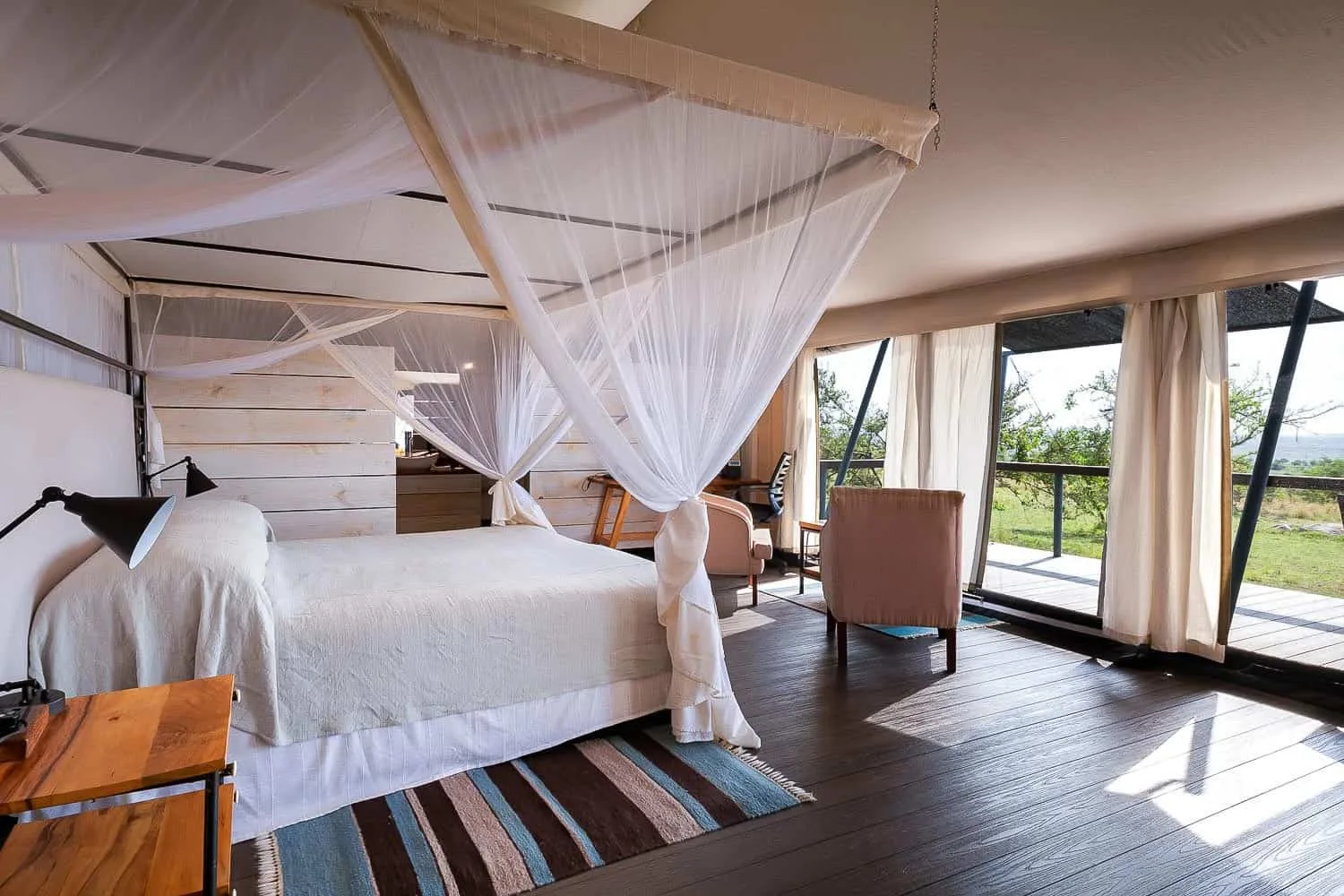
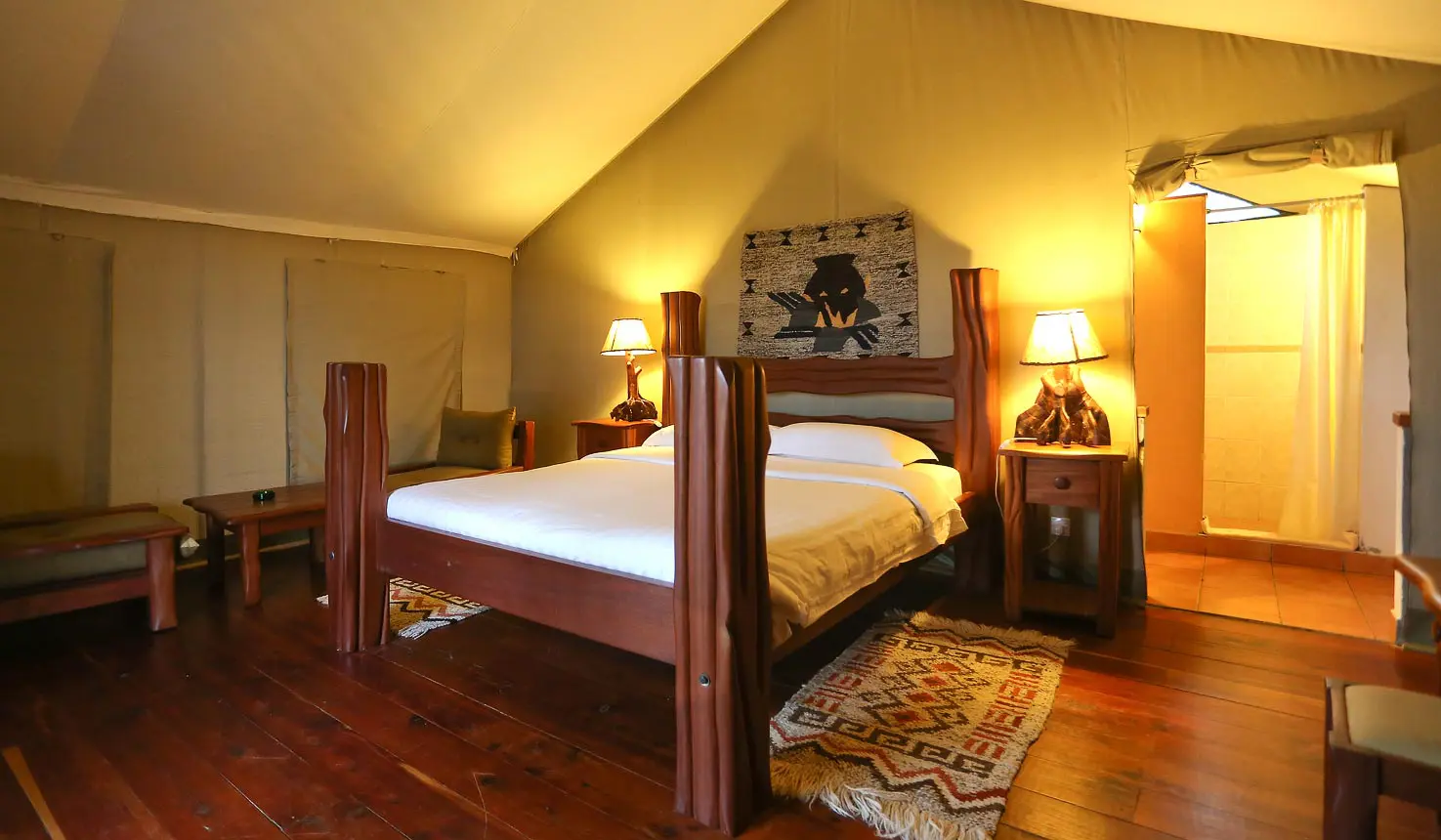
Comfort (Mid-range)
-
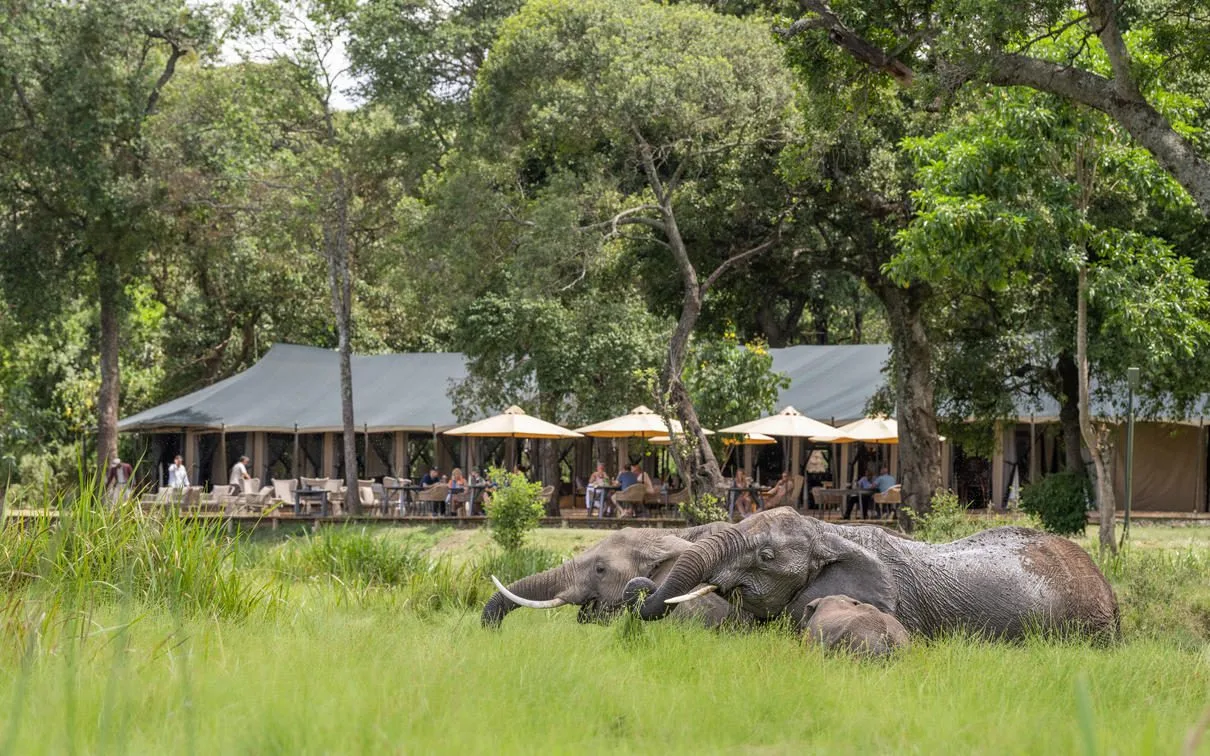
Premium (Luxury)
-
Signature (High-end)
-
Day 2: Nairobi to Samburu National Reserve - Main destination
- Masai Mara National Reserve
- Meals
- Breakfast, Lunch, Dinner
After breakfast, meet your professional driver-guide and begin the journey north toward Samburu National Reserve. This transfer is part of the experience. As you leave Nairobi, the scenery gradually changes, and central Kenyan landscapes give way to increasingly dry and open environments as you move farther north.
Samburu lies within a semi-arid region where water strongly influences wildlife distribution. The Ewaso Nyiro River is one of the ecosystem's most important natural features, and its water and riverine vegetation support wildlife even when surrounding areas are extremely dry.
Arrive at your lodge or tented camp and check in. Depending on your arrival time, have lunch before beginning an afternoon game drive. Your first Samburu safari can immediately reveal how different this region is from southern Kenya. One of the major attractions is the presence of wildlife species associated particularly strongly with the north. These can include: Reticulated giraffe, Grevy's zebra, Gerenuk, Beisa oryx, Somali ostrich.
These species are sometimes collectively marketed as the Samburu Special Five. Elephants are another major highlight, and family groups often move toward the river to drink and feed. Predators may include: Lions, Leopards, Cheetahs, Spotted hyenas.
Sightings of any species cannot be guaranteed. Return to your accommodation toward evening for dinner.
Destination: Samburu National Reserve
Main experiences: Scenic transfer and afternoon wildlife safari
Accommodation: Safari lodge or tented camp
Meals: Breakfast, lunch and dinner
Where you stay
-
Day 3: Full-Day Samburu Wildlife Safari - Main destination
- Masai Mara National Reserve
- Meals
- Breakfast, Lunch, Dinner
Wake early and prepare for your first complete day of game viewing. Morning is often one of the most rewarding safari periods, as temperatures are cooler and predators may still be active after the night.
Begin by exploring areas close to the Ewaso Nyiro River. The river acts as a natural wildlife corridor: elephants may arrive to drink, giraffes browse nearby vegetation, and antelopes move cautiously toward water. Predators can also use the riverine habitat, and leopards are particularly associated with areas providing sufficient trees and cover. A leopard sighting is never guaranteed, but Samburu can be a rewarding place to search. Your guide will look for clues such as:
- Tracks
- Alarm calls
- Fresh scent markings
- Movement of prey species
- Other wildlife behavior
Lions may be observed resting beneath shrubs or moving through open ground, and cheetahs favor areas where visibility allows them to identify potential prey. Spend time with Samburu's specialist herbivores.
Reticulated Giraffe
The reticulated giraffe has sharply defined geometric coat patterns, and it differs visually from the Masai giraffes you may encounter later in the safari.
Grevy's Zebra
Grevy's zebras have much narrower stripes than plains zebras. They are one of the most distinctive mammals of northern Kenya.
Gerenuk
The gerenuk has an elongated neck and can stand upright while feeding from bushes. It is especially adapted to drier environments.
Return to the lodge for lunch and rest if following a split-day program. Later, head out again for an afternoon safari, when the evening light can be particularly beautiful in Samburu's dry landscapes. Return for dinner.
Where you stay
-
Day 4: Second Full Day in Samburu - Main destination
- Masai Mara National Reserve
- Meals
- Breakfast, Lunch, Dinner
A second full day allows you to explore Samburu without feeling pressured to see every species immediately. Wildlife safari quality often improves when travelers stop treating animals as a checklist, so spend time observing behavior.
If you find elephants, remain quietly and watch family interactions: young elephants may play with one another, mothers may position themselves protectively around calves, and large bulls may approach the river independently. If you find giraffes, observe how they browse from trees and interact with other animals.
If predators are encountered, patience can reveal much more than a quick photograph. A sleeping lion may eventually rise and begin moving, a leopard may descend from a tree, and a cheetah may scan the plains for potential prey, although none of these sightings can be guaranteed.
Birdlife deserves attention as well. Northern Kenya contains numerous dry-country species that may not appear later in the safari, and a good guide can identify raptors, hornbills, bee-eaters, starlings, bustards and many smaller birds.
During the warm middle of the day, return to your accommodation, relax beside the swimming pool where available, have lunch and spend time photographing the lodge surroundings. Later, return for your final Samburu game drive. As the sun lowers, the dry landscape becomes particularly photogenic. Return for dinner and overnight.
Where you stay
-
Day 5: Samburu to Ol Pejeta Conservancy - Main destination
- Masai Mara National Reserve
- Meals
- Breakfast, Lunch, Dinner
After breakfast, leave Samburu and travel toward Ol Pejeta Conservancy. The journey takes you from northern semi-arid country toward the central Kenyan highlands, and the change in habitat creates another completely different wildlife experience.
Ol Pejeta is particularly important for rhino conservation. Both black and white rhinos occur within protected areas of the conservancy, which makes the destination one of the strongest additions to a Kenya itinerary for travelers particularly interested in seeing rhinos, although sightings cannot be guaranteed.
After arriving, check into your lodge or tented camp. Have lunch and rest before an afternoon wildlife drive. Your guide will introduce you to the conservancy and its broader conservation mission. Ol Pejeta's wildlife is not limited to rhinos, and depending on wildlife movement, you may encounter: Elephants, Lions, Buffaloes, Giraffes, Zebras, Hyenas, Jackals, Warthogs, Antelopes.
The destination demonstrates how wildlife tourism and conservation can be directly connected. Entry fees and tourism activity can contribute toward protecting habitat, employing local people and supporting wildlife monitoring and security. Return to the lodge toward evening.
Destination: Ol Pejeta Conservancy
Main experiences: Transfer, conservation safari and rhino viewing
Accommodation: Conservancy lodge or tented camp
Meals: Breakfast, lunch and dinner
Where you stay
-
Day 6: Full-Day Ol Pejeta Wildlife and Rhino Safari - Main destination
- Masai Mara National Reserve
- Meals
- Breakfast, Lunch, Dinner
Begin your day with an early game drive. Rhinos are a major priority, and the two African rhino species have different physical characteristics and ecological behavior. Your guide can explain how to distinguish between them.
White Rhino
White rhinos have broad mouths adapted primarily for grazing, and they often spend considerable time feeding on grass.
Black Rhino
Black rhinos have more pointed, prehensile upper lips adapted for browsing shrubs and woody vegetation. They can be more difficult to locate in some environments because they often use thicker cover.
The safari should not become exclusively rhino-focused. Ol Pejeta's complete ecosystem provides opportunities to observe many other species: lions may move across open grasslands, elephants travel between feeding and water areas, buffaloes may gather in large groups, and giraffes and zebras occupy more open country.
Your guide can also discuss some of the conservation challenges facing Kenya's wildlife. These include:
- Habitat fragmentation
- Human-wildlife conflict
- Poaching
- Maintaining migration corridors
- Protecting endangered species
- Supporting surrounding communities
Where appropriate and currently available, specific conservation activities can be added. Return to the lodge during the middle of the day. After lunch and rest, take another afternoon safari, then return for dinner.
Where you stay
-
Day 7: Ol Pejeta to Lake Nakuru National Park - Main destination
- Masai Mara National Reserve
- Meals
- Breakfast, Lunch, Dinner
After breakfast, continue toward the Great Rift Valley and Lake Nakuru National Park. Kenya's Rift Valley is one of the country's major geographic features, and the landscape includes escarpments, lakes, volcanic formations and fertile highlands.
Lake Nakuru National Park protects a relatively compact but highly productive wildlife area. The lake historically became internationally famous for huge flocks of flamingos. Flamingos are still present at times, but numbers can fluctuate according to water levels, food supply and wider ecological conditions and should never be guaranteed.
Today, one of the park's major attractions is its rhino population. Both black and white rhinos can occur, which provides another valuable opportunity after Ol Pejeta, although sightings cannot be guaranteed. Other wildlife may include: Buffaloes, Giraffes, Waterbucks, Zebras, Baboons, Warthogs, Lions, Leopards, Various antelopes.
The park's woodland can make some wildlife more challenging to spot than in open savannahs, which adds variety to the safari. Your guide may also visit scenic viewpoints depending on route and conditions. After completing your wildlife drive, continue to your lodge.
Destination: Lake Nakuru National Park
Main experiences: Rhino viewing, lake scenery, birding and general wildlife
Accommodation: Safari lodge or camp
Meals: Breakfast, lunch and dinner
Where you stay
-
Day 8: Lake Nakuru Wildlife Safari and Transfer to Lake Naivasha - Main destination
- Masai Mara National Reserve
- Meals
- Breakfast, Lunch, Dinner
Wake early for another game drive. Morning provides an additional opportunity to search for wildlife before leaving Lake Nakuru. Rhinos may be found in open areas, buffaloes can be widespread, giraffes browse within woodland and baboons are often encountered. Predators such as lions and leopards may be more difficult to locate but remain part of the ecosystem.
Birdwatching is excellent. Even when flamingos are not present in dramatic concentrations, the lake and surrounding habitats support numerous species.
After breakfast, begin the relatively short journey toward Lake Naivasha. Arrive at your lodge and check in. The atmosphere changes dramatically, because Lake Naivasha is a freshwater lake rather than a conventional game-drive destination. The surrounding landscape includes woodland, flower farms, grassland and volcanic formations. Depending on arrival time, you may take an afternoon boat ride. Otherwise, spend the rest of the day relaxing and prepare for tomorrow's activities.
Destination: Lake Naivasha
Main experiences: Morning wildlife viewing and Rift Valley transfer
Accommodation: Lakeside lodge
Meals: Breakfast, lunch and dinner
Where you stay
-
Day 9: Lake Naivasha Boat Safari and Rift Valley Experiences - Main destination
- Masai Mara National Reserve
- Meals
- Breakfast, Lunch, Dinner
Today replaces the safari vehicle with a boat. After breakfast, take a Lake Naivasha boat safari. Hippos are one of the principal attractions. They spend much of the daylight period in the water, often with only their heads and backs visible above the surface, and your boat guide will maintain a safe and appropriate viewing distance.
The lake is also renowned for birdlife. Possible sightings include: African fish eagles, Pied kingfishers, Malachite kingfishers, Cormorants, Pelicans, Herons, Egrets, Ducks, Various waders.
The boat safari gives photographers a completely different perspective, as birds can often be observed from low angles close to water level.
Depending on your interests, the excursion can be combined with a guided visit to Crescent Island or another suitable local activity. Walking in a safe wildlife environment can provide close but responsible observation of selected herbivores. Another possible activity is a visit to Hell's Gate National Park, which is known for cliffs, volcanic formations and opportunities for activities such as walking or cycling in designated areas where current regulations allow.
Travelers preferring a slower day can return to the lodge after the boat excursion. This is often valuable during a long safari, because you do not need to fill every hour and rest helps maintain enthusiasm for the wildlife-intensive days ahead.
Where you stay
-
Day 10: Lake Naivasha to Amboseli National Park - Main destination
- Masai Mara National Reserve
- Meals
- Breakfast, Lunch, Dinner
After an early breakfast, leave the Great Rift Valley and begin the journey south toward Amboseli National Park. The transfer is substantial, so the day begins early. Travel through changing Kenyan landscapes before approaching the semi-arid Amboseli ecosystem. When skies are clear, the outline of Mount Kilimanjaro may become visible in the distance, although visibility cannot be guaranteed. Although the mountain lies across the international border in Tanzania, it forms the spectacular backdrop for which Amboseli is famous.
Arrive at your lodge and check in. After lunch or a late meal, rest before an afternoon game drive. Amboseli's open landscapes often make wildlife highly visible, and the park is especially famous for elephants. Possible sightings include: Elephant families, Large mature bulls, Buffaloes, Giraffes, Zebras, Wildebeest, Hippos, Gazelles, Hyenas, Lions, Cheetahs.
The wetlands provide some of the most productive wildlife viewing. Elephants frequently enter the marshes to feed, and buffaloes and hippos also use wetter areas. Return to your lodge in the evening.
Destination: Amboseli National Park
Main experiences: Scenic transfer and afternoon wildlife drive
Accommodation: Safari lodge or tented camp
Meals: Breakfast, lunch and dinner
Where you stay
-
Day 11: Full-Day Amboseli Wildlife Safari - Main destination
- Masai Mara National Reserve
- Meals
- Breakfast, Lunch, Dinner
Wake early for your first complete Amboseli day. Sunrise can be particularly rewarding, as Mount Kilimanjaro may be more visible in the morning before clouds develop around its upper slopes. Your guide will search for elephant herds crossing open plains. For many travelers, the combination of elephants and Kilimanjaro becomes one of the safari's defining visual experiences, although neither the mountain view nor a particular sighting can be guaranteed.
However, it is important not to reduce Amboseli to a single photograph, because the ecosystem offers outstanding behavioral observations. Spend time watching elephants interact. You may see:
- Young calves playing
- Adults feeding
- Families moving between habitats
- Elephants bathing
- Dust bathing
- Bulls interacting
- Mothers guiding young calves
Amboseli's wetlands also support excellent birdlife, and depending on water conditions, numerous waterbirds can be observed. Predators are present too. Lions may be located on open plains or around areas of prey concentration, and cheetahs may use drier areas where visibility supports their hunting strategy.
Return to your lodge for breakfast or lunch depending on your game-drive schedule, and spend the middle of the day relaxing. Later, head out again, as late afternoon light can be outstanding for photography. Return around sunset for dinner.
Where you stay
-
Day 12: Amboseli to the Masai Mara - Main destination
- Masai Mara National Reserve
- Meals
- Breakfast, Lunch, Dinner
Today you begin the transfer to the final major wildlife ecosystem of the journey: the Masai Mara. Amboseli and the Masai Mara are separated by a substantial distance, so the exact transfer can be arranged according to your preferred travel style. Options may involve:
- Private road transfer
- Road transfer via Nairobi
- Domestic flight connections
- Combination of road and air
For travelers prioritizing comfort and safari time, domestic flights can be particularly useful.
Eventually, arrive in the Masai Mara ecosystem. If flying, your safari guide meets you at the airstrip. The transfer to your camp or lodge immediately becomes a game drive, and the Mara's open landscape may reveal wildlife within minutes. Possible first sightings include: Zebras, Giraffes, Wildebeest, Elephants, Buffaloes, Gazelles.
After checking in and having lunch, take an afternoon safari. The Masai Mara is particularly famous for predators: lions are frequently encountered, cheetahs use open plains, leopards occur in areas with riverine woodland and thicker cover, and spotted hyenas are also widespread. No sighting can be guaranteed. Return to camp for dinner.
Destination: Masai Mara
Main experiences: Transfer and introductory Mara wildlife safari
Accommodation: Safari lodge or tented camp
Meals: Breakfast, lunch and dinner
Where you stay
-
Day 13: Full-Day Masai Mara Wildlife Safari - Main destination
- Masai Mara National Reserve
- Meals
- Breakfast, Lunch, Dinner
Today is devoted entirely to wildlife viewing in the Masai Mara. Wake early, as morning game drives can be excellent because predators may still be active. Your guide will use experience, tracks, animal behavior and information from recent sightings to determine the route.
Lions are among the major highlights. A pride may include adult females, cubs and one or more males, and watching pride interactions provides far more insight than simply photographing the animals and moving on. Cheetahs are another major attraction. They often use termite mounds or elevated ground to scan open plains for prey, and if a cheetah appears alert, your guide may wait patiently to see whether hunting behavior develops. Leopards are more elusive, as they may rest in trees or remain hidden in riverine vegetation, so a successful leopard encounter can become particularly memorable. None of these sightings can be guaranteed.
The Mara's large herbivore populations are equally important. Possible sightings include: Wildebeest, Zebras, Buffaloes, Giraffes, Elands, Impalas, Thomson's gazelles, Grant's gazelles, Topis, Warthogs.
Hippos and crocodiles inhabit river systems. You may take a picnic lunch and spend an extended day exploring or return to camp during the middle of the day. The choice depends on wildlife movement and your interests.
Where you stay
-
Day 14: Second Full Day in the Masai Mara - Main destination
- Masai Mara National Reserve
- Meals
- Breakfast, Lunch, Dinner
Another complete day gives you the freedom to explore a different part of the Mara. Wildlife viewing is never identical from one day to another. Yesterday's quiet area may be extremely active today, a pride of lions may have moved several kilometers overnight, elephants may gather around water, cheetahs may follow gazelle herds and hyenas may concentrate around a carcass.
Your guide can also focus on animal behavior. Rather than rushing to photograph the next species, remain longer at interesting sightings. Watch a lion pride communicate, observe how elephants use trunk contact, notice how zebras react when predators appear, look for vultures gathering overhead and pay attention to alarm calls from antelopes and birds. These details gradually reveal how the ecosystem operates.
Birdwatchers can expect plenty of variety. The Mara supports numerous: Eagles, Vultures, Bustards, Secretary birds, Storks, Ground hornbills, Rollers, Bee-eaters, Lapwings.
During the Great Migration period, large wildebeest and zebra herds may dominate parts of the landscape, although timing and herd locations cannot be guaranteed. Return to camp after another full wildlife day.
Where you stay
-
Day 15: Final Masai Mara Wildlife Safari - Main destination
- Masai Mara National Reserve
- Meals
- Breakfast, Lunch, Dinner
Your final complete safari day is deliberately flexible. By now, your guide understands your wildlife interests. Perhaps you have seen numerous lions but no leopard, perhaps cheetahs have become the focus, or maybe you want more elephant photography. Birdwatchers may want to search a different habitat, and migration travelers may want another opportunity to explore areas where large herds have gathered. The day can therefore be planned around what remains most important to you.
Optional Hot-Air Balloon Safari
An optional Masai Mara hot-air balloon safari can be arranged. The experience begins before dawn, when you are transferred to the launch area and receive a safety briefing. The balloon rises as morning light spreads across the plains, and from above you gain a completely different perspective of:
- Grasslands
- Rivers
- Wildlife trails
- Acacia-dotted plains
- Herds
The flight usually lasts approximately an hour depending on wind and operating conditions, and a breakfast experience commonly follows. Balloon safaris are optional and generally need to be booked in advance; flights depend on weather and operator decisions and cannot be guaranteed.
Final Afternoon Game Drive
After relaxing during the middle of the day, take your final afternoon wildlife safari. There is no need to treat this as a desperate attempt to add more species to a list. Use the final hours to appreciate the landscape: spend time watching giraffes feeding, observe elephants crossing open country, sit quietly near a lion pride and watch the evening light spread across the grasslands. Return to your lodge or camp for your final safari dinner.
Where you stay
-
Day 16: Masai Mara to Nairobi – Departure - Main destination
- Masai Mara National Reserve
- Drive time
- Return transfer as outlined in the itinerary
- Meals
- Breakfast, Lunch
Wake for your final morning in the Masai Mara. Depending on transfer arrangements, there may be time for an early game drive. Alternatively, enjoy breakfast before checking out. Travel back to Nairobi by road or domestic flight. Flying can significantly reduce transfer time after a long safari, and from the air, Kenya's landscape provides one final memorable perspective.
Upon arrival in Nairobi, meet your transfer representative. If your international flight departs later in the evening, optional arrangements can include:
- Day room
- Lunch
- Restaurant visit
- Shopping
- Selected Nairobi sightseeing
Eventually, transfer to Jomo Kenyatta International Airport for your onward flight. Your 16 Days Kenya Wildlife Safari concludes after an extensive exploration of northern wildlife habitats, rhino conservation areas, Rift Valley lakes, elephant country and the predator-rich plains of the Masai Mara.
Wildlife Highlights of Samburu
Samburu is one of the most distinctive destinations within this safari. The northern ecosystem provides species that many travelers do not encounter during shorter southern Kenya itineraries.
Reticulated Giraffe
These giraffes have sharply defined polygonal markings separated by pale lines. They are especially associated with northern Kenya.
Grevy's Zebra
Grevy's zebra has narrow stripes and large rounded ears. It is much less widespread than the common plains zebra.
Gerenuk
The gerenuk's elongated neck and upright browsing behavior make it instantly recognizable.
Beisa Oryx
This large antelope has long straight horns and is well adapted to relatively dry environments.
Somali Ostrich
The Somali ostrich is characteristic of parts of northern Kenya.
Elephants
The Ewaso Nyiro River provides outstanding elephant opportunities. Families may spend considerable time near the river drinking, feeding and cooling themselves.
Rhino Viewing on the Safari
Rhinos are among the world's most threatened large mammals, and this itinerary includes destinations that provide valuable opportunities to observe them.
Ol Pejeta
Ol Pejeta is internationally recognized for rhino conservation.
Lake Nakuru
Lake Nakuru also supports important rhino populations. Having both destinations in the same itinerary creates more than one opportunity. Wildlife should never be guaranteed, but this combination is particularly strong for travelers who consider rhinos a priority.
Amboseli Elephant Safari
Amboseli is synonymous with elephants. The park has provided important long-term opportunities for elephant research, and visitors can often observe animals in relatively open landscapes. Elephant family life can become one of the most emotionally engaging parts of the safari. Watch:
- Calves staying close to mothers
- Young elephants playing
- Adults communicating
- Herds crossing plains
- Elephants entering wetlands
- Bulls feeding independently
- Dust bathing
- Social greetings
Rather than simply taking photographs, spend time watching. Elephants display complex social behavior that becomes more apparent the longer you observe them.
Masai Mara Big-Cat Safari
The Masai Mara is one of Africa's most famous destinations for big cats.
Lions
The open landscape and abundant prey support multiple lion prides.
Leopards
Leopards are more secretive but can be found around rivers, trees and thicker vegetation.
Cheetahs
The Mara's open grasslands provide suitable habitat for cheetahs. A multi-day stay significantly improves opportunities to observe different individuals and behaviors.
Other Predators You May Encounter
Big cats receive most of the attention, but Kenya contains numerous other predators and scavengers. These may include: Spotted hyenas, Black-backed jackals, Side-striped jackals, Mongooses, Smaller carnivores, Crocodiles, Raptors, Vultures.
Hyenas are particularly fascinating. They live within highly structured social groups and are effective hunters rather than simply scavengers. Observing their interactions can become one of the most interesting parts of a longer wildlife safari.
Herbivores of Kenya
Predator sightings would not be possible without Kenya's extraordinary herbivore populations. Throughout the journey, you may encounter: Elephants, Buffaloes, Giraffes, Rhinos, Zebras, Wildebeest, Elands, Oryx, Waterbucks, Impalas, Topis, Gazelles, Warthogs, Hippos.
Each species occupies a slightly different ecological niche. Giraffes browse from trees, wildebeest concentrate on grasses, elephants can dramatically alter vegetation, and hippos feed largely at night and spend the day in water. Learning these relationships makes the safari richer.
Great Wildebeest Migration
The Great Wildebeest Migration is one of the world's most famous wildlife movements. Large populations of wildebeest, zebras and other grazing animals move continuously through the Serengeti-Mara ecosystem in response to rainfall, water and fresh grazing. The migration should not be understood as animals moving once from Tanzania to Kenya and then back. It is a continuous cycle, and large herds are often associated with the Masai Mara during approximately July through October, although exact timing varies significantly.
Mara River Crossings
The river crossings receive enormous attention because they can be dramatic. Large groups of wildebeest may gather near riverbanks before crossing, crocodiles can be present in the water, and predators may wait around crossing areas. However, crossings are unpredictable. A herd can remain near the river for hours and then turn away, while another group may cross suddenly with little warning. No safari operator should guarantee a crossing, and multiple days in the Mara improve flexibility.
Where you stay
03 Rates
Safari rates 2027-2029
Indicative per person. Season, group size and lodge style change the total — your quotation confirms current rates.
-
Essential (Budget)
Essential (Budget)
Budget camps and lodges suit travelers who prioritize wildlife while keeping costs lower.
Great value camps
-
Comfort (Mid-range)
Comfort (Mid-range)
Mid-range tented camps and lodges balance comfort and price with private rooms or tents and en-suite facilities.
Quoted for your dates
-
Premium (Luxury)
Premium (Luxury)
Luxury camps and lodges focus on location, service and more intimate wildlife experiences.
Premium camps and lodges
-
Signature (High-end)
Signature (High-end)
Signature camps and lodges are the most exclusive stays — small, highly private properties with exceptional guiding and setting.
Exclusive signature stays
04 Activities
Safari activities
Game viewing is the core of this itinerary. Optional extras are quoted separately and depend on season, permits and availability. Individual species and river crossings are never guaranteed.
-
Included
Wildlife
Wildlife can be part of this safari when the itinerary and conditions allow.
Additional information
Plan This Safari
Best Time for a 16 Days Kenya Wildlife Safari
Kenya can be rewarding throughout the year, but each period offers different conditions.
January and February
These months can provide relatively dry conditions in several safari areas. Wildlife viewing can be excellent, and photography conditions may also be very good.
March to May
This broad period is often associated with the long rains. Landscapes become green and dramatic, and visitor numbers can be lower. Some roads may become more challenging, and selected camps can close temporarily.
June
June can be a very attractive safari month. Landscapes often remain green as conditions begin becoming drier.
July to October
These months are among Kenya's most popular safari periods. Dry conditions often concentrate wildlife around reliable water, and large migration herds may also be found in the Masai Mara, although their presence cannot be guaranteed.
November
Short rains can refresh the landscape. Birdlife can be particularly rewarding.
December
December can provide excellent safari experiences. The Christmas and New Year period is especially popular and should be booked well in advance.
16 Days Kenya Wildlife Safari for Photographers
This itinerary is particularly strong for photography because it combines several environments. Potential subjects include:
Samburu
- Reticulated giraffes
- Grevy's zebras
- Elephants
- Leopards
- Dry landscapes
Ol Pejeta
- Rhinos
- Conservation landscapes
- Elephants
- Predators
Lake Nakuru
- Rhinos
- Buffaloes
- Giraffes
- Birds
- Lake landscapes
Lake Naivasha
- Hippos
- Fish eagles
- Kingfishers
- Waterbirds
- Lakeside scenery
Amboseli
- Elephant herds
- Mount Kilimanjaro
- Wetlands
- Dusty plains
Masai Mara
- Lions
- Cheetahs
- Leopards
- Elephant families
- Migration herds in season
- Savannah sunsets
A private safari vehicle is highly recommended for serious photographers.
16 Days Kenya Wildlife Safari for Birdwatchers
Kenya is one of Africa's outstanding birding destinations, and a sixteen-day safari through several habitats can produce exceptional variety. Northern dry country contributes specialized species, Rift Valley lakes provide waterbirds, and Amboseli combines wetland and savannah birds. The Masai Mara supports: Eagles, Vultures, Secretary birds, Bustards, Storks, Hornbills, Rollers, Bee-eaters, Larks, Lapwings.
Travelers with a strong ornithological interest can request specialist birding guidance.
Private 16 Days Kenya Wildlife Safari
Private safari arrangements are strongly recommended for a long wildlife-focused itinerary. A private vehicle allows you to:
- Set your own pace
- Leave early
- Stay longer at sightings
- Prioritize favorite species
- Stop for photography
- Focus on birding
- Adjust lunch times
- Return to camp when tired
- Avoid compromising with unrelated travelers
This is particularly beneficial for photographers and families.
Road Safari Versus Fly-In Wildlife Safari
Both styles can work.
Road Safari
Road travel provides continuity. Your professional driver-guide remains with you through many destinations, and you also see more of Kenya's countryside.
Fly-In Safari
Flying can replace long transfers, which increases time available for game viewing and relaxation.
Combination Safari
For sixteen days, combining both approaches often works especially well. Use road travel where destinations connect naturally, and fly longer sectors where road transfers would consume most of a day.
Mid-Range 16 Days Kenya Wildlife Safari
A mid-range safari can provide excellent comfort and strong wildlife experiences. Accommodation generally includes:
- Private en-suite room or tent
- Comfortable beds
- Restaurant
- Lounge
- Swimming pool at selected properties
- Good access to wildlife areas
The biggest determinants of wildlife quality remain itinerary design, guide quality and sufficient time in each destination.
Luxury 16 Days Kenya Wildlife Safari
A luxury version can include:
- Boutique tented camps
- Premium safari lodges
- Private conservancies
- Domestic flights
- Private vehicles
- Larger suites
- Fine dining
- Inclusive beverages at selected properties
- Laundry
- Bush breakfasts
- Sundowners
- Spa treatments
Travelers can also reduce the number of destinations and spend longer at exclusive camps.
16 Days Kenya Wildlife Safari for Families
The itinerary can be adapted for families. Useful changes can include:
- Private vehicle
- Family rooms
- Lodges with swimming pools
- Shorter game drives
- Additional rest periods
- Fewer long road transfers
- Selected domestic flights
- Child-friendly meals
- Nature activities
Children's ages should be provided during planning because accommodation and activity restrictions vary.
16 Days Kenya Wildlife Safari for Honeymooners
A romantic version can incorporate:
- Private game drives
- Intimate camps
- Honeymoon suites
- Private dinners
- Sundowners
- Bush breakfasts
- Balloon safari
- Spa treatments
- Scenic flights
A Diani Beach or Watamu extension can also be added afterward.
Safari Accommodation
Accommodation can substantially influence the feel of a sixteen-day safari.
Lodges
Traditional safari lodges often provide:
- Permanent rooms
- Restaurants
- Larger communal areas
- Swimming pools
- Gardens
Tented Camps
Permanent safari camps provide a stronger wilderness atmosphere. Quality tented accommodation may still include:
- Proper beds
- En-suite bathrooms
- Hot showers
- Electricity
- Private verandas
Conservancy Camps
Camps located in private or community conservancies may provide access to activities not always possible in national parks. These can include night drives or walking experiences depending on the location.
Safari Safety
Wildlife areas contain genuinely wild animals. Visitors should always follow the instructions of guides and lodge staff. Important rules include:
- Remain inside the safari vehicle unless your guide says it is safe to exit.
- Do not feed wildlife.
- Do not approach animals on foot.
- Follow escort requirements at unfenced camps.
- Do not walk alone after dark where prohibited.
- Keep noise low near wildlife.
- Follow national park regulations.
- Avoid pressuring guides to move too close to animals.
Responsible behavior protects both visitors and wildlife.
What to Pack for the Safari
Packing should focus on practical, lightweight clothing. Useful items include:
- Neutral-colored safari shirts
- Lightweight trousers
- Shorts
- Long-sleeved shirt
- Warm fleece
- Light jacket
- Comfortable closed shoes
- Sandals
- Sun hat
- Sunglasses
- Swimwear
- Sunscreen
- Insect repellent
- Binoculars
- Camera
- Spare batteries
- Memory cards
- Power bank
- Personal medication
- Small daypack
Layering is important. Early mornings can be cool, while midday temperatures may become warm. Many safari lodges provide laundry, reducing the amount of clothing you need to carry.
Binoculars on a Wildlife Safari
Binoculars can greatly improve safari enjoyment. Not every animal appears close to the road. A leopard may rest high in a distant tree, and a cheetah may stand on a mound across the plains. Birds may be impossible to identify with the naked eye. A good pair of binoculars allows you to appreciate these sightings even when photography is difficult. Couples and families may prefer to carry more than one pair rather than sharing continuously.
How Much Does a 16 Days Kenya Wildlife Safari Cost?
The price depends on how the itinerary is structured. Important cost factors include:
- Travel season: Peak safari months generally have higher accommodation rates.
- Accommodation level: Mid-range lodges cost substantially less than exclusive luxury camps.
- Number of travelers: Private vehicle costs can be shared among travelers.
- Domestic flights: Flights add convenience but increase overall cost.
- Conservancy fees: Selected private conservancies have additional fees supporting land protection and community arrangements.
- Optional activities: Balloon safaris and specialist activities increase the total.
- Single supplements: Solo travelers may pay additional accommodation charges.
A personalized quotation based on exact travel dates is therefore the most accurate approach.
What Is Usually Included?
Depending on your final package, inclusions can cover:
- Airport transfers
- Professional driver-guide
- Safari-equipped vehicle
- Private safari transport where specified
- Game drives
- Safari accommodation
- Meals listed in the itinerary
- Park entry fees
- Conservancy fees where specified
- Lake Naivasha boat activity where included
- Domestic flights where listed
- Airstrip transfers
- Drinking water during safari drives
- Government taxes applicable to included services
Always refer to your confirmed quotation for exact inclusions.
What Is Usually Excluded?
Typical exclusions may include:
- International flights
- Travel insurance
- Kenya entry authorization or visa-related charges where applicable
- Optional hot-air balloon safari
- Premium beverages
- Laundry where not included
- Personal purchases
- Gratuities
- Medical expenses
- Optional activities not specifically listed
Responsible Wildlife Viewing
A good Kenya wildlife safari should prioritize animal welfare. Responsible viewing means:
- Keeping an appropriate distance from animals
- Avoiding surrounding animals with too many vehicles
- Never blocking an animal's movement
- Not pressuring guides to drive excessively close
- Keeping noise low
- Not feeding wildlife
- Following reserve and conservancy regulations
Photographs should never come at the expense of wildlife wellbeing. A skilled guide understands when to approach, when to remain still and when to leave.
Why Multiple-Night Stays Matter
One of the biggest differences between a rushed safari and a well-designed wildlife journey is the amount of time spent in each ecosystem. Multiple nights allow you to:
- Revisit productive areas
- Experience different weather
- See wildlife at different times
- Rest between game drives
- Explore farther sections of reserves
- Spend longer observing behavior
- Photograph in better light
This is one of the principal reasons a sixteen-day itinerary can be so rewarding.
Customize Your 16 Days Kenya Wildlife Safari
The route can be customized extensively according to your interests. Possible adjustments include:
- Travel dates
- Number of travelers
- Children's ages
- Accommodation category
- Private vehicle
- Fly-in sectors
- Wildlife photography
- Big-cat focus
- Rhino focus
- Elephant focus
- Birding
- Great Migration
- Additional Masai Mara nights
- Additional Samburu nights
- Conservancy stays
- Walking safari
- Balloon safari
- Honeymoon arrangements
- Family requirements
- Diani Beach extension
- Tanzania extension
- Gorilla trekking extension
Travelers particularly focused on predators can allocate more time to the Masai Mara. Travelers interested in conservation may add more time at Ol Pejeta. Birdwatchers can slow the route and include specialist guidance. The itinerary should be shaped around your wildlife priorities.
Why 16 Days Makes Such a Strong Wildlife Safari
A wildlife safari becomes more rewarding as you begin seeing connections between destinations. In Samburu, you understand how animals survive in a dry northern environment. At Ol Pejeta, conservation becomes tangible through rhino protection. At Lake Nakuru, woodland and lake habitats create another ecological setting. At Lake Naivasha, you switch from vehicle-based safari to observing hippos and birds from the water. Amboseli demonstrates how permanent wetlands support huge animals even within an otherwise dry landscape. Finally, the Masai Mara reveals predator-prey relationships across an immense open savannah.
By the final days, you are no longer simply asking, “What animal is that?” You begin asking:
- Why is it here?
- What is it doing?
- What does it eat?
- Which animals compete with it?
- How does the habitat influence its behavior?
- Where does it move when the season changes?
That deeper understanding is one of the greatest rewards of a longer safari.
Book Your 16 Days Kenya Wildlife Safari
A 16 Days Kenya Wildlife Safari gives you enough time to experience Kenya as a collection of interconnected ecosystems rather than a single safari destination.
The journey can begin in the dry landscapes of northern Kenya, where reticulated giraffes, Grevy's zebras, elephants and predators inhabit the Samburu ecosystem. It can continue to Ol Pejeta, where rhino conservation provides an important reminder of the effort required to protect Africa's threatened wildlife. The Great Rift Valley then introduces Lake Nakuru and Lake Naivasha, combining rhino viewing, birdlife, hippos and dramatically different landscapes. Amboseli offers some of Kenya's most celebrated elephant encounters beneath the distant presence of Mount Kilimanjaro. Finally, the Masai Mara provides several days to search for lions, leopards, cheetahs, elephants, hyenas, buffaloes and vast concentrations of plains wildlife.
Sixteen days gives you the freedom to do more than see these animals. You can observe them, wait, and return to the same area the following morning. You can watch behavior develop, understand how different landscapes support different wildlife communities, and experience Kenya's wilderness at a pace that makes the journey feel substantial rather than rushed.
Contact Safari Trips to Kenya with your preferred travel dates, number of travelers, accommodation category and wildlife priorities to receive a customized 16 Days Kenya Wildlife Safari itinerary and quotation.
Planning Questions
Frequently Asked Questions
Is 16 days enough for a comprehensive Kenya wildlife safari?
Yes. Sixteen days provides enough time to visit several ecosystems and spend multiple nights in important wildlife destinations.
Is 16 days too long for safari?
No. The key is good pacing. Rest periods, boat activities and multiple-night stays help prevent safari fatigue.
Which wildlife destinations are included?
The sample route includes Samburu, Ol Pejeta, Lake Nakuru, Lake Naivasha, Amboseli and the Masai Mara.
Can I see the Big Five?
The itinerary visits areas supporting all Big Five species, although sightings can never be guaranteed.
Where can I see elephants?
Amboseli and Samburu are especially rewarding for elephant viewing.
Where can I see rhinos?
Ol Pejeta and Lake Nakuru provide strong rhino opportunities.
Where can I see lions?
The Masai Mara is particularly famous for lions, although they occur in several destinations.
Can I see leopards?
Yes, leopards are present in Samburu, the Masai Mara and other suitable habitats, but they are elusive.
Can I see cheetahs?
Yes. The Masai Mara is one of the best areas on this itinerary for searching for cheetahs.
Can I see Grevy's zebra?
Samburu and the northern Kenya region provide opportunities for Grevy's zebra.
Can I see reticulated giraffes?
Yes. Samburu is especially known for reticulated giraffes.
Can I see the Great Wildebeest Migration?
Potentially, when large herds are present in the Masai Mara.
What months are associated with the Mara migration?
Large herds are broadly associated with approximately July through October, but precise timing varies.
Are Mara River crossings guaranteed?
No. Crossings are unpredictable natural events.
How many nights should I stay in the Masai Mara?
At least three nights works very well. Travelers particularly focused on predators or migration may prefer four or more.
Is Samburu worth the extra travel?
Yes. It adds northern species and landscapes that differ substantially from southern Kenya.
Is Ol Pejeta worth visiting?
Yes, particularly for travelers interested in rhinos and conservation.
Is Lake Naivasha a game-drive destination?
Lake Naivasha is best known for boat activities, hippos and birdlife rather than conventional game driving.
Can I add a hot-air balloon safari?
A Masai Mara balloon safari can normally be added at extra cost, although flights depend on weather and operator decisions and cannot be guaranteed.
Can the safari be private?
Yes. A private vehicle is one of the best ways to experience this itinerary.
Can I fly between some parks?
Yes. Domestic flights can be incorporated where available and suitable.
Is the safari good for photography?
Yes. The range of ecosystems and wildlife makes the itinerary exceptionally strong for photography.
Is the safari suitable for birdwatchers?
Yes. The route covers several habitats and can provide excellent bird diversity.
Can families take this safari?
Yes. It can be modified with family rooms, shorter activities and additional rest time.
Can honeymooners take this safari?
Yes. Luxury camps and romantic experiences can be incorporated.
Can I add Diani Beach?
Yes. Diani Beach can be added after the safari for several nights of relaxation.
Can I combine Kenya with Tanzania?
Yes. A longer East African wildlife itinerary can extend into the Serengeti and Ngorongoro region.
Can I add gorilla trekking?
Yes. Uganda or Rwanda can be added through appropriate regional flight connections.
05 Request Quote
Request Quote
Tell us your dates, group size, and preferred lodge style — we will send a tailored quote for this safari.
Want to extend your safari?
Add Amboseli, Diani Beach, Tanzania and Zanzibar, or gorilla trekking in Uganda or Rwanda — we tailor the journey to your dates.