
15 DAYS / 14 NIGHTS
15 Days Family Kenya Safari
Explore the 15 Days Family Kenya Safari with a day-by-day safari plan, key wildlife experiences, destinations, accommodation ideas, travel logistics and booking.
- Wildlife Safari Private Journey
- Private Safari 4x4 Vehicle
- Expert Guide English Speaking
- All Meals Breakfast, Lunch, Dinner
- 24/7 Support We're here to help
01 Overview
Safari Overview
- Duration 15 days / 14 nights
- Destination Kenya
- Starts / ends Nairobi
- Safari style Private safari
- Accommodation Essential · Comfort · Premium · Signature
- Best for Wildlife viewing, photography
15 Days Family Kenya Safari
A 15 Days Family Kenya Safari gives parents, children and multi-generational families enough time to experience Kenya's remarkable wildlife without turning the holiday into a rushed sequence of long drives and one-night stops. With two full weeks available, the safari can be paced carefully around the needs of children while still visiting several of Kenya's most rewarding wildlife destinations. The itinerary can combine famous safari areas such as Amboseli National Park, Lake Naivasha, Lake Nakuru National Park and the Masai Mara National Reserve, with appropriately timed rest periods, swimming opportunities and family-friendly activities between game drives.
For families, safari planning requires a different approach from planning a fast-paced adult wildlife expedition. Children may become tired during very long game drives. Younger travelers often enjoy seeing lions and elephants but may also be fascinated by smaller experiences such as watching monkeys around camp, identifying animal tracks, observing hippos from a boat or learning how Maasai families live. A successful family safari therefore combines major wildlife encounters with variety. Over 15 days, children can watch elephants crossing the plains of Amboseli, take a boat safari on Lake Naivasha, search for rhinos in Lake Nakuru National Park and spend several days exploring the wildlife-rich Masai Mara. There is also enough time to schedule swimming, relaxed afternoons, later starts on selected days and shorter game drives where necessary.
The safari can be operated using a private 4x4 safari vehicle, which is particularly valuable for families. You do not have to coordinate departure times with unrelated travelers, and the guide can adapt the day's schedule according to children's ages, energy levels and interests.
Accommodation can be selected according to family requirements, including properties offering family rooms, interconnecting rooms, cottages, swimming pools, flexible meal arrangements and children's activities. The 15 Days Family Kenya Safari can be organized for parents traveling with young children, families with teenagers, extended families traveling with grandparents, or several related families traveling together. Every itinerary should be customized according to the ages of the children and the family's preferred pace.
15 Days Family Kenya Safari at a Glance
A well-paced family itinerary can follow the following route:
- Day 1: Arrival in Nairobi – Private Family Transfer
- Day 2: Nairobi Family Experiences and Safari Preparation
- Day 3: Nairobi to Amboseli National Park
- Day 4: Full-Day Amboseli Family Safari
- Day 5: Second Day in Amboseli – Wildlife and Relaxation
- Day 6: Amboseli to Lake Naivasha
- Day 7: Lake Naivasha Boat Safari and Family Activities
- Day 8: Lake Naivasha to Lake Nakuru National Park
- Day 9: Lake Nakuru to Masai Mara National Reserve
- Day 10: Full-Day Masai Mara Family Safari
- Day 11: Second Full Day in the Masai Mara
- Day 12: Masai Mara Wildlife and Cultural Experiences
- Day 13: Additional Masai Mara Safari Day
- Day 14: Masai Mara to Nairobi
- Day 15: Nairobi and International Departure
This route can be modified according to the children's ages, school holiday dates, family interests, flight schedules, preferred accommodation standard and budget.
Why Choose a 15-Day Family Safari in Kenya?
Kenya is one of Africa's most established family safari destinations. Its protected areas contain abundant wildlife, safari infrastructure is well developed, and there is a wide range of accommodation suitable for families. A 15-day itinerary provides one particularly important advantage: time. Families do not need to rush.
A More Relaxed Safari Pace
Short itineraries often require moving almost every day. That may be manageable for adults determined to maximize wildlife viewing, but it can become exhausting for children. A longer family safari allows several two- and three-night stays. This means children can wake up in the same room for several consecutive mornings, unpack properly and become familiar with the lodge. Parents also have time to enjoy facilities such as swimming pools and gardens instead of spending every hour either driving or packing.
Variety Keeps Children Interested
Wildlife is obviously the central attraction, but children generally respond well to variety. A 15-day family safari can include:
- Traditional game drives
- Boat trips
- Wildlife watching from lodges
- Swimming
- Nature walks where age restrictions permit
- Birdwatching
- Cultural experiences
- Picnic lunches
- Family photography
- Educational conservation experiences
- Shorter afternoon game drives
- Relaxed lodge time
This variety prevents the itinerary from becoming repetitive. A child who loses interest after several hours of searching for predators may become completely engaged again when spotting hippos from a boat or learning to identify animal footprints.
Private Safari Vehicle for Your Family
One of the most important recommendations for families is to travel in a private safari vehicle. Shared safari vehicles can require compromises. One guest may want to remain beside sleeping lions for an hour while another wants to leave immediately. Some travelers want to start before sunrise every morning, while families with younger children may occasionally prefer a later breakfast.
With a private vehicle, the program can be adapted. Private arrangements are especially valuable for families traveling with toddlers, younger school-age children or several generations.
- If the children are tired, you can return to the lodge.
- If everyone is enjoying a particular wildlife encounter, you can stay longer.
- If a child needs a bathroom break or becomes hungry, your guide can respond more easily.
What Ages Are Best for a Kenya Family Safari?
Children of many different ages can enjoy Kenya, but the itinerary should be adapted accordingly.
Families with Young Children
Families traveling with younger children generally benefit from:
- Shorter game drives
- Lodges with swimming pools
- Fewer long transfer days
- Family rooms
- Early dinner options
- Private vehicles
- Multiple-night stays
Parents should also confirm minimum age policies at individual camps. Some lodges, walking safaris and other activities may have restrictions.
Children Approximately 7–12 Years
School-age children are often highly engaged by safari because they can recognize animals, understand conservation explanations and participate actively in wildlife spotting. Junior ranger programs and nature activities can be especially rewarding where available.
Teenagers
Teenagers can often manage longer wildlife drives and may particularly enjoy photography, predator tracking, conservation discussions, cultural visits and more active excursions. A good guide can make the safari highly educational without making it feel like a classroom lesson.
Itinerary
- Day 1: Arrival in Nairobi, welcome to Kenya
- Day 2: Nairobi Family Experiences and Safari Preparation
- Day 3: Nairobi to Amboseli
- Day 4: Amboseli Family Safari
- Day 5: Second Day in Amboseli, wildlife and Relaxation
- Day 6: Amboseli to Lake Naivasha
- Day 7: Lake Naivasha Boat Safari and Family Activities
- Day 8: Lake Naivasha to Lake Nakuru
- Day 9: Lake Nakuru to Masai Mara
- Day 10: Masai Mara Family Safari
- Day 11: Second Full Day in the Masai Mara
- Day 12: Masai Mara Wildlife and Cultural Experiences
- Day 13: Additional Masai Mara Safari Day
- Day 14: Masai Mara to Nairobi
- Day 15: Nairobi and International Departure
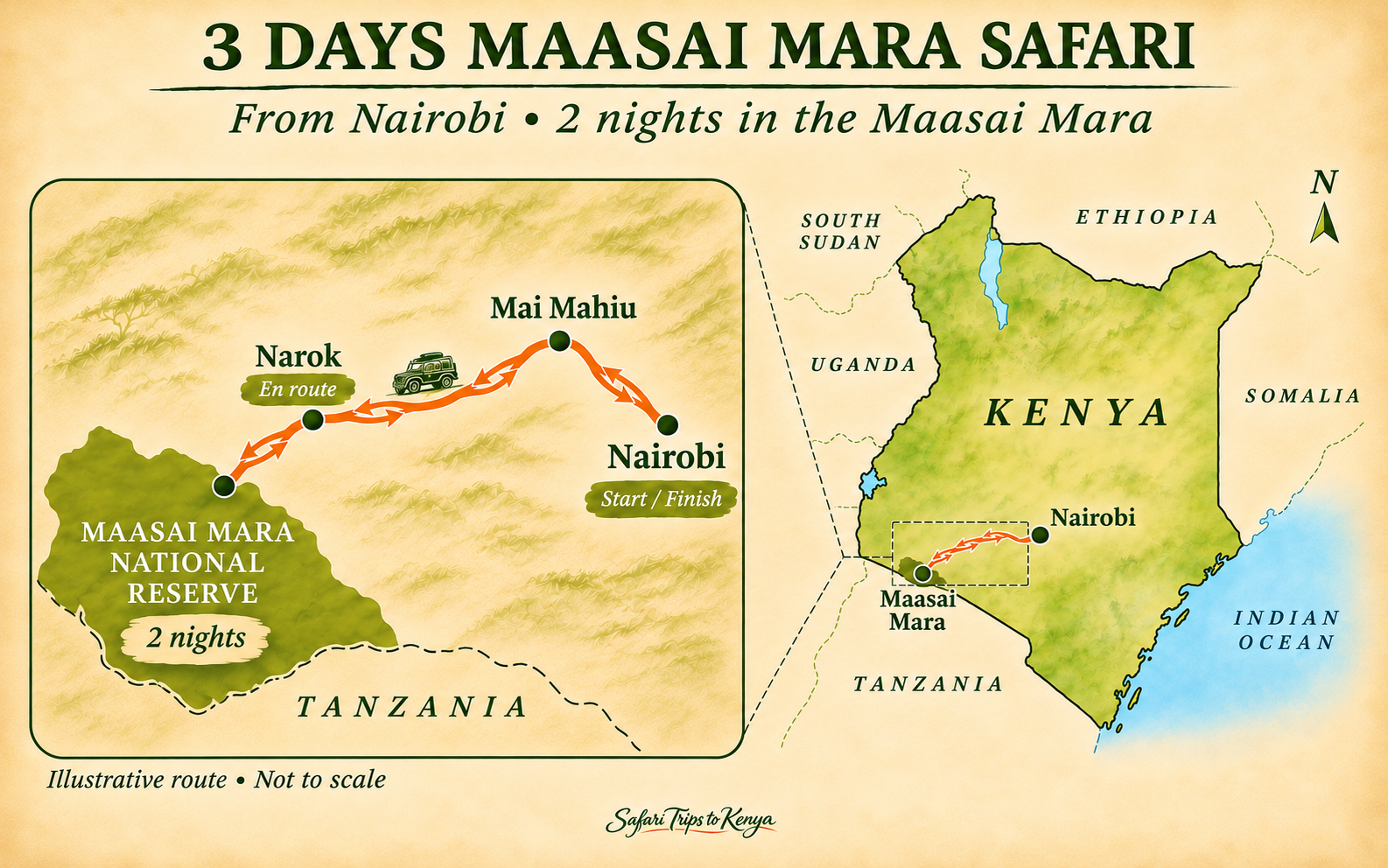
02 Itinerary
15 Days Family Kenya Safari: Detailed Itinerary
-

Day 1: Arrival in Nairobi – Welcome to Kenya - Main destination
- Masai Mara National Reserve
- Drive time
- Road transfer as outlined in the itinerary
- Meals
- Lunch, Dinner
Your 15 Days Family Kenya Safari begins when your international flight arrives in Nairobi. After a long international journey, the first priority is making arrival as simple as possible. Once you have cleared immigration and collected your luggage, meet your representative for a private transfer to your Nairobi hotel. A private airport transfer is especially useful when traveling with children because there is no need to negotiate transport or manage several pieces of luggage while arranging taxis. Your driver will take you directly to your family-friendly accommodation.
Depending on your arrival time, the remainder of the day is kept free. Children can relax, have a meal, swim if the hotel has a pool or sleep after the flight, and parents can reorganize luggage before beginning the safari. If everyone has enough energy, your safari representative can meet you for a short briefing covering the itinerary, approximate driving times, expected weather, lodge facilities, safari etiquette and what children can expect during game drives. There is no need to schedule demanding sightseeing on the arrival day. A relaxed beginning helps everyone adjust before the safari adventure starts.
- Destination: Nairobi
- Main experience: Arrival and private family transfer
- Accommodation: Family-friendly Nairobi hotel
- Meals: According to arrival time and hotel meal plan
Where you stay
-
Essential (Budget)
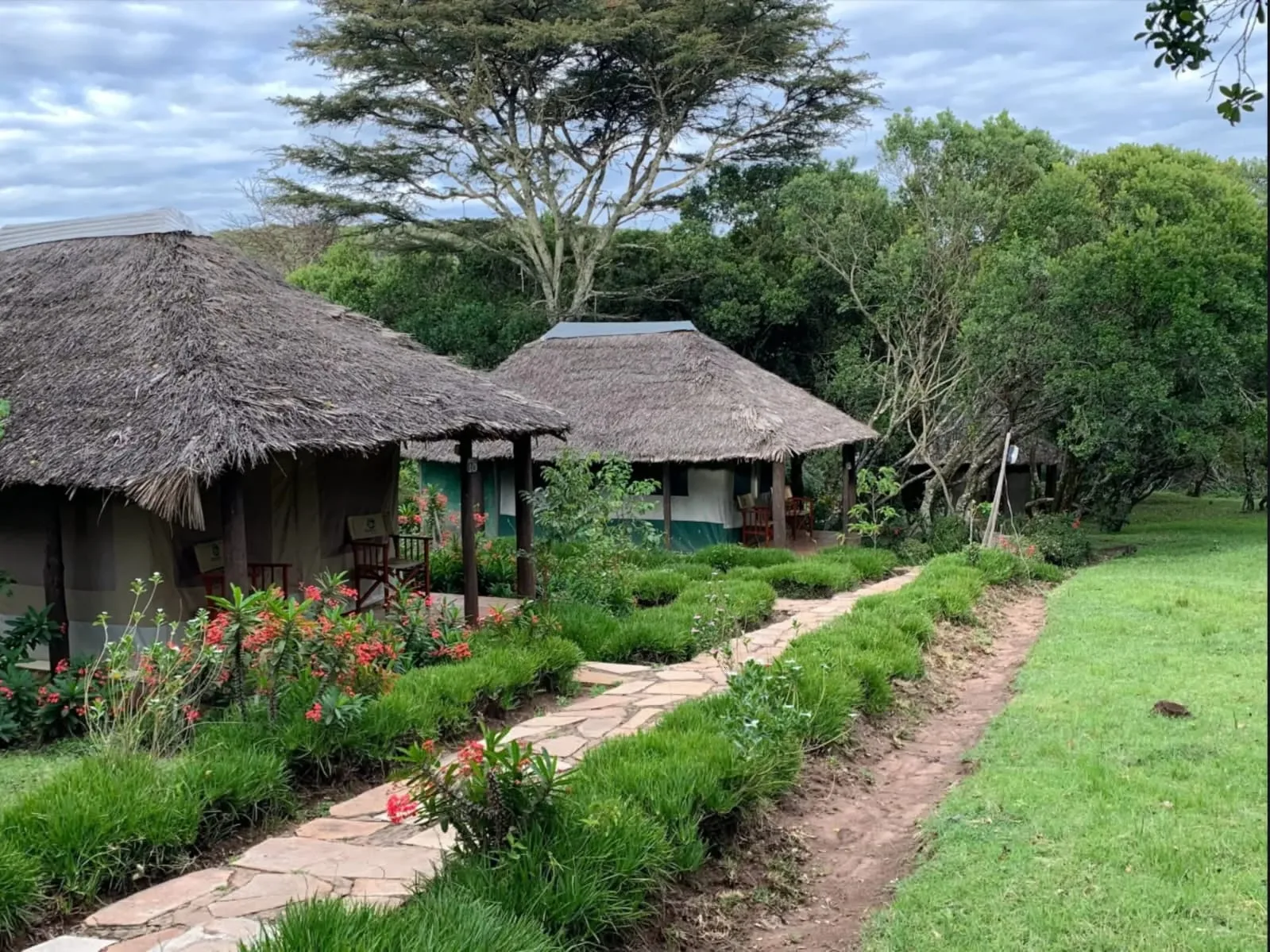
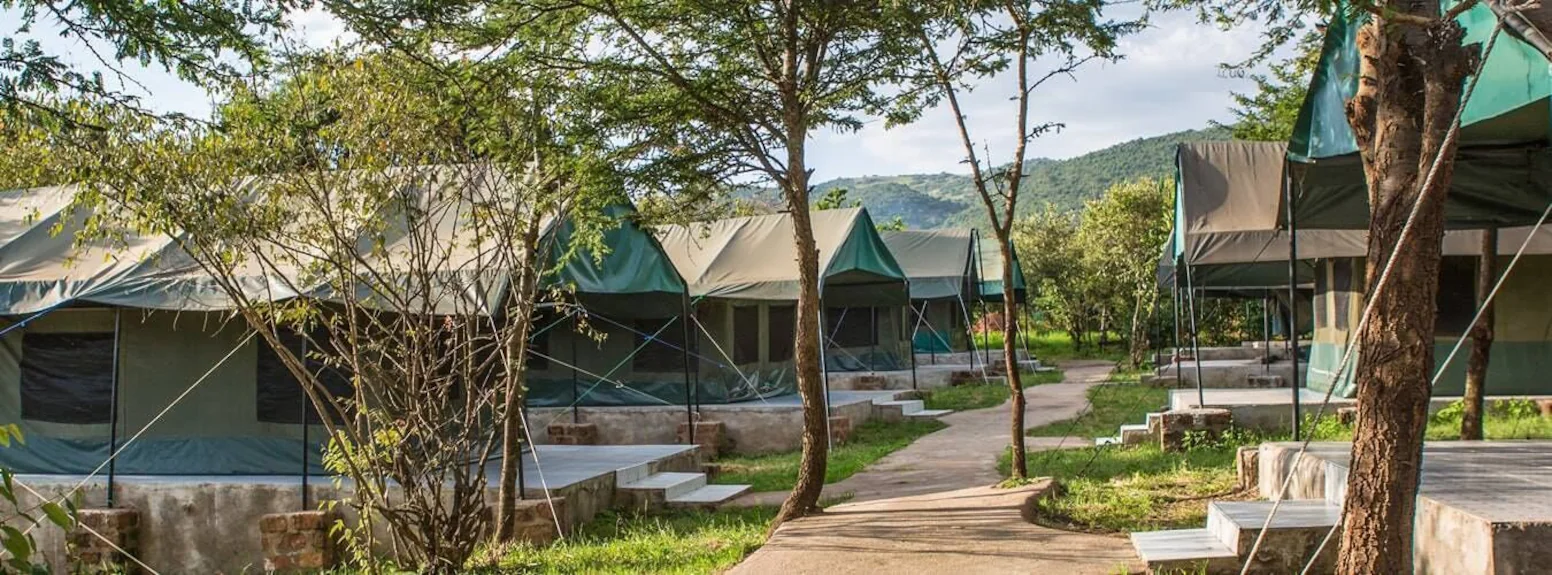
-
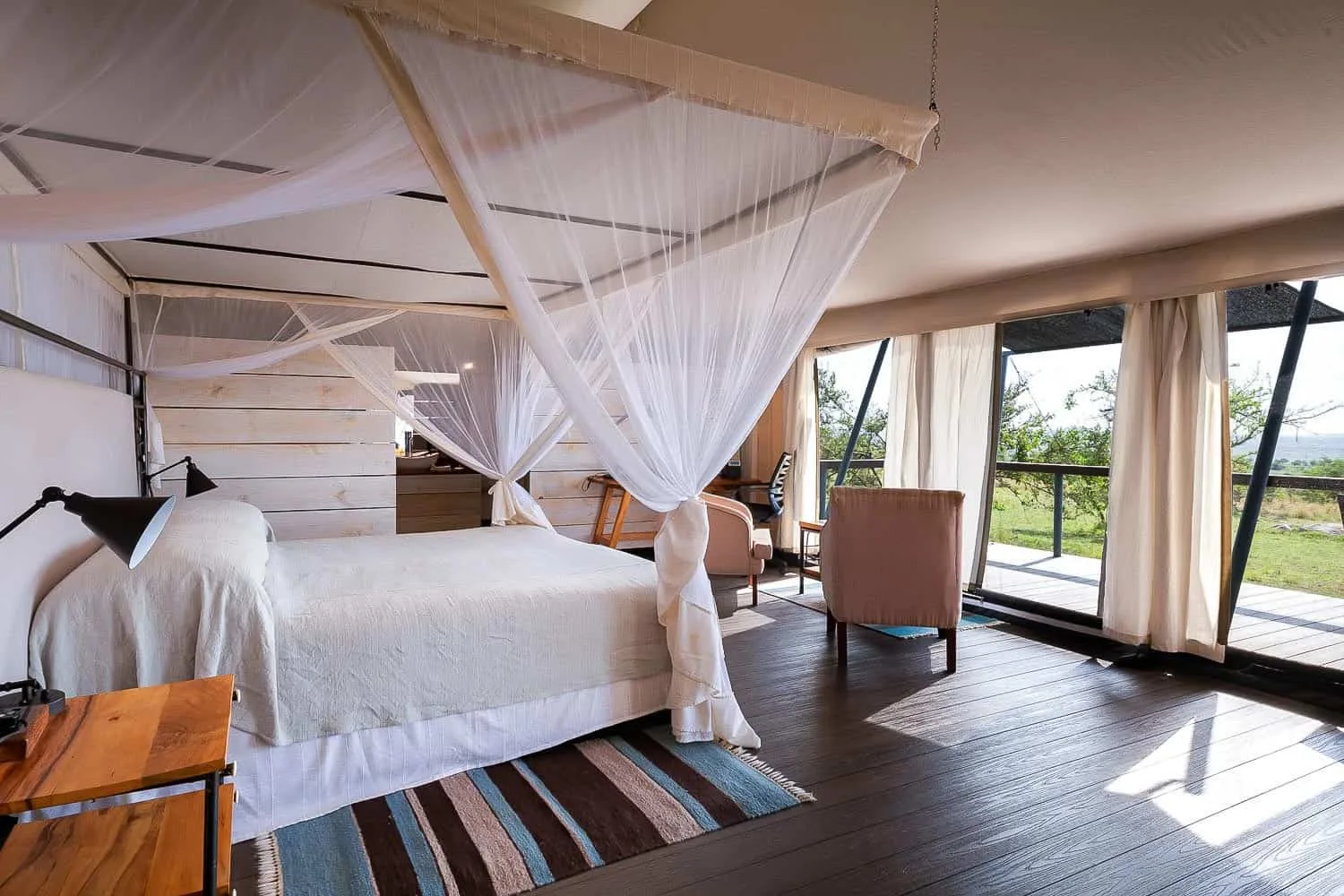
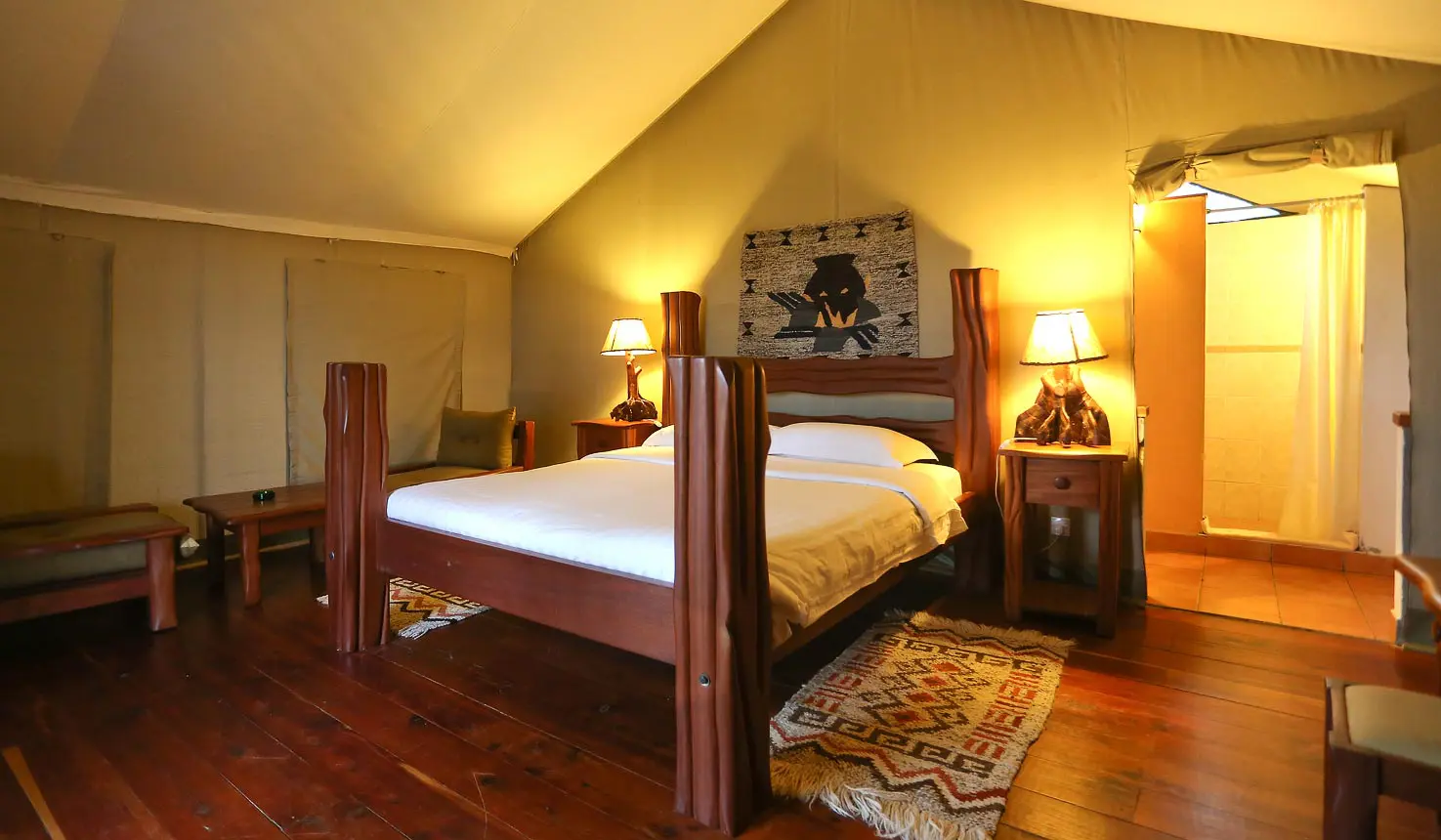
Comfort (Mid-range)
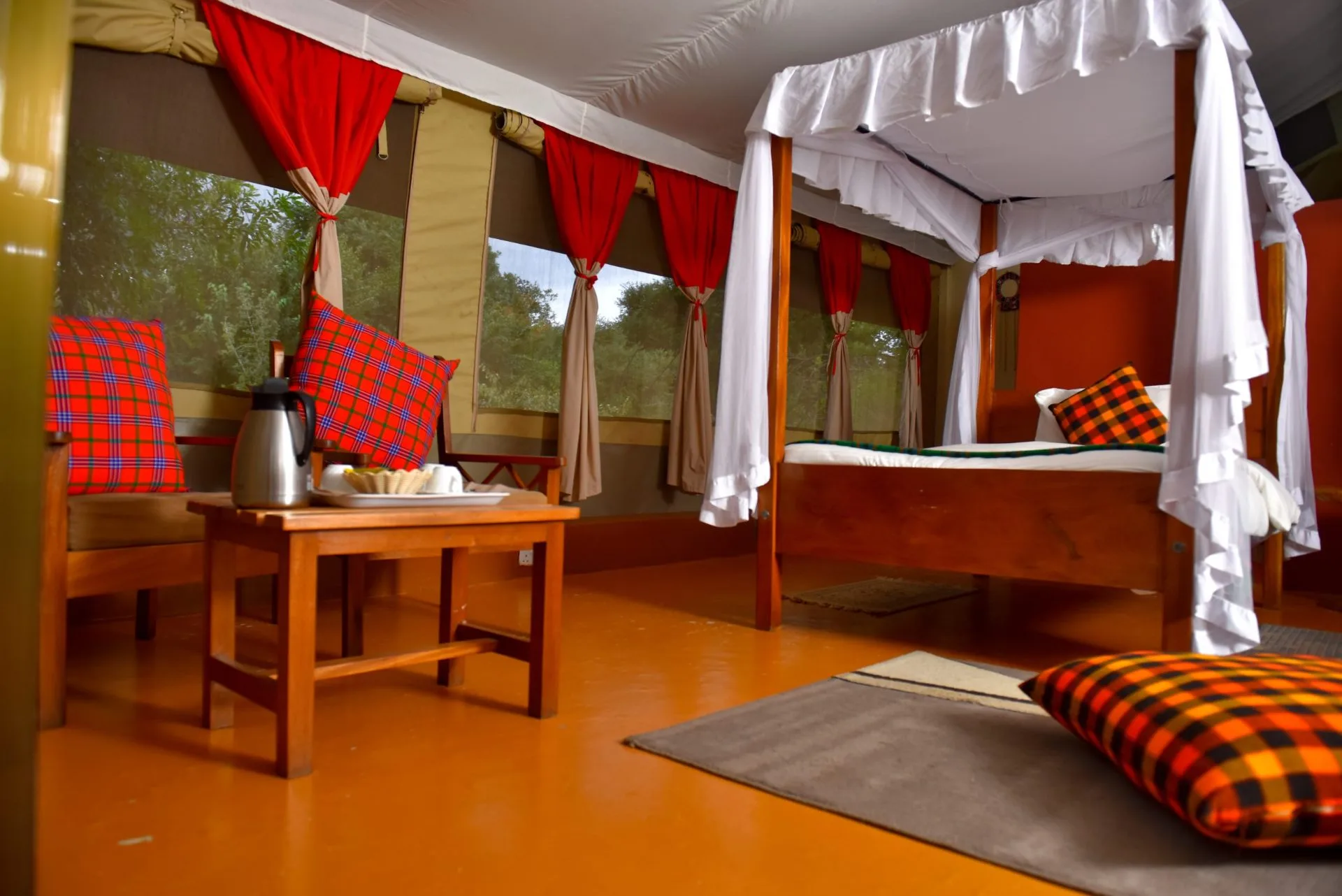
-
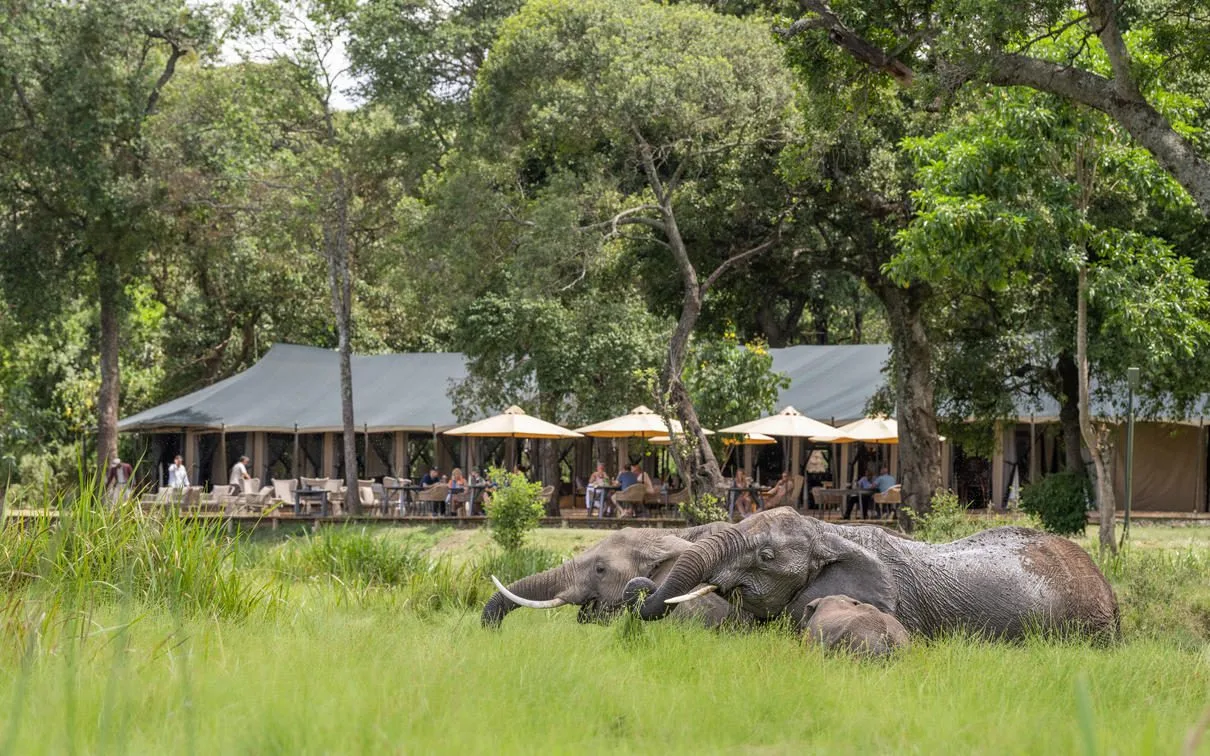
Premium (Luxury)
-
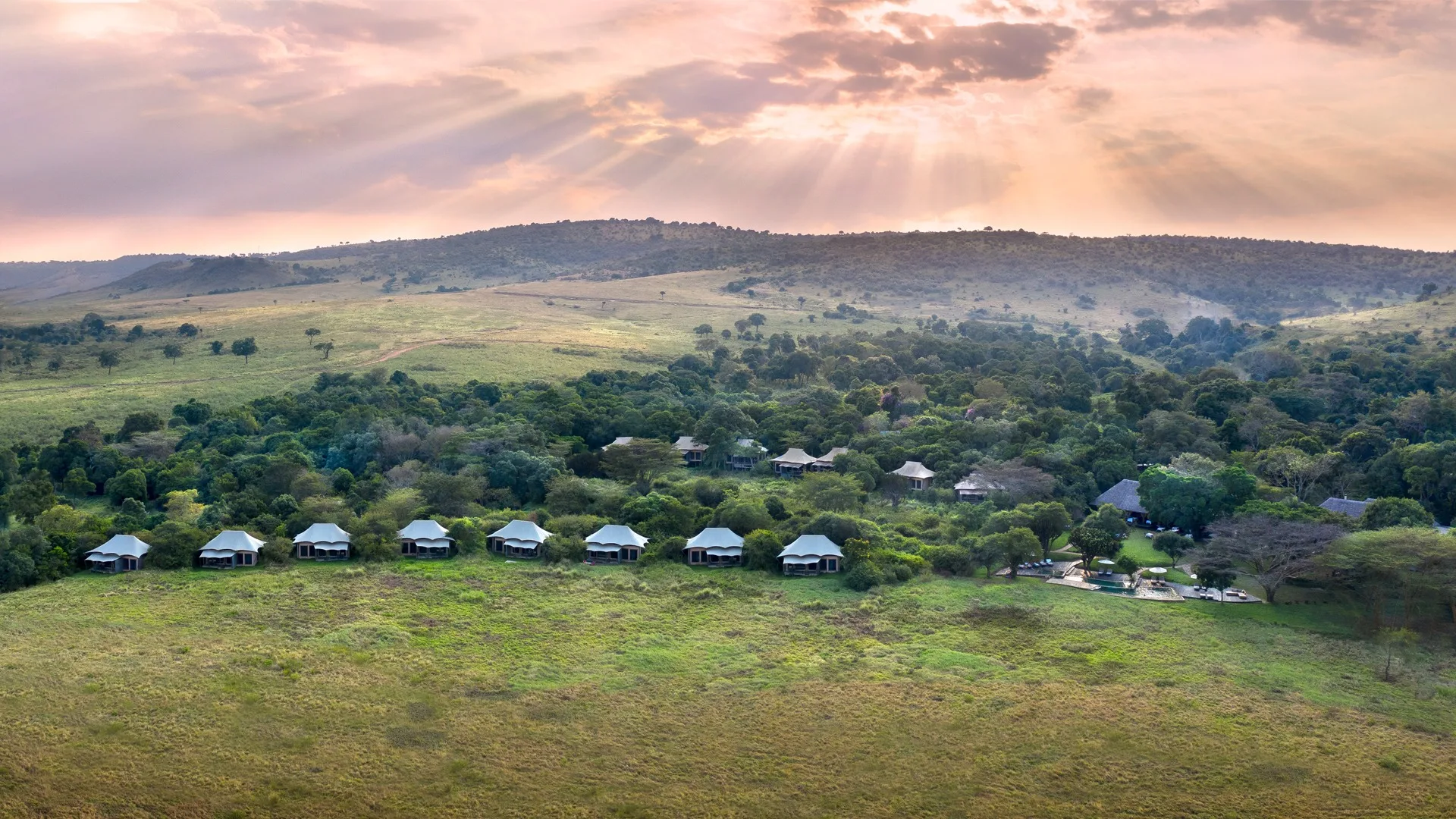
Signature (High-end)
-
Day 2: Nairobi Family Experiences and Safari Preparation - Main destination
- Masai Mara National Reserve
- Meals
- Breakfast, Lunch, Dinner
Today provides a gentle introduction to Kenya. Instead of immediately beginning a long road journey, families can use the first complete day to recover from international travel and enjoy selected Nairobi attractions. The program can be adapted according to the children's ages. Wildlife-focused conservation attractions are often particularly popular because they allow children to begin seeing Kenyan animals before entering the national parks. A carefully planned Nairobi day can also introduce conservation themes that become more meaningful later during the safari.
Families may choose one or two activities rather than attempting to visit every attraction in the city. The afternoon can be left free for swimming, rest and final safari preparation. This is also a useful opportunity to organize luggage. If the itinerary later includes light aircraft flights, luggage requirements should be checked carefully. Safari equipment such as binoculars, cameras, hats, sunscreen and children's activity books can be placed where they are easily accessible.
Parents can also discuss expectations with children. Explain that safari wildlife is not like visiting a zoo. Animals move freely, and you may sometimes drive for a while before finding something exciting. At other moments, elephants, giraffes or antelopes may appear almost immediately. This understanding can help children appreciate the unpredictability that makes safari special.
- Destination: Nairobi
- Main experiences: Optional family attractions and safari preparation
- Accommodation: Family-friendly Nairobi hotel
- Meals: According to selected package
Where you stay
-
Day 3: Nairobi to Amboseli National Park - Main destination
- Masai Mara National Reserve
- Meals
- Breakfast, Lunch, Dinner
After breakfast, meet your safari driver-guide and begin the journey toward Amboseli National Park. This is the moment the safari truly begins. Leaving Nairobi behind, the scenery gradually changes as you travel toward southern Kenya. Parents can turn the journey itself into part of the experience, and children can watch for livestock, roadside villages, birds and changing vegetation. Comfort stops can be scheduled when necessary, and a private vehicle means the family does not have to follow a rigid timetable created for unrelated passengers.
Arrive in the Amboseli region and proceed to your lodge or camp. After check-in, have lunch and allow the children some time to rest. Where accommodation has a swimming pool, a short swim can be an excellent break after the road journey.
Later in the afternoon, embark on your first proper game drive. Amboseli is particularly famous for its elephants. Children may see family groups containing tiny calves, adult females and enormous bulls. Observing an elephant family can be fascinating because many aspects of their social behavior are easy for children to understand. They may see young elephants following their mothers, siblings interacting or adults protecting calves. Elephant sightings cannot be guaranteed. Other wildlife can include: Zebras, Wildebeest, Buffaloes, Giraffes, Hippos, Gazelles, Warthogs, Baboons, Hyenas, Lions, Cheetahs.
When the weather is clear, Mount Kilimanjaro can dominate the horizon, though the view is never guaranteed. The mountain lies across the border in Tanzania but creates Amboseli's famous background scenery. Return to your lodge before or around sunset depending on park regulations and lodge location. Dinner is followed by an early night for families who want to begin tomorrow's wildlife drive shortly after sunrise.
- Destination: Amboseli National Park
- Main experiences: Scenic transfer and first game drive
- Accommodation: Family-friendly safari lodge or camp
- Meals: Breakfast, lunch and dinner
Where you stay
-
Day 4: Full-Day Amboseli Family Safari - Main destination
- Masai Mara National Reserve
- Meals
- Breakfast, Lunch, Dinner
Today is dedicated to exploring Amboseli. Families do not necessarily need to remain on game drive continuously from sunrise until sunset. A more child-friendly schedule can involve a morning game drive, several hours back at the lodge and another shorter safari in the afternoon. Wake early and enjoy a light snack or breakfast before entering the wildlife area. Morning temperatures are generally cooler, and animals can be active. The morning can also provide some of the best opportunities for seeing Mount Kilimanjaro before clouds develop around the mountain, although the view is never guaranteed.
Your guide will search for elephant families and other wildlife. Amboseli's open landscape often makes animals relatively easy to see, which is helpful when introducing children to safari. Instead of peering constantly into dense vegetation, children may be able to spot giraffes, zebras and elephants themselves. Encourage children to participate by giving them binoculars and asking them to search for animals. They can keep a written checklist or safari journal, which transforms wildlife viewing into an interactive activity.
Your guide can explain simple ecological relationships. For example:
- Why do zebras often stay close to wildebeest?
- Why do elephants visit the wetlands?
- Why do oxpeckers sit on large mammals?
- Why do lions spend so much time sleeping?
These discussions can make the safari educational without feeling formal.
Return to the lodge around late morning. Have lunch and relax through the warmer hours, when children can swim or rest. Later, return for an afternoon game drive. The softer evening light can be excellent for photography, and if predators are active, there may be opportunities to see lions or hyenas moving through the plains, although no sighting can be guaranteed. Return to the lodge for dinner.
Where you stay
-
Day 5: Second Day in Amboseli – Wildlife and Relaxation - Main destination
- Masai Mara National Reserve
- Meals
- Breakfast, Lunch, Dinner
A second complete day in Amboseli prevents the family from feeling pressured to see everything immediately. The morning program can begin early for families who enjoy sunrise activities, or slightly later if younger children need more sleep. Your guide can concentrate on areas not explored during the previous day.
The wetlands provide particularly interesting wildlife viewing. Elephants may stand partially submerged while feeding on aquatic vegetation, hippos can also occupy wet areas, and buffaloes and numerous waterbirds often use the marshes. Birdwatching can become a surprisingly engaging family activity. Children can compete to spot the largest number of colorful or unusual birds, and instead of focusing only on species identification, younger children can classify birds according to size, shape or behavior.
The middle of the day can again be spent at the lodge. This rest period is deliberate. A good family itinerary does not measure success according to the number of hours spent inside a safari vehicle, and children who have rested are often much more enthusiastic during the next game drive. In the afternoon, return to the park, perhaps revisiting elephant areas or searching for predators. This is your final evening in Amboseli. Parents and children can discuss their favorite sightings over dinner.
Where you stay
-
Day 6: Amboseli to Lake Naivasha - Main destination
- Masai Mara National Reserve
- Meals
- Breakfast, Lunch, Dinner
After breakfast, leave Amboseli and travel toward Lake Naivasha in Kenya's Great Rift Valley. This is one of the longer transfer sections of the itinerary. A private vehicle allows regular comfort stops, and families can also carry snacks, books, downloaded entertainment and simple games for the road. As you travel, the landscape changes significantly. Eventually you arrive around Lake Naivasha, a freshwater lake surrounded by farms, woodland and volcanic scenery.
Check into your family-friendly lodge. Depending on arrival time, the remainder of the afternoon can be kept free. Children may appreciate swimming or exploring the lodge grounds after the drive. If everyone still has energy and conditions are suitable, a short boat excursion can potentially be arranged. Otherwise, save the main Lake Naivasha activities for tomorrow.
- Destination: Lake Naivasha
- Main experience: Rift Valley transfer and relaxation
- Accommodation: Family-friendly lodge
- Meals: Breakfast, lunch and dinner according to package
Where you stay
-
Day 7: Lake Naivasha Boat Safari and Family Activities - Main destination
- Masai Mara National Reserve
- Meals
- Breakfast, Lunch, Dinner
Today provides an important change from traditional game driving. After breakfast, prepare for a Lake Naivasha boat safari. Children often enjoy this experience because being on the water feels completely different from traveling in a safari vehicle. Hippos are among the lake's best-known animals. They spend much of the day in the water, where they can regulate their body temperature. Your boat guide will maintain an appropriate distance and navigate safely around areas where hippos are present. Birdlife can be outstanding. Look for: African fish eagles, Kingfishers, Herons, Cormorants, Pelicans, Egrets, Ducks and other waterbirds.
Children can listen for the calls of fish eagles or watch birds diving for fish. Depending on the chosen program, the boat experience can be combined with Crescent Island or another suitable activity. Walking in appropriate wildlife areas can be particularly memorable because children experience animals from ground level rather than from inside a vehicle. Alternatively, active families may consider Hell's Gate National Park, where selected walking and cycling experiences can sometimes be arranged according to ages, conditions and safety considerations.
The day's schedule should remain flexible, and you do not need to include every possible activity. A boat safari followed by a relaxed afternoon at the lodge may be ideal for families with younger children.
Where you stay
-
Day 8: Lake Naivasha to Lake Nakuru National Park - Main destination
- Masai Mara National Reserve
- Meals
- Breakfast, Lunch, Dinner
After breakfast, leave Lake Naivasha and continue toward Lake Nakuru National Park. Compared with some other safari transfers, this journey is manageable, giving the family more time for wildlife viewing. Lake Nakuru is particularly important because it provides an opportunity to look for rhinos. Both black and white rhinos can occur within the protected area, although sightings cannot be guaranteed. For children who have already seen elephants, giraffes and zebras in Amboseli, finding a rhino introduces another very different member of Africa's large mammal community. The park also contains: Buffaloes, Giraffes, Waterbucks, Baboons, Zebras, Warthogs, Lions, Leopards, Numerous antelopes, Extensive birdlife.
Lake Nakuru historically became famous for vast numbers of flamingos. Flamingo numbers can vary considerably as water levels and ecological conditions change, so families should not arrive expecting a guaranteed massive congregation. However, the lake and surrounding habitats remain excellent for birdwatching. The park contains a mixture of open areas and woodland, which provides a different safari experience from Amboseli's broad plains. Children may enjoy learning how different habitats support different species. Complete the game drive before proceeding to your lodge for dinner.
- Destination: Lake Nakuru National Park
- Main experiences: Rhino search, general game viewing and birding
- Accommodation: Family-friendly safari lodge
- Meals: Breakfast, lunch and dinner
Where you stay
-
Day 9: Lake Nakuru to Masai Mara National Reserve - Main destination
- Masai Mara National Reserve
- Meals
- Breakfast, Lunch, Dinner
After an early breakfast, begin the journey toward the legendary Masai Mara National Reserve. For many families, the Masai Mara becomes the wildlife highlight of the entire safari. The journey takes you through Kenyan countryside and eventually toward the Mara ecosystem, with comfort stops made as required. Children may already have developed impressive wildlife-spotting skills by this point. Ask them to compare landscapes as you travel:
- How does the Mara differ from Amboseli?
- Is the grass taller?
- Are there more rolling hills?
- Which animals appear in the largest groups?
Arrive at your lodge or tented camp and check in. Lunch is followed by a short rest, and in the late afternoon you begin your first Masai Mara game drive. The Mara supports an extraordinary variety of wildlife. Possible sightings include: Lions, Cheetahs, Leopards, Elephants, Buffaloes, Giraffes, Wildebeest, Zebras, Hippos, Hyenas, Jackals, Gazelles, Warthogs, Elands, Numerous birds.
Because many animals occupy relatively open grasslands, the Masai Mara can be especially exciting for children. Seeing several species within the same landscape helps them understand how the ecosystem works, though no individual species can be guaranteed. Return to your accommodation for dinner and overnight.
- Destination: Masai Mara National Reserve
- Main experiences: Transfer and introductory Mara game drive
- Accommodation: Family-friendly safari lodge or tented camp
- Meals: Breakfast, lunch and dinner
Where you stay
-
Day 10: Full-Day Masai Mara Family Safari - Main destination
- Masai Mara National Reserve
- Meals
- Breakfast, Lunch, Dinner
Wake early for your first full day in the Masai Mara. Depending on the children's ages, you can choose either a morning-and-afternoon game-drive schedule or a longer excursion with a picnic lunch. For younger children, splitting the day may be more comfortable.
Begin by searching for predators. The Masai Mara is particularly famous for lions. Children may see a pride resting in the grass, cubs playing or adults moving through their territory. Lions often sleep for long periods, so instead of assuming a sleeping lion is boring, your guide can explain why conserving energy is important for predators.
Cheetahs may be encountered on open plains, and their slender bodies and extraordinary speed often make them one of children's favorite animals. Leopards can be more difficult to locate, as they frequently use riverine woodland and may rest in trees or dense vegetation. No predator sighting can be guaranteed, but even if the family does not see every predator immediately, searching for animals can become an exciting part of the safari. Children can look for clues such as:
- Tracks
- Vultures circling
- Alarm calls
- Other vehicles observing an area
- Herds staring in one direction
After the morning drive, return to camp for lunch and rest if following the split-day schedule, and children can swim where facilities are available. In the afternoon, return to the reserve for another game drive and watch the landscape change as temperatures cool. Return to your accommodation around sunset.
Where you stay
-
Day 11: Second Full Day in the Masai Mara - Main destination
- Masai Mara National Reserve
- Meals
- Breakfast, Lunch, Dinner
Today provides another complete day in one of Africa's finest wildlife regions. Repeated game drives are valuable because no two safari days are identical. Yesterday's lions may have moved, elephants may have entered a different area and a cheetah that was sleeping may now be hunting. Your guide can use information from previous drives to plan today's route.
For families with older children, this can be a good day for a longer excursion. Take a picnic lunch and explore farther sections of the ecosystem. The Mara River is particularly interesting. Hippos and crocodiles inhabit the river, and its banks can attract numerous other animals. During the seasonal movement of wildebeest and zebras between the Serengeti and Masai Mara, the river can become associated with dramatic crossings.
However, crossings are unpredictable. Families should understand that the Great Wildebeest Migration is a natural event rather than a scheduled performance. The animals move according to rainfall, grass and water conditions, and even during migration season a river crossing cannot be guaranteed on a specific day. The broader ecosystem nevertheless remains extraordinary regardless of whether a crossing takes place. Return to camp later in the day.
Where you stay
-
Day 12: Masai Mara Wildlife and Cultural Experiences - Main destination
- Masai Mara National Reserve
- Meals
- Breakfast, Lunch, Dinner
Today can combine wildlife viewing with a carefully selected cultural experience. Begin with another morning game drive. By this stage, children may have developed particular interests. One may be fascinated by big cats, another may want to photograph elephants and another may be determined to find a particular bird. A private guide can adapt the morning accordingly.
After returning for breakfast or lunch, families may choose to arrange a Maasai cultural visit. When organized responsibly, this experience can introduce children to a way of life very different from their own. They can learn about:
- Livestock and pastoral traditions
- Family life
- Traditional homes
- Clothing and beadwork
- Community organization
- Maasai relationships with the surrounding landscape
- Contemporary changes in education and livelihoods
Parents should encourage children to approach the visit respectfully. The Maasai are not a tourist attraction but living communities with both traditional practices and modern aspirations. A meaningful visit should emphasize cultural exchange rather than staged stereotypes. Return to your lodge or camp afterward. The evening can be relaxed, perhaps with time around a campfire where appropriate.
Where you stay
-
Day 13: Additional Masai Mara Safari Day - Main destination
- Masai Mara National Reserve
- Meals
- Breakfast, Lunch, Dinner
Many shorter family safaris allocate only one full day to the Masai Mara. This 15-day itinerary provides the luxury of an additional day, and that extra time substantially reduces pressure. If you have already enjoyed strong wildlife encounters, today's game drive can be more relaxed. Spend longer watching animal behavior rather than rushing from one species to another.
A family may spend half an hour observing elephants feeding, watching calves imitate adults and noticing how the herd communicates. If you find giraffes, children can observe how differently they move compared with antelopes. At a hyena den, young animals may interact around the entrance, and if lions are resting near a waterhole, patience may eventually reveal more interesting behavior. This slower approach teaches an important lesson about safari. The goal is not simply to accumulate photographs of as many species as possible. The real experience comes from observing wild animals in their natural environment.
Optional Hot-Air Balloon Safari for Suitable Families
Families traveling with older children may consider an optional Masai Mara hot-air balloon safari, subject to current operator age and safety requirements. The activity begins before sunrise. Passengers travel to the launch site, receive a safety briefing and take off as the landscape begins to brighten. Flying above the Mara provides a completely different perspective, with rivers, grasslands, wildlife trails and herds becoming visible from the air.
Balloon safaris are normally offered at additional cost and should be booked in advance. Flights depend on availability and weather and are never guaranteed. Families must confirm minimum age, height and safety requirements directly for the chosen operator.
Where you stay
-
Day 14: Masai Mara to Nairobi - Main destination
- Masai Mara National Reserve
- Meals
- Breakfast, Lunch, Dinner
After breakfast, say goodbye to the Masai Mara. Depending on your final package, return to Nairobi by road or domestic flight.
Road Transfer Option
Driving allows the family to continue seeing Kenyan countryside during the journey, and the private vehicle can make comfort stops as required.
Flying Option
Families wanting to reduce road travel can use an appropriate domestic flight where available. Flying from the Mara significantly shortens the transfer and can itself become an exciting experience for children. Light aircraft flights offer aerial views over the landscape and provide a memorable conclusion to the safari section.
Upon arrival in Nairobi, transfer to your hotel. The remainder of the afternoon can be free. Children may want to swim or relax after nearly two weeks of exploration, and parents can organize luggage for the international departure. A farewell family dinner can also be arranged.
- Destination: Nairobi
- Main experience: Return from the Masai Mara
- Accommodation: Family-friendly Nairobi hotel
- Meals: According to package
Where you stay
-
Day 15: Nairobi and International Departure - Main destination
- Masai Mara National Reserve
- Drive time
- Return transfer as outlined in the itinerary
- Meals
- Breakfast, Lunch
Your final day depends on the timing of your international flight. Families departing in the morning will transfer directly to the airport after breakfast. If your flight leaves in the evening, additional Nairobi activities can potentially be arranged. Alternatively, a day room can be retained so children have somewhere comfortable to rest before the flight. Your representative will arrange the airport transfer at the appropriate time.
The 15 Days Family Kenya Safari concludes after an extensive journey through several of Kenya's contrasting ecosystems. Children return home having experienced wildlife not through television or textbooks, but in the landscapes where those animals actually live. For many families, this becomes much more than a holiday. It becomes a shared experience that parents and children remember for years.
Wildlife Families May See During the Safari
The route covers several different ecosystems, providing opportunities to encounter a wide range of wildlife. Possible sightings include: African elephant, Lion, Leopard, Cheetah, African buffalo, Black rhino, White rhino, Giraffe, Zebra, Wildebeest, Hippopotamus, Crocodile, Spotted hyena, Black-backed jackal, Warthog, Eland, Impala, Waterbuck, Thomson's gazelle, Grant's gazelle, Baboons, Vervet monkeys, Numerous bird species.
No ethical safari company should guarantee particular sightings. Animals move naturally within their habitats, and the unpredictability is part of the experience.
Can Families See the Big Five?
Many families hope to see the Big Five: lion, leopard, elephant, rhino and buffalo. This itinerary provides good opportunities because it includes several wildlife areas with complementary species. Amboseli is particularly famous for elephants, Lake Nakuru provides useful opportunities for rhino sightings and the Masai Mara supports lions, buffaloes and leopards. However, seeing all five during a single safari can never be guaranteed, and leopards in particular can be elusive.
Families should encourage children to appreciate all wildlife rather than turning the safari into a Big Five checklist. Sometimes a troop of baboons, a dung beetle, a fish eagle or a giraffe drinking can become just as memorable as seeing a lion.
Family-Friendly Accommodation in Kenya
Selecting the correct accommodation is one of the most important elements of a successful family safari. Not every lodge is equally suitable for children. Important factors include:
- Family rooms. Properties with dedicated family rooms, cottages or suites make accommodation more convenient. Parents should confirm bed configurations before booking.
- Interconnecting rooms. Older children may enjoy having their own bedroom while remaining connected to their parents.
- Swimming pools. A swimming pool can be extremely valuable between game drives, because children who have spent several hours sitting inside a vehicle often appreciate the opportunity to swim and use their energy.
- Flexible meal times. Young children may not want to wait for a formal late dinner, and family-friendly properties may provide earlier meals or children's menus.
- Location. A lodge close to the wildlife area can reduce unnecessary driving. Spending an extra 30 or 60 minutes transferring in and out of a park every day can make a significant difference with children.
- Child-friendly staff and programs. Some safari properties offer children's nature activities or junior ranger programs. Availability varies considerably, so specific facilities should be confirmed before booking.
Safari Lodge or Tented Camp for Families?
Both can work well. Lodges may feel more familiar to families because rooms are situated within permanent structures. They often provide:
- Larger communal areas
- Swimming pools
- Gardens
- Family rooms
- Restaurants
- More extensive facilities
By contrast, tented safari camps provide a stronger wilderness atmosphere. A quality tented suite usually has proper beds and private bathroom facilities, and children can hear wildlife and natural sounds at night, which can be tremendously exciting. However, some camps are unfenced. Guests may therefore need escorts between tents and communal areas after dark, and parents must ensure children follow camp safety instructions at all times.
Keeping Children Interested During Game Drives
Even wildlife-loving children can become restless during long periods in a vehicle. Several simple strategies can improve the experience.
- Give children binoculars. Children enjoy searching for wildlife themselves, and even inexpensive lightweight binoculars can make them active participants rather than passive passengers.
- Create a safari journal. Children can record animals seen, favorite sightings, interesting facts, animal tracks, birds, drawings and questions for the guide. The journal becomes an excellent souvenir.
- Use wildlife checklists. A checklist can motivate younger travelers, although you should avoid creating pressure to see every species.
- Encourage photography. Older children may enjoy using a camera or phone to photograph wildlife, which teaches patience and observation.
- Ask the guide questions. Good guides are often excellent at explaining wildlife behavior in language suitable for different ages.
- Take breaks. Not every day needs an eight-hour game drive, and a relaxed afternoon at the lodge can improve everyone's enthusiasm for the following day.
Safety on a Kenya Family Safari
Safety is extremely important when traveling with children. Parents must understand that safari lodges can be located inside or beside genuine wildlife areas, and wild animals may sometimes enter unfenced properties. Families should follow all instructions from guides and lodge staff. Important rules include:
- Never allow children to walk around camp unsupervised where wildlife may be present.
- Do not leave rooms or tents after dark without an escort when the lodge requires one.
- Never feed wildlife.
- Do not allow children to approach monkeys or baboons.
- Keep food out of sight where lodge instructions require it.
- Remain inside the safari vehicle unless your guide specifically says it is safe to leave.
- Keep noise low near wildlife.
- Do not allow children to lean dangerously outside safari vehicles.
- Follow all swimming pool supervision requirements.
Parents should explain these rules before arrival. Children usually follow safari rules well when they understand the reasons behind them.
Driving Distances and Family Comfort
Kenya is a large country, so road transfers can be significant. A 15-day itinerary helps because longer journeys can be separated by multiple-night stays. Families concerned about road travel can also use selected domestic flights. When traveling by road, a private 4x4 allows:
- Flexible comfort stops
- Personal luggage access
- Family snacks
- Flexible departure times
- More control over the pace
Children who experience motion sickness should travel with any appropriate medication recommended by their doctor and sit in a location that minimizes discomfort where possible.
Where you stay
03 Rates
Safari rates 2027-2029
Indicative per person. Season, group size and lodge style change the total — your quotation confirms current rates.
-
Essential (Budget)
Essential (Budget)
Budget camps and lodges suit travelers who prioritize wildlife while keeping costs lower.
Great value camps
-
Comfort (Mid-range)
Comfort (Mid-range)
Mid-range tented camps and lodges balance comfort and price with private rooms or tents and en-suite facilities.
Quoted for your dates
-
Premium (Luxury)
Premium (Luxury)
Luxury camps and lodges focus on location, service and more intimate wildlife experiences.
Premium camps and lodges
-
Signature (High-end)
Signature (High-end)
Signature camps and lodges are the most exclusive stays — small, highly private properties with exceptional guiding and setting.
Exclusive signature stays
04 Activities
Safari activities
Game viewing is the core of this itinerary. Optional extras are quoted separately and depend on season, permits and availability. Individual species and river crossings are never guaranteed.
Additional information
Plan This Safari
Road Safari or Fly-In Family Safari?
Both approaches have advantages, and the better choice usually depends on the children's ages and how well they tolerate long drives.
Road Family Safari
Driving is generally more economical and allows families to see more of the country between wildlife reserves. Children see villages, farms, landscapes and towns rather than only airports and lodges. The same driver-guide can often remain with the family throughout much of the safari.
Fly-In Family Safari
Flying saves time. This can be especially valuable for families with young children who do not enjoy long drives. Small aircraft also create another adventure for children. However, baggage limits can be strict, and soft-sided luggage may be required.
Combined Road and Fly-In Safari
For many families, a hybrid itinerary works best. Use the private vehicle for shorter and more interesting transfers, then fly the longest section, such as returning from the Masai Mara to Nairobi.
Best Time for a Family Safari in Kenya
Family travel dates are often influenced by school holidays. Fortunately, Kenya offers rewarding safari experiences throughout much of the year.
January and February
These months can provide warm, relatively dry conditions in many safari areas. They can work well for families able to travel outside the main northern hemisphere summer holiday period.
June to October
This period includes Kenya's major dry-season safari months. Wildlife viewing is generally excellent. July and August correspond with major school holidays in several countries, making them extremely popular for family travel. Accommodation should therefore be reserved early.
July to October and the Great Migration
Large wildebeest and zebra herds may be present in the Masai Mara during this broad period. However, movement depends on rainfall and grazing conditions. Families should not build the entire holiday around the expectation of witnessing a river crossing.
November and December
Short rains can produce green landscapes and excellent birding. The Christmas and New Year period is popular and often expensive.
March to May
This broad period is associated with the long rains. Some smaller camps may close. Families considering these months should choose routes and accommodation carefully.
Great Wildebeest Migration for Families
The Great Wildebeest Migration can be one of the most exciting natural events for children to learn about. Millions of grazing animals move through the wider Serengeti-Mara ecosystem in response to changing rainfall and grazing conditions. Rather than explaining the migration simply as animals "crossing a river," parents can help children understand the larger ecological story. The herds continuously search for:
- Fresh grass
- Water
- Suitable feeding areas
- Seasonal conditions
Predators follow the herds, young animals are born during particular parts of the cycle, rivers create obstacles and rainfall changes the direction and timing of movement. This makes the migration an excellent real-world lesson in ecology. During approximately July through October, portions of the herds may be found within the Masai Mara ecosystem. Exact timing varies annually, and herd presence or river crossings are never guaranteed.
Educational Value of a Kenya Family Safari
A safari can become one of the most memorable educational experiences a child has. Subjects that seem abstract in school become visible.
Biology and Ecology
Children observe predator-prey relationships, herbivore adaptations, social structures and reproduction. They also see how animals depend on water, grasslands, wetlands and forests.
Geography and Culture
The journey introduces the Great Rift Valley, savannahs, lakes and volcanic landscapes. Meeting Kenyan people also exposes children to languages, traditions and lifestyles different from their own.
Conservation
Children learn why national parks and private conservancies exist. They can discuss habitat loss, poaching, human-wildlife coexistence and responsible tourism.
Photography and Observation
Safari encourages patience. Children learn to watch carefully rather than expecting immediate entertainment.
Family Safari for Teenagers
Teenagers can benefit from a slightly more adventurous version of the itinerary. Depending on age restrictions and destination, activities can potentially include:
- Longer game drives
- Wildlife photography
- Cycling
- Guided walks
- Conservation programs
- Hot-air balloon safari (subject to availability and weather, never guaranteed)
- Cultural visits
- Birding challenges
- Learning animal tracking techniques
Teenagers interested in photography can be given responsibility for creating a family safari photo diary. Those interested in science can keep wildlife notes or research particular species after sightings. A knowledgeable guide can adapt explanations to older children and discuss more complex conservation challenges.
Kenya Safari with Grandparents and Children
Kenya is also excellent for multi-generational family safaris. Grandparents, parents and children can share extraordinary wildlife experiences together. However, accommodation and transfer planning becomes particularly important. Look for properties offering:
- Easy room access
- Minimal steep walking
- Family suites
- Comfortable vehicles
- Flexible schedules
- Good medical support arrangements
- Swimming pools
- Relaxed dining
Domestic flights may be useful for reducing long road journeys for older family members. A private vehicle also means the group can adjust the day's activities according to energy levels.
Family Safari Meals and Dietary Requirements
Safari lodges generally provide substantial meals. A typical day can include breakfast, lunch, afternoon snacks and dinner. However, children's preferences vary. Parents should provide dietary information before travel. Common requirements that can often be accommodated with advance notice include:
- Vegetarian meals
- Vegan meals
- Gluten-free requirements
- Food allergies
- Children's meals
- Early dinners
If a child has a serious allergy, communicate the details clearly before booking and again upon arrival at each property. Families may also want to carry familiar snacks for long transfer days.
What to Pack for a Kenya Family Safari
Packing carefully can significantly improve family comfort, and the lists below group the essentials by purpose.
Clothing
Pack lightweight, breathable clothing in practical colors. Useful items include:
- T-shirts
- Long-sleeved shirts
- Lightweight trousers
- Shorts
- Light fleece
- Warm layer
- Comfortable closed shoes
- Sandals
- Sun hats
- Swimwear
Early morning game drives can feel surprisingly cool, especially for children. Layered clothing is ideal.
Wildlife Equipment
Consider packing:
- Lightweight children's binoculars
- Camera
- Spare batteries
- Power bank
- Safari notebook
- Pencils
- Wildlife identification book
- Small backpack
Sun Protection
Include:
- High-factor sunscreen
- Hats
- Sunglasses
- Lip balm with sun protection
Health and Personal Items
Bring:
- Personal medication
- Insect repellent
- Basic toiletries
- Hand sanitizer
- Wet wipes
- Any prescribed medicine
- Small first-aid items appropriate for your family
Consult an appropriate travel health professional before departure regarding vaccinations, malaria prevention and other medical considerations.
Packing Entertainment for Transfer Days
Safari itself provides tremendous entertainment, but road journeys can be long. Families may want to carry:
- Books
- Coloring materials
- Downloaded movies
- Audiobooks
- Card games
- Puzzle books
- Headphones
- Safari journals
Devices should be downloaded before departure because reliable internet connectivity is not guaranteed throughout the safari. A power bank is also useful.
Internet and Connectivity on Family Safaris
Many safari lodges provide Wi-Fi, but connections can be slower than families are accustomed to at home. Some remote camps provide internet only in communal areas. Rather than relying entirely on online entertainment, download important material before leaving Nairobi. Limited connectivity can also become a positive part of the trip. Families often discover they spend more time talking, observing wildlife and sharing experiences when everyone is not constantly online.
Family Photography Tips
Safari photography can become an enjoyable shared family activity. Children can take turns using a camera or smartphone. Encourage them to photograph more than just large animals. Interesting subjects include:
- Animal tracks
- Trees
- Landscapes
- Birds
- Insects
- Sunrises
- Lodge views
- Family moments
- Cultural experiences
Parents should avoid spending every wildlife encounter looking through a camera. Take photographs, but also allow everyone time simply to watch.
How Much Does a 15 Days Family Kenya Safari Cost?
There is no single fixed price for a 15 Days Family Kenya Safari. Family pricing varies significantly according to the number and ages of children, accommodation category, travel season and transport arrangements. Important cost factors include:
- Number of Adults and Children. Safari prices often depend on exact ages because accommodation and park fee policies can distinguish between adults and children. Always provide children's ages at the time of travel.
- Accommodation Standard. Budget-conscious families may choose comfortable mid-range lodges. Families seeking greater privacy can select luxury properties or private villas.
- Travel Season. July, August, Christmas and New Year can be among the most expensive and busiest periods.
- Room Configuration. A family room may be priced differently from two separate rooms. Large families may require multiple rooms or cottages.
- Private Vehicle. A private vehicle has a cost, but families can share that cost among several passengers. For larger families, private safaris can therefore offer good value.
- Domestic Flights. Flights reduce journey time but increase overall cost.
- Optional Activities. Boat trips, balloon safaris and selected cultural or conservation experiences may be priced separately.
The most accurate approach is to request a customized quotation based on the children's exact ages and travel dates.
What Is Usually Included?
Depending on the confirmed package, inclusions can include the following, and the final itinerary always confirms the exact inclusions:
- Airport transfers
- Private safari transportation
- Professional driver-guide
- Game drives
- Safari accommodation
- Family rooms where specified
- Meals according to the itinerary
- Park entry fees listed in the package
- Drinking water during safari drives
- Lake Naivasha activities where specified
- Domestic flights where specifically listed
- Government taxes applicable to included services
What Is Usually Excluded?
Common exclusions can include:
- International flights
- Travel insurance
- Entry authorization or visa-related costs where applicable
- Optional hot-air balloon safari
- Optional cultural activities unless specifically included
- Personal expenses
- Laundry where not included
- Premium beverages
- Gratuities
- Medical expenses
- Activities not specified in the confirmed itinerary
Mid-Range 15 Days Family Kenya Safari
A mid-range family safari can provide excellent comfort without requiring ultra-luxury accommodation. Families can stay in established lodges or permanent tented camps offering:
- Private bathrooms
- Family rooms
- Restaurants
- Swimming pools at selected properties
- Comfortable beds
- Good safari locations
This category can be particularly attractive for families whose priority is wildlife rather than premium accommodation.
Luxury 15 Days Family Kenya Safari
Luxury family safaris can include larger suites, premium lodges, private villas and selected fly-in sectors. Additional benefits can include:
- Private safari vehicles
- Family villas
- Personal hosting
- Superior locations
- Flexible dining
- Premium meals
- Laundry
- Children's programs
- Swimming pools
- Private verandas
- Exclusive conservancy experiences
For large families, a private villa with dedicated staff can sometimes provide an excellent balance of privacy and convenience.
Can We Add a Kenya Beach Holiday?
Yes. A 15-day safari can be extended with several nights on the Kenyan Indian Ocean coast. Popular family beach destinations include Diani Beach, Watamu and the wider Mombasa coast. A beach extension gives children time to relax after the safari. Family coastal activities can include:
- Swimming
- Snorkeling
- Boat trips
- Beach games
- Resort activities
- Marine excursions
- Cultural experiences
Families with approximately 18–21 days available can combine the full 15-day safari with a substantial beach holiday. Alternatively, some safari days can be removed to create a 15-day safari-and-beach combination.
Can Families Combine Kenya and Tanzania?
Yes. Older children and teenagers may enjoy a combined Kenya and Tanzania safari. Potential Tanzanian destinations include:
- Serengeti National Park
- Ngorongoro Crater
- Tarangire National Park
- Lake Manyara National Park
However, adding another country introduces additional transfer and border logistics. For families with younger children, a Kenya-only itinerary can be simpler.
Can a Family Safari Include Gorilla Trekking?
Families with older teenagers may consider extending the trip to Uganda or Rwanda for gorilla trekking, subject to the minimum age regulations in effect at the time of travel. Gorilla trekking is physically more demanding than a conventional vehicle safari and is not generally an activity for young children. Families considering the extension should confirm the current minimum age, permit availability, fitness requirements and travel logistics before booking.
Responsible Family Safari Travel
A Kenya family safari can also teach children about responsible travel. Parents can encourage several simple habits.
Respect Wildlife
- Never ask guides to approach animals too closely.
- Keep voices low.
- Do not feed wildlife.
- Do not throw litter.
Respect Local Communities
- Ask permission before photographing people.
- Treat cultural visits as genuine interactions rather than entertainment.
Reduce Waste
Use refillable water bottles where available and minimize disposable plastics.
Support Conservation
Choose responsible operators and accommodation that contribute to wildlife conservation and local communities. Teaching children these principles can help them understand that safari tourism has a responsibility to protect the places being visited.
Customize Your 15 Days Family Kenya Safari
Every family is different. That is why this itinerary should be treated as a framework rather than a fixed program. We can customize the safari according to:
- Children's exact ages
- Number of adults
- Number of children
- Multi-generational travel requirements
- Preferred travel dates
- School holiday schedule
- Budget
- Mid-range or luxury accommodation
- Family room requirements
- Number of game-drive hours
- Swimming pool preferences
- Dietary requirements
- Wildlife interests
- Great Migration interests
- Photography interests
- Cultural interests
- Preferred road and flight combination
- Beach extension requirements
- Special celebrations
Families with young children may prefer fewer destinations and more lodge time. Families with teenagers may want additional activities and longer wildlife drives. Multi-generational groups may prioritize comfortable transfers and accessible accommodation. The itinerary should be designed around the family rather than forcing the family to adapt to a rigid safari schedule.
Why 15 Days Works So Well for Families
Fifteen days provides enough time to combine adventure with recovery. There are mornings when the family can wake before sunrise and search for lions, and afternoons when children can swim instead of sitting in a vehicle. There are road journeys, but they are balanced by multi-night stays.
There are famous animals, but there are also birds, insects, landscapes, culture and conservation stories. Most importantly, there is time for children to become comfortable in the safari environment. During the first game drive, every animal may feel new. After several days, children begin noticing details. They recognize impalas and distinguish zebras from wildebeest, understand why vultures circling might indicate something interesting, notice tracks on the road and ask guides increasingly sophisticated questions. That gradual development is one of the reasons a longer safari can be especially rewarding.
Book Your 15 Days Family Kenya Safari
A 15 Days Family Kenya Safari offers an exceptional opportunity for parents and children to explore Kenya together at a comfortable pace. The journey can begin gently in Nairobi before moving to Amboseli, where elephant families roam on the plains, with Mount Kilimanjaro sometimes visible in the distance when conditions allow. It can continue into the Great Rift Valley for boat experiences around Lake Naivasha and time to look for rhinos in Lake Nakuru before reaching the extraordinary grasslands of the Masai Mara.
By spending several nights in major destinations, the family gains something that shorter itineraries often lack: flexibility. There is no need to remain on game drive when young children need a break. There is time for swimming, time to watch a herd of elephants rather than photographing them and immediately moving on, and time for children to ask questions and learn. There is also time for parents and grandparents to enjoy the journey without constantly packing luggage.
With a private safari vehicle, carefully selected family-friendly accommodation, experienced guiding and an itinerary designed around children's ages, the safari can become one of the most memorable journeys your family takes together. Contact Safari Trips to Kenya with your preferred travel dates, number of adults, children's ages, accommodation category and any special family requirements to receive a personalized 15 Days Family Kenya Safari itinerary and quotation.
Planning Questions
Frequently Asked Questions
Is Kenya suitable for a family safari?
Yes. Kenya has a long safari tradition, a wide range of family-friendly lodges and excellent wildlife viewing. The itinerary should be adapted to children's ages.
Is 15 days too long for children?
Not when the itinerary is paced properly. Fifteen days can actually be easier than a shorter, rushed safari because the family can spend several nights in each destination and include rest periods.
What is the best age to take children on safari?
There is no single perfect age. School-age children often engage particularly well, but younger children can also travel successfully when the itinerary and accommodation are selected carefully.
Can toddlers go on a Kenya safari?
Some families travel with toddlers, but additional planning is required. Not all camps accept very young children, and certain activities have age restrictions.
Should we use a private safari vehicle?
For families, a private vehicle is strongly recommended because it provides much greater flexibility.
Can children see lions?
Yes, Kenya's major safari areas provide good opportunities for lion sightings, especially the Masai Mara. However, sightings of wild animals cannot be guaranteed.
Can children see elephants?
Amboseli is particularly famous for elephants and provides excellent opportunities to observe family groups. Sightings cannot be guaranteed.
Can children see rhinos?
Lake Nakuru and other suitable conservation areas provide opportunities to search for rhinos. Sightings cannot be guaranteed.
Can we see the Big Five?
The itinerary visits ecosystems supporting all Big Five species. However, seeing every species cannot be guaranteed.
Can we see the Great Migration?
Potentially, especially during the broad July-to-October period when herds may be in the Masai Mara. Exact movements vary each year.
Is a Masai Mara river crossing guaranteed?
No. River crossings are unpredictable natural events and should never be guaranteed.
Are game drives very long?
They can be adjusted. Private family safaris can use shorter morning and afternoon game drives rather than full-day excursions.
Do safari lodges have swimming pools?
Many family-friendly lodges do, although facilities vary. Pool availability can be considered when selecting accommodation.
Can children have their own room?
Older children can sometimes use interconnecting or adjacent rooms. Younger children's arrangements depend on lodge policies and room configuration.
Do lodges offer children's meals?
Many family-friendly properties can provide simpler meals or accommodate dietary requirements when informed in advance.
Is the safari educational?
Very much so. Children learn about wildlife, ecology, geography, conservation and Kenyan culture through direct experience.
Can teenagers use cameras on safari?
Yes. Photography is an excellent way to keep teenagers engaged and encourage observation.
Are there Wi-Fi facilities?
Many lodges provide Wi-Fi, but connectivity may be limited in remote areas.
Can we fly between destinations?
Yes. Selected domestic flights can reduce long road transfers.
What luggage should families use?
Soft-sided luggage can be preferable, particularly when domestic light aircraft flights are included. Always check specific airline baggage restrictions.
Do children need binoculars?
They are not essential, but lightweight binoculars can make game drives much more interactive.
Can we bring snacks?
Yes, families can carry appropriate snacks, particularly for long transfer days. Follow lodge and wildlife-area rules regarding food.
Are mosquitoes a concern?
Mosquito exposure varies by location and season. Families should seek current professional travel health advice before departure and use appropriate preventive measures.
Is travel insurance necessary?
Comprehensive family travel insurance is strongly recommended.
How far in advance should we book?
Family rooms can be limited, particularly during school holiday periods. Booking well in advance is advisable for July, August, Christmas, New Year and other high-demand dates.
05 Request Quote
Request Quote
Tell us your dates, group size, and preferred lodge style — we will send a tailored quote for this safari.
Want to extend your safari?
Add Amboseli, Diani Beach, Tanzania and Zanzibar, or gorilla trekking in Uganda or Rwanda — we tailor the journey to your dates.