
13 DAYS / 12 NIGHTS
13 Days Kenya Photography Safari
Join a 13 Days Kenya Photography Safari featuring Amboseli elephants, Lake Nakuru rhinos and Masai Mara big cats, with extended wildlife photography sessions.
- Wildlife Safari Private Journey
- Private Safari 4x4 Vehicle
- Expert Guide English Speaking
- All Meals Breakfast, Lunch, Dinner
- 24/7 Support We're here to help
01 Overview
Safari Overview
- Duration 13 days / 12 nights
- Destination Kenya
- Starts / ends On request
- Safari style Private 4×4 safari
- Accommodation Essential · Comfort · Premium · Signature
- Best for Couples, families, first-timers
13 Days Kenya Photography Safari – Capture Africa's Extraordinary Wildlife
A lion emerging from the golden grass at sunrise, a herd of elephants moving beneath Mount Kilimanjaro or a cheetah watching the plains from a termite mound can create unforgettable photographic opportunities. Kenya's remarkable wildlife, varied landscapes and changing light make it one of Africa's most rewarding destinations for nature and wildlife photographers.
Our proposed 13 Days Kenya Photography Safari is designed for travellers who want sufficient time to photograph wildlife rather than simply record quick sightings. The itinerary combines the elephant landscapes of Amboseli National Park, the scenic freshwater environments of Lake Naivasha, the rhinoceros habitats of Lake Nakuru National Park and the predator-rich grasslands of the Masai Mara National Reserve.
A successful Kenya wildlife photography safari requires patience, flexibility and an understanding of animal behaviour. Some of the best photographs are created after waiting quietly for an animal to move into suitable light, interact with another animal or reveal an interesting expression. This itinerary therefore places greater emphasis on extended wildlife observation, early morning departures and carefully selected photographic opportunities.
The journey is suitable for enthusiastic beginners, experienced photographers and travellers who simply enjoy taking beautiful wildlife photographs. A professional safari guide with wildlife photography experience can help identify productive locations, position the vehicle responsibly and explain animal behaviour.
Whether your goal is to photograph elephants against dramatic landscapes, capture the intensity of a lion's expression or document the seasonal movement of wildebeest, this 13-day Kenya photo safari provides an excellent introduction to East Africa's wildlife photography opportunities.
Itinerary
- Day 1: Arrival in Nairobi, photography Safari Briefing
- Day 2: Nairobi to Amboseli, first Elephant Photography Session
- Day 3: Amboseli Sunrise Photography, elephants and Kilimanjaro
- Day 4: Amboseli Wildlife Photography, behaviour and Landscape Composition
- Day 5: Amboseli to Lake Naivasha, great Rift Valley Landscapes
- Day 6: Lake Naivasha, bird and Wildlife Photography
- Day 7: Lake Naivasha to Lake Nakuru, rhino Photography
- Day 8: Lake Nakuru to Masai Mara, arrival in Big Cat Country
- Day 9: Masai Mara, lion and Cheetah Photography
- Day 10: Masai Mara, leopard Habitats and Wildlife Behaviour
- Day 11: Masai Mara, great Migration and Mara River Photography
- Day 12: Masai Mara, final Sunrise Photography and Optional Balloon Safari
- Day 13: Masai Mara to Nairobi, end of Photography Safari

02 Itinerary
13 Days Kenya Photography Safari: Detailed Itinerary
-

Day 1: Arrival in Nairobi – Photography Safari Briefing - Main destination
- Nairobi
- Meals
- According to the confirmed hotel arrangement
- Accommodation
- Nairobi hotel
Your 13 Days Kenya Photography Safari begins upon arrival at Jomo Kenyatta International Airport in Nairobi. A representative from Safari Trips to Kenya will welcome you and arrange your transfer to the selected hotel. The arrival day is intentionally relaxed, allowing time to recover from your flight and prepare photographic equipment.
Depending on your arrival time, you may enjoy an optional introductory photography excursion around Nairobi. The city offers interesting subjects, including urban landscapes, gardens, birdlife and wildlife attractions. However, additional activities should be planned according to available time and personal interests.
During the evening, meet your safari representative or guide to discuss the itinerary and your photographic priorities. You may wish to concentrate on big cats, elephants, bird photography, landscapes or a combination of subjects. Understanding these preferences helps the guide plan appropriate game-drive routines.
Prepare cameras, lenses, batteries, memory cards and other equipment before departure. A practical photography safari begins with good organisation, especially when early morning starts and dusty conditions are expected.
Meals: According to the confirmed hotel arrangement
-
Day 2: Nairobi to Amboseli – First Elephant Photography Session - Main destination
- Amboseli National Park
- Drive time
- 4–5 hours
- Meals
- Breakfast, Lunch, Dinner
After breakfast, depart Nairobi and travel south towards Amboseli National Park. The road journey normally takes approximately four to five hours, depending on traffic and conditions. The landscape gradually changes from urban surroundings to rural countryside and the open environments associated with southern Kenya.
Arrive at your lodge or tented camp, enjoy lunch and prepare for an afternoon game drive. Amboseli is particularly famous for its elephants, making it one of Kenya's most attractive destinations for elephant photography.
The park's open plains can provide opportunities to photograph elephants walking in family groups, feeding or interacting. Your guide will select suitable viewing positions while respecting park regulations and maintaining appropriate distances from wildlife.
If the weather is clear, Mount Kilimanjaro may be visible above the landscape. The mountain is located across the border in Tanzania, but its impressive profile forms a famous backdrop to Amboseli wildlife photographs.
Return to your accommodation in the evening to review your first images and prepare for an early start.
Accommodation: Amboseli safari lodge or tented camp
-
Day 3: Amboseli Sunrise Photography – Elephants and Kilimanjaro - Main destination
- Amboseli National Park
- Meals
- Breakfast, Lunch, Dinner
Wake before sunrise and prepare for an early morning photography drive in Amboseli National Park. The first hours of daylight can provide soft, directional light that enhances textures, colours and the appearance of animals against the landscape.
Your guide will search for elephants and other wildlife in suitable habitats. Photographing elephants requires patience and an understanding of their behaviour. Family groups may move slowly across open plains, while younger animals interact with adults or explore their surroundings.
On clear mornings, Mount Kilimanjaro may provide an extraordinary backdrop. Photographers can experiment with different focal lengths, using wide-angle compositions to include the landscape or telephoto lenses to isolate animals against distant mountain scenery.
Return to the lodge for breakfast and a rest during the middle of the day. Strong midday sunlight can create harsh shadows, although it may still be useful for certain subjects and documentary-style images.
In the afternoon, head out again as the light becomes warmer. The changing colours of the savannah can create attractive opportunities for silhouettes and backlit photographs.
Accommodation: Amboseli safari lodge or tented camp
-
Day 4: Amboseli Wildlife Photography – Behaviour and Landscape Composition - Main destination
- Amboseli safari lodge or tented camp
- Meals
- Breakfast, Lunch, Dinner
Today provides another full day in Amboseli, allowing you to concentrate on subjects that may have been difficult to photograph during the previous sessions. Wildlife photography often benefits from revisiting productive locations rather than constantly searching for new animals.
Your guide will explore areas where elephants, buffaloes, zebras, wildebeest, giraffes and other animals may be encountered. The park's wetlands also support numerous birds, providing opportunities for photographers interested in both mammals and avian subjects.
Spend time observing animal behaviour. A photograph showing an elephant calf interacting with its mother or a herd moving through shallow water can communicate more about wildlife than a simple portrait.
Landscape photographers may also appreciate Amboseli's contrasting environments, from dry plains to green wetlands and distant mountain views. Dust, clouds and changing weather can create dramatic atmospheric conditions.
Return to your accommodation between game drives for rest, meals and image review. The extended stay provides flexibility to respond to changing light and wildlife activity.
Accommodation: Amboseli safari lodge or tented camp
-
Day 5: Amboseli to Lake Naivasha – Great Rift Valley Landscapes - Main destination
- Lake Naivasha
- Drive time
- 7–9 hours, depending on traffic
- Meals
- Breakfast, Lunch, Dinner
After breakfast, leave Amboseli and travel towards Lake Naivasha, passing through or around Nairobi before descending into the Great Rift Valley. This is a longer transfer day, but the changing scenery provides opportunities to appreciate Kenya's geographical diversity.
The Great Rift Valley is characterised by escarpments, lakes, volcanic features and varied vegetation. Where safe and practical, your guide may stop at suitable viewpoints for landscape photography.
Photographers should consider using wider focal lengths to capture the scale of the escarpments and surrounding countryside. Atmospheric haze, cloud formations and changing light can influence the appearance of distant landscapes.
Arrive at Lake Naivasha and check into your lodge. Depending on the time available, enjoy a short lakeside photography session or relax after the journey.
Accommodation: Lake Naivasha lodge
-
Day 6: Lake Naivasha – Bird and Wildlife Photography - Main destination
- Lake Naivasha
- Meals
- Breakfast, Lunch, Dinner
Begin the morning with a guided Lake Naivasha boat safari, providing opportunities to photograph waterbirds and aquatic wildlife. The lake supports African fish eagles, cormorants, pelicans, herons, kingfishers and numerous other bird species.
Boat-based photography presents different challenges from vehicle-based game drives. Movement on the water can make stabilising a camera difficult, so photographers should use appropriate shutter speeds and keep equipment protected from splashes.
African fish eagles are among the lake's most recognisable birds. Their distinctive appearance and behaviour make them attractive photographic subjects, although opportunities to capture birds in flight depend on timing and conditions.
Hippos may also be encountered, but boats must maintain safe distances. Responsible wildlife photography never requires approaching dangerous animals too closely.
An optional guided visit to Crescent Island Game Sanctuary can provide opportunities to photograph giraffes, zebras and antelopes in a different environment. The activity should be arranged separately according to access and safety requirements.
Accommodation: Lake Naivasha lodge
-
Day 7: Lake Naivasha to Lake Nakuru – Rhino Photography - Main destination
- Lake Nakuru National Park
- Meals
- Breakfast, Lunch, Dinner
After breakfast, depart Lake Naivasha for Lake Nakuru National Park, one of Kenya's important rhinoceros conservation areas. The relatively short transfer allows time for wildlife photography after arrival.
Lake Nakuru supports both black and white rhinoceroses, although sightings depend on animal movements and habitat conditions. Rhinos can be rewarding photographic subjects because of their distinctive shapes, textures and behaviour.
The park also supports buffaloes, giraffes, zebras, waterbucks, baboons and predators. Its combination of woodland, grassland and lakeshore environments provides varied backgrounds for wildlife photography.
Lake Nakuru is historically associated with flamingos, but numbers fluctuate according to water levels and food availability. Photographers should not assume that large flamingo gatherings will be present on a particular visit.
Enjoy an afternoon game drive before returning to your lodge.
Accommodation: Lake Nakuru safari lodge
-
Day 8: Lake Nakuru to Masai Mara – Arrival in Big Cat Country - Main destination
- Masai Mara National Reserve
- Drive time
- 5–6 hours
- Meals
- Breakfast, Lunch, Dinner
After breakfast, leave Lake Nakuru and travel towards the Masai Mara National Reserve. The journey passes through the Rift Valley and the town of Narok before continuing into the Maasai countryside.
The Masai Mara is one of Africa's most celebrated wildlife photography destinations, particularly for lions, cheetahs, leopards and the seasonal movement of wildebeest.
Arrive at your lodge or tented camp, enjoy lunch and prepare for an afternoon photography drive if time permits. Your guide will search for wildlife in accessible areas, taking account of recent sightings and lighting conditions.
The reserve's open landscapes provide opportunities for environmental portraits, showing animals within their natural habitats rather than filling the entire frame.
Return to your accommodation in the evening and prepare for several days of intensive wildlife photography.
Accommodation: Masai Mara lodge or tented camp
-
Day 9: Masai Mara – Lion and Cheetah Photography - Main destination
- Masai Mara National Reserve
- Meals
- Breakfast, Lunch, Dinner
Begin before sunrise for a full day of Masai Mara wildlife photography. Early morning light can be particularly attractive for photographing predators, especially when animals are active after the cooler night hours.
Your guide will search for lions, cheetahs and other wildlife in suitable habitats. Lions may be observed resting, walking or interacting within their prides. Cheetahs are often associated with open plains where they can scan for prey.
Wildlife behaviour is unpredictable, so patience is essential. Rather than moving immediately after obtaining a photograph, you may choose to remain at a sighting and observe how the scene develops.
Use different compositions to capture both detailed portraits and wider environmental images. A close-up photograph can reveal expression and texture, while a wider frame can show the relationship between an animal and its habitat.
Enjoy a picnic lunch at an authorised location before continuing the afternoon game drive.
Accommodation: Masai Mara lodge or tented camp
-
Day 10: Masai Mara – Leopard Habitats and Wildlife Behaviour - Main destination
- Masai Mara National Reserve
- Meals
- Breakfast, Lunch, Dinner
Today focuses on exploring additional habitats within the Masai Mara, with particular attention to elusive predators and interesting animal behaviour.
Leopards are among the most sought-after subjects for wildlife photographers. They often use areas with trees, riverine vegetation and suitable cover, but sightings cannot be guaranteed.
Your guide will also look for elephants, giraffes, buffaloes, hyenas, zebras and antelopes. These animals can provide excellent opportunities for action photography, environmental portraits and storytelling images.
Photographers should avoid concentrating exclusively on rare species. Everyday behaviours, such as grooming, feeding, drinking or interactions between young and adult animals, can produce compelling photographs.
Return to your lodge in the evening to review images and prepare for the next day's excursion.
Accommodation: Masai Mara lodge or tented camp
-
Day 11: Masai Mara – Great Migration and Mara River Photography - Main destination
- Masai Mara National Reserve
- Meals
- Breakfast, Lunch, Dinner
After breakfast, explore areas associated with the Great Wildebeest Migration, depending on the season and current herd movements.
During the main migration months, generally July through October, large herds of wildebeest and zebras may be present in the Masai Mara. The scale of these gatherings can create extraordinary opportunities for wildlife and landscape photography.
The Mara River is famous for dramatic crossings, but these events are unpredictable and cannot be guaranteed. Your guide will assess current conditions and determine whether visiting suitable river areas is worthwhile.
Even without a crossing, the river supports hippos, crocodiles and waterbirds. The surrounding grasslands also provide opportunities to photograph resident wildlife.
Photographers should respect viewing regulations and avoid behaviour that interferes with migrating animals. Responsible photography is particularly important around sensitive crossing areas.
Accommodation: Masai Mara lodge or tented camp
-
Day 12: Masai Mara – Final Sunrise Photography and Optional Balloon Safari - Main destination
- Masai Mara National Reserve
- Meals
- Breakfast, Lunch, Dinner
Your final full day in the Masai Mara provides an opportunity to revisit favourite photographic subjects or explore areas not previously covered.
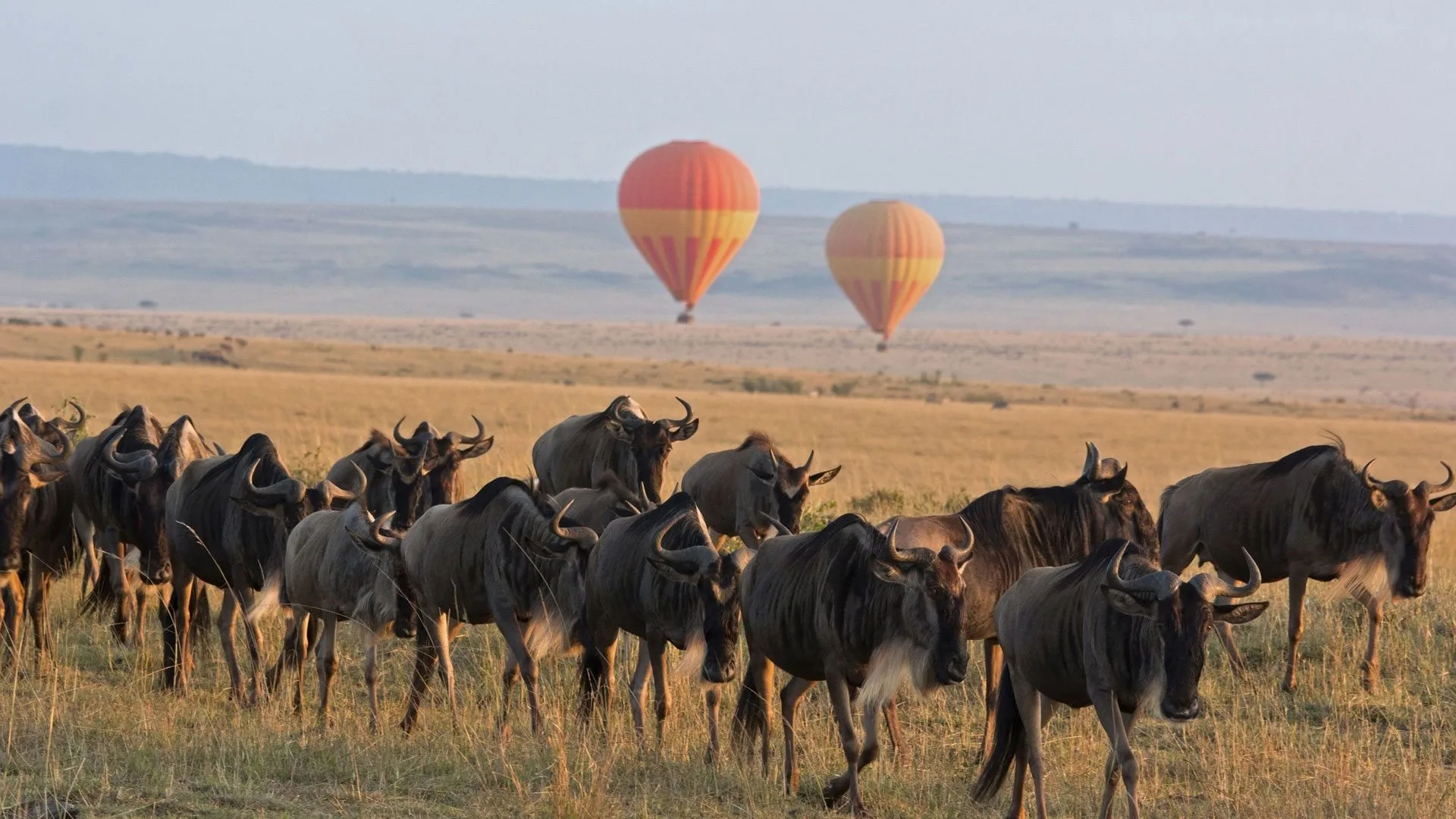
An optional hot air balloon safari may be arranged for travellers interested in aerial landscape photography. Flights normally begin before sunrise and are subject to weather conditions, availability and additional charges.
From above, the Masai Mara's grasslands, rivers and scattered trees create interesting patterns and compositions. However, balloon movement and limited control over positioning make aerial photography different from vehicle-based wildlife photography.
Travellers who remain on the ground can enjoy another early morning game drive, concentrating on wildlife behaviour and favourable light.
Spend the afternoon reviewing the safari's photographic highlights or enjoying a final game drive. The extended stay in the Masai Mara is one of the main advantages of this itinerary.
Accommodation: Masai Mara lodge or tented camp
-
Day 13: Masai Mara to Nairobi – End of Photography Safari - Main destination
- Masai Mara National Reserve
- Drive time
- 5–6 hours or longer
- Meals
- Breakfast
After breakfast, check out of your accommodation and begin the return journey to Nairobi. The drive normally takes several hours, depending on road conditions, traffic and the location of your lodge.
Upon arrival, transfer to Jomo Kenyatta International Airport or another agreed location. International flights should be scheduled with sufficient time for possible delays.
Your 13 Days Kenya Photography Safari concludes with a collection of images documenting Kenya's wildlife, landscapes and memorable natural encounters.
03 Rates
Safari rates 2027-2029
Indicative per person. Season, group size and lodge style change the total — your quotation confirms current rates.
-
Essential (Budget)
Essential (Budget)
Budget camps and lodges suit travelers who prioritize wildlife while keeping costs lower.
Great value camps
-
Comfort (Mid-range)
Comfort (Mid-range)
Mid-range tented camps and lodges balance comfort and price with private rooms or tents and en-suite facilities.
Quoted for your dates
-
Premium (Luxury)
Premium (Luxury)
Luxury camps and lodges focus on location, service and more intimate wildlife experiences.
Premium camps and lodges
-
Signature (High-end)
Signature (High-end)
Signature camps and lodges are the most exclusive stays — small, highly private properties with exceptional guiding and setting.
Exclusive signature stays
04 Activities
Safari activities
Game viewing is the core of this itinerary. Optional extras are quoted separately and depend on season, permits and availability. Individual species and river crossings are never guaranteed.
-

Included
Photograph elephants and Mount Kilimanjaro in Amboseli
Included in a typical day on this safari. Exact timing follows the confirmed itinerary.
View activity -
Included
Enjoy early morning and late afternoon game
Included in a typical day on this safari. Exact timing follows the confirmed itinerary.
-
Included
Request a private vehicle for additional space
Included in a typical day on this safari. Exact timing follows the confirmed itinerary.
-
Optional
Consider an optional Masai Mara hot air
Available at extra cost when conditions, permits and your dates allow. Not guaranteed.
View activity
Additional information
Plan This Safari
Why Kenya Is One of Africa's Best Wildlife Photography Destinations
Kenya offers a remarkable combination of wildlife diversity, accessible safari destinations and varied landscapes. Photographers can capture elephants against mountain scenery, rhinos in woodland habitats and big cats on open grasslands.
The country's national parks and reserves also provide opportunities to photograph birds, smaller mammals, landscapes and natural animal behaviour.
A major advantage of Kenya photography tours is the ability to explore several contrasting habitats within one itinerary.
However, successful wildlife photography depends on more than visiting famous destinations. Lighting, weather, patience, guiding and animal behaviour all influence the results.
Best Time for a Kenya Photography Safari
January to March – Clear Light and Resident Wildlife
The early months of the year often provide favourable conditions for wildlife photography in several Kenyan destinations. Amboseli may offer clear views of Mount Kilimanjaro, while the Masai Mara supports resident predators throughout the year.
April to May – Green Landscapes and Dramatic Skies
The long-rains period can create lush vegetation, dramatic cloud formations and attractive photographic conditions. However, rain may affect road access and certain game-drive activities.
June to October – Dry-Season Wildlife Photography
The drier months are popular for African wildlife photography, particularly in the Masai Mara. The migration season generally falls between July and October, although herd movements vary annually.
November to December – Changing Light and Fresh Vegetation
The short-rains period can bring fresh vegetation and interesting atmospheric conditions. Photographers should prepare for occasional rain and changing road conditions.
Essential Camera Equipment for a Kenya Photography Safari
A Kenya wildlife photography safari can be enjoyed with a range of camera systems, from advanced bridge cameras to professional mirrorless and DSLR equipment.
A telephoto lens is particularly useful for photographing distant animals. Many photographers favour lenses covering approximately 100–400mm or 200–600mm, depending on their camera system and preferred subjects.
A wider lens can be valuable for landscapes, elephants close to the vehicle and environmental portraits.
Bring sufficient batteries, memory cards and storage capacity. Charging facilities vary between lodges, so confirm available power connections and charging arrangements.
Dust protection is important, especially during dry-season game drives. Avoid unnecessary lens changes in dusty conditions and use suitable protective equipment.
Photography Tips for the Masai Mara
The Masai Mara Photography Safari experience rewards patience and careful observation.
Early morning and late afternoon light can create attractive colours and softer shadows. However, interesting wildlife behaviour can occur at any time of day, so photographers should remain prepared.
Use appropriate shutter speeds when photographing moving animals. Birds in flight, running antelopes and active predators may require faster settings than stationary subjects.
Consider the background before taking a photograph. A clean background can help isolate the subject, while a wider composition can communicate the scale of the landscape.
Avoid disturbing wildlife to obtain a particular image. Ethical photography should always take priority over dramatic results.
Amboseli Elephant Photography
Amboseli elephant photography is particularly rewarding because the park supports large elephant populations and relatively open landscapes.
Photographers may have opportunities to capture family interactions, feeding behaviour and elephants moving through wetlands.
Mount Kilimanjaro can provide a dramatic backdrop, but its visibility depends on weather conditions.
For wide environmental compositions, consider including the surrounding landscape rather than concentrating exclusively on close-up animal portraits.
Big Cat Photography in Kenya
Kenya is famous for big cat photography, particularly in the Masai Mara.
Lions are often observed in prides, while cheetahs may be encountered on open plains. Leopards are generally more elusive and may be found in areas with suitable cover.
Photographers should remain patient and avoid encouraging guides to approach animals too closely.
Interesting images may include natural interactions, grooming, resting, scanning for prey or movement through the landscape.
Hunting behaviour is unpredictable and should never be promised as part of a safari.
Bird Photography During Your Safari
Although the itinerary focuses heavily on mammals, Kenya also provides excellent opportunities for bird photography.
Lake Naivasha is particularly rewarding for waterbirds, while Amboseli and the Masai Mara support raptors, storks, rollers and numerous other species.
Bird photography often requires faster shutter speeds and longer focal lengths than landscape photography.
Photographers should avoid disturbing nesting birds or using methods that interfere with natural behaviour.
Private Photography Safari Versus Shared Safari
A private Kenya photography safari provides greater flexibility than a standard shared departure.
Photographers may wish to spend extended periods at a single sighting, adjust vehicle positioning or concentrate on particular species.
A private vehicle can also provide additional space for camera equipment and allow travellers to photograph from different sides of the vehicle.
Shared safaris may be more affordable, but participants must coordinate their interests and game-drive preferences.
For serious photographers, a private vehicle is often the preferred option.
Choosing Accommodation for a Photography Safari
Accommodation location can significantly influence a photography safari.
Properties close to productive wildlife-viewing areas may reduce transfer time and allow earlier access to suitable habitats.
However, the exact advantages depend on whether the lodge is inside a reserve, outside a gate or within a neighbouring conservancy.
Safari Trips to Kenya can arrange accommodation within the Essential, Comfort, Premium and Signature categories.
Photographers should also consider charging facilities, luggage storage, early breakfast arrangements and the availability of packed meals.
Book Your 13 Days Kenya Photography Safari
A successful Kenya photography safari requires more than a collection of famous destinations. It needs sufficient time, appropriate guiding, flexible game drives and realistic expectations about wildlife behaviour.
Our proposed 13 Days Kenya Photography Safari combines Amboseli's elephants, the Rift Valley's varied landscapes, Lake Nakuru's rhino habitats and the extraordinary wildlife of the Masai Mara.
At Safari Trips to Kenya, we can tailor the itinerary according to your photographic interests, preferred accommodation, travel dates and group size.
Contact our safari planning team to request a personalised quotation and begin planning your 13 Days Kenya Photography Safari.
Planning Questions
Frequently Asked Questions
Do I Need Professional Camera Equipment?
No. Enthusiastic beginners can enjoy the safari using suitable cameras and lenses. However, longer focal lengths can be helpful for distant wildlife.
Is This Safari Suitable for Beginners?
Yes. The itinerary can be adapted to different experience levels, and travellers can focus on learning wildlife photography techniques.
Can I Request a Private Vehicle?
Yes. A private vehicle can be arranged according to availability and the selected package.
Is the Great Migration Guaranteed?
No. The migration is a natural seasonal movement, and the location of herds varies according to rainfall and grazing conditions.
Can I Photograph Wildlife from the Vehicle?
Yes. Most game-drive photography takes place from the safari vehicle, following park regulations and guide instructions.
Can the Safari Be Customised?
Yes. Additional nights, different destinations or specialised photographic interests can be incorporated into a personalised itinerary.
05 Request Quote
Request Quote
Tell us your dates, group size, and preferred lodge style — we will send a tailored quote for this safari.
Want to extend your safari?
Add Amboseli, Diani Beach, Tanzania and Zanzibar, or gorilla trekking in Uganda or Rwanda — we tailor the journey to your dates.