
12 DAYS / 11 NIGHTS
12 Days Kenya Big Five Safari
Plan a 12 Days Kenya Big Five Safari with expert guides, game drives and carefully chosen camps. Request a quote.
- Wildlife Safari Private Journey
- Private Safari 4x4 Vehicle
- Expert Guide English Speaking
- All Meals Breakfast, Lunch, Dinner
- 24/7 Support We're here to help
01 Overview
Safari Overview
- Duration 12 days / 11 nights
- Destination Kenya
- Starts / ends Nairobi
- Safari style Private 4×4 safari
- Accommodation Essential · Comfort · Premium · Signature
- Best for Wildlife viewing, photography
12 Days Kenya Big Five Safari
The 12 Days Kenya Big Five Safari is an extensive wildlife journey designed for travelers who want enough time to explore several of Kenya's most productive safari destinations while maximizing opportunities to encounter the legendary African Big Five: lion, leopard, elephant, rhinoceros and Cape buffalo. Rather than depending on a single national park to produce every major wildlife sighting, this twelve-day itinerary combines complementary ecosystems. Each destination contributes something different to the overall experience.
Amboseli National Park is particularly renowned for elephants and for scenery that can include Mount Kilimanjaro when the mountain is clear. Ol Pejeta Conservancy is one of Kenya's most important rhinoceros conservation areas and provides exceptional opportunities to learn about modern wildlife protection.
Lake Nakuru National Park adds another important rhino habitat together with Rothschild's giraffes, buffaloes, birdlife and Rift Valley scenery. The Masai Mara National Reserve then provides the safari's grand finale, with outstanding possibilities for lions, leopards, cheetahs, elephants, buffaloes, hyenas and, seasonally, the Great Wildebeest Migration.
The objective is not simply to "tick" five animals from a checklist. A carefully paced Big Five safari allows travelers to understand how these animals live. You may watch elephants interacting as a family, observe lions communicating within a pride, or see buffaloes gathering defensively around calves. You may encounter a rhinoceros grazing quietly in open country. And with patience and luck, you may find a leopard resting in the branches of a tree or moving silently through riverine vegetation. Wildlife remains wild, and no individual species can ever be guaranteed. But by combining several of Kenya's strongest wildlife destinations over twelve days, this itinerary creates excellent opportunities for a broad and rewarding safari experience.
What Are the African Big Five?
The Big Five are:
- African lion
- African leopard
- African elephant
- Rhinoceros
- Cape buffalo
The term originally came from the colonial hunting era and referred to five animals regarded as particularly dangerous and difficult to hunt on foot. Modern safari tourism has transformed the meaning. Today, travelers generally seek the Big Five with cameras, binoculars and knowledgeable safari guides. Seeing these animals alive in protected landscapes has become one of Africa's most celebrated wildlife experiences, although no individual sighting can be guaranteed.
Why Choose a 12-Day Big Five Safari?
Short Kenya safaris can be rewarding, but they necessarily involve compromises. With twelve days, you can distribute your time between several ecosystems instead of rushing from one reserve to another. This gives you more opportunities to:
- Search for elusive wildlife.
- Observe animal behavior.
- Photograph wildlife in different light.
- Experience multiple landscapes.
- Spend several days in the Masai Mara.
- Visit dedicated rhino conservation areas.
- Enjoy both morning and afternoon game drives.
- Slow down when an exceptional sighting occurs.
- Include optional specialist experiences.
Most importantly, you are not relying on a single day to locate a particular animal. If you do not see a leopard today, there is another opportunity tomorrow. If lions are inactive during one drive, you can search again at sunrise. Safari rewards time and patience.
12 Days Kenya Big Five Safari Highlights
Major highlights can include:
- Private airport transfer in Nairobi.
- Professional Kenya safari driver-guide.
- Private 4x4 safari vehicle.
- Amboseli National Park.
- Mount Kilimanjaro views.
- Large elephant herds.
- Ol Pejeta Conservancy.
- Rhino conservation.
- Black rhinoceros.
- White rhinoceros.
- Lake Nakuru National Park.
- Rothschild's giraffes.
- Great Rift Valley scenery.
- Masai Mara National Reserve.
- Lions.
- Leopards.
- Cheetahs.
- Cape buffaloes.
- Elephants.
- Spotted hyenas.
- Wildebeest.
- Zebras.
- Giraffes.
- Hippos.
- Nile crocodiles.
- Great Migration possibilities.
- Mara River.
- Optional hot-air balloon safari.
- Birdwatching.
- Wildlife photography.
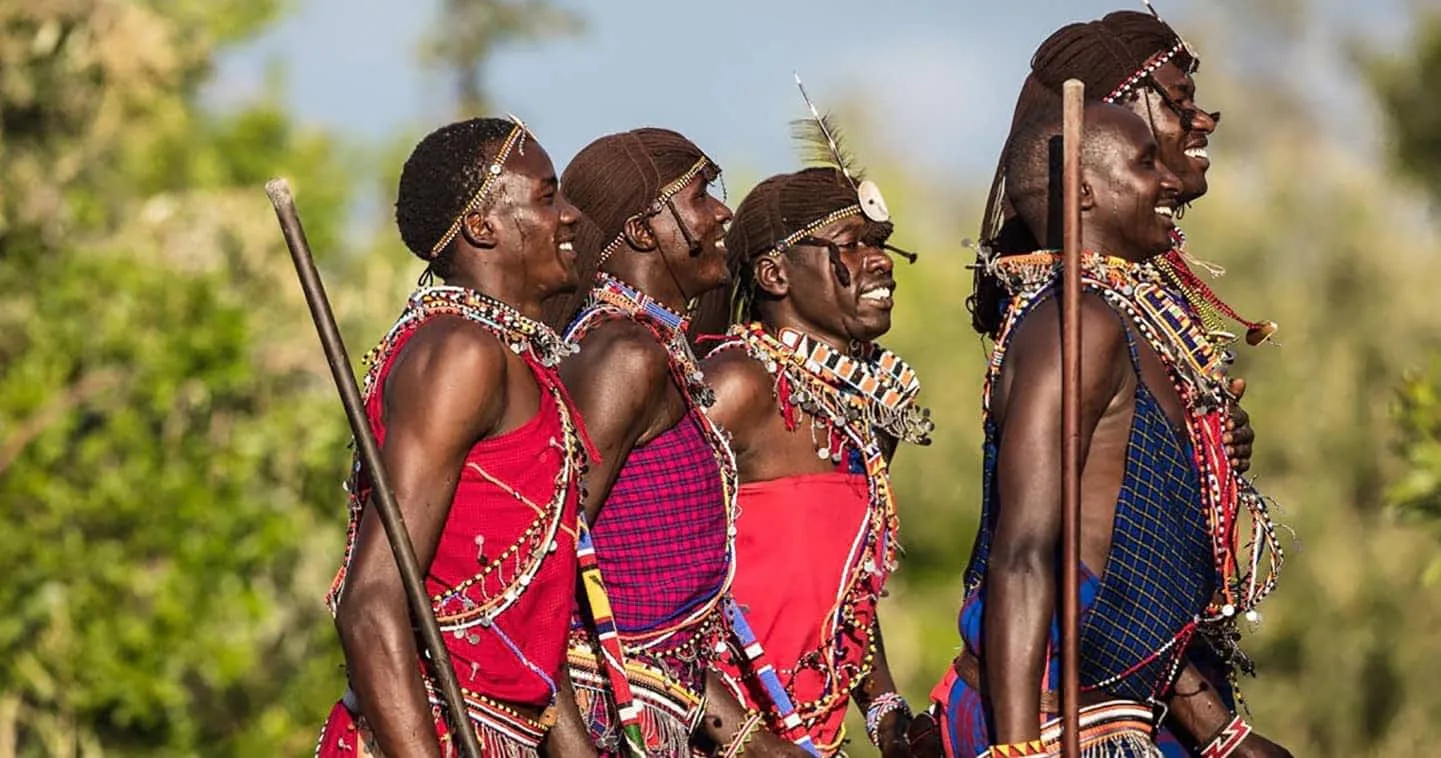
- Cultural experiences where appropriately arranged.
Suggested 12 Days Kenya Big Five Safari Itinerary
A strong Big Five-focused routing can follow:
- Day 1: Arrival in Nairobi
- Day 2: Nairobi to Amboseli National Park
- Day 3: Full-Day Amboseli Wildlife Safari
- Day 4: Amboseli to Ol Pejeta Conservancy
- Day 5: Full-Day Ol Pejeta Rhino and Big Five Safari
- Day 6: Ol Pejeta to Lake Nakuru National Park
- Day 7: Lake Nakuru to Masai Mara National Reserve
- Day 8: Full-Day Masai Mara Big Five Safari
- Day 9: Masai Mara Lion, Leopard and Cheetah Safari
- Day 10: Masai Mara and Mara River Safari
- Day 11: Full-Day Masai Mara Safari / Optional Balloon Safari
- Day 12: Masai Mara to Nairobi – Departure
The exact routing can be customized according to season, accommodation preference, flight schedules and specific wildlife interests.
Itinerary
- Day 1: Arrival in Nairobi, welcome to Kenya
- Day 2: Nairobi to Amboseli, search for Elephants
- Day 3: Amboseli Big Five and Wildlife Safari
- Day 4: Amboseli to Ol Pejeta
- Day 5: Ol Pejeta Rhino and Big Five Safari
- Day 6: Ol Pejeta to Lake Nakuru
- Day 7: Lake Nakuru to Masai Mara
- Day 8: Masai Mara Big Five Safari
- Day 9: Masai Mara Lions, Leopards and Cheetahs
- Day 10: Masai Mara and Mara River Safari
- Day 11: Final Full Day in Masai Mara, optional Balloon Safari
- Day 12: Masai Mara to Nairobi, end of the Safari
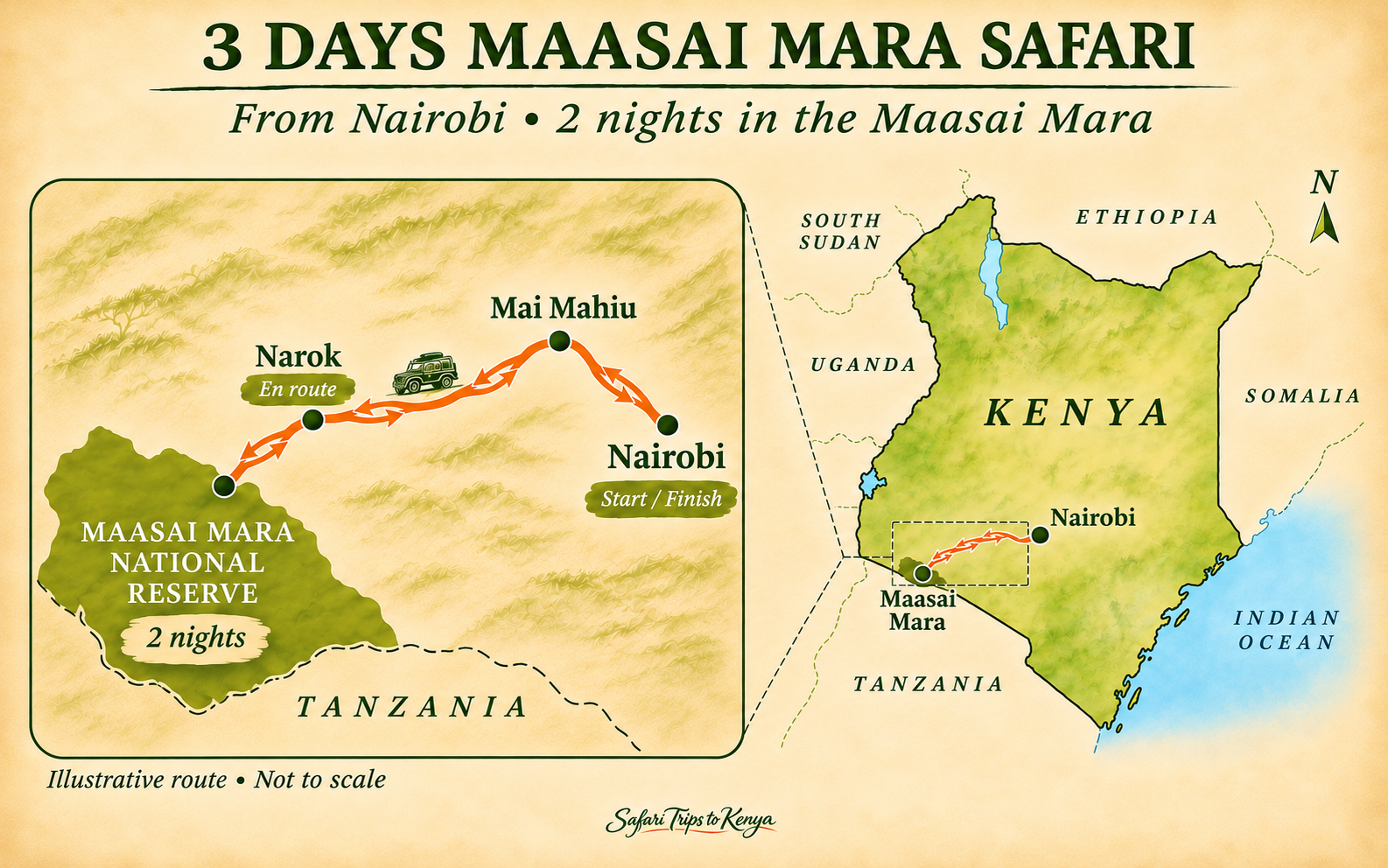
02 Itinerary
12 Days Kenya Big Five Safari: Detailed Itinerary
-

Day 1: Arrival in Nairobi – Welcome to Kenya - Main destination
- Masai Mara National Reserve
- Drive time
- Road transfer as outlined in the itinerary
- Meals
- Lunch, Dinner
Arrive at Jomo Kenyatta International Airport in Nairobi. After completing immigration procedures and collecting your luggage, meet your safari representative, who will transfer you privately to your Nairobi hotel.
The first day is deliberately uncomplicated. Long-haul travel can be tiring, and beginning a major safari immediately after an overnight flight is not always ideal. Check in and rest. Depending on arrival time, you may enjoy:
- Hotel lunch.
- Swimming pool.
- Spa.
- Nairobi restaurant.
- Optional city excursion.
Later, meet your safari guide or representative for a detailed briefing. Topics to discuss include:
- Safari route.
- Park regulations.
- Wildlife expectations.
- Photography.
- Daily schedules.
- Meals.
- Accommodation.
- Optional activities.
- Weather.
- Road conditions.
Your guide can also explain the Big Five and where each species is most likely to be encountered during the journey. Have dinner and prepare for tomorrow's departure.
Accommodation: Nairobi hotel
Meal Plan: According to arrival arrangement
Activities: Airport transfer and safari briefing
Where you stay
-
Essential (Budget)
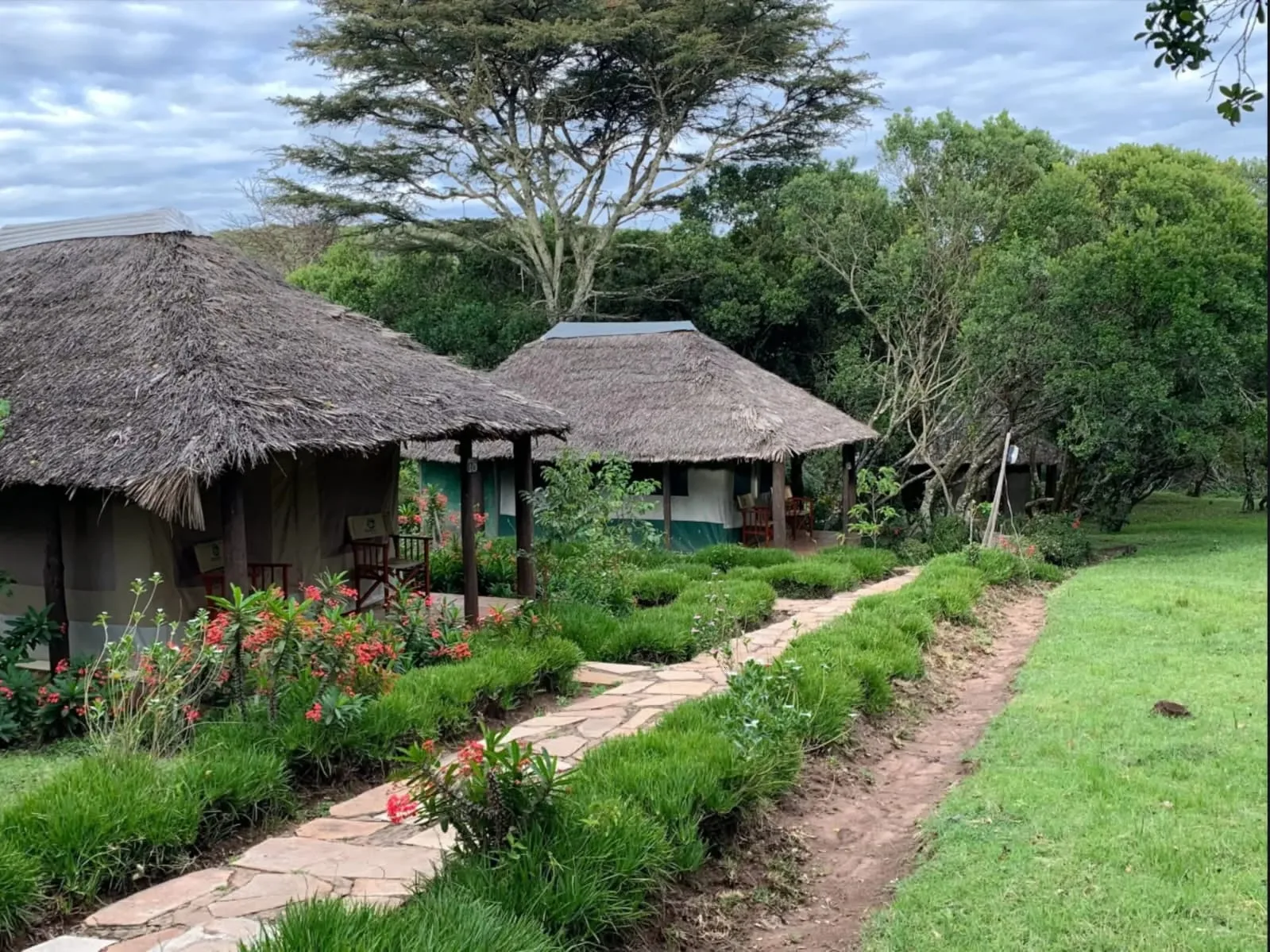
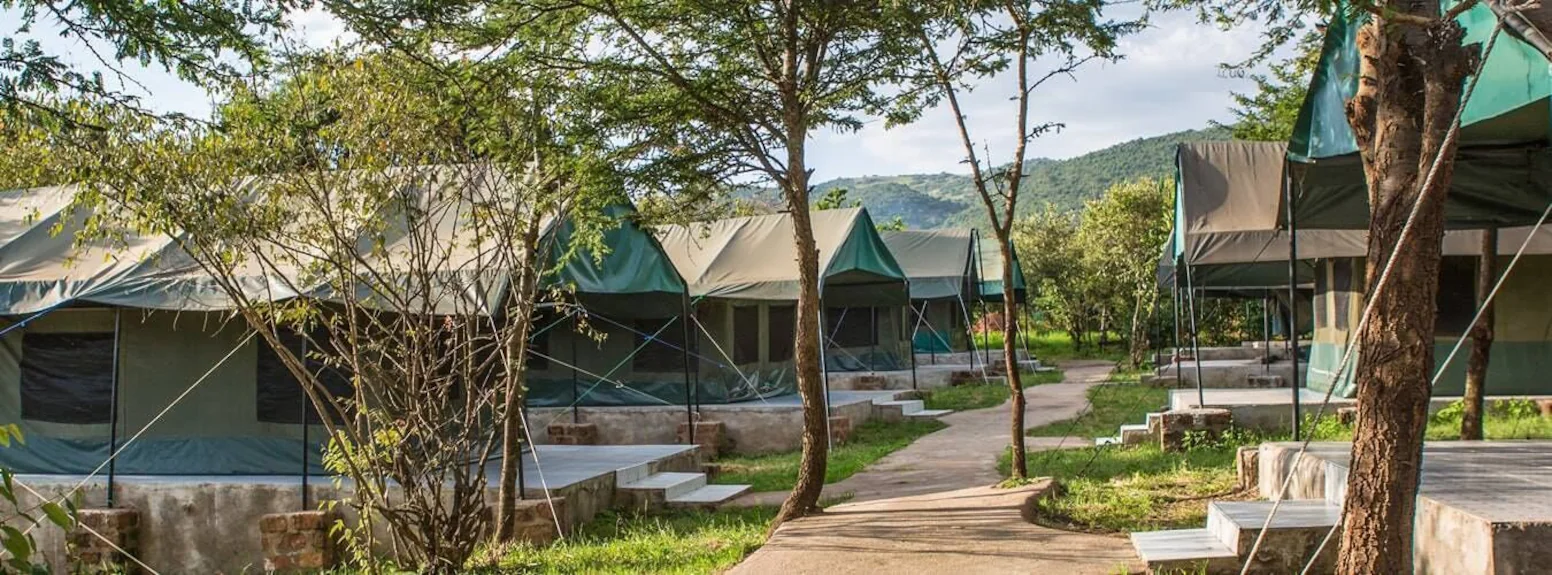
-
Comfort (Mid-range)
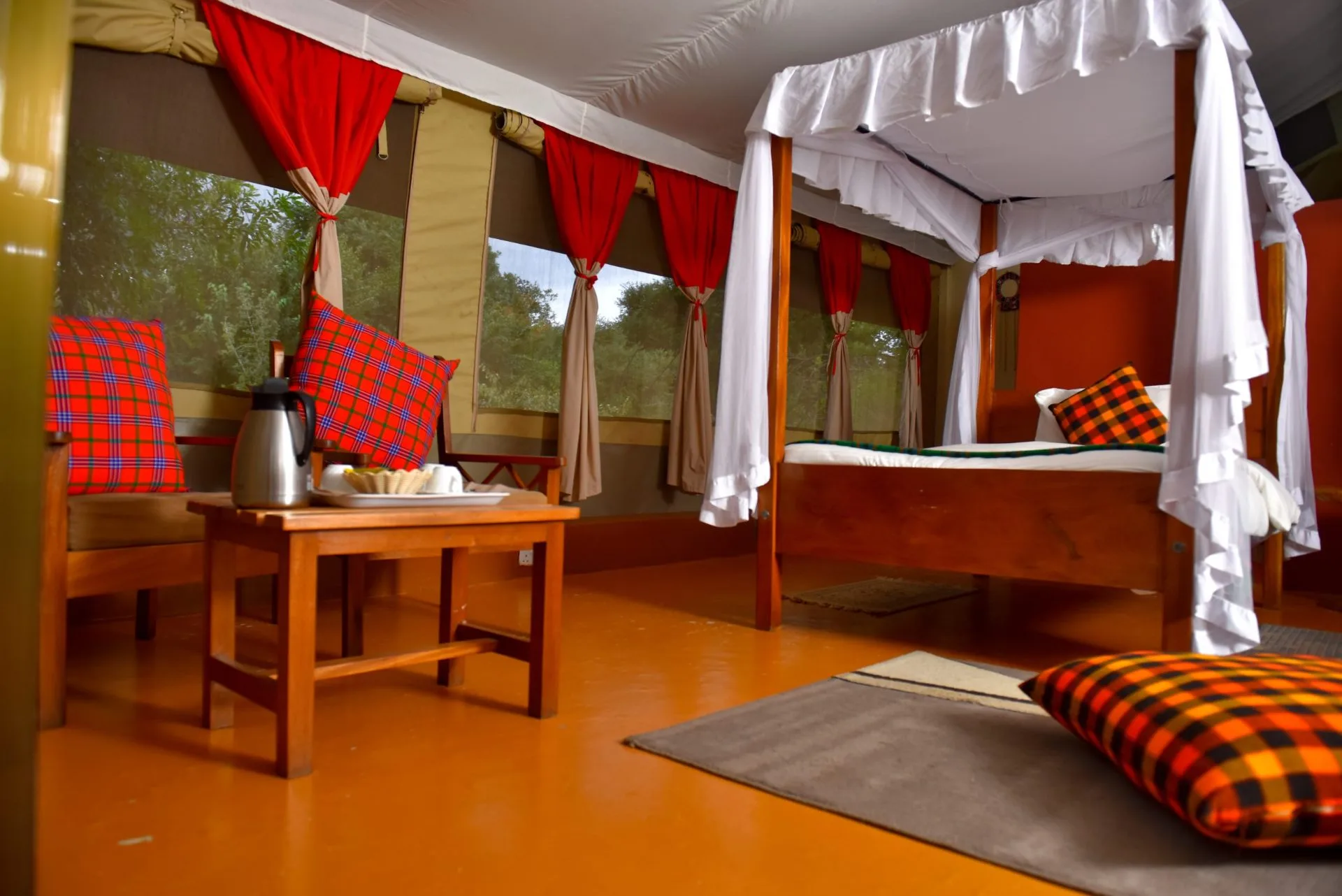
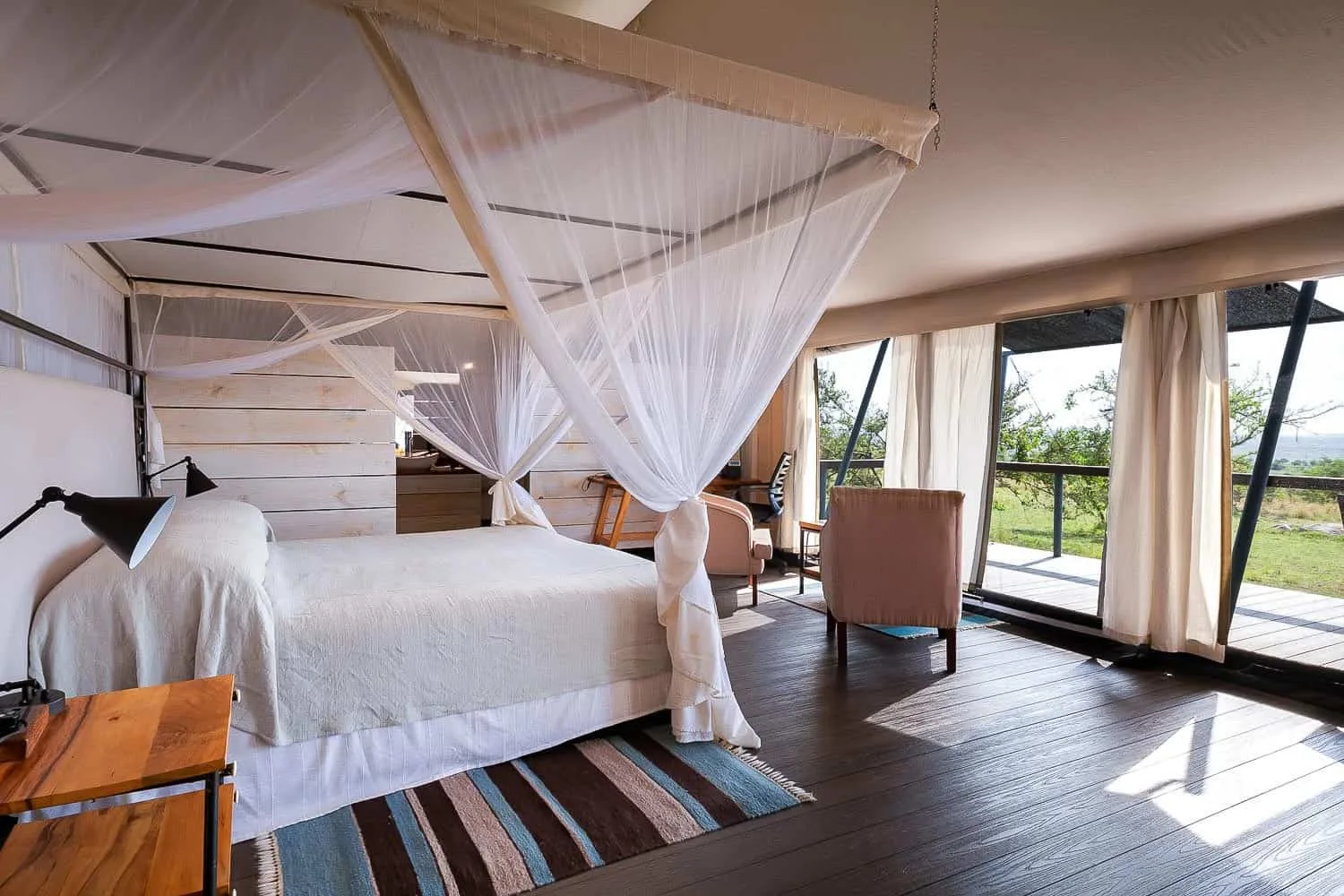
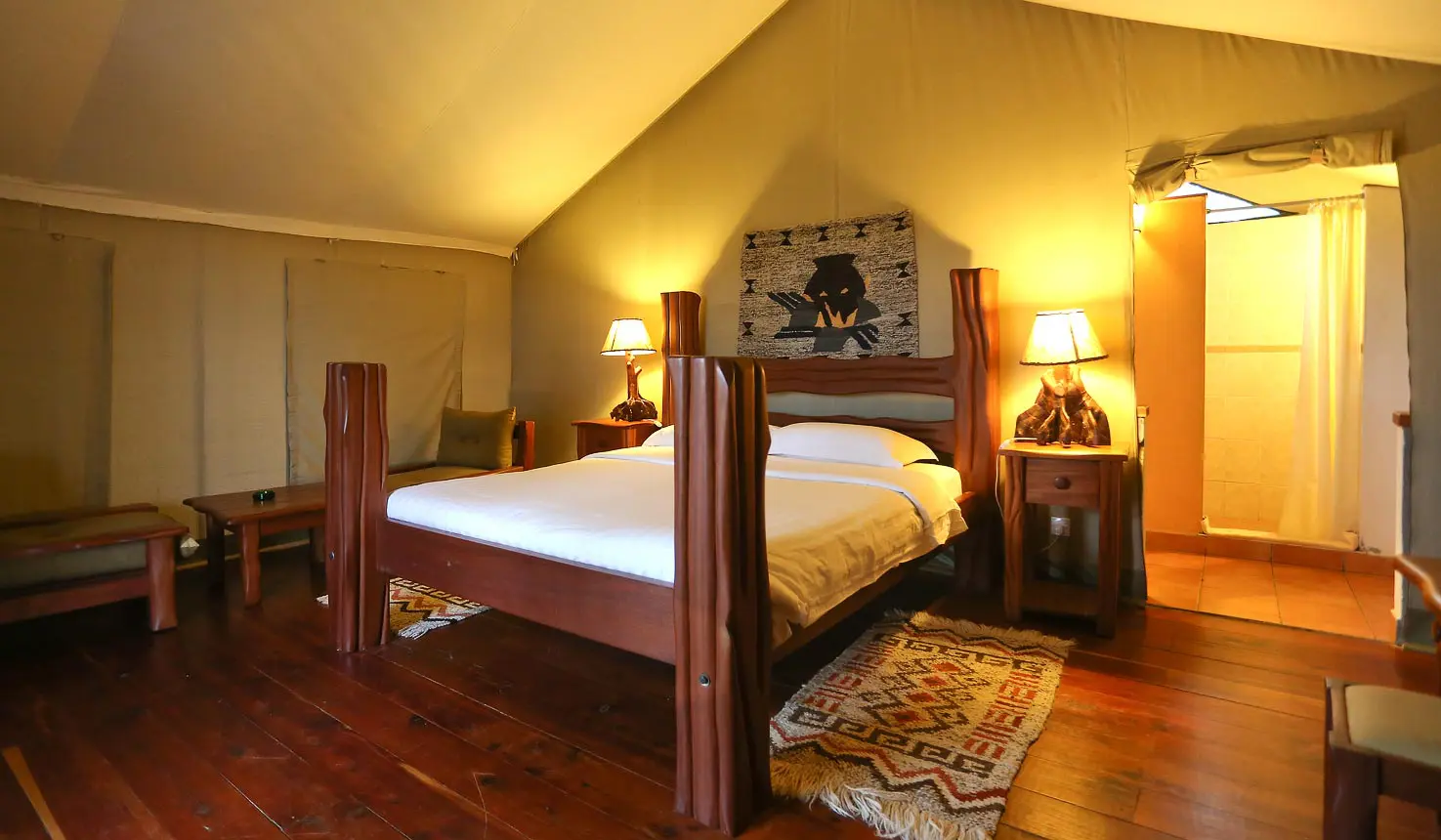
-
Premium (Luxury)
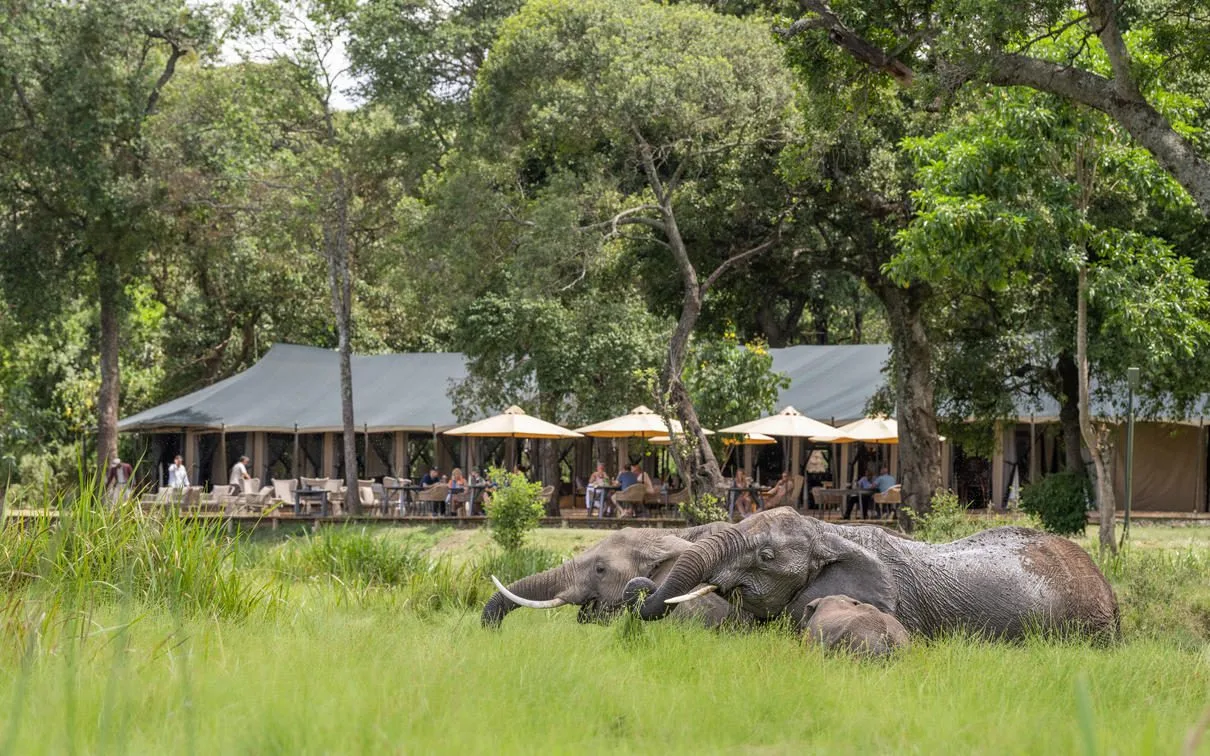
-
Signature (High-end)
-
Day 2: Nairobi to Amboseli National Park – Search for Elephants - Main destination
- Masai Mara National Reserve
- Meals
- Breakfast, Lunch, Dinner
After breakfast, meet your private driver-guide and begin the journey south toward Amboseli National Park. As Nairobi disappears behind you, the scenery becomes increasingly rural, and eventually the landscapes become drier and more open.
On clear days, Mount Kilimanjaro appears dramatically beyond the plains. Although Kilimanjaro is across the border in Tanzania, Amboseli offers some of the most famous views of Africa's highest mountain, though the view is never guaranteed.
Arrive at your lodge or tented camp, check in and have lunch. After some rest, begin your first game drive.
Elephants of Amboseli
Amboseli is internationally famous for elephants. The ecosystem has supported decades of elephant research, making it an important place for understanding elephant ecology and social behavior. Possible observations include:
- Large family herds.
- Mothers with calves.
- Adult bulls.
- Elephants feeding.
- Dust bathing.
- Drinking.
- Social interactions.
Elephants often move between dry plains and permanent wetlands. Seeing an elephant herd crossing the landscape with Kilimanjaro behind them can become one of the safari's defining images. Other wildlife may include: Cape buffalo, Zebra, Wildebeest, Giraffe, Impala, Grant's gazelle, Thomson's gazelle, Warthog, Hippo, Lion, Spotted hyena.
Return to your lodge around sunset.
Accommodation: Lodge/tented camp in or near Amboseli
Meal Plan: Breakfast, Lunch & Dinner
Activities: Transfer and afternoon game drive
Where you stay
-
Day 3: Full-Day Amboseli Big Five and Wildlife Safari - Main destination
- Masai Mara National Reserve
- Meals
- Breakfast, Lunch, Dinner
Wake early for another exploration of Amboseli. The first hours of daylight can provide particularly good wildlife activity and photography. If Kilimanjaro is visible, your guide can look for safe and legal viewpoints that combine wildlife with mountain scenery.
Searching for Lions
Although elephants dominate Amboseli's reputation, lions also inhabit the ecosystem. Search:
- Open plains.
- Areas near concentrations of herbivores.
- Shade during warmer periods.
- Woodland edges.
Lion sightings can involve:
- Solitary males.
- Coalitions.
- Females.
- Cubs.
- Entire prides.
Cape Buffalo
Buffaloes are another Big Five species found in Amboseli. They can occur around wetlands and grasslands, and large bulls are particularly impressive. Buffaloes should never be underestimated: they are powerful animals and can be unpredictable, so your guide will maintain appropriate distances.
Wetland Wildlife
Amboseli's wetlands create a remarkable contrast with the surrounding semi-arid landscape. Look for:
- Elephants.
- Buffaloes.
- Hippos.
- Waterbirds.
- Grazing herbivores.
The wetlands demonstrate how water determines wildlife distribution in otherwise dry environments.
Return to your lodge for lunch and take an afternoon break. Later, leave for another game drive, searching for any Big Five species not yet encountered and spending time observing elephant behavior. Return for dinner and overnight.
Accommodation: Lodge/tented camp in or near Amboseli
Meal Plan: Breakfast, Lunch & Dinner
Activities: Morning and afternoon game drives
Where you stay
-
Day 4: Amboseli to Ol Pejeta Conservancy - Main destination
- Masai Mara National Reserve
- Meals
- Breakfast, Lunch, Dinner
After breakfast, leave Amboseli and begin the journey toward Ol Pejeta Conservancy in central Kenya. This is a substantial transfer day, and the changing landscapes help demonstrate Kenya's geographical diversity.
Travel through areas around Nairobi and continue north toward the Laikipia region. Depending on the route and traffic, your guide will arrange suitable rest and meal stops. As you approach central Kenya, landscapes become greener and elevation increases. On clear days, Mount Kenya may become visible.
Arrive at Ol Pejeta, check into your lodge or camp and, depending on arrival time, enjoy an introductory game drive. Ol Pejeta is particularly important for rhinoceros conservation. It also supports: Lions, Elephants, Buffaloes, Leopards, Cheetahs, Giraffes, Zebras, Antelopes.
This makes the conservancy an important component of the Big Five itinerary. Return to your accommodation, have dinner and rest.
Accommodation: Lodge/tented camp in or near Ol Pejeta
Meal Plan: Breakfast, Lunch & Dinner
Activities: Transfer and possible evening game drive
Where you stay
-
Day 5: Full-Day Ol Pejeta Rhino and Big Five Safari - Main destination
- Masai Mara National Reserve
- Meals
- Breakfast, Lunch, Dinner
Today is devoted to exploring Ol Pejeta Conservancy. The central objective is rhinoceros viewing and conservation interpretation.
Black Rhinoceros
Black rhinos are browsers. They typically feed on:
- Leaves.
- Shrubs.
- Woody vegetation.
Their hooked upper lips help them grasp plant material. Despite their name, black rhinos are not truly black.
White Rhinoceros
White rhinos are generally grazers, and their broad mouths are adapted to feeding on grass. The two species also differ in:
- Body structure.
- Feeding behavior.
- Habitat use.
Your guide can explain these distinctions during sightings.
Northern White Rhino Conservation
Ol Pejeta is internationally known for its role in northern white rhino conservation. The conservation story illustrates both the severity of wildlife decline and the extraordinary scientific efforts being made to prevent the complete loss of genetic lineages. Any specific conservation visit or experience should be confirmed according to current conservancy arrangements.
Other Big Five Wildlife
Continue exploring for: Lions, Elephants, Buffaloes, Leopards.
Leopards are naturally elusive, and visiting a Big Five destination does not mean every species will be seen immediately. Experienced guides use many environmental clues to locate predators, including:
- Searching slowly.
- Observing tracks.
- Listening to alarm calls.
- Watching the behavior of antelopes and monkeys.
Have lunch, continue with an afternoon safari and return to camp for dinner.
Accommodation: Lodge/tented camp in or near Ol Pejeta
Meal Plan: Breakfast, Lunch & Dinner
Activities: Full-day wildlife and conservation safari
Where you stay
-
Day 6: Ol Pejeta to Lake Nakuru National Park - Main destination
- Masai Mara National Reserve
- Meals
- Breakfast, Lunch, Dinner
After breakfast, leave Ol Pejeta and travel toward the Great Rift Valley. Your next destination is Lake Nakuru National Park, which provides another strong opportunity for rhinoceros sightings.
This duplication is deliberate. Wildlife is unpredictable, and including more than one rhino destination improves opportunities while also exposing travelers to different ecosystems. Enter Lake Nakuru and begin your game drive.
Rhinos at Lake Nakuru
Search open areas and woodland edges for white and black rhinoceroses. White rhinos may be more visible in open grassland, while black rhinos can be more difficult to locate.
Rothschild's Giraffe
Lake Nakuru is also associated with Rothschild's giraffes. Their tall silhouettes among fever trees and woodland can create beautiful photographic opportunities.
Buffalo
Large buffaloes are frequently associated with the park's grasslands and woodland. Observe them carefully, as older bulls may occur separately from larger breeding herds. Other wildlife can include: Zebra, Waterbuck, Warthog, Baboon, Lion, Leopard.
Birdlife is diverse. Flamingos may occur, but numbers vary considerably according to ecological conditions.
Continue to your accommodation and have dinner.
Accommodation: Lodge in/near Lake Nakuru
Meal Plan: Breakfast, Lunch & Dinner
Activities: Transfer and Lake Nakuru game drive
Where you stay
-
Day 7: Lake Nakuru to Masai Mara National Reserve - Main destination
- Masai Mara National Reserve
- Meals
- Breakfast, Lunch, Dinner
Wake early. Depending on the previous day's sightings and your schedule, enjoy another game drive before leaving Lake Nakuru. Search again for: Rhinos, Buffaloes, Giraffes, Lions, Leopards.
After breakfast, continue toward the Masai Mara National Reserve. The journey takes you through the Rift Valley and into increasingly open landscapes, and eventually the famous Mara grasslands begin to appear.
Arrive at your camp or lodge, have lunch and rest briefly. Then begin your first Masai Mara game drive. The Mara is one of Africa's premier predator destinations. Potential wildlife includes: Lion, Leopard, Cheetah, Elephant, Buffalo, Spotted hyena, Giraffe, Wildebeest, Zebra, Topi, Eland, Gazelles, Warthog.
If you have already seen several members of the Big Five, the Mara provides opportunities to concentrate on remaining species. Return to camp at sunset.
Accommodation: Masai Mara lodge/tented camp
Meal Plan: Breakfast, Lunch & Dinner
Activities: Transfer and afternoon game drive
Where you stay
-
Day 8: Full-Day Masai Mara Big Five Safari - Main destination
- Masai Mara National Reserve
- Meals
- Breakfast, Lunch, Dinner
Today is dedicated entirely to wildlife viewing. Leave after an early breakfast or carry breakfast according to your camp arrangements.
Lion Safari
The Masai Mara supports an important lion population. Search open plains, drainage areas and locations where prey is abundant. Possible behavior includes:
- Hunting.
- Feeding.
- Territorial marking.
- Roaring.
- Pride interactions.
- Cubs playing.
- Adults resting.
Lions can sleep for many hours, and patience often produces better observations than rushing from one sighting to another.
Leopard Safari
Leopards require more patience. Search:
- Riverine woodland.
- Fig trees.
- Drainage lines.
- Dense vegetation.
- Tree branches.
Guides also listen for alarm calls from monkeys, antelopes and birds. A leopard encounter can be one of the most rewarding moments of the entire twelve-day safari, although a sighting is never guaranteed.
Elephant Safari
Elephants occur throughout the Mara ecosystem. Unlike the dramatic Kilimanjaro scenery of Amboseli, Mara elephant encounters often unfold against rolling grasslands, woodland and river valleys.
Buffalo Safari
Large buffalo herds may be encountered. Lions sometimes interact with buffaloes, although hunting a healthy adult buffalo is dangerous even for powerful predators.
Have a picnic lunch in an authorized area if spending the full day inside the reserve. Continue exploring until late afternoon, then return to camp.
Accommodation: Masai Mara lodge/tented camp
Meal Plan: Breakfast, Packed Lunch & Dinner
Activities: Full-day Big Five game drive
Where you stay
-
Day 9: Masai Mara Lions, Leopards and Cheetahs - Main destination
- Masai Mara National Reserve
- Meals
- Breakfast, Lunch, Dinner
Today's safari concentrates on predators. Although cheetahs are not members of the traditional Big Five, they are among the Mara's most sought-after animals.
Cheetah
Cheetahs favor open areas. They may use the following as elevated observation points:
- Termite mounds.
- Small rises.
- Fallen logs.
Cheetahs hunt primarily through speed. They cannot sustain maximum speed for long periods, so stalking and positioning are critical.
Lion
Revisit known lion territories. Your guide may know where prides were seen recently. However, animals move continuously, and there is never a guarantee that yesterday's lions will remain in the same location.
Leopard
Continue searching riverine areas. Leopards may:
- Rest in trees.
- Walk through grass.
- Hide in vegetation.
- Carry prey into trees.
Spend enough time at quality sightings, because the purpose of a twelve-day safari is not to rush. Return to camp for lunch or carry a picnic depending on the day's plan, then continue wildlife viewing during the afternoon.
Accommodation: Masai Mara lodge/tented camp
Meal Plan: Breakfast, Lunch & Dinner
Activities: Predator-focused game drives
Where you stay
-
Day 10: Masai Mara and Mara River Safari - Main destination
- Masai Mara National Reserve
- Meals
- Breakfast, Lunch, Dinner
Today explore different sections of the Masai Mara. If wildlife conditions and your location make it appropriate, travel toward the Mara River. The river is a major ecological feature. It supports: Hippopotamuses, Nile crocodiles, Birds, Riverine vegetation, Numerous mammals using surrounding habitats.
During parts of the migration season, large wildebeest and zebra herds may gather in the wider ecosystem.
Great Wildebeest Migration
The Great Migration is a continuous movement involving huge numbers of wildebeest together with zebras and other herbivores. The movement is influenced by:
- Rainfall.
- Grass.
- Water.
- Seasonal conditions.
The precise location of the herds changes.
River Crossings
Mara River crossings are famous but unpredictable. Herds may approach and retreat repeatedly, they may cross at another location, or they may not cross at all during your visit. Responsible operators should never guarantee a crossing, and the wider Mara experience remains exceptional even without one.
Continue searching for Big Five species along the way. Have a picnic lunch and return to camp later in the day.
Accommodation: Masai Mara lodge/tented camp
Meal Plan: Breakfast, Packed Lunch & Dinner
Activities: Mara River, migration and general wildlife safari
Where you stay
-
Day 11: Final Full Day in Masai Mara – Optional Balloon Safari - Main destination
- Masai Mara National Reserve
- Meals
- Breakfast, Lunch, Dinner
Today provides another complete day in the Mara. By now, you may already have seen all five members of the Big Five, though no species is ever guaranteed. If one species remains missing, your guide can focus on habitats where that animal is more likely to occur.
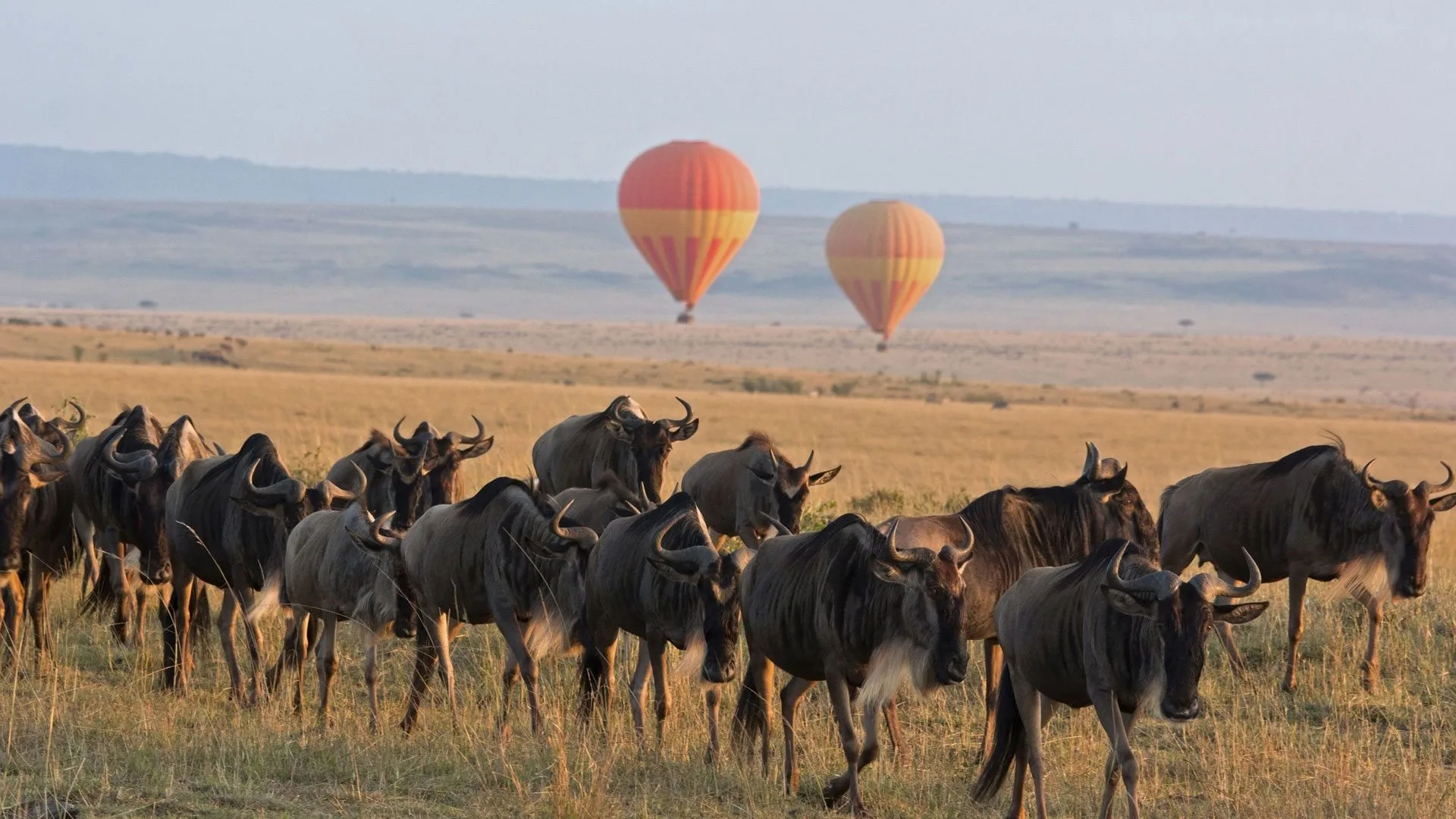
Optional Hot-Air Balloon Safari
Wake before dawn if you have booked a balloon flight and transfer to the launch site. After safety instructions, take off around sunrise, subject to weather and operational conditions. The balloon provides an entirely different perspective. Look across:
- Savannah.
- Rivers.
- Woodlands.
- Wildlife trails.
- Herds.
During migration periods, large concentrations of wildebeest can be especially impressive from the air. After landing, breakfast is generally provided according to the balloon operator's arrangements, and you then reconnect with your driver-guide.
Continue your final game drive, spending time with favorite animals rather than chasing a checklist. If you already have excellent lion, elephant, buffalo, rhino and leopard sightings, perhaps focus on: Cheetahs, Hyenas, Giraffes, Birds, Hippos, Smaller mammals.
Return to camp for your final safari evening.
Accommodation: Masai Mara lodge/tented camp
Meal Plan: Breakfast, Lunch & Dinner
Activities: Full-day safari and optional balloon flight
Where you stay
-
Day 12: Masai Mara to Nairobi – End of the Safari - Main destination
- Masai Mara National Reserve
- Drive time
- Return transfer as outlined in the itinerary
- Meals
- Breakfast, Lunch
Wake early for your final morning. If time permits, enjoy one last game drive. The final safari often produces unexpected moments. Perhaps you will find: Lions walking through morning grass, Elephants feeding, Hyenas returning to dens, Giraffes silhouetted against sunrise, A leopard emerging from cover.
Return for breakfast and check out. Travel to Nairobi by road or optional scheduled flight.
Road Transfer
Driving is generally more economical and allows you to remain with your private guide.
Fly-Out Option
Scheduled flights from the Mara can substantially reduce travel time. They generally operate to Nairobi's Wilson Airport. A separate transfer can be arranged to:
- Jomo Kenyatta International Airport.
- Nairobi hotel.
- Another domestic flight.
- Beach connection.
Your 12 Days Kenya Big Five Safari concludes.
Meal Plan: Breakfast; additional meals according to schedule
Activities: Final game drive and transfer
The Big Five Animals You Can Search for
African Lion
The lion is Africa's most famous large predator, and Kenya offers excellent opportunities, particularly in the Masai Mara. Lions are social cats. Prides may contain:
- Adult females.
- Cubs.
- Juveniles.
- Associated adult males.
Male coalitions may control territories containing several prides. Possible behaviors include:
- Hunting.
- Feeding.
- Resting.
- Grooming.
- Roaring.
- Territorial patrols.
Early mornings and late afternoons can be particularly rewarding.
African Leopard
The leopard is usually the most difficult member of the Big Five to locate. Leopards are:
- Solitary.
- Secretive.
- Powerful.
- Excellent climbers.
They use camouflage extremely effectively. Potential habitats include:
- Riverine forest.
- Woodland.
- Rocky areas.
- Dense bush.
A good guide significantly improves your chances of finding one.
African Elephant
Kenya provides exceptional elephant viewing, and Amboseli is particularly famous. Elephants live in complex social systems, and family groups are generally led by experienced females. Observe:
- Trunk communication.
- Ear movements.
- Calf protection.
- Feeding.
- Drinking.
- Dust bathing.
- Social greetings.
Never pressure elephants by driving too close.
Rhinoceros
Kenya protects both:
- Black rhinoceros.
- White rhinoceros.
Ol Pejeta and Lake Nakuru are important destinations on this itinerary. Rhinos face severe conservation pressures, particularly from historic and contemporary poaching. Seeing a rhino in the wild provides an opportunity to appreciate why long-term conservation is essential.
Cape Buffalo
Buffaloes are sometimes overlooked because they are more common than rhinos or leopards, but they are impressive animals. Large bulls can weigh hundreds of kilograms and possess formidable horns. Buffaloes often form herds, and group living can provide protection against predators. Lions are among their principal natural predators.
Where you stay
03 Rates
Safari rates 2027-2029
Indicative per person. Season, group size and lodge style change the total — your quotation confirms current rates.
-
Essential (Budget)
Essential (Budget)
Budget camps and lodges suit travelers who prioritize wildlife while keeping costs lower.
Great value camps
-
Comfort (Mid-range)
Comfort (Mid-range)
Mid-range tented camps and lodges balance comfort and price with private rooms or tents and en-suite facilities.
Quoted for your dates
-
Premium (Luxury)
Premium (Luxury)
Luxury camps and lodges focus on location, service and more intimate wildlife experiences.
Premium camps and lodges
-
Signature (High-end)
Signature (High-end)
Signature camps and lodges are the most exclusive stays — small, highly private properties with exceptional guiding and setting.
Exclusive signature stays
04 Activities
Safari activities
Game viewing is the core of this itinerary. Optional extras are quoted separately and depend on season, permits and availability. Individual species and river crossings are never guaranteed.
-
Optional
Hot-air balloon safari.
Available at extra cost when conditions, permits and your dates allow. Not guaranteed.
View activity -

Included
Wildlife photography
Included in a typical day on this safari. Exact timing follows the confirmed itinerary.
View activity -
Included
Cultural experiences where appropriately arranged
Included in a typical day on this safari. Exact timing follows the confirmed itinerary.
View activity
Additional information
Plan This Safari
Can You See All Big Five in Kenya?
Yes, Kenya contains all five species. However, no responsible safari operator should guarantee sightings of every animal. The main challenge is usually the leopard because of its secretive nature. Rhinos are also restricted to particular protected areas, so this itinerary deliberately includes multiple ecosystems to strengthen overall opportunities.
Best Places to See the Big Five in Kenya
Important destinations include:
Masai Mara
Particularly strong for: Lion, Leopard, Elephant, Buffalo.
Rhino sightings are possible but much less predictable.
Ol Pejeta
Particularly important for:
- Rhinoceros.
Also supports other Big Five species.
Lake Nakuru
Lake Nakuru is a strong rhino destination. It also supports buffalo, lion and leopard.
Amboseli
Amboseli is an exceptional elephant destination. It also supports buffalo and lion.
Why Include Ol Pejeta?
A safari focused exclusively on the Mara may produce extraordinary wildlife, but rhino sightings are less dependable. Ol Pejeta dramatically strengthens the itinerary's rhinoceros component. It also provides important conservation context, because travelers learn that modern safari tourism and conservation are closely connected.
Why Include Lake Nakuru?
Lake Nakuru provides another rhino opportunity while adding:
- Rothschild's giraffes.
- Rift Valley scenery.
- Birdlife.
- Buffaloes.
- Woodland wildlife.
It also breaks the journey between central Kenya and the Mara.
Why Include Amboseli?
Amboseli gives the safari an entirely different visual identity. Its elephants, and views of Kilimanjaro when the mountain is clear, are difficult to replicate elsewhere. It is one of the world's great elephant destinations.
Why Spend Several Days in the Masai Mara?
Wildlife is unpredictable, and one Mara day is never enough for travelers who genuinely want to understand the ecosystem. Multiple days allow you to:
- Search different areas.
- Follow predators.
- Revisit sightings.
- Photograph different light.
- Look for leopards patiently.
- Explore the Mara River.
- Experience migration activity when present.
Best Time for a 12 Days Kenya Big Five Safari
Kenya offers year-round wildlife viewing.
January to March
These months are often relatively dry, and wildlife viewing can be excellent.
April to May
This is the long-rain period. Potential advantages:
- Green scenery.
- Fewer visitors.
- Dramatic photography.
Potential disadvantages:
- Muddy roads.
- Rain.
- Some seasonal camp closures.
June
Conditions generally begin becoming drier.
July to October
This is a major safari period. The Masai Mara may host migration herds during portions of this season, and demand can be high.
November
Short rains can refresh landscapes.
December
December is a popular safari period, especially around festive holidays.
Big Five Safari During Migration Season
Migration season adds enormous wildebeest and zebra herds to an already wildlife-rich itinerary. Predators may take advantage of increased prey availability. The Big Five are resident animals and do not depend on the migration, so a Big Five safari can also be planned outside migration months. No individual species is guaranteed in either season.
Big Five Safari During Green Season
Green season can provide:
- Lush landscapes.
- Fewer vehicles.
- Excellent birding.
- Dramatic clouds.
- Beautiful photography.
Rain can affect roads, but experienced guides adjust routes according to conditions.
Private 4x4 Safari Vehicle
A private vehicle is highly recommended. Benefits include:
- Flexible schedule.
- Better photography.
- More space.
- Personal wildlife priorities.
- Ability to spend longer at sightings.
- Private guide interaction.
The exact vehicle specification should be confirmed when booking.
Big Five Photography Safari
Twelve days provides excellent photographic opportunities. Subjects can include:
- Lion portraits.
- Leopard in trees.
- Elephant families.
- Rhino portraits.
- Buffalo herds.
- Cheetah action.
- Giraffe silhouettes.
- Kilimanjaro landscapes.
- Mara sunsets.
- Migration herds.
Photographers should communicate priorities to their guide, remembering that wildlife and Kilimanjaro views are never guaranteed.
Camera Equipment
Useful equipment may include:
- Camera body.
- Telephoto lens.
- Medium zoom.
- Wide-angle lens.
- Spare batteries.
- Memory cards.
- Beanbag.
- Lens cloth.
- Dust protection.
A second camera body can reduce the need to change lenses in dusty conditions.
Binoculars
Binoculars significantly improve the safari experience. They are useful for:
- Distant predators.
- Birds.
- Animal behavior.
- Scanning plains.
- Identifying movement.
Even travelers primarily interested in photography should carry binoculars where practical.
Birdlife on the Safari
Kenya's birdlife adds another dimension. Possible species and groups include: African fish eagle, Secretarybird, Vultures, Eagles, Hornbills, Rollers, Kingfishers, Herons, Egrets, Storks, Ostriches, Bustards.
Your guide can help identify species. Dedicated birders can request a specialist itinerary.
Other Wildlife Beyond the Big Five
Do not allow the Big Five checklist to distract from Kenya's extraordinary biodiversity. Other animals can include: Cheetah, Spotted hyena, Giraffe, Zebra, Wildebeest, Eland, Topi, Impala, Gazelles, Warthog, Hippopotamus, Nile crocodile, Jackal, Mongoose, Baboon, Vervet monkey.
Sometimes the most memorable encounter involves an animal you never expected to see.
Luxury 12 Days Kenya Big Five Safari
A luxury version can include:
- Premium Nairobi hotel.
- Luxury tented camps.
- Boutique lodges.
- Private 4x4.
- Bush flights.
- Balloon safari.
- Private dining.
- Sundowners.
- Spa treatments.
- Conservancy accommodation.
Luxury should improve both comfort and safari quality rather than merely increase room size.
Mid-Range 12 Days Kenya Big Five Safari
A mid-range itinerary can provide an excellent balance between cost and comfort. Accommodation generally emphasizes:
- En-suite rooms/tents.
- Good safari locations.
- Full-board meals.
- Comfortable beds.
- Reliable service.
For many travelers, this is the best-value option.
Budget 12 Days Kenya Big Five Safari
Budget-conscious travelers can reduce costs through:
- Road transportation.
- Affordable camps.
- Carefully selected lodge locations.
- Fewer optional activities.
- Shoulder-season travel.
Park and conservation fees remain important components of the total safari price.
Fly-In Big Five Safari
Flights can replace selected long road transfers. Benefits include:
- Less driving.
- More safari time.
- Greater comfort.
- Aerial scenery.
Flight schedules, luggage allowances and route availability must be considered.
Road Big Five Safari
Road travel remains popular because it offers:
- Dedicated guide.
- Private vehicle.
- Flexible luggage.
- Lower cost than extensive flying.
- More exposure to Kenya's landscapes.
A road-and-flight combination can provide an excellent compromise.
Family Big Five Safari
This itinerary can be adapted for families. Adjustments may include:
- Family rooms.
- Interconnecting rooms.
- Shorter game drives.
- Swimming-pool time.
- Child-friendly lodges.
- Educational conservation experiences.
Age restrictions can apply to certain activities.
Couple's Big Five Safari
Couples can adapt the journey with:
- Romantic accommodation.
- Private vehicle.
- Sundowners.
- Balloon safari.
- Private dinners.
- Beach extension.
The same wildlife routing can therefore become a honeymoon or anniversary itinerary.
Solo Big Five Safari
Solo travelers can also book the journey. A private safari provides maximum flexibility but can cost more because vehicle expenses are not shared. Selected scheduled departures may provide alternatives.
Big Five Safari and Diani Beach
After twelve days of wildlife exploration, you can continue to Diani Beach. A beach extension provides:
- Rest.
- Swimming.
- Indian Ocean scenery.
- Spa.
- Snorkeling.
- Diving.
- Seafood.
Safari and beach combinations are particularly popular with couples and families.
Big Five Safari and Zanzibar
You can also continue to Zanzibar. This combines:
- Kenya's wildlife.
- Tanzania's island culture.
- Indian Ocean beaches.
International/regional flight arrangements and entry requirements should be considered.
Kenya and Tanzania Big Five Safari
Travelers with more time can combine Kenya with Tanzania. Possible additions include:
- Serengeti.
- Ngorongoro Crater.
- Tarangire.
This creates a broader East African wildlife itinerary.
What to Pack
Recommended items include:
- Neutral safari clothing.
- Long trousers.
- Lightweight shirts.
- Warm fleece.
- Jacket.
- Rain layer.
- Comfortable footwear.
- Hat.
- Sunglasses.
- Sunscreen.
- Insect repellent.
- Camera.
- Binoculars.
- Chargers.
- Power bank.
- Personal medication.
Early mornings can feel cold, especially in higher-altitude areas. Layered clothing works best.
Safari Health
Before travel, consult an appropriate health professional for individualized advice. Consider:
- Routine vaccinations.
- Destination-specific vaccinations.
- Malaria prevention.
- Personal prescriptions.
- Sun protection.
- Hydration.
Carry essential medicines in accordance with airline and border requirements.
Travel Insurance
Comprehensive insurance is strongly recommended. Review coverage for:
- Medical emergencies.
- Evacuation.
- Cancellation.
- Trip interruption.
- Lost luggage.
- Flight delays.
- Safari activities.
- Camera equipment.
Responsible Big Five Tourism
Wildlife welfare should always come before photographs. Responsible safari behavior includes:
- Maintaining appropriate distance.
- Never feeding wildlife.
- Avoiding excessive noise.
- Respecting park regulations.
- Not pressuring animals with vehicles.
- Keeping roads and habitats clean.
- Supporting legitimate conservation initiatives.
A good guide will prioritize both visitor experience and animal welfare.
What Is Normally Included?
Depending on your final quotation, inclusions may cover:
- Airport transfers.
- Safari transportation.
- Professional driver-guide.
- Fuel.
- Accommodation.
- Meals stated in the itinerary.
- Park/conservancy fees specified.
- Game drives.
- Drinking water.
- Applicable scheduled activities specifically listed.
Always rely on the final confirmed quotation for exact inclusions.
What Is Normally Excluded?
Possible exclusions include:
- International flights.
- Visa-related costs.
- Travel insurance.
- Tips.
- Personal expenses.
- Premium beverages.
- Laundry.
- Balloon safari unless included.
- Optional activities.
- Beach extension unless included.
- Domestic flights unless specified.
How Much Does a 12 Days Kenya Big Five Safari Cost?
There is no single fixed price. The cost depends on:
- Travel dates.
- Number of travelers.
- Accommodation level.
- Private versus shared transport.
- Park fees.
- Conservancy fees.
- Road versus flight transfers.
- Optional activities.
- Single supplements.
- Seasonal rates.
Peak-season travel generally costs more. Request a quotation based on actual dates and traveler numbers.
How to Improve Your Chances of Seeing All Big Five
There is no guaranteed formula, but several strategies help.
Spend Enough Time
Twelve days already provides an important advantage.
Visit Multiple Ecosystems
This itinerary combines specialized rhino areas with strong elephant and predator destinations.
Use an Experienced Guide
Guide knowledge is crucial.
Start Early
Predators may be more active during cooler morning hours.
Be Patient
Do not abandon promising areas too quickly.
Listen to Nature
Alarm calls can reveal predator activity.
Avoid Chasing Only Checklists
Sometimes staying with one species produces far more rewarding behavior.
The Big Five Checklist
During your safari, you can record: Lion: □, Leopard: □, Elephant: □, Rhinoceros: □, Cape Buffalo: □.
Seeing all five is exciting. Understanding them is better.
Conservation and the Modern Big Five Safari
The modern Big Five safari represents a dramatic shift from the historical origins of the term. The objective today is preservation rather than hunting. Protected areas, conservancies, tourism revenue, researchers, local communities, rangers and conservation organizations all contribute to keeping wildlife populations alive. Rhinos provide one of the clearest examples. Their survival requires:
- Protected habitat.
- Anti-poaching efforts.
- Monitoring.
- Scientific research.
- Community participation.
- Long-term funding.
Your safari therefore takes place within a much larger conservation story.
Why Wildlife Sightings Are Never Guaranteed
National parks are not zoos. Animals decide:
- Where to move.
- When to hunt.
- Where to sleep.
- When to drink.
- Whether to remain visible.
Weather also influences movement, vegetation changes seasonally, and prey concentrations move. This unpredictability is precisely what makes a genuine safari exciting.
Book Your 12 Days Kenya Big Five Safari
The 12 Days Kenya Big Five Safari offers much more than a race to photograph five famous mammals. It is an opportunity to explore several of Kenya's greatest wildlife landscapes in sufficient depth to understand how different ecosystems support different species.
In Amboseli, elephants may dominate the horizon, and Mount Kilimanjaro may appear beyond the plains when the sky is clear. At Ol Pejeta, the journey enters the world of rhino conservation, where protecting threatened wildlife becomes as important as simply seeing it. At Lake Nakuru, rhinos, giraffes, buffaloes and Rift Valley landscapes can add another dimension.
Then comes the Masai Mara, where the safari expands across seemingly endless grasslands. You may see lions resting beneath acacias, cheetahs scanning the plains, elephants moving between feeding grounds, buffaloes gathered in herds, hyenas on patrol and hippos in the rivers. Somewhere among riverine trees and hidden drainage lines, a leopard may be waiting. None of these animals is guaranteed. With several days in the Mara, you have time to search without rushing. During migration periods, the spectacle can become even larger as vast numbers of wildebeest and zebras move through the ecosystem, though the herds and any river crossing are never guaranteed. Even outside migration season, the resident wildlife remains extraordinary.
To customize your safari, provide:
- Preferred travel dates.
- Number of adults.
- Number and ages of children where applicable.
- Budget range.
- Budget, mid-range or luxury accommodation preference.
- Road or fly-in preference.
- Photography interests.
- Big Five priorities.
- Great Migration interest.
- Balloon safari interest.
- Private conservancy interest.
- Dietary requirements.
- Beach-extension plans.
- International flight details where available.
The itinerary can then be adapted to your travel style. You may prefer additional time in the Masai Mara, an upgrade to luxury camps, a private conservancy experience, or bush flights to reduce driving. You may also want to continue to Diani Beach, or combine Kenya with Tanzania, Uganda or Rwanda.
Whatever version you choose, the objective remains the same: to experience Kenya's wildlife properly, through patient observation, knowledgeable guiding and enough time in the wilderness for encounters to happen naturally. That is what makes the 12 Days Kenya Big Five Safari one of the most complete wildlife journeys for travelers seeking Kenya's legendary lion, leopard, elephant, rhinoceros and Cape buffalo. Individual species, river crossings and mountain views can never be guaranteed.
Primary Keyphrase: 12 Days Kenya Big Five Safari. Exact URL: `/safari-packages/12-days-kenya-big-five-safari/`.
Planning Questions
Frequently Asked Questions
What are the Big Five?
Lion, leopard, elephant, rhinoceros and Cape buffalo.
Can I see all five on this safari?
The itinerary offers strong opportunities, but no wildlife sighting can be guaranteed.
Which is hardest to see?
Leopards are often the most difficult because they are secretive and well camouflaged.
Where will we look for rhinos?
Ol Pejeta and Lake Nakuru are major rhino-focused destinations on the suggested itinerary.
Where are elephants best?
Amboseli is particularly famous for elephants.
Where are lions best?
The Masai Mara offers excellent lion opportunities.
Are there leopards in the Masai Mara?
Yes, but sightings remain unpredictable.
Are buffaloes dangerous?
Buffaloes are powerful wild animals. Your guide maintains safe viewing distances.
Is twelve days too long?
For serious wildlife enthusiasts, twelve days provides an excellent pace and substantially more depth than a short safari.
Is this a private safari?
It can be arranged privately.
Can we have a private vehicle?
Yes.
Can the itinerary be luxury?
Yes.
Is there a mid-range option?
Yes.
Can it be budget-friendly?
Yes, within the realities of park fees and transport costs.
Can we fly between parks?
Selected sectors can be completed by scheduled flights.
Can we do a balloon safari?
Yes, particularly in the Masai Mara.
Can we see the Great Migration?
Potentially, depending on season and herd locations.
Are river crossings guaranteed?
No.
Can children join?
Yes, although specific activities and properties may have age restrictions.
Can we add Diani Beach?
Yes.
Can we add Zanzibar?
Yes.
Can we combine Kenya and Tanzania?
Yes.
05 Request Quote
Request Quote
Tell us your dates, group size, and preferred lodge style — we will send a tailored quote for this safari.
Want to extend your safari?
Add Amboseli, Diani Beach, Tanzania and Zanzibar, or gorilla trekking in Uganda or Rwanda — we tailor the journey to your dates.