Planning a Kenya safari from Kampala is an excellent way to explore East Africa's famous wildlife destinations while beginning your journey in Uganda. Kenya offers remarkable national parks, expansive savannah landscapes, exceptional concentrations of wildlife and a well-developed safari tourism network. From the plains of the Masai Mara to the elephant herds of Amboseli National Park, travellers departing from Kampala can experience some of Africa's most celebrated safari environments.
Kampala is a convenient starting point for travellers already living in Uganda, visiting the country for business, completing a gorilla trekking safari or planning a broader East African holiday. Although Uganda has outstanding wildlife destinations of its own, Kenya offers different ecosystems and safari experiences, particularly the open grasslands of the Masai Mara and the seasonal Great Wildebeest Migration.
A Kampala to Kenya safari can be arranged by air or road, depending on your available time, preferred destinations, travel budget and level of comfort. Flying from Entebbe International Airport to Nairobi is generally the most practical option for travellers planning a shorter safari, while overland journeys can appeal to visitors interested in exploring several destinations along the way.
At Safari Trips to Kenya, we help travellers design itineraries that connect Uganda with Kenya's major wildlife regions. This guide explains how to travel from Kampala to Kenya, which safari destinations to consider, how many days to allocate, the best travel seasons, accommodation choices and important practical arrangements.
Why Choose a Kenya Safari from Kampala?
Uganda and Kenya are neighbouring East African countries, but their wildlife landscapes offer distinct experiences. Uganda is especially well known for mountain gorilla trekking in Bwindi Impenetrable National Park, chimpanzee tracking in Kibale National Park and boat safaris along the Nile and Kazinga Channel. Kenya is particularly associated with open-country game viewing, large herbivore populations, predator sightings and the annual wildebeest migration ecosystem.
Combining these destinations allows travellers to experience different aspects of East African wildlife without limiting their holiday to a single country.
Experience the Masai Mara
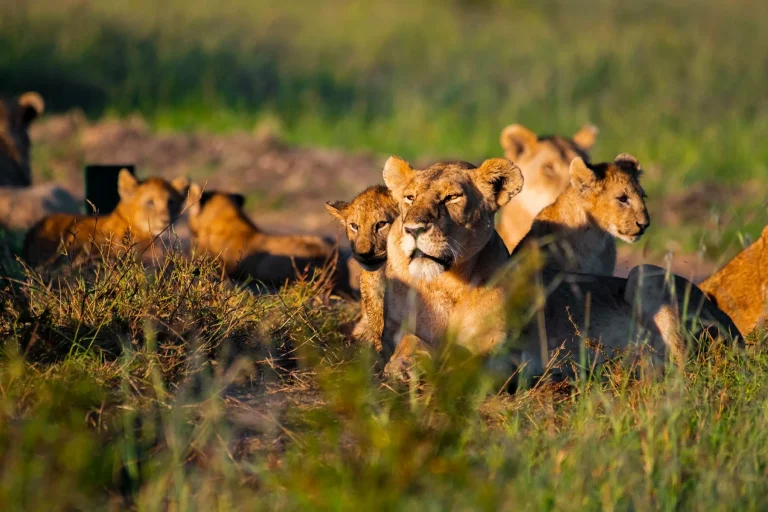
The Masai Mara National Reserve is one of Kenya's most important safari destinations. Its grasslands, river systems and woodland habitats support lions, elephants, buffaloes, giraffes, zebras, wildebeest, antelopes and numerous bird species.
The reserve is especially famous for its predator populations. Lions are regularly encountered during game drives, while cheetahs may be observed hunting across open plains. Leopards are more elusive and are often associated with wooded river corridors and suitable resting trees.
For travellers accustomed to Uganda's forested and mixed savannah environments, the Masai Mara provides a different style of wildlife viewing. Its relatively open landscapes can make animals easier to observe at a distance, although sightings always depend on natural wildlife movement and local conditions.
Explore Several Wildlife Ecosystems
A Kenya safari need not focus exclusively on the Masai Mara. Visitors can combine the reserve with Lake Nakuru National Park, Amboseli National Park, Samburu National Reserve or other conservation areas.
Each destination adds a different ecological dimension. Lake Nakuru is associated with rhino conservation and Rift Valley scenery, Amboseli with elephants and views towards Mount Kilimanjaro, and Samburu with northern Kenya's dry-country wildlife.
Travellers with limited time should generally select fewer destinations and spend longer in each one rather than attempting to cover the entire country.
Combine Gorilla Trekking and Savannah Safaris
One of the strongest reasons to arrange a Kenya and Uganda safari is the opportunity to combine mountain gorilla trekking with wildlife viewing in the Masai Mara.
A typical combination might include gorilla trekking in Bwindi, chimpanzee tracking in Kibale, wildlife viewing in Queen Elizabeth National Park and several days in Kenya.
The most efficient sequence depends on flight schedules, trekking permit availability and the location of the final departure airport. Some travellers begin in Uganda and finish in Nairobi, while others arrange the itinerary in reverse.
How to Travel from Kampala to Kenya
Travellers can reach Kenya from Kampala by air or road. The best choice depends on the overall itinerary rather than distance alone.
Flying from Entebbe to Nairobi
For most visitors, flying is the most convenient option.
Kampala is served internationally by Entebbe International Airport, located southwest of the capital. Travellers first transfer from Kampala to Entebbe and then take a flight to Nairobi's Jomo Kenyatta International Airport.
The direct flight normally takes approximately one to one and a half hours, although actual schedules and flight durations vary by airline. The road transfer between central Kampala and Entebbe may take considerably longer during busy traffic periods, so adequate time should be allowed.
After arriving in Nairobi, travellers can begin their safari by road or connect to a domestic flight serving a safari destination.
A Masai Mara safari from Kampala is particularly convenient when air connections are coordinated carefully. Some itineraries use Nairobi's Wilson Airport for onward flights to Masai Mara airstrips. Since Wilson and Jomo Kenyatta are separate airports, transfer time must be included in the itinerary.
Flying is especially useful for travellers who have only four to six days available or who want to avoid spending a significant part of their holiday travelling overland.
Travelling from Kampala to Kenya by Road
An overland safari offers a different experience, allowing visitors to observe changing landscapes, towns and agricultural regions between Uganda and Kenya.
A commonly used route travels east from Kampala towards Jinja, continues through eastern Uganda and crosses into Kenya at the Busia border. The route then proceeds through western Kenya towards Nairobi or another chosen destination.
Another option involves crossing at Malaba. The preferred crossing depends on traffic, road conditions, vehicle arrangements and the planned route.
Driving from Kampala to Nairobi is a substantial journey that can take roughly 12–16 hours or longer once border procedures, traffic, rest stops and road conditions are considered. It should not be treated as a short safari transfer.
For comfort and safety, travellers may prefer to divide the journey into stages rather than complete the entire distance in one day.
Border Requirements
International travellers must carry the appropriate travel documents for both Uganda and Kenya.
Entry requirements depend on nationality, passport type and immigration status. Kenya's electronic travel authorisation arrangements and exemptions should be checked against official immigration guidance before departure.
Travellers should also verify passport validity, any relevant visa requirements, yellow fever documentation and other applicable health-entry rules.
Those using a safari vehicle across the border must ensure that the vehicle has the required insurance and cross-border authorisations. A locally registered safari vehicle cannot simply be assumed to have unrestricted operating rights in another country.
Safari Trips to Kenya can help structure the journey around appropriate transport arrangements, including a vehicle change where necessary.
Best Kenya Safari Destinations from Kampala
Masai Mara National Reserve
The Masai Mara National Reserve is usually the first destination considered by travellers booking a Kenya safari from Uganda.
The reserve lies in southwestern Kenya and forms part of the wider Mara-Serengeti ecosystem. Its landscapes include open grasslands, wooded riverbanks, seasonal drainage channels and rolling hills.
Wildlife viewing is rewarding throughout much of the year. Lions, elephants, buffaloes, giraffes, zebras, topis, wildebeest, hyenas and many antelope species inhabit the ecosystem.
The reserve is also one of the best-known places in Africa for observing cheetahs, although sightings are never guaranteed.
Visitors should ideally spend at least two nights in the Mara, with three or more nights offering additional opportunities to explore different areas.
A 3 Days Masai Mara Safari is a practical introduction, while four- and five-day itineraries provide more relaxed wildlife viewing.
Amboseli National Park
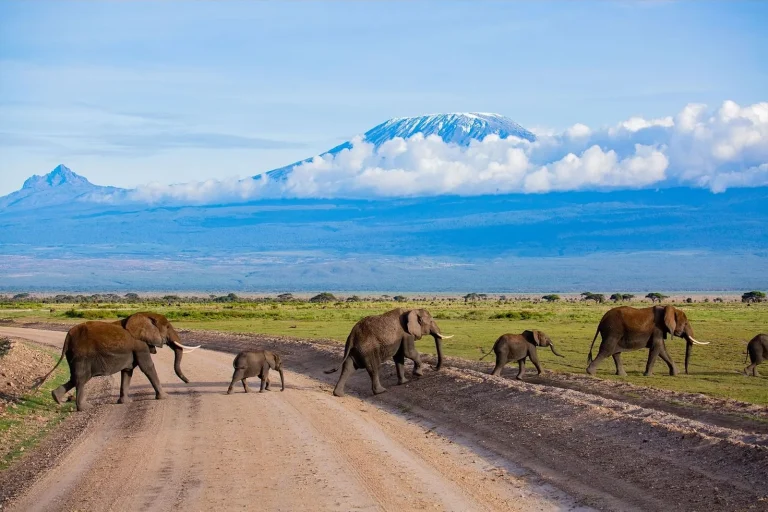
Amboseli National Park is famous for its elephants and the dramatic backdrop of Mount Kilimanjaro.
The park's open plains, seasonal wetlands and acacia habitats support elephants, buffaloes, zebras, wildebeest, giraffes and numerous bird species.
Amboseli is particularly attractive to photographers interested in elephant behaviour and landscape compositions. Kilimanjaro is located across the border in Tanzania, and clear views depend on weather and cloud cover.
Travellers beginning in Kampala can reach Amboseli through Nairobi, either by road or through suitable air arrangements.
For a Kenya safari of seven days or longer, combining Amboseli with the Masai Mara can provide considerable wildlife and landscape variety.
Lake Nakuru National Park
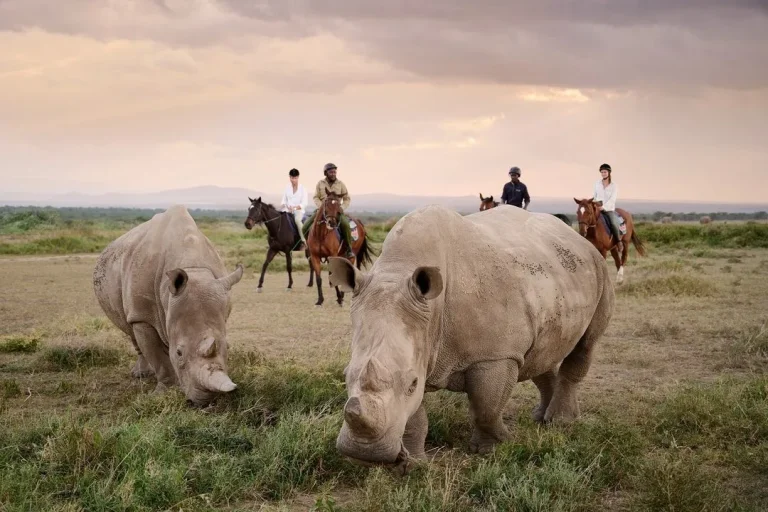
Located in Kenya's Rift Valley, Lake Nakuru National Park is a useful destination for travellers interested in rhinos, woodland wildlife and lake scenery.
The park protects both black and white rhinos, although the likelihood of seeing them varies with vegetation, animal movement and the areas visited.
Visitors may also encounter buffaloes, waterbucks, zebras, giraffes and several species of antelope.
Flamingos sometimes occur along the lake, but their numbers and distribution change with water levels and food availability. Travellers should not assume that the lake will always display the enormous flamingo gatherings associated with historical photographs.
Lake Nakuru can be incorporated into a road safari between Nairobi and the Masai Mara, depending on the itinerary.
Samburu National Reserve
Samburu National Reserve offers an opportunity to explore northern Kenya's drier landscapes.
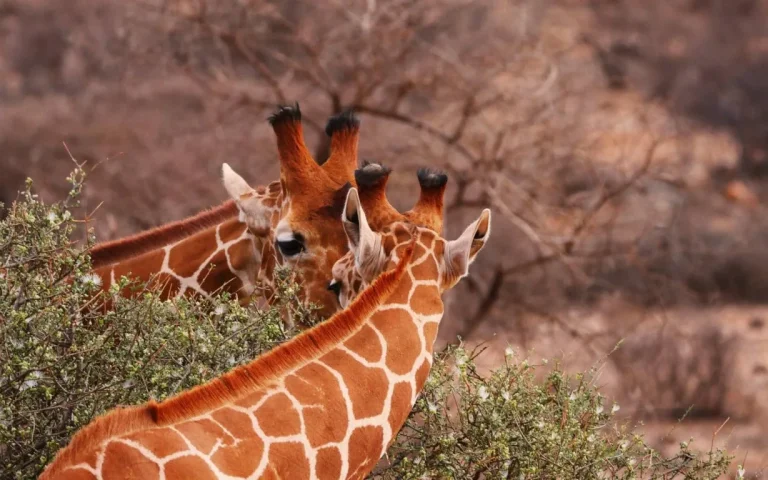
The reserve is known for species associated with arid and semi-arid habitats, including Grevy's zebra, reticulated giraffe, gerenuk, Beisa oryx and Somali ostrich.
The Ewaso Ng'iro River supports important riverine vegetation and attracts wildlife, especially during dry periods.
Samburu is generally more suitable for longer Kenya itineraries because of its distance from the Masai Mara and southern safari circuits.
Visitors who have already explored Uganda's national parks may appreciate Samburu's distinctive wildlife and scenery.
Suggested Kenya Safari Itineraries from Kampala
The following itineraries are planning examples rather than fixed confirmed departure programmes. Actual arrangements depend on transport schedules, accommodation availability and individual preferences.
Option 1: Four-Day Masai Mara Safari from Kampala
Day 1: Kampala – Entebbe – Nairobi – Masai Mara
Begin with a transfer from Kampala to Entebbe International Airport for your flight to Nairobi. Depending on arrival time, continue to the Masai Mara by domestic flight or road transfer.
A domestic flight offers the most time-efficient option, while travelling by road provides views of Kenya's countryside and Rift Valley landscapes. On arrival, transfer to your selected lodge or tented camp.
If the schedule permits, enjoy an introductory game drive before returning to the accommodation for dinner.
Day 2: Full-Day Masai Mara Wildlife Safari
Spend the day exploring the reserve with a professional safari guide. Early morning hours are particularly valuable because temperatures are cooler and many animals are active.
Look for lions, elephants, buffaloes, giraffes, zebras and antelopes. Your guide may explore grassland areas, river corridors and other habitats according to recent wildlife movements and permitted routes.
A packed lunch may be arranged for an extended game drive, depending on the chosen programme.
Day 3: Additional Masai Mara Game Viewing
Enjoy another day of wildlife viewing, concentrating on areas not explored previously.
An additional day increases opportunities to observe different animal behaviours rather than simply collecting sightings. Travellers may spend time watching elephant families, grazing herbivores, predator interactions or birdlife.
Optional experiences, such as a hot-air balloon safari, may be arranged separately where available.
Day 4: Masai Mara – Nairobi – Entebbe – Kampala
After breakfast, transfer to the appropriate airstrip or begin the road journey back to Nairobi.
Connect with your flight to Entebbe and continue to Kampala. Flight timings should be checked carefully before confirming this itinerary, particularly where separate domestic and international tickets are involved.
Option 2: Six-Day Masai Mara and Lake Nakuru Safari
A six-day itinerary allows travellers to experience two different wildlife environments.
Day 1 involves travelling from Kampala to Nairobi and overnighting in the city if necessary. On Day 2, depart for Lake Nakuru National Park and enjoy an afternoon game drive.
Day 3 begins with additional wildlife viewing before continuing towards the Masai Mara. The journey passes through sections of the Rift Valley and western Kenya's agricultural landscapes.
Days 4 and 5 are dedicated to the Masai Mara, allowing time for morning and afternoon game drives or an extended full-day safari.
Day 6 involves returning to Nairobi for an onward flight to Entebbe, provided the flight schedule permits. An additional Nairobi night may be preferable when connections are tight.
This itinerary suits visitors seeking both the open plains of the Mara and the conservation landscapes around Lake Nakuru.
Option 3: Eight-Day Kenya Wildlife Safari
Travellers with eight days can explore a broader selection of Kenya's wildlife destinations.
A possible route begins with a flight from Entebbe to Nairobi, followed by Amboseli National Park, Lake Nakuru and the Masai Mara.
Amboseli provides opportunities to observe elephants and Kilimanjaro scenery. Lake Nakuru introduces Rift Valley habitats and rhino conservation, while the Masai Mara provides several days of classic savannah game viewing.
This route involves substantial road travel, and the number of nights allocated to each park should be chosen carefully. Travellers prioritising a relaxed pace may prefer to remove one destination.
An alternative eight-day safari could focus on the Masai Mara and Samburu, using domestic flights where appropriate.
Best Time for Kenya Safaris from Kampala
Kenya can be visited throughout the year, but rainfall, wildlife movement, accommodation demand and road conditions affect the experience.
January to March
These months often offer relatively dry conditions in several major safari areas, although regional weather patterns vary.
Vegetation may be less dense in some locations, making wildlife easier to locate. Amboseli can be particularly attractive for elephant photography, while the Masai Mara continues to support resident wildlife.
January and February are popular for visitors seeking warm conditions and classic game drives.
April to May
The long-rains period generally brings greener landscapes and fewer visitors to many safari destinations.
Rainfall can affect road conditions, especially on unpaved tracks. Some camps may close seasonally, and certain activities may be more difficult to arrange.
However, the countryside becomes lush, birdlife can be rewarding and travellers may find attractive accommodation offers.
Safari planning during this period should prioritise reliable vehicles, realistic travel times and flexible schedules.
June to October
This is a popular period for Kenya wildlife safaris, particularly in the Masai Mara.
The drier months often provide favourable game-viewing conditions. The seasonal movement of wildebeest and zebras into the Mara ecosystem generally occurs during part of this period, although timing varies considerably between years.
The Great Wildebeest Migration is influenced by rainfall and grazing conditions rather than a fixed calendar.
River crossings cannot be scheduled or guaranteed. Travellers interested in migration viewing should allocate several days and maintain realistic expectations.
November to December
Short rains may occur during these months, bringing fresh vegetation and changing wildlife distribution.
November can offer attractive green scenery, while December is popular with holiday travellers.
Christmas and New Year periods often experience higher demand for accommodation, making advance booking particularly important.
Kenya Safari Accommodation Options
Accommodation plays a major role in the overall safari experience. Kenya offers everything from practical safari camps to exclusive lodges with extensive facilities.
Safari Trips to Kenya uses four broad accommodation categories to help travellers compare options.
Essential Accommodation
Essential Kenya Safari Accommodation focuses on comfortable, practical facilities and good access to wildlife destinations.
Properties may include permanent tented camps, modest lodges and guesthouses. Facilities vary, but travellers should generally expect private or shared dining areas and basic guest services.
This category suits budget-conscious travellers who prioritise wildlife activities over elaborate accommodation.
Comfort Accommodation
Comfort Safari Lodges offer a balance between price, location and amenities.
Typical features may include private en-suite bathrooms, established dining facilities, comfortable beds and attractive communal areas.
Comfort properties are popular with couples, families and small groups seeking a pleasant safari without the cost of luxury accommodation.
Premium Accommodation
Premium Kenya Safari Camps generally provide more spacious accommodation, enhanced dining, attractive locations and higher levels of guest service.
Some properties offer additional facilities such as swimming pools, lounges, private verandas and personalised activities.
The exact standard depends on the property rather than the category name alone.
Signature Accommodation
Signature Safari Lodges represent the most exclusive accommodation options in a proposed itinerary.
These may include small luxury camps, private conservancy properties and lodges with premium locations or specialised guiding experiences.
Signature accommodation is particularly suitable for honeymooners, special celebrations and travellers seeking greater privacy.
Private Safari or Group Safari from Kampala?
A Private Kenya Safari offers flexibility in departure dates, accommodation selection, daily schedules and wildlife interests.
Private safaris are especially useful for families, photographers, honeymooners and travellers combining Uganda with Kenya. A dedicated guide and vehicle allow the itinerary to be tailored around the group's preferences.
A Kenya Group Safari can reduce some shared transport and guiding costs. Group departures usually operate according to predetermined routes and dates, making them less flexible.
Travellers departing from Kampala should consider whether the group safari begins in Nairobi. In many cases, international flights and airport transfers must be coordinated separately from the group programme.
Neither option is automatically better. The choice depends on travel style, budget and the importance of flexibility.
What Determines the Cost of a Kenya Safari from Kampala?
The total cost depends on several factors rather than a single standard safari price.
International or regional flights are an important consideration. Airfares between Entebbe and Nairobi change according to travel dates, booking conditions and airline availability.
Domestic flights to safari airstrips add convenience but also increase the overall budget.
Accommodation category is another major factor. Essential and Comfort camps generally cost less than Premium or Signature properties, although location and season can substantially affect rates.
Park and conservancy fees, vehicle type, guiding arrangements, meals, activities and group size also influence the final quotation.
High-demand travel periods, especially the main migration season and festive holidays, may attract higher accommodation rates.
A carefully designed itinerary can control costs by reducing unnecessary transfers and selecting destinations that fit the available time.
Typical Safari Inclusions and Exclusions
A Kenya safari quotation may include accommodation, meals during the safari, professional guiding, transport in a safari vehicle, scheduled game drives and specified park entry fees.
Depending on the package, airport transfers and domestic flights may also be included.
Items commonly excluded unless specifically stated include international flights, visas or travel authorisations, personal insurance, gratuities, alcoholic drinks, optional balloon safaris and personal expenses.
Travellers should always review the final quotation rather than assuming that all Kenya safari packages include identical services.
Practical Travel Advice
Choose an Appropriate Safari Vehicle
A well-maintained 4×4 safari vehicle is important for wildlife viewing, especially where roads become muddy or uneven.
Many private safaris use customised Land Cruisers with pop-up roofs or other suitable viewing arrangements.
Vehicle specifications should be confirmed before booking, particularly for larger groups.
Pack for Different Weather Conditions
Kenya's safari destinations vary considerably in altitude and climate.
Early mornings in the Masai Mara can feel cool, while afternoons in lower-altitude areas may be warm.
Pack lightweight clothing, a warm layer, comfortable shoes, sunscreen, a hat and a rain jacket.
Neutral clothing colours are practical for game drives, although specialist safari clothing is not generally essential.
Consider Travel Insurance
Comprehensive travel insurance is strongly recommended.
A suitable policy should address medical emergencies, evacuation where applicable, cancellations and interruptions.
Travellers combining Uganda and Kenya should confirm that both countries are covered.
Allow Enough Time Between Flights
Regional flights, domestic connections and road transfers should be planned with adequate margins.
This is particularly important when travelling between Jomo Kenyatta International Airport and Wilson Airport in Nairobi.
An overnight stay may be preferable to a rushed same-day connection.
Frequently Asked Questions About Kenya Safaris from Kampala
Can I book a Masai Mara safari from Kampala?
Yes. A Masai Mara safari can begin with a transfer from Kampala to Entebbe, followed by a flight to Nairobi and onward transport to the reserve.
Is it better to fly or drive from Kampala to Kenya?
Flying is generally preferable for shorter holidays. Road travel can be worthwhile for longer itineraries where the journey itself forms part of the experience.
How many days should I spend on a Kenya safari?
Four days can provide an introduction to the Masai Mara, while six to eight days allow a more varied itinerary. Longer trips are recommended for multiple distant destinations.
Can I combine gorilla trekking in Uganda with a Kenya safari?
Yes. Combining Bwindi Gorilla Trekking with the Masai Mara is a popular East African safari concept. The sequence should be planned around permit availability and regional flight connections.
Can Ugandan residents book Kenya safaris?
Yes. Residents of Uganda can arrange private or group safaris to Kenya. Entry requirements and applicable travel documentation depend on nationality and immigration status.
Are Kenya safaris suitable for families?
Yes. Many safari lodges welcome families, although minimum ages for certain activities and accommodation arrangements vary.
Will I see the Big Five?
Kenya has destinations where the Big Five occur, but sightings are not guaranteed. The species present and likelihood of encounters differ between parks.
Can I customise my Kenya safari?
Yes. Private itineraries can be adjusted according to travel dates, preferred parks, accommodation category, available time and budget.
Book Your Kenya Safari from Kampala
A well-planned Kenya safari from Kampala can connect Uganda with some of East Africa's most important wildlife destinations. The key is choosing a route that matches your available time rather than attempting to visit too many parks in one trip.
Safari Trips to Kenya can help you explore Masai Mara Safari Packages, Amboseli wildlife tours, Lake Nakuru safaris and longer Kenya itineraries beginning with travel from Uganda.
Share your intended travel dates, number of travellers, preferred accommodation category and the experiences that interest you most. We can then prepare a tailored itinerary with appropriate transport connections, realistic travel arrangements and clearly explained safari inclusions.