

Getting to Samburu
Getting to Samburu National Reserve is part of the adventure of exploring northern Kenya. The journey takes travellers away from Nairobi’s busy streets and into a landscape of highland farms, mountain scenery, dry savannah and riverine woodland.
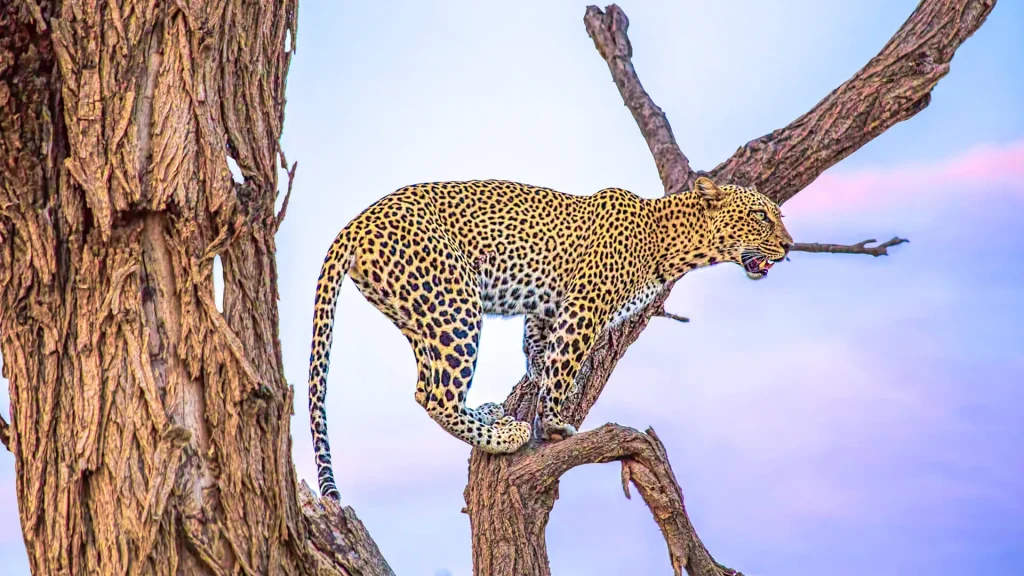
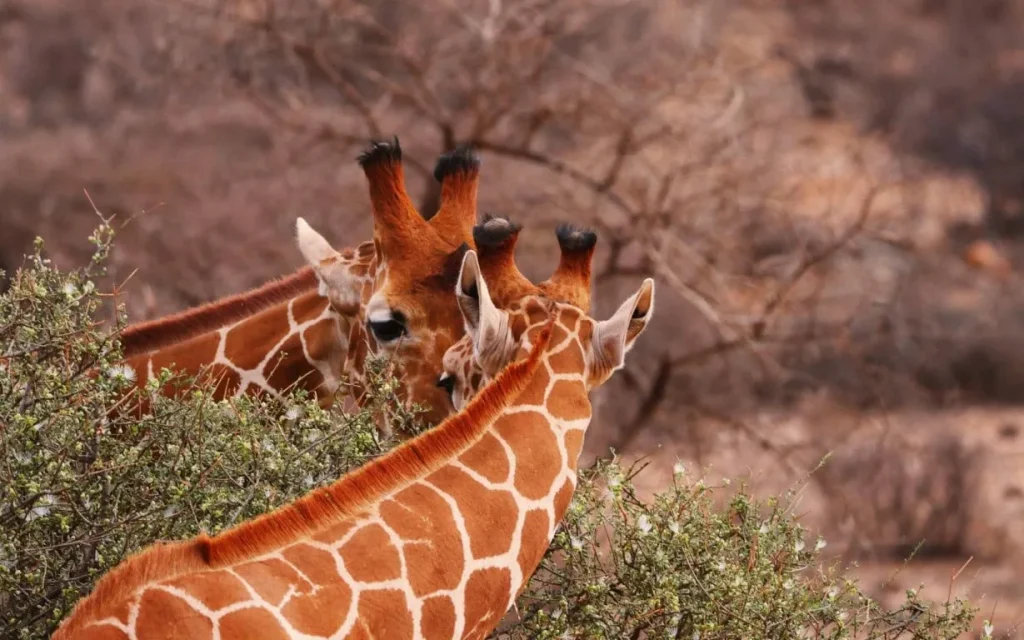
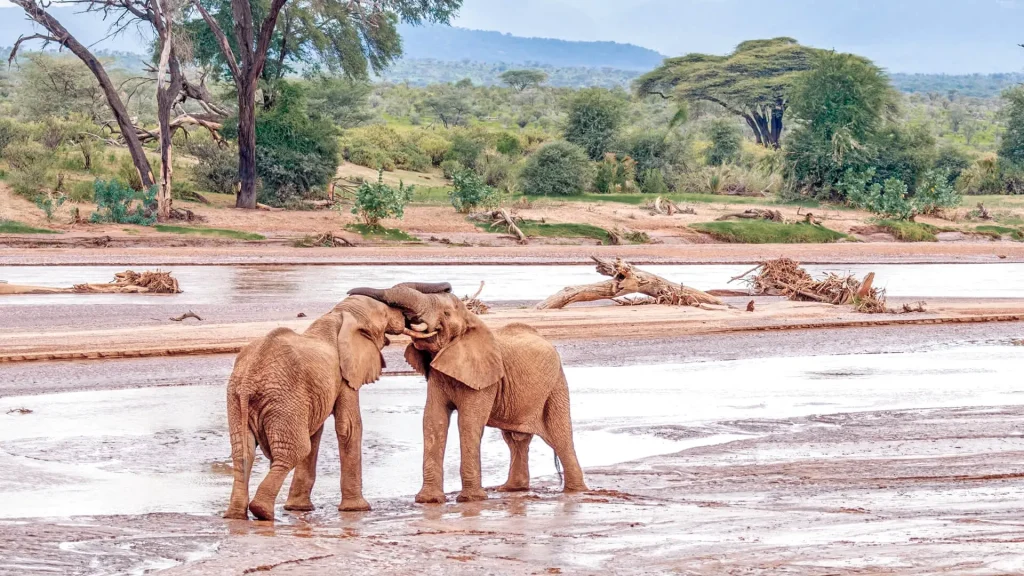
Samburu is one of Kenya’s most distinctive wildlife destinations. Unlike the grasslands of the Masai Mara, its landscape is characterised by semi-arid plains, scattered acacia trees, rocky hills and the Ewaso Ng’iro River. The reserve is particularly famous for the Samburu Special Five: Grevy’s zebra, reticulated giraffe, gerenuk, Beisa oryx and Somali ostrich, and visitors also travel here to see elephants, lions, leopards, buffaloes and numerous bird species.
Although Samburu is farther from Nairobi than some other safari destinations, it is accessible by road and through domestic safari flights. It also combines naturally with Ol Pejeta Conservancy, Mount Kenya, Nanyuki and the wider Laikipia region. The most suitable transport option depends on your budget, travel dates, accommodation location and whether Samburu is part of a longer safari.
This guide explains how to reach Samburu National Reserve, the main road approaches, airstrips, park entrances, expected journey times and practical considerations for a comfortable safari.
Where Is Samburu National Reserve?
Samburu National Reserve is situated in Samburu County in northern Kenya, along the Ewaso Ng’iro River, which provides an important source of water for wildlife in the surrounding dry landscape. The reserve is approximately 165 square kilometres in size and forms part of a wider wildlife ecosystem that includes neighbouring protected areas and community conservancies.
Samburu’s northern setting gives it a different ecological character from many southern Kenya parks and is particularly rewarding for travellers who want distinctive wildlife, beautiful scenery and a less conventional safari route.
How Far Is Samburu from Nairobi?
The road distance from Nairobi to Samburu is commonly around 300–350 kilometres, depending on the starting point, route and selected reserve entrance. The journey generally takes approximately five-and-a-half to seven hours under favourable conditions, although traffic leaving Nairobi, stops along the way and road conditions can increase travel time. Some camps are situated farther inside the reserve or in surrounding conservancies, requiring additional driving. When comparing itineraries, ask for the expected travel time to your actual accommodation rather than simply to the nearest reserve boundary.
Best Road Route from Nairobi to Samburu
A commonly used approach follows the main road north from Nairobi towards the Mount Kenya region. The journey passes through central Kenya before continuing towards Nanyuki, Isiolo and the Samburu area, and depending on the route, travellers may pass near Thika, Karatina and other towns. The landscape changes noticeably during the journey as the greener agricultural areas around central Kenya gradually give way to drier country farther north.
Nairobi to Nanyuki
The first major section takes travellers towards Nanyuki, a town on the northwestern side of Mount Kenya. This part of the journey is generally on paved roads, although traffic conditions vary, particularly near towns and junctions.
Nanyuki to Isiolo
The route continues north through the Laikipia and Mount Kenya region towards Isiolo, providing a transition between the highlands and the drier northern landscapes.
Isiolo to Samburu
From Isiolo, travellers continue towards the appropriate reserve entrance or accommodation. The final approach may include unpaved roads, and a suitable safari vehicle is recommended.
Is the Road from Nairobi to Samburu Good?
Much of the principal route is paved, but this does not mean the entire journey is smooth. Traffic, roadworks and occasional rough sections can affect travel time, and the final access roads to some camps may be unpaved. Inside the reserve, game-drive tracks vary in condition, and during periods of heavy rain, certain sections can become muddy or difficult to use. A 4×4 safari Land Cruiser is a practical choice for a multi-day Samburu safari.
Getting to Samburu from Jomo Kenyatta International Airport
Jomo Kenyatta International Airport, or JKIA, is Nairobi’s principal international airport. Travellers can begin a road transfer to Samburu directly after arrival, but the journey is long enough that flight timing matters.
Early Morning Arrival
An early arrival may allow a same-day road transfer, provided immigration and baggage collection proceed without significant delays.
Afternoon Arrival
A late arrival makes the long transfer less comfortable, and an overnight stay in Nairobi may be preferable.
Evening Arrival
For evening arrivals, we generally recommend beginning the journey the following morning. This allows travellers to rest after their international flight and avoid unnecessary night driving.
Getting to Samburu by Air
A fly-in Samburu safari is attractive for travellers who want to avoid a long road journey. Domestic light-aircraft services may operate between Nairobi and airstrips serving the Samburu region, with flights commonly departing from Wilson Airport. Schedules, stops and operating days vary, so travellers should confirm the actual service before finalising accommodation.
Flight Duration
A direct flight may take approximately one to one-and-a-half hours, depending on the airstrip and aircraft, although some scheduled services make additional stops. The total journey also includes airport reporting time and the transfer from the airstrip to the lodge.
Airstrip Transfers
After landing, guests are usually met by their lodge or safari operator. The transfer may include wildlife viewing, depending on the route, and the exact distance depends on the selected accommodation.
Samburu Airstrips
The wider Samburu region is served by airstrips used for safari aviation, including Samburu Oryx Airstrip and other suitable facilities associated with nearby properties. Not every airline serves every landing point, and some camps may use an airstrip outside the reserve. The correct landing location should be arranged by the safari operator—guests should not book a flight to an airstrip simply because it appears geographically close to their lodge, because road access between the airstrip and accommodation is equally important.
Wilson Airport Versus Jomo Kenyatta International Airport
This distinction is important for international travellers. Jomo Kenyatta International Airport handles most international arrivals, while Wilson Airport is used by many domestic safari airlines. The airports are separate, so a road transfer between them is necessary for most connections. Traffic conditions can make the transfer unpredictable—travellers should allow a comfortable connection window rather than booking tightly timed flights.
Getting to Samburu from Nanyuki
Nanyuki is a convenient starting point for a Samburu safari. The road journey generally takes approximately two-and-a-half to four hours, depending on the exact starting point and accommodation, and the route continues north towards Isiolo before reaching the Samburu region. Nanyuki is particularly useful for travellers combining Mount Kenya or Laikipia with northern Kenya wildlife destinations.
Getting to Samburu from Ol Pejeta Conservancy
Ol Pejeta Conservancy is one of the best destinations to combine with Samburu. The two areas offer contrasting wildlife experiences: Ol Pejeta is particularly important for rhinoceros conservation, while Samburu is known for its dry-country wildlife and distinctive northern species. A road transfer commonly takes several hours, depending on the selected camps and route, and this combination is popular because it avoids returning to Nairobi between destinations.
Suggested Travel Sequence
Begin in Nairobi, travel to Ol Pejeta for one or two nights, continue to Samburu for two or three nights, then return to Nairobi or continue to another destination. This route creates a varied safari without excessive backtracking.
Getting to Samburu from Mount Kenya
Travellers staying around Mount Kenya can continue to Samburu by road. The most practical route depends on the accommodation location, and properties around Nanyuki are particularly convenient, while accommodation on other sides of Mount Kenya may require additional driving. A combination of mountain scenery and Samburu wildlife can be rewarding for travellers who want more than a conventional savannah safari.
Getting to Samburu from Lake Nakuru
Lake Nakuru National Park can be combined with Samburu, although the road transfer is relatively long. Depending on the route, travellers may pass through central Kenya or the Laikipia region. The journey should be treated as a substantial transfer day, with a suitable safari vehicle and early departure recommended.
Getting to Samburu from the Masai Mara
The Masai Mara and Samburu are geographically separated, and a direct road journey can be very long. For many itineraries, it is more comfortable to include another destination between them, with possible intermediate stops including Lake Nakuru or Ol Pejeta. Domestic flights may offer an alternative, but travellers should confirm actual routes and connections—not every safari airstrip pair has a direct scheduled service.
Main Samburu National Reserve Gates
Samburu has designated access points, including entrances commonly associated with the Archer’s Post and Buffalo Springs approaches. Access arrangements depend on the route and whether guests are entering Samburu National Reserve itself or a neighbouring protected area. Samburu, Buffalo Springs and Shaba are distinct reserves, even though they form part of the same broader wildlife region—travellers should not assume that one entrance ticket automatically covers all three. The safari operator should confirm the correct gate and applicable fees.
Samburu, Buffalo Springs and Shaba: Understanding the Difference
Visitors sometimes refer to all three destinations simply as Samburu, but they are separate protected areas.
Samburu National Reserve
Samburu lies north of the Ewaso Ng’iro River and is famous for the Samburu Special Five and its riverine wildlife habitats.
Buffalo Springs National Reserve
Buffalo Springs lies on the opposite side of the river and offers related but distinct wildlife-viewing areas.
Shaba National Reserve
Shaba lies farther east and features rugged landscapes and distinctive scenery. Each reserve has its own access and management arrangements, so your itinerary should specify which areas are included.
Where Should You Stay in Samburu?
Accommodation location influences travel time and wildlife access.
Samburu Intrepids Tented Camp
Samburu Intrepids offers established tented accommodation within the Samburu area and is suitable for travellers seeking a comfortable safari experience.
Elephant Bedroom Camp
Elephant Bedroom Camp is known for its intimate tented setting near the Ewaso Ng’iro River.
Sarova Shaba Game Lodge
Sarova Shaba Game Lodge is located in Shaba National Reserve rather than Samburu National Reserve—a distinction that matters when calculating game-drive access and fees.
Other Accommodation
Additional camps and lodges are available in Samburu, Buffalo Springs and surrounding conservancies. Choose accommodation based on the actual protected area, not just the marketing description.
Best Time to Travel to Samburu
Samburu can be visited throughout the year.
January to March
These months are often hot and relatively dry, and wildlife may concentrate around reliable water sources.
April to May
Rainfall can affect access roads and game-drive tracks, and the landscape may become greener.
June to October
These months are popular for Kenya safaris, and conditions are often favourable for wildlife viewing.
November to December
Short rains may occur, and road conditions and wildlife distribution can change. Because Samburu is relatively dry, conditions may differ from those in southern Kenya.
What Wildlife Makes Samburu Worth Visiting?
Samburu’s wildlife is one of the main reasons to make the journey north.
Grevy’s Zebra
Grevy’s zebras have narrow stripes and large rounded ears and are among the most distinctive animals of northern Kenya.
Reticulated Giraffe
Reticulated giraffes have striking geometric coat patterns.
Gerenuk
The gerenuk is a long-necked antelope that may stand on its hind legs to browse vegetation.
Beisa Oryx
Beisa oryx are adapted to dry environments and have long, straight horns.
Somali Ostrich
Somali ostriches are associated with the dry landscapes of northern Kenya. Samburu also supports elephants, lions, leopards and numerous bird species.
Is Samburu Suitable for a Short Safari?
A two-night visit provides a useful introduction, and three nights allow more time for wildlife viewing. One night is possible but generally offers limited time after the long journey from Nairobi. Travellers with limited time may prefer flying; for road-based safaris, combining Samburu with Ol Pejeta can make the journey more rewarding.
Suggested Three-Day Samburu Safari from Nairobi
Day 1: Nairobi to Samburu
Depart Nairobi early, travel north through central Kenya and the Mount Kenya region, and continue towards Samburu. Arrive at the lodge for lunch if timing permits and enjoy an afternoon game drive.
Day 2: Full-Day Samburu Safari
Begin with an early morning game drive, search for the Samburu Special Five and other wildlife, and explore suitable habitats along the Ewaso Ng’iro River. Return to the lodge for lunch or enjoy a packed meal, then continue wildlife viewing during the afternoon.
Day 3: Samburu to Nairobi
Enjoy breakfast and a final activity if time permits, depart for Nairobi, and allow sufficient time for the long road transfer.
Suggested Five-Day Ol Pejeta and Samburu Safari
Day 1: Nairobi to Ol Pejeta
Travel to Ol Pejeta Conservancy and enjoy an afternoon game drive.
Day 2: Ol Pejeta Wildlife and Conservation
Explore the conservancy, look for rhinos, elephants and other wildlife, and participate in an authorised conservation activity if included.
Day 3: Ol Pejeta to Samburu
Travel north towards Samburu and enjoy an afternoon game drive.
Day 4: Full-Day Samburu Safari
Explore the reserve in search of the Samburu Special Five.
Day 5: Return to Nairobi
Depart after breakfast and travel back to Nairobi.
Road Safari Versus Fly-in Safari
A road safari is generally more economical and works well for multi-destination itineraries, while a fly-in safari reduces the main transfer time and can be particularly attractive for luxury travellers. However, flights have baggage restrictions—a common light-aircraft allowance is approximately 15 kilograms per person, including hand luggage, although the exact policy varies. Soft-sided bags are often required, so travellers should confirm the airline’s current rules.
Samburu Safari Costs
The cost of reaching Samburu depends on transport type, accommodation category, season and number of guests. A private 4×4 vehicle generally costs more than shared transport, flying adds domestic airfare, and park fees and conservancy charges may be included or excluded. Accommodation can range from Essential and Comfort options to Premium and Signature camps—always compare complete package inclusions.
Safety and Practical Travel Advice
Practical preparations for northern Kenya travel include the following:
- Carry sufficient drinking water
- Pack sunscreen, a hat and sunglasses
- Bring a warm layer for early morning game drives
- Avoid unnecessary night driving
- Confirm the correct reserve and entrance gate
- Use an experienced guide
- Follow wildlife-viewing regulations
- Do not approach elephants or other animals on foot without authorisation
Frequently Asked Questions
How far is Samburu from Nairobi?
Approximately 300–350 kilometres by road, depending on the route and accommodation.
How long does it take to drive?
Usually around five-and-a-half to seven hours under favourable conditions.
Can I fly to Samburu?
Yes. Domestic light-aircraft services may serve airstrips in the Samburu region.
Which airport do safari flights depart from?
Many scheduled safari flights depart from Wilson Airport in Nairobi.
Can I visit Samburu from Nanyuki?
Yes. Nanyuki is a convenient starting point for a northern Kenya safari.
Is Samburu the same as Buffalo Springs?
No. They are neighbouring but distinct protected areas.
Do I need a 4×4?
A 4×4 is recommended for a comfortable wildlife safari.
How many nights should I stay?
Two or three nights are suitable for most visitors.
Plan Your Samburu Safari with Safari Trips to Kenya
Getting to Samburu National Reserve is easiest when transport, accommodation and park access are coordinated. At Safari Trips to Kenya, we arrange private and group safaris to Samburu, including road transfers, domestic flight arrangements, suitable vehicles and experienced guides. We can also combine Samburu with Ol Pejeta, Mount Kenya, Lake Nakuru and other destinations. Contact our team with your travel dates, number of guests and accommodation preferences to plan a personalised Samburu safari itinerary.