

Best Time to Visit Samburu
The best time to visit Samburu National Reserve is generally during the relatively dry months of January and February and from June through October. During these periods, wildlife often concentrates around the Ewaso Ng’iro River, making game drives particularly rewarding. Samburu is also an excellent destination during parts of the green season, when fresh vegetation, dramatic landscapes and active birdlife create a different safari experience.
Located in northern Kenya, Samburu National Reserve is one of the country’s most distinctive wildlife destinations. Unlike the rolling grasslands of the Masai Mara or the wetlands of Amboseli, Samburu is characterised by semi-arid landscapes, rugged hills, doum palms, acacia woodland and the life-giving Ewaso Ng’iro River.
The reserve is particularly famous for the Samburu Special Five: Grevy’s zebra, reticulated giraffe, Beisa oryx, gerenuk and Somali ostrich. These species are associated with northern Kenya and provide a compelling reason to include Samburu in a broader safari itinerary. Elephants, lions, leopards, cheetahs, buffalo and numerous bird species also contribute to the reserve’s wildlife diversity.
Choosing the right season can improve your chances of observing wildlife in suitable habitats, but Samburu remains a year-round safari destination. The best time depends on whether you prioritise dry-season game viewing, photography, birdwatching or a quieter atmosphere.
When Is the Best Time for a Samburu Safari?
The most dependable months for a Samburu safari are generally June through October. During this period, rainfall is often relatively limited, and animals may depend more heavily on the Ewaso Ng’iro River and other remaining water sources, which can improve opportunities to observe elephants, giraffes, antelope and predators.
January and February are also excellent months, often offering warm, relatively dry weather and good game-drive conditions. The wetter months can be rewarding, but rainfall may make some tracks muddy and encourage animals to spread into areas with fresh vegetation.
For visitors interested primarily in the Samburu Special Five, the reserve is worthwhile throughout the year because these animals are resident within the wider ecosystem.
Understanding Samburu’s Climate
Samburu lies in a relatively hot, semi-arid region of northern Kenya. Daytime temperatures can be considerably warmer than in Nairobi or the central highlands, particularly during dry periods. The reserve experiences variable rainfall, with wetter periods commonly occurring around March to May and October to November, although northern Kenya’s rainfall patterns are often irregular—some years bring prolonged dry conditions, while others experience unusually heavy showers.
The Ewaso Ng’iro River is central to the reserve’s ecology. During dry periods, the river and associated vegetation provide important resources for wildlife, while heavy rainfall upstream can also affect river levels, even when local conditions appear relatively dry. Travellers should therefore consider current weather and river conditions alongside the month of travel.
Best Time to Visit Samburu Month by Month
January: Warm Weather and Good Wildlife Viewing
January is one of the strongest months for visiting Samburu. Rainfall is often relatively limited, and wildlife may be concentrated around dependable water sources. Elephants are among the reserve’s major attractions, frequently moving through riverine habitats and surrounding woodland, and visitors may also encounter reticulated giraffes, Grevy’s zebras and other members of the Samburu Special Five. Early morning game drives are particularly useful before temperatures rise.
February: Excellent Dry-Season Conditions
February often continues the relatively dry weather experienced in January. The landscape may become increasingly dry, making the river particularly important for wildlife, and shorter vegetation can improve visibility in some areas. February is attractive for travellers interested in elephants, predators and northern Kenya’s distinctive species, although daytime heat can be intense, so early morning and late afternoon game drives are generally preferable.
March: Transition Towards Rainfall
March is a transitional month. Early March may remain dry, while rainfall can become more frequent later. Fresh vegetation may begin developing in response to showers, and wildlife can become more widely distributed as grazing and water become available beyond the river. March remains worthwhile for a safari, but travellers should prepare for variable weather.
April: Green Landscapes and Rainy Conditions
April commonly falls within the wetter period. Rainfall can transform Samburu’s dry landscape, bringing fresh grass and greenery—conditions attractive for landscape photography and birdwatching—although heavy showers can make some tracks difficult to navigate. Visitors should use suitable safari vehicles and allow flexibility in game-drive routes.
May: Quiet Safaris and Seasonal Vegetation
May may continue the rainy period, although conditions vary considerably. The reserve can be greener than during the main dry season, and wildlife remains present, but animals may spread into areas with newly available grazing. May can appeal to travellers seeking fewer visitors and a different visual character, although road conditions should be checked before travelling.
June: Improving Conditions
June generally marks the transition towards a drier period. Vegetation gradually becomes less dense, and wildlife viewing may improve in open habitats. Morning temperatures are usually comfortable, although Samburu can become hot later in the day. June is a good month for travellers beginning a northern Kenya safari before the busiest international holiday period.
July: One of the Best Months for Samburu
July is among the most popular months for a Samburu wildlife safari. Relatively dry conditions often make game drives convenient, and animals may concentrate near the Ewaso Ng’iro River, improving opportunities to observe elephants, giraffes and other mammals. July is also suitable for combining Samburu with Lewa Wildlife Conservancy or Ol Pejeta Conservancy.
August: Excellent Wildlife Viewing
August offers many of the advantages of July. The reserve is generally relatively dry, and wildlife may be easier to locate near dependable water sources. Elephants and the Samburu Special Five remain important attractions. Accommodation demand may be higher because August coincides with a popular international holiday period, so advance booking is recommended.
September: Strong Dry-Season Safari Conditions
September is another excellent month for Samburu. Dry conditions may continue, and wildlife can remain concentrated around the river. Photographers may appreciate the contrast between dry landscapes, doum palms and riverine vegetation. September is particularly attractive for travellers seeking productive game drives and a slightly quieter atmosphere than August.
October: Late Dry Season and Changing Weather
October is a transitional month. Early October may remain dry, while rainfall can increase later. Wildlife may continue concentrating near permanent water sources until seasonal rains create new grazing opportunities. October is a strong month for game viewing, but travellers should prepare for occasional showers.
November: Short Rains and Birdwatching
November is commonly associated with the short rains. Fresh vegetation may change the appearance of the reserve, and bird activity can be rewarding. Wildlife may become more widely dispersed as water and grazing become available, and some tracks can become muddy after heavy rainfall. November suits flexible travellers who appreciate green landscapes and birdwatching.
December: Warm Weather and Holiday Safaris
December often brings improving conditions as the short rains diminish. Samburu remains attractive for elephants, predators and the Special Five. Holiday demand may increase around Christmas and New Year, and travellers should book accommodation early during festive periods.
The Samburu Special Five
One of the strongest reasons to visit Samburu is the opportunity to observe five distinctive species associated with northern Kenya.
Grevy’s Zebra
Grevy’s zebra is larger than the plains zebra and has narrow stripes and prominent rounded ears. It is an endangered species, and northern Kenya is important for its conservation. Grevy’s zebras may be encountered in open habitats where grazing conditions are suitable.
Reticulated Giraffe
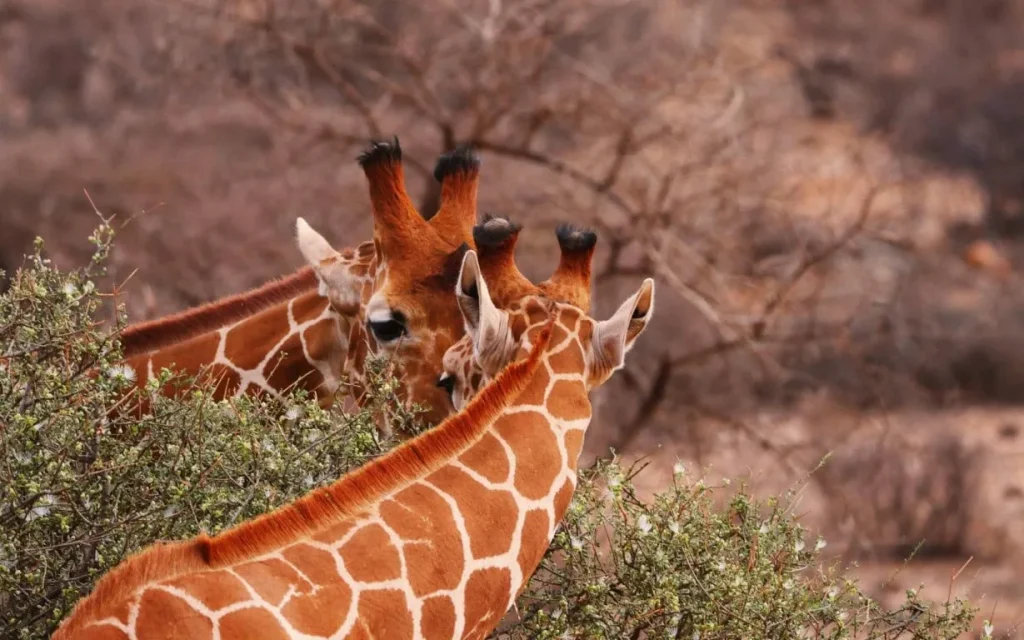
The reticulated giraffe is recognised by its distinctive coat pattern, with sharply defined polygonal patches separated by pale lines. These giraffes are particularly associated with northern Kenya and may be observed browsing on acacia and other suitable vegetation.
Beisa Oryx
The Beisa oryx is a striking antelope with long, straight horns and adaptations suited to dry environments. It may be encountered in open grassland and semi-arid habitats.
Gerenuk
The gerenuk, sometimes called the giraffe gazelle, is famous for its long neck and ability to stand on its hind legs while browsing. Observing this feeding behaviour can be a highlight of a Samburu safari.
Somali Ostrich
The Somali ostrich is associated with arid and semi-arid habitats in northern Kenya. Its distinctive appearance makes it a rewarding species for birdwatchers and wildlife photographers.
Best Time to See Elephants in Samburu
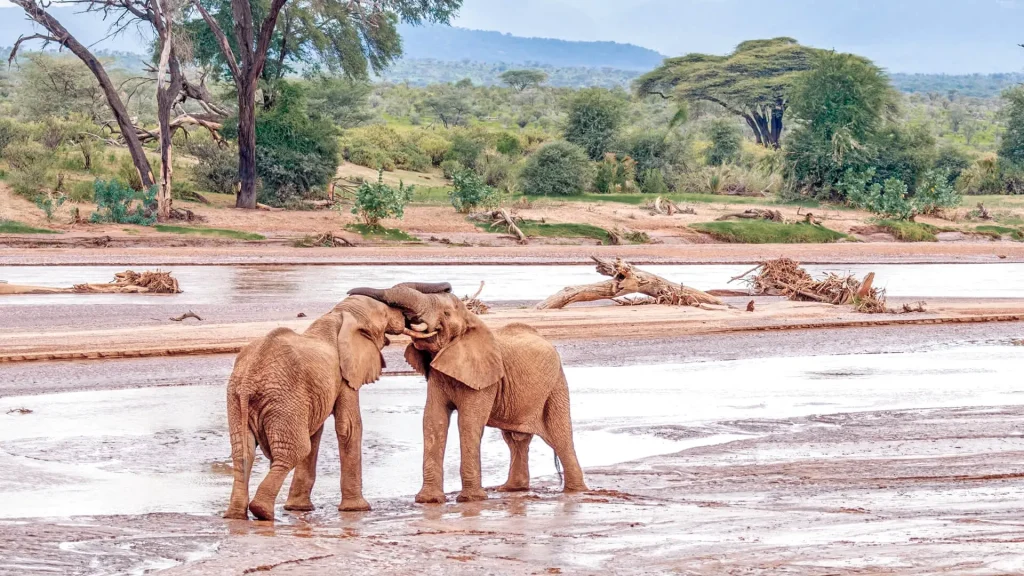
Elephants are among Samburu’s most impressive animals. The Ewaso Ng’iro River provides important water and vegetation, particularly during dry periods. Visitors may observe family groups moving through riverine woodland, crossing open areas or feeding near the river.
The dry season can provide particularly rewarding elephant encounters because animals may depend more heavily on the river. However, elephants remain present throughout the year. A knowledgeable guide can explain their movements and behaviour. Visitors should never block elephant routes or approach animals too closely.
Best Time to See Lions and Leopards
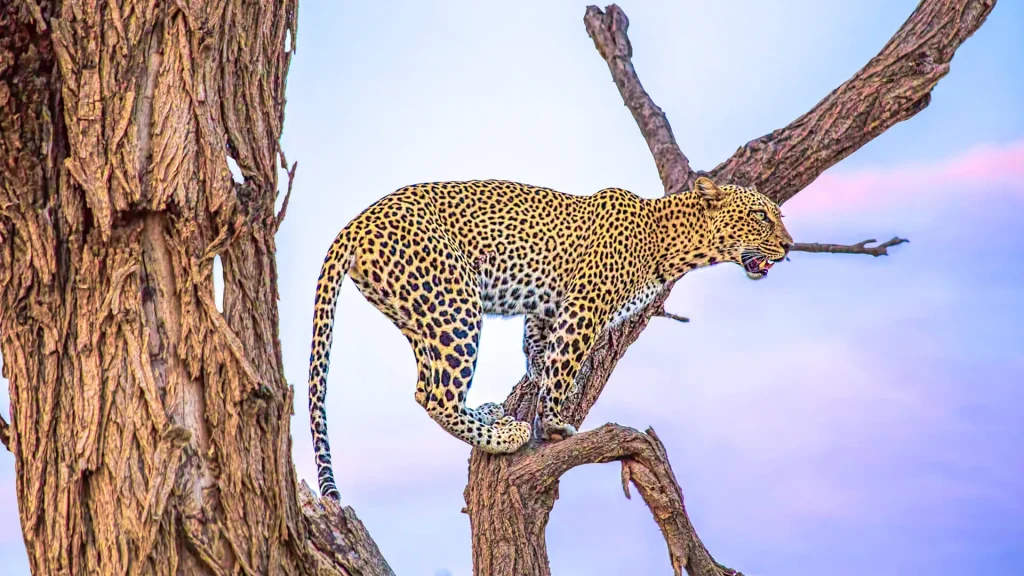
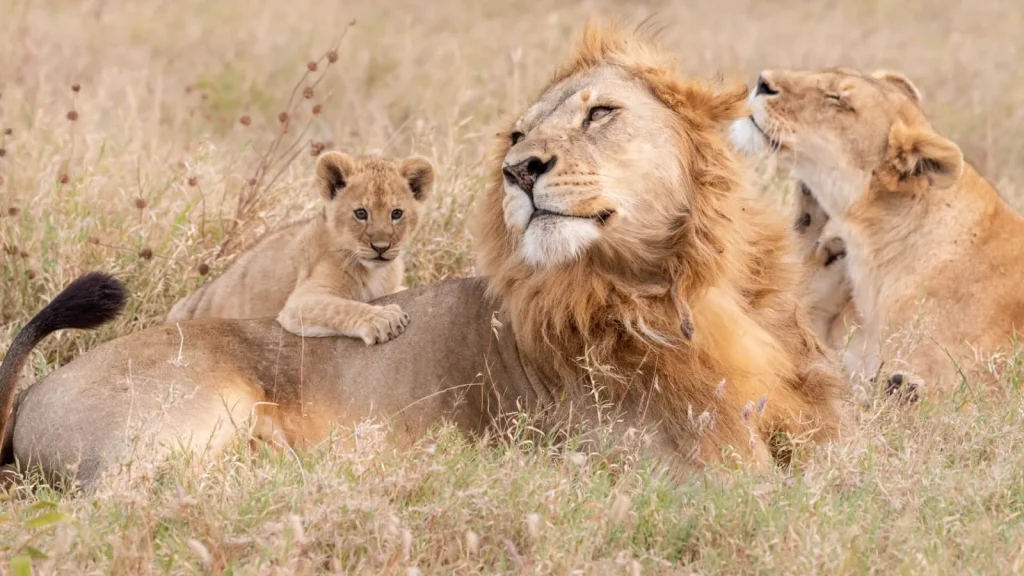
Samburu supports several predator species, including lions and leopards. Early morning and late afternoon game drives can be useful because predators may be more active during cooler periods. Lions may be observed resting in shade or moving through suitable hunting habitats; leopards are more elusive and often use trees and dense riverine vegetation. Sightings are never guaranteed, regardless of the season.
Travellers interested in predators should consider spending at least two nights in the reserve to allow multiple game drives.
The Importance of the Ewaso Ng’iro River
The Ewaso Ng’iro River is central to Samburu’s wildlife experience. Its waters and surrounding vegetation provide habitat for elephants, crocodiles, birds and many other species. During dry periods, the river can become an especially important gathering area, although river conditions vary with rainfall in the wider catchment.
Visitors should never approach the riverbank on foot without appropriate authorisation and professional guidance. The river also contributes to Samburu’s distinctive scenery, particularly where doum palms line the banks.
Best Time for Birdwatching in Samburu
Samburu birdwatching is rewarding throughout the year. The reserve supports species associated with dry grassland, acacia woodland and riverine habitats. Birdwatchers may encounter raptors, hornbills, kingfishers, weavers and numerous other species, and seasonal migrants can add diversity during parts of the wetter months.
Early morning excursions are often particularly productive. Travellers with specialist bird interests should request a guide familiar with northern Kenya’s birdlife.
Best Time for Wildlife Photography
The relatively dry months are generally favourable for photographing large mammals because vegetation may be less dense. The river provides attractive opportunities to photograph elephants and other wildlife against contrasting landscapes, and early morning and late afternoon light can be particularly appealing.
During the green season, fresh vegetation and dramatic clouds create different photographic opportunities. Photographers should carry a telephoto lens and protect equipment from dust during dry periods.
How Many Days Should You Spend in Samburu?
Two nights provide a good introduction to Samburu. This allows several game drives and opportunities to search for the Special Five. Three nights are preferable for photographers and travellers interested in predators, elephants or birdwatching, while a longer stay can be rewarding for visitors who prefer a slower pace. The ideal duration depends on whether Samburu is combined with other northern Kenya destinations.
Getting to Samburu From Nairobi
Samburu lies in northern Kenya, beyond the central highlands. Road travel from Nairobi commonly takes approximately five to seven hours, depending on traffic, route and road conditions. Domestic flights may provide access to suitable regional airstrips, subject to schedules.
A private 4×4 safari vehicle is useful for road-based itineraries. Travellers should allow realistic transfer times and avoid scheduling too many activities on arrival day.
Samburu Accommodation Options
Essential
Essential Samburu accommodation focuses on practical facilities and value. Options may include modest camps or properties outside the reserve.
Comfort
Comfort safari lodges offer en-suite accommodation, dining facilities and convenient access to game drives.
Premium
Premium Samburu accommodation generally provides additional comfort, attractive locations and personalised services.
Signature
Signature safari accommodation may include high-end lodges and exclusive tented camps. Travellers should confirm whether game drives, meals, entrance fees and transfers are included.
Samburu Safari Prices
The cost of a Samburu safari package depends on travel dates, accommodation, transport, guiding and park fees. July and August may attract higher accommodation demand. Private safaris generally provide more flexibility, while shared departures may reduce transport costs. Park fees and conservation charges can change, so current quotations are important. A complete package should clearly explain inclusions and exclusions.
Combining Samburu With Other Destinations
Samburu combines naturally with Lewa Wildlife Conservancy and Ol Pejeta Conservancy. These destinations offer complementary wildlife and conservation experiences. A longer itinerary may continue to Lake Nakuru National Park and the Masai Mara National Reserve. Travellers interested in northern Kenya’s landscapes may also explore suitable conservancies in the wider Laikipia region. The best route depends on travel days and preferred transport.
Practical Tips for Visiting Samburu
- Carry lightweight clothing for warm daytime conditions.
- Bring a jacket for early morning game drives.
- Use sunscreen, a hat and sufficient drinking water.
- Protect camera equipment from dust.
- Follow park regulations and remain inside the vehicle except where stopping is permitted.
- Avoid approaching wildlife or riverbanks on foot without authorised guidance.
- Book accommodation early during popular travel periods.
Frequently Asked Questions About Samburu
What Is the Best Month to Visit Samburu?
January, February and June through October are generally excellent for wildlife viewing.
Can You See the Samburu Special Five All Year?
Yes. These species occur in the wider ecosystem throughout the year, although sightings are not guaranteed.
Is Samburu Worth Visiting During the Rainy Season?
Yes. Green landscapes and birdwatching can be rewarding, although some roads may be affected by rainfall.
How Many Nights Are Recommended?
Two or three nights are suitable for most travellers.
Is Samburu Better Than the Masai Mara?
The destinations offer different experiences. Samburu is particularly attractive for northern Kenya’s distinctive wildlife, while the Masai Mara is famous for extensive grasslands and migration activity.
Can Samburu Be Combined With Ol Pejeta?
Yes. The two destinations complement each other and are frequently included in northern Kenya safari itineraries.
Is Samburu Suitable for Families?
Yes, with suitable accommodation, vehicle arrangements and wildlife safety precautions.
Plan Your Samburu Safari With Safari Trips to Kenya
The best time to visit Samburu National Reserve depends on your wildlife interests and preferred travel conditions. For dry-season game viewing, January, February and June through October are particularly attractive. For green landscapes and birdwatching, the wetter months can also provide rewarding experiences.
Safari Trips to Kenya can arrange a private Samburu safari, a northern Kenya conservation itinerary or a longer journey combining Samburu with Lewa, Ol Pejeta, Lake Nakuru and the Masai Mara. Share your preferred travel dates, number of travellers and accommodation category to receive a tailored proposal.