

Getting to Lake Nakuru
Getting to Lake Nakuru National Park is relatively convenient because the park is situated close to Nakuru city, along one of Kenya’s principal transport corridors. Unlike remote safari destinations that require long journeys on rough roads, Lake Nakuru is accessible from Nairobi, Lake Naivasha and several other destinations in the Great Rift Valley.
The park is especially attractive to first-time safari travellers because it combines accessible road transport with excellent opportunities for wildlife viewing. It is one of Kenya’s important rhinoceros conservation areas and supports buffaloes, giraffes, zebras, lions, waterbucks and numerous birds.
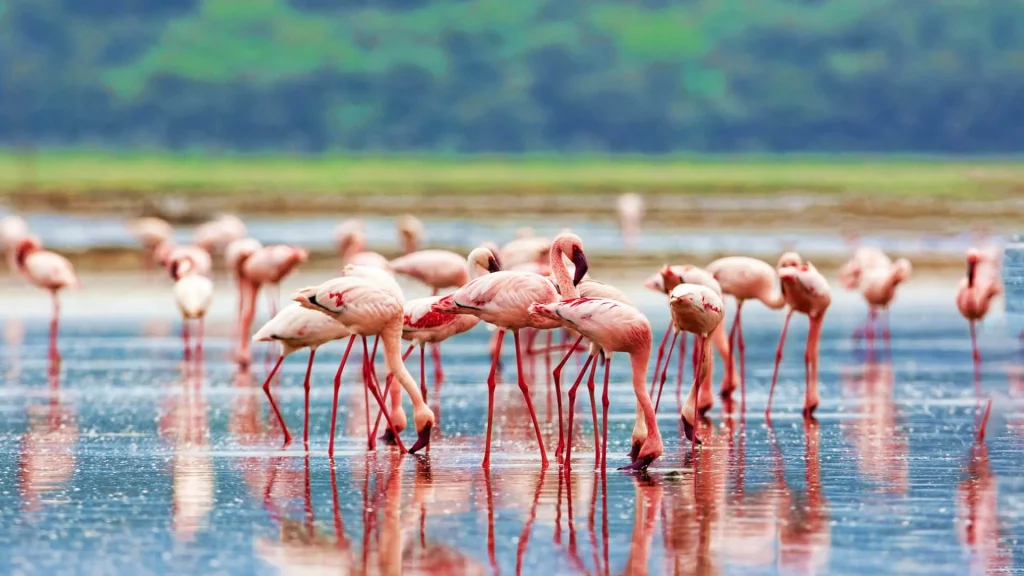
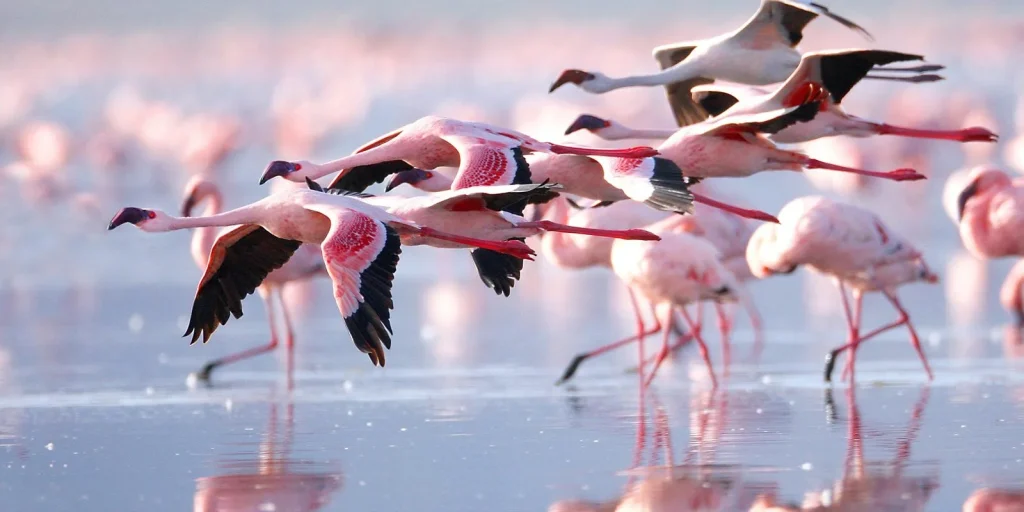
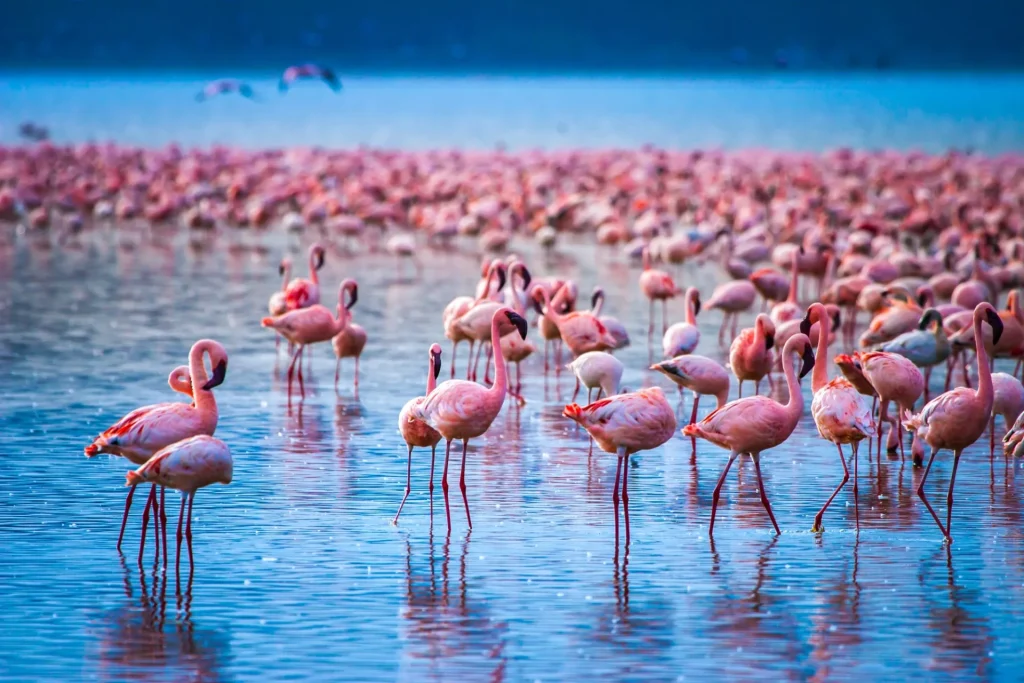
Lake Nakuru is also historically associated with large flamingo populations, although flamingo numbers have changed considerably as lake conditions have evolved. Visitors should approach the destination as a diverse wildlife park rather than expecting the enormous pink shoreline concentrations seen in older travel photographs.
For many travellers, Lake Nakuru is not a standalone holiday—it forms part of a longer Kenya safari itinerary linking Nairobi, Lake Naivasha and the Masai Mara. Understanding the most practical transport routes, park entrances and accommodation locations can save valuable time and make the journey more enjoyable.
Where Is Lake Nakuru National Park?
Lake Nakuru National Park is located in Nakuru County, in Kenya’s Great Rift Valley. The park surrounds Lake Nakuru and includes grasslands, woodland, rocky viewpoints and other habitats. Its location close to Nakuru city makes it accessible by road, and the national park is managed by the Kenya Wildlife Service.
The park is particularly important for conservation of black and southern white rhinoceroses and also supports a substantial variety of birds.
How Far Is Lake Nakuru from Nairobi?
The journey from Nairobi to Nakuru is commonly around 155–175 kilometres by road, depending on the starting point and route. Driving generally takes approximately three to four hours under favourable conditions, although congestion along the Nairobi–Nakuru highway can increase the journey time. Weekend traffic, roadworks and heavy commercial vehicles may create delays, so travellers should allow additional time when planning airport connections. The exact distance to the park entrance also depends on which gate is used.
Best Route from Nairobi to Lake Nakuru
The main road route follows the Nairobi–Nakuru highway through the Great Rift Valley. Travellers leave Nairobi towards the western side of the city, pass through the escarpment region and continue towards Naivasha and Nakuru. This is one of Kenya’s major transport corridors: the highway is paved, but traffic can be heavy.
Scenic Stops
The journey may include a stop at a Rift Valley viewpoint. From suitable locations, visitors can appreciate the escarpment and surrounding landscape, but stops should be made only in safe and authorised areas.
Why Travel Early?
An early departure can reduce exposure to peak traffic and allows more time for wildlife viewing after arrival. For a one-day excursion, leaving Nairobi early is particularly important.
Getting to Lake Nakuru from Jomo Kenyatta International Airport
Jomo Kenyatta International Airport is Nairobi’s principal international airport, and travellers can continue directly to Lake Nakuru by road. However, the journey must account for immigration, baggage collection and traffic around Nairobi.
Morning Arrivals
An early arrival may allow a same-day transfer to Nakuru. Depending on timing, guests may reach their accommodation in the afternoon.
Afternoon Arrivals
A direct transfer may be possible, but the journey can become tiring after an international flight.
Evening Arrivals
For late arrivals, an overnight stay in Nairobi is often more comfortable, with the road journey beginning the following morning.
Getting to Lake Nakuru from Wilson Airport
Wilson Airport serves many domestic safari flights and is separate from Jomo Kenyatta International Airport. Travellers arriving at Wilson can continue by road towards Nakuru, although the transfer involves navigating Nairobi traffic before joining the Rift Valley route—flight arrival time should be considered carefully.
Can You Fly to Lake Nakuru?
Lake Nakuru is most commonly reached by road. The wider Nakuru area has aviation facilities, but regular scheduled safari flights directly into Lake Nakuru National Park are not the standard transport arrangement for most visitors. Private aviation arrangements may be possible under specific conditions, but the relatively accessible road journey means that flying is generally unnecessary for a conventional safari. Travellers considering charter flights should confirm landing permissions, transfers and total costs.
Private Safari Transfer from Nairobi
A private Nairobi-to-Lake Nakuru transfer is one of the most convenient options. The driver collects guests from their hotel or airport and travels directly to the selected lodge.
Advantages
- Flexibility to make suitable stops along the way
- Luggage remains in the vehicle
- The same safari vehicle may continue to other destinations
Best For
Private transfers are particularly suitable for couples, families and small groups, and they are also practical for travellers combining Lake Nakuru with Lake Naivasha or the Masai Mara.
Public Transport to Nakuru
Public buses and matatus operate between Nairobi and Nakuru, providing an economical way to reach Nakuru city. However, public transport does not generally include a guided wildlife safari—visitors must arrange additional transport to the park entrance and suitable transport inside the national park.
Is Public Transport Practical?
It can be suitable for independent travellers staying in Nakuru city, although visitors planning game drives may find a guided safari package more convenient. The cost of separate transport, guiding and park fees should be considered.
Self-Driving to Lake Nakuru
Self-driving is possible, and the main road from Nairobi is paved. However, drivers should be comfortable with Kenyan traffic conditions. Inside the park, road surfaces vary, a suitable vehicle is recommended (particularly during wet conditions), and visitors should follow Kenya Wildlife Service regulations and remain on authorised roads.
Getting to Lake Nakuru from Lake Naivasha
Lake Naivasha is one of the closest major tourism destinations to Lake Nakuru. The road journey commonly takes approximately one to two hours, depending on the exact accommodation locations and traffic, and the route follows the Nairobi–Nakuru corridor, which makes the two destinations easy to combine.
Why Combine Them?
Lake Naivasha offers boat excursions, birdwatching and access to Hell’s Gate National Park, while Lake Nakuru provides conventional game drives and opportunities to observe rhinoceroses. Together, they offer a varied Rift Valley safari experience.
Getting to Lake Nakuru from the Masai Mara
The Masai Mara and Lake Nakuru are frequently combined in Kenya safari itineraries, but the transfer is considerably longer than the Naivasha–Nakuru journey. Driving may take approximately five to seven hours or longer, depending on the camp location, road conditions and route, and the Masai Mara covers a large area, so transfer times differ significantly between properties.
Recommended Planning
An early departure is advisable, and travellers should avoid scheduling too many activities on a long transfer day. A relaxed itinerary may include two nights in the Masai Mara and one night near Lake Nakuru, or a longer stay in each destination.
Getting to Lake Nakuru from Amboseli
Amboseli and Lake Nakuru can be combined on a longer safari. The journey generally involves travelling through or around Nairobi before continuing northwest—this is a substantial transfer, and traffic can increase the journey time. Travellers should allow most of the day; for a more comfortable itinerary, an overnight stop may be appropriate.
Getting to Lake Nakuru from Samburu
Samburu National Reserve is situated in northern Kenya, and a road transfer to Lake Nakuru may involve travelling through central Kenya and the Laikipia region, depending on the selected route. The journey can be long, road conditions vary, and travellers should use a suitable safari vehicle and allow sufficient time.
Lake Nakuru National Park Gates
The park has several access gates, and the appropriate entrance depends on the direction of travel and accommodation location.
Main Gate
The Main Gate is commonly used by visitors approaching from Nakuru city and provides convenient access to the national park.
Lanet Gate
Lanet Gate is another important access point and may be convenient for travellers approaching from certain eastern routes.
Nderit Gate
Nderit Gate provides access from another section of the park; its suitability depends on current access arrangements and the travel route.
Choosing the Right Gate
The best entrance depends on where you are staying and where you are coming from. Your guide should confirm the most practical gate, and operating arrangements can change, so current access information should be checked.
Park Entry Fees
Lake Nakuru National Park is managed by the Kenya Wildlife Service. Entrance fees depend on visitor category and current regulations, and rates may change. Travellers should consult official Kenya Wildlife Service information before departure. A safari package may include park entrance fees when explicitly stated—visitors should confirm this in writing.
Road Conditions Inside Lake Nakuru
The park has an established network of game-drive roads, although conditions vary. Some sections may become muddy after heavy rainfall, while other routes may be affected by changing lake levels or maintenance work. A 4×4 vehicle is useful, particularly during wet conditions, and guides should follow authorised tracks and park regulations.
Do You Need a 4×4 for Lake Nakuru?
A 4×4 is recommended for a dedicated wildlife safari. Although some roads may be manageable in other vehicles during dry weather, conditions can change. A 4×4 safari Land Cruiser provides suitable ground clearance and improved capability on rough tracks, and many vehicles have pop-up roofs for wildlife viewing.
Where to Stay Near Lake Nakuru
Accommodation is available inside the national park and in the surrounding Nakuru area.
Inside the Park
Properties such as Sarova Lion Hill Game Lodge and Lake Nakuru Sopa Lodge provide accommodation within the park; staying inside can reduce transfer time for early game drives.
Outside the Park
Nakuru city and nearby areas offer a range of hotels and guesthouses, which may provide more economical accommodation. However, guests must allow time to travel to the park entrance.
Choosing Accommodation
Consider location, budget, meal arrangements and whether park fees are included—a cheaper hotel farther away may involve additional transport costs.
What Wildlife Can You See at Lake Nakuru?
Lake Nakuru is particularly important for rhinoceros conservation, and visitors may encounter both black and southern white rhinos, although sightings are not guaranteed. Other wildlife includes buffaloes, giraffes, zebras, waterbucks and lions, and the park also supports numerous bird species.
Are There Still Flamingos at Lake Nakuru?
Yes, flamingos can still occur at Lake Nakuru, but their numbers vary considerably. Changes in lake levels and water chemistry have affected the feeding conditions that historically supported enormous flocks, so visitors should not expect the shoreline to be permanently covered in pink birds. For travellers whose main interest is large flamingo concentrations, current conditions at other Rift Valley lakes should also be considered.
Best Time to Visit Lake Nakuru
Lake Nakuru can be visited throughout the year.
January to March
These months are often relatively warm and dry, and wildlife viewing can be rewarding.
April to May
Rainfall may affect road conditions, and the landscape can become greener.
June to October
This is a popular safari period, and conditions are often suitable for combining Nakuru with other wildlife destinations.
November to December
Short rains may occur, but wildlife viewing remains possible.
How Many Days Do You Need?
A full-day visit can provide an introduction, although an overnight stay allows more flexibility. One night is common on multi-park itineraries, while two nights provide more time for wildlife viewing and photography. The ideal duration depends on your interests and the wider safari schedule.
Can You Visit Lake Nakuru on a Day Trip from Nairobi?
Yes—a Lake Nakuru day trip from Nairobi is possible with an early departure. However, the return road journey can make it a long day, and visitors may spend several hours travelling in each direction. An overnight stay is generally more relaxed; for travellers with limited time, Nairobi National Park may be a closer alternative.
Suggested Two-Day Lake Nakuru Safari
Day 1: Nairobi to Lake Nakuru
Depart Nairobi early, travel through the Great Rift Valley, arrive at Lake Nakuru National Park and complete entry formalities. Enjoy a game drive in search of rhinos, buffaloes, giraffes and other wildlife, then check in at your accommodation.
Day 2: Morning Game Drive and Return
Enjoy an early morning game drive, return to the lodge for breakfast, check out and travel back to Nairobi or continue to another destination.
Suggested Four-Day Naivasha, Nakuru and Masai Mara Safari
Day 1: Nairobi to Lake Naivasha
Travel to Lake Naivasha, enjoy a boat excursion or other suitable activity, and overnight near the lake.
Day 2: Naivasha to Lake Nakuru
Travel to Lake Nakuru, enjoy an afternoon game drive, and overnight near or inside the park.
Day 3: Lake Nakuru to Masai Mara
Depart after breakfast, travel towards the Masai Mara, and enjoy an afternoon game drive if time permits.
Day 4: Masai Mara Wildlife Safari
Spend the day exploring the reserve. For a relaxed itinerary, add further nights in the Mara rather than returning immediately to Nairobi.
Travel Tips for Lake Nakuru
These steps help avoid delays and make the most of your time in the park:
- Leave Nairobi early
- Confirm the correct park gate
- Carry drinking water and sun protection
- Use a suitable safari vehicle
- Allow extra time during weekends
- Book accommodation in advance during popular periods
- Check current park fees and payment procedures
- Avoid planning tight flight connections after long road transfers
Common Travel Planning Mistakes
One mistake is assuming Nakuru city and the national park are the same destination. Another is choosing accommodation without considering the park entrance. Travellers may also underestimate traffic on the Nairobi–Nakuru highway, and some visitors expect guaranteed flamingo concentrations based on historic photographs. A realistic itinerary should focus on the park’s wider wildlife experience.
Frequently Asked Questions
How far is Lake Nakuru from Nairobi?
Approximately 155–175 kilometres by road, depending on the route and starting point.
How long does it take to drive?
Usually around three to four hours under favourable conditions, although traffic may increase the journey time.
Can I visit Lake Nakuru in one day?
Yes, but an overnight stay is generally more comfortable.
Can I fly to Lake Nakuru?
Road transport is the standard option for most safari travellers.
Which gate should I use?
The Main Gate, Lanet Gate or another suitable entrance may be used depending on your route and accommodation.
Can I see rhinos?
Yes, Lake Nakuru is an important rhino conservation area, but sightings are not guaranteed.
Are flamingos always present?
Flamingos may occur, but numbers vary considerably.
Can I combine Lake Nakuru with the Masai Mara?
Yes. This is one of Kenya’s popular multi-park safari combinations.
Book Your Lake Nakuru Safari with Safari Trips to Kenya
Getting to Lake Nakuru National Park is easiest when transport, accommodation and wildlife activities are coordinated. At Safari Trips to Kenya, we arrange private and group safaris combining Lake Nakuru with Lake Naivasha, the Masai Mara and other destinations. Contact our team with your preferred travel dates, number of guests and accommodation preferences to plan a personalised Lake Nakuru safari itinerary.