

Best Time Lake Nakuru
The best time to visit Lake Nakuru National Park is generally during the relatively dry months of January and February and from June through September. These periods often provide favourable conditions for game drives, rhino viewing and wildlife photography. However, Lake Nakuru is a year-round safari destination, and its compact landscape makes it rewarding even outside the traditional dry season.
Situated in Kenya’s Great Rift Valley, approximately 160 kilometres northwest of Nairobi, Lake Nakuru National Park protects a freshwater lake, surrounding grasslands, acacia woodland, rocky escarpments and important wildlife habitats. The park is particularly well known for its populations of black and white rhinos, Rothschild’s giraffes, buffalo, lions and diverse birdlife.
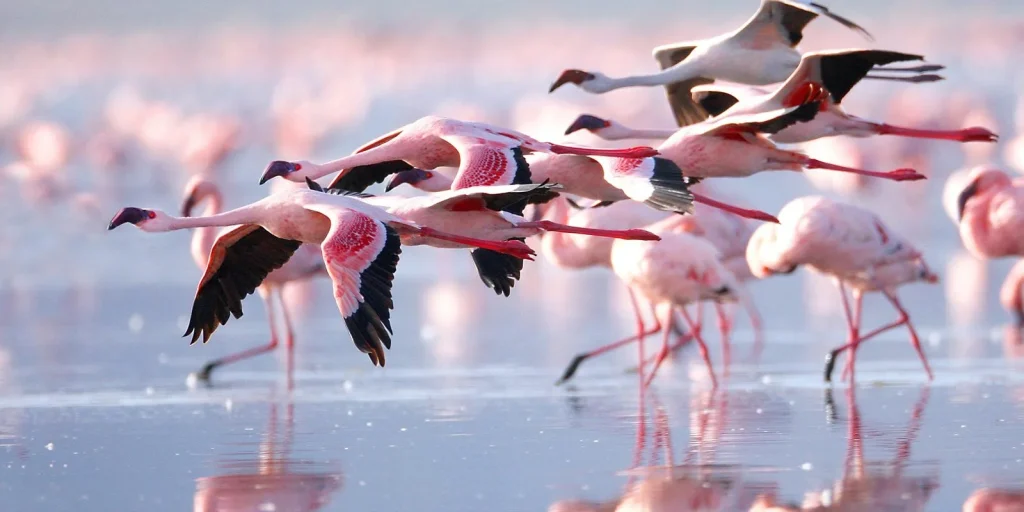
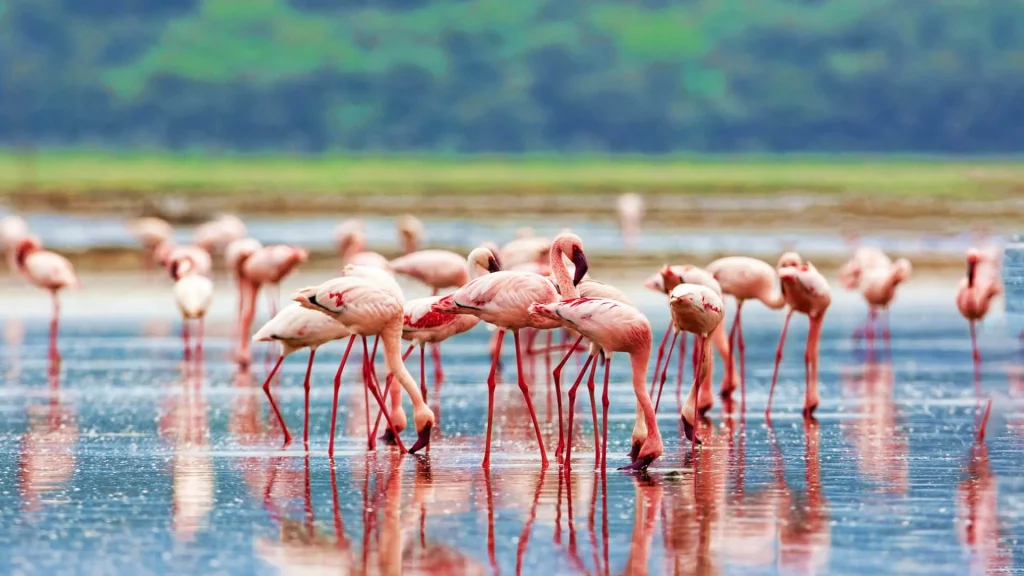
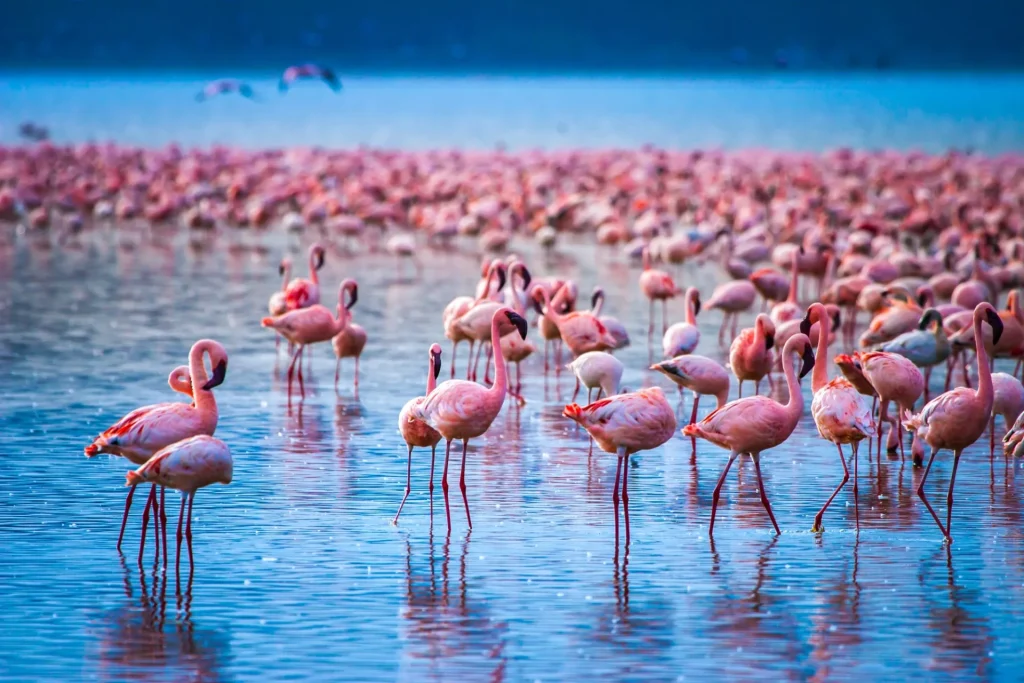
Many travellers associate Lake Nakuru with photographs of enormous flamingo flocks lining the shoreline. Although flamingos remain an important part of the park’s identity, their numbers have fluctuated considerably as lake levels, water chemistry and feeding conditions have changed. Visitors should not assume that the vast concentrations seen in historical photographs will be present during their safari.
For most travellers, the strongest reason to visit Lake Nakuru is its combination of rhino conservation, varied wildlife and convenient location between Nairobi and other popular safari destinations. A single well-planned day can produce rewarding sightings, while an overnight stay allows more time to explore the park’s different habitats. This guide explains Lake Nakuru’s seasonal weather, wildlife-viewing conditions, monthly travel patterns and practical considerations to help you choose the right time for your safari.
When Is the Best Time for a Lake Nakuru Safari?
January and February are often excellent months for a Lake Nakuru safari because rainfall is generally limited and the park’s grasslands may be relatively open. These conditions can improve visibility during game drives, particularly when looking for rhinos and other large mammals.
June through September is another favourable period. Although mornings can be cool, the weather is often relatively dry, making it convenient to explore the park’s roads and viewpoints. July and August are especially popular among international safari travellers combining Lake Nakuru with the Masai Mara.
The rainy months, particularly April and May, bring greener vegetation and attractive scenery. They can also create muddy tracks and reduce visibility in areas where grass becomes tall. Nevertheless, resident wildlife remains in the park, and the quieter atmosphere may appeal to photographers and travellers who prefer fewer safari vehicles.
The best season ultimately depends on your priorities. For rhinos and conventional game drives, the drier months are generally preferable. For lush landscapes and birdwatching, the wetter periods can be rewarding.
Lake Nakuru Weather and Climate
Lake Nakuru lies at an elevation of approximately 1,750 metres above sea level, giving it a generally moderate highland climate. Daytime temperatures are often pleasant, while early mornings and evenings can feel cool, especially during June, July and August.
The area experiences two broadly recognised rainy periods. The longer rains usually develop between March and May, while shorter rains commonly occur around October and November. These patterns vary between years, and rainfall can occur outside the expected seasons.
The lake’s water levels also change over time. Rising water can inundate shoreline vegetation, affect certain roads and alter the distribution of birds and other wildlife. Some established viewing areas may become less accessible during periods of unusually high water. Visitors should therefore consider current park conditions alongside the month of travel.
Best Time to Visit Lake Nakuru Month by Month
January: Dry Conditions and Excellent Wildlife Viewing
January is one of the most convenient months for a Lake Nakuru National Park safari. Rainfall is often relatively limited, and the vegetation may be sufficiently open to make wildlife easier to observe. Rhinos are among the main attractions. White rhinos may be encountered grazing in suitable grassland areas, while black rhinos often prefer thicker vegetation and can be more difficult to locate.
Buffalo, zebras, waterbuck and giraffes are also regularly sought during game drives. Birdwatching remains rewarding around the lake and surrounding woodland. January is particularly suitable for travellers combining Lake Nakuru with Lake Naivasha, the Masai Mara or a broader Kenya safari circuit.
February: A Strong Month for Rhino Safaris
February often continues the relatively dry conditions experienced in January. It is a particularly attractive month for travellers interested in Lake Nakuru rhino viewing and wildlife photography. Shorter grass can improve visibility in open areas, although animals are never guaranteed to appear in a particular location. Early morning game drives are useful for observing wildlife before temperatures rise and activity patterns change.
February can also be a good time to explore the park’s viewpoints, provided roads are accessible. The combination of wildlife, lake scenery and escarpment landscapes makes Lake Nakuru appealing even when flamingo numbers are low.
March: Transition Towards the Long Rains
March is a transitional month. Early March may remain relatively dry, while rainfall often becomes more frequent later in the month. Fresh grass begins to develop in response to rain, and the landscape gradually becomes greener. This can create attractive photographic conditions, particularly when dramatic clouds form above the Rift Valley.
Wildlife remains present throughout the park, but some animals may spread into areas with newly available grazing. Road conditions can become less predictable after heavy showers. March is a reasonable choice for travellers who want a quieter safari and are comfortable with occasional rainfall.
April: Green Landscapes and Rainy Conditions
April is commonly one of the wetter months around Lake Nakuru. Rainfall encourages vegetation growth, and the park can appear particularly green. These conditions are attractive for landscape photography and birdwatching. However, heavy rain can make certain tracks slippery or temporarily difficult to use. Long grass may also reduce visibility when searching for smaller animals or elusive predators.
Travellers visiting in April should use an appropriate safari vehicle and allow flexibility in their game-drive routes. An experienced guide can adjust the itinerary according to road conditions and recent wildlife activity.
May: Quiet Safaris During the Long Rains
May often continues the long-rains period, although rainfall intensity varies. The park may be quieter than during the main international holiday months, providing a more relaxed wildlife-viewing experience. The vegetation can be lush, and bird activity remains interesting. Rhinos, buffalo and other resident mammals continue to occupy the park, although locating them may require patience.
Some roads may remain muddy after prolonged rainfall. Visitors should confirm current access conditions before planning excursions to remote viewpoints. May can offer a rewarding safari for travellers who prioritise scenery and do not mind unpredictable weather.
June: Improving Conditions and Attractive Scenery
June generally marks the transition towards a relatively drier period. The park may retain greenery from the preceding rains while becoming easier to explore. Temperatures can be cool in the morning, particularly during early game drives. A fleece or lightweight jacket is useful.
Wildlife viewing often improves as vegetation gradually becomes less dense. June is also a convenient month for combining Lake Nakuru with the Masai Mara before the busiest migration-season period.
July: One of the Best Months for Game Drives
July is among the most popular months for a Lake Nakuru wildlife safari. Relatively dry conditions can make roads more manageable and improve visibility across open grassland. Rhinos remain an important focus, while buffalo, giraffes, antelope and predators may also be encountered.
The cooler weather can make longer game drives comfortable, although mornings may require warm clothing. July is especially convenient for travellers planning a Kenya safari from Nairobi that includes Lake Nakuru and the Masai Mara.
August: Peak Kenya Safari Season
August offers favourable conditions for visiting Lake Nakuru and is popular among travellers exploring several Kenyan national parks. The weather is often relatively dry, and game drives can be productive. The park’s varied habitats provide opportunities to search for both large mammals and birds.
Accommodation demand may be higher because August coincides with a popular international holiday period and the main Masai Mara migration season. Booking accommodation and safari transport early is advisable.
September: Excellent Wildlife and Photography Conditions
September is another strong month for Lake Nakuru. Relatively dry conditions may persist, and visibility can be good in areas with shorter vegetation. Photographers may appreciate the morning light across the lake and surrounding escarpments.
September can also be attractive for travellers seeking a slightly quieter alternative to August, although visitor numbers depend on the day and accommodation demand. It is an excellent period for a combined Lake Nakuru and Masai Mara safari.
October: Changing Weather and Fresh Vegetation
October often begins with relatively dry conditions, but rainfall may increase as the short-rains period approaches. Fresh vegetation changes the landscape, and wildlife may become more widely distributed as water and grazing become available. Birdwatching can be rewarding, particularly as seasonal migrants begin appearing in suitable habitats.
October remains a worthwhile month for visiting Lake Nakuru, provided travellers allow for variable weather.
November: Short Rains and Birdwatching
November is commonly associated with Kenya’s short rains. Rainfall can produce green landscapes and attractive photographic conditions. Birdwatchers may enjoy the increased variety associated with seasonal migration, although the presence of individual species varies. Game drives remain possible, but wet tracks and dense vegetation can influence routes and sightings.
Travellers should carry suitable rain protection and follow their guide’s advice about accessible areas.
December: A Popular Holiday Safari Month
December can provide pleasant safari conditions, particularly when the short rains begin to diminish. The park remains attractive for rhinos, giraffes, buffalo and birdlife. Vegetation may still be green, creating a different atmosphere from the drier months.
Accommodation demand can increase around Christmas and New Year, making advance booking important. December is a good choice for families and travellers combining Lake Nakuru with other Kenya destinations.
Best Time to See Rhinos in Lake Nakuru
Lake Nakuru National Park is one of Kenya’s important rhino conservation areas and is widely recognised as a strong destination for travellers hoping to see both black and white rhinos. White rhinos generally spend considerable time grazing in grassland habitats. Their relatively large size and preference for more open areas can make them easier to observe.
Black rhinos are browsers and often use thicker vegetation, making sightings more challenging. Their behaviour and habitat preferences mean that visitors may need to search carefully rather than expecting to see them in open grassland. The relatively dry months can improve visibility, but rhinos are present throughout the year. Their movements depend on vegetation, water availability and other environmental conditions.
A knowledgeable guide can help identify suitable areas while maintaining appropriate distances. Visitors should never pressure wildlife or approach rhinos outside permitted viewing arrangements.
When Is the Best Time to See Flamingos at Lake Nakuru?
Flamingos are closely associated with Lake Nakuru’s history, but their numbers are not predictable by month alone. The lake has experienced substantial ecological changes, including fluctuations in water levels and chemistry. These changes influence the availability of food, particularly the algae and other organisms on which flamingos depend.
Consequently, visitors may see varying numbers of flamingos, and some periods may offer relatively few birds compared with the enormous historical flocks. Both greater and lesser flamingos may occur in the wider Rift Valley lake system, but their distribution changes according to feeding conditions.
Travellers specifically interested in flamingos should not rely on old photographs or promotional descriptions. It is better to ask about recent sightings and consider a broader Kenya birdwatching safari that includes other suitable Rift Valley lakes.
Other Wildlife to See in Lake Nakuru National Park
Rothschild’s Giraffes
Lake Nakuru is an important destination for observing giraffes associated with conservation programmes. These animals can be seen browsing in woodland and other suitable habitats. Their movements vary throughout the day, and sightings are often rewarding during quieter game drives away from heavily used roads.
Buffalo
African buffalo are among the park’s prominent large mammals. They may occur in groups across grassland and woodland areas. Buffalo should always be observed from a safe distance, particularly when animals are resting near roads or moving through dense vegetation.
Lions and Leopards
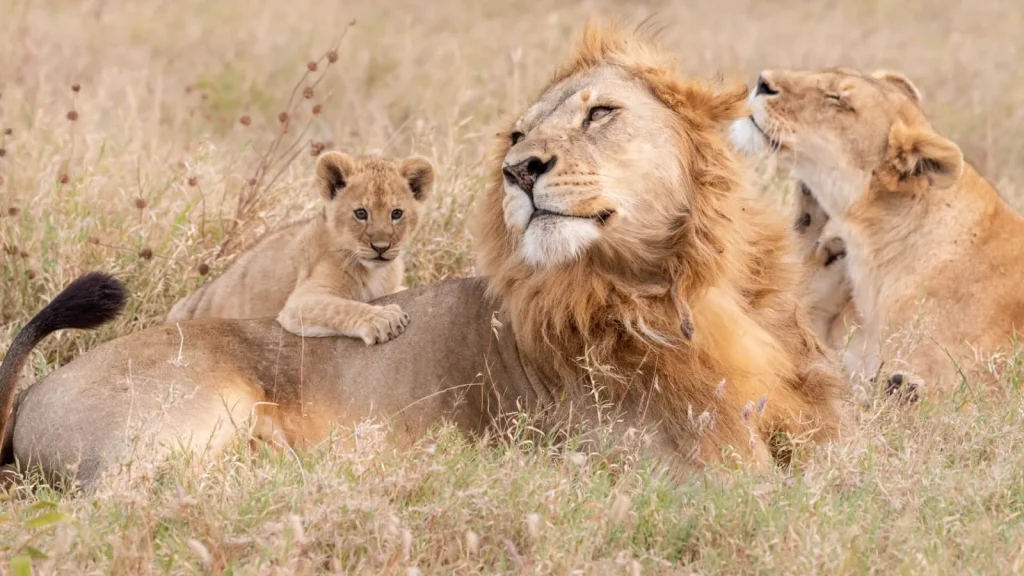
Lions and leopards inhabit Lake Nakuru, although sightings are not guaranteed. Lions may be found resting in grassland or woodland areas, while leopards are generally more elusive and often use trees and dense vegetation. Early morning game drives can be useful for searching for predator activity.
Waterbuck and Other Antelope
Waterbuck are frequently associated with the park’s grasslands and lakeside habitats. Other antelope species may also be encountered, contributing to the diversity of wildlife available during game drives.
Birdlife
Lake Nakuru supports a rich bird community associated with wetlands, grasslands and woodland. Pelicans, cormorants, herons, egrets, fish eagles and numerous other species may be observed depending on conditions. Birdwatching is worthwhile throughout the year, particularly when visitors explore different habitats rather than focusing exclusively on the lake.
Best Time for Wildlife Photography
The Lake Nakuru dry season is generally favourable for photographing large mammals because vegetation may be less dense and roads are often easier to navigate. Early morning and late afternoon light can produce attractive photographs of rhinos, giraffes and the surrounding landscapes.
However, the rainy season offers its own photographic advantages. Fresh vegetation, dramatic clouds and reflections can create distinctive images. Photographers should carry a telephoto lens for wildlife and a wider lens for landscapes. Dust protection is useful during dry periods, while waterproof equipment covers are valuable during the rains.
Best Places to Visit Inside Lake Nakuru National Park
Baboon Cliff
Baboon Cliff is one of the park’s well-known viewpoints, offering elevated views over the lake and surrounding landscape. Visibility depends on weather and atmospheric conditions. Visitors should follow park instructions, particularly around wildlife that may frequent the area.
Lion Hill
Lion Hill provides another perspective on the lake and surrounding habitats. It is useful for appreciating the park’s geography and the relationship between the lake, woodland and grasslands.
Makalia Falls
Makalia Falls is located within the park and can be particularly attractive following rainfall. Water flow varies seasonally, and access depends on road conditions. Travellers should confirm whether the route is suitable before including the falls in their game drive.
How Many Days Should You Spend in Lake Nakuru?
A full day is sufficient for many travellers to enjoy the principal attractions of Lake Nakuru National Park. However, an overnight stay provides more flexibility and allows game drives during the early morning and late afternoon, when wildlife viewing can be particularly rewarding.
A two-night stay may appeal to photographers, birdwatchers and travellers who prefer a slower safari pace. For visitors on a longer Kenya safari, Lake Nakuru is often included as a one-night stop between Nairobi, Lake Naivasha and the Masai Mara. The appropriate duration depends on your interests and overall travel schedule.
Getting to Lake Nakuru From Nairobi
Lake Nakuru National Park is approximately 160 kilometres northwest of Nairobi, with road travel commonly taking around three to four hours depending on traffic, road conditions and the starting point. The route passes through the Great Rift Valley region, offering views of changing landscapes.
A private 4×4 safari vehicle is a practical option for travellers combining the park with other destinations. Nakuru city also provides accommodation and services for visitors who prefer to stay outside the park.
Accommodation Options for a Lake Nakuru Safari
Essential Accommodation
Essential Lake Nakuru accommodation includes modest hotels, guesthouses and selected safari properties offering practical facilities. Staying outside the park may reduce accommodation costs, although travellers should consider travel time to the entrance gates.
Comfort Accommodation
Comfort safari lodges provide a balance between facilities, service and affordability. Options may include en-suite rooms, restaurant facilities and convenient access to game-drive routes.
Premium Accommodation
Premium Lake Nakuru accommodation generally offers more spacious facilities, attractive settings and additional services. Travellers should compare location and inclusions rather than choosing solely on the basis of accommodation category.
Signature Accommodation
Signature safari accommodation may include high-end lodges with personalised service and distinctive surroundings. The exact facilities, activities and park access arrangements should be confirmed before booking.
Lake Nakuru Safari Prices and Park Fees
The cost of a Lake Nakuru safari package depends on accommodation, transport, guiding, park entrance fees and the number of travellers. Park fees are administered by the relevant authorities and may change. Visitors should check the current Kenya Wildlife Service fee schedule when planning their trip.
A complete safari quotation should explain whether entrance fees, accommodation, meals, game drives and transport are included. Optional activities, drinks, gratuities and personal expenses may be excluded. The most useful comparison is the total cost of the proposed safari rather than the accommodation rate alone.
Combining Lake Nakuru With Other Kenya Destinations
Lake Nakuru fits naturally into a Kenya Rift Valley safari. A common route begins in Nairobi, continues to Lake Naivasha, visits Lake Nakuru and then travels towards the Masai Mara National Reserve. This combination offers contrasting experiences, from freshwater birdlife and rhino conservation to classic savannah wildlife viewing.
Longer itineraries may also include Amboseli National Park, Ol Pejeta Conservancy or Samburu National Reserve. Travellers should avoid adding too many destinations to a short itinerary, as long transfers can reduce the time available for game drives.
Practical Travel Tips for Lake Nakuru
- Carry warm clothing for early morning game drives, particularly during June, July and August.
- Use sunscreen, a hat and binoculars, and bring appropriate camera equipment.
- A waterproof jacket is useful during the rainy months.
- Stay inside the safari vehicle except at designated areas where your guide confirms that stopping is permitted.
- Never approach rhinos, buffalo or other wildlife on foot.
- Check current road conditions and park access arrangements before travelling, especially after heavy rainfall.
Frequently Asked Questions About Lake Nakuru
What Is the Best Month to Visit Lake Nakuru?
January, February and June through September are generally excellent choices for wildlife viewing and relatively dry conditions.
Can You See Rhinos All Year?
Yes. Black and white rhinos inhabit the park throughout the year, although sightings are never guaranteed.
Are There Still Flamingos in Lake Nakuru?
Flamingos may be present, but numbers vary considerably with lake conditions and food availability.
Is Lake Nakuru Worth Visiting Without Flamingos?
Yes. The park offers rhino viewing, giraffes, buffalo, predators, birdlife and attractive Rift Valley landscapes.
How Long Do You Need in Lake Nakuru?
A full day provides a useful introduction. One overnight stay allows additional game drives and a more relaxed experience.
Can You Visit Lake Nakuru From Nairobi in One Day?
Yes, although the journey can be long. An overnight stay is often more comfortable.
Is Lake Nakuru Good for Families?
Yes. The park’s relatively compact size makes it suitable for families, provided wildlife safety rules are followed.
Can Lake Nakuru Be Combined With the Masai Mara?
Yes. This is one of Kenya’s most popular safari combinations and provides complementary wildlife experiences.
Plan Your Lake Nakuru Safari With Safari Trips to Kenya
The best time to visit Lake Nakuru depends on your wildlife interests, preferred weather and wider travel plans. For conventional game drives and rhino viewing, January, February and June through September are particularly attractive. The greener months can also provide rewarding experiences for birdwatchers and photographers.
Safari Trips to Kenya can arrange a private Lake Nakuru safari, a guided visit from Nairobi or a longer itinerary combining Lake Nakuru with Lake Naivasha, the Masai Mara and other destinations. Share your preferred travel dates, number of travellers and accommodation category to receive a tailored safari proposal that balances wildlife viewing, comfort and realistic travel times.