
Kenya is widely recognised for its wildlife safaris, but some of the country’s most memorable landscapes are best experienced on foot. Beyond the game-drive circuits of the Masai Mara, Amboseli and Tsavo lie volcanic craters, high-altitude mountains, forest trails, escarpments and scenic walking routes. Hiking in Kenya provides an opportunity to explore these environments at a slower pace—whether that means a short guided nature walk, a challenging ascent of a volcanic mountain or a multi-day trek through the alpine landscapes of Mount Kenya. The right choice depends on fitness, experience, available time and the type of landscape the traveller wants to explore.
For visitors planning a conventional safari, hiking can provide a welcome change from spending long hours in a vehicle and introduces a different side of Kenya’s natural heritage. This guide explores some of the best hiking destinations, explains the differences between day hikes and mountain treks, and provides practical advice for planning a safe and enjoyable experience.
Why Go Hiking in Kenya?
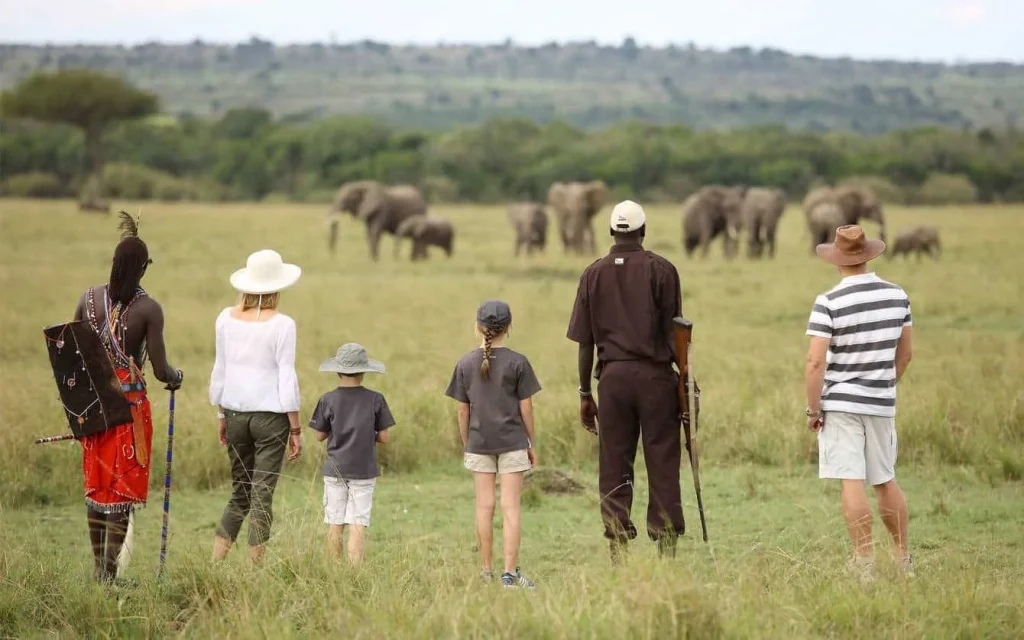
Hiking allows travellers to experience landscapes in a more personal way. From a vehicle, it is easy to appreciate the scale of a mountain or valley; on foot, visitors become more aware of changes in vegetation, terrain, temperature and the surrounding environment. A guided hike can also provide opportunities to learn about plants, geology, birds and local history, and for photographers, walking may create opportunities to observe details that are easily missed during road travel.
However, hiking is not suitable everywhere. Many wildlife reserves restrict walking because of dangerous animals and conservation requirements, and travellers should use authorised routes and qualified guides where required.
Best Hiking Destinations in Kenya
Kenya offers hiking experiences for different fitness levels. Some trails are suitable for beginners; others require substantial physical preparation.
1. Mount Kenya
Mount Kenya is the country’s highest mountain and one of Africa’s great trekking destinations. Its landscapes change dramatically with altitude: lower slopes support forest habitats, while higher elevations feature moorland, alpine vegetation and rocky terrain. The mountain’s main peaks include Batian, Nelion and Point Lenana. Batian and Nelion involve technical climbing; Point Lenana is a popular trekking objective, although reaching it still requires good fitness and appropriate preparation.
Mount Kenya Trekking Routes
Several routes are used for Mount Kenya trekking. The Sirimon Route is known for its gradual approach through varied landscapes; the Naro Moru Route is another established route; and the Chogoria Route is especially associated with dramatic scenery. The appropriate route depends on trekking experience, available days and logistical arrangements.
How Long Does a Mount Kenya Trek Take?
A multi-day trek commonly requires several days, and the exact duration depends on the route and intended destination. Travellers should allow sufficient time for altitude adjustment, because attempting to ascend too quickly increases the risk of altitude-related illness.
Is Mount Kenya Suitable for Beginners?
Some lower-altitude walks may be suitable for beginners, but a summit-oriented trek is more demanding. Travellers should assess their fitness and seek appropriate guidance.
2. Mount Longonot
Mount Longonot is a volcanic mountain in Kenya’s Great Rift Valley and one of the best-known hiking destinations accessible from Nairobi. The hike involves ascending towards the crater rim over terrain that can be steep and exposed. Some visitors choose to reach the rim, while others continue around the crater; the complete circuit is more demanding.
What Makes Mount Longonot Special?
The crater landscape is the main attraction. From elevated points, visitors can enjoy views of the surrounding Rift Valley, and the volcanic terrain provides a different experience from forest hiking.
How Difficult Is Mount Longonot?
The ascent requires moderate to strenuous effort, depending on fitness and conditions. Loose ground and steep sections can make the hike challenging, and sun exposure is another important consideration—travellers should carry adequate drinking water.
How Long Does the Hike Take?
Duration depends on whether visitors climb only to the rim or complete the longer circuit. Fitness, weather and rest stops also affect timing, and a guide can help determine a suitable route.
3. Hell’s Gate National Park
Hell’s Gate National Park is one of Kenya’s distinctive destinations for outdoor activities, known for dramatic cliffs, volcanic features and Rift Valley scenery. It is also associated with walking and cycling opportunities in authorised areas, although access to particular trails and gorge sections may be restricted according to safety conditions and park regulations.
Hiking in Hell’s Gate
Walking allows visitors to appreciate the scale of the cliffs and surrounding landscape. A guided excursion can provide information about the area’s geology and natural history, and visitors should remain on authorised routes.
Is Hell’s Gate Suitable for Beginners?
Some walking routes may be manageable for travellers with moderate fitness, but conditions vary. Steep terrain, heat and weather can affect difficulty, so a suitable route should be selected according to the group.
Combining Hell’s Gate with Lake Naivasha
Hell’s Gate is often included in itineraries visiting Lake Naivasha. Travellers may combine hiking or cycling with a boat excursion on the lake, provided the programme allows enough time for both activities.
4. Ngong Hills
The Ngong Hills provide a scenic hiking experience near Nairobi. The hills form a distinctive ridge overlooking parts of the surrounding landscape, and walking routes offer opportunities for exercise and panoramic views. Weather conditions can change quickly, however, and wind, mist and rain may affect visibility and comfort.
Who Should Hike Ngong Hills?
The area can suit travellers seeking a day hike near Nairobi. The appropriate distance depends on fitness and the selected route, and visitors should consider local safety advice and use a knowledgeable guide where appropriate.
5. Karura Forest
Karura Forest is a protected urban forest in Nairobi. It offers a different hiking experience from mountain and volcanic trails, with forest paths, greenery and a quieter environment within the city.
Why Visit Karura Forest?
Karura is suitable for travellers who want a relatively gentle outdoor activity and can be included in a Nairobi itinerary without requiring a full mountain excursion. The forest is also attractive to visitors interested in nature, walking and photography.
Is Karura Forest Suitable for Families?
Many visitors find its established paths suitable for family outings, but the route should be selected according to children’s ages and abilities, and visitors should follow the forest’s access and safety rules.
6. Aberdare Mountains
The Aberdare Range offers highland landscapes, forest habitats and moorland environments. Hiking opportunities vary according to the selected route and access arrangements, and some areas are within protected landscapes where wildlife and weather conditions require careful planning.
What Makes the Aberdares Different?
The environment can be cooler and wetter than Kenya’s lower-altitude safari destinations. Vegetation changes with altitude, and waterfalls, forest scenery and open moorland contribute to the experience.
Hiking Safety in the Aberdares
Visitors should use authorised routes and suitable guides. Weather can change quickly, so warm clothing and waterproof protection are important.
7. Mount Elgon
Mount Elgon lies on the Kenya–Uganda border. It is an ancient volcanic mountain with distinctive landscapes, and the wider mountain ecosystem includes forest, moorland and volcanic features. Hiking routes vary in length and difficulty.
Why Consider Mount Elgon?
Mount Elgon can appeal to travellers seeking a less conventional mountain trekking experience, but access arrangements and route conditions should be confirmed carefully. A multi-day trek requires suitable logistical planning.
8. Menengai Crater
Menengai Crater, near Nakuru, is a volcanic landscape associated with Rift Valley scenery. Hiking opportunities may be available in suitable areas, although terrain and access conditions vary. Visitors should seek current local guidance and avoid unsupported routes. The crater environment can be particularly interesting for travellers who enjoy geology and landscape photography.
Day Hiking Versus Multi-Day Trekking
Not every hiking experience requires the same preparation.
Day Hikes
Day hikes are suitable for travellers who want an outdoor activity without overnight camping. Examples may include selected routes in Karura Forest, Ngong Hills, Hell’s Gate or Mount Longonot, though difficulty varies.
Multi-Day Treks
Multi-day treks require additional planning. Mount Kenya is the most prominent example; travellers may need guides, porters, accommodation or camping equipment, and altitude and weather become more important considerations.
Guided Nature Walks
Guided nature walks may be shorter and more educational, focusing on plants, birds, geology and local environments. These experiences may be suitable for travellers who do not want strenuous trekking.
Best Time for Hiking in Kenya
Kenya’s hiking conditions vary by region and altitude. The generally drier periods often provide more predictable trail conditions, but weather in mountain areas can change quickly at any time of year. Rain may make trails slippery, cloud cover can reduce visibility, and high-altitude areas can be cold even when lower elevations are warm. Travellers should consider the specific destination rather than relying on a single nationwide hiking season.
Hiking Difficulty Levels
Easy Hikes
Easy walks generally involve manageable distances and limited elevation changes, although terrain and weather still matter.
Moderate Hikes
Moderate hikes may involve longer distances, uneven ground and some climbing, and travellers should have reasonable fitness.
Challenging Hikes
Challenging routes may include steep ascents, loose terrain and substantial elevation gain. Mount Longonot’s longer routes can be demanding.
High-Altitude Trekking
High-altitude trekking requires additional preparation. Mount Kenya presents risks associated with reduced oxygen availability, cold temperatures and changing weather, and fitness alone does not eliminate altitude-related risks.
Altitude Safety on Mount Kenya
Altitude sickness can affect travellers regardless of age or fitness. Symptoms may include headache, nausea, fatigue and dizziness, and severe altitude illness can be life-threatening. A trekking itinerary should allow appropriate acclimatisation, and travellers should avoid ascending too rapidly. Anyone developing concerning symptoms should inform the guide immediately; descending may be necessary. Medical advice is important for travellers with relevant health concerns.
What to Pack for Hiking in Kenya
Packing depends on the route and duration. For a typical day hike, useful items include:
- Comfortable hiking shoes with suitable grip.
- Drinking water.
- Sun protection.
- Lightweight clothing.
- A rain jacket.
- Personal medication.
- Snacks.
- A small backpack.
- A fully charged phone.
- A basic first-aid kit.
For mountain trekking, additional warm clothing and specialised equipment may be necessary. The guide or trekking operator should provide a route-specific packing list.
Hiking Shoes and Clothing
Footwear is one of the most important considerations. Shoes should provide adequate grip and support for the terrain: comfortable walking shoes may be sufficient for forest paths, while hiking boots may be preferable for rocky or steep mountain routes. Clothing should be suitable for changing temperatures, and layering is particularly useful at higher elevations.
Hiking with Children
Family hiking can be rewarding when the route is selected carefully. Short forest walks may be more suitable for younger children than steep volcanic ascents. Parents should consider distance, elevation, heat and access to facilities, children should be supervised throughout the activity, and the guide should be informed of the children’s ages before the route is confirmed.
Hiking for Older Travellers
Age alone does not determine hiking ability; fitness, mobility and health are more important. Travellers who prefer a slower pace may enjoy shorter guided walks, the itinerary should allow rest stops, and a private guide can provide flexibility.
Guided Hiking Versus Independent Hiking
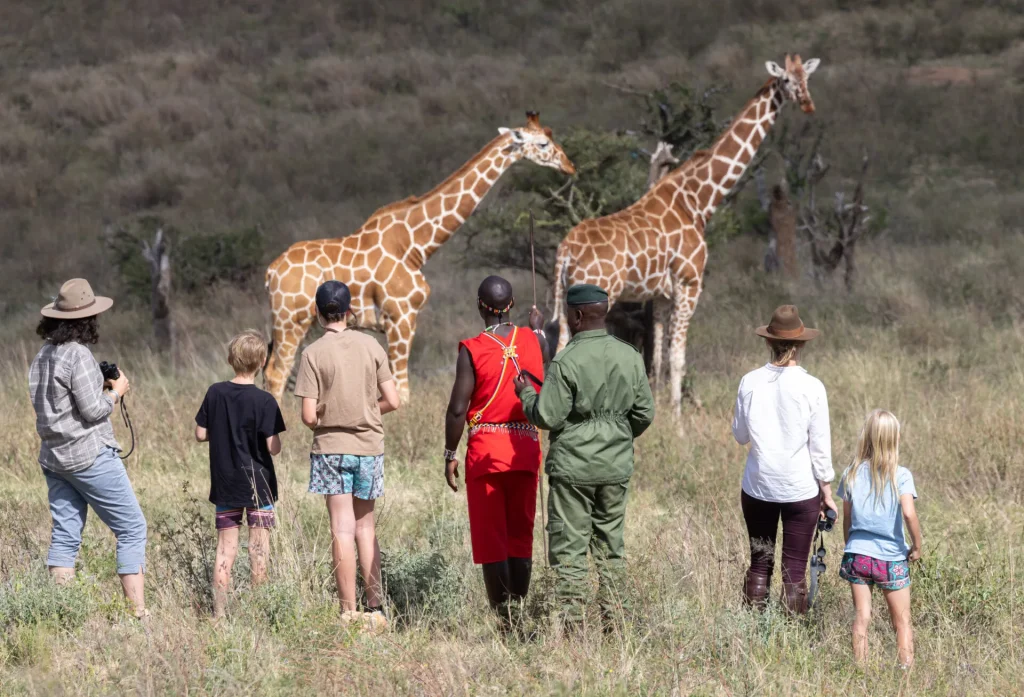
Some routes may permit independent walking, while others require guides or have access restrictions. Guided hiking can provide benefits beyond navigation: a knowledgeable guide may explain local geology, plants and wildlife, assess weather and trail conditions, and for remote or high-altitude routes, professional support is particularly important.
Combining Hiking with a Wildlife Safari
A hiking activity can add variety to a conventional Kenya safari. For example, a traveller might combine Mount Longonot with Lake Naivasha before continuing to the Masai Mara, or a longer itinerary may include Mount Kenya trekking followed by wildlife viewing in central Kenya. The route should avoid unnecessary backtracking, and travellers should also consider recovery time after strenuous hikes.
Suggested Five-Day Hiking and Safari Itinerary
Day 1: Arrive in Nairobi
Arrive in Nairobi and transfer to the selected accommodation. Depending on arrival time, enjoy a short walk or rest, and overnight in Nairobi.
Day 2: Mount Longonot Hiking
Travel to Mount Longonot, complete a suitable guided hike according to fitness and weather, then continue to Lake Naivasha for overnight accommodation.
Day 3: Hell’s Gate and Lake Naivasha
Explore authorised walking areas in Hell’s Gate National Park. An optional Lake Naivasha boat excursion may be arranged, with overnight near Naivasha.
Day 4: Transfer to Masai Mara
Travel to the Masai Mara and enjoy an afternoon game drive if the schedule permits, overnight at the selected safari camp or lodge.
Day 5: Masai Mara Wildlife Viewing and Departure
Enjoy a morning wildlife activity according to the itinerary, then continue towards Nairobi or extend the safari. This is an illustrative programme; a longer itinerary is recommended for travellers who want more time in the Masai Mara.
Hiking and Wildlife Safety
Hiking in Kenya requires awareness of local conditions. Some trails pass through wildlife habitats; visitors should not approach animals, and protected areas may restrict walking. Guides should follow applicable regulations. Weather can change quickly, so travellers should carry sufficient water and avoid hiking beyond their fitness level.
Responsible Hiking Practices
Responsible hiking helps protect natural environments for future visitors. In practice, that means:
- Stay on authorised trails.
- Avoid littering.
- Do not remove plants or disturb wildlife.
- Respect local communities.
- Use established facilities where available.
- Follow guide instructions.

Frequently Asked Questions About Hiking in Kenya
What are the best hiking trails in Kenya?
Popular options include Mount Kenya, Mount Longonot, Hell’s Gate, Ngong Hills and selected forest trails.
Can beginners go hiking in Kenya?
Yes. There are easier walking routes as well as challenging mountain treks.
Is Mount Kenya suitable for beginners?
Lower-altitude walks may be manageable, but summit-oriented trekking requires preparation and suitable fitness.
Can I hike in the Masai Mara?
Walking is restricted and subject to specific regulations and authorised arrangements. Conventional game drives remain the main activity in the reserve.
What is the best time for hiking?
Generally drier conditions may be preferable, but the best season depends on the destination.
Do I need a guide?
Guide requirements vary by location. Remote, technical and high-altitude routes should be undertaken with appropriate professional support.
Can hiking be combined with a Kenya safari?
Yes. Hiking can be incorporated into itineraries visiting Nairobi, the Rift Valley, Mount Kenya and wildlife destinations.
Book Guided Hiking Adventures in Kenya
Hiking in Kenya reveals a side of the country that is easy to overlook when focusing only on game drives. From the volcanic landscapes of Mount Longonot to the alpine scenery of Mount Kenya, the country offers outdoor experiences for a wide range of abilities and interests. At Safari Trips to Kenya, we can help travellers combine suitable hiking activities with wildlife safaris, cultural experiences and other destinations. Whether you want a gentle guided nature walk, a challenging day hike or a multi-day mountain trekking adventure, our team can help design an itinerary based on your fitness, interests and available time.