
21 DAYS / 20 NIGHTS
21 Days Kenya Photography Safari
Explore the 21 Days Kenya Photography Safari with a day-by-day safari plan, key wildlife experiences, destinations, accommodation ideas, travel logistics and photography opportunities.
- Wildlife SafariPrivate Journey
- Private Safari4x4 Vehicle
- Expert GuideEnglish Speaking
- All MealsBreakfast, Lunch, Dinner
- 24/7 SupportWe're here to help
01 Overview
Safari Overview
- Duration21 days / 20 nights
- DestinationKenya
- Starts / endsNairobi
- Safari stylePrivate 4×4 safari
- AccommodationEssential · Comfort · Premium · Signature
- Best forWildlife viewing, photography
21 Days Kenya Photography Safari – Three Weeks of Wildlife, Landscapes & Professional Safari Photography
The 21 Days Kenya Photography Safari is an intensive three-week photographic journey created for travelers who want considerably more than ordinary game viewing. It combines some of Kenya's most productive wildlife areas with the time, flexibility and vehicle arrangements needed to wait for behavior, work with changing light, revisit productive locations and create a varied photographic portfolio of East African wildlife and landscapes.
A conventional safari may be designed primarily around seeing as many animals and destinations as possible. A photography safari is different, because seeing an animal is only the beginning. For photographers, the following all matter:
- The position of the animal matters.
- The direction of the light matters.
- The background matters.
- The behavior matters.
- The distance matters.
- The angle from which the vehicle can safely and legally approach matters.
A lion sleeping behind tall grass at midday may be an exciting sighting, but it is not necessarily an exceptional photographic opportunity. The same lion walking across an open ridge fifteen minutes after sunrise can produce an entirely different image. For this reason, the 21 Days Kenya Photography Safari emphasizes time in the field, patient wildlife observation, favorable light, flexible game-drive schedules and multiple nights in key photographic destinations. The suggested journey can combine Samburu National Reserve, Ol Pejeta Conservancy, Lake Nakuru National Park, Lake Naivasha, Amboseli National Park and the Masai Mara, providing an extraordinary range of subjects.
Photographers may capture elephants crossing the dry landscapes of northern Kenya, reticulated giraffes among acacias, endangered Grevy's zebras, black and white rhinos, flamingos and other waterbirds, hippos, African fish eagles, elephants beneath Mount Kilimanjaro, lions in golden grass, cheetahs scanning the plains and leopards resting in riverine trees. During suitable seasons, the Masai Mara may also provide opportunities to photograph the Great Wildebeest Migration. This itinerary is suitable for enthusiastic beginners, experienced amateurs, professional photographers, filmmakers, content creators and couples where one or both travelers have a serious interest in photography.
Why Choose a 21-Day Photography Safari in Kenya?
Wildlife photography rewards time. A short safari can produce excellent images, but the photographer is more dependent on luck. A longer safari provides repeated opportunities. If Kilimanjaro is covered by clouds during your first morning in Amboseli, you have another morning. If the lions remain asleep throughout one game drive, you can return later. If a leopard disappears into vegetation, you may search the same territory again the following day. If the light is poor during an elephant encounter, another herd may provide better conditions later. Twenty-one days also makes it possible to photograph a broad selection of habitats. Kenya is not a single endless grassland. The resulting image collection can therefore tell a much richer visual story of Kenya. Its photographic environments include:
- Semi-arid northern wilderness.
- Riverine woodland.
- Conservancies.
- Highland landscapes.
- Rift Valley lakes.
- Wetlands.
- Open savannah.
- Acacia woodland.
- Volcanic landscapes.
- Mountain backdrops.
- Rivers.
- Seasonal migration plains.
Who Is This Photography Safari For?
The itinerary can be customized for different photographic interests. You do not need professional equipment to join. A traveler using an entry-level interchangeable-lens camera can enjoy the safari just as much as a professional carrying multiple camera bodies and long prime lenses. The most important ingredients are patience, curiosity and time in the field. It is particularly suitable for:
- Wildlife photographers.
- Nature photographers.
- Bird photographers.
- Landscape photographers.
- Professional photographers.
- Enthusiastic amateur photographers.
- First-time photographers.
- Filmmakers.
- Documentary teams.
- Travel photographers.
- Content creators.
- Photography clubs.
- Couples sharing photography interests.
- Small private photography groups.
21 Days Kenya Photography Safari Highlights
The journey can provide opportunities to photograph:
- African elephants.
- Lions.
- Leopards.
- Cheetahs.
- Black rhinos.
- White rhinos.
- African buffaloes.
- Grevy's zebras.
- Plains zebras.
- Reticulated giraffes.
- Masai giraffes.
- Rothschild's giraffes.
- Gerenuks.
- Beisa oryx.
- Wildebeest.
- Hippos.
- Spotted hyenas.
- Jackals.
- Warthogs.
- Elands.
- Topis.
- Impalas.
- Gazelles.
- Baboons.
- Vervet monkeys.
- African fish eagles.
- Flamingos where present.
- Pelicans.
- Kingfishers.
- Raptors.
- Vultures.
- Hornbills.
- Bee-eaters.
- Rollers.
- Ostriches.
- Secretary birds.
- Numerous other bird species.
Landscape subjects can include:
- Mount Kilimanjaro.
- Amboseli wetlands.
- Samburu's dry country.
- Ewaso Nyiro River.
- Rift Valley landscapes.
- Lake Nakuru.
- Lake Naivasha.
- Masai Mara grasslands.
- Acacia silhouettes.
- Sunrise.
- Sunset.
- Storm clouds.
- Dust.
- Seasonal green landscapes.
Suggested 21 Days Kenya Photography Safari Itinerary
A well-balanced photographic route can operate as follows:
- Day 1: Arrival in Nairobi
- Day 2: Nairobi to Samburu National Reserve
- Day 3: Full-day Samburu photography
- Day 4: Samburu predators and elephants
- Day 5: Samburu wildlife behavior photography
- Day 6: Samburu to Ol Pejeta Conservancy
- Day 7: Ol Pejeta rhino and conservation photography
- Day 8: Ol Pejeta to Lake Nakuru National Park
- Day 9: Lake Nakuru wildlife and bird photography
- Day 10: Lake Nakuru to Lake Naivasha
- Day 11: Lake Naivasha photography and transfer to Amboseli
- Day 12: Amboseli elephants and Kilimanjaro
- Day 13: Full-day Amboseli photography
- Day 14: Amboseli wildlife behavior and landscape photography
- Day 15: Amboseli to Nairobi
- Day 16: Nairobi to Masai Mara
- Day 17: Masai Mara predator photography
- Day 18: Masai Mara wildlife behavior photography
- Day 19: Masai Mara migration or resident wildlife photography
- Day 20: Final full-day Masai Mara photography
- Day 21: Masai Mara to Nairobi – Departure
The route can be changed according to season and photographic priorities. A photographer concentrating on elephants could spend more time in Amboseli. A big-cat specialist may allocate more nights to the Masai Mara. A bird photographer may add Lake Baringo or other suitable habitats. A migration photographer may spend substantially more time in the Mara during the relevant period.
Itinerary
- Day 1:Arrival in Nairobi, photography Safari Briefing
- Day 2:Nairobi to Samburu, first Afternoon Photography Drive
- Day 3:Samburu Special Five Photography
- Day 4:Samburu Predator Photography, lions, Leopards and Cheetahs
- Day 5:Samburu Elephants, Dust and River Photography
- Day 6:Samburu to Ol Pejeta
- Day 7:Ol Pejeta Rhino and Conservation Photography
- Day 8:Ol Pejeta to Lake Nakuru
- Day 9:Lake Nakuru Wildlife and Bird Photography
- Day 10:Lake Nakuru to Lake Naivasha, boat Photography
- Day 11:Lake Naivasha to Amboseli
- Day 12:Amboseli, elephants Beneath Mount Kilimanjaro
- Day 13:Amboseli, wildlife Behavior, Wetlands and Bird Photography
- Day 14:Final Full Day of Amboseli Photography
- Day 15:Amboseli to Nairobi, rest, Equipment Maintenance and Image Backup
- Day 16:Nairobi to Masai Mara, first Mara Photography Drive
- Day 17:Masai Mara Lion Photography
- Day 18:Masai Mara Leopard and Cheetah Photography
- Day 19:Great Wildebeest Migration Photography
- Day 20:Final Full, day Masai Mara Photography Safari
- Day 21:Morning game drive – return to Nairobi
02 Itinerary
21 Days Kenya Photography Safari: Detailed Itinerary

Day 1: Arrival in Nairobi – Photography Safari Briefing - Main destination
- Masai Mara National Reserve
- Drive time
- Road transfer as outlined in the itinerary
- Meals
- Lunch, Dinner
Arrive at Jomo Kenyatta International Airport. After immigration, luggage collection and customs formalities, meet our representative in the arrivals area and transfer privately to your Nairobi hotel.
The remainder of the day is deliberately relaxed. Photography safaris often involve considerably more equipment than conventional holidays, so this is a useful opportunity to organize everything before entering the field. Check:
- Camera bodies.
- Lenses.
- Batteries.
- Chargers.
- Memory cards.
- Hard drives.
- Laptop.
- Power banks.
- Lens-cleaning equipment.
- Camera bags.
- Bean bags.
- Rain protection.
If you traveled with valuable photographic equipment in your hand luggage, avoid unnecessarily unpacking everything in public spaces.
Later, meet your safari representative or guide. The briefing should go beyond an ordinary safari orientation. Discuss:
- Your photographic experience.
- Preferred subjects.
- Camera equipment.
- Lens focal lengths.
- Whether you photograph birds.
- Interest in landscapes.
- Interest in animal behavior.
- Video requirements.
- Vehicle seating.
- Bean-bag setup.
- Sunrise priorities.
- Sunset priorities.
- Desired game-drive length.
- Migration interests.
- Luggage restrictions on domestic flights.
This information allows the guide to understand what you want from the safari.
Destination: Nairobi
Activities: Airport transfer, equipment preparation and safari briefing
Accommodation: Nairobi hotel
Meal Plan: According to arrival arrangement
Samburu National Reserve Photography
Where you stay
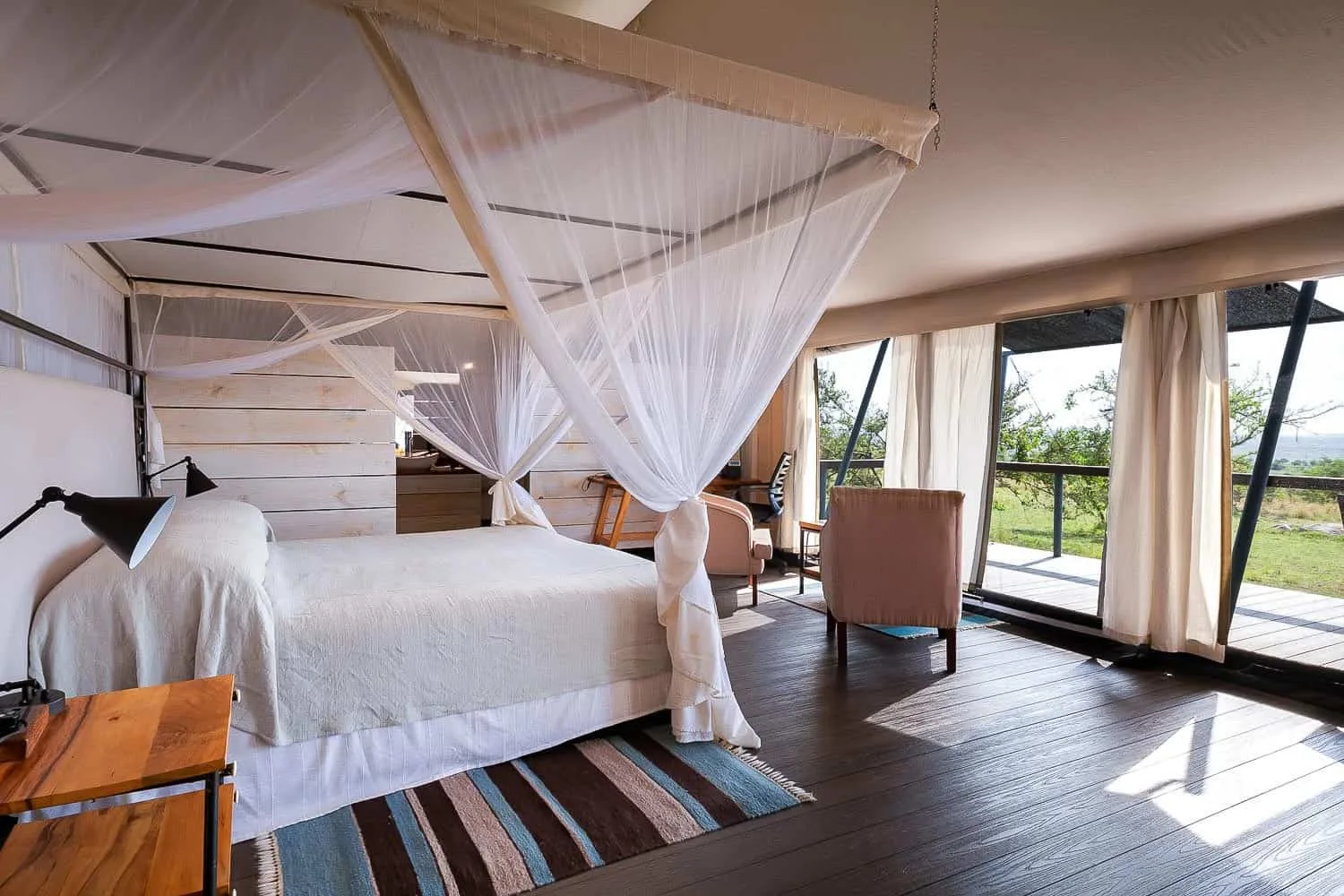
- Essential (Budget)
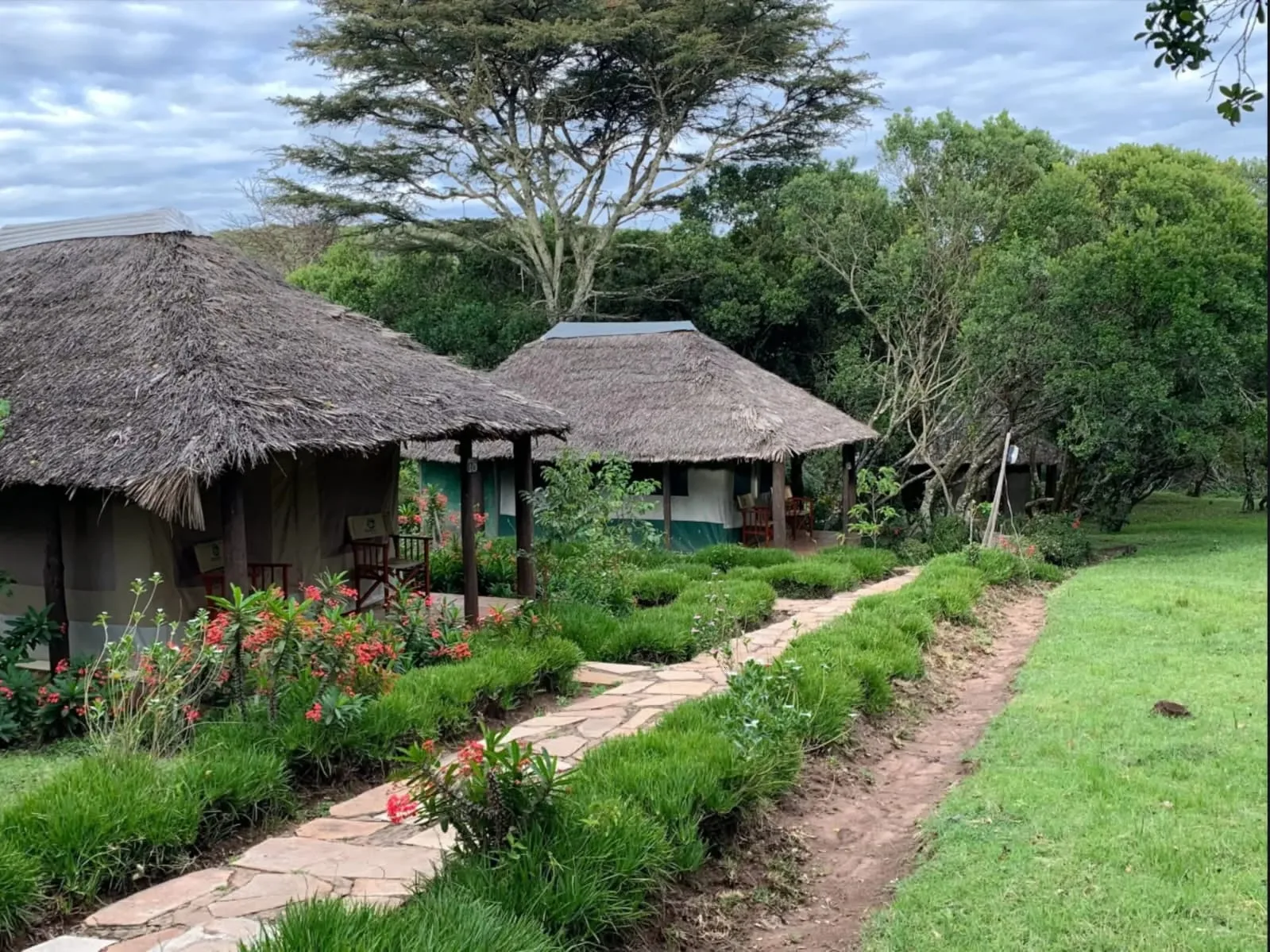
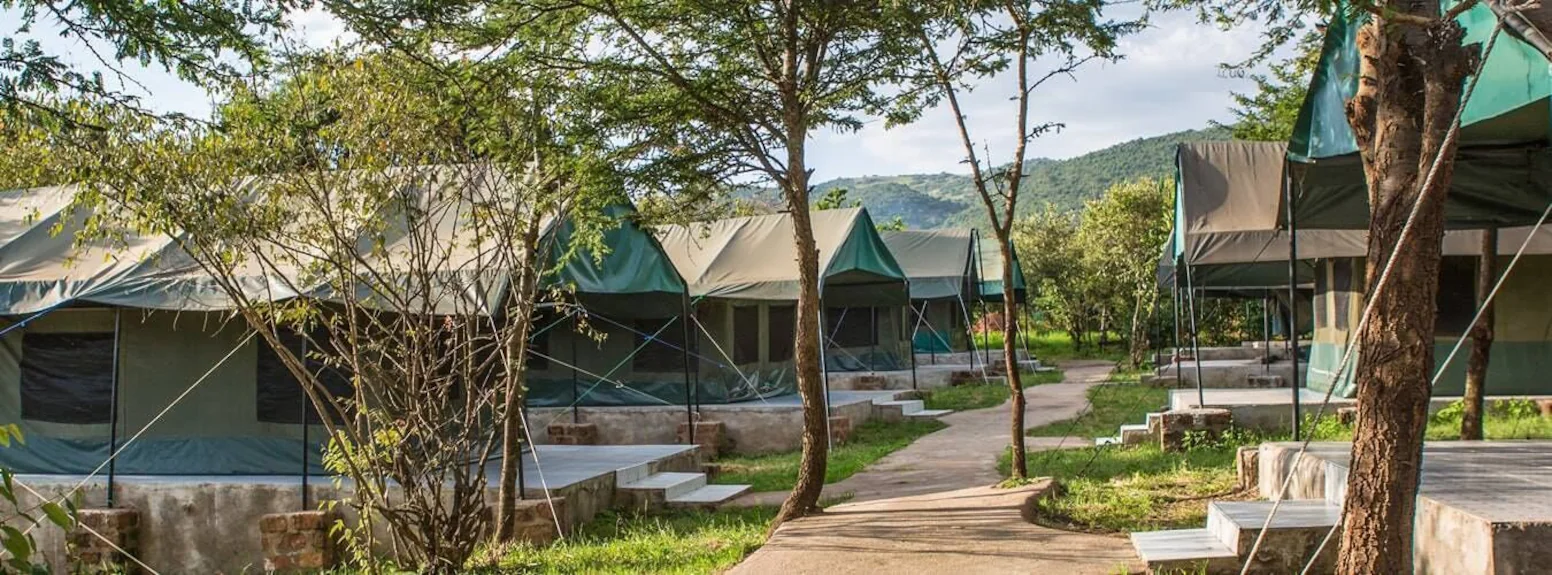
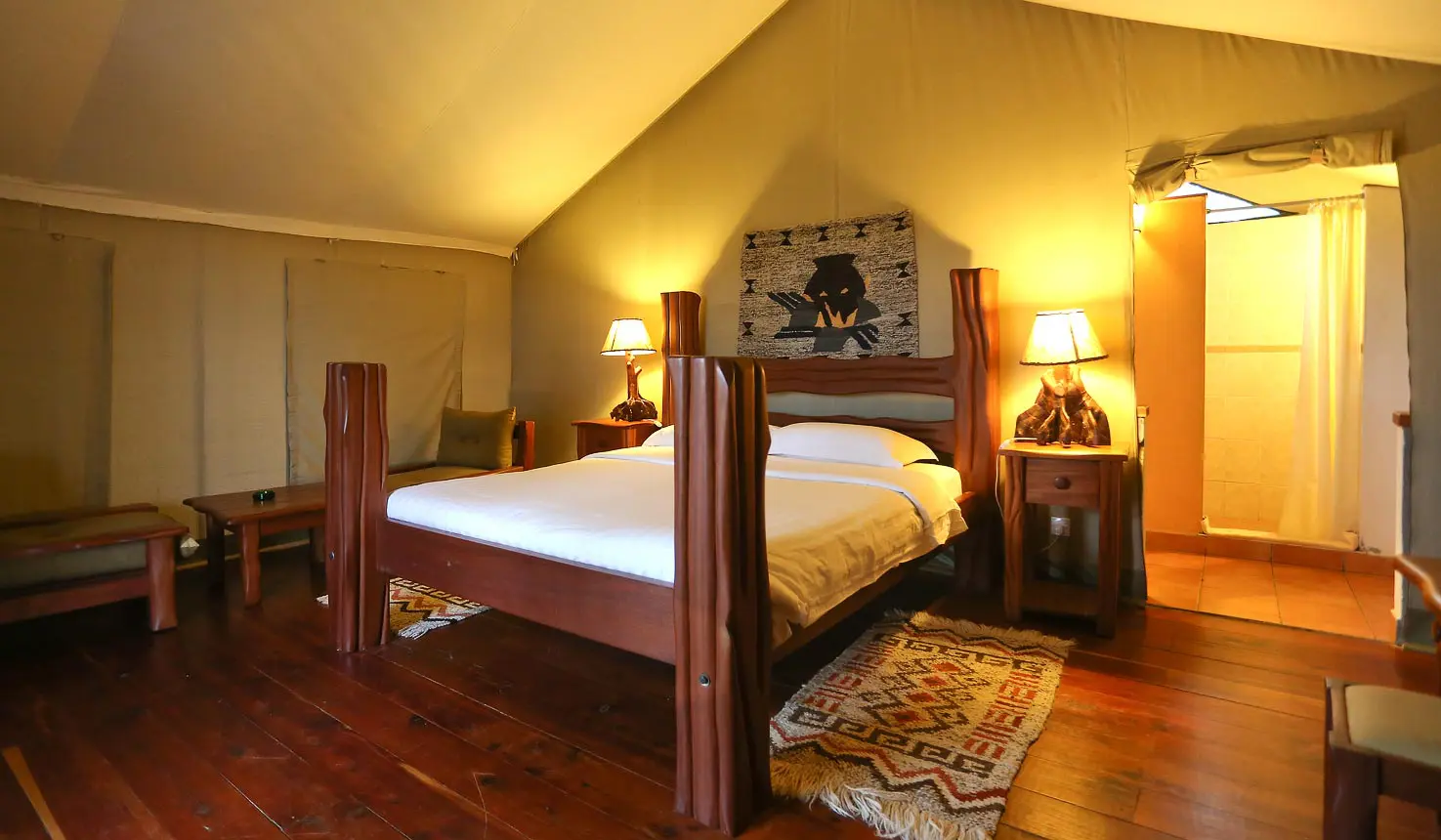
- Comfort (Mid-range)
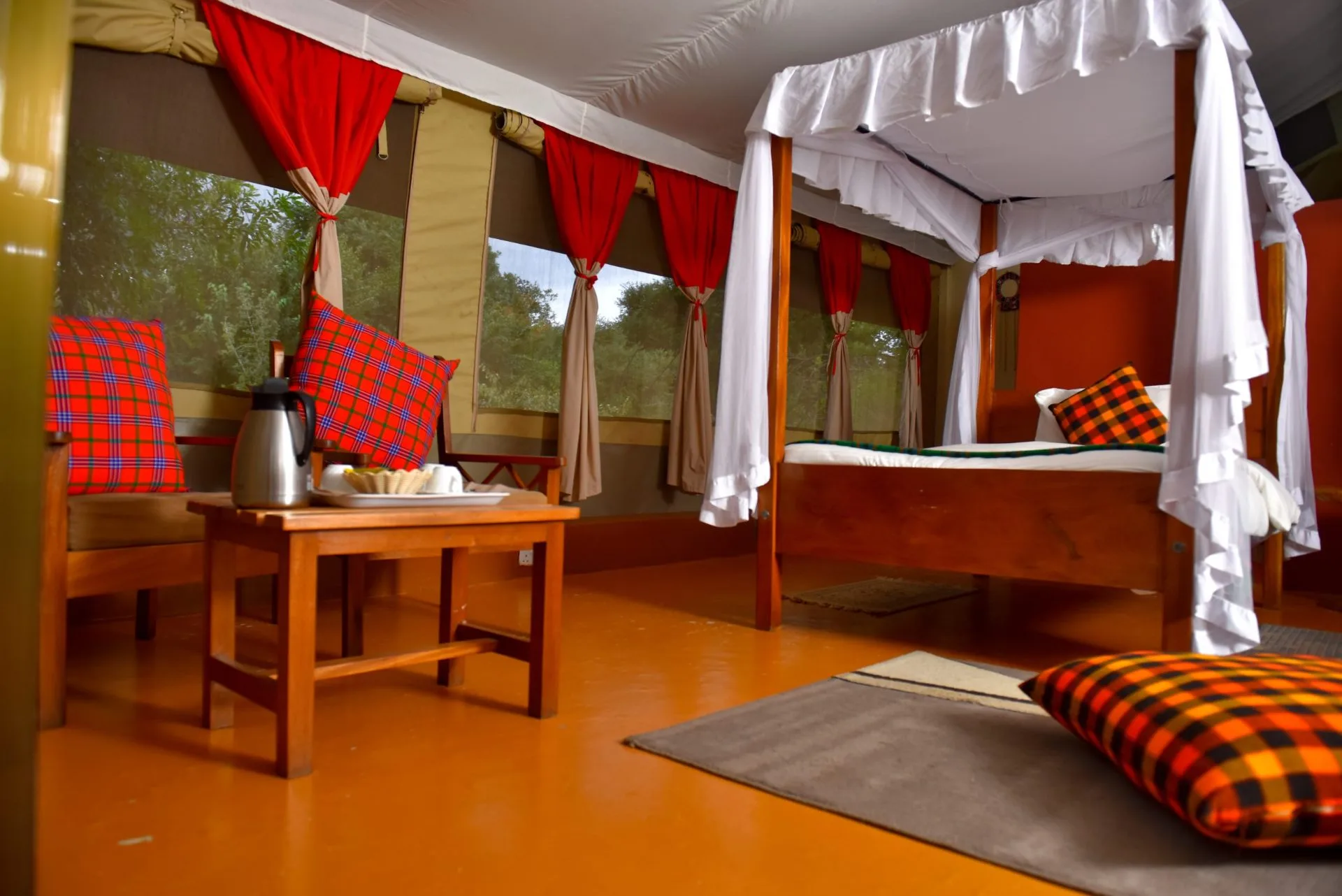
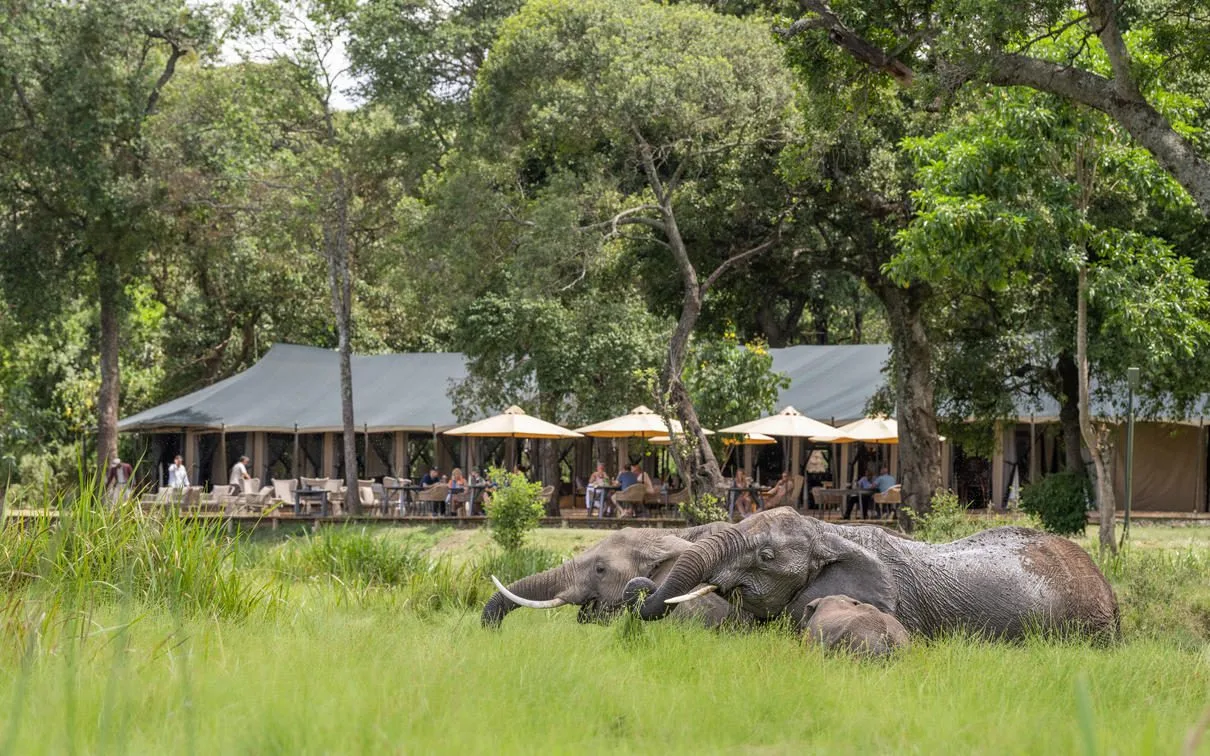
- Premium (Luxury)
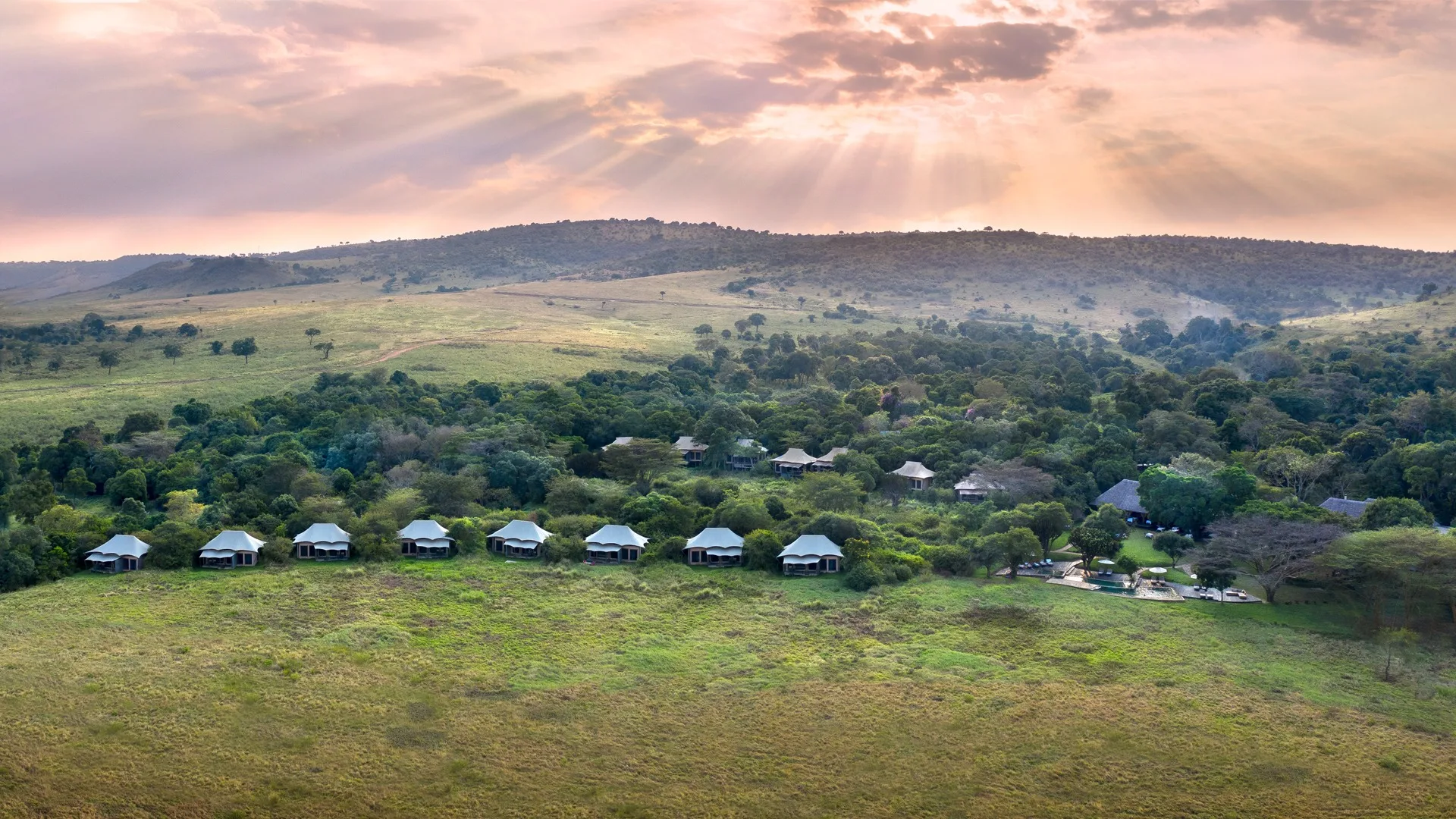
- Signature (High-end)
Day 2: Nairobi to Samburu – First Afternoon Photography Drive - Main destination
- Masai Mara National Reserve
- Meals
- Breakfast, Lunch, Dinner
After an early breakfast, leave Nairobi and travel north toward Samburu National Reserve. The road passes through changing landscapes, as Kenya's greener central highlands eventually give way to the drier environments of northern Kenya. Arrive at your lodge or photographic camp around lunchtime depending on road conditions.
Check in and prepare your camera equipment. Do not take every lens on every drive merely because you have brought it. For the first afternoon, a versatile setup might include a telephoto zoom on one camera and a wider lens on another.
Begin your first photographic drive when the afternoon light starts improving. Samburu provides immediate photographic contrast to southern Kenya. Potential subjects include: Reticulated giraffe, Grevy's zebra, Gerenuk, Beisa oryx, Somali ostrich, Elephant, Lion, Leopard, Cheetah, Dik-dik, Impala.
The Ewaso Nyiro River can be particularly productive. Animals may approach water during dry conditions, and elephants crossing or drinking near the river can provide excellent opportunities. As sunset approaches, look for subjects positioned against warm light.
Return to camp after sunset and back up your photographs before dinner or before sleeping.
Destination: Samburu National Reserve
Photography Focus: First wildlife encounters, golden light and northern species
Accommodation: Safari lodge/tented camp
Meal Plan: Breakfast, lunch and dinner
Where you stay
Day 3: Samburu Special Five Photography - Main destination
- Masai Mara National Reserve
- Meals
- Breakfast, Lunch, Dinner
Wake well before sunrise, have tea or coffee and depart while the light is still soft. One of today's principal objectives is photographing the animals commonly associated with the Samburu Special Five.
Grevy's Zebra Photography
Grevy's zebras are highly photogenic because of their narrow stripes and large ears. Potential compositions include:
- Close portraits.
- Zebra patterns.
- Mother and foal.
- Animals against dry landscapes.
- Backlit dust.
- Small groups crossing open areas.
Do not concentrate only on full-body identification photographs. Look for abstract compositions created by overlapping stripes.
Reticulated Giraffe Photography
Reticulated giraffes have extraordinary geometric coat patterns. Photographic possibilities include:
- Full-body environmental portraits.
- Neck and head portraits.
- Giraffes feeding on acacia.
- Silhouettes.
- Multiple animals overlapping.
- Giraffes against sunrise or sunset.
Gerenuk Photography
Gerenuks provide unusual behavioral photographs when they rise onto their hind legs to browse. Patience may be required.
Beisa Oryx Photography
The long horns of the Beisa oryx create strong visual lines. Side lighting can emphasize facial markings and horn structure.
Somali Ostrich Photography
Photograph individuals in their dry northern environment rather than only making tight portraits.
Return to camp when the light becomes harsh, download and back up images, then have lunch and rest. Return to the reserve during the late afternoon.
Destination: Samburu
Photography Focus: Samburu Special Five
Accommodation: Same lodge/camp
Meal Plan: Breakfast, lunch and dinner
Where you stay
Day 4: Samburu Predator Photography – Lions, Leopards and Cheetahs - Main destination
- Masai Mara National Reserve
- Meals
- Breakfast, Lunch, Dinner
Today's photographic priority is predators. Leave camp early; your guide may use recent information and animal tracks to determine where to search.
Lion Photography
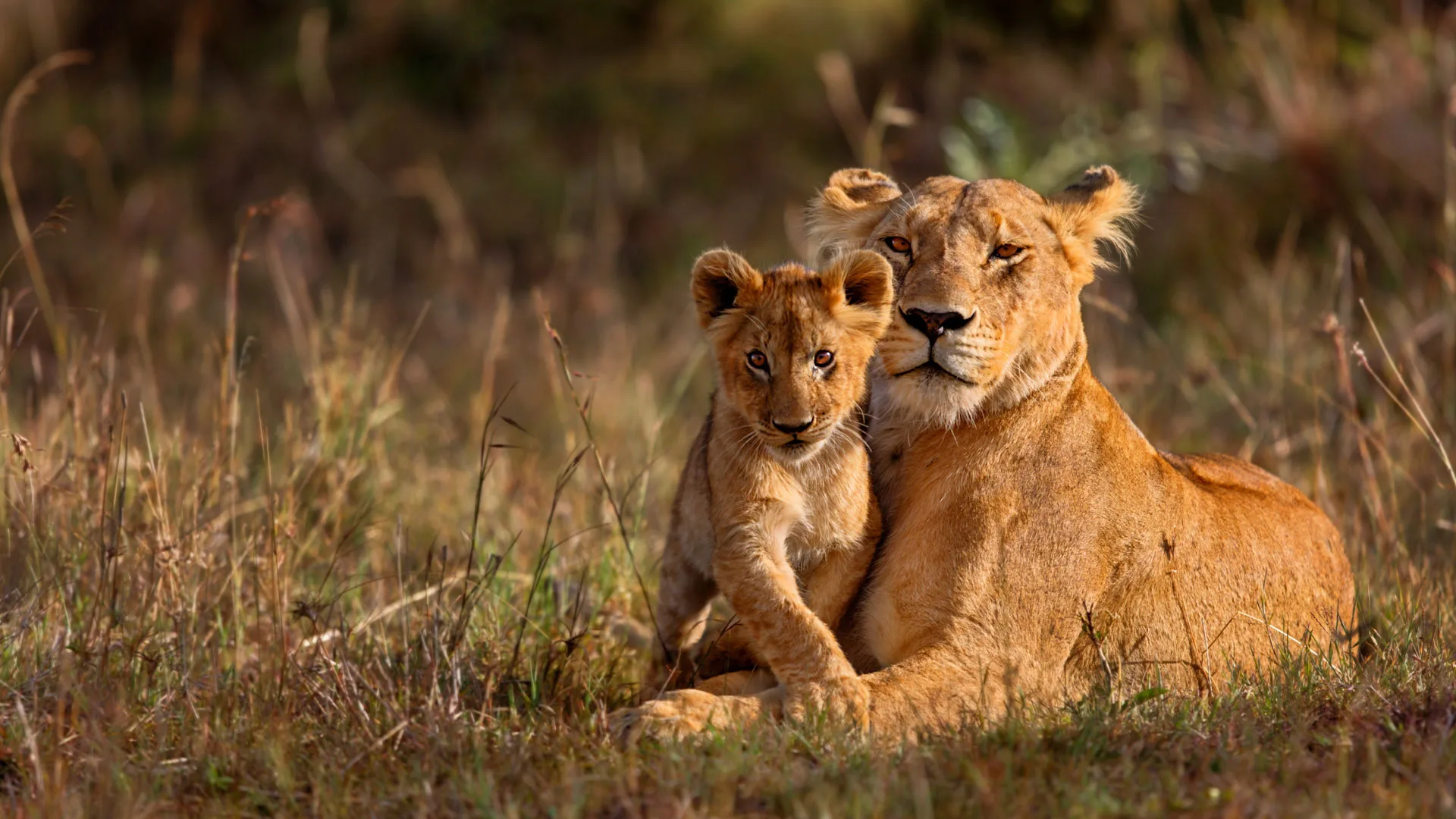
When a pride is located, avoid immediately concentrating only on tight portraits. Observe what the lions are doing. Potential photographic opportunities include:
- Cubs playing.
- Females interacting.
- Males scent marking.
- Lions walking.
- Feeding.
- Drinking.
- Grooming.
- Yawning.
- Social greetings.
- Backlit manes.
Sleeping lions can still provide portraits, but patience often produces more interesting behavior.
Leopard Photography
Samburu's riverine areas can provide leopard opportunities, and leopards may use trees for resting or feeding. A leopard in a tree can create excellent compositions if the vehicle can be positioned legally and without disturbing the animal. Consider both:
- Tight portraits.
- Wider environmental images.
Cheetah Photography
Cheetahs may use open country. If a cheetah begins actively scanning for prey, prepare for potential movement, and note that high shutter speeds may become necessary if hunting behavior develops. Nothing is guaranteed. The purpose is to place yourself in productive situations and allow nature to determine what happens.
Destination: Samburu
Photography Focus: Big cats and predator behavior
Accommodation: Same lodge/camp
Meal Plan: Breakfast, lunch and dinner
Where you stay
Day 5: Samburu Elephants, Dust and River Photography - Main destination
- Masai Mara National Reserve
- Meals
- Breakfast, Lunch, Dinner
Spend another full day in Samburu with a major emphasis on elephants. Elephants are exceptional photographic subjects because their behavior changes constantly. Possible images include:
- Family groups.
- Calves.
- Mothers and young.
- Bulls.
- Drinking.
- Bathing.
- Dust bathing.
- River crossings.
- Feeding.
- Social greetings.
When elephants throw dust over themselves, backlighting can transform the dust into a glowing cloud. Your guide should position the vehicle responsibly without blocking an elephant's route, and you should never encourage the guide to approach too closely simply for a photograph. The best wildlife photography respects animal behavior.
During midday, return to camp and review images from the first several days. This is useful because patterns begin to emerge. You may realize that:
- Your shutter speed is too low.
- Exposure compensation needs adjustment.
- You are overusing one focal length.
- You need more environmental images.
- You are forgetting vertical compositions.
Apply those lessons during the afternoon drive.
Destination: Samburu
Photography Focus: Elephants, dust, river scenes and behavioral photography
Accommodation: Same lodge/camp
Meal Plan: Breakfast, lunch and dinner
Ol Pejeta Photography Safari
Where you stay
Day 6: Samburu to Ol Pejeta Conservancy - Main destination
- Masai Mara National Reserve
- Meals
- Breakfast, Lunch, Dinner
After breakfast, leave Samburu and travel toward Ol Pejeta Conservancy. The transfer introduces another visual environment. Arrive at your lodge and enjoy lunch, then prepare for an afternoon photography drive.
Ol Pejeta is particularly important for rhino conservation. Potential subjects include: Black rhino, White rhino, Elephant, Buffalo, Lion, Giraffe, Zebra, Warthog, Eland, Hyena.
Photographing rhinos requires a different approach from photographing fast-moving predators. Rhinos can create powerful environmental images, so instead of filling the frame every time, include grassland, clouds or distant landscape when conditions are attractive.
Return to camp after the evening drive and back up your images.
Destination: Ol Pejeta Conservancy
Photography Focus: Rhinos and conservation landscapes
Accommodation: Lodge/tented camp
Meal Plan: Breakfast, lunch and dinner
Where you stay
Day 7: Ol Pejeta Rhino and Conservation Photography - Main destination
- Masai Mara National Reserve
- Meals
- Breakfast, Lunch, Dinner
Begin before sunrise. Today provides a complete day for photographing rhinos and general wildlife.
White Rhino Photography
White rhinos often spend considerable time grazing, and their broad mouths are adapted to feeding on grass. Potential compositions include:
- Parent and calf.
- Side profiles.
- Horn silhouettes.
- Rhinos against open grassland.
- Low morning light.
- Dust.
Black Rhino Photography
Black rhinos are browsers and may spend more time around shrubs. They can be more difficult to photograph cleanly because vegetation frequently obscures the body, so patience becomes important. Rather than forcing the vehicle into a poor position, wait for the animal to move naturally into an opening.
Conservation Storytelling
Photography does not have to focus exclusively on beautiful animal portraits. A serious photographic safari can also document conservation. Depending on permitted activities and arrangements, subjects may relate to:
- Rhino protection.
- Wildlife monitoring.
- Rangers.
- Habitat.
- Conservation infrastructure.
- Environmental education.
Always follow photography rules around sensitive conservation operations.
Return to camp during midday and continue wildlife photography in the afternoon.
Destination: Ol Pejeta
Photography Focus: Rhino portraits, conservation and environmental storytelling
Accommodation: Same lodge/camp
Meal Plan: Breakfast, lunch and dinner
Lake Nakuru Photography Safari
Where you stay
Day 8: Ol Pejeta to Lake Nakuru National Park - Main destination
- Masai Mara National Reserve
- Meals
- Breakfast, Lunch, Dinner
After breakfast, travel toward the Great Rift Valley and Lake Nakuru National Park. Arrive and begin photographing a completely different ecosystem, as the lake, woodland and grasslands provide substantial variety. Potential mammal subjects include: White rhino, Black rhino, Rothschild's giraffe, Buffalo, Zebra, Waterbuck, Baboon, Warthog, Lion.
Leopards are present but naturally elusive. Lake Nakuru also provides bird photography, and depending on current ecological conditions, subjects can include: Flamingos, Pelicans, Herons, Egrets, Cormorants, Storks, Raptors.
Flamingo numbers fluctuate, so they should never be promised as a guaranteed mass spectacle. Finish with evening photography before continuing to your lodge.
Destination: Lake Nakuru
Photography Focus: Rhinos, giraffes, lake landscapes and birds
Accommodation: Safari lodge
Meal Plan: Breakfast, lunch and dinner
Where you stay
Day 9: Full-Day Lake Nakuru Wildlife and Bird Photography - Main destination
- Masai Mara National Reserve
- Meals
- Breakfast, Lunch, Dinner
Leave early, as morning light around Lake Nakuru can produce attractive atmospheric scenes. Look beyond individual animals. Potential compositions include: Rhinos in mist, Giraffes among fever trees, Buffalo herds, Reflections, Birds along the shoreline, Lake landscapes, Wildlife beneath dramatic skies.
Bird photographers should prepare for flight photography, which requires appropriate shutter speeds and autofocus settings. African fish eagles and other raptors may provide opportunities. Waterbirds can create:
- Flight shots.
- Reflections.
- Feeding behavior.
- Group patterns.
- Silhouettes.
Spend the middle of the day resting or processing photographs, then return for evening photography.
Destination: Lake Nakuru
Photography Focus: Birds, rhinos and Rift Valley landscapes
Accommodation: Same lodge
Meal Plan: Breakfast, lunch and dinner
Lake Naivasha Photography
Where you stay
Day 10: Lake Nakuru to Lake Naivasha – Boat Photography - Main destination
- Masai Mara National Reserve
- Meals
- Breakfast, Lunch, Dinner
Enjoy another short morning photography session before breakfast, then leave Lake Nakuru and travel toward Lake Naivasha. Check into your lakeside lodge.
During the afternoon, take a photographic boat excursion where included and conditions are suitable. Photographing from a boat introduces new technical challenges: movement affects stability, equipment needs protection from water, and a flexible zoom can be particularly useful. Potential subjects include: Hippos, African fish eagles, Kingfishers, Pelicans, Cormorants, Herons, Egrets, Lake landscapes.
For birds in flight, use faster shutter speeds. For stationary birds, experiment with environmental compositions. Do not lean dangerously over the boat to obtain lower angles, because safety always comes before photography. Return to the lodge afterward.
Destination: Lake Naivasha
Photography Focus: Hippos, birds, water and boat photography
Accommodation: Lakeside lodge
Meal Plan: Breakfast, lunch and dinner
Amboseli Photography Safari
Where you stay
Day 11: Lake Naivasha to Amboseli National Park - Main destination
- Masai Mara National Reserve
- Meals
- Breakfast, Lunch, Dinner
After breakfast, travel south toward Amboseli National Park. Amboseli is one of Africa's most famous wildlife photography destinations, and its combination of elephants, wetlands, open plains and Mount Kilimanjaro has produced countless iconic images. Arrive at your lodge and prepare for the afternoon drive.
Kilimanjaro visibility is never guaranteed, and clouds may completely hide the mountain. That is precisely why the itinerary allocates several nights here. Spend the afternoon photographing elephants and plains wildlife.
As sunset approaches, look for opportunities involving:
- Elephant silhouettes.
- Acacia silhouettes.
- Dust.
- Giraffes.
- Warm side light.
- Reflections around wetlands.
Return to the lodge after sunset.
Destination: Amboseli
Photography Focus: Elephants, landscapes and sunset
Accommodation: Safari lodge/tented camp
Meal Plan: Breakfast, lunch and dinner
Where you stay
Day 12: Amboseli – Elephants Beneath Mount Kilimanjaro - Main destination
- Masai Mara National Reserve
- Meals
- Breakfast, Lunch, Dinner
Wake well before sunrise, as this can become one of the most important mornings of the entire photography safari. Mount Kilimanjaro is often clearest during early hours, although visibility remains entirely weather dependent.
If the mountain appears, your guide can search for opportunities to combine wildlife with the background. The classic objective is an elephant or elephant herd crossing the plains with Kilimanjaro behind, but avoid becoming so focused on reproducing a famous image that you overlook other opportunities. Consider: Giraffes beneath Kilimanjaro, Zebra herds, Wildebeest, Birds, Dust, Wide landscapes, Mountain details.
Elephants may move toward wetlands as the morning develops. Photograph family interactions, as calves provide particularly engaging behavioral images.
Return to the lodge when the light becomes harsh. During midday, review and back up photographs, then head out again in the afternoon.
Destination: Amboseli
Photography Focus: Kilimanjaro, elephants and environmental wildlife portraits
Accommodation: Same lodge/camp
Meal Plan: Breakfast, lunch and dinner
Where you stay
Day 13: Amboseli – Wildlife Behavior, Wetlands and Bird Photography - Main destination
- Masai Mara National Reserve
- Meals
- Breakfast, Lunch, Dinner
Begin with another sunrise departure. If Kilimanjaro was hidden yesterday, today provides another opportunity, though visibility is never guaranteed. If the mountain was visible, consider changing your approach: use different focal lengths, create wider landscapes, photograph silhouettes and look for animals positioned farther from the vehicle.
Amboseli's wetlands provide excellent behavioral opportunities. Potential subjects include: Elephants bathing, Buffaloes, Hippos, Waterbirds, Egrets around elephants, Crowned cranes, Pelicans, Storks.
Bird photographers may concentrate on flight and interaction images. During afternoon light, explore drier areas for predators and plains game. Cheetahs may be encountered in suitable open habitat, and lions may become active as temperatures fall. Finish at sunset.
Destination: Amboseli
Photography Focus: Wetlands, birds, behavior and predators
Accommodation: Same lodge/camp
Meal Plan: Breakfast, lunch and dinner
Where you stay
Day 14: Final Full Day of Amboseli Photography - Main destination
- Masai Mara National Reserve
- Meals
- Breakfast, Lunch, Dinner
Today provides another complete photographic day without pressure to move to the next destination, which is one of the advantages of a 21-day itinerary. By now, you and your guide will understand which locations have been productive. Return to areas where conditions are promising, spend longer with individual subjects and try to build photographic sequences rather than isolated images.
For example, an elephant sequence might show:
- A herd approaching water.
- Adults drinking.
- Calves entering.
- Mud bathing.
- Dust bathing.
- The family leaving.
This produces a much stronger visual story than a single portrait. Landscape photographers can also concentrate on changing weather, since clouds around Kilimanjaro can be visually dramatic even when the summit is partially hidden. Return after the final evening drive.
Destination: Amboseli
Photography Focus: Storytelling, elephants and landscapes
Accommodation: Same lodge/camp
Meal Plan: Breakfast, lunch and dinner
Nairobi Transit
Where you stay
Day 15: Amboseli to Nairobi – Rest, Equipment Maintenance and Image Backup - Main destination
- Masai Mara National Reserve
- Meals
- Breakfast, Lunch, Dinner
Enjoy a final early photographic drive if your schedule permits, then return for breakfast. Leave Amboseli and travel back to Nairobi, and check into your hotel. This strategically placed rest night is valuable during a long photography safari.
Use the afternoon to:
- Clean lenses.
- Recharge every battery.
- Back up images.
- Check memory cards.
- Organize hard drives.
- Clean camera sensors where appropriate and safely possible.
- Reorganize bags.
- Rest.
By this stage you may already have thousands of images. Maintain at least two separate backups wherever practical, and do not keep every copy on the same physical device. Prepare for the Masai Mara, which forms the photographic climax of the safari.
Destination: Nairobi
Activities: Transfer, equipment maintenance and rest
Accommodation: Nairobi hotel
Meal Plan: Breakfast and according to hotel arrangement
Masai Mara Photography Safari
Where you stay
Day 16: Nairobi to Masai Mara – First Mara Photography Drive - Main destination
- Masai Mara National Reserve
- Meals
- Breakfast, Lunch, Dinner
After breakfast, travel to the Masai Mara National Reserve. A domestic flight is particularly attractive for photography safaris because it reduces road fatigue and saves time, although baggage restrictions must be considered when carrying professional equipment. Alternatively, travel by road.
Enter the Mara and immediately begin photographing one of Africa's most celebrated wildlife landscapes. Potential subjects include: Lion, Leopard, Cheetah, Elephant, Buffalo, Giraffe, Zebra, Wildebeest, Topi, Eland, Impala, Gazelles, Hyena, Jackal.
The open grasslands can make clean backgrounds easier than in heavily wooded parks. As evening approaches, concentrate on golden light, then return to camp after sunset.
Destination: Masai Mara
Photography Focus: First Mara wildlife and golden-hour photography
Accommodation: Safari lodge/tented camp
Meal Plan: Breakfast, lunch and dinner
Where you stay
Day 17: Masai Mara Lion Photography - Main destination
- Masai Mara National Reserve
- Meals
- Breakfast, Lunch, Dinner
Leave before sunrise. Today can concentrate heavily on lions if productive prides are known.
Lion photography rewards patience. A pride may sleep for hours, but subtle changes can indicate that activity is about to begin. A lion lifting its head repeatedly may eventually stand, females watching distant prey may begin moving, and cubs may wake and start playing. Potential images include:
- Male portraits.
- Backlit manes.
- Cubs playing.
- Mothers with cubs.
- Pride interactions.
- Grooming.
- Lions walking.
- Hunting behavior.
- Feeding.
- Silhouettes.
Do not pressure the guide to crowd animals, and maintain legal and ethical viewing distances. Return to camp during the harshest midday light unless an exceptional sighting justifies remaining out, then continue during late afternoon.
Destination: Masai Mara
Photography Focus: Lions and social behavior
Accommodation: Same camp
Meal Plan: Breakfast, lunch and dinner
Where you stay
Day 18: Masai Mara Leopard and Cheetah Photography - Main destination
- Masai Mara National Reserve
- Meals
- Breakfast, Lunch, Dinner
Today concentrates on two of Africa's most photogenic cats.
Leopard Photography
Leopards may be found around riverine woodland. Possible images include:
- Leopard in tree.
- Tight facial portrait.
- Environmental portrait.
- Leopard walking.
- Animal descending a tree.
- Feeding behavior.
- Mother and cub where encountered.
A leopard partially hidden by vegetation can still create a powerful image. Do not assume every branch is an obstacle, because vegetation can provide context and atmosphere.
Cheetah Photography
Cheetahs favor open areas and often use elevated ground or termite mounds to scan for prey. Potential images include:
- Cheetah scanning.
- Mother and cubs.
- Walking.
- Running.
- Hunting behavior.
- Backlit portraits.
- Environmental compositions.
If a hunt develops, remain prepared. Use a sufficiently fast shutter speed and avoid changing settings excessively once action begins.
Destination: Masai Mara
Photography Focus: Leopards, cheetahs and action photography
Accommodation: Same camp
Meal Plan: Breakfast, lunch and dinner
Where you stay
Day 19: Great Wildebeest Migration Photography - Main destination
- Masai Mara National Reserve
- Meals
- Breakfast, Lunch, Dinner
If migratory herds are present in the Masai Mara, today can concentrate on the Great Wildebeest Migration. The migration can provide several types of photographic opportunity, so do not focus only on river crossings. The broader migration story includes:
- Huge herds on open plains.
- Wildebeest portraits.
- Zebra and wildebeest together.
- Dust.
- Predator interactions.
- Calves.
- Herd movement.
- Vultures.
- Hyenas.
- Landscape-scale images.
Wide lenses and medium telephotos can be extremely useful when photographing massive herds.
Mara River Crossing Photography
If herds gather near the Mara River, your guide may position the vehicle at an authorized location. Crossings are completely unpredictable: wildebeest may wait for hours, leave, cross elsewhere or suddenly enter the river. No crossing can be guaranteed. If a crossing occurs, photographic challenges include:
- Fast action.
- Dust.
- Crowded subjects.
- Changing distance.
- Water spray.
- Rapid movement.
Use equipment settings that allow you to react quickly. Outside migration periods, today remains a full wildlife photography day focusing on resident animals.
Destination: Masai Mara
Photography Focus: Migration, herd movement and action
Accommodation: Same camp
Meal Plan: Breakfast, lunch and dinner
Where you stay
Day 20: Final Full-Day Masai Mara Photography Safari - Main destination
- Masai Mara National Reserve
- Meals
- Breakfast, Lunch, Dinner
Your final complete photographic day should be flexible. By now, you will know what is missing from your portfolio. You might want:
- A leopard, if you already have excellent lion photographs.
- More elephants.
- Wider environmental scenes, if your strongest images have been tight portraits.
- Birds.
- One final sunset.
Discuss your priorities with the guide before departure, and spend the day concentrating on those objectives.
Optional Hot-Air Balloon Photography
An optional hot-air balloon safari may be arranged. Ballooning provides an entirely different photographic perspective. Potential aerial subjects include:
- Savannah patterns.
- Rivers.
- Wildlife herds.
- Acacia trees.
- Giraffes.
- Elephants.
- Wildebeest.
However, balloon photography requires practical preparation:
- Space can be limited.
- Lens changes may be inconvenient.
- A versatile zoom is often useful.
- Flights are subject to weather and availability.
After the balloon experience, continue game viewing and finish the afternoon with your final sunset photography session. Return to camp for your last night in the Kenyan wilderness.
Destination: Masai Mara
Photography Focus: Portfolio completion, final predators, landscapes and optional aerial photography
Accommodation: Same camp
Meal Plan: Breakfast, lunch and dinner
Where you stay
Day 21: Masai Mara to Nairobi – Final Morning Photography and Departure - Main destination
- Masai Mara National Reserve
- Drive time
- Return transfer as outlined in the itinerary
- Meals
- Breakfast, Lunch
Wake before sunrise for one final photographic drive where departure arrangements permit. The last morning can sometimes produce the image you have been waiting for throughout the safari, so do not pack away your camera too early, because wildlife encounters can happen anywhere. Enjoy your final hours photographing the Mara, then return for breakfast.
Check out and transfer to the airstrip for your flight to Nairobi, or begin the road journey. Upon reaching Nairobi, connect with your transfer to Jomo Kenyatta International Airport. If your international flight departs late, optional arrangements can be made for a day room, meal or other suitable Nairobi activity.
Your 21 Days Kenya Photography Safari concludes after three weeks dedicated to wildlife, light, landscapes, patience and photographic storytelling.
Where you stay
03 Rates
Safari rates 2027-2029
Indicative per person. Season, group size and lodge style change the total — your quotation confirms current rates.
- Essential (Budget)
Essential (Budget)
Budget camps and lodges suit travelers who prioritize wildlife while keeping costs lower.
Great value camps
- Comfort (Mid-range)
Comfort (Mid-range)
Mid-range tented camps and lodges balance comfort and price with private rooms or tents and en-suite facilities.
Quoted for your dates
- Premium (Luxury)
Premium (Luxury)
Luxury camps and lodges focus on location, service and more intimate wildlife experiences.
Premium camps and lodges
- Signature (High-end)
Signature (High-end)
Signature camps and lodges are the most exclusive stays — small, highly private properties with exceptional guiding and setting.
Exclusive signature stays
04 Activities
Safari activities
Game viewing is the core of this itinerary. Optional extras are quoted separately and depend on season, permits and availability. Individual species and river crossings are never guaranteed.
Included
Game drives
Scheduled wildlife drives in a 4x4 safari vehicle with a professional driver-guide.
View activity
Included
Wildlife photography
Time in the field for landscape and wildlife photography. Sightings are never guaranteed.
View activityOptional
Optional extras
Balloon flights, cultural visits and other extras can be added when available and are quoted separately.
Additional information
Plan This Safari
Why Kenya Is Exceptional for Wildlife Photography
Kenya offers several advantages for wildlife photographers.
Exceptional Wildlife Diversity
The country contains: Big cats, Elephants, Rhinos, Giraffes, Zebras, Antelopes, Primates, Hippos, Large bird populations.
Different ecosystems produce different species and photographic styles.
Open Landscapes
Destinations such as Amboseli and the Masai Mara provide relatively open terrain. This can create:
- Cleaner backgrounds.
- Better visibility.
- Long sight lines.
- Environmental compositions.
Iconic Landscapes
Few wildlife settings are as recognizable as an elephant beneath Mount Kilimanjaro. The Mara's grasslands and acacias are equally distinctive.
Strong Predator Opportunities
The Masai Mara is particularly famous for lions, cheetahs and leopards.
Migration
Seasonal wildebeest concentrations can create extraordinary opportunities for both wildlife and landscape-scale photography.
Best Time for a Kenya Photography Safari
There is no single perfect month. The best period depends on the images you want.
January to March
Potential advantages include:
- Strong wildlife viewing.
- Warm conditions.
- Good predator activity.
- Clearer landscapes during some periods.
- Excellent general photography.
April and May
The longer rains can create challenging road conditions, but photographers should not automatically dismiss this season. Potential advantages include:
- Green landscapes.
- Dramatic clouds.
- Fewer vehicles.
- Rich colors.
- Excellent environmental photography.
Rain can also create difficult conditions and some camps may close.
June
June can provide attractive green landscapes with improving conditions.
July to October
This is one of the most popular periods for wildlife photography. It can also be busy. Potential attractions include:
- Dry-season wildlife.
- Migration possibilities.
- Large Mara herds.
- Predator activity.
November
Short rains can transform dry landscapes. Storm clouds and fresh vegetation can produce excellent photographs.
December
December can offer good wildlife photography, although festive dates are popular and should be booked early.
Golden Hour on Safari
The most valuable photographic light frequently occurs shortly after sunrise and before sunset. Low-angle sunlight can produce:
- Warm colors.
- Long shadows.
- Texture.
- Rim lighting.
- Silhouettes.
- Dust illumination.
For this reason, photography safaris should prioritize being in productive wildlife areas during these periods. Sleeping through sunrise and beginning a game drive at 9:00 a.m. can mean missing some of the day's most attractive light.
Midday Photography
Midday light is often harsh, but this does not mean cameras should always be packed away. Interesting wildlife behavior can happen at any time. Midday can also work well for:
- High-key photography.
- Black-and-white images.
- Birds.
- Close portraits.
- Animals in shade.
- Water activity.
- Documentary images.
A photography safari should remain flexible rather than following rigid rules.
Backlighting Wildlife
Backlighting can produce some of the safari's most atmospheric photographs. Particularly effective subjects include:
- Elephant dust.
- Lion manes.
- Animal breath in cool mornings.
- Grass.
- Giraffe outlines.
- Wildebeest herds.
Exposure can be challenging. Review highlights and adjust settings according to the effect you want.
Photographing Wildlife Behavior
Behavior usually produces stronger images than simple identification photographs. Look for:
- Eye contact.
- Interaction.
- Feeding.
- Drinking.
- Grooming.
- Hunting.
- Playing.
- Nursing.
- Fighting.
- Scent marking.
- Courtship.
- Herd movement.
Anticipation is important. Watch body language rather than constantly looking at the camera screen.
Environmental Wildlife Photography
Do not photograph every animal at maximum focal length. Kenya's landscapes deserve to be part of the story. An elephant may occupy only a small portion of an image while Kilimanjaro dominates the background. A giraffe beneath an acacia can communicate scale. A line of wildebeest beneath storm clouds can convey migration better than a tight portrait. Aim for a balanced portfolio containing both close and wide images.
Recommended Camera Bodies
There is no mandatory camera system. Suitable equipment can include:
- DSLR cameras.
- Mirrorless cameras.
- Crop-sensor cameras.
- Full-frame cameras.
Two camera bodies can be useful because they reduce lens changes in dusty conditions. For example:
- Camera 1: Long telephoto
- Camera 2: Medium zoom or wider lens
However, one camera body is completely sufficient for many photographers.
Recommended Lenses for Kenya Safari Photography
Useful focal-length ranges may include:
Wide-Angle Lens
Useful for:
- Landscapes.
- Camps.
- Vehicle scenes.
- Kilimanjaro.
- Environmental storytelling.
Medium Zoom
A lens covering approximately the short-telephoto range can be useful for:
- Elephants close to the vehicle.
- Giraffes.
- Herds.
- Environmental portraits.
Long Telephoto Zoom
A flexible telephoto zoom is one of the most practical safari lenses. Useful for:
- Lions.
- Leopards.
- Cheetahs.
- Birds.
- Distant animals.
- Portraits.
Long Prime Lens
Experienced photographers may use long prime lenses for:
- Birds.
- Distant wildlife.
- Low-light performance.
- Subject isolation.
Large primes require careful vehicle setup and may be less flexible when animals approach closely.
Bean Bags Versus Tripods
Bean bags are often extremely useful inside safari vehicles. They provide:
- Stability.
- Quick repositioning.
- Support for heavy lenses.
Tripods can be cumbersome inside vehicles. Monopods may work in selected configurations. The ideal support depends on vehicle design. Discuss this before travel.
Photography Safari Vehicle
Vehicle configuration is one of the most important aspects of the safari. A photographic vehicle should prioritize:
- Clear viewing.
- Stable camera support.
- Space for equipment.
- Unobstructed shooting positions.
- Flexible seating.
- Easy movement.
For serious photographers, limiting the number of photographers per vehicle can substantially improve the experience. A private vehicle means you do not need to leave a productive sighting because unrelated travelers want to return to camp.
Why a Private Vehicle Matters
A private vehicle provides control over:
- Departure time.
- Return time.
- Wildlife priorities.
- Positioning.
- Waiting time.
- Lunch schedule.
- Photography stops.
If a leopard is sleeping in a tree, you may choose to wait. If elephants are approaching a waterhole, you can remain in position. If the sunset looks promising, you can prioritize a landscape location. That flexibility is central to photographic success.
Ethical Wildlife Photography
A photograph should never come at the expense of wildlife. Responsible photography means:
- Respecting park rules.
- Maintaining appropriate distances.
- Not blocking animals.
- Not surrounding wildlife unnecessarily.
- Never asking a guide to chase an animal.
- Avoiding excessive noise.
- Never feeding wildlife.
- Respecting nesting birds.
- Following guide instructions.
Particularly sensitive animals should be given additional space. Ethical photography produces better long-term outcomes for wildlife and tourism.
Photographing Predators During Hunts
Predator hunts can create intense excitement. During a hunt:
- Remain calm.
- Avoid shouting.
- Do not ask the driver to interfere with the natural interaction.
- Your guide will determine appropriate vehicle positioning.
If the action begins:
- Increase shutter speed.
- Check autofocus.
- Avoid unnecessary lens changes.
- Follow the subject.
- Leave some room around fast-moving animals.
- Keep shooting through the sequence.
- Do not spend the entire event reviewing images on the back screen.
Bird Photography in Kenya
Kenya is outstanding for bird photography. Potential subjects include: Eagles, Vultures, Kingfishers, Bee-eaters, Rollers, Hornbills, Flamingos, Pelicans, Storks, Cranes, Ostriches, Secretary birds.
Bird photography often requires longer focal lengths and faster shutter speeds. A dedicated bird photographer can request additional time around productive wetlands and lakes.
Landscape Photography
The safari also offers exceptional landscape photography. Subjects include:
- Mount Kilimanjaro.
- Samburu hills.
- Ewaso Nyiro River.
- Rift Valley.
- Lakes.
- Masai Mara plains.
- Acacia trees.
- Storm clouds.
- Sunrises.
- Sunsets.
Wildlife does not always need to be present for an image to tell the story of safari.
Photographing Mount Kilimanjaro from Amboseli
Kilimanjaro is one of the safari's most desired landscape subjects. However, visibility is weather dependent. The mountain can remain hidden behind clouds. Multiple nights in Amboseli provide repeated opportunities. Early mornings are often worth prioritizing. Useful compositions may include:
- Elephants.
- Giraffes.
- Zebras.
- Acacia trees.
- Wetlands.
- Wide panoramic scenes.
Great Migration Photography
The migration is not a single event. Photographic possibilities extend far beyond river crossings. Look for:
- Endless herds.
- Dust.
- Herd lines.
- Zebra patterns.
- Predator-prey relationships.
- Scavengers.
- Wide landscapes.
Migration movements depend on rainfall and grazing. Exact herd locations cannot be guaranteed months in advance.
Photographing Mara River Crossings
River crossings are among the world's most dramatic wildlife events, but they require patience. A crossing may happen immediately. You may wait several hours. It may not happen at all. No ethical operator guarantees a crossing. If one occurs, consider creating a sequence:
- Herd gathering.
- Animals approaching.
- First entry.
- Mass crossing.
- Water action.
- Animals climbing the opposite bank.
- Herd dispersal.
This creates a more complete photographic story.
Photography During the Green Season
Some photographers deliberately prefer greener months. Advantages can include:
- Rich vegetation.
- Dramatic skies.
- Fewer vehicles.
- Cleaner air after rain.
- Interesting clouds.
- Strong landscape photography.
Challenges can include:
- Rain.
- Mud.
- More vegetation obscuring animals.
- Difficult roads.
Weather protection for equipment becomes especially important.
Protecting Cameras from Dust
Safari environments can be extremely dusty. Practical precautions include:
- Minimize unnecessary lens changes.
- Keep camera bags closed.
- Use lens caps when appropriate.
- Clean equipment at the lodge.
- Carry a blower.
- Avoid exposing the sensor unnecessarily.
Dust is part of safari, so equipment should be prepared for field conditions.
Protecting Equipment from Rain
Carry practical rain protection. This may include:
- Camera rain covers.
- Waterproof bag covers.
- Dry bags.
- Microfiber cloths.
Never assume the dry season guarantees zero rain.
Battery Management
Photography safaris can consume batteries quickly.
- Bring multiple batteries.
- Charge every evening.
- Where possible, charge during midday breaks.
- A power bank may also be useful for compatible devices.
- Check electricity arrangements at remote camps before departure.
Memory Cards and Image Backup
Do not rely on one memory card or one hard drive for a three-week photography trip. A stronger workflow may include:
- Original memory cards.
- Laptop or primary drive.
- Second external drive.
Keep backups physically separated when practical. A single lost bag should not contain every copy of your safari photographs.
Domestic Flights and Camera Equipment
Domestic safari aircraft may have stricter baggage limitations than international airlines. Photographers carrying the following should discuss baggage requirements before booking:
- Multiple camera bodies.
- Large telephoto lenses.
- Laptops.
- Drones where legally permitted.
- Heavy support equipment.
Additional baggage arrangements may sometimes be necessary.
Drone Photography in Kenya
Do not assume you can simply arrive with a drone and fly it over wildlife. Drone use is regulated and can be restricted in protected areas. Permits and other authorizations may be required. Never operate a drone in a national park, reserve, conservancy or other restricted location without all legally required permissions.
Accommodation for Photographers
Accommodation should be selected partly according to location. A beautiful luxury lodge far from productive game-viewing areas may be less useful to a serious photographer than a comfortable camp positioned close to key habitats. Important factors include:
- Location.
- Access to game-drive areas.
- Early departure possibilities.
- Electricity.
- Charging points.
- Equipment security.
- Workspace.
- Laundry.
- Meal flexibility.
Budget Photography Safari
Photography does not require luxury accommodation. Budget-conscious photographers can prioritize:
- Private vehicle.
- Good guide.
- Park time.
- Strategic camp location.
These elements can matter more photographically than premium rooms.
Mid-Range Photography Safari
A mid-range itinerary can provide an excellent balance between:
- Comfort.
- Location.
- Cost.
- Full-board meals.
- Reliable charging.
- Good game access.
This is often the strongest value option for serious photographers.
Luxury Photography Safari
Luxury camps can add:
- Premium locations.
- Smaller properties.
- Spacious tents.
- Excellent dining.
- Laundry.
- High service levels.
- Private activities.
- Greater comfort between game drives.
Luxury does not replace good fieldcraft, but it can make a long safari more comfortable.
Photography Safari for Beginners
Beginners are welcome. A safari is actually an excellent environment for improving photography because subjects are abundant and you have repeated opportunities. Before travel, understand the basics of:
- Shutter speed.
- Aperture.
- ISO.
- Autofocus.
- Exposure compensation.
- Continuous shooting.
You do not need to master everything before arriving. The key is to become familiar enough with your camera that you can change essential settings quickly.
Photography Safari for Professionals
Professional photographers can request a more specialized setup. Possible requirements include:
- Exclusive vehicle.
- Fewer passengers.
- Longer game drives.
- Specific camp locations.
- Additional luggage arrangements.
- Specialist guide.
- Private conservancies.
- Longer Mara stay.
- Customized meal timing.
- Video requirements.
Provide detailed equipment information during planning.
Photography Safari for Videographers
Video production creates additional considerations. These may include:
- Stabilization.
- Sound.
- Storage.
- Battery consumption.
- Larger file sizes.
- Equipment weight.
- Vehicle positioning.
Filming intended for commercial use may also require specific permissions. Discuss professional production requirements well before arrival.
21 Days Kenya Photography Safari for Couples
The itinerary also works well for couples. If only one traveler is a serious photographer, the safari can balance long photographic sessions with:
- Comfortable lodges.
- Pool time.
- Spa treatments.
- Relaxed lunches.
- Sundowners.
- Private dinners.
A private vehicle makes compromise much easier.
Photography Safari for Small Groups
Small groups can travel together, but vehicle capacity should be considered carefully. A vehicle that is comfortable for ordinary sightseeing may feel crowded when everyone has:
- Two camera bodies.
- Long lenses.
- Bean bags.
- Camera backpacks.
For serious photographic groups, fewer photographers per vehicle generally produce better results.
What Is Usually Included?
Depending on the final quotation, the safari may include the items below. The confirmed quotation remains the definitive inclusion list.
- Airport pickup.
- Nairobi accommodation.
- Private safari transport.
- Professional driver-guide.
- Safari accommodation.
- Meals stated.
- Park fees stated.
- Conservancy fees where listed.
- Game drives.
- Lake Naivasha boat excursion where listed.
- Drinking water in the safari vehicle.
- Domestic flights where specified.
- Airstrip transfers.
- Applicable taxes.
What Is Usually Excluded?
Unless specifically stated, exclusions can include:
- International flights.
- Entry authorization or visa-related charges.
- Travel insurance.
- Photography equipment.
- Equipment insurance.
- Additional photographic baggage.
- Professional filming permits.
- Drone permits.
- Tips.
- Alcoholic drinks.
- Laundry where charged.
- Balloon safari.
- Optional activities.
- Personal purchases.
Cost of a 21 Days Kenya Photography Safari
The cost depends on:
- Travel season.
- Number of photographers.
- Number of vehicles.
- Accommodation category.
- Private vehicle requirements.
- Domestic flights.
- Park fees.
- Conservancy fees.
- Specialist guiding.
- Additional baggage.
- Optional balloon safari.
- Room type.
A photography safari can cost more than a conventional group safari because photographers benefit significantly from private or low-occupancy vehicles. However, vehicle flexibility is one of the areas where spending more can directly improve the experience.
How to Reduce the Photography Safari Cost
Cost-conscious photographers can:
- Travel outside peak season.
- Use mid-range camps.
- Share a private vehicle with a small compatible group.
- Use road transfers where practical.
- Avoid unnecessary luxury upgrades.
- Prioritize photographic access over premium accommodation.
Do not reduce the budget by overcrowding the vehicle if photography is the main objective.
Customizing the 21 Days Kenya Photography Safari
The itinerary can be redesigned around your photographic goals. Possible specializations include:
- Big-cat photography.
- Elephant photography.
- Bird photography.
- Great Migration photography.
- Landscape photography.
- Conservation photography.
- Family wildlife photography.
- Documentary photography.
- Professional filmmaking.
Possible itinerary changes include:
- Add more Samburu nights.
- Add Lewa.
- Add more Ol Pejeta time.
- Add private conservancies.
- Add more Amboseli nights.
- Add more Masai Mara nights.
- Replace road transfers with flights.
- Add specialist photographic guiding.
- Add a beach extension.
- Combine Kenya with Tanzania.
Add a Private Masai Mara Conservancy
Photographers can consider combining the national reserve with a private conservancy. Depending on the specific conservancy and regulations, advantages may include:
- Lower vehicle density.
- Different activities.
- Alternative landscapes.
- More intimate wildlife experiences.
Exact activities and rules vary by conservancy.
Add Tanzania for a Longer Photography Expedition
The safari can continue into Tanzania. Possible additions include:
- Serengeti National Park.
- Ngorongoro Crater.
- Tarangire National Park.
- Ndutu.
This is particularly attractive for photographers following different phases of the Great Migration.
Add Diani Beach After the Photography Safari
After three weeks of early mornings and long hours behind the camera, several nights at Diani Beach can provide a relaxing conclusion. Possible activities include:
- Swimming.
- Spa.
- Beach photography.
- Coastal landscapes.
- Snorkeling.
- Relaxation.
Why Patience Produces Better Safari Photographs
Wildlife photography frequently involves waiting. A lion may sleep. A leopard may remain hidden. An elephant herd may be approaching but still several hundred meters away. A cheetah may watch gazelles without hunting. Photographers sometimes become impatient and leave. Then the behavior begins. A photography safari therefore requires a different mindset.
The objective is not simply "We saw a leopard." The objective may be to spend enough time with that leopard to photograph:
- Its environment.
- Portraits.
- Movement.
- Behavior.
- Interaction.
- Light changes.
Twenty-one days gives you the luxury of patience.
Building a Complete Kenya Wildlife Photography Portfolio
A successful photography safari should ideally produce variety. Try to return home with more than hundreds of similar animal portraits. Aim for:
Establishing Images
Wide landscapes showing where the safari took place.
Environmental Portraits
Animals shown within their habitats.
Tight Portraits
Faces, eyes, textures and details.
Behavioral Images
Interaction, feeding, movement and social behavior.
Action
Running, hunting, fighting, flying and river movement where encountered.
Details
Elephant skin, zebra stripes, feathers, tracks and horns.
Landscapes
Mountains, lakes, savannah and skies.
Storytelling Images
Photographs that communicate conservation, habitat and the safari experience itself.
Together, these create a complete visual narrative.
Book Your 21 Days Kenya Photography Safari
The 21 Days Kenya Photography Safari is designed for travelers who want to return from Kenya with more than a checklist of wildlife sightings. It is built around the elements that serious wildlife photography requires: time, patience, light, positioning, flexible game drives, diverse habitats and repeated opportunities.
Begin in Samburu, where the dry northern landscapes provide striking backgrounds for elephants, reticulated giraffes, Grevy's zebras, gerenuks, oryx and predators. Continue to Ol Pejeta and spend time photographing rhinos while learning about wildlife conservation. Travel into the Great Rift Valley for Lake Nakuru's rhinos, giraffes and birds before using Lake Naivasha for water-level photographic opportunities involving hippos, fish eagles and other waterbirds.
Then enter Amboseli. Wake before sunrise and search for one of Africa's most iconic photographic scenes: elephants crossing the plains beneath Mount Kilimanjaro. Spend several days waiting for light, clouds, dust and wildlife to combine. Finally, travel to the Masai Mara for the photographic climax of the journey. Search for lions at sunrise, wait for leopards in riverine woodland, follow cheetahs across the open plains and photograph elephants against enormous skies. During suitable seasons, work with the vast herds of the Great Wildebeest Migration and, if nature allows, the drama of the Mara River.
The safari can be customized around your exact photographic interests, equipment and level of experience:
- Choose budget, mid-range, luxury or high-end accommodation.
- Use a dedicated private photographic vehicle.
- Add specialist guiding.
- Spend additional nights in the Mara.
- Include private conservancies.
- Follow the migration.
- Add Tanzania.
- Finish beside the Indian Ocean after three intensive weeks in the field.
Contact Safari Trips to Kenya to customize your 21 Days Kenya Photography Safari according to your travel dates, number of photographers, camera equipment, preferred subjects, accommodation category and budget.
Come prepared to wake early, stay patient, watch wildlife carefully and allow Kenya's extraordinary landscapes and animals to create the photographs rather than trying to force them. The result can be far more than a collection of safari pictures. It can become a complete visual record of three extraordinary weeks photographing wild Kenya.
Planning Questions
Frequently Asked Questions
Is 21 days too long for a photography safari?
No. Wildlife photography benefits greatly from repeated opportunities and multiple ecosystems.
Do I need a professional camera?
No.
Can beginners join?
Yes.
Is the safari private?
It can be completely private.
How many photographers should share one vehicle?
For serious photography, fewer photographers generally provide greater freedom of movement and clearer shooting positions.
Can I bring two camera bodies?
Yes, subject to baggage arrangements.
What lens is best?
A flexible telephoto zoom is particularly useful, supported by wider lenses for landscapes and environmental images.
Do I need a 600mm lens?
No. Long lenses are useful but not essential.
Can I photograph birds?
Kenya offers exceptional bird photography, although no individual species is guaranteed.
Can I photograph lions?
The Masai Mara is a particularly strong place to look for lions, although a sighting is never guaranteed.
Can I photograph leopards?
Potentially, although they are elusive.
Can I photograph cheetahs?
The Mara can offer good opportunities to photograph cheetahs, although a sighting is never guaranteed.
Can I photograph rhinos?
Ol Pejeta and Lake Nakuru provide strong opportunities, although a sighting is never guaranteed.
Can I photograph elephants beneath Kilimanjaro?
Potentially, but Kilimanjaro visibility and animal positioning cannot be guaranteed.
Can I photograph the Great Migration?
Potentially, depending on travel dates and herd movements.
Are river crossings guaranteed?
No.
Can I photograph from a hot-air balloon?
An optional balloon safari can be booked, although the flight itself is never guaranteed.
Can I use a drone?
Only where legally permitted and with all required authorizations.
Can I bring a tripod?
Yes, although bean bags are often more practical in safari vehicles.
Is there electricity at the camps?
Most established properties provide charging facilities, but arrangements vary.
Can we stop specifically for bird photographs?
Yes, particularly on a private safari.
Can we stay with one animal for a long time?
Where park rules and circumstances allow, a private safari provides greater flexibility to remain at productive sightings.
Can we start game drives before sunrise?
This depends on the regulations applying to the specific reserve, park or conservancy.
Can professional filming be arranged?
Yes, but professional filming may require additional permissions and planning.
Can we add more Masai Mara nights?
Yes.
Can we add a beach extension?
Yes.
05 Request Quote
Request Quote
Tell us your dates, group size, and preferred lodge style — we will send a tailored quote for this safari.
Want to extend your safari?
Add Amboseli, Diani Beach, Tanzania and Zanzibar, or gorilla trekking in Uganda or Rwanda — we tailor the journey to your dates.