
14 DAYS / 13 NIGHTS
14 Days Budget Kenya Safari
Explore Kenya affordably on a 14 Days Budget Kenya Safari with Amboseli, Samburu, Rift Valley lakes and Masai Mara wildlife adventures.
- Wildlife Safari Private Journey
- Private Safari 4x4 Vehicle
- Expert Guide English Speaking
- All Meals Breakfast, Lunch, Dinner
- 24/7 Support We're here to help
01 Overview
Safari Overview
- Duration 14 days / 13 nights
- Destination Kenya
- Starts / ends Nairobi
- Safari style Private 4×4 safari
- Accommodation Essential · Comfort · Premium · Signature
- Best for Wildlife viewing, photography
14 Days Budget Kenya Safari
A 14 Days Budget Kenya Safari is designed for travelers who want to experience the extraordinary wildlife and landscapes of Kenya over a full two weeks while keeping accommodation and operating costs under control. The itinerary prioritizes the elements that matter most on safari—excellent wildlife destinations, sufficient game-viewing time, a professional safari guide, reliable transportation and a carefully planned route—while using affordable lodges, tented camps and practical travel arrangements instead of expensive luxury properties.
Traveling on a budget does not mean missing Kenya's major wildlife highlights. A carefully planned two-week budget safari can take you from the elephant-filled plains of Amboseli National Park to the unusual wildlife of northern Kenya, through the Great Rift Valley and eventually into the legendary Masai Mara National Reserve. Along the way, there are opportunities to search for elephants, lions, leopards, cheetahs, rhinoceroses, buffaloes, giraffes, zebras, wildebeest, hippos, hyenas and hundreds of bird species.
The most important difference between a budget safari and a luxury safari is generally the style and location of accommodation rather than access to wildlife. Wild animals do not distinguish between travelers staying in a simple camp and those sleeping in an expensive suite. During game drives, everyone shares the same ecosystem. For travelers whose main priority is spending time in Kenya's national parks and reserves rather than paying for premium rooms, private plunge pools, spa facilities and elaborate lodge amenities, a budget Kenya safari can provide outstanding value.
Fourteen days also gives you a major advantage over shorter budget packages. Instead of racing between destinations, the itinerary can include multiple nights in important wildlife areas, creating more opportunities for sightings and reducing the pressure to see everything during one short game drive.
14 Days Budget Kenya Safari at a Glance
A typical itinerary may follow this route:
- Day 1: Arrival in Nairobi
- Day 2: Nairobi to Amboseli National Park
- Day 3: Full-Day Amboseli Wildlife Safari
- Day 4: Amboseli to Nairobi or Central Kenya
- Day 5: Central Kenya to Samburu National Reserve
- Day 6: Full-Day Samburu Safari
- Day 7: Samburu to Central Kenya / Ol Pejeta Region
- Day 8: Central Kenya to Lake Nakuru
- Day 9: Lake Nakuru to Lake Naivasha
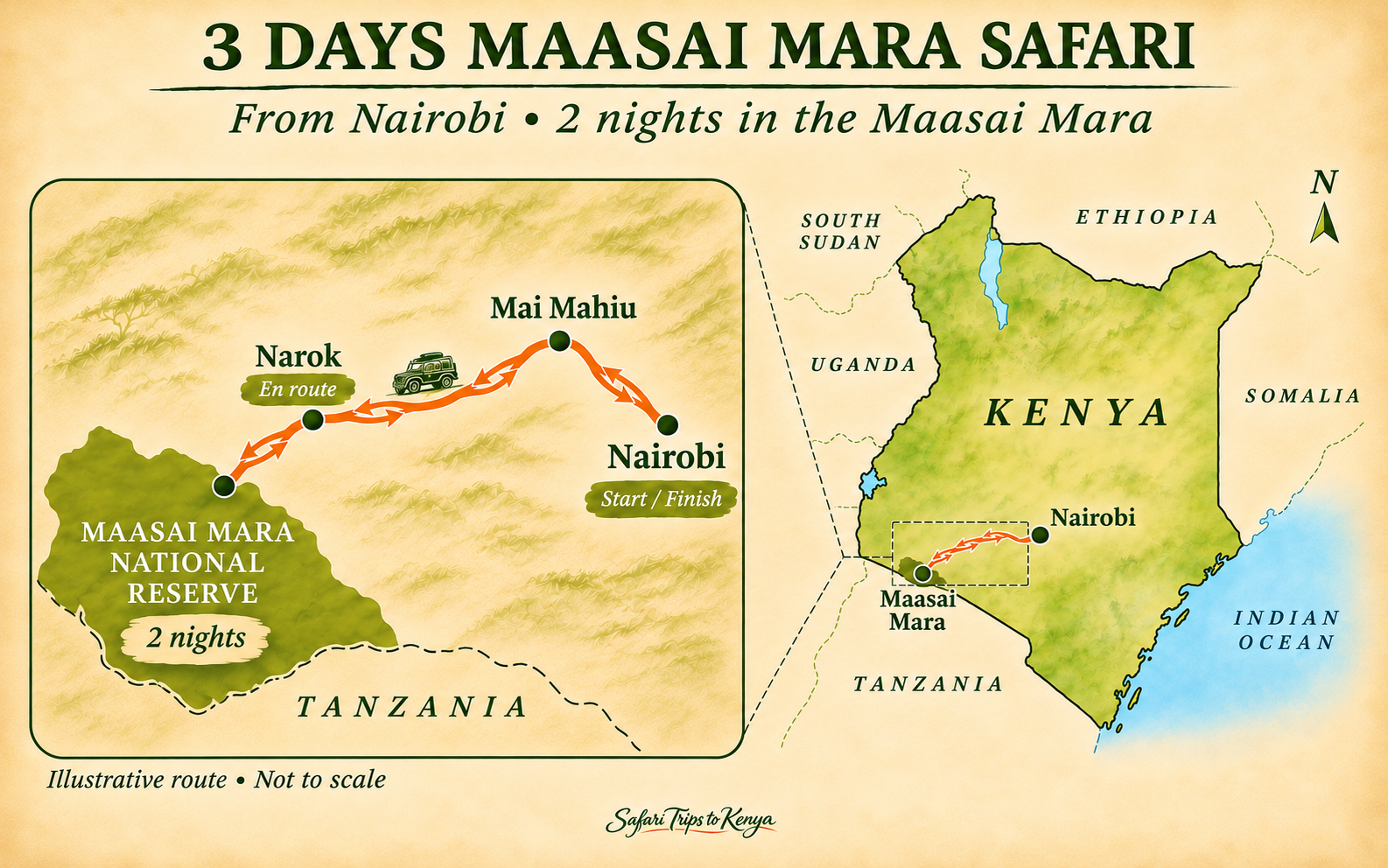
- Day 10: Lake Naivasha to Masai Mara
- Day 11: Full-Day Masai Mara Safari
- Day 12: Full-Day Masai Mara Safari
- Day 13: Masai Mara to Nairobi
- Day 14: Nairobi and Departure
The route can be adjusted according to accommodation availability, road conditions, season, park fees, your arrival and departure flights and the overall budget.
Who Is This Budget Kenya Safari Designed For?
This itinerary works particularly well for travelers who value experiences more than elaborate accommodation. It can be suitable for:
- First-time visitors to Kenya
- Couples
- Friends traveling together
- Solo travelers
- Students and younger travelers
- Backpackers wanting an organized safari section
- Families seeking affordable private safari arrangements
- Wildlife enthusiasts
- Birdwatchers
- Photographers working within a defined budget
- Travelers combining Kenya with other African destinations
- Long-term travelers who want to control daily costs
A budget safari does not have to feel basic or uncomfortable. The goal is to spend intelligently. Money is directed toward the essentials—parks, vehicle, guide, fuel, accommodation and wildlife activities—while unnecessary premium extras are minimized.
How We Keep a 14-Day Kenya Safari Affordable
Operating a safari across Kenya for two weeks involves significant costs. Park entry fees, conservation fees, fuel, vehicle maintenance, professional guiding and accommodation all contribute to the final price. The most effective budget strategy is therefore not to remove important wildlife experiences but to optimize the way the itinerary is operated. Several approaches help control costs.
Use Good-Value Accommodation
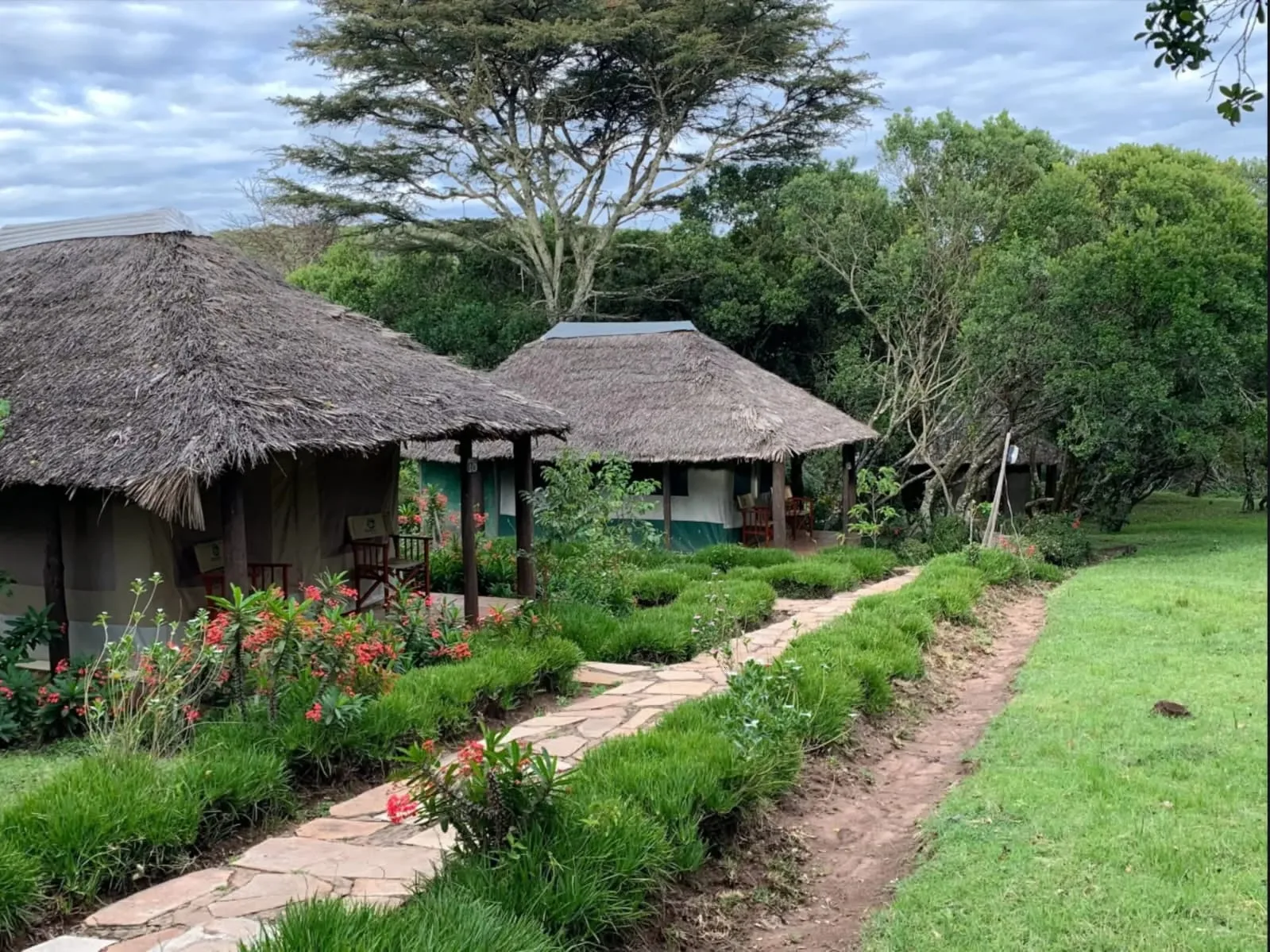
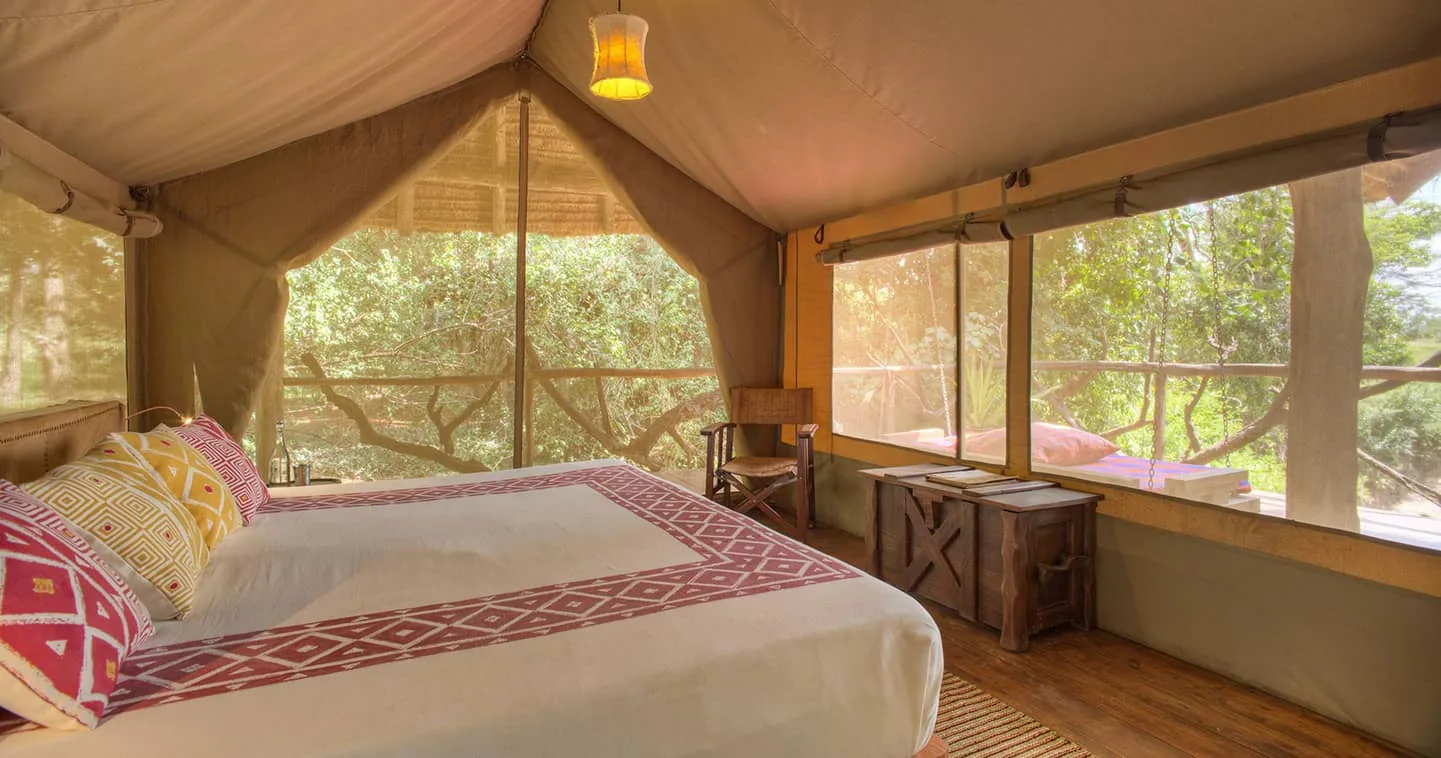
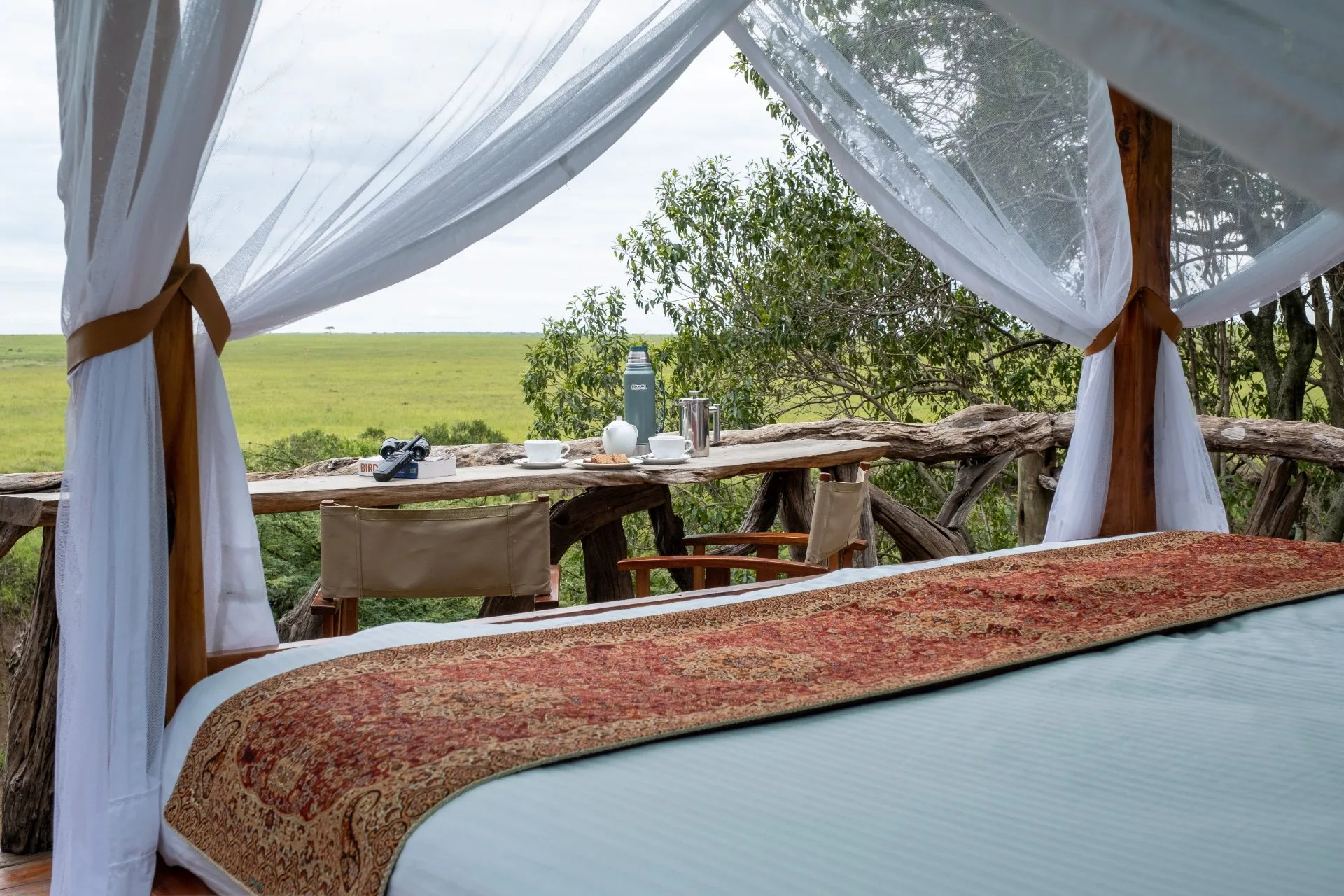
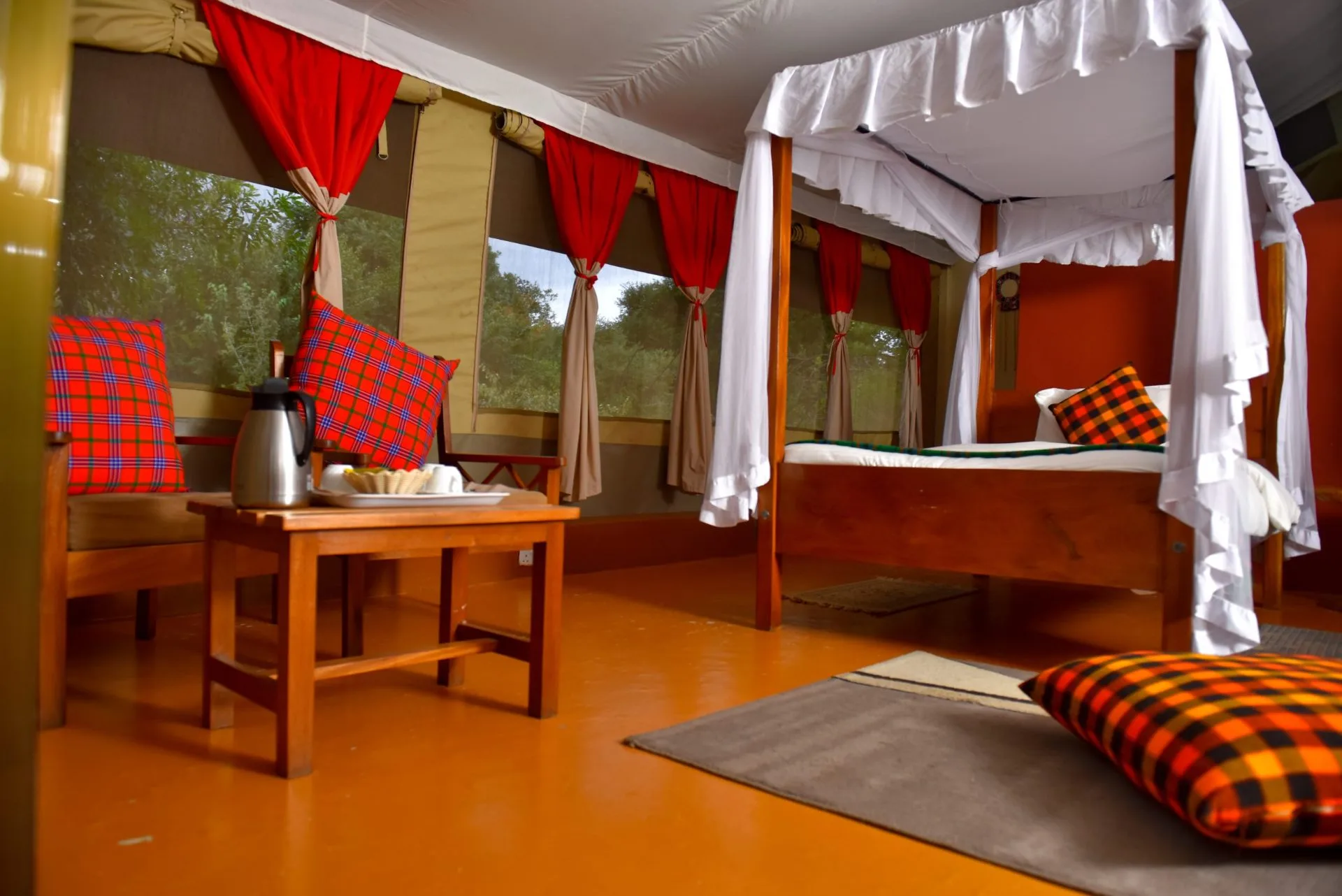
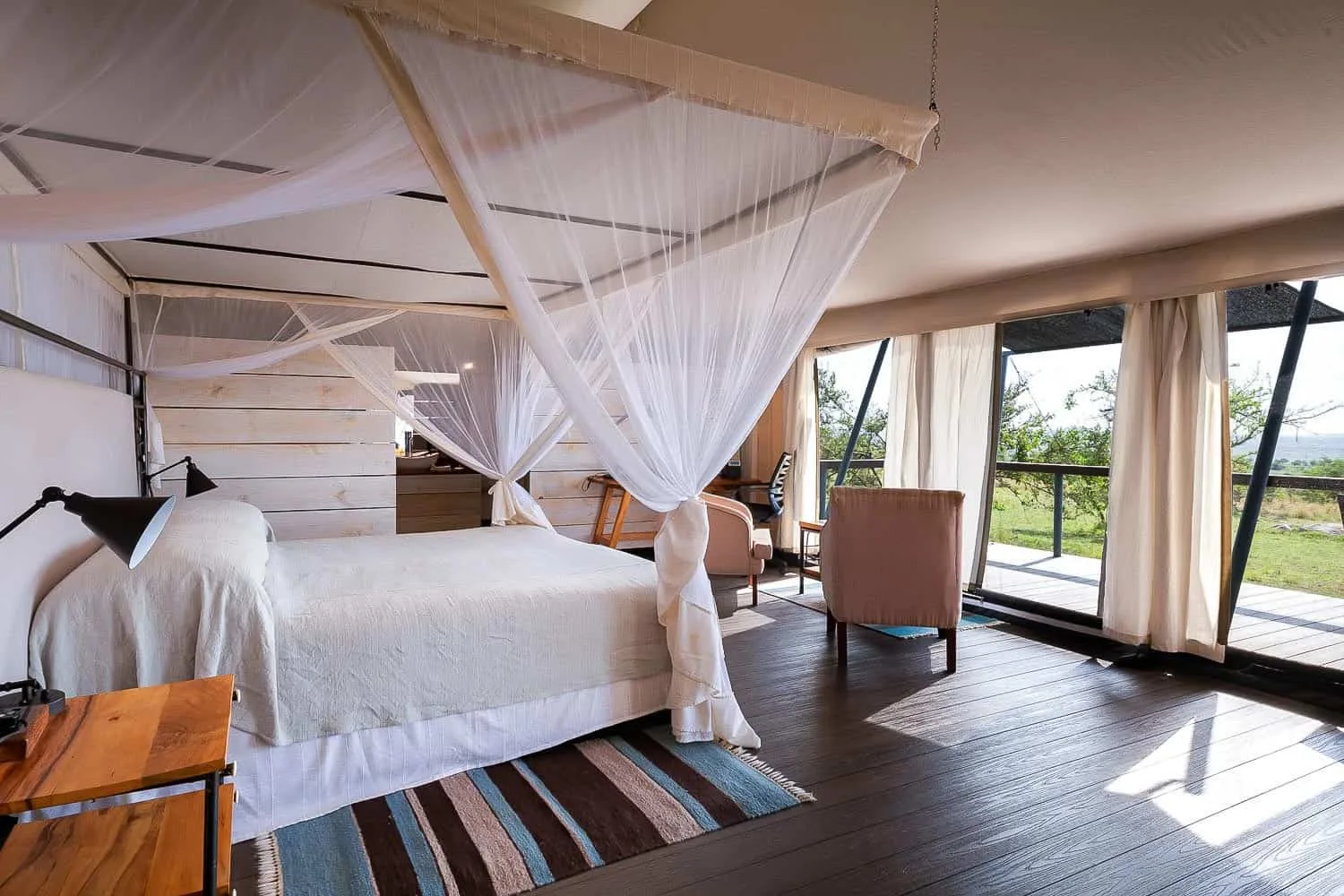
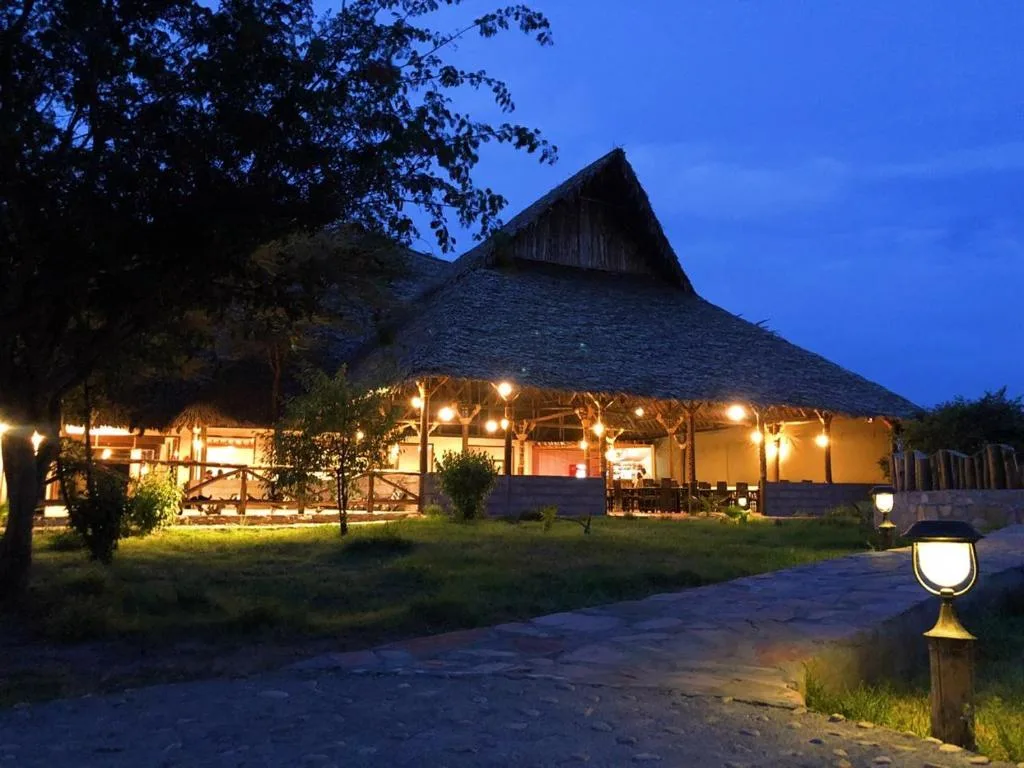
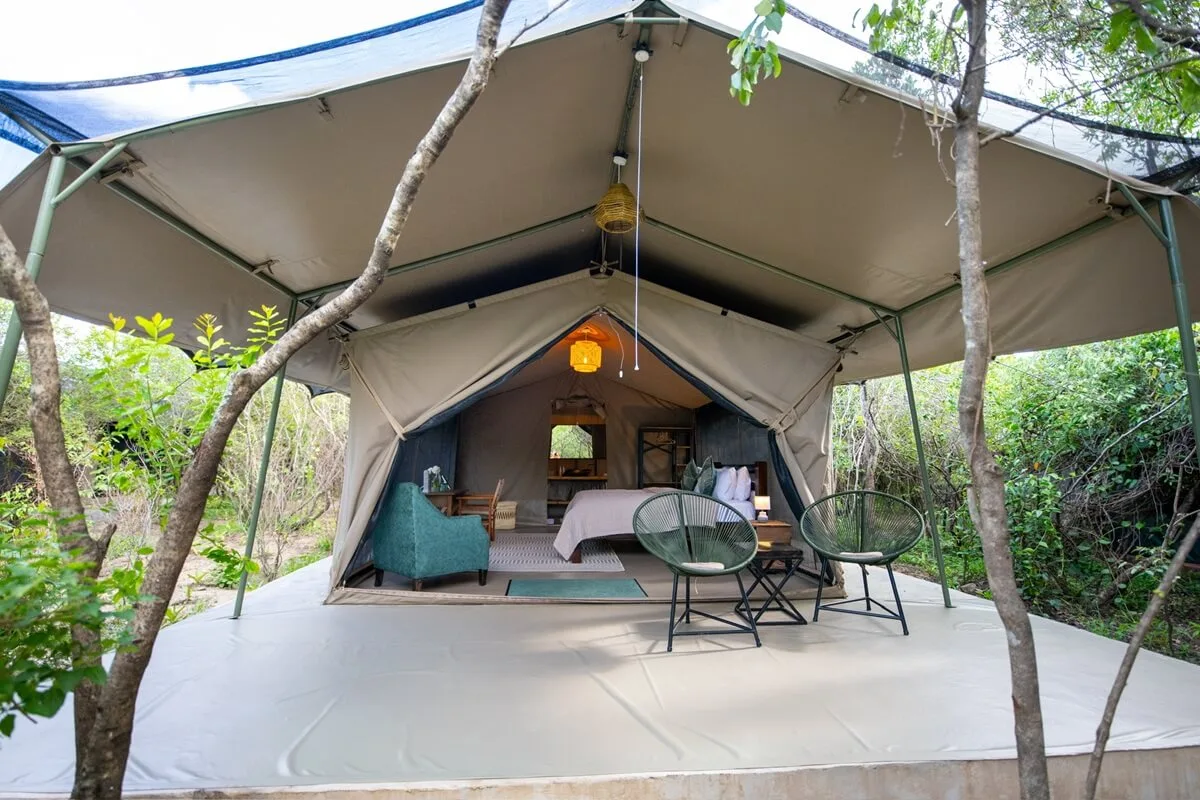
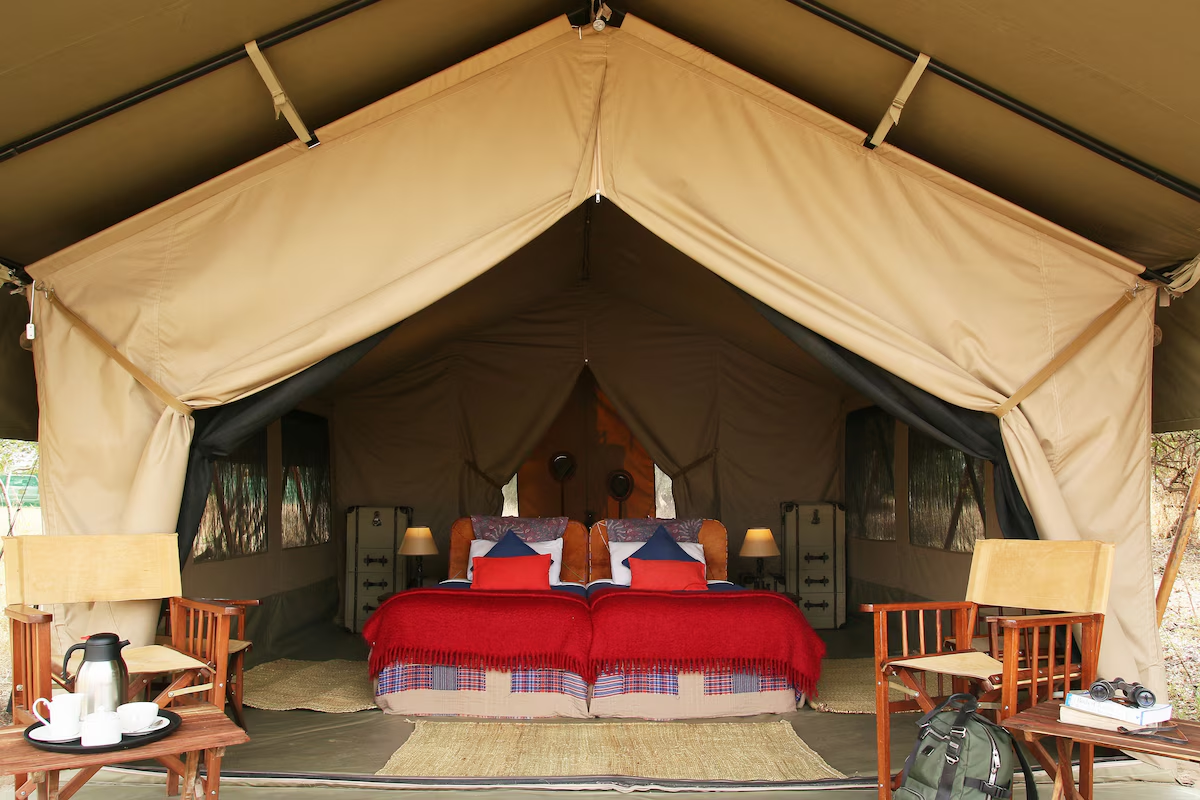
Instead of premium lodges inside the most expensive locations, budget itineraries can use simpler lodges or tented camps positioned near park entrances or in practical safari towns. This can reduce nightly accommodation costs substantially.
Travel by Road
Domestic flights are convenient but expensive. A road-based safari generally provides better value for budget travelers.
Share Fixed Safari Costs
Vehicle, guide and fuel costs are largely fixed. When two, four or more people travel together, these costs are divided among the group, reducing the per-person price.
Avoid Unnecessary One-Night Luxury Stops
Accommodation should serve the itinerary. Budget travelers do not need expensive transit hotels when a clean, comfortable guesthouse or lodge provides everything required for a night's rest.
Prioritize Core Wildlife Activities
Game drives should remain the heart of the safari. Expensive optional activities can be added selectively rather than automatically.
Itinerary
- Day 1: Arrival in Nairobi, welcome to Kenya
- Day 2: Nairobi to Amboseli
- Day 3: Amboseli Budget Safari
- Day 4: Amboseli to Nairobi or Central Kenya
- Day 5: Central Kenya to Samburu
- Day 6: Samburu Budget Safari
- Day 7: Samburu to Central Kenya / Ol Pejeta Region
- Day 8: Central Kenya to Lake Nakuru
- Day 9: Lake Nakuru to Lake Naivasha
- Day 10: Lake Naivasha to Masai Mara
- Day 11: Masai Mara Safari
- Day 12: Second Full Day in the Masai Mara
- Day 13: Masai Mara to Nairobi
- Day 14: Nairobi, departure
02 Itinerary
14 Days Budget Kenya Safari: Detailed Itinerary
-
Day 1: Arrival in Nairobi – Welcome to Kenya - Main destination
- Masai Mara National Reserve
- Drive time
- Road transfer as outlined in the itinerary
- Meals
- Lunch, Dinner
Your 14 Days Budget Kenya Safari begins when you arrive at Jomo Kenyatta International Airport in Nairobi. After immigration and baggage collection, meet your safari representative in the arrivals area. You will be transferred to a carefully selected budget or value-oriented hotel in Nairobi.
The first day is primarily designed for arrival and rest, as international flights reach Nairobi at different times and scheduling an immediate long safari transfer can be tiring. If you arrive early, optional activities around Nairobi may be possible at additional cost, or you can rest at the hotel and prepare for the safari. Before departure, your guide can brief you about the route, expected driving times, park regulations, accommodation style and wildlife-viewing procedures. This is also a good opportunity to ask practical questions about money, tipping, charging devices, luggage and safari clothing.
- Destination: Nairobi
- Main Experience: Arrival and safari preparation
- Accommodation: Budget/value Nairobi hotel
- Meals: According to arrival time and booked hotel plan
Amboseli National Park
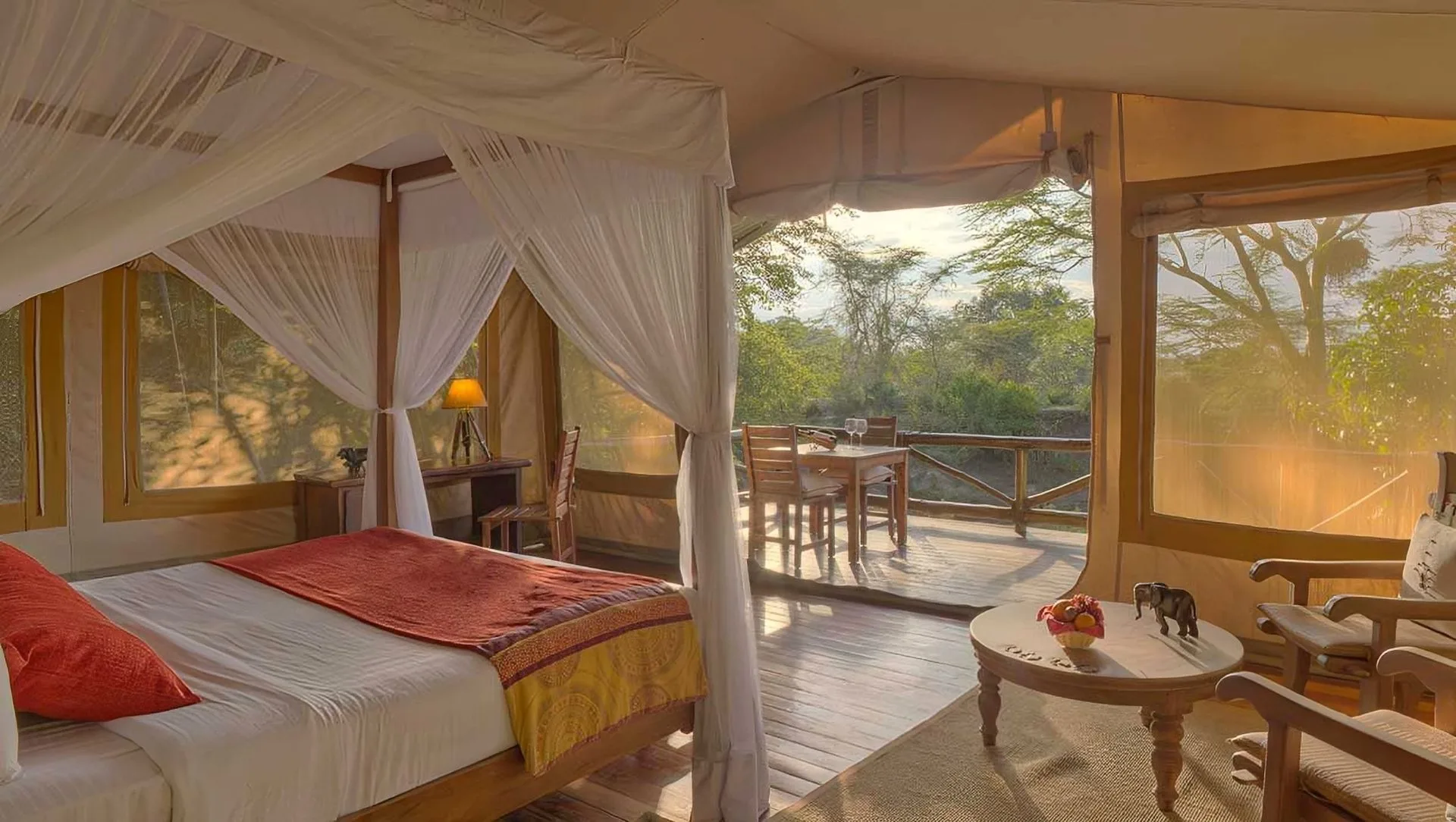
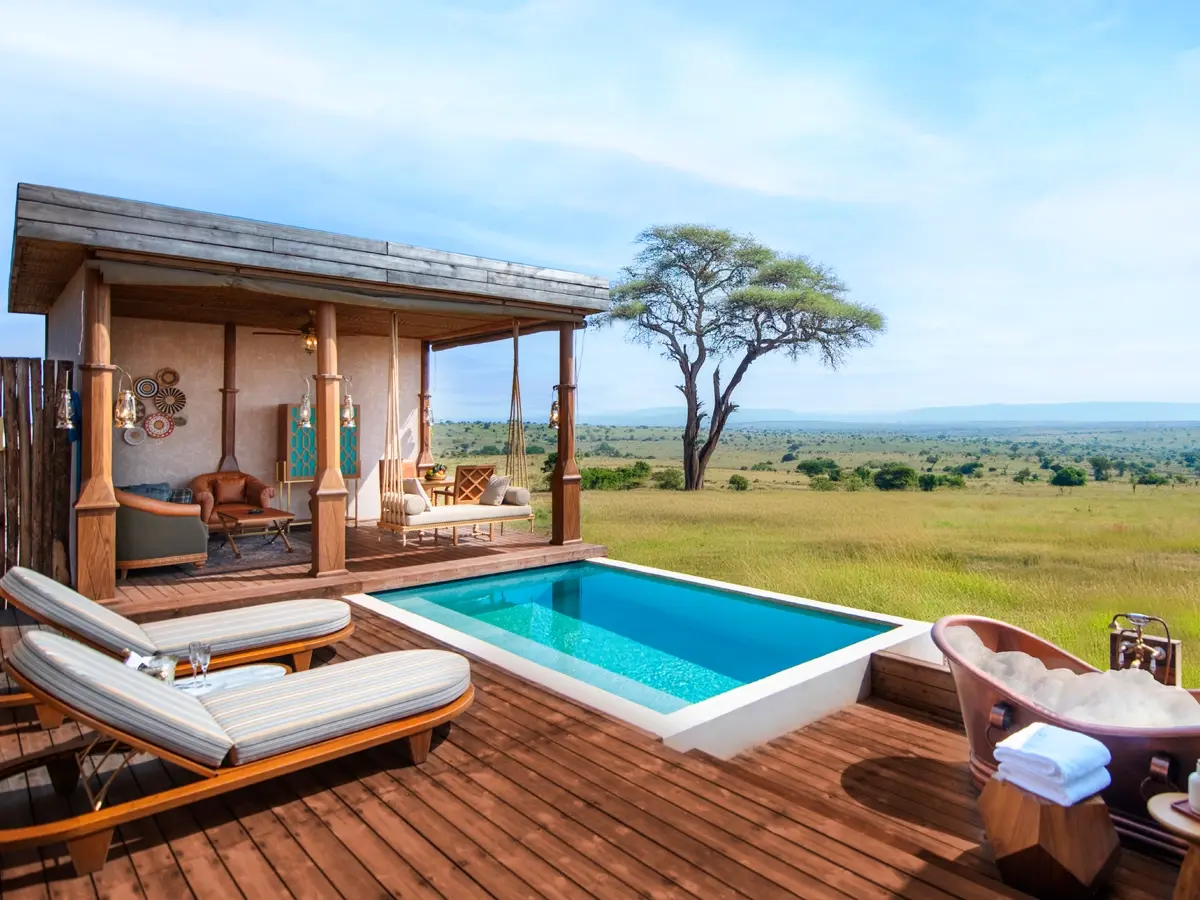
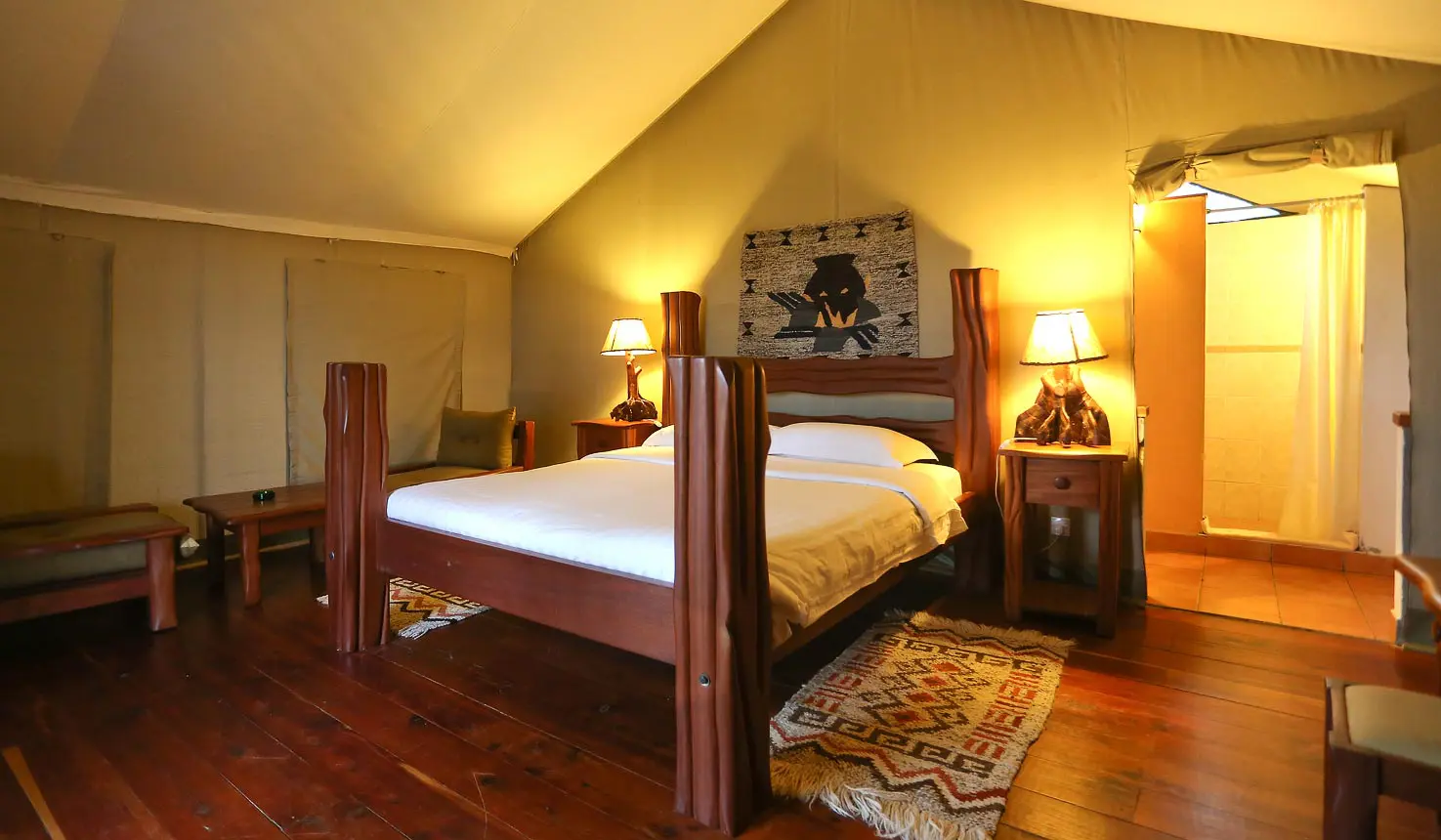
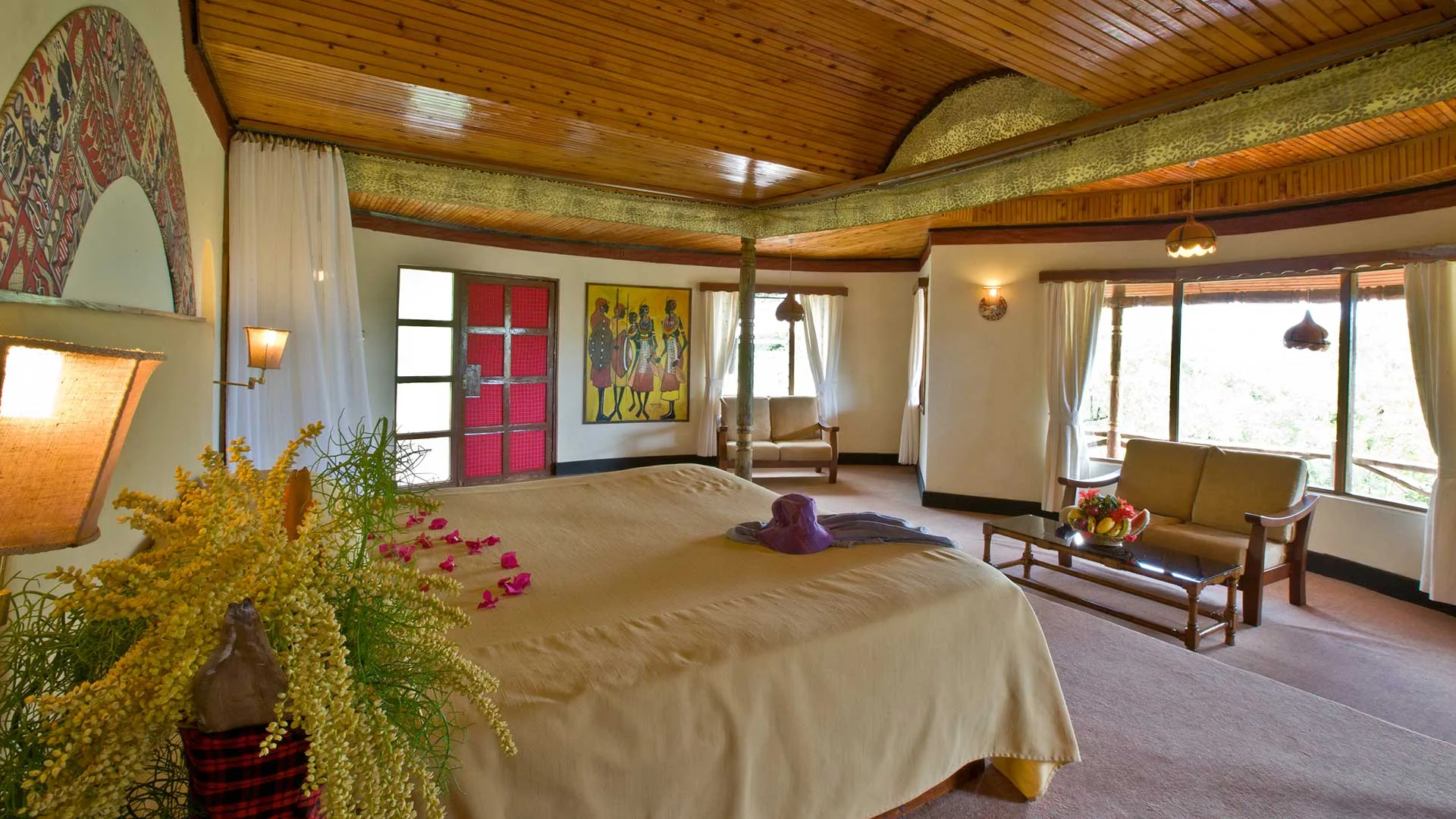
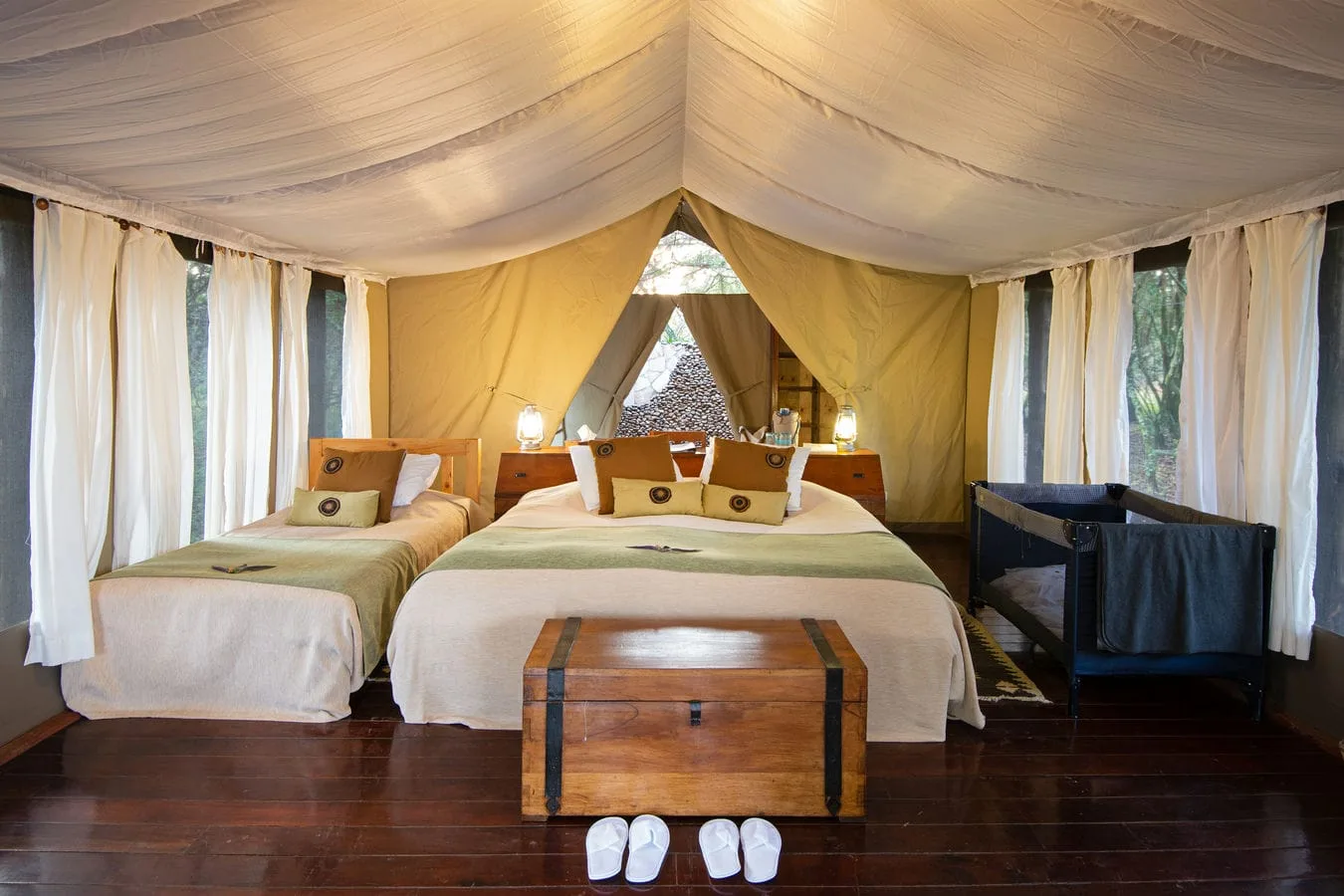
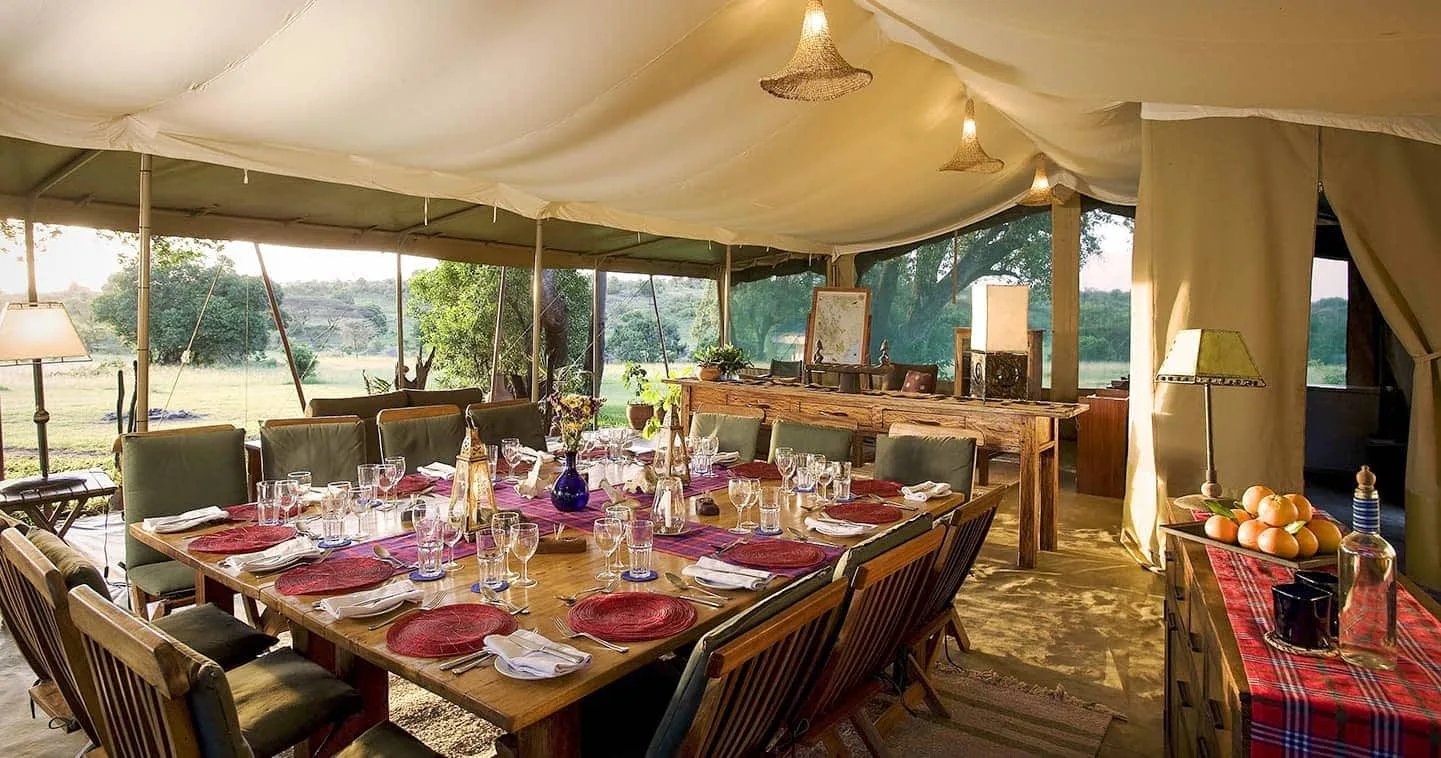
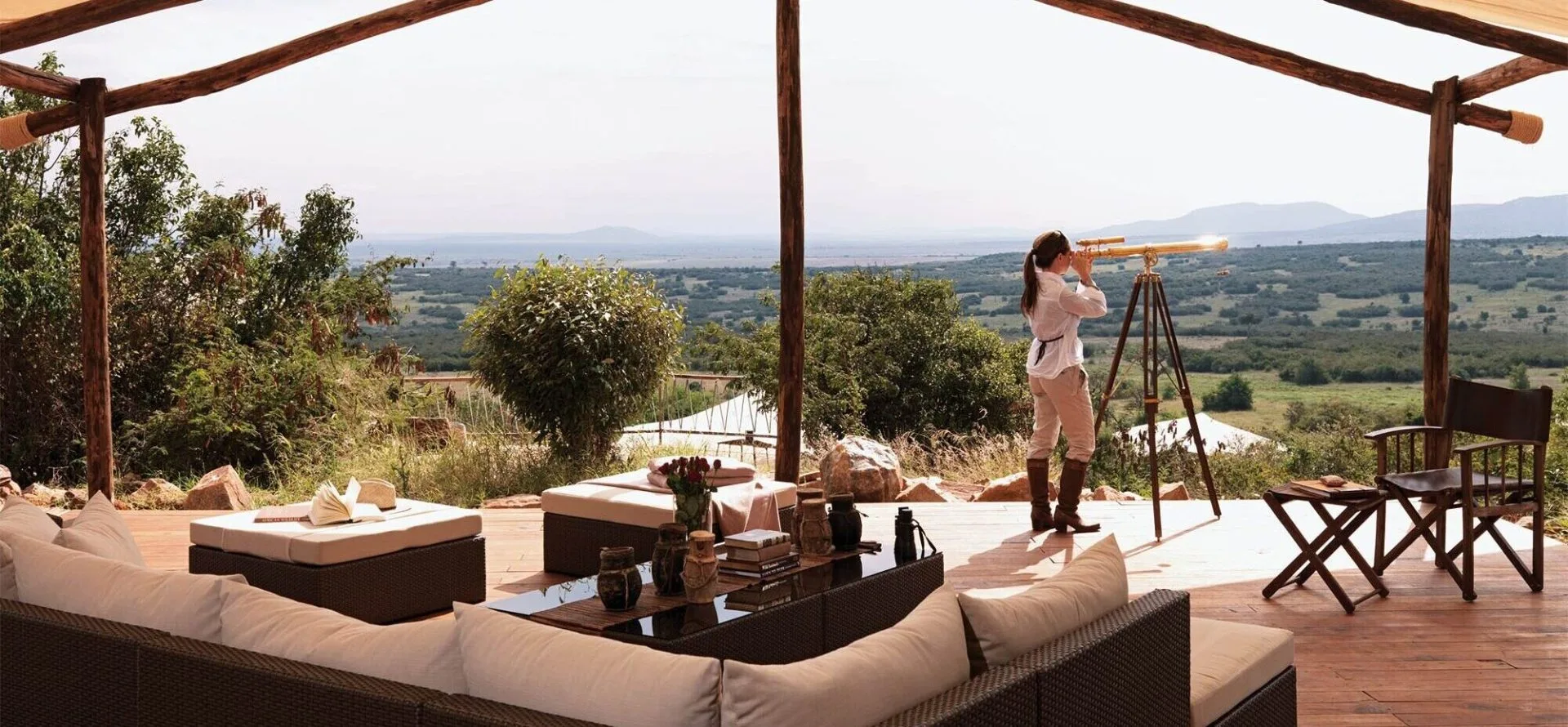
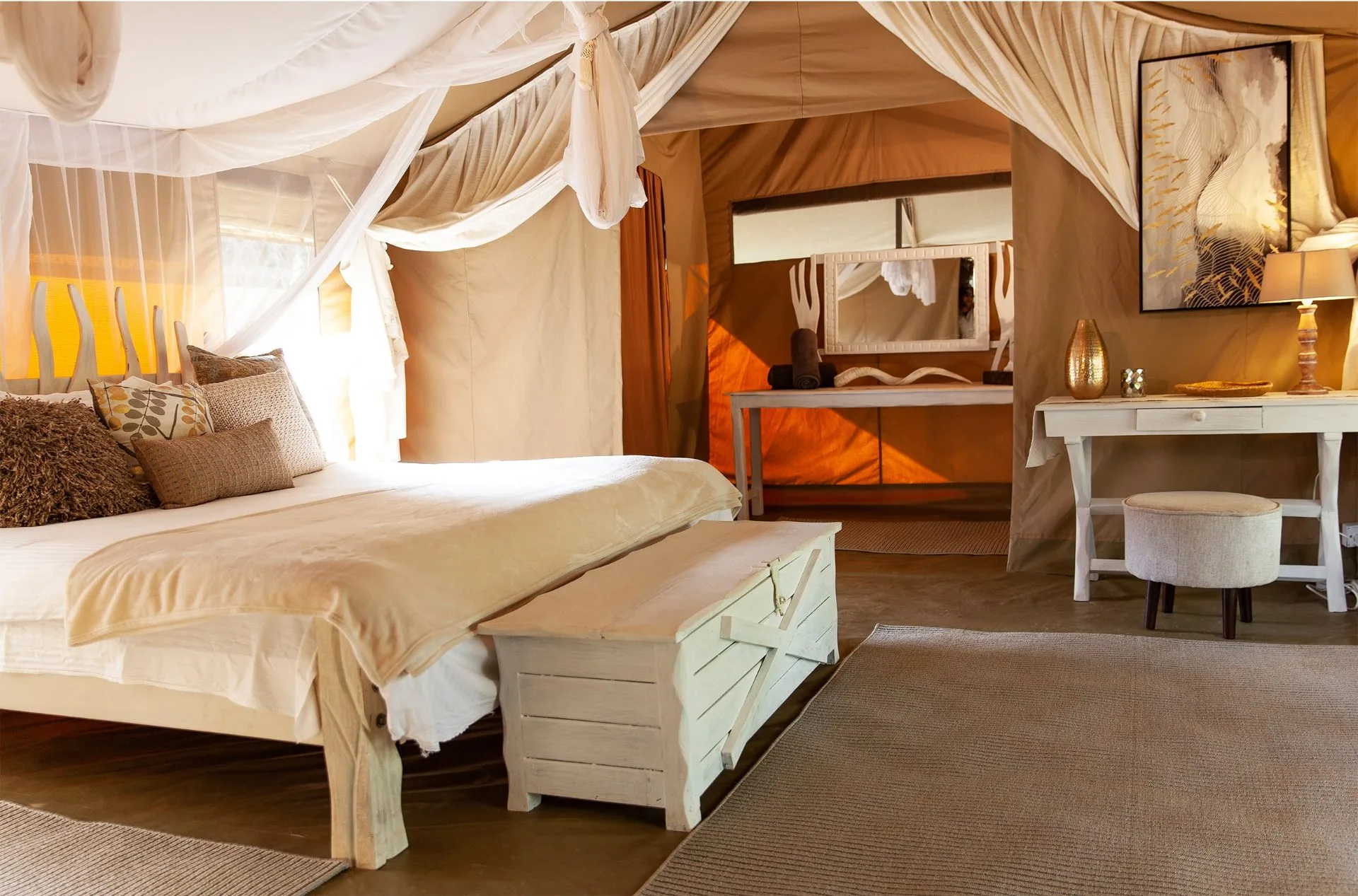
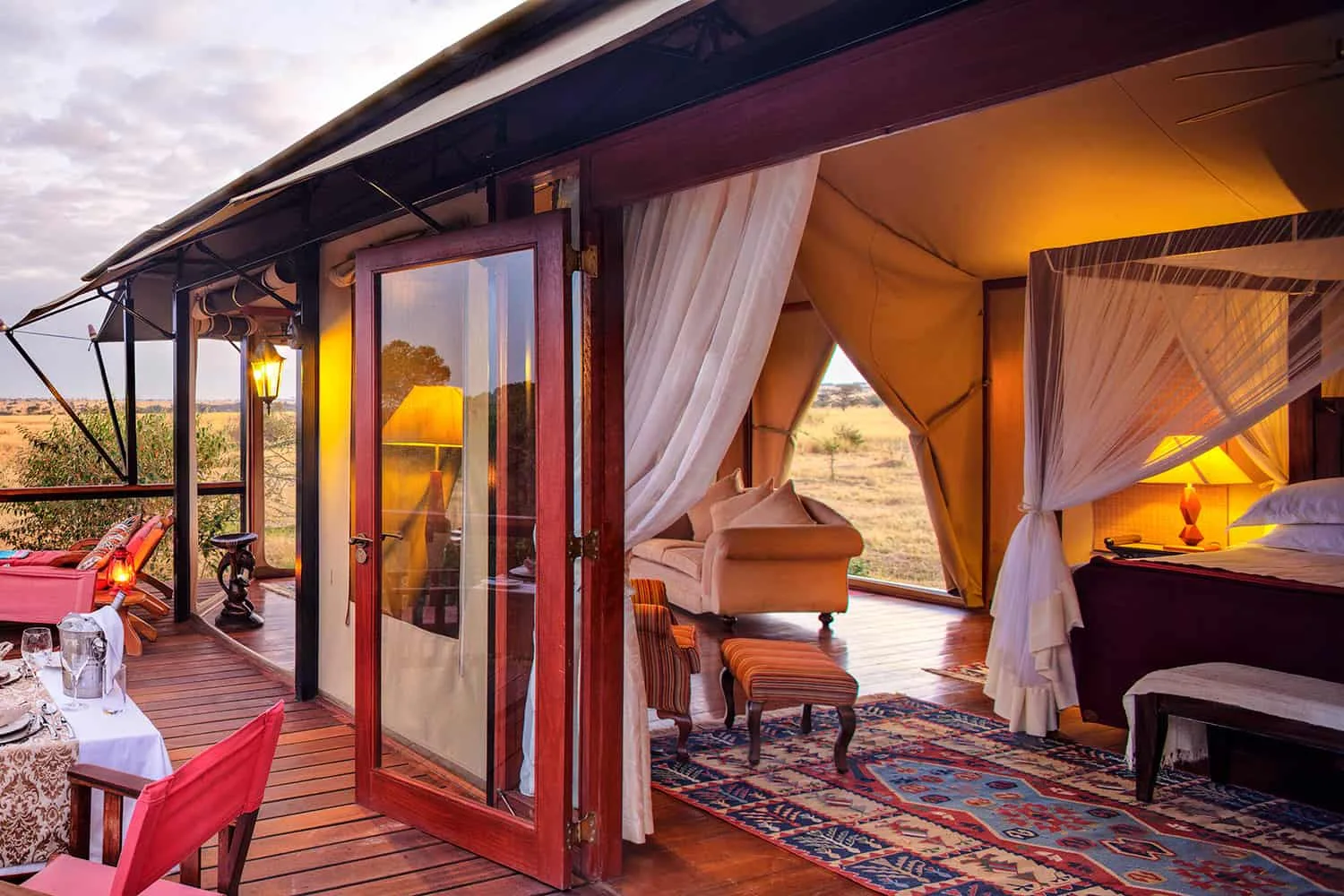
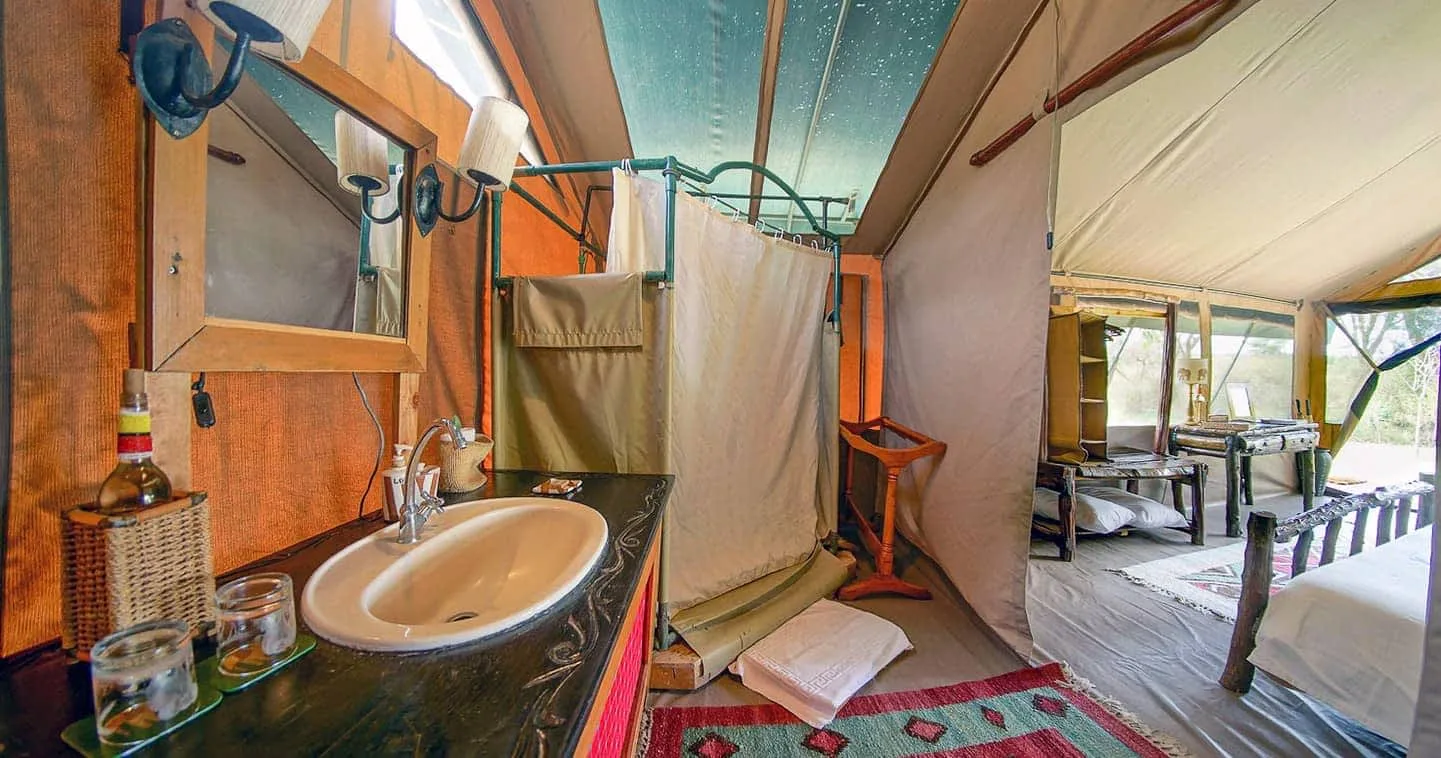
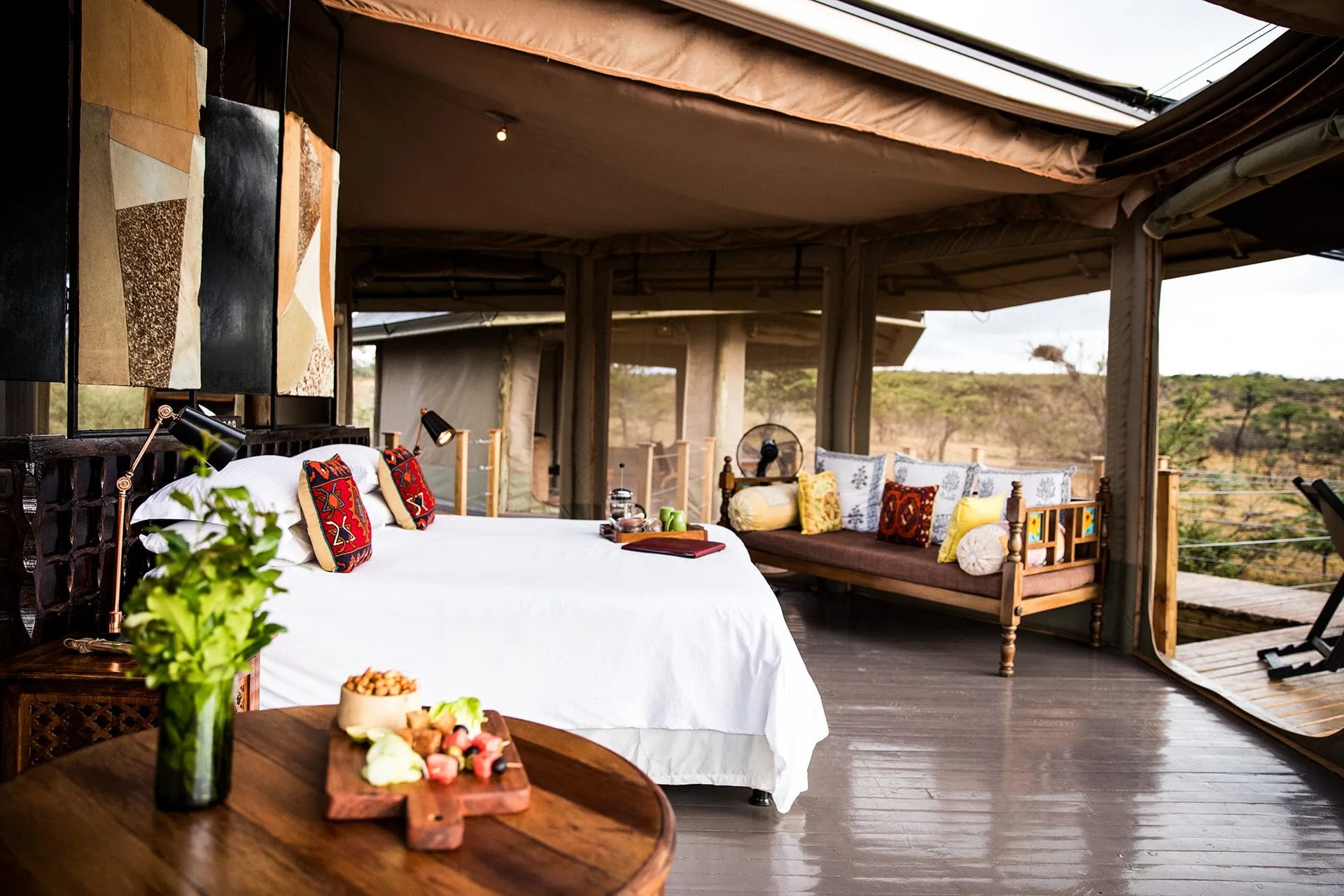
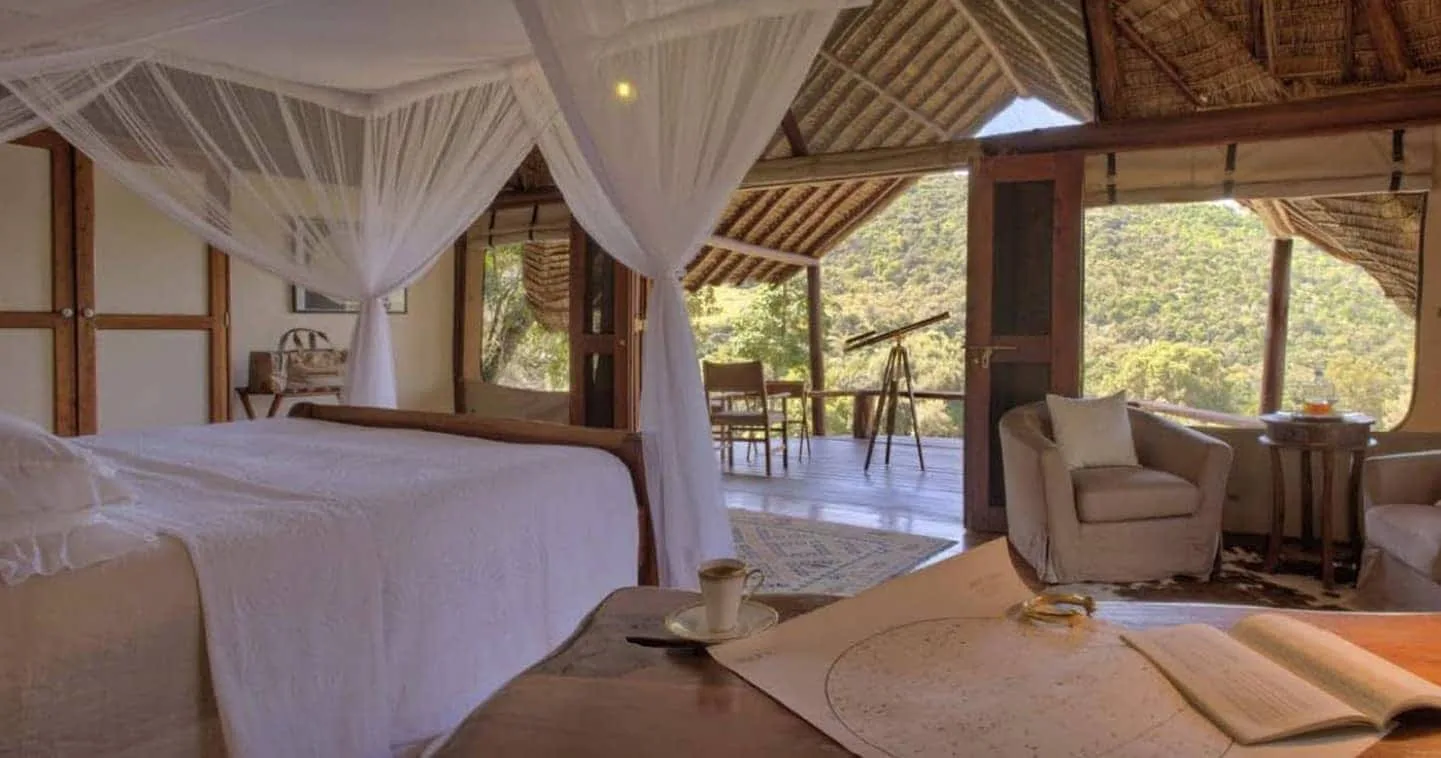
Where you stay
-
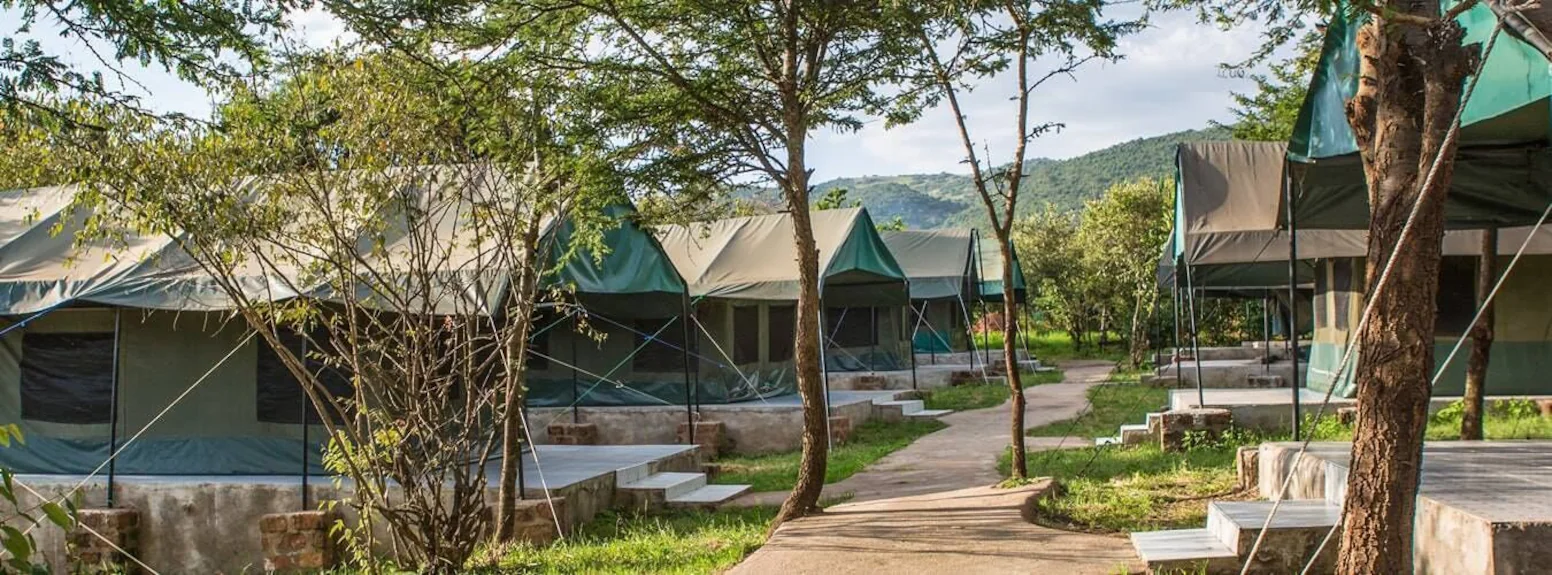
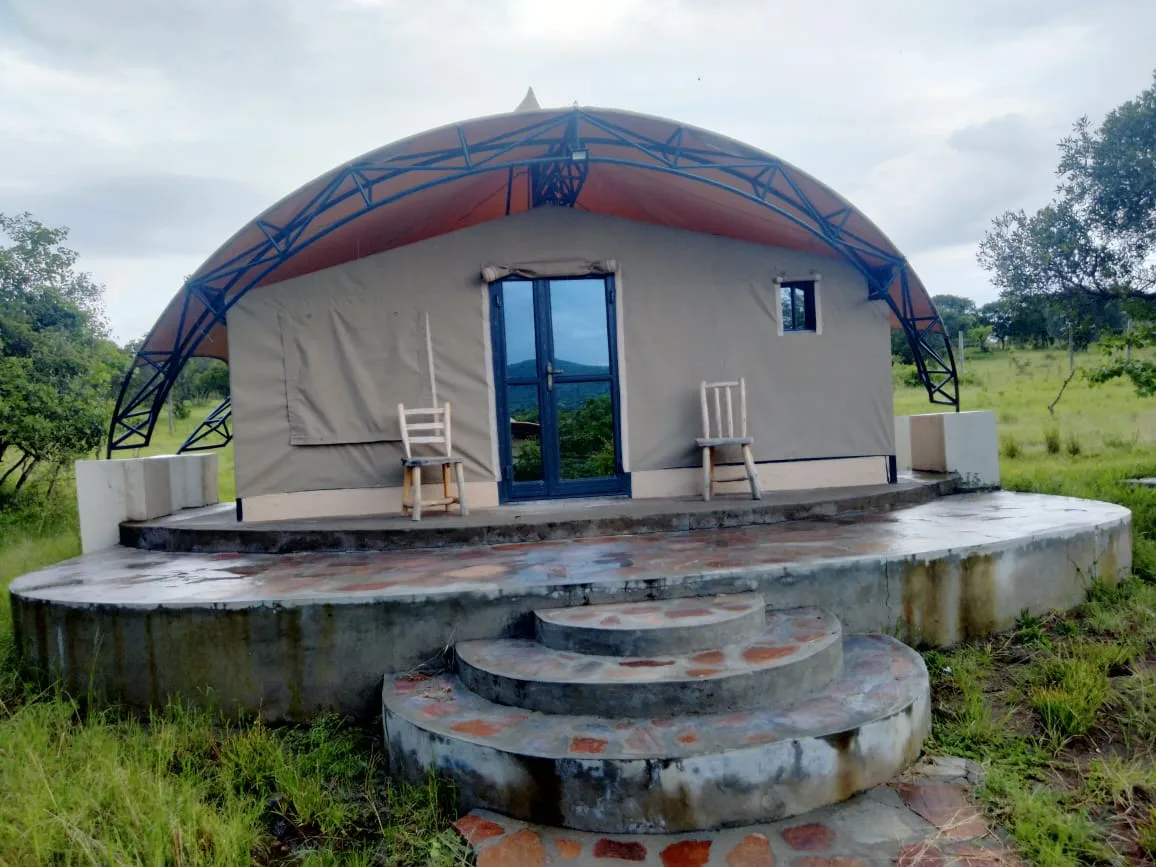
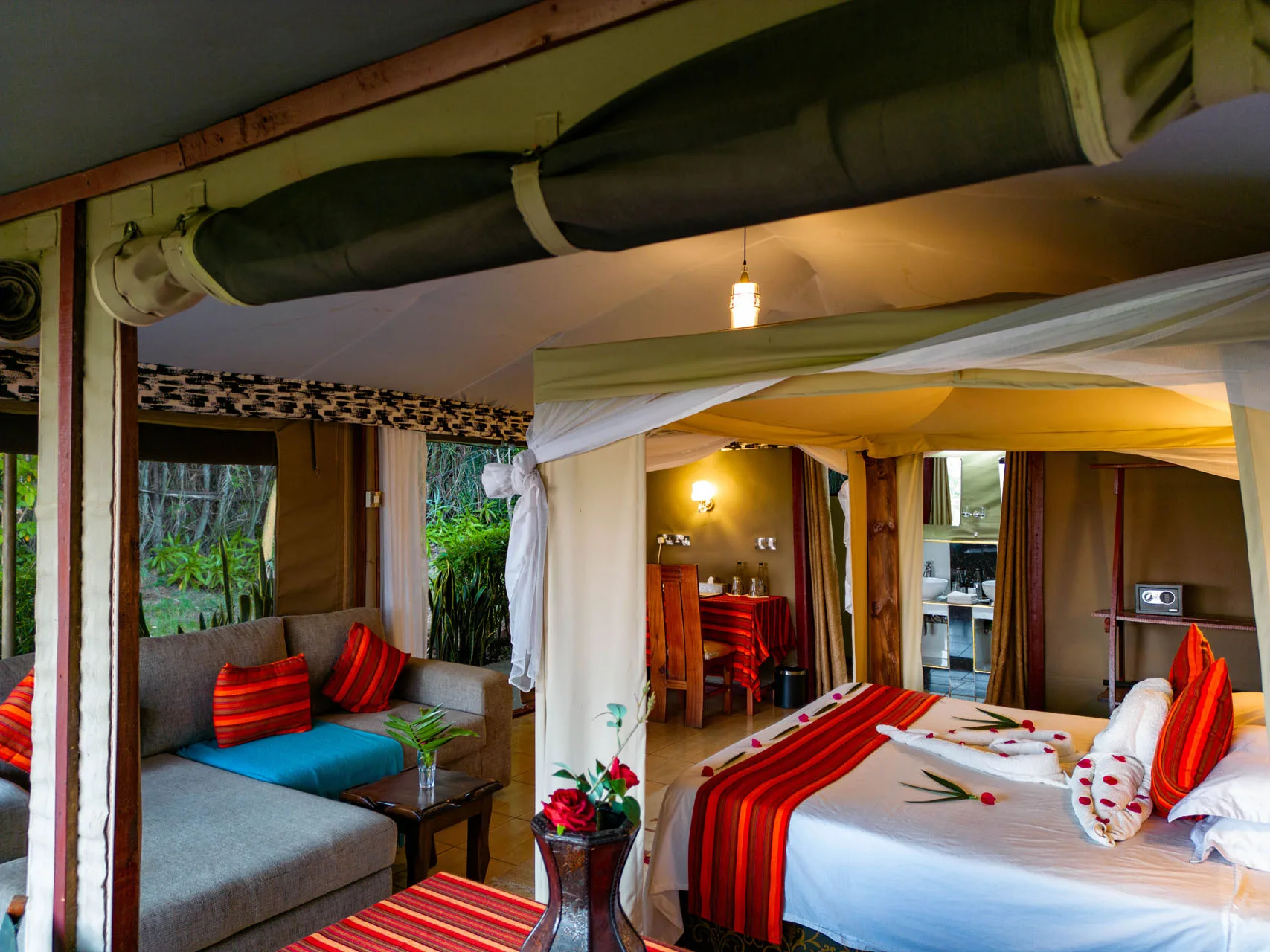
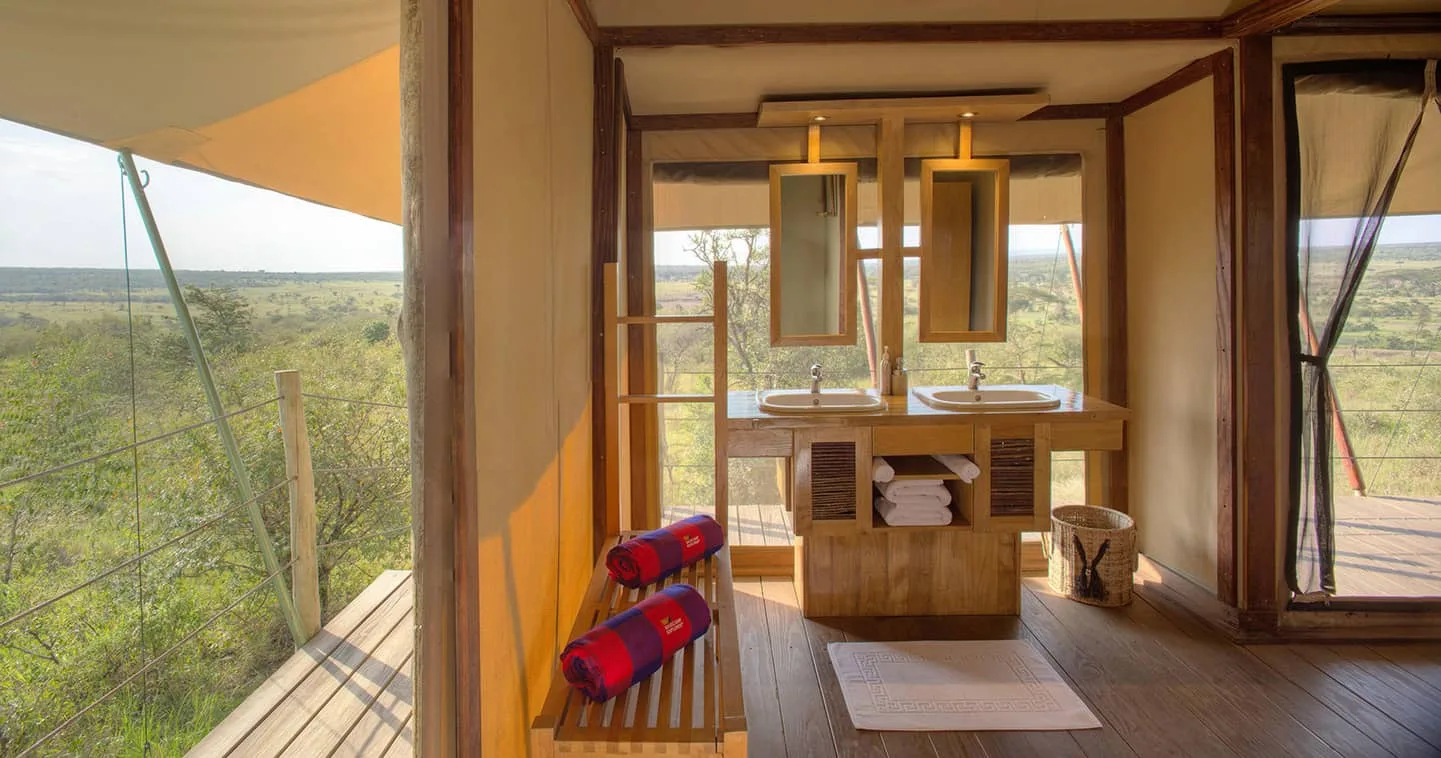
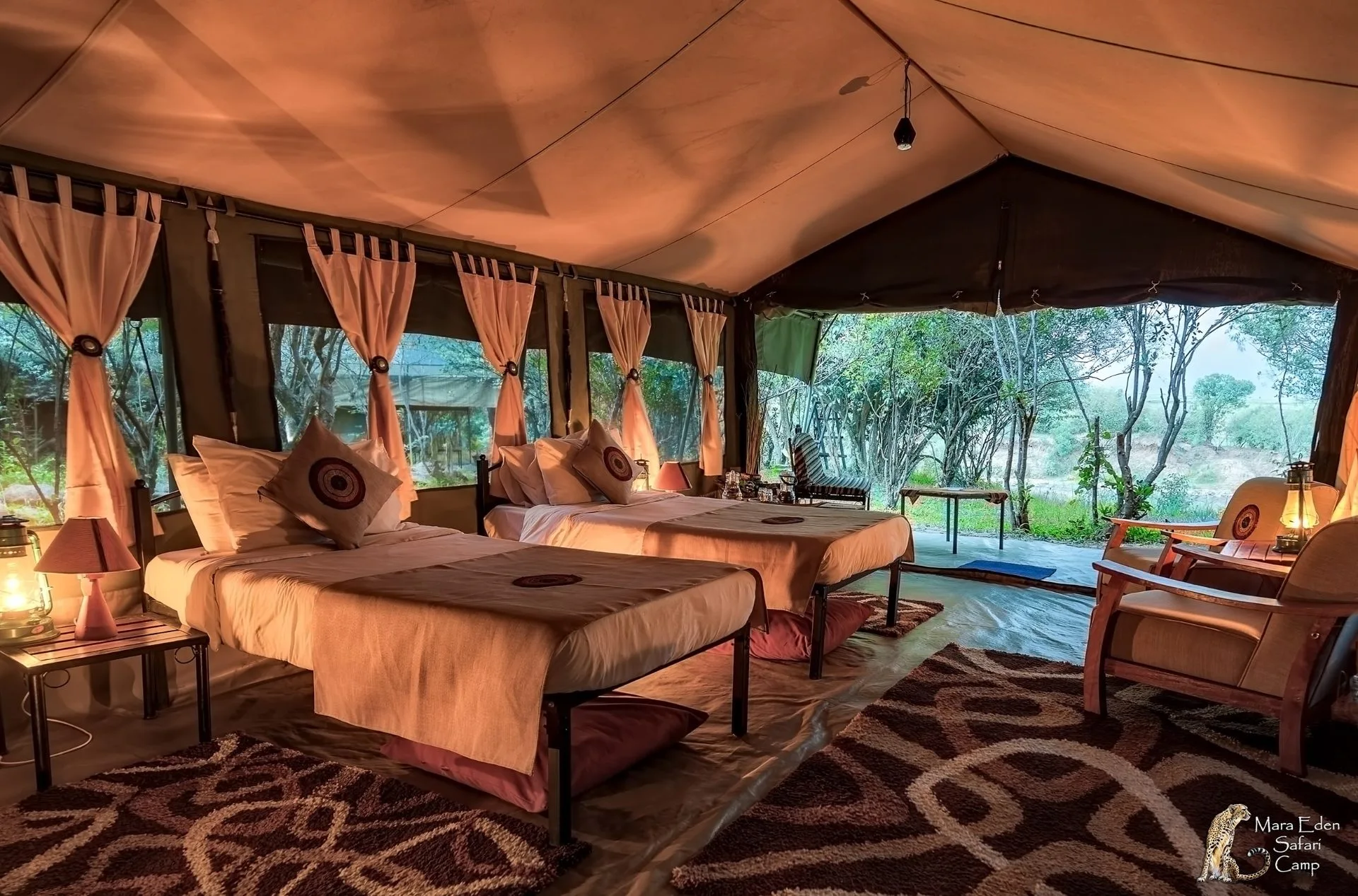
Essential (Budget)
-
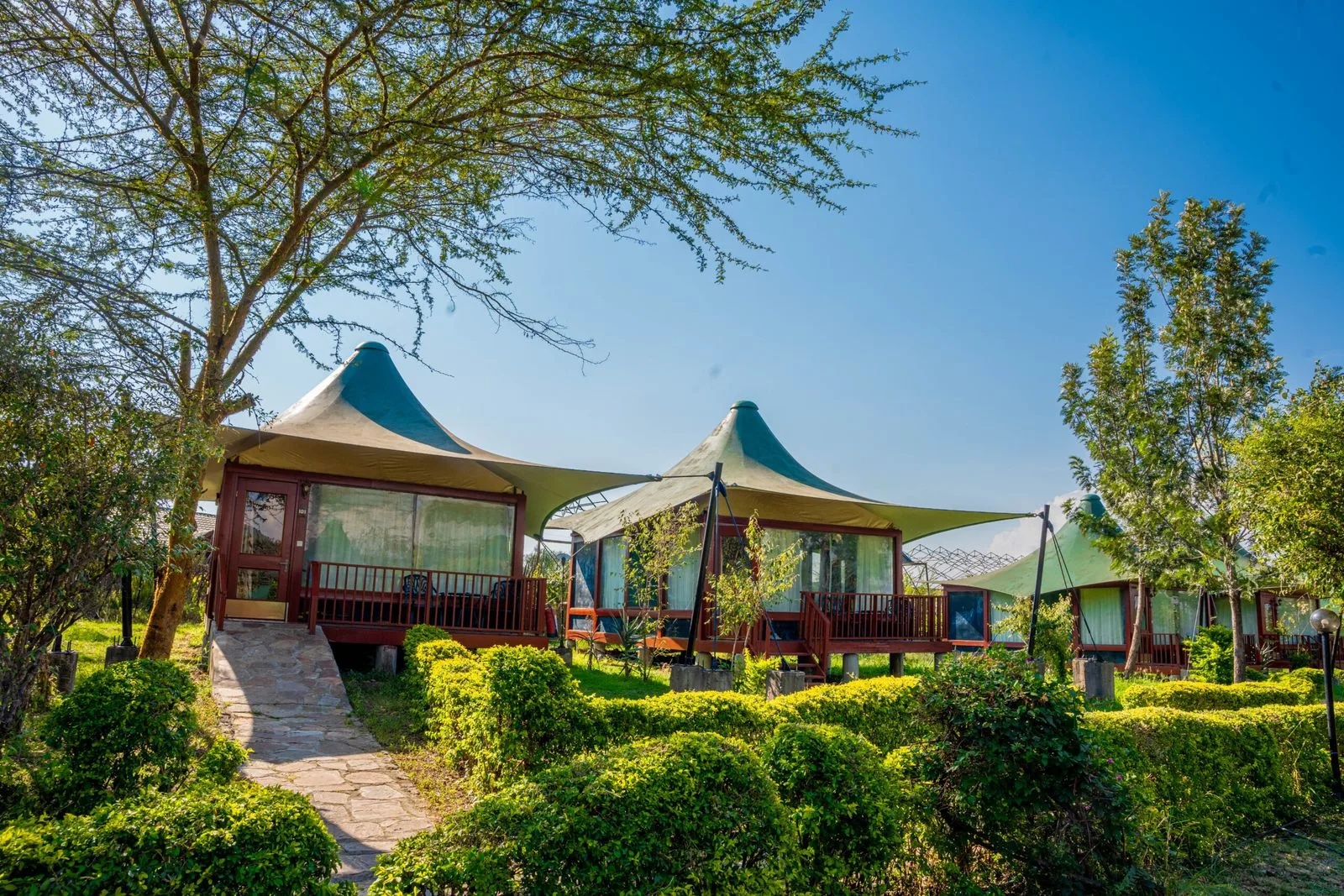
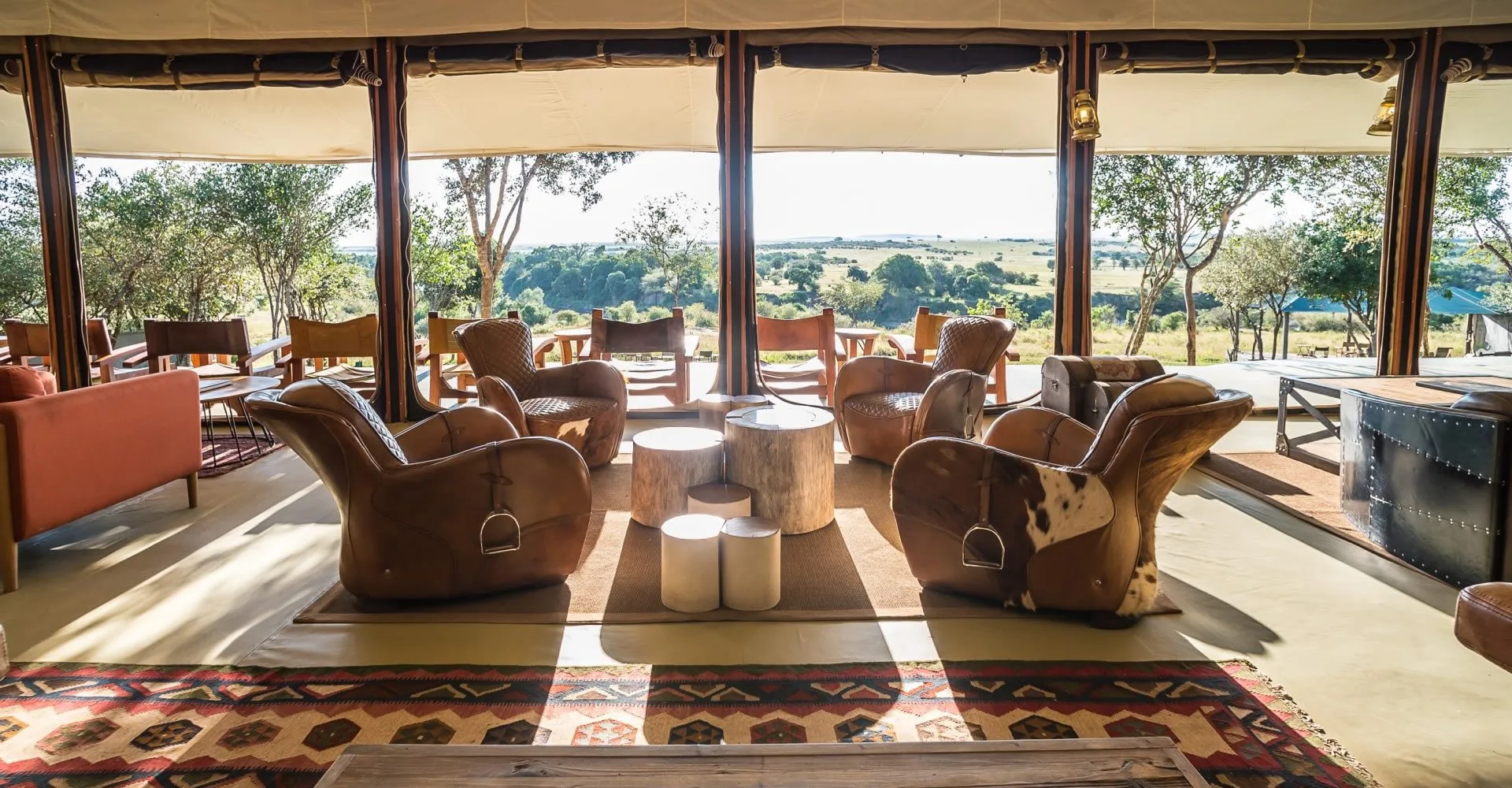
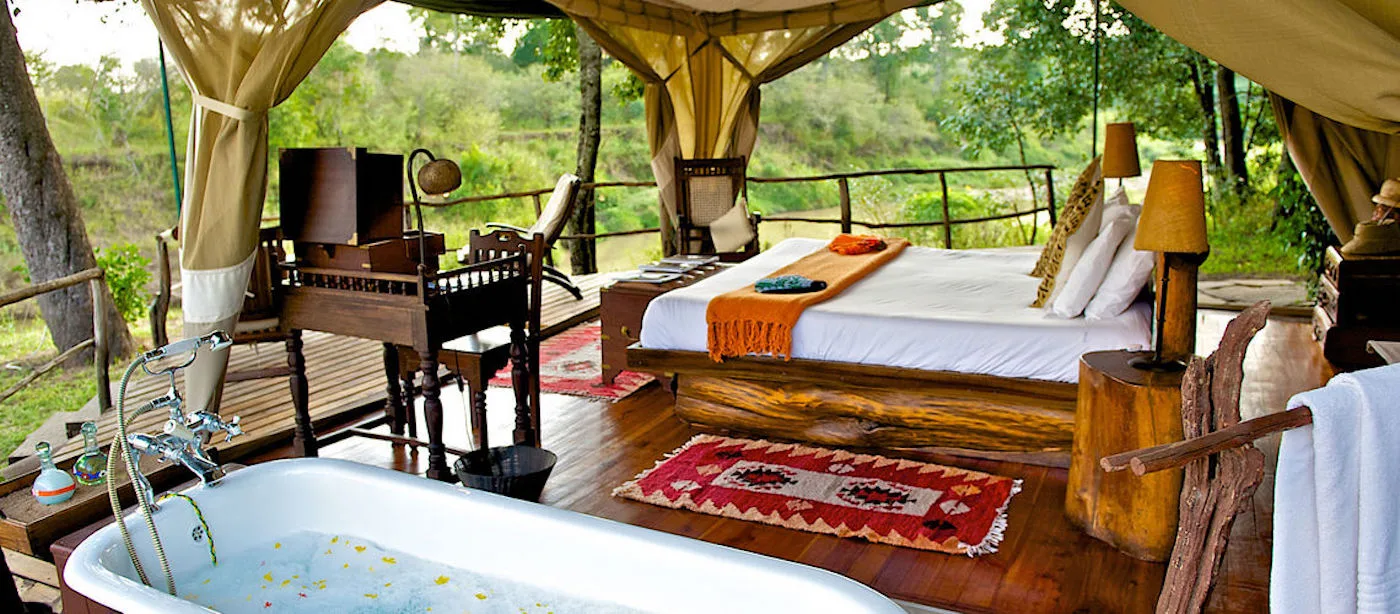
Comfort (Mid-range)
-
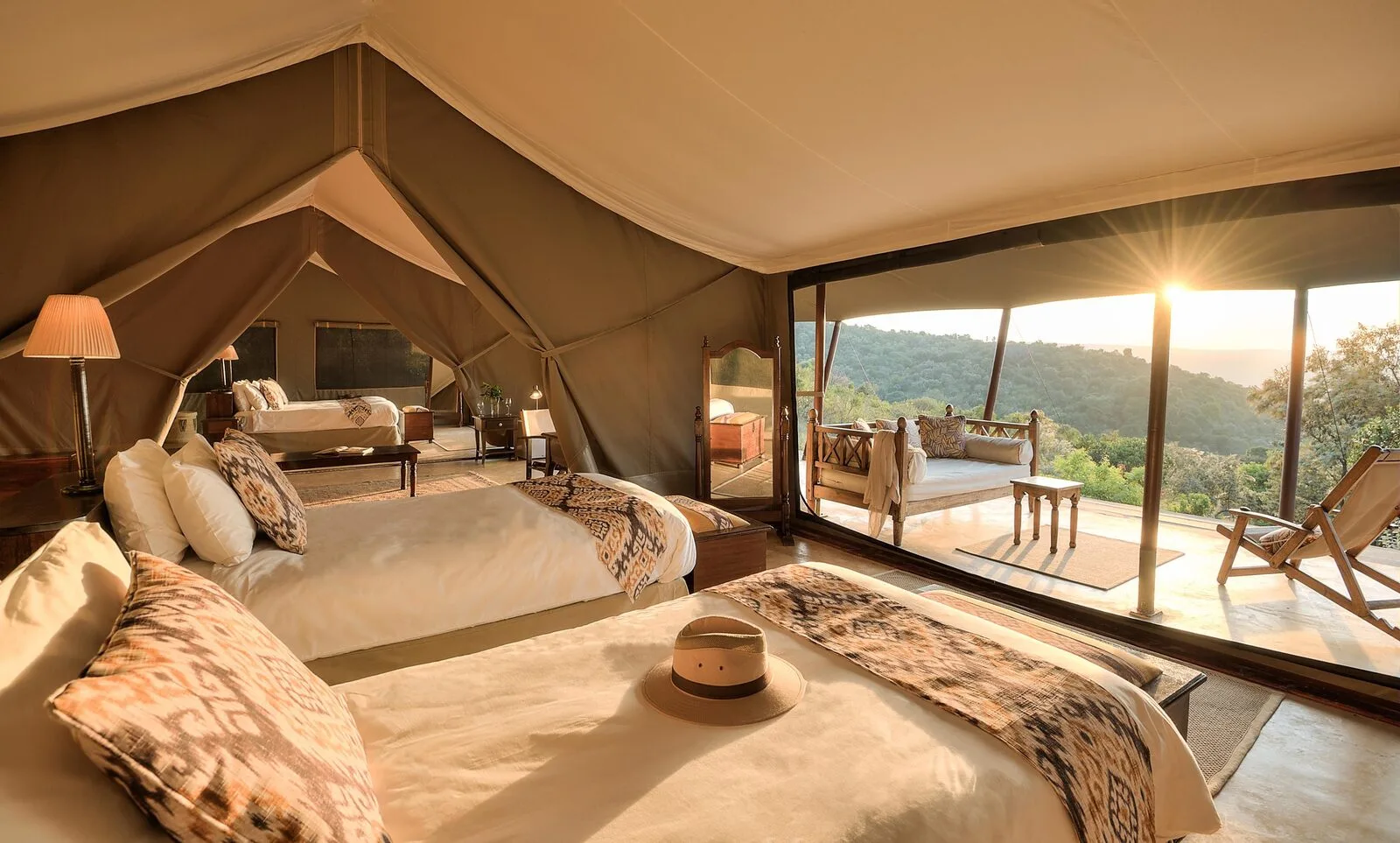
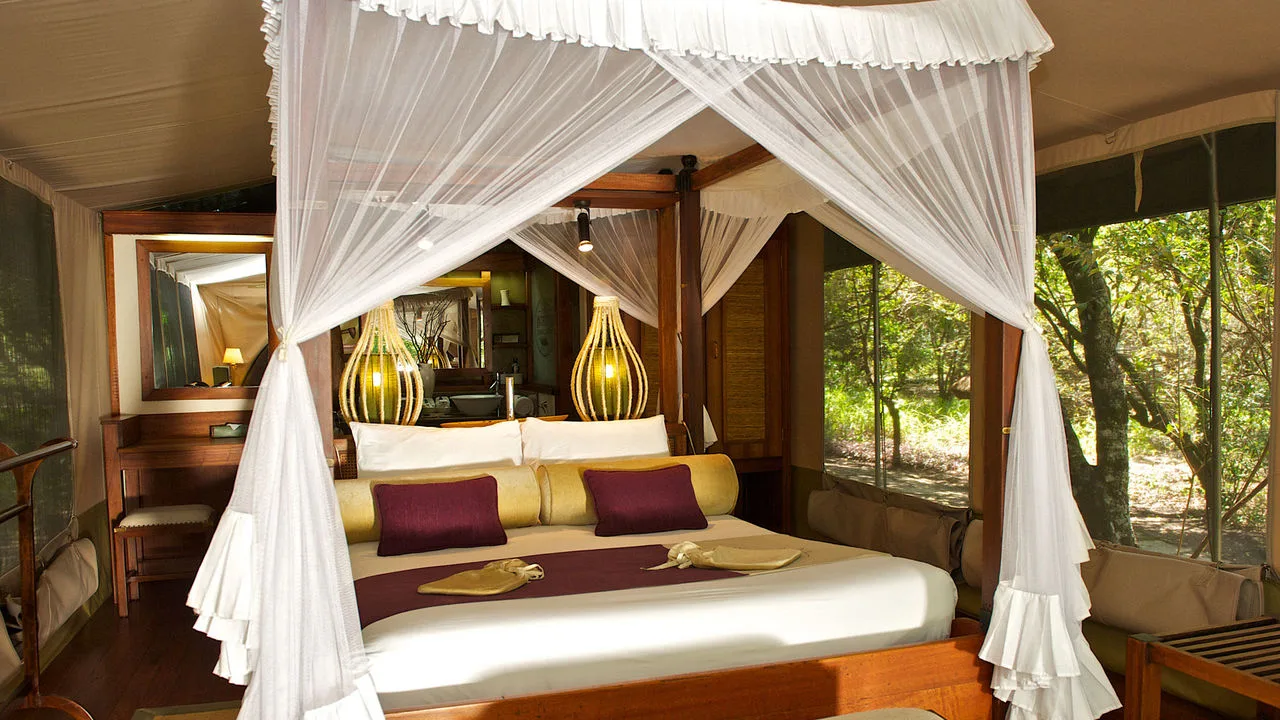
Premium (Luxury)
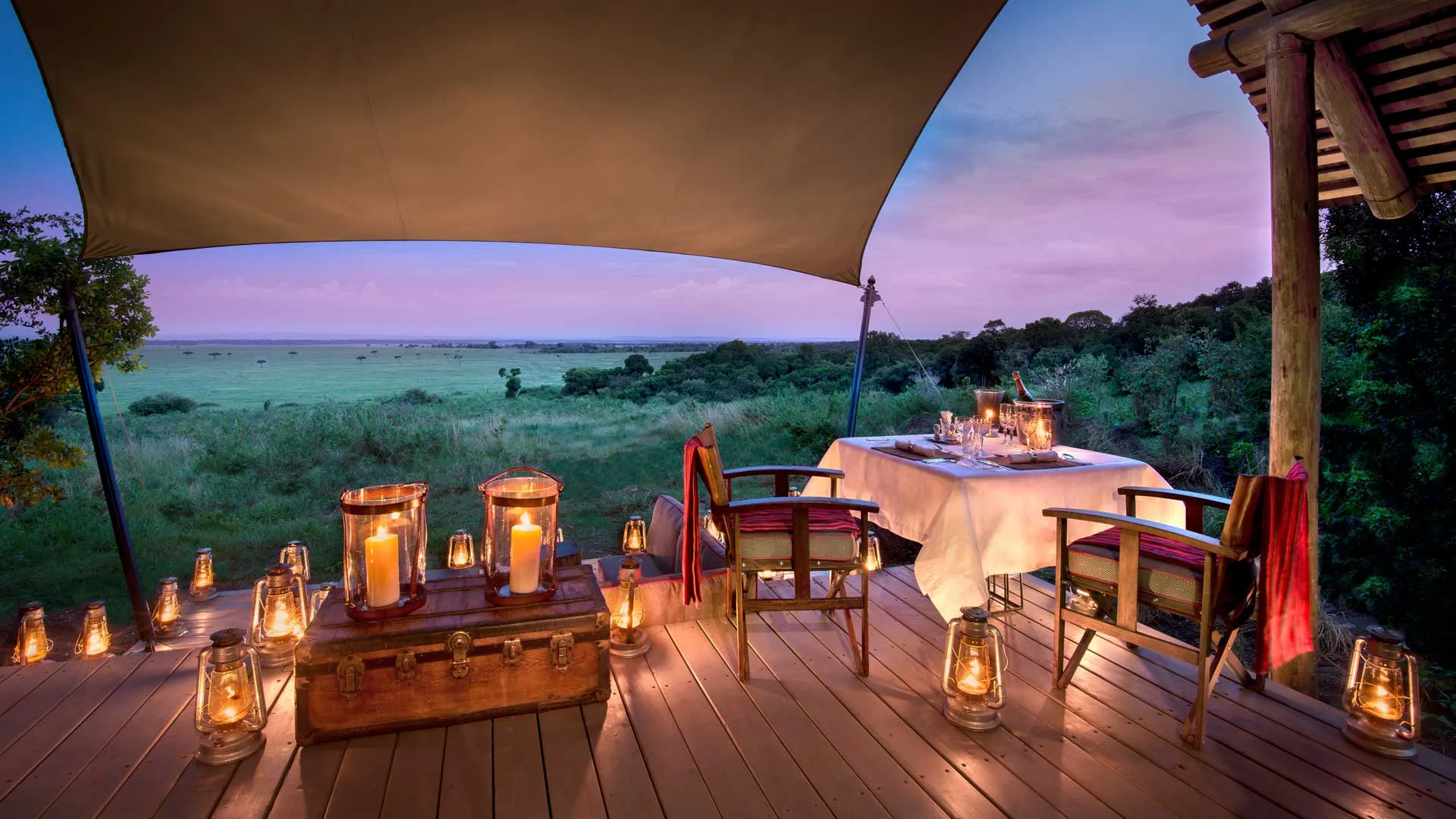
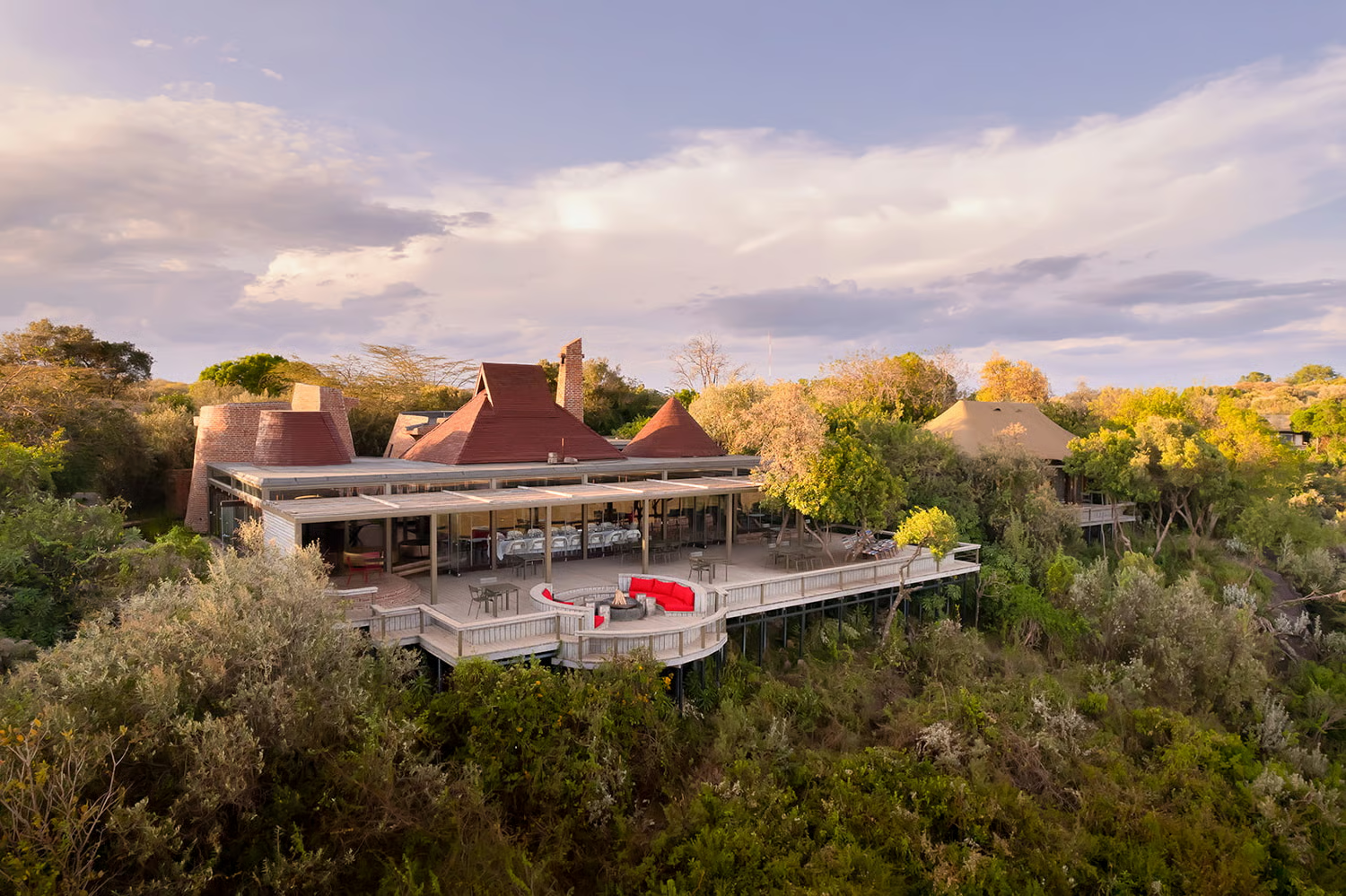
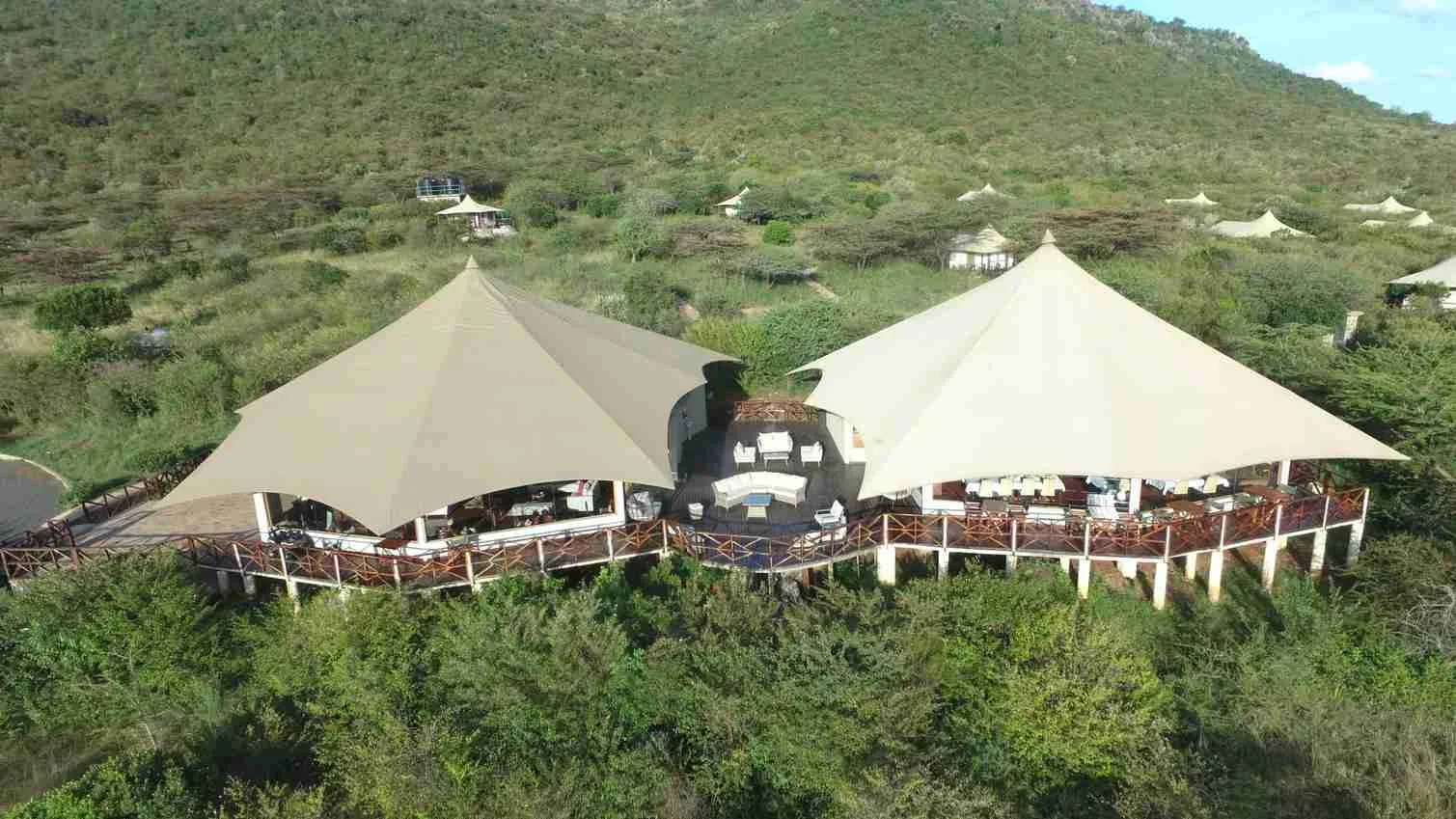
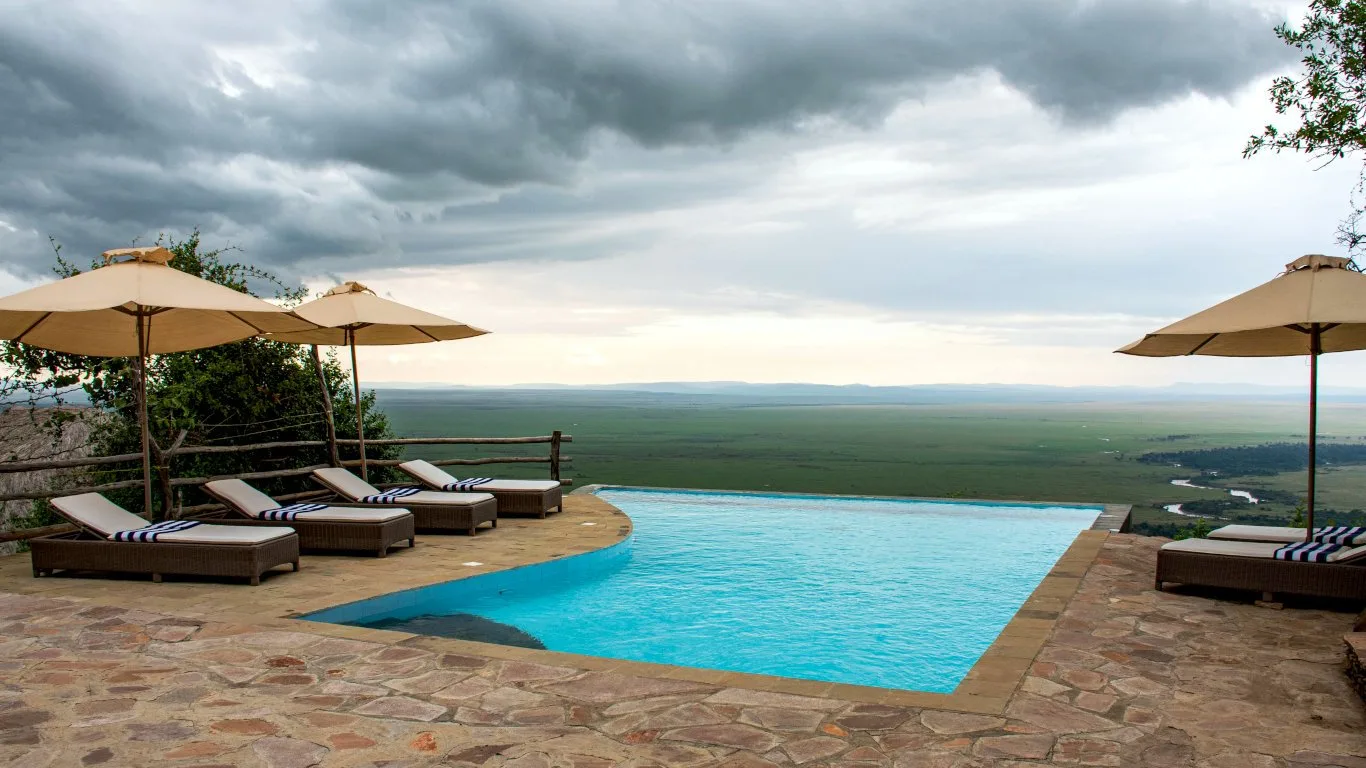
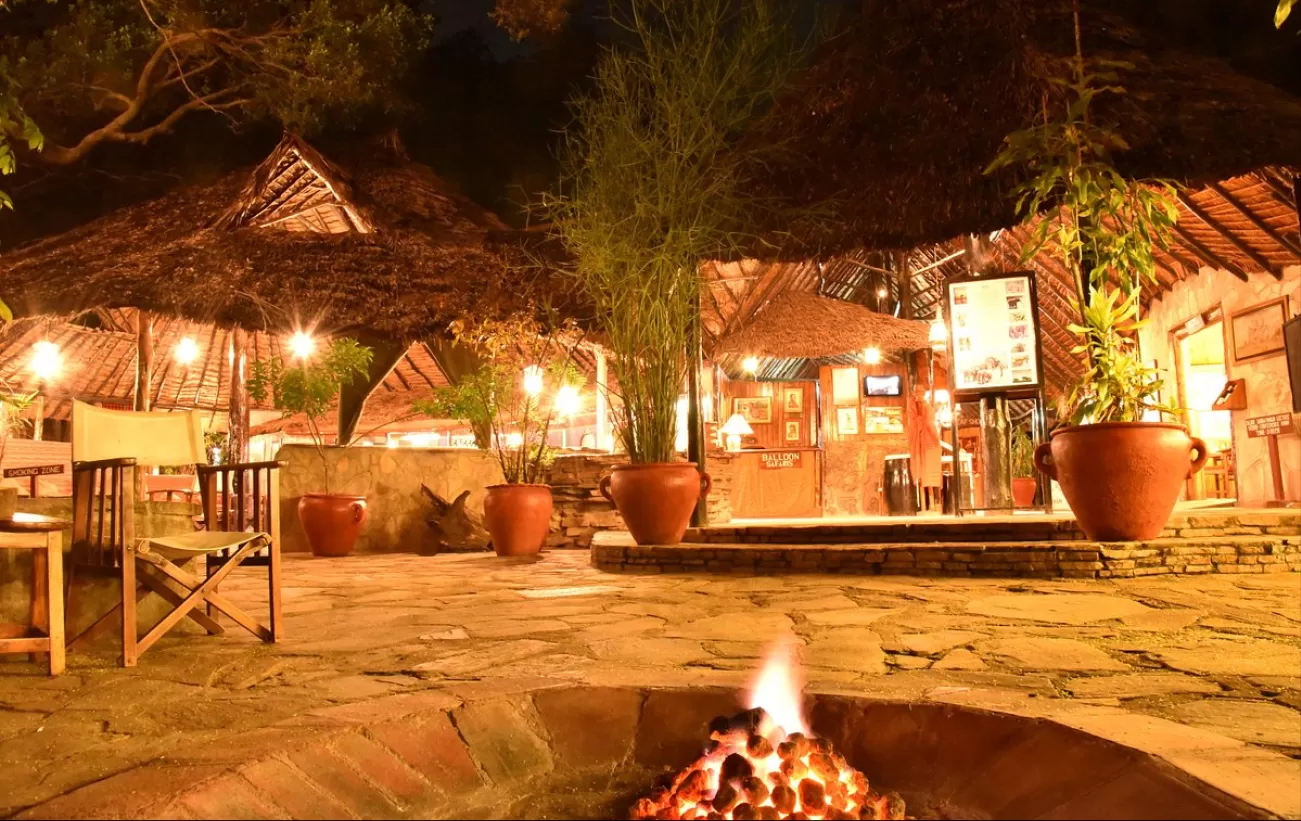
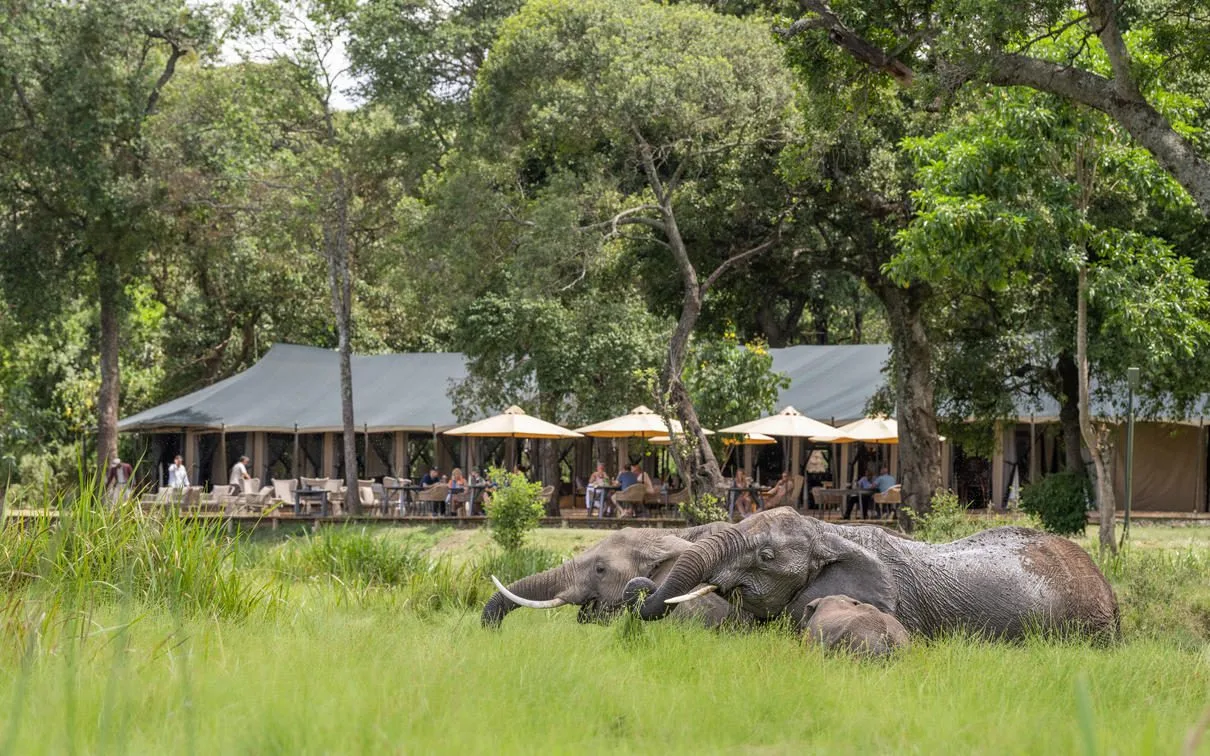
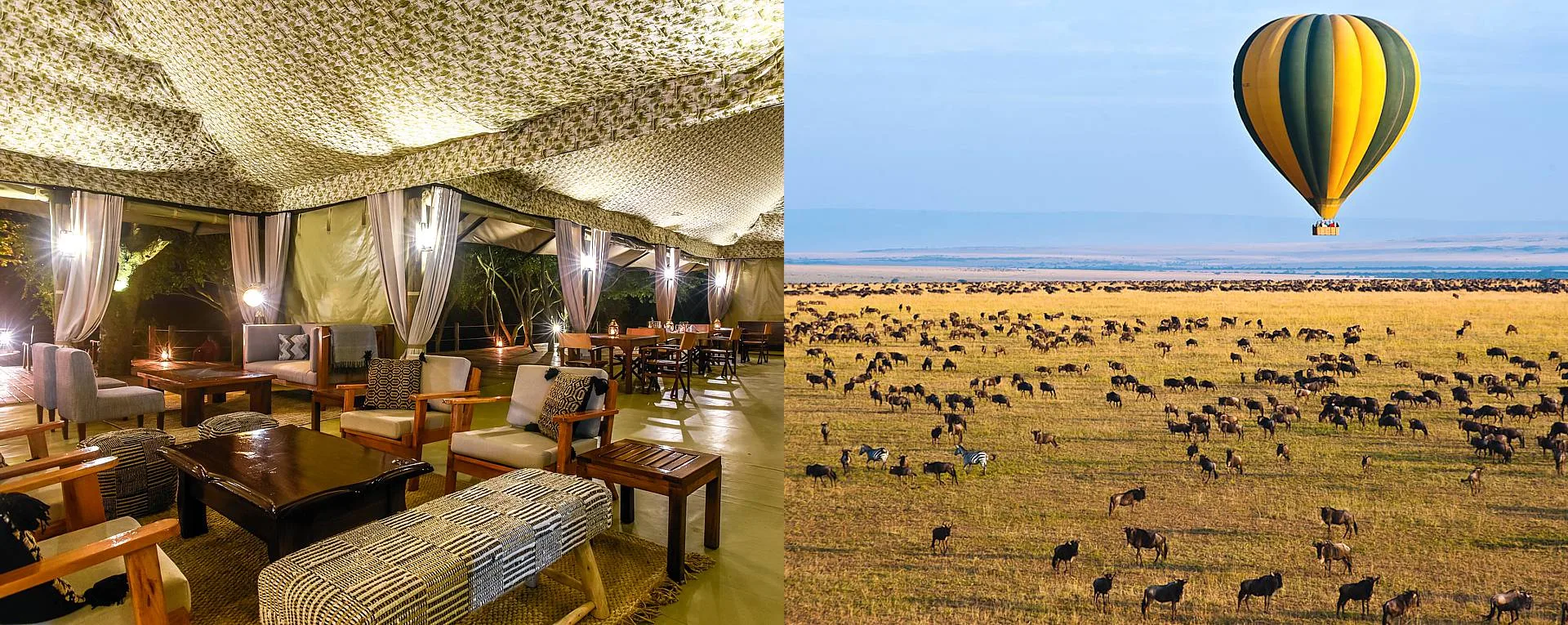
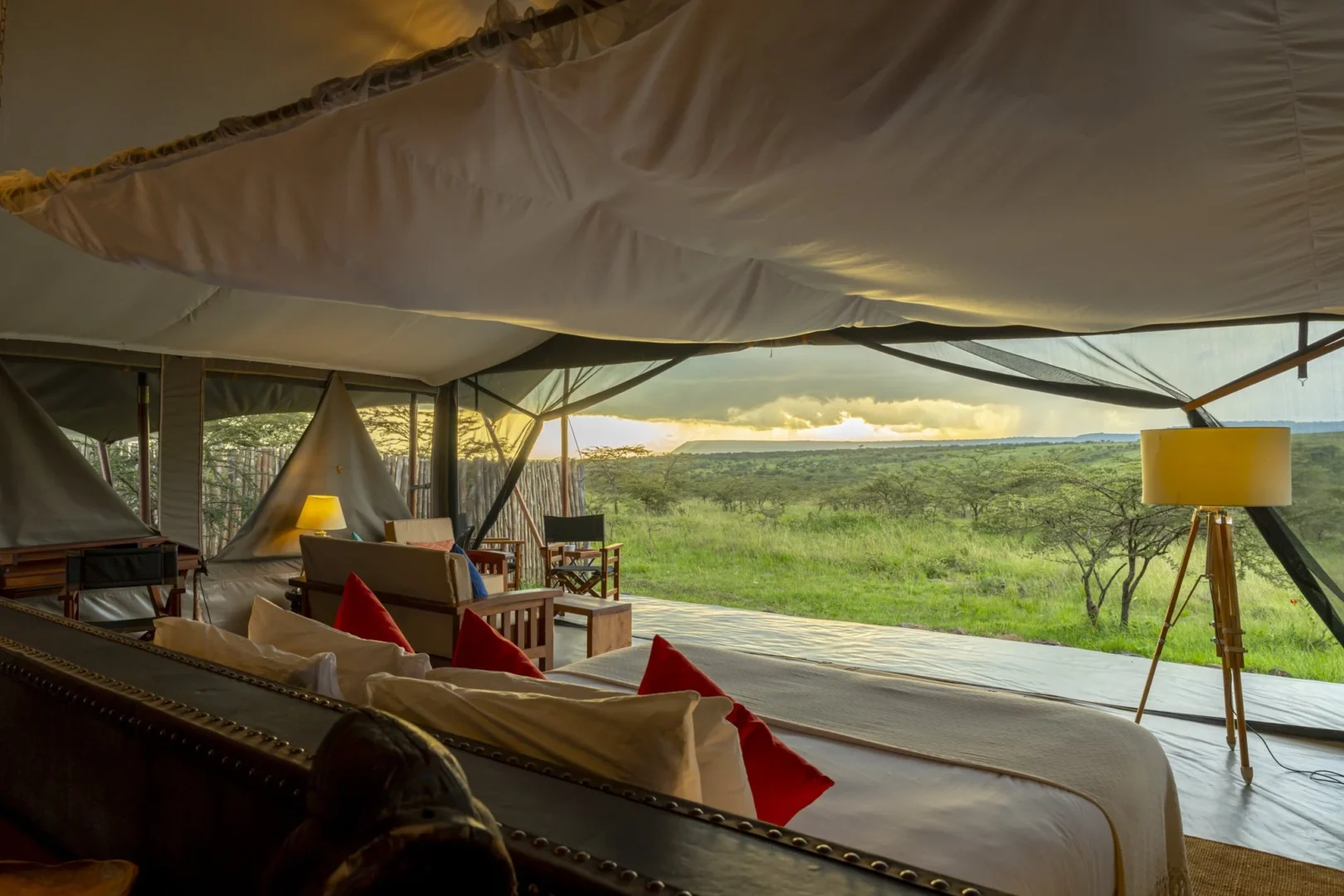
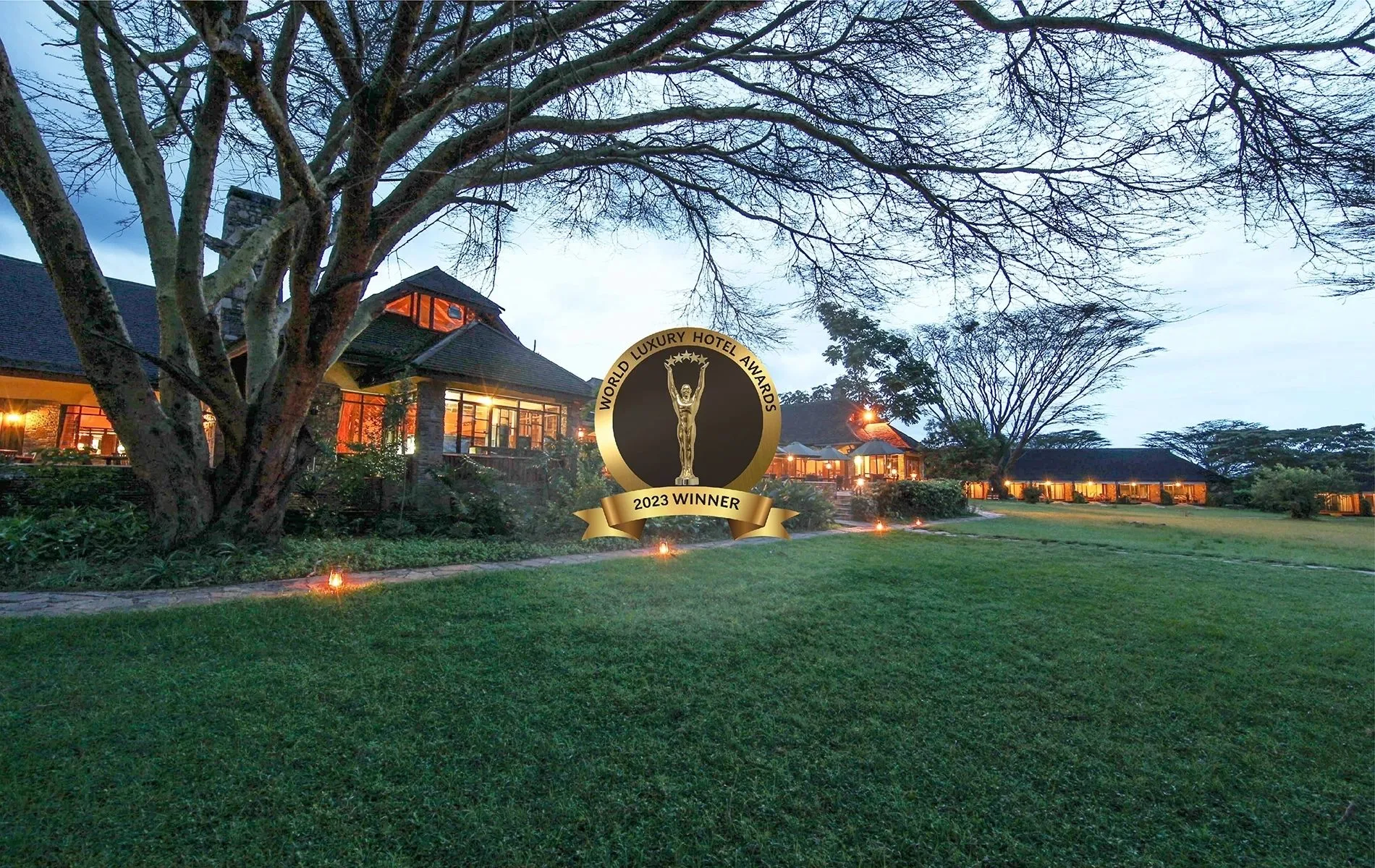
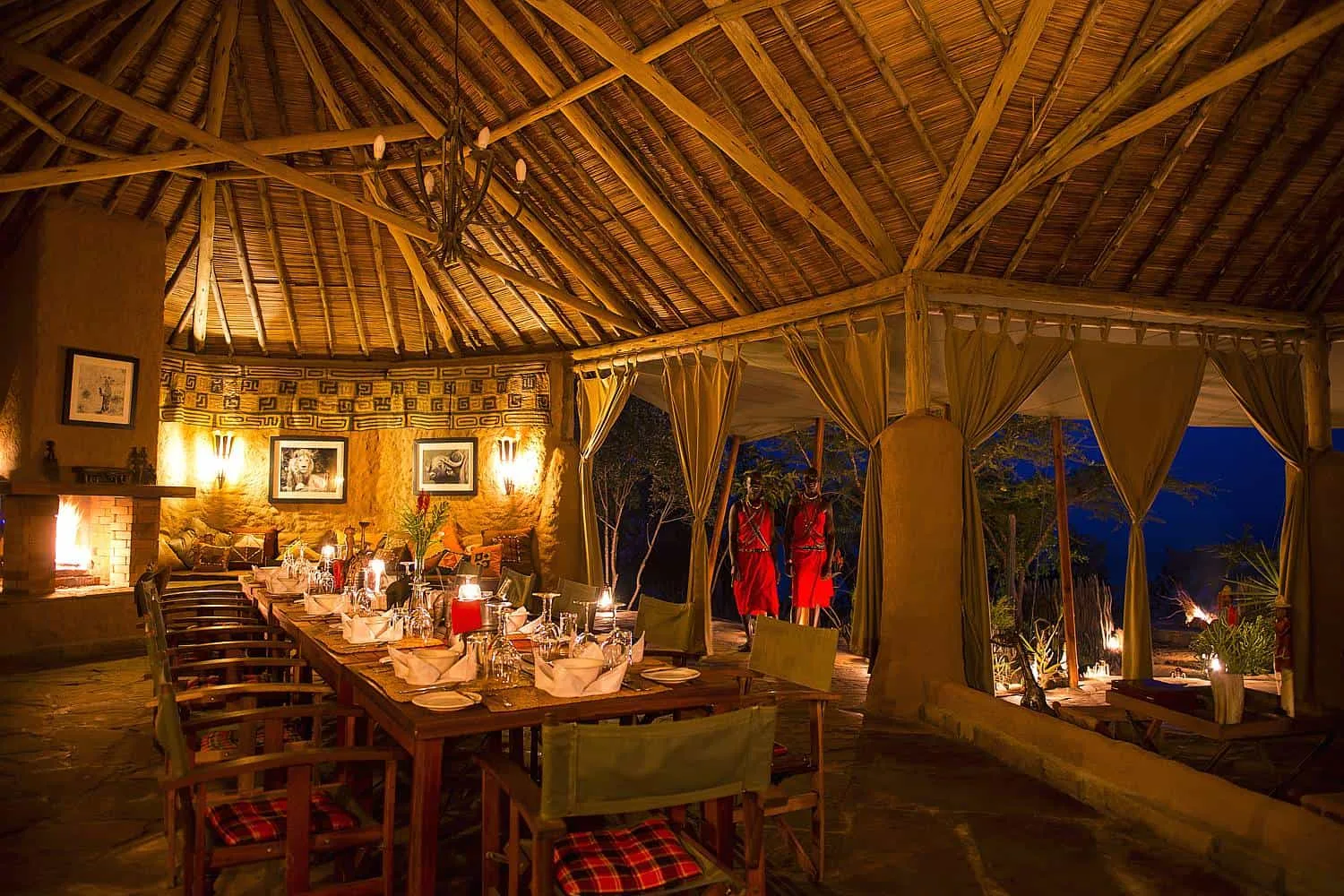
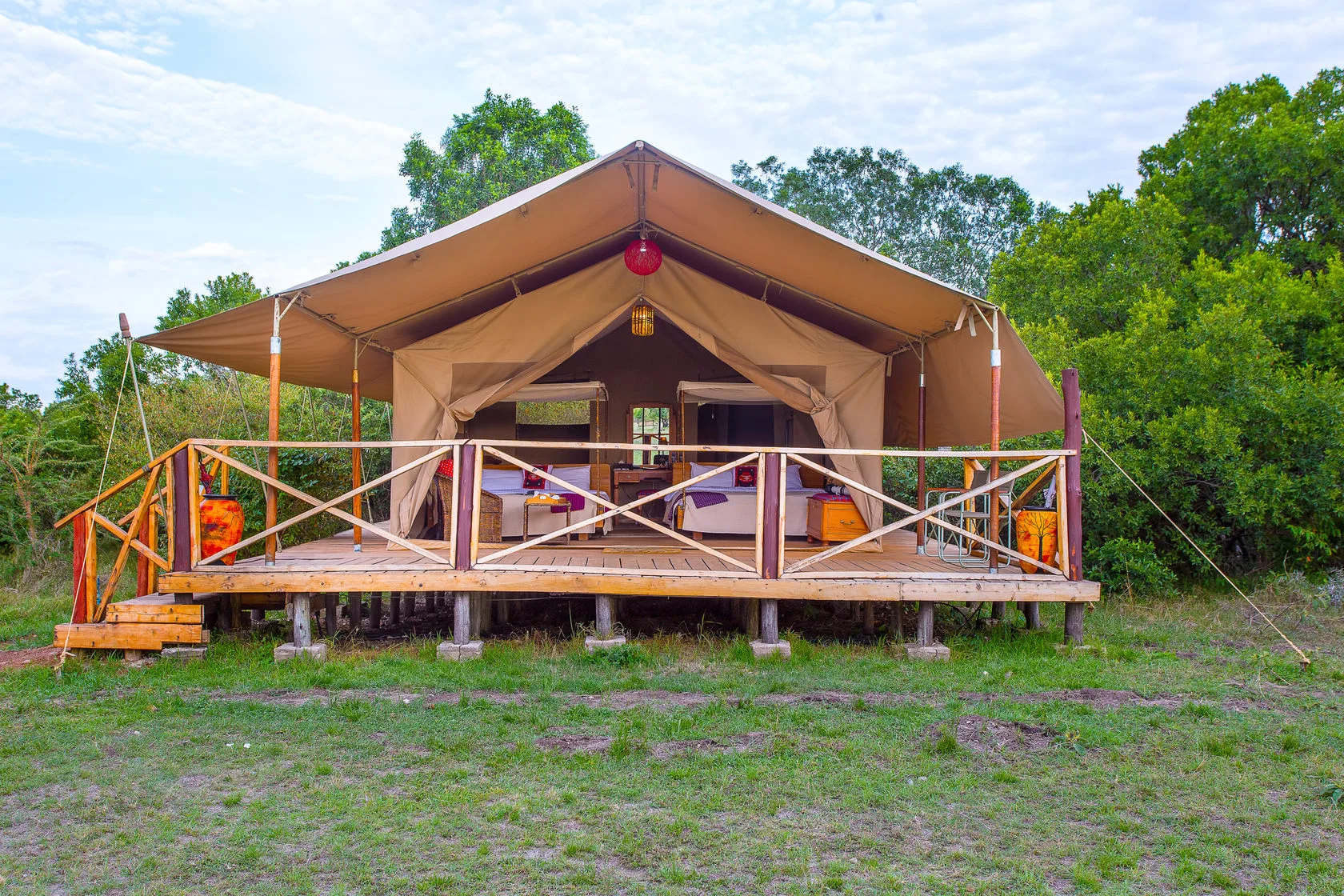
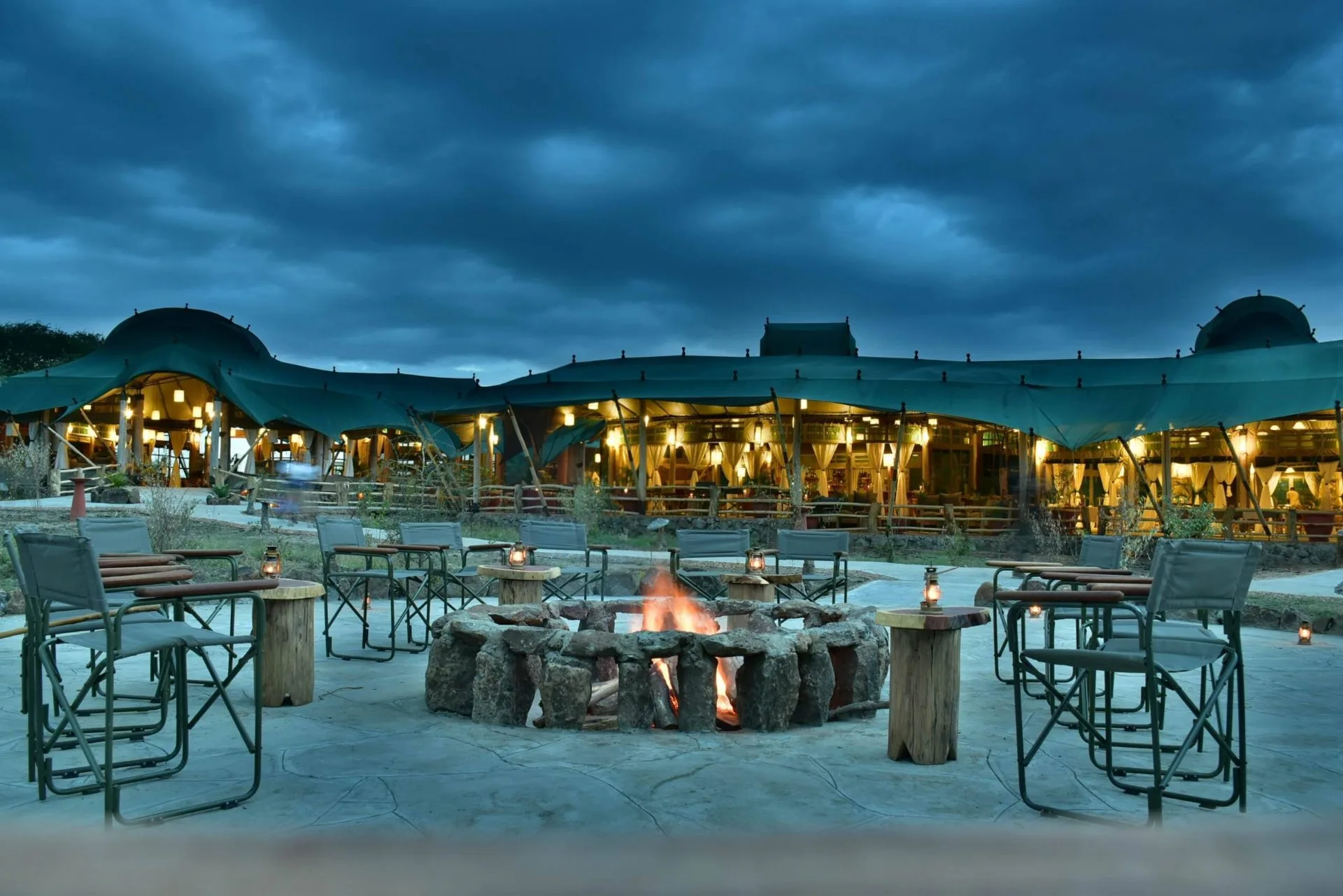
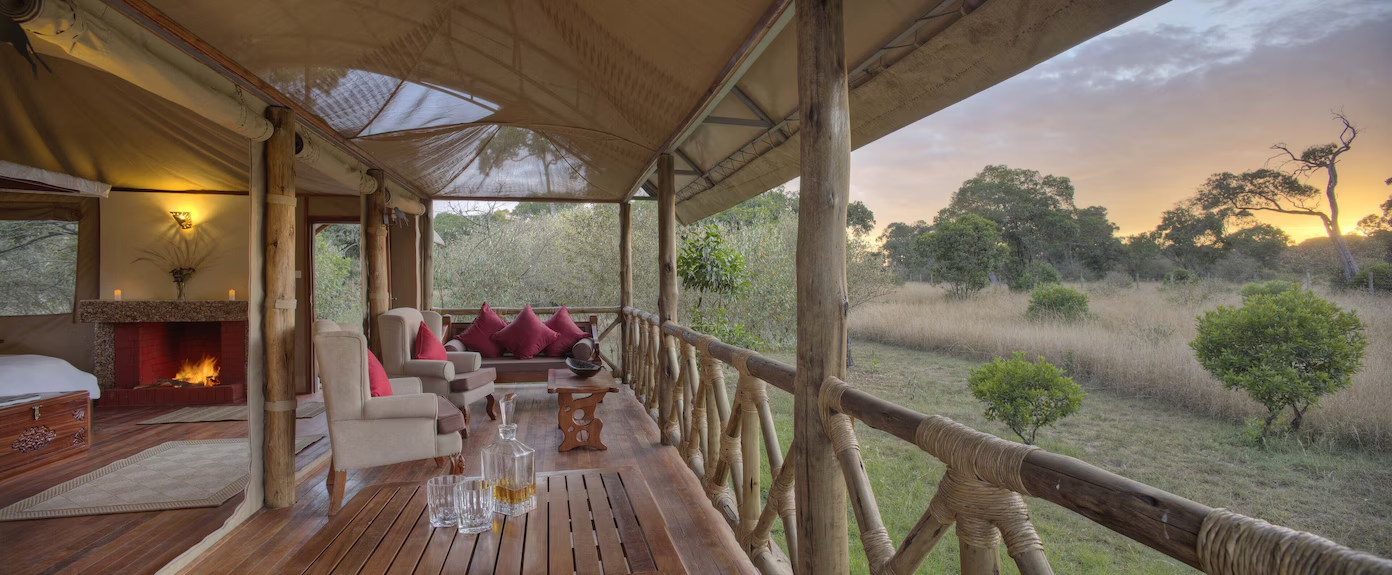
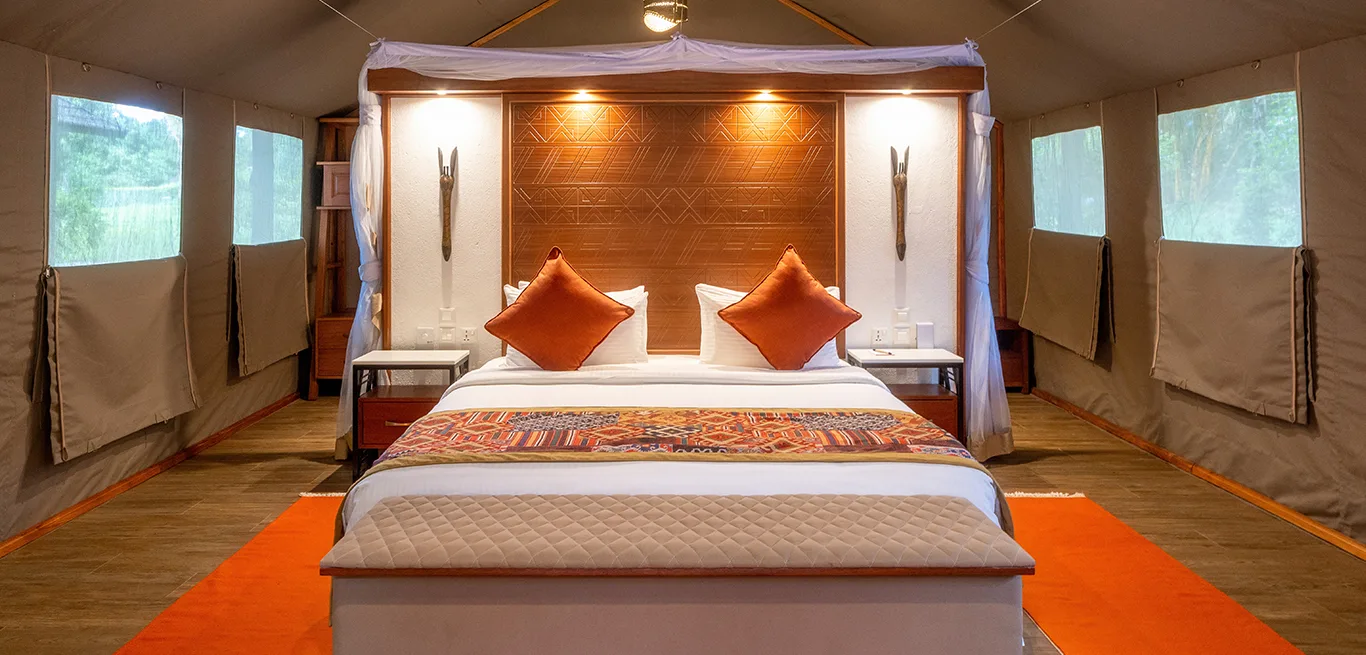
-
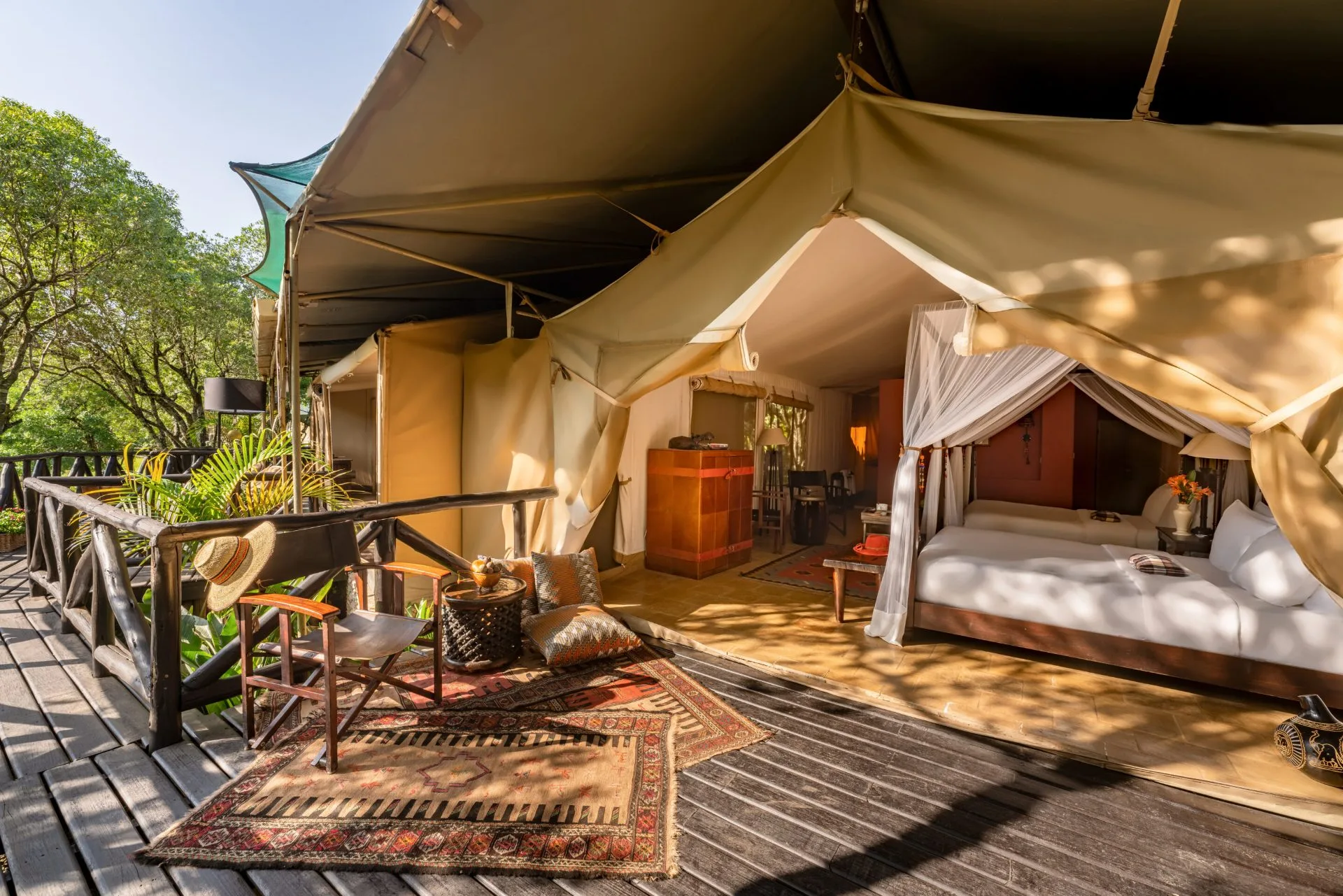
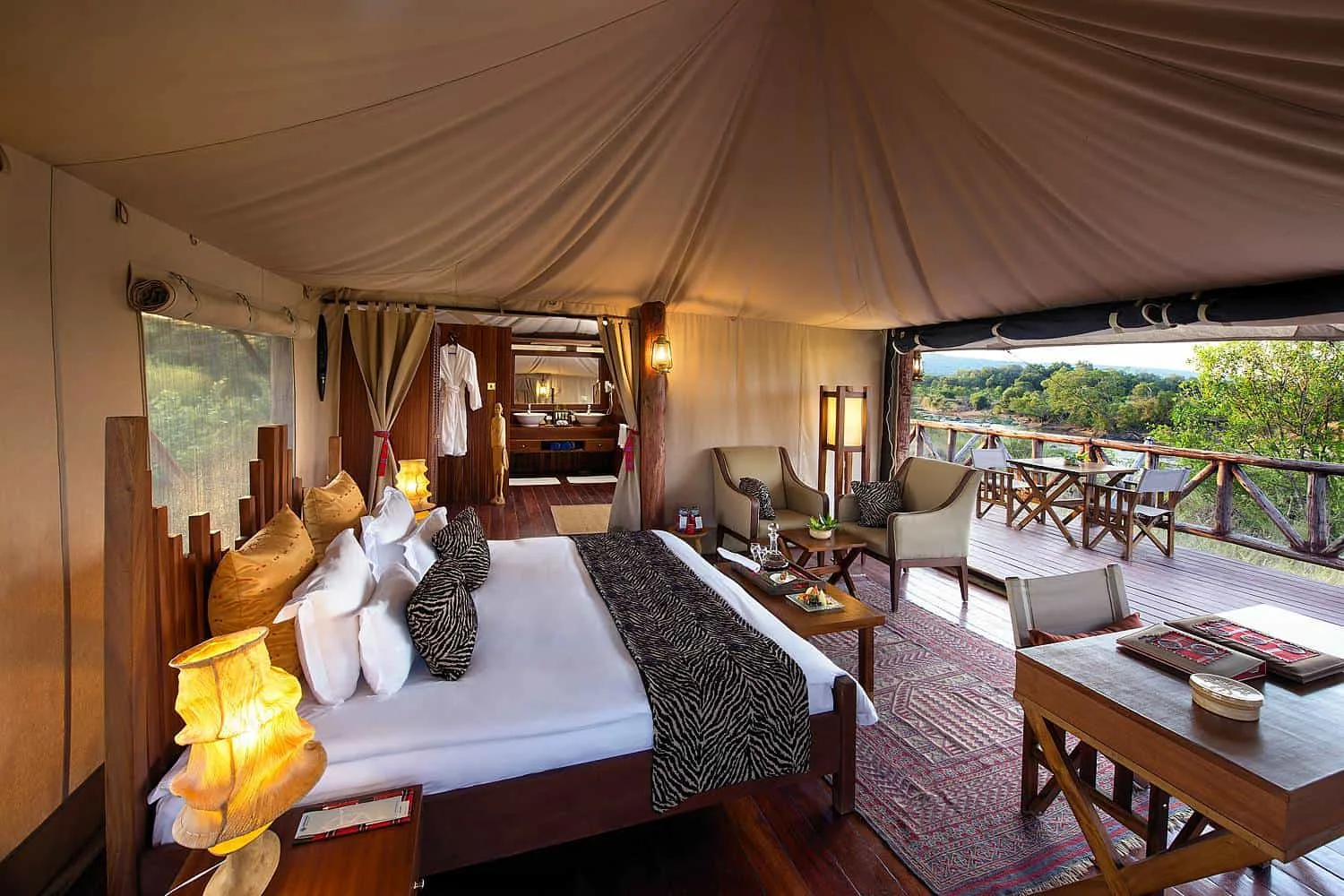
Signature (High-end)
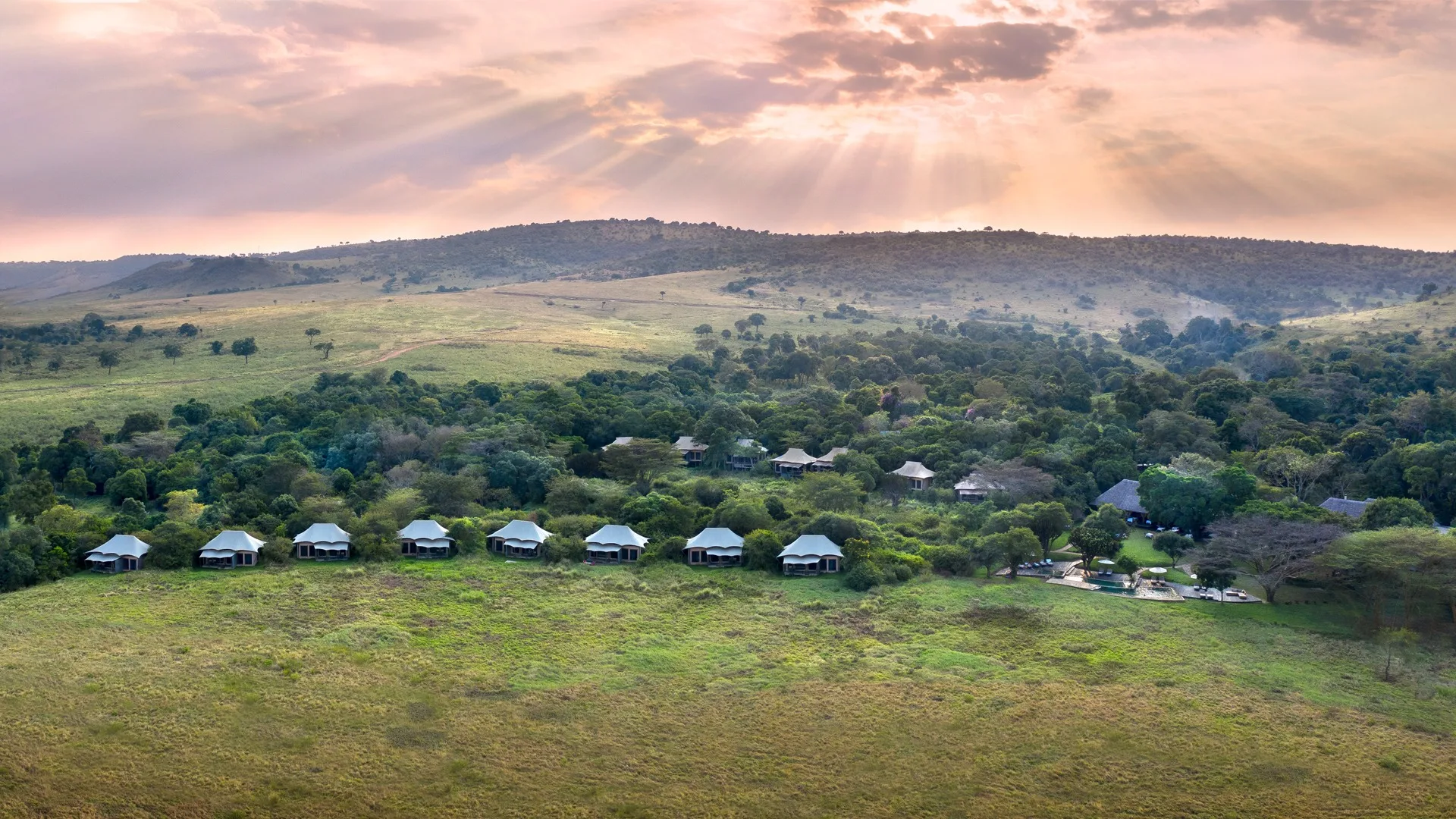
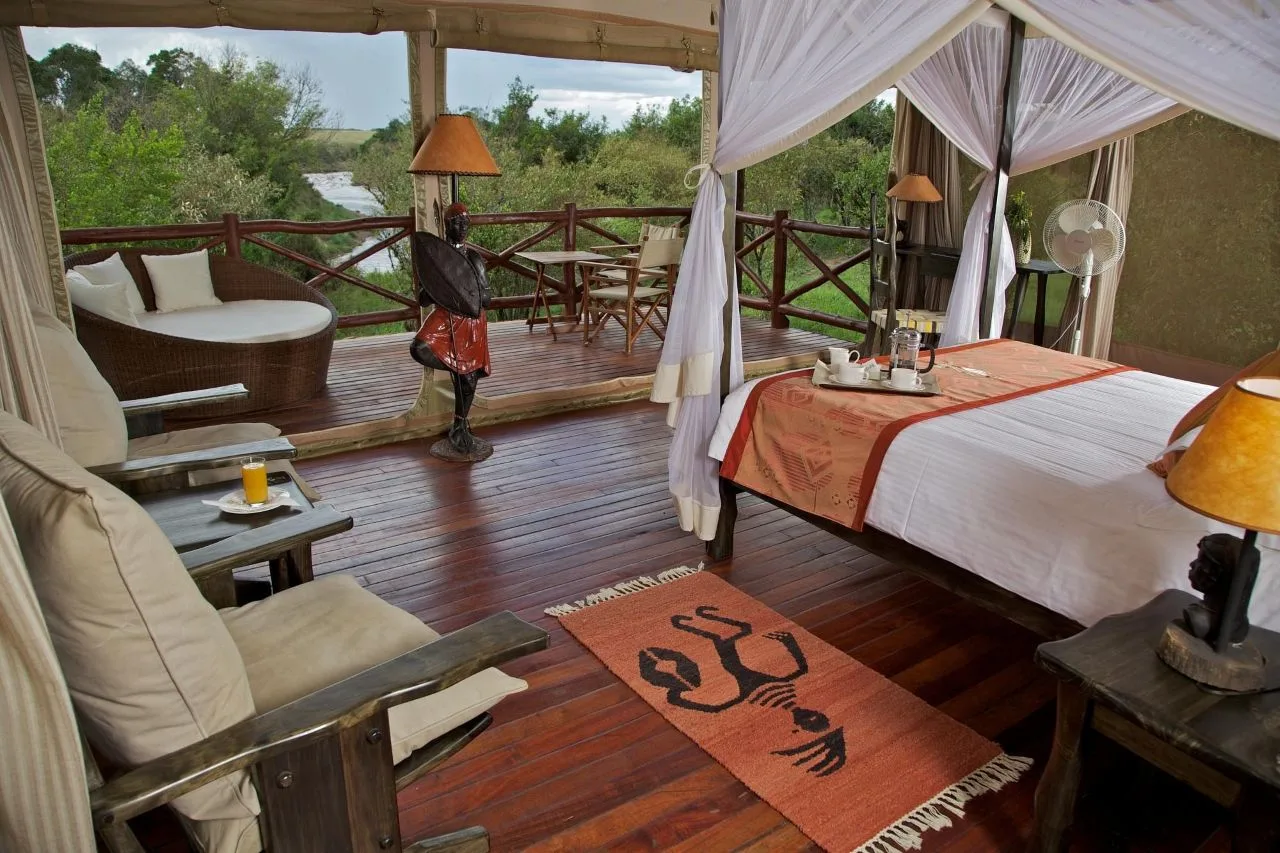
-
Day 2: Nairobi to Amboseli National Park - Main destination
- Masai Mara National Reserve
- Meals
- Breakfast, Lunch, Dinner
After breakfast, meet your driver-guide and begin the journey south toward Amboseli National Park. Leaving Nairobi, the road gradually enters more open countryside, and the drive itself provides an introduction to Kenya beyond the capital, passing towns, farms and increasingly dry landscapes. Amboseli lies close to the Tanzanian border beneath Mount Kilimanjaro. The mountain is actually located in Tanzania, but some of its most famous views are experienced from the Kenyan side.
Arrive in the Amboseli region and proceed to your selected budget lodge or tented camp. Depending on arrival time, have lunch and rest briefly, then enter the park for an afternoon game drive. Your first sight of Amboseli can immediately explain why it is one of Kenya's most photographed destinations, as the park's open plains create excellent visibility.
Elephants are especially prominent. Amboseli has been the location of extensive long-term elephant research, and its elephant families are among the most studied in Africa. You may encounter large breeding herds, calves walking close to their mothers or solitary bulls crossing the plains. Other wildlife may include: African buffaloes, Plains zebras, Wildebeest, Masai giraffes, Impalas, Grant's gazelles, Thomson's gazelles, Warthogs, Hippos, Spotted hyenas, Lions, Jackals.
If the sky is clear, Mount Kilimanjaro can provide an extraordinary backdrop, although mountain views are never guaranteed. Return to your accommodation for dinner and overnight.
Where you stay
-
Day 3: Full-Day Amboseli Budget Safari - Main destination
- Masai Mara National Reserve
- Meals
- Breakfast, Lunch, Dinner
Wake early for another opportunity to explore Amboseli. Morning is particularly important because Kilimanjaro is often more visible before cloud builds around the mountain, and the cooler temperatures also mean many animals remain active. Your guide will search open plains, wetlands and woodland areas.
Amboseli's marshes are especially productive. Water originating from the Kilimanjaro ecosystem feeds permanent or semi-permanent wetlands that attract wildlife even during dry conditions. Elephants frequently enter these marshes to feed, buffaloes may gather nearby and hippos remain in deeper water. Birdlife can be exceptional, and depending on the season and habitat, you may see: African fish eagles, Herons, Egrets, Pelicans, Kingfishers, Secretary birds, Bustards, Storks, Raptors, Weavers, Ostriches.
You may also visit Observation Hill, which provides elevated views across parts of the Amboseli ecosystem. For budget travelers, a full day in the park represents excellent value because you maximize wildlife-viewing time after already paying the relevant park entry costs. Depending on the operational plan, you may carry a packed lunch and remain inside the park or divide the day into morning and afternoon game drives. Return to your camp or lodge for dinner.
Moving North Through Kenya
Where you stay
-
Day 4: Amboseli to Nairobi or Central Kenya - Main destination
- Masai Mara National Reserve
- Meals
- Breakfast, Lunch, Dinner
After breakfast, leave the Amboseli region. Depending on your schedule, there may be time for a final early game drive before departure. Today is primarily a transfer day, and the journey back toward Nairobi and central Kenya creates a logical break between southern Kenya and the northern safari circuit.
Budget safaris frequently use road transport because domestic flights would increase the package price significantly. Although transfer days are longer, they also allow you to see parts of Kenya that travelers flying between reserves never experience, passing through changing rural landscapes, towns and agricultural areas. Depending on the final route, overnight in Nairobi or continue toward a convenient central Kenya location. Accommodation tonight can be relatively simple because the primary purpose of the stop is to break the journey. Enjoy dinner and prepare for the next stage.
Samburu National Reserve
Where you stay
-
Day 5: Central Kenya to Samburu - Main destination
- Masai Mara National Reserve
- Meals
- Breakfast, Lunch, Dinner
After breakfast, continue north toward Samburu National Reserve. The transition is fascinating: central Kenya's greener highlands gradually give way to the warmer, semi-arid landscapes of the north, mountains and rugged hills appear in the distance, vegetation becomes more sparse and the environment feels increasingly remote.
Eventually, you reach the Samburu ecosystem. The Ewaso Nyiro River is the ecological heart of this region, and its riverine vegetation provides food, water and shade for wildlife in an otherwise dry environment. Check into your affordable lodge or tented camp, and after lunch and a short rest, begin an afternoon game drive.
Samburu provides opportunities to see wildlife that you are unlikely to encounter in Amboseli. The reserve is famous for a group of northern species often called the Samburu Special Five:
Grevy's Zebra
Grevy's zebra is larger than the more familiar plains zebra and has narrower stripes. It is one of Africa's most distinctive equids.
Reticulated Giraffe
This beautiful giraffe is recognized by its striking geometric coat pattern.
Gerenuk
The long-necked gerenuk is famous for standing upright on its hind legs while feeding from bushes.
Beisa Oryx
This elegant antelope is adapted to dry environments.
Somali Ostrich
The Somali ostrich differs from the common ostrich and is another characteristic species of northern Kenya. Elephants are also common, and sightings of any species cannot be guaranteed. Return to your camp after sunset.
Where you stay
-
Day 6: Full-Day Samburu Budget Safari - Main destination
- Masai Mara National Reserve
- Meals
- Breakfast, Lunch, Dinner
Spend a complete day exploring Samburu. Early morning provides excellent wildlife-viewing conditions, as temperatures are cooler and predators may still be active after the night. Search areas close to the Ewaso Nyiro River for elephants, as large herds may arrive to drink and bathe. The interaction between elephants and the river environment can provide some of Samburu's most memorable scenes.
Your guide will also search for lions, leopards and cheetahs. Leopards may use riverine trees and thick vegetation for cover, lions can occur throughout the reserve and cheetahs tend to prefer more open terrain. None of these predators can be guaranteed, but spending a full day substantially improves your opportunities. Birdwatchers will find Samburu particularly rewarding, as dry-country birds mix with species associated with the river, creating impressive diversity.
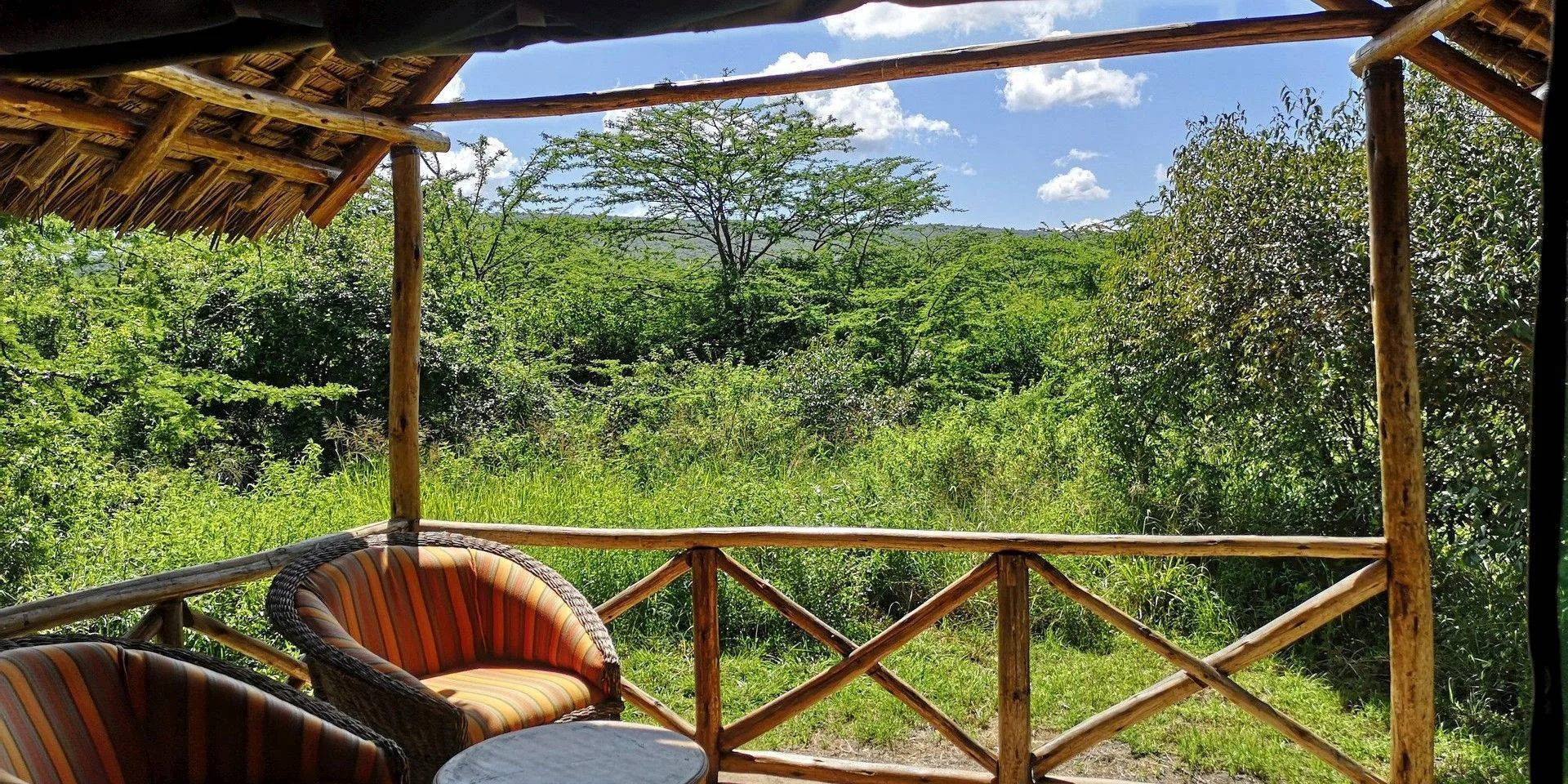
During the hottest part of the day, you can return to camp for lunch and rest. Budget accommodation may have fewer amenities than premium properties, but a shaded terrace or simple lounge provides everything needed between game drives. Return to the reserve in the afternoon, as temperatures fall and wildlife activity increases, and finish the day with sunset over the rugged northern landscape.
Central Kenya and Rhino Country
Where you stay
-
Day 7: Samburu to Central Kenya / Ol Pejeta Region - Main destination
- Masai Mara National Reserve
- Meals
- Breakfast, Lunch, Dinner
After breakfast, leave Samburu and begin traveling south. The route climbs toward Kenya's central highlands. Depending on the final package price and selected itinerary, the safari can incorporate Ol Pejeta Conservancy or use an affordable central Kenya overnight stop. Ol Pejeta is particularly valuable for travelers interested in rhinoceroses and conservation, as the conservancy protects both black and white rhinos and supports numerous other species. If Ol Pejeta is included, enjoy a game drive after arrival. Wildlife may include: White rhinos, Black rhinos, Elephants, Buffaloes, Zebras, Giraffes, Antelopes, Lions, Other predators.
Some conservation experiences may require separate fees, and for travelers working with a strict budget, these can be optional rather than automatically included. Spend the night at an affordable lodge, camp or guesthouse in the region.
Great Rift Valley
Where you stay
-
Day 8: Central Kenya to Lake Nakuru National Park - Main destination
- Masai Mara National Reserve
- Meals
- Breakfast, Lunch, Dinner
After breakfast, travel toward the Great Rift Valley and Lake Nakuru National Park. The Rift Valley is one of East Africa's most important geographical features, and the scenery changes again as you approach escarpments, lakes and volcanic landscapes. Lake Nakuru is one of Kenya's most compact major wildlife parks, which makes it particularly suitable for a budget itinerary because a relatively short game drive can cover several habitats.
Enter the park and begin wildlife viewing. Lake Nakuru is well known for rhinoceros conservation, and both black and white rhinos may be present. White rhinos are often seen grazing in open areas, while black rhinos can be more difficult to locate because they frequently use thicker vegetation, and no sighting can be guaranteed. Other wildlife may include: Buffaloes, Rothschild's giraffes, Zebras, Baboons, Warthogs, Waterbucks, Impalas, Hippos, Leopards, Various antelopes.
The lake supports extensive birdlife. Although Lake Nakuru became internationally famous for huge flamingo concentrations, numbers fluctuate considerably according to water levels and ecological conditions, so travelers should appreciate the park for its overall wildlife diversity rather than expecting a guaranteed mass flamingo spectacle. Overnight at an affordable lodge or camp.
Where you stay
-
Day 9: Lake Nakuru to Lake Naivasha - Main destination
- Masai Mara National Reserve
- Meals
- Breakfast, Lunch, Dinner
Enjoy breakfast before continuing toward Lake Naivasha. The drive is relatively manageable compared with some of the longer transfers earlier in the itinerary. Lake Naivasha is a freshwater lake surrounded by farms, woodland and wildlife areas, and the change from vehicle-based game drives is welcome.
A Lake Naivasha boat safari can be included or offered as an optional activity depending on the package. From the boat, you may encounter hippos resting in the water, and birdlife is abundant. African fish eagles are among the most impressive species, and their distinctive calls are often heard around the lake. Other birds can include: Kingfishers, Cormorants, Pelicans, Herons, Egrets, Geese, Ducks, Raptors.
Additional activities may be available in the surrounding area at extra cost, and budget travelers can choose which experiences provide the greatest value. Spend the afternoon relaxing at your accommodation or exploring according to the confirmed program. This quieter day is useful before the journey to the Masai Mara.
Masai Mara National Reserve
Where you stay
-
Day 10: Lake Naivasha to Masai Mara - Main destination
- Masai Mara National Reserve
- Meals
- Breakfast, Lunch, Dinner
After breakfast, begin the journey toward the Masai Mara National Reserve. For many travelers, this is the most anticipated section of the entire safari. The Masai Mara forms part of the wider Mara–Serengeti ecosystem, and its rolling grasslands, seasonal rivers, woodland areas and enormous concentrations of wildlife have made it one of the world's most famous safari destinations.
Budget travelers normally reach the Mara by road. Although the journey takes several hours, road transport avoids the significant additional cost of domestic flights. Arrive at your selected budget camp or lodge. Accommodation may be located outside the reserve or close to one of the main gates, which can offer substantial savings compared with premium camps deep inside the reserve.
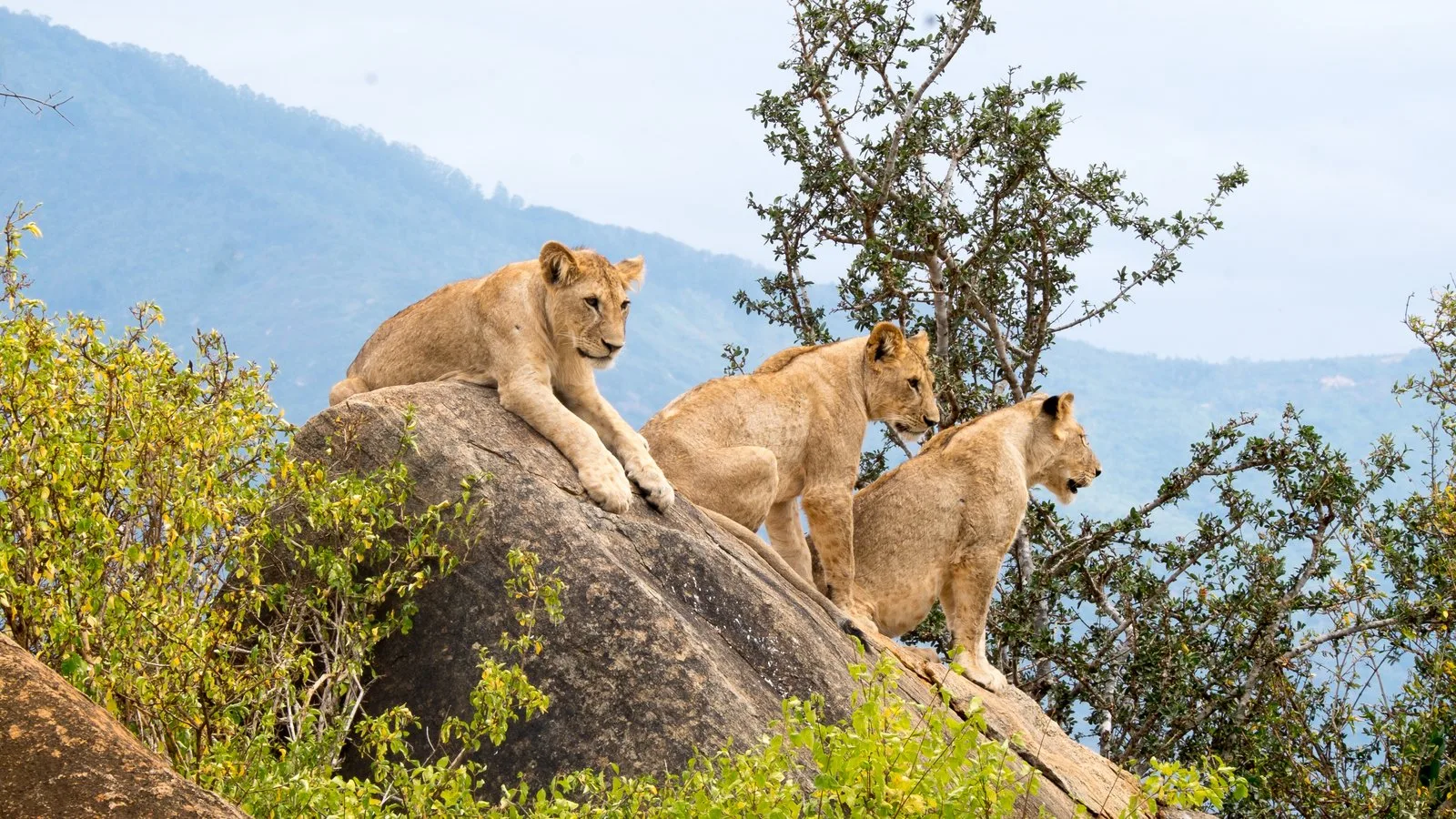
After lunch or check-in, depending on arrival time, begin an afternoon game drive. Wildlife can become abundant almost immediately. Possible sightings include: Lions, Elephants, Buffaloes, Giraffes, Zebras, Wildebeest, Impalas, Topis, Thomson's gazelles, Grant's gazelles, Spotted hyenas, Jackals, Warthogs.
Cheetahs and leopards are also present, although sightings cannot be guaranteed. Return to your camp for dinner.
Where you stay
-
Day 11: Full-Day Masai Mara Safari - Main destination
- Masai Mara National Reserve
- Meals
- Breakfast, Lunch, Dinner
Wake early, have breakfast or collect a packed breakfast depending on the program, and enter the Masai Mara for a full day of wildlife viewing. A full-day excursion can be particularly valuable for budget travelers staying outside the reserve, because instead of entering and leaving repeatedly, you maximize your time inside the wildlife area. The Masai Mara is particularly famous for predators.
Lions
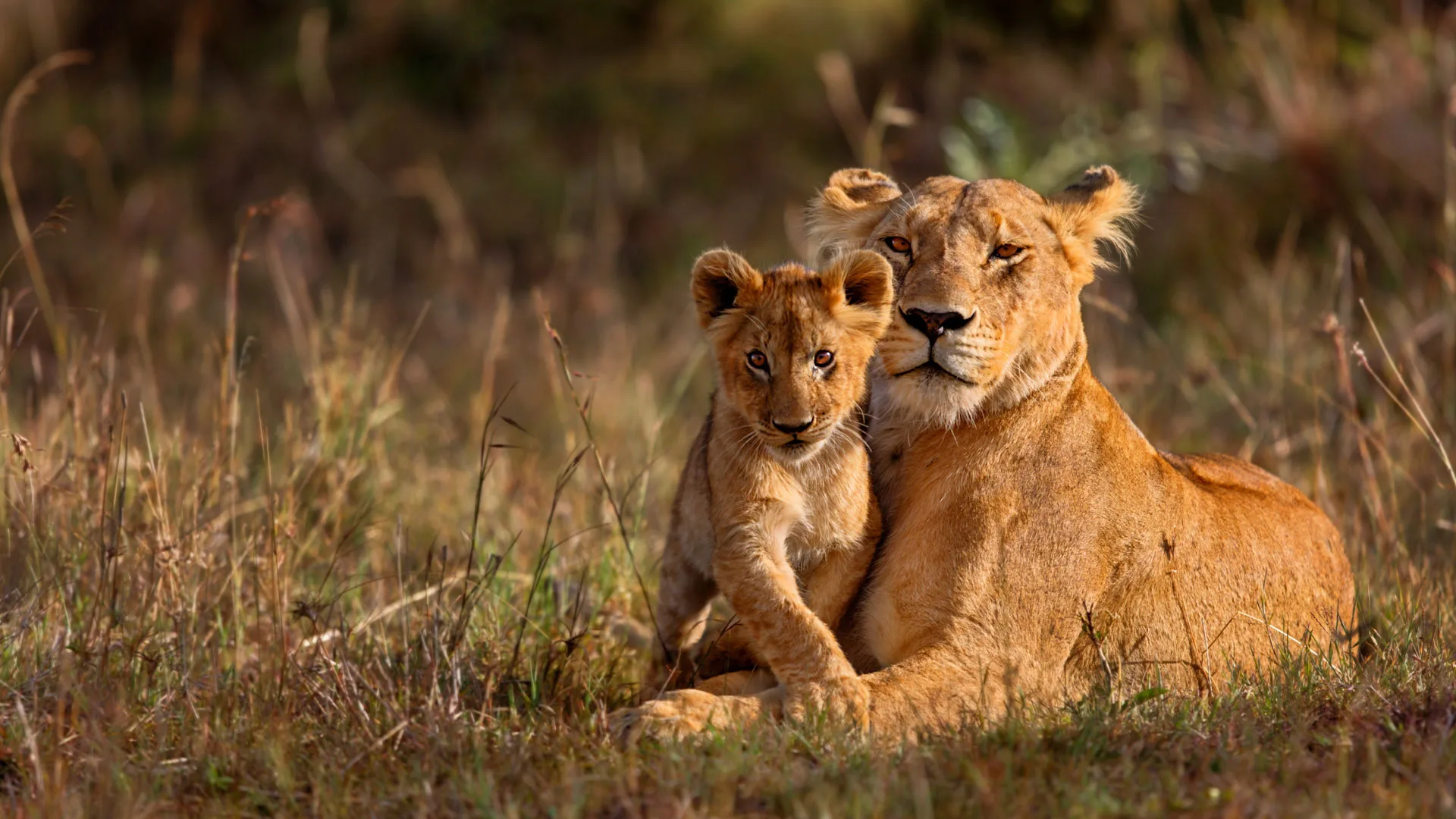
Several lion prides occupy territories throughout the ecosystem. Depending on luck and wildlife movement, you may see lions resting, feeding, interacting with cubs or moving through the grasslands.
Cheetahs
The open plains provide excellent cheetah habitat, and these fast predators rely heavily on visibility when searching for prey.
Leopards
Leopards are more secretive, so your guide may search riverine woodland and areas with suitable trees.
Spotted Hyenas
Hyenas are common and play a crucial role in the ecosystem as both hunters and scavengers.
The day is not solely about predators. Large herds of herbivores create the ecological foundation of the Mara, with elephants moving across the plains, giraffes feeding among acacias and buffaloes gathering in large groups. Stop for a picnic lunch at an appropriate designated area, then continue exploring in the afternoon before returning to camp.
Where you stay
-
Day 12: Second Full Day in the Masai Mara - Main destination
- Masai Mara National Reserve
- Meals
- Breakfast, Lunch, Dinner
A second complete day is one of the strongest features of this 14 Days Budget Kenya Safari. Many inexpensive Kenya itineraries give travelers only one full day in the Mara, and adding another day substantially improves the experience. Wildlife moves constantly: a section that seemed quiet yesterday may contain lions today, a leopard may appear near a river, a cheetah may move into open grassland and elephants may gather around a water source. The additional time allows your guide to explore different sections rather than repeating the same short circuit.
Great Migration on a Budget Safari
If you travel during the broader migration period, you may encounter large herds of wildebeest and zebras in the Masai Mara. The migration is not restricted to luxury travelers, and you do not need an expensive lodge to see migrating animals. Once inside the ecosystem, wildlife opportunities depend primarily on location, timing, guiding and natural animal movement.
However, exact herd locations vary, as rainfall and grazing conditions determine movement. River crossings are unpredictable and may occur suddenly after hours or days of waiting, so no ethical safari operator should guarantee a river crossing. Spending several days in the Mara gives you better opportunities than attempting to time one short visit around a predicted crossing.
Optional Masai Cultural Experience
A visit to a local Maasai community may be arranged as an optional activity. This can provide insight into aspects of Maasai traditions, livestock culture, homestead organization and changing contemporary life. Cultural visits should be approached respectfully, and travelers should understand that Maasai communities are living communities rather than tourist exhibits. Ask before photographing individuals and follow the guidance of your host or guide.
Optional Hot-Air Balloon Safari
A hot-air balloon flight can be added, but it is one of the more expensive optional activities. For travelers on a strict budget, it may represent a significant portion of the total safari cost, so it is entirely optional. Those who choose to participate rise before dawn and travel to the launch site, and the balloon lifts above the plains around sunrise, providing broad aerial views, although a flight is never guaranteed. The experience commonly concludes with breakfast. Travelers who prefer to keep costs low can continue with conventional game drives instead.
Where you stay
-
Day 13: Masai Mara to Nairobi - Main destination
- Masai Mara National Reserve
- Meals
- Breakfast, Lunch, Dinner
Enjoy breakfast at camp. Depending on timing and park arrangements, a final short game drive may be possible. Begin the road journey back to Nairobi, which gives you a final opportunity to observe Kenya's changing countryside.
Arrive in Nairobi later in the day and check into your budget hotel. The final overnight provides a comfortable buffer before your international flight. Travelers departing late on Day 13 can sometimes eliminate this night, but this should only be done when flight times make the arrangement practical.
Where you stay
-
Day 14: Nairobi – Departure - Main destination
- Masai Mara National Reserve
- Drive time
- Return transfer as outlined in the itinerary
- Meals
- Breakfast, Lunch
Enjoy breakfast at the hotel. Depending on your flight schedule, spend the morning at leisure, and optional Nairobi activities can be arranged at additional cost. At the appropriate time, transfer to Jomo Kenyatta International Airport.
Your 14 Days Budget Kenya Safari concludes. You leave Kenya having experienced an impressive cross-section of the country's wildlife landscapes without requiring a luxury-level safari budget.
Where you stay
03 Rates
Safari rates 2027-2029
Indicative per person. Season, group size and lodge style change the total — your quotation confirms current rates.
-
Essential (Budget)
Essential (Budget)
Budget camps and lodges suit travelers who prioritize wildlife while keeping costs lower.
Great value camps
-
Comfort (Mid-range)
Comfort (Mid-range)
Mid-range tented camps and lodges balance comfort and price with private rooms or tents and en-suite facilities.
Quoted for your dates
-
Premium (Luxury)
Premium (Luxury)
Luxury camps and lodges focus on location, service and more intimate wildlife experiences.
Premium camps and lodges
-
Signature (High-end)
Signature (High-end)
Signature camps and lodges are the most exclusive stays — small, highly private properties with exceptional guiding and setting.
Exclusive signature stays
04 Activities
Safari activities
Game viewing is the core of this itinerary. Optional extras are quoted separately and depend on season, permits and availability. Individual species and river crossings are never guaranteed.
-
Included
Game drives
Scheduled wildlife drives in a 4x4 safari vehicle with a professional driver-guide.
View activity -

Included
Wildlife photography
Time in the field for landscape and wildlife photography. Sightings are never guaranteed.
View activity -
Optional
Optional extras
Balloon flights, cultural visits and other extras can be added when available and are quoted separately.
Additional information
Plan This Safari
Budget Accommodation: What Should You Expect?
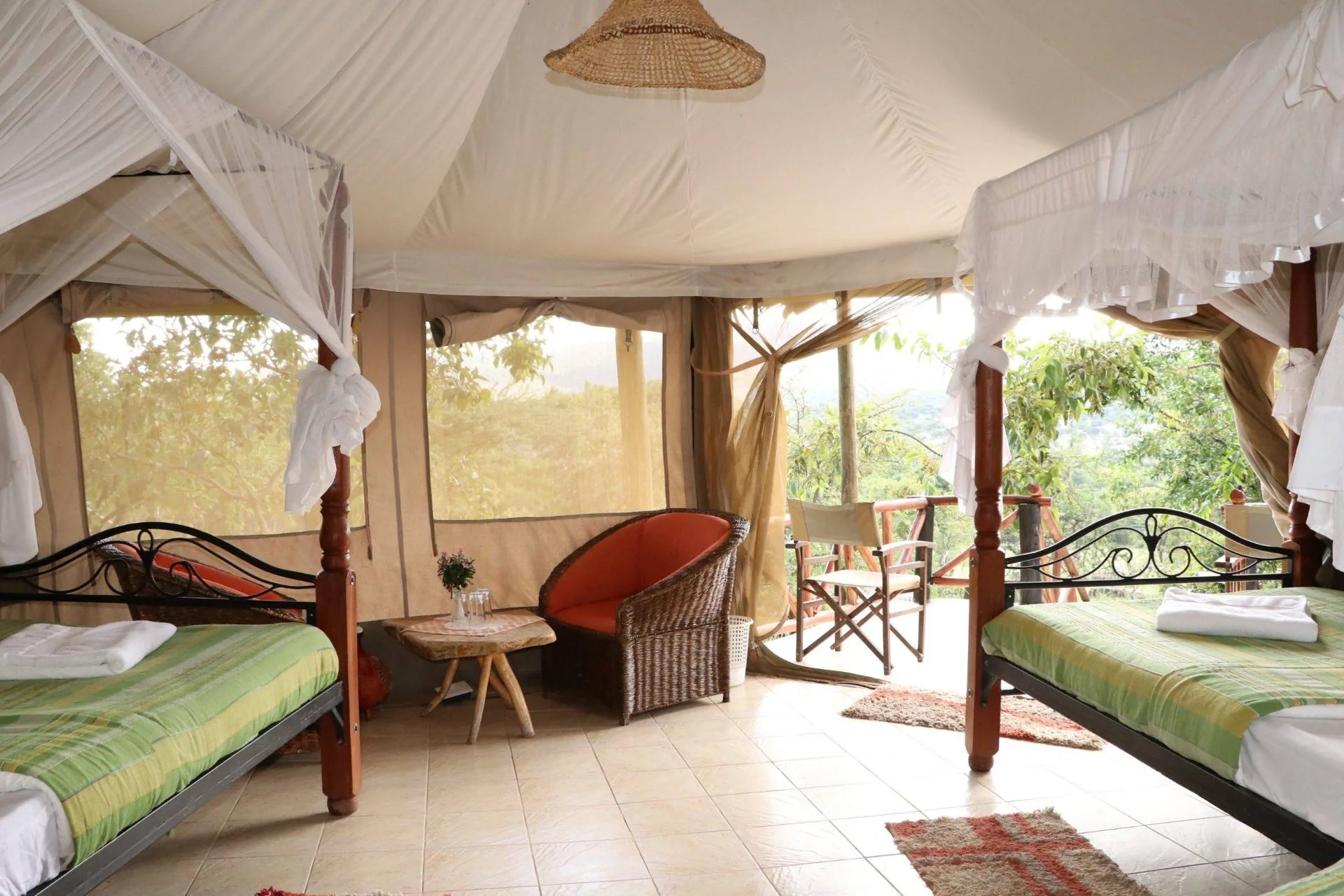
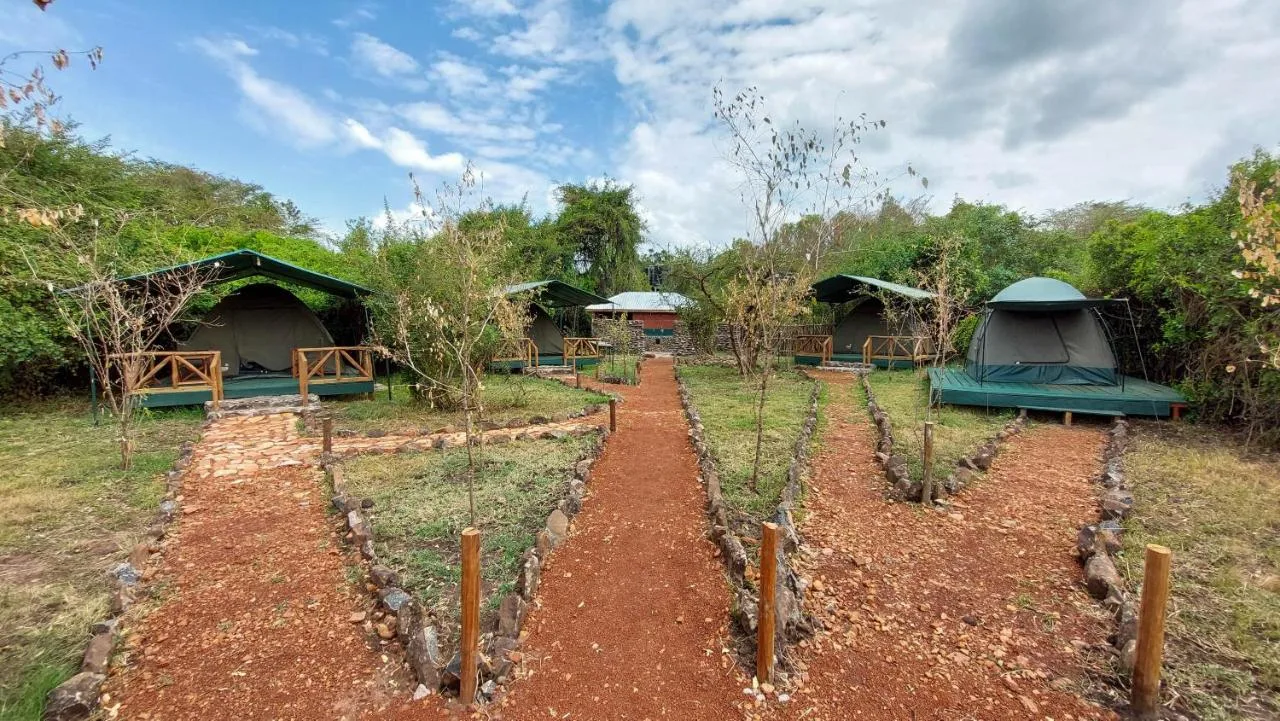
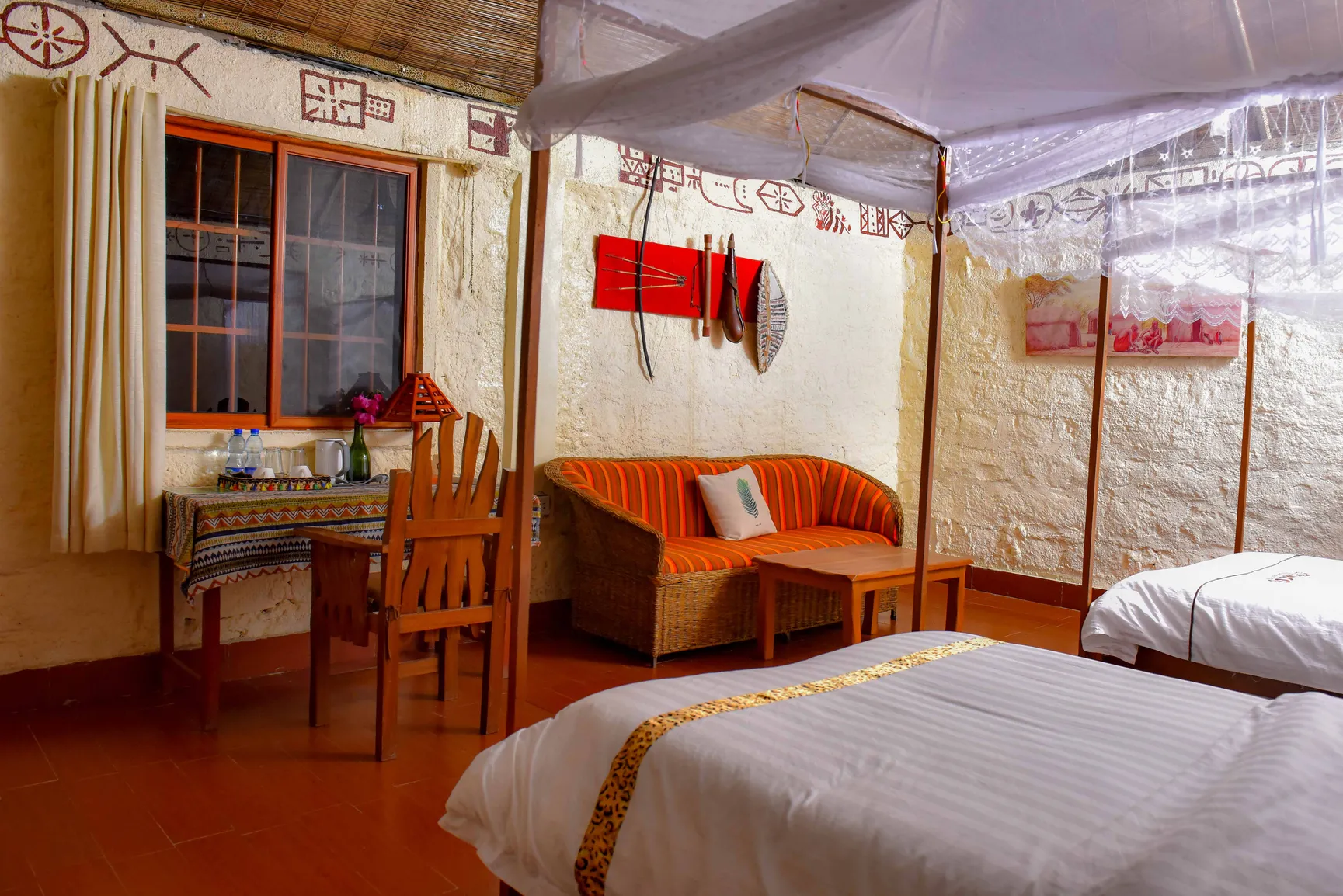
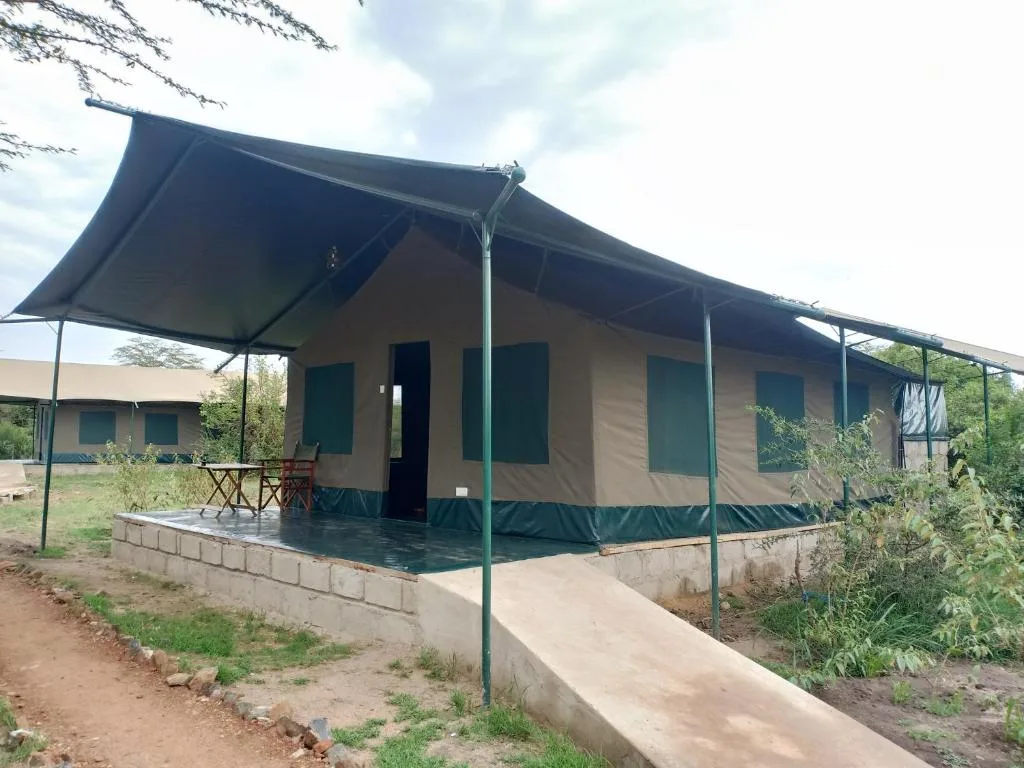
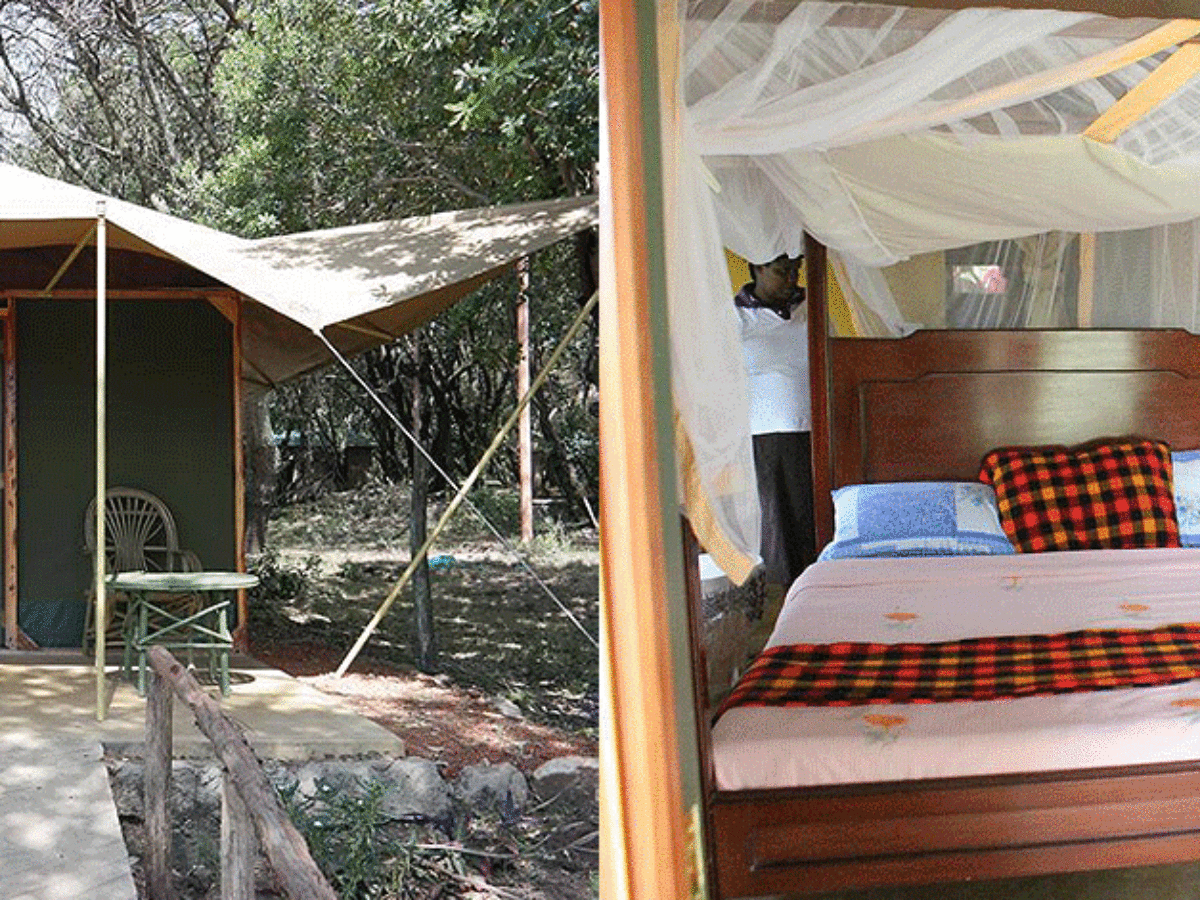
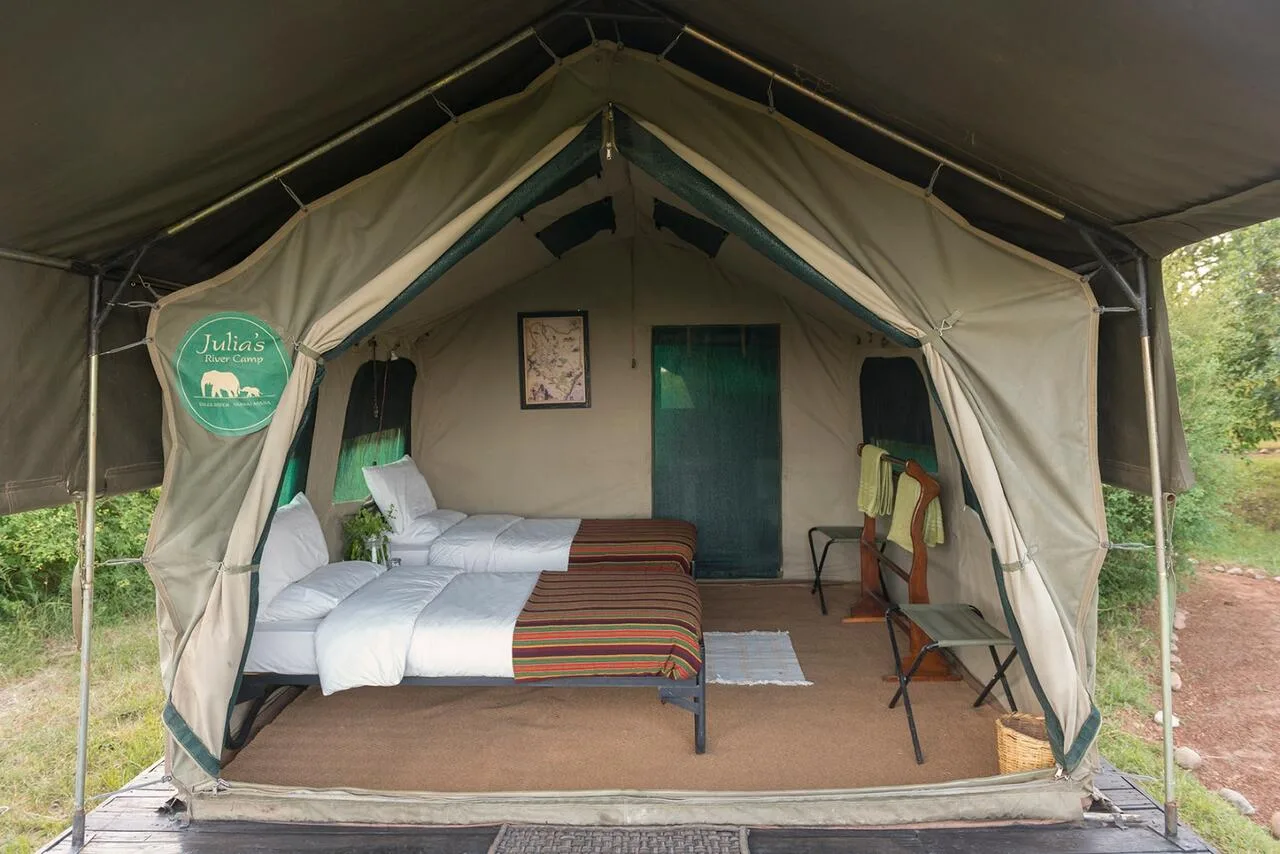
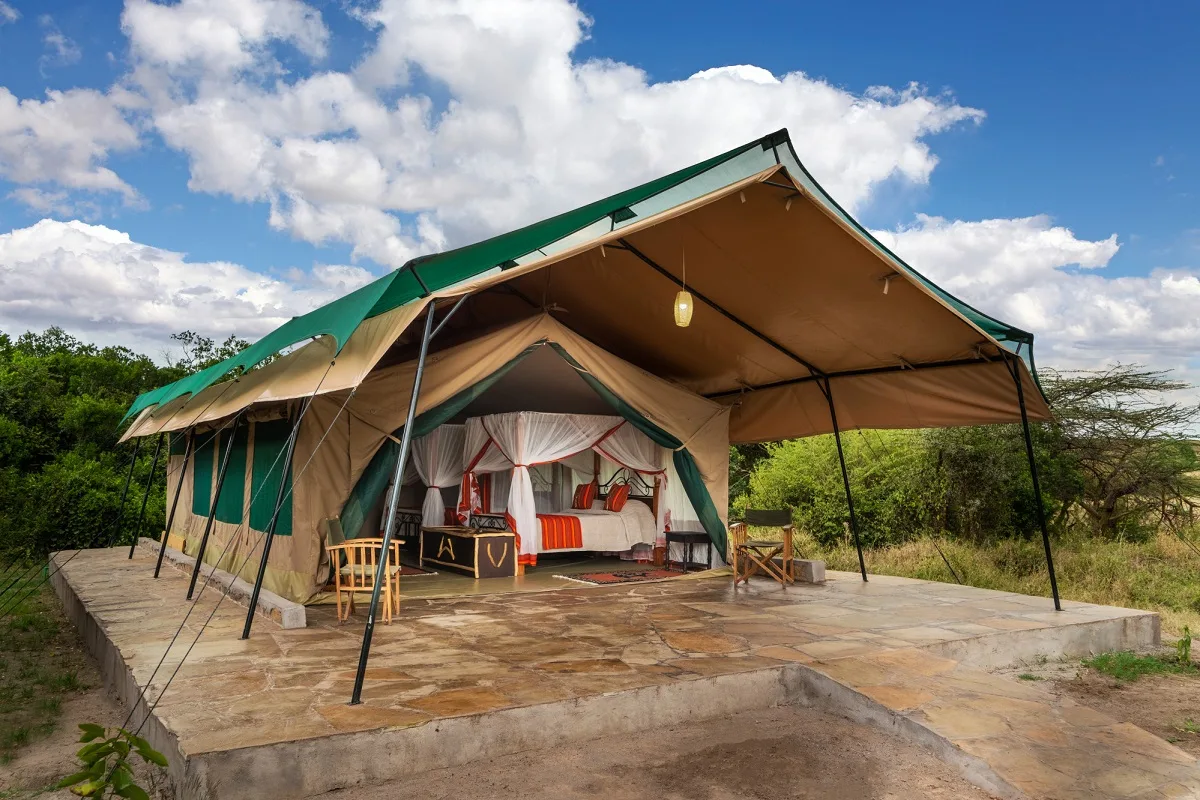
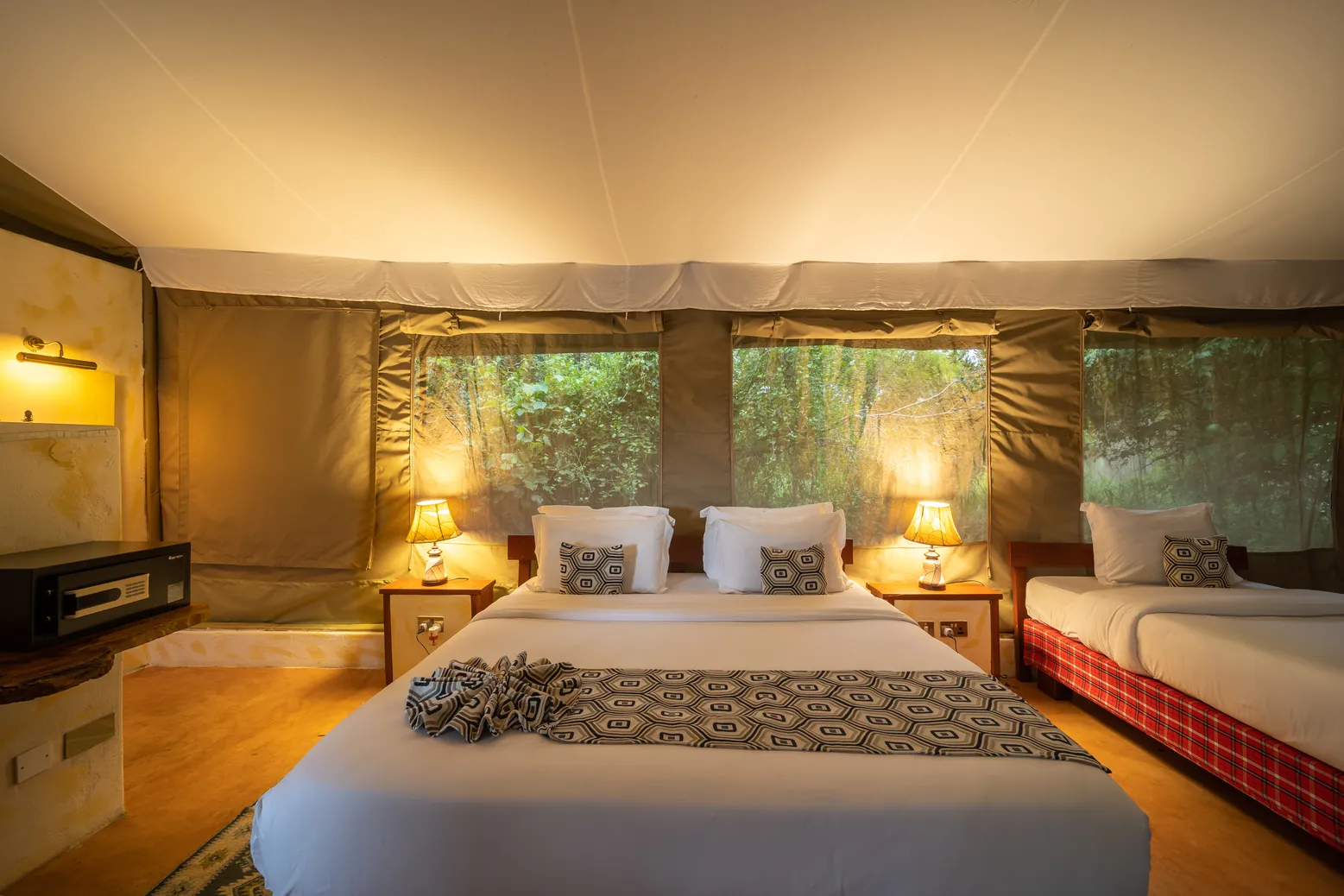
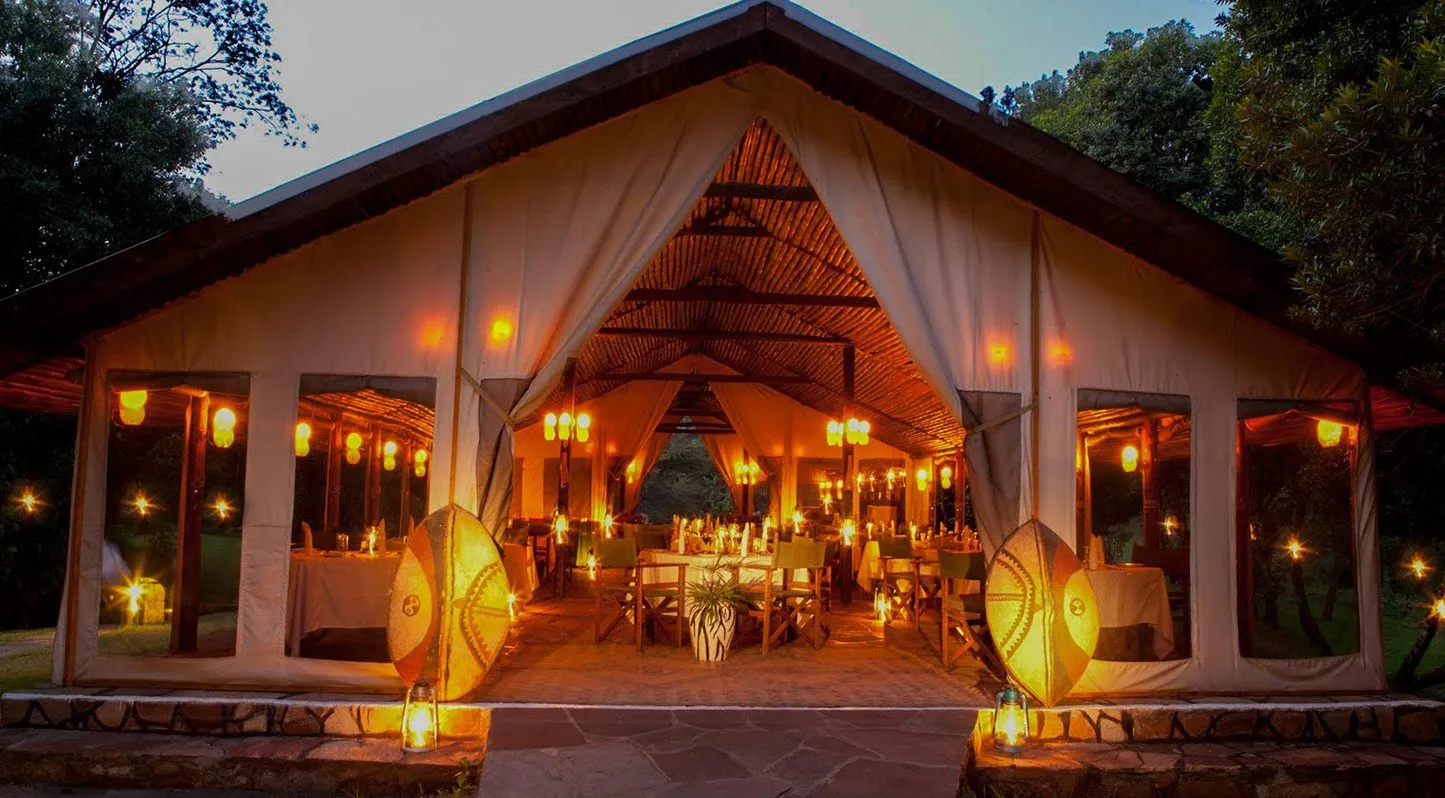
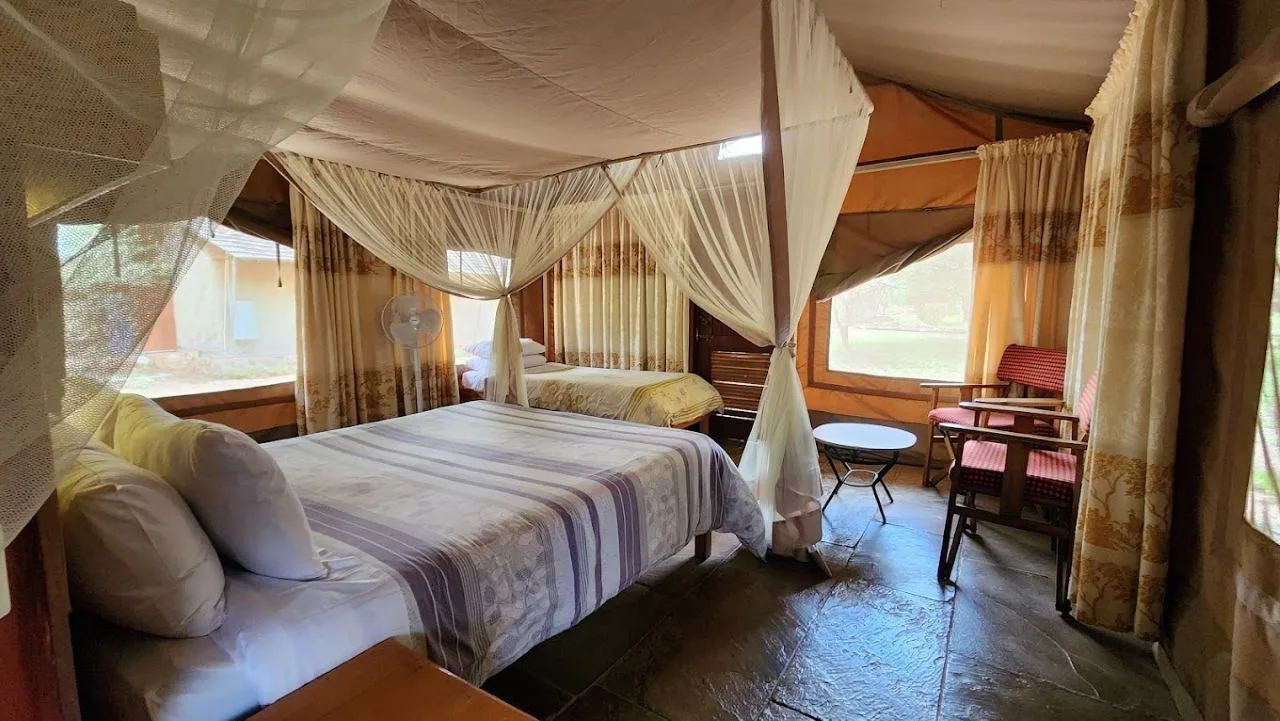
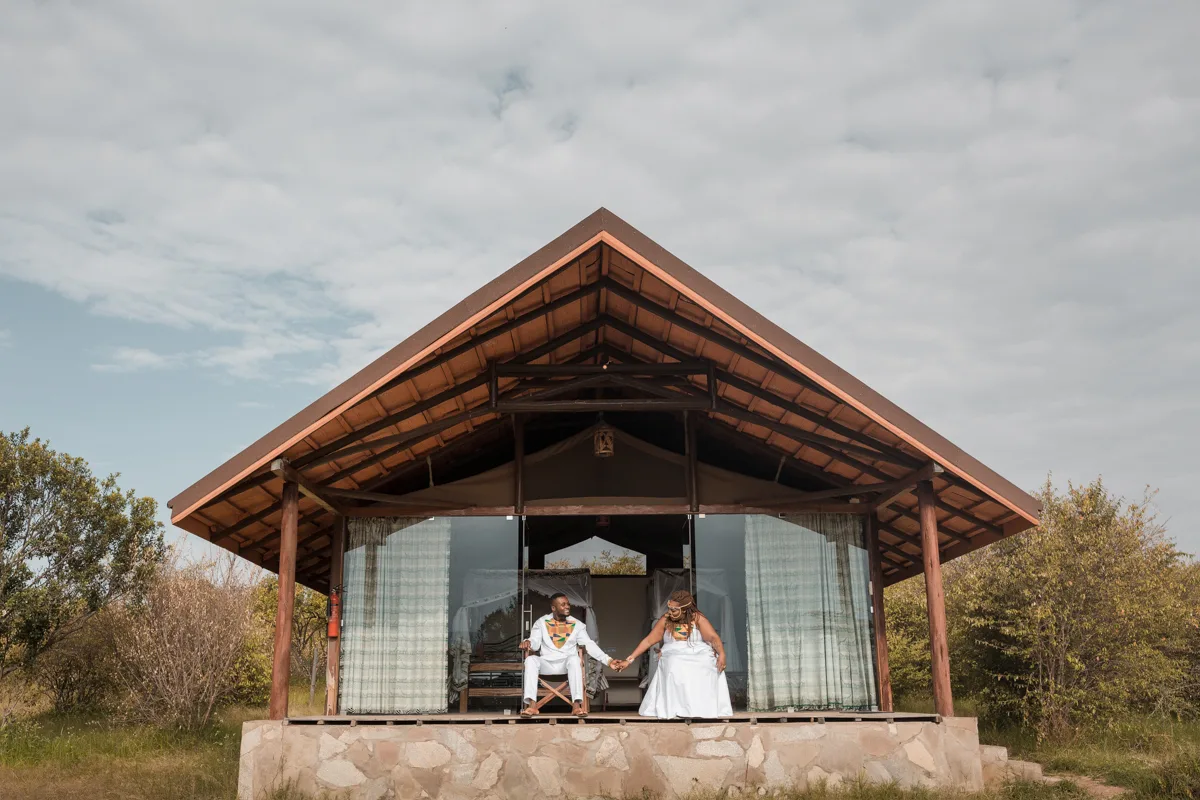
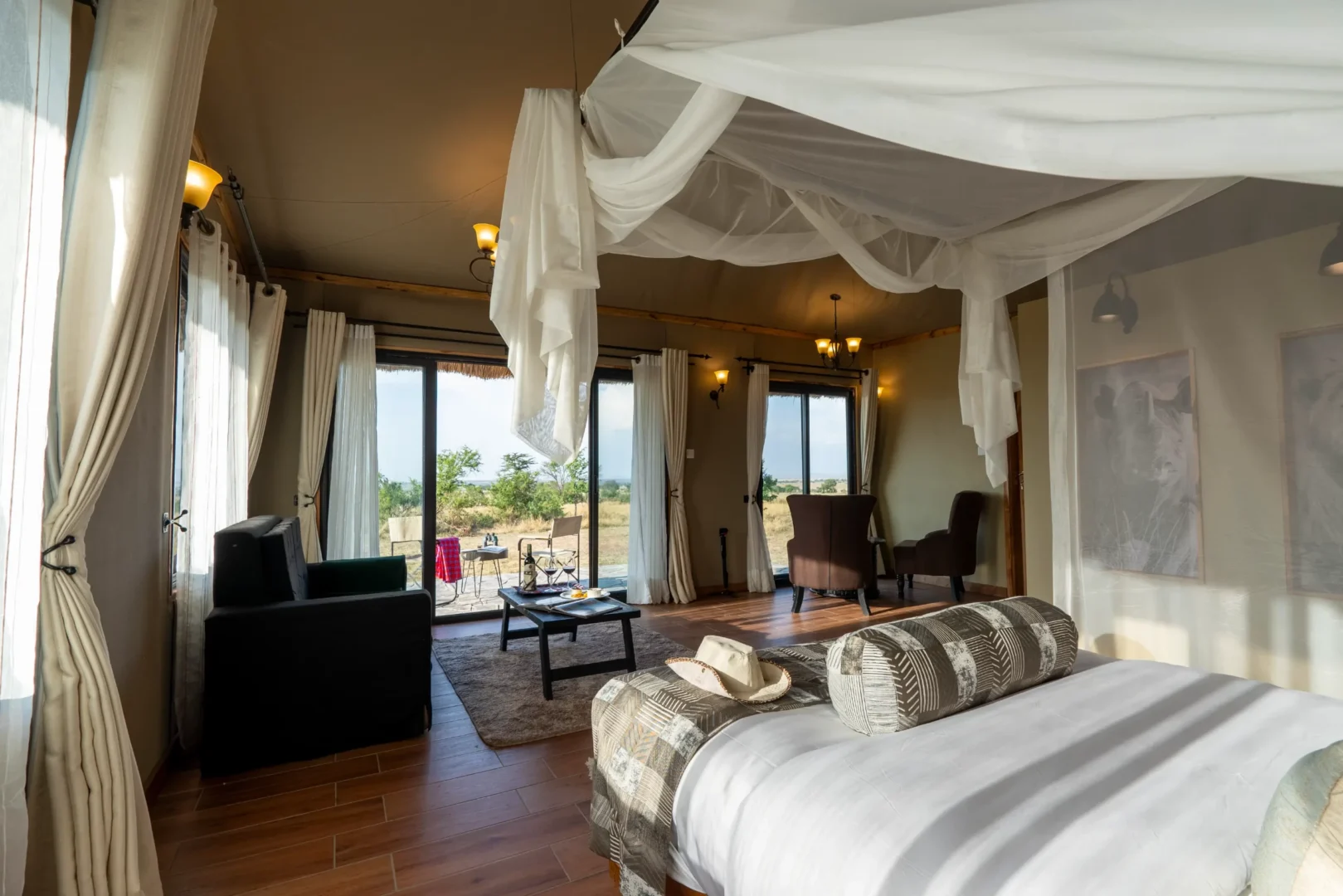
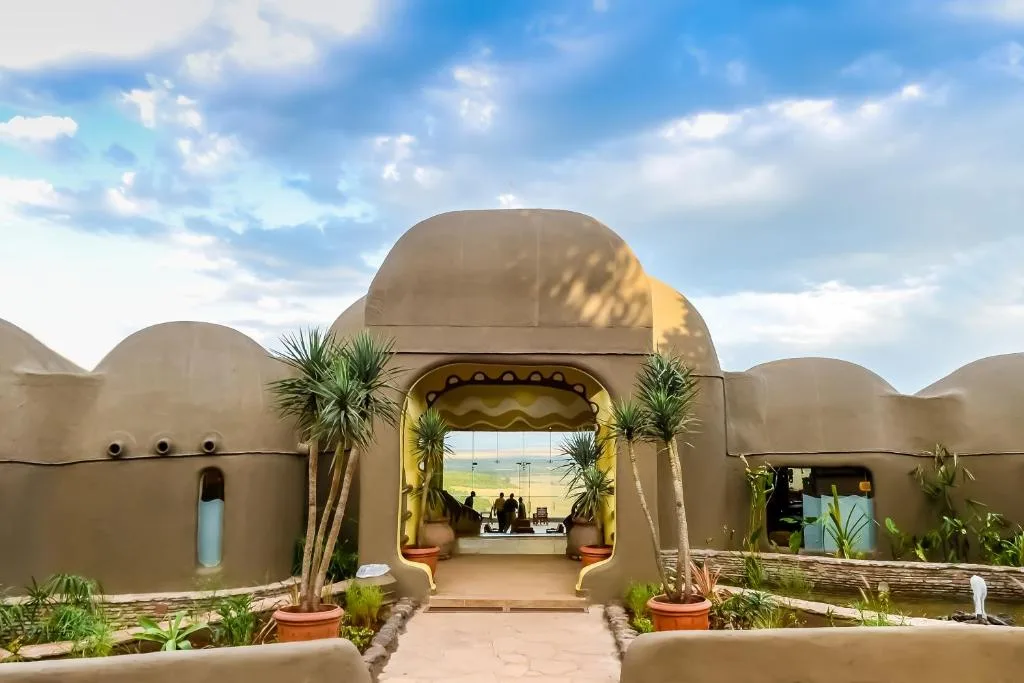
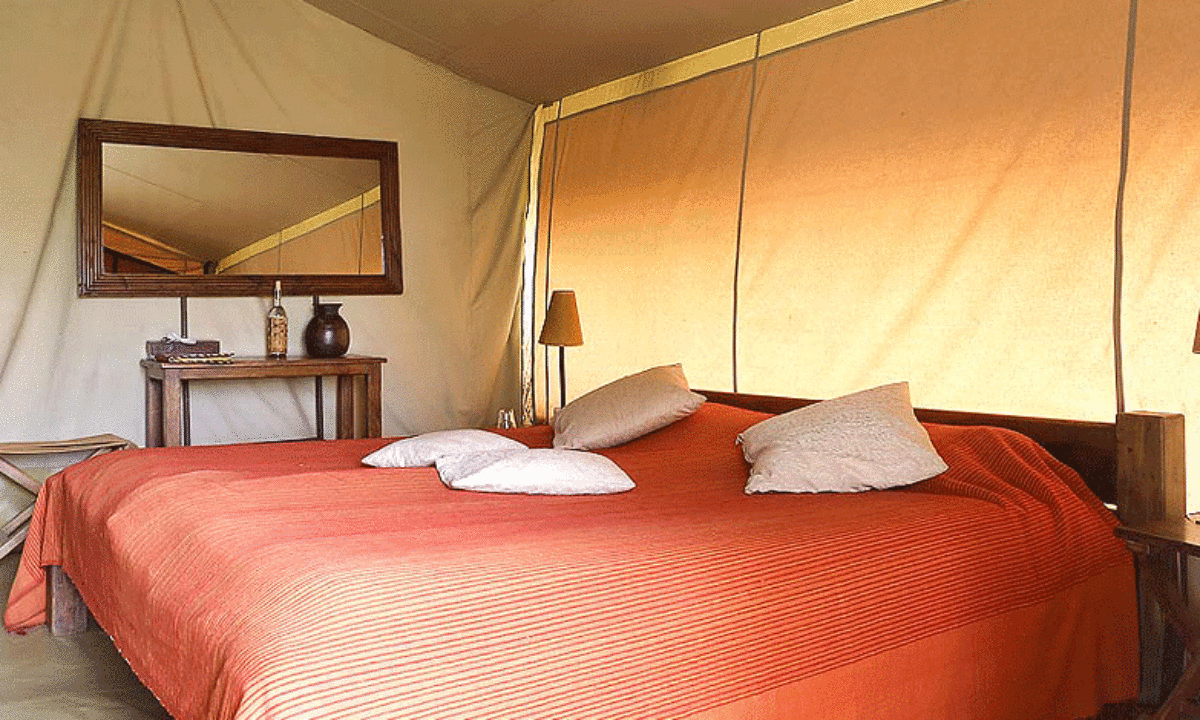
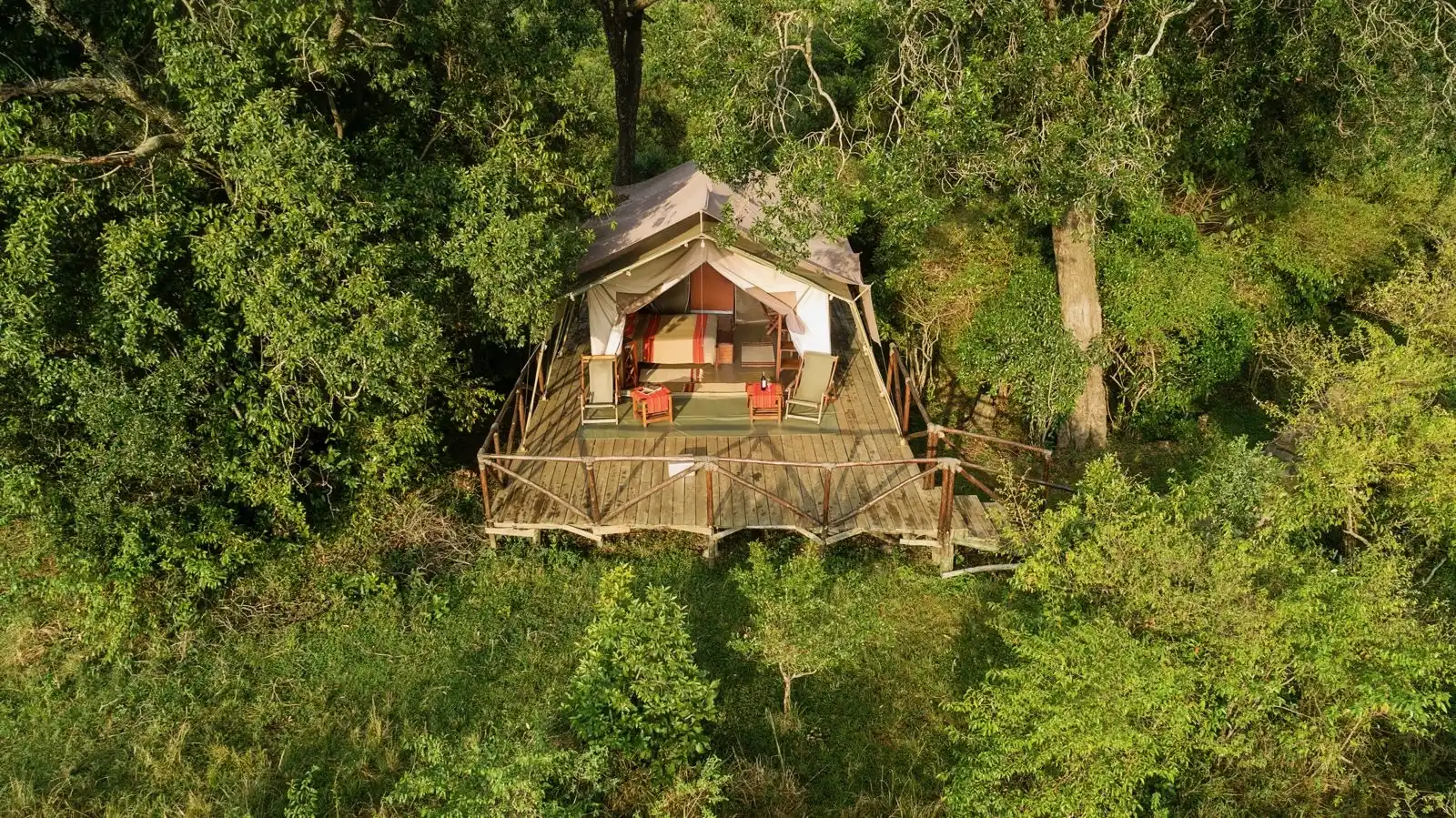
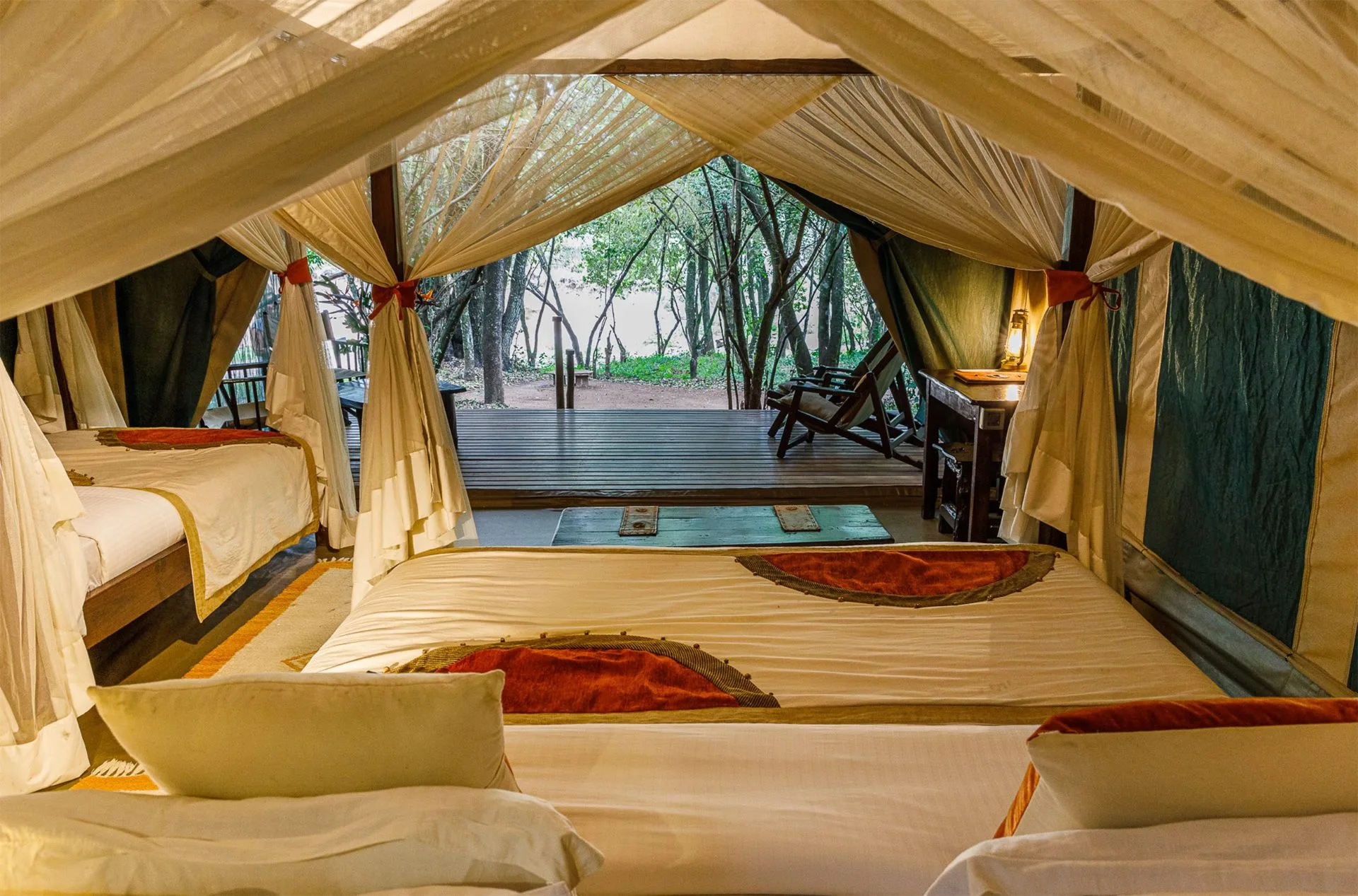
The term budget accommodation can create unnecessary concern. On a professionally planned safari, budget does not mean unsafe or unsuitable. Properties are selected for practicality, cleanliness, location and value. You may stay in:
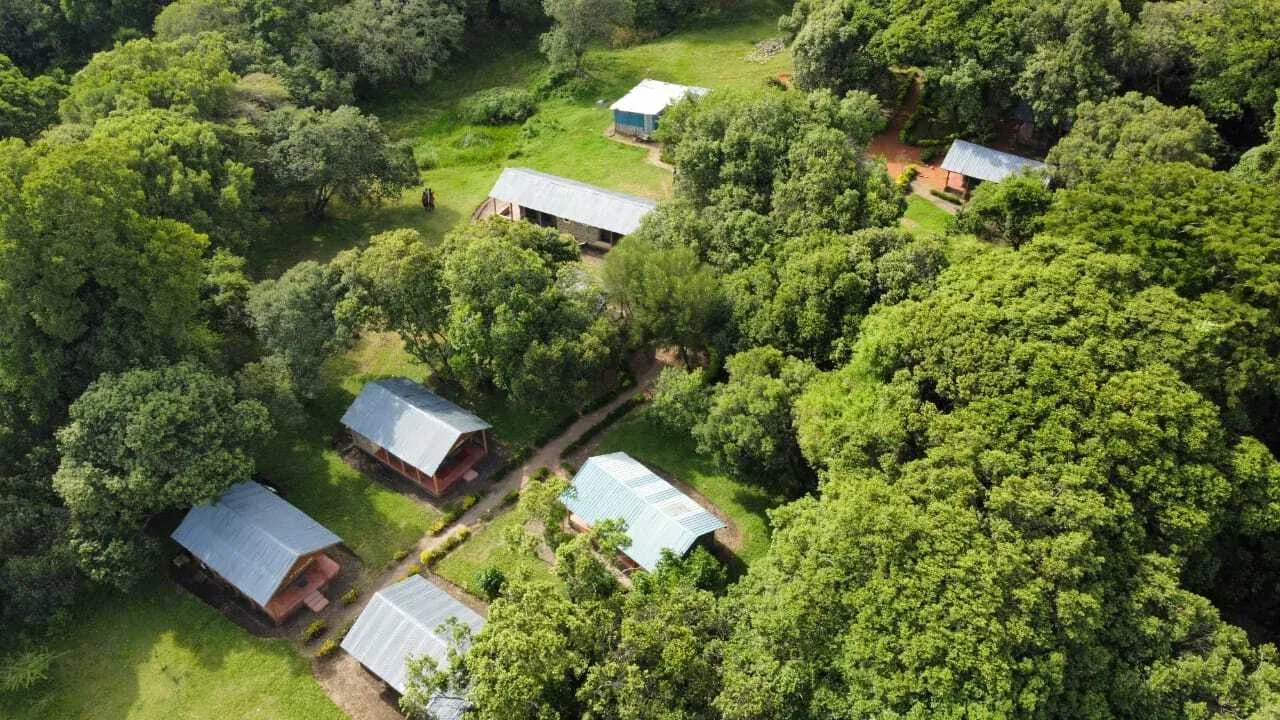
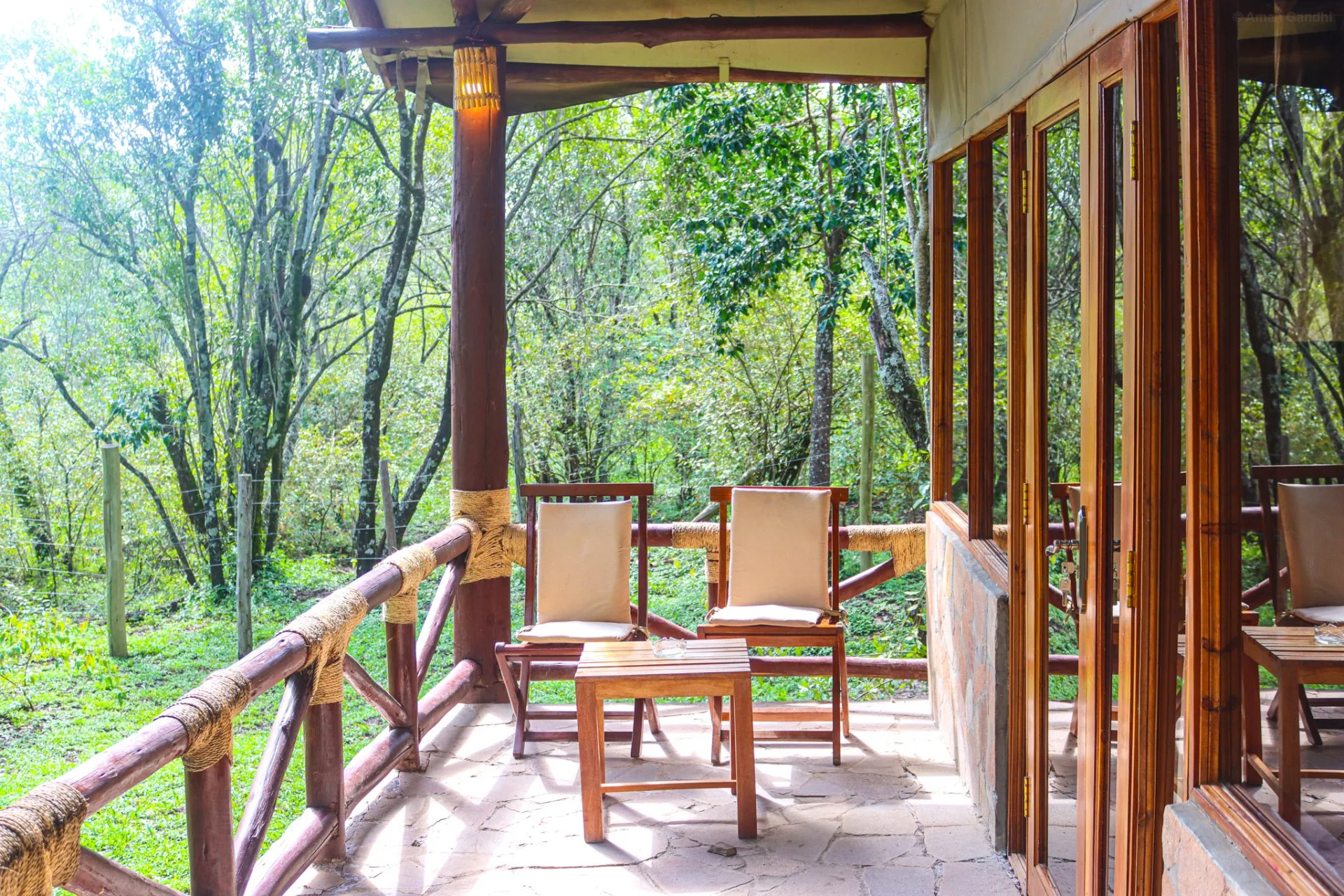
- Simple safari lodges
- Permanent tented camps
- Guesthouses
- Small hotels
- Camps outside park gates
- Basic en-suite safari rooms
Rooms generally provide a bed, mosquito protection where required and private or shared bathroom facilities depending on the property. Many budget camps have restaurants, bars and communal sitting areas. Electricity and hot water arrangements vary. Some remote camps may use generators or solar power and restrict electricity to certain hours. Wi-Fi may be available only in common areas or may be unreliable, which is normal in remote safari regions.
Budget Camp Outside the Park or Lodge Inside the Park?
One of the biggest accommodation decisions involves location.
Staying Outside the Park
Properties outside park boundaries are often cheaper. This can substantially reduce the cost of a long safari. The disadvantage is that you must drive to the gate before beginning wildlife viewing.
Staying Inside the Wildlife Area
Accommodation inside a park or reserve can reduce transfer time between camp and wildlife areas. However, rates are often higher, and additional concession or conservation charges may apply. For budget travelers, staying just outside a strategically located gate can offer excellent value.
Private Versus Group Budget Safari
The itinerary can be arranged privately or, where available, through shared departures.
Private Budget Safari
A private safari provides your own vehicle and guide. Advantages include:
- Flexible departure times
- Greater privacy
- More control over game drives
- Easier photography
- Family-friendly scheduling
- Ability to customize the itinerary
For four or more travelers, a private budget safari can provide particularly good value because vehicle costs are shared.
Group Safari
Joining a scheduled departure can reduce costs for solo travelers or couples. The disadvantage is reduced flexibility. You must follow the group's schedule and may have less control over how long the vehicle remains at specific wildlife sightings.
Safari Vehicle
Budget safaris should still use a suitable safari vehicle. The vehicle should be maintained appropriately and configured for wildlife viewing. Depending on the operation, this may be a safari van or 4x4 vehicle. A pop-up roof or equivalent viewing system improves visibility during game drives. For a fourteen-day journey, vehicle reliability matters greatly, and the cheapest possible vehicle is not necessarily the best value if it compromises comfort or reliability.
Road Conditions
Travelers should understand that some safari roads can be rough. National highways between major towns may be paved, but roads inside parks and reserves are often unpaved. Conditions can become dusty during dry months and muddy after rain. The final approach to certain camps can also be uneven. This is a normal part of overland safari travel, so driving times should be treated as estimates rather than exact guarantees.
Wildlife Highlights of the Safari
The itinerary crosses several ecosystems, creating opportunities for impressive wildlife diversity. No wildlife sighting is guaranteed. Potential mammals include: African elephant, Lion, Leopard, Cheetah, White rhinoceros, Black rhinoceros, African buffalo, Masai giraffe, Reticulated giraffe, Grevy's zebra, Plains zebra, Wildebeest, Hippo, Warthog, Spotted hyena, Black-backed jackal, Gerenuk, Beisa oryx, Impala, Topi, Eland, Waterbuck, Thomson's gazelle, Grant's gazelle, Baboon, Vervet monkey.
Can You See the Big Five on a Budget Safari?
Yes. Your accommodation budget has no direct relationship with which animals you can see. The Big Five—lion, leopard, elephant, buffalo and rhino—live within the parks and conservation areas included in the itinerary. Amboseli is excellent for elephants, central Kenya and Lake Nakuru improve rhino-viewing opportunities, and the Masai Mara provides excellent lion habitat and possibilities for leopards. Buffaloes occur in several destinations. The key ingredients are sufficient wildlife-viewing time, good guiding and some luck. No individual sighting is guaranteed.
Birdwatching
A two-week safari also provides excellent opportunities for birdwatchers. Kenya has extraordinary avian diversity. The itinerary moves through dry northern habitats, wetlands, lakes, woodland and savannah. Even travelers who arrive with little interest in birds often begin appreciating them during a longer safari. Colorful bee-eaters, kingfishers, rollers, hornbills and weavers are relatively easy to appreciate. Raptors such as eagles, vultures and hawks add another dimension to game drives. Birdwatchers should inform the guide in advance so that sufficient attention can be devoted to identification and photography.
Best Time for a Budget Kenya Safari
Kenya can be visited throughout the year.
January to March
These months can provide warm, relatively dry conditions and strong general wildlife viewing.
April and May
Long rains occur during this period. For budget-conscious travelers, this can sometimes be attractive because certain accommodation providers offer reduced seasonal rates. Landscapes are green, birdlife is excellent and visitor numbers may be lower. However, road conditions can become more challenging.
June
June is an excellent transitional month as conditions begin becoming drier.
July to October
This is peak safari season, especially in the Masai Mara. The broader migration may be present during part of this period. Accommodation rates can be higher, and popular properties may fill early.
November
Short rains can bring fresh vegetation and dramatic skies. This can be an excellent period for travelers who prefer greener landscapes.
December
Wildlife viewing remains strong. The Christmas and New Year period is busy and can be more expensive.
How Much Does a 14 Days Budget Kenya Safari Cost?
There is no responsible way to provide one permanent price for every traveler. Safari costs change according to:
- Travel dates
- Park fees
- Accommodation
- Number of travelers
- Vehicle type
- Fuel prices
- Exchange rates
- Room configuration
- Optional activities
- Airport transfers
- Meal arrangements
The number of travelers is particularly important. A solo traveler carries most vehicle and guide costs alone. Two travelers share those costs. Four or six travelers can divide them further. For this reason, requesting a customized quotation is the most accurate way to determine the cost.
How to Reduce Your Kenya Safari Cost
Travelers who want to minimize expenses can consider several strategies.
Travel With More People
Sharing a vehicle reduces per-person operating costs.
Travel Outside Peak Season
Accommodation rates can be lower outside the busiest months.
Use Camps Outside Major Reserves
Strategically located properties outside park gates can offer substantial savings.
Travel Overland
Road transfers are usually cheaper than multiple domestic flights.
Limit Expensive Optional Activities
Balloon flights and other premium experiences are excellent but not essential for wildlife viewing.
Book Early
Early booking can provide a better selection of affordable accommodation. Waiting until the last minute may leave only expensive rooms available.
Budget Safari for Solo Travelers
Solo travelers face a particular challenge because safari vehicle costs are not shared. Several approaches can help. You can join a scheduled group departure where available. Alternatively, you can request a private safari and ask whether departure dates can be aligned with other travelers interested in sharing. Traveling during shoulder periods may also reduce accommodation costs, and solo travelers should compare the total package rather than simply looking at the room rate.
Budget Safari for Couples
Couples can obtain good value because they share vehicle, guide and transfer costs. A private budget safari can also be surprisingly affordable when compared with two seats on certain premium group packages. Private operation gives couples greater freedom over game-drive pacing and daily schedules.
Budget Safari for Families
Families can benefit significantly from shared vehicle costs. A family of four may find that a private vehicle provides excellent per-person value. Budget family accommodation can include triple rooms, family rooms or interconnected units depending on availability. Parents should consider children's ages when planning long transfer days, and additional rest stops and shorter game drives can be incorporated.
Meals on a Budget Safari
Most safari camps provide meals as part of the accommodation package. Breakfast may include eggs, bread, fruit, tea, coffee and other items. Lunch may be served at the lodge or packed for full-day game drives. Dinner is normally served at camp.
Budget does not necessarily mean inadequate food. However, travelers should expect simpler menus and fewer dining options than at luxury lodges. Dietary requirements should be communicated before arrival.
Drinking Water
Safe drinking water should be available during safari travel according to the confirmed package. Carry a reusable bottle where practical. Avoid unnecessary single-use plastics when alternatives are available. In remote regions, conservation of water is important, so travelers should use showers and other facilities responsibly.
What to Pack for 14 Days
A two-week safari does not require fourteen complete sets of clothing. Pack practical clothing that can be reused or washed. Recommended items include:
- Lightweight safari shirts
- Comfortable trousers
- Shorts where appropriate
- Warm fleece or jacket
- Rain jacket depending on season
- Comfortable shoes
- Sandals for camp
- Hat
- Sunglasses
- Sunscreen
- Insect repellent
- Binoculars
- Camera
- Spare batteries
- Charging equipment
- Personal medication
- Toiletries
- Small backpack
- Reusable water bottle
Neutral colors such as khaki, beige, brown and muted green are practical. Avoid unnecessary camouflage clothing, which can be restricted or culturally inappropriate in some destinations.
Laundry
Some budget camps offer laundry at additional cost. Others may have limited laundry facilities. Because the safari lasts fourteen days, using laundry services once or twice can significantly reduce luggage requirements. Quick-drying clothing is particularly useful.
Electricity and Charging
Power availability varies between properties. Urban hotels generally provide continuous electricity. Remote camps may rely on solar systems or generators. Charging may be available only during certain hours, so travelers carrying several cameras should bring spare batteries and suitable adapters. A power bank can also be useful.
Internet and Mobile Coverage
Do not expect continuous high-speed internet throughout the safari. Some lodges provide Wi-Fi in common areas. Mobile coverage exists in many parts of Kenya but can disappear inside remote wildlife regions. For many travelers, reduced connectivity becomes one of the benefits of safari travel.
Health and Travel Insurance
Comprehensive travel insurance is strongly recommended. Coverage should be appropriate for:
- Medical treatment
- Emergency evacuation
- Trip cancellation
- Travel delays
- Lost luggage
- Other relevant travel disruptions
Travelers should seek personalized medical advice from an appropriate health professional before visiting Kenya.
Responsible Budget Safari Travel
Budget travel can still support responsible tourism. Choose accommodation and operators that respect wildlife and local communities.
- Never pressure guides to drive dangerously or violate park regulations for photographs.
- Do not ask drivers to approach animals too closely.
- Avoid feeding wildlife.
- Keep noise levels low around animals.
- Respect cultural communities.
- Dispose of waste responsibly.
A lower-cost safari should never mean lower environmental standards.
Budget Safari Versus Luxury Safari
Both safari styles visit many of the same wildlife areas. The primary differences normally involve:
Accommodation
Budget safaris use simpler camps and lodges. Luxury safaris use premium properties and suites.
Transport
Budget itineraries rely more heavily on road transfers. Luxury safaris may use domestic flights.
Privacy
Private budget safaris can still provide excellent privacy, while shared budget departures involve more travelers.
Amenities
Luxury lodges may include pools, spas, private plunge pools and premium dining. Budget properties focus on practical comfort.
Wildlife
Wildlife remains wild and accessible within the same protected ecosystems. A lion does not become more visible because your lodge costs more.
Is a Budget Safari Worth It?
For travelers whose priority is wildlife, absolutely. The core safari experience happens in the field. Watching a herd of elephants beneath Kilimanjaro, seeing a Grevy's zebra in Samburu, encountering a rhino in the Rift Valley or observing lions in the Masai Mara does not depend on having a luxury suite, though none of those sightings or mountain views can be guaranteed. A well-designed budget safari directs spending toward access and time in the wilderness. That is why a longer budget safari can sometimes provide a richer wildlife experience than a much shorter luxury trip.
Suggested Internal Links
Use natural contextual links to approved SafariTripsToKenya.com pages for:
- Kenya Safari Packages
- Budget Kenya Safaris
- Amboseli National Park
- Samburu National Reserve
- Ol Pejeta Conservancy
- Lake Nakuru National Park
- Lake Naivasha
- Masai Mara National Reserve
- Great Migration
- Kenya Safari Cost
- Kenya Safari Prices
- Best Time to Visit Kenya
- Kenya Wildlife
- Kenya Safari Accommodation
- Kenya Family Safaris
- Kenya Safari Packing List
- Kenya Travel Guide
Use only the exact corresponding URLs already approved in the sitemap. Do not create alternative URLs or modify existing slugs.
Why Book a 14 Days Budget Kenya Safari?
The greatest advantage is simple: time in the wilderness. Instead of spending your entire travel budget on a few nights at premium lodges, a two-week affordable itinerary allows you to experience several of Kenya's major ecosystems.
You can wake in Amboseli and search for elephants on the plains, with Mount Kilimanjaro in view only when the mountain is clear. You can travel north and search for reticulated giraffes, Grevy's zebras and gerenuks in Samburu. You can visit rhino country in central Kenya and the Great Rift Valley. You can travel beside freshwater lakes populated by hippos and birds. And finally, you can spend several days in the Masai Mara searching for lions, leopards, cheetahs and vast herds of plains game, though no sighting is guaranteed.
The rooms may be simpler, the journey may involve more road travel and you may not have a private plunge pool or gourmet five-course dinner every evening. But when your safari vehicle stops beside a pride of lions at sunrise, those differences become remarkably unimportant. That is the central philosophy of a good 14 Days Budget Kenya Safari: spend wisely, travel comfortably enough, and devote the greatest possible portion of your journey to experiencing Kenya itself.
Plan Your 14 Days Budget Kenya Safari
A budget safari should never be designed simply by selecting the cheapest available options. It should be designed intelligently. The right accommodation location can save money without adding excessive driving. The right route can reduce unnecessary fuel costs, and the right number of nights can improve wildlife viewing without creating repetitive days. Travel dates can influence accommodation prices, group size can significantly affect the per-person cost and optional activities can be selected according to genuine interest rather than automatically included. For this reason, the best approach is to build the safari around your actual circumstances. When requesting a quotation, provide:
- Your preferred travel dates
- Number of adults
- Number and ages of children
- Preferred accommodation standard
- Whether you prefer private or shared travel
- Your approximate budget
- Wildlife priorities
- Any destinations you particularly want to visit
- International arrival and departure information if available
Safari Trips to Kenya can then design the 14 Days Budget Kenya Safari around your priorities while maintaining the strongest possible balance between price, comfort and wildlife experience.
Request your personalized 14 Days Budget Kenya Safari itinerary and quotation.
Recommended Structured Data
Implement appropriate schema including:
- `WebPage`
- `TouristTrip`
- `BreadcrumbList`
- `FAQPage`
The structured data should accurately reflect the visible page content and confirmed tour information. Do not add misleading ratings, prices, availability or review data that is not genuinely available.
SEO Content Notes
- Primary Search Intent: Transactional travelers looking for an affordable two-week Kenya safari.
- Primary Conversion Goal: Safari quotation request.
- Secondary Intent: Help travelers understand how a budget Kenya safari works and what they can realistically expect.
- Core Value Proposition: A long, wildlife-rich Kenya itinerary that prioritizes national parks, game drives and destination diversity while controlling accommodation and transport costs.
- Important Differentiation: This page should emphasize affordability and value. It should not duplicate the positioning of the mapped 14 Days Grand Kenya Safari or 14 Days Luxury Kenya Safari pages.
- Cannibalization Control: Detailed discussions of individual parks, exact safari prices, Kenya travel seasons, accommodation reviews, Great Migration timing and specialist planning topics should link to their dedicated mapped pages rather than attempting to make this package page rank as the definitive guide for every subtopic.
- Internal Linking: Use descriptive contextual anchors and only the exact URLs defined in the approved SafariTripsToKenya.com sitemap.
- Conversion Strategy: Position the quotation request after the traveler has clearly understood that budget travel can still provide a comprehensive Kenya wildlife experience.
- URL Protection: Preserve `/safari-packages/14-days-budget-kenya-safari/` exactly. Never shorten, restructure or optimize the mapped URL.
Individual species, river crossings and mountain views can never be guaranteed.
Planning Questions
Frequently Asked Questions
Is 14 days too long for a Kenya budget safari?
No. Fourteen days is an excellent duration for travelers who want to experience several regions of Kenya. The itinerary includes changing landscapes and wildlife, preventing the safari from becoming repetitive.
Is this a private safari?
It can be operated privately. Shared departures may also be available depending on dates.
Are park fees included?
They can be included in the package quotation. Always check the final inclusion list because park fees represent a significant portion of safari costs.
Is accommodation inside the parks?
Some accommodation may be outside park boundaries to reduce costs. The exact properties will be listed in the confirmed itinerary.
Will I see the Big Five?
The route provides opportunities to search for all five, but no wildlife sighting can be guaranteed.
Can I see the Great Migration?
Potentially, if the safari coincides with the period when migration herds are in the Masai Mara. Exact movement varies each year.
Can I add a balloon safari?
Yes, subject to availability and additional cost. The flight itself is never guaranteed.
Can I remove destinations to make the safari cheaper?
Yes. The itinerary can be customized, although removing destinations changes the character of the 14-day route.
Can I add more days in the Masai Mara?
Yes. Additional nights can be included.
Is the safari suitable for children?
Yes, especially as a private safari. The pace can be adjusted according to children's ages.
Can solo travelers book?
Yes. Solo travelers can book privately or enquire about shared departures.
Do budget camps have private bathrooms?
Many do, although standards vary. Accommodation specifications should be confirmed when selecting the final package.
Is Wi-Fi available?
Some properties provide Wi-Fi, usually in common areas, but connectivity should not be expected everywhere.
Is food included?
Most safari accommodation packages include meals, but exact meal plans should be checked in the quotation.
Can I combine this safari with the beach?
Yes. A Kenya coast extension can be added after the safari.
05 Request Quote
Request Quote
Tell us your dates, group size, and preferred lodge style — we will send a tailored quote for this safari.
Want to extend your safari?
Add Amboseli, Diani Beach, Tanzania and Zanzibar, or gorilla trekking in Uganda or Rwanda — we tailor the journey to your dates.