
12 DAYS / 11 NIGHTS
12 Days Samburu to Masai Mara Safari
Explore Kenya on a 12 Days Samburu to Masai Mara Safari combining Samburu, Ol Pejeta, Lake Nakuru, Naivasha and Masai Mara wildlife experiences.
- Wildlife SafariPrivate Journey
- Private Safari4x4 Vehicle
- Expert GuideEnglish Speaking
- All MealsBreakfast, Lunch, Dinner
- 24/7 SupportWe're here to help
01 Overview
Safari Overview
- Duration12 days / 11 nights
- DestinationMasai Mara
- Starts / endsNairobi
- Safari stylePrivate 4×4 safari
- AccommodationEssential · Comfort · Premium · Signature
- Best forWildlife viewing, photography
12 Days Samburu to Masai Mara Safari
The 12 Days Samburu to Masai Mara Safari is an immersive Kenya wildlife journey connecting the dry northern landscapes of Samburu with the legendary savannah plains of the Masai Mara. Rather than concentrating on a single reserve, this itinerary travels through several contrasting ecosystems and gives travelers an opportunity to experience how dramatically Kenya's wildlife, vegetation, scenery and climate change from north to south.
The safari begins in Nairobi and travels north toward Samburu National Reserve, one of Kenya's most distinctive wildlife destinations. Samburu is particularly interesting because it supports several species that are difficult or impossible to see in the country's southern safari areas. These include the reticulated giraffe, Grevy's zebra, gerenuk, Beisa oryx and Somali ostrich—the group frequently referred to as the Samburu Special Five.
From Samburu, the journey continues toward the central highlands and Ol Pejeta Conservancy, an important conservation area known for rhinos and other wildlife. The itinerary then descends toward the Great Rift Valley, visiting Lake Nakuru National Park and the Lake Naivasha region before reaching the Masai Mara National Reserve for the final and most extensive wildlife-viewing section of the safari. The resulting route provides considerably more diversity than a safari visiting only the Masai Mara.
During twelve days, travelers can potentially encounter elephants among Samburu's dry riverine landscapes, endangered rhinos in central Kenya, Rothschild's giraffes around Lake Nakuru, hippos around Lake Naivasha and lions, cheetahs, elephants, buffaloes, wildebeest and numerous other species across the Masai Mara, although no sighting can be guaranteed. The itinerary is particularly suitable for travelers making their first substantial safari to Kenya and wanting a comprehensive experience without trying to cover the entire country.
12 Days Samburu to Masai Mara Safari at a Glance
- Duration: 12 days / 11 nights
- Country: Kenya
- Starting point: Nairobi
- Ending point: Nairobi
- Safari type: Private Kenya wildlife safari
- Main destinations: Samburu, Ol Pejeta, Lake Nakuru, Lake Naivasha and Masai Mara
- Main activities: Game drives, wildlife viewing, photography, scenic drives and optional activities
- Transport: Private safari vehicle with professional driver-guide
- Accommodation: Budget, mid-range or luxury options
- Suitable for: Couples, families, photographers, honeymooners, friends, small private groups and wildlife enthusiasts
Itinerary
- Day 1:Nairobi to Samburu
- Day 2:Samburu National Reserve Safari
- Day 3:Samburu, second Full Day of game drive
- Day 4:Samburu to Ol Pejeta
- Day 5:Ol Pejeta Conservancy Wildlife Experience
- Day 6:Ol Pejeta to Lake Nakuru
- Day 7:Lake Nakuru to Lake Naivasha
- Day 8:Lake Naivasha to Masai Mara
- Day 9:Masai Mara Safari
- Day 10:Masai Mara, predators, Plains Game and River Systems
- Day 11:Final Full Day in Masai Mara
- Day 12:Masai Mara to Nairobi, end of Safari
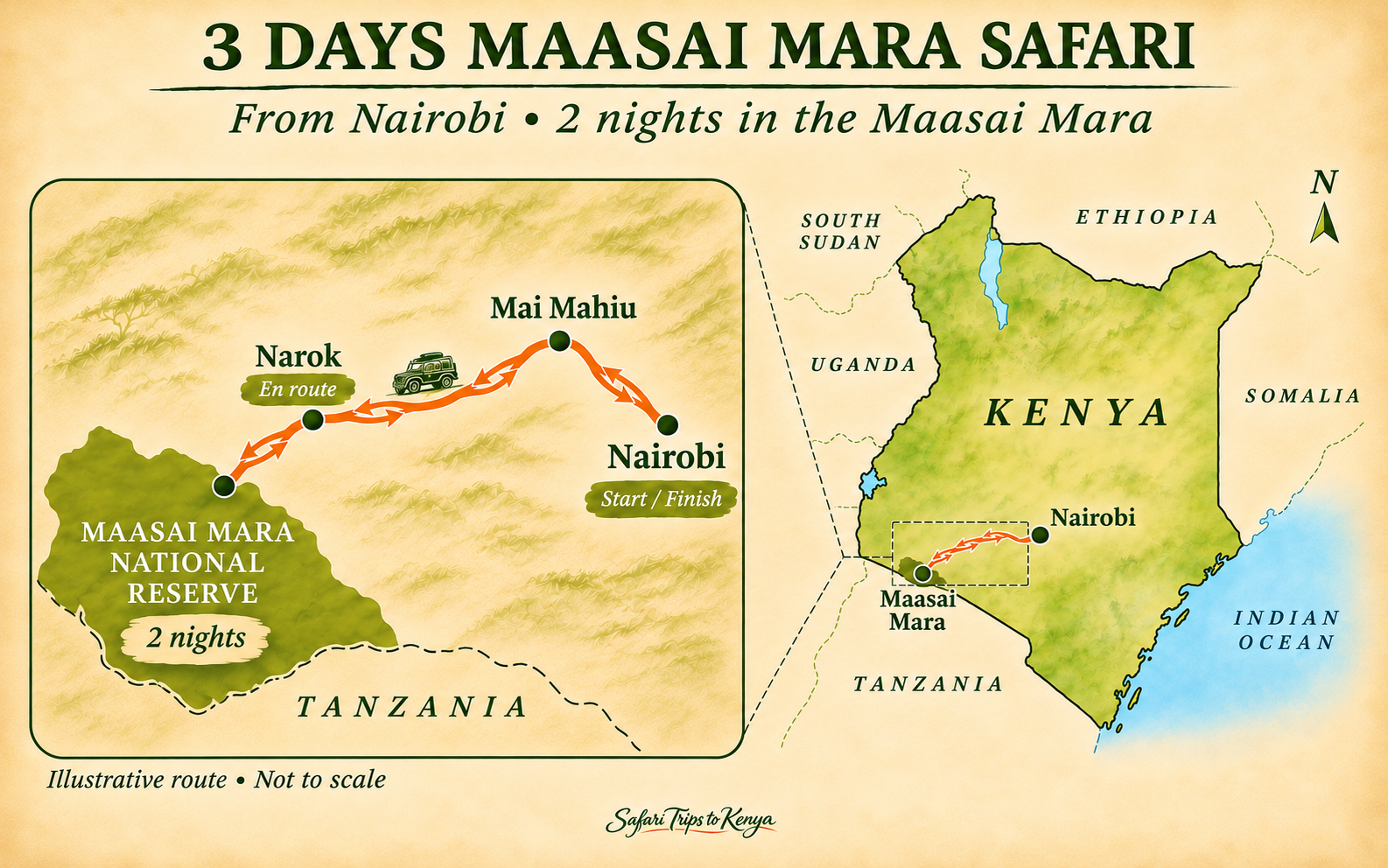
02 Itinerary
12 Days Samburu to Masai Mara Safari: Detailed Itinerary

Day 1: Nairobi to Samburu National Reserve - Main destination
- Masai Mara National Reserve
- Drive time
- Road transfer as outlined in the itinerary
- Meals
- Lunch, Dinner
Your 12 Days Samburu to Masai Mara Safari begins in Nairobi, where you meet your professional Kenya safari driver-guide. After introductions and a safari briefing, depart Nairobi and begin traveling north toward Kenya's central highlands. The drive introduces you to a fascinating cross-section of the country. Leaving Nairobi, you pass through productive agricultural areas before continuing toward the Mount Kenya region. Depending on the exact route and road conditions, distant views of Mount Kenya may be possible when skies are clear.
As you travel farther north, the landscape gradually changes. The lush central highlands give way to increasingly dry terrain characterized by rocky hills, acacia woodland, scrub vegetation and wide-open spaces. This transition is one of the reasons Samburu makes such an interesting beginning to a Kenya safari.
Eventually arrive in the Samburu ecosystem and continue to your lodge or tented camp. Depending on arrival time, enjoy lunch before setting out for your first afternoon game drive.
Samburu immediately feels different from Kenya's southern parks. The reserve's wildlife is strongly influenced by the Ewaso Nyiro River, an important permanent water source running through an otherwise dry environment. Elephants frequently gather around the river, while crocodiles, birds and numerous mammals depend upon the water and riverine vegetation. Your first game drive may reveal elephants, giraffes, zebras, impalas, dik-diks, baboons, monkeys and potentially predators. Return to your lodge or camp as the sun sets over northern Kenya.
Accommodation: Samburu lodge or tented camp
Meal Plan: Lunch and Dinner
Where you stay
- Essential (Budget)
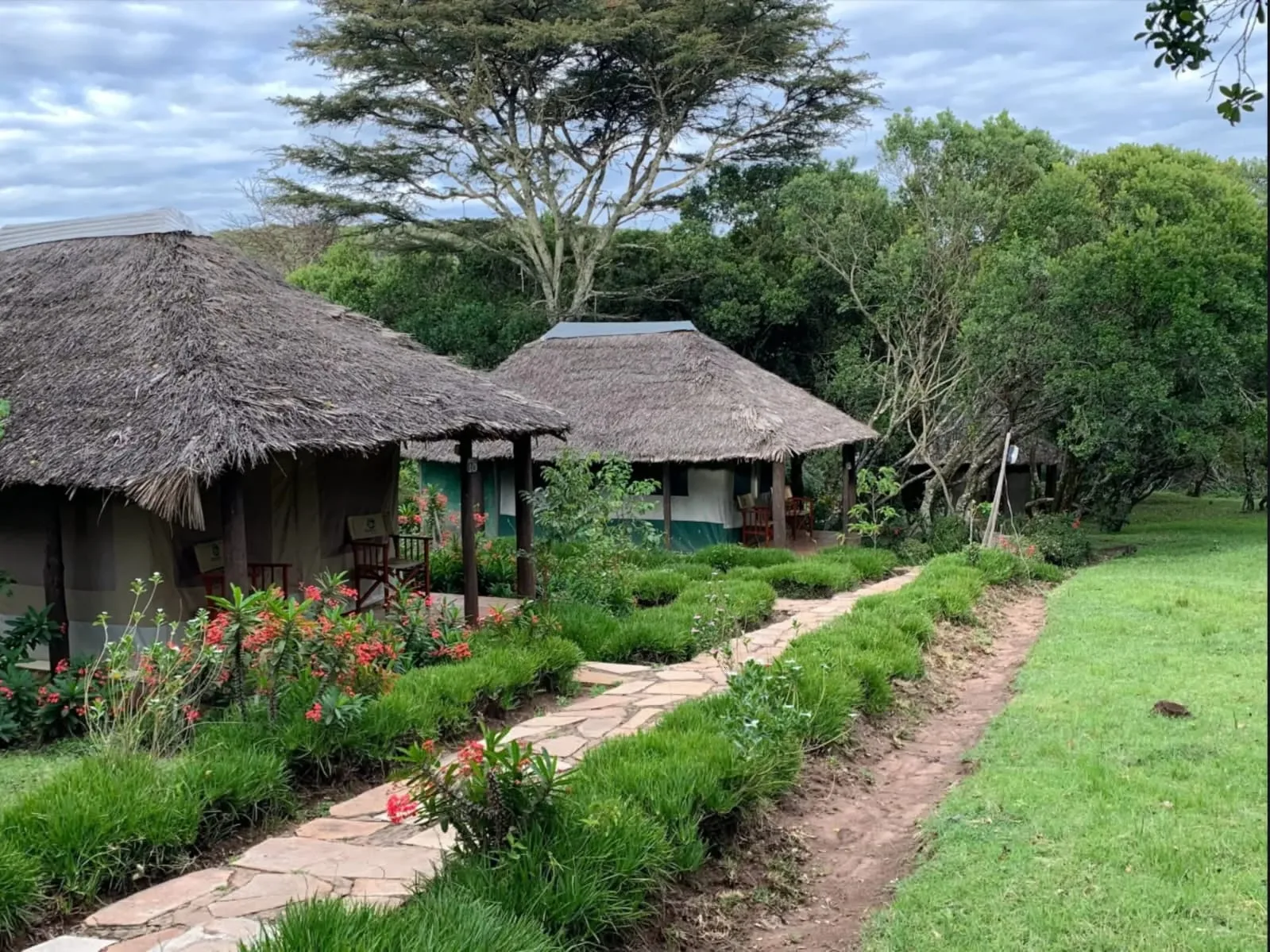
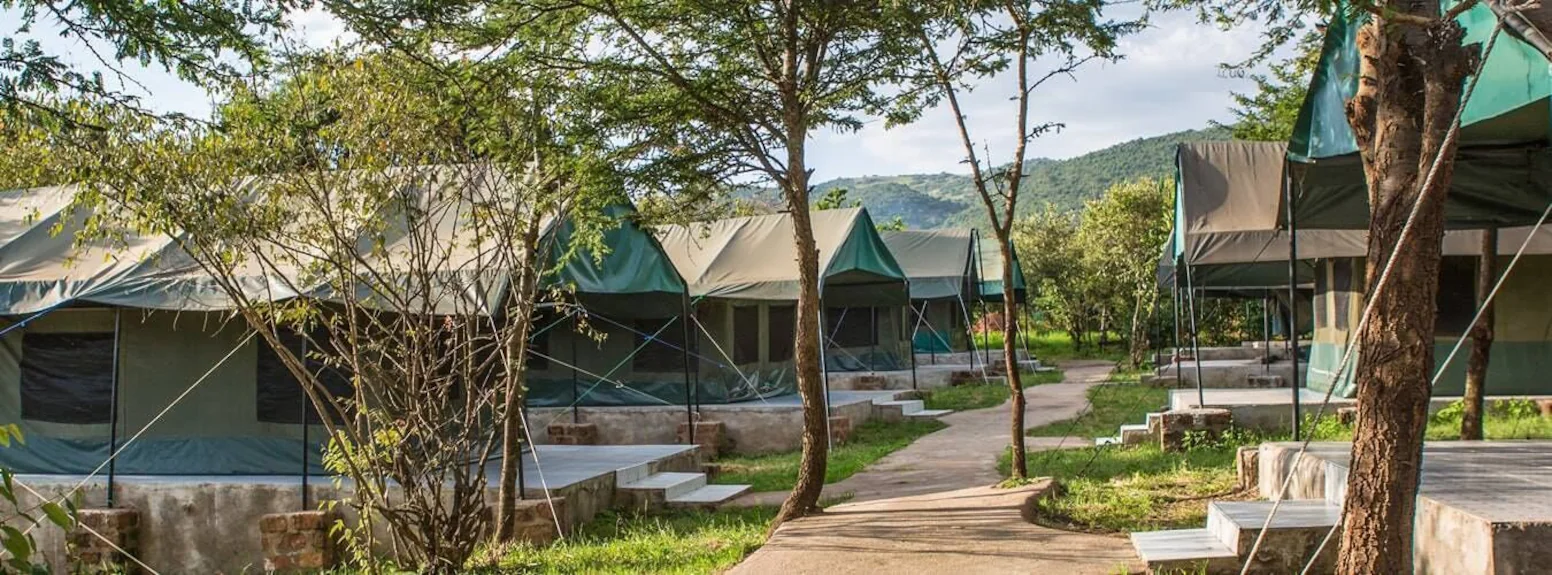
- Comfort (Mid-range)
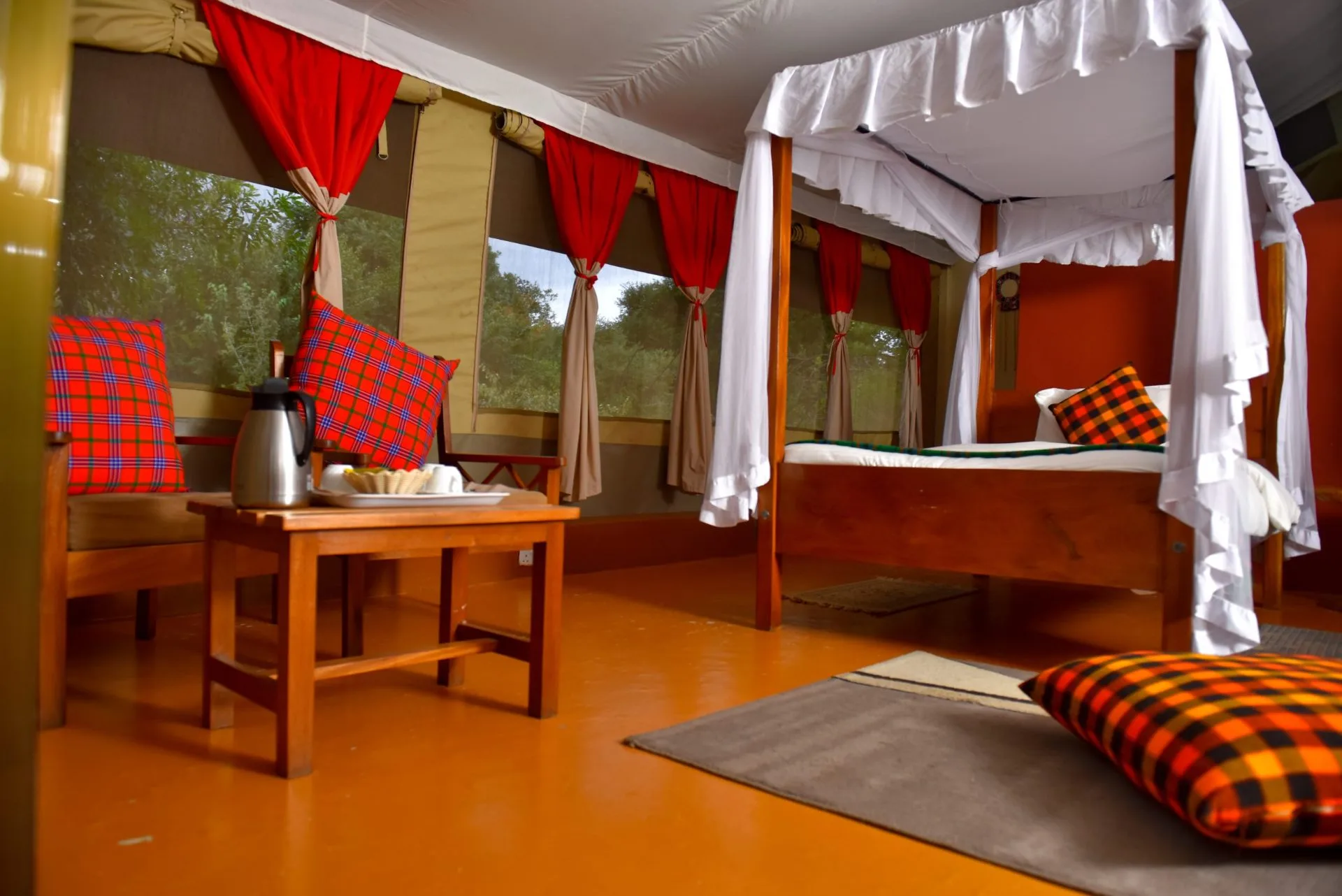
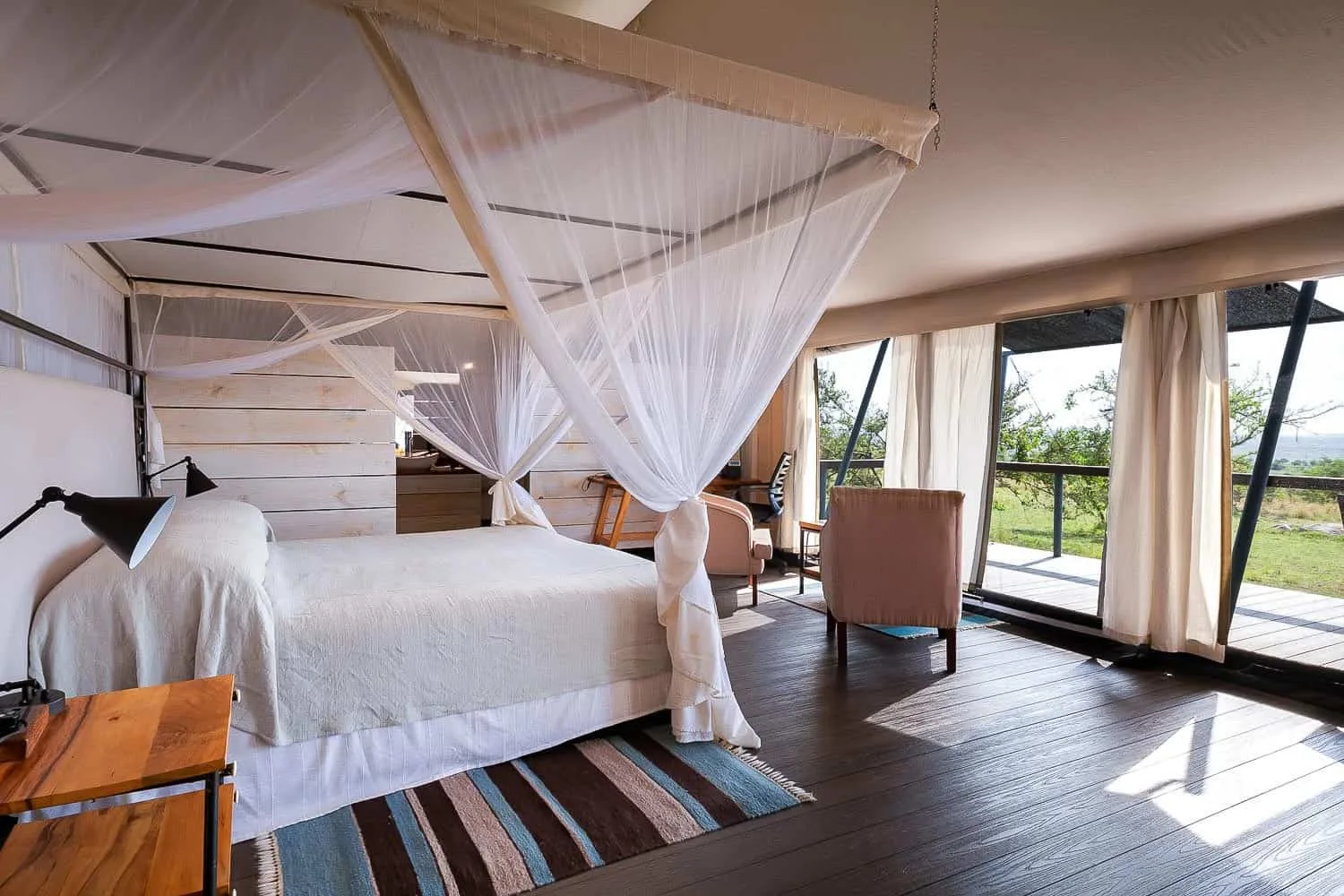
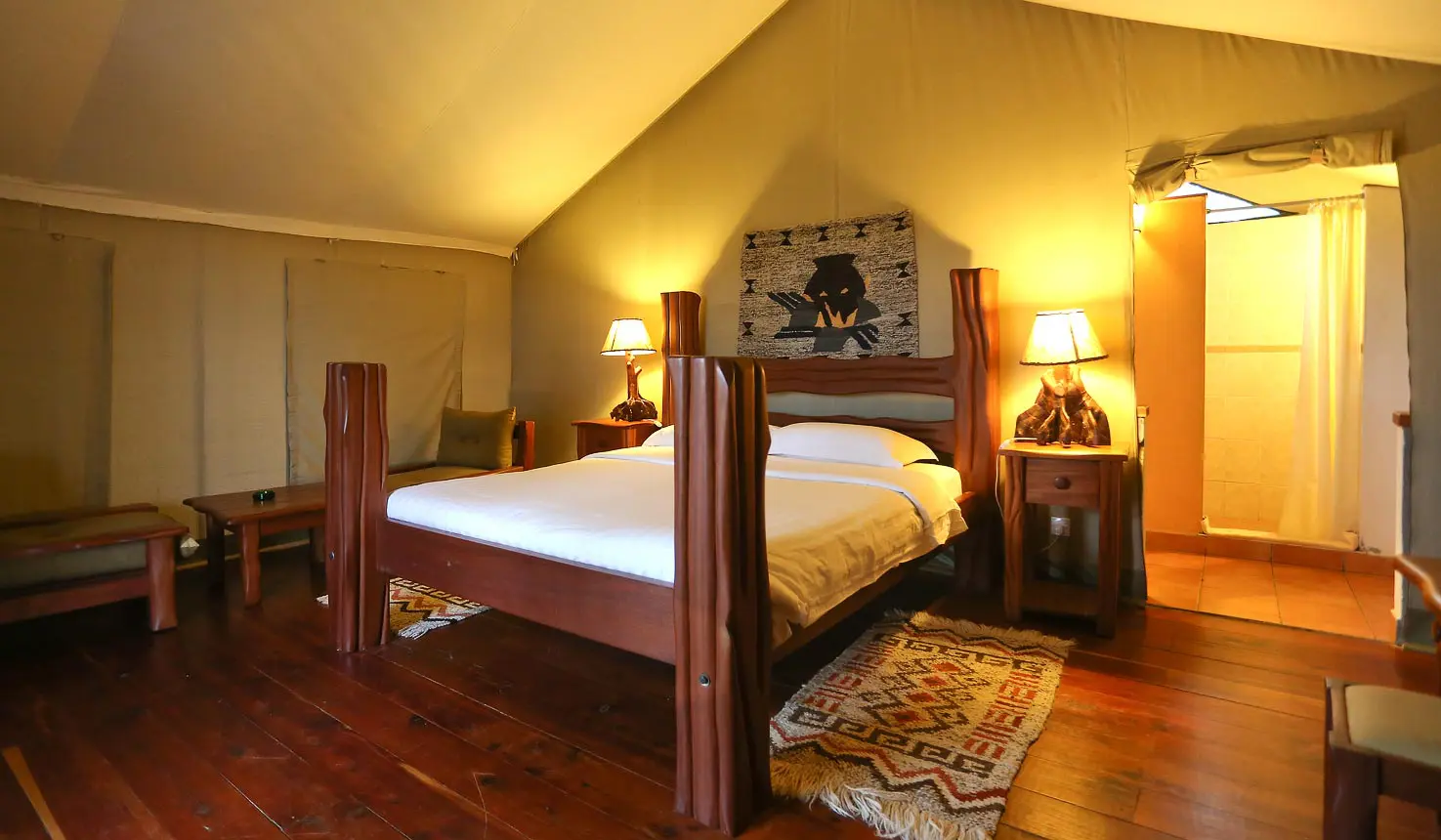
- Premium (Luxury)
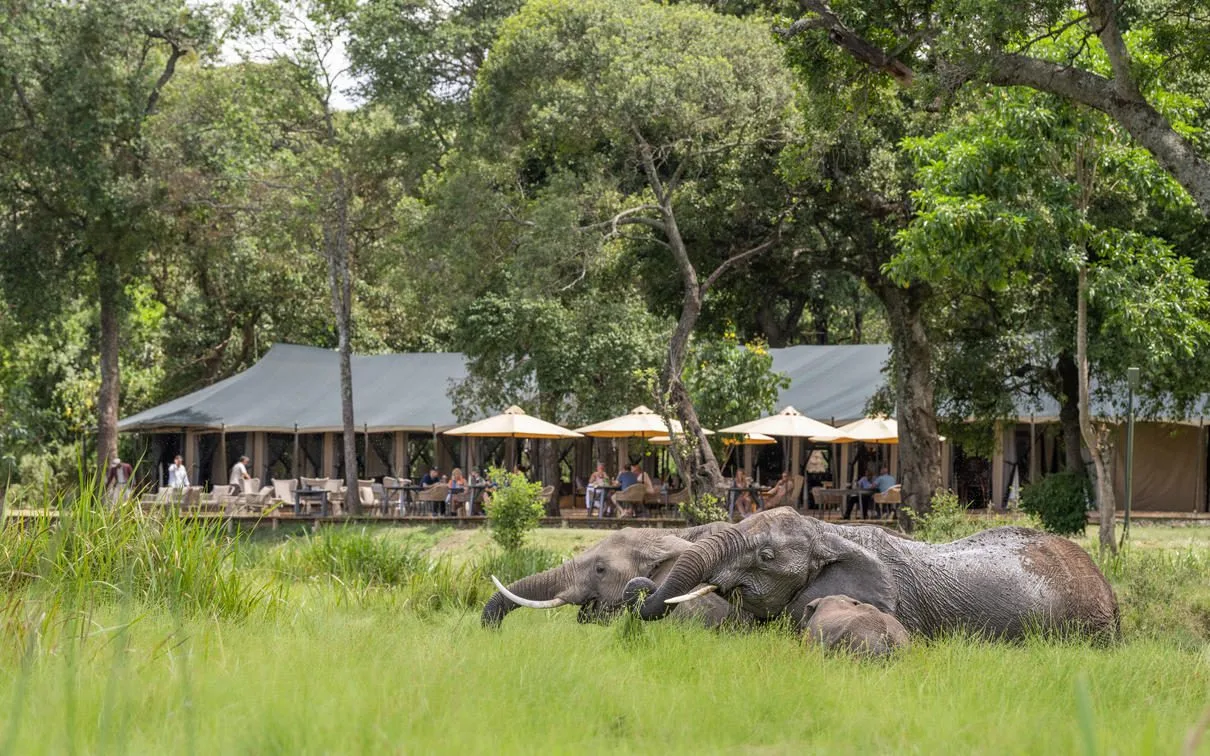
- Signature (High-end)
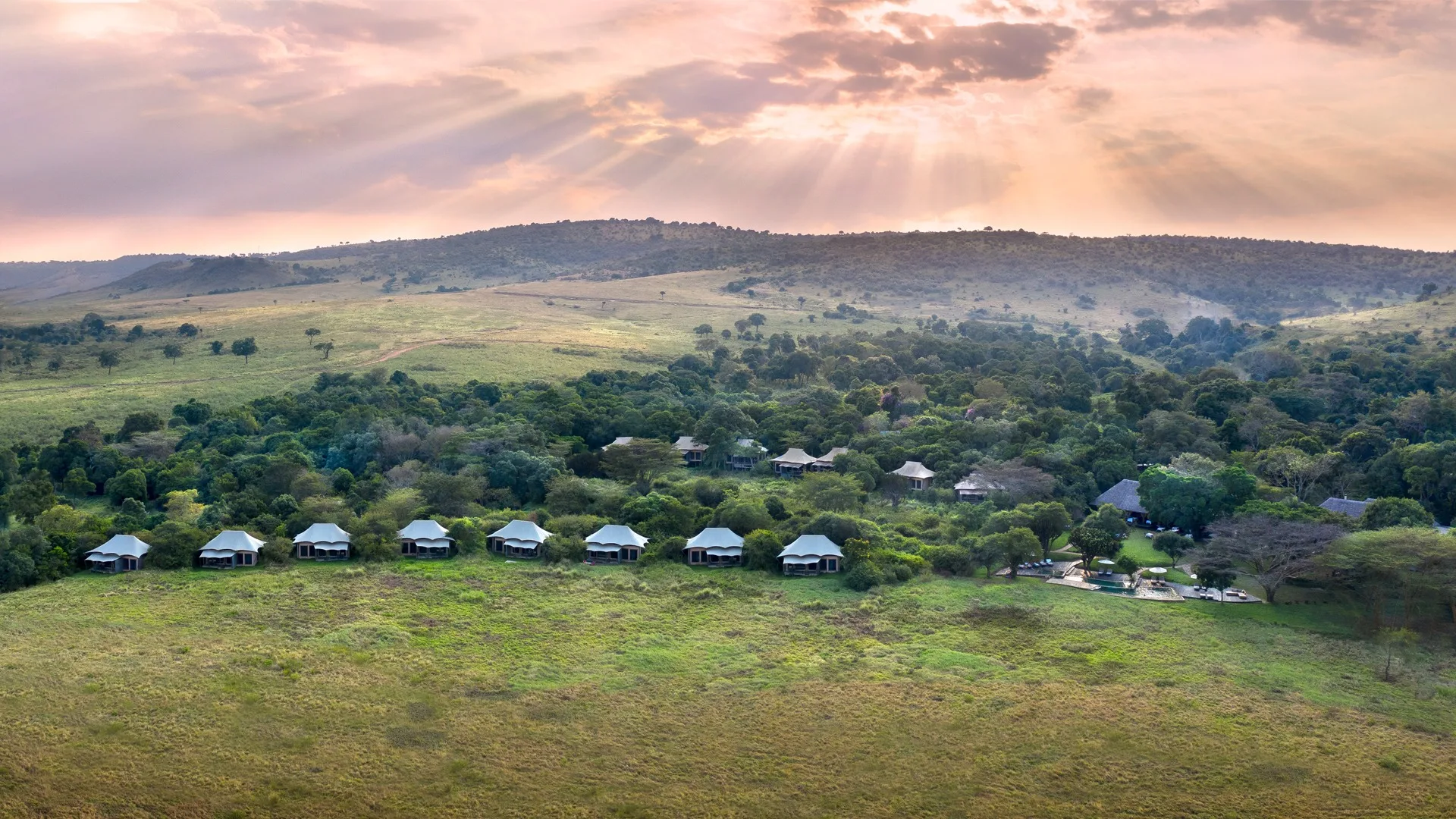
Day 2: Full-Day Samburu National Reserve Safari - Main destination
- Masai Mara National Reserve
- Meals
- Breakfast, Lunch, Dinner
Wake to your first full morning in Samburu. Early morning is an excellent time for wildlife viewing because temperatures are relatively cool and many animals are active. After breakfast—or with an early departure followed by a later breakfast depending on your accommodation arrangement—begin exploring the reserve.
One of the major objectives is searching for the Samburu Special Five, northern Kenya species that are not guaranteed on any drive:
Reticulated Giraffe
The reticulated giraffe is recognized by its striking geometric coat pattern, with large reddish-brown patches separated by bright white lines. Although giraffes occur throughout Kenya, this subspecies is especially associated with the northern part of the country.
Grevy's Zebra
Grevy's zebra is larger than the more widespread plains zebra and has much narrower stripes. It is an endangered species, making encounters in Samburu particularly significant.
Gerenuk
The gerenuk is sometimes called the giraffe gazelle because of its unusually long neck. It has an extraordinary feeding behavior and may stand upright on its hind legs to browse vegetation beyond the reach of other small antelopes.
Beisa Oryx
This large, elegant antelope is adapted to dry environments and can survive for extended periods under arid conditions. Its long straight horns and distinctive facial markings make it particularly photogenic.
Somali Ostrich
The Somali ostrich can be distinguished from the common ostrich by several physical characteristics, particularly the bluish coloration of the male's neck and legs. Finding all five species adds an enjoyable wildlife-searching element to the Samburu experience.
Your game drive will not focus exclusively on these species. Samburu also supports elephants, buffaloes, lions, leopards, cheetahs, spotted hyenas, jackals, warthogs and numerous antelope species.
Return to your lodge for lunch and some relaxation during the warmer middle part of the day. Later in the afternoon, head back into the reserve, where the softer evening light is excellent for photography, particularly around the river and open landscapes. Return to your accommodation for dinner.
Accommodation: Samburu lodge or tented camp
Meal Plan: Breakfast, Lunch and Dinner
Where you stay
Day 3: Samburu – Second Full Day of Wildlife Viewing - Main destination
- Masai Mara National Reserve
- Meals
- Breakfast, Lunch, Dinner
A second complete day in Samburu gives you time to explore beyond the areas visited yesterday. This is particularly important for travelers interested in predators. Lions, leopards and cheetahs occur in the Samburu ecosystem, but sightings are never guaranteed. Having several game drives significantly improves the opportunity to search different habitats.
Morning wildlife viewing may focus on the Ewaso Nyiro River. During dry periods, the river becomes even more important as wildlife moves toward reliable water. Elephants are among Samburu's most memorable animals, and family groups may be observed walking toward the river, bathing, drinking or feeding within the riverine woodland. These extended encounters provide opportunities to watch natural elephant social behavior rather than simply photographing an animal and immediately driving onward.
Birdwatchers will also find Samburu highly rewarding. Northern Kenya contains bird species that may not be encountered farther south, and the combination of dry-country habitats and riverine vegetation supports considerable diversity.
After your morning game drive, return to the lodge or camp for lunch and spend some time relaxing before your afternoon game drive. Depending on your interests and arrangements, an optional cultural experience with a Samburu community may also be incorporated. Such visits should be approached respectfully and arranged through responsible local partners. Return for your final evening in Samburu.
Accommodation: Samburu lodge or tented camp
Meal Plan: Breakfast, Lunch and Dinner
Where you stay
Day 4: Samburu to Ol Pejeta Conservancy - Main destination
- Masai Mara National Reserve
- Meals
- Breakfast, Lunch, Dinner
After breakfast, leave Samburu and travel south toward the Mount Kenya region. Today's journey takes you from the dry northern environment back toward the greener central highlands. Your destination is Ol Pejeta Conservancy, one of Kenya's best-known private conservation areas. Arrive at your accommodation and enjoy lunch before beginning an afternoon wildlife drive.
Ol Pejeta supports a remarkable range of wildlife within a relatively accessible area, and it is especially important for rhino conservation. Both black and white rhinos occur within the wider conservancy, providing some of the strongest rhino-viewing opportunities on a Kenya safari, although sightings are never guaranteed. The conservancy also supports elephants, buffaloes, lions, leopards, cheetahs, giraffes, zebras, antelopes and many smaller species.
The combination of wildlife conservation, research and tourism makes Ol Pejeta different from a conventional national park. Spend the afternoon exploring before returning to your lodge or camp.
Accommodation: Ol Pejeta or nearby lodge/camp
Meal Plan: Breakfast, Lunch and Dinner
Where you stay
Day 5: Ol Pejeta Conservancy Wildlife Experience - Main destination
- Masai Mara National Reserve
- Meals
- Breakfast, Lunch, Dinner
Today is dedicated to exploring Ol Pejeta in greater detail. An early start provides the best opportunity to observe wildlife while temperatures remain cool. Rhino conservation is likely to be one of today's major themes. Kenya once experienced catastrophic declines in rhino populations because of poaching, and conservation areas such as Ol Pejeta have played an important role in protecting remaining populations. Depending on the current visitor program and arrangements included in your safari, there may be opportunities to learn more about conservation projects.
Ol Pejeta is also known internationally as the home of the world's last two surviving northern white rhinos. Their presence highlights both the achievements and the enormous challenges of modern wildlife conservation.
Continue with game viewing through different parts of the conservancy. Predators are present, so your guide will also search for lions, leopards, cheetahs and hyenas. Return for lunch and later continue exploring during the afternoon. The conservancy's location near Mount Kenya can provide attractive scenery, particularly during clear conditions, though views cannot be guaranteed. Return to your accommodation for dinner and overnight.
Accommodation: Ol Pejeta or nearby lodge/camp
Meal Plan: Breakfast, Lunch and Dinner
Where you stay
Day 6: Ol Pejeta to Lake Nakuru National Park - Main destination
- Masai Mara National Reserve
- Meals
- Breakfast, Lunch, Dinner
After breakfast, depart the Mount Kenya region and travel toward the Great Rift Valley. Today's destination is Lake Nakuru National Park. The journey passes through productive agricultural areas and changing highland landscapes before descending toward the Rift Valley. Arrive around the Lake Nakuru area and proceed to your lodge for lunch, depending on timing. Later, enter the national park for an afternoon game drive.
Lake Nakuru is relatively compact compared with Samburu or Masai Mara, but its concentration of habitats makes it highly rewarding. The park contains woodland, grassland, rocky escarpments and lake environments within a comparatively small area. It is particularly well known for rhinos, and both black and white rhinos may be encountered, although sightings can never be guaranteed.
The park is also one of Kenya's important areas for the endangered Rothschild's giraffe. Other potential sightings include buffaloes, zebras, waterbucks, baboons, warthogs and various antelopes, and lions and leopards are present as well.
Lake Nakuru historically became famous for enormous gatherings of flamingos. Numbers fluctuate significantly depending on water levels, food availability and broader ecological conditions, so travelers should not expect the huge concentrations shown in older photographs. Nevertheless, the lake remains an excellent birding destination. Return to your accommodation for dinner.
Accommodation: Lake Nakuru lodge or hotel
Meal Plan: Breakfast, Lunch and Dinner
Where you stay
Day 7: Lake Nakuru to Lake Naivasha - Main destination
- Masai Mara National Reserve
- Meals
- Breakfast, Lunch, Dinner
Enjoy breakfast before leaving Lake Nakuru and continuing through the Great Rift Valley toward Lake Naivasha. The driving distance is relatively manageable, allowing today's itinerary to include a more relaxed activity. Lake Naivasha is a freshwater lake surrounded by agricultural land, wildlife areas, lodges and dramatic Rift Valley scenery. After arriving and checking into your accommodation, you can enjoy lunch and some relaxation.
An optional boat trip can be arranged on Lake Naivasha. Boat excursions provide opportunities to observe hippos from an appropriate distance as well as numerous waterbirds, and depending on season and conditions, birds around the lake may include fish eagles, kingfishers, herons, cormorants and pelicans. Another popular optional experience is a visit to Crescent Island, where guided walking opportunities can provide close but controlled views of certain non-predatory wildlife.
Lake Naivasha therefore creates a welcome change of pace between conventional game-drive destinations. Spend the evening at your lodge or hotel.
Accommodation: Lake Naivasha lodge/hotel
Meal Plan: Breakfast, Lunch and Dinner
Where you stay
Day 8: Lake Naivasha to Masai Mara National Reserve - Main destination
- Masai Mara National Reserve
- Meals
- Breakfast, Lunch, Dinner
After breakfast, leave Lake Naivasha and begin the journey toward the legendary Masai Mara National Reserve. Travel through sections of the Great Rift Valley and continue toward Narok. Beyond Narok, landscapes gradually become more open as you approach Maasai rangelands and the greater Mara ecosystem. Arrive at your lodge or tented camp around lunchtime or during the early afternoon, depending on road conditions and accommodation location.
After check-in and lunch, begin your first Masai Mara game drive. The contrast with Samburu is immediately noticeable. Instead of predominantly dry bush and riverine vegetation, the Mara presents sweeping grasslands, rolling plains, seasonal streams and river systems. The ecosystem supports enormous numbers of grazing animals, and wildebeest, zebras, topis, impalas, Thomson's gazelles, Grant's gazelles, buffaloes, giraffes and elephants may all be encountered.
Where prey animals gather, predators are never far away. The Mara is especially famous for lions, while cheetahs and leopards are also important attractions, though no sighting is guaranteed. Continue exploring until evening before returning to your accommodation.
Accommodation: Masai Mara lodge or tented camp
Meal Plan: Breakfast, Lunch and Dinner
Where you stay
Day 9: Full-Day Masai Mara Safari - Main destination
- Masai Mara National Reserve
- Meals
- Breakfast, Lunch, Dinner
Today provides a full day to explore one of Africa's greatest wildlife areas. After breakfast, depart with your driver-guide and begin searching the plains. Wildlife activity changes constantly, so your guide will use recent information, personal knowledge of the reserve and visible signs of animal movement to determine where to concentrate your game drive.
Lions are among the most sought-after species. The Mara supports multiple prides, and sightings can range from animals sleeping beneath bushes to active hunting, territorial behavior or interactions between pride members. Cheetahs favor open terrain where they can use their extraordinary speed, while leopards tend to be more elusive and frequently use riverine woodland and trees for cover. Elephants, buffaloes and giraffes provide equally rewarding encounters.
If traveling during the Great Wildebeest Migration, large concentrations of wildebeest and zebras may be present within the wider ecosystem. The timing varies annually because migration is driven by rainfall, grazing conditions and natural herd movements, so river crossings are never scheduled events.
A picnic lunch may be carried so that you can remain in the reserve throughout the day. Continue exploring until late afternoon, then return to your lodge or camp for dinner.
Accommodation: Masai Mara lodge or tented camp
Meal Plan: Breakfast, Lunch and Dinner
Where you stay
Day 10: Masai Mara – Predators, Plains Game and River Systems - Main destination
- Masai Mara National Reserve
- Meals
- Breakfast, Lunch, Dinner
Another full day in Masai Mara allows you to explore different sections of the reserve. This additional time is particularly valuable because wildlife encounters cannot be predicted. You may begin with an early morning game drive when predators are potentially active, and cool temperatures can also make mornings more comfortable for animals and travelers.
Depending on recent wildlife movements, your guide may explore open plains, riverine habitats or areas known for particular predators. The Mara and Talek river systems support important habitat and are often productive areas for wildlife. Hippos and crocodiles occupy suitable river sections, and riverine vegetation can also provide cover for leopards and other animals.
During migration season, attention may shift toward areas where herds are concentrated, while outside migration months the resident wildlife population remains impressive. Return to the lodge for lunch or continue with a picnic lunch depending on your chosen game-drive arrangement. The afternoon offers another opportunity to photograph elephants, giraffes, zebras and predators against the Mara landscape.
Accommodation: Masai Mara lodge or tented camp
Meal Plan: Breakfast, Lunch and Dinner
Where you stay
Day 11: Final Full Day in Masai Mara - Main destination
- Masai Mara National Reserve
- Meals
- Breakfast, Lunch, Dinner
Your final complete safari day is intentionally left for Masai Mara. By this stage, you will already have experienced several very different Kenyan ecosystems, which makes the final day an excellent opportunity to focus on particular species or experiences that have become especially important to you. Photographers may request more time with elephants, predators or large plains-game herds, birdwatchers can explore productive habitats with their guide, and travelers simply wanting to absorb the landscape can enjoy a slower-paced game drive.
Optional Hot-Air Balloon Safari
An optional hot-air balloon safari can be arranged at additional cost. Balloon experiences normally begin before sunrise, and after a safety briefing, the balloon rises above the plains as morning light spreads across the Mara. From the air, travelers can appreciate the scale of the ecosystem and potentially observe wildlife from an entirely different perspective. The flight is normally followed by breakfast in the bush. Because ballooning depends on weather and availability, flights are never guaranteed and advance booking is recommended.
Optional Maasai Cultural Experience
Travelers interested in local culture may also arrange an optional visit to a Maasai community. A well-organized visit can provide an introduction to Maasai traditions, livestock culture, family life and the relationship between pastoral communities and wildlife conservation.
After your final game drive, return to the lodge or camp and enjoy your last evening in the African bush.
Accommodation: Masai Mara lodge or tented camp
Meal Plan: Breakfast, Lunch and Dinner
Where you stay
Day 12: Masai Mara to Nairobi – End of Safari - Main destination
- Masai Mara National Reserve
- Drive time
- Return transfer as outlined in the itinerary
- Meals
- Breakfast, Lunch
Wake for breakfast and enjoy your final morning in the Mara. Depending on your lodge location, departure schedule and park regulations, there may be opportunities to observe wildlife while leaving the ecosystem. Begin the drive toward Nairobi via Narok and the Great Rift Valley. The journey provides time to reflect on the extraordinary variety of landscapes covered during the previous twelve days—from Samburu's dry northern wilderness to the highlands around Ol Pejeta, the Rift Valley lakes and finally the immense grasslands of the Masai Mara.
Arrive in Nairobi later in the day. You can be transferred to your Nairobi hotel or Jomo Kenyatta International Airport according to your onward arrangements. This marks the end of your 12 Days Samburu to Masai Mara Safari.
Meal Plan: Breakfast
Samburu National Reserve
Samburu is one of the defining destinations on this itinerary because it introduces travelers to an ecological region very different from southern Kenya. The reserve lies within a semi-arid landscape where wildlife depends heavily on the Ewaso Nyiro River, and tall doum palms and riverine woodland line sections of the river, contrasting sharply with the surrounding dry country. Samburu's northern species make it particularly valuable for travelers wanting to increase the diversity of mammals observed during a Kenya safari. The combination of elephants, predators and the Samburu Special Five creates excellent wildlife-viewing opportunities.
Ol Pejeta Conservancy
Ol Pejeta provides a strong conservation dimension to the safari. The conservancy is particularly important for rhinos and offers opportunities to understand some of the challenges involved in protecting threatened African wildlife. Its location between Samburu and the Great Rift Valley also makes it an excellent geographical link within this twelve-day route. Wildlife extends far beyond rhinos, and elephants, buffaloes, giraffes, zebras, lions, cheetahs, leopards and numerous antelopes inhabit the conservancy.
Lake Nakuru National Park
Lake Nakuru adds another ecosystem to the journey. The national park protects the lake itself together with surrounding woodland, grasslands and escarpment habitats, and its relatively compact size can make wildlife searching productive. Rhinos and Rothschild's giraffes are among the most sought-after mammals. The park is also excellent for birding, although flamingo concentrations change according to ecological conditions.
Lake Naivasha
Lake Naivasha provides a refreshing pause between conventional game-drive destinations. The freshwater ecosystem supports hippos and abundant birdlife, optional boat excursions offer a different wildlife perspective, and nearby walking experiences can add variety to the safari. The Naivasha area can also be used as a base for optional visits to attractions such as Hell's Gate National Park, depending on available time and how the itinerary is customized.
Masai Mara National Reserve
The Masai Mara provides the grand finale. Few African wildlife destinations have achieved the Mara's international reputation, and its open grasslands support high densities of herbivores and predators. The reserve is particularly famous for lions, cheetahs and leopards, while elephants, buffaloes, giraffes, hippos, crocodiles, zebras and numerous antelope species add to the diversity. During the Great Migration period, migratory wildebeest and zebras can dramatically increase wildlife numbers in sections of the ecosystem. Even outside migration months, resident wildlife makes the Mara a strong year-round destination.
Wildlife on the 12 Days Samburu to Masai Mara Safari
The route is particularly strong for travelers wanting wildlife diversity. Potential mammal sightings include: African elephant, Lion, Leopard, Cheetah, Black rhino, White rhino, Cape buffalo, Reticulated giraffe, Maasai giraffe, Rothschild's giraffe, Grevy's zebra, Plains zebra, Gerenuk, Beisa oryx, Wildebeest, Eland, Topi, Impala, Thomson's gazelle, Grant's gazelle, Waterbuck, Warthog, Spotted hyena, Black-backed jackal, Hippo, Crocodile, Olive baboon, Vervet monkey, Dik-dik.
Actual sightings depend on wildlife movements, weather, season and luck.
The Samburu Special Five
For many travelers, finding the Samburu Special Five is one of the major reasons to travel north. The five are:
- Grevy's zebra
- Reticulated giraffe
- Gerenuk
- Beisa oryx
- Somali ostrich
Because several of these species are primarily associated with northern Kenya, including Samburu dramatically increases the wildlife diversity of the overall safari.
Big Five Opportunities
This itinerary travels through several important Big Five areas. The traditional Big Five are: Lion, Leopard, Elephant, Rhino, Buffalo.
Ol Pejeta is particularly valuable for rhino viewing, while the Masai Mara provides strong opportunities for lions, elephants and buffaloes. Leopards are naturally elusive wherever they occur. Although this safari provides excellent opportunities to search for all five species, no responsible operator can guarantee that every species will be seen.
Where you stay
03 Rates
Safari rates 2027-2029
Indicative per person. Season, group size and lodge style change the total — your quotation confirms current rates.
- Essential (Budget)
Essential (Budget)
Budget camps and lodges suit travelers who prioritize wildlife while keeping costs lower.
Great value camps
- Comfort (Mid-range)
Comfort (Mid-range)
Mid-range tented camps and lodges balance comfort and price with private rooms or tents and en-suite facilities.
Quoted for your dates
- Premium (Luxury)
Premium (Luxury)
Luxury camps and lodges focus on location, service and more intimate wildlife experiences.
Premium camps and lodges
- Signature (High-end)
Signature (High-end)
Signature camps and lodges are the most exclusive stays — small, highly private properties with exceptional guiding and setting.
Exclusive signature stays
04 Activities
Safari activities
Game viewing is the core of this itinerary. Optional extras are quoted separately and depend on season, permits and availability. Individual species and river crossings are never guaranteed.
Optional
Boat experience on Lake Naivasha
Available at extra cost when conditions, permits and your dates allow. Not guaranteed.
View activityOptional
Crescent Island walking experience
Available at extra cost when conditions, permits and your dates allow. Not guaranteed.
View activity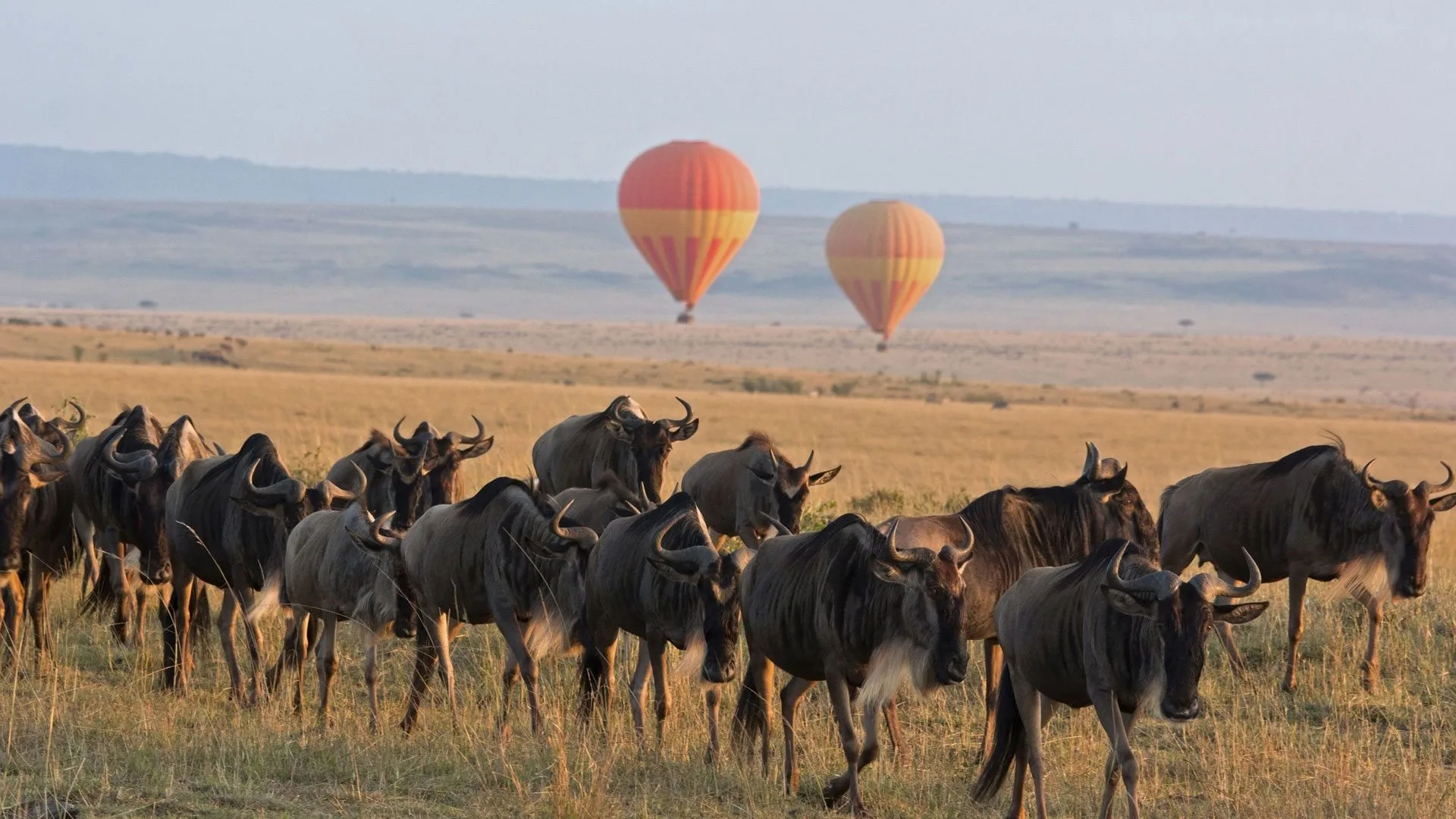
Optional
Masai Mara hot-air balloon safari
Available at extra cost when conditions, permits and your dates allow. Not guaranteed.
View activity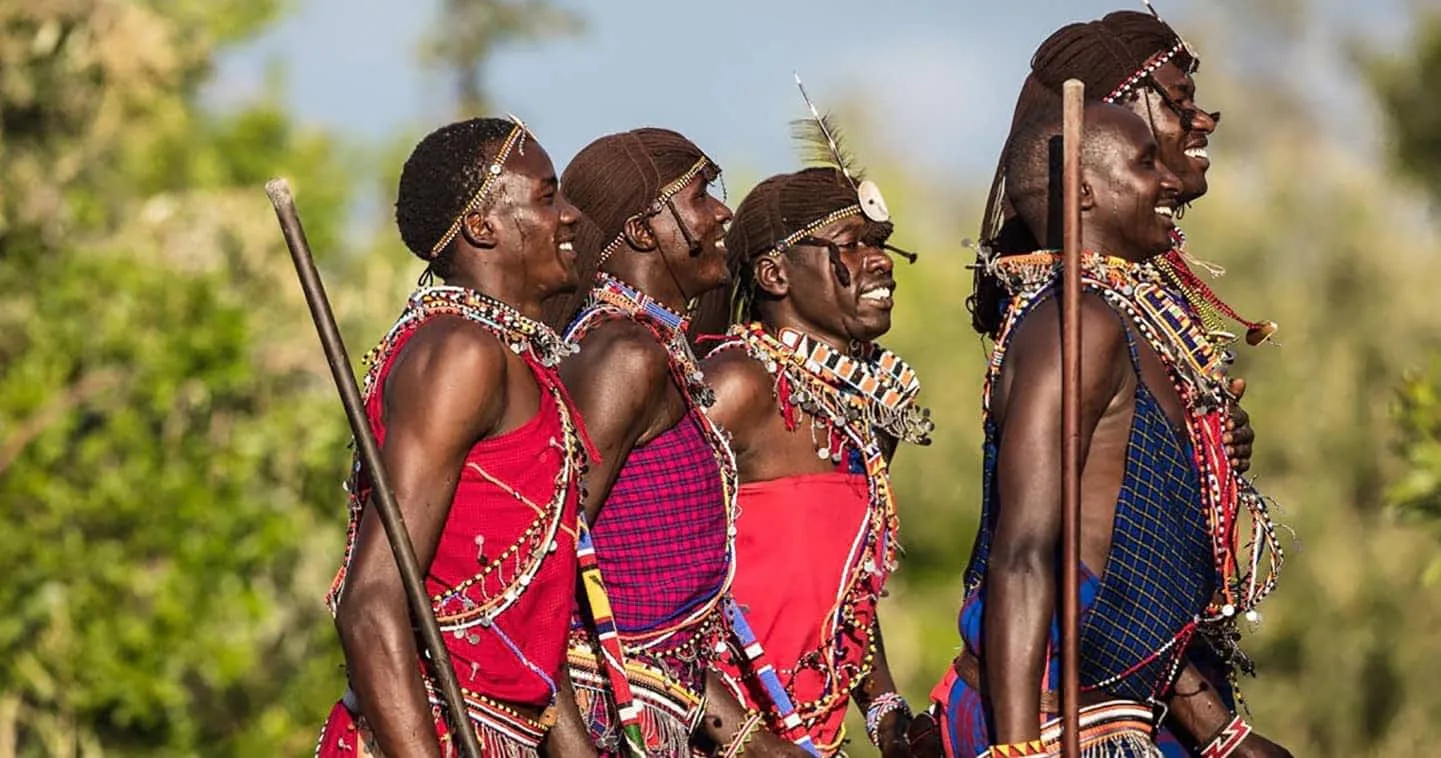
Optional
Maasai cultural experience
Available at extra cost when conditions, permits and your dates allow. Not guaranteed.
View activity
Additional information
Plan This Safari
Best Time for the 12 Days Samburu to Masai Mara Safari
The itinerary can operate throughout most of the year.
June to October
This is one of Kenya's most popular safari periods. Conditions are generally drier, wildlife can become easier to locate around water sources, and the Masai Mara may receive migratory herds during parts of this period. July through October is particularly popular with travelers hoping to experience the Great Migration in the Mara, but exact migration timing cannot be guaranteed.
January to February
These months are often relatively dry and can provide excellent general wildlife viewing. Samburu can be particularly rewarding as animals concentrate around permanent water.
March to May
This period normally includes Kenya's longer rains. Landscapes become green and attractive, birdlife can be exceptional and visitor numbers may be lower, although some roads can become challenging after heavy rainfall.
November to December
Short rains can refresh the landscape. The exact timing and intensity of rainfall varies from year to year.
Great Migration on This Safari
Travelers visiting during the appropriate period may encounter the Great Wildebeest Migration in the Masai Mara. The migration involves enormous numbers of wildebeest accompanied by zebras and other grazing animals moving through the Serengeti-Mara ecosystem. However, it is important to understand that migration is a natural process rather than a scheduled event.
Rainfall influences grass growth, and grass availability influences herd movement. Consequently, exact arrival dates, locations and river crossings vary every year. Spending several nights in the Masai Mara improves your ability to explore different sections of the ecosystem but still cannot guarantee a crossing.
Accommodation Options
This safari can be arranged at several comfort levels.
Budget Accommodation
Budget options focus on good value and practical access to safari destinations. Properties may be located outside reserve boundaries or use simpler facilities.
Mid-Range Accommodation
Mid-range lodges and tented camps generally provide private en-suite accommodation, restaurants, comfortable communal spaces and convenient safari locations. This category is particularly popular with travelers seeking comfort without the cost of high-end luxury camps.
Luxury Accommodation
Luxury arrangements can include premium tented camps and lodges in outstanding locations. Depending on property, facilities may include spacious suites, swimming pools, premium dining, private decks and highly personalized service.
Mixed-Level Safari
Accommodation categories can also be combined. For example, travelers may choose comfortable mid-range lodges in Samburu and the Rift Valley while upgrading to a luxury tented camp in Masai Mara.
Private Safari Advantages
Operating this itinerary privately provides substantial flexibility. Your safari vehicle is reserved for your traveling party, which means your guide can focus more closely on your interests:
- Photographers may spend extended time at particular sightings.
- Families can schedule breaks around children.
- Birdwatchers can stop for species that might otherwise be ignored on a general safari.
- Couples can maintain a more relaxed pace.
Private travel also makes it easier to customize departure times and selected activities.
Driving Distances and Safari Pace
The route covers a substantial section of Kenya, so some travel days are relatively long. This should be viewed as part of an overland Kenya safari rather than simply transportation between attractions, as road journeys reveal highlands, agricultural areas, towns, pastoral landscapes and the Great Rift Valley. Nevertheless, travelers who prefer to minimize driving can request a modified fly-in safari using scheduled domestic flights for selected sectors. The feasibility and cost will depend on the final route and travel dates.
What Is Usually Included?
A typical package may include:
- Private safari vehicle
- Professional English-speaking driver-guide
- Nairobi pickup and final transfer
- Accommodation for 11 nights
- Meals specified in the itinerary
- Scheduled game drives
- Park and conservancy fees specified in the final quotation
- Bottled drinking water during safari drives
- Applicable government taxes on included services
Exact inclusions are always determined by your final confirmed quotation.
What Is Normally Excluded?
Unless specifically listed as included, costs may exclude:
- International flights
- Kenya entry authorization or visa-related charges
- Travel insurance
- Vaccinations
- Personal medical expenses
- Alcoholic beverages
- Premium drinks
- Laundry
- Tips and gratuities
- Optional balloon safari
- Optional boat trips
- Optional cultural visits
- Personal purchases
- Activities not included in the confirmed itinerary
- Accommodation before or after the safari
12 Days Samburu to Masai Mara Safari Cost
The price of this safari depends heavily on how the journey is designed, so there is no responsible single price that applies to every departure. Important cost factors include:
Travel Season
Peak migration and holiday periods can have substantially higher accommodation rates than low or shoulder seasons.
Number of Travelers
Vehicle and guide expenses are shared among travelers. As a result, the per-person cost can decrease when more people travel together.
Accommodation Level
Luxury camps can cost several times more than standard mid-range properties.
Room Configuration
Single travelers generally pay a single supplement. Families may be able to use family rooms or triple configurations depending on lodge availability.
Park and Conservancy Fees
Protected-area fees form a significant part of the total safari cost and may change.
Optional Activities
Hot-air ballooning, cultural visits, boat trips and other additions affect the final price. For an accurate quotation, provide your actual dates, group size and preferred accommodation category.
Can the Safari Be Customized?
Yes. This itinerary can be modified extensively. Possible changes include:
- Adding another night in Samburu
- Removing one Samburu night
- Adding Aberdare National Park
- Adding Mount Kenya
- Adding Solio Conservancy
- Spending additional time at Ol Pejeta
- Removing Lake Naivasha
- Adding Hell's Gate
- Adding another Masai Mara night
- Adding Amboseli
- Adding a Kenya coast extension
- Adding a Zanzibar extension
- Adding domestic flights
- Upgrading accommodation
- Creating a honeymoon itinerary
- Creating a family safari
- Creating a photography-focused safari
- Adding private cultural experiences
The final route should reflect your priorities rather than forcing every traveler into an identical schedule.
Add a Beach Extension
After completing the safari in Masai Mara, travelers can return to Nairobi and connect with a flight to Kenya's Indian Ocean coast. Popular options include:
- Diani Beach – famous for long white-sand beaches and resorts south of Mombasa.
- Watamu – attractive for travelers interested in beaches, marine environments and a more relaxed coastal atmosphere.
- Mombasa – combines beaches with significant Swahili and coastal history.
Alternatively, the safari can be combined with Zanzibar in Tanzania. Adding four to seven beach nights after an intensive wildlife safari can create an excellent balance between adventure and relaxation.
Is This Safari Suitable for Families?
Yes, although the itinerary contains several overland travel days. Families with younger children may want to adjust the route to include additional rest time, and selecting lodges with swimming pools and family rooms can also improve the experience. A private vehicle is especially advantageous for families because game-drive schedules can be adapted around children's energy levels.
Is This Safari Suitable for Honeymooners?
Yes. The itinerary can be upgraded with romantic tented camps, private dining arrangements and selected luxury properties. A honeymoon version can also conclude with several nights on the Kenya coast or Zanzibar.
Photography Safari Potential
The journey is particularly rewarding for photographers because each destination offers different subjects. Samburu provides:
- Reticulated giraffes
- Grevy's zebras
- Elephants
- Dry landscapes
- Ewaso Nyiro River scenes
Ol Pejeta provides:
- Rhinos
- Mount Kenya landscapes
- Conservation-focused photography
Lake Nakuru provides: Rothschild's giraffes, Rhinos, Birds, Lake landscapes.
Naivasha provides:
- Hippos
- Fish eagles
- Waterbirds
Masai Mara provides: Lions, Cheetahs, Leopards, Elephants, Wildebeest, Zebras, Savannah sunsets.
A private vehicle can be particularly valuable for serious photographers.
What to Pack for the Safari
Useful items include:
- Neutral safari clothing
- Lightweight shirts
- Long trousers
- Warm fleece or jacket
- Comfortable walking shoes
- Sun hat
- Sunglasses
- Sunscreen
- Insect repellent
- Binoculars
- Camera
- Spare camera batteries
- Extra memory cards
- Power bank
- Personal medication
- Small backpack
- Reusable water bottle
- Passport and travel documents
Because Samburu can be hot while central Kenya and early morning game drives can be considerably cooler, layered clothing is recommended.
Book Your 12 Days Samburu to Masai Mara Safari
The 12 Days Samburu to Masai Mara Safari is designed for travelers who want to understand just how diverse a Kenya safari can be. The journey begins in the dry northern wilderness of Samburu, where elephants move along the Ewaso Nyiro River and unusual species such as Grevy's zebra, gerenuk and reticulated giraffe provide a distinctly northern safari experience. It then crosses the central highlands to Ol Pejeta, adding an important rhino and conservation dimension.
The Great Rift Valley introduces another completely different environment at Lake Nakuru and Lake Naivasha. Finally, the journey reaches the Masai Mara, where open savannah, large herbivore populations and some of Africa's most celebrated predators provide a fitting conclusion to the safari. Rather than simply counting parks, this itinerary is about experiencing Kenya's ecological diversity from north to south.
To prepare a personalized quotation, provide:
- Your preferred travel dates
- Number of travelers
- Number of adults
- Ages of children, if applicable
- Budget, mid-range or luxury accommodation preference
- Approximate budget per person
- Any specific wildlife interests
- Whether you want a private road safari or selected flights
- Whether you want a beach extension after the safari
The itinerary can then be customized around your priorities while retaining the strongest elements of the 12 Days Samburu to Masai Mara Safari.
Next mapped page in strict sitemap sequence: #169.
Planning Questions
Frequently Asked Questions
Is 12 days enough for Samburu and Masai Mara?
Yes. Twelve days provides sufficient time to combine Samburu and Masai Mara while incorporating important intermediate destinations without turning the safari into a rushed point-to-point journey.
Why visit both Samburu and Masai Mara?
The two reserves are ecologically very different. Samburu provides northern dry-country wildlife, while Masai Mara offers classic grassland wildlife and exceptional predator viewing.
Can I see the Samburu Special Five?
Samburu provides excellent opportunities to search for reticulated giraffe, Grevy's zebra, gerenuk, Beisa oryx and Somali ostrich. Individual sightings cannot be guaranteed.
Will I see rhinos?
Ol Pejeta and Lake Nakuru provide strong opportunities for rhino viewing. Wildlife remains unpredictable, but including both destinations significantly improves the safari's rhino component.
Can I see the Big Five?
The itinerary visits excellent Big Five areas and provides opportunities to search for lion, leopard, elephant, rhino and buffalo. No specific wildlife sighting can be guaranteed.
Can I see the Great Migration?
Potentially. Travelers visiting when migratory herds are in the Masai Mara may encounter the migration. Exact timing and river crossings cannot be guaranteed.
Can we take a hot-air balloon safari?
Yes. A Masai Mara balloon safari can normally be arranged at additional cost and should preferably be reserved in advance.
Can this be a luxury safari?
Yes. Premium lodges and tented camps can be selected throughout the itinerary.
Can this be arranged as a budget safari?
Yes. More affordable lodges and camps can be used where practical while maintaining the core route.
Is the safari private?
It can be organized with a private safari vehicle and dedicated driver-guide for your traveling party.
Can we finish at the beach?
Yes. A Kenya coast or Zanzibar extension can be added after Masai Mara.
Can children join this safari?
Yes. The itinerary can be adapted for families, although children's ages should be provided when requesting a quotation because some lodges and activities have age restrictions.
05 Request Quote
Request Quote
Tell us your dates, group size, and preferred lodge style — we will send a tailored quote for this safari.
Want to extend your safari?
Add Amboseli, Diani Beach, Tanzania and Zanzibar, or gorilla trekking in Uganda or Rwanda — we tailor the journey to your dates.