
12 DAYS / 11 NIGHTS
12 Days Budget Kenya Safari
Plan a 12 Days Budget Kenya Safari with expert guides, game drives and carefully chosen camps. Request a quote.
- Wildlife SafariPrivate Journey
- Private Safari4x4 Vehicle
- Expert GuideEnglish Speaking
- All MealsBreakfast, Lunch, Dinner
- 24/7 SupportWe're here to help
01 Overview
Safari Overview
- Duration12 days / 11 nights
- DestinationKenya
- Starts / endsNairobi
- Safari stylePrivate safari
- AccommodationEssential · Comfort · Premium · Signature
- Best forWildlife viewing, photography
12 Days Budget Kenya Safari
A 12 Days Budget Kenya Safari is an excellent choice for travelers who want a substantial Kenya wildlife experience while carefully controlling accommodation, transportation and activity costs. Twelve days gives you enough time to explore several of Kenya's most rewarding safari destinations without having to rely on expensive domestic flights, ultra-luxury camps or unnecessary upgrades.
Budget safari travel does not mean compromising the reason you came to Kenya. You can still watch elephants crossing the plains, search for lions and cheetahs, look for black and white rhinos, photograph giraffes among acacia trees, observe hippos in Rift Valley lakes and spend several full days exploring the legendary Masai Mara.
The main difference is how the journey is organized. A budget-focused itinerary typically prioritizes:
- Road transportation instead of repeated bush flights.
- Comfortable but affordable lodges and tented camps.
- Efficient park routing.
- Fewer unnecessary hotel changes.
- Private vehicle sharing among several travelers where possible.
- Carefully selected optional activities.
- Full-board safari accommodation.
- Long enough stays to maximize wildlife viewing.
This means more of your safari budget is directed toward the essentials that genuinely determine the quality of the experience: park access, wildlife time, a reliable safari vehicle, fuel, accommodation and a knowledgeable driver-guide.
A twelve-day budget itinerary can combine destinations such as Amboseli National Park, Lake Naivasha, Lake Nakuru National Park and the Masai Mara National Reserve. Travelers seeking a different route can incorporate Samburu, Ol Pejeta, Tsavo or other Kenyan wildlife areas, depending on available time and budget. The safari can be organized as a private budget safari or, where appropriate departures exist, a small-group safari that allows vehicle costs to be divided among several travelers. For many travelers, this creates one of the strongest value-for-money ways to explore Kenya.
Why Choose a 12 Days Budget Kenya Safari?
Twelve days gives budget-conscious travelers one major advantage: time. Shorter safaris can become surprisingly expensive because fixed costs such as the vehicle, guide, fuel and park fees remain significant even when the trip lasts only a few days, and a longer safari allows you to spread some of those logistical costs across a more substantial journey. More importantly, it gives you enough time to travel by road without making the trip feel like a continuous sequence of transfers. Instead of flying between every destination, you can travel overland and still spend multiple nights in major wildlife areas. For wildlife lovers, the extra safari days can be far more valuable than upgrading every night to luxury accommodation. This means you can experience:
- More game drives.
- More sunrise and sunset opportunities.
- More chances to find elusive wildlife.
- More varied landscapes.
- More time to understand animal behavior.
- Better value from the international flight you have already paid for.
Who Is the 12 Days Budget Kenya Safari Best For?
This itinerary can be particularly suitable for the travelers below, and the route can be adjusted according to the number of travelers and available budget:
- Budget-conscious couples.
- Solo travelers.
- Friends traveling together.
- Backpackers wanting an organized safari.
- Young travelers.
- Students.
- Families.
- First-time Kenya visitors.
- Long-term Africa travelers.
- Wildlife enthusiasts.
- Photographers prioritizing wildlife over accommodation luxury.
- Travelers combining Kenya and Tanzania.
- Guests adding a beach extension after safari.
Suggested 12 Days Budget Kenya Safari Itinerary
A practical and affordable road-based itinerary can follow:
- Day 1: Arrival in Nairobi
- Day 2: Nairobi to Amboseli
- Day 3: Full-Day Amboseli Safari
- Day 4: Amboseli to Lake Naivasha
- Day 5: Lake Naivasha Activities and Transfer to Lake Nakuru
- Day 6: Lake Nakuru Wildlife Safari
- Day 7: Lake Nakuru to Masai Mara
- Day 8: Full-Day Masai Mara Safari
- Day 9: Full-Day Masai Mara Safari
- Day 10: Masai Mara Migration and Predator Safari
- Day 11: Final Full Masai Mara Wildlife Day
- Day 12: Masai Mara to Nairobi
This route provides a strong balance between travel time, wildlife diversity and affordability.
Itinerary
- Day 1:Arrival in Nairobi, welcome to Kenya
- Day 2:Nairobi to Amboseli, begin Your Wildlife Safari
- Day 3:Amboseli National Park Safari
- Day 4:Amboseli to Lake Naivasha, across Kenya to the Rift Valley
- Day 5:Lake Naivasha, optional Boat Safari and Transfer to Lake Nakuru
- Day 6:Lake Nakuru Wildlife Safari
- Day 7:Lake Nakuru to Masai Mara, enter Kenya's Premier Safari Reserve
- Day 8:Masai Mara Big Five Safari
- Day 9:Masai Mara, elephants, Predators and Plains Wildlife
- Day 10:Masai Mara, great Migration and Mara River Safari
- Day 11:Final Full Masai Mara Safari, search for Your Missing Wildlife
- Day 12:Masai Mara to Nairobi, end of Your Budget Kenya Safari
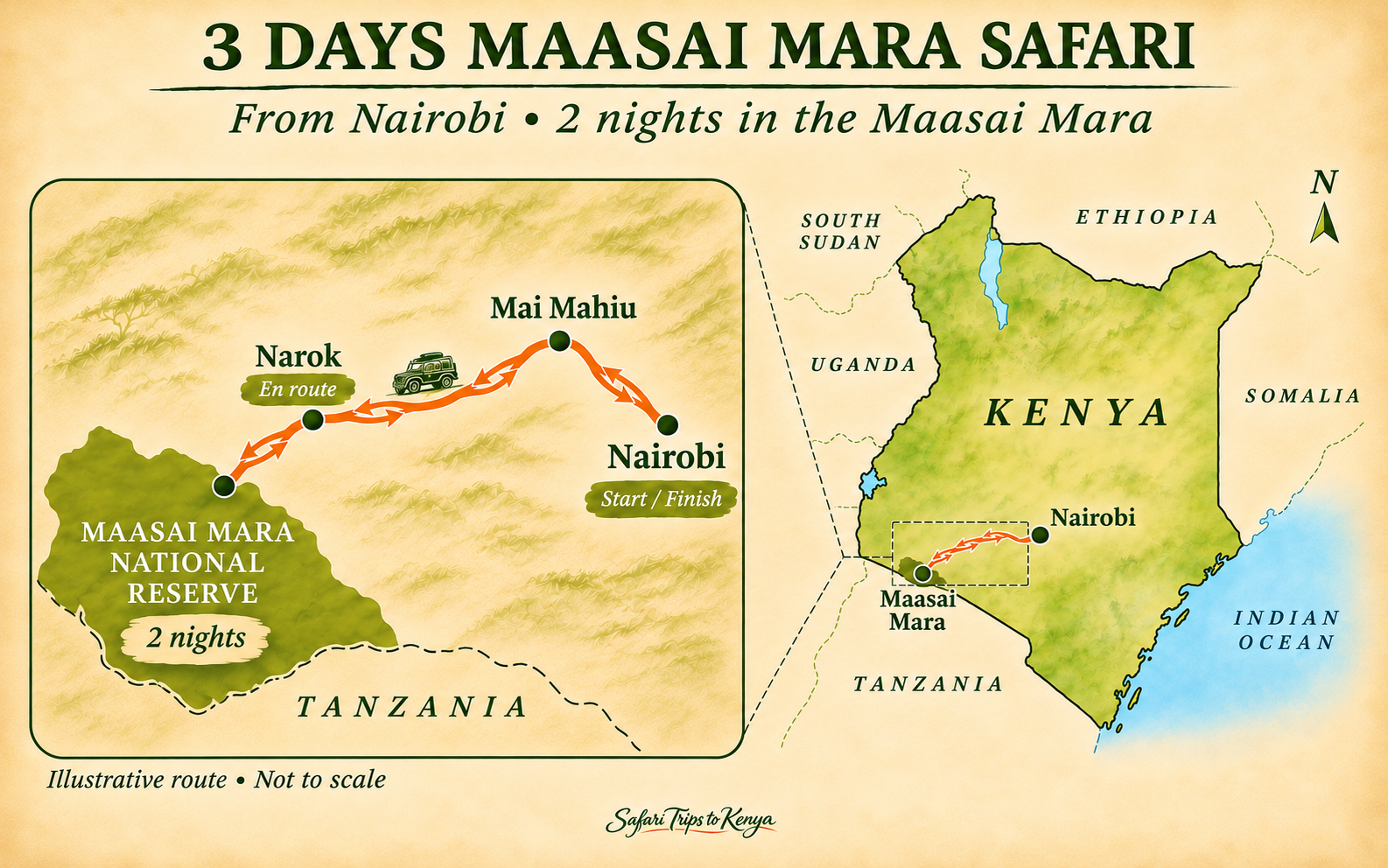
02 Itinerary
12 Days Budget Kenya Safari: Detailed Itinerary

Day 1: Arrival in Nairobi – Welcome to Kenya - Main destination
- Masai Mara National Reserve
- Drive time
- Road transfer as outlined in the itinerary
- Meals
- Lunch, Dinner
Your 12 Days Budget Kenya Safari begins when you arrive at Jomo Kenyatta International Airport.
After clearing immigration, collecting your luggage and completing customs procedures, meet your safari representative in the arrivals area.
You will be transferred to your Nairobi accommodation.
For a budget itinerary, Nairobi accommodation can be selected according to practical considerations rather than unnecessary luxury.
Important priorities include:
- Clean rooms.
- Safe location.
- Reliable service.
- Convenient departure route.
- Good breakfast where included.
- Reasonable transfer distance.
Depending on your arrival time, the remainder of the day can be spent resting.
Travelers arriving early may add an optional Nairobi excursion.
Possible activities include:
- Giraffe Centre.
- Karen Blixen Museum.
- Nairobi National Museum.
- Selected markets.
- Local restaurants.
- Nairobi city orientation.
These activities are optional unless listed in your confirmed package.
Later, meet your driver-guide or safari representative for a detailed briefing.
Discuss:
- Route.
- Accommodation.
- Drive times.
- Vehicle.
- Park fees.
- Meal arrangements.
- Drinking water.
- Luggage.
- Game-drive schedule.
- Optional activities.
- Photography.
- Tipping.
- Departure arrangements.
A budget safari works best when expectations are clear from the beginning.
Ask which services are included and which optional activities require additional payment.
Have dinner according to your hotel arrangement.
Rest before beginning the safari tomorrow.
Accommodation: Budget or good-value Nairobi hotel/guesthouse
Meal Plan: According to arrival arrangements
Activity: Airport transfer and safari briefing
Where you stay
- Essential (Budget)
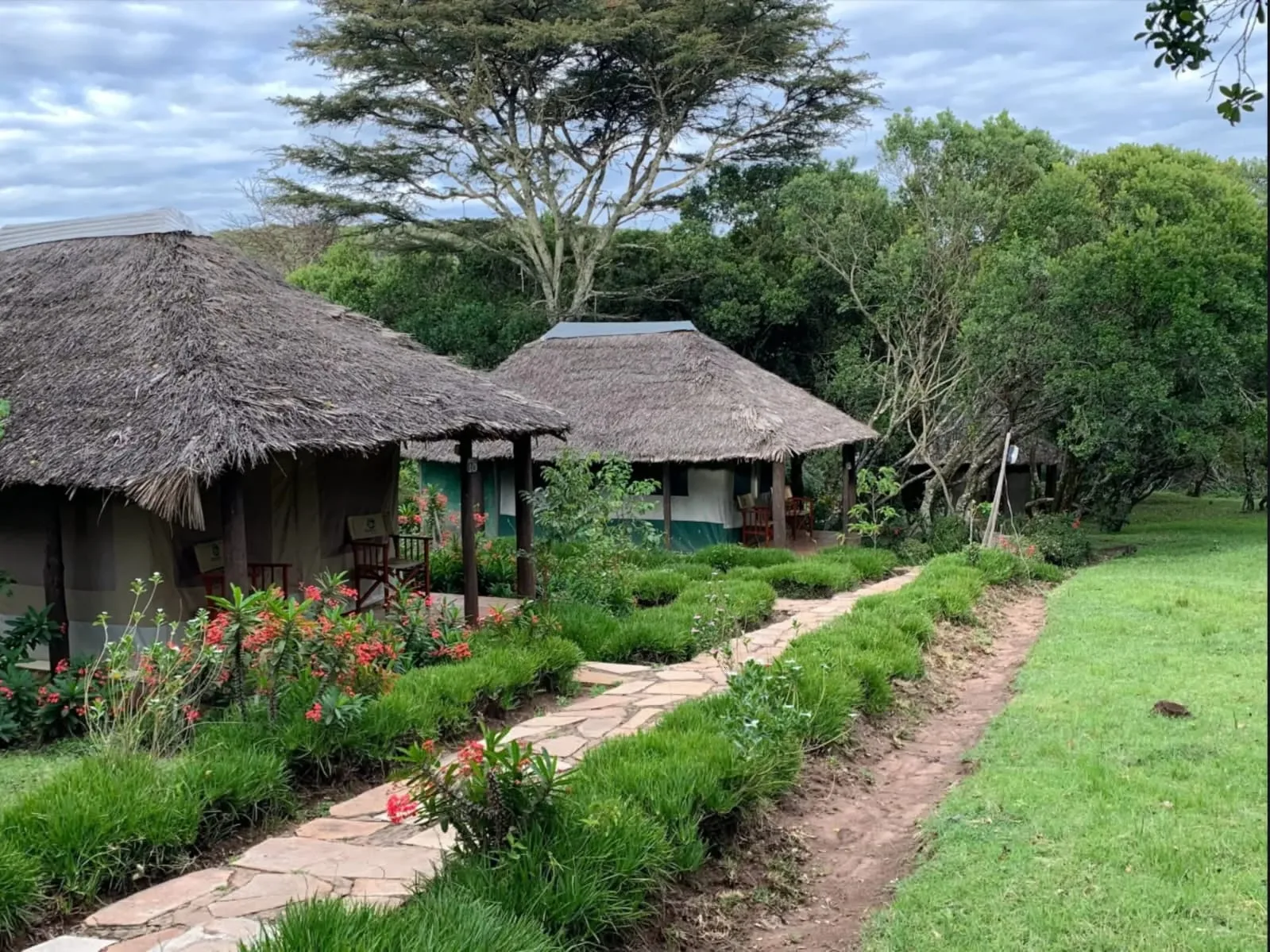
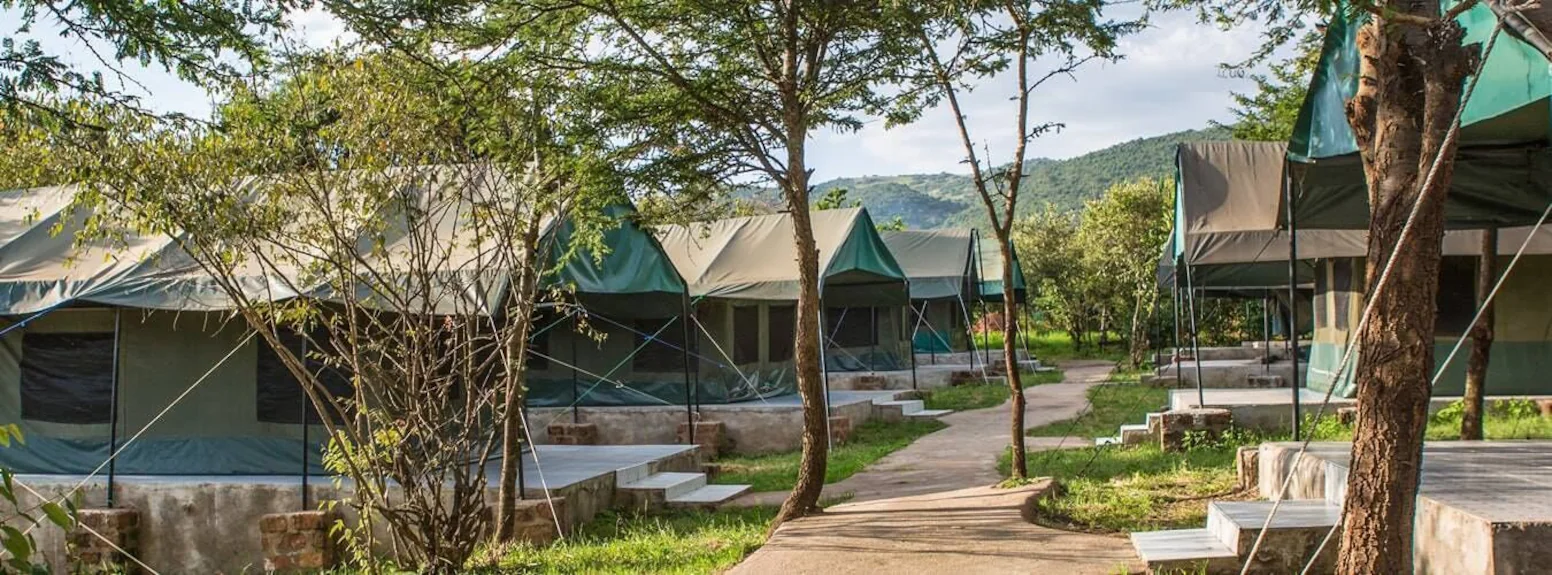
- Comfort (Mid-range)
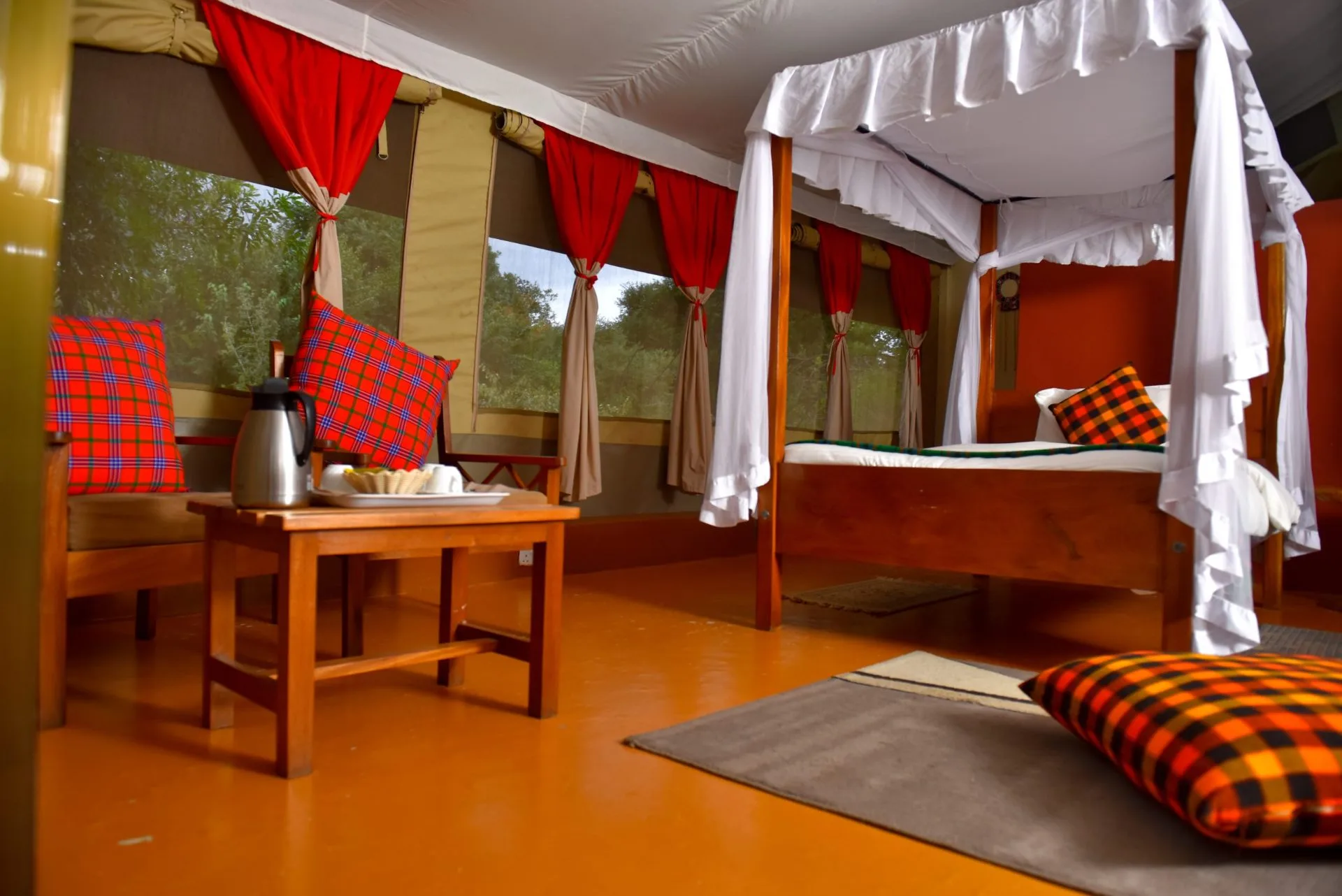
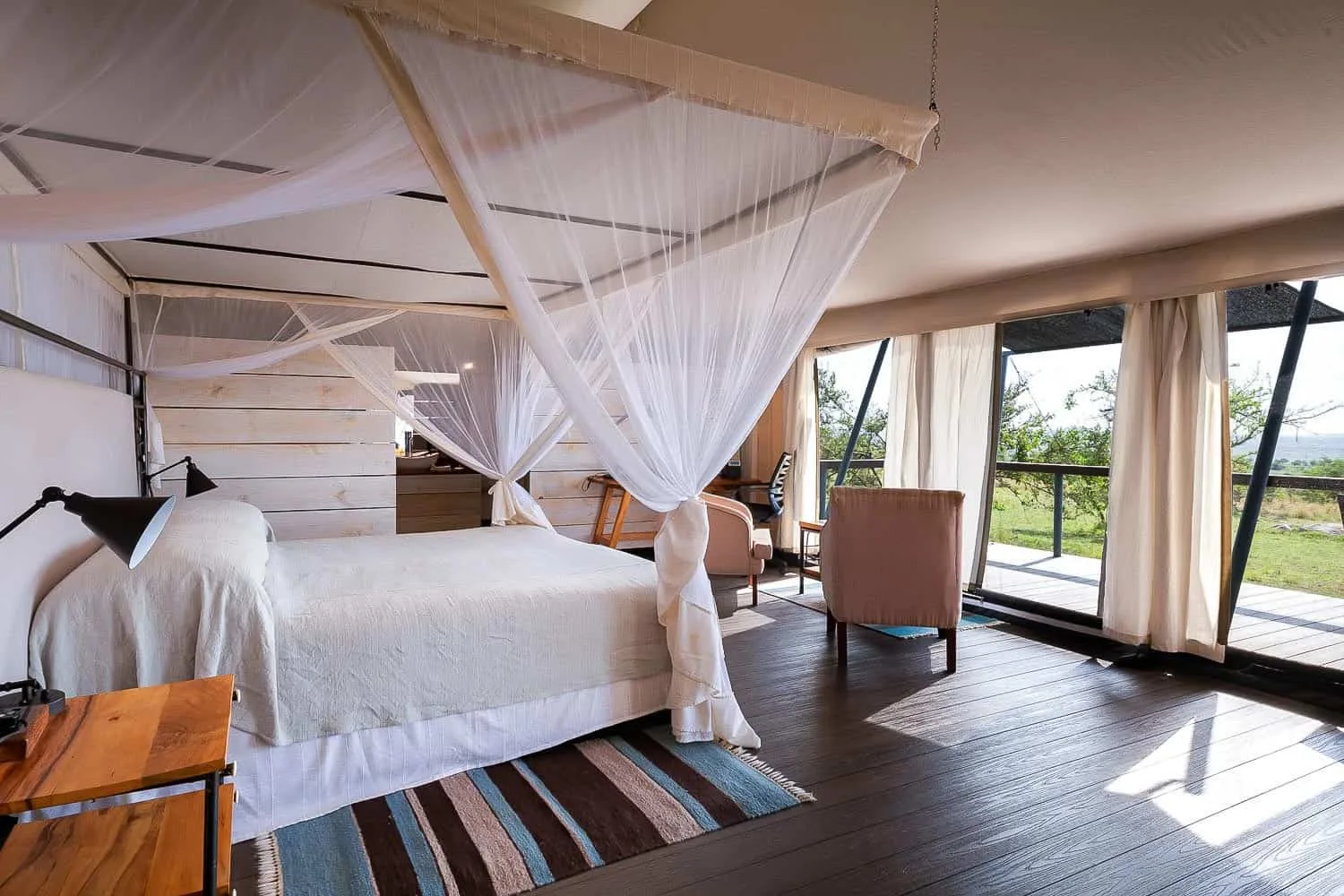
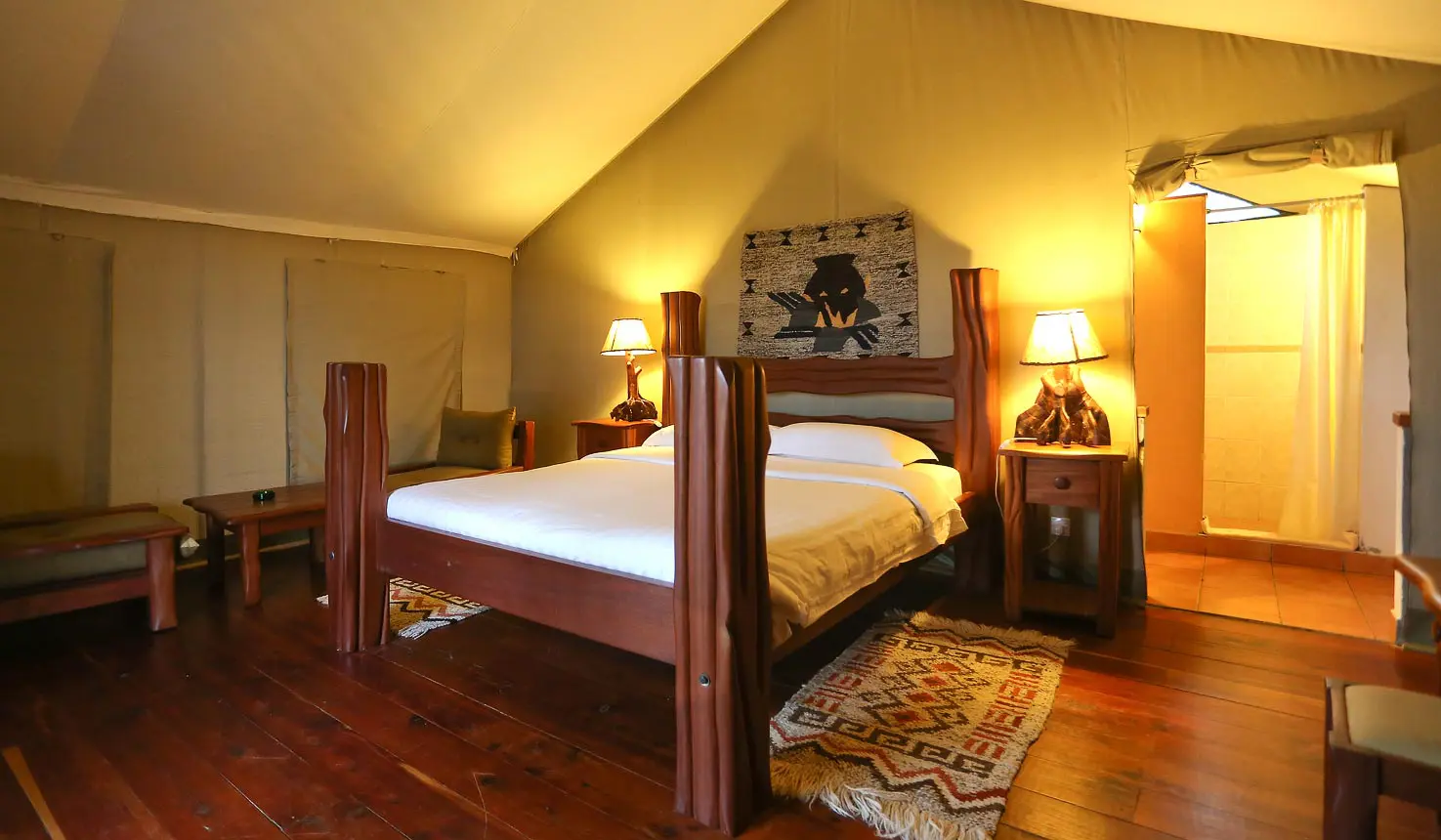
- Premium (Luxury)
- Signature (High-end)
Day 2: Nairobi to Amboseli National Park – Begin Your Wildlife Safari - Main destination
- Masai Mara National Reserve
- Meals
- Breakfast, Lunch, Dinner
After breakfast, meet your driver-guide and leave Nairobi.
Travel south toward Amboseli National Park.
A road transfer is normally the most economical way to reach Amboseli.
The drive also gives you an opportunity to see parts of Kenya beyond the main tourist areas.
As you leave Nairobi, urban development gradually becomes less dominant.
You may pass:
- Small towns.
- Farms.
- Roadside markets.
- Rural settlements.
- Open countryside.
Your driver-guide can provide information about Kenyan life, landscapes and communities along the route.
Approaching Amboseli, the environment becomes drier and more open.
On a clear day, you may begin seeing Mount Kilimanjaro in the distance.
Although the mountain is located in Tanzania, some of the best-known views are seen from the Kenyan side.
Arrive at your budget lodge or permanent tented camp.
Check in.
Have lunch.
Spend a short period resting.
Later, enter Amboseli for an afternoon wildlife drive.
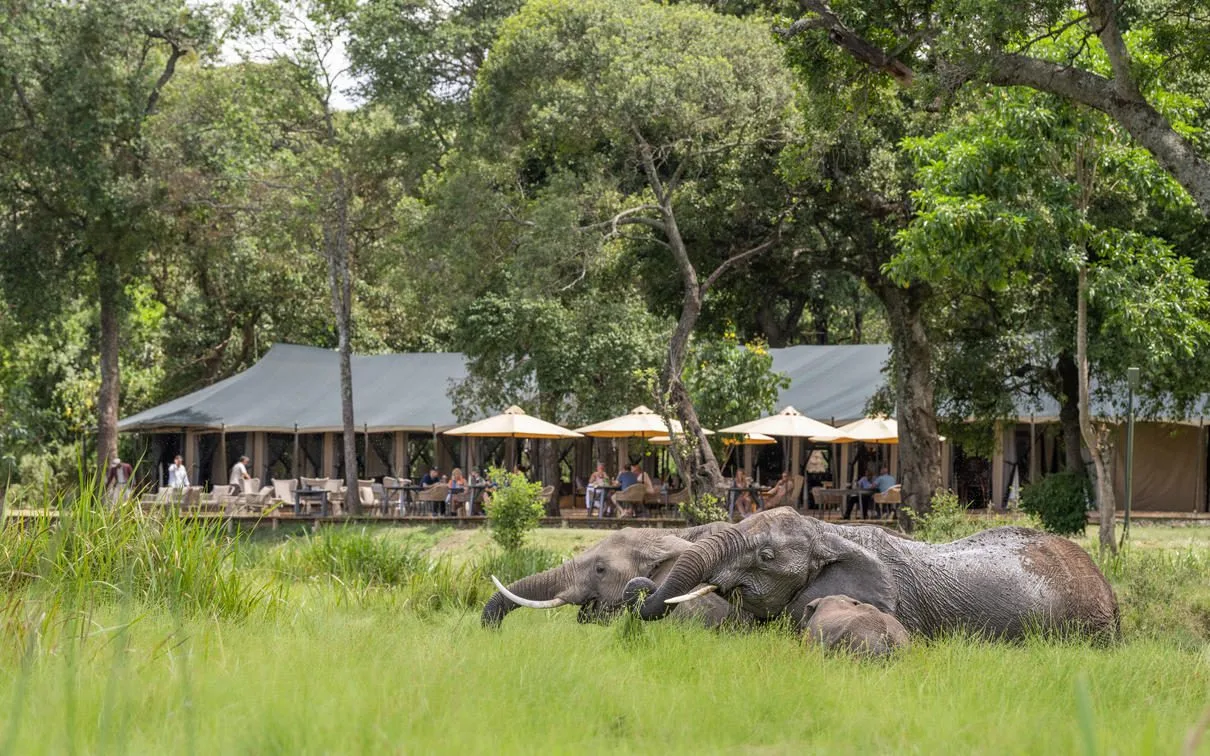
The park is internationally famous for elephants.
Large family groups may cross open plains.
Others concentrate around marshes and wetland vegetation.
Watch carefully for calves.
Young elephants often remain close to mothers and other adult females.
Large bulls may travel independently.
Possible additional wildlife includes: Buffalo, Zebra, Wildebeest, Giraffe, Impala, Gazelles, Warthog, Hippo, Lion, Spotted hyena, Jackal.
Continue the game drive until evening.
If Kilimanjaro is visible, the warm afternoon light may provide excellent photographs.
Return to your accommodation.
Have dinner and spend your first night in safari country.
Accommodation: Budget lodge or tented camp near Amboseli
Meal Plan: Breakfast, Lunch & Dinner
Activity: Nairobi-Amboseli road transfer and afternoon game drive
Where you stay
Day 3: Full-Day Amboseli National Park Safari - Main destination
- Masai Mara National Reserve
- Meals
- Breakfast, Lunch, Dinner
Wake early.
Have breakfast or an early tea/coffee according to your camp's schedule.
Enter Amboseli while temperatures are still relatively cool.
Early morning can be one of the most rewarding periods for wildlife viewing.
Animals may be more active.
Predators may still be moving following nighttime activity.
Birds become increasingly active after sunrise.
And Kilimanjaro may be clearer before clouds develop later in the day.
Elephant Safari
Elephants are the major attraction.
Do not treat every elephant sighting as identical.
Observe the social behavior.
You may see:
- Mothers with calves.
- Juveniles playing.
- Family groups drinking.
- Elephants feeding in wetlands.
- Dust bathing.
- Large bulls crossing open terrain.
Spend time with particularly interesting herds.
You do not need luxury accommodation to enjoy a world-class elephant encounter.
The wildlife is the same.
Amboseli Wetlands
The park's wetlands provide vital habitat.
They can attract:
- Elephants.
- Buffaloes.
- Hippos.
- Waterbirds.
- Grazing herbivores.
Predators may patrol nearby because prey can concentrate around water and productive vegetation.
Lions and Other Predators
Lions are present in the ecosystem.
Sightings require patience and luck.
Your guide may look for tracks or recent reports.
Spotted hyenas and jackals can also be encountered.
Depending on your chosen schedule, return to the lodge for lunch or carry a packed lunch.
A picnic lunch can be especially useful on a budget safari because it allows you to remain in the park and maximize wildlife time.
Continue through the afternoon.
Return to camp before or around the appropriate closing time.
Accommodation: Budget lodge or tented camp near Amboseli
Meal Plan: Breakfast, Lunch & Dinner
Activity: Full-day or morning and afternoon Amboseli safari
Where you stay
Day 4: Amboseli to Lake Naivasha – Across Kenya to the Rift Valley - Main destination
- Masai Mara National Reserve
- Meals
- Breakfast, Lunch, Dinner
After breakfast, check out and begin the journey toward Lake Naivasha.
This is one of the longer road-transfer days.
Rather than viewing it simply as lost time, consider it part of the overland Kenya experience.
You travel through changing landscapes and see parts of the country missed by fly-in travelers.
Your guide will schedule suitable rest stops.
As you approach the Great Rift Valley region, the scenery changes.
Lake Naivasha is a freshwater lake surrounded by productive habitats and agricultural landscapes.
Arrive at your accommodation.
Check in.
Depending on arrival time, spend the evening relaxing or take an optional short activity.
Budget accommodation around Naivasha can include:
- Guesthouses.
- Simple lodges.
- Camps.
- Good-value lakeside properties.
The objective is to obtain comfortable accommodation without paying for facilities you do not need.
Have dinner and prepare for tomorrow's activities.
Accommodation: Budget lodge, camp or guesthouse around Lake Naivasha
Meal Plan: Breakfast, Lunch & Dinner
Activity: Amboseli-Lake Naivasha road transfer
Where you stay
Day 5: Lake Naivasha – Optional Boat Safari and Transfer to Lake Nakuru - Main destination
- Masai Mara National Reserve
- Meals
- Breakfast, Lunch, Dinner
Wake for breakfast.
Depending on your interests and budget, take an optional Lake Naivasha boat safari.
The boat trip adds valuable variety to a journey otherwise dominated by vehicle-based game viewing.
Lake Naivasha Boat Experience
Potential wildlife includes: Hippos, African fish eagles, Pelicans, Cormorants, Herons, Egrets, Kingfishers, Other waterbirds.
Hippos should always be treated carefully.
They are large and potentially dangerous animals.
Use a reputable local boat operator who maintains safe distances.
Bird photographers may particularly enjoy the lake.
African fish eagles are among the most recognizable birds in the area.
After the boat excursion, continue toward Lake Nakuru National Park.
Arrive in the Nakuru region.
Depending on timing, enter the park for an afternoon game drive or check into your accommodation first.
Lake Nakuru introduces another different ecosystem.
The park includes:
- Lake habitat.
- Grassland.
- Woodland.
- Rocky slopes.
- Forest.
Search for: Rhino, Rothschild's giraffe, Buffalo, Zebra, Waterbuck, Warthog, Baboon.
Predators include lions and leopards, although leopard sightings remain difficult.
Return to your accommodation for dinner.
Accommodation: Budget or good-value lodge/camp near Lake Nakuru
Meal Plan: Breakfast, Lunch & Dinner
Activity: Optional Naivasha boat safari, transfer and Lake Nakuru wildlife viewing
Where you stay
Day 6: Full-Day Lake Nakuru Wildlife Safari - Main destination
- Masai Mara National Reserve
- Meals
- Breakfast, Lunch, Dinner
Begin early.
Today provides enough time to explore Lake Nakuru without rushing directly onward.
The park is relatively compact compared with the Masai Mara, but its habitat diversity makes it rewarding.
Rhino Viewing
One of the principal reasons to include Lake Nakuru is the opportunity to search for rhinoceroses.
Both white and black rhinos occur.
White Rhino
White rhinos are primarily grazers.
Their broad mouths are adapted for feeding on grass.
They may be encountered in open habitat.
Black Rhino
Black rhinos are browsers.
Their pointed upper lips help them select leaves and branches.
They can be more difficult to locate.
No sighting is guaranteed, but Lake Nakuru can significantly improve your opportunities to add rhinos to the safari.
Rothschild's Giraffes
The park is also associated with Rothschild's giraffes.
Look for these tall browsers in woodland and open areas.
Flamingos and Other Birds
Lake Nakuru became famous for enormous historical flamingo concentrations.
However, flamingo numbers fluctuate according to water conditions and food.
Do not expect every visit to resemble old images containing vast pink masses.
Birdlife remains rewarding even when flamingo numbers are lower.
Possible birds include: Pelicans, Storks, Herons, Egrets, Raptors, Waterbirds.
Continue the safari through the day.
Have lunch according to your accommodation or picnic arrangement.
Return for dinner.
Accommodation: Budget or good-value lodge/camp near Lake Nakuru
Meal Plan: Breakfast, Lunch & Dinner
Activity: Full-day Lake Nakuru safari
Where you stay
Day 7: Lake Nakuru to Masai Mara – Enter Kenya's Premier Safari Reserve - Main destination
- Masai Mara National Reserve
- Meals
- Breakfast, Lunch, Dinner
After breakfast, leave Lake Nakuru and begin the road journey toward the Masai Mara National Reserve.
This is one of the most anticipated transfer days.
The road passes through towns, rural communities and gradually more open landscapes.
Eventually, the grasslands associated with the greater Mara ecosystem begin to dominate.
The final road conditions can vary.
A budget road safari requires some patience, particularly where surfaces become rough.
Arrive at your selected budget tented camp or lodge.
Check in.
Have lunch or refreshments depending on arrival time.
Later, begin your first Mara game drive.
The abundance of plains wildlife may become immediately apparent.
Look for: Wildebeest, Zebra, Giraffe, Topi, Eland, Impala, Gazelles, Buffalo, Elephant, Warthog.
Predators are a major focus.
The Mara supports: Lion, Leopard, Cheetah, Spotted hyena, Jackal.
Lions are often easier to locate than leopards.
Cheetahs favor open landscapes.
Leopards can disappear almost completely into vegetation.
Spend the afternoon searching.
Return to camp in the evening.
Accommodation: Budget tented camp or lodge near/in Masai Mara
Meal Plan: Breakfast, Lunch & Dinner
Activity: Lake Nakuru-Masai Mara transfer and afternoon game drive
Where you stay
Day 8: Full-Day Masai Mara Big Five Safari - Main destination
- Masai Mara National Reserve
- Meals
- Breakfast, Lunch, Dinner
Wake early for your first full Mara safari.
Take breakfast before departure or carry a packed meal depending on the camp's arrangements.
Budget travelers can maximize wildlife time by carrying picnic lunch and remaining inside the reserve for the day.
Your guide will select the route according to recent sightings and wildlife movement.
Lions
The Masai Mara is one of Kenya's strongest destinations for lions.
You may encounter:
- Adult males.
- Females.
- Cubs.
- Small groups.
- Large prides.
Do not assume a sleeping lion is an uninteresting sighting.
Wait.
Lions can suddenly become active.
A cub may begin playing.
Females may groom one another.
A male may stand and scent-mark.
Leopards
Leopards are more challenging.
Search around:
- Riverine woodland.
- Trees.
- Drainage lines.
- Dense vegetation.
A leopard may be almost invisible.
Tracks and alarm calls can help experienced guides locate them.
Cheetahs
Cheetahs generally use open country.
They may rest in short grass or climb low rises to scan for prey.
If they begin hunting, remain quiet and respect your guide's positioning decisions.
Wildlife must never be harassed for a photograph.
Have lunch in an authorized picnic area.
Continue through the afternoon.
Return to camp around evening.
Accommodation: Budget tented camp or lodge near/in Masai Mara
Meal Plan: Breakfast, Packed Lunch & Dinner
Activity: Full-day Masai Mara safari
Where you stay
Day 9: Masai Mara – Elephants, Predators and Plains Wildlife - Main destination
- Masai Mara National Reserve
- Meals
- Breakfast, Lunch, Dinner
Spend another full day exploring the Mara.
Multiple nights make an enormous difference.
Wildlife is constantly moving.
Yesterday's lion pride may have moved several kilometers.
Cheetahs may be hunting in a completely different area.
Elephants may have arrived near a river.
A leopard that remained hidden yesterday may suddenly appear.
Your guide can use the previous day's experiences to refine the search.
Elephants
Mara elephants are often overlooked by travelers focused exclusively on big cats.
Spend time with them.
Watch:
- Family interactions.
- Calves.
- Feeding.
- Trunk touching.
- Dust bathing.
- Herd movement.
Buffaloes
Large buffalo herds may be encountered.
Older bulls sometimes form smaller groups.
Buffaloes can attract lions, particularly where prides are capable of hunting large prey.
Giraffes
Giraffes provide beautiful photographic subjects.
Watch how they move through acacia woodland and open grassland.
Hyenas
Spotted hyenas play a major ecological role.
They are effective hunters as well as scavengers.
If you find a den, observe responsibly and avoid crowding it.
Continue the safari throughout the day.
Return for dinner.
Accommodation: Budget tented camp or lodge near/in Masai Mara
Meal Plan: Breakfast, Packed Lunch & Dinner
Activity: Full-day Mara wildlife safari
Where you stay
Day 10: Masai Mara – Great Migration and Mara River Safari - Main destination
- Masai Mara National Reserve
- Meals
- Breakfast, Lunch, Dinner
Today can focus on migration activity if your safari falls during a suitable period.
The Great Wildebeest Migration involves enormous numbers of wildebeest and zebras moving through the wider Serengeti-Mara ecosystem.
The movement is driven by:
- Rainfall.
- Fresh grazing.
- Water.
- Seasonal ecological conditions.
Large migration herds are commonly associated with the Kenyan Masai Mara during portions of approximately July through October, but exact timing varies.
Mara River
The Mara River is an important ecosystem throughout the year.
It supports:
- Hippos.
- Crocodiles.
- Waterbirds.
- Riverine vegetation.
During migration periods, wildebeest may gather near river-crossing points.
River crossings have become one of Africa's most famous wildlife spectacles.
However, they are completely unpredictable.
Wildebeest may approach the water and retreat.
They may remain for hours.
They may cross at a different location.
A crossing can also begin suddenly.
No responsible safari operator should guarantee one.
Your guide may recommend waiting if conditions appear promising.
Carry sufficient water, sun protection and camera equipment.
Even without a crossing, migration herds can be spectacular.
Continue through the afternoon.
Return to camp in the evening.
Accommodation: Budget tented camp or lodge near/in Masai Mara
Meal Plan: Breakfast, Packed Lunch & Dinner
Activity: Full-day migration/general Mara safari
Where you stay
Day 11: Final Full Masai Mara Safari – Search for Your Missing Wildlife - Main destination
- Masai Mara National Reserve
- Meals
- Breakfast, Lunch, Dinner
Today is your final complete game-drive day.
By now, you may have already seen most of the animals you hoped to encounter.
Use this day intelligently.
If leopard remains missing, ask your guide to concentrate more heavily on suitable habitat.
If you want more cheetah sightings, explore open plains.
If you have become fascinated by elephants, spend longer with family groups.
If birds have become unexpectedly interesting, tell your guide.
An extended safari becomes more satisfying when the itinerary adapts as your interests develop.
Optional Maasai Cultural Visit
Travelers interested in culture can include an optional Maasai community experience.
A responsible visit may introduce aspects of:
- Livestock traditions.
- Housing.
- Clothing.
- Community life.
- Education.
- Contemporary culture.
Understand the fee before participating.
Ask permission before photographing individuals.
Avoid treating people merely as safari attractions.
Optional Balloon Safari
Travelers who have allocated additional budget can also add a hot-air balloon safari.
This is a premium activity and can substantially increase the trip cost.
Budget travelers should decide whether the balloon experience is more important than another safari night, accommodation upgrade or beach extension.
Return to camp after your final full day in the Mara.
Enjoy dinner and reflect on the journey.
Accommodation: Budget tented camp or lodge near/in Masai Mara
Meal Plan: Breakfast, Lunch or Packed Lunch & Dinner
Activity: Full-day wildlife safari; optional cultural or balloon experience
Where you stay
Day 12: Masai Mara to Nairobi – End of Your Budget Kenya Safari - Main destination
- Masai Mara National Reserve
- Drive time
- Return transfer as outlined in the itinerary
- Meals
- Breakfast, Lunch
Wake for breakfast.
Depending on your departure schedule and park arrangements, enjoy a short final wildlife drive while leaving the Mara.
Final mornings can be surprisingly productive.
Predators may still be active.
Giraffes may move across open plains.
Elephants may appear near the road.
Birdlife can be excellent in the cool morning.
Begin the road journey back to Nairobi.
The drive takes several hours depending on road conditions, stops and Nairobi traffic.
A road return is normally the most economical option.
Travelers who decide they want to reduce the final transfer can upgrade to a scheduled bush flight where available.
Arrive in Nairobi later in the day.
Your guide can drop you at:
- Jomo Kenyatta International Airport.
- Nairobi hotel.
- Another agreed location.
Travelers continuing their trip can extend toward:
- Diani Beach.
- Mombasa.
- Tanzania.
- Uganda.
- Rwanda.
- Zanzibar.
Your 12 Days Budget Kenya Safari concludes after almost two weeks of wildlife viewing through several of Kenya's contrasting ecosystems.
Meal Plan: Breakfast; additional meals according to arrangements
Activity: Final game drive and Masai Mara-Nairobi transfer
Where you stay
03 Rates
Safari rates 2027-2029
Indicative per person. Season, group size and lodge style change the total — your quotation confirms current rates.
- Essential (Budget)
Essential (Budget)
Budget camps and lodges suit travelers who prioritize wildlife while keeping costs lower.
Great value camps
- Comfort (Mid-range)
Comfort (Mid-range)
Mid-range tented camps and lodges balance comfort and price with private rooms or tents and en-suite facilities.
Quoted for your dates
- Premium (Luxury)
Premium (Luxury)
Luxury camps and lodges focus on location, service and more intimate wildlife experiences.
Premium camps and lodges
- Signature (High-end)
Signature (High-end)
Signature camps and lodges are the most exclusive stays — small, highly private properties with exceptional guiding and setting.
Exclusive signature stays
04 Activities
Safari activities
Game viewing is the core of this itinerary. Optional extras are quoted separately and depend on season, permits and availability. Individual species and river crossings are never guaranteed.
Optional
Boat safari.
Available at extra cost when conditions, permits and your dates allow. Not guaranteed.
View activity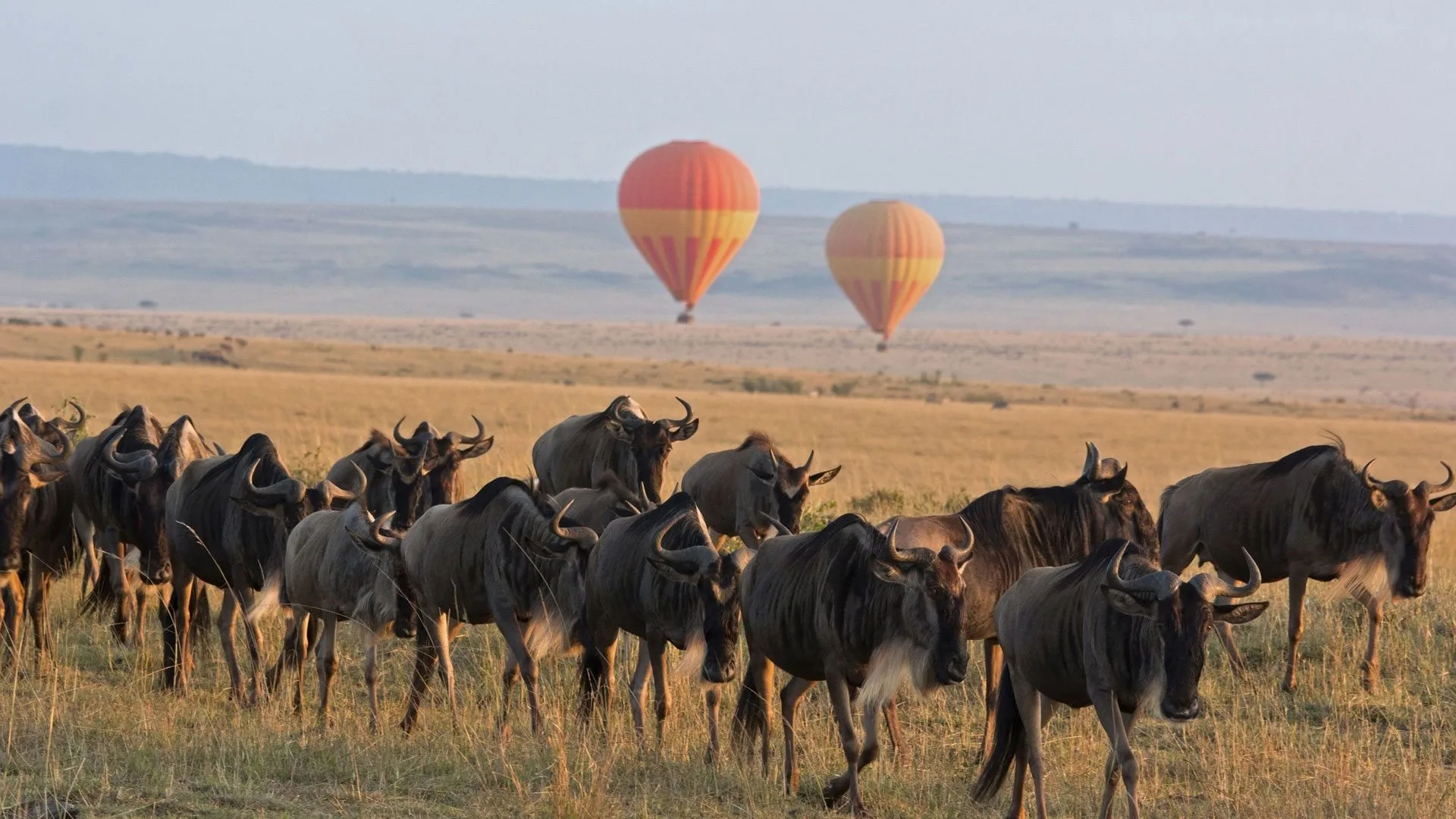
Optional
Balloon safari.
Available at extra cost when conditions, permits and your dates allow. Not guaranteed.
View activity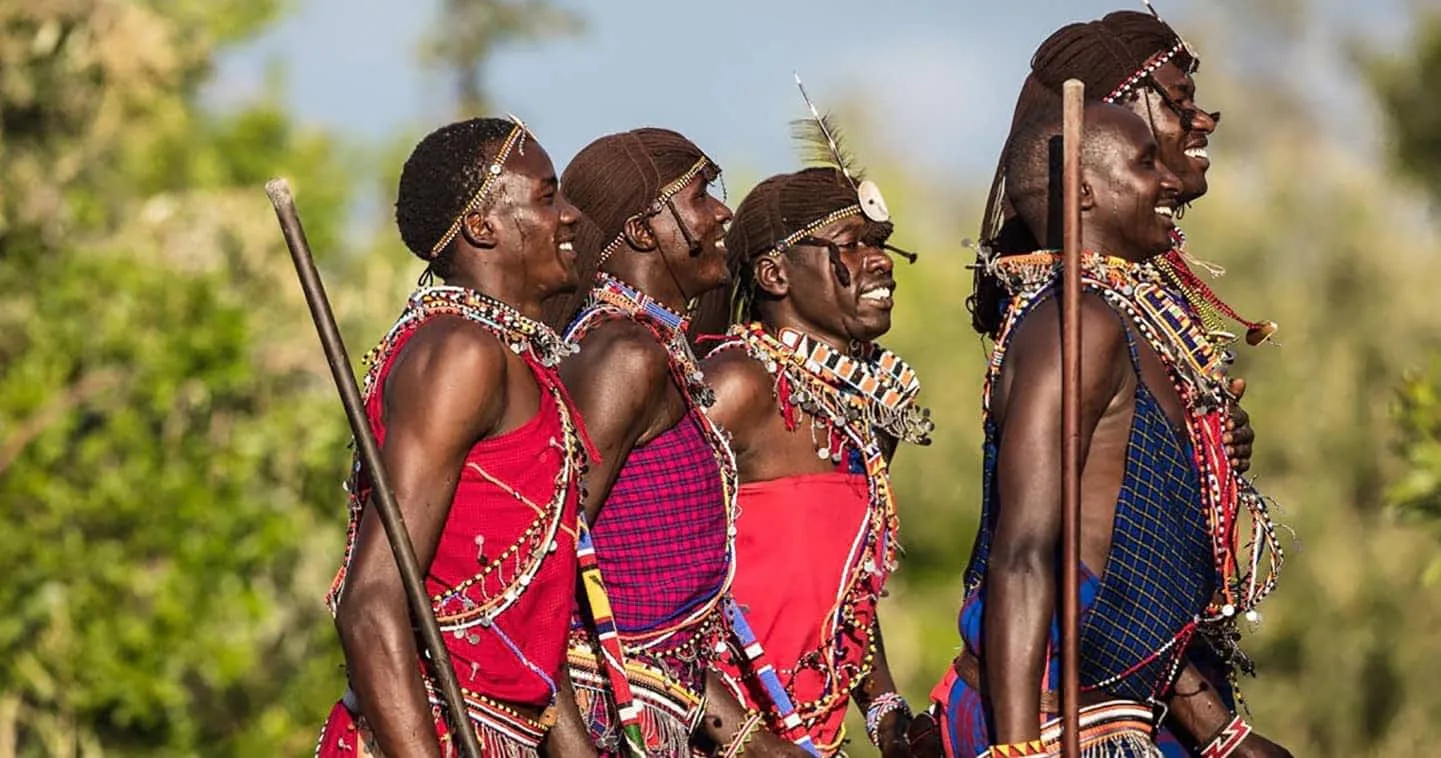
Optional
Maasai cultural experience.
Available at extra cost when conditions, permits and your dates allow. Not guaranteed.
View activity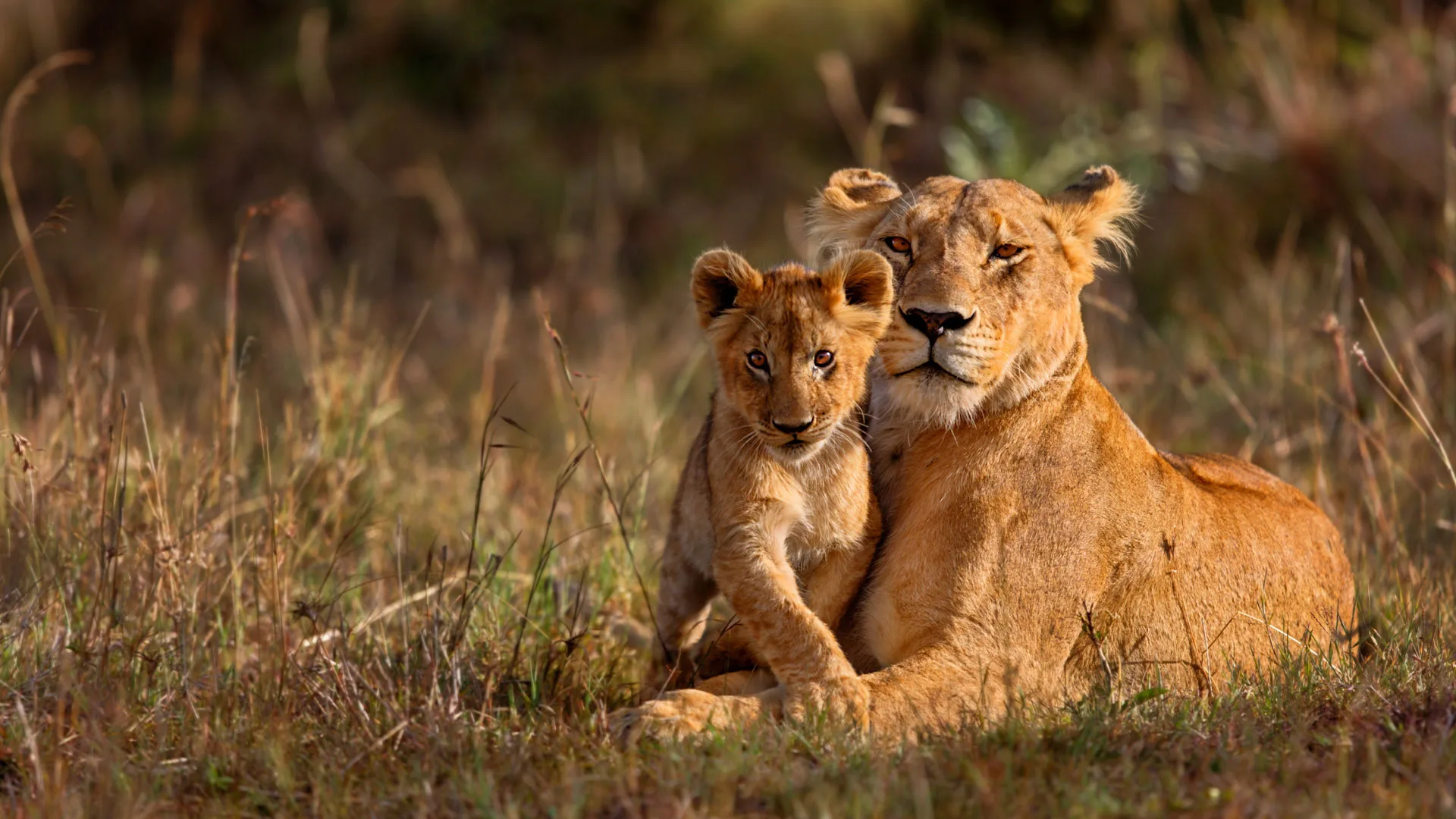
Included
Extensive game drives
Included in a typical day on this safari. Exact timing follows the confirmed itinerary.
View activity
Additional information
Plan This Safari
Why Amboseli Is Excellent for a Budget Safari
Amboseli provides world-class wildlife without requiring premium accommodation. The animals do not behave differently according to your hotel category. Whether you sleep in a luxury lodge or a simple tented camp, you still enter the same wildlife ecosystem.
This is one of the key principles behind successful budget travel. Spend wisely on the elements that affect the safari itself. A comfortable, clean camp outside the park can be perfectly suitable if the location allows efficient access.
Amboseli offers: Elephants, Kilimanjaro views, when the mountain is clear, Lions, Buffaloes, Giraffes, Zebras, Hippos, Birdlife.
For first-time visitors, it provides excellent value. Species and mountain views are not guaranteed.
Why Add Lake Naivasha?
Naivasha creates a break from long vehicle game drives. Because the lake fits naturally along a broader Rift Valley circuit, it can be added without requiring an extreme detour, and travelers operating on a very tight budget can make the boat safari optional. It can provide:
- Lake scenery.
- Hippos.
- Birds.
- Boat experience.
- Relaxed accommodation.
Why Include Lake Nakuru?
Lake Nakuru adds several important elements. Most importantly, it improves opportunities for rhino sightings. Travelers who only visit Amboseli and the Mara may have fewer rhino opportunities, so adding Nakuru can strengthen the Big Five potential of the itinerary. Sightings are not guaranteed. It also adds: Rift Valley scenery, Rothschild's giraffes, Buffaloes, Birds, Different habitat.
Why Spend Four Nights Around the Masai Mara?
The Masai Mara deserves time. Short budget safaris sometimes allocate only one or two nights because operators try to advertise the largest number of parks, and that is not always good value. Staying longer in the Mara means more actual wildlife viewing. One day may be excellent for lions, another may reveal cheetahs, and a third may finally produce a leopard. During migration periods, herd positions can change daily, and multiple nights increase flexibility. None of those sightings, or a river crossing, is guaranteed. Every transfer consumes:
- Fuel.
- Time.
- Energy.
Budget Safari Does Not Mean Bad Accommodation
Many travelers misunderstand the term "budget safari." Budget accommodation can still provide:
- Proper bed.
- Mosquito net.
- Private bathroom.
- Hot shower.
- Toilet.
- Electricity or solar power.
- Restaurant.
- Secure room or tent.
What you normally sacrifice is:
- Premium interior design.
- Large room size.
- Private plunge pools.
- Fine dining.
- Butler service.
- Luxury spa facilities.
For many wildlife-focused travelers, these extras are not essential.
Budget Tented Camps
Permanent tented camps can provide excellent value. They combine safari atmosphere with practical facilities. A typical tent may include:
- Bed.
- Bedding.
- Private bathroom.
- Shower.
- Toilet.
- Small veranda.
Facilities vary substantially, so exact accommodation should always be confirmed.
Budget Lodges
Simple lodges can also work well. They may provide:
- Permanent rooms.
- Restaurant.
- Bar.
- Electricity.
- Hot water.
- Swimming pool at selected properties.
Lodges can be particularly suitable for families and travelers who prefer permanent buildings.
Staying Outside National Parks
One of the main budget strategies is using accommodation outside park boundaries. This can reduce cost. However, location matters enormously. A cheaper camp may not be good value if it is so far from the gate that you spend hours commuting every day.
Always consider:
- Distance from gate.
- Road conditions.
- Opening times.
- Daily transfer time.
- Fuel.
Good budget planning minimizes unnecessary travel.
Private Budget Safari
A private budget safari gives your party exclusive use of the safari vehicle. This provides flexibility while accommodation remains affordable. Advantages include:
- Private schedule.
- Flexible game drives.
- Photography freedom.
- Family privacy.
- More control over stops.
For couples and families, this can provide better overall value than luxury accommodation combined with shared wildlife drives.
Group Budget Safari
Joining a scheduled group can reduce costs further. Travelers share:
- Vehicle.
- Driver-guide.
- Fuel.
- Some transfer expenses.
However, there are trade-offs. The schedule is less flexible. You may have to compromise over:
- Departure times.
- Photography stops.
- Wildlife priorities.
- Rest breaks.
Before booking, confirm maximum group size.
Safari Van Versus 4x4 Land Cruiser
Vehicle selection affects budget.
Safari Van
A safari van can be a cost-effective option. Features may include:
- Pop-up roof.
- Window viewing.
- Comfortable seats.
It works well on many standard safari routes.
4x4 Land Cruiser
A Land Cruiser generally provides:
- Higher ground clearance.
- Stronger rough-road capability.
- More traditional safari configuration.
It normally costs more. The best choice depends on budget, season and route.
How to Reduce the Cost of a 12 Days Kenya Safari
Several strategies can help control cost.
Travel With More People
Vehicle expenses are divided among more travelers. A private safari for four people normally costs less per person than the same safari for one or two travelers.
Travel by Road
Avoiding repeated domestic flights can save substantially.
Use Good-Value Camps
Choose clean, strategically located properties rather than premium brands.
Travel in Shoulder or Green Season
Selected accommodation can offer lower rates outside peak months.
Avoid Unnecessary Activities
Balloon safaris and premium experiences can be added only if they genuinely matter to you. A balloon flight is not guaranteed.
Stay Longer in Fewer Parks
This reduces unnecessary fuel and transfer costs.
What Not to Cut From a Budget Safari
Saving money is sensible, but some areas should not be compromised. Do not select a safari based purely on the lowest possible price. Essential elements include:
- Reliable vehicle.
- Qualified driver-guide.
- Adequate fuel.
- Legitimate park entry.
- Safe accommodation.
- Proper meals.
- Realistic driving schedules.
Extremely cheap safari quotations should be examined carefully. Ask what has been removed to achieve the price.
12 Days Budget Kenya Safari Cost Factors
The final price depends on:
- Travel season.
- Number of travelers.
- Private or group safari.
- Vehicle type.
- Accommodation category.
- Room arrangement.
- Park fees.
- Optional activities.
- Nairobi hotel.
- Airport transfers.
- Domestic flights if added.
A personalized quotation is therefore much more accurate than a generic price.
Solo Traveler Costs
Solo travelers generally pay more per person because the entire vehicle cost is not divided. Options for reducing cost can include:
- Joining a scheduled departure.
- Sharing a safari vehicle.
- Choosing simple accommodation.
- Traveling outside peak season.
Single-room supplements may also apply.
Budget Safari for Couples
Couples can choose between group and private travel. A private safari normally costs more than joining a group but provides significantly greater flexibility.
One excellent strategy is private vehicle + affordable camps. This preserves the quality of the wildlife experience while controlling accommodation costs.
Budget Family Safari
Families can benefit from sharing vehicle costs among several travelers. A private family vehicle provides flexibility. Children may not want to remain on game drive all day, and parents can adjust the schedule.
Choose accommodation with:
- Family rooms.
- Triple rooms.
- Interconnecting rooms where available.
- Swimming pools if useful.
- Child-friendly meal arrangements.
Provide children's ages when requesting a quotation.
Budget Safari for Students and Young Travelers
Younger travelers frequently prioritize experience over accommodation. A simple tented camp can therefore be ideal. Spend money on:
- Park time.
- Good guide.
- Reliable vehicle.
- Additional wildlife days.
The animals do not care how expensive your room is.
Best Time for a Budget Kenya Safari
Budget considerations change significantly by season.
January to March
Wildlife viewing can be excellent. Prices vary according to demand and property.
April and May
The longer rainy period can provide some of the best accommodation value. Advantages include:
- Lower visitor numbers.
- Green landscapes.
- Seasonal offers.
Possible disadvantages include:
- Muddy roads.
- Rain.
- Temporary lodge closures.
June
June can provide excellent transitional value.
July to October
This is a popular safari period. Migration demand can increase Mara accommodation prices. Book early for affordable options.
November
Short rains can create green scenery and good birding. Selected properties may provide favorable rates.
December
Early December can offer good opportunities, while Christmas and New Year become expensive and busy.
Budget Great Migration Safari
You do not need a luxury camp to be in the right place for the Great Migration. The animals move through the same ecosystem regardless of what travelers pay for accommodation. The main considerations are:
- Camp location.
- Driving distance.
- Vehicle.
- Guide.
- Number of Mara nights.
A well-located affordable camp can provide excellent migration access. A cheap camp very far from productive areas may not. Herd locations and river crossings are not guaranteed.
Are River Crossings Included?
River crossings are natural events, not paid activities. If wildebeest cross while you are in the appropriate area, your guide can position you according to reserve regulations. However, crossings cannot be guaranteed. Never choose an operator that claims certainty about a specific crossing date.
Optional Balloon Safari and Budget Planning
A hot-air balloon safari can be spectacular, but it is a relatively expensive optional activity, and a flight is not guaranteed. Budget travelers should compare its cost against alternatives. The same money could potentially contribute toward:
- Additional safari night.
- Better vehicle.
- Private safari upgrade.
- Beach extension.
There is no right answer. Choose based on your priorities.
Optional Maasai Cultural Visit
A cultural visit can be added. Before participating, ask:
- Exact fee.
- Duration.
- Whether purchases are optional.
- Whether photography is permitted.
- How the community benefits.
Responsible cultural tourism should respect local people and provide genuine economic value.
Birdwatching on a Budget Safari
Birding is one of the best-value safari activities because it requires no special premium excursion. Kenya has extraordinary bird diversity. Potential sightings include: Fish eagles, Vultures, Rollers, Bee-eaters, Kingfishers, Storks, Herons, Egrets, Ostriches, Bustards, Secretary birds.
Tell your guide if birds are important so that game drives can include more birding stops.
Wildlife Photography on a Budget Safari
Budget travelers can still enjoy excellent photography. The most valuable photography investment may be a private vehicle rather than an expensive lodge. Bring:
- Camera.
- Telephoto lens.
- Spare batteries.
- Memory cards.
- Lens-cleaning equipment.
A smartphone can also produce excellent landscape and close wildlife images. Always respect wildlife-viewing regulations.
What to Pack for a 12 Days Budget Kenya Safari
Pack practical clothing. Useful items include:
- Neutral shirts.
- Long trousers.
- Shorts.
- Fleece.
- Light jacket.
- Rain layer.
- Comfortable shoes.
- Sandals.
- Hat.
- Sunglasses.
- Sunscreen.
- Insect repellent.
- Binoculars.
- Camera.
- Power bank.
- Personal medication.
- Reusable water bottle.
- Small backpack.
Morning game drives can be cool. Layers are useful.
Laundry and Packing Light
Some safari lodges offer laundry at additional cost. Simple camps may have limited services. Packing enough clothing for twelve days is not necessary if you are willing to wash selected items.
Avoid excessive luggage. A manageable bag makes road travel easier.
Meals on the Safari
Most safari accommodation operates on a full-board basis. This usually includes:
- Breakfast.
- Lunch.
- Dinner.
During full-day game drives, lunch may be provided as a picnic. Food at budget camps is usually simpler than luxury dining but should still be adequate and filling. Dietary requirements should be communicated in advance.
Drinking Water
Safari packages may include drinking water in the vehicle. Confirm the exact arrangement. Carrying a reusable water bottle can help reduce plastic waste. Stay hydrated, especially in warmer regions such as Amboseli.
Travel Insurance
Budget travelers sometimes try to save money by skipping insurance. This is not recommended. A suitable travel policy should ideally address:
- Medical emergencies.
- Emergency evacuation.
- Trip cancellation.
- Travel interruption.
- Flight disruption.
- Lost luggage.
Read policy conditions carefully.
Health Preparation
Consult an appropriate healthcare professional before travel for personalized advice. Discuss:
- Routine vaccinations.
- Destination-specific requirements or recommendations.
- Malaria prevention.
- Prescription medication.
- Sun protection.
- Hydration.
Carry important medication in appropriate hand luggage.
Safety on Safari
Budget accommodation does not change wildlife safety rules. Always:
- Follow the guide.
- Remain inside the vehicle unless told otherwise.
- Never feed animals.
- Never approach wildlife.
- Avoid loud behavior.
- Respect camp escort rules.
Many safari camps are unfenced. Wildlife may pass through. Use staff escorts after dark where required.
Responsible Budget Travel
Budget travel should still support conservation and local communities. Travel responsibly by:
- Avoiding litter.
- Using reusable bottles.
- Respecting wildlife distances.
- Following park rules.
- Treating communities respectfully.
- Buying locally where appropriate.
- Choosing operators who employ qualified guides.
- Avoiding wildlife harassment.
Cheap travel should never mean irresponsible travel.
What Is Usually Included?
Depending on your confirmed package, inclusions may include the items below. Always use the confirmed quotation as the definitive list.
- Nairobi airport transfer.
- Nairobi hotel where specified.
- Safari vehicle.
- Professional driver-guide.
- Fuel.
- Amboseli accommodation.
- Lake Naivasha accommodation.
- Lake Nakuru accommodation.
- Masai Mara accommodation.
- Meals listed.
- Park entrance fees specified.
- Game drives.
- Drinking water.
- Government taxes included in the quotation.
What Is Usually Excluded?
Possible exclusions include:
- International flights.
- Entry or visa-related costs.
- Travel insurance.
- Alcoholic drinks.
- Premium beverages.
- Laundry.
- Tips.
- Personal purchases.
- Balloon safari.
- Lake Naivasha boat trip unless included.
- Cultural visits unless included.
- Domestic flights unless specified.
- Beach extensions.
- Activities not stated.
Private 12 Days Budget Kenya Safari
A private safari is ideal for travelers who want affordability without sacrificing flexibility. The most effective strategy can be to save on accommodation rather than the vehicle. With a private safari, you decide:
- Departure times.
- Game-drive length.
- Photography stops.
- Wildlife priorities.
- Rest breaks.
This is particularly valuable for couples, families and photographers.
Group 12 Days Budget Kenya Safari
Group safaris reduce transportation costs. The main trade-off is flexibility. Before booking, ask:
- Maximum passenger number.
- Vehicle type.
- Guaranteed window seat.
- Luggage restrictions.
- Departure dates.
- Accommodation type.
- Whether park fees are included.
Understanding these details prevents disappointment.
Budget Safari Versus Luxury Safari
Wildlife is the same. An elephant does not become more impressive because your lodge has a private plunge pool. The difference generally involves:
- Room quality.
- Service.
- Food.
- Location.
- Flights.
- Privacy.
- Included activities.
For wildlife-focused travelers, a budget or mid-range safari can provide extraordinary experiences.
Budget Safari Versus Mid-Range Safari
Mid-range accommodation generally adds more comfort. You may receive:
- Larger rooms.
- Better common areas.
- Swimming pools.
- Improved location.
- Broader meal options.
A mixed itinerary can also work. For example, use budget accommodation in Nairobi and selected destinations but upgrade the Masai Mara camp where location matters most.
How to Spend Your Budget Wisely
If funds are limited, prioritize in this order:
- Safe and reliable safari operation.
- Experienced guide.
- Good vehicle.
- Park access.
- Strategic accommodation location.
- Enough safari days.
- Room luxury.
- Premium optional activities.
This helps protect the actual wildlife experience.
Adding Diani Beach
A budget safari can be followed by a good-value beach stay. After returning from the Mara or another suitable connection, continue toward Diani Beach. Budget and mid-range hotels are available.
Activities can include:
- Swimming.
- Beach walks.
- Snorkeling.
- Local dining.
- Relaxation.
Travel options toward the coast can include flights, train connections and road arrangements depending on the final route.
Combining Kenya and Tanzania on a Budget
Travelers with more time can continue to Tanzania. Possible destinations include:
- Serengeti.
- Ngorongoro.
- Tarangire.
Cross-border safaris involve additional park fees, transport and immigration logistics. Do not assume adding another country will be inexpensive simply because accommodation remains budget-level.
Why Twelve Days Gives Excellent Value
A twelve-day safari allows you to slow down. You do not need to leave a park after one evening drive, and you can return the next morning. You can spend several days in the Mara and observe animals more patiently.
You can travel by road rather than paying for repeated flights, and you can see the Kenya between the national parks. This makes the journey richer even when accommodation remains simple.
Wildlife Matters More Than Room Category
At the end of the safari, the memories that remain are unlikely to revolve around hotel furniture. You may remember moments such as:
- The first elephant herd.
- Kilimanjaro emerging from cloud, if the mountain is clear.
- The rhino grazing at Lake Nakuru.
- Hippos at Naivasha.
- Lions resting on the Mara plains.
- A cheetah scanning for prey.
- Giraffes at sunset.
- Wildebeest stretching across the horizon.
This is why a well-designed 12 Days Budget Kenya Safari can be far more rewarding than a much shorter luxury trip. Time in nature matters. Those wildlife moments are examples, not guarantees.
Customize Your 12 Days Budget Kenya Safari
The itinerary can be adjusted according to:
- Travel dates.
- Number of travelers.
- Children's ages.
- Budget.
- Private or group travel.
- Vehicle preference.
- Accommodation level.
- Wildlife priorities.
- Big Five interest.
- Rhino interest.
- Elephant interest.
- Migration interest.
- Photography.
- Birding.
- Cultural activities.
- Beach extension.
Possible modifications include:
- Removing Lake Naivasha.
- Adding Ol Pejeta.
- Adding Samburu.
- Adding Tsavo.
- More Masai Mara nights.
- Fewer Nairobi nights.
- Upgrading only selected camps.
- Adding Diani Beach.
- Joining a group departure.
The goal is to make every dollar contribute meaningfully to the experience.
Book Your 12 Days Budget Kenya Safari
The 12 Days Budget Kenya Safari is ideal for travelers who want a long, wildlife-rich Kenya journey without paying for unnecessary luxury. When requesting a customized quotation, provide:
- Exact or approximate travel dates.
- Number of adults.
- Children's ages where applicable.
- Solo, couple, family or group status.
- Approximate budget per person.
- Private or shared safari preference.
- Safari van or Land Cruiser preference.
- Preferred accommodation level.
- Wildlife priorities.
- Great Migration interest.
- Big Five interest.
- Photography needs.
- Lake Naivasha boat interest.
- Balloon safari interest.
- Cultural visit interest.
- Beach-extension plans.
- Dietary requirements.
- Arrival and departure flights.
We can then structure the safari around the best balance between cost and wildlife experience. For solo travelers, a shared departure may reduce vehicle expenses. For couples, a private road safari with simple camps can provide excellent value.
For families, sharing one private vehicle can keep per-person transportation costs reasonable while preserving flexibility. For photographers, it may be better to retain a private Land Cruiser while economizing on accommodation. For migration travelers, the priority should be several nights in a strategically located Mara camp rather than expensive room upgrades elsewhere.
The central principle remains simple: A budget safari should remove unnecessary expense, not remove the wildlife experience.
Across twelve days, you can watch elephant families in Amboseli, cross the Great Rift Valley, search for rhinoceroses at Lake Nakuru, observe hippos and birds around Lake Naivasha and dedicate several substantial days to the lions, leopards, cheetahs, elephants, buffaloes, giraffes, zebras and wildebeest of the Masai Mara. You can experience different parts of Kenya, spend real time in the parks, and see more than a rushed short safari allows, while keeping the itinerary practical and cost-conscious. Species, river crossings, mountain views and balloon flights are not guaranteed.
That combination of affordability, extended wildlife time, efficient road routing and diverse Kenya safari experiences is what makes the 12 Days Budget Kenya Safari such a strong choice for travelers seeking maximum safari value.
Primary Keyphrase: 12 Days Budget Kenya Safari
Exact URL: `/safari-packages/12-days-budget-kenya-safari/`
Planning Questions
Frequently Asked Questions
Is 12 days too long for a budget Kenya safari?
No. Twelve days gives you enough time to experience several destinations without rushing excessively.
Can Kenya safaris be affordable?
Safari will always involve substantial costs such as park fees, vehicles and fuel, but accommodation and transportation choices can reduce the overall price.
What is the cheapest way to safari in Kenya?
Joining a group, using road transportation and selecting budget camps are among the most effective strategies.
Is a private budget safari possible?
Yes.
Can I use a safari van?
Yes, depending on route and package.
Can I upgrade to a Land Cruiser?
Yes, subject to additional cost and availability.
Are budget camps safe?
Properly selected and professionally operated camps can be comfortable and safe. Exact standards vary.
Do budget camps have private bathrooms?
Many permanent tented camps provide en-suite bathrooms, although this should be confirmed for each property.
Can I see the Big Five?
The route provides strong opportunities, particularly when Lake Nakuru and Masai Mara are included. Wildlife cannot be guaranteed.
Can I see rhinos?
Yes. Lake Nakuru provides opportunities to search for black and white rhinos.
Can I see elephants?
Yes. Amboseli is especially famous for elephants.
Can I see lions?
Yes. The Masai Mara is one of Kenya's strongest lion destinations.
Can I see leopards?
Possibly. Leopards are present but elusive.
Can I see cheetahs?
Yes. Masai Mara provides suitable cheetah habitat.
Can I see hippos?
Yes. Lake Naivasha and the Mara ecosystem can provide opportunities.
Can I see the Great Migration?
Potentially if your Mara dates coincide with significant migration herds.
Are river crossings guaranteed?
No.
Can I add a balloon safari?
Yes, at additional cost.
Can I add a Maasai village visit?
Yes, subject to local arrangements.
Can I do a boat safari?
A Lake Naivasha boat excursion can be added.
Is the safari suitable for families?
Yes.
Is it suitable for couples?
Yes.
Can solo travelers book?
Yes. Group departures may provide better value for solo travelers.
Can I add Samburu?
Yes, though longer distances and extra park fees affect cost.
Can I add Ol Pejeta?
Yes.
Can I add Tsavo?
Yes.
Can I finish at Diani Beach?
Yes.
Can I combine Kenya and Tanzania?
Yes.
Can I add Uganda or Rwanda gorilla trekking?
Yes, but regional flights and permits increase the overall cost.
What is the best budget season?
Green and shoulder seasons can provide excellent value, depending on weather and accommodation operations.
Should I book early?
Yes, especially for July through October and Christmas/New Year when affordable camps can fill quickly.
05 Request Quote
Request Quote
Tell us your dates, group size, and preferred lodge style — we will send a tailored quote for this safari.
Want to extend your safari?
Add Amboseli, Diani Beach, Tanzania and Zanzibar, or gorilla trekking in Uganda or Rwanda — we tailor the journey to your dates.