
9 DAYS / 8 NIGHTS
9 Days Kenya Photography Safari
Plan a 9 Days Kenya Photography Safari with expert guides, game drives and carefully chosen camps. Request a quote.
- Wildlife SafariPrivate Journey
- Private Safari4x4 Vehicle
- Expert GuideEnglish Speaking
- All MealsBreakfast, Lunch, Dinner
- 24/7 SupportWe're here to help
01 Overview
Safari Overview
- Duration9 days / 8 nights
- DestinationKenya
- Starts / endsNairobi
- Safari stylePrivate 4×4 safari
- AccommodationEssential · Comfort · Premium · Signature
- Best forWildlife viewing, photography
9 Days Kenya Photography Safari – Private Wildlife Photography Through Kenya’s Iconic Parks
The 9 Days Kenya Photography Safari is designed for travelers who want to experience Kenya through the lens, with a carefully planned itinerary that prioritizes light, wildlife behavior, vehicle positioning, flexible game-drive schedules and enough time in each destination to wait for strong photographic opportunities rather than simply moving from sighting to sighting.
A photographic safari is fundamentally different from a conventional wildlife tour. On an ordinary safari, travelers may be satisfied after seeing a lion and taking a few photographs. On a photography safari, the real opportunity may begin after everyone else is ready to leave. The lion may stand. Cubs may begin playing. Another pride member may approach. The light may improve. Dust may rise. A better background may appear. A hunting sequence may develop. Photography rewards patience. For this reason, the 9 Days Kenya Photography Safari is best operated privately, with a professional driver-guide who understands both wildlife behavior and the practical needs of photographers. The vehicle should provide enough room for cameras, long lenses, beanbags and easy movement between viewing positions. Game drives should be structured around the best morning and evening light, and the itinerary should avoid unnecessary transfers that consume the hours when photography is strongest.
Kenya is one of Africa’s finest photographic safari destinations because it offers an exceptional variety of subjects and landscapes. A single nine-day journey can include elephants beneath Mount Kilimanjaro in Amboseli, rhinos in central Kenya or the Rift Valley, vast open savannah in the Masai Mara, lions, leopards, cheetahs, giraffes, zebras, wildebeest, buffaloes, birds, dramatic skies, dust, rivers and the possibility of Great Migration action during appropriate seasons.
The itinerary can be customized for:
- Professional photographers
- Serious amateur photographers
- Wildlife videographers
- Content creators
- Couples who share a photography interest
- Small photography groups
- First-time safari photographers
- Repeat Africa travelers
- Bird photographers
- Great Migration photographers
- Landscape photographers
- Travelers combining still photography and video
Accommodation can be arranged at mid-range, luxury or high-end levels, but the strongest photographic itinerary is always built first around location, access, guiding and time in the field.
9 Days Kenya Photography Safari at a Glance
A representative itinerary can be structured as:
- Day 1: Arrival in Nairobi – Equipment Preparation and Safari Briefing
- Day 2: Nairobi – Amboseli National Park
- Day 3: Full-Day Amboseli Photography Safari
- Day 4: Amboseli – Central Kenya / Rhino Photography Area
- Day 5: Rhino, Wildlife and Landscape Photography
- Day 6: Transfer or Fly to Masai Mara
- Day 7: Full-Day Masai Mara Big Cat Photography
- Day 8: Second Full-Day Masai Mara Photography / Optional Balloon Safari
- Day 9: Masai Mara – Nairobi / Departure
This itinerary can be adjusted significantly. For example, photographers whose main priority is the Masai Mara may choose fewer destinations and more Mara nights. Those focused on elephants may allocate more time to Amboseli. Bird photographers may prefer additional wetland or Rift Valley habitats.
Why Kenya Is Excellent for Wildlife Photography
Kenya offers several features that make it particularly attractive for photographers.
Open Landscapes
Many of Kenya’s most famous safari areas contain open savannah or grassland. This helps photographers obtain:
- Cleaner backgrounds
- Full-body animal compositions
- Environmental portraits
- Behavioral sequences
- Predator-prey scenes
- Wide landscapes
- Silhouettes
Open habitat also makes it easier to follow wildlife movement visually.
Exceptional Big Cat Photography
The Masai Mara is one of Africa’s strongest destinations for photographing:
- Lions
- Leopards
- Cheetahs
These species behave very differently and require different photographic strategies. Lions can often be observed in open grassland. Cheetahs use broad plains where photographers may have excellent visibility. Leopards are more difficult because they prefer cover, but tree and riverine settings can produce extraordinary images.
Elephant Photography in Amboseli
Amboseli is one of the world’s great elephant photography destinations. Possible compositions include:
- Elephant herds beneath Kilimanjaro
- Elephants crossing dusty plains
- Close-up portraits
- Mothers and calves
- Large bulls
- Silhouettes
- Elephants in wetlands
- Dust-bathing behavior
The combination of wildlife and landscape makes Amboseli especially strong for environmental photography.
Great Migration Photography
During appropriate periods, the Masai Mara may provide opportunities to photograph (never guaranteed):
- Vast wildebeest herds
- Zebra concentrations
- Predator activity
- River approaches
- Mara River crossings
- Dust
- Herd movement
- Scavengers
- Wide migration landscapes
However, migration photography must remain flexible because herd positions and crossings cannot be predicted precisely.
Rhino Photography
A rhino-focused destination can add a very different visual subject. Rhinos photograph particularly well in:
- Early morning light
- Open grassland
- Dusty conditions
- Wide environmental compositions
- Close portrait situations where regulations allow
Because rhinos are conservation-dependent in many areas, this part of the itinerary also adds valuable context.
Bird Photography
Kenya supports outstanding bird photography. Potential subjects include:
- Eagles
- Vultures
- Secretary birds
- Rollers
- Bee-eaters
- Hornbills
- Kingfishers
- Ostriches
- Storks
- Pelicans
- Flamingos where conditions permit
A photography safari can devote more time to birds than a standard wildlife itinerary.
Landscape Photography
Kenya offers extraordinary landscapes beyond the animals themselves. Potential subjects include:
- Mount Kilimanjaro
- Great Rift Valley
- Savannah
- Wetlands
- Acacia silhouettes
- River systems
- Storm clouds
- Sunrise
- Sunset
- Dust
- Open horizons
Photographers should bring both telephoto and wider lenses.
Itinerary
- Day 1:Arrival in Nairobi, equipment Preparation and Safari Briefing
- Day 2:Nairobi, amboseli
- Day 3:Amboseli Photography Safari
- Day 4:Amboseli, central Kenya / Rhino Photography Area
- Day 5:Rhino, Wildlife and Landscape Photography
- Day 6:Transfer or Fly to Masai Mara
- Day 7:Masai Mara Big Cat Photography
- Day 8:Second Full, day Masai Mara Photography Safari
- Day 9:Morning game drive – return to Nairobi

02 Itinerary
9 Days Kenya Photography Safari: Detailed Itinerary

Day 1: Arrival in Nairobi – Equipment Preparation and Safari Briefing - Main destination
- Masai Mara National Reserve
- Drive time
- Road transfer as outlined in the itinerary
- Meals
- Lunch, Dinner
Your 9 Days Kenya Photography Safari begins when you arrive at Jomo Kenyatta International Airport. After immigration and baggage formalities, meet our representative and transfer privately to your Nairobi hotel.
The first day is intentionally relaxed. Photography travel often involves more luggage, more batteries, more chargers and more equipment than a conventional safari, and using the first night in Nairobi allows you to organize everything before entering remote wildlife areas.
Photography Equipment Preparation
After check-in, use the afternoon or evening to review your gear. Check:
- Camera bodies
- Telephoto lenses
- Wide-angle lenses
- Medium zooms
- Batteries
- Battery chargers
- Memory cards
- Power banks
- Laptop or backup drive
- Beanbags
- Lens cloths
- Blower
- Rain covers
- Camera straps
- Tripod or monopod if required
- Binoculars
Charge everything, and format memory cards only after confirming that existing files are backed up. Prepare a practical system for moving between lenses without unpacking your entire bag every time.
Camera Backup Strategy
Photographers should decide how images will be backed up. Possible approaches include:
- Multiple memory cards
- Laptop backup
- Portable SSD
- Dual-card camera recording
- Cloud backup where internet allows
Do not depend entirely on lodge Wi-Fi, as remote areas may have slow or intermittent internet. A physical backup strategy is more reliable.
Safari Photography Briefing
Meet your guide or representative and explain your priorities. Important questions include:
- Are you primarily a still photographer?
- Do you shoot video?
- Are birds important?
- Are you prioritizing predators?
- Do you want Great Migration action?
- Do you prefer wide environmental images or close portraits?
- Are you comfortable with full-day game drives?
- How many camera bodies do you carry?
- Do you need additional vehicle space?
The guide should know this before the safari starts.
Vehicle Positioning Discussion
A photography-oriented guide understands that position matters, and the closest vehicle is not always the best vehicle. A good guide considers:
- Light direction
- Background
- Animal movement
- Potential behavior
- Other vehicles
- Regulations
- Future positioning
This skill becomes especially important at predator sightings.
Destination: Nairobi
Main experience: Arrival, equipment preparation and photography briefing
Accommodation: Nairobi hotel
Meals: According to arrival schedule and hotel plan
Where you stay
- Essential (Budget)
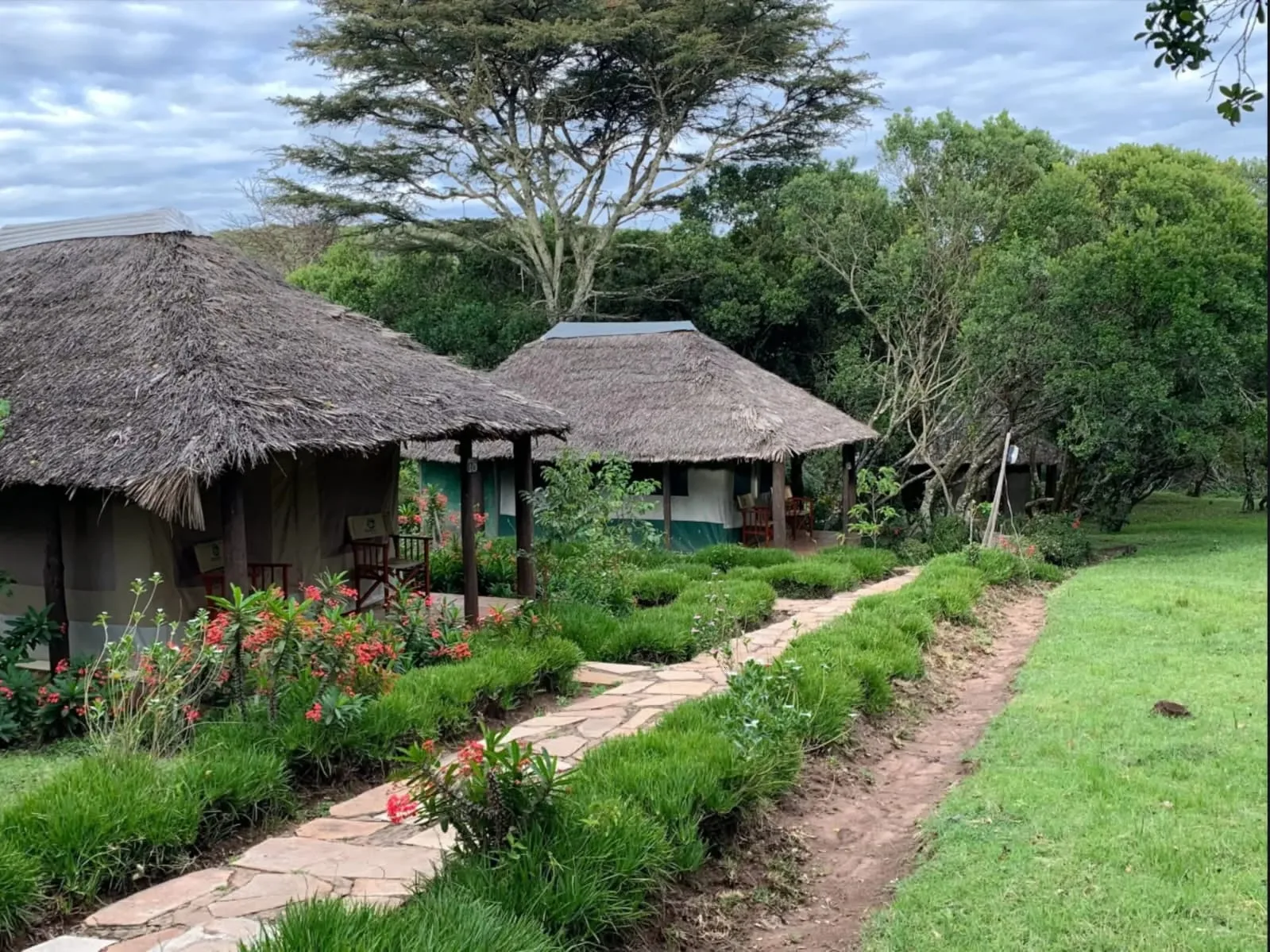
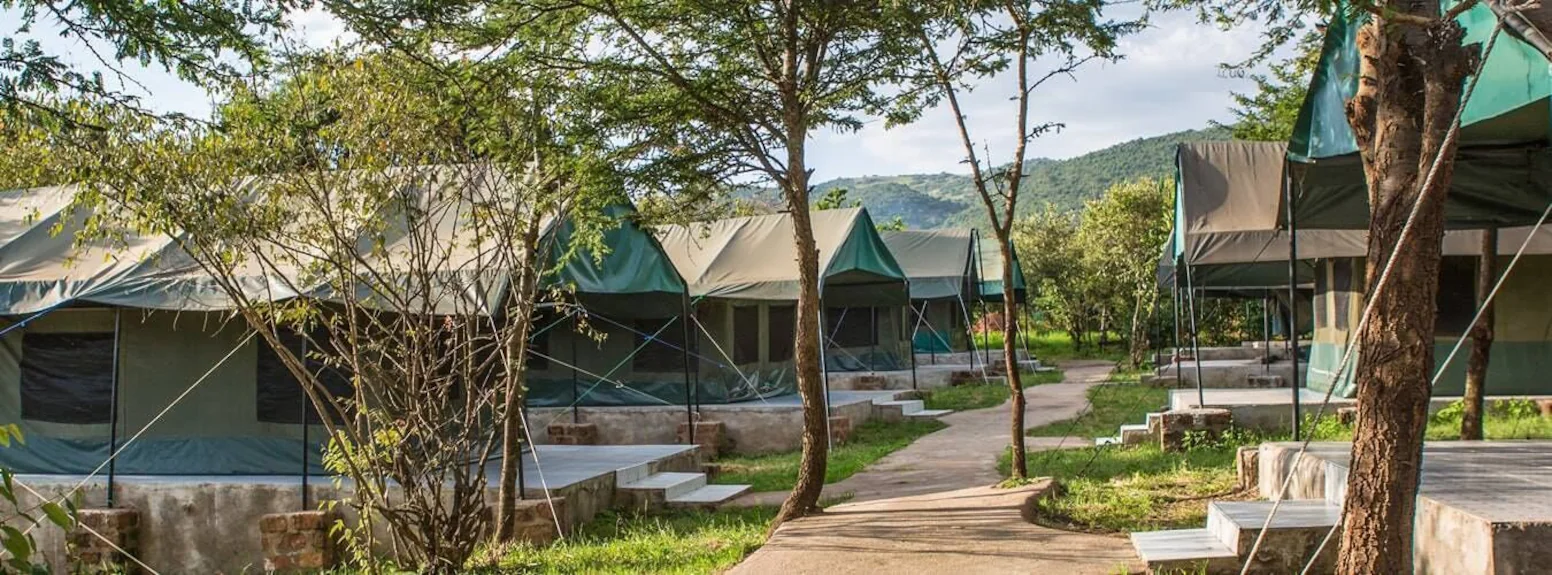
- Comfort (Mid-range)
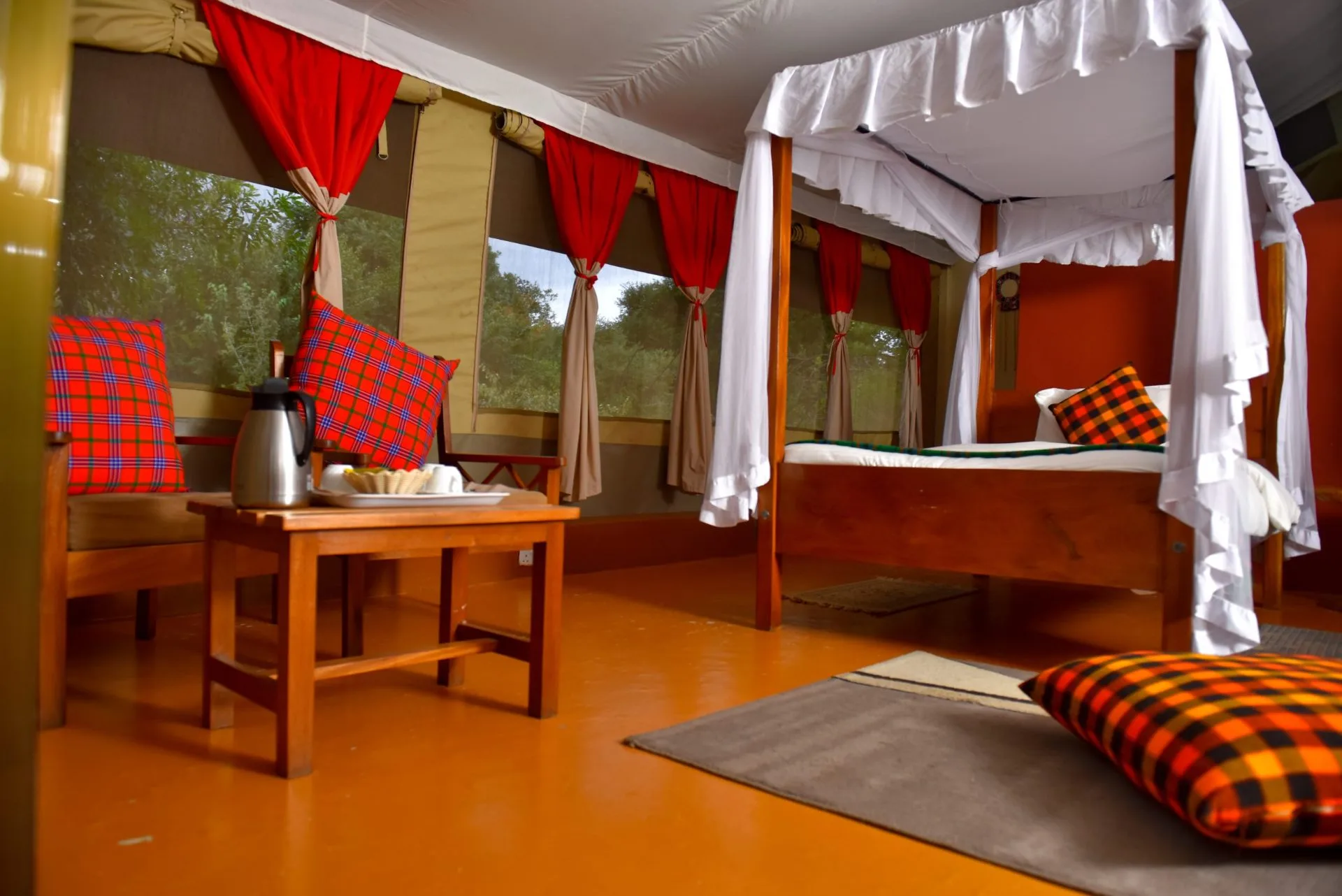
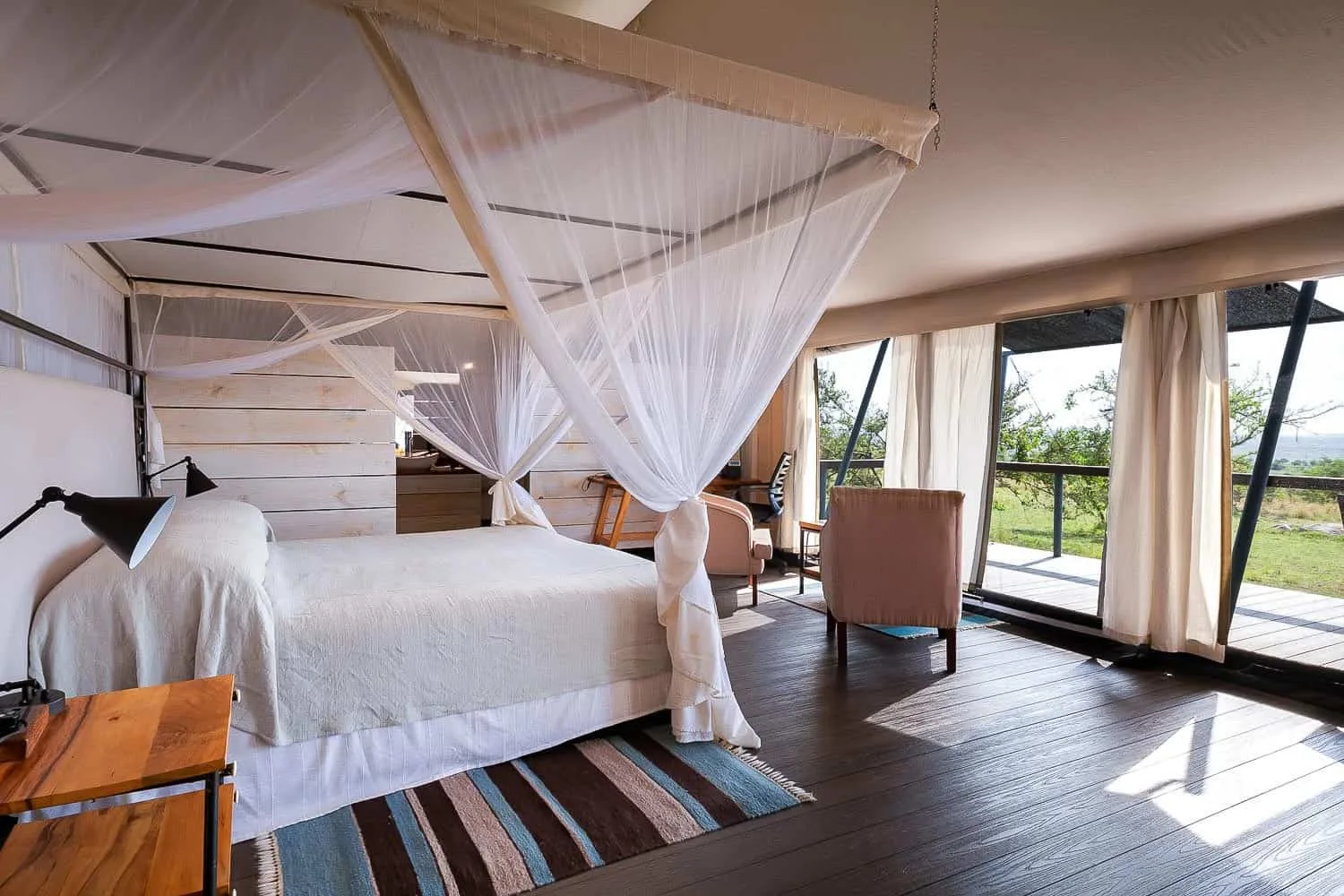
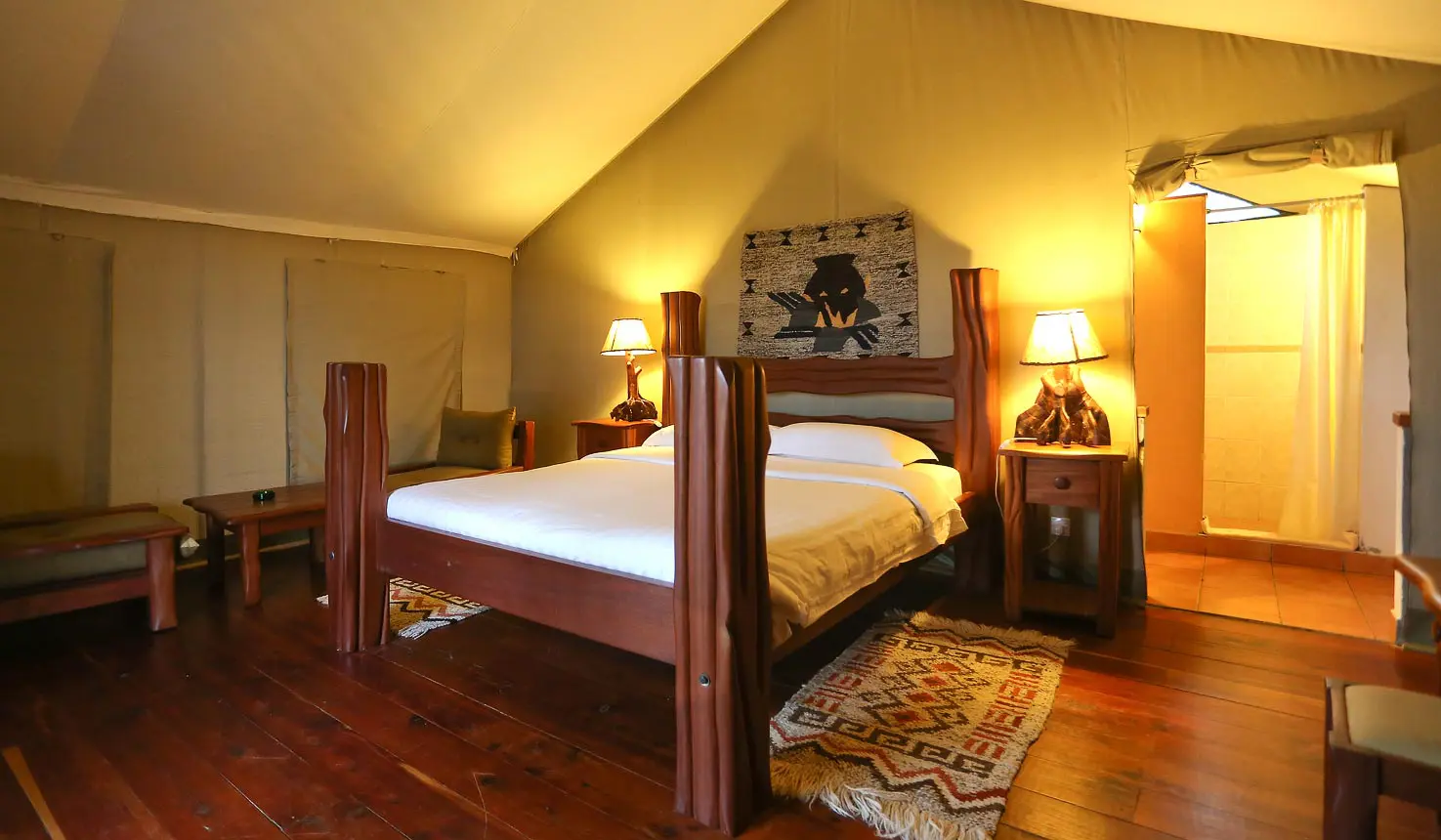
- Premium (Luxury)
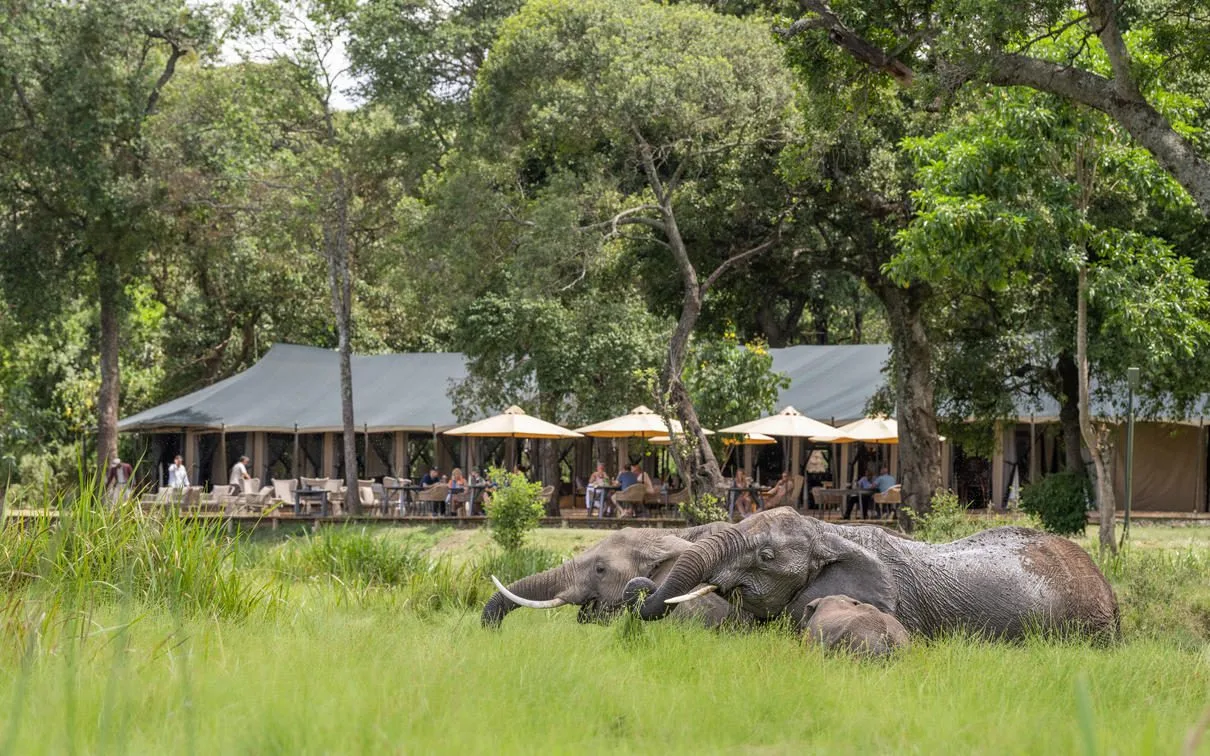
- Signature (High-end)
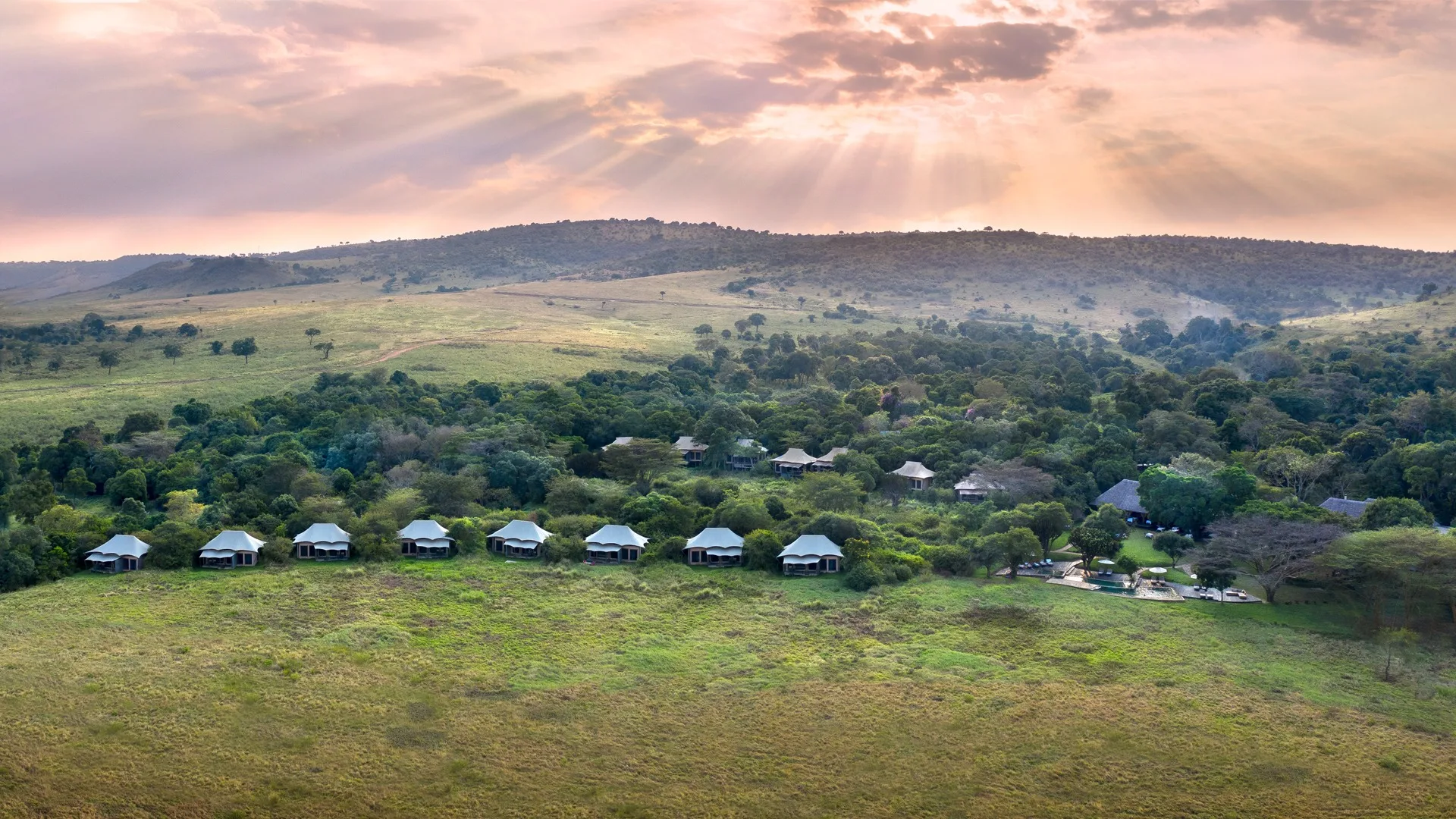
Day 2: Nairobi – Amboseli National Park - Main destination
- Masai Mara National Reserve
- Meals
- Breakfast, Lunch, Dinner
After breakfast, begin the journey to Amboseli National Park. Travel can be by road or domestic flight depending on the preferred safari style. For photographers carrying extensive equipment, road travel sometimes provides more luggage flexibility, while fly-in travelers should review aircraft baggage limits carefully.
Road Transfer Advantages for Photographers
Driving can provide:
- More baggage space
- Easier transport of long lenses
- Continuous private guide
- Flexible stops
- No strict small-aircraft weight limits on this segment
The disadvantage is the longer transfer time.
Fly-In Advantages
Flying can provide:
- More photography time in the park
- Less fatigue
- Scenic aerial opportunities
- Faster access
Photographers with heavy equipment may need additional baggage arrangements.
Arrival in Amboseli
As you approach the ecosystem, watch for Mount Kilimanjaro. If conditions are clear, the first landscape photographs can begin even before the main game drive, although visibility is never guaranteed. Check into your camp or lodge, have lunch and organize your gear. It is useful to leave one camera body prepared with a telephoto lens and another with a medium or wide zoom if possible.
First Afternoon Photography Drive
Depart during the later afternoon when the light begins improving. Amboseli provides a wide range of subjects. Possible photographic priorities include: Elephants, Giraffes, Lions, Buffaloes, Zebras, Wildebeest, Wetlands, Birds, Kilimanjaro.
Elephant Family Photography
A family group can produce an extraordinary sequence. Do not focus only on the largest elephant. Look for:
- Calves beneath adults
- Trunk interactions
- Dust bathing
- Drinking
- Herd movement
- Backlit dust
- Family formations
The best images often come from relationships between animals.
Environmental Portraits
Avoid shooting only at maximum focal length. An elephant beneath Kilimanjaro may be more powerful as a wide composition than as a frame-filling portrait. Environmental photography communicates:
- Scale
- Habitat
- Weather
- Geography
Amboseli is one of the strongest destinations for this style.
Sunset Light
Late afternoon light can become warm and directional, and your guide can position the vehicle carefully. Possible compositions include:
- Elephant silhouettes
- Giraffe silhouettes
- Dust
- Backlighting
- Mountain backgrounds
- Long shadows
Return to camp after the light fades.
Destination: Amboseli National Park
Main experience: Transfer and first photography safari
Accommodation: Safari lodge or photography-friendly tented camp
Meals: Breakfast, lunch and dinner
Where you stay
Day 3: Full-Day Amboseli Photography Safari - Main destination
- Masai Mara National Reserve
- Meals
- Breakfast, Lunch, Dinner
Wake before sunrise. Photographers should be ready before the light changes. Morning preparation should include:
- Charged batteries
- Empty memory cards
- Lens cleaning
- Water
- Beanbags
- Binoculars
Keep equipment organized so you can begin shooting immediately.
Kilimanjaro at Sunrise
The mountain is often clearest early, but cloud conditions remain unpredictable and visibility is never guaranteed. If Kilimanjaro is visible, prioritize mountain compositions before clouds build. Your guide may search for wildlife positioned between the vehicle and mountain. Possible subjects include: Elephants, Giraffes, Zebras, Wildebeest, Ostriches.
Even distant animals can work well in landscape compositions.
Low-Angle Morning Light
Early light provides:
- Softer contrast
- Warm tones
- Long shadows
- Catchlights in eyes
- Better texture
Photographers should consider which side of the vehicle provides the strongest light angle. A private vehicle allows repositioning.
Elephant Dust Photography
Dust can become an important creative element. Elephants frequently dust bathe or kick up soil while moving, and backlighting can transform dust into glowing clouds. Technical considerations include:
- Exposure compensation
- Faster shutter speed for moving animals
- Protecting camera equipment from dust
- Avoiding unnecessary lens changes
Amboseli Wetland Photography
Move toward marsh areas later in the morning. Potential scenes include:
- Elephants in green wetland
- Buffaloes
- Hippos
- Waterbirds
- Reflections
- Grazing animals
These images contrast strongly with the dry plains.
Wildlife Behavior
Wait for behavior. Possible sequences include: Elephant calves playing, Lions interacting, Zebras fighting, Birds hunting, Buffaloes moving, Giraffes feeding.
A photography safari should emphasize sequence and story rather than only individual portraits.
Midday Strategy
Midday light can be harsh, so you have several options.
Return to Camp
Use the time to:
- Lunch
- Back up photographs
- Charge batteries
- Review images
- Clean equipment
- Rest
Remain in the Field
If significant animal behavior is developing, staying may be worthwhile. For example: Lions approaching prey, Elephants crossing, Rare predator activity.
Photography should respond to behavior, not only ideal light.
Afternoon Photography
Return to the park before golden hour, and your guide can revisit productive areas. Do not assume the same location will produce the same images, because light, animal position and behavior constantly change.
Silhouette Photography
Amboseli is excellent for silhouettes. Useful subjects include: Giraffes, Elephants, Acacia trees, Ostriches.
Expose carefully for the brighter sky to create dark, clean animal shapes. Return to camp after sunset.
Destination: Amboseli National Park
Main experience: Full-day elephant, landscape and wildlife photography
Accommodation: Same lodge/camp
Meals: Breakfast, lunch and dinner
Where you stay
Day 4: Amboseli – Central Kenya / Rhino Photography Area - Main destination
- Masai Mara National Reserve
- Meals
- Breakfast, Lunch, Dinner
After breakfast, continue toward central Kenya or another approved rhino-focused destination along the route. The purpose is to add a new landscape and photographic subject before continuing to the Mara. Travel can be by road, air or a combination.
Why Add Rhinos?
Rhinos provide:
- Powerful portrait opportunities
- Distinctive body shapes
- Dusty environmental scenes
- Conservation storytelling
- Wide landscape photographs
They also help complete the Big Five theme photographically, although sightings are never guaranteed.
Arrival and Afternoon Photography
After reaching your accommodation, prepare for an afternoon drive. Depending on destination, possible subjects include: Black rhino, White rhino, Elephant, Buffalo, Lion, Giraffe, Zebra, Cheetah, Antelopes.
Photographing Black vs White Rhinos
The two species differ in shape and feeding behavior.
White Rhino
Often easier to photograph while grazing in open areas.
Black Rhino
May be more associated with thicker vegetation and browsing. Your guide can help position the vehicle responsibly.
Rhino Portraits
Strong rhino images can focus on:
- Horn
- Eye
- Skin texture
- Profile
- Dust
- Grass
- Calf and mother
- Animal within habitat
Avoid clipping important body parts accidentally when composing close portraits.
Conservation Photography
This destination can also support storytelling images. Possible subjects include:
- Rangers
- Landscapes
- Conservation areas
- Wildlife monitoring
Always ask permission before photographing staff or community members closely. Return to camp in the evening.
Destination: Central Kenya / rhino conservation area
Main experience: Rhino and conservation photography
Accommodation: Safari lodge or tented camp
Meals: Breakfast, lunch and dinner
Where you stay
Day 5: Rhino, Wildlife and Landscape Photography - Main destination
- Masai Mara National Reserve
- Meals
- Breakfast, Lunch, Dinner
Begin before sunrise. The morning is ideal for rhino photography because:
- Light is softer
- Temperatures are lower
- Animals may be more active
- Dust and breath can create atmosphere in cool conditions
Wide Rhino Compositions
Do not photograph every rhino as a tight portrait. Try compositions showing: Rhino beneath open sky, Rhino in grassland, Rhino with mountain or hill background, Rhino and calf, Rhino with other wildlife.
These images provide a stronger sense of place.
Big Five Photography
Depending on wildlife activity, you may also photograph: Lion, Elephant, Buffalo, Leopard where present.
The goal is not to force all five species into the itinerary but to remain open to opportunities.
Cheetah Photography
If cheetahs are present, the open conservancy landscapes can produce excellent images. Useful behaviors include:
- Scanning
- Walking
- Hunting
- Resting on elevated ground
A cheetah’s body shape works particularly well in side-profile compositions.
Midday Workflow
Return to camp for:
- Lunch
- Image backup
- Battery charging
- Equipment cleaning
- Rest
Photography safaris can be physically demanding because concentration remains high throughout long drives.
Afternoon Light
Return later and look for backlighting, dust and animal silhouettes. A day that began with tight wildlife portraits may end with broad landscape compositions.
Destination: Central Kenya conservation area
Main experience: Rhino, Big Five and landscape photography
Accommodation: Same lodge/camp
Meals: Breakfast, lunch and dinner
Where you stay
Day 6: Transfer or Fly to Masai Mara - Main destination
- Masai Mara National Reserve
- Meals
- Breakfast, Lunch, Dinner
Today you move to the most important big-cat destination of the safari: the Masai Mara. For photographers, flying can save valuable time. However, small aircraft baggage rules must be planned around camera equipment.
Camera Equipment on Safari Flights
Before travel, confirm:
- Total baggage allowance
- Carry-on limits
- Camera bag rules
- Whether excess baggage can be purchased
- Whether a freight seat is available where necessary
Heavy lenses and multiple camera bodies should never be left to last-minute planning.
Arrival in the Mara
After landing, your guide meets you at the airstrip. Keep one camera accessible, because wildlife can appear immediately. The drive to camp may produce: Giraffes, Zebras, Wildebeest, Elephants, Lions.
Check into your accommodation and have lunch.
Afternoon Big Cat Photography
The first Mara drive focuses on understanding current predator locations. Your guide may have recent information about: Lion prides, Cheetah territories, Leopard areas, Hyena clans.
Do not rush to photograph everything in one afternoon, as the next two days provide substantial time.
Lion Photography
Potential compositions include:
- Pride interactions
- Males in grass
- Cubs
- Backlit mane
- Lion silhouettes
- Lions with prey
- Environmental portraits
Photographers should pay attention to eye contact and body position.
Cheetah Photography
Cheetahs often create elegant images because of their body shape. Strong moments include:
- Looking toward prey
- Standing on a termite mound
- Walking
- Grooming
- Cubs interacting
- Running
Hunts are unpredictable. When one begins, shutter speed and autofocus preparation become essential.
Leopard Photography
A leopard sighting may be brief or extended, so prepare quickly. Possible situations include: Leopard in tree, Leopard walking, Leopard feeding, Leopard with cubs, Leopard in riverine vegetation.
A private guide can help anticipate likely movement, although sightings are never guaranteed. Return to camp in the evening.
Destination: Masai Mara National Reserve
Main experience: Transfer and first Mara big-cat photography drive
Accommodation: Photography-friendly safari camp/lodge
Meals: Breakfast, lunch and dinner
Where you stay
Day 7: Full-Day Masai Mara Big Cat Photography - Main destination
- Masai Mara National Reserve
- Meals
- Breakfast, Lunch, Dinner
Wake very early and prepare both cameras before departure. Morning light and predator activity make this one of the strongest photographic periods of the entire safari.
Finding Lions Before Sunrise
Lions may be:
- Returning from nighttime activity
- Feeding
- Walking
- Interacting
- Heading toward shade
Backlit male lions can produce particularly dramatic images when the rising sun catches the mane.
Photographing Lion Cubs
Cubs are among the most engaging subjects. Look for:
- Play
- Interaction with mothers
- Climbing
- Pouncing
- Grooming
- Nursing
Use fast shutter speeds when play becomes active.
Cheetah Hunting Photography
If a cheetah begins hunting, the situation can change very quickly, so technical preparation matters. Useful settings generally require:
- Fast shutter speed
- Continuous autofocus
- High frame rate
- Enough ISO to maintain speed
- Appropriate autofocus area
Exact settings depend on camera system and light, and the guide’s positioning becomes critical.
Leopard in Trees
When a leopard is in a tree, consider:
- Clean background
- Branch clutter
- Eye visibility
- Tail position
- Wider environmental composition
- Potential descent route
Do not shoot only tight portraits. A leopard positioned naturally in a beautiful tree can create a stronger storytelling image.
Hyena Photography
Do not ignore hyenas, as they provide excellent photographic opportunities. Possible behaviors include:
- Clan interaction
- Feeding
- Running
- Cubs at dens
- Competition with lions
Hyenas are major predators and ecologically important.
Full-Day or Split-Day Photography
Photographers can choose between:
Full-Day Drive
Best when wildlife activity is concentrated far from camp.
Split Drives
Best for:
- Battery charging
- Image backup
- Rest
- Enjoying softer morning and evening light
A private vehicle allows daily flexibility.
Harsh Midday Light
Midday is not always useless. It can work well for:
- Action
- High-contrast black-and-white concepts
- Animals in water
- Behavior that cannot be repeated
- Wide landscapes under dramatic clouds
Never abandon an exceptional behavior sequence solely because the light is imperfect.
Golden Hour
Late afternoon is ideal for:
- Backlighting
- Rim light
- Dust
- Warm portraits
- Silhouettes
- Wide savannah compositions
The Mara’s open horizon can produce extraordinary end-of-day photography. Return after sunset or according to park regulations.
Destination: Masai Mara
Main experience: Full-day lion, leopard and cheetah photography
Accommodation: Same camp/lodge
Meals: Breakfast, lunch and dinner
Where you stay
Day 8: Second Full-Day Masai Mara Photography Safari - Main destination
- Masai Mara National Reserve
- Meals
- Breakfast, Lunch, Dinner
Your second complete Mara day allows you to build on what you learned yesterday. A photography safari becomes more productive when you know where specific animals are likely to be found and how the light works in certain areas.
Target Species Strategy
Discuss the previous day with your guide. You may decide to prioritize:
- Leopard
- Cheetah
- Lions
- Elephants
- Great Migration herds
- Birds
- Mara River
- Landscapes
Avoid trying to do everything at once, as strong photography often comes from repeated time with one subject.
Great Migration Photography
If traveling when migration herds are present, dedicate part of the day to them. Potential scenes include:
- Wildebeest lines
- Zebra herds
- Dust
- Herds beneath dramatic skies
- Predators watching herds
- Calves
- River approaches
Mara River Crossings
If crossing activity appears likely, your guide may move toward an appropriate location. Crossings are unpredictable and never guaranteed, so photographers should prepare for both action and inactivity.
Camera Preparation for River Crossings
Before the crossing begins:
- Check battery
- Check remaining card space
- Set appropriate shutter speed
- Confirm autofocus mode
- Test exposure
- Prepare second camera if available
- Decide which focal length is primary
Do this before the action begins.
Photographing the Crossing
Try to capture several types of images:
Wide Scale
Show hundreds of animals and the river.
Medium Action
Show groups entering or leaving water.
Tight Detail
Show expressions, splashes and individual struggles.
Predator Interaction
Crocodiles or other predators may appear, but such scenes cannot be guaranteed.
Ethical Migration Photography
Do not pressure guides to:
- Block animals
- Drive illegally
- Approach too closely
- Force a better angle
- Interfere with crossings
A photograph obtained through disturbance is not worth the cost to wildlife.
Optional Hot-Air Balloon Safari
A balloon safari can be added, although it has different photographic strengths and flights are subject to weather and availability. It is best for:
- Landscapes
- Herd patterns
- River systems
- Aerial perspective
It is less suitable for close wildlife photography because height and movement limit precise framing. Photographers whose main goal is big-cat action may prefer a ground-based morning drive.
Bird Photography in the Mara
Use quieter periods to photograph: Rollers, Bee-eaters, Secretary birds, Vultures, Eagles, Bustards, Ostriches.
Birds often provide excellent subjects while waiting for predator activity.
Final Sunset Photography
Use the final evening intentionally. Possible subjects include:
- Acacia tree silhouettes
- Giraffes
- Elephants
- Lions
- Wildebeest herds
- Dust
- Dramatic sky
A strong final landscape can become one of the most memorable images of the safari. Return to camp for dinner.
Destination: Masai Mara
Main experience: Target-species photography, migration and final sunset
Accommodation: Same camp/lodge
Meals: Breakfast, lunch and dinner
Where you stay
Day 9: Masai Mara – Nairobi and Departure - Main destination
- Masai Mara National Reserve
- Drive time
- Return transfer as outlined in the itinerary
- Meals
- Breakfast, Lunch
Wake for one final morning. If your schedule allows, take a short sunrise photography drive. The final drive can be especially productive because there is no longer pressure to find every species, and you can focus entirely on strong light and whatever behavior appears. After breakfast, check out and return to Nairobi by road or domestic flight.
Final Image Backup
Before leaving camp or during Nairobi downtime, ensure your photographs are backed up. Do not travel home with every image stored on only one device, and ideally maintain at least two copies.
Fly Back to Nairobi
A domestic flight saves time. On arrival, meet your driver and continue to:
- Jomo Kenyatta International Airport
- Nairobi hotel
- Day room
- Another agreed location
Road Return
A road transfer can be used if preferred. The drive gives you time to review the safari mentally and perhaps make final landscape photographs where safe and appropriate.
Your 9 Days Kenya Photography Safari concludes after nine days of intensive wildlife, landscape and conservation photography.
Photography Vehicle Setup
The vehicle is one of the most important components of a photography safari. A suitable vehicle should provide:
- Pop-up roof
- Large windows
- Enough seating space
- Camera storage
- Beanbag support
- Charging where available
- Easy movement
For serious photographers, fewer passengers per vehicle is preferable.
How Many Photographers per Vehicle?
Although safari vehicles may technically carry many passengers, a photography vehicle should not be filled to maximum capacity. Ideally, photographers need:
- Window access
- Roof access
- Space for long lenses
- Ability to move
Two to four photographers per vehicle often provide a stronger experience than a full vehicle, depending on its design.
Beanbags
Beanbags are extremely useful. They can support long lenses on:
- Window frames
- Roof rails
- Vehicle edges
They are faster to reposition than tripods.
Tripods and Monopods
Tripods are often inconvenient inside safari vehicles, and a monopod may work in some situations. Beanbags are generally more practical for vehicle-based wildlife photography. Tripods become more useful for:
- Lodge landscapes
- Night photography
- Controlled viewpoint photography
Best Camera Lenses for a Kenya Photography Safari
There is no single perfect lens. A useful combination can include:
Long Telephoto
Useful for:
- Big cats
- Birds
- Distant wildlife
- Portraits
Medium Telephoto Zoom
Extremely versatile for:
- Large mammals
- Behavior
- Groups
- Changing distances
Wide-Angle Lens
Important for:
- Landscapes
- Kilimanjaro
- Herds
- Camps
- Environmental portraits
Do not bring only long lenses, because Kenya rewards wide photography.
Two Camera Bodies
If possible, two camera bodies can be valuable: one can carry a long lens and the other a medium or wide lens. Advantages include:
- Less lens changing
- Faster reaction
- Reduced dust exposure
- Backup body if one fails
Dust Management
Kenyan safari roads can be dusty. Protect equipment by:
- Keeping unused gear in bags
- Avoiding unnecessary lens changes
- Using lens cloths
- Using a blower carefully
- Keeping caps organized
Never clean a sensor casually in open dusty conditions.
Rain Protection
Even dry-season safaris can experience rain. Bring:
- Camera rain cover
- Waterproof bag or liner
- Lightweight personal rain jacket
Rain can produce extraordinary images, as wet animals, storm clouds and dramatic light can be visually powerful.
Memory Cards
Bring more memory capacity than you think you need. Action sequences, high-resolution files and video consume space rapidly, and you should not depend on buying specialist cards in remote safari areas.
Batteries and Charging
Carry multiple batteries. Charging opportunities generally exist at lodges and camps, but power may be:
- Solar
- Generator-based
- Limited to certain hours
Charge whenever electricity is available. A power bank can also be useful for small devices.
Laptop and Storage
A laptop can be useful for:
- Backup
- Image review
- Metadata
- File organization
However, it adds weight. Some photographers prefer:
- Portable SSD
- Dedicated backup device
- Multiple memory cards
The best approach depends on your workflow.
Video Photography
Videographers should mention their needs before travel. Useful considerations include:
- Stabilization
- Audio
- Storage
- Batteries
- Vehicle space
- Longer behavioral sequences
Video requires more patience than still photography because the camera must often remain steady for extended periods.
Wildlife Filming Ethics
Never ask guides to manipulate animal behavior for video. Do not:
- Chase predators
- Pressure animals
- Block movement
- Encourage illegal off-road driving
- Approach den sites too closely
Natural behavior produces the strongest footage anyway.
Best Light for Safari Photography
The classic best periods are:
Early Morning
Advantages include:
- Warm light
- Active animals
- Long shadows
- Cooler temperatures
Late Afternoon
Advantages include:
- Golden light
- Backlighting
- Dust
- Silhouettes
However, wildlife behavior remains the priority, and a midday hunt is still worth photographing.
Backlighting
Backlighting can create dramatic effects. Subjects include: Lion manes, Elephant dust, Giraffe outlines, Grass, Birds.
Exposure must be controlled carefully.
Silhouettes
Good silhouette subjects include: Giraffes, Elephants, Acacia trees, Lions on ridges, Ostriches.
Keep shapes clean and avoid overlapping animals when possible.
Panning
Moving animals can provide opportunities for panning. Potential subjects include: Running wildebeest, Cheetahs, Zebras, Birds.
Use slower shutter speeds and follow the animal smoothly. This technique requires practice.
High-Speed Action
Fast action may include:
- Cheetah hunts
- Lion hunts
- River crossings
- Fighting animals
- Birds taking flight
Preparation is critical, so do not wait until the action begins to change every camera setting.
Portrait Photography
Animal portraits work best when:
- Eyes are visible
- Focus is accurate
- Background is clean
- Light is controlled
- Expression or detail is strong
Portraits should complement, not replace, environmental images.
Environmental Wildlife Photography
An environmental portrait shows the animal within its habitat, a style that is particularly powerful in Kenya. Examples include: Elephant beneath Kilimanjaro, Lion in golden grass, Giraffe below storm clouds, Wildebeest herds across plains, Rhino in open conservancy.
These images often communicate more about safari than tight portraits.
Black-and-White Photography
Some scenes work extremely well in black and white. Possible subjects include:
- Elephants
- Dust
- Rhinos
- Lion portraits
- Storm skies
High contrast can strengthen texture and shape.
Photography During the Great Migration
The migration requires flexibility, and the best photograph may not be a river crossing. Other powerful images include:
- Endless herd lines
- Wildebeest beneath storm clouds
- Lions beside herds
- Zebra patterns
- Dust trails
- Vultures over the plains
Think beyond the famous crossing photograph.
Where you stay
03 Rates
Safari rates 2027-2029
Indicative per person. Season, group size and lodge style change the total — your quotation confirms current rates.
- Essential (Budget)
Essential (Budget)
Budget camps and lodges suit travelers who prioritize wildlife while keeping costs lower.
Great value camps
- Comfort (Mid-range)
Comfort (Mid-range)
Mid-range tented camps and lodges balance comfort and price with private rooms or tents and en-suite facilities.
Quoted for your dates
- Premium (Luxury)
Premium (Luxury)
Luxury camps and lodges focus on location, service and more intimate wildlife experiences.
Premium camps and lodges
- Signature (High-end)
Signature (High-end)
Signature camps and lodges are the most exclusive stays — small, highly private properties with exceptional guiding and setting.
Exclusive signature stays
04 Activities
Safari activities
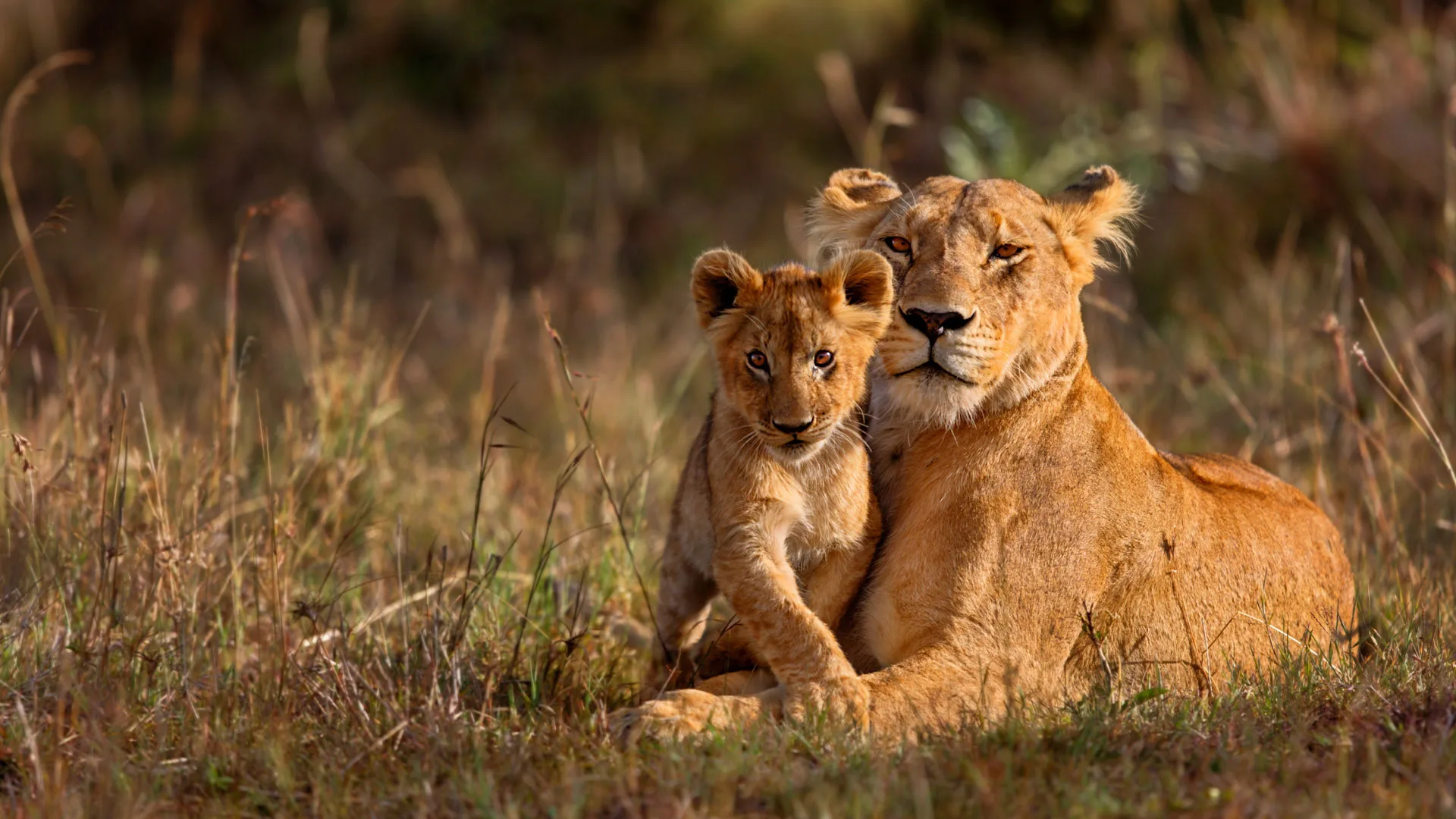
Game viewing is the core of this itinerary. Optional extras are quoted separately and depend on season, permits and availability. Individual species and river crossings are never guaranteed.

Additional information
Plan This Safari
Best Time for a Kenya Photography Safari
Kenya is photogenic year-round.
January to March
Often provides:
- Warm conditions
- Good wildlife visibility
- Dry landscapes
- Strong predator viewing
April and May
Advantages can include:
- Green landscapes
- Dramatic skies
- Fewer vehicles
- Reflections
- Rich colors
Rain can create access challenges.
June
A strong transitional period.
July to October
Popular for:
- Dry-season wildlife
- Great Migration opportunities
- Dust photography
- Predator activity
Vehicle numbers can be higher in famous areas.
November and December
Short rains can create:
- Green backgrounds
- Dramatic clouds
- Attractive light
- Bird activity
Green Season Photography
Many photographers prefer the green season. Advantages include:
- Cleaner backgrounds
- Saturated landscapes
- Dramatic skies
- Fewer vehicles
- Young animals
- Birdlife
The main challenge is rain and potentially muddy tracks.
Dry Season Photography
Dry conditions can provide:
- Concentrated wildlife
- Dust
- Clear visibility
- Dramatic predator-prey activity
Colors are more muted, which can work beautifully for wildlife.
Great Migration Photography Season
Migration timing varies. The Masai Mara may receive major herds during parts of the broader July-to-October period. Exact arrival, crossing and departure dates cannot be guaranteed. Photographers should plan several Mara nights.
Photography Safari in Amboseli
Amboseli is strongest for:
- Elephants
- Kilimanjaro
- Dust
- Wetlands
- Environmental portraits
- Silhouettes
- Birds
Photographers should consider at least two nights, preferably more if the mountain is a major priority, since mountain views are never guaranteed.
Photography Safari in the Masai Mara
The Mara is strongest for:
- Lions
- Leopards
- Cheetahs
- Great Migration
- Vultures
- Elephants
- Savannah landscapes
- Behavioral sequences
Multiple nights are essential.
Photography Safari in Central Kenya
Central Kenya can provide:
- Rhinos
- Conservation stories
- Cheetahs
- Lions
- Landscapes
- Community and conservancy context
It adds visual variety to the route.
Bird Photography in Kenya
Bird photographers may request extra time at:
- Wetlands
- Lakes
- Riverine habitats
- Open grasslands
A general photography safari can easily become more bird-focused if desired.
Photography Safari for Beginners
You do not need to be a professional. A photography-focused guide can help you think about:
- Light
- Position
- Patience
- Background
- Animal behavior
Technical camera instruction can be arranged separately where available, but the primary guide’s role is to create strong wildlife opportunities.
Photography Safari for Professionals
Professional photographers may require:
- Private vehicle
- Low passenger count
- Extra baggage
- Special charging
- Multiple camera bodies
- Longer field days
- Flexible meal arrangements
These needs should be communicated before booking.
Photography Safari for Videographers
Videographers often need:
- More storage
- More batteries
- Longer behavioral observation
- Audio planning
- Stability
Vehicle setup should be discussed in advance.
Small Group Photography Safari
A small group can reduce costs while preserving photographic flexibility. The group should ideally share similar priorities. A mixed group containing serious photographers and travelers who prefer short drives can create conflict.
Private Photography Safari
For maximum flexibility, private travel is best. Benefits include:
- Control over departure times
- Control over sighting duration
- Better vehicle positioning
- More equipment space
- Ability to target species
- No compromise with unrelated passengers
Road vs Fly-In Photography Safari
Road Safari
Advantages:
- More equipment flexibility
- Continuous guide
- Lower cost
- Scenic transfers
Fly-In Safari
Advantages:
- Less transfer time
- More field time
- Less fatigue
Disadvantages:
- Baggage restrictions
- Higher cost
Hybrid Safari
Often ideal. Drive where convenient and fly the longest transfer.
Accommodation for Photographers
Photographers should evaluate camps according to:
- Wildlife location
- Distance from gates
- Departure flexibility
- Charging
- Wi-Fi
- Room security
- Equipment storage
- Guiding quality
A beautiful lodge located far from wildlife may reduce photographic productivity.
Early Breakfast vs Packed Breakfast
Photographers often prefer:
- Tea or coffee before departure
- Packed breakfast in vehicle
- Bush breakfast after morning drive
This allows you to remain in the field during the best light.
Picnic Lunches
Picnic lunches are useful when:
- Wildlife activity is far from camp
- Migration herds are moving
- Predator behavior is developing
A photography itinerary should remain flexible rather than returning to camp automatically at noon.
Image Backup at Camp
Every evening:
- Back up photographs
- Charge batteries
- Clean lenses
- Check cards
- Prepare tomorrow’s gear
This simple routine reduces equipment problems.
Camera Security
Treat photographic equipment carefully. Use:
- Locked room or safe where practical
- Secure camera bags
- Insurance
- Discreet handling in cities
Do not leave expensive equipment unattended.
Travel Insurance for Photographers
General travel insurance may not fully cover expensive camera gear. Check:
- Per-item limits
- Total equipment coverage
- Theft exclusions
- Unattended vehicle exclusions
- International coverage
Professional photographers may require specialist insurance.
Luggage Limits on Domestic Flights
Small safari aircraft often apply stricter baggage limits. Professional photographers should discuss this early. Possible solutions may include:
- Extra baggage purchase
- Additional seat
- Freight arrangements
- Leaving nonessential luggage in Nairobi
Never assume an international airline allowance applies to safari aircraft.
What to Wear
Wear practical clothing. Recommended items include:
- Neutral shirts
- Lightweight trousers
- Fleece
- Light jacket
- Closed shoes
- Hat
- Sunglasses
Photographers often remain still for extended periods, so early mornings can feel especially cold.
Gloves
Thin gloves can be useful during cold morning drives, particularly when handling metal camera equipment. They should allow enough finger control for camera buttons.
Dust Scarf
A light scarf or buff can help protect against dust during dry-season road travel. It can also help cover equipment briefly when necessary.
What to Pack
Essential items can include:
- Camera bodies
- Telephoto lens
- Medium zoom
- Wide-angle lens
- Batteries
- Chargers
- Memory cards
- Backup storage
- Beanbags
- Binoculars
- Lens cloth
- Blower
- Rain cover
- Power bank
- Neutral clothing
- Warm layer
- Sunscreen
- Insect repellent
- Personal medication
- Travel documents
Responsible Photography
Ethical wildlife photography is essential. Do not ask guides to:
- Harass animals
- Block movement
- Approach dens irresponsibly
- Drive illegally
- Interfere with hunts
- Crowd wildlife excessively
The strongest wildlife images come from natural behavior.
Predator Dens
Den sites can be sensitive. If guides know the location of lion, hyena or other young animals, viewing must remain responsible. Avoid:
- Excessive noise
- Crowding
- Very close positioning
- Long disturbance
Young animals are particularly vulnerable.
Bird Nest Photography
Do not approach active nests closely simply for photographs. Nest disturbance can cause:
- Stress
- Abandonment
- Predator exposure
A responsible guide should prioritize breeding success over photography.
Cultural Photography
If cultural experiences are included, always ask permission before photographing people closely. Do not treat communities as props. Respectful travel photography should involve consent and context.
Why Book the 9 Days Kenya Photography Safari?
The 9 Days Kenya Photography Safari is designed around a simple idea: good wildlife photography requires more than simply seeing animals. You need:
- Time
- The right angle
- Light
- A guide who understands when to wait
- A vehicle that gives you room to work
- Enough days in a destination for nature to produce different opportunities
In Amboseli, an ordinary visitor may see an elephant and move on. A photographer may wait until the herd walks into a clean line beneath Kilimanjaro, until a calf emerges from behind its mother, or until evening light begins illuminating the dust. In central Kenya, a rhino may initially appear to be standing in harsh vegetation, and fifteen minutes later it may walk into open grass and turn toward the light.
In the Masai Mara, a lion pride may sleep for an hour before cubs begin playing. A cheetah may scan the plains for half a morning before suddenly beginning a hunt. A leopard may remain hidden in a tree until late afternoon light changes the entire scene. The photograph often comes after the waiting. This safari is built to give you that time. It is not designed to rush from one animal to another simply to complete a checklist. It is designed to help you return home with a diverse collection of images that tell the story of Kenya: its animals, landscapes, light, movement, weather and wild spaces.
Plan Your 9 Days Kenya Photography Safari
When requesting a customized photography safari, provide:
- Travel dates
- Number of photographers
- Photography experience level
- Primary camera equipment
- Approximate lens sizes
- Still photography or video
- Wildlife priorities
- Big-cat priorities
- Great Migration interest
- Bird photography interest
- Landscape photography interest
- Preferred number of travelers per vehicle
- Road or fly-in preference
- Accommodation level
- Budget range
- Baggage requirements
- Preferred number of Masai Mara nights
For serious photographers, we can reduce unnecessary transfers and spend more time in a smaller number of highly productive wildlife areas. For general photographers, we can balance photography with comfort, lodge time and classic Kenya safari experiences. Request a customized 9 Days Kenya Photography Safari quotation and create a private photographic journey focused on elephants beneath Kilimanjaro, rhinos, lions, leopards, cheetahs, Great Migration wildlife, birds and Kenya’s extraordinary landscapes.
Planning Questions
Frequently Asked Questions
Is Kenya good for wildlife photography?
Yes. Kenya is one of Africa’s premier photography destinations because of its open landscapes, exceptional wildlife density, big cats, elephants, birds and Great Migration opportunities.
Is nine days enough for a photography safari?
Yes. Nine days is enough for several complementary destinations, although serious photographers may prefer additional Mara nights.
Is this a private safari?
It can be arranged privately, which is strongly recommended for photographers.
Why is a private vehicle important?
It allows you to control positioning, timing and the length of each sighting.
How many photographers should share a vehicle?
Fewer photographers generally provide more freedom. The ideal number depends on vehicle design and equipment volume.
Can I bring a 600mm lens?
Yes, but domestic-flight baggage limits must be considered.
Should I bring two camera bodies?
If possible, yes. Two bodies reduce lens changes and provide backup.
Do I need a tripod?
Usually not for standard vehicle-based wildlife photography. Beanbags are generally more useful.
Are beanbags provided?
This depends on the vehicle arrangement. Confirm before travel or bring your preferred system.
Can we photograph elephants under Kilimanjaro?
Amboseli provides excellent opportunities, but mountain visibility depends on weather and animal position.
Can we see lions?
Amboseli and particularly the Masai Mara provide strong lion opportunities, although sightings are never guaranteed.
Can we photograph leopards?
The Mara offers the best chances, but leopard sightings remain unpredictable and are never guaranteed.
Can we photograph cheetah hunts?
Possibly, but hunting behavior cannot be guaranteed.
Is the Great Migration included?
If you travel when herds are present in the Masai Mara, migration photography can be integrated into the safari.
Are river crossings guaranteed?
No. They are completely unpredictable.
Is a balloon safari good for photographers?
It is excellent for aerial landscapes and herd patterns but less suitable for close wildlife photography.
Can we photograph birds?
Kenya is outstanding for bird photography, although no individual species is guaranteed.
Can we focus more heavily on birds?
Yes. The itinerary can be customized.
Can we spend more days in the Mara?
Yes. Serious big-cat or migration photographers may prefer fewer destinations and more Mara nights.
Is Amboseli necessary?
It is highly recommended for photographers interested in elephants, Kilimanjaro and environmental compositions.
Can we include rhinos?
Yes. A rhino-focused destination can be incorporated.
Should we travel during the dry season?
The dry season provides excellent visibility and dust, while the green season offers lush backgrounds and dramatic skies. Both are strong photographically.
Is the rainy season bad for photography?
No. Rain can produce some of the most atmospheric wildlife images.
Can the vehicle leave before sunrise?
Departure times depend on park or conservancy regulations.
Can we stay out all day?
Yes, where logistics and regulations permit.
Can meals be packed?
Yes. Packed breakfasts and lunches can be arranged.
Are charging facilities available?
Usually yes at safari lodges and camps, though power systems vary.
Is Wi-Fi available?
Many camps provide Wi-Fi, but remote connectivity may be slow.
Should I carry a laptop?
Optional. It is useful for backup and review but adds weight.
How much memory should I carry?
More than you expect to use, particularly if shooting bursts or video.
Can we buy memory cards in the parks?
Do not depend on it. Bring all essential photography supplies before departure.
Can we insure camera equipment?
Yes. Specialist equipment insurance is strongly recommended for expensive gear.
Can professional videographers join?
Yes. Vehicle and baggage arrangements should be planned around filming needs.
Can we use drones?
Drone use is subject to strict national and protected-area regulations and should never be assumed to be permitted. Any aerial filming requires proper authorization.
Can we add Diani Beach after the safari?
Yes. A beach extension can be added after the photographic safari.
Can we combine Kenya with Tanzania?
Yes. A longer photography safari can include the Serengeti and other northern Tanzania destinations.
Can we add gorilla photography?
Uganda or Rwanda can be added for mountain gorilla trekking, subject to permit and photography regulations.
05 Request Quote
Request Quote
Tell us your dates, group size, and preferred lodge style — we will send a tailored quote for this safari.
Want to extend your safari?
Add Amboseli, Diani Beach, Tanzania and Zanzibar, or gorilla trekking in Uganda or Rwanda — we tailor the journey to your dates.