
6 DAYS / 5 NIGHTS
6 Days Budget Kenya Safari
Explore a 6 Days Budget Kenya Safari with affordable camps, Masai Mara game drives, rhino viewing, Big Five opportunities, practical costs and detailed itinerary.
- Wildlife SafariPrivate Journey
- Private Safari4x4 Vehicle
- Expert GuideEnglish Speaking
- All MealsBreakfast, Lunch, Dinner
- 24/7 SupportWe're here to help
01 Overview
Safari Overview
- Duration6 days / 5 nights
- DestinationKenya
- Starts / endsNairobi
- Safari stylePrivate 4×4 safari
- AccommodationEssential · Comfort · Premium · Signature
- Best forWildlife viewing, photography
6 Days Budget Kenya Safari
A 6 Days Budget Kenya Safari is an affordable way to experience Kenya's famous wildlife while keeping accommodation and transportation costs under control without compromising the core safari experience. The itinerary is designed for travelers whose main priority is seeing animals, exploring national parks and spending meaningful time on game drives rather than paying for luxury rooms, private plunge pools or premium lodge facilities.
Kenya is sometimes perceived as an expensive safari destination because park fees, safari vehicles, fuel, accommodation and guiding all contribute to the overall package price. However, careful route planning and sensible accommodation choices can make a six-day safari considerably more affordable. The key is understanding where to save money and where not to cut corners. A well-designed budget safari can reduce costs by using:
- Affordable tented camps
- Simple safari lodges
- Road transportation instead of flights
- Family or triple room configurations where appropriate
- Shared costs among several travelers
- Carefully selected routes that avoid unnecessary transfers
However, the safari should still include a reliable vehicle, qualified guide, appropriate park access, enough game-drive time and safe accommodation. The standard 6 Days Budget Kenya Safari can be designed around the Masai Mara and Lake Nakuru, creating an excellent combination for first-time visitors.
The Masai Mara provides exceptional opportunities to see lions, cheetahs, elephants, buffaloes, giraffes, wildebeest, zebras, hyenas, hippos and numerous antelope species, although sightings can never be guaranteed. Leopards occur throughout suitable riverine habitats but remain naturally elusive.
Lake Nakuru then strengthens the safari with opportunities to search for white and black rhinoceroses, Rothschild's giraffes, buffaloes and extensive birdlife. During the appropriate period, the Mara portion may also coincide with the Great Wildebeest Migration, allowing budget travelers to experience the same extraordinary natural spectacle as guests staying in far more expensive safari camps, although herd movements and river crossings cannot be guaranteed.
The wildlife does not know how much you paid for your room. A lion sighting is not better because your lodge has a private pool. An elephant family crossing the plains does not behave differently because you slept in an expensive suite. This is why carefully planned budget safaris can provide exceptional value.
6 Days Budget Kenya Safari at a Glance
- Duration: 6 Days / 5 Nights
- Safari Style: Affordable private or shared Kenya safari
- Starting Point: Nairobi
- Ending Point: Nairobi
Recommended Destinations:
- Masai Mara
- Lake Nakuru National Park
- Great Rift Valley
Recommended Route
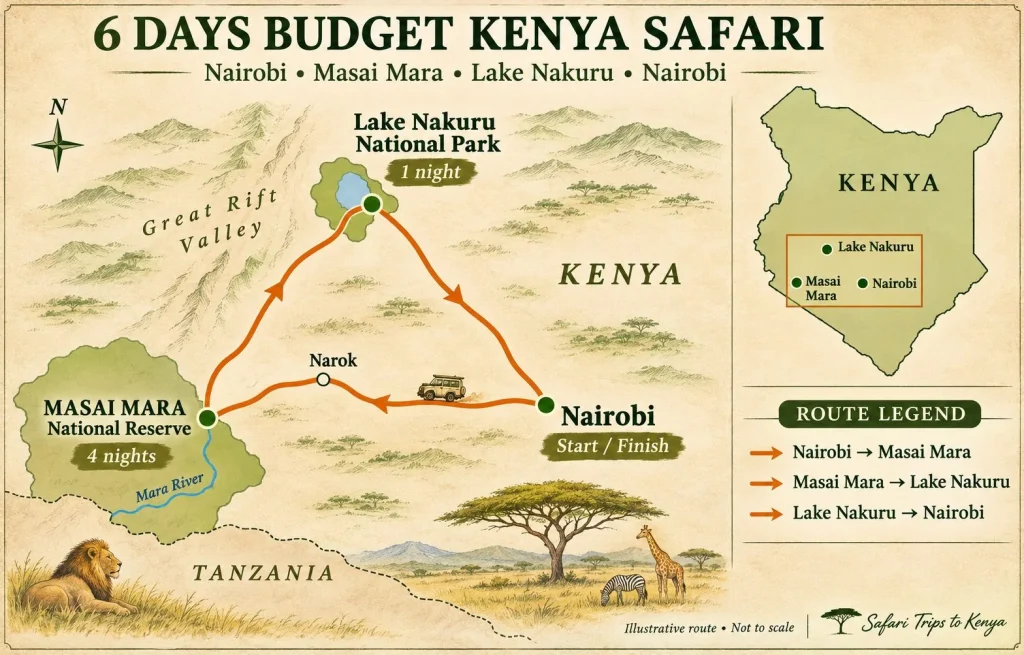
Nairobi → Masai Mara → Masai Mara → Masai Mara → Masai Mara → Lake Nakuru → Nairobi
Typical Overnight Distribution
- Night 1: Masai Mara budget camp
- Night 2: Masai Mara budget camp
- Night 3: Masai Mara budget camp
- Night 4: Masai Mara budget camp
- Night 5: Budget lodge or hotel around Lake Nakuru
Safari Summary
- Day 1: Nairobi to Masai Mara – Great Rift Valley and first game drive
- Day 2: Full-day Masai Mara safari – lions, cheetahs and elephants
- Day 3: Full-day Masai Mara – Mara River and migration country
- Day 4: Full-day Masai Mara – wildlife photography and predator search
- Day 5: Masai Mara to Lake Nakuru – scenic transfer and rhino safari
- Day 6: Lake Nakuru morning game drive and return to Nairobi
What Makes This a Budget Kenya Safari?
A budget safari reduces nonessential luxury costs while protecting the parts of the trip that matter most. You still need:
- A suitable safari vehicle
- A knowledgeable driver-guide
- Park or reserve access
- Fuel
- Accommodation
- Meals
- Drinking water
- Sufficient wildlife-viewing time
The savings generally come from accommodation and transport style rather than from reducing wildlife access.
Budget Accommodation
Affordable safari accommodation may include:
- Permanent tented camps
- Simple safari lodges
- Guesthouses
- Budget hotels near park gates
- Basic but comfortable rooms
Facilities vary significantly. Some budget camps provide private bathrooms, hot showers and electricity. Others are simpler. The exact property should therefore be selected according to the level of comfort you expect.
Private vs Shared Budget Safari
A private safari gives your party exclusive use of the vehicle and guide. A shared or joining safari allows several travelers to divide transportation expenses. Both options can reduce costs in different ways.
Private Budget Safari Advantages
- Flexible game drives
- More control over stops
- Better family pacing
- Easier photography
- Private guide attention
Shared Budget Safari Advantages
- Lower vehicle cost per person
- Particularly useful for solo travelers
- Opportunity to meet other travelers
The disadvantage of shared safaris is reduced flexibility.
Itinerary
- Day 1:Nairobi to Masai Mara, great Rift Valley and Afternoon Game Drive
- Day 2:Masai Mara Budget Safari – Big Cats and Plains Wildlife
- Day 3:Masai Mara – Mara River, Hippos and Great Migration Country
- Day 4:Masai Mara – Predator Search and Wildlife Photography
- Day 5:Masai Mara to Lake Nakuru, scenic Transfer and Rhino Safari
- Day 6:Morning game drive / optional Maasai village – return to Nairobi
02 Itinerary
6 Days Budget Kenya Safari: Detailed Itinerary

Day 1: Nairobi to Masai Mara – Great Rift Valley and Afternoon Game Drive - Main destination
- Masai Mara National Reserve
- Drive time
- Road transfer as outlined in the itinerary
- Meals
- Lunch, Dinner
Your 6 Days Budget Kenya Safari begins in Nairobi. Your safari driver-guide collects you from your hotel, guesthouse, residence or another agreed Nairobi location in the morning. After loading your luggage, receive a short safari briefing covering:
- Route
- Travel times
- Accommodation
- Meals
- Game drives
- Park rules
- Optional activities
- Expected wildlife
You then begin traveling west toward the Great Rift Valley.
Great Rift Valley Viewpoint
When timing and conditions allow, stop at an appropriate Rift Valley viewpoint for your first major landscape experience. Take photographs and stretch before continuing. The huge valley below may contain:
- Agricultural land
- Escarpments
- Settlements
- Distant hills
- Volcanic formations
Why a Road Safari Helps Keep Costs Down
Traveling by road is generally one of the most effective ways to reduce Kenya safari costs. Domestic safari flights can be convenient, but they add significant expense. Road travel also allows you to see more of Kenya beyond the protected areas, so the journey itself becomes part of the experience. You pass through:
- Towns
- Farms
- Markets
- Rural settlements
- Pastoral country
Narok
Continue toward Narok, one of the main gateway towns to the Masai Mara. A short stop may be made according to timing. Beyond Narok, the scenery becomes increasingly open as you begin entering landscapes associated with Maasai pastoral communities.
Arrival at the Masai Mara
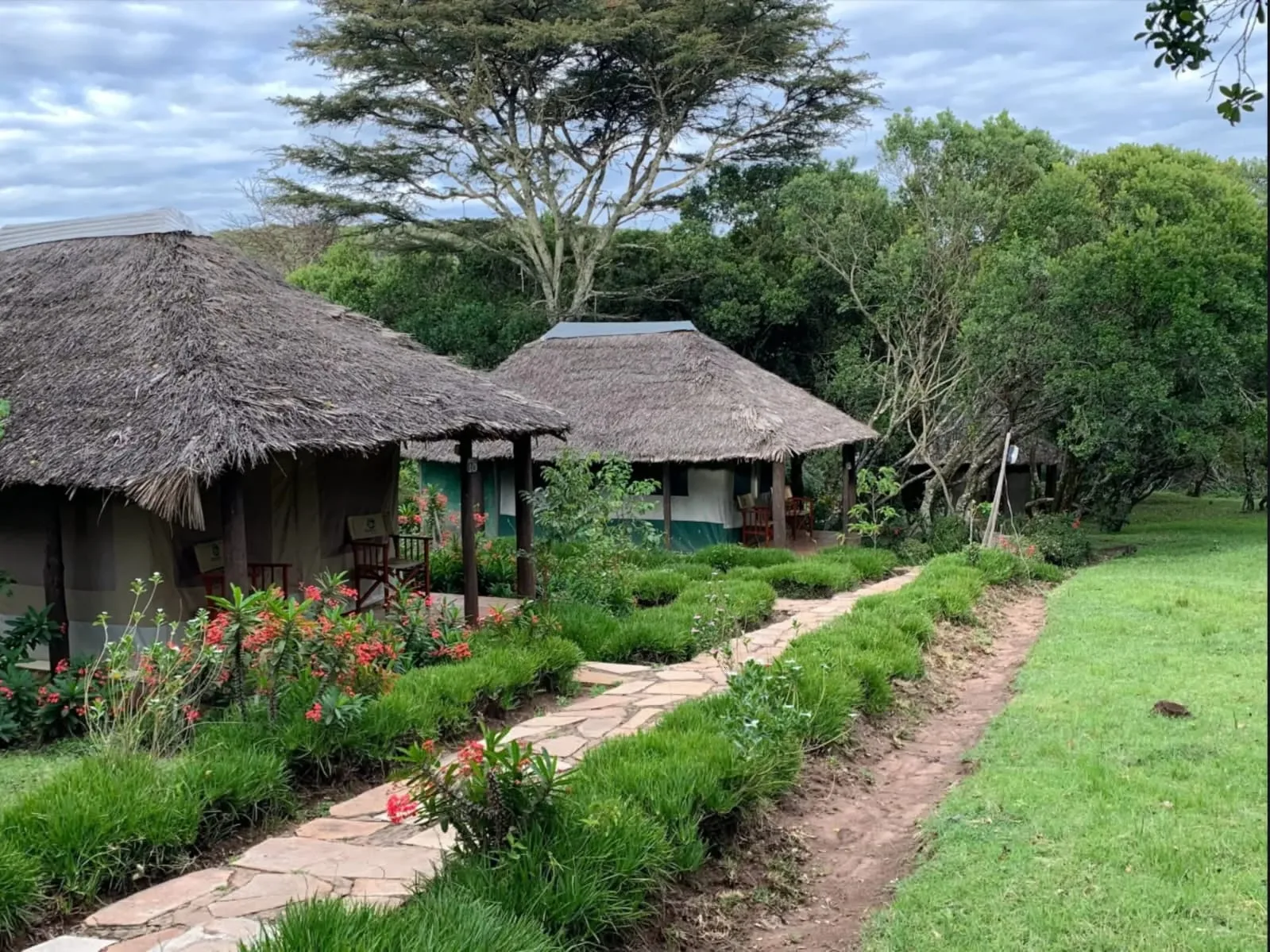
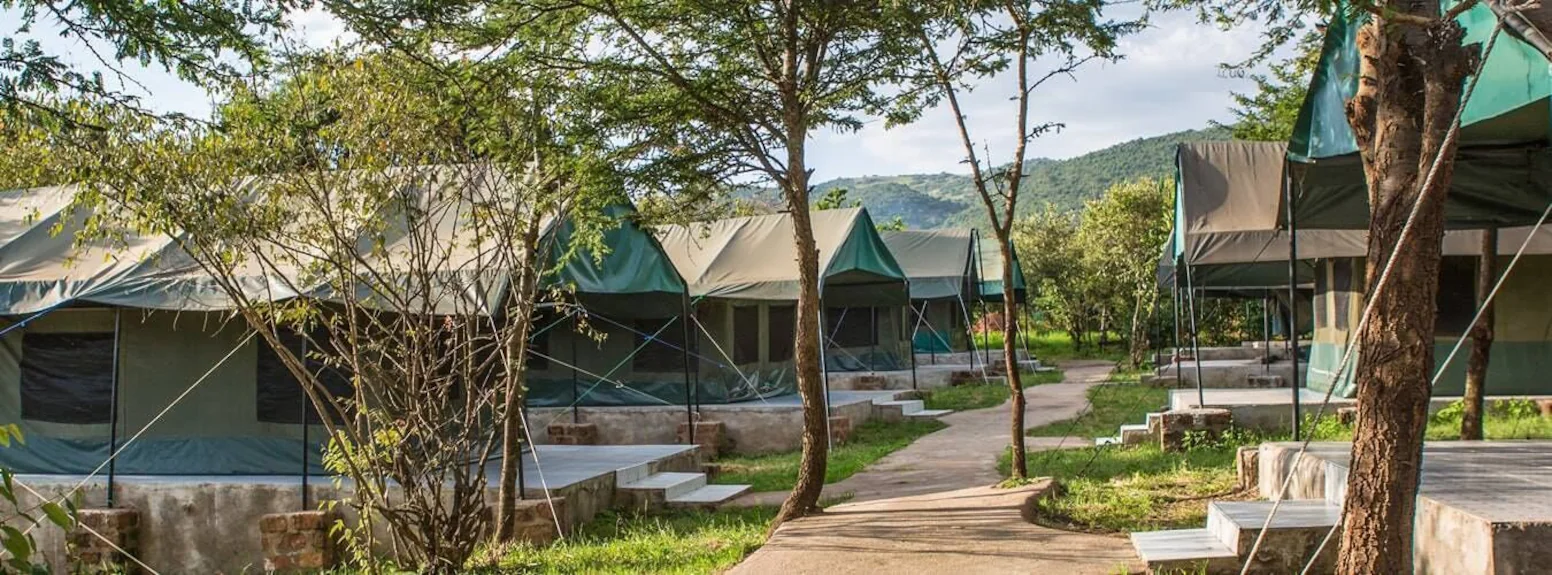
Reach your budget camp or lodge around lunchtime or early afternoon depending on road conditions, then check in and enjoy lunch. A budget camp may be much simpler than a luxury safari property, but the objective is to provide a clean and comfortable base close enough to the wildlife areas. After lunch, prepare for the first game drive.
First Masai Mara Game Drive
Enter the wildlife area and begin searching the grasslands. Possible first-afternoon sightings include: Lions, Elephants, Buffaloes, Giraffes, Wildebeest, Zebras, Topi, Impalas, Gazelles, Warthogs, Hyenas.
Even a short first game drive can produce remarkable wildlife, although sightings can never be guaranteed.
Lions
The Masai Mara is one of Africa's great lion destinations. Possible encounters include:
- Adult males
- Lionesses
- Cubs
- Resting prides
- Feeding lions
- Lions walking through grassland
During hot afternoons, they may sleep for long periods, and as temperatures begin falling, they can become more active.
Elephants
Elephants may move through open areas or woodland, and family groups are particularly interesting. You may observe:
- Calves
- Juveniles
- Adult females
- Feeding
- Dust bathing
- Trunk communication
Cheetahs
Cheetahs favor more open landscapes and may use termite mounds and low rises as lookout points. A cheetah may remain motionless for long periods before suddenly beginning to move.
First Safari Sunset
Enjoy the late-afternoon light before leaving the wildlife area, then return to your budget camp for dinner.
- Accommodation: Budget Masai Mara camp/lodge
- Meal Plan: Lunch and dinner depending on arrival arrangements
- Activities: Nairobi transfer, Rift Valley stop and afternoon game drive
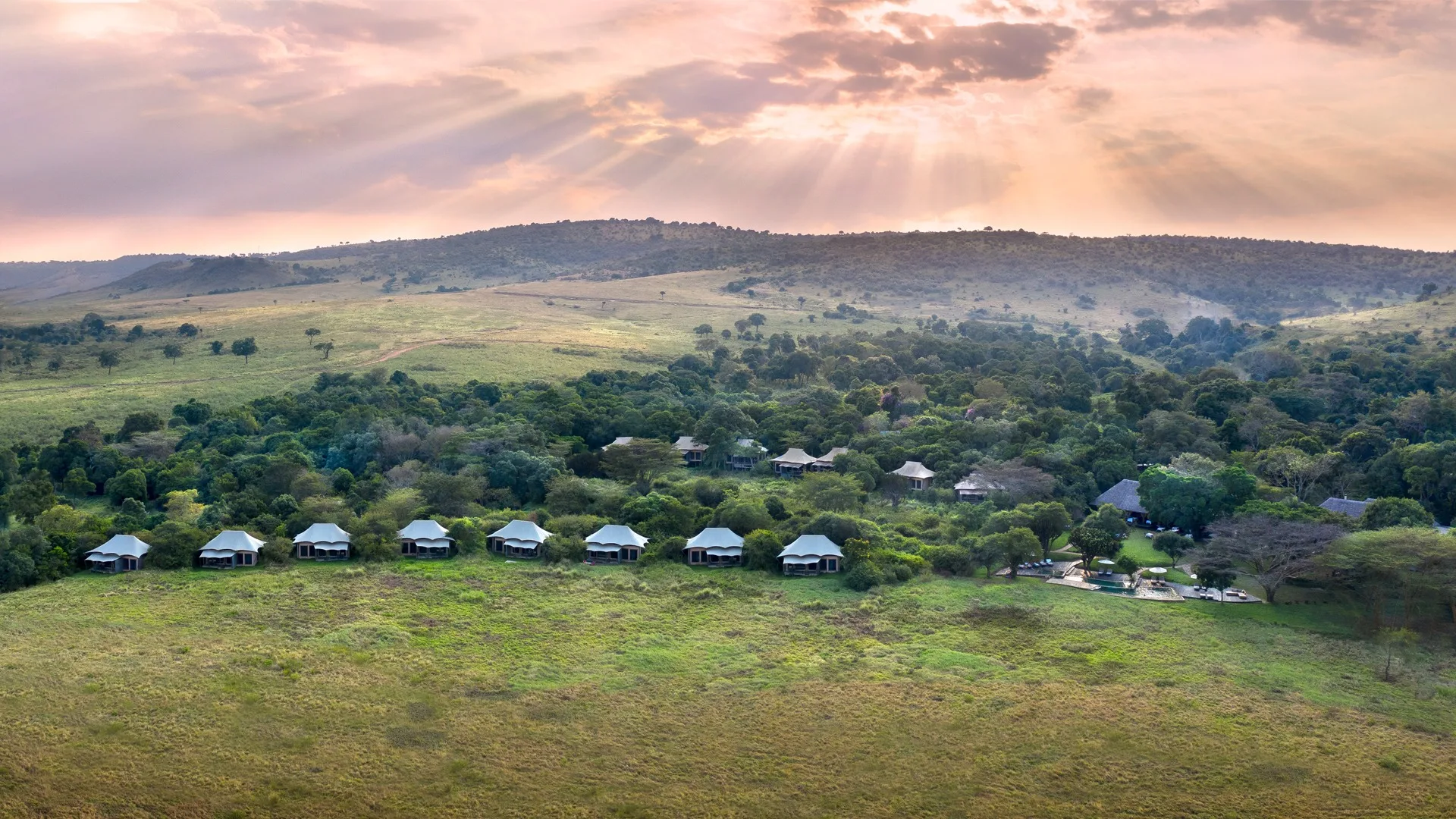
Where you stay
- Essential (Budget)
- Comfort (Mid-range)
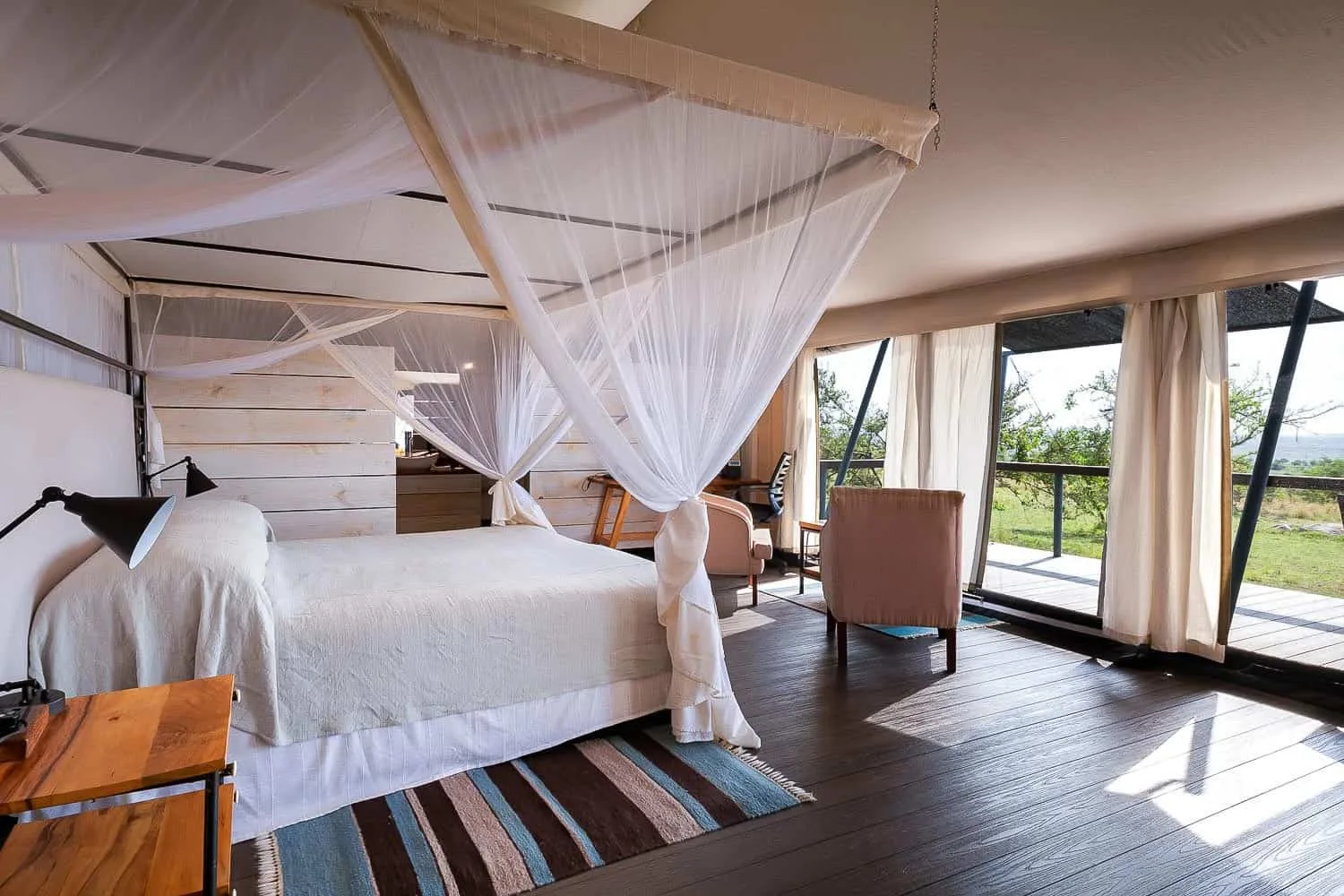
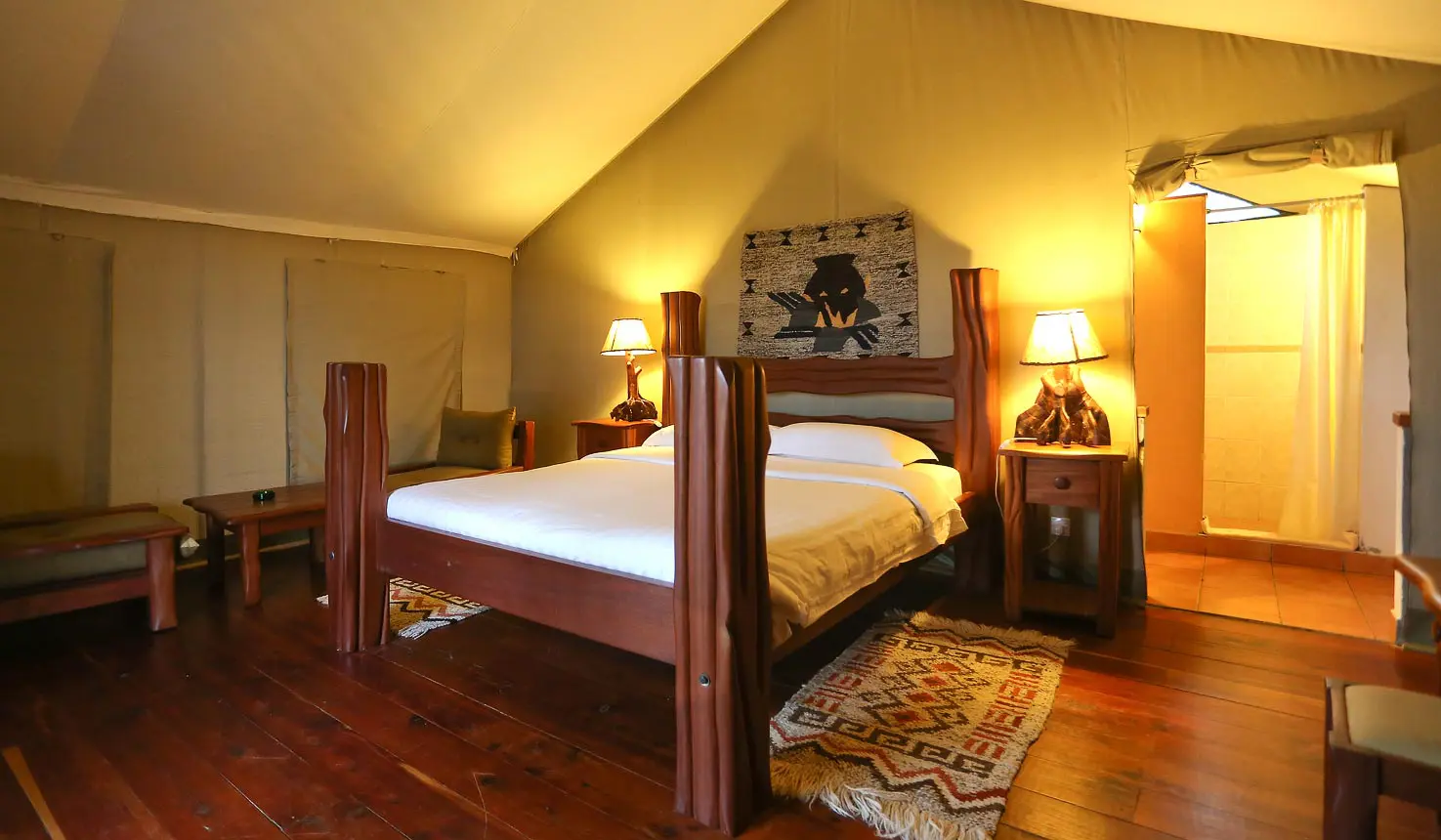
- Premium (Luxury)
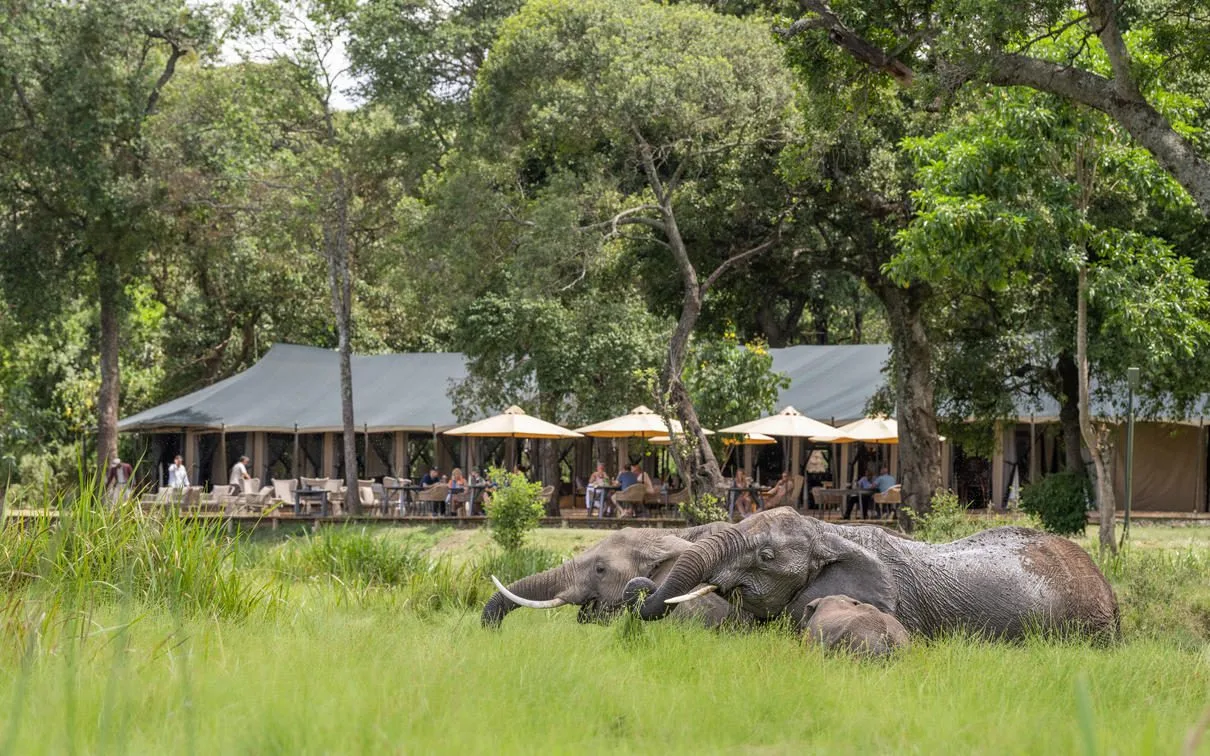
- Signature (High-end)
Day 2: Full-Day Masai Mara Budget Safari – Big Cats and Plains Wildlife - Main destination
- Masai Mara National Reserve
- Meals
- Breakfast, Lunch, Dinner
Wake early and have breakfast. Today is dedicated completely to wildlife viewing. Carry a packed lunch if undertaking a full-day safari, which is often the most practical budget arrangement because you remain in the reserve rather than returning to camp during midday.
Early Morning Predator Search
Morning can be excellent for predators, and the light is also excellent for photography. Possible sightings include: Lions after nighttime activity, Hyenas crossing open country, Cheetahs searching for prey, Leopards moving before finding shade, Jackals, Large buffalo herds.
Lion Pride Behavior
Spend time observing rather than simply counting lions. You may see:
- Cubs playing
- Females grooming
- Males resting
- Feeding
- Territorial behavior
- Courtship
These longer observations cost nothing extra and often become the most memorable part of a safari.
Leopard Search
Leopards are among the most difficult major predators to find. Your guide may search:
- Riverine woodland
- Large trees
- Drainage systems
- Dense vegetation
Alarm calls from monkeys or antelopes may provide clues, but leopards remain unpredictable.
Budget Safari Tip: Bring Binoculars
Good binoculars can improve the experience enormously. They help when viewing:
- Leopards
- Birds
- Distant predators
- Herds
- Animals across rivers
You do not need expensive professional binoculars, and even a modest pair is useful.
Cheetah Viewing
Cheetahs may be encountered on open plains. Watch carefully for:
- A cheetah scanning gazelles
- Mothers with cubs
- Male coalitions
- Animals resting beneath small bushes
If a hunt begins, the guide should avoid influencing the animals.
Buffaloes
Large buffalo herds may be encountered, and older males may form smaller bachelor groups. Their relationship with lions can produce dramatic predator-prey encounters.
Giraffes
Maasai giraffes are common in suitable areas. Their irregular darker patterns distinguish them from other giraffe populations found elsewhere in Kenya.
Plains Game
Possible herbivores include: Wildebeest, Plains zebras, Topi, Impalas, Thomson's gazelles, Grant's gazelles, Elands, Hartebeest, Warthogs.
These animals form the foundation of the Mara's predator-rich ecosystem.
Picnic Lunch
Stop at an authorized picnic site and enjoy the packed lunch prepared by your accommodation. A budget lunch may be simple, but it allows you to remain in the wildlife area longer. After lunch, continue exploring.
Afternoon Game Drive
Continue searching for wildlife. Lions may become active toward evening, cheetahs may begin stalking prey, elephants continue feeding and giraffes cross the plains. Return to camp around sunset.
- Accommodation: Budget Masai Mara camp/lodge
- Meal Plan: Breakfast, packed lunch and dinner
- Activities: Full-day Masai Mara safari
Where you stay
Day 3: Full-Day Masai Mara – Mara River, Hippos and Great Migration Country - Main destination
- Masai Mara National Reserve
- Meals
- Breakfast, Lunch, Dinner
Day three provides another complete Mara game-viewing day. This additional time is extremely valuable because the animals are wild and nothing appears according to a timetable. A species you missed yesterday may appear today.
Mara River
Depending on wildlife movements and your camp location, today's drive may include the Mara River. The river supports:
- Hippopotamuses
- Nile crocodiles
- Waterbirds
- Riverine woodland
- Wildlife drinking areas
Hippos
Groups of hippos can be found in deeper river pools. They spend much of the daylight period in water and frequently communicate using loud grunts and calls. Despite their appearance, hippos are powerful animals, so always follow guide instructions near the river.
Nile Crocodiles
The Mara River supports large crocodiles. They may be visible:
- Basking
- Floating
- Resting partly submerged
Crocodiles become especially prominent during migration crossings.
Great Wildebeest Migration
If your safari takes place when migration herds are in the Masai Mara, you may witness huge concentrations of wildebeest and zebra. The migration is driven by:
- Rainfall
- Fresh grass
- Water availability
- Seasonal ecological conditions
The exact movement changes annually.
Can Budget Travelers See the Great Migration?
Potentially, yes. Migration wildlife is not reserved for luxury travelers. If your camp gives appropriate access to the Mara and your game drives reach the relevant areas, you can experience the same wildebeest herds, provided they are in the area at the time of your visit. The difference lies mainly in accommodation comfort and safari logistics.
Mara River Crossings
River crossings are natural and unpredictable. Wildebeest may gather near the river for hours before moving away, they may cross elsewhere, and a crossing may happen before your vehicle arrives. No safari package should guarantee a crossing.
Migration Predators
Large concentrations of prey can attract predators and scavengers. Possible sightings include: Lions, Hyenas, Cheetahs, Leopards, Jackals, Vultures.
Migration viewing therefore extends far beyond the actual river crossing.
Birdwatching
Possible birds include: Secretary birds, Ostriches, Lilac-breasted rollers, Bateleurs, Martial eagles, Tawny eagles, Vultures, Crowned cranes, Ground hornbills, Bustards, Storks, Kingfishers.
Birding does not require additional expensive activities and adds significant depth to a budget safari.
Return to Camp
After another full day in the Mara, return to camp for dinner.
- Accommodation: Budget Masai Mara camp/lodge
- Meal Plan: Breakfast, packed lunch and dinner
- Activities: Full-day Masai Mara safari and Mara River exploration where appropriate
Where you stay
Day 4: Full-Day Masai Mara – Predator Search and Wildlife Photography - Main destination
- Masai Mara National Reserve
- Meals
- Breakfast, Lunch, Dinner
Day four is your final full Mara safari day. By this stage, you will have seen many common species, which allows the guide to focus more heavily on any animals still missing.
Dedicated Leopard Search
If leopard remains unseen, your guide can spend more time in productive habitat. Search:
- Trees
- Riverbanks
- Thick bushes
- Drainage lines
Leopard viewing requires patience and sightings cannot be guaranteed.
Dedicated Cheetah Search
If cheetahs are a priority, concentrate on open plains. Search for:
- Solitary adults
- Mothers
- Cubs
- Male coalitions
Revisiting Lion Prides
If you found a particularly interesting pride previously, return to the area. The same lions may now be:
- Moving
- Feeding
- Playing
- Hunting
- Socializing
Repeated observations can be much more rewarding than constantly searching for new species.
Wildlife Photography on a Budget
You do not need expensive professional equipment to photograph wildlife. A smartphone can work well for:
- Landscapes
- Nearby animals
- Camp scenes
- Sunsets
A camera with a telephoto lens is helpful for more distant wildlife. Useful items include:
- Spare batteries
- Memory cards
- Lens cloth
- Dust protection
- Power bank
Optional Balloon Safari
A Masai Mara hot-air balloon safari can still be added to a budget itinerary, subject to availability and weather, but it represents a substantial additional expense. Budget-conscious travelers should consider whether they prefer to spend that money on:
- Balloon flight
- Extra safari night
- Beach extension
- Accommodation upgrade
The best choice depends on personal priorities.
Optional Maasai Cultural Experience
A responsible cultural visit can also be arranged. Possible topics include:
- Pastoral traditions
- Livestock
- Beadwork
- Homestead structure
- Community life
- Education
- Conservation
The experience should be respectful and transparent.
Final Mara Sunset
Use the final afternoon to enjoy the landscape without rushing. A safari is not successful only when a rare animal appears; sometimes simply watching giraffes crossing the plains at sunset becomes the memory you carry home. Return to camp for dinner.
- Accommodation: Budget Masai Mara camp/lodge
- Meal Plan: Breakfast, lunch and dinner
- Activities: Full-day game drive; optional activities
Where you stay
Day 5: Masai Mara to Lake Nakuru – Scenic Transfer and Rhino Safari - Main destination
- Masai Mara National Reserve
- Meals
- Breakfast, Lunch, Dinner
After breakfast, check out from the Masai Mara and begin traveling toward Lake Nakuru National Park. Depending on timing, enjoy wildlife viewing while leaving the ecosystem.
Road Journey Through the Rift Valley
Travel through changing landscapes as the scenery shifts from Mara grasslands toward:
- Agricultural areas
- Towns
- Rift Valley escarpments
- Lake-country landscapes
Lunch or comfort stops are arranged according to the program.
Arrival at Lake Nakuru
Enter Lake Nakuru National Park during the afternoon. The park is much more compact than the Mara, which can make wildlife searches efficient. Habitats include:
- Grassland
- Lakeshore
- Acacia woodland
- Euphorbia forest
- Bush
- Wetlands
- Rocky areas
White Rhinoceroses
One of the main objectives is to search for white rhinos. They are primarily grazers and may often be seen in relatively open areas, although sightings are never guaranteed. Spend time observing:
- Grazing
- Walking
- Resting
- Social behavior
Black Rhinoceroses
Black rhinos are also present. They are browsers and may use thicker vegetation, and their more concealed habitat makes them harder to locate. Finding one can be a major safari highlight.
Rhino Conservation
The park plays an important role in rhino conservation. Travelers should understand that protecting rhinos requires substantial resources, including:
- Anti-poaching security
- Monitoring
- Habitat protection
- Veterinary intervention
- Rangers
- Research
Park fees contribute to the wider protected-area system.
Rothschild's Giraffes
Lake Nakuru is also known for Rothschild's giraffes, which can be compared with the Maasai giraffes seen in the Mara.
Buffaloes
Cape buffaloes occur throughout suitable parts of the park, and large groups may be encountered near grassland or water.
Flamingos
Flamingos may occur along the lakeshore, but numbers vary according to ecological conditions. Do not expect the enormous concentrations that were historically associated with every visit. Possible birds include: Greater flamingos, Lesser flamingos, Pelicans, Cormorants, Herons, Egrets, Storks.
Budget Accommodation Around Nakuru
After the game drive, proceed to your budget lodge, guesthouse or hotel. One way to control costs is staying outside the national park where appropriate, which may provide:
- Lower room rates
- More accommodation choice
- Easy town access
The trade-off is additional driving between accommodation and the park. Dinner and overnight.
- Accommodation: Budget Lake Nakuru/Nakuru lodge, guesthouse or hotel
- Meal Plan: Breakfast, lunch and dinner
- Activities: Masai Mara transfer and afternoon Lake Nakuru safari
Where you stay
Day 6: Lake Nakuru Morning Safari – Rhinos and Return to Nairobi - Main destination
- Masai Mara National Reserve
- Drive time
- Return transfer as outlined in the itinerary
- Meals
- Breakfast, Lunch
Wake early for the final day of your safari. After breakfast, enter or continue exploring Lake Nakuru National Park. The morning provides another opportunity to search for rhinos and other wildlife.
Final Rhino Search
Search for:
- White rhinos
- Black rhinos
Morning light can be particularly good for photography, and a patient observation may reveal:
- Feeding
- Movement
- Mother-and-calf behavior
- Interaction between individuals
Other Wildlife
Possible sightings include: Buffaloes, Rothschild's giraffes, Zebras, Waterbucks, Impalas, Warthogs, Baboons, Vervet monkeys, Hyenas, Lions.
Final Birdwatching
Use the morning to scan the lakeshore and woodland. Lake Nakuru provides excellent bird diversity even when flamingo numbers are low.
Return to Nairobi
Leave the park and travel toward Nairobi through the Great Rift Valley. Depending on timing, stop for lunch or refreshments. Arrival is normally during the afternoon, although traffic conditions can affect timing. Your guide can drop you at:
- Nairobi hotel
- Residence
- Jomo Kenyatta International Airport
- Wilson Airport
- Another agreed destination
This concludes your 6 Days Budget Kenya Safari.
- Meal Plan: Breakfast; lunch depending on package arrangements
- Route: Lake Nakuru → Nairobi
- Accommodation: Not included unless an extra Nairobi night is booked
Wildlife You Can See on a 6 Days Budget Kenya Safari
Possible wildlife includes: Lions, Leopards, Cheetahs, African elephants, Cape buffaloes, White rhinos, Black rhinos, Maasai giraffes, Rothschild's giraffes, Wildebeest, Plains zebras, Topi, Elands, Gazelles, Impalas, Waterbucks, Warthogs, Spotted hyenas, Jackals, Hippos, Nile crocodiles, Baboons, Monkeys, Numerous bird species.
Accommodation price does not determine which animals appear, and sightings can never be guaranteed.
Where you stay
03 Rates
Safari rates 2027-2029
Indicative per person. Season, group size and lodge style change the total — your quotation confirms current rates.
- Essential (Budget)
Essential (Budget)
Budget camps and lodges suit travelers who prioritize wildlife while keeping costs lower.
Great value camps
- Comfort (Mid-range)
Comfort (Mid-range)
Mid-range tented camps and lodges balance comfort and price with private rooms or tents and en-suite facilities.
Quoted for your dates
- Premium (Luxury)
Premium (Luxury)
Luxury camps and lodges focus on location, service and more intimate wildlife experiences.
Premium camps and lodges
- Signature (High-end)
Signature (High-end)
Signature camps and lodges are the most exclusive stays — small, highly private properties with exceptional guiding and setting.
Exclusive signature stays
04 Activities
Safari activities
Game viewing is the core of this itinerary. Optional extras are quoted separately and depend on season, permits and availability. Individual species and river crossings are never guaranteed.
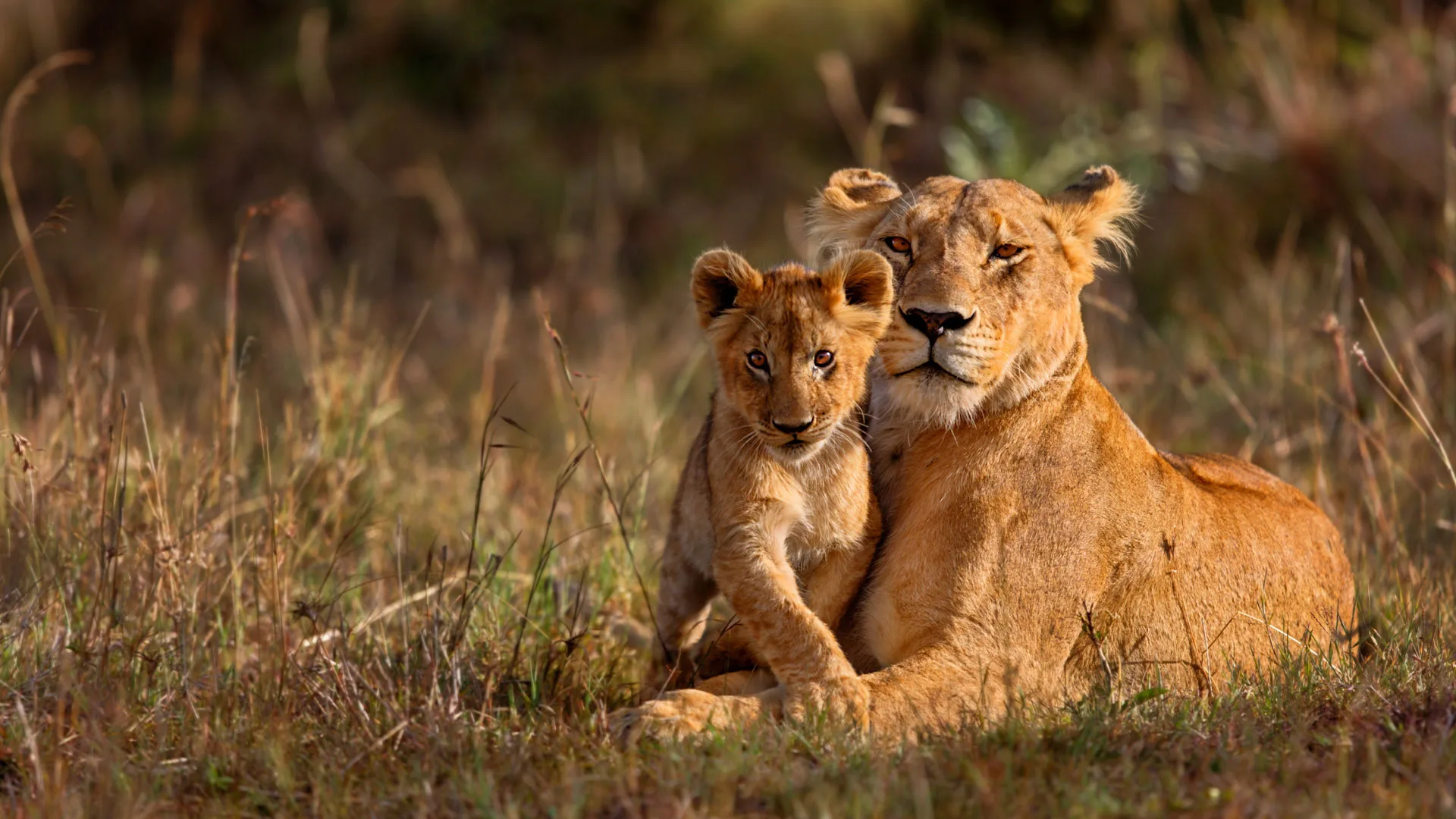
Included
Multiple full game drives
Included in a typical day on this safari. Exact timing follows the confirmed itinerary.
View activity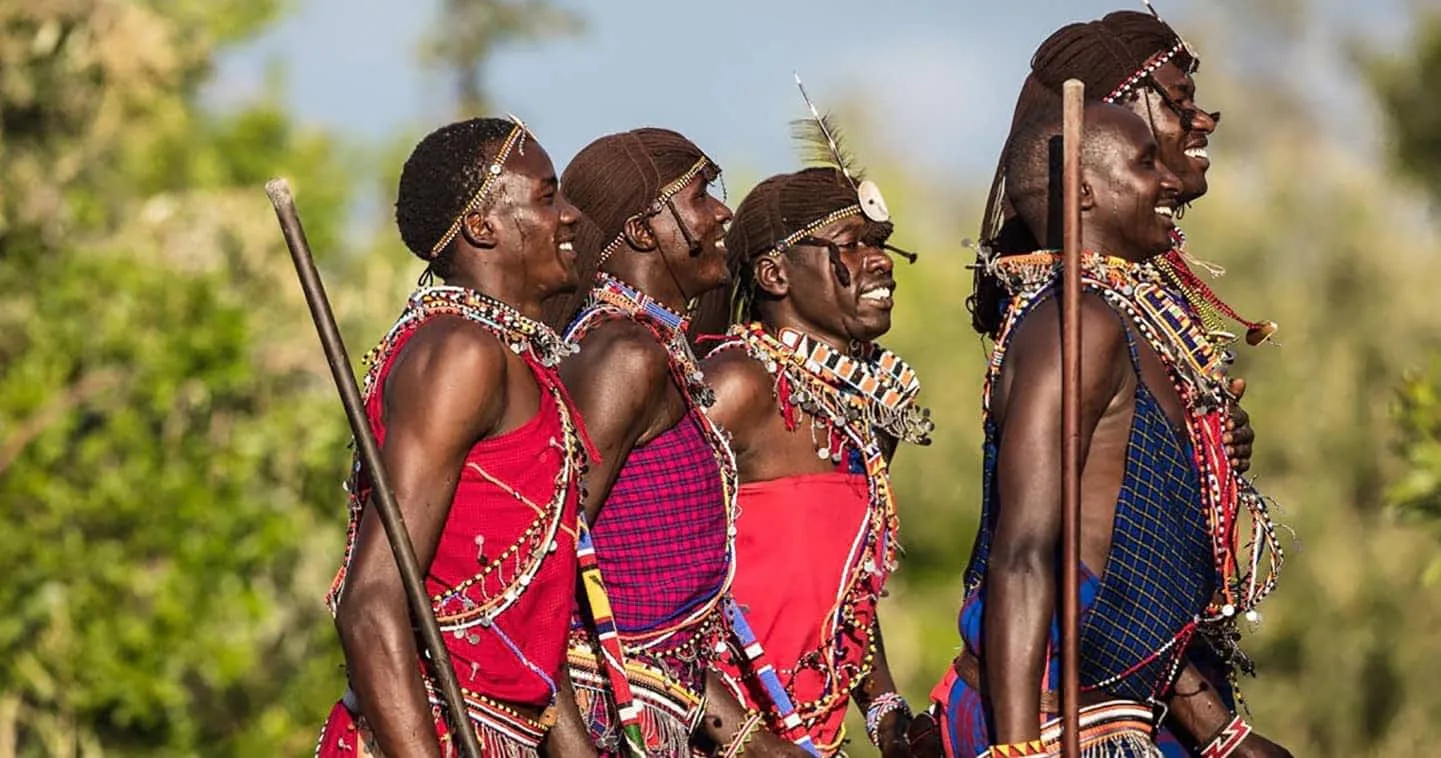
Optional
Maasai cultural experience
Available at extra cost when conditions, permits and your dates allow. Not guaranteed.
View activity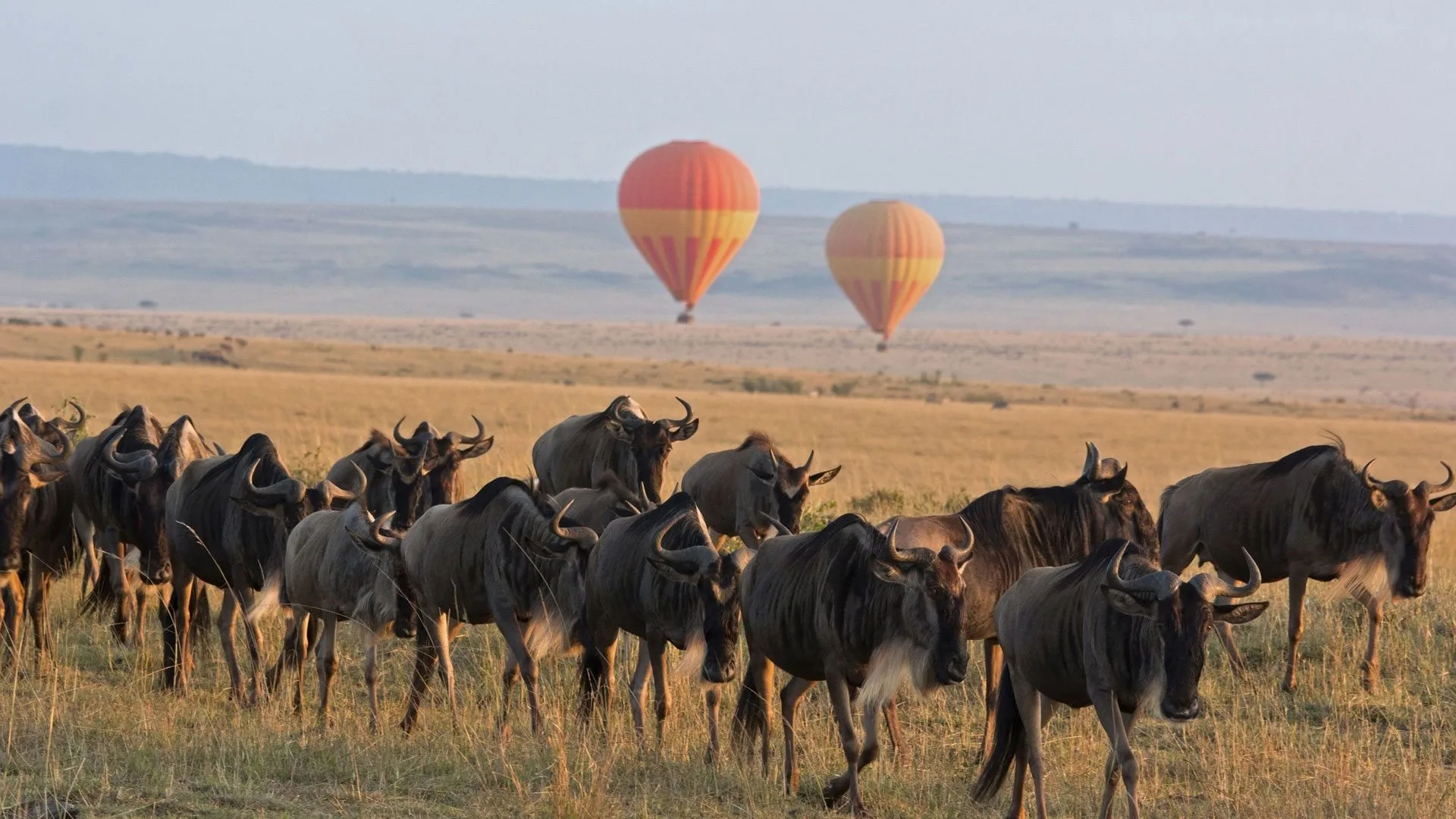
Optional
Balloon safari for travelers wanting an upgrade
Available at extra cost when conditions, permits and your dates allow. Not guaranteed.
View activity
Additional information
Plan This Safari
Can You See the Big Five on a Budget Safari?
Yes, this itinerary gives you opportunities to search for all five, although sightings are never guaranteed:
- Lion: Excellent opportunities in the Masai Mara.
- Leopard: Present in the Mara but naturally elusive.
- Elephant: Strong opportunities in the Mara.
- Buffalo: Found in both destinations.
- Rhinoceros: Lake Nakuru provides strong opportunities.
Seeing all five is possible, but never guaranteed.
Is a Budget Safari Safe?
A budget safari should still meet appropriate safety standards. Saving money should not mean:
- Unsafe vehicles
- Unqualified guides
- Unlicensed operators
- Poorly maintained accommodation
- Ignoring park regulations
Price should be reduced through sensible accommodation choices and shared logistics rather than through unsafe practices.
Budget Safari Accommodation in the Masai Mara
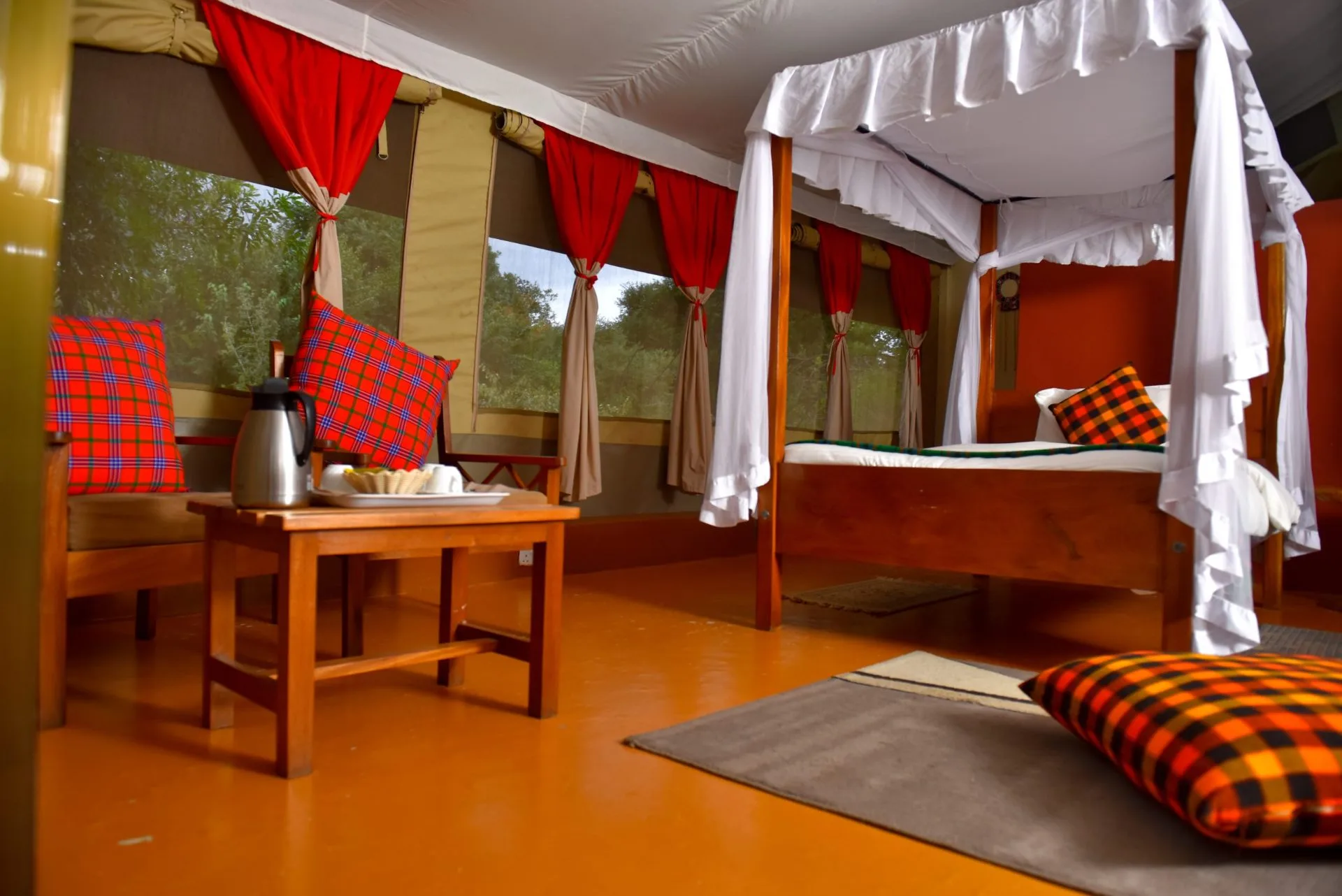
Affordable camps often provide permanent safari tents. Depending on the property, facilities may include:
- Bed
- Mosquito net
- Private bathroom
- Hot shower
- Electricity
- Charging point
- Restaurant
- Bar
- Simple lounge
Always ask what is included.
Staying Outside the Reserve
Some budget camps are located outside the main protected boundaries. Advantages can include:
- Lower rates
- More accommodation availability
- Community access
Potential disadvantages include:
- Additional driving
- Gate opening restrictions
- Less immediate wildlife access
The cheapest room is not always the best overall value if it requires substantial extra driving.
How to Make a Kenya Safari Cheaper
Several strategies can reduce the total price:
- Travel with more people. Vehicle costs are shared between passengers, so a group of four often pays substantially less per person than a solo traveler.
- Choose road transportation. Flying is faster but generally more expensive.
- Use budget camps. Simple accommodation can create substantial savings.
- Travel outside peak season. Some accommodation providers reduce rates during lower-demand periods.
- Avoid unnecessary park changes. Every additional destination can add fuel, park fees, transfer time and accommodation changes, so concentrating on fewer strong wildlife areas can provide better value.
- Limit premium activities. Hot-air balloon safaris and premium excursions can significantly increase the package cost.
Budget Safari for Solo Travelers
Solo travelers often pay more because private vehicle expenses are not shared. Options for controlling costs include:
- Joining a scheduled safari
- Using shared transportation
- Choosing lower-cost accommodation
- Traveling during selected seasons
Private solo safaris are still possible for travelers who value flexibility.
Budget Safari for Couples
Couples can share vehicle and room costs. This can make a private budget safari surprisingly competitive. A simple camp combined with private game drives may provide better value than a luxury shared safari.
Budget Safari for Families
Families can reduce costs through:
- Family rooms
- Triple rooms
- Shared safari vehicle
- Child rates where applicable
- Budget camps
Children's exact ages should always be provided when requesting pricing.
Budget Safari for Students and Young Travelers
This itinerary is particularly suitable for travelers who prioritize experience over accommodation. A simple tented camp allows more of the travel budget to go toward:
- Park fees
- Game drives
- Additional safari nights
- Coast extension
Best Time for a 6 Days Budget Kenya Safari
The itinerary can operate throughout the year.
July to October
This is a popular time because migration herds may be in the Mara. However, accommodation prices can be higher. Book early.
January and February
These months can provide strong resident wildlife and relatively dry conditions. They may offer good value for travelers not specifically focused on migration.
March to May
This wetter period can offer:
- Green landscapes
- Fewer visitors
- Lower seasonal rates at some properties
- Excellent photography
Heavy rain may occasionally affect road conditions.
November
Short rains refresh the landscape. Birding can be excellent.
December
December can be busy during festive periods. Rates may increase around holiday dates.
Budget Great Migration Safari
A Great Migration safari does not have to be luxurious. The most important factors are:
- Being in the correct ecosystem
- Travel timing
- Game-drive access
- Enough time
- Good guiding
When the herds are in the area you are visiting, migration wildlife can be watched regardless of lodge category.
Is a River Crossing Included?
No natural event can genuinely be "included." Your safari can visit Mara River areas when appropriate. Whether wildebeest cross depends entirely on the animals.
Budget Safari Photography
Useful equipment can include:
- Smartphone
- Compact camera
- Mirrorless or DSLR camera
- Telephoto lens
- Spare batteries
- Memory cards
- Lens cloth
- Power bank
Do not feel pressured to buy expensive equipment specifically for safari. Binoculars can be equally important.
Birdwatching
A budget safari can be excellent for birdwatchers because birding requires time and good guiding rather than expensive accommodation. Possible birds include: Secretary birds, Ostriches, Crowned cranes, Rollers, Eagles, Vultures, Hornbills, Kingfishers, Pelicans, Flamingos, Herons, Storks.
What to Pack for a Budget Kenya Safari
Recommended items include:
- Lightweight neutral clothing
- Long trousers
- Shorts
- Long-sleeved shirt
- Fleece
- Light jacket
- Rain jacket
- Comfortable shoes
- Sun hat
- Sunglasses
- Sunscreen
- Insect repellent
- Binoculars
- Camera
- Spare batteries
- Power bank
- Travel adapter
- Personal medication
- Reusable water bottle
- Small daypack
Pack practically. Luxury safari fashion is unnecessary.
How Much Does a 6 Days Budget Kenya Safari Cost?
The final price depends on:
- Number of travelers
- Travel dates
- Accommodation
- Private or shared vehicle
- Park fees
- Children's ages
- Room type
- Optional activities
- Pickup and drop-off details
There is no responsible universal price applicable to every traveler.
Why Budget Safari Prices Still Include Significant Costs
Even inexpensive safaris require major operational expenses. These can include:
- Park fees
- Safari vehicle
- Fuel
- Guide wages
- Accommodation
- Meals
- Vehicle maintenance
- Insurance
- Taxes
- Logistics
This means a legitimate budget safari will still have a meaningful minimum cost. Extremely low prices should be examined carefully.
Typical Safari Inclusions
Depending on your confirmed quotation, inclusions may include:
- Safari vehicle
- Professional driver-guide
- Five nights' accommodation
- Meals according to itinerary
- Park or conservation fees as specified
- Game drives
- Drinking water in safari vehicle
- Nairobi pickup
- Nairobi drop-off
- Applicable taxes on included services
Typical Safari Exclusions
Unless specifically included:
- International flights
- Kenya entry authorization costs where applicable
- Travel insurance
- Alcoholic beverages
- Premium drinks
- Laundry
- Tips and gratuities
- Hot-air balloon safari
- Optional cultural activities
- Additional Nairobi accommodation
- Personal expenses
- Beach extension
- Services not listed
Who Should Choose the 6 Days Budget Kenya Safari?
This itinerary is particularly suitable for:
- Budget-conscious travelers
- Backpackers
- Students
- Young couples
- Families
- Solo travelers
- Groups of friends
- First-time safari travelers
- Wildlife enthusiasts
- Photographers
- Great Migration travelers
- Travelers prioritizing wildlife over accommodation
- Visitors combining safari with a longer Africa trip
Responsible Budget Travel
Budget travel should still support responsible tourism. Your safari should respect:
- Wildlife
- Park regulations
- Local communities
- Protected habitats
- Driver working conditions
- Responsible waste disposal
Do not encourage guides to break park rules for closer photographs. A cheap safari should never mean irresponsible wildlife viewing.
Internal Linking Instructions
Use natural contextual internal links from this page toward relevant approved SafariTripsToKenya.com pages covering:
- Kenya Safari Packages
- Budget Kenya Safaris
- Kenya Wildlife Safaris
- Masai Mara Safaris
- Lake Nakuru Safaris
- Kenya Big Five Safaris
- Great Wildebeest Migration
- Kenya Safari Cost
- Kenya Safari Packing List
- Best Time to Visit Kenya
- Kenya Family Safaris
- Kenya Honeymoon Safaris
- Kenya Safari and Beach Holidays
Use only exact URLs that already exist in the approved SafariTripsToKenya.com sitemap. URL LOCK: Never invent, rename, alter, shorten or optimize mapped URLs.
Budget Safari vs Luxury Safari
The main differences usually involve:
- Accommodation
- Meal quality
- Room size
- Lodge facilities
- Vehicle privacy
- Service level
- Camp location
- Optional experiences
The wildlife remains the same. A budget traveler and a luxury traveler may spend the morning watching the same leopard. The luxury traveler returns to a premium suite, while the budget traveler returns to a simple tent. If they do, both saw the same leopard. For travelers whose primary reason for visiting Kenya is wildlife, this makes a budget safari particularly compelling.
Why Six Days Provides Strong Budget Value
A three-day safari may cost less in total, but a significant portion of the trip is consumed by travel. Extending to six days improves the ratio between transportation and actual wildlife viewing. You pay for the Nairobi–Mara journey once, then you enjoy several days of game drives before leaving. This gives you more wildlife value from the unavoidable vehicle and fuel costs, and the additional Mara nights also reduce the pressure to immediately see every major animal.
Book Your 6 Days Budget Kenya Safari
A 6 Days Budget Kenya Safari is designed for travelers who want a genuine Kenya wildlife experience while spending carefully and avoiding unnecessary luxury expenses. Begin in Nairobi and travel through the dramatic Great Rift Valley toward the Masai Mara. Check into a simple safari camp and begin your first game drive. Spend several days exploring the Mara rather than rushing through it.
Search for lion prides across open grassland, look carefully through riverine woodland for leopards, and watch for cheetahs scanning herds of gazelles and elephants moving in family groups. Look for buffaloes, giraffes, zebras, wildebeest, topi and hyenas, and explore the Mara River for hippos and crocodiles. During the appropriate season, you can follow the Great Wildebeest Migration and may see large concentrations of wildebeest and zebras without needing to stay in an expensive luxury camp.
Use packed lunches to remain in the wildlife area during full-day game drives. Bring binoculars and spend time watching animal behavior. Remember that patient wildlife observation costs no more than rushed sightseeing.
After several nights in the Mara, travel through the Rift Valley toward Lake Nakuru National Park. Search for white rhinos on open grassland, look through thicker vegetation for black rhinos, and watch for Rothschild's giraffes, buffaloes, zebras and waterbucks. Scan the lakeshore for flamingos, pelicans and other birds according to current ecological conditions. Stay at a reasonably priced lodge or guesthouse and return to Nairobi the following day after another morning safari.
The itinerary can be customized according to your travel dates, number of travelers, children's ages, private or shared safari preference, accommodation budget and wildlife priorities. Travel as a couple, family, solo traveler or small group. Choose a private safari for flexibility or explore shared departures for additional savings. Add Lake Naivasha, Amboseli or another approved Kenya safari destination if more days are available.
Continue to the Kenya Coast if you want a budget safari-and-beach holiday. The objective is simple: spend less on unnecessary luxury while protecting the experiences that matter—the parks, the wildlife, the guide and the time you have to explore Kenya. Send your preferred travel dates, number of travelers, accommodation category and whether you prefer a private or shared safari to receive a customized quotation for your 6 Days Budget Kenya Safari.
Planning Questions
Frequently Asked Questions
Is six days enough for a Kenya safari?
Yes. Six days gives you multiple full game drives and enough time for more than one ecosystem without excessive rushing.
Can a budget safari still be private?
Yes. Budget refers mainly to accommodation and trip style. A private budget safari can be arranged.
Are budget camps safe?
Properly selected safari camps should meet appropriate operational standards regardless of price category.
Do budget camps have private bathrooms?
Many do, although facilities vary. Confirm the specific property before booking.
Can I see lions?
Yes. The Masai Mara provides excellent lion opportunities.
Can I see leopards?
Yes, although they are secretive and cannot be guaranteed.
Can I see cheetahs?
Yes. The Mara provides good cheetah opportunities.
Can I see elephants?
Yes. Elephants are regularly encountered in the Mara.
Can I see rhinos?
Yes. Lake Nakuru provides strong opportunities to search for white and black rhinos.
Can I see the Big Five?
Potentially. The route provides opportunities for all five, although no complete sighting can be guaranteed.
Can I see the Great Migration?
Potentially, when major herds are in the Mara.
Are river crossings guaranteed?
No. They are completely natural and unpredictable.
Can I add a balloon safari?
Yes, although this significantly increases the package price.
Can I join other travelers?
Shared or joining arrangements may be available depending on dates and departure schedules.
Can solo travelers book?
Yes.
Is this suitable for families?
Yes. Family-friendly budget accommodation can be selected.
Can I upgrade one night?
Yes. Mixed accommodation categories can sometimes be arranged.
Can I extend the safari?
Yes. Lake Naivasha, Amboseli, Ol Pejeta or other approved Kenya safari destinations can be added.
Can I add Diani Beach?
Yes. A safari-and-beach extension can be arranged.
05 Request Quote
Request Quote
Tell us your dates, group size, and preferred lodge style — we will send a tailored quote for this safari.
Want to extend your safari?
Add Amboseli, Diani Beach, Tanzania and Zanzibar, or gorilla trekking in Uganda or Rwanda — we tailor the journey to your dates.