
16 DAYS / 15 NIGHTS
16 Days Kenya Safari
Explore Kenya on a 16 Days Kenya Safari through Samburu, Ol Pejeta, Lake Nakuru, Lake Naivasha, Amboseli and Masai Mara with private game drives and flexible lodge options.
- Wildlife SafariPrivate Journey
- Private Safari4x4 Vehicle
- Expert GuideEnglish Speaking
- All MealsBreakfast, Lunch, Dinner
- 24/7 SupportWe're here to help
01 Overview
Safari Overview
- Duration16 days / 15 nights
- DestinationKenya
- Starts / endsNairobi
- Safari stylePrivate 4×4 safari
- AccommodationEssential · Comfort · Premium · Signature
- Best forWildlife viewing, photography
16 Days Kenya Safari
A 16 Days Kenya Safari is an excellent choice for travelers who want to experience Kenya at a comfortable pace while visiting several of the country's most rewarding wildlife regions. Sixteen days gives you enough time to move beyond a short park-to-park itinerary and enjoy longer stays in key destinations, multiple morning and afternoon game drives, conservation experiences, Rift Valley scenery, lakeside relaxation, elephant country and an extended finale in the Masai Mara.
This itinerary is particularly well suited to first-time visitors who want a broad overview of Kenya, returning safari travelers who prefer a deeper and less hurried journey, photographers seeking repeated access to productive wildlife areas, honeymooners who want a balance between activity and relaxation, and families who benefit from a slower travel rhythm. Rather than changing accommodation every night, the route can be built around two- and three-night stays so that the safari feels immersive instead of exhausting.
A typical 16-day circuit can connect Nairobi, Samburu, Ol Pejeta Conservancy, Lake Nakuru, Lake Naivasha, Amboseli and the Masai Mara, with optional adjustments depending on your interests. Travelers who want even more wilderness diversity can substitute or add another destination, while guests who prefer fewer road hours can upgrade selected sectors to domestic flights.
The safari can be arranged at budget, mid-range, luxury or high-end level and operated as a private road safari, fly-in safari or mixed road-and-air journey. Accommodation, vehicle type, room configuration, meal plan and optional activities can all be customized according to travel dates, group size and budget.
Why Choose a 16 Days Kenya Safari?
The main advantage of a sixteen-day itinerary is that it creates time for both diversity and depth. Kenya's wildlife areas are not identical. Samburu feels very different from Amboseli; Ol Pejeta offers a different conservation experience from Lake Nakuru; Lake Naivasha gives you a break from vehicle-based game viewing; and the Masai Mara has its own vast grassland character and predator dynamics.
A shorter safari may give you only a glimpse of these differences. With sixteen days, you can spend multiple nights in the strongest wildlife locations and still include quieter experiences such as a lake excursion, lodge downtime, birdwatching or a cultural visit. The additional day over a fifteen-day safari can be used strategically rather than simply extending the route. For example, it may allow a third full day in the Masai Mara, an extra Samburu game-viewing day, a relaxed Naivasha stop or a more comfortable transition between distant parks.
This itinerary also works especially well for travelers who want to see the Big Five while still appreciating Kenya's broader wildlife diversity. Elephants, giraffes, zebras, antelopes, hippos, crocodiles, hyenas, cheetahs and numerous bird species all contribute to the experience. In northern Kenya, you may also encounter species associated with drier habitats, adding further variety to the journey.
Suggested 16 Days Kenya Safari Route
Nairobi → Samburu → Ol Pejeta → Lake Nakuru → Lake Naivasha → Amboseli → Masai Mara → Nairobi
This route is logical because it moves from the capital into northern Kenya, then south through the central highlands and Great Rift Valley before continuing to Amboseli and finally to the Masai Mara. It avoids unnecessary backtracking as much as possible while combining several of Kenya's major safari ecosystems.
For travelers who dislike long drives, selected transfers can be replaced by domestic flights. The most practical combination depends on current flight schedules, lodge location, season and budget.
Itinerary
- Day 1:Arrival in Nairobi, welcome to Kenya
- Day 2:Nairobi to Samburu, journey into Northern Kenya
- Day 3:Samburu Safari – Northern Wildlife and Riverine Habitats
- Day 4:Second Full Day in Samburu, deeper Exploration
- Day 5:Samburu to Ol Pejeta, conservation and Big Game
- Day 6:Ol Pejeta – Rhinos and Conservation Experience
- Day 7:Ol Pejeta to Lake Nakuru, enter the Great Rift Valley
- Day 8:Lake Nakuru to Lake Naivasha, rift Valley Scenery and Lakeside Rest
- Day 9:Lake Naivasha – Flexible Nature and Activity Day
- Day 10:Lake Naivasha to Amboseli, south to Elephant Country
- Day 11:Amboseli – Elephants, Wetlands and Kilimanjaro Landscapes
- Day 12:Second Full Day Amboseli, extended game drive
- Day 13:Amboseli to Masai Mara, journey to Kenya's Legendary Safari Region
- Day 14:Masai Mara – Predators, Plains and Big Game
- Day 15:Second Full Day Masai Mara, extended Exploration and Optional Balloon Safari
- Day 16:Masai Mara to Nairobi, end of the Safari
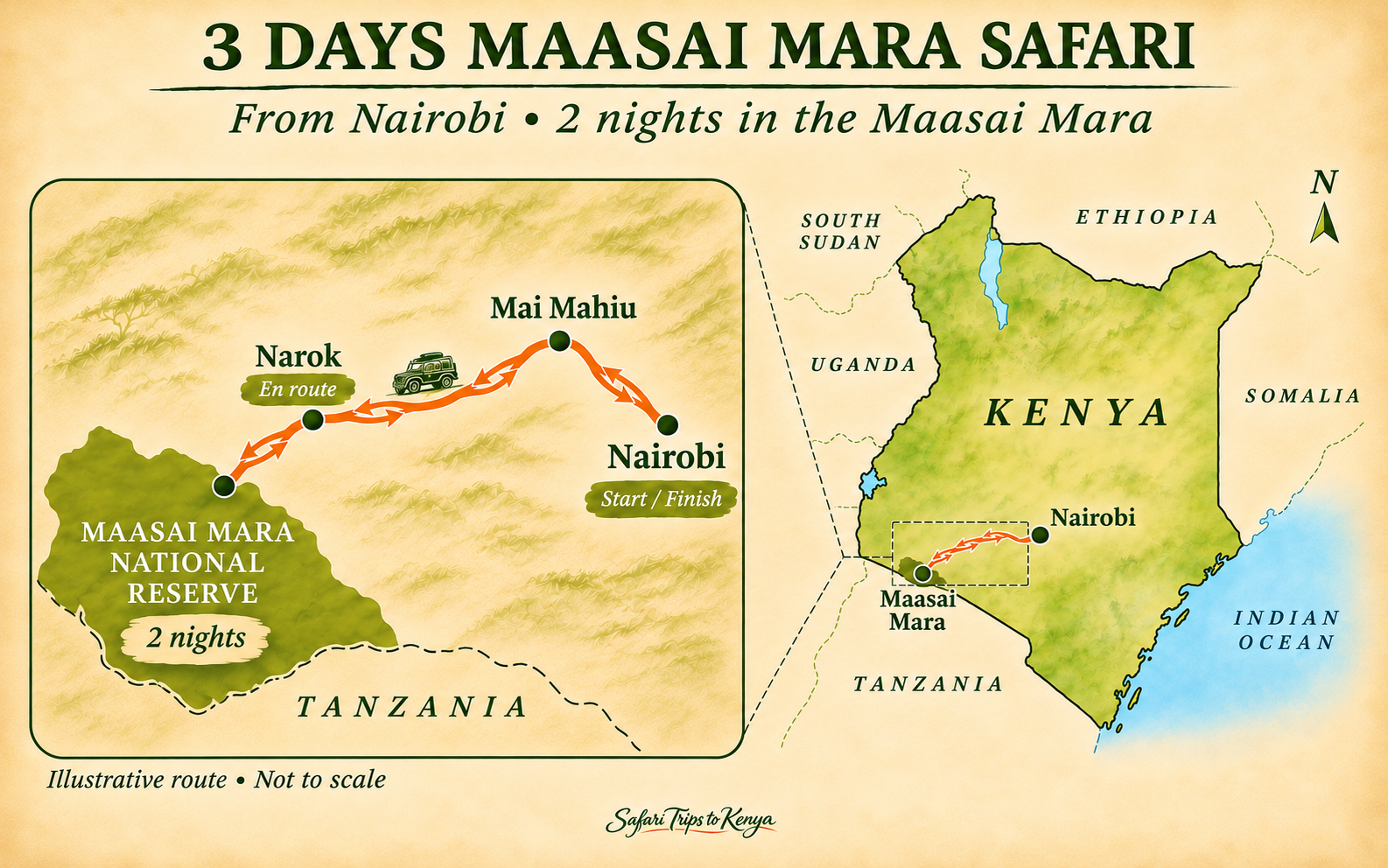
02 Itinerary
16 Days Kenya Safari: Detailed Itinerary

Day 1: Arrival in Nairobi – Welcome to Kenya - Main destination
- Masai Mara National Reserve
- Drive time
- Road transfer as outlined in the itinerary
- Meals
- Lunch, Dinner
Your 16 Days Kenya Safari begins at Jomo Kenyatta International Airport. After immigration and baggage collection, you will be welcomed by your representative and transferred privately to your Nairobi hotel.
The first day is intentionally relaxed. International flights can be tiring, and beginning an extended safari with an immediate long road transfer can make the opening of the trip unnecessarily stressful. Instead, you will have time to settle into your room, recover from the journey and prepare for the days ahead.
Depending on arrival time, you may simply rest at the hotel or arrange an optional Nairobi activity. Your safari representative will also provide a detailed briefing covering the route, expected driving conditions, daily game-drive timing, luggage guidance, park procedures and general safari etiquette.
This is also a useful opportunity to check camera batteries, organize binoculars, confirm dietary requirements and discuss any last-minute preferences with your guide.
Overnight: Nairobi.
Meal Plan: Usually bed and breakfast depending on selected hotel and arrival time.
Where you stay
- Essential (Budget)
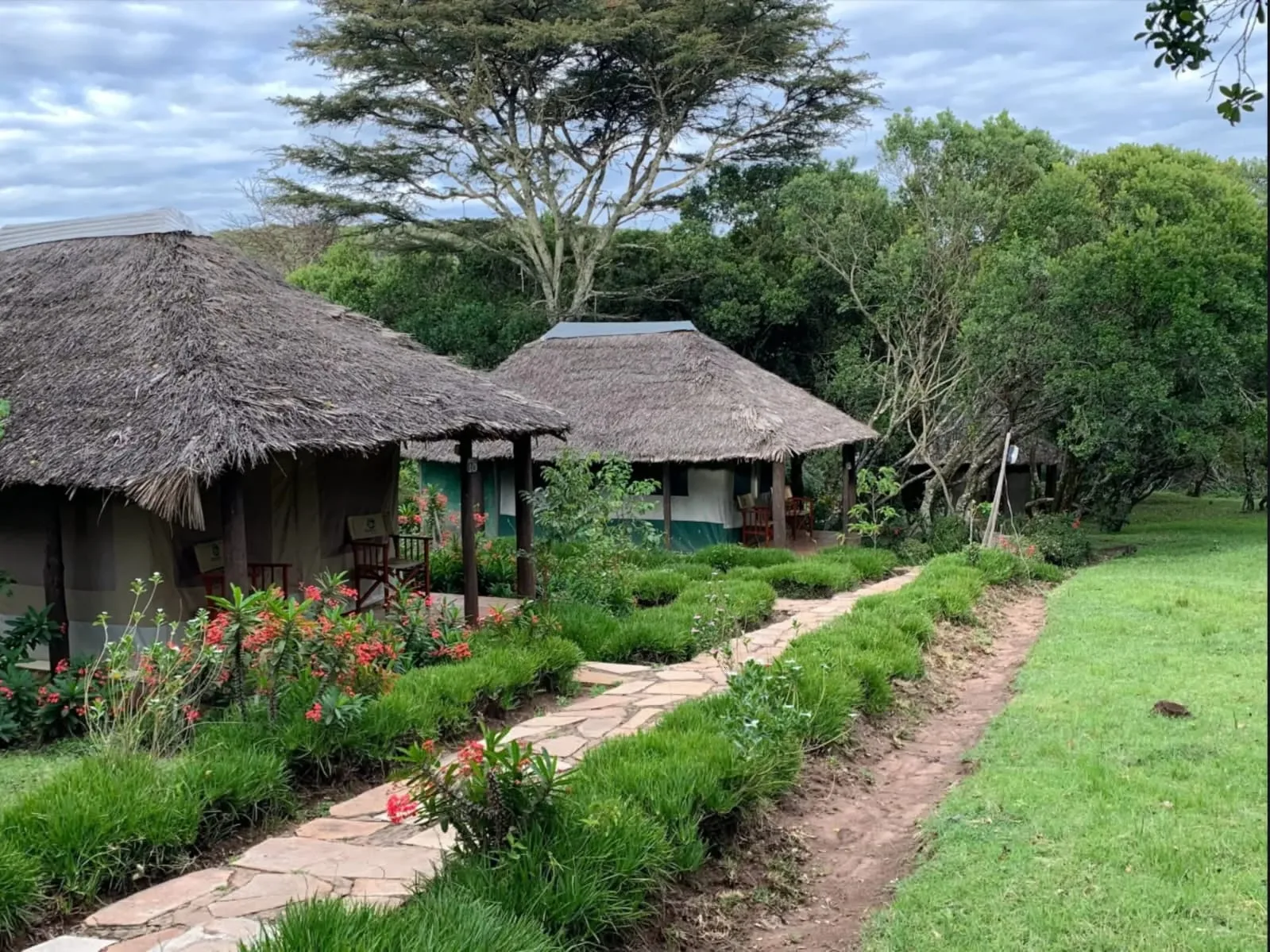
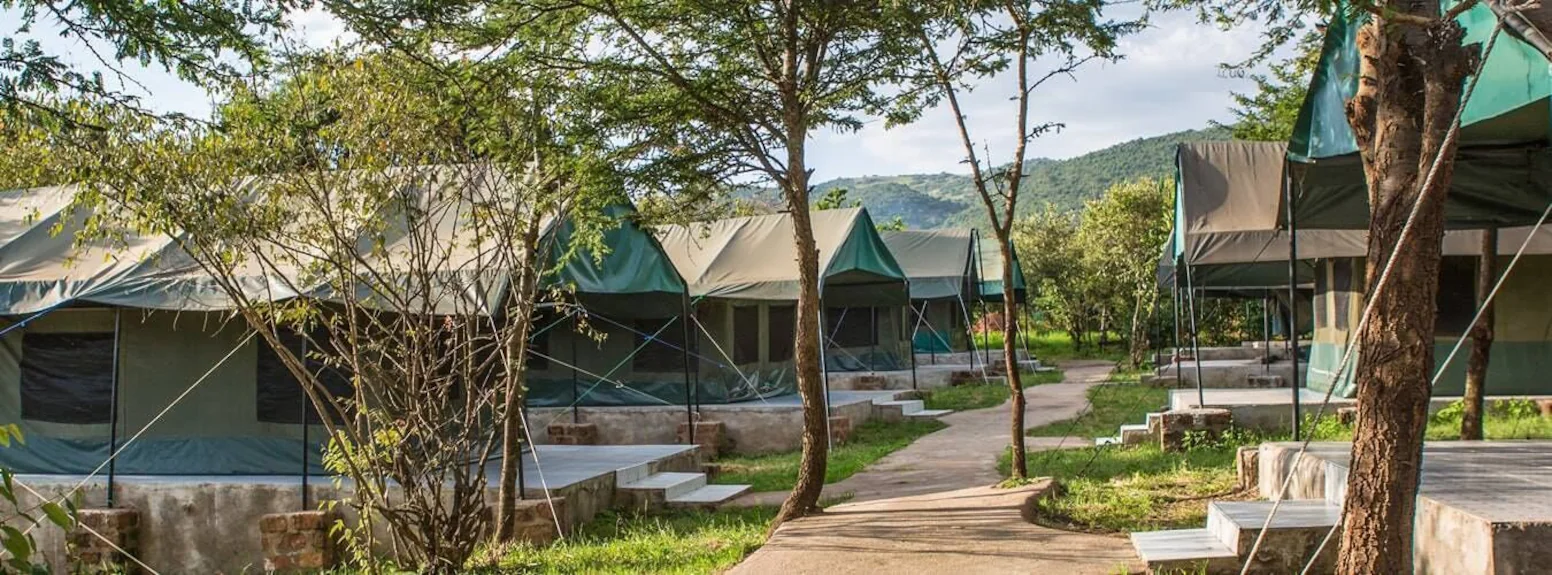
- Comfort (Mid-range)
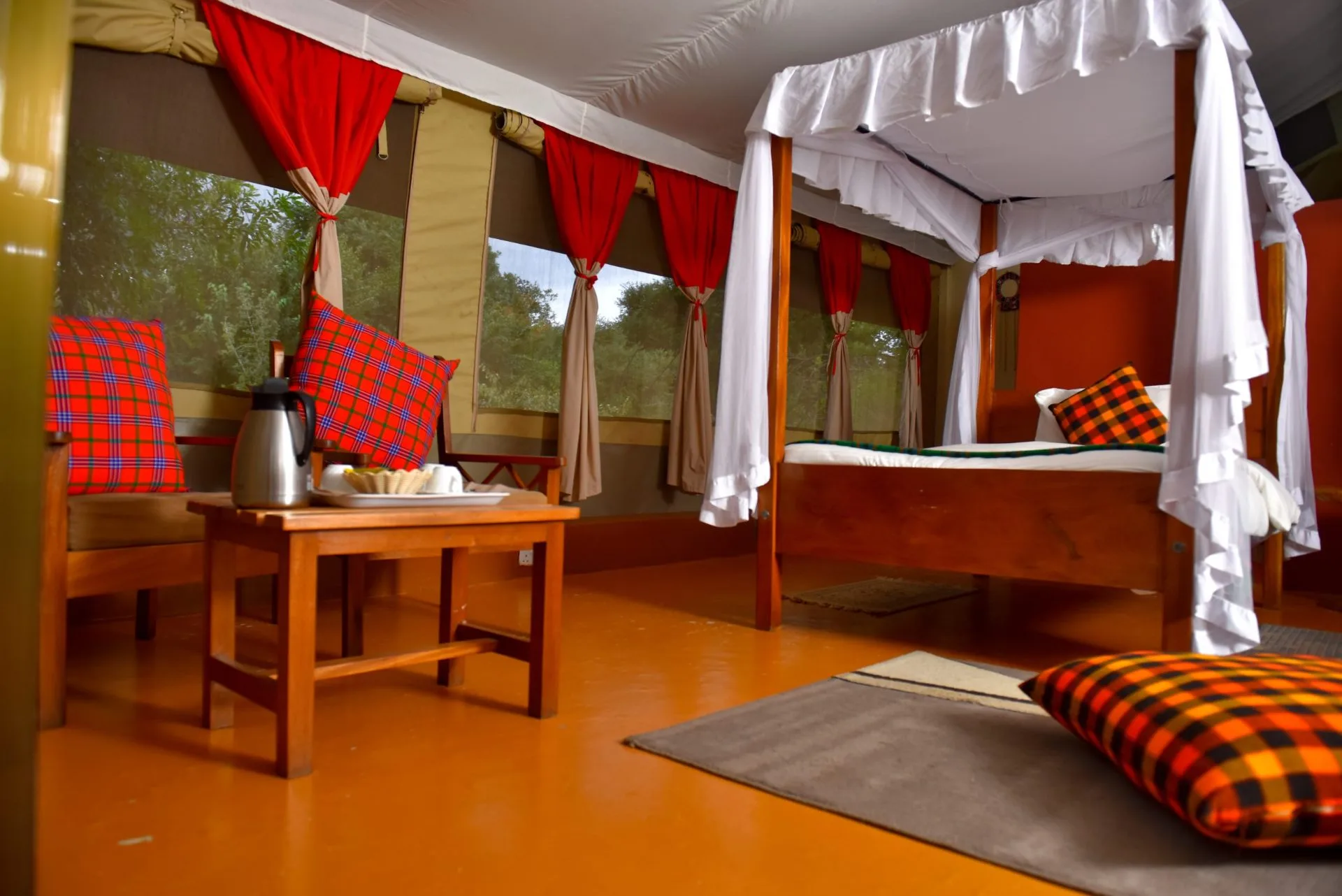
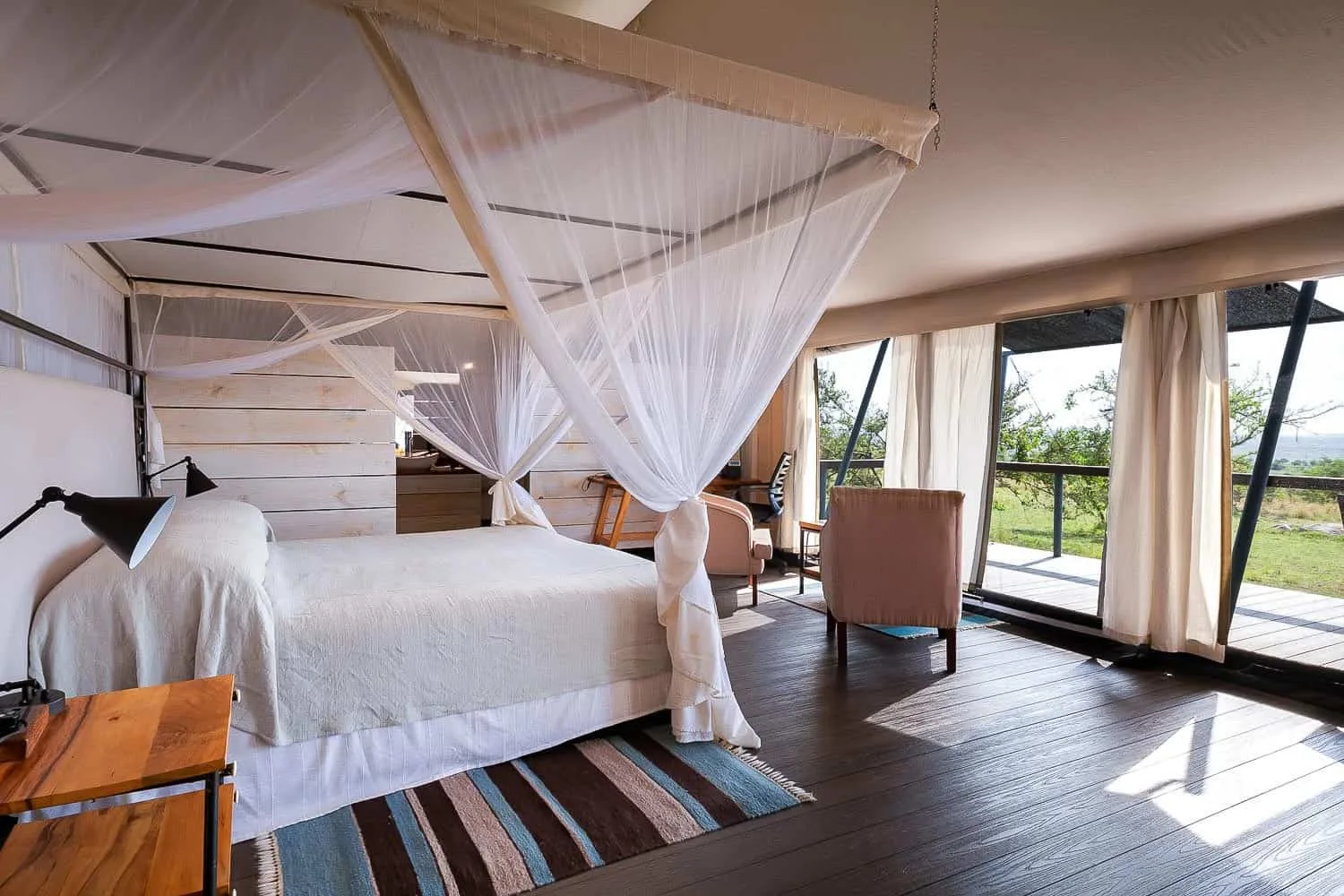
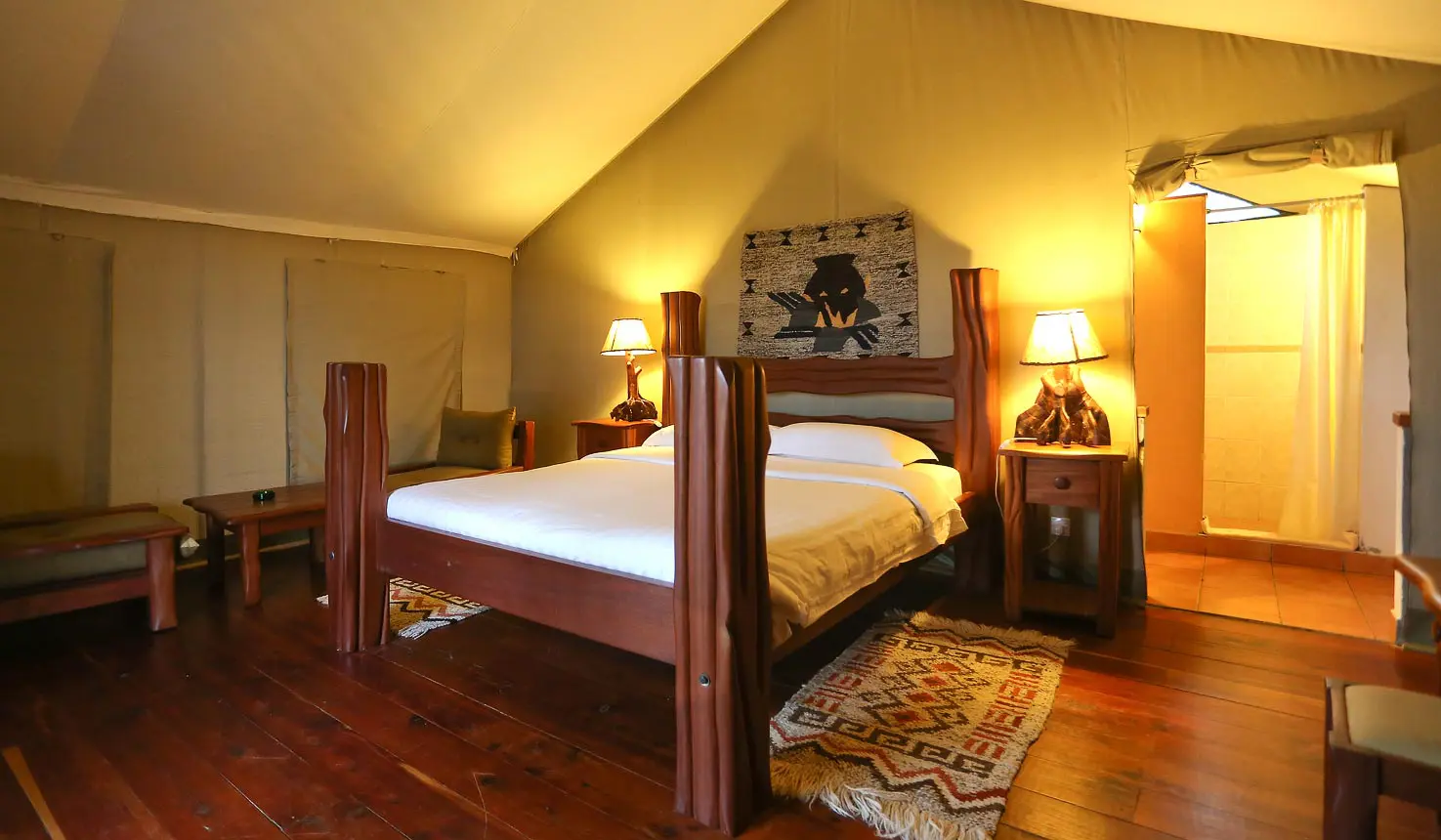
- Premium (Luxury)
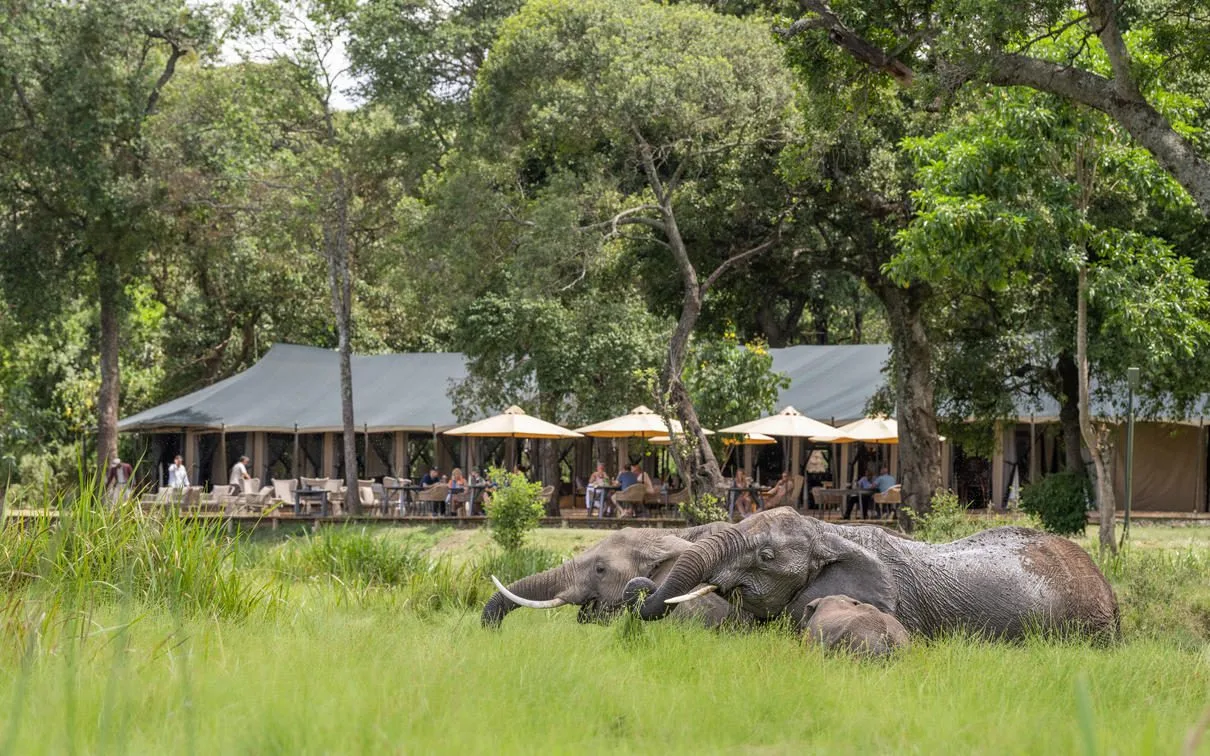
- Signature (High-end)
Day 2: Nairobi to Samburu – Journey into Northern Kenya - Main destination
- Masai Mara National Reserve
- Meals
- Breakfast, Lunch, Dinner
After breakfast, meet your professional safari guide and depart Nairobi for the Samburu region. The drive north is scenic and gives you an immediate sense of Kenya's geographical variety.
As you leave the capital, urban surroundings gradually give way to farms, highland scenery and open countryside. Continuing north, vegetation becomes drier and the landscape more dramatic. Depending on the chosen route and travel conditions, lunch may be taken en route or at your lodge after arrival.
After checking in and resting, begin your first afternoon game drive. Samburu is an excellent starting point because its dry-country environment differs strongly from the open grasslands of the Masai Mara and the wetland systems of Amboseli.
Wildlife sightings may include elephants, giraffes, zebras, antelopes, lions, leopards, cheetahs and many bird species. The broader Samburu ecosystem is also known for several northern species that are less commonly seen on Kenya's southern safari circuit.
As evening approaches, return to your lodge or tented camp for dinner and your first night in the wilderness.
Overnight: Samburu region.
Meal Plan: Breakfast, lunch and dinner.
Where you stay
Day 3: Full-Day Samburu Safari – Northern Wildlife and Riverine Habitats - Main destination
- Masai Mara National Reserve
- Meals
- Breakfast, Lunch, Dinner
Wake early for a morning game drive when temperatures are cooler and wildlife is often more active. Your guide will plan the route according to recent sightings, weather, road conditions and animal movement rather than simply following a fixed circuit.
Samburu's combination of dry savannah, rocky hills and riverine vegetation makes it visually distinctive. In the early morning, elephants may be moving toward water, predators may still be active after the night, and plains animals often gather in open areas before the day becomes hotter.
Among the species many travelers hope to see in this region are reticulated giraffe, Grevy's zebra, gerenuk, beisa oryx and Somali ostrich. These northern specialties add a unique dimension to the safari and help explain why Samburu is so valuable on a longer Kenya itinerary.
Return to the lodge for breakfast or brunch and enjoy several hours of leisure. You may relax by the pool, watch wildlife from the property, read, edit photographs or simply enjoy the silence of the landscape.
Later in the afternoon, depart for a second game drive. The softer evening light can be excellent for photography, and animal activity often increases again as temperatures fall.
Overnight: Samburu region.
Meal Plan: Breakfast, lunch and dinner.
Where you stay
Day 4: Second Full Day in Samburu – Deeper Exploration - Main destination
- Masai Mara National Reserve
- Meals
- Breakfast, Lunch, Dinner
A second complete day in Samburu is one of the reasons this 16-day itinerary feels more relaxed than many shorter Kenya safaris. Instead of leaving after one full day, you have time to explore different sectors, revisit productive areas and spend longer observing interesting animal behavior.
Begin with another sunrise game drive, perhaps focusing on river corridors, open plains or areas where predators were recently seen. Because wildlife constantly changes location, repeated drives in the same reserve often produce completely different experiences.
This is also an excellent day for birdwatching. Samburu supports a broad variety of dry-country and riverine species, and guests who carry binoculars often discover that birdlife becomes an important part of the safari even if they did not initially travel as specialist birders.
After the morning drive, return to camp for breakfast and relaxation. In the afternoon, you can choose another game drive or, where appropriately arranged, a responsible cultural visit to a nearby Samburu community. Such an experience can provide insight into pastoral traditions, livestock, clothing, music and the relationship between local communities and surrounding conservation landscapes.
Return for dinner and a final night in Samburu.
Overnight: Samburu region.
Meal Plan: Breakfast, lunch and dinner.
Where you stay
Day 5: Samburu to Ol Pejeta Conservancy – Conservation and Big Game - Main destination
- Masai Mara National Reserve
- Meals
- Breakfast, Lunch, Dinner
After breakfast, check out and begin the drive south toward Ol Pejeta. The landscape gradually changes again as you leave northern Kenya and approach the central highlands.
Arrive at your lodge or camp, check in and enjoy lunch. After a short rest, depart for your first game drive in the conservancy.
Ol Pejeta is an important part of this itinerary because it combines excellent general wildlife viewing with strong conservation significance. The area is particularly associated with rhino protection, but it also supports elephants, buffaloes, giraffes, zebras, antelopes and predators.
Your guide will explain how conservancies differ from national parks and reserves, including their management models, conservation priorities and relationship with surrounding communities.
The afternoon game drive introduces you to the area's open plains and other habitats before returning to your accommodation for dinner.
Overnight: Ol Pejeta area.
Meal Plan: Breakfast, lunch and dinner.
Where you stay
Day 6: Full Day Ol Pejeta – Rhinos and Conservation Experience - Main destination
- Masai Mara National Reserve
- Meals
- Breakfast, Lunch, Dinner
Today is dedicated to exploring Ol Pejeta more thoroughly. An early morning game drive gives you the best possible start, with cooler temperatures and attractive light for photography.
Rhinos are a major focus for many visitors, and having a full day in the conservancy improves opportunities for meaningful sightings. Rather than simply stopping briefly when an animal appears, you can spend time observing behavior, movement and interaction while your guide explains the conservation work that supports these populations.
Beyond rhinos, Ol Pejeta offers a broad wildlife experience. Lions, elephants, buffaloes, giraffes, zebras, antelopes and many smaller species may all be encountered depending on movement and conditions.
The day may be divided into morning and afternoon drives with a lodge break in between, or organized as a longer outing if your accommodation and preferred schedule make that practical. Optional conservation-focused experiences can be added where available and appropriate.
Overnight: Ol Pejeta area.
Meal Plan: Breakfast, lunch and dinner.
Where you stay
Day 7: Ol Pejeta to Lake Nakuru – Enter the Great Rift Valley - Main destination
- Masai Mara National Reserve
- Meals
- Breakfast, Lunch, Dinner
After breakfast, depart Ol Pejeta and travel toward Lake Nakuru. The drive introduces another major part of Kenya's geography as you approach the Great Rift Valley.
After arrival and lunch, begin an afternoon game drive. Lake Nakuru's relatively compact protected area can create rewarding wildlife-viewing opportunities because several habitats are concentrated within a manageable landscape.
The park is well known for rhino conservation, and guests may have opportunities to see both white and black rhinos depending on luck and animal location. Other potential sightings include Rothschild's giraffe, buffaloes, waterbucks, zebras, baboons, warthogs and predators.
Birdlife is another major attraction. The lake and surrounding habitats support numerous waterbirds and terrestrial species. Flamingo concentrations vary considerably with water level and ecological conditions, so they should never be presented as guaranteed.
Return to your lodge for dinner and overnight.
Overnight: Lake Nakuru area.
Meal Plan: Breakfast, lunch and dinner.
Where you stay
Day 8: Lake Nakuru to Lake Naivasha – Rift Valley Scenery and Lakeside Rest - Main destination
- Masai Mara National Reserve
- Meals
- Breakfast, Lunch, Dinner
Begin the day with breakfast and, depending on timing, a short morning game drive before leaving Lake Nakuru for Lake Naivasha.
The transfer is relatively manageable, allowing the safari to slow down after several wildlife-intensive days. Once you arrive at your lodge, settle in and enjoy lunch overlooking gardens, lake scenery or surrounding countryside depending on the selected property.
In the afternoon, an optional boat excursion can be arranged. Lake Naivasha is known for hippos and abundant waterbirds, and exploring by boat offers a completely different perspective from the game-drive vehicle.
Fish eagles, cormorants, kingfishers and other bird species may be seen along the shoreline. Hippos should always be viewed at a safe distance and according to the instructions of the boat crew.
The remainder of the day can be spent relaxing at the lodge.
Overnight: Lake Naivasha.
Meal Plan: Breakfast, lunch and dinner depending on selected property.
Where you stay
Day 9: Full Day Lake Naivasha – Flexible Nature and Activity Day - Main destination
- Masai Mara National Reserve
- Meals
- Breakfast, Lunch, Dinner
Today is deliberately slower and more flexible. Long safaris are more enjoyable when not every day involves hours of driving in a vehicle, and Lake Naivasha provides an ideal place to introduce variety.
Depending on the final program and current operating conditions, optional activities may include a second boat excursion, birdwatching, cycling, a guided walk in an appropriate area or another nearby nature-based experience.
Travelers who prefer relaxation can remain at the lodge, enjoy the gardens, take photographs, read or simply appreciate the quieter atmosphere.
For photographers, this day can be surprisingly productive. Instead of concentrating only on large mammals, you can focus on birds, reflections, landscapes, smaller wildlife and the changing light around the lake.
The flexible pace also gives families and older travelers valuable recovery time before the journey to Amboseli.
Overnight: Lake Naivasha.
Meal Plan: Breakfast, lunch and dinner.
Where you stay
Day 10: Lake Naivasha to Amboseli – South to Elephant Country - Main destination
- Masai Mara National Reserve
- Meals
- Breakfast, Lunch, Dinner
After an early breakfast, leave Lake Naivasha and travel south toward Amboseli. This is one of the longer road-transfer days and usually requires passing through or around Nairobi depending on traffic and routing.
Arrive in the Amboseli area later in the day and check into your lodge or camp. If timing permits, have lunch and rest before an afternoon game drive.
Amboseli is internationally famous for its elephants and broad open landscapes. On clear days, Mount Kilimanjaro can provide an extraordinary background, although mountain visibility always depends on cloud cover and atmospheric conditions.
The park's wetlands, springs and open plains support impressive wildlife concentrations. Possible sightings include elephants, buffaloes, zebras, wildebeests, giraffes, hippos, lions, hyenas, jackals and many bird species.
Return to your lodge as evening falls.
Overnight: Amboseli area.
Meal Plan: Breakfast, lunch and dinner.
Where you stay
Day 11: Full Day Amboseli – Elephants, Wetlands and Kilimanjaro Landscapes - Main destination
- Masai Mara National Reserve
- Meals
- Breakfast, Lunch, Dinner
Wake early for a sunrise game drive. If the sky is clear, the early morning can offer some of the best opportunities to see Kilimanjaro before clouds build later in the day.
Spend the morning exploring the park's open plains and wetlands. Amboseli is one of the best places in Kenya to spend time with elephants, and patient observation can reveal complex family behavior, feeding patterns and interactions around water.
The wetlands attract numerous herbivores and bird species, while predators may be encountered in surrounding grasslands. Your guide will adjust the route according to wildlife movement and recent sightings.
Return to the lodge for breakfast and rest during the middle of the day. Later, head back into the park for another extended afternoon game drive, ideally finishing in soft evening light.
Overnight: Amboseli area.
Meal Plan: Breakfast, lunch and dinner.
Where you stay
Day 12: Second Full Day Amboseli – Extended Wildlife Viewing - Main destination
- Masai Mara National Reserve
- Meals
- Breakfast, Lunch, Dinner
The additional day in Amboseli is one of the major strengths of this sixteen-day itinerary. Instead of leaving after one full day, you have more time to explore less-visited sectors, revisit productive wildlife areas and wait patiently for photographic opportunities.
Begin with another early game drive. If you have already enjoyed good elephant sightings, your guide may focus more heavily on predators, birdlife or different habitats. If Kilimanjaro was hidden by cloud the previous morning, there is another opportunity to see the mountain under clearer conditions.
The middle of the day can be spent relaxing at the lodge. This is also a good point in the safari to enjoy a slower lunch, swimming pool, massage where available or simply downtime before the final major stage of the journey.
Return for a late-afternoon game drive and enjoy your final Amboseli sunset.
Overnight: Amboseli area.
Meal Plan: Breakfast, lunch and dinner.
Where you stay
Day 13: Amboseli to Masai Mara – Journey to Kenya's Legendary Safari Region - Main destination
- Masai Mara National Reserve
- Meals
- Breakfast, Lunch, Dinner
Today connects two of Kenya's most celebrated wildlife destinations. By road, the journey from Amboseli to the Masai Mara is long, so an early departure is recommended.
Depending on the final safari design, you may travel entirely by road or use a domestic flight combination to reduce transfer time. A road journey offers changing scenery and continuity with the same safari guide, while a flight can create more time in the Mara and improve overall comfort.
Upon arrival, check into your lodge or tented camp. If timing permits, enjoy an introductory evening game drive. If arrival is late after a full road transfer, the better option may be to relax and begin intensive game viewing the following morning.
The Masai Mara immediately feels different from Amboseli. Rolling grasslands, open horizons, river systems and scattered trees create one of Africa's most recognizable safari landscapes.
Overnight: Masai Mara area.
Meal Plan: Breakfast, lunch and dinner.
Where you stay
Day 14: Full Day Masai Mara – Predators, Plains and Big Game - Main destination
- Masai Mara National Reserve
- Meals
- Breakfast, Lunch, Dinner
Begin the day early with a sunrise departure. The Masai Mara is renowned for its concentration of predators and large herbivores, and a full day gives your guide freedom to follow wildlife rather than remain close to the lodge.
Possible sightings include lions, cheetahs, leopards, elephants, buffaloes, giraffes, zebras, wildebeests, topis, gazelles, hyenas and many other mammals. Birdlife is also extremely varied.
The day can be arranged as morning and afternoon game drives with a lodge break, or as a longer full-day outing with a picnic lunch. The best format depends on where you are staying and where wildlife activity is concentrated.
During migration periods, guests may hope to see large wildebeest and zebra herds. However, migration timing changes with rainfall and grazing conditions, and river crossings cannot be guaranteed on any specific day.
Return to camp for dinner and overnight.
Overnight: Masai Mara area.
Meal Plan: Breakfast, lunch and dinner.
Where you stay
Day 15: Second Full Day Masai Mara – Extended Exploration and Optional Balloon Safari - Main destination
- Masai Mara National Reserve
- Meals
- Breakfast, Lunch, Dinner
A second full day in the Masai Mara gives you another chance to search for species you may have missed and to return to productive predator territories.
Travelers who have pre-booked a hot-air balloon safari may begin very early. Ballooning offers a remarkable aerial perspective of the Mara landscape and is normally followed by a breakfast arrangement. Because flights are weather-dependent and carry an additional cost, they should always be booked and confirmed separately.
Guests not ballooning can enjoy a normal sunrise game drive. Your guide may explore riverine areas, open plains or more distant sections depending on sightings.
An optional cultural visit can also be arranged if desired, provided it fits comfortably around the wildlife schedule and is operated responsibly.
Enjoy your final evening in the Mara with dinner at the lodge or camp.
Overnight: Masai Mara area.
Meal Plan: Breakfast, lunch and dinner.
Where you stay
Day 16: Masai Mara to Nairobi – End of the Safari - Main destination
- Masai Mara National Reserve
- Drive time
- Return transfer as outlined in the itinerary
- Meals
- Breakfast, Lunch
After breakfast, check out and begin your return to Nairobi. Depending on your international flight time and preferred travel style, this final sector can be completed by road or domestic flight.
Road travel gives you one last view of the Kenyan countryside and allows continuity with your private guide. Flying reduces transfer time and may be particularly useful for travelers connecting with an evening international departure.
Once in Nairobi, transfer to Jomo Kenyatta International Airport or to a day room or hotel if your international departure is later.
Your 16 Days Kenya Safari concludes after an extensive journey through northern Kenya, rhino-conservation country, the Great Rift Valley, Amboseli and the Masai Mara.
Meal Plan: Breakfast; additional meals depend on departure arrangements.
Accommodation Options for the 16 Days Kenya Safari
Where you stay
03 Rates
Safari rates 2027-2029
Indicative per person. Season, group size and lodge style change the total — your quotation confirms current rates.
- Essential (Budget)
Essential (Budget)
Budget camps and lodges suit travelers who prioritize wildlife while keeping costs lower.
Great value camps
- Comfort (Mid-range)
Comfort (Mid-range)
Mid-range tented camps and lodges balance comfort and price with private rooms or tents and en-suite facilities.
Quoted for your dates
- Premium (Luxury)
Premium (Luxury)
Luxury camps and lodges focus on location, service and more intimate wildlife experiences.
Premium camps and lodges
- Signature (High-end)
Signature (High-end)
Signature camps and lodges are the most exclusive stays — small, highly private properties with exceptional guiding and setting.
Exclusive signature stays
04 Activities
Safari activities
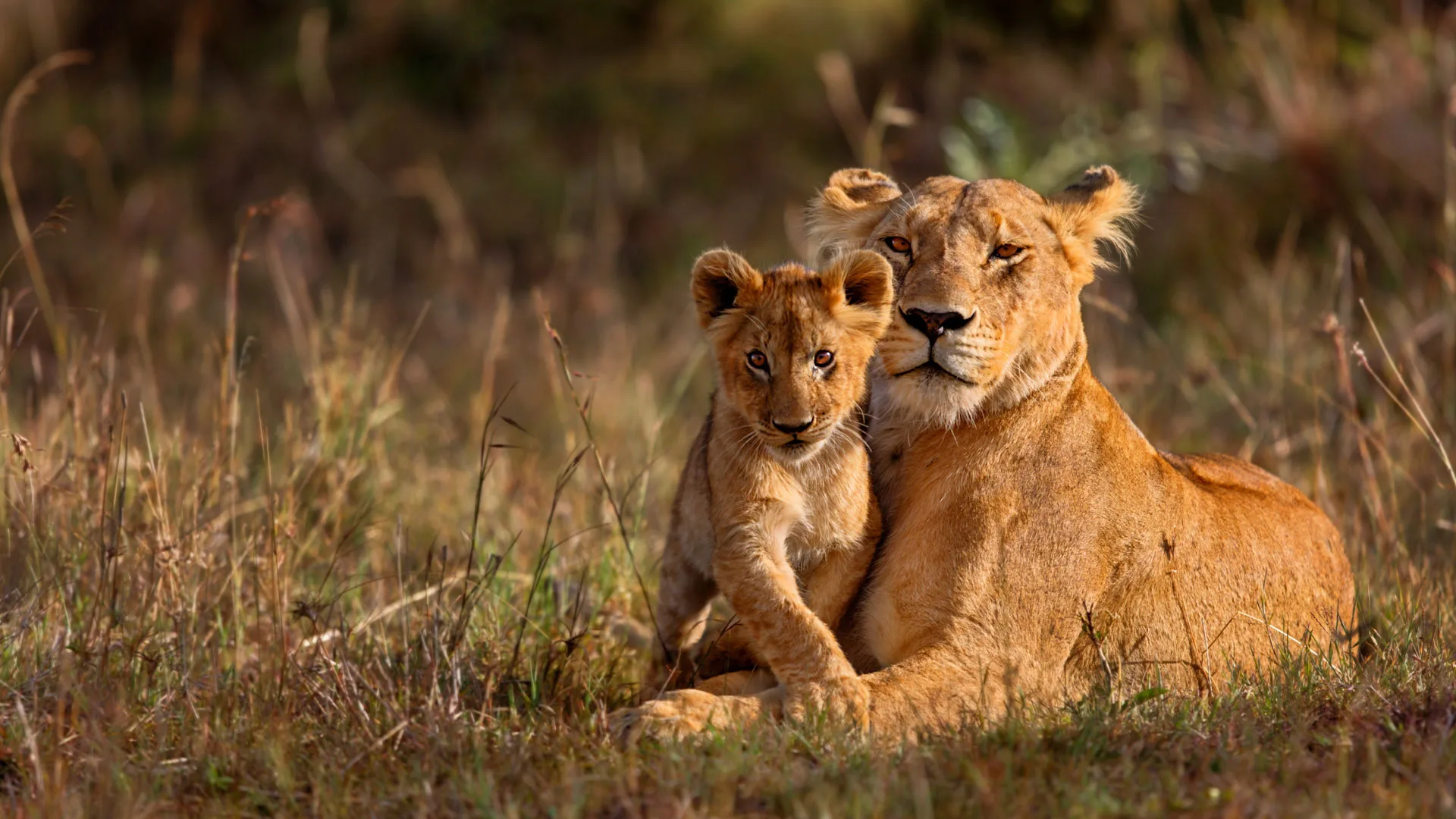
Game viewing is the core of this itinerary. Optional extras are quoted separately and depend on season, permits and availability. Individual species and river crossings are never guaranteed.
Included
Game drives
Scheduled wildlife drives in a 4x4 safari vehicle with a professional driver-guide.
View activity
Included
Wildlife photography
Time in the field for landscape and wildlife photography. Sightings are never guaranteed.
View activityOptional
Optional extras
Balloon flights, cultural visits and other extras can be added when available and are quoted separately.
Additional information
Plan This Safari
Budget Safari
A budget safari can use carefully selected lodges and permanent tented camps that offer good value without removing the essential safari experience. Many budget properties still provide private ensuite rooms, hot showers, comfortable beds and full-board meals during the wildlife sectors.
The biggest savings usually come from property location, room style and level of exclusivity rather than from reducing the quality of game viewing.
Mid-Range Safari
Mid-range accommodation is often the best balance between comfort, location and price. Lodges and tented camps in this category typically provide attractive rooms, private bathrooms, quality meals, pleasant common areas and convenient access to game-viewing zones.
For many couples, families and first-time safari travelers, this is the most practical category.
Luxury Safari
Luxury itineraries can include smaller camps, premium lodge locations, larger rooms or suites, upgraded cuisine and more personalized service. Some properties may be located inside reserves or private conservancies, improving access to wildlife and reducing daily transfer time.
High-End and Exclusive Safari
A high-end version can incorporate fly-in sectors, boutique camps, private conservancies, exclusive vehicles, private dining, specialist guides and premium suites. It is particularly suitable for honeymooners, photographers and travelers who prioritize privacy and service.
What Is Usually Included?
A private 16 Days Kenya Safari package can normally be structured to include:
- Airport arrival and departure transfers.
- Private safari transport in a suitable 4x4 vehicle.
- Services of a professional English-speaking safari guide.
- Fifteen nights of accommodation according to the selected category.
- Meals as stated in the confirmed itinerary.
- Scheduled game drives and listed safari activities.
- Park, reserve and conservancy fees where specifically included in the quotation.
- Drinking water in the safari vehicle.
- Operational taxes and charges included in the final quote.
Always review the final quotation carefully because inclusions vary between safari companies, accommodation categories and seasons.
What Is Normally Excluded?
Common exclusions include:
- International airfare.
- Kenya visa or travel-authorization costs where applicable.
- Travel and medical insurance.
- Vaccinations and personal medical expenses.
- Premium drinks and minibar purchases.
- Personal shopping and souvenirs.
- Gratuities for guides, porters and lodge staff.
- Optional balloon safari.
- Optional cultural activities not specifically listed as included.
- Laundry where not included by the lodge.
- Any newly introduced government fees or levies where contract terms permit later adjustment.
Best Time for a 16 Days Kenya Safari
A 16 Days Kenya Safari can be rewarding throughout the year because the itinerary includes several ecosystems with different wildlife patterns.
Drier periods often provide easier road conditions and may concentrate wildlife around permanent water. Green seasons can deliver beautiful landscapes, dramatic skies, excellent birding and fewer vehicles in some destinations.
Travelers specifically interested in the Great Wildebeest Migration should remember that the herds move according to rainfall and grazing conditions rather than a fixed timetable. Historical seasonal patterns are useful for planning, but no responsible operator can guarantee that a river crossing will happen on a particular day.
Because this itinerary also includes Samburu, Ol Pejeta, Lake Nakuru, Lake Naivasha and Amboseli, the safari does not depend solely on migration activity for its success.
Is 16 Days Too Long for a Kenya Safari?
For travelers who enjoy wildlife, landscapes and photography, sixteen days can be an ideal length. The most important factor is pace. A poorly designed itinerary with a new lodge every night may feel exhausting even if it lasts only ten days. A well-designed sixteen-day itinerary creates longer stays in major destinations and builds in quieter periods.
This suggested route includes multiple nights in Samburu, Ol Pejeta, Lake Naivasha, Amboseli and the Masai Mara, so the safari has time to breathe.
Guests who want even more relaxation can finish with a beach extension on the Kenya Coast or in Zanzibar.
Road Safari, Fly-In Safari or Combination?
Road Safari
A road safari is usually the most cost-effective option and provides a fuller sense of Kenya's changing landscapes. You remain with the same guide for most of the route, which can create a more personalized experience.
The disadvantage is that some transfers are long, particularly between distant ecosystems.
Fly-In Safari
A fly-in safari replaces selected road journeys with domestic flights. This reduces travel time and can create more time for game viewing and relaxation.
It is generally more expensive and often requires stricter luggage limits.
Road-and-Fly Combination
For many travelers, the best solution is a hybrid itinerary. You can travel by road through northern Kenya and the Rift Valley, then use a flight for one of the longest final sectors.
Can the 16 Days Kenya Safari Be Customized?
Yes. The itinerary can be adapted to match:
- International flight schedules.
- Travel month and season.
- Number of adults and children.
- Accommodation category.
- Family-room requirements.
- Honeymoon or anniversary travel.
- Photography priorities.
- Birdwatching interests.
- Mobility considerations.
- Desired balance between wildlife and relaxation.
- Preferred amount of road travel.
- Interest in private conservancies.
- Beach extension plans.
- Overall budget.
16 Days Kenya Safari for Families
Families often benefit from a longer safari because the schedule can be made more flexible. Instead of expecting children to tolerate a new lodge and long transfer every day, the itinerary can include more two- and three-night stays.
Family-friendly camps can be selected, and game drives can be shortened when needed. Room configuration, swimming pools, children's meals and age restrictions for certain activities should be checked before booking.
16 Days Kenya Safari for Couples and Honeymooners
Couples can turn this itinerary into a highly romantic journey by choosing smaller tented camps, premium rooms, private bush meals, sundowners and selected fly-in sectors.
Because the safari lasts more than two weeks, there is enough time to combine intense wildlife days with slower afternoons and luxury lodge experiences. A coastal extension can create a classic bush-and-beach honeymoon.
16 Days Kenya Safari for Photographers
Photographers benefit from repeated access to the same wildlife areas. A two- or three-night stay means you can return to a productive predator territory or elephant corridor under different light and weather conditions.
A photography-focused safari can also be arranged with fewer passengers in the vehicle, window-seat planning, beanbags, extra charging facilities and longer game-drive flexibility.
Private vehicles are particularly valuable because the guide can adapt the entire day around photographic opportunities rather than the preferences of unrelated guests.
Extend Your 16 Days Kenya Safari
A longer Kenya itinerary can be followed by several extensions, including:
- Diani Beach.
- Mombasa and the Kenya Coast.
- Watamu.
- Zanzibar.
- Tanzania safari extension.
- Gorilla trekking extension in Uganda or Rwanda.
The best extension depends on international flight routing, budget and the type of holiday you want after the safari.
Plan Your 16 Days Kenya Safari
A 16 Days Kenya Safari is ideal for travelers who want a complete wildlife journey without rushing through Kenya's major ecosystems. It offers enough time for northern wildlife, rhino conservation, Rift Valley scenery, lakeside activities, Amboseli's elephant country and an extended Masai Mara experience.
SafariTripsToKenya can tailor the journey according to your travel dates, accommodation level, group size, photography interests and preferred balance between road travel and domestic flights. Before booking, the final itinerary should clearly confirm accommodation, transport, park and conservancy fees, meals, included activities, optional experiences and any extensions.
Recommended next step: Request a customized 16 Days Kenya Safari quotation with your travel dates, number of travelers and preferred accommodation category.
Individual species, river crossings and mountain views can never be guaranteed.
Planning Questions
Frequently Asked Questions
Can I see the Big Five?
The itinerary visits several destinations where the Big Five occur, giving strong opportunities for sightings. However, all wildlife is free-ranging and no sighting can be guaranteed.
How many nights are spent in the Masai Mara?
This suggested itinerary includes three nights, providing two full game-viewing days plus possible arrival and departure safari time depending on transport.
Can I spend longer in the Masai Mara?
Yes. Photographers and migration-focused travelers may prefer four nights or more. Another destination can be shortened or the total safari length increased.
Is Samburu worth the extra driving?
For travelers interested in wildlife diversity, Samburu is one of the most valuable additions to a longer Kenya itinerary because it offers distinctive scenery and species not commonly associated with the southern circuit.
Why include Ol Pejeta and Lake Nakuru if both can offer rhino sightings?
The two destinations provide different experiences. Ol Pejeta emphasizes a broader conservancy and conservation setting, while Lake Nakuru combines rhino habitat with a compact national-park ecosystem and Rift Valley lake scenery.
Can Lake Naivasha be removed?
Yes, but the destination provides a valuable break from continuous game driving. Removing it may make the itinerary more intensive.
Can I add Diani Beach after the safari?
Yes. A beach extension works very well after a sixteen-day wildlife journey. Domestic flight connections can be planned according to the final route.
Is this safari suitable for older travelers?
Yes, provided the itinerary is adapted to individual comfort and mobility needs. Domestic flights can replace longer road sectors, and carefully selected lodges can reduce walking distances.
What type of vehicle is recommended?
A well-maintained 4x4 safari vehicle with a pop-up roof is generally preferred for private game viewing. Vehicle configuration should be selected according to group size and luggage requirements.
What should I pack?
Bring lightweight neutral clothing, a warm layer for early mornings, comfortable shoes, sun protection, insect repellent, binoculars, camera equipment, personal medication and soft-sided luggage if domestic flights are included. # Extend Your 16 Days Kenya Safari A longer Kenya itinerary can be followed by several extensions, including: Diani Beach. Mombasa and the Kenya Coast. Watamu. Zanzibar. Tanzania safari extension. Gorilla trekking extension in Uganda or Rwanda. The best extension depends on international flight routing, budget and the type of holiday you want after the safari. # Plan Your 16 Days Kenya Safari A 16 Days Kenya Safari is ideal for travelers who want a complete wildlife journey without rushing through Kenya's major ecosystems. It offers enough time for northern wildlife, rhino conservation, Rift Valley scenery, lakeside activities, Amboseli's elephant country and an extended Masai Mara experience. SafariTripsToKenya can tailor the journey according to your travel dates, accommodation level, group size, photography interests and preferred balance between road travel and domestic flights. Before booking, the final itinerary should clearly confirm accommodation, transport, park and conservancy fees, meals, included activities, optional experiences and any extensions. Recommended next step: Request a customized 16 Days Kenya Safari quotation with your travel dates, number of travelers and preferred accommodation category.
05 Request Quote
Request Quote
Tell us your dates, group size, and preferred lodge style — we will send a tailored quote for this safari.
Want to extend your safari?
Add Amboseli, Diani Beach, Tanzania and Zanzibar, or gorilla trekking in Uganda or Rwanda — we tailor the journey to your dates.