

Birding in Kenya is one of East Africa’s most rewarding nature experiences, with an extraordinary variety of birds occupying the country’s lakes, forests, grasslands, mountains, wetlands and coastal habitats. Kenya has recorded more than 1,100 bird species, making it an outstanding destination for both experienced birdwatchers and travellers discovering birdlife for the first time.
What makes Kenya particularly attractive is not simply the number of species but the remarkable variety of habitats within a relatively accessible country. A birdwatching journey can begin in Nairobi’s urban-edge grasslands, continue through the Rift Valley’s lakes and escarpments, explore the highland forests of central Kenya and finish among the mangroves and coastal forests of the Indian Ocean. Each region supports a different bird community: the Rift Valley is known for waterbirds, raptors and species associated with dry landscapes; Kakamega Forest offers opportunities to encounter birds linked to the wider Guineo-Congolian forest region; Samburu and northern Kenya support distinctive dry-country species; and the coast provides habitats for shorebirds, forest birds and marine-associated species.
A Kenya birdwatching safari can also be combined with conventional wildlife viewing, and travellers may observe elephants, giraffes and lions during the same journey that introduces them to bee-eaters, hornbills, kingfishers, sunbirds and birds of prey. The best birding itinerary depends on the species you want to see, the season, the habitats you hope to explore and the amount of time available. This guide explains Kenya’s principal birdwatching destinations, seasonal patterns, specialist habitats, photography opportunities and practical considerations for planning a rewarding birding safari.
Why Kenya Is One of Africa’s Best Birdwatching Destinations
Kenya’s geographical diversity is the foundation of its birdlife. The country stretches from the Indian Ocean coast to the central highlands and from the Great Rift Valley to the semi-arid landscapes of the north; these regions differ in altitude, rainfall, vegetation and available water. As a result, Kenya supports bird communities associated with tropical forests, savannah grasslands, freshwater wetlands, alpine environments and coastal ecosystems.
The country also lies along important migratory routes. During parts of the year, migratory birds from Europe and Asia join resident African species, increasing the variety of birds that may be encountered. For dedicated birdwatchers, this creates opportunities to observe a broad range of species during one carefully planned journey. However, finding particular birds requires more than visiting famous national parks: specialist birding often involves exploring less-visited habitats, travelling early in the morning and working with guides who understand bird calls, behaviour and seasonal movements.
Best Time for Birding in Kenya
Birdwatching in Kenya is rewarding throughout the year, but the best season depends on your target species. For travellers interested in migratory birds, the period from approximately October through April can be particularly attractive, when Palearctic migrants may be present in suitable habitats. The rainy seasons can also encourage breeding activity, fresh vegetation and increased insect availability, although heavy rainfall may make forest trails muddy or affect access to remote birding locations.
The relatively dry months are often convenient for travel and wildlife viewing, particularly when birding is combined with a conventional safari. January and February are excellent all-round choices for many itineraries, and November through March can be attractive for birdwatchers interested in resident and migratory species, although conditions vary by region.
Understanding Kenya’s Bird Habitats
Freshwater Lakes and Wetlands
Kenya’s lakes and wetlands support waterbirds, including herons, egrets, pelicans, kingfishers and numerous other species. Water levels influence feeding opportunities and the distribution of birds.
Savannah Grasslands
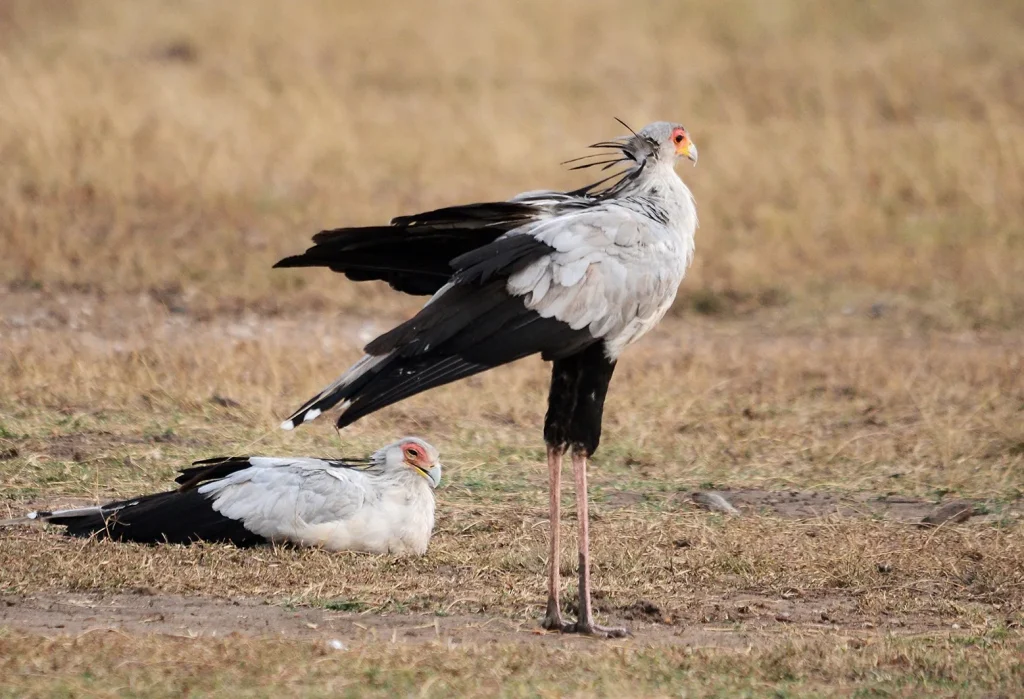
Open grasslands support bustards, secretarybirds, raptors and species associated with grazing landscapes. The Masai Mara and other savannah destinations are particularly attractive for combining birdwatching with large mammal viewing.
Forest Habitats
Kenya’s forests support specialist species that may be difficult to encounter elsewhere. Forest birding often requires patience because birds can remain concealed in dense vegetation.
Dry Northern Landscapes
Northern Kenya supports species adapted to arid and semi-arid conditions. Samburu, Lake Baringo and surrounding habitats are particularly rewarding.
Coastal Habitats
The Kenyan coast includes mangroves, tidal creeks, coral-associated environments and coastal forests. These habitats support shorebirds, forest birds and other distinctive species.
1. Lake Baringo: One of Kenya’s Best Birding Destinations
Lake Baringo birdwatching is among the country’s most rewarding specialist experiences. Located in the northern Rift Valley, the lake is surrounded by a mixture of freshwater habitats, dry woodland, rocky terrain and semi-arid landscapes. This habitat diversity supports a broad range of bird species, and visitors may encounter kingfishers, herons, egrets, cormorants, raptors and numerous dry-country birds. The surrounding woodland and rocky areas provide opportunities to search for additional species beyond the lakeshore.
Why Visit Lake Baringo for Birding?
Lake Baringo is particularly attractive because several contrasting habitats can be explored within a relatively compact area. Early morning birding can be productive around the lake and nearby woodland. Boat excursions may provide opportunities to observe waterbirds, subject to current lake conditions and safety arrangements, and travellers should use experienced local guides who understand the area’s habitats and bird calls.
Best Time to Visit
Birdwatching is possible throughout the year, although rainfall and lake levels can influence access and bird distribution. Travellers should check current conditions before planning boat excursions or remote birding routes.
2. Kakamega Forest: Kenya’s Tropical Forest Birding Destination
Kakamega Forest birding offers a very different experience from the country’s savannah parks. Located in western Kenya, Kakamega is a remnant of the tropical forest ecosystem associated with the wider Guineo-Congolian region, and its forest habitat supports bird species that are uncommon or absent from many other Kenyan destinations.
What Makes Kakamega Special?
Forest birding requires careful listening and patient observation because birds may remain concealed in the canopy or dense undergrowth. A specialist guide can help identify species through calls, movement patterns and preferred habitats, and Kakamega is particularly attractive for experienced birdwatchers interested in forest-associated species.
Best Time to Visit
Birding is possible throughout the year, although rainfall can make trails slippery and early morning is often particularly productive. Visitors should carry waterproof clothing, comfortable walking shoes and binoculars suitable for forest conditions.
3. Lake Nakuru National Park: Waterbirds and Wildlife
Lake Nakuru National Park is one of Kenya’s best-known Rift Valley birding destinations. The park contains a lake, grasslands, woodland and surrounding escarpments that support waterbirds, raptors and other species. Lake Nakuru is historically associated with large flamingo concentrations, but flamingo numbers fluctuate considerably according to lake conditions and food availability, and travellers should not assume that the enormous flocks seen in historical photographs will be present during every visit.
Birding Highlights
Visitors may encounter pelicans, herons, egrets, cormorants and various birds of prey, while woodland habitats provide opportunities to observe additional species. Lake Nakuru also supports rhinos, giraffes, buffalo and other wildlife, making it attractive for combined birding and conventional safari experiences.
4. Lake Naivasha: Freshwater Birds and Rift Valley Scenery
Lake Naivasha birdwatching is particularly attractive for visitors interested in freshwater habitats. The lake supports fish-eating birds, waterbirds and species associated with surrounding woodland, and visitors may observe African fish eagles, kingfishers, herons and other birds. Boat excursions can provide opportunities for close observation when conducted responsibly, although visitors should use reputable operators and maintain appropriate distances from wildlife. Hippos inhabit the lake and can be dangerous, making professional guidance essential.
Combining Lake Naivasha With Other Destinations
Lake Naivasha is conveniently located for itineraries including Nairobi, Lake Nakuru and the Masai Mara. It can also be combined with selected Rift Valley birding sites, and a two-night stay provides time for early morning birdwatching and additional nature activities.
5. Masai Mara National Reserve: Savannah Birds and Raptors
The Masai Mara National Reserve is famous for large mammals, but it is also an excellent birdwatching destination. Its grasslands, riverine woodland and seasonal wetlands support a wide variety of species, and birdwatchers may encounter secretarybirds, bustards, vultures, eagles and other raptors, as well as numerous smaller birds associated with savannah and woodland habitats.
Birding Alongside a Wildlife Safari
The Masai Mara is particularly suitable for travellers who want to combine birdwatching with opportunities to observe lions, elephants, giraffes and other mammals. A knowledgeable guide can identify birds encountered during conventional game drives, and dedicated birdwatchers may prefer private guiding to allow more time for smaller species.
6. Samburu National Reserve: Northern Kenya Birdlife
Samburu National Reserve offers excellent birding in semi-arid landscapes. The reserve contains acacia woodland, dry grassland, rocky habitats and riverine vegetation associated with the Ewaso Ng’iro River; these environments support species that differ from those found in Kenya’s wetter highlands. Birdwatchers may encounter hornbills, raptors, weavers, kingfishers and other dry-country birds, and the Somali ostrich, one of the Samburu Special Five, is a particularly distinctive species.
Why Include Samburu?
Samburu provides opportunities to observe northern Kenya’s characteristic wildlife while exploring bird habitats associated with dry landscapes. It combines naturally with Lewa and Ol Pejeta in a northern Kenya itinerary, and two or three nights provide time for game drives and dedicated birdwatching.
7. Nairobi National Park: Birding Near the Capital
Nairobi National Park is one of Kenya’s most accessible birdwatching destinations. Located immediately beside the capital, it contains grassland, woodland and wetland habitats, and the park supports numerous bird species, including raptors, grassland birds and waterbirds.
Best Time to Visit
Early morning is often particularly productive. The park can be visited as a half-day or full-day excursion and is useful for travellers arriving in Nairobi before continuing to more distant birding destinations. A private guide can help visitors focus on particular habitats or species.
8. Arabuko-Sokoke Forest: Coastal Forest Specialists
Arabuko-Sokoke Forest is one of Kenya’s most important coastal forest habitats. Located near Watamu and Malindi, the forest supports distinctive species associated with the coastal forest ecosystem and is particularly attractive for specialist birdwatchers interested in birds that are difficult to encounter elsewhere in Kenya.
Birding Experience
Forest birding requires patience and careful listening because some species remain concealed in dense vegetation. A knowledgeable local guide can help identify calls and suitable observation areas, and early morning is often preferable because bird activity may be higher and temperatures more comfortable.
Combining Forest and Beach
Arabuko-Sokoke can be combined with a stay in Watamu, allowing travellers to enjoy forest birding, coastal wetlands and beach relaxation during one itinerary.
9. Mida Creek: Shorebirds and Mangrove Habitats
Mida Creek is a tidal creek near Watamu. Its mangrove forests, mudflats and shallow waters support numerous birds, and the creek is particularly attractive for observing shorebirds and species associated with tidal habitats.
Why Tides Matter
Birdwatching conditions change with the tide. At lower water levels, exposed mudflats may provide feeding areas for shorebirds, while at higher tides birds may move to different resting or feeding locations. A local guide can help plan excursions around suitable tidal conditions.
Best Time to Visit
Birdwatching is rewarding throughout the year. Migratory shorebirds may add variety during parts of the year, and travellers should avoid disturbing feeding or roosting birds.
10. Aberdare National Park: Highland Forest Birds
Aberdare National Park offers opportunities to explore Kenya’s highland birdlife. Its habitats include montane forest, moorland and other high-altitude environments, and the park’s cooler climate differs considerably from the lowland savannah.
Birding Conditions
Forest birding can be challenging because vegetation is dense and weather may change quickly; mist and rain can reduce visibility. However, the park offers opportunities to observe species associated with highland habitats, and visitors should carry warm clothing and waterproof equipment.
11. Mount Kenya Region: Highland and Montane Species
The Mount Kenya region supports a variety of bird habitats associated with altitude. Lower slopes contain woodland and forest, while higher elevations support different vegetation communities, and bird species change with altitude and habitat. Travellers interested in montane birds should choose suitable walking routes and guides because weather can change rapidly, particularly at higher elevations. A dedicated birding itinerary should allow flexibility for rain, mist and cooler temperatures.
12. Amboseli National Park: Wetland and Grassland Birds
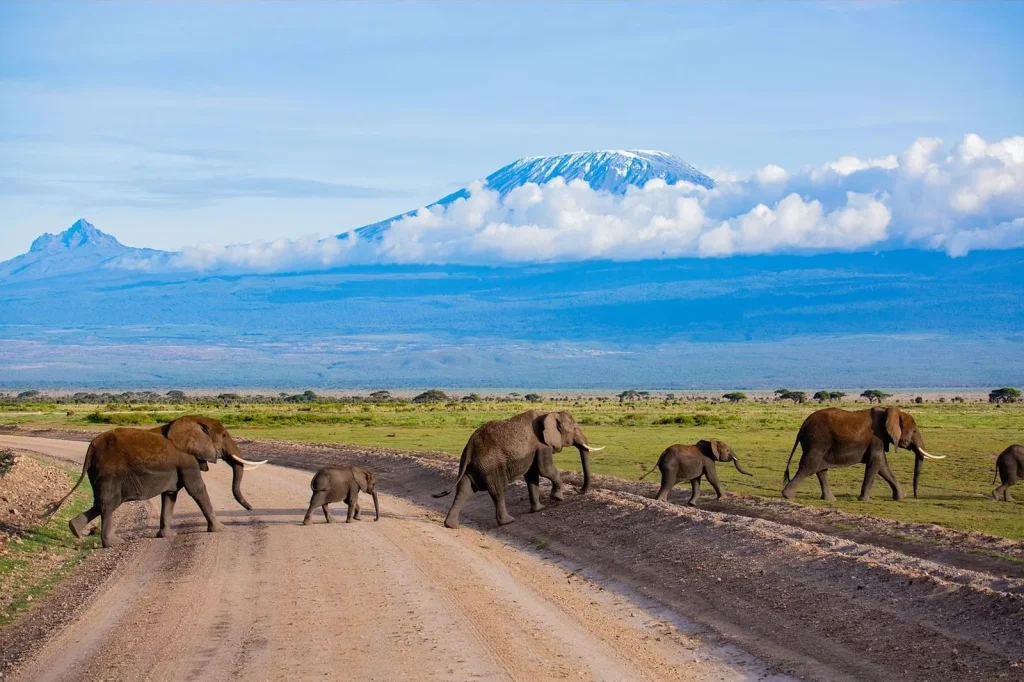
Amboseli National Park is famous for elephants and Mount Kilimanjaro views when conditions allow, but its wetlands also support diverse birdlife. The park contains swamps, grasslands, seasonal lakebeds and acacia woodland, and these habitats attract waterbirds, raptors and species associated with open landscapes.
Birding Highlights
Visitors may observe herons, egrets, pelicans and other wetland-associated birds, while open grasslands provide opportunities to search for additional species. Amboseli is particularly attractive for travellers combining birdwatching with elephant photography.
Flamingos in Kenya: Where to See Them
Flamingos are among Kenya’s most recognisable birds and are associated with several Rift Valley lakes, including Lake Nakuru, Lake Bogoria and other suitable habitats. However, flamingo numbers fluctuate considerably: water chemistry, food availability, lake levels and seasonal conditions influence where large concentrations occur. Travellers should not assume that flamingos will be present in large numbers at a particular lake, and a specialist birding guide can help identify the most promising locations based on current conditions.
Kenya’s Birds of Prey
Kenya is an excellent destination for observing raptors. Its open grasslands, escarpments and woodland habitats support eagles, vultures, falcons and other birds of prey, and the secretarybird is particularly distinctive because it hunts largely on foot in open habitats. Vultures play an important ecological role by consuming carrion, although several vulture species face serious conservation challenges. Birdwatchers interested in raptors should consider the Masai Mara, Samburu and suitable Rift Valley landscapes.
Kingfishers, Bee-Eaters and Hornbills
Kenya supports a remarkable variety of colourful birds. Kingfishers occur around wetlands, rivers and other suitable habitats; bee-eaters are often associated with open woodland and areas where flying insects are abundant; and hornbills occur in several habitats, including woodland and dry landscapes. These birds are particularly attractive for photography because of their distinctive colours, shapes and behaviour, although successful photography requires patience and suitable lighting.
Kenya Endemic and Near-Endemic Birds
Specialist birdwatchers often travel to Kenya in search of species with restricted distributions. Some birds are endemic to Kenya, while others occur in a limited region extending into neighbouring countries, and their habitats may include coastal forest, highland grassland, montane forest or dry northern landscapes. Travellers interested in specific endemic species should plan carefully because many are associated with specialised habitats. A dedicated birding guide can help identify suitable locations and seasonal conditions, and species lists should be checked against current taxonomic references because bird classifications and names can change.
Best Time for Migratory Birds in Kenya
Kenya lies along important migratory routes, and birds from Europe and Asia may spend part of the northern winter in East Africa. The period from approximately October through April can be particularly attractive for observing migratory species, although arrival and departure dates vary by species and weather conditions. Wetlands, grasslands and coastal habitats may all provide important feeding or resting areas, and birdwatchers interested in migration should choose destinations according to their target species.
Birding in Kenya During the Rainy Season
The rainy season can be rewarding for birdwatching. Fresh vegetation and increased insect availability may encourage breeding activity among resident species, and birdsong and territorial behaviour can be particularly noticeable. However, heavy rain may make forest trails muddy and affect road access, photographers should protect equipment from moisture, and travellers should allow flexibility in daily schedules.
Bird Photography in Kenya
Kenya bird photography offers opportunities to capture a wide variety of species in contrasting habitats. A telephoto lens is useful for photographing birds without approaching too closely, and a lightweight camera setup may be preferable during forest walks. Early morning light often provides attractive conditions, although birds can move quickly and photography requires patience.
Photographers should avoid disturbing nests, feeding birds or breeding sites. Playback of bird calls should be used cautiously, if at all, and only where permitted and appropriate.
Essential Equipment for a Kenya Birding Safari
- Binoculars are among the most important items for birdwatching.
- A field guide or reliable bird identification application can also be useful.
- Comfortable walking shoes are essential for forest and wetland excursions.
- Lightweight clothing is suitable for warm regions, while a jacket may be necessary in the highlands.
- A notebook can help record sightings.
- Photographers should carry spare batteries, memory cards and suitable equipment protection.
Why a Specialist Birding Guide Matters
A specialist guide can greatly improve a birdwatching safari. Experienced birding guides understand habitats, calls, seasonal movements and identification features, and they can help distinguish similar species and locate birds that are difficult to observe. A conventional wildlife guide may be knowledgeable about common birds, but dedicated birding often requires additional expertise.
Travellers with specific target species should communicate their interests before booking so the itinerary can include suitable habitats and enough time for patient observation.
How Many Days Do You Need for Birding in Kenya?
- A three-day birding excursion can provide an introduction to one or two habitats.
- Five to seven days allow travellers to explore several destinations.
- Ten to fourteen days are preferable for a more comprehensive birdwatching safari.
A longer itinerary can combine the Rift Valley, western forests, northern Kenya and the coast. However, travellers should avoid trying to visit too many distant locations in a short period, because the most productive birding journeys allow sufficient time in each habitat.
Recommended Seven-Day Kenya Birding Safari
A seven-day itinerary may begin in Nairobi National Park. Travellers can then continue to Lake Naivasha and Lake Nakuru for freshwater and Rift Valley birds, and the journey may include Lake Baringo, where dry-country and wetland habitats provide additional opportunities. This route offers a useful introduction to Kenya’s bird diversity, although travel times should be planned carefully and the itinerary should remain flexible.
Recommended Ten-Day Kenya Birdwatching Safari
A ten-day itinerary can explore several contrasting habitats. The journey may begin in Nairobi before continuing to the Rift Valley, where Lake Naivasha, Lake Nakuru and Lake Baringo provide opportunities for waterbirds and dry-country species. The itinerary can then continue towards Kakamega Forest for tropical forest birding, with additional days allocated to selected habitats according to target species. A specialist guide can help design the most productive route.
Recommended Fourteen-Day Kenya Birding Safari
A fourteen-day itinerary provides greater flexibility. Travellers may explore Nairobi, the Rift Valley, Kakamega Forest, Samburu and selected coastal habitats, although the distances between these regions are substantial. Domestic flights may be useful for reducing travel time, and the itinerary should prioritise target species and habitat diversity rather than attempting to cover every destination.
Combining Birdwatching With a Wildlife Safari
A Kenya birding safari can be combined with conventional wildlife viewing. The Masai Mara offers opportunities to observe large mammals and savannah birds, Amboseli combines elephant viewing with wetland birdlife, Samburu provides distinctive northern Kenya wildlife and dry-country birds, and Lake Nakuru combines rhino conservation with birdwatching. A private safari vehicle offers flexibility for travellers who want to spend additional time identifying birds.
Birding Safari Accommodation Options
Safari Trips to Kenya offers accommodation across four categories. For birdwatchers, location may be more important than luxury, and accommodation close to productive habitats can reduce travel time and allow earlier starts.
- Essential accommodation focuses on practical facilities and affordability.
- Comfort accommodation offers established services and convenient locations.
- Premium accommodation provides additional comfort and personalised services.
- Signature accommodation includes high-end lodges and exclusive properties.
Responsible Birdwatching in Kenya
- Birdwatching should never disturb wildlife.
- Visitors should remain on authorised trails and respect protected-area regulations.
- Nests should not be approached closely.
- Birds should not be fed or deliberately disturbed.
- Photographers should avoid using flash or other techniques that may stress sensitive species.
- Travellers should support local guides and responsible conservation initiatives.
Respectful birdwatching helps protect the habitats that make Kenya such an important destination.
Frequently Asked Questions About Birding in Kenya
Is Kenya Good for Birdwatching?
Yes. Kenya supports more than 1,100 recorded bird species across a wide range of habitats.
What Is the Best Time for Birding in Kenya?
Birdwatching is rewarding throughout the year. October through April can be particularly attractive for migratory species, while the dry months are convenient for travel.
Where Is the Best Place for Birding in Kenya?
Lake Baringo, Kakamega Forest, Lake Nakuru, Lake Naivasha, Samburu and Arabuko-Sokoke Forest are among the country’s outstanding birding destinations.
Can You See Flamingos in Kenya?
Yes. Flamingos occur at suitable Rift Valley lakes, but numbers vary according to environmental conditions.
Is Birdwatching Possible During a Big Five Safari?
Yes. Many wildlife parks support diverse birdlife, and a knowledgeable guide can combine birdwatching with conventional game drives.
How Many Days Are Recommended for a Birding Safari?
Seven to ten days provide a useful introduction. Fourteen days or longer allow exploration of more habitats.
Do You Need a Specialist Birding Guide?
A specialist guide is particularly valuable for experienced birdwatchers and travellers seeking specific species.
Can Kenya Birding Be Combined With a Beach Holiday?
Yes. Watamu and the wider Kenyan coast offer opportunities for coastal forest birding, shorebirds and marine-related nature experiences.
Plan Your Kenya Birding Safari With Safari Trips to Kenya
Birding in Kenya offers an opportunity to explore the country’s natural diversity beyond its famous large mammals. From Lake Baringo’s dry-country birds and Kakamega Forest’s specialist species to the wetlands of Lake Nakuru and the coastal habitats around Watamu, Kenya provides an exceptional range of birdwatching experiences.
Safari Trips to Kenya can arrange private Kenya birding safaris, specialist-guided itineraries and combined wildlife-and-birdwatching holidays. Share your travel dates, number of travellers, target species and preferred accommodation category to receive a tailored birding safari proposal. A successful birdwatching journey combines suitable habitats, experienced guiding and enough time to appreciate the remarkable variety of birds found across Kenya.